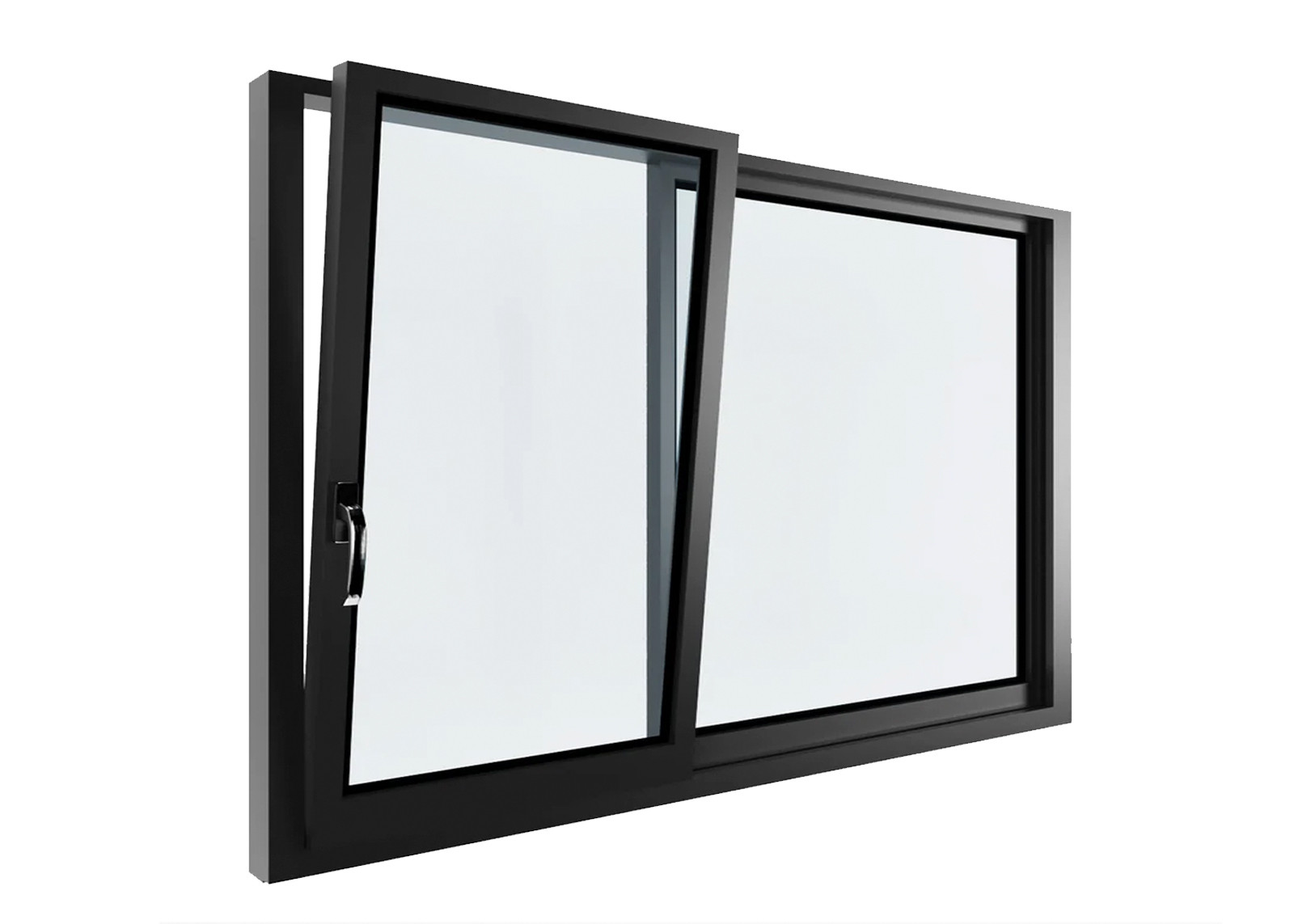
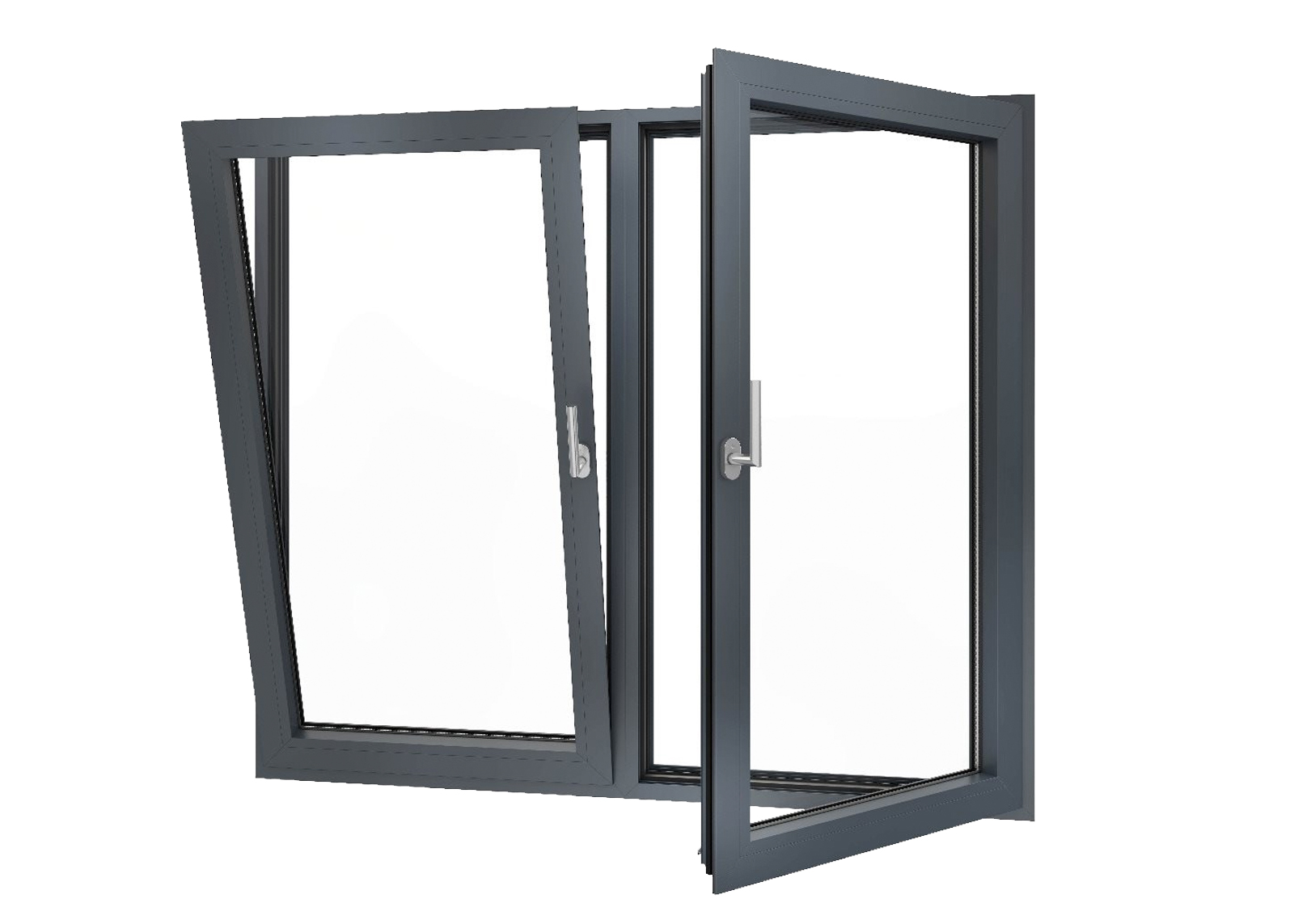
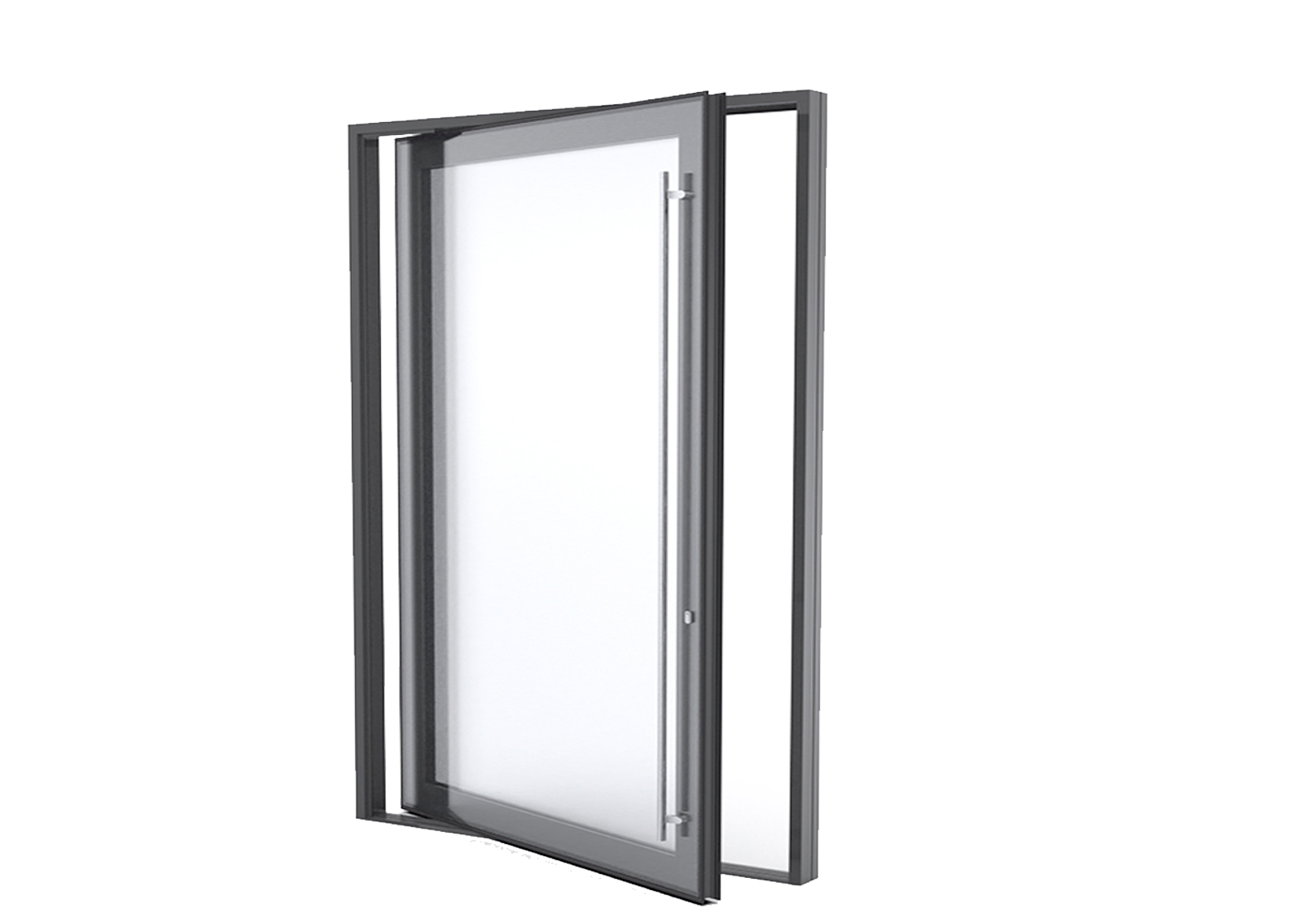
Updated: July 2026 — When planning a window replacement or new build, one of the most critical decisions is choosing between double glazing and single glazing. This in-depth guide examines every aspect of the double glazing vs single glazing debate — from U-values and energy savings to soundproofing, condensation resistance, installation costs, and long-term return on investment — so you can make a fully informed decision for your home or project.
What Is Double Glazing?
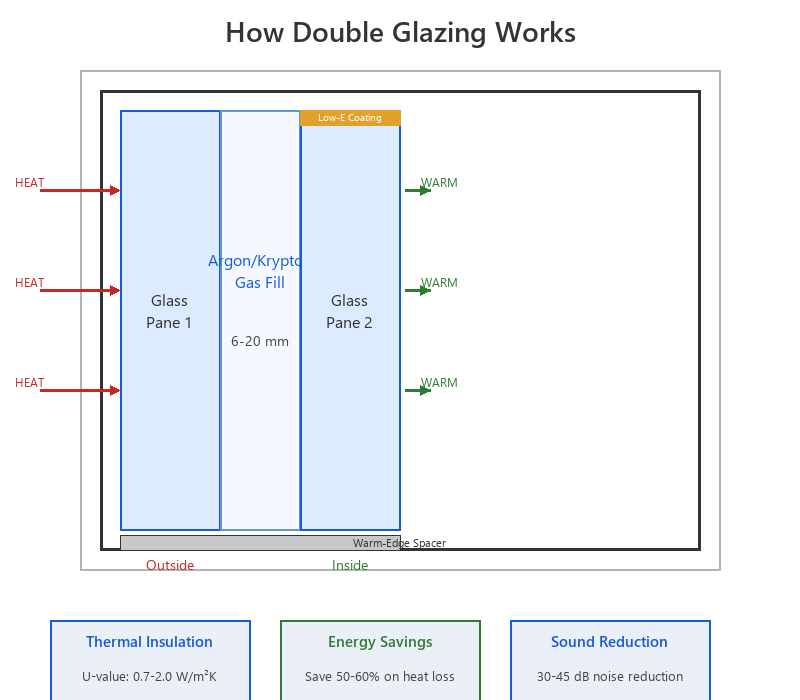
Double glazing (also called double glazed windows or insulated glass units) is a window construction method that uses two panes of glass separated by a spacer bar and sealed as a single hermetically sealed unit. The space between the panes — typically 6 mm to 20 mm wide — is filled with an insulating gas such as argon, krypton, or xenon, all of which have significantly lower thermal conductivity than plain air.
The combination of two glass layers plus the gas-filled cavity creates a powerful thermal barrier. Heat transfer is reduced through three mechanisms:
- Conduction — The gas layer conducts far less heat than solid glass or still air.
- Convection — The sealed cavity minimizes internal air circulation that would carry heat across the gap.
- Radiation — Low-E (low-emissivity) coatings applied to the glass surfaces reflect radiant heat back into the room while allowing sunlight to pass through.
Modern double glazed units also feature warm-edge spacer bars made from materials like stainless steel or thermoplastic, which reduce heat loss at the edges and minimize condensation risk.
What Is Single Glazing?
Single glazing is the traditional window style consisting of a single pane of glass mounted in a frame. While it remains the cheapest option at the point of purchase, single glazing offers the lowest thermal performance of any window type available today.
With a typical U-value between 4.5 and 5.8 W/m2K, a single glazed window loses heat approximately three to four times faster than a standard double glazed unit. In cold weather, the inner surface of a single pane becomes very cold, leading to:
- Severe condensation — Moisture in warm indoor air condenses on the cold glass surface, leading to mold growth and window frame damage.
- Cold drafts — The cold glass creates convection currents that make rooms feel drafty even when sealed.
- Poor sound insulation — A single pane of glass offers minimal resistance to external noise.
Single glazing is still found in many older buildings and heritage properties worldwide. However, most modern building codes — including UK Building Regulations Part L, Australian Standard AS2047, and US IECC codes — now require minimum thermal performance levels that single glazing simply cannot meet for habitable rooms.
Double Glazing vs Single Glazing: Side-by-Side Comparison
Here is a detailed comparison of the key performance metrics for double glazing vs single glazing:
| Performance Metric | Double Glazing | Single Glazing |
|---|
| U-Value (W/m2K) | 1.2 – 2.0 (up to 0.7 with Low-E + argon) | 4.5 – 5.8 |
| Heat Loss Reduction | 50–60% less than single glazing | Baseline |
| Sound Reduction (dB) | 30–45 dB | 20–25 dB |
| Condensation Resistance | High (inner pane stays warmer) | Very Low (cold inner surface) |
| Security | Two panes = harder to break through | Single pane = easier to breach |
| UV Protection | Coating blocks up to 99% of UV rays | Minimal protection |
| Upfront Cost per m2 | $150 – $500 | $50 – $150 |
| Annual Energy Savings | 20–35% on heating/cooling costs | None |
| Lifespan | 20–35 years | 10–20 years (higher failure rate) |
| Property Value Increase | Yes — typically 5–10% | No |
Key Statistic: According to the U.S. Department of Energy, windows account for 25%–30% of residential heating and cooling energy use. Upgrading from single to double glazing is one of the single most effective energy efficiency improvements you can make to an existing home — often paying for itself within 3 to 8 years through reduced utility bills alone.
Energy Efficiency: Understanding U-Values and R-Values
When researching double glazing vs single glazing energy efficiency, you will encounter two key measurements: U-value and R-value. While R-value is commonly used for wall insulation, U-value is the standard metric for windows.
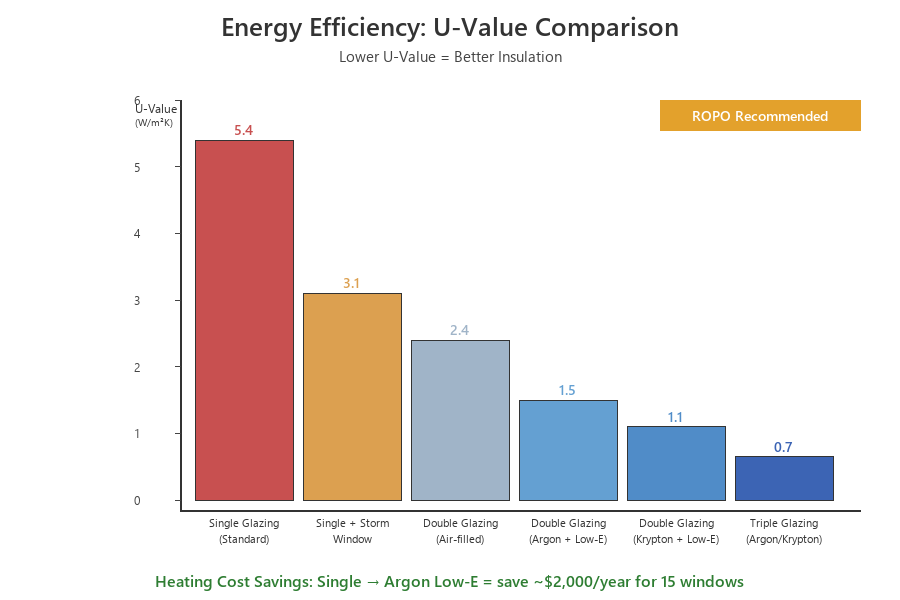
The U-value measures the rate of heat transfer through a window — a lower U-value means better insulation. Here is how different window configurations compare:
| Window Type | Typical U-Value (W/m2K) | Annual Heating Cost per Window (approx) |
|---|
| Single glazing (standard) | 5.0 – 5.8 | $180 – $250 |
| Single glazing + storm window | 2.8 – 3.5 | $100 – $140 |
| Double glazing (air-filled, standard) | 2.0 – 2.8 | $70 – $100 |
| Double glazing (argon-filled, Low-E) | 1.2 – 1.8 | $40 – $65 |
| Double glazing (krypton-filled, Low-E) | 0.9 – 1.3 | $30 – $50 |
| Triple glazing (argon/krypton, Low-E) | 0.5 – 0.8 | $20 – $35 |
For a typical home with 15 windows, switching from single glazing to argon-filled double glazing with Low-E coating can save $1,500 to $2,800 per year in heating and cooling costs, depending on your local climate and energy prices.
Soundproofing: Double Glazing vs Single Glazing
Double glazing vs single glazing soundproof performance is a major consideration for homes in noisy environments. The physics is straightforward: sound waves lose energy each time they pass through a different density medium. In a double glazed unit, sound must travel through:
- The outer pane of glass
- The gas-filled cavity (which dissipates acoustic energy)
- The inner pane of glass
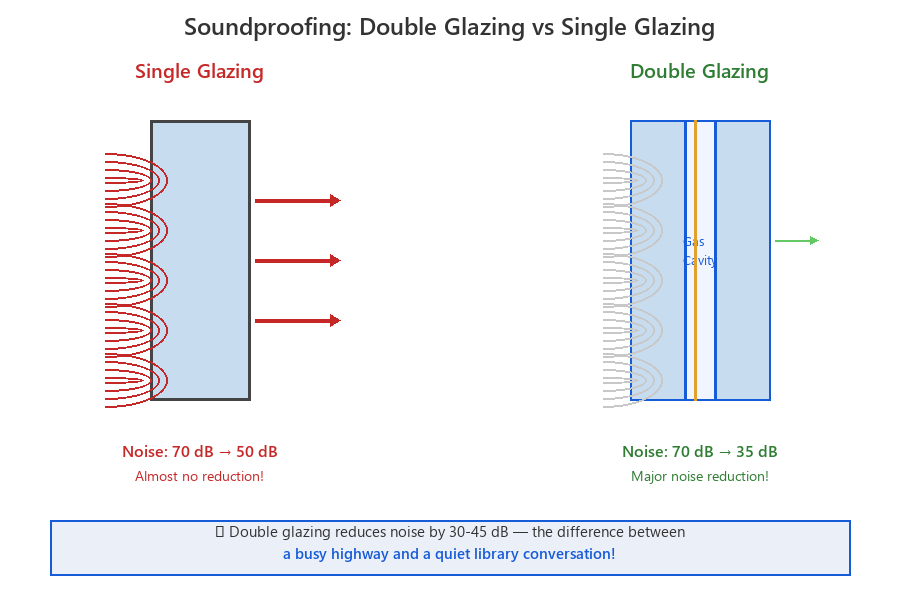
This layered approach reduces noise by 30 to 45 decibels, compared to just 20 to 25 dB for single glazing. To put this in real-world terms:
- A busy road at 70 dB sounds like light traffic at 40 dB through double glazing
- A nearby airport at 80 dB sounds like normal conversation at 45 dB through double glazing
- With single glazing, the same 70 dB noise would still register at 50 dB — equivalent to a normal conversation indoors
For homes near highways, airports, railway lines, schools, or busy urban streets, upgrading to double glazing can dramatically improve sleep quality, concentration, and overall quality of life.
Condensation Resistance: A Crucial Difference
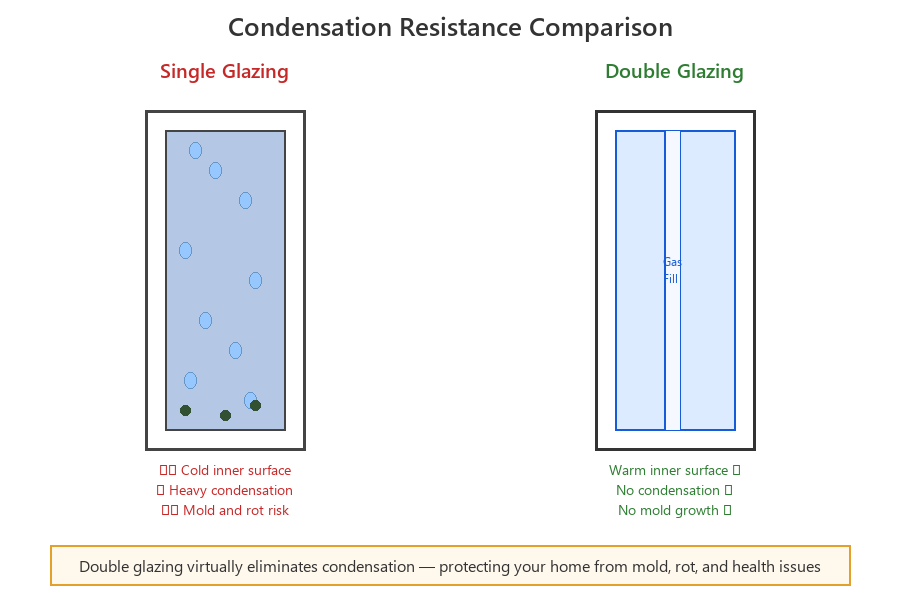
One often overlooked aspect of the double glazing vs single glazing comparison is condensation. Single glazing is notorious for condensation issues because the inner surface temperature of a single pane drops well below the dew point of indoor air in cold weather.
Double glazing keeps the inner pane significantly warmer thanks to the insulating gas layer. With warm-edge spacer bars and Low-E coatings, modern double glazed units virtually eliminate interior surface condensation. This not only improves comfort and visibility but also prevents:
- Black mold growth around window frames
- Rotting timber frames from moisture damage
- Staining of walls and curtains below windows
- Respiratory health issues from mold spores
Climate Considerations: Which Window Type for Which Region?
The choice between double glazing and single glazing is heavily influenced by your local climate. Here is a climate-based recommendation guide:
| Climate Zone | Recommended Glazing | Additional Features |
|---|
| Cold / Continental (Canada, Scandinavia, Northern US, Russia) | Double or Triple Glazing | Low-E coating, argon/krypton gas, warm-edge spacers, thermally broken frames |
| Temperate / Maritime (UK, Ireland, New Zealand, coastal Pacific NW) | Double Glazing | Low-E coating, argon gas fill, good frame insulation |
| Hot Summer / Cold Winter (Northeast US, central Europe, Northern China, Japan) | Double Glazing | Low-E coating (solar control type), argon gas, solar heat gain coefficient tailored to orientation |
| Hot / Arid (Middle East, Australia outback, US Southwest) | Double Glazing | Solar control Low-E, tinted glass, reflective coatings, thermally broken aluminum frames |
| Tropical / Humid (Southeast Asia, Florida, Caribbean) | Double Glazing (or high-performance single for mild areas) | Impact-resistant glazing for hurricane zones, solar control coating |
Even in mild tropical climates where temperature differences are smaller, double glazing still offers significant benefits in noise reduction, security, and condensation resistance that make it a worthwhile investment for most homeowners.
Double Glazing vs Triple Glazing: When to Upgrade Further
Some homeowners considering double glazing vs single glazing also wonder whether triple glazing might be an even better choice. Triple glazing adds a third pane of glass and a second gas cavity, achieving U-values as low as 0.5 W/m2K. However, it comes with trade-offs:
Triple Glazing Advantages
- Best thermal performance available
- Excellent for extreme cold climates
- Slightly better soundproofing
- Maximum energy savings in severe conditions
Triple Glazing Disadvantages
- 20–40% more expensive than double glazing
- Significantly heavier — requires stronger frames
- Reduced solar heat gain (less passive heating)
- Longer payback period (typically 15–25 years)
For the majority of homeowners, especially in temperate climates, high-quality double glazing with Low-E coating and argon gas fill delivers 90% of the performance benefit at 60–70% of the cost of triple glazing. Triple glazing is best reserved for extremely cold climates (average winter temperatures below -15°C), passive house (Passivhaus) construction, or homes where noise from aircraft or railways is extremely severe.
Installation Considerations: Getting It Right Matters
Even the best windows will underperform if installed incorrectly. When upgrading from single glazing to double glazing, proper installation is critical to achieving the full performance benefits:
- Correct sizing — Double glazed units are thicker and heavier than single panes. Frames must be selected or adapted to accommodate the extra weight.
- Weather sealing — Proper sealing around the frame prevents air leakage, which can negate up to 30% of the thermal benefit.
- Slope sills — Ensure external sills are sloped away from the building to prevent water pooling and ingress.
- Ventilation consideration — Double glazing makes homes more airtight. Ensure adequate ventilation (trickle vents or mechanical systems) to maintain indoor air quality.
Why Choose ROPO Windows for Your Double Glazing Project?
ROPO Windows is a leading manufacturer of high-performance double glazed windows and doors, serving clients worldwide since 2005. Here is why thousands of homeowners, architects, and builders choose ROPO:
- Factory-Direct Manufacturing — By dealing directly with the factory in China, you eliminate distributor markups and save 30–50% compared to local brands.
- Fully Custom Windows — Every window is made to your specifications: size, color (RAL or anodized), glass type (Low-E, laminated, tempered, acoustic), hardware, and frame profile.
- International Compliance — Our products meet or exceed AS2047 (Australia), British Standards (UK), AAMA/WDMA (USA), and EU construction standards.
- Wide Range of Materials — We manufacture double glazed windows in aluminum (standard and thermally broken), uPVC, and aluminum-clad timber to suit any architectural style.
- Proven Track Record — Over 5,000 completed projects across the USA, UK, Australia, Canada, UAE, Singapore, and 45+ other countries.
- End-to-End Support — From initial consultation and CAD drawings to shipping and after-sales support, our team guides you through every step.
📞 Ready to upgrade? Browse our full range of double glazed windows and doors, explore our window guides, or contact our team for a free quote and technical consultation.
Frequently Asked Questions About Double Glazing
Is double glazing worth the extra cost compared to single glazing?
Yes. Despite the higher upfront cost, double glazing pays for itself through energy savings within 3–8 years, then continues saving you money for decades. It also adds 5–10% to your property value, reduces noise, eliminates condensation, and improves comfort — making it one of the best investments you can make in your home.
Can I install double glazing in an old house with existing single glazing?
Absolutely. Many older homes are ideal candidates for double glazing retrofits. Depending on your existing frames, you have several options: replacement with new double glazed units in new frames, slim-profile double glazed units that fit into existing traditional frames, or secondary glazing (an additional pane fitted inside the existing window). Heritage-listed buildings may have restrictions, but modern slim double glazing can often be installed while preserving the original appearance.
How long do double glazed windows last?
High-quality double glazed windows typically last 20 to 35 years with proper maintenance. The sealed glazing unit itself may last 15–25 years before the gas seal eventually fails and condensation appears between the panes. However, the frame (particularly aluminum or quality uPVC) often lasts much longer, and only the sealed unit needs replacing. ROPO Windows offers a 10-year warranty on all double glazed units as standard.
Does double glazing reduce outside noise significantly?
Yes. Double glazing reduces noise by 30–45 dB compared to 20–25 dB for single glazing. This is a substantial difference that can transform a noisy home environment. For even better acoustic performance, options include laminated acoustic glass (which adds a sound-dampening PVB layer), asymmetric glass thicknesses (different thickness on each pane to disrupt resonance), and wider gas cavities.
Will double glazing help keep my home cool in summer?
Yes! Double glazing is not just for winter. In summer, the combination of double panes, gas fill, and Low-E coatings reduces solar heat gain by up to 70% compared to single glazing. For hot climates, solar control Low-E glass is specifically designed to block infrared heat from the sun while allowing visible light through, keeping your home cooler and reducing air conditioning costs.
Final Verdict: Double Glazing or Single Glazing?
After examining all the evidence across energy efficiency, cost, comfort, noise reduction, condensation, security, and climate suitability, the conclusion is clear for most homeowners:
- Choose double glazing for any new build, major renovation, or window replacement project. The performance benefits are dramatic and the long-term financial returns are excellent.
- Consider single glazing only for non-habitable spaces (sheds, greenhouses, garages) or temporary structures where budget is the absolute only consideration.
- For heritage buildings, explore slim-profile double glazing options that maintain the original aesthetic while delivering modern performance.
Ready to make the switch? The team at ROPO Windows is ready to help you find the perfect double glazing solution for your project. With factory-direct pricing, full customization, and global shipping, we make it easy to upgrade your home or building with world-class windows.
⬇ Get your free double glazing quote today →
Guide: Double Glazing vs Single Glazing | More window guides →