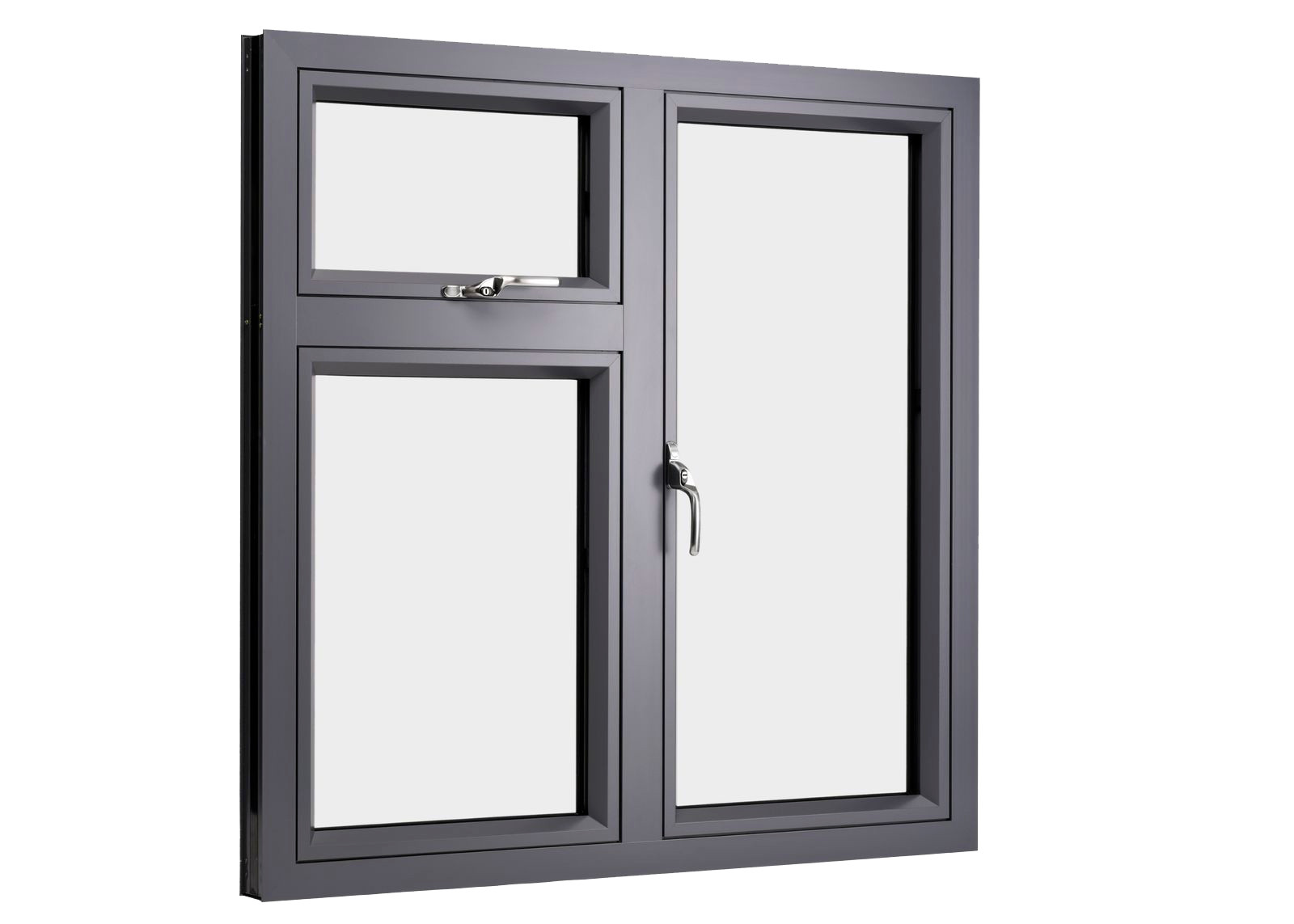
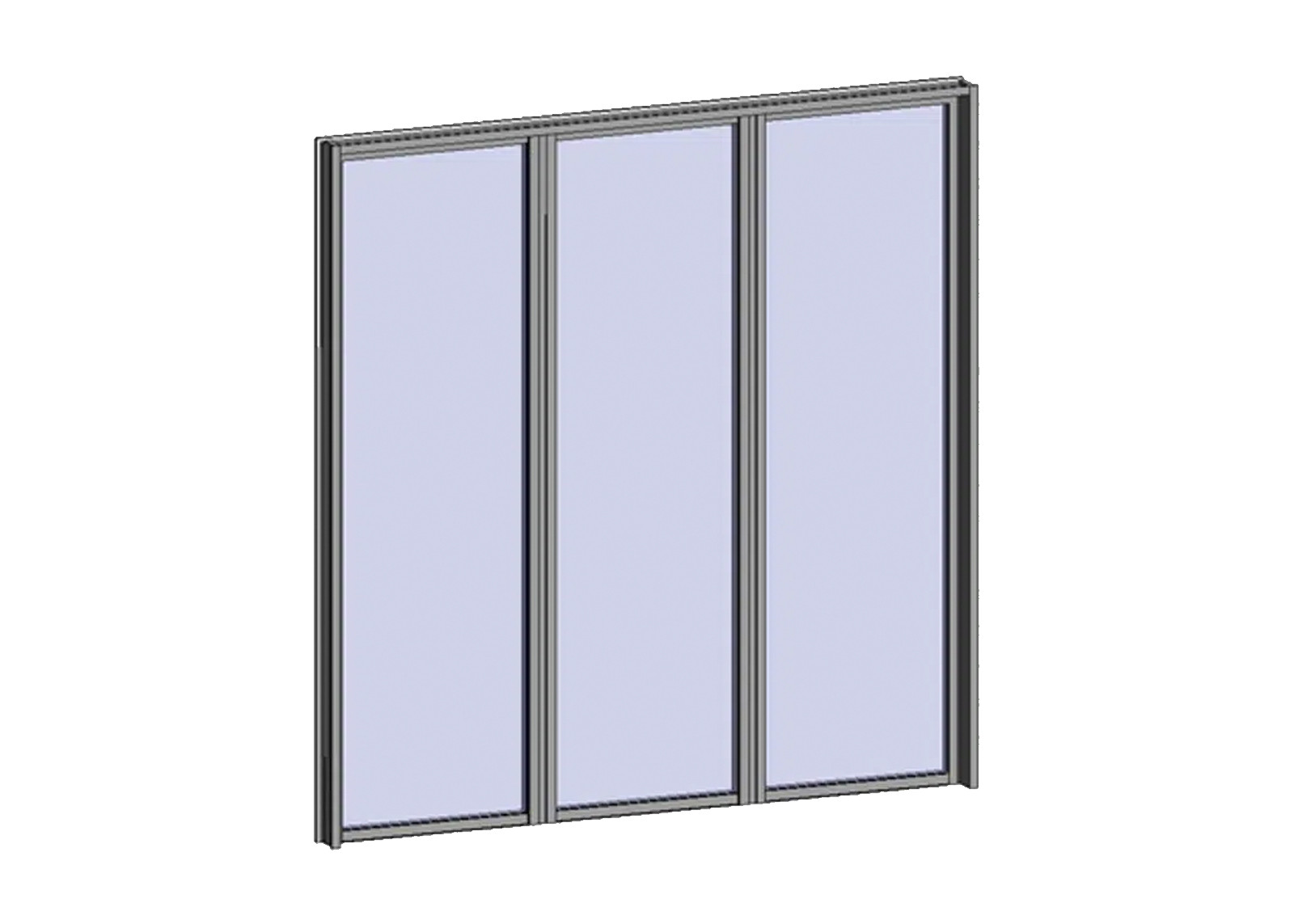



01 · DRAWING-LED
Made to the schedule
Opening direction, dimensions, glass, hardware and performance coordinated before production.

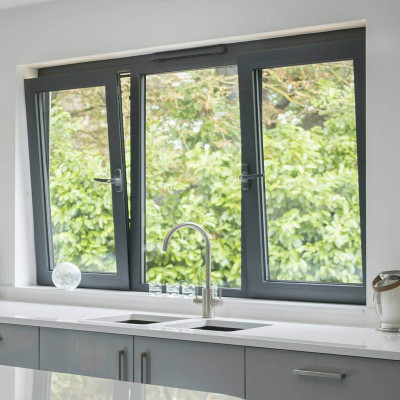
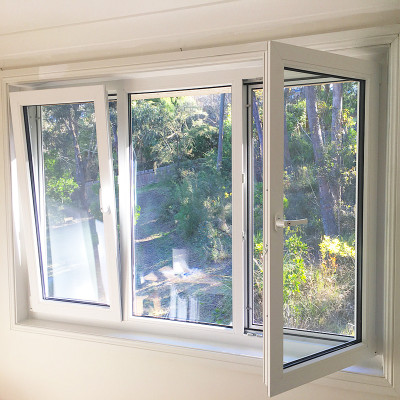
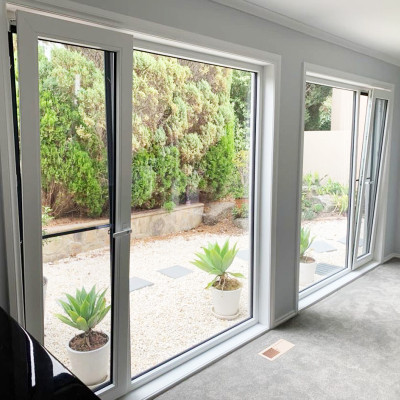
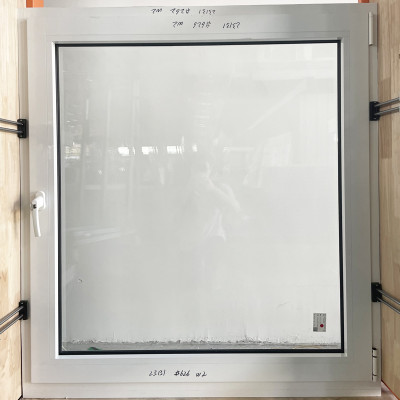
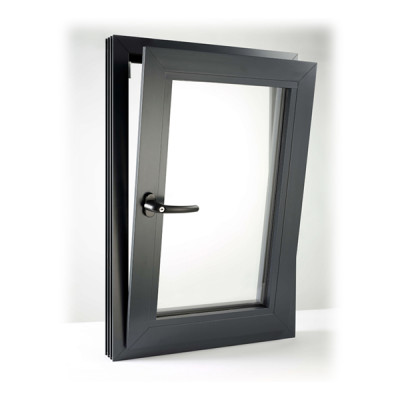
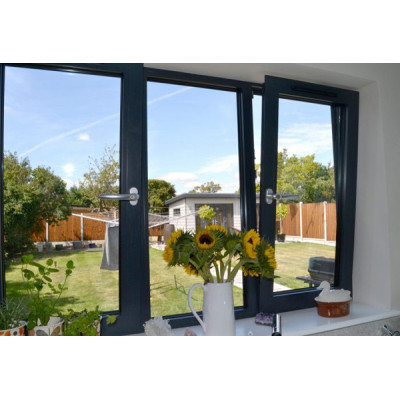
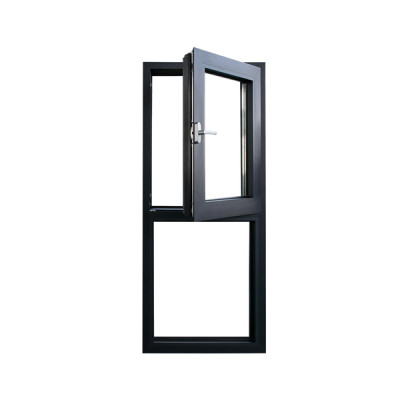
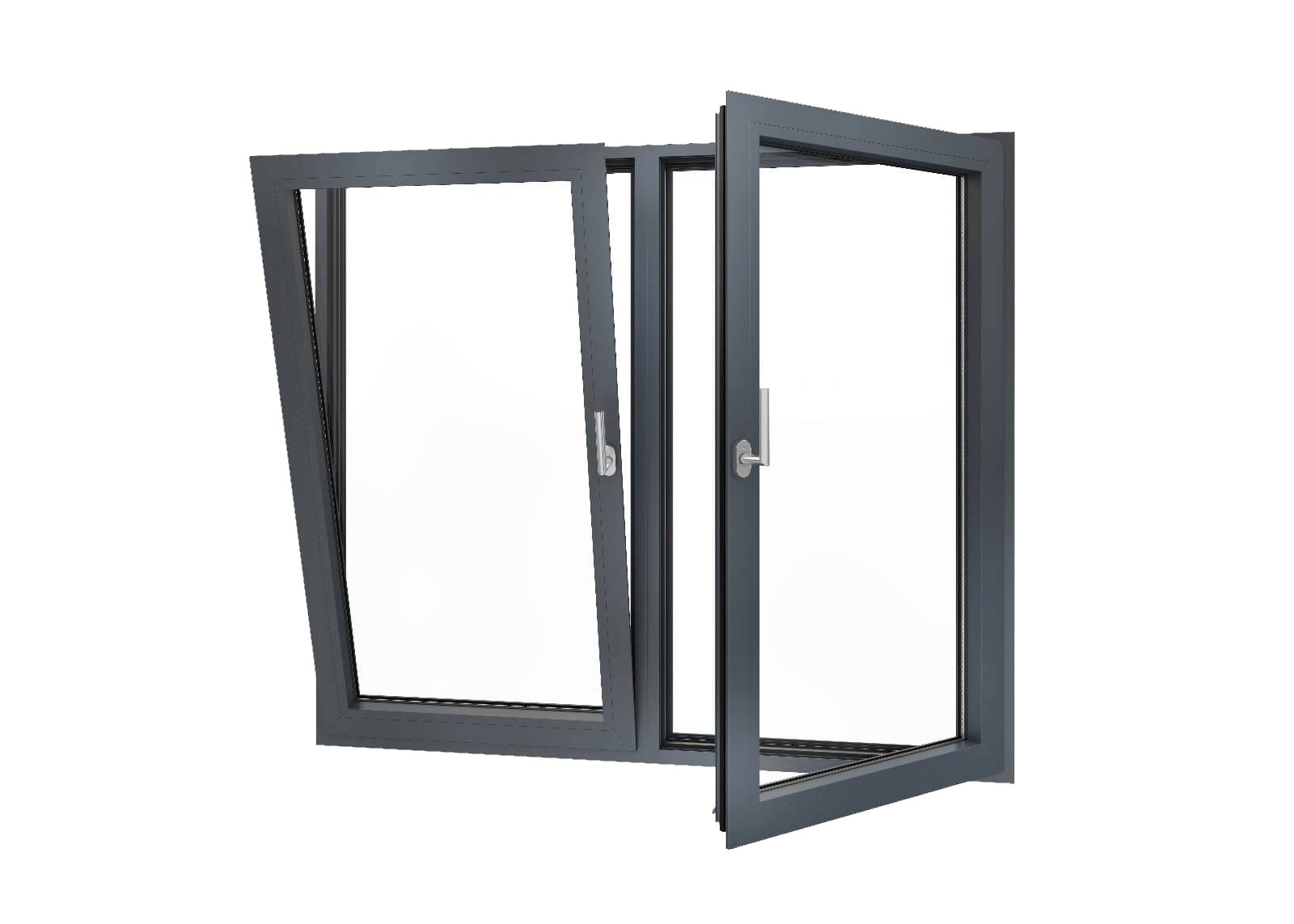
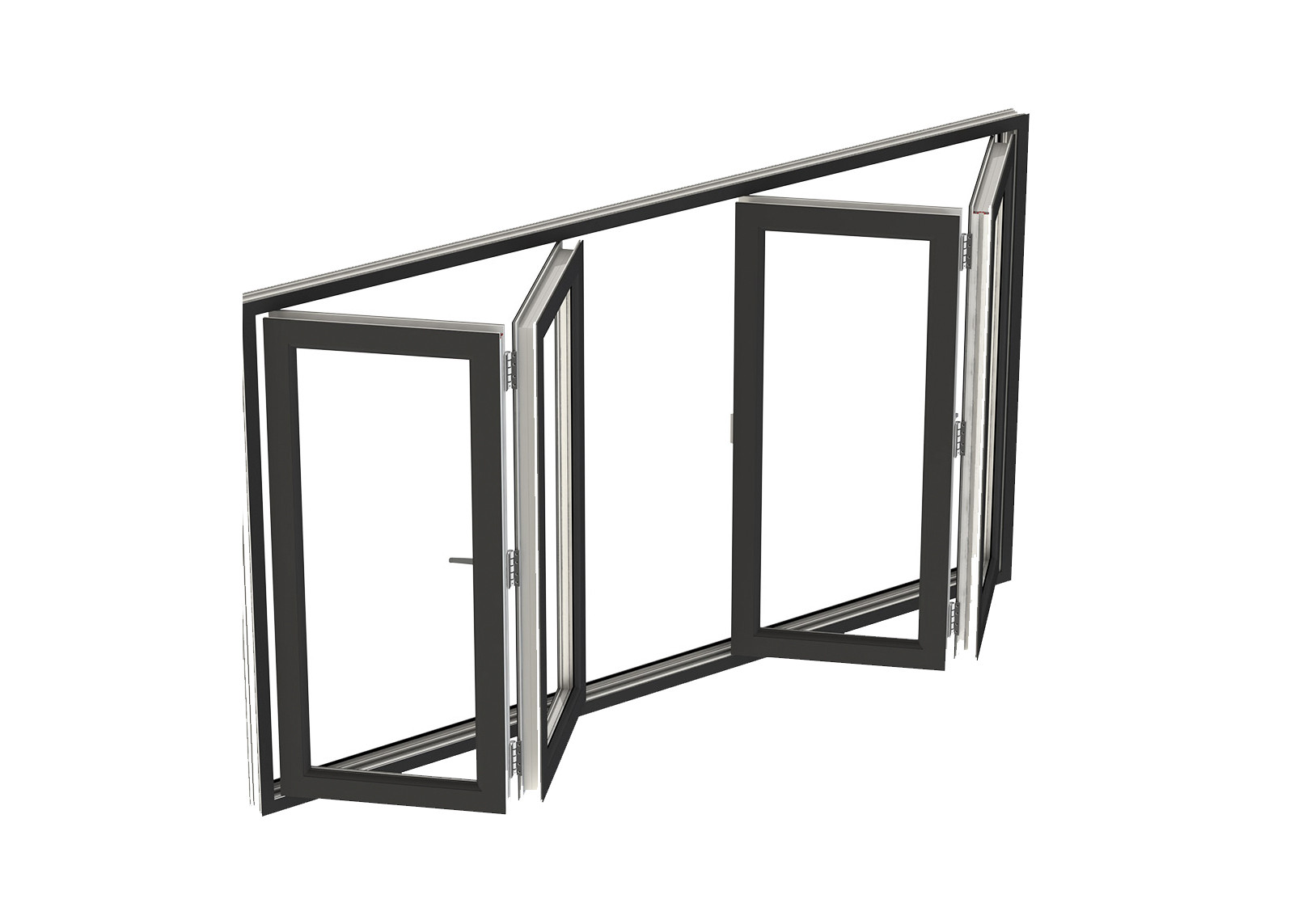
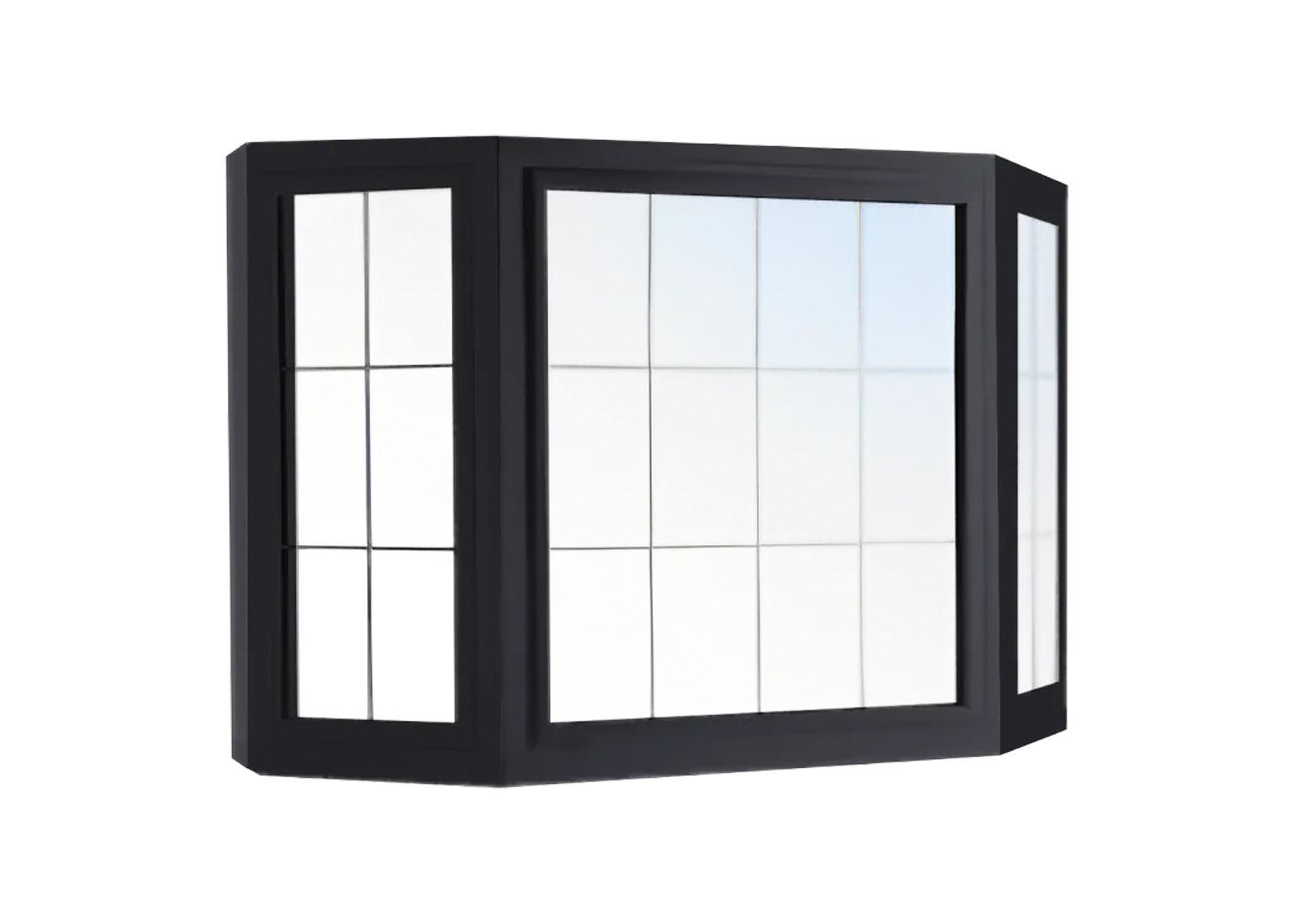
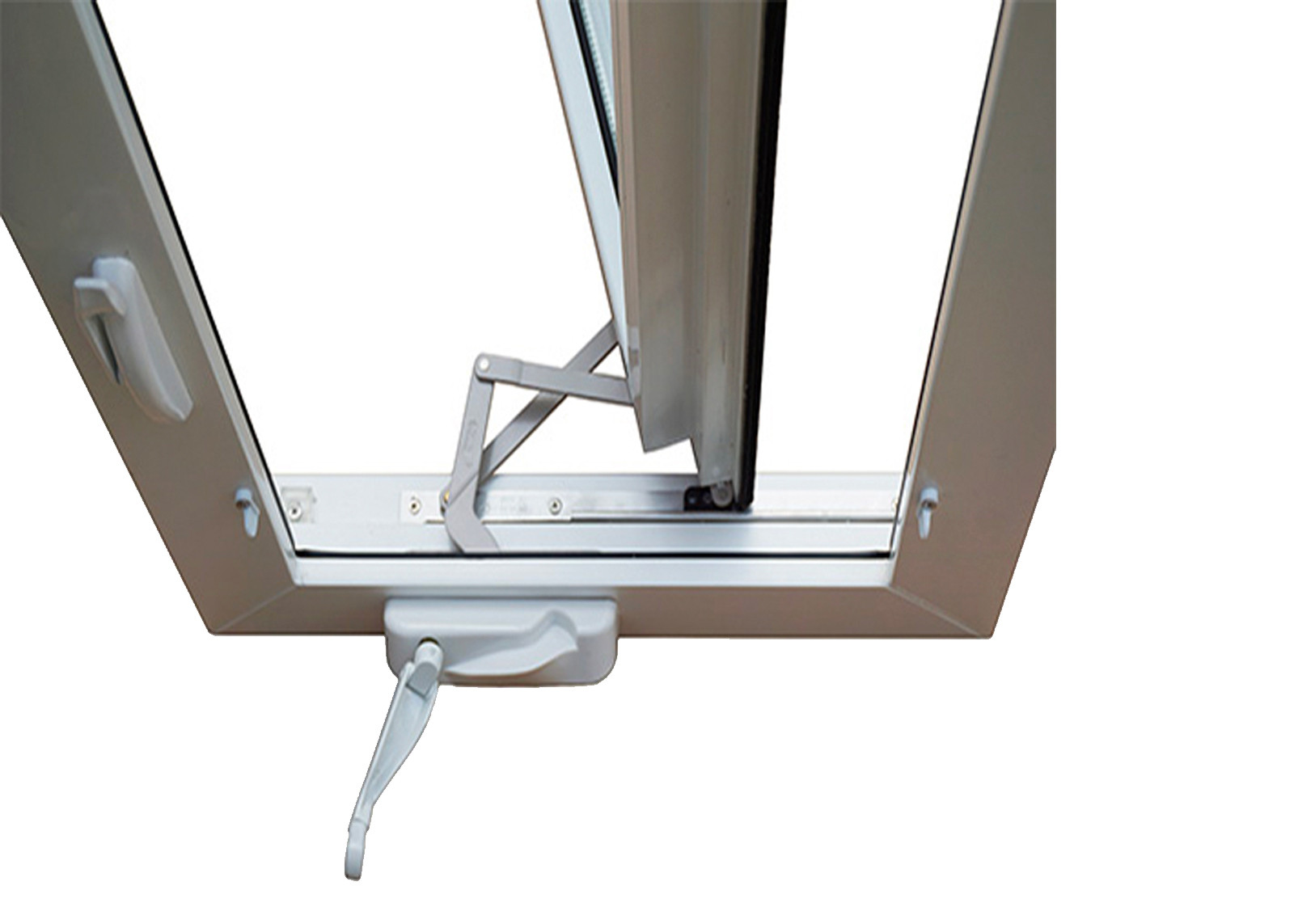
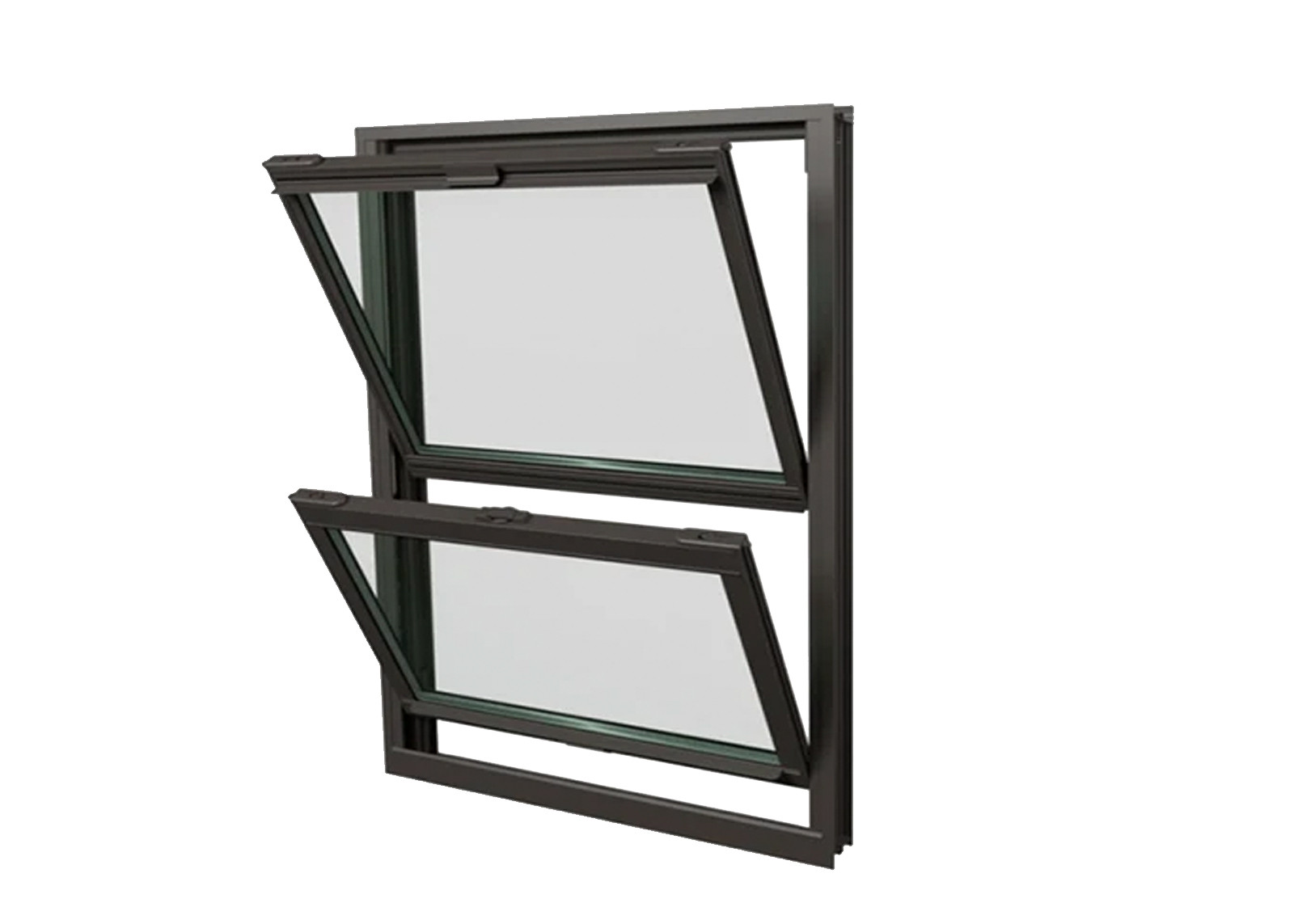
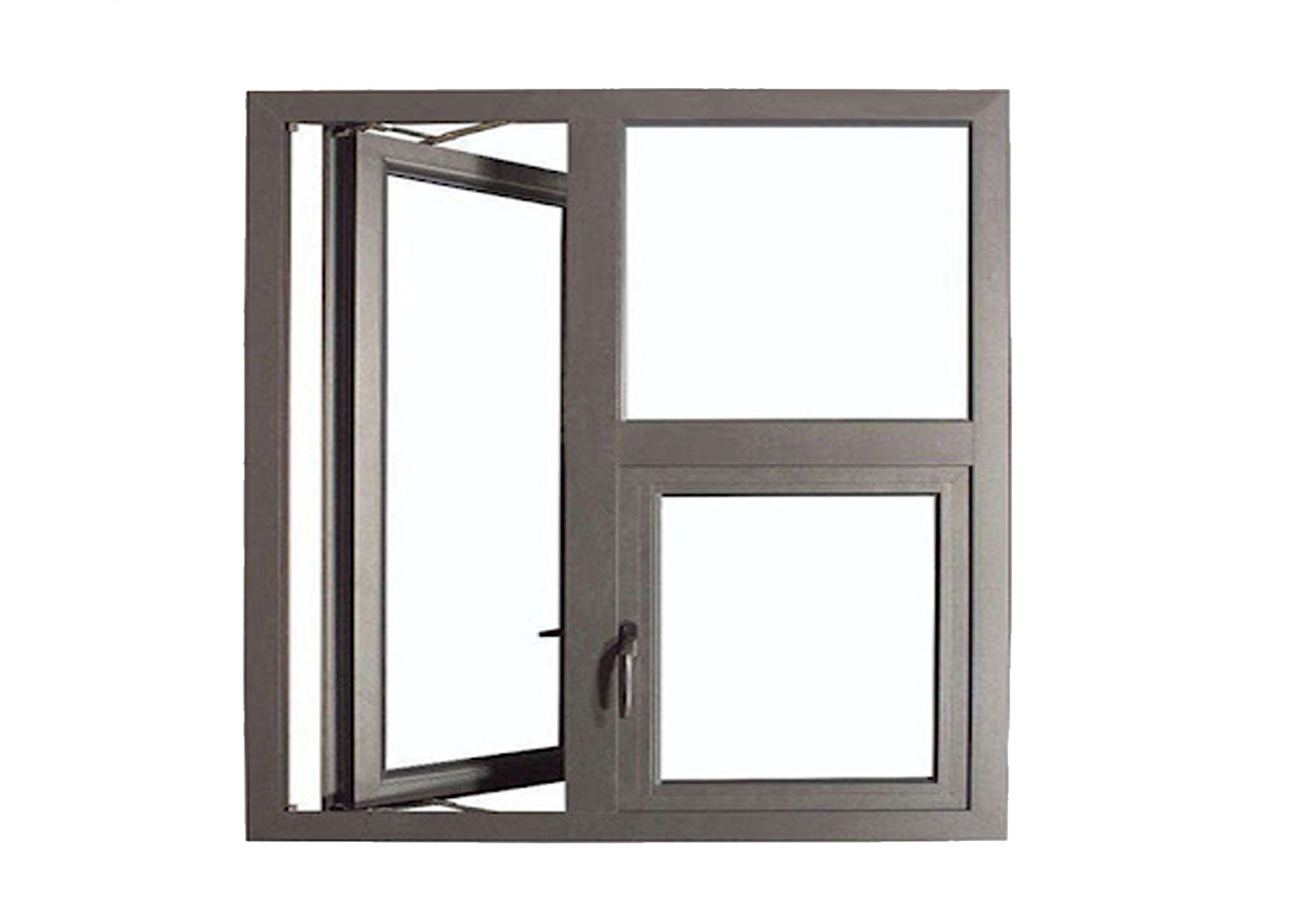
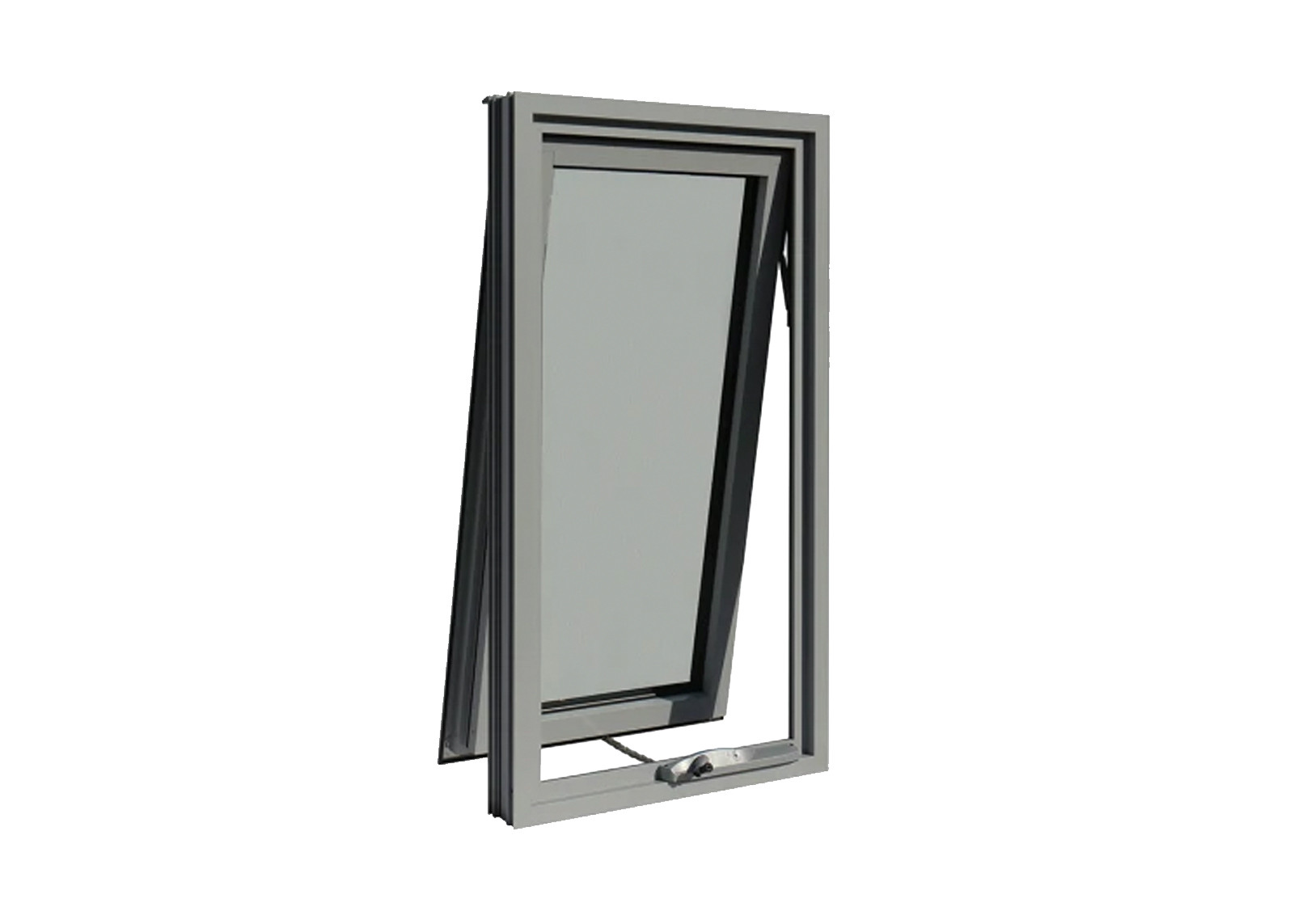
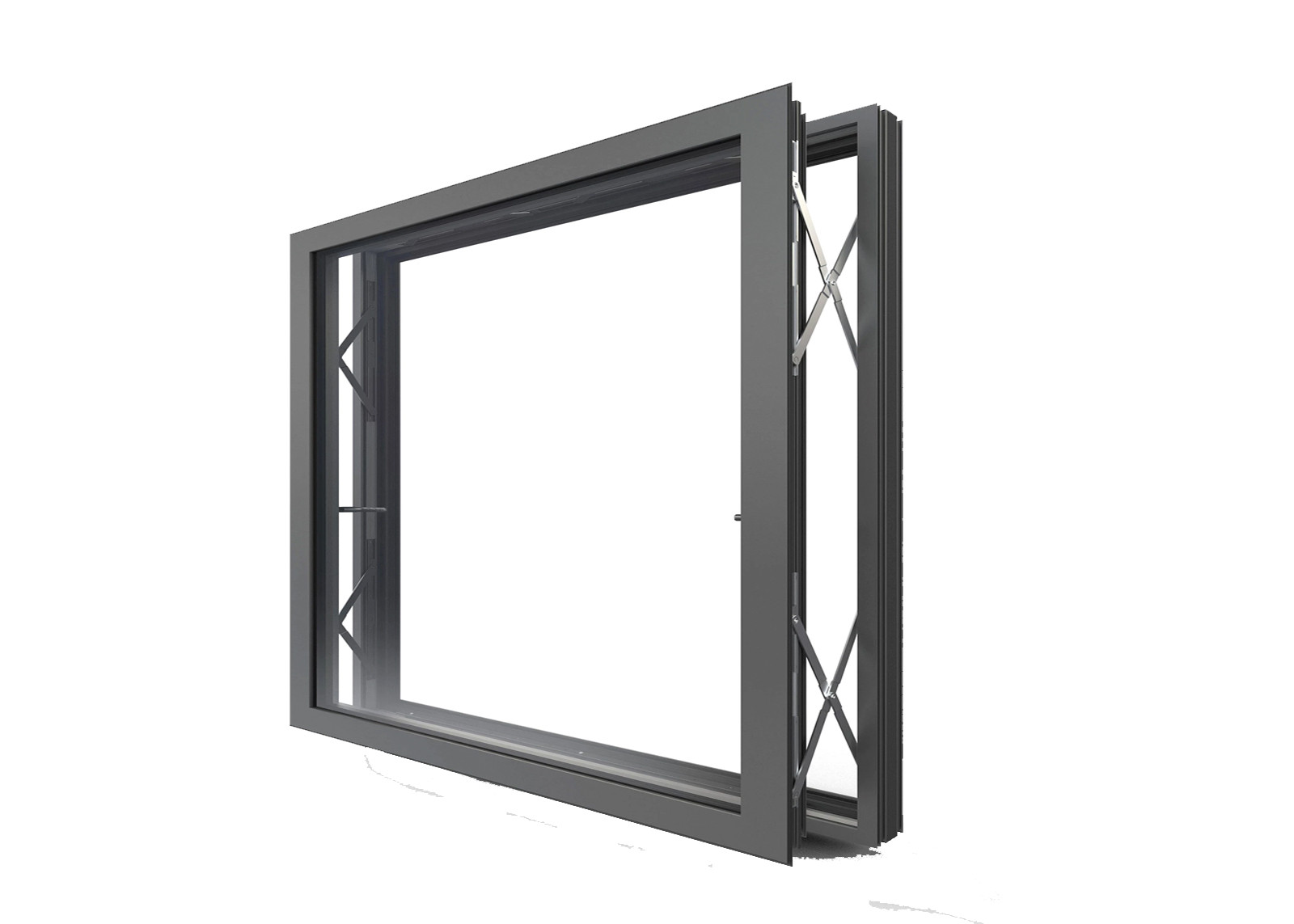
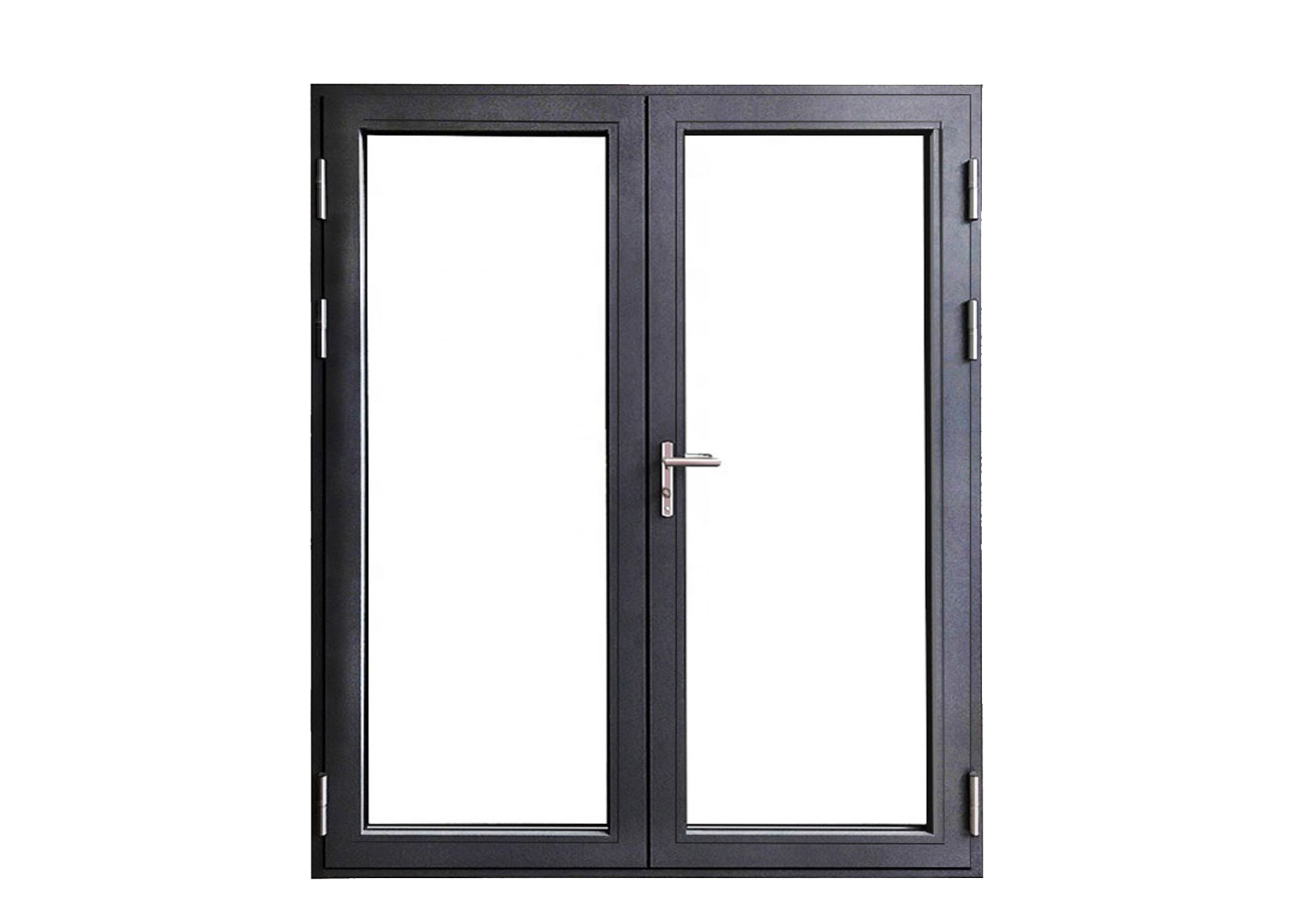
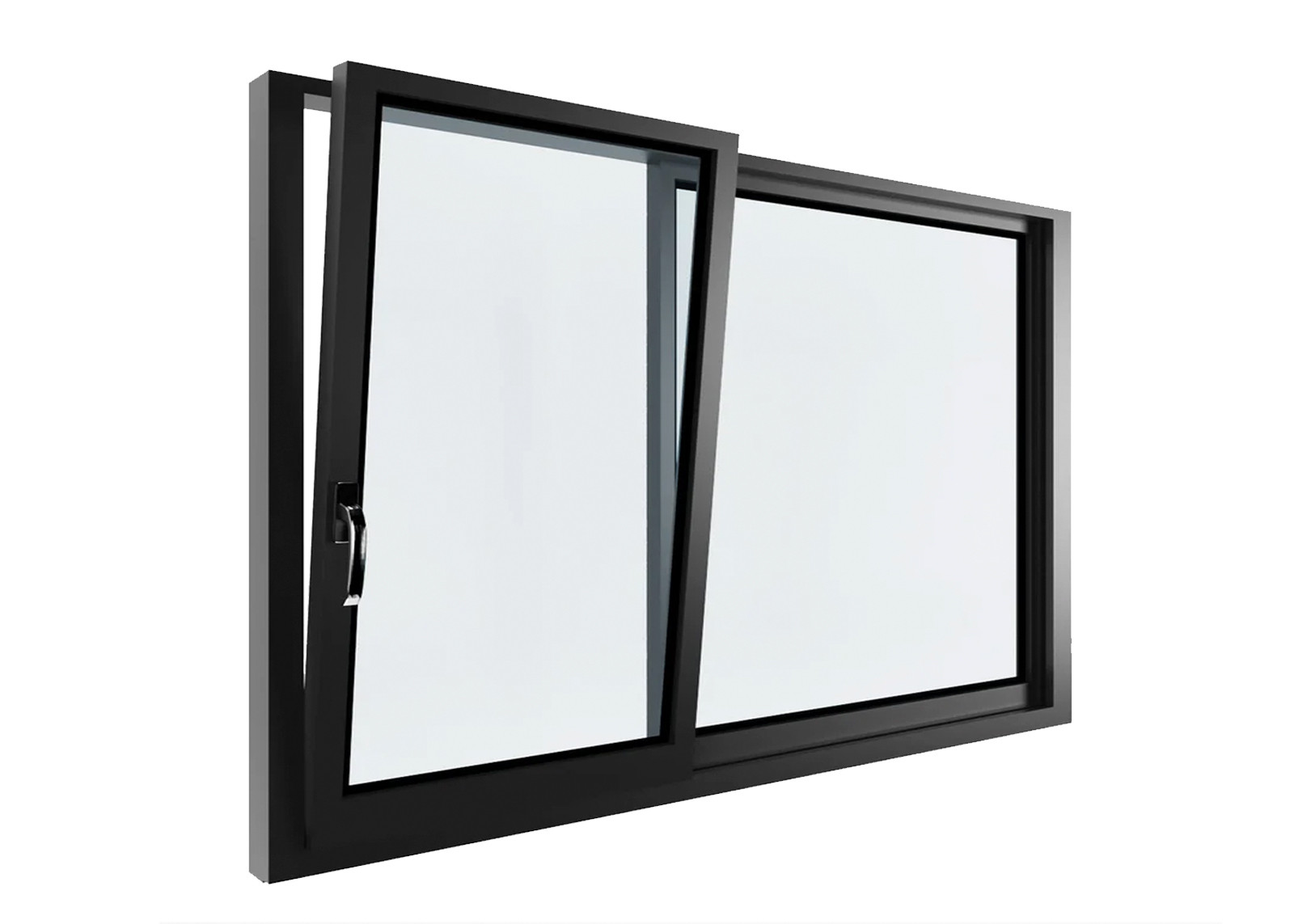
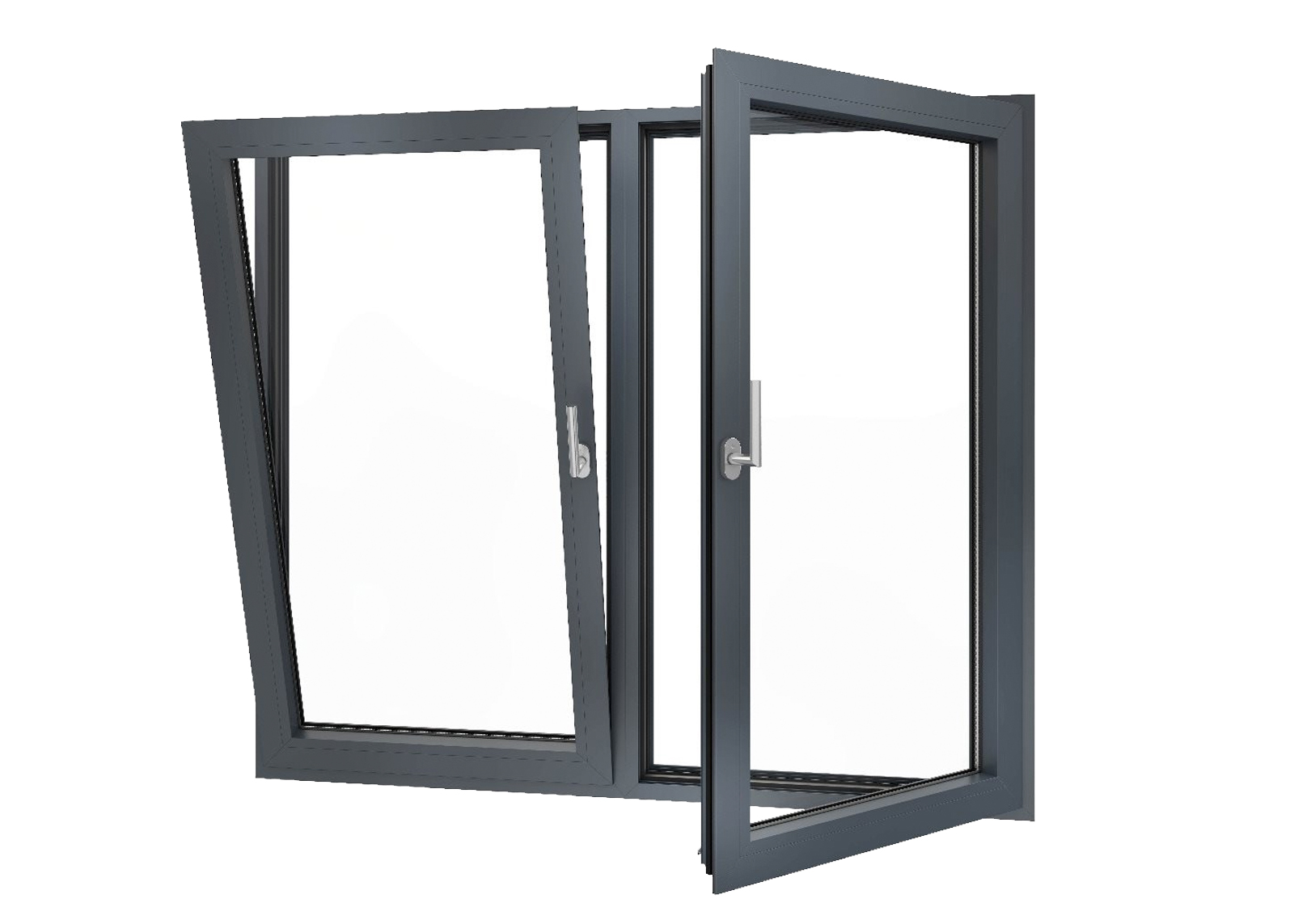
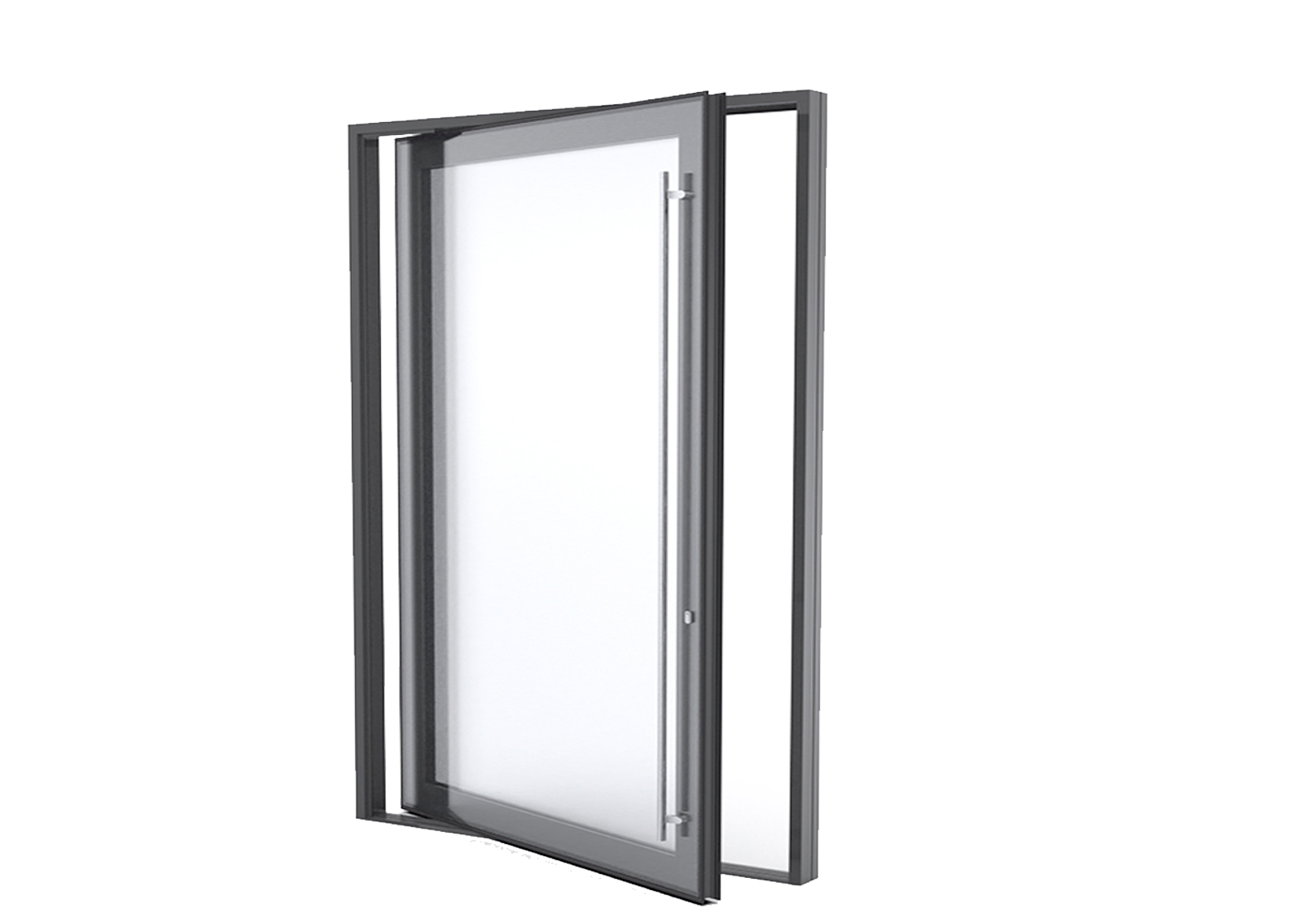
ROPO manufactures custom aluminium tilt and turn window systems for distributors, contractors, developers and architectural teams. Specify thermal-break frames, project glazing, multi-point hardware, restrictors, finishes and sizes around your window schedule. Tilt mode opens the top of the sash inward for controlled ventilation. Turn mode opens the sash fully inward for cleaning, maintenance and maximum airflow. When closed, multi-point hardware compresses the perimeter seals for project-led thermal, acoustic and weather performance. Opening direction, dimensions, glass, hardware and performance coordinated before production. Profile depth, sash weight, hinges and restrictors selected around the actual application. Technical approval, inspection, protective packaging and shipment coordination. Multi-point locking engages around the sash perimeter to compress gaskets and support security, air tightness and acoustic performance. The sash tilts inward from the top to provide controlled ventilation while retaining a smaller opening than full turn mode. The sash opens fully inward for maximum ventilation, glass cleaning, maintenance and access to the exterior face. Every selection affects sash weight, hardware capacity and applicable test evidence. Locking points around the sash distribute closing pressure and support consistent gasket compression. Visible or concealed components must match sash width, height, weight and opening duty. Safety restrictors, comfort limiters and lockable handles are different products; select by risk and use. The operating sequence and mishandling device help prevent incorrect mode selection while the sash is open. Assess the whole window, including frame, thermal break, glass, spacer and sash proportion—not the glass value alone. Confirm air leakage, water penetration, gaskets, drainage and installation conditions against the test report. Building height, location, opening size and sash configuration determine the required structural route. Glass build-up, perimeter seals, frame design and site installation all affect the final acoustic result.
For trade, specification & building projects
Aluminium Tilt and Turn Windows Manufacturer for Wholesale & Project Supply
Tilt + turn operation
Thermal-break options
Multi-point locking
Wholesale & OEM support
INWARD OPENINGDUAL-ACTION HARDWARE
Tilt + TurnTwo opening modes, one handle
Thermal BreakProject-selected frame systems
Single / IGUSafety, Low-E and acoustic glazing
Custom SupplySchedules, finishes and hardware
A project window, not a retail commodity
Aluminium Tilt Turn Windows—Secure Ventilation, Full Access and Perimeter Sealing.
01 · DRAWING-LED
Made to the schedule
 02 · SPECIFICATION-LED
System matched to duty
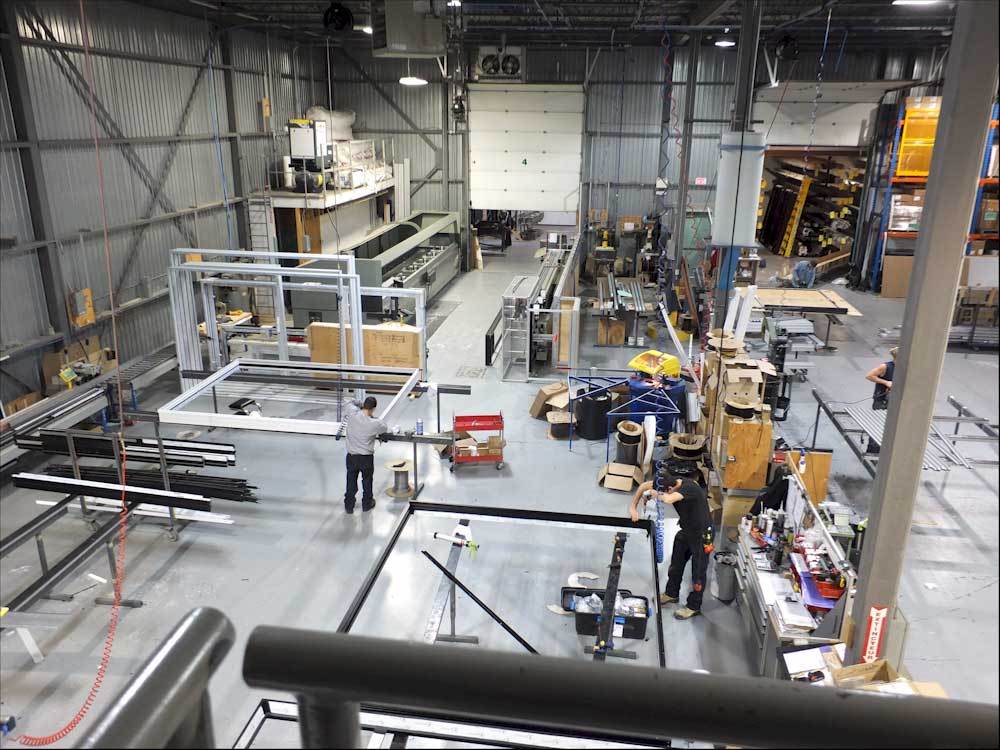 03 · EXPORT-READY
Quality and delivery support
Dual operation
One Sash. Three Controlled States.
×
Closed and locked
↘
Tilt for ventilation
↶
Turn for access
Project configuration
Specify the Complete Aluminium Tilt Turn Window—Not Isolated Components.
Published maximum sizes and best-case performance figures are not universal. Confirm the exact ROPO profile, sash dimensions, glass, hardware and tested configuration before specification.
Frame constructionThermal-break or non-thermal aluminium, subject to selected system
OpeningTilt-turn, tilt-before-turn, turn-only or fixed combinations where supported
GlazingSingle, insulated, Low-E, tempered, laminated or acoustic glass
HardwareMulti-point locking, visible or concealed hinges, restrictors and lockable handles
SealingSystem-compatible perimeter gaskets and drainage arrangement
FinishPowder-coated, anodized and selected colour options
SizesCustom manufacture within verified profile, hardware and performance limits
Hardware & sash limits
The Mechanism Determines What the Window Can Safely Do.
Multi-point locking
Hinges and stays
Restrictors
Anti-mishandling
Verifiable performance
Review the Complete Tested Configuration.
U-factor and SHGC
Air and water
Wind and design pressure
Sound control
A certificate is useful only when it identifies the applicable product series, test configuration, specimen dimensions, glass and result.

Controlled ventilation, repeatable schedules, restrictors and internal cleaning.

Thermal and acoustic comfort, controlled opening and durable project hardware.
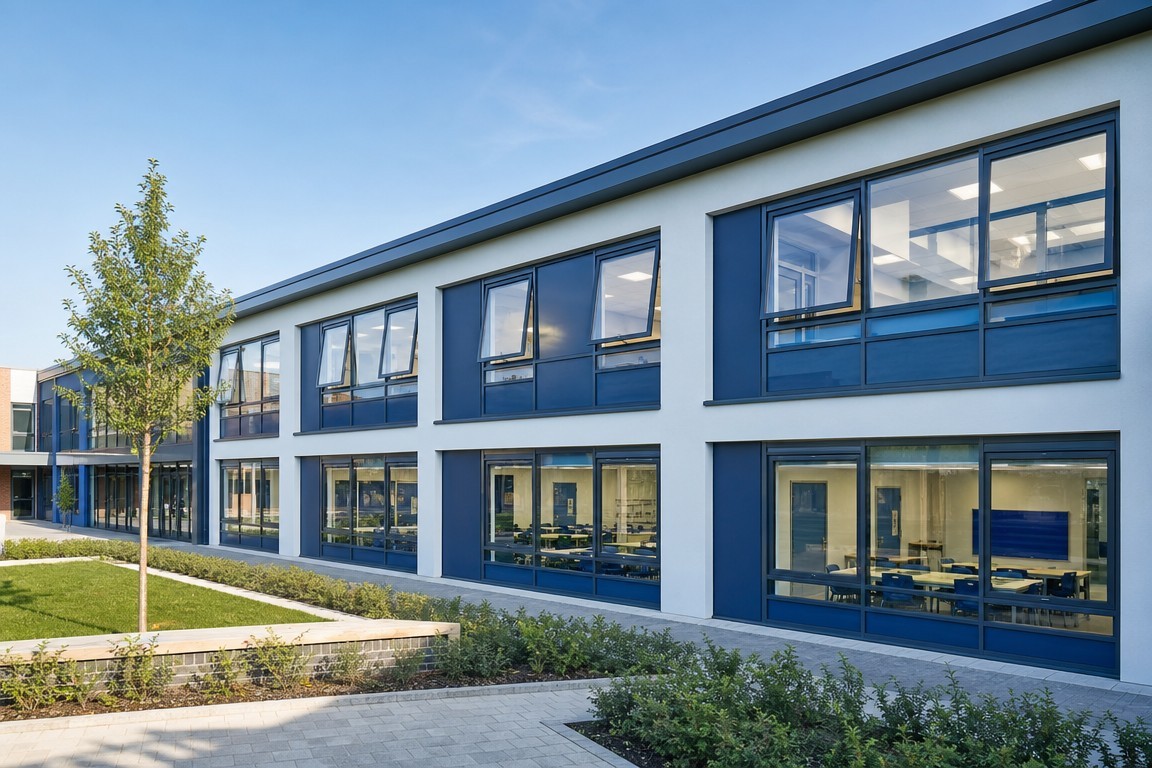
Tilt-before-turn operation, lockable handles and risk-appropriate restrictors.
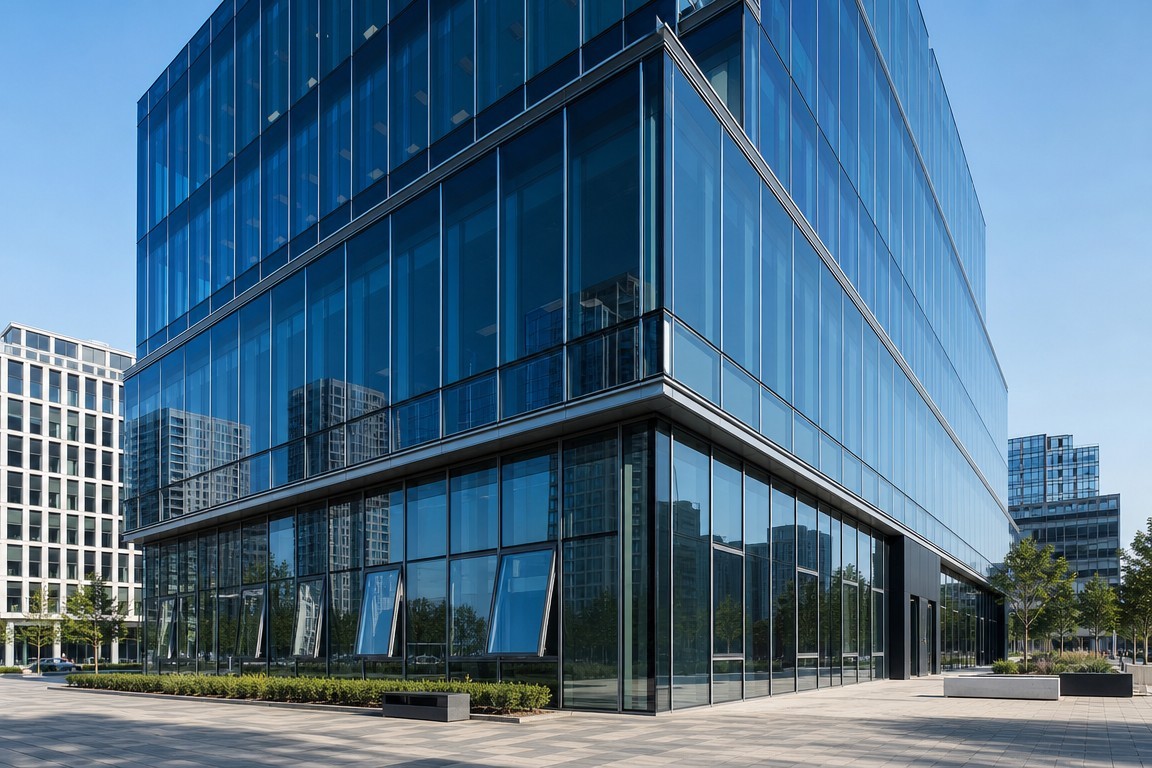
Natural ventilation, façade coordination and technical submittal support.
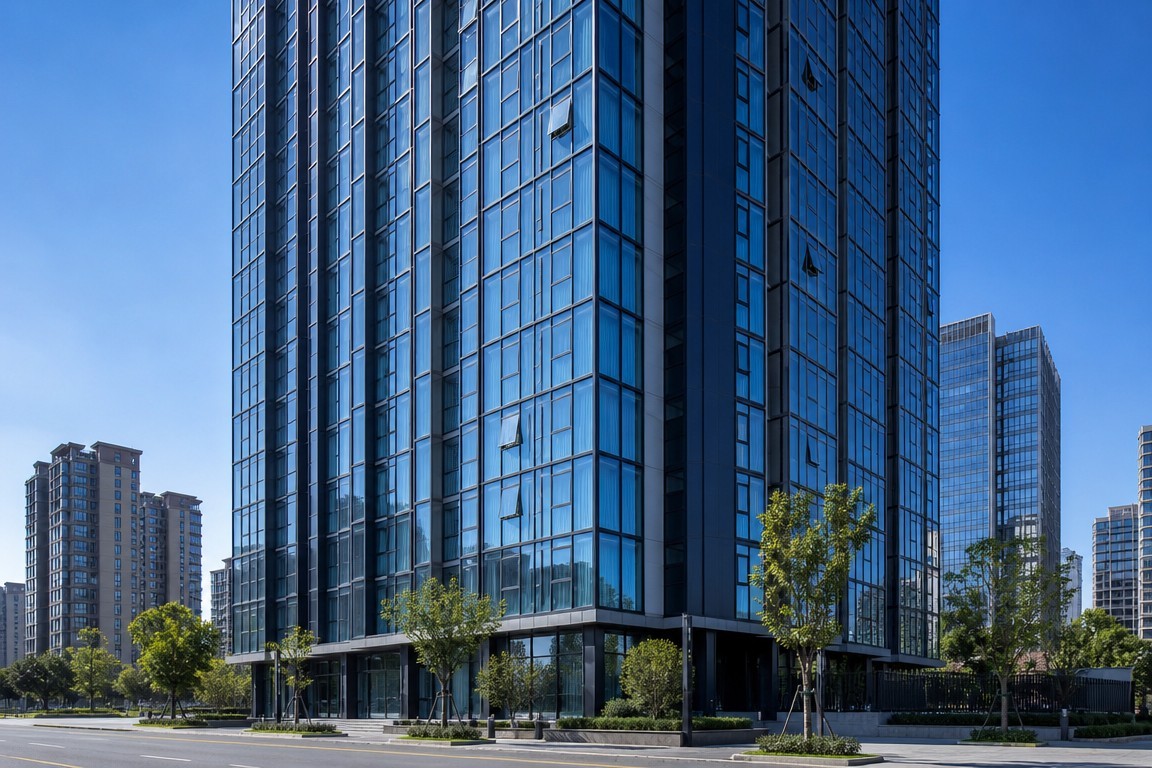
Interior cleaning access, wind-pressure review and controlled opening limits.
Finish durability, water resistance, hardware materials and maintenance planning.
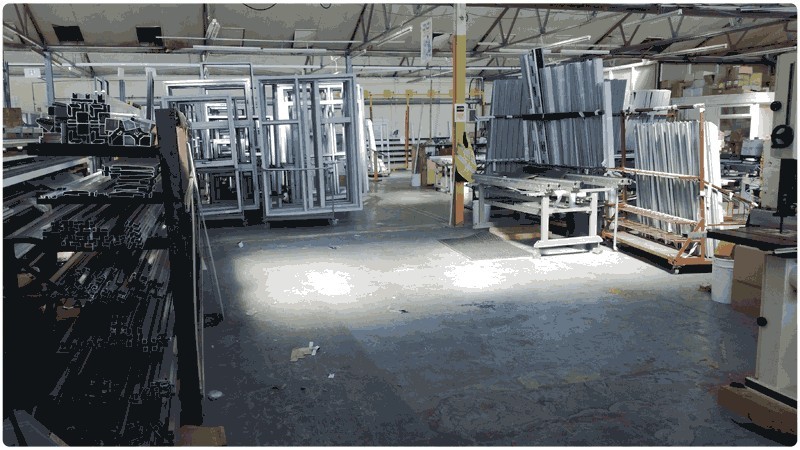
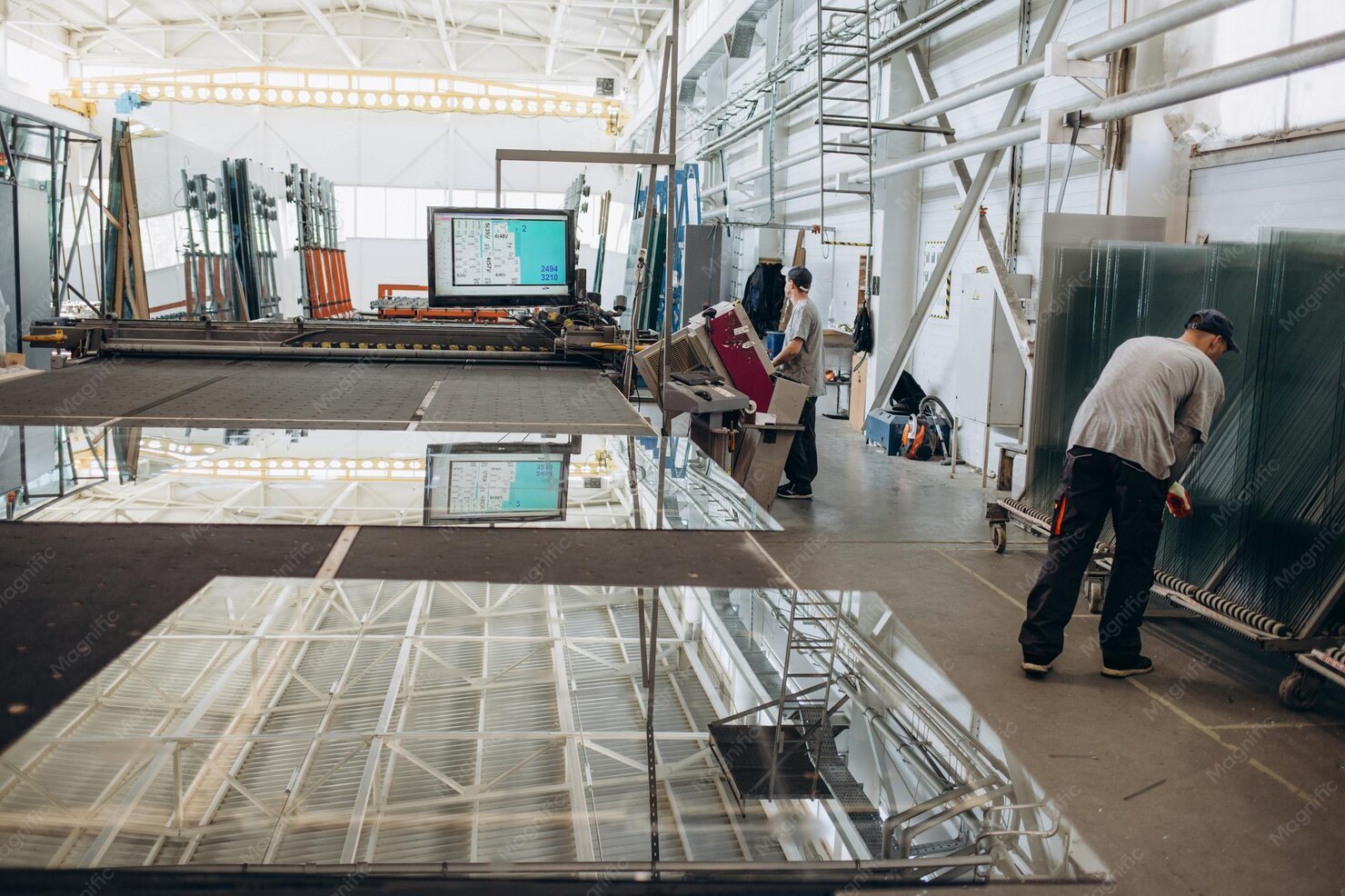
Distributors and project buyers need more than a product image. They need clarity on customization, mock-ups, approval, quality checks, packaging, delivery and after-sales support.
Confirm sample, mock-up and production quantities by profile, finish and glass specification.
Review branding, documentation, packaging, spare parts and channel requirements.
Separate drawing approval, material preparation, production, inspection and shipping milestones.
Coordinate protective film, corners, crates or racks, labels and container loading.
Technical downloads attract smaller search volumes but often represent higher-value project intent.
Request the Technical PackSend schedule, drawings, quantities, standards and delivery location.
Check sash size, weight, glass, hardware, restrictors and performance.
Confirm scope, commercial terms, drawings and production information.
Manufacture to the approved configuration and complete agreed checks.
Protect, label and load windows for the agreed project schedule.
An efficient RFQ should include:
One handle controls two inward-opening modes: tilt for controlled top ventilation and turn for full opening, cleaning and maximum airflow.
There is no universal maximum. Width, height and sash weight depend on the selected profile, glass build-up, hardware capacity, wind pressure and tested system limits.
Thermal-break systems are available where improved whole-window thermal performance is required, subject to confirmation for the selected series.
They can provide controlled ventilation and internal cleaning access, but opening sequence, lockable handles and safety restrictors must be selected through the project's risk assessment.
Options may include single, insulated, Low-E, tempered, laminated and acoustic glass. The build-up must match safety, energy, sound and structural requirements.
Provide the schedule or drawings, sizes, opening direction, glass, finish, hardware, restrictors, performance requirements, quantities and destination.
Verify the profile system, opening configuration, specimen dimensions, sash weight, glass, test standard, pressure, result, laboratory and report validity.

+86 591-87147106