



Folding Windows for Builders: A Professional Guide to Selection, Installation, and Wholesale Sourcing
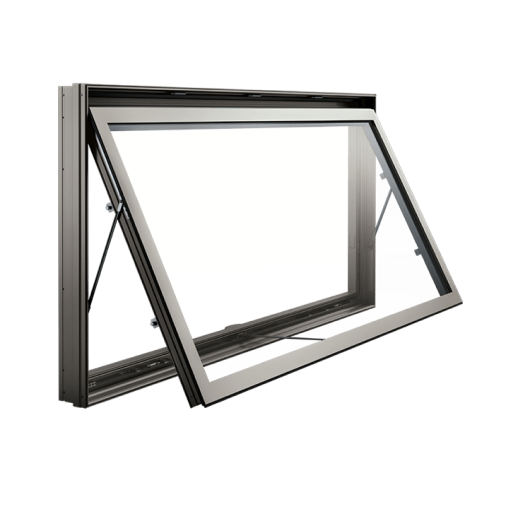
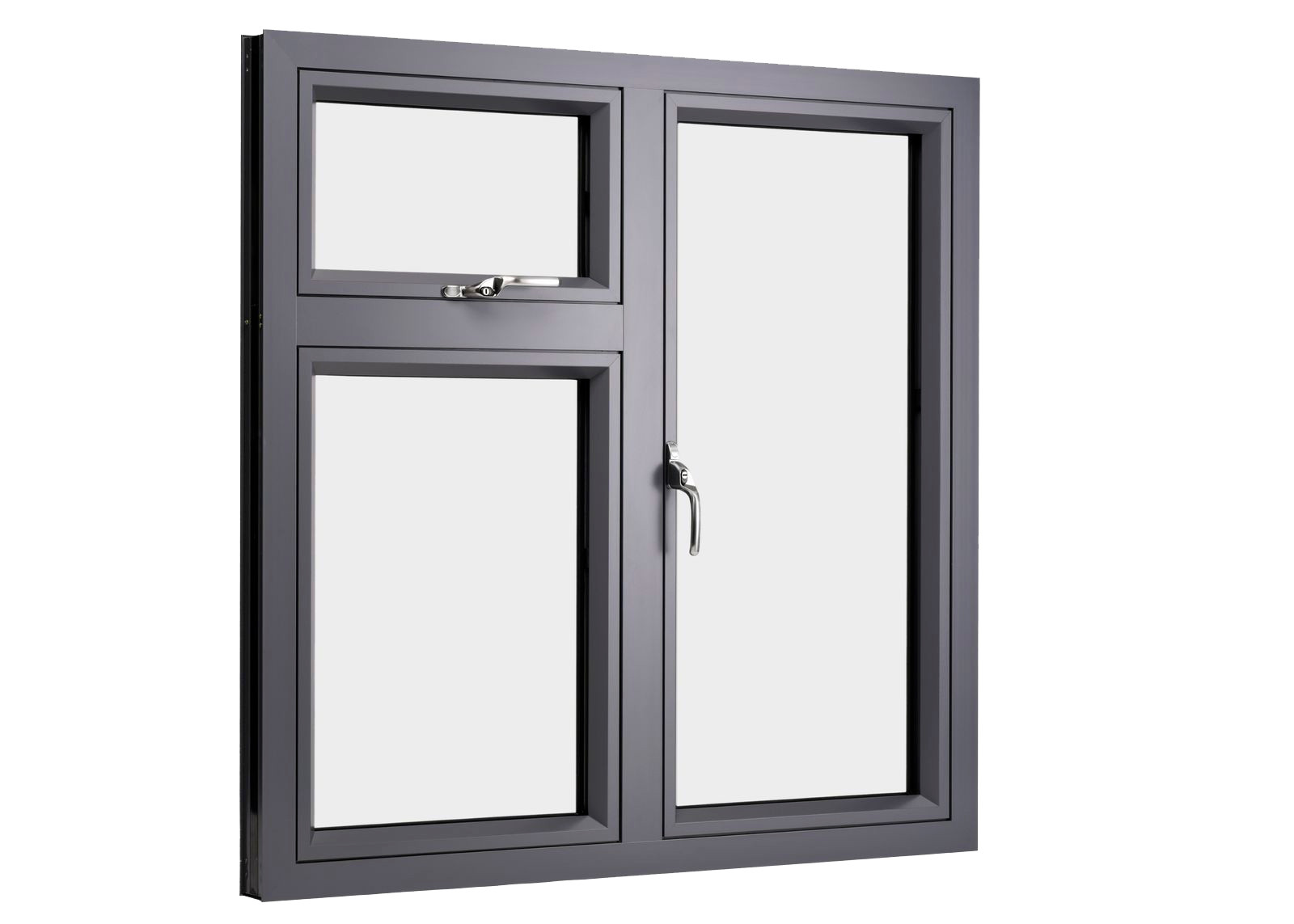
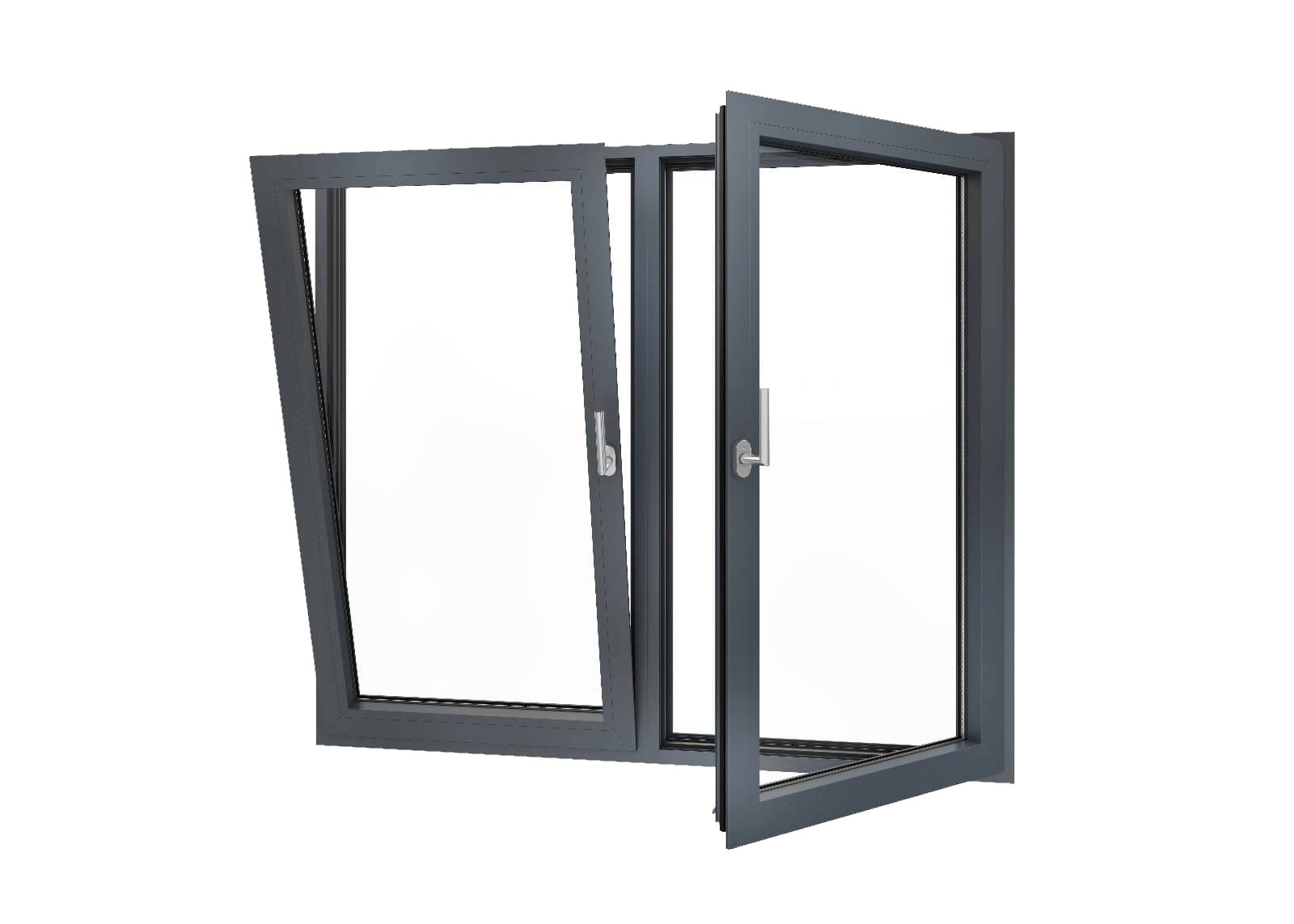
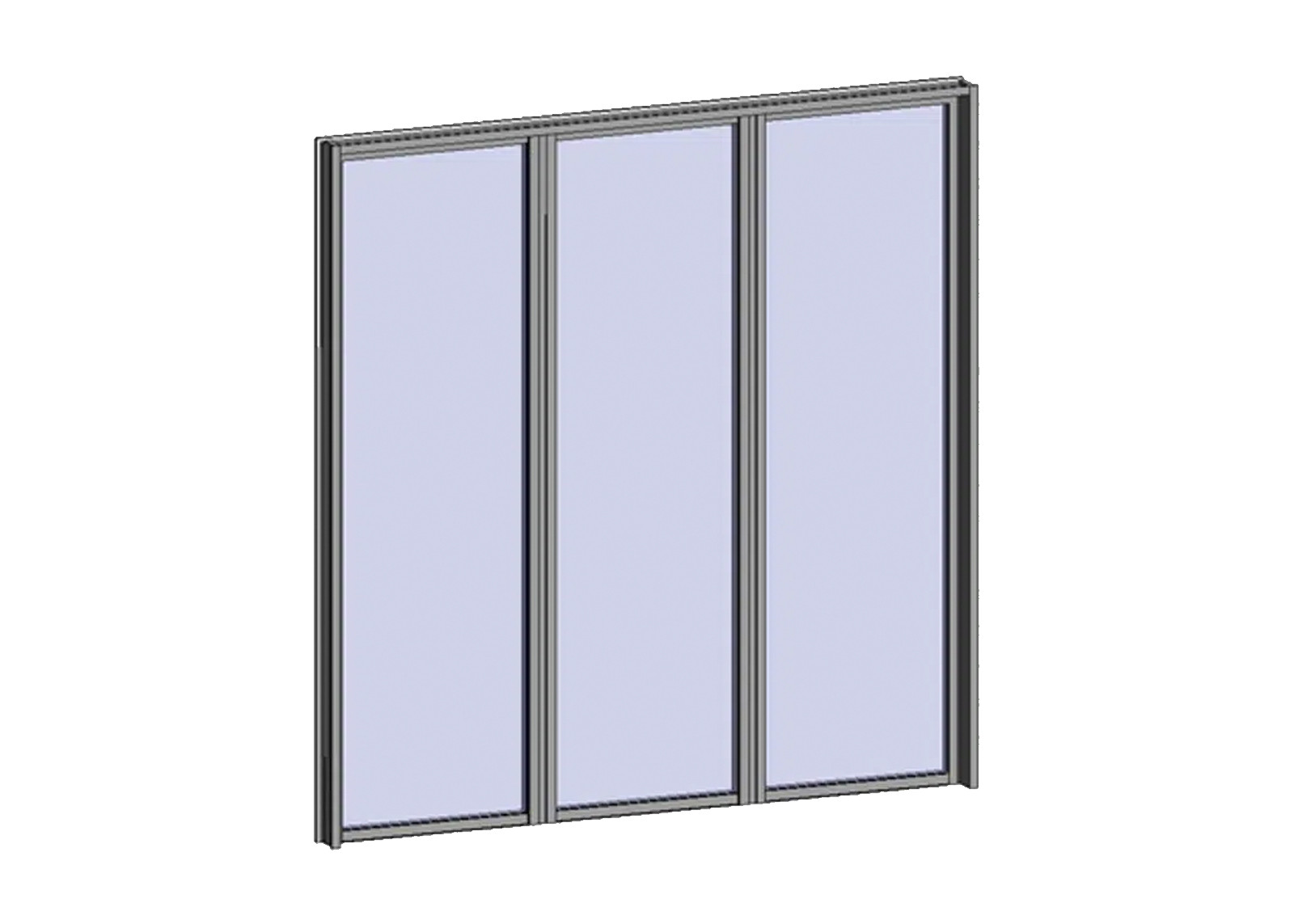
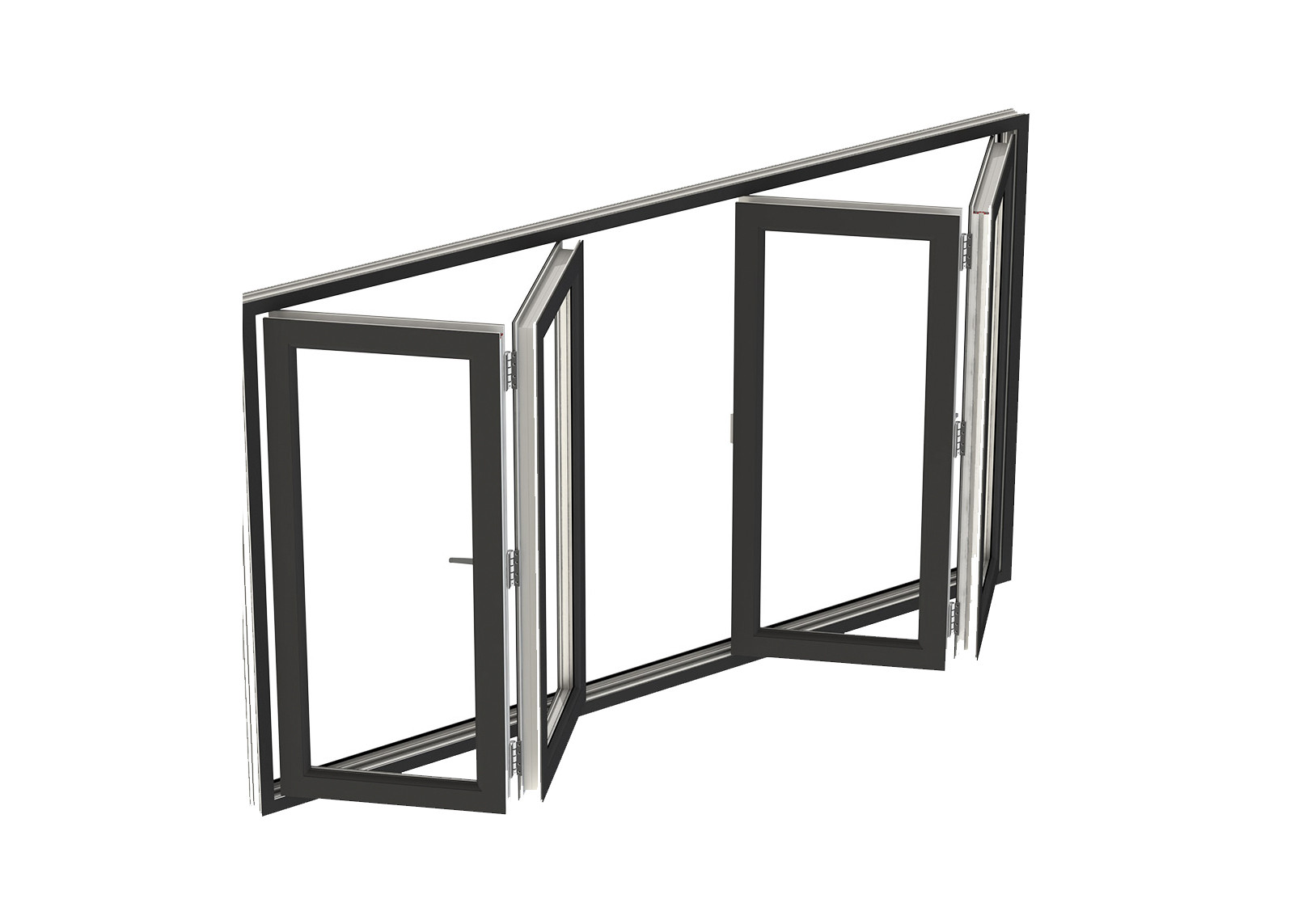
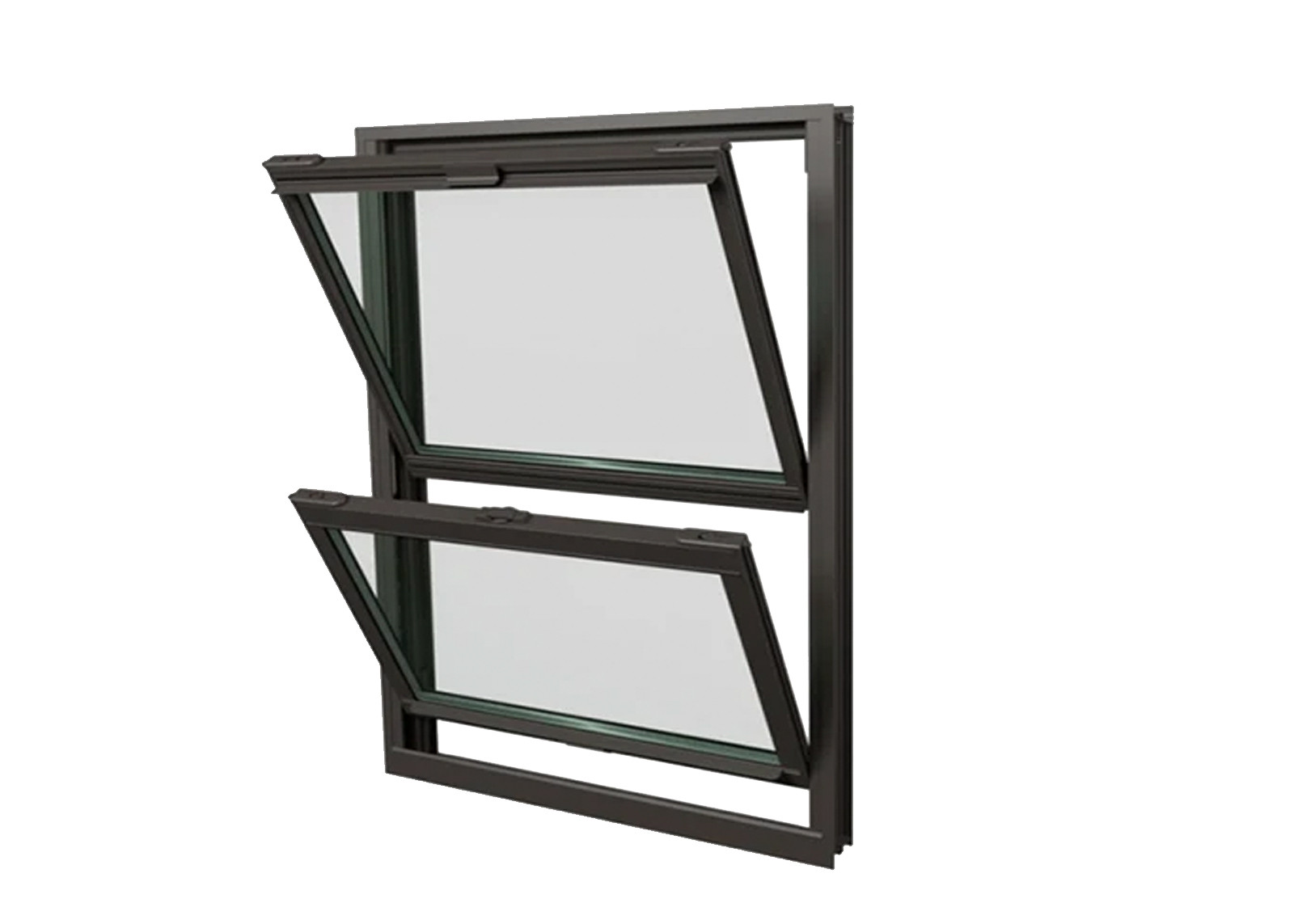
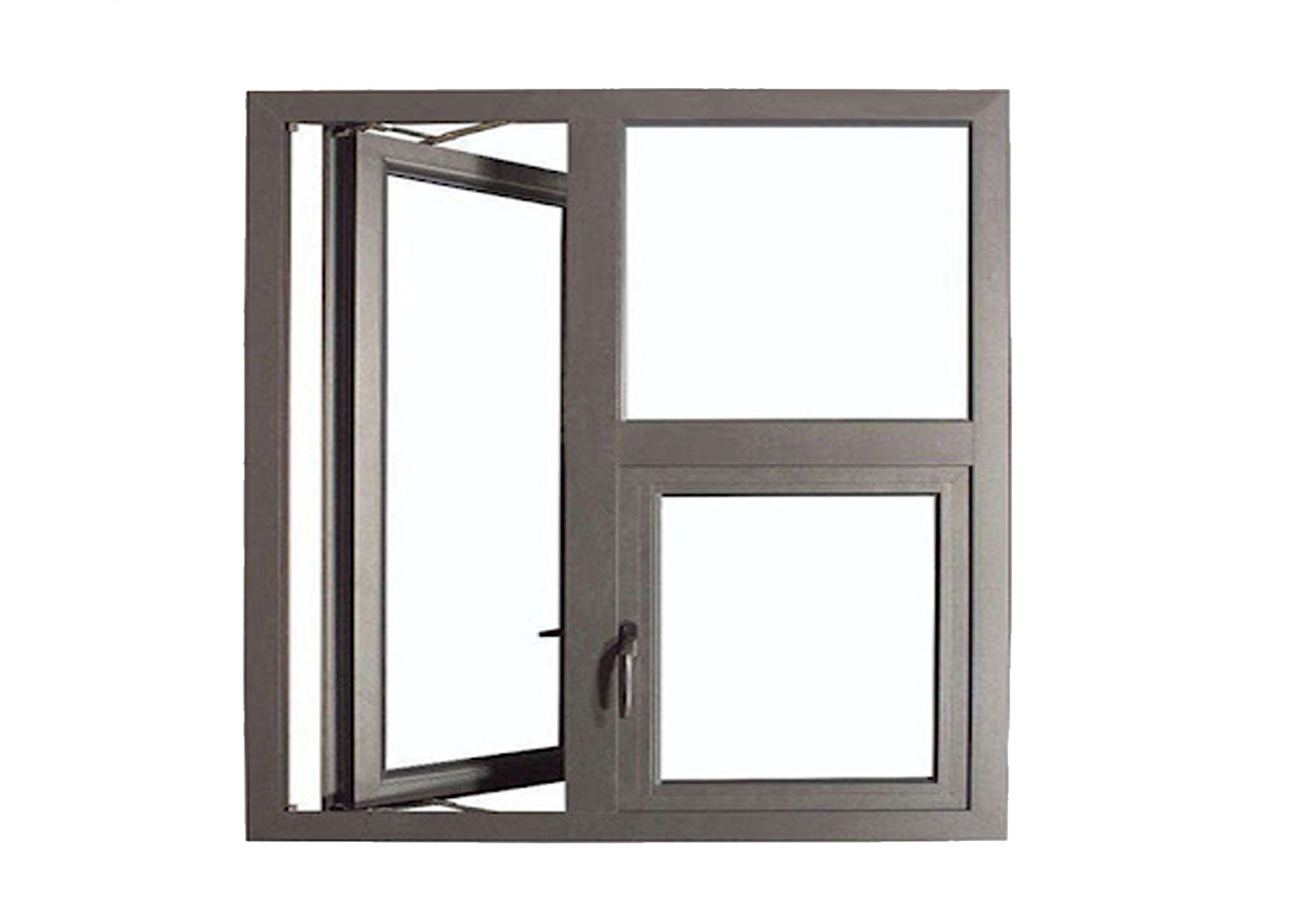
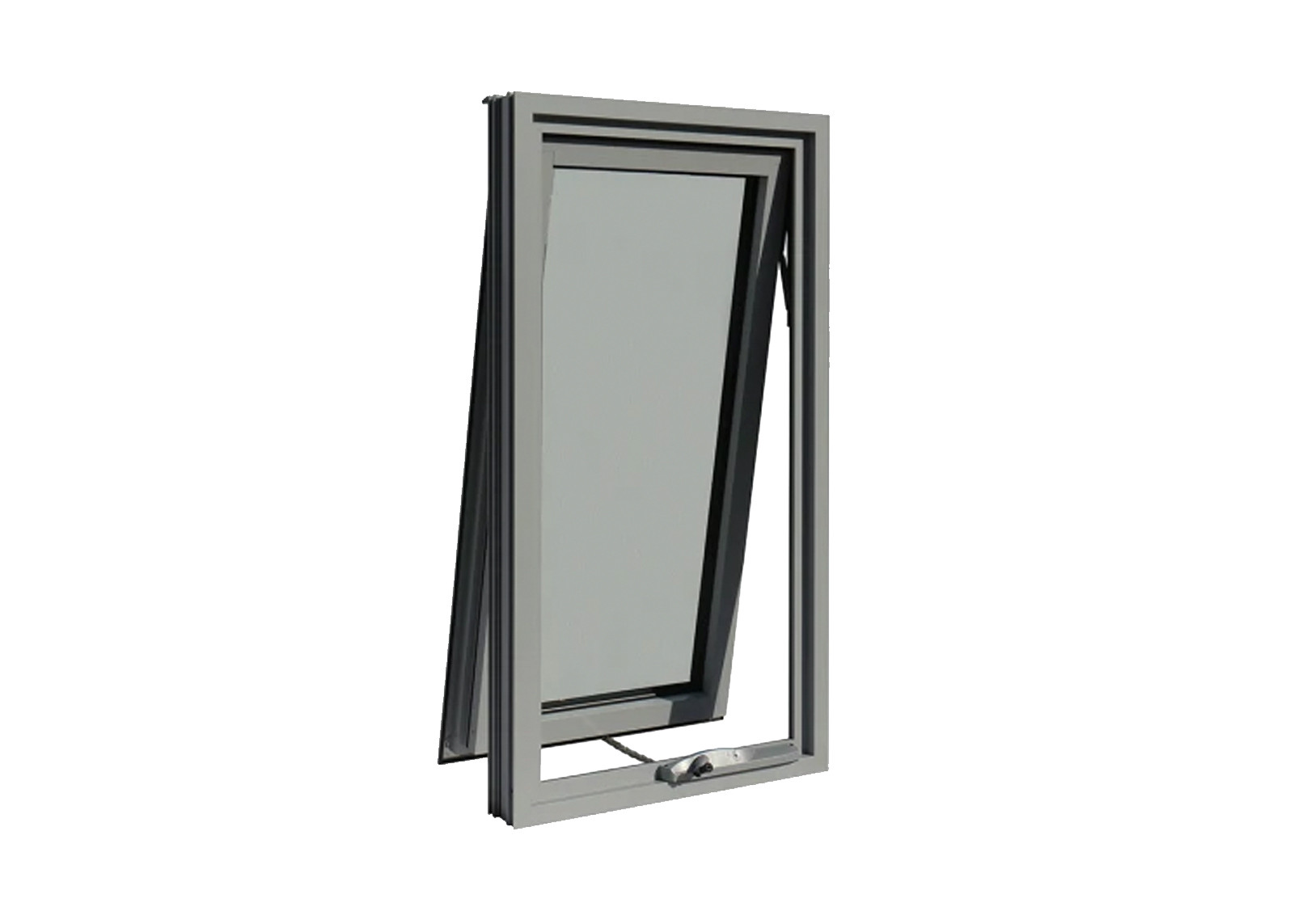
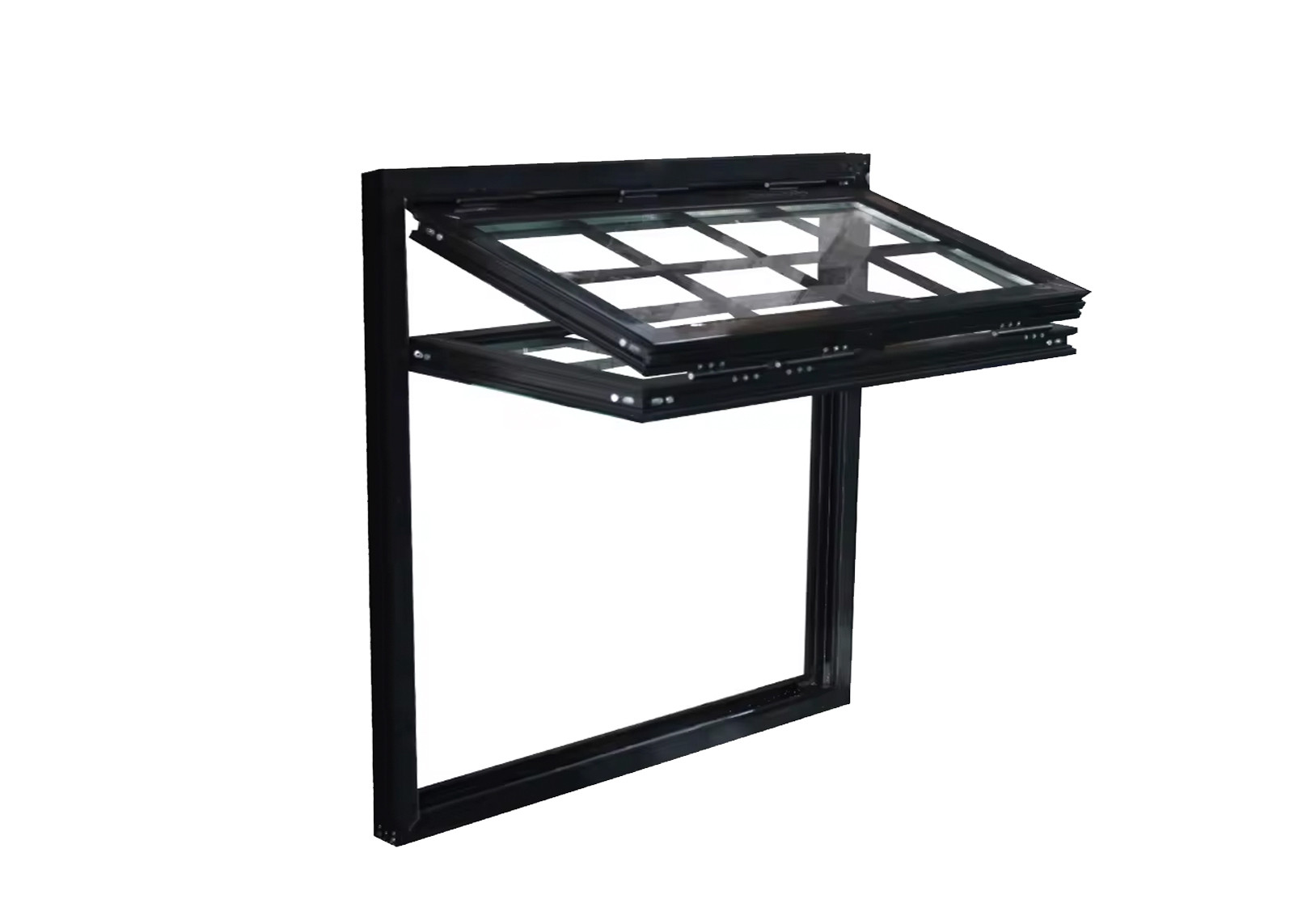
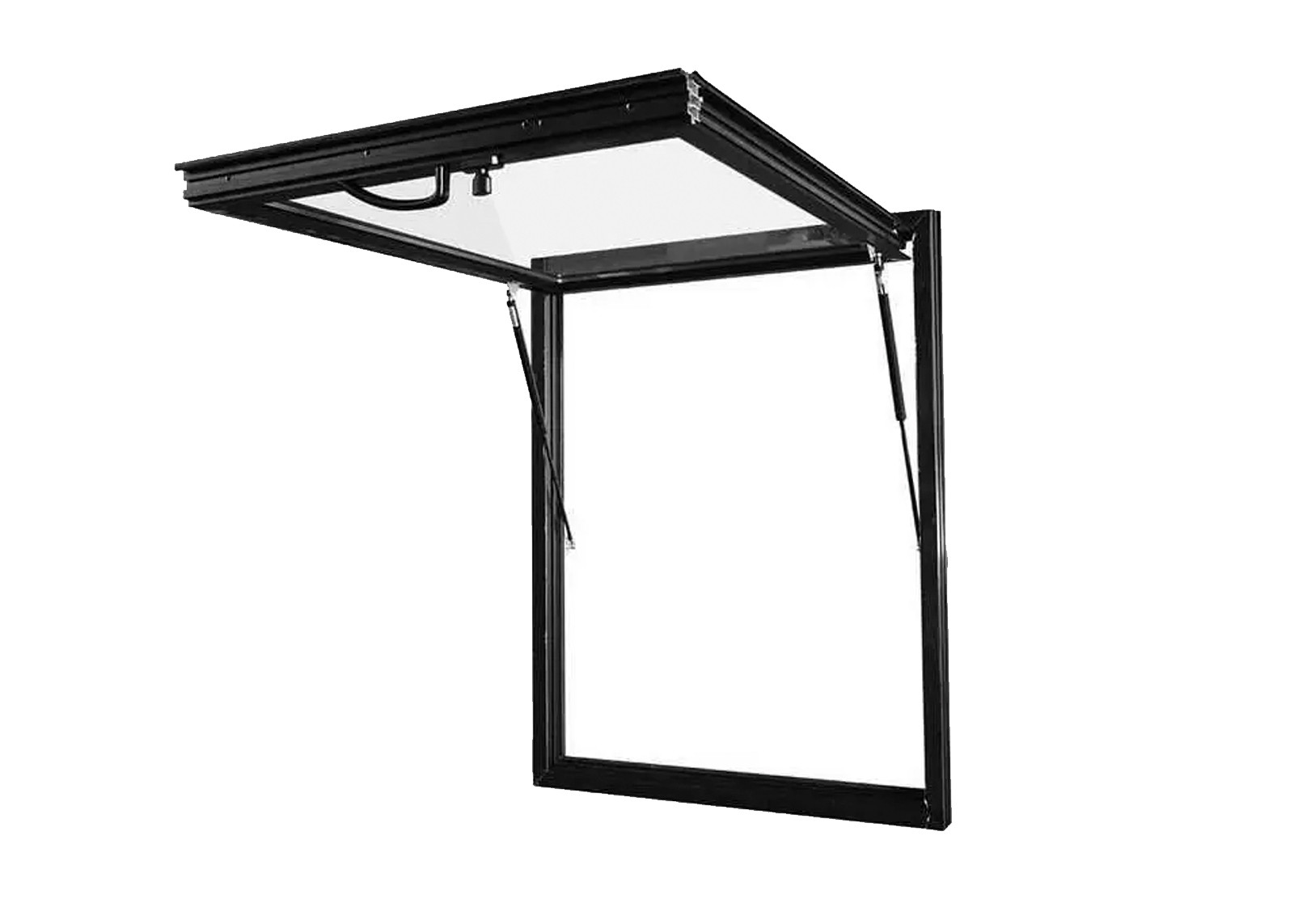
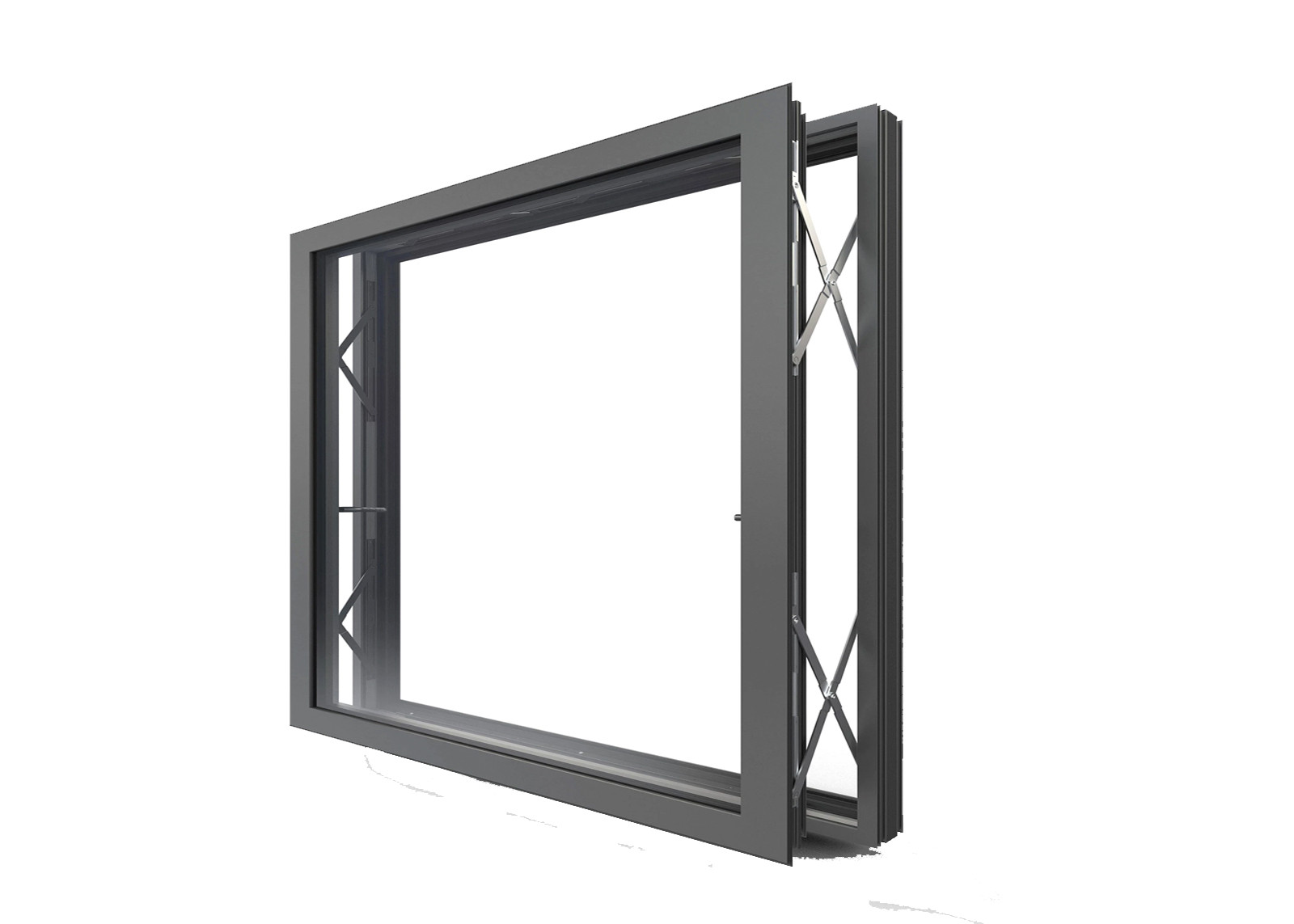
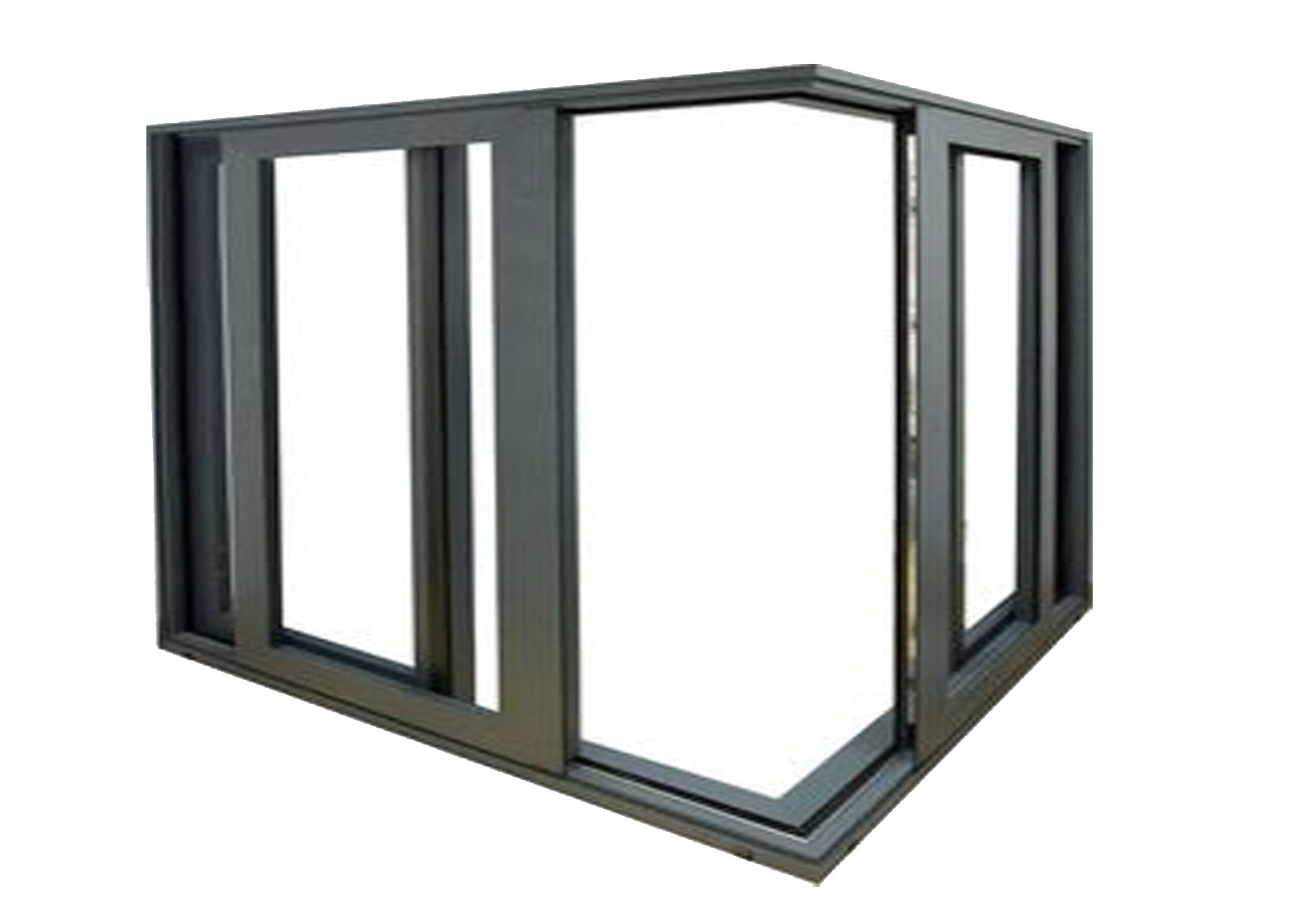
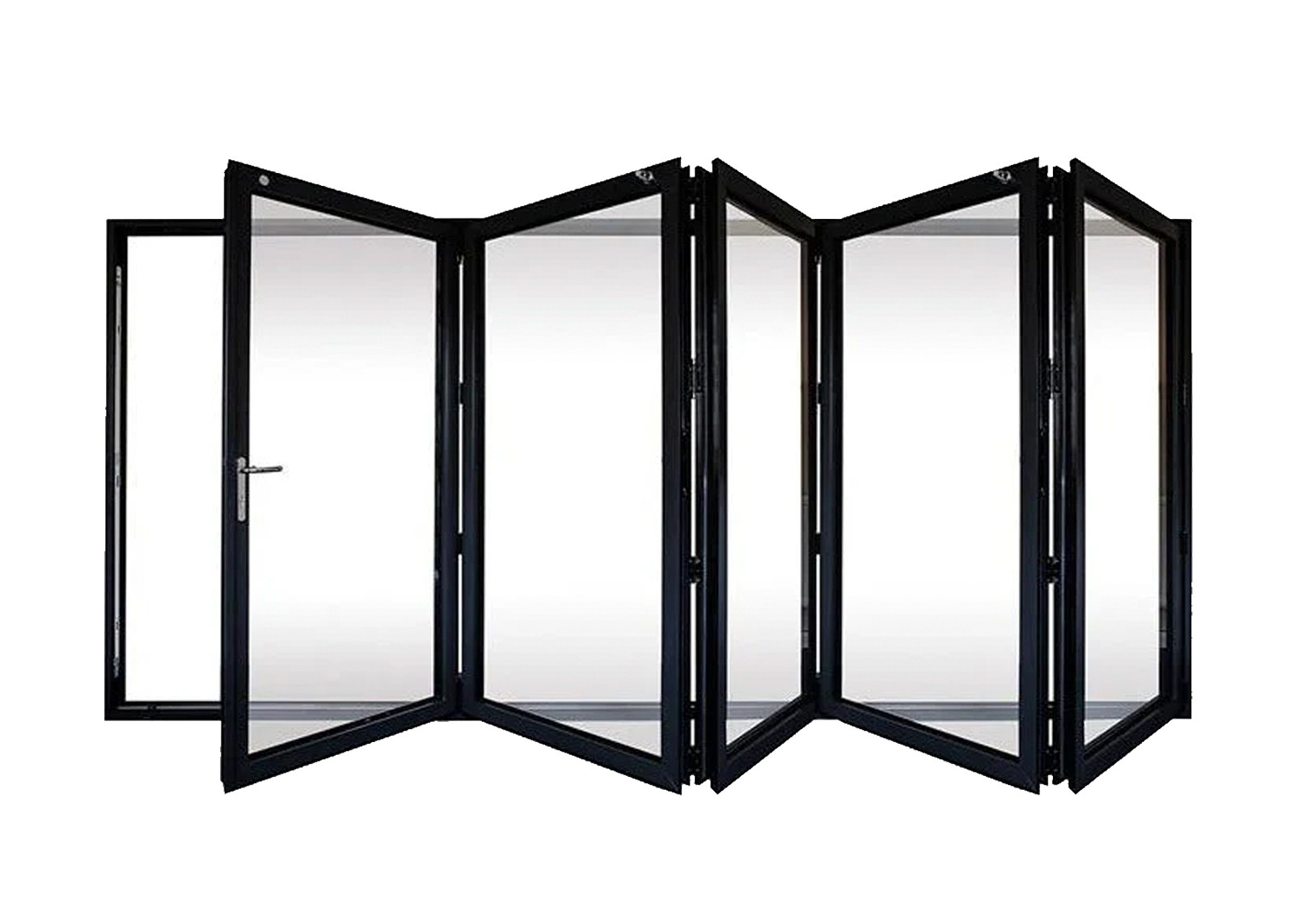
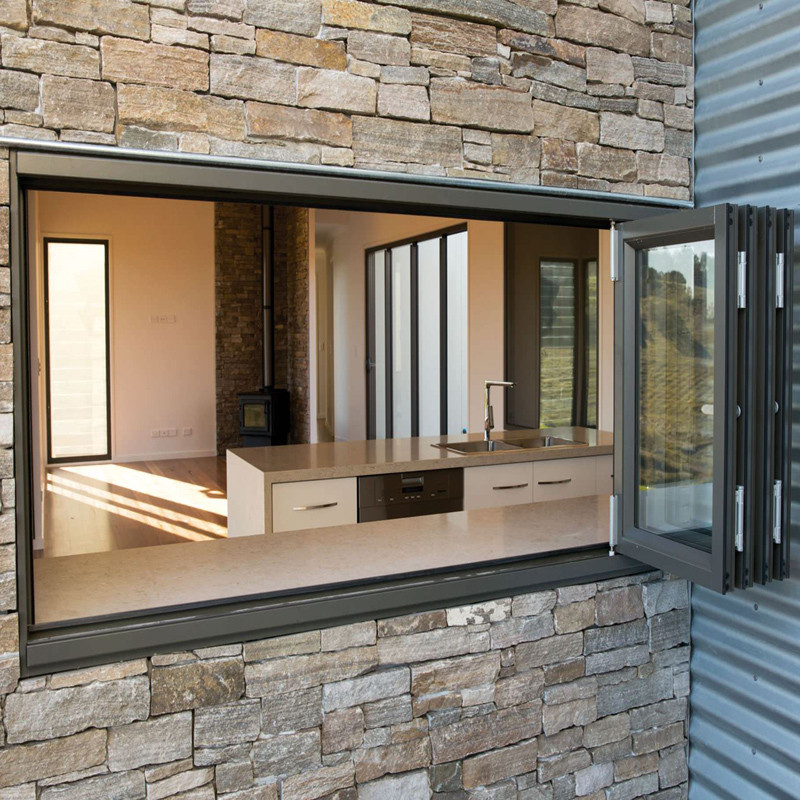
Folding windows, also known as bi-fold windows, are a highly versatile window system designed with multiple hinged panels that fold back against each other when opened. Unlike traditional windows that slide horizontally or swing outward on casement hinges, folding windows create a remarkably wide and unobstructed opening that seamlessly connects indoor and outdoor living spaces. The mechanism operates on a track system where each panel is connected to the next by durable hinges. When opened, the panels concertina together, stacking neatly to one or both sides, allowing up to 90 percent of the total opening to be cleared. When closed, the panels interlock with multi-point locking mechanisms and compress against high-quality EPDM weather seals, creating a weather-tight barrier with excellent thermal and acoustic performance. For builders and architects, folding windows represent a sophisticated solution that combines aesthetic appeal with practical functionality. Folding windows offer a compelling combination of aesthetic, functional, and practical advantages that make them increasingly popular in both residential and commercial construction projects. The defining advantage of folding windows is their ability to create an almost seamless transition between interior and exterior spaces. When fully opened, the panels fold away to the sides leaving minimal visual obstruction — ideal for restaurants wanting open-air dining, homes opening onto patios, and commercial spaces seeking an inviting street-front presence. With up to 90 percent of the opening clear when folded, folding windows allow exceptional natural cross-ventilation, reducing reliance on mechanical air conditioning. The large glass panels flood interiors with natural daylight, creating brighter, healthier spaces and potentially reducing lighting energy costs. Unlike sliding windows requiring track clearance or casement windows projecting outward, folding windows fold compactly within their own frame depth, making them excellent for balconies, terraces, covered patios, and areas where exterior clearance is limited. Modern folding windows are engineered with double or triple glazing, thermally broken frames, and compression weather seals that minimize air leakage — reducing heat transfer and lowering heating and cooling costs for building owners. Selecting the right frame material is one of the most important decisions when choosing folding windows. Both aluminum and uPVC offer distinct advantages depending on project requirements. Aluminum folding windows are widely considered the premium choice, particularly for commercial and contemporary projects. They offer exceptional strength-to-weight ratio allowing larger panel sizes and slimmer sightlines that maximize glass area and views. ROPO aluminum folding windows incorporate multi-chamber thermal break technology for excellent insulation while maintaining structural strength. Aluminum is durable in extreme weather conditions, including coastal salt exposure, and is fully recyclable for sustainable building practices. uPVC folding windows offer a cost-effective alternative ideal for residential projects and moderate climates. They provide excellent thermal insulation from multi-chamber profile designs, natural moisture resistance, and require minimal maintenance. Available in white, cream, woodgrain, and custom colors. ROPO uPVC folding windows incorporate reinforced galvanized steel liners within chamber profiles for enhanced structural rigidity, meeting rigorous building standards. Custom folding windows from ROPO offer extensive options to meet specific project requirements, from residential renovations to large commercial developments. Standard panel widths from 600mm to 1200mm and heights from 1500mm to 3000mm. Custom dimensions available for unique architectural requirements. Configurations range from two to eight or more panels for expansive openings, with options for single-side stack, dual-side stack for centered access, or combination with fixed panels. Double glazing with 5mm+12A+5mm or 5mm+16A+5mm configurations for standard projects. Triple glazing available for extreme climate applications. Glass types include clear float, Low-E coated for thermal efficiency, laminated safety glass, tempered impact-resistant glass, and acoustic glass for noise reduction. Argon or krypton gas filling between panes with warm-edge spacer bars for enhanced insulation. Standard colors: White, Cream, Black, Anthracite Grey, Silver for aluminum frames. Woodgrain finishes for traditional architecture. Custom RAL colors available for project-specific matching. Dual-color options for different interior and exterior aesthetics. Cool-Colors technology prevents dark frame surfaces from overheating in direct sunlight. Proper installation is critical for folding windows to perform as designed and ensure long-term reliability, weather resistance, and smooth operation. The structural opening must support the combined weight of multiple panels. Steel or reinforced concrete lintels are typically required. The rough opening must be square, level, and plumb within ±3mm tolerance across the full width and height. The top head track must be perfectly level across the entire width as it guides the folding panels and supports top pivot points. The bottom track must align precisely with the head track. For thresholdless designs, proper drainage and waterproofing are essential. Each panel must be individually hung and adjusted for height, plumb, and compression. EPDM weather seals around the perimeter and between panels prevent air and water infiltration. Multi-point locking mechanisms must engage fully across every panel for security and weather-tight closure. Understanding cost factors helps builders and developers budget accurately and make informed sourcing decisions. Aluminum folding windows typically cost 20 to 40 percent more than uPVC options. Triple glazing adds 20 to 35 percent to glass costs, while Low-E coatings and argon filling are low-cost upgrades with strong energy-saving ROI. Each additional panel adds approximately 8 to 12 percent to system cost. Custom sizes and special finishes add to production costs but are often essential for specific architectural requirements. Bulk wholesale folding windows orders from ROPO achieve 15 to 30 percent savings compared to smaller orders. ROPO's factory-direct pricing eliminates middleman markups, providing significant cost advantages for large-scale residential and commercial projects. For builders, developers, and contractors sourcing folding windows in volume, ROPO Windows offers compelling advantages. ROPO operates a 30,000 square meter manufacturing facility with modern production lines for both aluminum and uPVC window systems. Rigorous quality control from raw material through final testing ensures consistent product quality across every order. All ROPO folding windows meet AS2047 for Australia/New Zealand, NFRC for North America, CE for Europe, and Miami-Dade hurricane impact requirements. This comprehensive compliance simplifies specification for builders working across different countries. With over 16 years of manufacturing and export experience, ROPO has delivered window systems to projects in more than 30 countries across 6 continents. Every folding window is backed by a comprehensive 10-year warranty with responsive after-sales support. Folding windows are ideal for connecting indoor and outdoor spaces: living rooms to patios, restaurant frontages, commercial storefronts, sunrooms, and pool enclosures where maximum openness is desired. Yes. Multi-point locking systems engage at multiple positions per panel. The interlocking panel design makes forcing open extremely difficult. Laminated glass and reinforced hinges are available for enhanced security requirements. High-quality folding windows from ROPO last 20 to 30 years or more with proper maintenance. Aluminum systems reliably perform for 30-plus years due to the material's inherent durability. Yes. Thermally broken aluminum frames with multi-chamber insulation and uPVC profiles combined with double or triple glazing and Low-E coatings achieve excellent thermal performance in cold climate applications. Whether you are a builder planning a residential development, an architect designing a commercial space, a wholesaler expanding your product range, or a homeowner looking to transform your living space, ROPO Windows has the expertise and manufacturing capability to deliver the perfect folding window solution for your project. Contact ROPO today for free project consultation, professional technical drawings, and competitive factory-direct pricing on custom folding windows. ROPO Windows — Your Trusted Partner for Custom Folding Windows, Factory Direct.What Are Folding Windows and How Do They Work?
Key Benefits of Folding Windows for Modern Construction
Unmatched Indoor-Outdoor Connection
Superior Ventilation and Natural Daylight
Maximum Space Utilization
Energy Efficiency
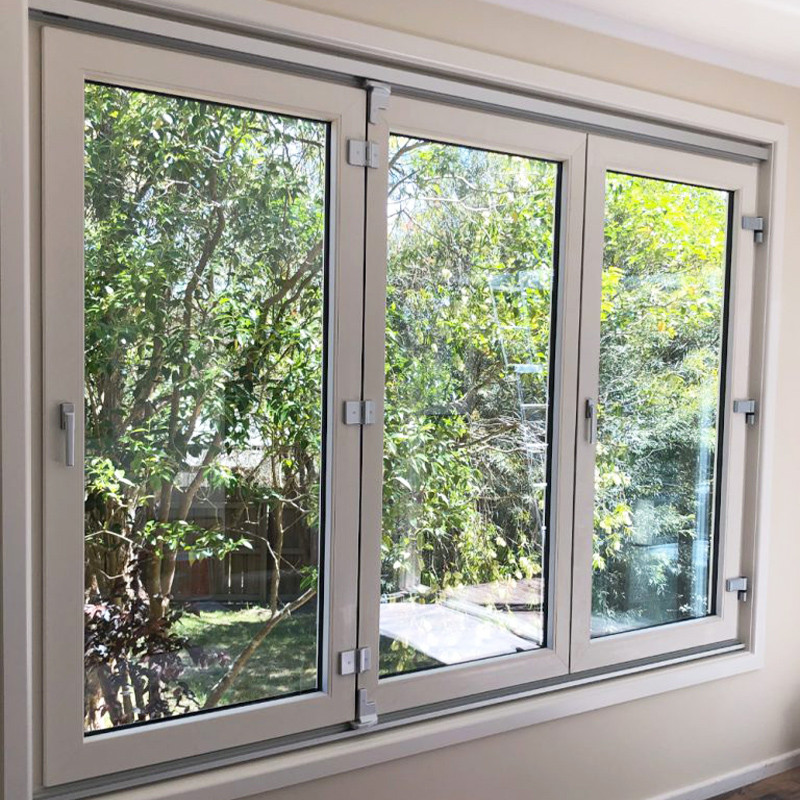
Folding Window Frame Materials: Aluminum vs. uPVC
Aluminum Folding Windows
uPVC Folding Windows
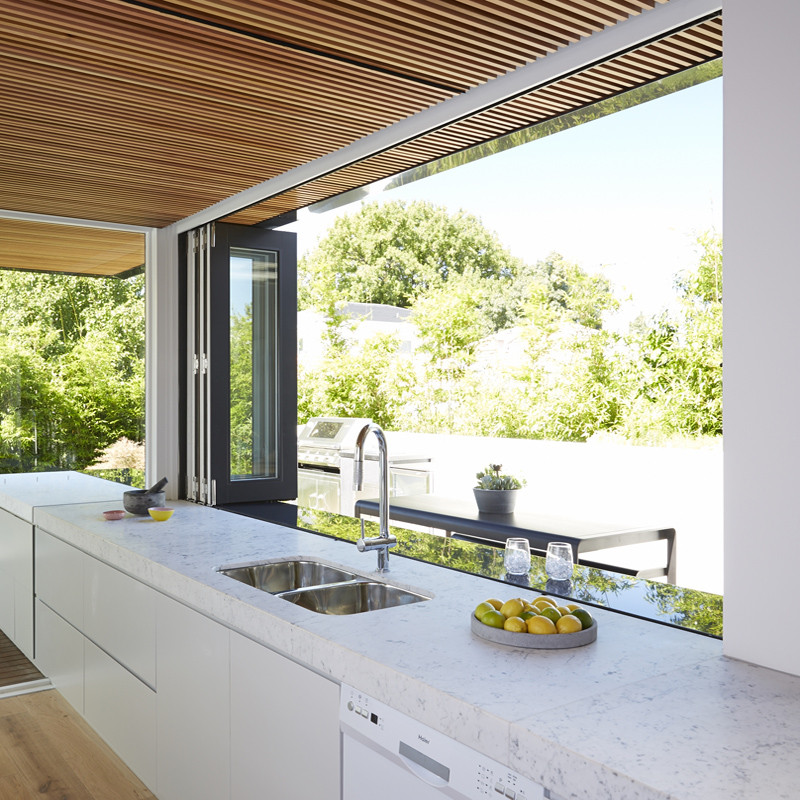
Custom Sizes, Glass Options, and Configuration Choices
Size Range and Panel Configurations
Glass and Glazing Options
Color and Finish Selections
Folding Window Installation Guide for Builders
Structural Preparation
Track and Threshold Installation
Panel Alignment and Weather Sealing
Cost Analysis for Folding Window Projects
Material and Glazing Impact
Panel Count and Customization
Volume Pricing with ROPO
Why Choose ROPO for Wholesale Folding Windows
Factory-Direct Manufacturing
International Certifications
Export Experience and Warranty
Frequently Asked Questions About Folding Windows
What are folding windows best used for?
Are folding windows secure?
What is the expected lifespan?
Can folding windows perform in cold climates?
Get Your Custom Folding Windows Quote from ROPO
