

Professional Windows and Doors Customization Manufacturer

Home / All / Energy Efficiency Windows & Doors / Upgrade to Energy Efficient Windows: A Smart Investment Guide
Learn More in Our Guide
  • Enhancing Safety and Style: Toughened Glass Windows
    Toughened or Tempered Glass is a Type of Safety Glass, Why do You Need Toughened Glass Windows for Your Buildings?

Upgrade to Energy Efficient Windows: A Smart Investment Guide

Jun 6,2024

Windows are arguably the most architectural and functional feature of any residential or commercial property. They flood interior spaces with daylight, provide natural ventilation, and frame scenic views. However, inefficient single-pane or uninsulated windows represent the single largest point of thermal loss in a building—responsible for up to 40% of heating energy escape in winter and over 50% of unwanted solar heat penetration in summer. Deciding to upgrade to custom energy efficient windows (and modern energy saving windows) is not merely an aesthetic renovation; it is one of the most financially rewarding structural investments a property owner can make to install the best energy efficient windows for homes.

Today, advanced window manufacturing technologies empower homeowners and builders to significantly improve home energy efficiency with upvc and aluminium framing systems. Whether specifying precision German energy efficient upvc windows or high-strength thermally broken aluminum window systems, modern insulated fenestration balances superior aesthetics, structural durability, and radical energy bill reductions.

Modern architectural home with high performance energy efficient windows and sliding doors
High-performance energy efficient windows engineered with thermal breaks, argon-filled double glazing, and airtight multi-point compression seals.
What Makes a Window Energy Efficient and How Much Do Energy Efficient Windows Save?

When evaluating how much do energy efficient windows save and calculating your projected energy efficient window replacement ROI, high-performance insulated fenestration integrates three critical engineering components:

  • Low-E Insulated Glass Units (IGU): Double or triple glazed glass configurations separated by warm-edge spacers and filled with non-toxic inert argon gas, reflecting radiant heat while transmitting visible natural daylight.
  • Multi-Chamber & Thermally Broken Profiles: Non-conductive multi-cavity uPVC extrusions or architectural aluminum profiles featuring a structural polyamide insulating break (PA66 GF25) that halts conductive heat flow.
  • Measurable Financial Savings & Fast Payback: High-performance energy-saving windows reduce whole-home thermal loss by 30% to 50%, cutting annual electricity and gas heating/cooling bills by up to 15%–30% with an estimated ROI payback period of 3 to 7 years.

How Do Energy Efficient Windows Save Energy and Cut Utility Bills?

To evaluate how upvc windows save energy and understand the physics of fenestration efficiency, building scientists assess heat movement across window assemblies. Traditional single-glazed windows conduct heat rapidly through both the glass and metal sash. In contrast, evaluating modern upvc windows energy efficiency reveals how multi-barrier systems prevent thermal loss across four critical metrics:

  • Thermal Transmittance (U-Value): Measures conductive heat transfer. Lower U-values signify superior insulating capability. Learn more in our detailed guide on understanding U-values and energy ratings.
  • Solar Heat Gain Coefficient (SHGC): Quantifies how much solar infrared heat transmits indoors through the glass. Low-E coatings selectively block unwanted radiant heat during hot summers.
  • Airtight Perimeter Sealing: Multi-point compression locking hardware and continuous EPDM rubber gaskets eliminate draft leakage and air infiltration around operable sashes.
  • Acoustic Isolation: Sound vibrational energy dissipates across dual glass panes and inert gas buffers, reducing intrusive ambient outdoor noise by 32 to 40+ dB Rw.

Energy Efficient Windows Performance, Energy Savings & ROI Comparison Table

The table below provides a comprehensive engineering comparison of thermal ratings, estimated energy bill savings, and typical payback timelines across standard and high-performance replacement systems:

Window System Type Framing & Glazing Specification U-Value (Whole Window Uw) SHGC Rating Annual Energy Savings (%) Acoustic Reduction (Rw) Estimated Payback Period
Legacy Single Pane (Baseline) Standard Aluminum / 5 mm Clear Glass 5.4 – 6.0 W/m²K 0.75 – 0.82 0% (Baseline Energy Loss) 22 – 25 dB N/A (Highest Operational Cost)
Standard Double Glazed Aluminum Non-Thermal Aluminum / 5+12A+5 Clear 3.2 – 4.2 W/m²K 0.60 – 0.68 15% – 20% Energy Reduction 28 – 30 dB 7 – 10 Years
High-Performance Double Glazed uPVC German Multi-Chamber uPVC / 5Low-E+16Ar+5 1.6 – 2.0 W/m²K 0.32 – 0.40 25% – 35% Energy Reduction 33 – 36 dB 4 – 6 Years (explore double glazed windows)
Thermally Broken Aluminum Double Glazed 6063-T5 Thermal Break / 5Low-E+16Ar+5 2.0 – 3.0 W/m²K 0.30 – 0.38 25% – 35% Energy Reduction 34 – 37 dB 5 – 7 Years (different types of aluminium windows)
Passivhaus Triple Glazed System German uPVC or Thermal Aluminum / 4LowE+16Ar+4+16Ar+4LowE 0.75 – 0.95 W/m²K 0.25 – 0.35 40% – 50% Energy Reduction 40 – 44 dB 3 – 5 Years (triple glazed windows guide)

Improving Home Energy Efficiency with uPVC and Aluminium Systems

When selecting replacement framing materials, specifiers typically compare uPVC (vinyl) and architectural thermally broken aluminum. Both framing materials are proven to improve home energy efficiency with upvc and aluminium engineering:

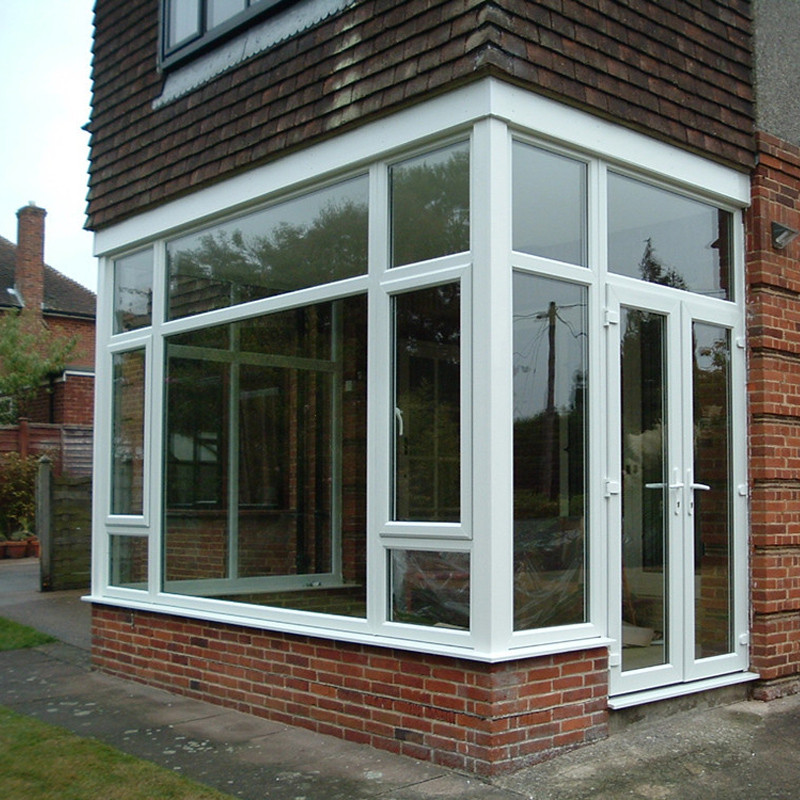
Energy Efficient uPVC Windows
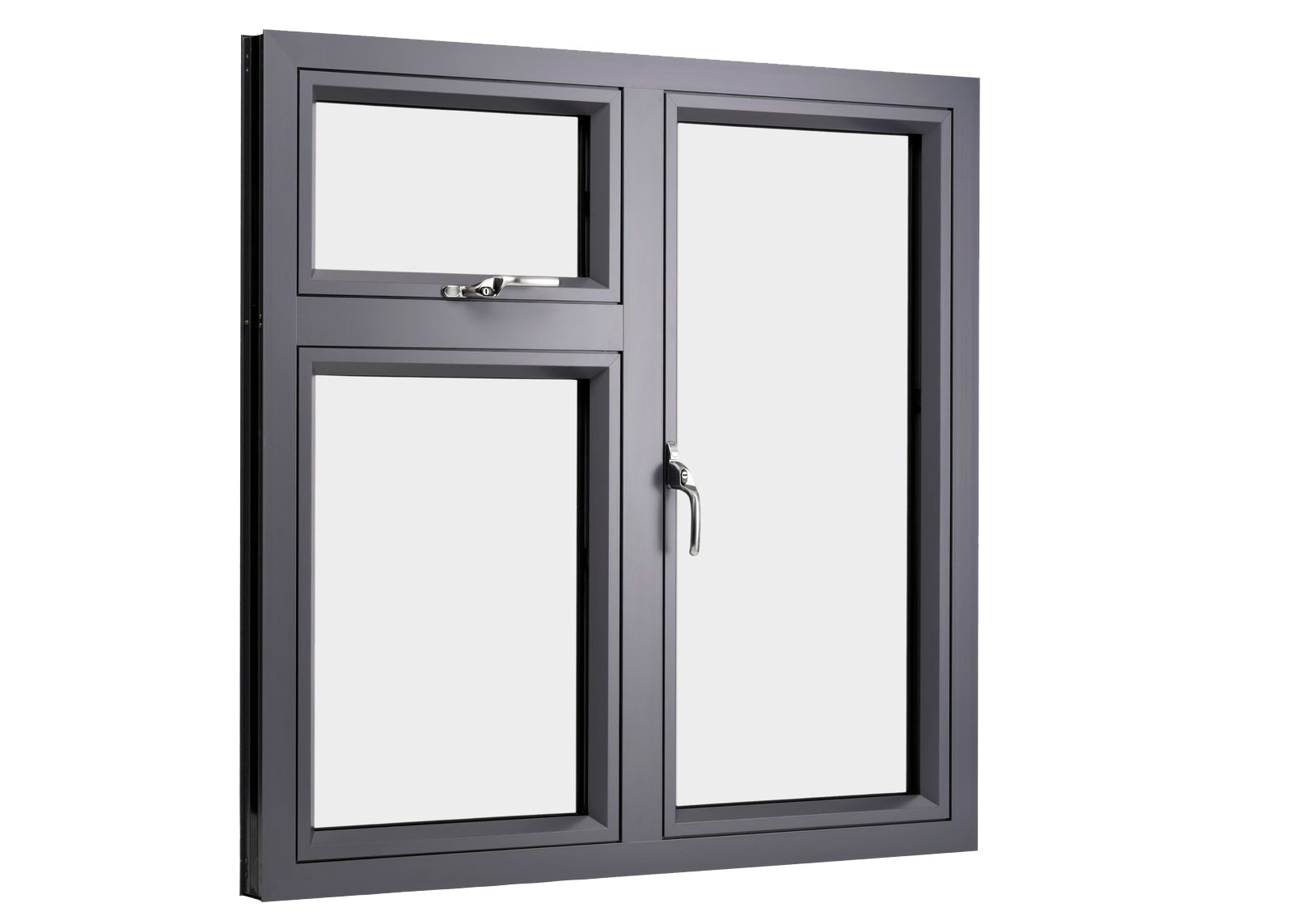
German multi-chamber Veka uPVC profiles delivering natural multi-cavity thermal insulation and maximum acoustic isolation.
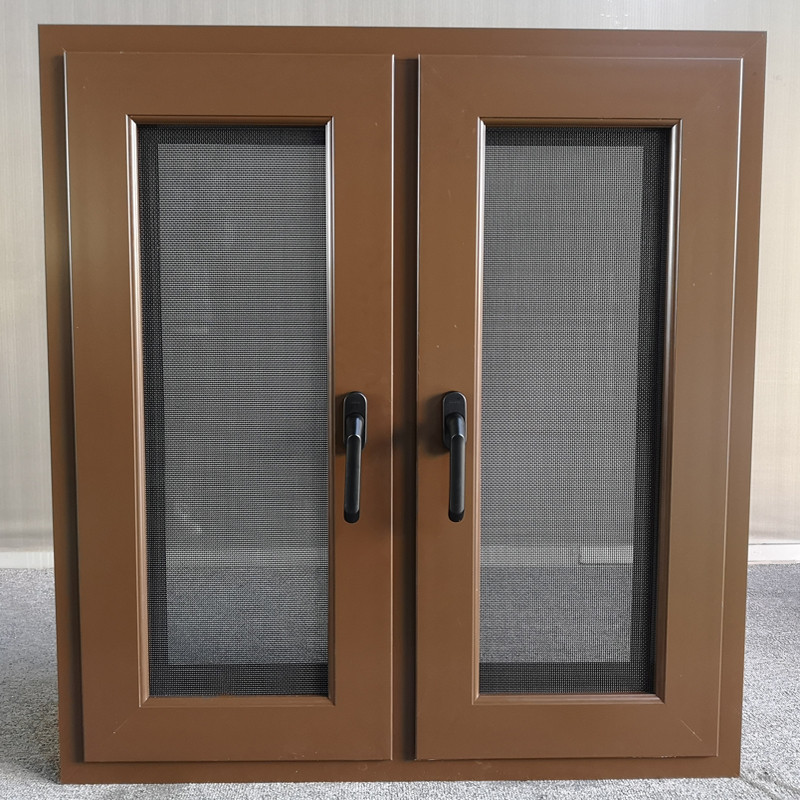
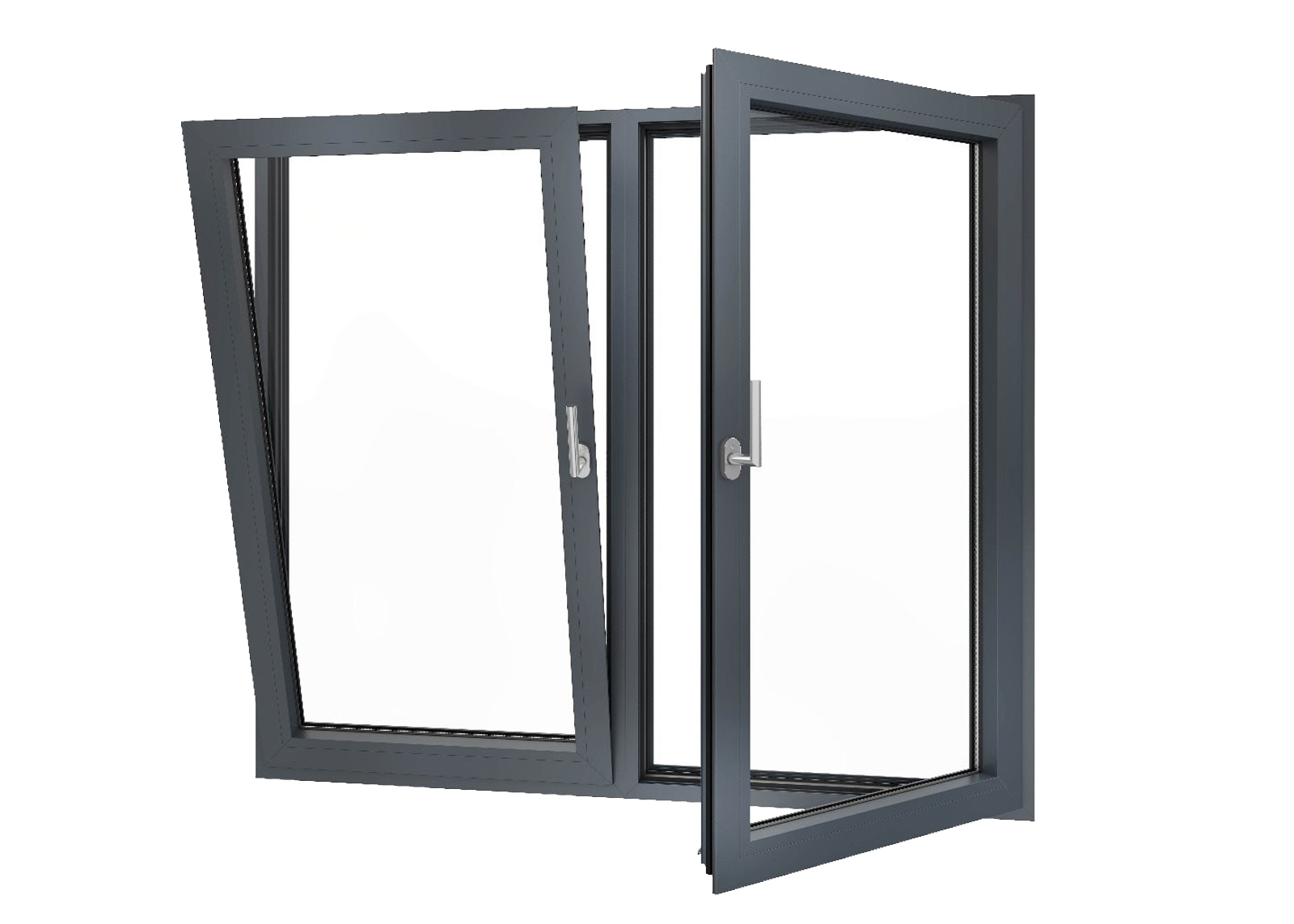
Thermally Broken Aluminium Windows
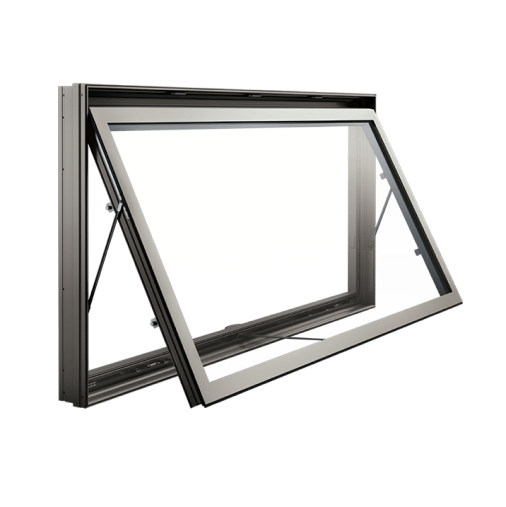
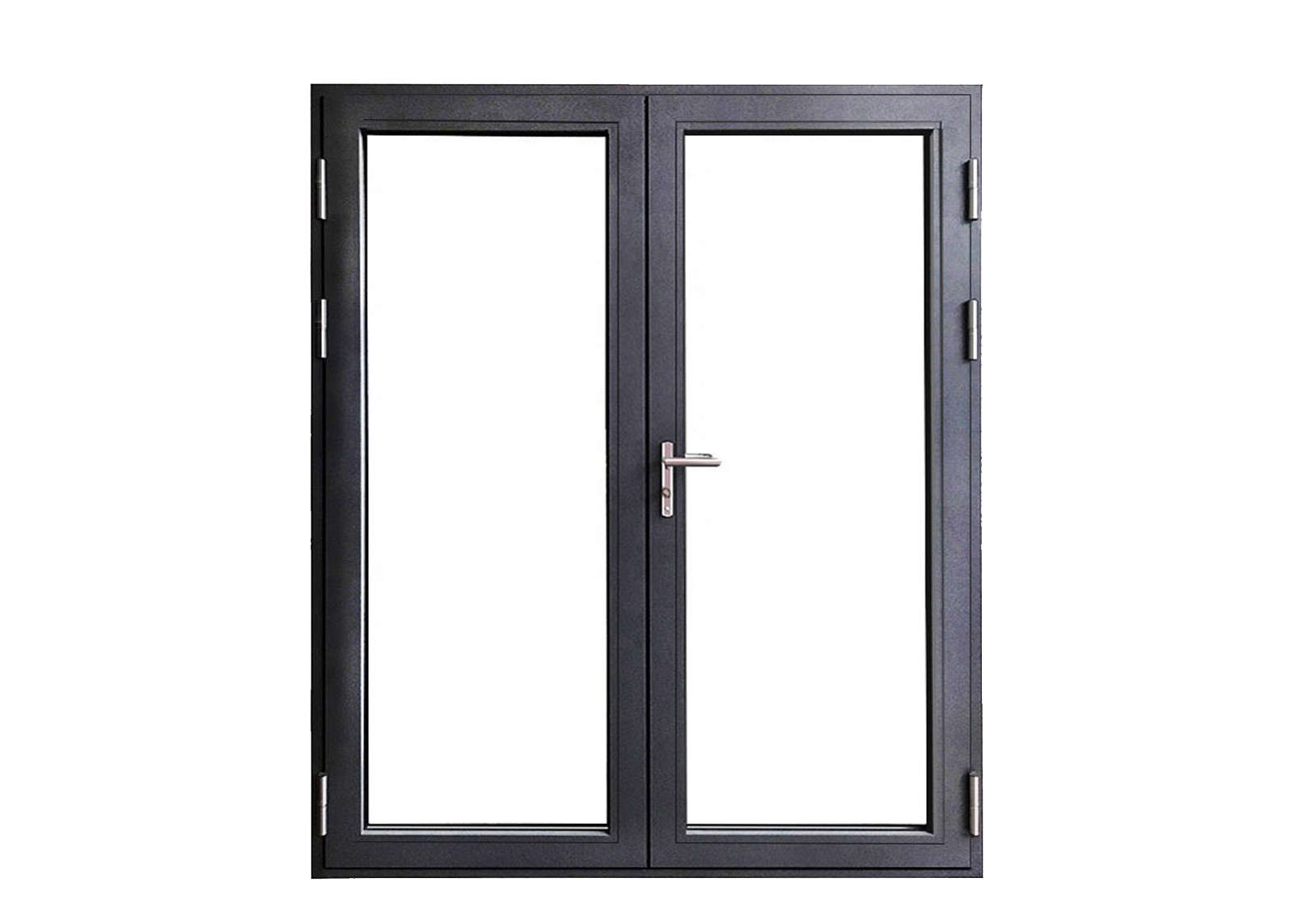
Architectural 6063-T5 aluminum with embedded polyamide thermal breaks, combining slim sightlines with extreme structural rigidity.
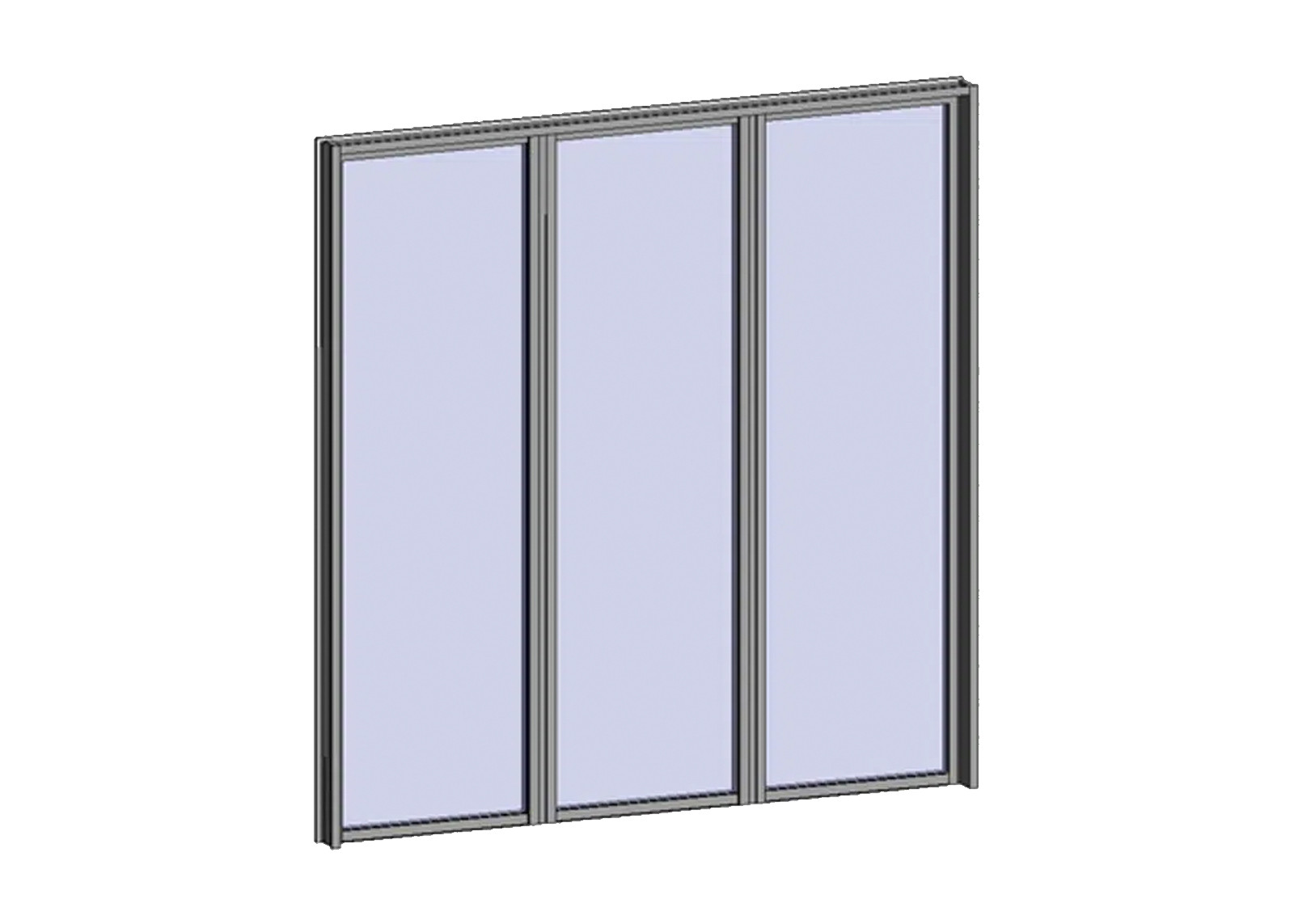
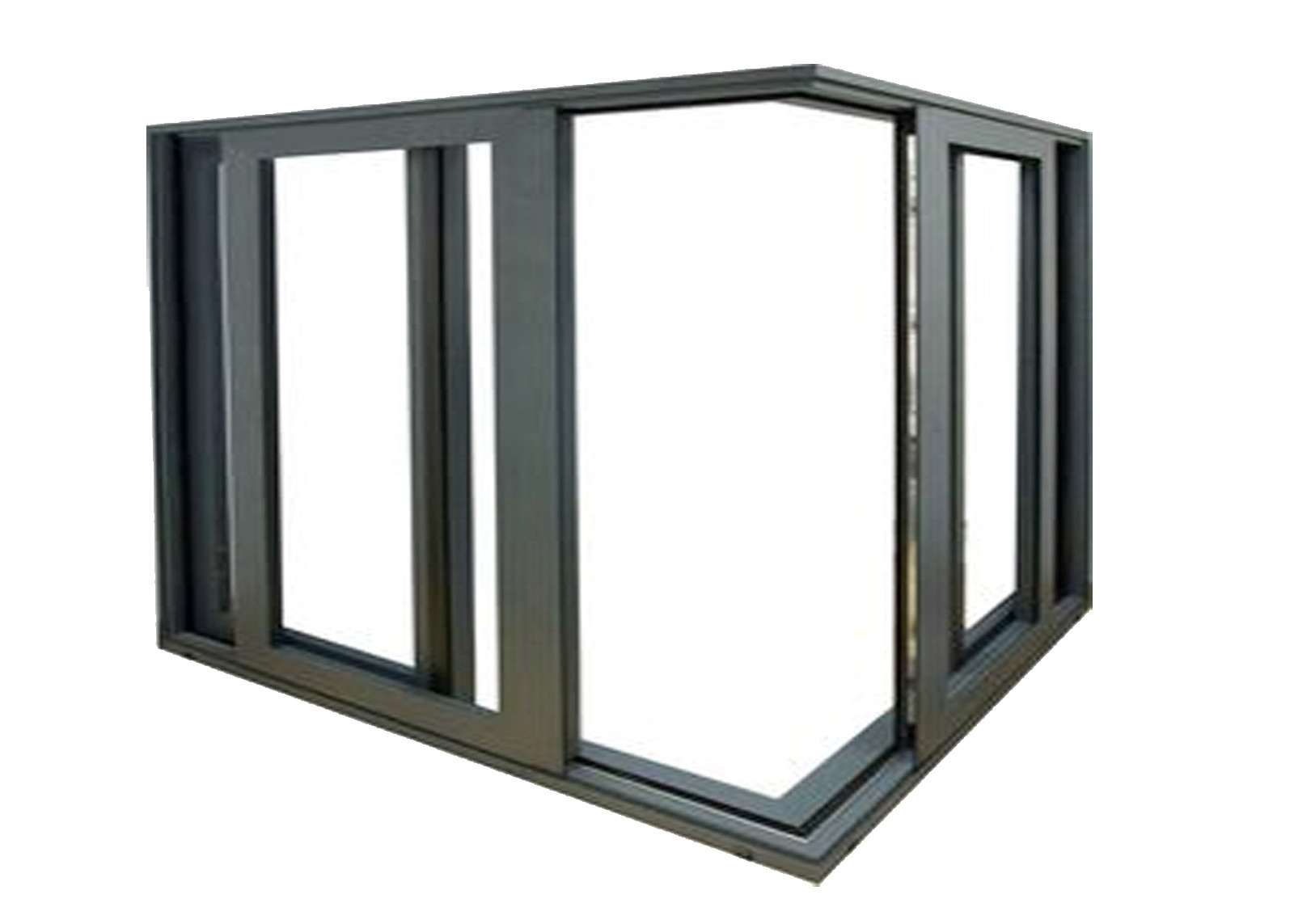
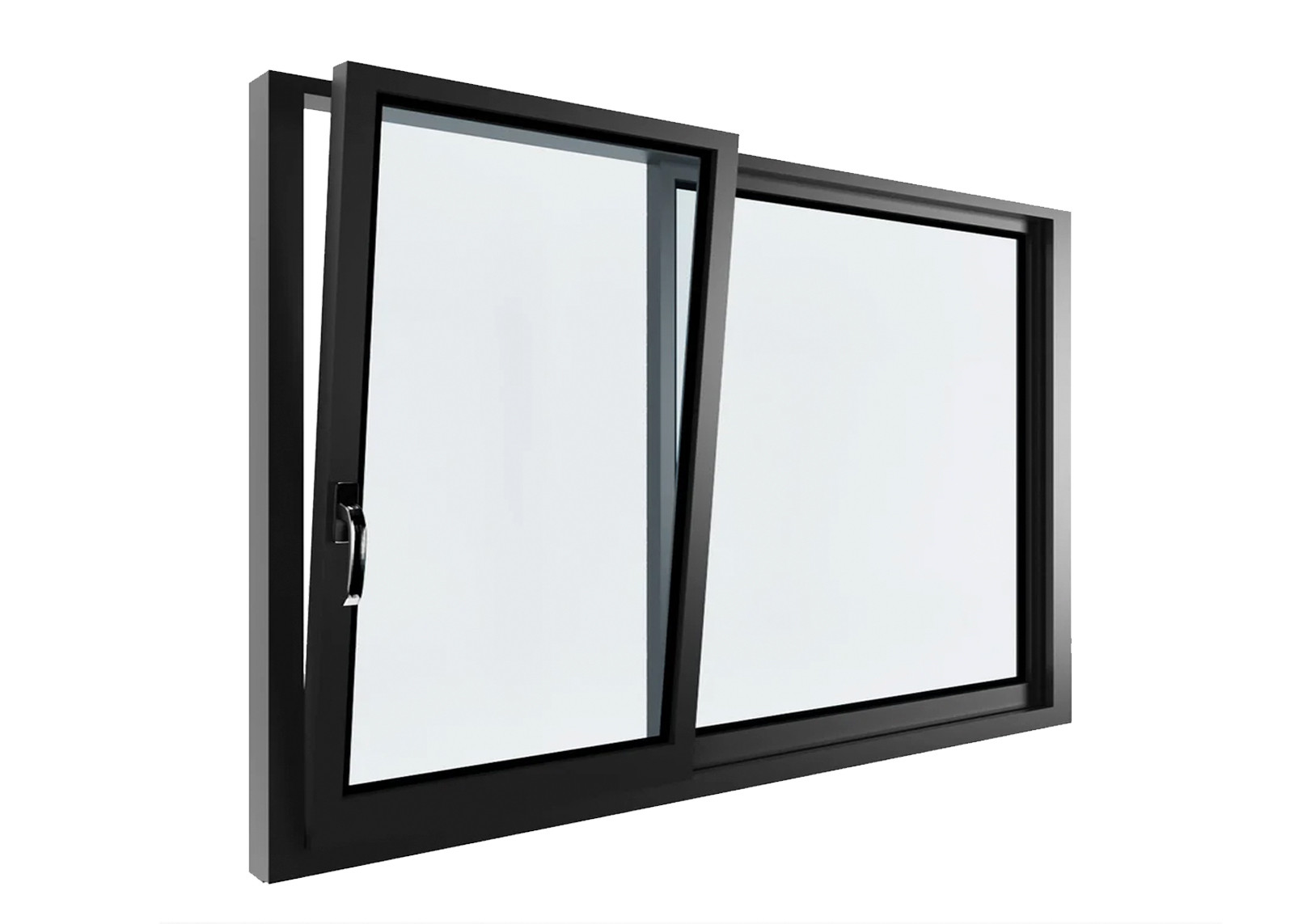
Energy-Efficient Sliding Window Systems
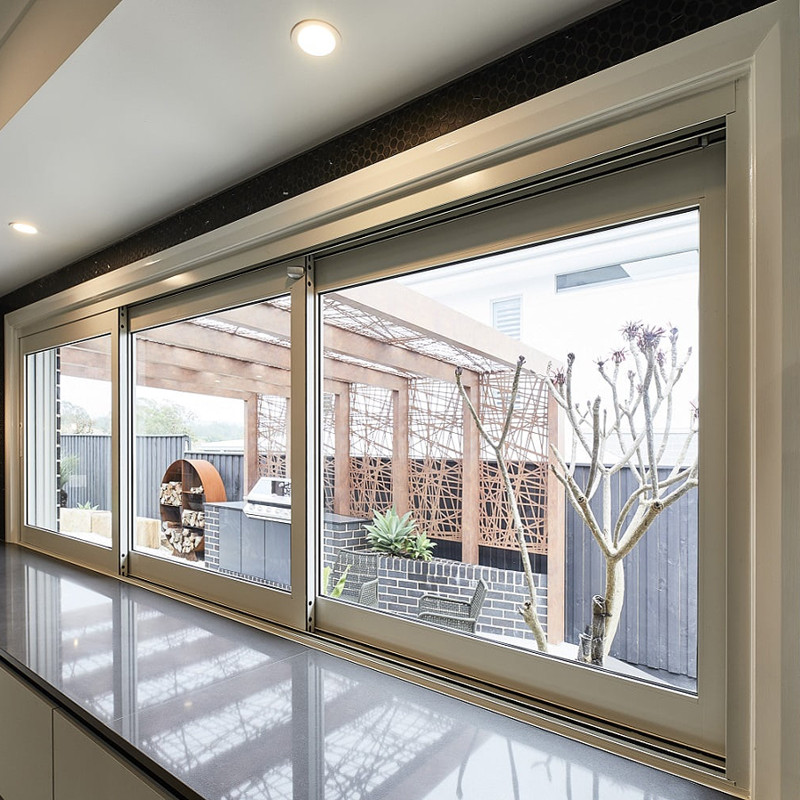
Energy-Efficient Sliding Windows
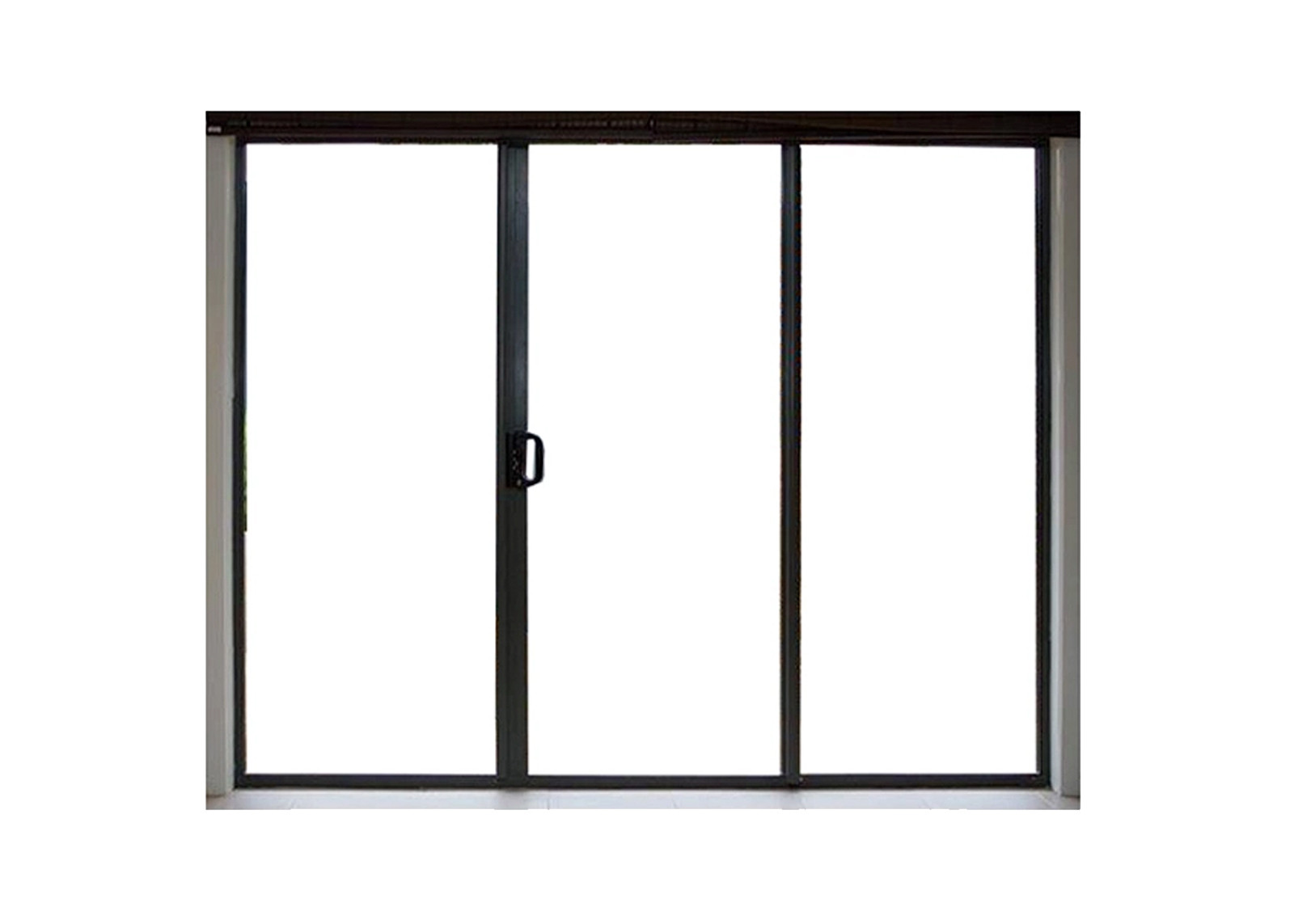
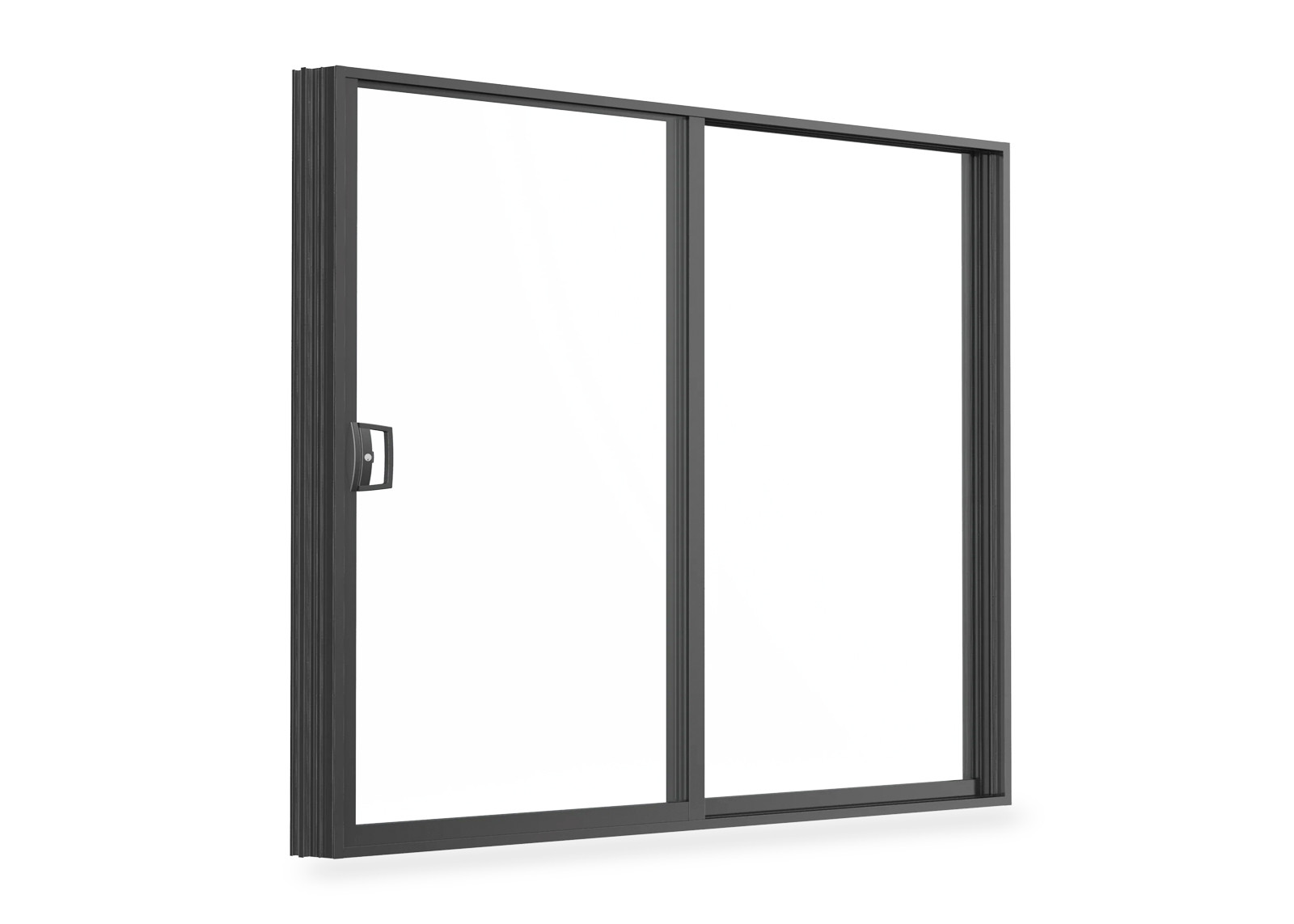
Precision-engineered sliding systems (including custom energy-efficient pu sliding window configurations) featuring airtight weatherstripping.
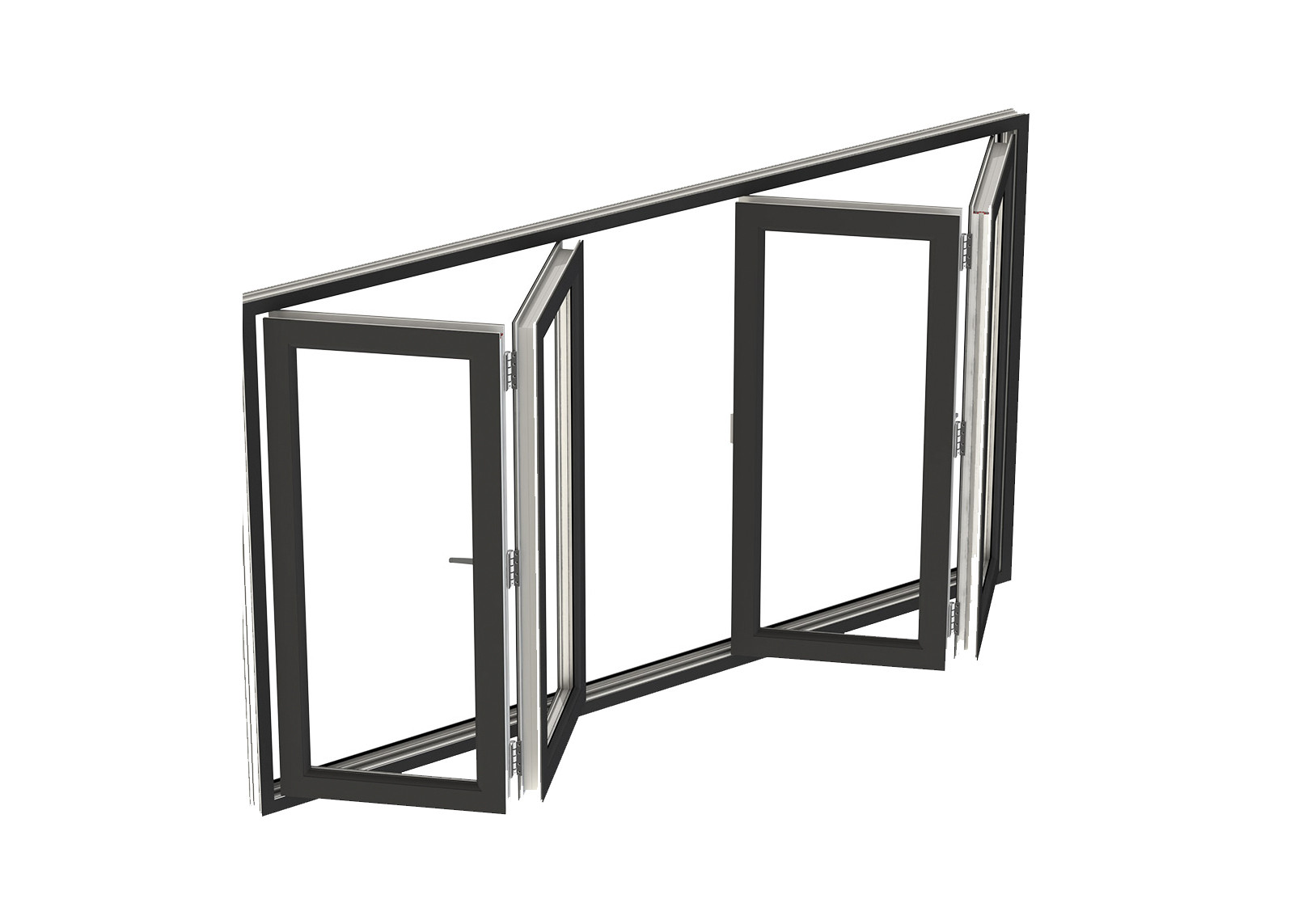
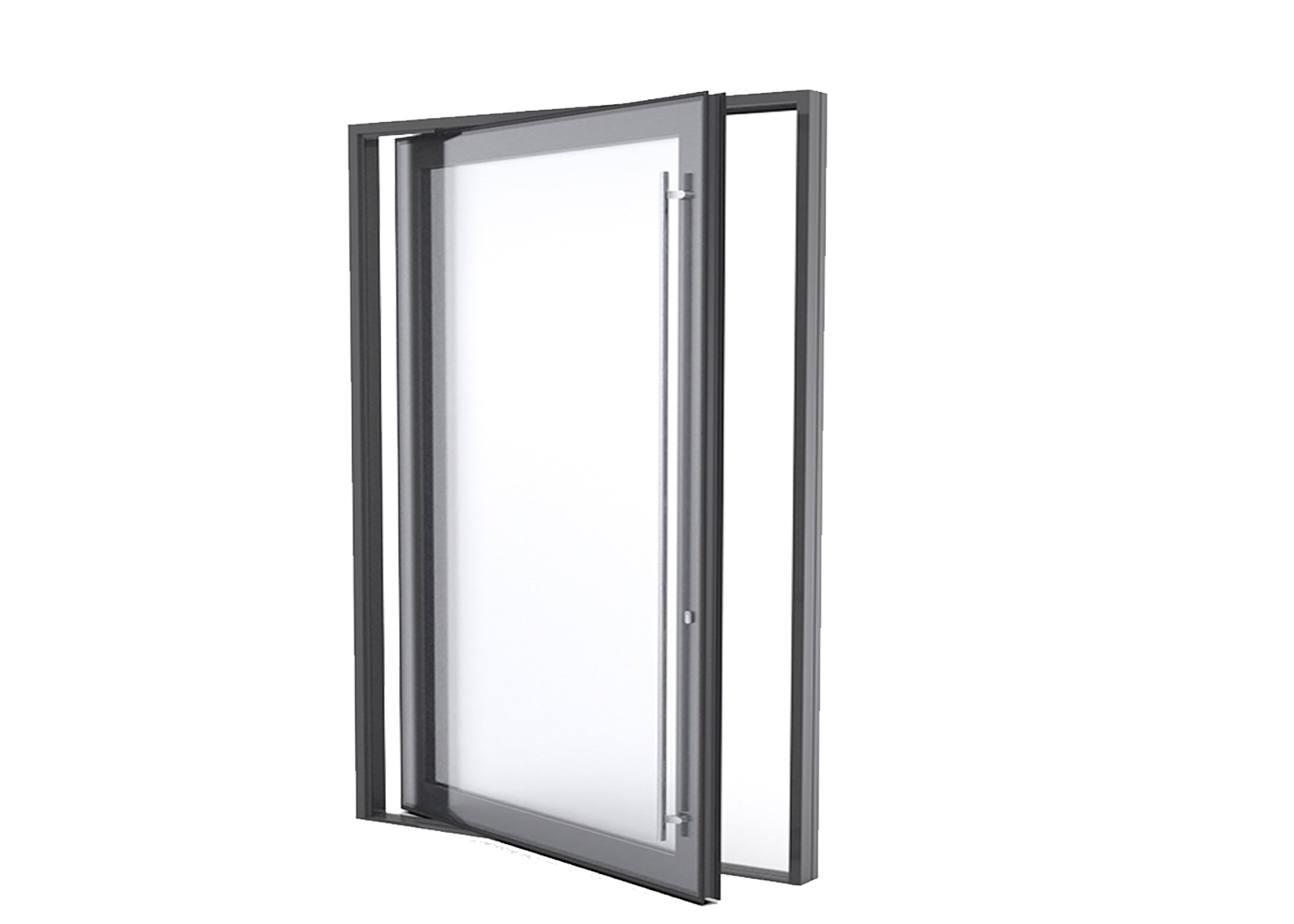
High Performance Double Glazed Patio and Bifold Doors
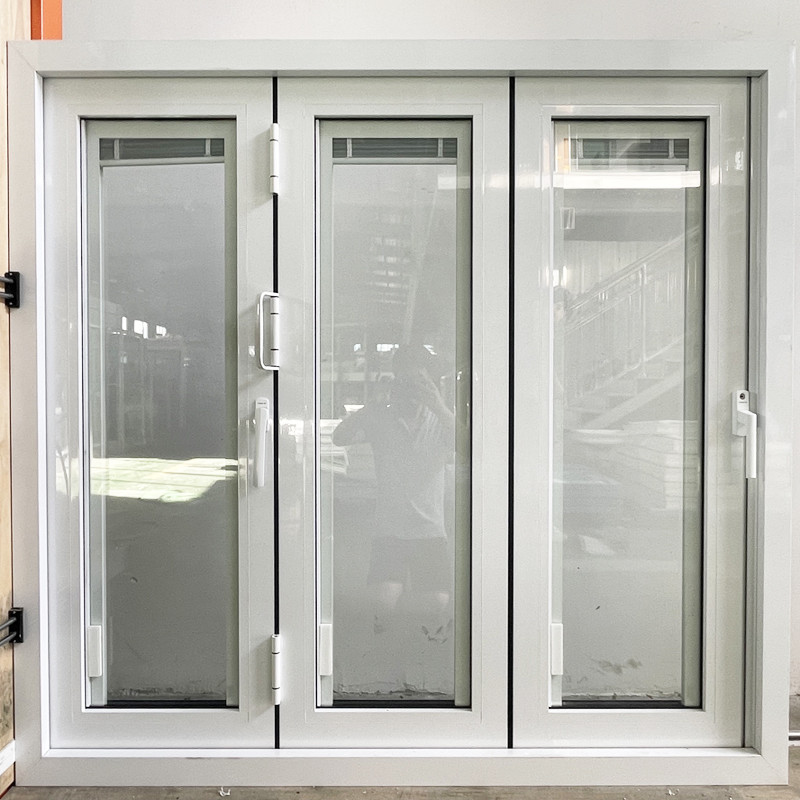
Energy-Saving Door Systems
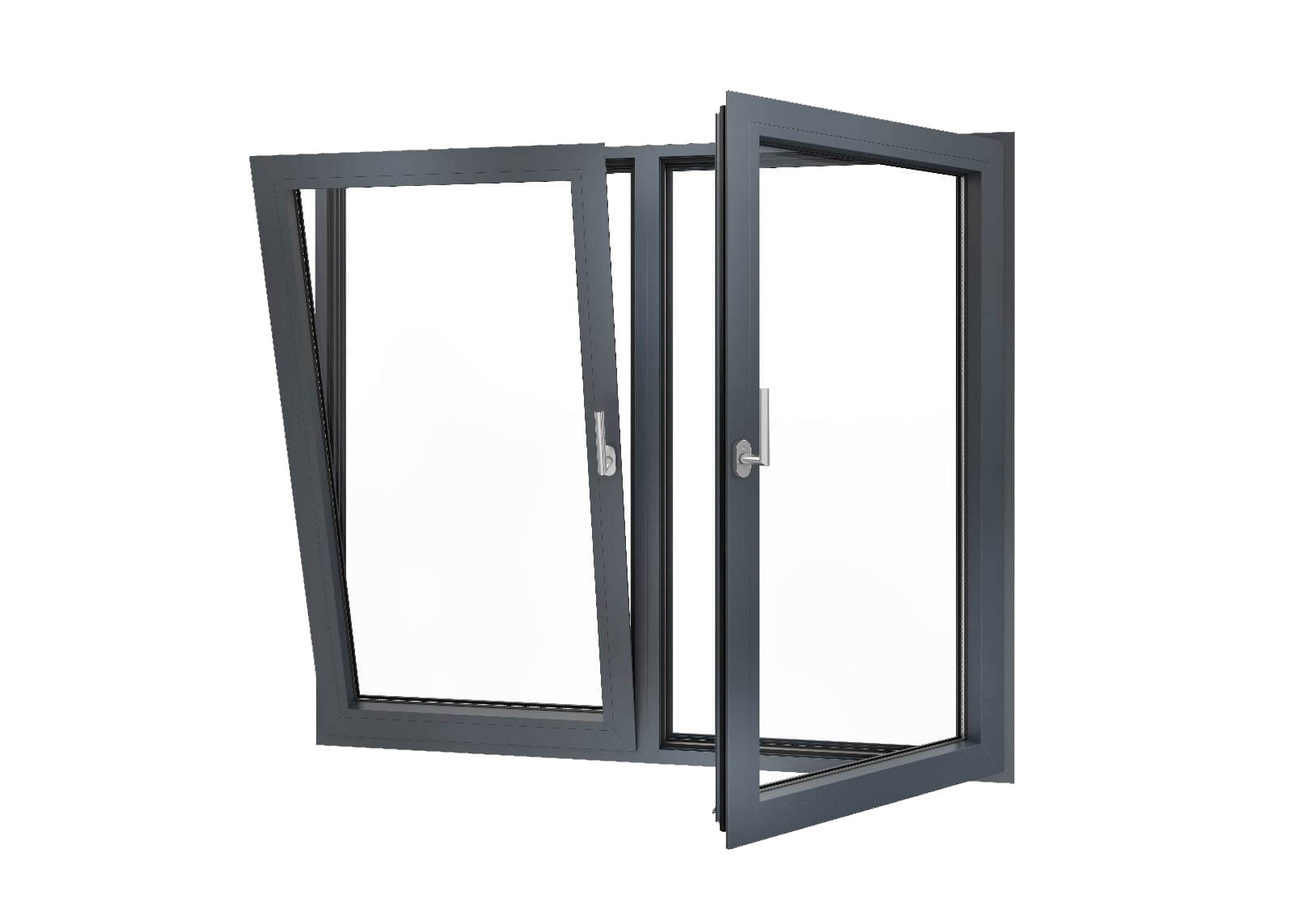
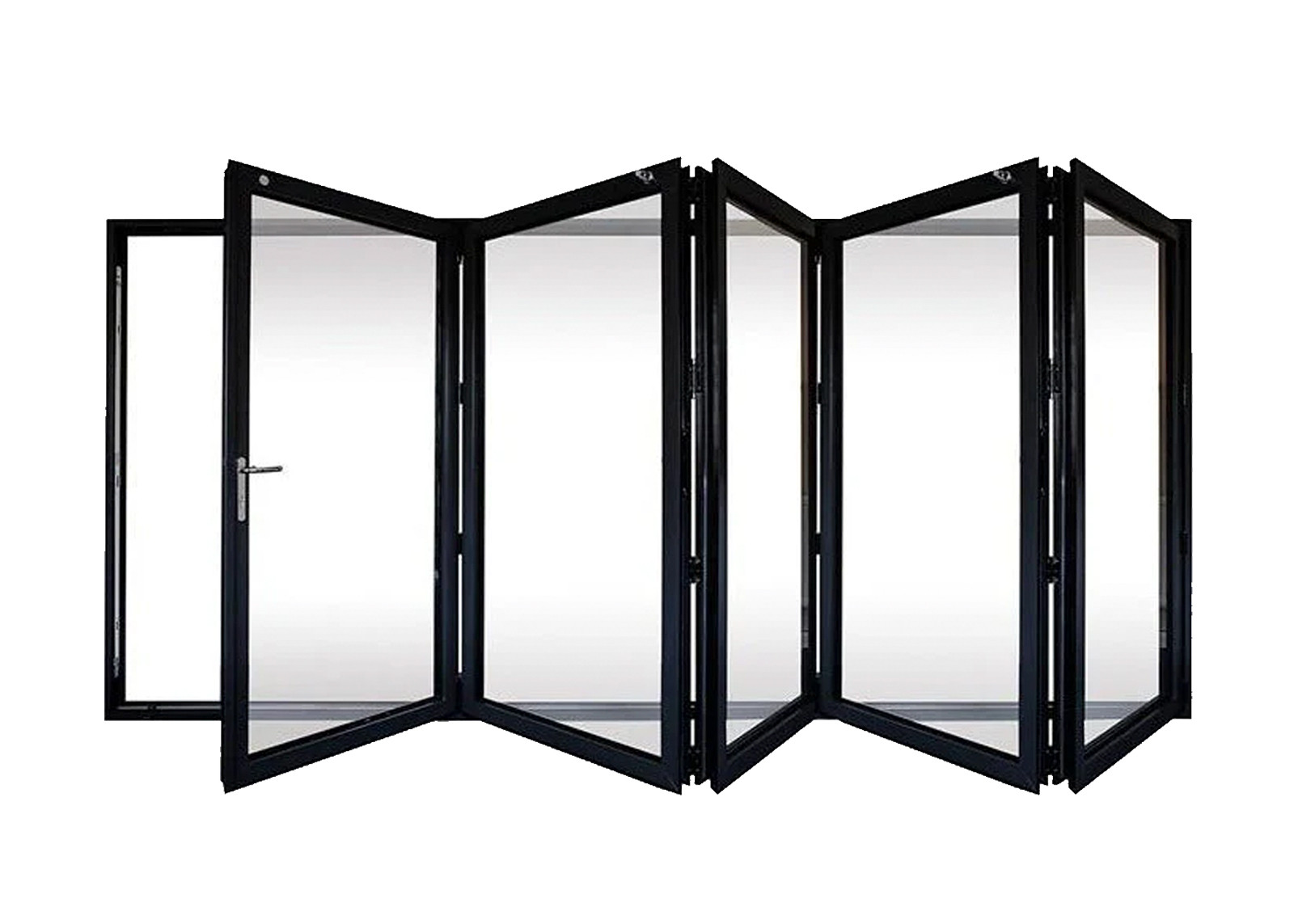
Heavy-duty bifold, stacking, and sliding doors fitted with toughened double glazing for seamless indoor-outdoor living without thermal penalty.

High-Performance Glazing Options: Low-E Coatings & Argon Gas

Selecting specialized architectural energy efficient glass options ensures your fenestration is optimized for your local climate zone. Explore our in-depth guide to choosing the right glass for windows and doors for engineering guidelines:

  • Low-E (Low Emissivity) Glass: Spectrally selective microscopic metallic oxide coatings reflect thermal infrared waves while allowing high visible light transmission (VLT > 70%).
  • Argon Gas Cavity Filling: Argon gas conducts 33% less heat than ambient air, eliminating convective thermal looping between glass panes.
  • Warm-Edge Composite Spacers: Replaces traditional cold aluminum spacer bars with insulating polymer composite spacers, eliminating perimeter edge condensation.
  • Laminated Acoustic Glass: Incorporates a sound-dampening PVB or SGP interlayer that eliminates urban traffic noise and enhances intrusion security.

Planning a Window Replacement Renovation Project

When executing an energy efficient window replace pro project, building owners and contractors must decide between two primary installation methods:

  1. Retrofit (Insert) Replacement: The new insulated window unit is installed directly into the existing sound wooden or aluminum frame. This is a cost-effective, non-destructive approach ideal for rapid residential upgrades.
  2. Full-Frame Replacement: The old frame, trim, and flashing are completely removed down to the rough structural stud opening. This allows contractors to inspect wall insulation, install modern waterproof vapor membranes, and maximize clear viewing glass dimensions.

Frequently Asked Questions (FAQ)

Q1: How much can I realistically save on electricity bills by upgrading to energy efficient windows?
Upgrading from legacy single-pane windows to certified double or triple glazed energy efficient windows typically reduces whole-home heating and cooling energy consumption by 20% to 40%. For an average single-family home, this translates to annual utility bill savings of $350 to $800+ depending on your regional climate extremes.
Q2: How do uPVC windows save energy compared to standard aluminum frames?
uPVC is a natural thermal insulator with thermal conductivity over 1,000 times lower than raw aluminum. German multi-chamber uPVC profiles create trapped air pockets within the frame, preventing cold or heat from conducting through the sash. When pairing energy efficient upvc windows with Low-E double glazing, whole-window U-values easily reach an ultra-low Uw 1.2–1.5 W/m²K.
Q3: Is it better to choose double glazed or triple glazed windows for maximum energy efficiency?
Double glazing with Low-E glass and argon gas is the standard sweet spot for temperate and subtropical climates, delivering optimal cost-efficiency. Triple glazing is highly recommended for cold northern climates, passive house projects, or extreme noise zones, providing an additional 40% reduction in heat loss (Uw down to 0.8 W/m²K).
Q4: What is the difference between U-value and SHGC in energy efficient windows?
U-value measures the rate of conductive heat transfer (lower is better for keeping heat inside in winter or outside in summer). SHGC (Solar Heat Gain Coefficient) measures how much solar radiation passes through the glass (lower is better for cooling-dominated hot climates, higher is preferred for passive solar heating in freezing climates).
Q5: Does upgrading to energy-efficient windows eliminate winter window condensation?
Yes. Because insulated double glazing and thermally broken/uPVC frames keep the interior glass surface temperature close to room temperature, indoor moisture does not condense onto cold glass panes, virtually eliminating fogging, water pooling, and mould growth.
Q6: What should I look for when executing an energy efficient window replace pro renovation?
Ensure the replacement windows carry verified energy certifications (such as Australian AS2047/WERS, North American NFRC/ENERGY STAR, or European CE). Ensure proper perimeter flashing, waterproof membrane sealing, and high-density expanding insulation foam are applied during installation to prevent air leakage around the rough frame opening.

Ready to Upgrade to Certified Energy Efficient Windows & Doors?

Whether you are renovating an existing home, building an energy-efficient development, or sourcing certified architectural fenestration for Australian (AS2047), North American (NFRC), or European standards, ROPO delivers custom factory-direct solutions engineered for extreme durability and maximum energy savings.

Contact ROPO Engineering Team

Get A Quick Quote | Custom Windows and Doors
  • Quick selection quotation
  • Become ROPO Windows Partner
  • Australia Homeowner Quotation
  • NZ Homeowner Quotation
  • Ready to Share or Refer?
  • Interested in becoming a display home partner?
  • Want to Join Our Referral Program?
    • *Email
      *Full Name
      *Phone
    • *Email
      *Full Name
      *Phone
    • *Email
      *Full Name
      *Phone
    • *Email
      *Full Name
      *Phone
    • *Email
      *Full Name
      *Phone
    • *Email
      *Full Name
      *Phone
    • *Email
      *Full Name
      *Phone
Categories
Contact Person
Benson
Full Name:
Benson
Tel:

+86 591-87147106

Email:
sales@ropowindows.com
WhatsApp:
8615980112550
Address:
Address: No. 1 Phase, Tieling Technical And Economic Development Zone, Minhou County, Fuzhou City, Fujian Province, China