



Miami-Dade Approved Impact Windows: How to Source Hurricane-Rated Aluminium & uPVC Windows from China
When a hurricane is bearing down on the Florida coast, the difference between a house that survives and one that does not is often written in a single line of the building code: the impact rating of its windows. Miami-Dade approval is the strictest and most widely recognised standard for hurricane-rated windows in the United States, and it is the benchmark that builders, inspectors and insurers all look for in the High Velocity Hurricane Zone.
This guide is for anyone sourcing impact windows — US importers, builders, contractors and property owners — and it covers what Miami-Dade approval actually requires, how aluminium and uPVC impact windows compare, the technology behind them, realistic cost factors, and exactly what to check when vetting a factory in China. It closes with an inside look at ROPO Windows, a Fuzhou-based manufacturer with Miami-Dade approvals available that has been exporting custom windows and doors for more than 16 years.
What Are Miami-Dade Approved Impact Windows?
Miami-Dade approval is a product certification issued by the Miami-Dade County Product Control section, the authority that regulates construction products used in South Florida's High Velocity Hurricane Zone (HVHZ). Because HVHZ requirements are the toughest in the country, the county's approval process has effectively become a national reference: insurance companies, code officials and architects across the United States recognise Miami-Dade-approved windows as hurricane-rated, even outside Florida.
To earn approval, a window must pass a documented testing and evaluation program under the county's Testing Application Standards — most importantly TAS 201 for impact resistance, which covers large-missile and small-missile debris tests, together with TAS 202 and TAS 203 covering cyclic wind pressure loading. The outcome is a Notice of Acceptance (NOA) that records exactly what the product is, how it was tested and how it may be installed.
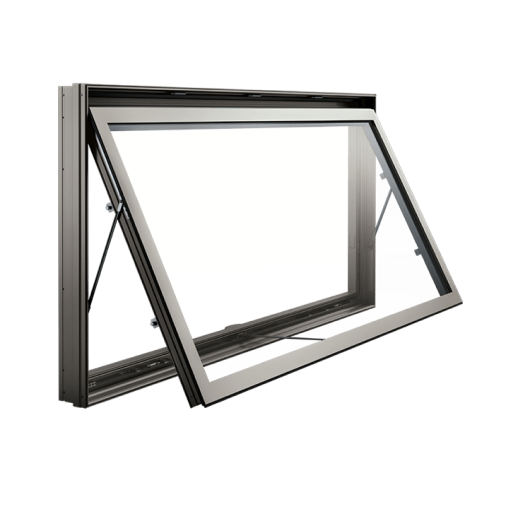
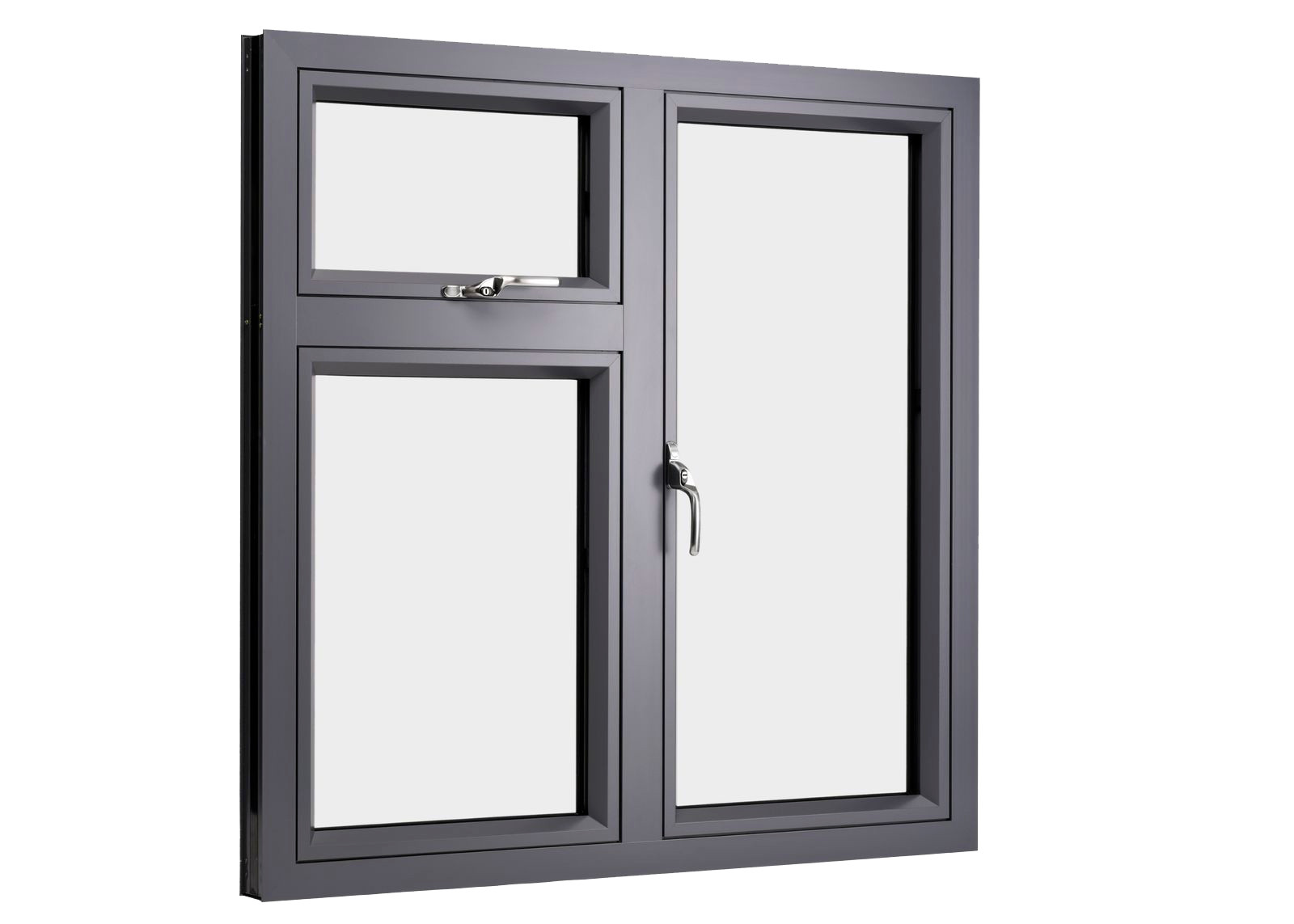
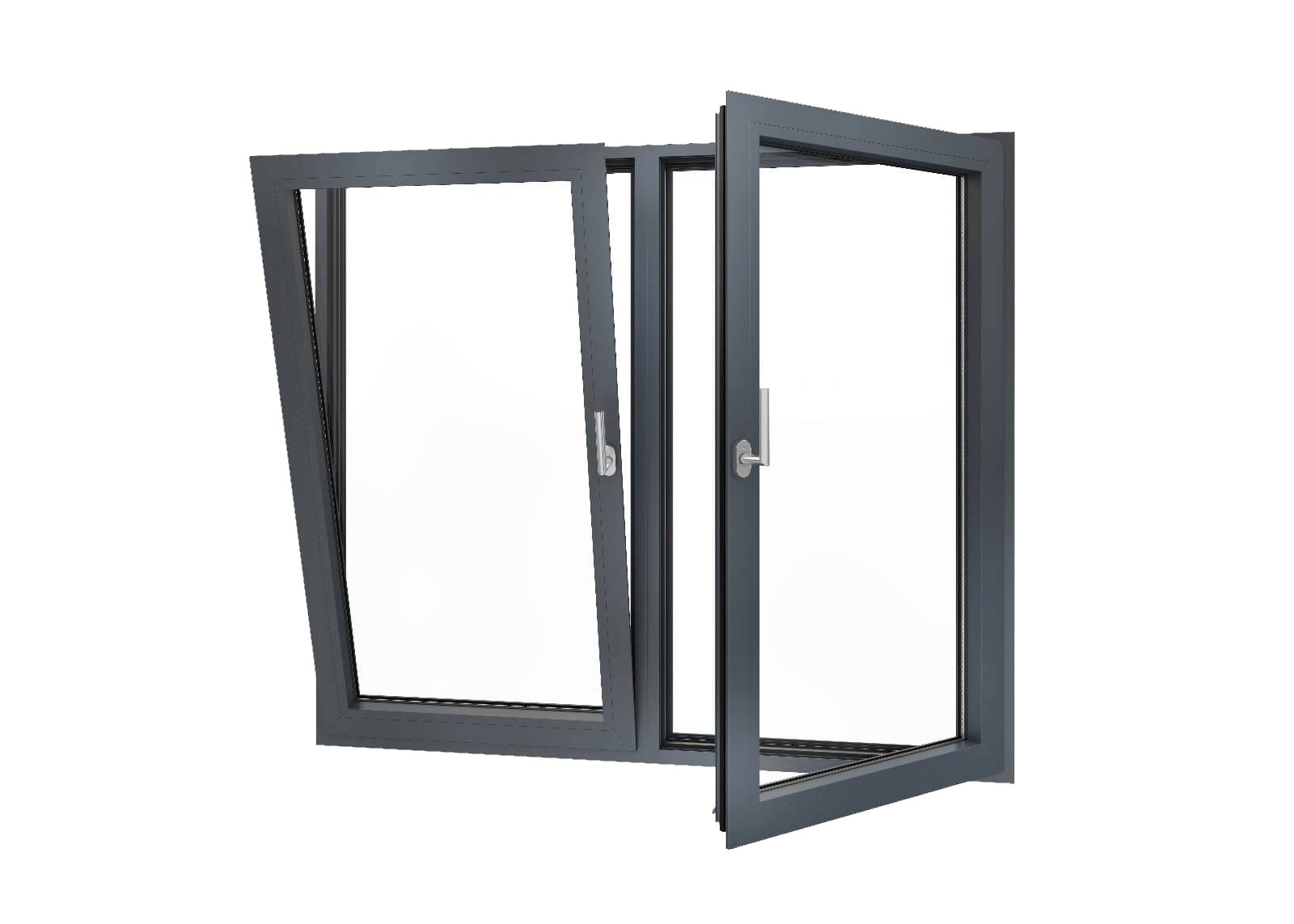
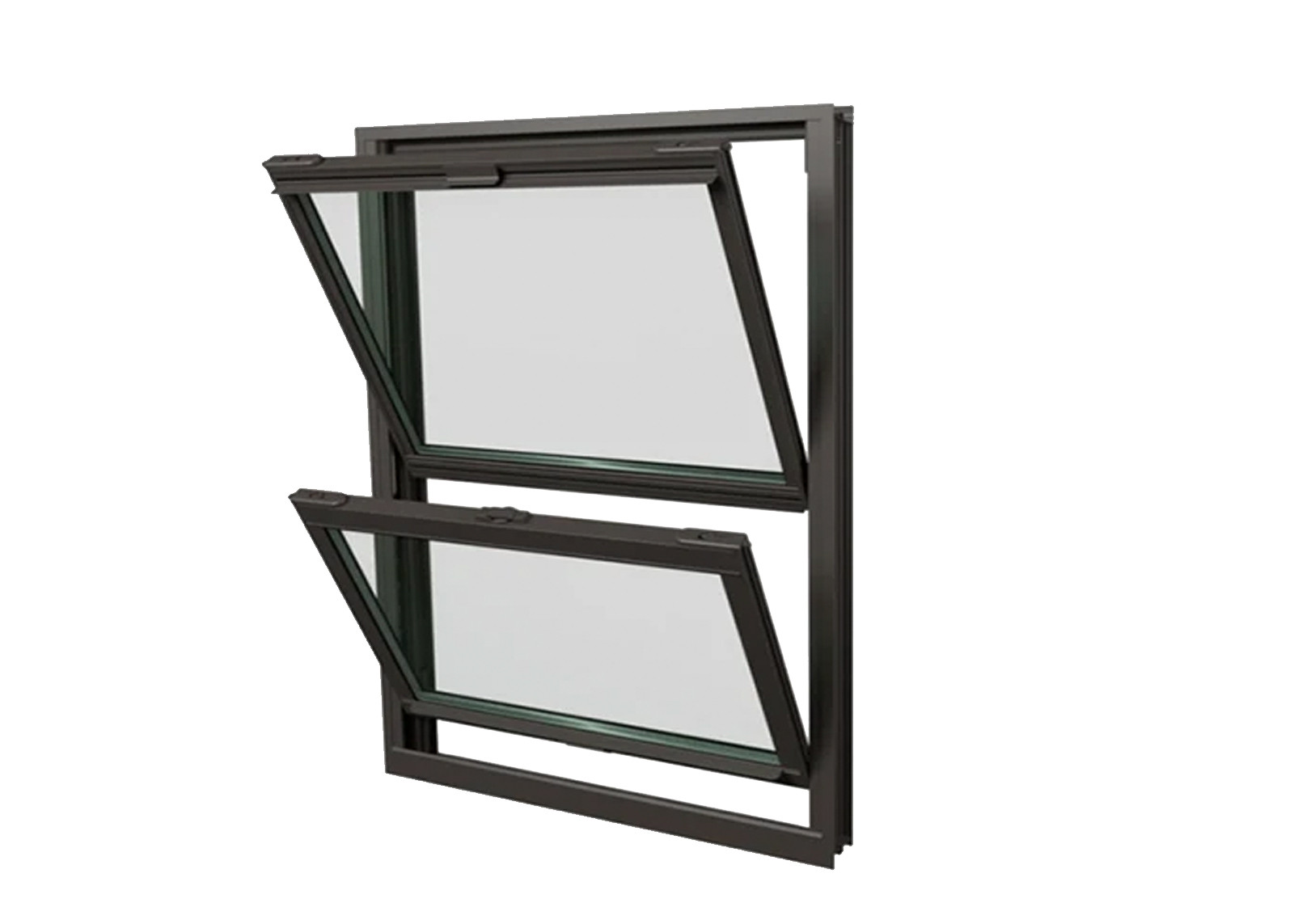
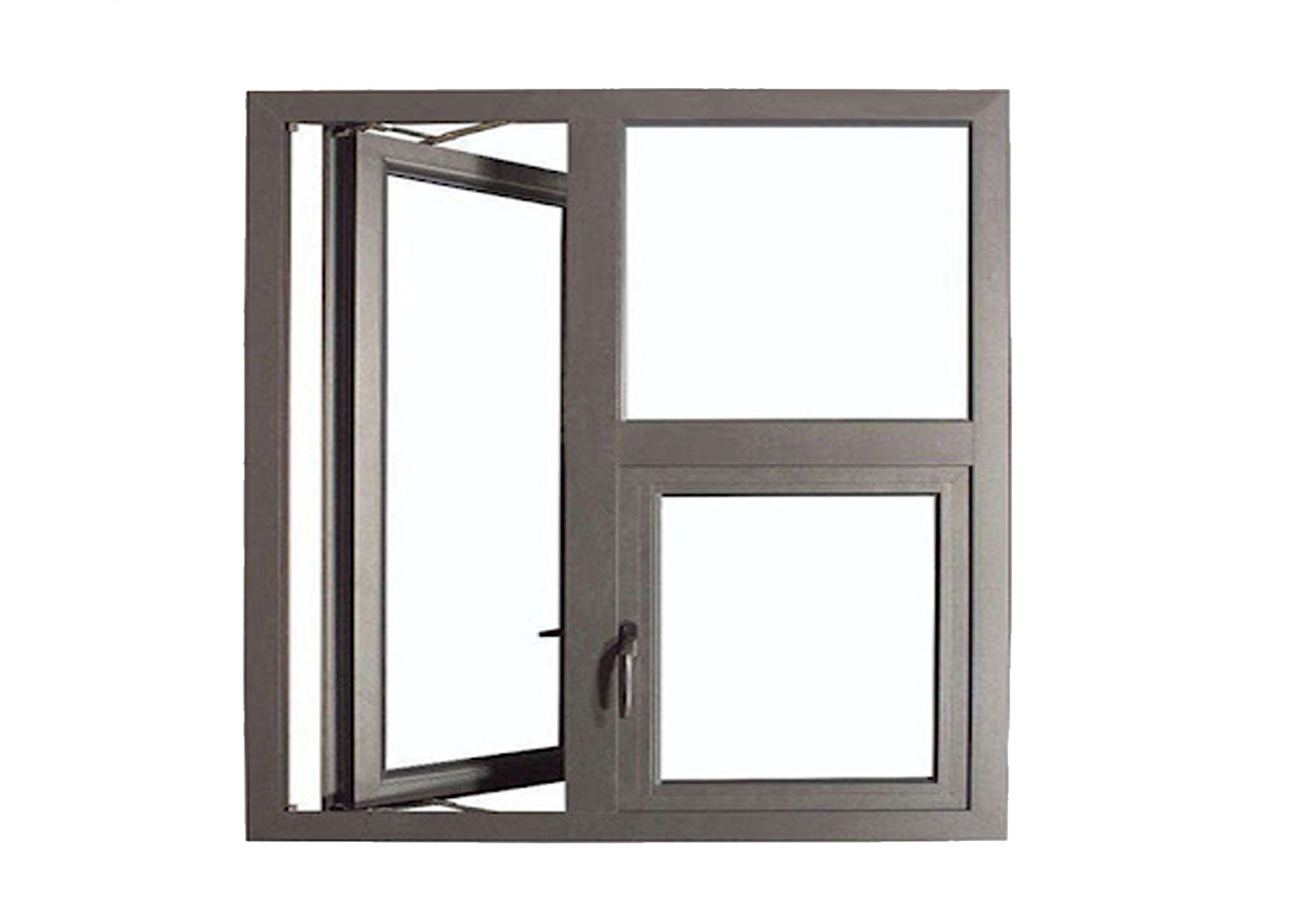
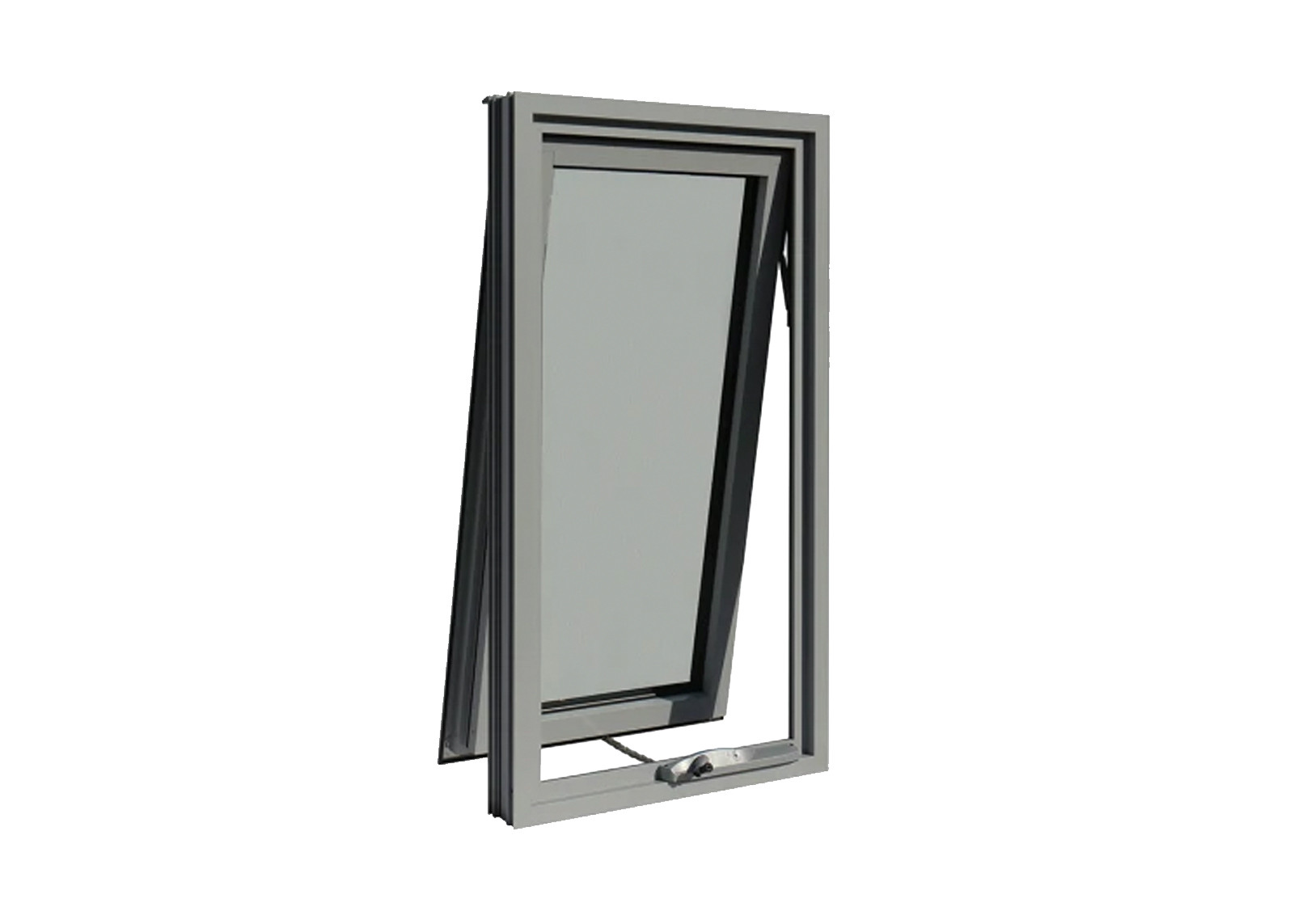
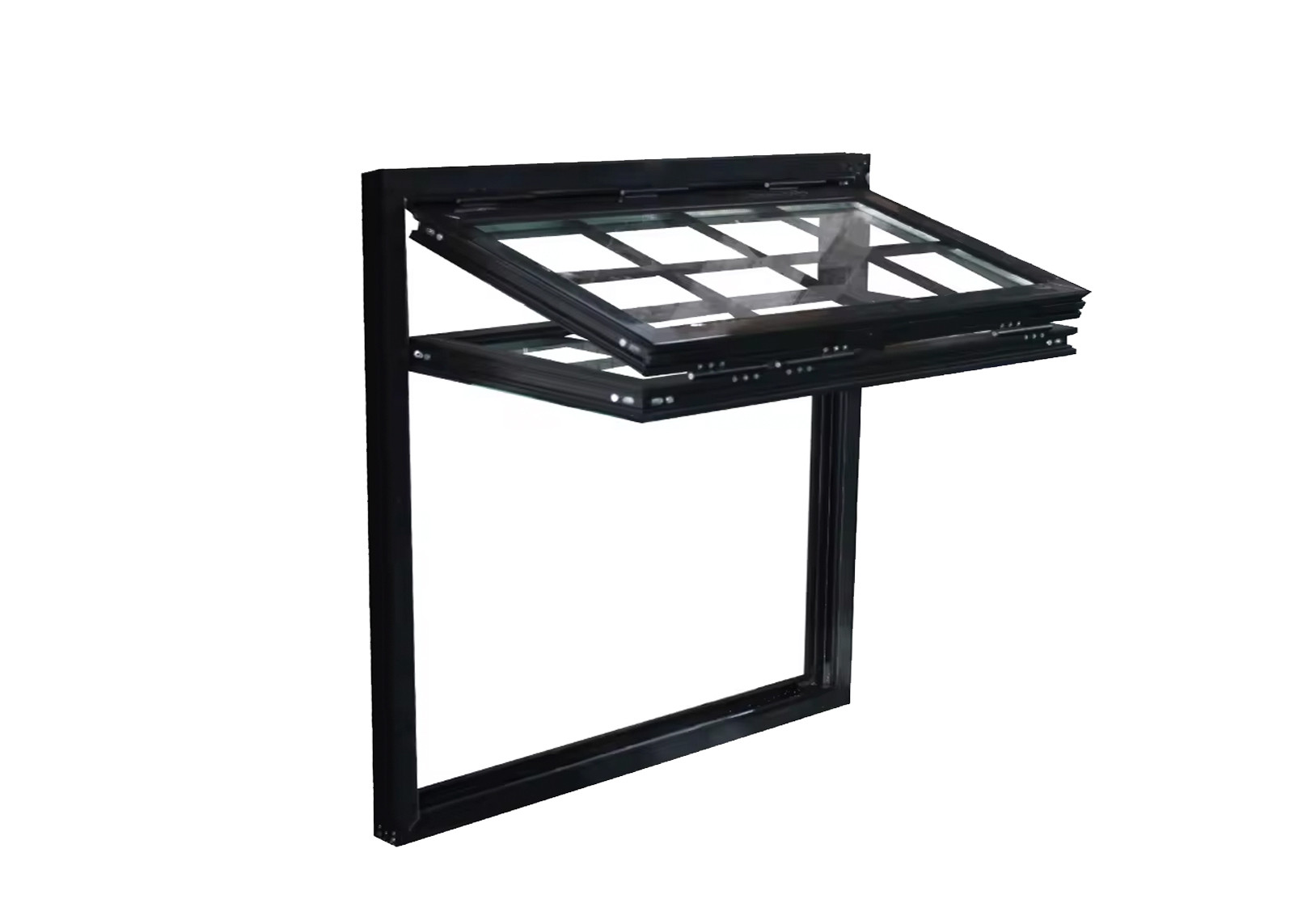
A Miami-Dade approved window is therefore much more than a "hurricane window" label: it is a tested system of frame, glass, hardware and anchoring proven to survive wind-borne debris impact and the pressure cycling of a major storm. That distinction matters enormously when you are choosing between products — and when a building official or insurance underwriter asks to see the paperwork. Browse the hurricane impact windows range to see how these systems are configured.
Why Miami-Dade Approval Matters for US Projects
For anyone building or renovating in Florida's HVHZ — Miami-Dade, Broward and Palm Beach counties — impact-rated windows are not optional. The Florida Building Code requires exterior glazing in the HVHZ to meet impact and design pressure ratings that effectively mandate approved impact products. Outside the HVHZ, approved windows are still the fastest route to compliance in wind-borne debris regions, and many municipalities along the Gulf and Atlantic coasts follow the same logic.
The commercial case is just as strong. Approved impact windows typically qualify for lower windstorm insurance premiums, add measurable resale value, and remove the need for hurricane shutters on protected openings. For builders, specifying a certified product up front avoids expensive change orders when the inspector checks the ratings; for importers, certification is the difference between a sellable product line and a warehouse of frames that no US project will accept.
ROPO has shipped impact-rated windows to the United States and the Caribbean for years, with completed projects documented on the US project cases page. Seeing how certified products are actually installed in your target market is one of the best ways to check that a factory's certification is real and usable on site.
Aluminium vs uPVC Impact Windows: Which System for Hurricane Zones?
Both of the main window materials can be built to Miami-Dade impact standards, and both are manufactured in-house at ROPO. The choice comes down to how the project weighs strength, energy performance, corrosion resistance and budget:
| Factor | Aluminium Impact Windows | uPVC Impact Windows |
|---|---|---|
| Impact performance | Excellent with reinforced frames and laminated glass | Excellent with steel-reinforced multi-chamber profiles |
| Wind load / design pressure | Very high, slim sightlines for large openings | High, chunkier profiles at extreme spans |
| Corrosion in coastal air | Powder-coated aluminium resists salt well | uPVC never corrodes, ideal near the ocean |
| Thermal insulation | Good with thermal break technology | Excellent with multi-chamber profiles |
| Cost | Generally higher | Generally lower |
| Best for | Large spans, commercial and modern residential | Residential, energy-focused and high-humidity sites |
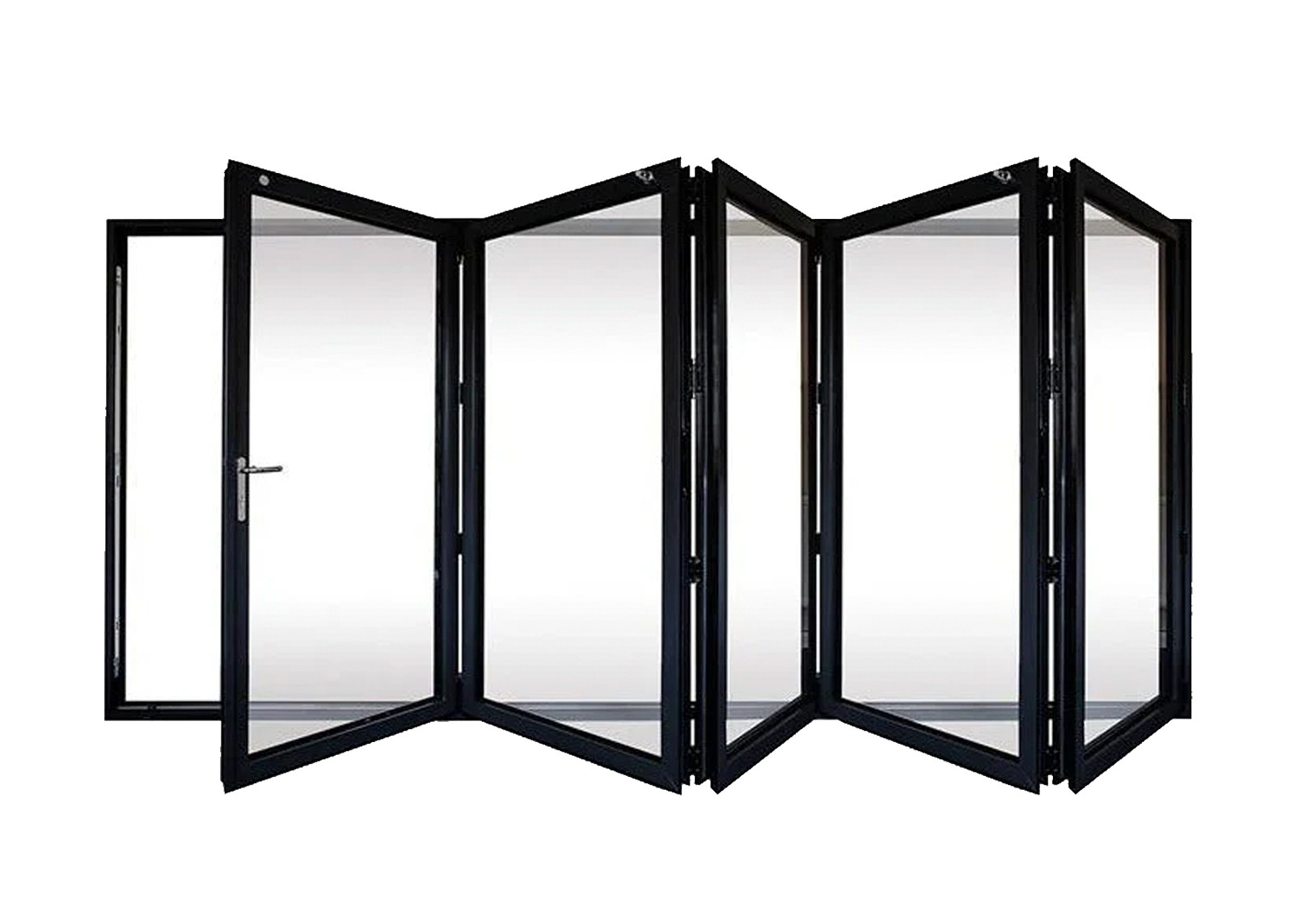
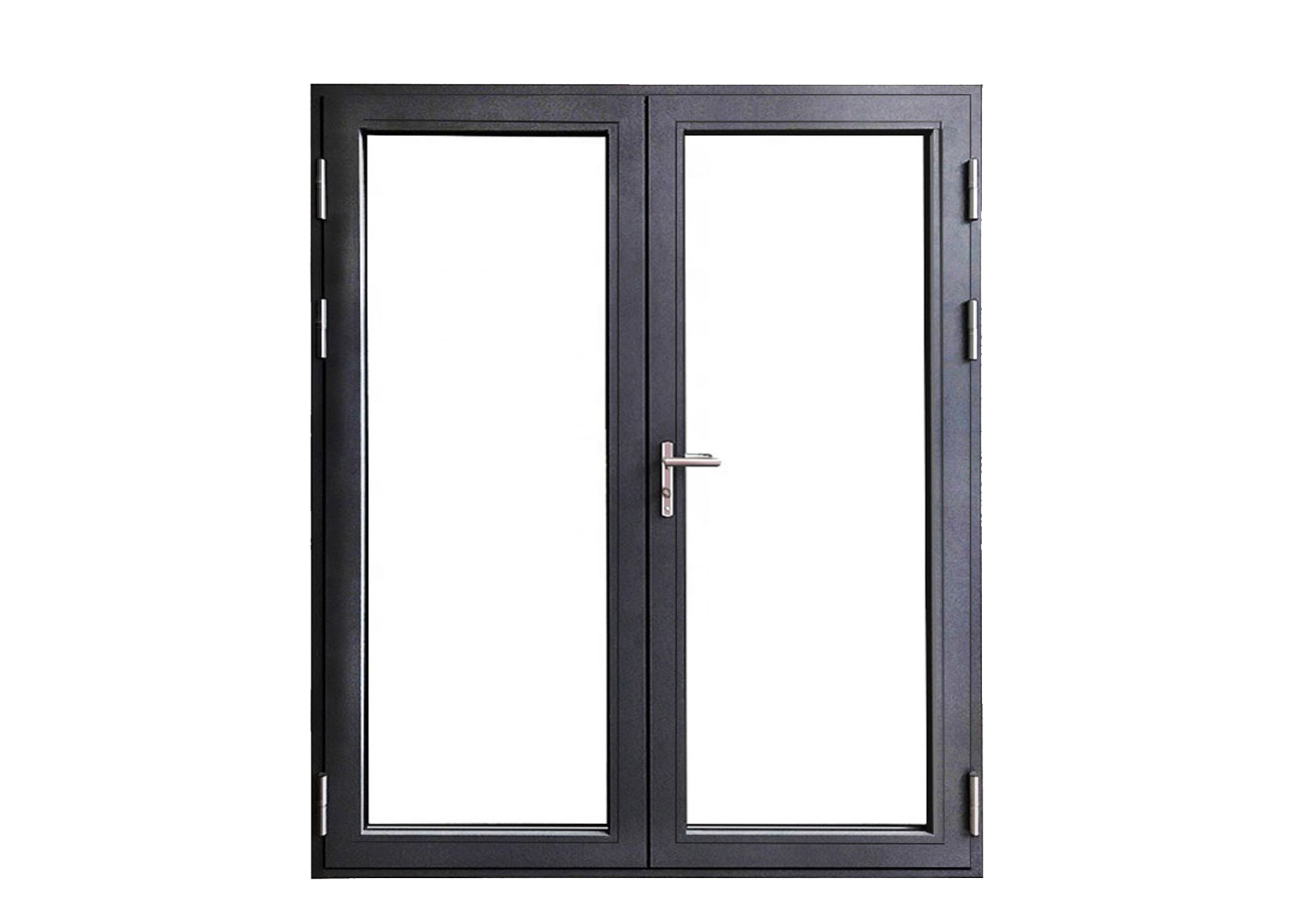
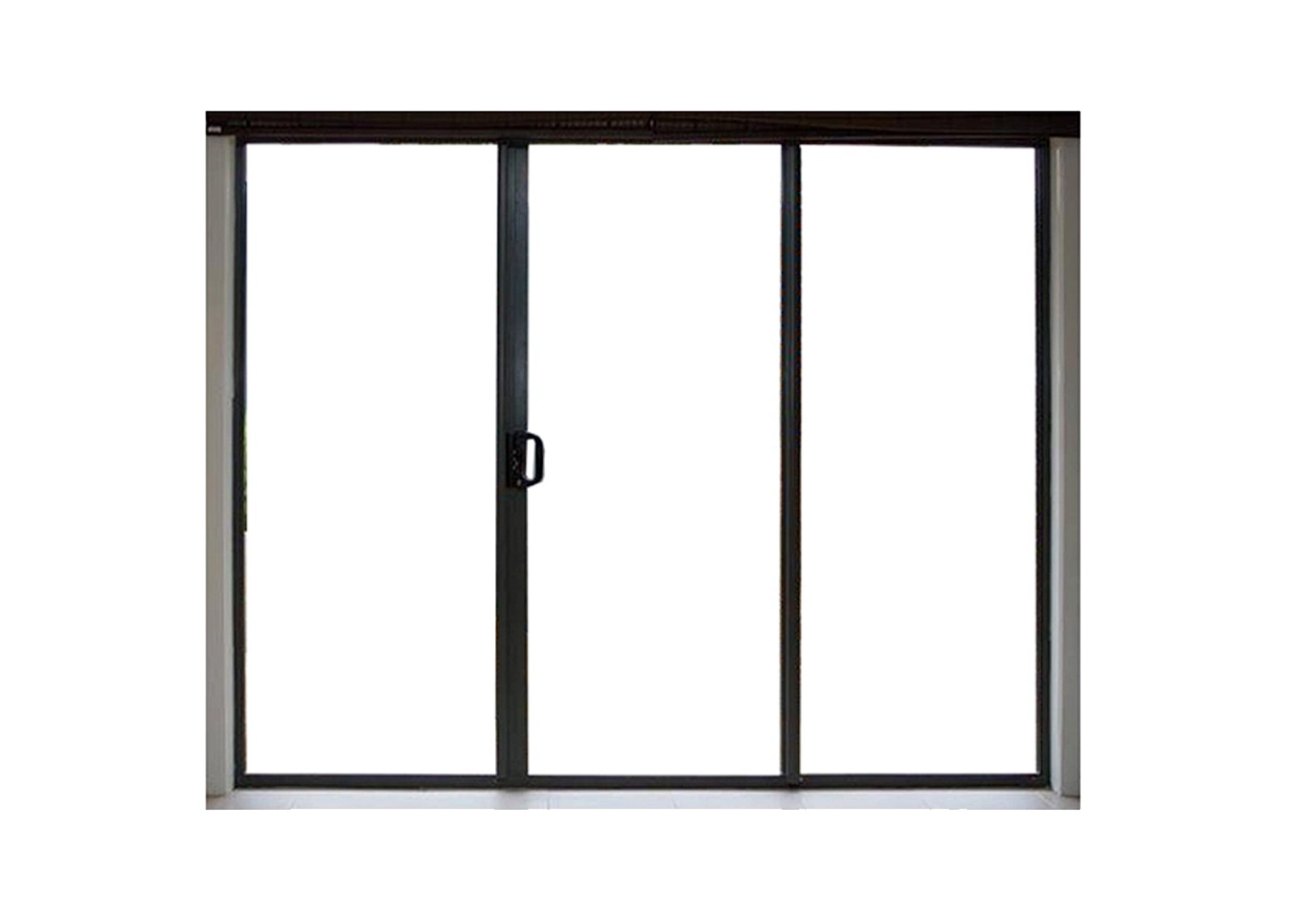
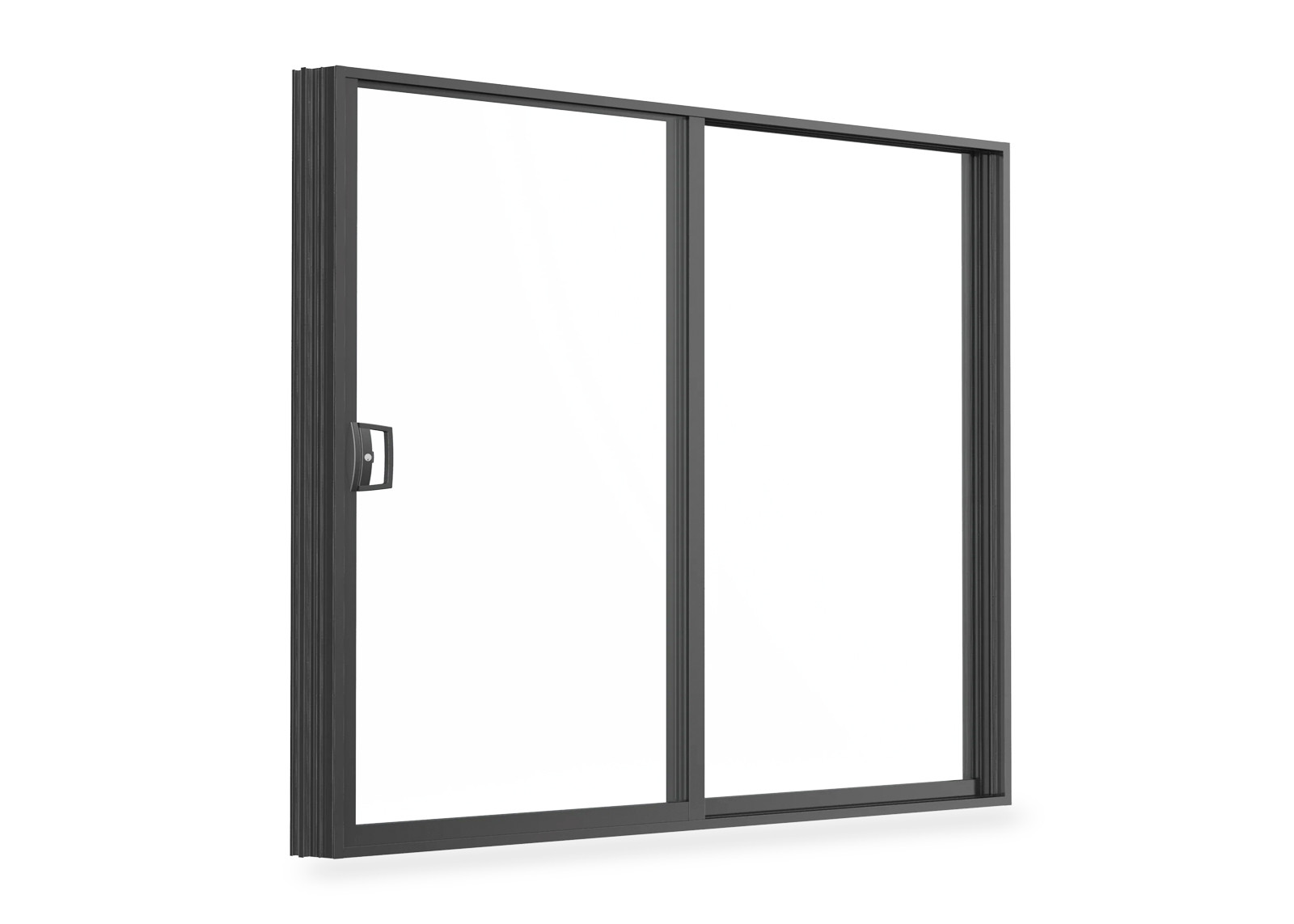
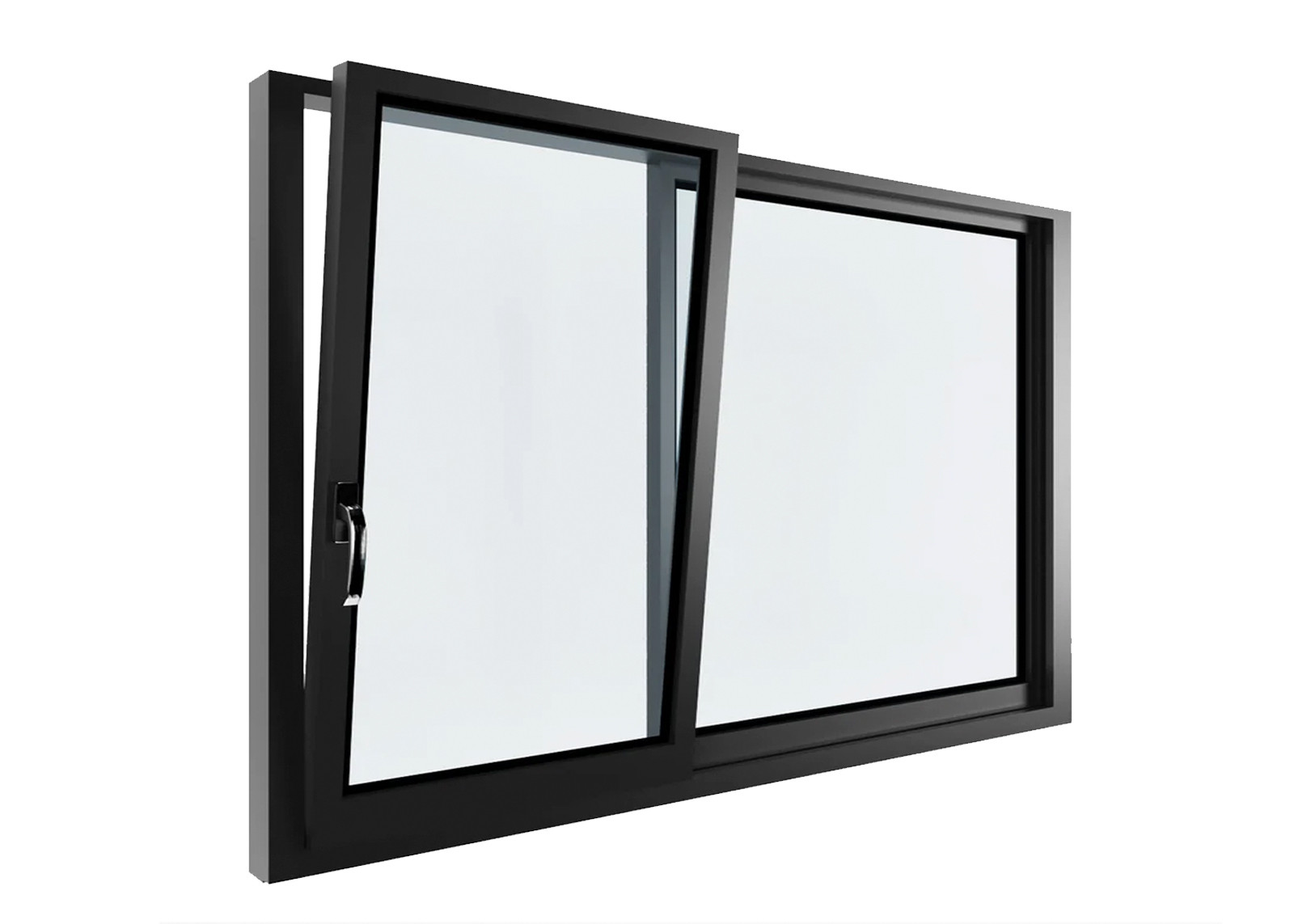
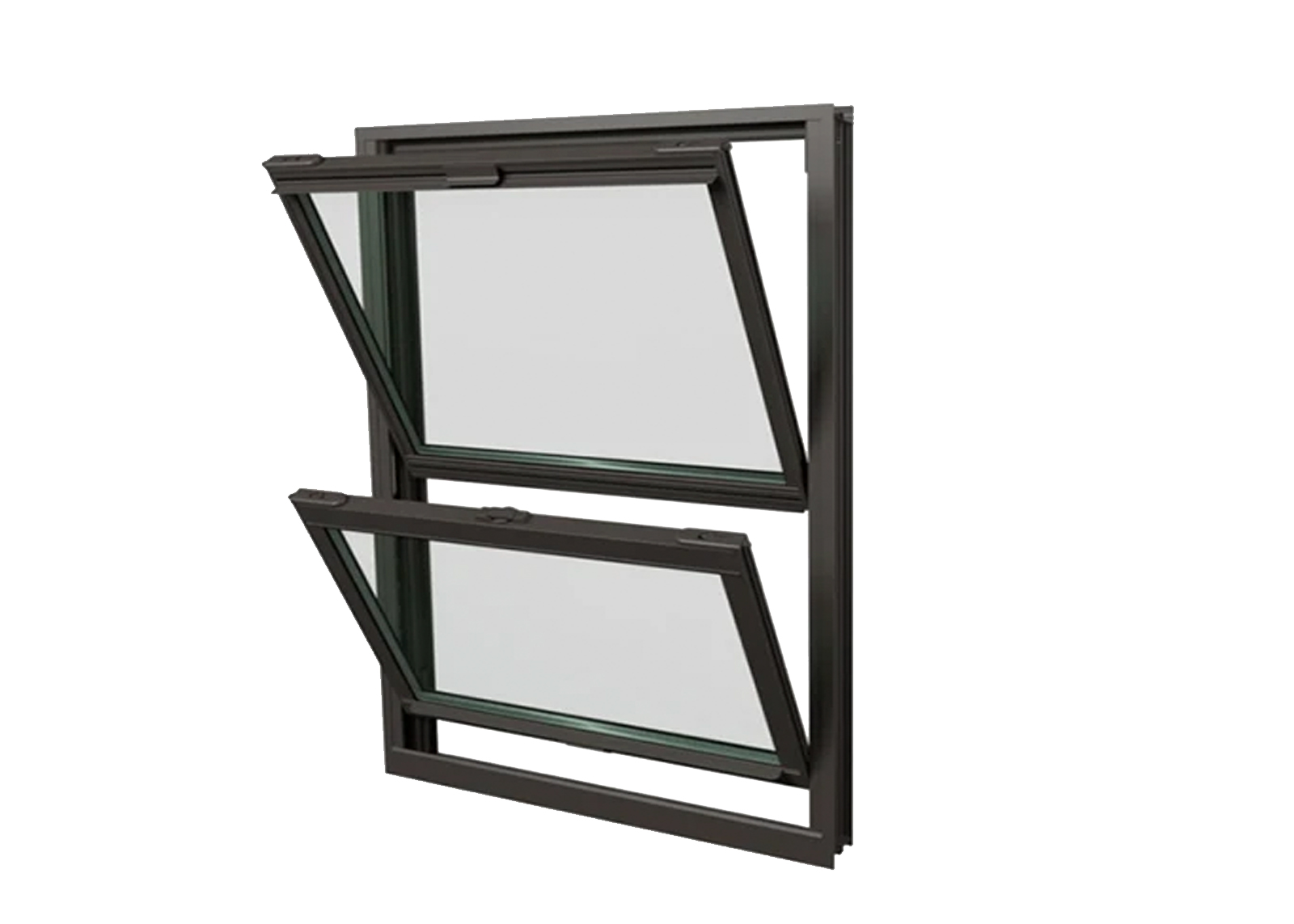
For a typical Florida residence, uPVC impact windows deliver certified performance at a lower price point, while thermally broken aluminium carries the large sliding spans and slim sightlines that high-end and commercial projects demand. Both systems are custom-built to your exact dimensions and colour, so the deciding factor is usually opening size and budget. Compare the two material families in the full window range, or jump straight to aluminium windows and uPVC windows to see the options for each system.
How Impact Windows Are Made and Tested
Understanding the construction of an impact window is the best defence against buying a label instead of a product. A certified impact window is an engineered system with three load-bearing parts:
- Laminated impact glass. Two or more panes bonded with a tough interlayer (PVB or SGP). When debris hits the glass, it cracks but stays bonded to the interlayer, keeping the opening sealed against wind and water.
- Reinforced framing. The frame and sash must transfer impact loads to the wall. Aluminium frames use heavy-wall extrusions; uPVC frames carry galvanised steel reinforcement inside their chambers.
- Hardware and anchoring. Multi-point locking, heavy hinges and code-compliant anchoring to the structure stop the whole window from being pushed out of the opening.
Testing follows the Miami-Dade standards mentioned above: TAS 201 for impact — a large missile such as a timber plank, plus small missiles for glazing — and TAS 202/203 for cyclic wind pressure, thousands of pressure cycles simulating the gusts of a hurricane. A window that passes these tests receives its NOA, which is the document your inspector and insurer will actually ask to see. Most of the performance is won in the glazing, so it pays to study the glass options carefully — laminated configurations, thickness and interlayer type are specified per project, never assumed. The anchoring details matter just as much: approved installations specify fastener spacing and frame-to-structure connections that transfer wind loads into the building frame, so a certified window installed without the approved anchorage is not a compliant window at all.
What to Look for When Sourcing Impact Windows from China
China is a major source of certified impact windows, and the US market is a core export destination for many factories in the sector. But certification claims travel more easily than certified products, so vetting is everything. Work through this checklist before you commit:
- Certification documents, not claims. Ask for the Miami-Dade Notice of Acceptance or equivalent test reports covering the exact model you intend to buy, and verify them against the county's product approval database. Ratings are granted per product, not per factory.
- Real manufacturing capability. Confirm the factory owns its production lines — profile processing, fabrication, glazing and assembly — rather than trading another company's products. Look for in-house engineering and a production team you can video-audit.
- True custom capability. Impact windows are specified to the millimetre: opening sizes, design pressure, glass build-ups and hardware. A factory that only offers fixed standard sizes cannot serve a US project properly.
- Quality control. Ask how orders are inspected. A disciplined factory runs every order through defined inspection stages and can show you the process, not just the finished photos.
- Payment and warranty protection. Use escrow-style protection such as Trade Assurance for quality and shipment coverage, and get the warranty in writing — a real manufacturer stands behind its products.
ROPO checks every box: it owns its factory in Fuzhou, holds Miami-Dade approvals for hurricane-rated products, runs a five-step inspection process on every order, and backs its windows with a 10-year warranty. More background on the company is on the About Us page.

How Much Do Impact Windows Cost?
There is no flat price for an impact window because every certified unit is a custom assembly. That said, the cost is driven by a small set of variables you can control at quotation time:
- Glass build-up. Laminated impact glass is the single biggest cost driver — thicker laminates, larger panes and SGP interlayers cost more than basic PVB configurations.
- Frame material and profile. uPVC impact windows are generally the more budget-friendly certified option; thermally broken aluminium costs more but supports bigger spans.
- Size and design pressure. Larger openings and higher DP ratings require more reinforcement, more glass and heavier hardware.
- Finishes and hardware. Colour finishes, woodgrain effects and premium multi-point locking add to the unit price.
The advantage of sourcing from a custom factory is that you pay only for the specification you need — you are not buying a fixed "hurricane package". Ask for an itemised quotation per configuration, and the Prices Explained page walks through exactly how each factor moves the number. One practical note: because certification is granted per product model, confirm the exact model and glass build-up in your written quotation — two windows that look identical can carry very different ratings and prices.
About ROPO Windows
ROPO is a custom windows and doors manufacturer based in Fuzhou, Fujian Province, China, with 16 years of experience in bespoke door and window production. The factory ships to clients in more than 100 countries and regions. The operating philosophy behind the team is a simple one: "Do what we say we are gonna do."
For hurricane-rated projects, the credentials are the point. ROPO manufactures impact windows to recognised international standards, with Miami-Dade approvals available for the US market, alongside AS2047 and NZS4211 compliance for Australia and New Zealand. Every product is backed by a 10-year warranty, and export orders are protected by Trade Assurance covering product quality, on-time shipment and payment.
Custom Production Process
When you order impact windows from ROPO, production is managed end to end, from drawing to delivery:
- Design confirmation — your dimensions, design pressure, glass build-up, colour and hardware specification are reviewed and confirmed before any material is cut.
- Profile preparation — uPVC profiles are cut, steel-reinforced and welded on CNC equipment; aluminium profiles are cut, drilled and assembled to your exact layout.
- Hardware and glazing — multi-point locks and heavy hinges are installed, and the specified laminated impact glass is fitted and sealed.
- Five-step quality control — every order passes order review, raw material inspection, semi-finished product inspection, finished product inspection and a final inspection report before packing.
- Traceability — each product carries a barcode so the production history of every window can be tracked if you ever need support.
The same engineering discipline applies whether you order one certified sample window — the minimum order quantity is just one piece — or a full container for a US project.
Packaging and Shipping
Impact windows are heavy, fragile and expensive, which makes packaging a real part of the product. ROPO protects every unit with sturdy timber crating and corner guards, covers glass surfaces with protective film, and packs hardware separately where needed so nothing shifts in transit. The factory's packaging guide covers the full loading and handling process, so your order arrives on site ready to install.
Shipments leave from the ports of Fuzhou and Xiamen by sea, with flexible options for full containers or shared LCL space. Lead times are kept tight through a dedicated system: profile and hardware inventory is held in stock, raw materials are typically procured within 1-2 days, every order is followed up at each production stage, and transport information is confirmed with you in advance.
If you are sourcing hurricane-rated windows for a US or Caribbean project, the fastest way to start is with your opening sizes, design pressure requirement and quantity. The team will come back with a tailored quotation and compliance documentation for your market — use the Quick Quote tool to get started, send an inquiry, or contact us directly. And for more guidance on impact-rated products, browse the hurricane impact windows range and read more guides on the ROPO blog.
