







Top 10 Commercial Aluminium Window Suppliers for Australia
Home / Blog / Manufacturers & Suppliers
Ten suppliers that publish a commercial position for Australian projects, compared on the evidence a project team can actually check: scope, wind and water class, certificate coverage and staging discipline.
Shortlist suppliers that publish a commercial system range, an AS 2047 position and a project supply process. Ten qualify here: ROPO in Fuzhou, JZZ1 in Jinan, DERCHI and NF in Foshan, Zestop, OEFAS, HTS-ALU, EEHE, Sainty in Shandong and Aluwin in Australia. Check each certificate scope against your own opening schedule before you place a deposit.
A buyer searching for commercial aluminium windows australia is usually not shopping for a house. The enquiry comes from a builder, a developer, a facade consultant or a procurement officer holding an opening schedule for an apartment block, a shopfront row, a school or a hotel, and the question behind the search is narrower than the keyword suggests: which supplier can deliver a specified commercial system, to an Australian standard, on a programme that the main contractor has already fixed?
That question is hard to answer from supplier websites, because most of them are written for homeowners. The pages show styled photographs, a list of opening types and a promise of quality. Very few publish the three things a commercial buyer needs: the system family and its tested configuration, the scope of the Australian certificate, and the process that turns an opening schedule into labelled, sequenced deliveries.
This guide is organised around those three gaps. It explains what NCC Volume One and AS 2047 ask of commercial glazing, how a project programme interacts with factory production and sea freight, and then profiles ten suppliers that publish enough about their commercial capability to be assessed. Each profile separates what the company states publicly from what it leaves for you to verify, and no supplier is credited with a capacity, a revenue figure or a delivery promise that its own website does not make. For a wider view of the category before the shortlist, the aluminium windows range shows how a factory documents its systems, and the commercial aluminium windows page shows the configurations that sit behind a project quotation.
ROPO Windows has manufactured aluminium and uPVC windows in Fuzhou, Fujian, for 16 years and shipped to more than 100 countries, Australia among them. ROPO publishes this guide and appears first in the list; the same evidence standard is applied to it as to the other nine, including the parts of its Australian documentation that a project team should confirm independently.
Which commercial aluminium window suppliers should an Australian project shortlist?
Shortlist on published evidence, not on showroom polish. A supplier qualifies when it can name the commercial system it fabricates, show an AS 2047 position that covers that system, and describe how a multi-opening schedule becomes a labelled delivery. Ten suppliers clear that bar, and the strongest are the ones that publish a certificate number or a tested configuration rather than the word commercial alone.
The four filters that remove most of the market
The first filter is system, not style. A commercial project is buying a family of frames with defined depths, mullion and transom sections, drainage paths and glazing capacities, not a collection of casement and awning shapes. A supplier that lists commercial work but only publishes residential opening types is asking you to assume the commercial range exists.
The second filter is the certificate scope. A supplier can hold a valid AS 2047 certificate and still be unable to cover your schedule, because certificates attach to tested specimens with a frame depth, a sash type, a hardware set and a size range. The useful question is not whether the supplier is certified, but whether the window you are ordering appears inside the tested scope. ROPO's own guide to verifying AS 2047 windows sets out how to read the scope page rather than the badge.
The third filter is documentation for a commercial submission. A project of any size will need shop drawings, a certificate pack, glazing calculations, hardware schedules and a packing list that matches the opening marks. A supplier that cannot describe those documents before the order is placed will produce them late, and late documents are what turn a window package into a delay claim.
The fourth filter is staging. Commercial deliveries are rarely one container for one house. They are phased against floor levels, elevations or install zones, and the supplier has to be able to hold production, label by zone and release containers in the order the site consumes them. That capability is described on very few websites, which is why the profiles below say when it is not published.
What this shortlist deliberately excludes
It excludes suppliers whose commercial claim is a single stock image of a curtain wall with no system name, and it excludes any company whose Australian position could not be found in its own public pages. Where a supplier publishes projects but not standards, the profile says so rather than filling the gap with an assumption. Where a supplier publishes a standard but not the tested configuration, the profile says that too.
It also excludes capacity claims. Production area, line counts and monthly output are marketing numbers that cannot be verified from outside, and they do not predict whether a specific schedule will be delivered correctly. What predicts delivery is the process a supplier can describe: drawing approval, mock-up, inspection points, labelling and release sequence.
How to use the profiles. Each profile follows the same shape. It states where the company is, what it publishes about commercial systems, what it says about Australian compliance, and what a project team still has to confirm. The last line of each profile is the specific question to put in the first email, because a written answer to a specific question is worth more than a brochure.
The shortlist at a glance
The table below is a map of the ten profiles, not a ranking of quality. It records what each supplier publishes in the four areas that matter to a commercial buyer, and the columns that read not published are the ones to raise in the first conversation.
| Supplier | Location | Published commercial position | Australian standard position |
|---|---|---|---|
| ROPO Windows | Fuzhou, Fujian, China | 17 aluminium window styles incl. parallel opening and hurricane impact; project and wholesale supply | AS 2047-2014, AS 1288, AS 4666, NZS 4211, Miami-Dade; AGWA compliance certificate against NCC 2022 |
| JZZ1 | Jinan, Shandong, China | Unitized and stick curtain wall systems; builders, distributors and commercial projects | AS 2047 StandardsMark SMK41678; AS/NZS 2208 licence; NCC/BCA project supply stated |
| DERCHI | Foshan, Guangdong, China | Curtain wall, casement, sliding, tilt and turn; dedicated Australia market page | AS 2047 listed; NCC 2022 and BAL-29/BAL-40 discussed on the Australia page |
| Foshan NF | Nanhai, Foshan, China | Large sliding, panoramic, lift and slide and pivot door systems | AS 2047 listed; exports to Australia stated |
| Zestop | Nanhai, Foshan, China | Aluminium doors and windows, glass curtain walls, sunrooms | Not published as a standard code |
| OEFAS | Foshan, Guangdong, China | Thermal break windows, curtain wall, sunroom, awning and gazebo systems | Not published as an Australian position |
| HTS-ALU | China, city not published | Commercial window and curtain wall projects for offices, retail, schools and public buildings | AS 2047 listed alongside NFRC, AAMA, CSA and CE |
| EEHE Doors & Windows | Guangdong, China | Casement, curtain wall, tilt and turn, sliding, sunroom, glass railing | Not published as a standard code |
| Sainty Aluminum | Tengzhou, Shandong, China | Aluminium windows, doors, curtain wall, partition, railing; design, produce and install | AWA-based Australian standard stated; NFRC, CSA and German component standard listed |
| Aluwin Group Pty Ltd | Australia | Supply and installation of aluminium windows and doors for residential and commercial projects | Compliance statement only; no code named |
What do NCC Volume One and AS 2047 require of commercial windows?
NCC Volume One governs Class 2 to Class 9 buildings, which is where most commercial window packages sit: apartments, offices, shops, hotels, schools and public buildings. It requires the glazing to satisfy structural, water, air and energy provisions, and it accepts either a deemed-to-satisfy route or a performance solution supported by evidence. AS 2047 is the product standard behind that evidence for windows and external glazed doors, and it is the first document a commercial aluminium windows australia project is asked for at approval.
Where commercial work stops being residential work
A house window and a shopfront window can look identical on an elevation and behave completely differently in service. The difference is the loading regime. A residential project in Australia is commonly assessed against the AS 4055 wind classes, which produce a simple class letter for a house site. A commercial building is assessed by the structural engineer against AS/NZS 1170.2, and the result is a design pressure in pascals for each facade, with different values for corners, parapets, high floors and recessed openings.
That single change drives everything downstream. The frame depth, the mullion spacing, the glass thickness and the fixing centres are all sized by the pressure, and a system that performs comfortably on a two-storey house can be outside its tested range on the tenth floor of a tower. When a supplier quotes a commercial package without asking for the design pressures, the quotation is a shape and a finish, not a window.
What AS 2047 actually certifies
AS 2047 is a performance standard for windows and external glazed doors. A certificate states that a defined specimen, tested and described in the report, met the structural, water penetration and air infiltration requirements at stated levels. The specimen description is the important part: profile system, frame depth, sash type, glazing make-up, hardware and size range all form part of it.
That is why a certificate number alone proves very little. If your schedule calls for a 2,400 mm high fixed light with a 32 mm insulating glass unit and the tested specimen was a 1,500 mm awning with 6 mm monolithic glass, the certificate may still be valid and still not cover your window. The AS 2047-2014 certificate in ROPO's library is published with its scope for exactly this reason, and the quality and certification page lists the rest of the library in the same way.
The glass standards that travel with the frame
Window compliance in Australia is a chain, not a single certificate. AS 1288 covers the selection and installation of glass in buildings, AS 4666 covers insulating glass units, and AS/NZS 2208 covers safety glazing performance. A commercial package that is compliant on the frame and silent on the glass has answered one third of the question.
For a project team the practical consequence is that three documents have to travel together: the window certificate with its scope, the glass specification with the make-up and the standard it satisfies, and the installation detail showing how the frame is fixed and sealed into the opening. The comparison of AS 2047 and NZS 4211 is a useful reference when a supplier works across both markets, and the glass options guidance shows how make-up choices are documented in a quotation.
Performance solutions, and why they cost documentation
Not every commercial facade fits neatly inside a deemed-to-satisfy provision. Recessed shopfronts, full-height glazed lobbies, unusual mullion spans and mixed systems often need a performance solution, which means the project has to demonstrate that the alternative meets the NCC's performance requirements. That is a design and documentation exercise, not a product purchase, and it needs the supplier's test data early.
The commercial risk sits with the builder, not the supplier. A supplier can sell a compliant window and still leave the project non-compliant if the window is installed outside the tested configuration or if the performance solution is never written. Ask early which openings are expected to sit inside a deemed-to-satisfy route and which need a performance solution, and ask the supplier for the test reports that the solution will lean on.
Energy provisions in Volume One. Energy efficiency in Class 2 to Class 9 buildings is addressed through the NCC's Section J provisions and the associated verification methods, and the glazing contribution depends on the whole building model rather than on a single window number. That is different from the residential NatHERS rating, where a 7-star requirement drives glazing selection directly and suppliers often quote a star rating as a shorthand.
For a commercial project the useful supplier question is not what star rating a window achieves but what inputs the supplier can provide for the building model: U-value and solar heat gain coefficient for the specified make-up, frame and glass separately, and the calculation basis. A supplier that can only quote a marketing number cannot support a facade optimisation, and a facade that is optimised late is expensive to change.
The compliance file a certifier will ask for
The table below is the minimum file for a commercial window package in Australia. It is written as a checklist because the gaps are predictable: the certificate exists but the scope page does not, the glass is specified but the standard is not, the fixing detail is drawn but not engineered.
| Document | What it must say | Who normally forgets it |
|---|---|---|
| Window certificate and scope | Standard, certificate number, issuing body, tested specimen description, size range, performance levels | Suppliers who send the badge image only |
| Glass specification | Make-up, thickness, coating, cavity, spacer, standard satisfied | Suppliers who quote double glazing without a standard |
| Wind pressure schedule | Design pressure per facade and level, from the structural engineer | Buyers who send an elevation without pressures |
| Installation detail | Fixing method, substrate, sealing interface, tolerance | Suppliers and installers who each assume the other |
| Shop drawings | Frame and sash sizes, drainage direction, hardware positions per opening | Projects that approve a quotation instead of a drawing |
| Performance solution (if used) | Alternative route, evidence relied on, responsible party | Projects that discover the need after fabrication |
| Packing and delivery record | Opening marks, zone labels, container sequence | Anyone who has not planned the site sequence |
Top 10 commercial aluminium window suppliers for Australia
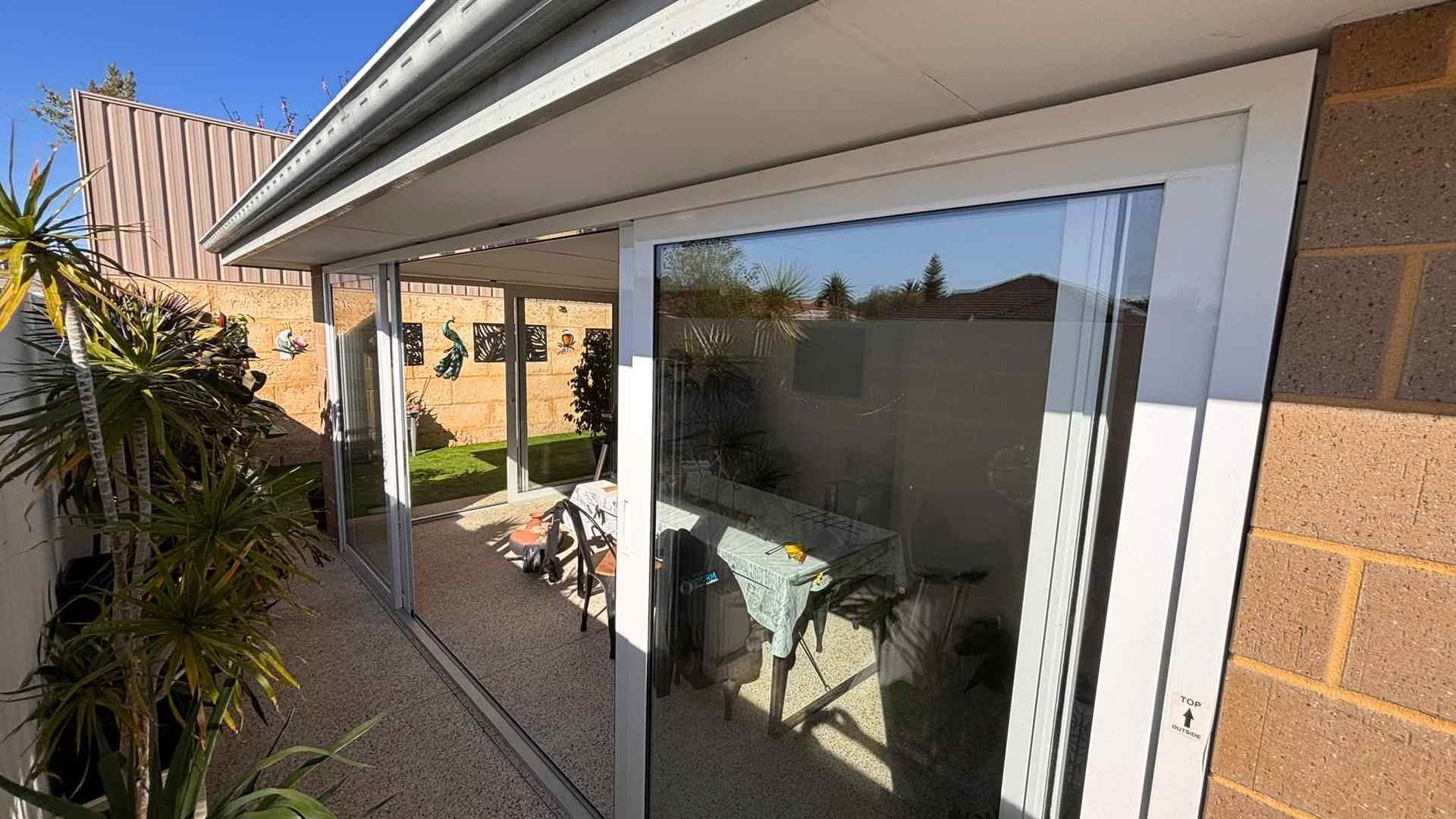
The ten suppliers below are profiled in the same order as the table above, with the publisher first and the reason disclosed. The commercial aluminium windows australia shortlist mixes Chinese export factories and one Australian supplier-installer on purpose, because a project team usually compares an import package against a local one before it decides, and the comparison is only useful if both sides are described from their own published material.
Two conventions apply throughout. First, every claim is attributed: where a supplier publishes a certificate number, the number is repeated here; where it publishes nothing on a point, the profile says not published. Second, no capacity, revenue, headcount or delivery time is quoted, because those figures cannot be verified from outside the company and they are not what decides whether a schedule is delivered. For buyers who want the wider category context first, the commercial window manufacturers page and the guide for builders and developers cover the ground between a single opening and a full package.
1. ROPO Windows - Fuzhou, Fujian, China
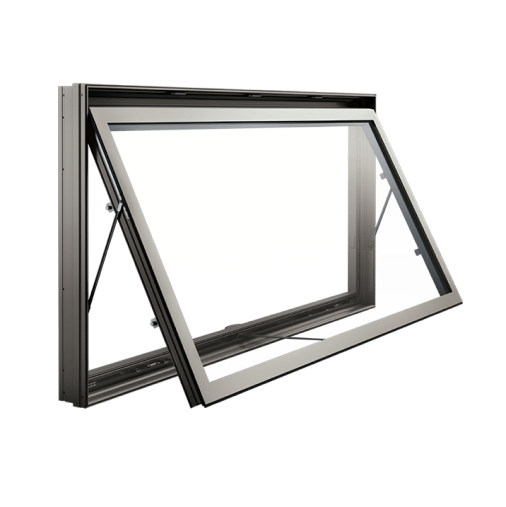
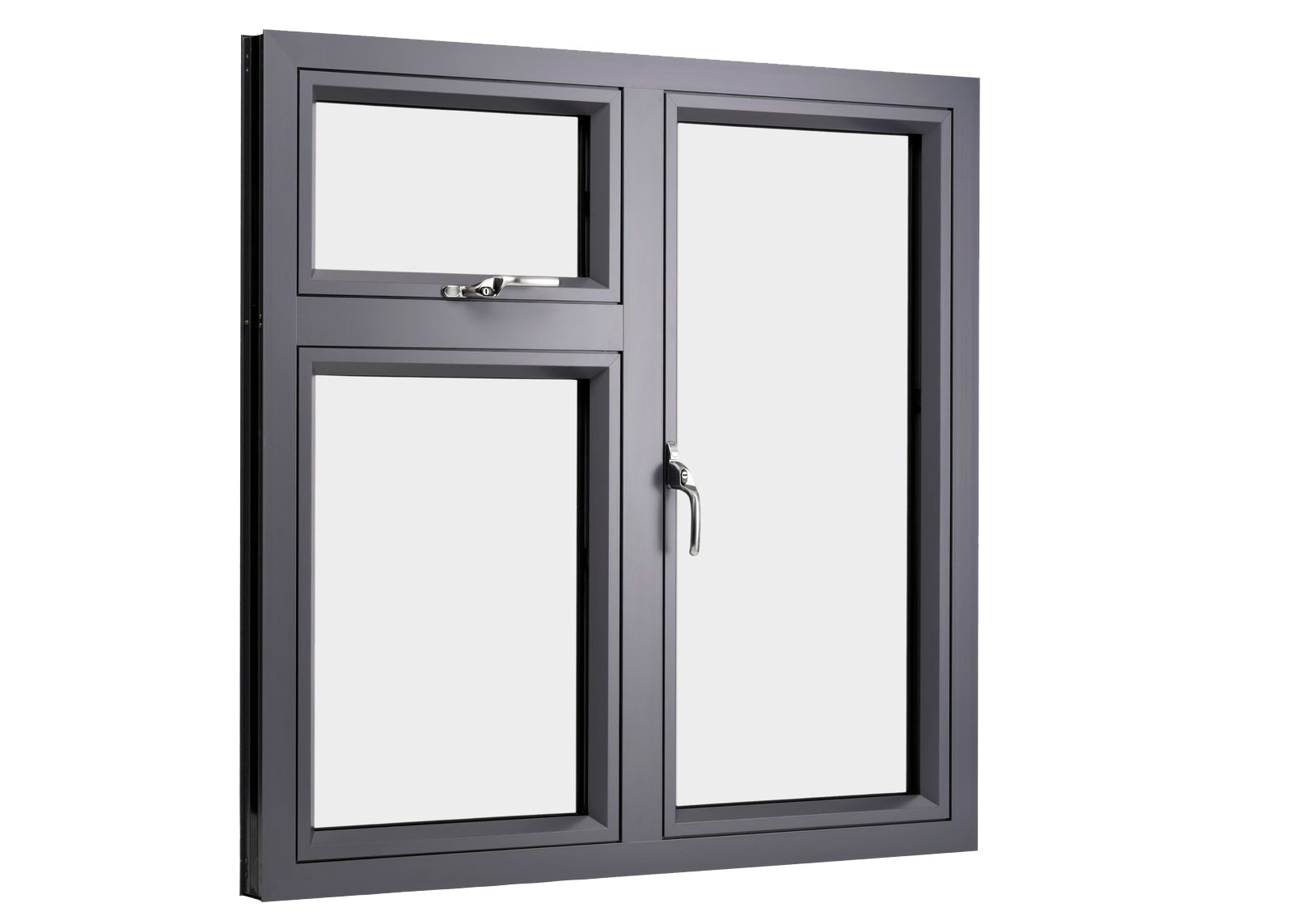
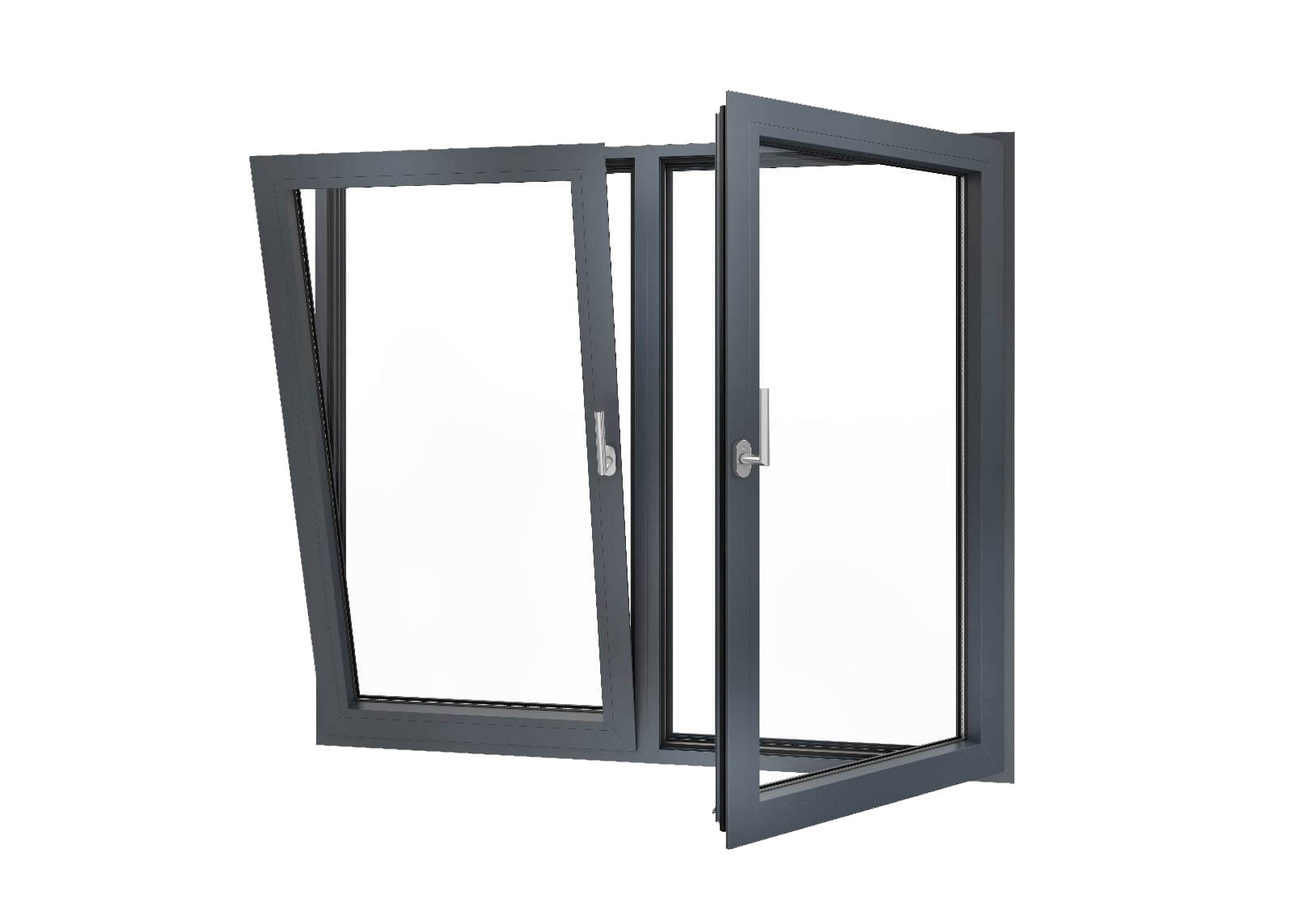
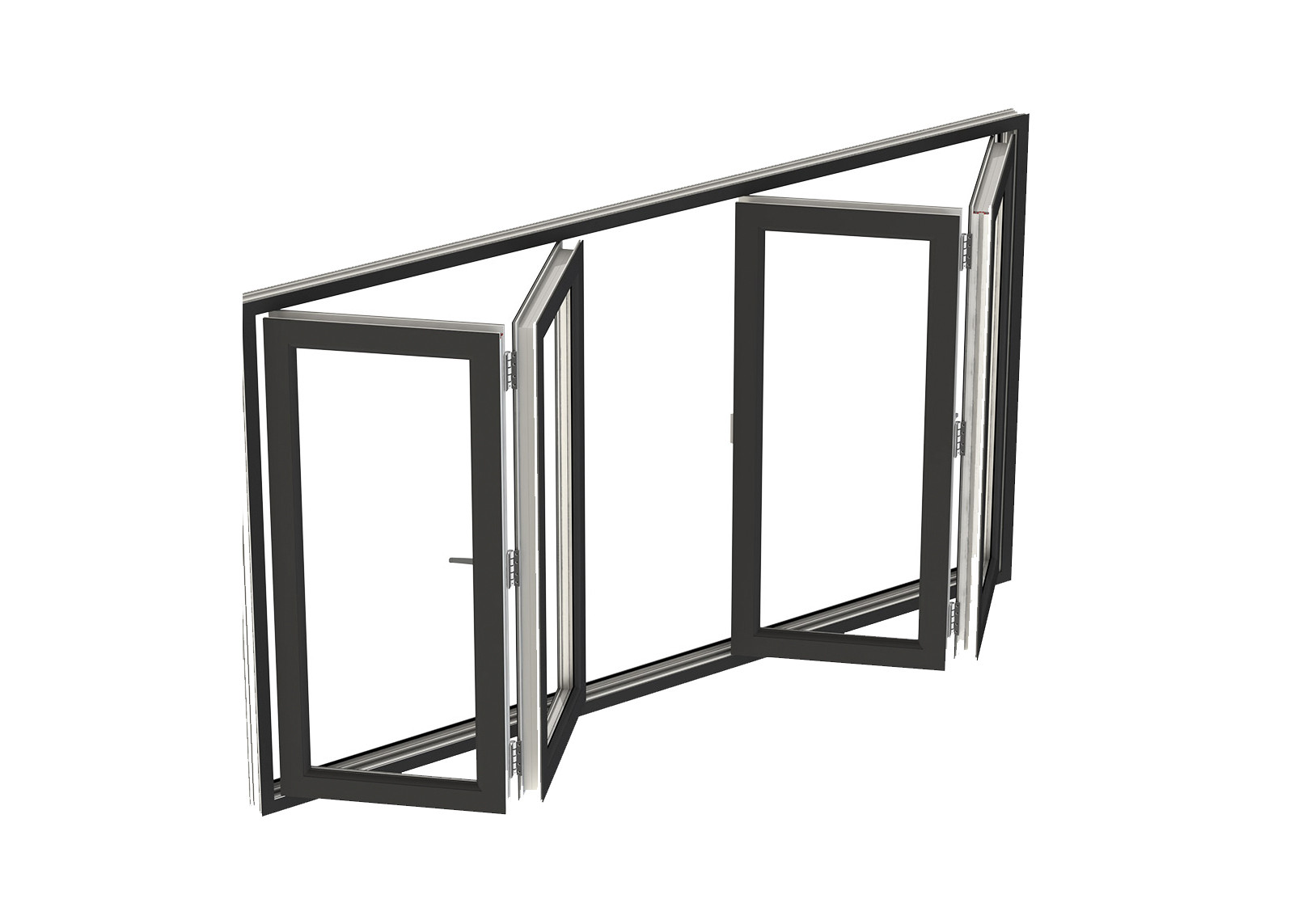
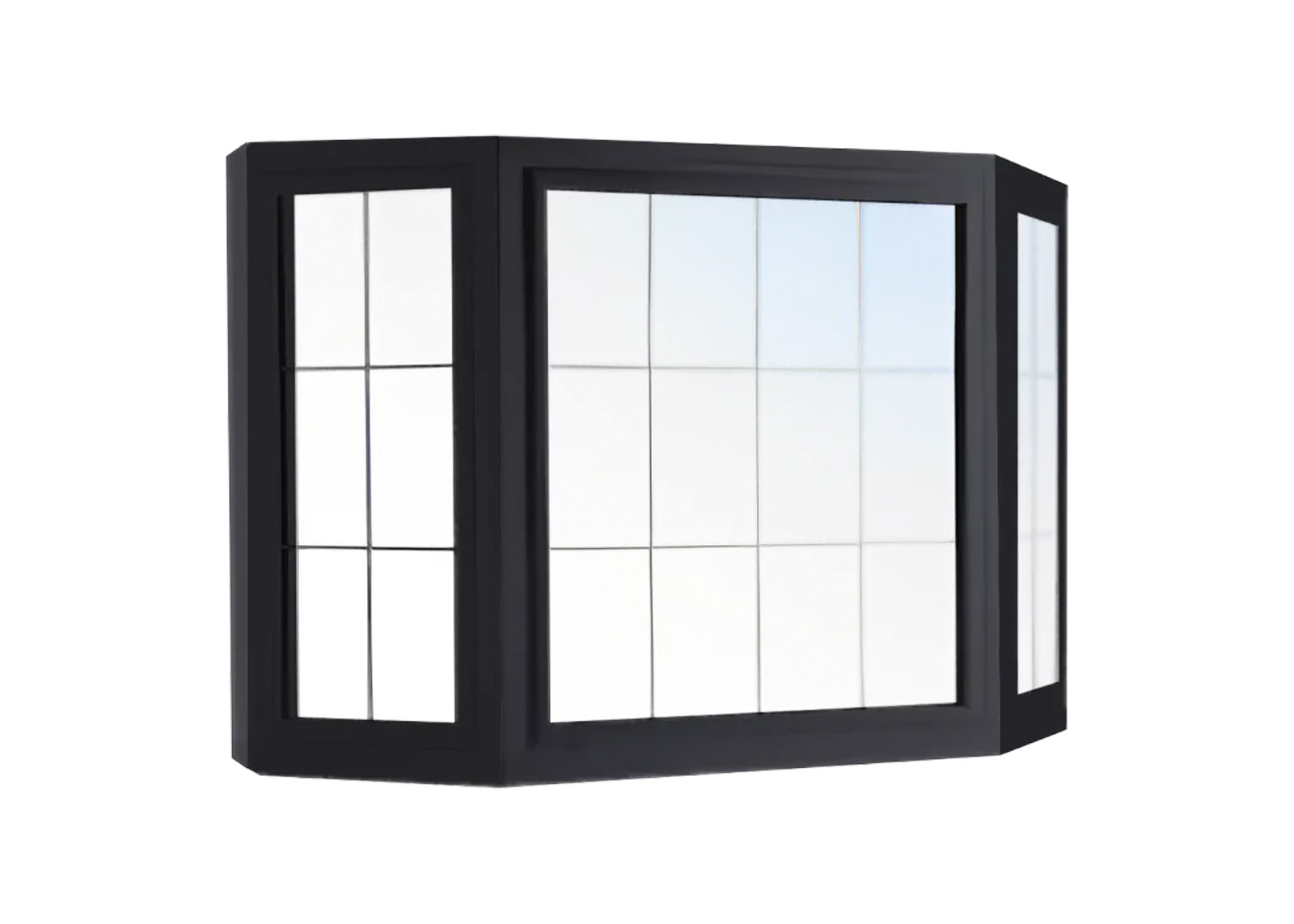
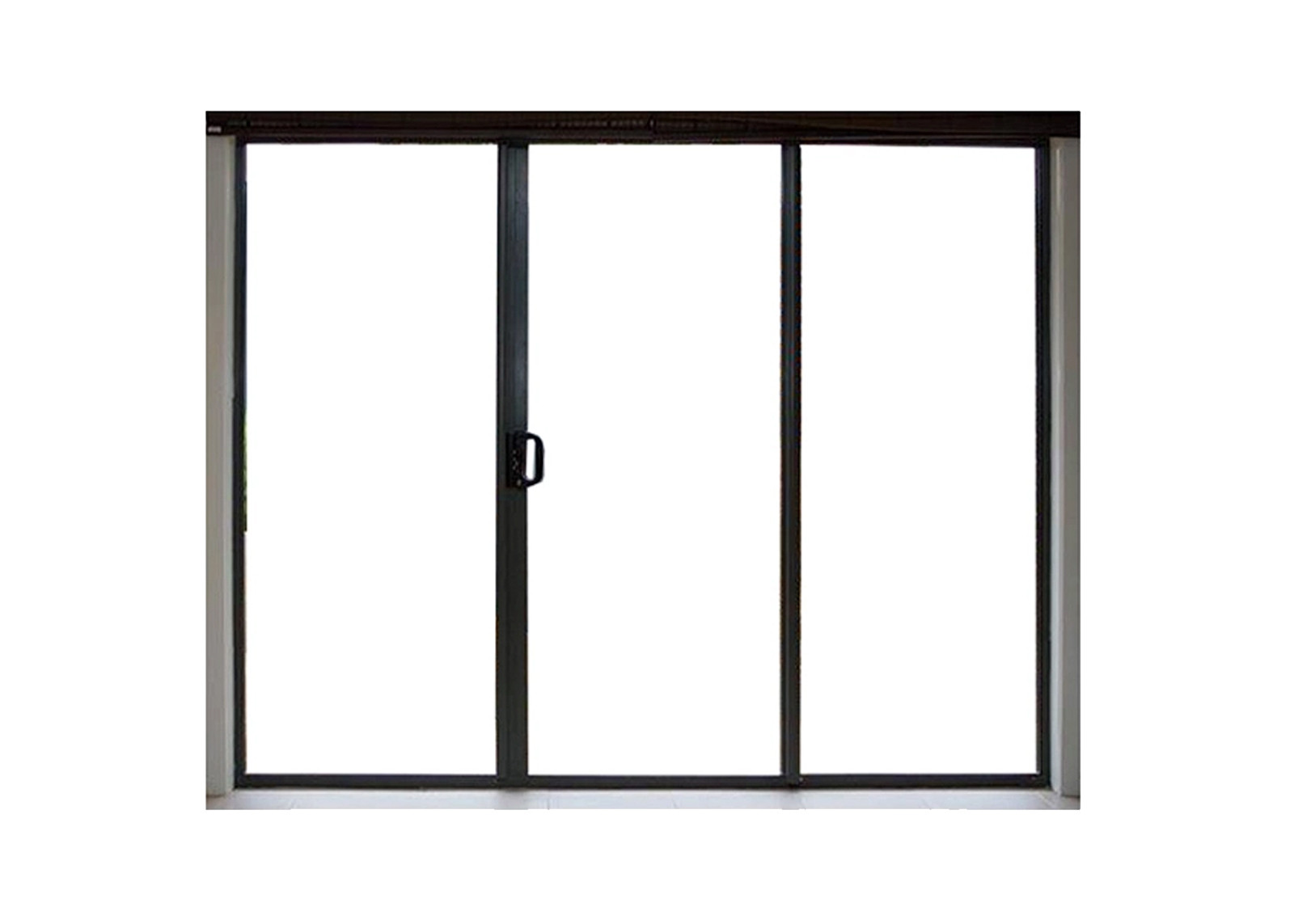
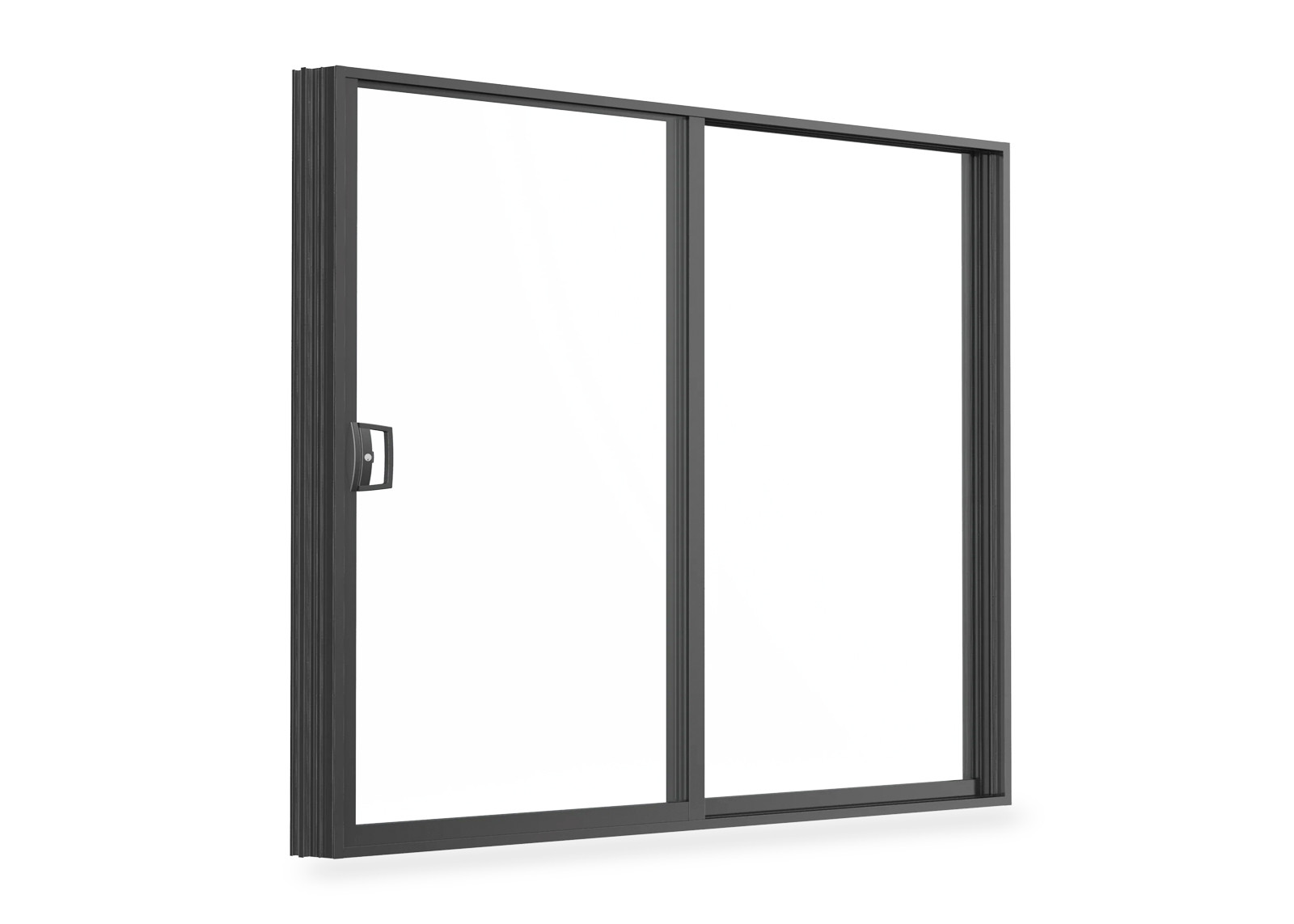
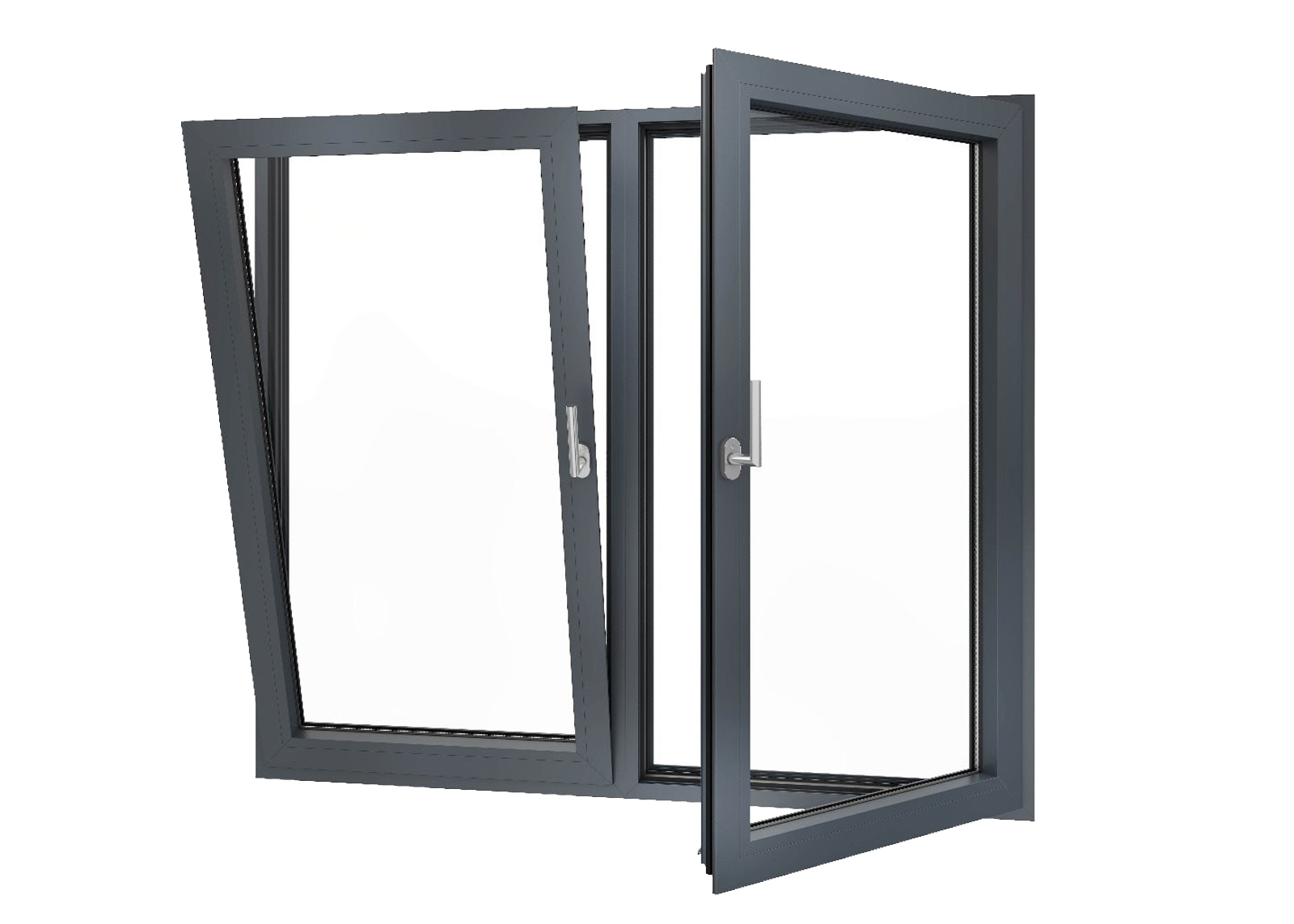
ROPO Windows manufactures aluminium and uPVC windows and doors in Fuzhou, Fujian, and has shipped to more than 100 countries in 16 years of production. The factory runs aluminium and uPVC lines under one roof and builds to order, from a single unit to a house lot, with a stated minimum order of one unit. For a commercial package the relevant part of the range is the aluminium system family, which includes casement, sliding, awning, tilt and turn, fixed, folding, hung, bay and bow, hurricane impact and parallel opening windows, plus sliding, folding, lift and slide, pivot and tilt and turn doors.
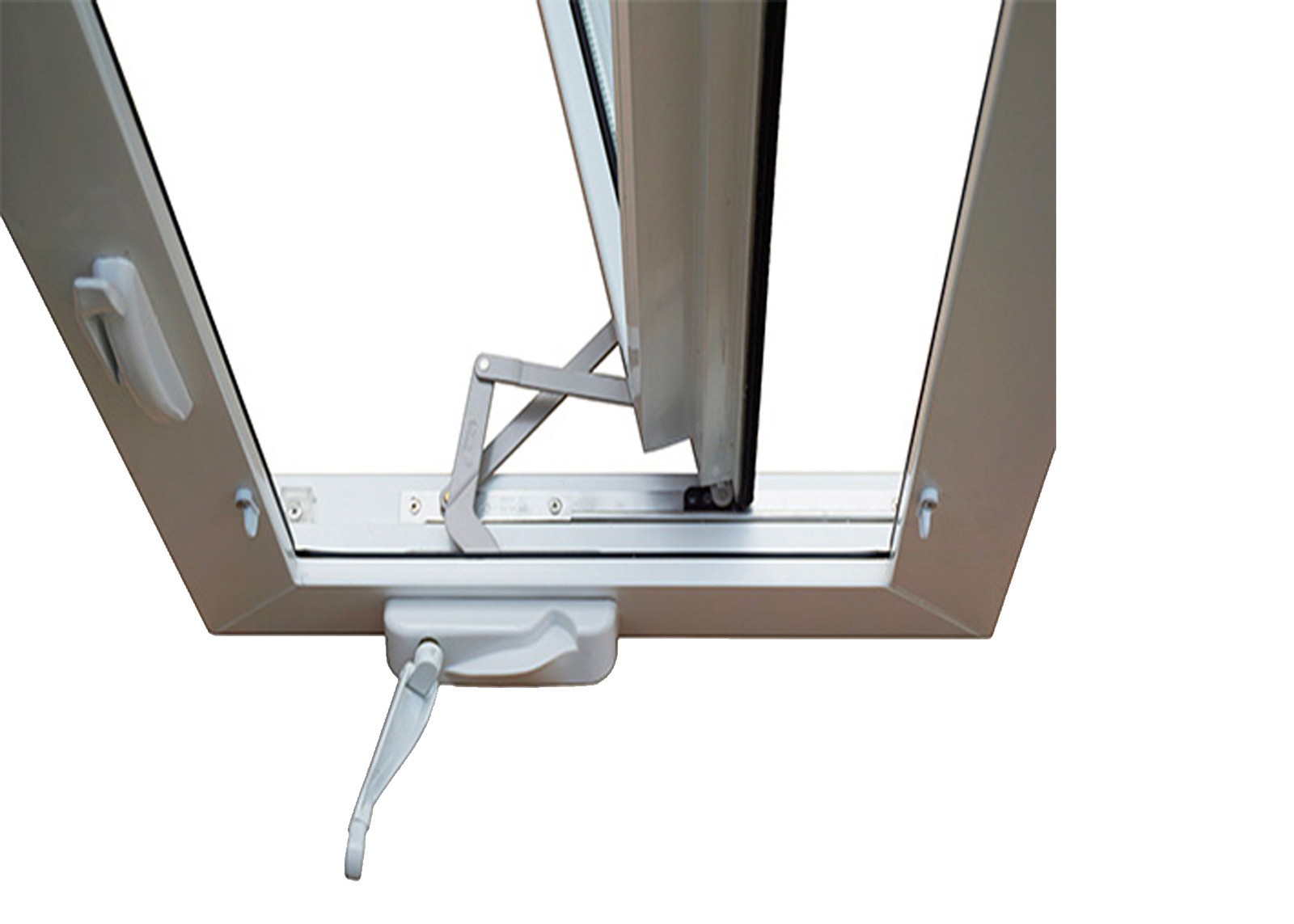
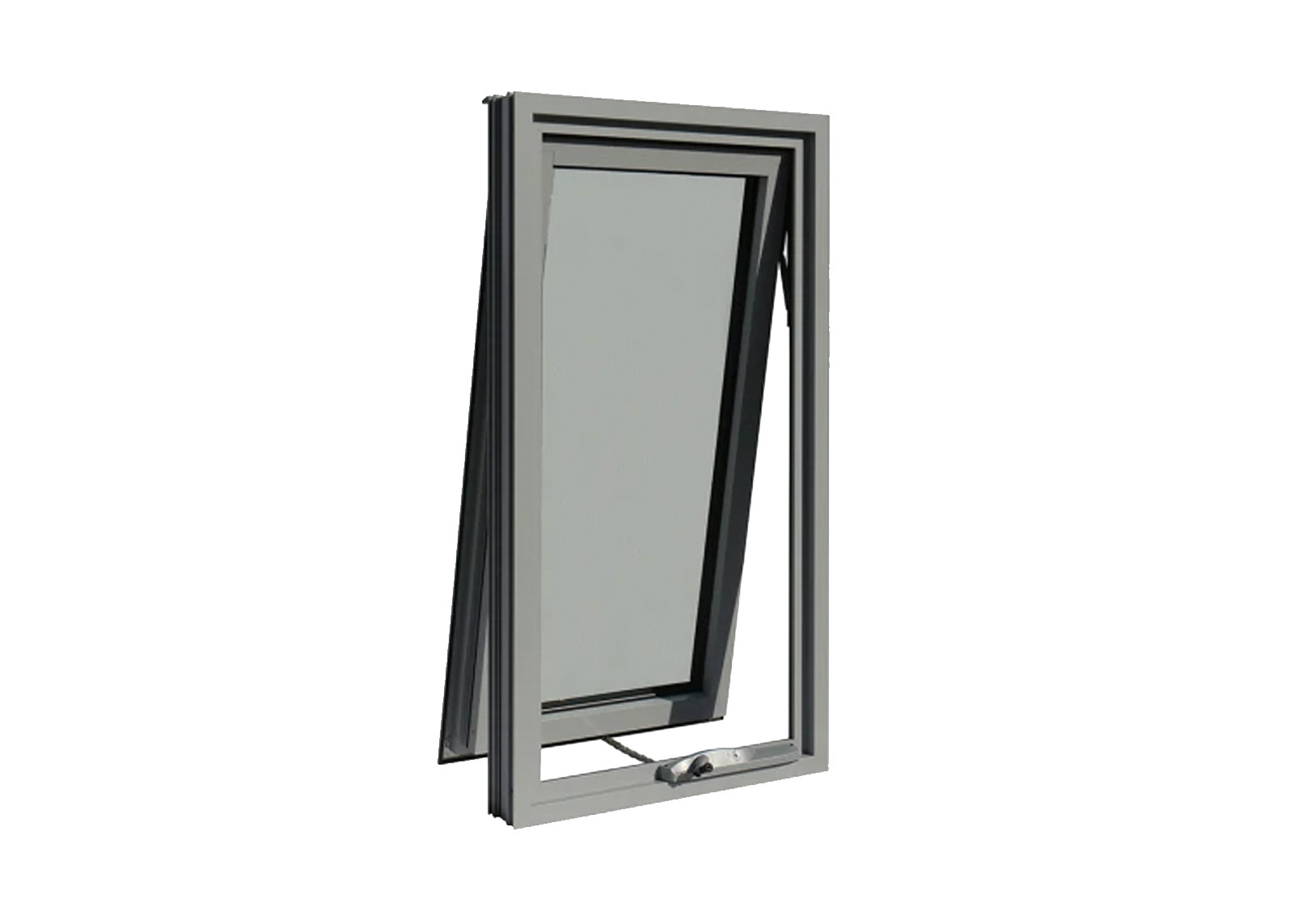
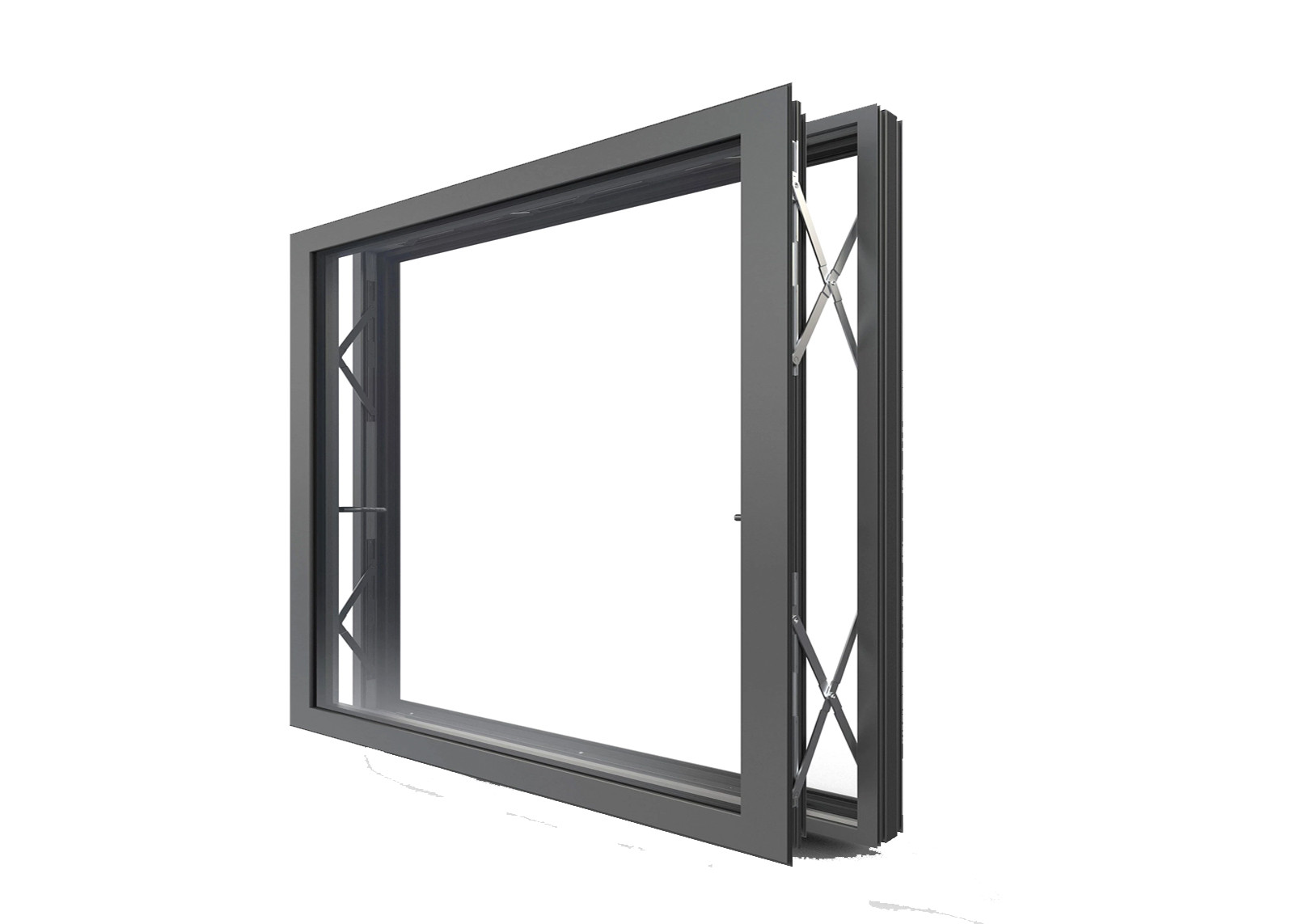
On the commercial side, the two configurations that matter most are the parallel opening window, used where a facade needs large ventilation openings without projecting sashes, and the Australian chain winder awning, which is specified on projects that need control of opening restrictors. Both sit inside the aluminium window systems range that the factory publishes, and both are built to the same drawing approval process as the rest of the range.
The Australian position is documented rather than asserted. The certificate library covers AS 2047-2014, AS 1288, AS 4666 for insulating glass, NZS 4211 through CodeMark and Miami-Dade hurricane testing, and the Australian position includes an AGWA compliance certificate demonstrating performance against NCC 2022, AS 2047:2014 and AS 1288:2021, audited annually by an AGWA accredited independent auditor. The stated warranty is 10 years, payment can run through Trade Assurance, and shipments leave through Fuzhou and Xiamen.
What a project team still has to confirm is the ordinary thing that every certificate requires: that the opening types, sizes and glass make-ups on the schedule appear inside the tested scope. ROPO publishes the scope with the certificate, and the Australian purchasing page sets out the sequence for an Australian order, with installed examples in the Australian project gallery.
First question to ask: for each opening type on the schedule, which tested configuration in the AS 2047 scope does it correspond to, and what changes if the glass make-up changes?
2. JZZ1 (Jinan Jingzao New Materials Co., Ltd) - Jinan, Shandong, China
JZZ1 presents itself as a supplier of certified architectural systems for builders, distributors and commercial projects, and its public pages are unusually specific about the commercial end of the range. It publishes unitized and stick curtain wall systems with thermal break mullions and structural glazing, alongside aluminium windows, doors, railings, sunrooms and uPVC systems. For a commercial buyer, the curtain wall family is the part that separates it from a window-only factory.
Its Australian position is the clearest of the Chinese suppliers in this list. The company publishes an AS 2047 StandardsMark licence, SMK41678, with an ultimate limit state figure of 4000 Pa and a water test level of 600 Pa, and it states that its Australian route covers AS/NZS 2208 safety glass and NCC/BCA compliant project supply. It also publishes an NFRC product certification for the United States, an EPD, and ISO 9001 certification under two registration numbers, which is the kind of detail that lets a certifier check a claim instead of accepting it.
The commercial workflow it describes is drawing-based: drawings, specification, finish and packing are confirmed before production, and the company states that it supplies OEM and repeat orders with project coordination. What it does not publish is a project reference list with named Australian buildings, so the useful verification is a request for named projects, or for the certificate scope pages that correspond to the systems you intend to order.
First question to ask: which JZZ1 curtain wall and window systems are named inside SMK41678, and can you send the scope pages for the specific systems on our schedule?
3. DERCHI (Guangdong Dejiyoupin Doors and Windows Co., Ltd.) - Foshan, Guangdong, China
DERCHI is a Foshan door and window manufacturer with a commercial range that includes curtain wall, casement, sliding, tilt and turn windows and several door families. It is one of the few Chinese suppliers that maintains a dedicated Australia market page, and that page is written around Australian conditions rather than generic export language: coastal wind, UV exposure, the NCC 2022 residential energy requirement and bushfire exposure zones including BAL-29 and BAL-40 are all discussed in its own words.
Its published certification list covers AS 2047 for Australia, NFRC for the United States, CE for Europe, CSA for Canada, Miami-Dade hurricane approval, Energy Star and ISO 9001, and the company states that it holds more than 100 national patents including a four-side six-point locking invention patent. For a commercial project the AS 2047 and Miami-Dade entries are the two that matter, because they indicate both an Australian product route and a high-wind impact testing route.
What is not published is the mapping between those certificates and the specific systems it quotes. A supplier can hold an Australian certificate for one family and sell another family under the same badge, so the verification step is the same as for any factory: ask for the certificate number, the tested specimen and the size range, and compare it with the schedule. The Australia page is a good starting point for the conversation, not a substitute for the scope page.
First question to ask: for the curtain wall and window systems you would quote for our project, which AS 2047 certificate and specimen description applies, and what is the maximum tested height?
4. Foshan NF Windows And Doors System Co., Ltd. - Nanhai, Foshan, China
Foshan NF was founded in 2007 and describes itself as an aluminium window and door manufacturer with in-house development, design, manufacturing and sales. Its published range leans towards large openings: bi-fold, sliding, casement, French, panoramic, lift and slide, arched, pivot and garage doors, with a window range that covers bi-folding, fold-up, sliding, hand crank casement, casement, tilt and turn, arched, fixed, gas strut, awning and hung windows.
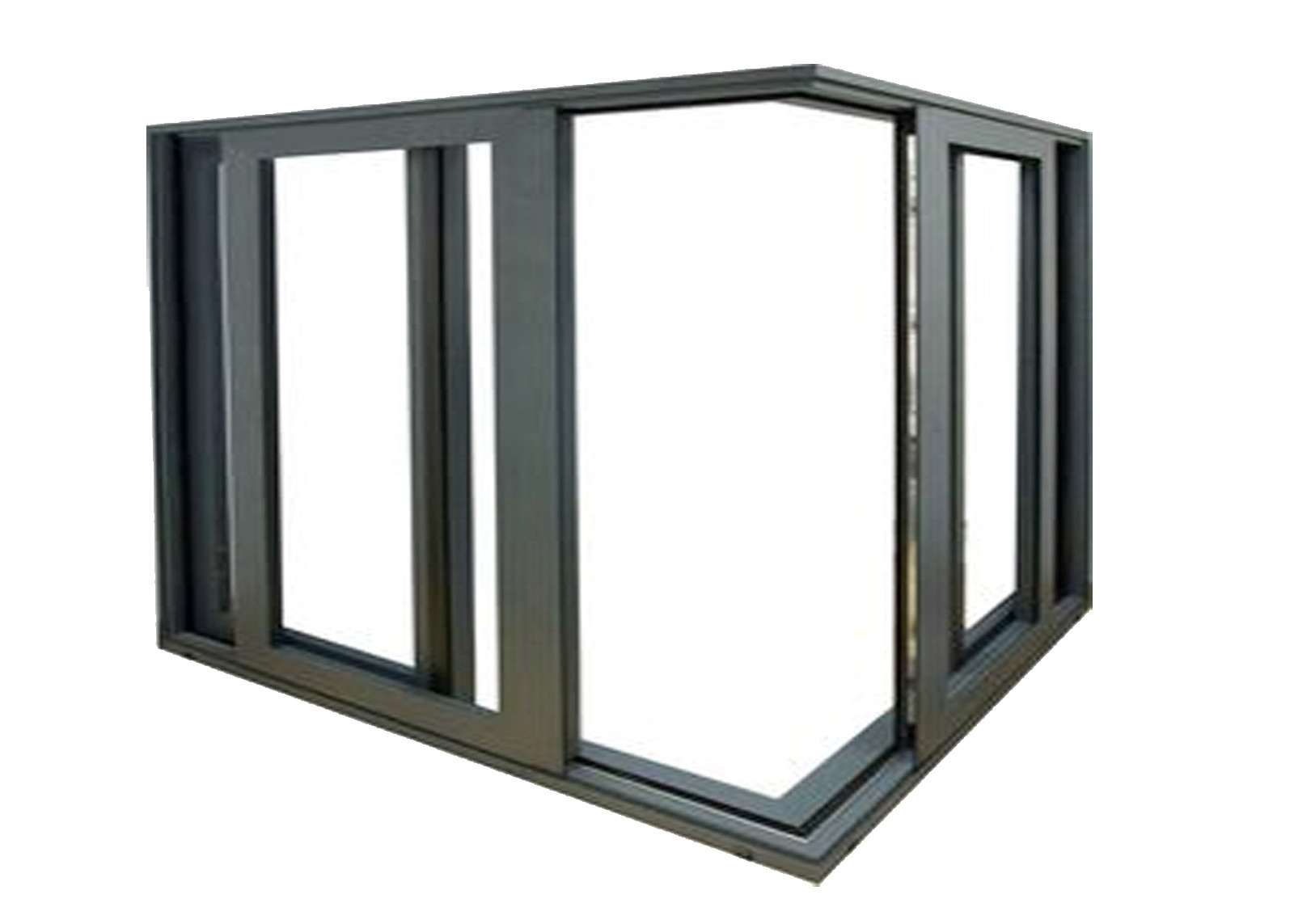
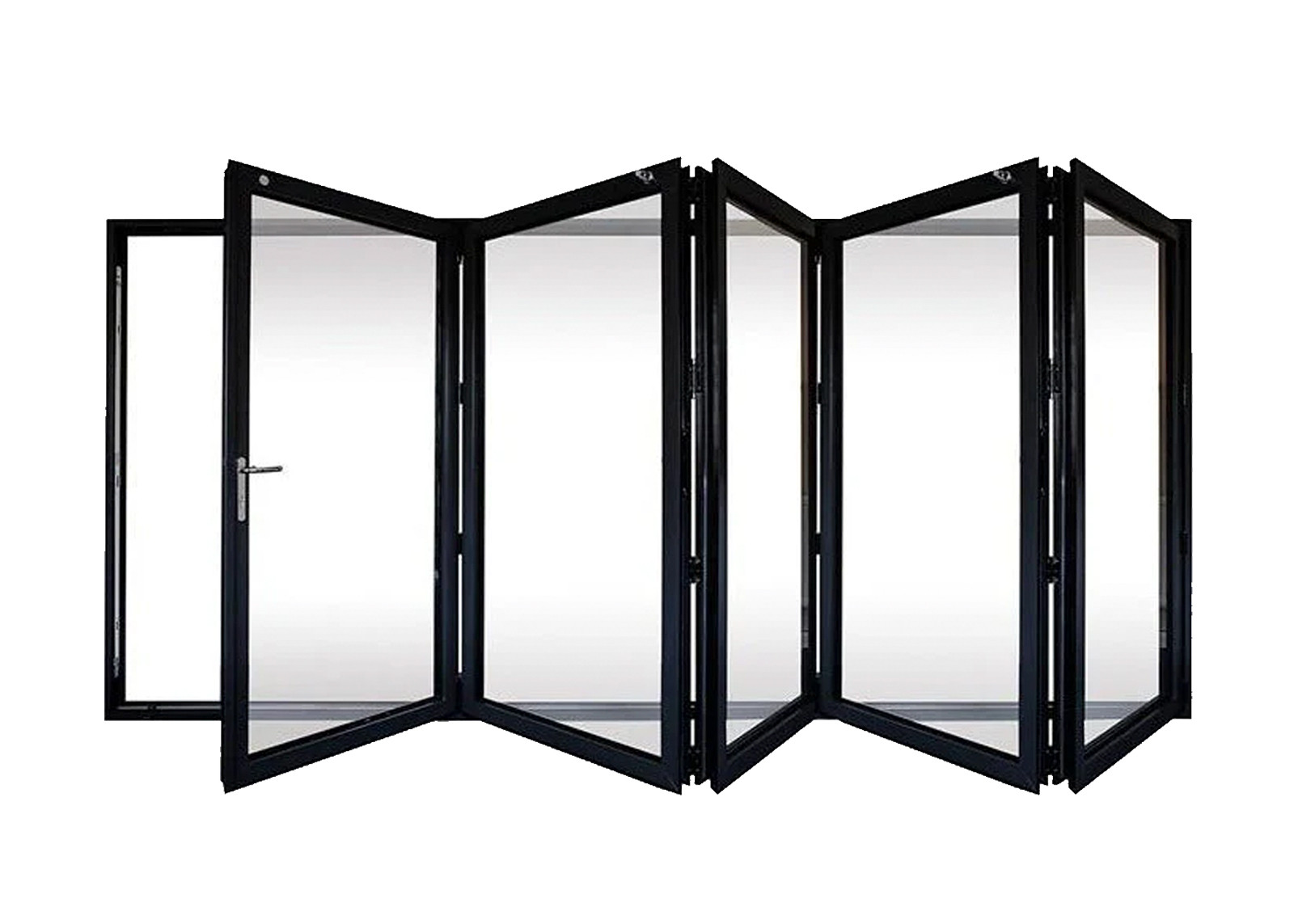
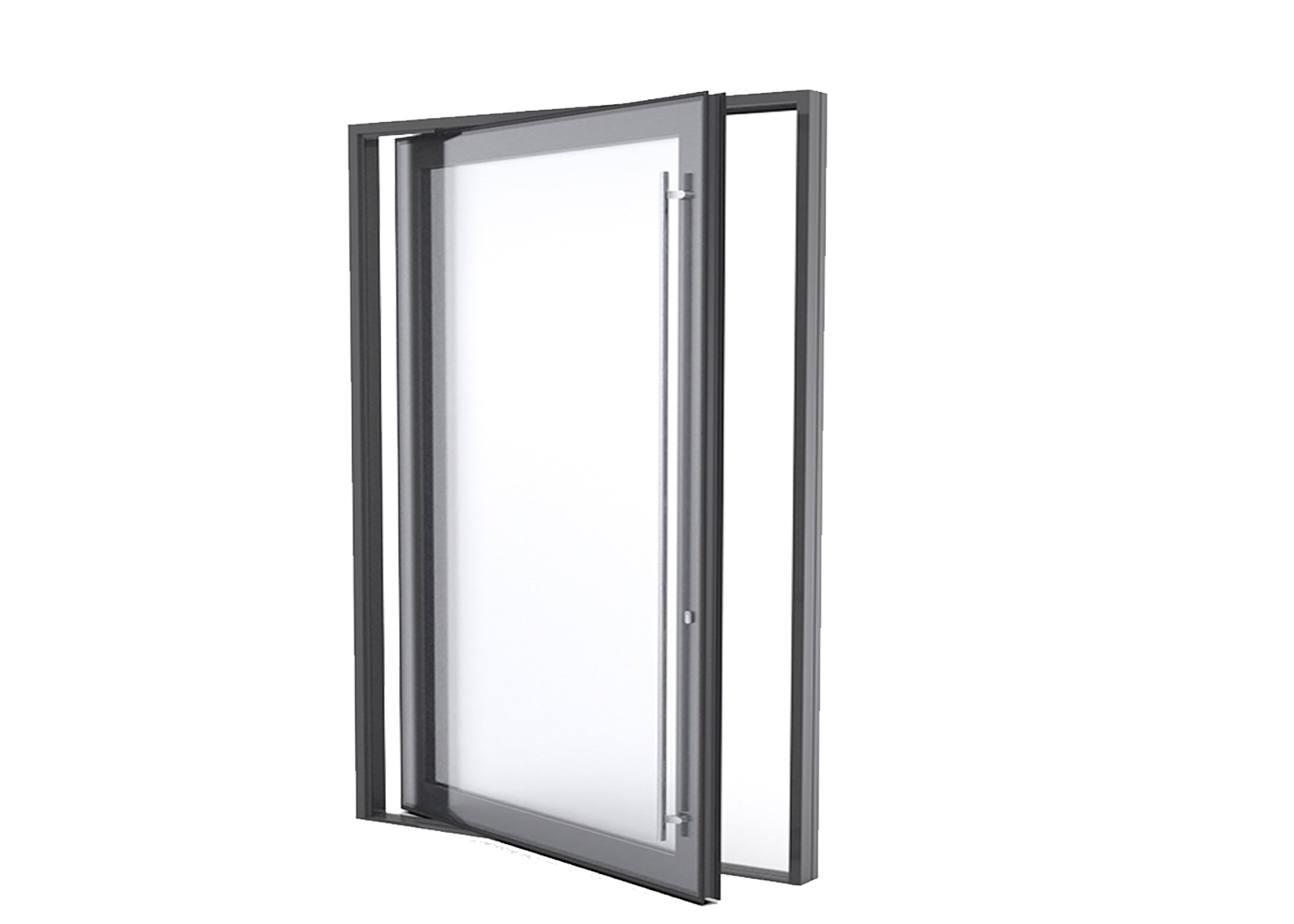
For commercial work the interesting part of that range is the large sliding and lift-slide family, which is what apartment and hotel projects specify for balconies and terraces, and the pivot door, which appears in lobbies. The company states that it exports to the United States, Canada, Australia, Germany, the United Kingdom, France and the Middle East, and it lists NFRC, AS 2047, NOA, CSA and CE among its certifications, with AS 2047 named specifically against its Australian activity.
What it does not publish is a commercial project reference or a curtain wall system. That is not a defect for a project whose facade is windows and balcony doors, but it does mean the supplier should not be shortlisted for a full curtain wall package without a direct conversation about capability. The published history also includes revenue figures for past years, which are noted here only to say they are not used in this comparison.
First question to ask: for a lift-slide balcony door at the sizes on our schedule, which tested AS 2047 configuration covers it, and what is the maximum sash weight your hardware is rated for?
5. Foshan Zestop Doors and Windows Co., Ltd. - Nanhai, Foshan, China
Zestop is based in Nanhai, Foshan, and states that it specialises in aluminium doors and windows, glass curtain walls and sunrooms. Its published product list is broader than a window factory's: aluminium windows, aluminium doors, glass doors, curtain wall, sunrooms, storm doors, steel-look aluminium windows, pivot doors, sash windows and thermal break aluminium windows all appear, which suggests a supplier set up for mixed packages rather than a single system.
The commercial relevance is in the application list. Zestop states that its windows and doors are used in homes, villas, hospitals, schools and office buildings, and that it has completed overseas projects. That is the closest thing to a commercial statement on its public pages, and it is a statement of application rather than a list of completed commercial contracts.
Its published certifications are ISO 9001, BV, TUV and SGS guidelines, which are management-system and inspection references rather than product performance standards. It does not publish an AS 2047 position, an Australian project reference or a tested configuration, so an Australian commercial buyer would need to establish all three before treating it as a compliant source. Its published export markets are Asia, Africa, Europe and America, with Australia not named.
First question to ask: do you hold an AS 2047 certificate for the curtain wall and window systems you would quote, and if not, how do you propose to demonstrate compliance for an Australian project?
6. OEFAS (Foshan Hill Dun Home Technology Co., Ltd.) - Foshan, Guangdong, China
OEFAS is the brand of Foshan Hill Dun Home Technology, a Foshan manufacturer established in 2015 according to its own company information. Its published range covers aluminium windows, aluminium doors, curtain wall, sliding and casement systems, swing and folding doors, sunrooms, awnings and gazebos, which puts it in the mixed-package category rather than the single-system category.
The commercial signal on its site is a set of curtain wall videos, including a vertical exposed and horizontal hidden frame glass curtain wall sequence. That is a system description rather than a marketing phrase, and it tells a facade consultant what type of curtain wall the factory is set up to fabricate. The company also publishes thermal break window series with nylon insulation strips, which is the configuration most projects ask for when the frame has to contribute to the energy result.
Its published certifications are ISO 9001 and CE, and its company information lists an EN 14024 reference, which is the European standard for metal profiles with thermal barriers. What it does not publish is an Australian position: no AS 2047 certificate, no Australian project reference and no NCC discussion appear on the pages reviewed. For an Australian project that means the compliance route has to be established from zero, and the factory would need to demonstrate testing rather than point to an existing certificate.
First question to ask: which of your curtain wall and thermal break window systems has been tested, to which standard, and can we see the report rather than the certificate cover?
7. HTS-ALU - China, city not published
HTS-ALU describes itself as a China-based aluminium window and door manufacturer with integrated profile production and fabrication, using automated CNC cutting and precision corner assembly. Its published commercial statement is the most direct of the Chinese suppliers: it states that it supplies aluminium window, door and curtain wall systems for offices, retail centres, schools and public buildings, alongside apartment, hotel and replacement work.
For a project buyer the useful detail is the range of supply formats it publishes. It states a minimum order from one unit, offers fully assembled windows or knock-down supply, with or without glass, and lists air freight as an option. Knock-down supply matters on commercial work because it changes the container utilisation and shifts assembly to the site or to a local fabricator, which some Australian builders prefer when the installation subcontractor has its own glazing crews.
Its published certification list covers NFRC and AAMA for the United States, AS 2047 for Australia, CSA for Canada and CE/EN for Europe. What it does not publish is where the factory is, and it does not publish a tested configuration table linking those certifications to specific systems. Both gaps are answerable in a first call, but they are gaps: a buyer cannot verify a factory location or a certificate scope from the website alone.
First question to ask: for knock-down supply to an Australian site, which AS 2047 tested configuration applies to the assembled window, and who signs the compliance statement for the assembled unit?
8. EEHE Doors & Windows - Guangdong, China
EEHE publishes a product range that includes casement windows, curtain wall, tilt and turn windows, sliding windows, door series, sunroom series and glass railing series, and states exports to Europe, America, Africa, the Middle East and Southeast Asia across more than 60 countries. Its company history page presents an 18-year counter on the homepage, while the timeline and summary text on the same site give different starting points, which is worth noting only because inconsistent dates are the easiest thing for a project team to check and the hardest to explain in a tender.
The commercial relevance is the curtain wall and glass railing combination, which is the package a mixed-use development often buys together. The company also publishes a tilt and turn family, a system type that appears in apartment work where inward opening ventilation is required.
On standards, EEHE does not publish named standard codes for its products in the pages reviewed; its certifications are described in brand and association terms rather than as certificate numbers against AS 2047, NFRC or CE. For Australian work that is a material gap, because the NCC route depends on product evidence and not on membership. The company also does not name Australia among its published export markets.
First question to ask: can you send a certificate number and scope page for the window and curtain wall systems you would quote, issued against a recognised standard?
9. Sainty Aluminum (ST Aluminum) - Tengzhou, Zaozhuang, Shandong, China
Sainty Aluminum, trading as ST Aluminum, is based in Tengzhou City in Shandong and has been in aluminium since 1995 according to its own history. It is a vertically integrated business: extrusion, anodising and powder coating, CNC machining, and fabrication of windows, doors, curtain wall, partitions and railings. That integration is unusual among window suppliers and it changes the conversation, because the profile, the finish and the fabricated unit come from one organisation.
Its published product statement covers aluminium curtain wall, partition and railing alongside windows and doors, and it describes a one-step service of design, production and installation, with pre-fabricated units delivered complete with glass and accessories. For a commercial project the integration is useful at the finish stage: coating warranty and colour consistency are easier to control when the coater and the fabricator are the same company.
Its published certifications include NFRC for the United States, AWA-based Australian standard, CSA for Canada and a German component standard, and it states exports to more than 45 countries. What it does not publish is a certificate number or a tested configuration for the Australian route, and its published market emphasis for windows and doors is America and Europe rather than Australia. The Australian claim therefore needs the scope page before it can be relied on.
First question to ask: which AWA or AS 2047 certificate covers your fabricated window and curtain wall systems, and what is the tested size range for each system?
10. Aluwin Group Pty Ltd - Australia
Aluwin Group is the Australian comparator in this list. It describes itself as an Australian specialist in the supply and installation of high-performance aluminium windows and doors for residential and commercial projects, with a range that runs from minimalist frames for houses to high-performance systems for large commercial buildings, plus glass options including double glazing, laminated safety glass and tinted glass.
Its commercial value is the part that an offshore factory cannot supply: installation. The company states that its certified installers fit every window and door, and that its service runs from consultation through to completion, working with homeowners, builders, architects and developers. On a commercial project that is the interface where most failures occur, because the frame, the flashing, the sealant and the substrate are supplied or installed by different parties.
What it does not publish is a standard code. Its compliance statements are written in performance language rather than against AS 2047 or AS 1288 with certificate numbers, and it does not publish a tested configuration table. That is common among installer-led businesses, and it does not mean the products are non-compliant; it means the evidence has to be requested from the supplier behind the installer.
First question to ask: for the systems you install, which certificates and tested configurations sit behind them, and who holds the compliance documentation at handover?
How to weigh the ten against a real schedule. The list is not a league table, and the right shortlist depends on the package. A curtain wall facade narrows the field to the suppliers that publish a curtain wall system and a tested configuration for it. A package of balcony doors and windows for an apartment building narrows it differently, towards suppliers with a large-opening range and a documented AS 2047 route. A project that needs local installation may end up pairing an offshore factory with an Australian installer, and in that pairing the documentation question becomes a contract question: who holds the certificate at handover.
For buyers who want to see how the same factory documents a wider product range before shortlisting, the latest door and window designs page shows systems across both aluminium and uPVC, and the aluminium window catalogue groups the aluminium range by opening type so that a schedule can be mapped against it opening by opening.
How do you run a commercial project schedule around imported windows?
Work backwards from the date the facade must be closed, then put a gate at every step that can move. The gates are drawing approval, mock-up sign-off, production release, inspection, container release and site receipt. A supplier that cannot put dates against those six gates is not scheduling, and a project that does not hold the gates in writing will absorb every delay inside the window package.
Start with the opening schedule, not the quotation
Commercial window procurement begins with a document that residential work rarely produces: an opening schedule that lists every window and door with a mark, a level, a room or zone, a size, a type, a glass make-up and the design pressure for its facade. The schedule is what allows a factory to quote, draw, fabricate, label and deliver in a sequence that matches the site.
When a project sends elevations instead, three failures follow. The factory quotes a nominal type rather than your sizes, the shop drawings come back with assumptions about the reveal and the fixing, and the packing list ends up organised by product type instead of by install zone. The cost of that rework is absorbed by the project, not the factory, which is why commercial aluminium windows australia procurement usually starts with a schedule review rather than a price request.
The six gates that decide the programme
The first gate is drawing approval. Shop drawings convert the schedule into frame and sash sizes, drainage direction, hardware positions and fixing details, and they are the last point at which a change is cheap. The second is the mock-up: one window or one typical bay built, shipped or photographed, and accepted against the specification before the production run starts.
The third gate is production release, which should not happen before the first two are signed. The fourth is inspection, where the finished units are checked against the schedule and photographed by mark. The fifth is container release, which is a commercial decision as much as a logistics one: releasing containers in the order the site consumes them protects the programme, and releasing them all at once protects nothing but the factory's yard. The sixth is site receipt, where the packing list is reconciled against the delivery and any damage is recorded before installation begins.
Each gate needs an owner and a date. A supplier that says yes to all six without asking who signs is describing a process it does not run.
Staging, storage and the cost nobody budgets
The most common commercial mistake with imported windows is treating delivery as a single event. On a multi-level building the facade is closed floor by floor, and windows that arrive early become a storage problem: they occupy site space, they are exposed to damage and theft, and they have to be moved twice. Windows that arrive late stop the following trades and start a claim.
Staging solves this only if it is designed into the order. That means the schedule is grouped into zones, the zones are labelled on the frames and on the packing list, and the production plan is sequenced so that zone one is completed, inspected and shipped before zone two is packed. Ask for a delivery matrix that maps each container to a zone and a date range, and check that the factory can hold finished units between inspection and shipment without compromising the packing.
What a delivery matrix should contain
A delivery matrix is a one-page document that ties the factory plan to the site plan. If a supplier cannot produce one, the project is relying on goodwill and a shipping schedule, and neither survives a wet season.
| Field | What it should show | Why the project needs it |
|---|---|---|
| Zone or level | The install area each container serves | Lets the site release space and labour in sequence |
| Opening marks | Every mark in the container, in schedule order | Makes site receipt a checklist rather than a guess |
| Container sequence | Which container ships first and what depends on it | Prevents a critical zone shipping last |
| Inspection status | Which units have passed and been photographed | Confirms nothing ships uninspected |
| Document pack | Certificate, packing list, drawings for that release | Keeps handover evidence aligned to delivery |
| Hold points | Any unit waiting on a client decision | Surfaces the decisions that stop production |
ROPO builds this matrix from the approved shop drawings, and the builder and developer guidance describes the same sequence from the project side. The explanation of what drives window prices is worth reading alongside it, because a staged delivery changes the cost base and a supplier that has not priced the staging will recover it elsewhere.
How do imported and locally fabricated commercial packages differ?
They differ less in the product than in who carries the risk after handover. A local fabricator sells a window and an installation with one warranty and one phone number. An import package separates the factory, the freight forwarder, the importer and the installer, and each of those separations is a place where responsibility can be handed on. Neither model is automatically better; they fail in different ways.
The cost structure, line by line
An import quotation and a local quotation are rarely comparable as presented, because they stop at different points. The import price is usually ex-works or FOB, which means it excludes freight, insurance, terminal charges, duty, GST, cartage, cranage and installation. The local price typically includes delivery to site and installation, and it carries the local fabricator's overhead and margin inside the number.
Comparing them properly means building a landed cost for the import route: the window price, the packing, the freight and insurance, the port and clearance charges, the transport to site, the storage, the installation subcontract, and a contingency for replacement glass and site adaptation. On commercial aluminium windows australia packages the landed cost is usually where the two quotes diverge, and ROPO's breakdown of materials and cost factors shows which elements move a window price. The Trade Assurance route is the mechanism that keeps a deposit recoverable when the delivered goods do not match the approved specification.
Who holds the compliance evidence
On a local package the fabricator holds the certificate, the glass evidence, the installation detail and the warranty, and the project deals with one party. On an import package the factory holds the product certificate, the importer or builder holds the compliance obligation for the installed assembly, and the installer holds the workmanship warranty. That split is workable, but it has to be written down.
The question to settle before the order is who presents the compliance file at handover. If the answer is the builder, the builder needs the certificate scope, the glass standard evidence, the installation drawings and the inspection records in a form that can be handed to a certifier. A factory that supplies a badge image and no scope page has not supplied evidence, however good the window is.
Programme, inspection and the after-sales chain
Import adds sea freight to the programme, and sea freight adds a buffer that has to be managed rather than discovered. It also removes the ability to walk the factory floor on a Friday afternoon, which is why the inspection record matters more, not less: photographs by opening mark, a signed inspection sheet per batch, and a container loading record are the substitutes for a site visit.
After handover, the import route depends on spares and on the local partner. Hardware is the usual failure point, and the time to confirm that a handle, a hinge or a lock can be reordered in two years is before the order, not after a tenant reports a broken window. ROPO's custom aluminium windows range is built on hardware from named suppliers for this reason, and the hardware page lists what is fitted and where the spares come from.
What must a commercial window specification contain?
It must be specific enough that two suppliers quote the same window and short enough that neither can reinterpret it. The fields that matter are the ones that change a test result or a warranty: system name, frame depth, glass make-up, hardware, finish, design pressure, tested configuration and documentation deliverables.
The fields that control substitution
Most commercial window disputes are substitution disputes. The order was placed against a specification that named a performance level rather than a product, and the delivered window meets the level in a way the project did not intend: a different profile depth, a lighter wall thickness, a different spacer, a hardware set from a cheaper range. Each of those is defensible on its own and indefensible together, because the tested configuration was a combination.
The defence is to specify the combination. Name the system and the frame depth. Name the glass make-up including cavity and spacer. Name the hardware brand and model. Name the finish system and the warranty behind it. Name the tested configuration that the combination corresponds to, and require the supplier to confirm in writing that the delivered window is inside it. A commercial aluminium windows australia specification should reach the level at which a supplier documents alloy, wall thickness and coating, because that is where two quotes stop being the same window.
Opening types, and where the specification usually breaks
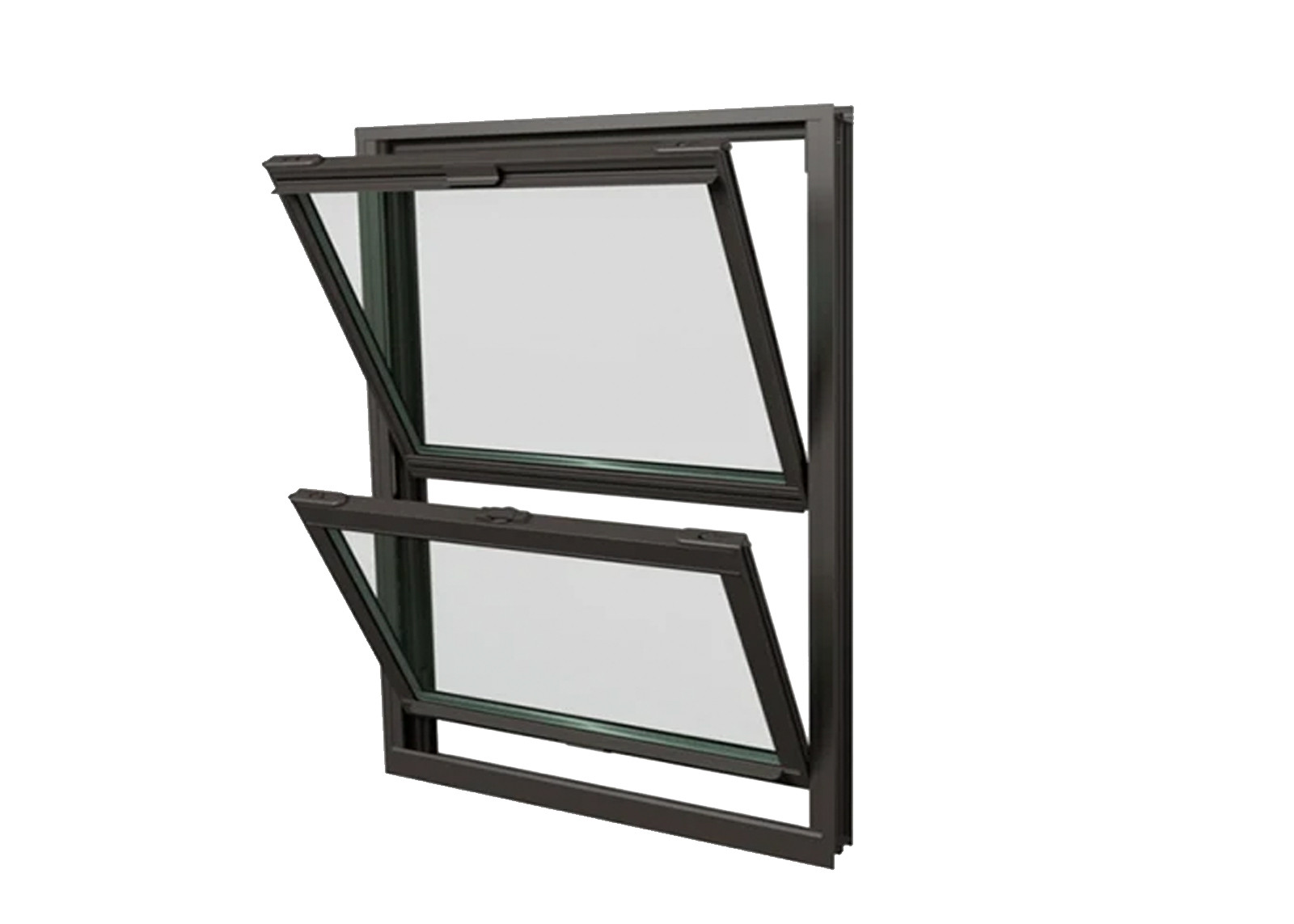
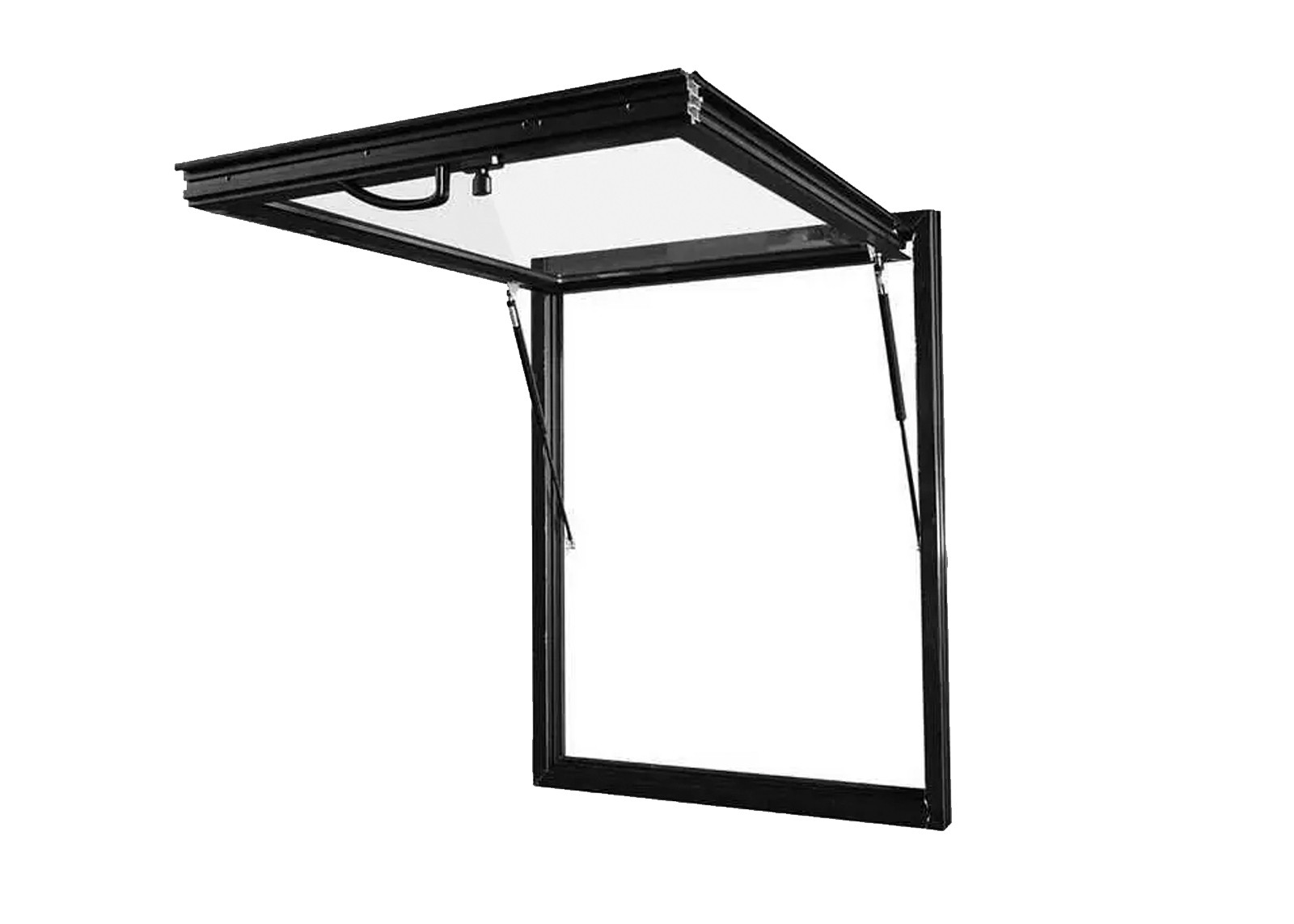
The opening schedule and the specification have to agree on type, because the type sets the tested configuration. A casement and an awning from the same profile family are different windows to a certifier, and a fixed light is different again. On commercial work the types that cause the most trouble are the large fixed panels in a curtain wall or shopfront, the parallel opening vents used for smoke and ventilation strategies, and the heavy sliding or lift-slide doors at balconies and terraces.
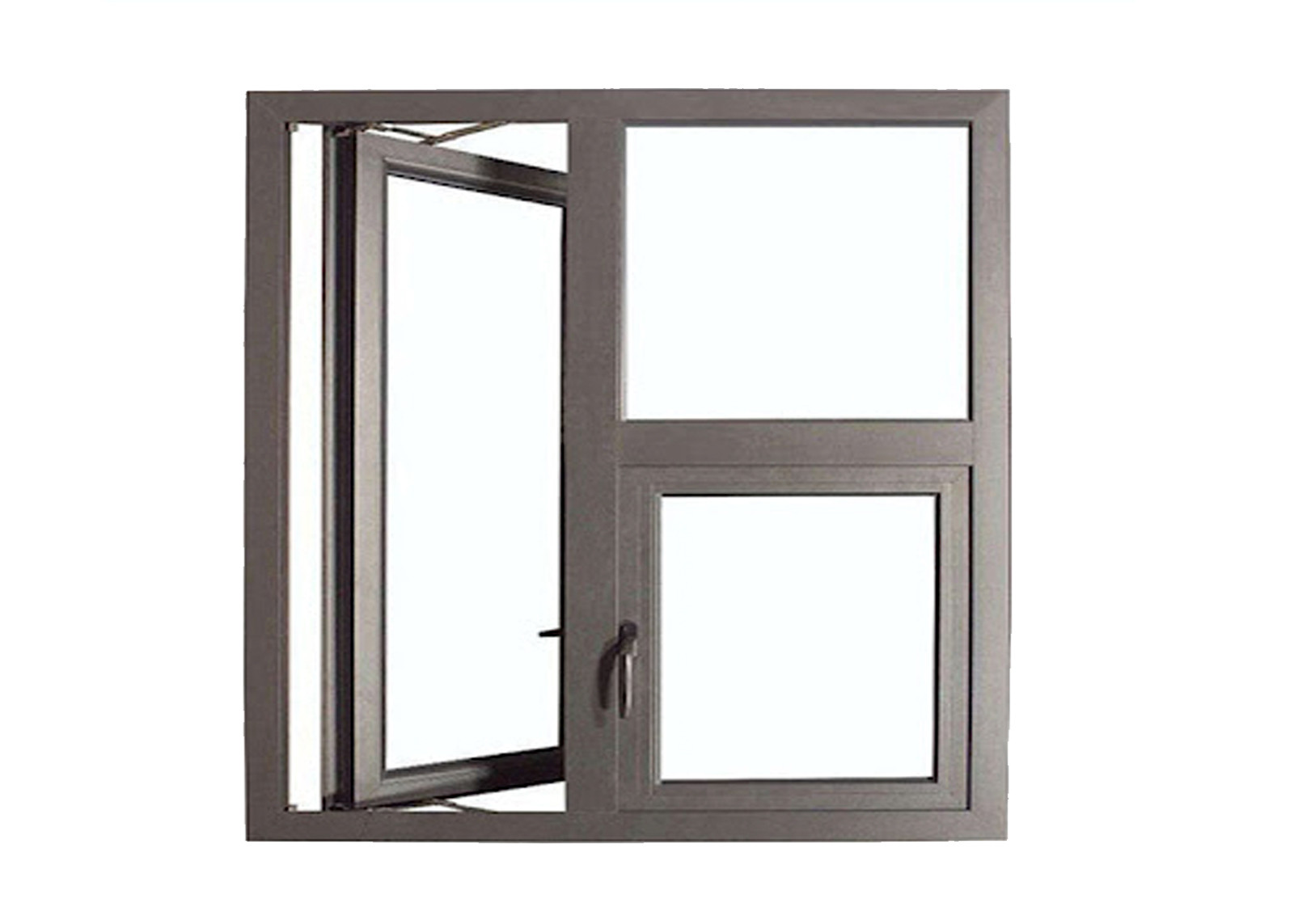
Each of those needs its own line in the specification with its own tested configuration and its own size limit. The commercial casement windows page is a useful template for how one type is documented from frame to finish, and the aluminium window range shows the full set of types that a project schedule has to map against.
A specification skeleton for a commercial package
The table below is the minimum content for a commercial window specification in Australia. Anything left blank becomes an assumption in the supplier's favour, and assumptions are cheapest to resolve before the deposit.
| Section | Content | Failure if omitted |
|---|---|---|
| System | Profile family, frame depth, mullion and transom sections, thermal break if required | Supplier substitutes a shallower or unbroken system |
| Performance | Design pressure per facade, water and air performance required, acoustic target if any | Window is tested to the wrong level for the site |
| Glazing | Make-up, thickness, coating, cavity, gas, spacer, safety glazing standard | Glass changes and the frame calculation no longer holds |
| Hardware | Brand, model, finish, restrictor and opening control strategy | Cheaper hardware invalidates the tested specimen |
| Finish | Coating system, colour, gloss, warranty period | Colour batch and durability disputes at handover |
| Fabrication | Corner construction, drainage, sealing, tolerances | Water ingress that the certificate did not predict |
| Documentation | Shop drawings, certificate scope, inspection records, packing list by mark | No evidence file at practical completion |
| Packing and delivery | Protection standard, labelling by zone and mark, container sequence | Site cannot identify or stage the delivery |
About ROPO Windows
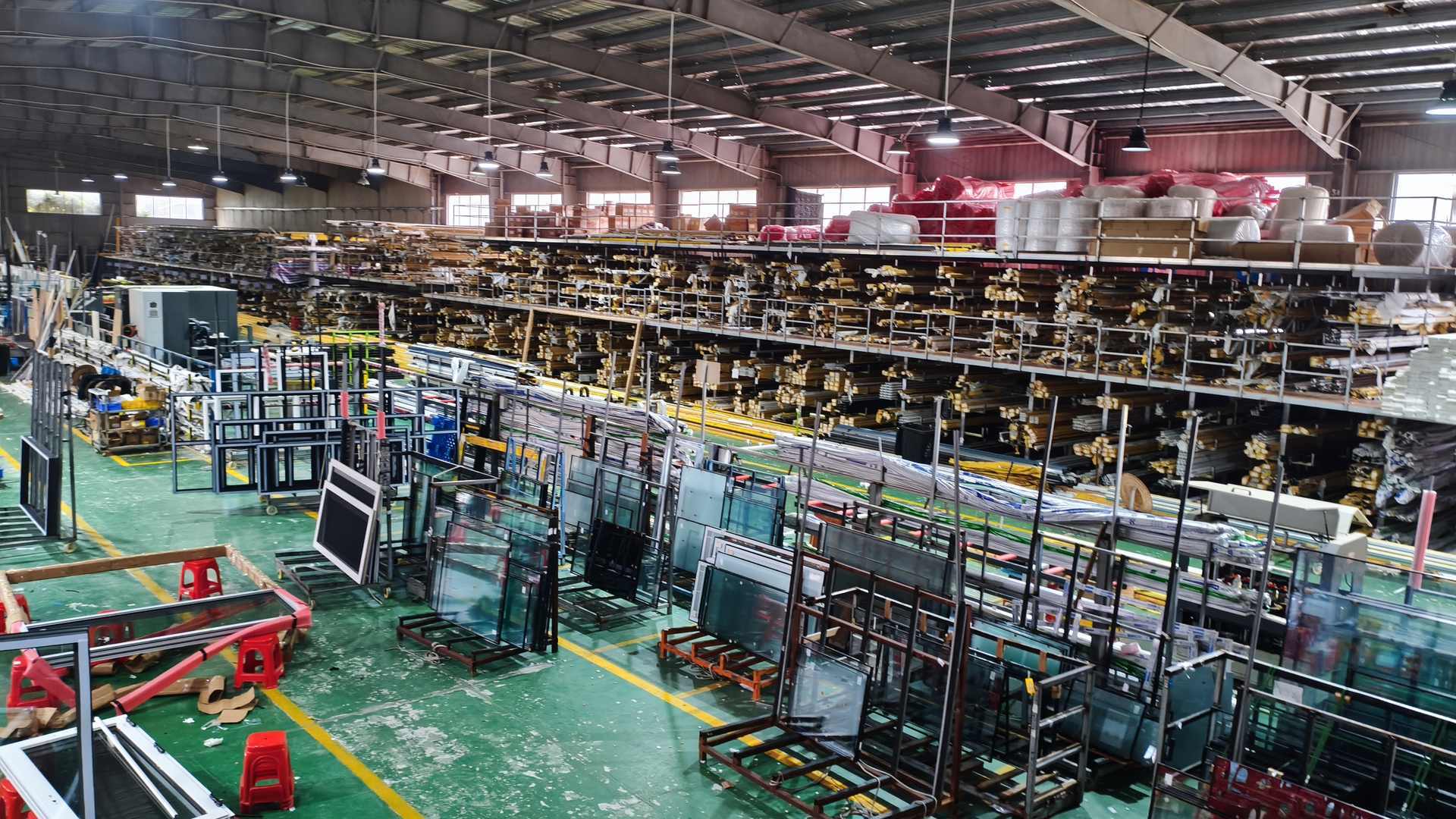
ROPO Windows is a window and door manufacturer based in Fuzhou, Fujian, China, with 16 years of production behind it and customers in more than 100 countries. The factory builds aluminium and uPVC systems to order, from a single unit to a house lot, and ships through Fuzhou and Xiamen. Both production lines run under one roof, which is what allows a mixed aluminium and uPVC package to leave on one container list.
What the Fuzhou factory makes for commercial work
The aluminium range covers casement, awning, sliding, tilt and turn, fixed, folding, hung, bay and bow, hurricane impact and parallel opening windows, plus sliding, folding, lift and slide, pivot and tilt and turn doors. For commercial glazing the range that matters most is the aluminium windows for commercial projects group, where the parallel opening and fixed configurations are specified for facades and the chain winder awning is specified where opening control is required.
The factory is set up for drawing-based production rather than catalogue sales. An order starts from an opening schedule and elevations, becomes shop drawings with frame and sash sizes, glass make-up and hardware positions, and only moves to production after those drawings are approved. The factory page shows the layout and the production areas behind that process.
Certificates, warranty and the Australian position
The certificate library covers AS 2047-2014, AS 1288, AS 4666, NZS 4211 through CodeMark and Miami-Dade hurricane testing, and the Australian position includes an AGWA compliance certificate demonstrating performance against NCC 2022, AS 2047:2014 and AS 1288:2021, audited annually by an AGWA accredited independent auditor. The certificate library publishes the documents, and the stated warranty is 10 years, set out in the warranty list.
The stated commercial terms are a minimum order of one unit and payment through Trade Assurance. Certification is not the same as project compliance, and the guide to verifying AS 2047 windows says so directly: the question is always whether the window on the schedule sits inside the tested scope.
Custom Production Process
A commercial order is a custom order multiplied by the number of openings, so the process has to hold the specification steady across dozens or hundreds of units. ROPO's flow runs in five stages with a document or an inspection at each one, and the same flow applies whether the order is one sample window or a full floor of aluminium windows built to order.
Engineering review and shop drawings
The order starts with the opening schedule, the elevation drawings and the performance requirements. The engineering team converts them into shop drawings with frame and sash sizes, glass make-up, hardware positions and the drainage direction for each opening, and the drawings return to the buyer for approval before any extrusion is cut. On a commercial package that review is also where the tested configuration is checked opening by opening, because a schedule that drifts outside the certificate is cheapest to catch at drawing stage.
Five-step inspection and testing
Profiles are cut, machined and assembled, hardware is fitted to the tested positions, and glazing is set on the specified blocks and spacer. Inspection runs across five points: incoming material, profile and frame assembly, glazing, hardware and the finished unit, with each finished window checked for operation, drainage and square before it is marked to its opening. The quality and testing page shows the checks, and finished units are labelled so that the packing list and the site can identify a window without opening the bundle.
For a commercial project the inspection record is the substitute for a site visit. Ask for photographs by opening mark, a signed inspection sheet per batch, and a record of any unit that was reworked; a factory that can produce those three things is running a process, and one that cannot is running a hope.
Packaging and Shipping
Packing for commercial aluminium windows australia orders is a scheduling instrument as much as a protection system. Every unit has to survive a sea voyage, arrive identifiable, and be openable in the order the site needs it. A container of well-protected windows that cannot be matched to an opening schedule is a container of expensive anonymous frames.
The packing standard and what it protects
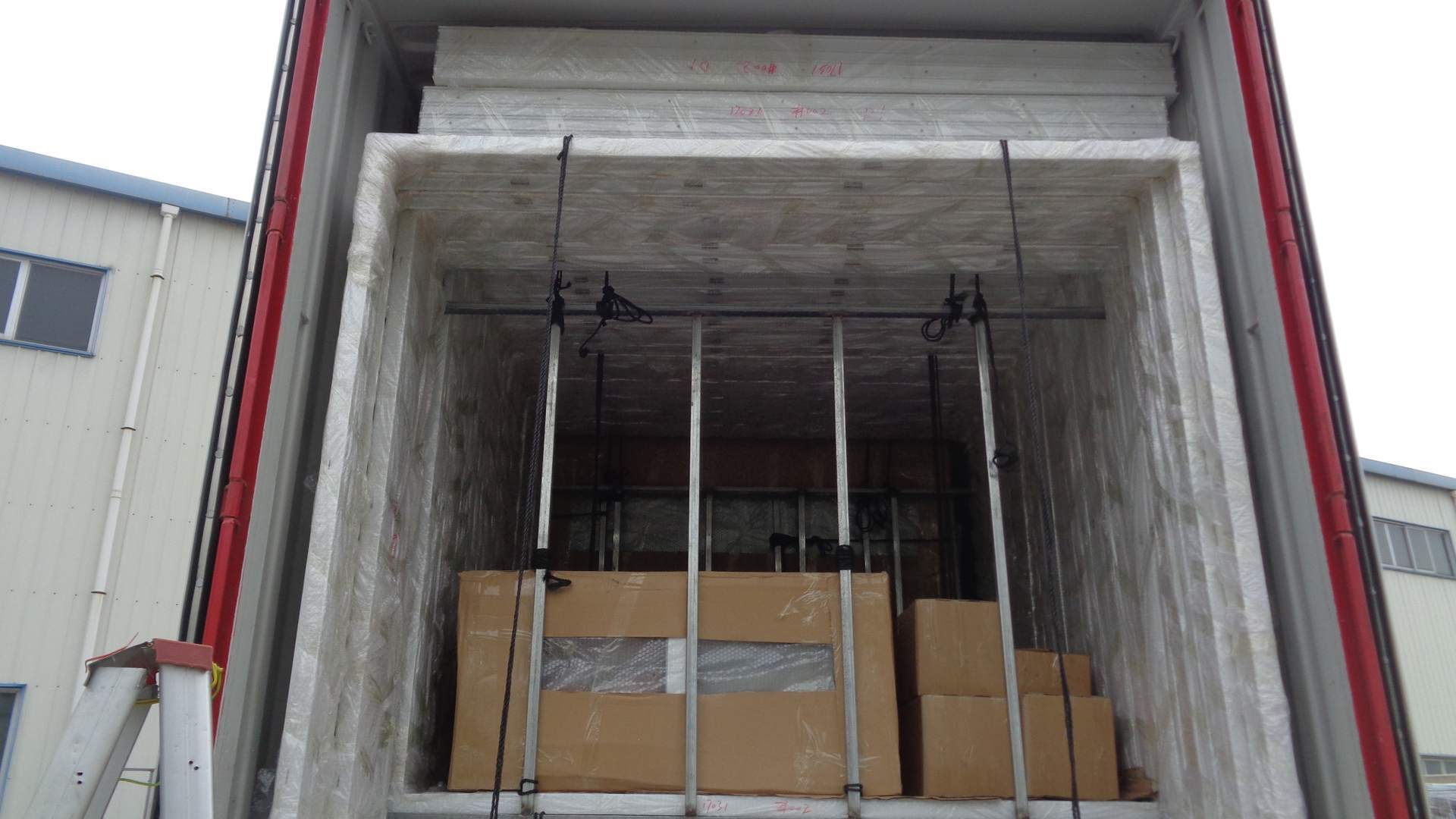
Frames are protected at the corners, wrapped against moisture, and bundled with the opening mark visible without opening the bundle. Glass is protected separately, hardware is packed so that nothing hard can bear on a coated surface, and crates are braced so that bundles cannot move in transit. The packaging guide shows the layers and the labelling standard, and the same standard applies whether the units are full aluminium window packages for a building or a single sample for approval.
On a commercial order the labelling is the part that carries the programme. Each bundle should identify the zone, the level and the opening marks it contains, and the packing list should repeat that information in the same order as the schedule. When the two agree, site receipt becomes a checklist. When they do not, the site opens every bundle to find out what arrived, and the protection the packing was designed to give is lost in the first week.
Container loading, documents and handover
Loading is planned so that weight sits low and bundles cannot shift, with the largest units against the container walls rather than in the middle. Fuzhou and Xiamen are the usual ports. The container leaves with a packing list matched to the opening marks, a certificate pack matched to the production batch and the approved installation drawings. The Australian purchasing page sets out that sequence from the buyer's side.
Humidity is the quiet risk on a long voyage. A wrapped bundle that traps moisture shows it as a white bloom on the coated surface at unpacking, and a claim at that point is hard to separate from site storage. The practical controls are a wrap that breathes or a container that is protected, and a note in the delivery matrix of who is responsible for storage once the container is opened. For a first order, the sample order route is the cheapest way to test the packing standard before committing a project to it.
Before installation starts, two measurements decide whether the window fits the opening it was built for. The guide to measuring openings explains the difference between the structural hole and the frame size, and on a commercial site with precast or framed openings that gap is often where a window package fails inspection.
- One typical opening built
- Corner, drainage and glazing inspected
- Certificate scope confirmed against it
Start with a single unit sample.
- Opening schedule with design pressures
- Glass make-up per type
- Tested configuration per type
Send the schedule, not an elevation.
- Repeat configurations for a builder
- Local installation partner
- Dealer terms and spares
Ask for dealer terms with the quote.
Yes. AS 2047 is the product standard used to demonstrate that windows and external glazed doors meet the structural, water and air performance the NCC requires, and a commercial project will normally be asked for the certificate and its scope at approval and handover.
Class 2 buildings, including apartments, fall under NCC Volume One, as do Class 3 to Class 9 buildings such as hotels, offices, shops and schools. Volume Two covers Class 1 houses and Class 10 structures, which is why a residential supplier's compliance material often does not answer a commercial question.
Rarely. A certificate covers a tested specimen with a defined system, size range, glass make-up and hardware. A facade with several systems, large fixed panels and different opening types usually needs several tested configurations, and any window outside them needs a separate assessment.
It depends on the energy target and the climate zone. Where the building model relies on the frame to reduce heat flow or condensation, a thermal break is part of the specification. Where cooling dominates and the frame contribution is small, the money may be better spent on glass and shading.
Build a landed cost for the import route: window price, packing, freight, insurance, port charges, duty, GST, cartage, storage, installation and a contingency for replacement glass. Compare that with the local delivered and installed price, and compare the compliance evidence each party will hold at handover.
Late drawing approval. Production cannot start until the shop drawings are signed, and every week lost at that gate moves the container sequence. The second most common cause is a specification change after the mock-up, which resets both the drawing and the tested configuration check.
Some can, and HTS-ALU publishes knock-down supply as an option. Knock-down changes container utilisation and shifts assembly to the site or a local fabricator, so the compliance question has to be answered for the assembled unit, not only for the components.
Every unit against its opening mark, the operation of each sash, the drainage slots, the glazing and spacer, the hardware and the labelling. Photograph by mark, record the batch, and check that the certificate pack matches the production batch rather than the quotation.
- JZZ1 - Certificate register
- DERCHI - Windows for the Australia market
- Foshan NF - Company profile
- Foshan Zestop - Company profile
- OEFAS - Company information
- HTS-ALU - Window and curtain wall projects
- Sainty Aluminum - Company profile
- Aluwin Group - Company profile
