



Top 5 AS2047 Certified Window Manufacturers in Australia
Which AS2047 Certified Windows Manufacturers Should Australian Buyers Shortlist?
The as2047 certified windows manufacturers worth shortlisting in Australia are ROPO Windows for factory-direct custom manufacture, Architectural Window Systems (AWS) for tested systems supplied through licensed fabricators, Stegbar and Dowell for national manufacture with installation, and Wideline for NSW and Queensland fabrication with published performance testing. Each proves compliance differently, and that decides which fits your project.
The list is short because the market does not really contain five versions of the same business. It contains a Chinese factory that builds to your schedule and ships the result, a system house that designs and tests extrusions which other companies then fabricate, two national manufacturers that sell through showrooms and install with their own or partnered crews, and a two-state fabricator that publishes its water, wind and air testing on its own website. Those are five different answers to the question "who is accountable when the certifier asks for evidence".
It is written for the three buyers who keep arriving at the same page from different directions. The builder who has a schedule of forty openings and a certifier who wants a report per configuration. The renovator replacing eleven windows in a 1970s brick veneer who has been told by two suppliers that their product "is AS 2047" without being shown a document. And the importer who has a factory quote in hand and needs to know whether the paperwork that comes with it will survive an inspection. The AS2047 certified windows range on this site is the entry point for the third reader; this article is the reasoning behind it.
What This Comparison Covers, and What It Leaves Out
This article compares the supply side of AS 2047 compliant residential and light commercial windows in Australia: who manufactures, who fabricates, who tests, who installs, and what documentation each route can put in front of a certifier, a builder or an energy assessor. Where a product family is named, it is named because the company publishes it, not because this article has tested it. Where a company publishes a performance claim, the claim is attributed to that company and described as their published position.
It does not compare prices, and it does not rank the five by size, turnover or reputation. A window schedule in Australia is priced against measured openings, glass make-up, frame system, storey height, access, removal and disposal, and any price printed here would be wrong before the article aged a month. It also does not attempt to compare showroom experiences, because a showroom tells you how a handle feels and nothing about whether the assembly was tested at the span you are buying.
What it leaves out deliberately is the commercial and architectural curtain wall market, except where a residential project has an opening large enough to behave like a facade. It also leaves out installation quality as a separate subject, which is a real gap in the Australian market: the same tested window installed with the wrong packer, no sill tape and a bead of sealant instead of a flashing will leak, and the certificate will not save it. Installation is therefore treated here as a scope question — who owns the interface between frame and wall — rather than as a trade to be priced separately.
How the Five Were Selected and Why They Are Not a League Table
The five were selected on four tests. First, they must manufacture or fabricate windows and doors that are supplied into Australian projects under AS 2047, not merely import and relabel. Second, they must represent a distinct commercial route, so that choosing between them is a decision rather than a preference. Third, their product ranges and their compliance position must be publicly checkable on their own published material, so that nothing here depends on a private conversation. Fourth, between them they must cover the four ways Australian buyers actually procure: a full-house schedule bought at factory cost, a specification written around a tested system, a homeowner buying manufacture plus installation from one entity, and a builder buying from a fabricator that publishes its own test results.
That produces a list where each name answers a different question. ROPO answers "how do I buy custom joinery at factory cost and still get AS 2047 evidence for the sizes I ordered". AWS answers "which system should the specification name, and who is licensed to fabricate it". Stegbar answers "who will manufacture, deliver and install across four states". Dowell answers "who has a thermally broken range and a branch network behind it". Wideline answers "who fabricates in NSW or Queensland and publishes the water, wind and air testing".
Ordering follows breadth of fit to an Australian compliance-driven project, not size. A householder replacing four windows and a builder scheduling a duplex should read the same five descriptions and reach different conclusions, and that is the intended result. A list that ranks everybody is a brochure with numbers attached, and numbers about other people's businesses are exactly what this article refuses to invent.
What We Do Not Publish About Other Companies
This article does not publish capacity figures, revenue, staff numbers, export volumes, market share, price levels or lead times for any company other than ROPO, and for ROPO it publishes only what the company states publicly about itself. Where a supplier publishes a performance claim, the claim is attributed and framed as their stated position rather than as an independently verified fact.
The reason is not delicacy. Those figures change, they are rarely published in comparable form, and a buyer who commits a five-figure sum on the strength of a number copied from a blog post has been badly served by the article that copied it. What changes slowly is the structure of the offer: whether the company fabricates or resells, whether the sealed unit is made in house or bought in, whether installation is in scope, whether testing was done on the system or on a similar product, and whether the compliance evidence is produced per project or per product family. Those are the things compared here, and they are the things a buyer can verify in a single meeting with a tape measure and a folder.
The Five AS2047 Window Manufacturers Compared
The AS 2047 market in Australia is really five markets stacked on top of each other. Read each description as a scope of supply, not as a score, because two of them will usually become irrelevant to your project within a paragraph — and knowing which two is worth more than a ranking. The AS2047 windows built in Fuzhou page on this site is the first route described below; the other four are Australian businesses whose published material is quoted rather than paraphrased into something grander.
ROPO Windows: Factory-Direct Manufacture with AS 2047 Test Evidence
ROPO Windows is a Chinese manufacturer of custom aluminium, uPVC, timber and aluminium-timber windows and doors, with a factory in Minhou County, Fuzhou, Fujian Province. The company states 16 years of manufacturing experience and exports to more than 100 countries. It states that its products are made to AS 2047, AS/NZS 2208, AS 4666 and AS 1288 for the Australian market, NZS 4211 for New Zealand, and Miami-Dade impact standards for Florida work, and it states membership of WERS and of AGWA, the Australian Glass and Window Association. The certificate library holds the documents, and the quality and certification page explains how they are issued and what they cover.
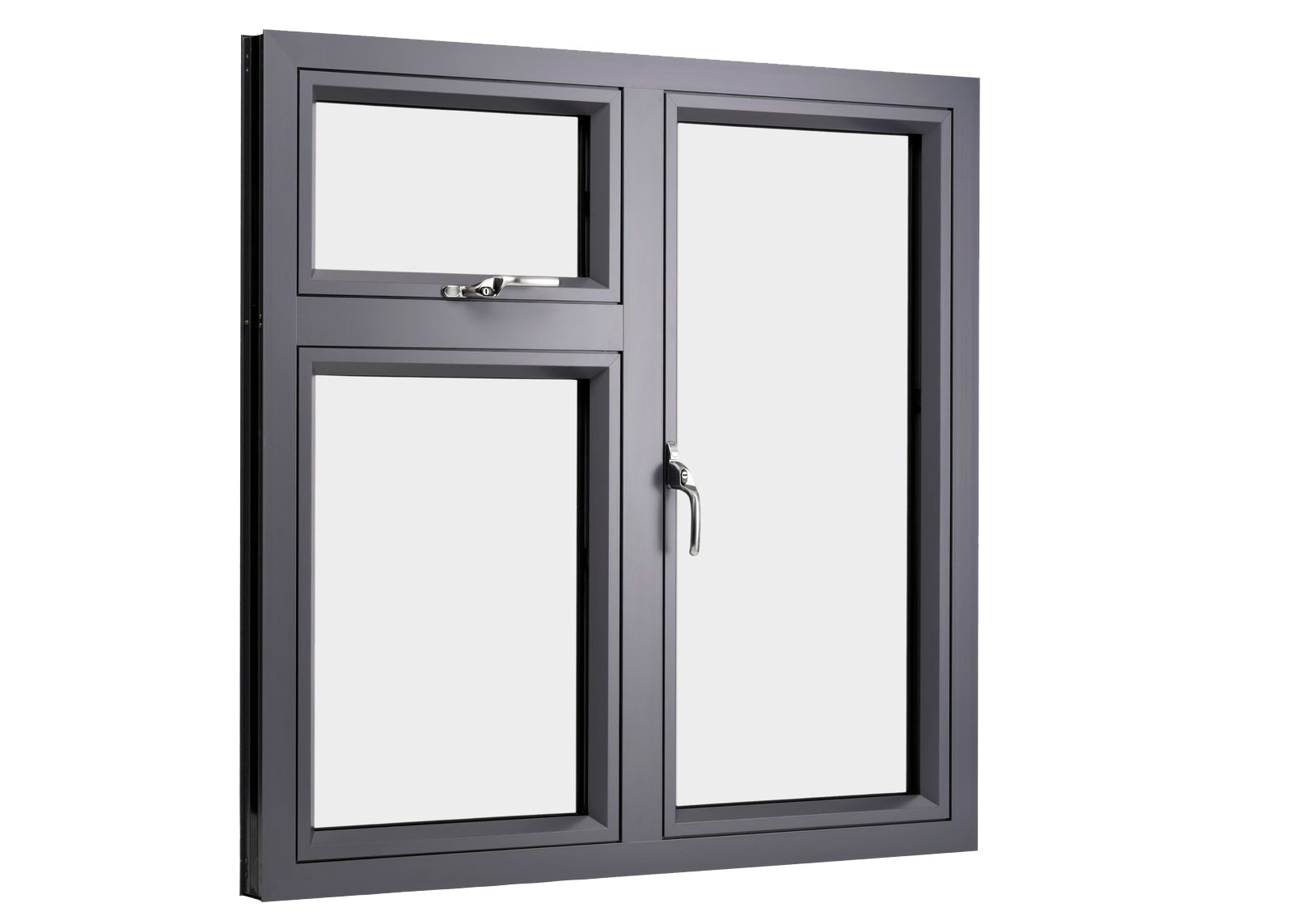
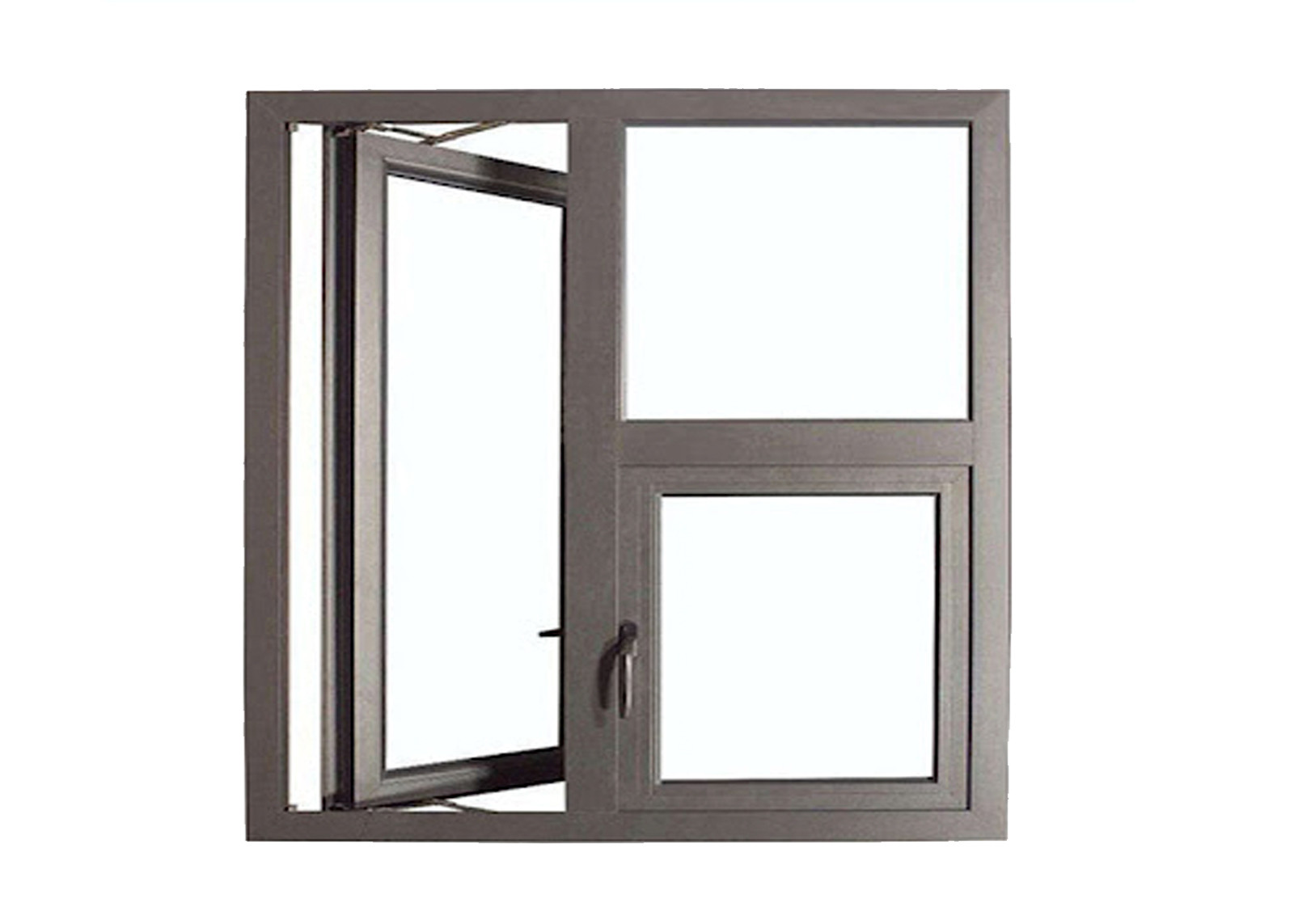
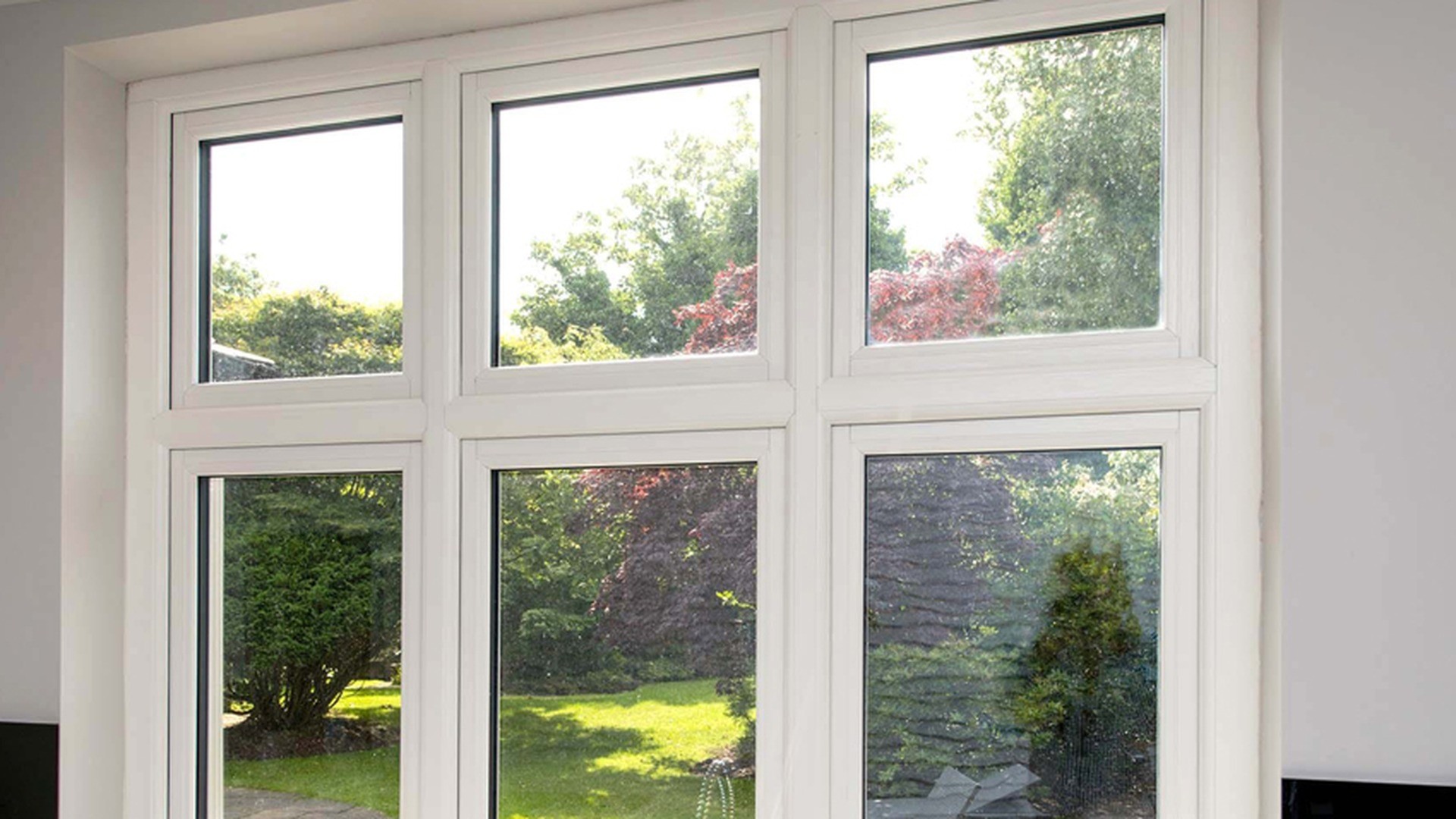
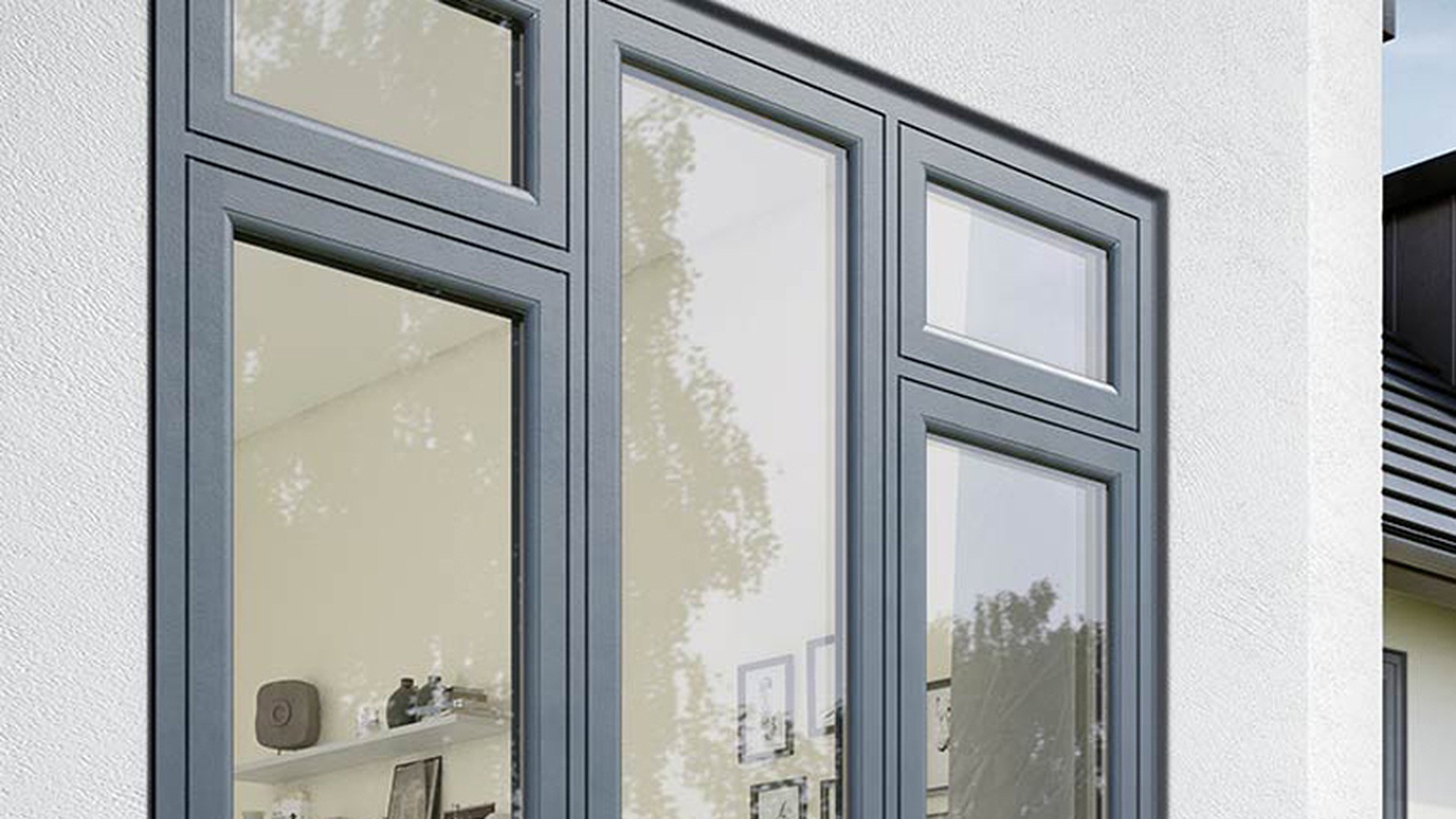
For an Australian project the relevant scope is custom manufacture against your own measured schedule and drawings, shipped from Fuzhou or Xiamen. The buyer controls the profile, the glass make-up, the colour, the hardware and the screens, and the factory builds to the measured opening rather than to a catalogue size — which matters most on renovation work, where no two openings in a 1970s house are the same size once the old frames come out. The configuration above a kitchen bench, with a fixed lower pane, two casements and a top vent in one frame, is the kind of assembly that is standard on this route and awkward on a catalogue route.
What the buyer takes on is the work an Australian manufacturer would otherwise absorb: the site measure, the shop drawing approval, the freight and customs sequence, the appointment of an installer, and any unit damaged in transit. That is a real transfer of responsibility and it should be priced as one. It is manageable on a single-house schedule and it needs planning on a project with a fixed handover date. The uPVC double glazed AS2047 combination window product page shows how one AS 2047 configuration is documented, and the Australian purchasing page explains how orders are grouped and shipped.
AWS (Architectural Window Systems): The System House Behind Licensed Fabricators
Architectural Window Systems, established in 1995, describes itself as one of Australia's leading suppliers of aluminium window and door systems, and its own material states that it designs, tests, finishes and supplies systems under the Vantage Windows and Doors, Elevate Aluminium Systems and ThermalHEART brands to more than 200 licensed manufacturers throughout Australia. It describes its products as Australian designed, tested and manufactured, and it operates a specification platform for architects and fabricators with CAD and BIM downloads.
AWS is not a company you buy a finished window from, and that distinction is the single most common misunderstanding in Australian window procurement. You buy a system — a named suite of extrusions, hardware, gaskets and glazing details that has been tested as an assembly — and a licensed fabricator turns it into windows. The advantage is that the performance evidence belongs to a system rather than to a workshop, so a specification can be written around it and tendered competitively. The disadvantage is that the name on your quote is the fabricator, and the quality of the finished unit depends on that fabricator's cutting, crimping, sealing and glazing, not on the system alone.
For a buyer, this route is strongest where a design needs a specific sightline, a large panel, a thermally broken profile or a documented U-value for an energy model, and where the specification will be issued to several fabricators. Ask which licensed fabricator is quoting, which system and suite version they are fabricating, and whether the tested configuration covers the size in your schedule. A system test report for a suite is not a warranty that every size fabricated from it has been tested; it is a statement about the configurations that were.
Stegbar: National Manufacture, Showroom and Installation
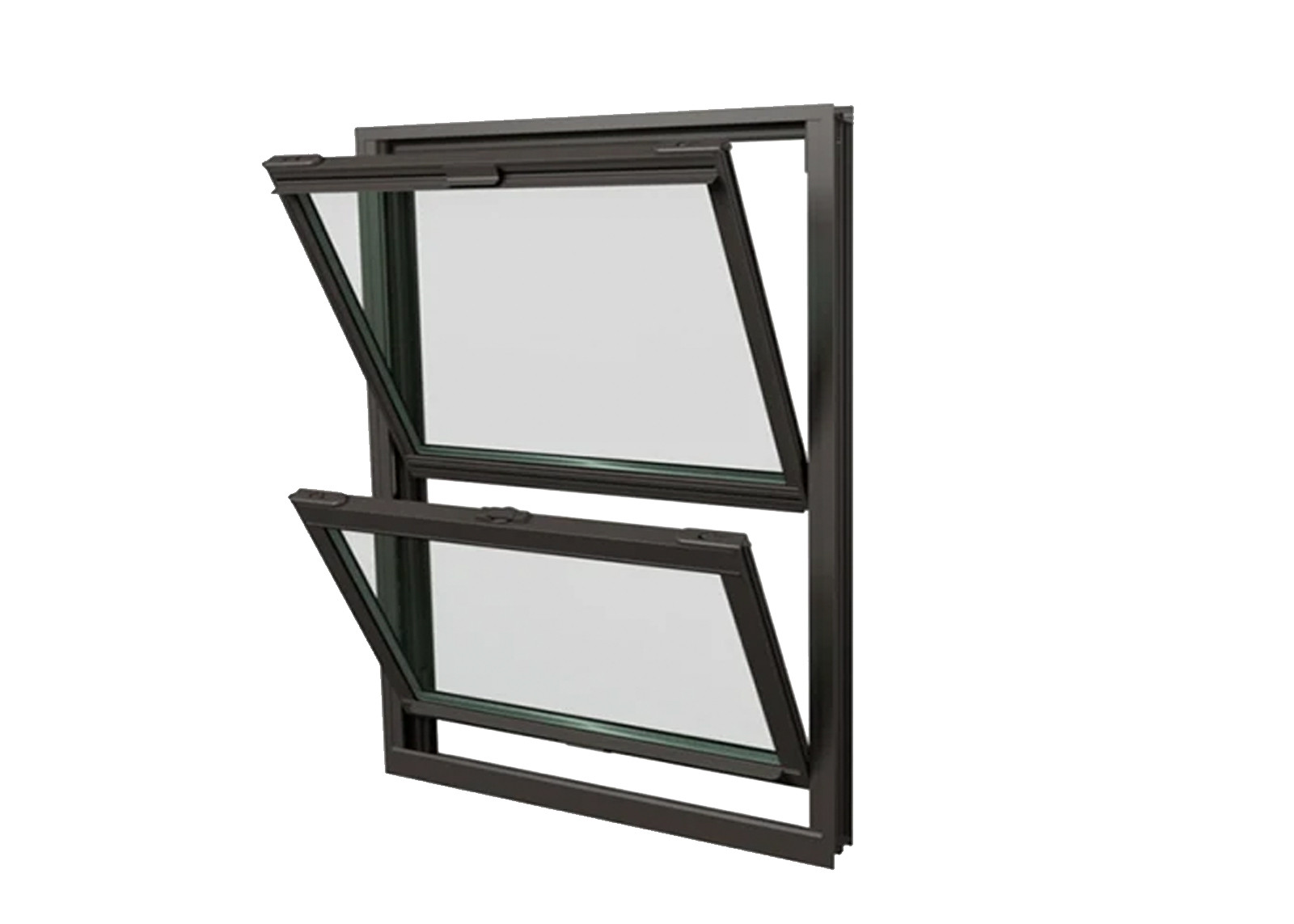
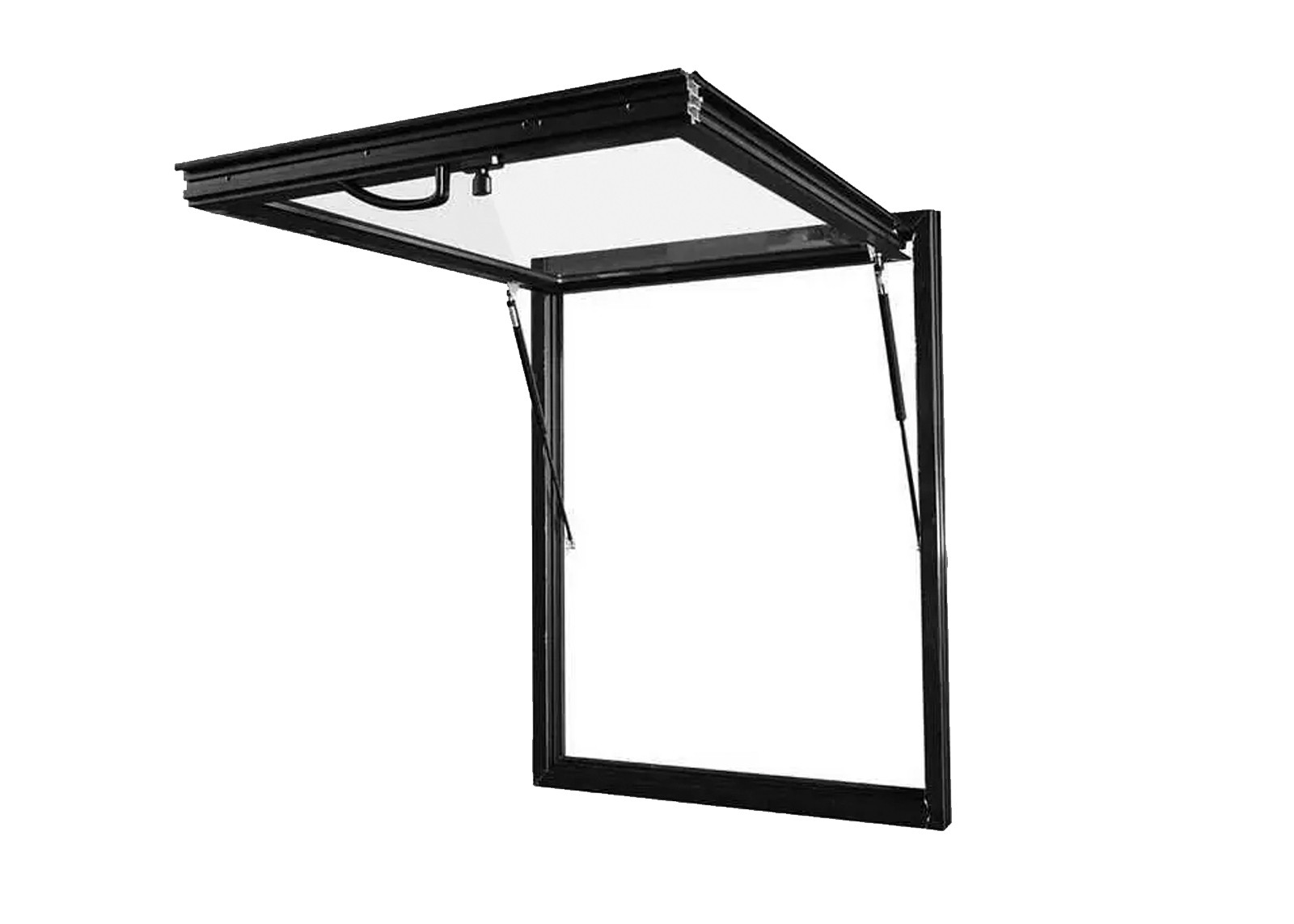
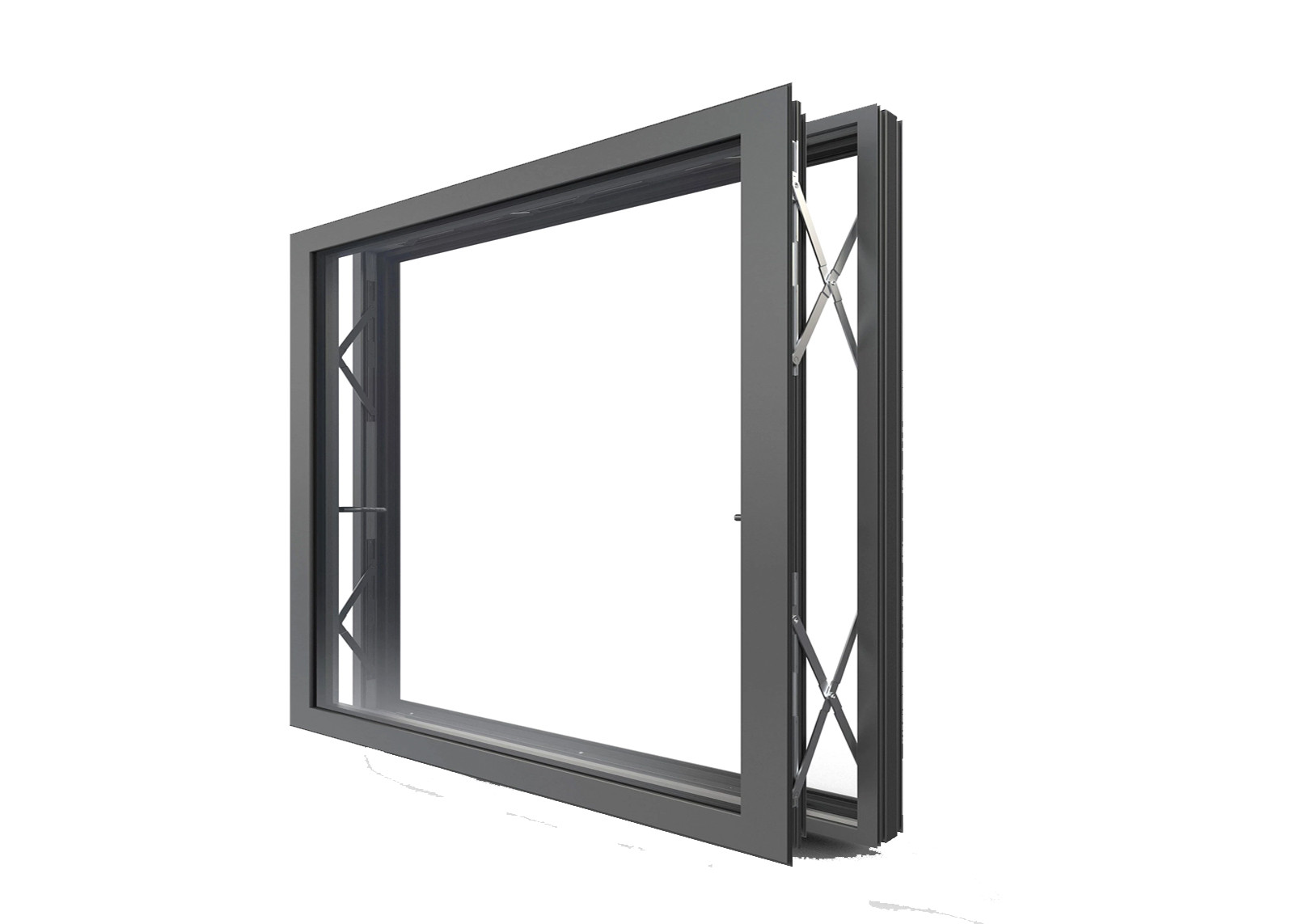
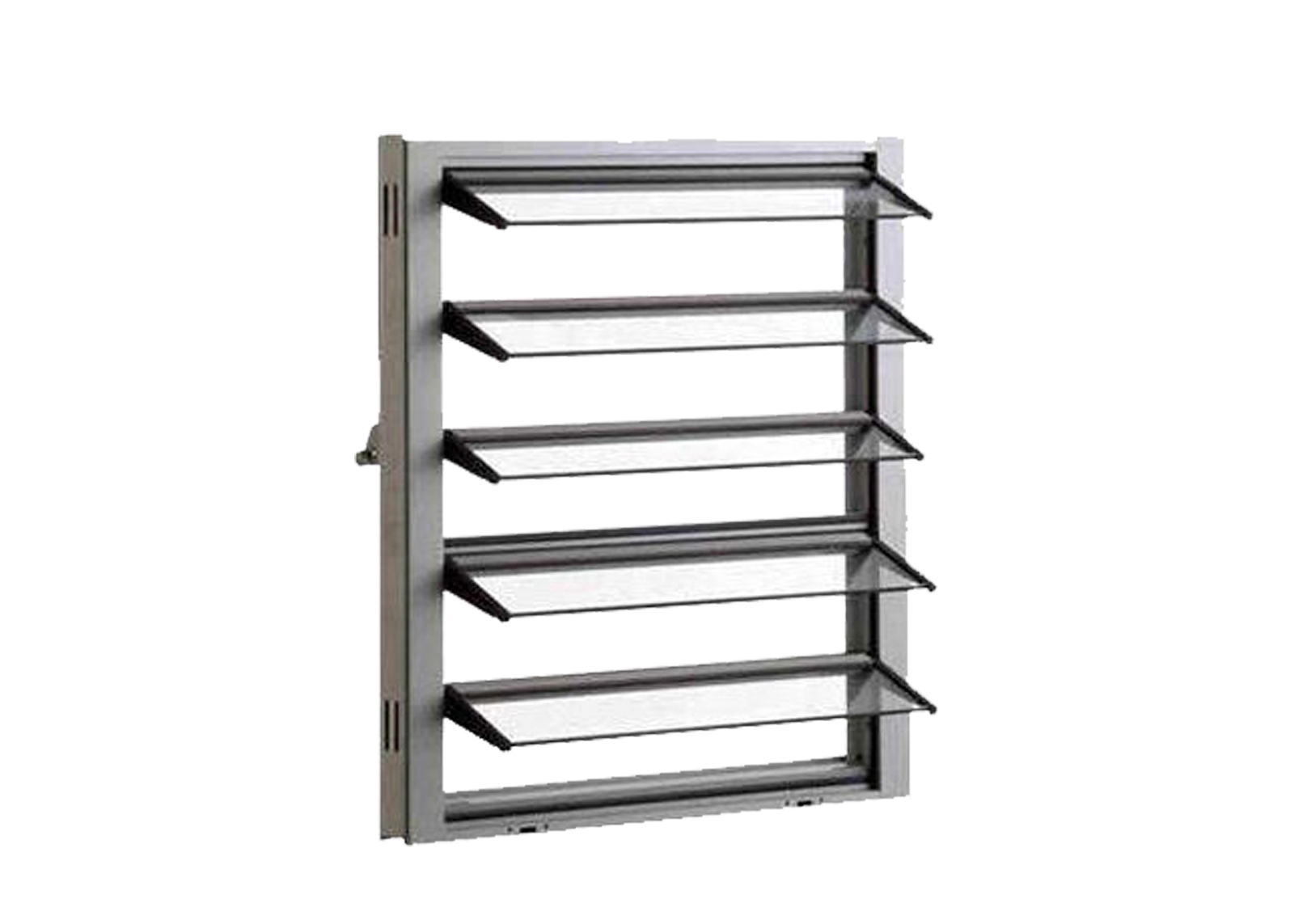
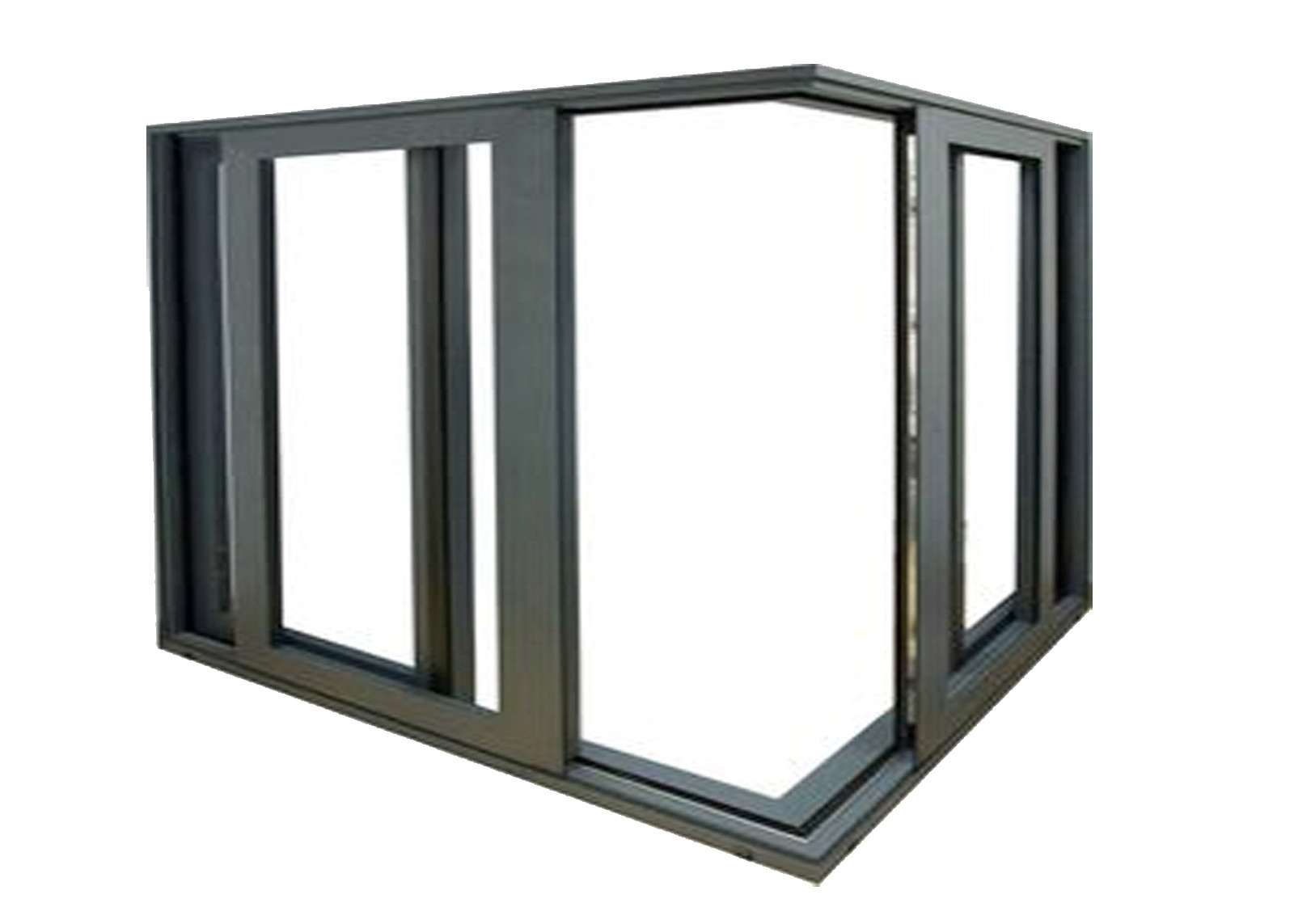
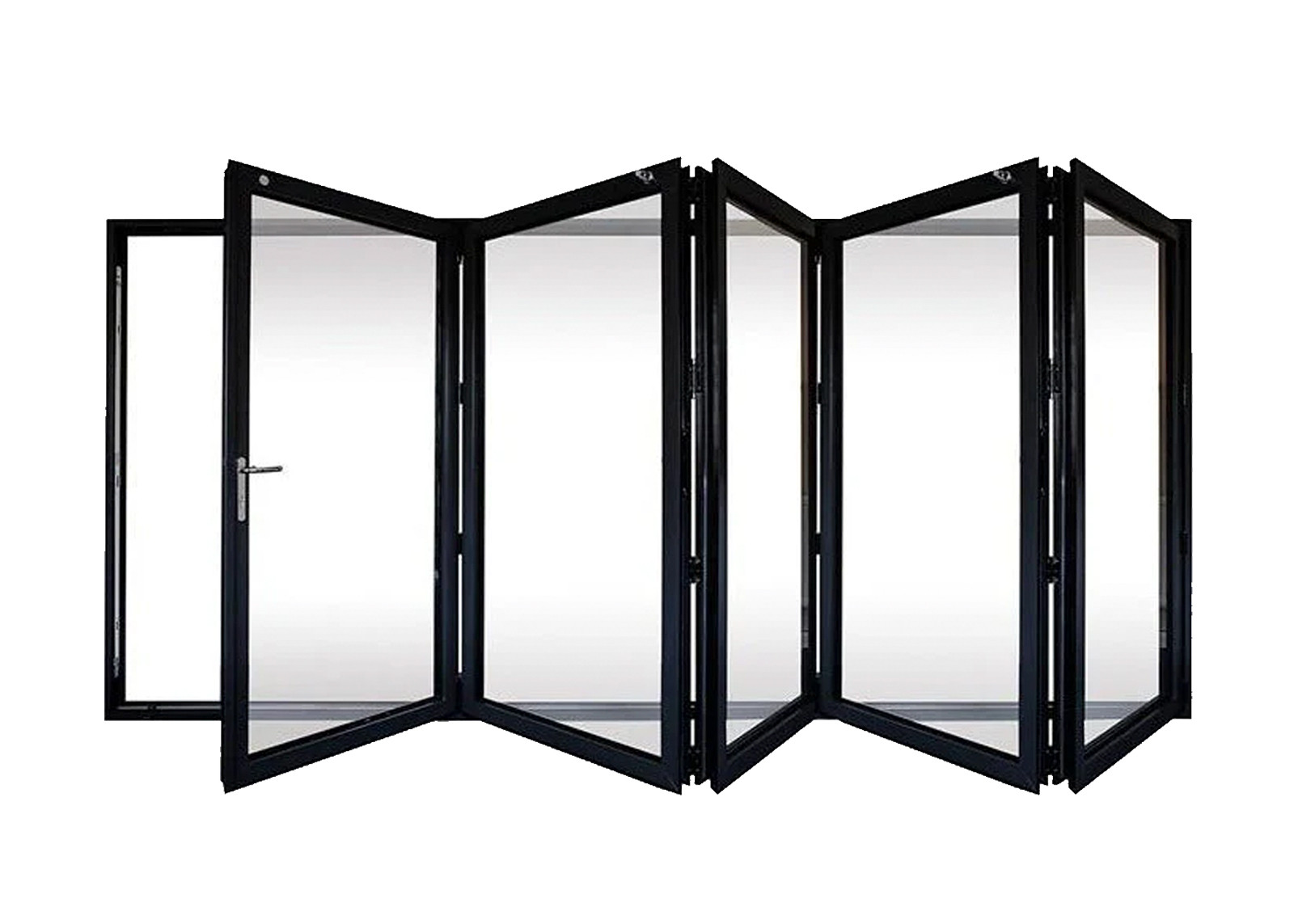
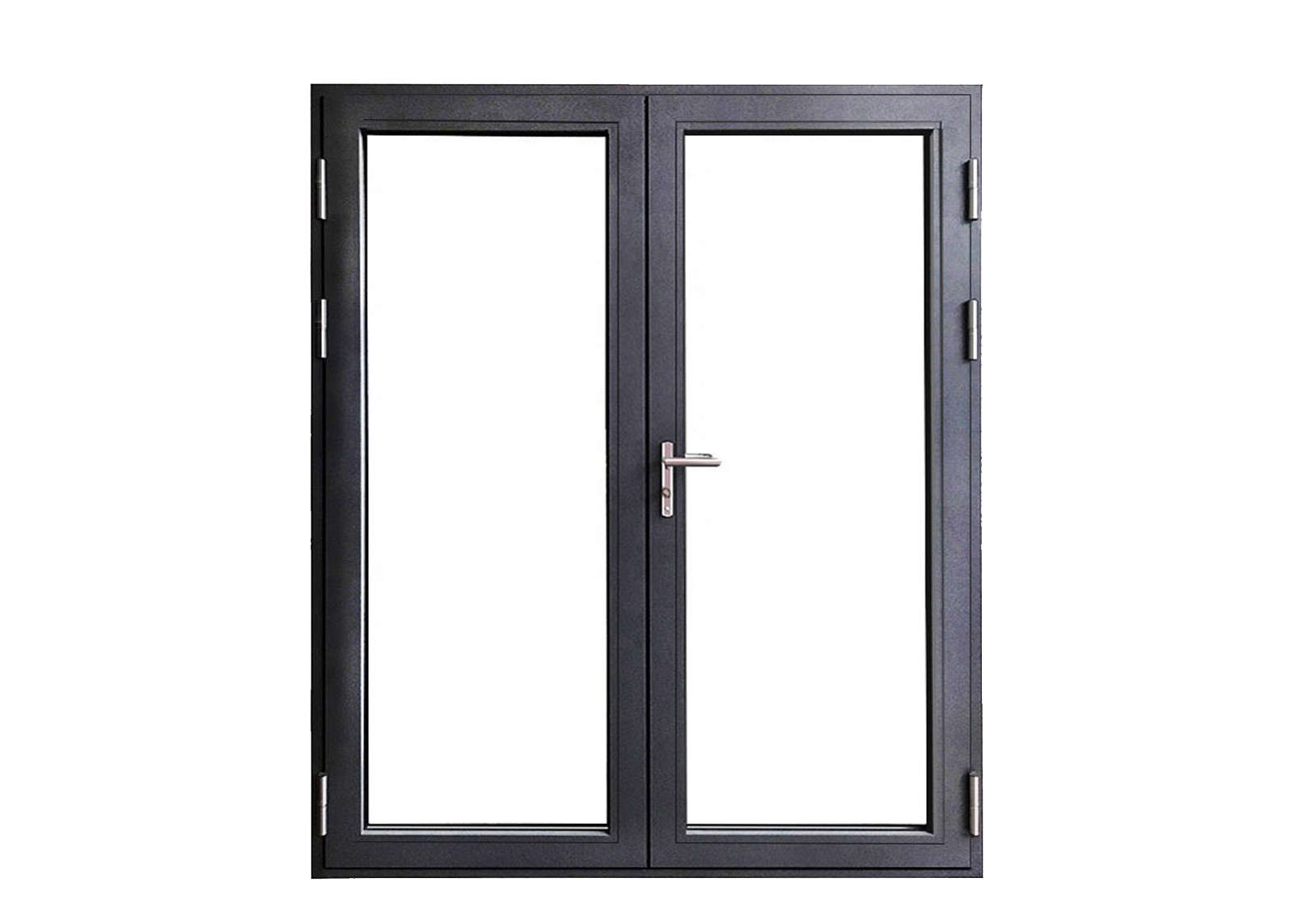
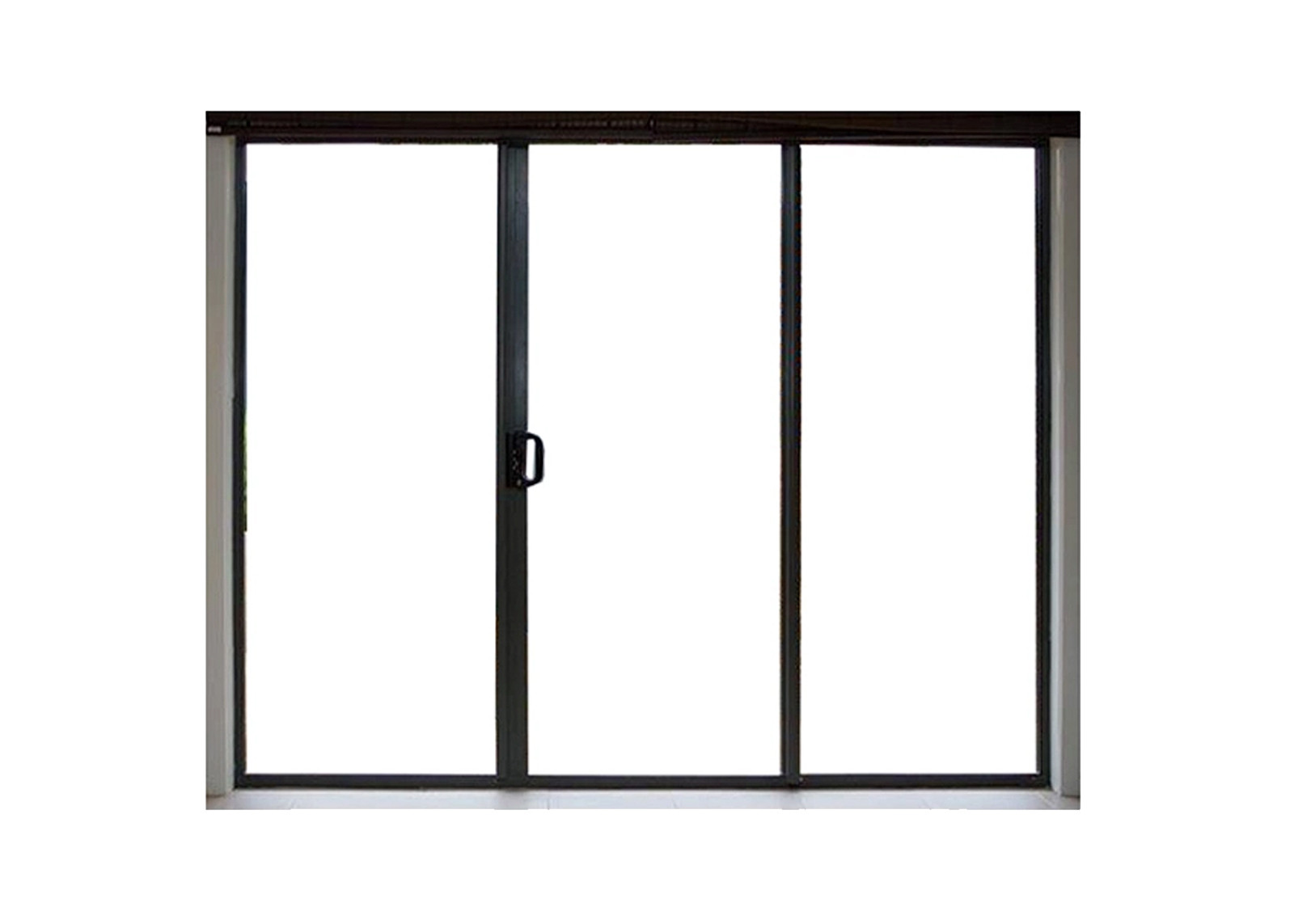
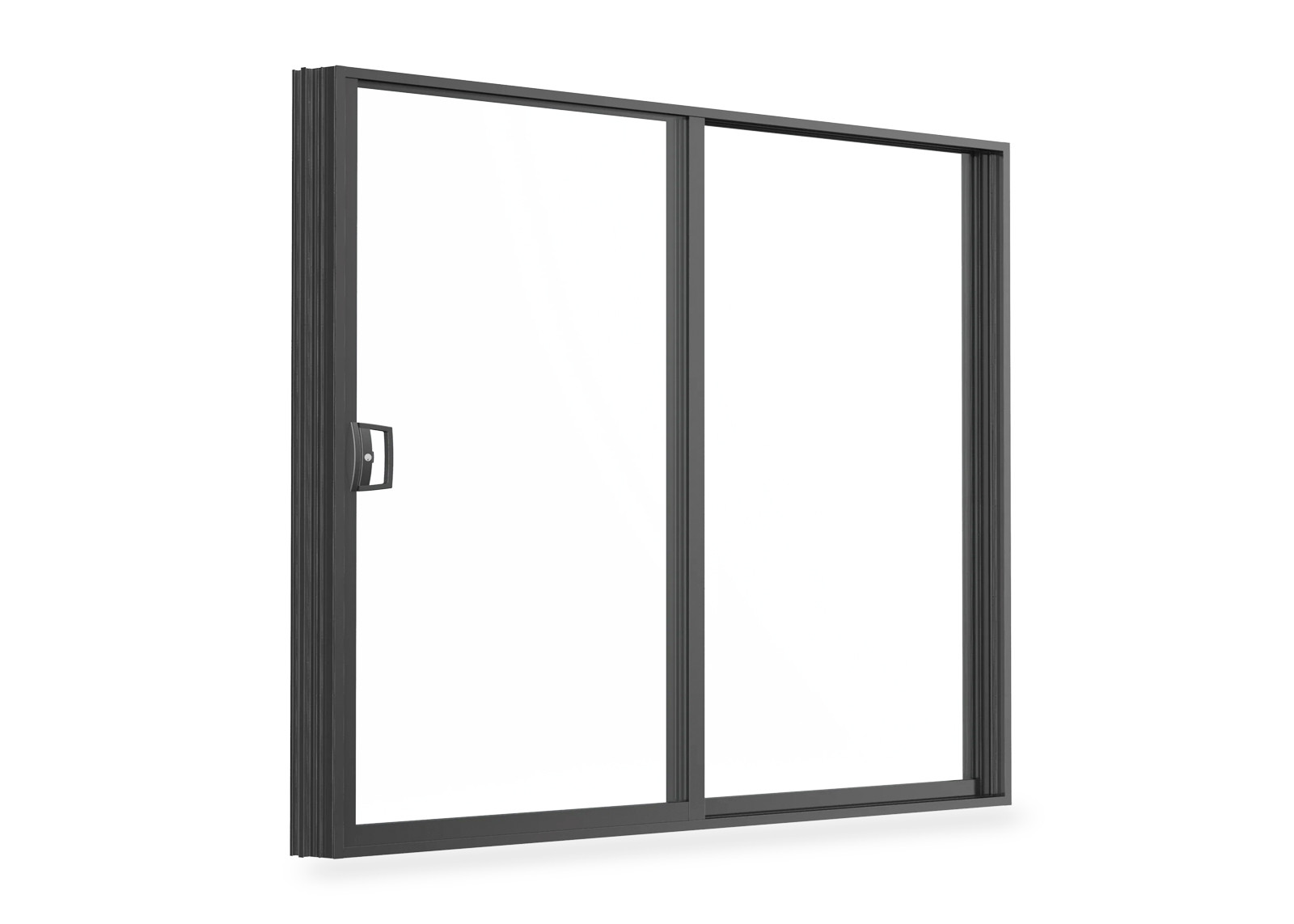
Stegbar describes itself as having over 80 years in shaping Australian homes, works with customers to manufacture to their specifications and delivers an installation service, and operates showrooms in New South Wales, Queensland, South Australia and Victoria. Its published window range is organised into several families — eX Hybrid Slimline, Envira and EnviraSlim and EnviraLuxe, Alumiere, a Residential range, Siteline and a timber range sold as Timberaul — alongside aluminium commercial windows, and the range covers awning, casement, double hung, fixed, sliding and stacking, bi-fold, louvre and sashless window types.
This is the route most Australian renovators reach when they want one entity to own the outcome. Measurement, manufacture, delivery, installation and the warranty conversation sit in one business, which means a leaking reveal or a fogged unit does not become a boundary dispute between a supplier and a subcontractor. On a single-house renovation that consolidation is worth real money, and it is the main reason a local route can beat an import on a small job even when the unit price is higher.
The trade-off is range discipline. A national manufacturer is efficient because it repeats a set of profiles and glazing options, so an unusual sightline, a very large panel, a specific European profile or a colour outside the current offer may fall outside what is available in your state this quarter. The buyer's job here is to ask which system the quote is based on, what glass make-up sits inside it, whether the rated configuration is the one being supplied, and whether the installation scope includes removal, disposal, flashing and making good. A showroom visit answers none of those four questions; the quote should.
Dowell: Thermally Broken Systems Across a National Branch Network
Dowell states that it has been creating window and door solutions for over 160 years and describes itself as Australian owned and Australian made, with product selection centres and branches across the country. Its range is organised into DesignerLine, UrbanLine and ThermaLine families, and the ThermaLine series is described by the company as thermally broken joinery — at least two aluminium sections separated by a polyamide insulator — which it states assists in achieving an energy rating of seven stars or better and which it describes as an award-winning product in its class. In Victoria and Tasmania the company also offers a window and door replacement service with professional installation.
Thermally broken aluminium is the part of the Australian market that grew fastest after whole-of-house energy ratings tightened, and it is where the difference between an AS 2047 compliant frame and a thermally poor one becomes visible in an energy model. A single-glazed aluminium frame can pass its structural and water testing and still be the coldest surface in the room; the frame's thermal break, the spacer in the sealed unit and the gasket line are what change the comfort outcome.
What to verify on this route is the pairing. Ask which ThermaLine configuration the quote uses, what sealed unit sits inside it, whether the tested configuration covers the size, and what the condensation resistance of the whole assembly is rather than the glass alone. Ask, too, whether installation is by the company's own crews or by a partner in your state, because on this route the branch network is the delivery mechanism and the installation quality varies with the crew that turns up.
Wideline: NSW and Queensland Fabrication with Published Performance Testing
Wideline describes itself as producing Australian-made windows and doors for more than 50 years, servicing New South Wales and Queensland from showrooms, with aluminium ranges and a timber range sold under the Natura name, and it states that every product is backed by a written seven-year guarantee. Its technical material is unusually explicit for the Australian market: the company publishes that its windows are thoroughly performance tested to AS 2047 for water penetration, wind load and air infiltration, that its products are tested by a NatHERS approved certifier for energy ratings, and that it can supply solutions for bushfire attack levels determined under AS 3959 up to and including BAL-40.
That published testing statement is worth more than it looks. Most Australian suppliers will say their product "meets AS 2047" in a brochure; far fewer publish, on a page a buyer can find without asking, which three performance parameters were measured. For a certifier or an energy assessor, that page is a starting point for the document request rather than the end of it, but it tells you the company is used to being asked.
The limitation is geographic and product-specific. Wideline services two states, so a Victorian or Western Australian project is outside the route; and the timber Natura range behaves differently from the aluminium ranges in thermal and maintenance terms, which means the frame decision still has to be made before the quote is. Ask which range the quote is built on, whether the tested configuration covers your sizes, and what the seven-year guarantee covers — frame, hardware, sealed unit, installation, or a defined subset.
| Supplier | Route | Best fit | What to verify first |
|---|---|---|---|
| ROPO Windows | Factory-direct custom manufacture in Fuzhou, shipped from Fuzhou or Xiamen | Full-house schedules, non-standard openings, owner-builders and builders willing to run the import leg | Test report covering the exact configuration and size, shop drawing approval, installer appointment, freight and damage cover |
| AWS | System house: designs, tests and supplies suites to licensed fabricators | Architect-specified projects where a named system is tendered to several fabricators | Which fabricator is quoting, which suite version, whether the tested configuration covers the schedule sizes |
| Stegbar | National manufacture with showroom and installation service | Homeowners and renovators who want one entity responsible for product and installation | Named system, glass make-up, rated configuration, installation scope including flashing and making good |
| Dowell | National manufacture with thermally broken ThermaLine range and branch network | Projects chasing whole-of-house energy ratings where frame conductivity matters | Thermal break detail, sealed unit specification, whole-assembly performance, who installs in your state |
| Wideline | NSW and Queensland fabrication, aluminium and timber ranges, published AS 2047 testing | Two-state projects wanting a fabricator that publishes water, wind and air results | Range and system used, tested configuration for your sizes, what the seven-year guarantee covers |
How to Use This List
Two habits separate a decision from a shortlist. The first is to send the same schedule to every supplier, with the same opening sizes, the same performance target and the same installation scope, so the quotes answer one question instead of three. The second is to ask each supplier to state in writing what they are not including. The exclusions paragraph is where the five routes diverge most, and it is the paragraph buyers read last.
For a buyer who wants the import route, the AS2047 window range is the place to start a schedule; for a buyer writing a specification, the builder and developer guide sets out how the documents are normally assembled. Neither replaces a measured schedule, which remains the only document a supplier can actually quote against.
What AS2047 Certification Actually Covers
Almost every problem with as2047 certified windows starts with the word "certified". There is no national register of certified window companies, no licence number that applies to a business as a whole, and no certificate that says a manufacturer's entire output complies. What exists is a standard, a set of tests performed on specific configurations of specific products, and reports that describe what was tested and what was not. A supplier who understands this talks about configurations. A supplier who does not, or who is hoping you do not, talks about being certified.
The practical consequence is that the question "are your windows AS 2047 certified" has no useful answer. The useful question is "which tested configuration covers the opening I am buying, at the wind pressure for my site, with the glass I have specified". That question can be answered with a document. The comparison of AS2047 and NZS 4211 on this site sets out how the two regimes differ for buyers working across both markets, and the awning window range is a useful example of a product family where the tested span varies by sash size.
The Standard, the Test Regime and the Report
AS 2047 is the Australian standard for windows and external glazed doors in buildings, and it establishes performance by design and by test rather than by inspection of a finished unit. A laboratory takes representative specimens, mounts them in a rigid test frame, and applies pressure, water and air movement in a defined sequence. The output is a report that names the product, the configuration, the specimen size and the results achieved in each of the measured categories.
That report is the document that matters, and it is written in a language most buyers never see. It will describe the specimen rather than your window: a suite name, an opening type, a sash size, a glazing make-up, sometimes a hardware set. It will record the pressures at which deflection, water penetration and air leakage were observed. It will state the standard and the year of the standard. What it will not do is promise that the same suite fabricated at twice the area, with a different sash weight, a different glass unit or a different locking point, behaves the same way.
This is why reputable suppliers keep a schedule of tested configurations and match it against orders, and why the matching is the part of the process a buyer should never take on trust. If your schedule contains forty openings across six types and four sizes each, the honest answer to "is it all certified" is a table, not a sentence.
Why There Is No Such Thing as a Certified Company
Certification in the Australian glazing market attaches to products and, in some schemes, to quality systems — not to the legal entity in the way that, say, a plumber's licence does. A fabricator can hold a quality management certification and still sell a window whose configuration was never tested. A manufacturer can hold current test reports and still ship a unit built outside the tested size range. Both are common, and neither is necessarily dishonest: the gap comes from how orders are processed, not from intent.
For a buyer, the useful mental model is that certification is a chain of three links: a tested configuration, a fabrication that follows the tested detail, and an installation that does not undermine it. All three have to hold. A report with no fabrication discipline is paperwork; a careful fabrication of an untested configuration is an experiment; a tested and well-made window installed without a sill flashing is a leak with good documentation. The compliance guide for builders walks through the verification sequence for the first two links.
That is also why this article compares supply routes rather than certificates. The routes differ in who holds the report, who can reissue it for a project, who can tell you which configuration applies, and who answers when a certifier queries the schedule three weeks before handover. Those are organisational questions, and they predict the outcome better than any logo on a brochure.
Water, Wind and Air: What the Three Ratings Describe
The three performance parameters in an AS 2047 report describe different failure modes and are not interchangeable. Water penetration testing asks whether water driven against the assembly at a defined pressure reaches the inner face. Wind load testing asks whether the assembly deflects within limits under positive and negative design pressure, and whether it remains serviceable afterwards. Air infiltration testing asks how much air passes through the closed assembly at a defined pressure difference, which is the parameter that quietly determines whether your insulation and your energy rating mean anything.
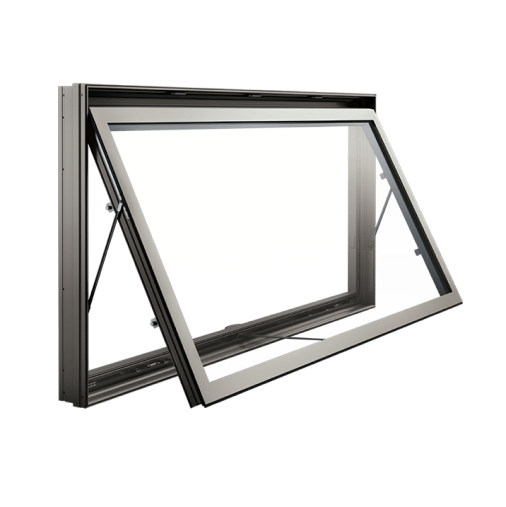
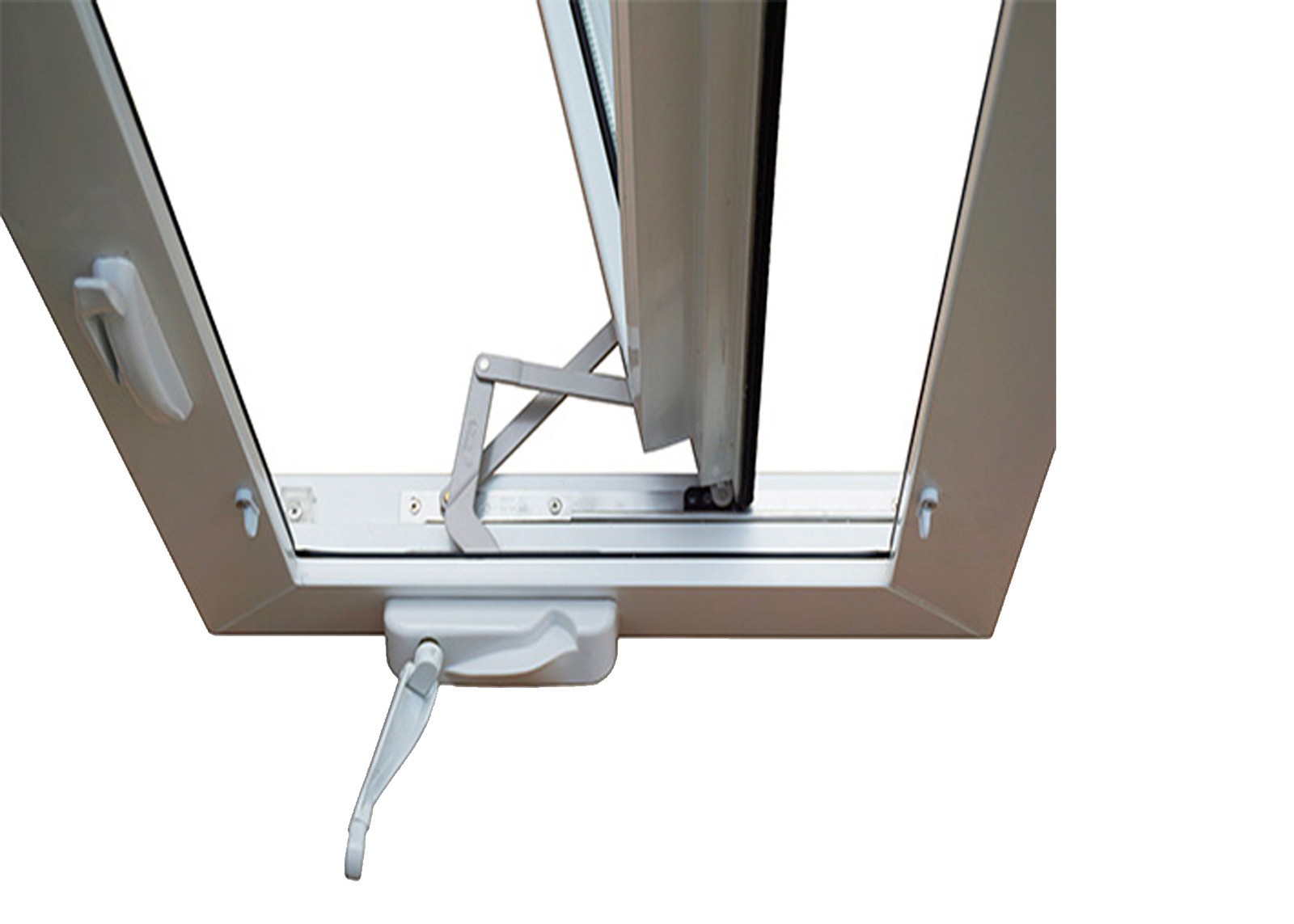
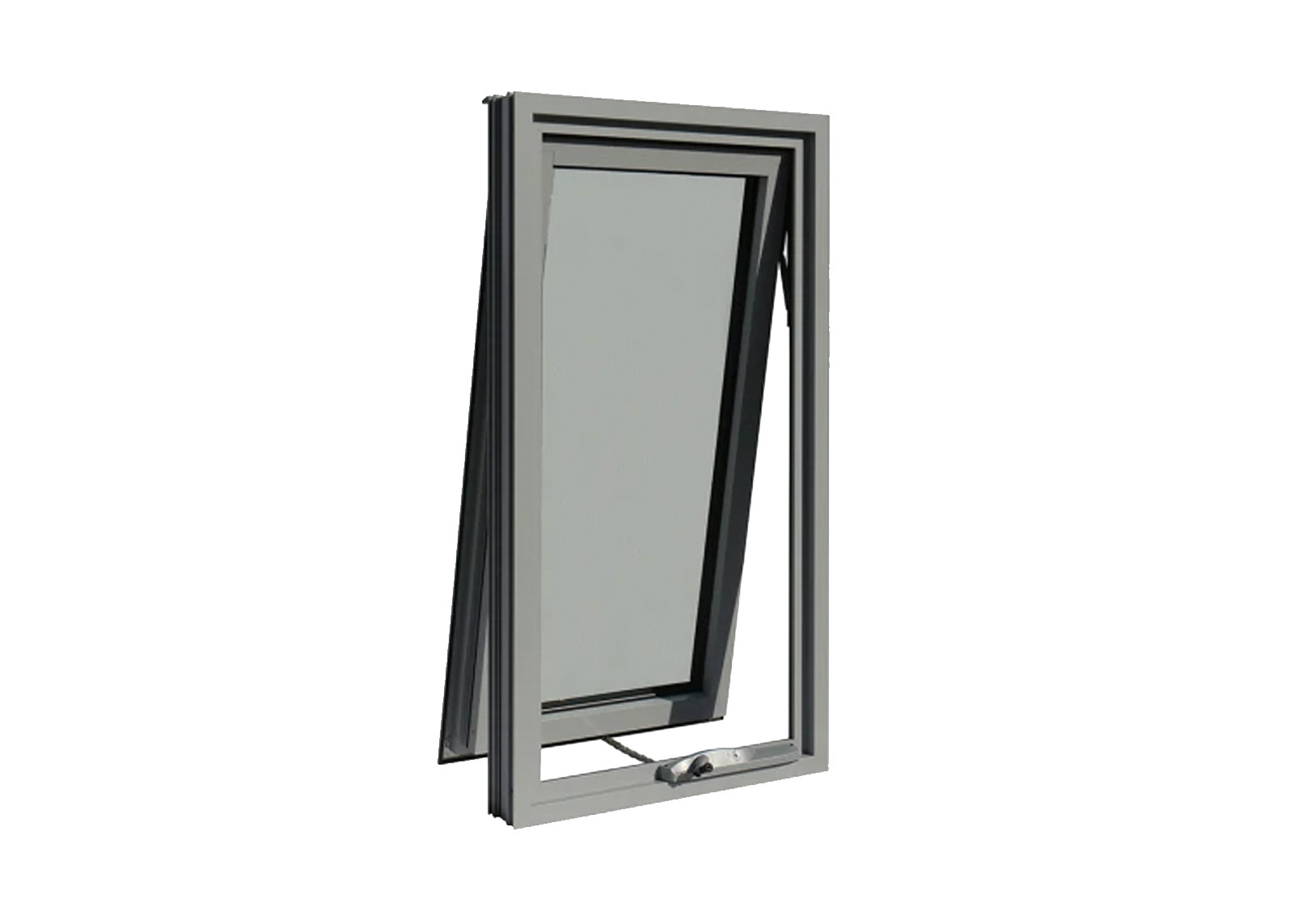
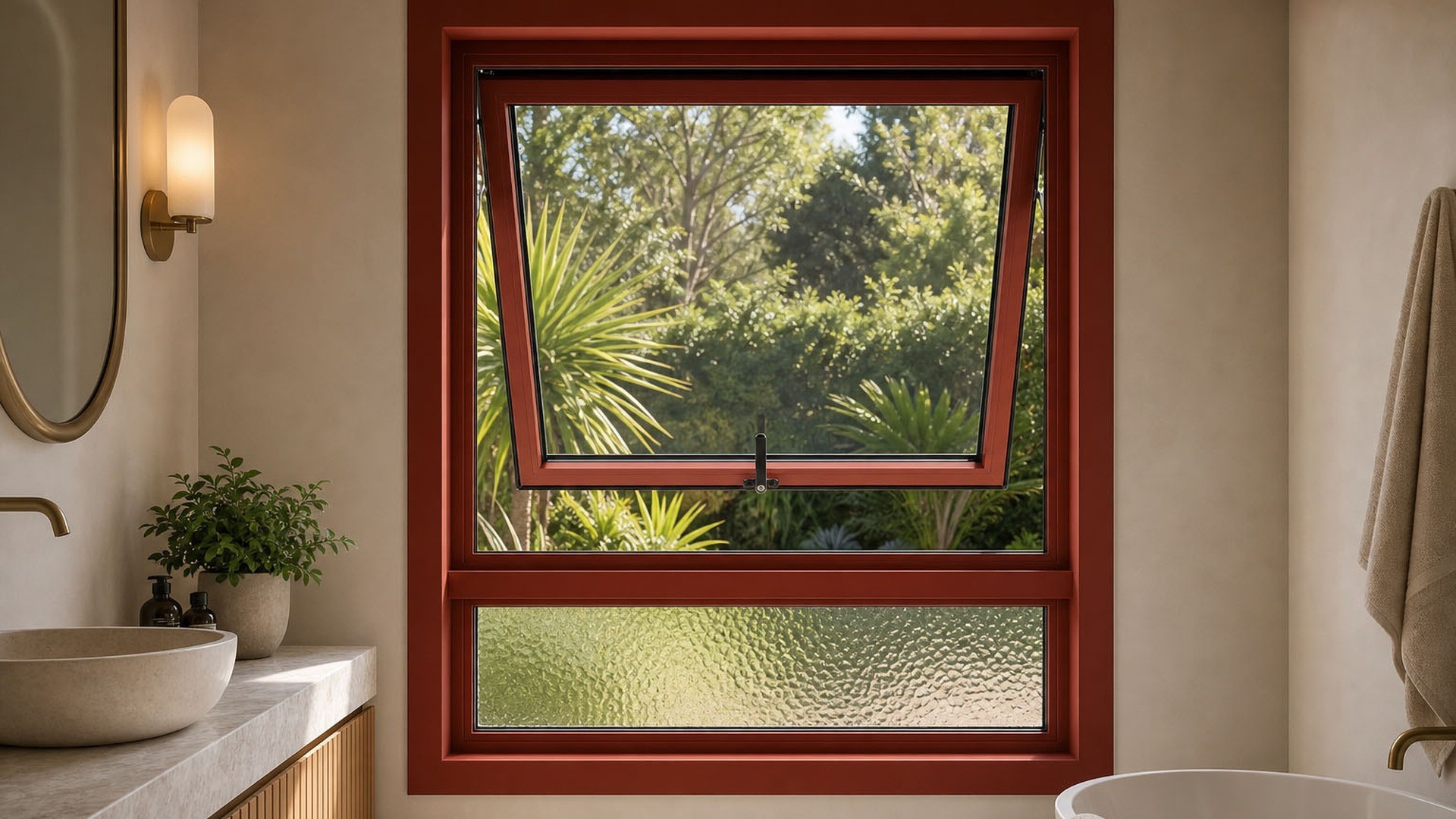
Of the three, water is the one buyers understand least and should care about most, because water failure is the one that damages a house. It is also the one most sensitive to details outside the laboratory: the drainage path behind the sash, the weepholes, the sill detail, the head flashing and the sealant line all affect whether the tested behaviour survives contact with a real wall. The detail photograph of an awning sash in this article is included for exactly this reason — the gasket, the rebate and the drainage path behind the sash are the three places a water rating lives or dies.
Wind load is where size enters the argument. Deflection scales with span, so a suite tested at a modest size does not automatically cover a three-metre panel, and the design pressure for a site is set per the housing wind-load provisions rather than by the supplier. Air infiltration is the parameter most often omitted from marketing material and most often asked for by energy assessors, because it is the one that interacts directly with a whole-of-house rating. The explanation of U-value on this site covers the thermal side of the same conversation.
Where AS 1288, AS 4666 and AS 3959 Fit
AS 2047 governs the window assembly; it does not govern the glass inside it or the building it is fixed to. Glass selection is governed by AS 1288, which sets out where safety glazing is required and how it must be marked, and insulating glass units are covered by AS 4666, which describes construction and durability requirements for sealed units. A window can be compliant as an assembly and still fail the glazing requirement, which is why the two documents are always asked for together. The glass options page lists the make-ups this factory supplies and the certificate library holds the glazing certificates alongside the window reports.
Bushfire is a separate regime again. AS 3959 sets construction requirements by bushfire attack level, and window and door requirements change with the level, which means a supplier's general compliance statement is not enough on a BAL-rated site. Wideline, for example, publishes that it can supply solutions for attack levels up to BAL-40, which is a specific and checkable statement rather than a general claim. Buyers on the urban fringe should read the guide to windows and doors in bushfire prone areas before the first supplier meeting, because the BAL rating changes the specification rather than the price.
New Zealand work adds NZS 4211 to the picture, and buyers importing for both markets need to know that a report prepared for one regime does not automatically satisfy the other. This factory states that its products are made to both, and the practical advice is the same in either market: ask for the report that names your configuration, not the report that names the brand.
How to Verify an AS2047 Claim in Twenty Minutes
The reason as2047 certified windows are hard to buy is not that the evidence is unavailable, it is that the evidence is boring, and boring evidence is the first thing a sales process drops. This section is a procedure rather than a lecture: five documents, three fields, two checks on the glass, and a decision about what to do when a supplier cannot produce any of it. Twenty minutes with a supplier who has the files is enough to separate a real claim from a slogan, and twenty minutes with a supplier who does not is enough to know that the rest of the conversation will be improvised.
Run the procedure before the quote is negotiated, not after. Once a number is on the table, the conversation shifts from whether the product is compliant to whether the discount is available, and the documents never get requested. Buyers who ask for the file set first tend to discover that the price was contingent on a specification that would not have passed anyway.
The Five Documents to Ask For
The first document is the test report for the window system, naming the standard, the year, the laboratory, the specimen description and the results for water penetration, wind load and air infiltration. The second is the schedule of tested configurations that the supplier maintains against that report, so that the configuration on your schedule can be located in it. The third is the glazing certificate for the sealed unit or the glass make-up, referenced to AS 1288 for safety glazing and AS 4666 where an insulating unit is involved. The fourth is the project-specific statement that ties the two together: a letter or a schedule page that states which configuration applies to which opening mark. The fifth is the warranty document, because the length of a warranty and the scope of what it covers are commercial commitments that should be read before they are relied on.
Ask for them as a set, in one email, with your schedule attached. The response tells you more than the documents do. A supplier who sends a complete set within a day is a supplier who does this routinely. A supplier who sends a brochure, then a certificate for a different product, then a report with the specimen size redacted, is telling you that the compliance story is assembled per enquiry rather than held as a system — and that is the supplier most likely to be surprised by a certifier's question later. The quality and certification page on this site is an example of how the set looks when it is held as a system rather than offered as a favour.
Reading a Test Report: Size, Pressure and Configuration
Three fields in a test report decide whether it covers your order. The first is the specimen size, because deflection and water behaviour both scale with area, and a report for a modest casement does not automatically extend to a three-metre fixed panel in the same suite. The second is the design pressure or test pressure actually achieved, because a result is a number, not a pass mark, and the number has to exceed what your site requires. The third is the configuration: opening type, sash arrangement, glazing make-up, hardware and locking points. A report that describes a different configuration is evidence about a different window.
Buyers are often shown the first page only, which lists the product name and the standard and looks authoritative. The information that matters is in the middle: the specimen description and the results table. Ask for the whole document, and ask which line of the schedule of tested configurations corresponds to your largest opening. If the answer is "it is the same system", ask for the report for that size. The answer to that second question is the most reliable indicator of how the rest of the order will go.
Two related documents are often confused with the report. A certificate of compliance issued by a certification body is a statement about a quality system or a product family, not a substitute for the test report. A statutory declaration from a supplier is a legal statement by that supplier, not a test result. Both can be useful; neither tells you at what pressure water appeared. The custom AS2047 windows range on this site lists the configurations this factory builds against, which is the level of specificity to expect from any supplier.
Checking the Glass and the Glazier
The assembly and the glass are separate compliance questions and are often handled by separate documents, which is why a window can be well tested and still fail inspection. Check that the safety glazing in doors, sidelights, low panels and any glazing within the required zones is marked and certified to AS 1288, and that an insulating unit is certified to AS 4666 with the make-up the specification calls for. Check, too, that the make-up in the certificate matches the make-up on the quote: a low-e coating, a laminated pane and an argon fill are three separate features, and the certificate is only relevant if it names the combination being supplied.
The glazier matters because a sealed unit is only as good as its edge seal and its installation. Ask whether the units are made in house or bought in, whether the spacer is warm edge or aluminium, and what the warranty covers if a unit fogs at year four. These are not technical trivia; they are the difference between a ten-year warranty on paper and a ten-year window in a wall. The glass options page sets out the make-ups available from this factory, including the toughened and laminated routes and the insulating unit construction.
What to Do When a Supplier Cannot Produce the Report
First, distinguish inability from reluctance. A small fabricator buying tested systems from a system house may legitimately hold the system report rather than generate one; in that case the report exists and can be produced, and the supplier should be able to name the system and the suite version. A supplier who sells imported product and cannot name the factory, the system or the laboratory is not in the same position, and the absence of a document is the answer.
Second, price the risk instead of arguing about it. If the report covers a smaller size than your largest opening, ask what the supplier proposes: a different system for that opening, an engineering assessment, or an installation detail that reduces the demand. A supplier with a real engineering relationship will have an answer. A supplier who says the certifier will not check is telling you what they think of the process.
Third, put the obligation in the contract. A clause requiring the tested configuration schedule to be provided before fabrication, and a hold point that prevents fabrication until it has been accepted, converts a verbal assurance into a document you can rely on. That clause costs nothing to write and is the reason experienced builders ask for it before a deposit. The Australian supply page and the explanation of how prices are built both assume this sequence: specification first, documents second, price third.
Import Route or Local Manufacture: Cost, Programme and Risk
The choice between an import factory and an Australian manufacturer is usually presented as a price decision, and it is not. It is a decision about which costs are visible, which risks are transferred, and who is holding the schedule when something goes wrong. Buyers comparing as2047 certified windows across the two routes routinely compare a factory unit price against an installed local price without noticing that the two numbers describe different scopes, and then conclude that one route is dramatically cheaper or dramatically safer than it is.
The useful comparison is not unit price against unit price. It is total cost for a defined scope: the joinery, the freight, the duty and clearance, the installation, the making good, the warranty administration and the probability-weighted cost of a defect. Only one of those numbers is on the first quote, which is why the first quote is where most projects get into trouble.
What the Import Price Actually Includes
An import price typically includes manufacture and packing, and it may or may not include the freight leg, the marine insurance, the destination charges and the delivery to site. It does not include the site measure, the shop drawing approval, the customs broker, the unloading, the installer, the removal and disposal of the old units, the flashing and making good, or the cost of a damaged unit discovered on site. Those are not small items, and on a single-house order they can be a substantial share of the total.
What the import route buys is specification freedom at factory cost. Non-standard sizes, unusual colour combinations, a specific glass make-up, a profile depth that the local range does not carry, and a schedule that mixes four opening types — all of these are ordinary on a factory order and awkward on a catalogue order. The route also allows a single-unit order, which is unusual and matters to an owner-builder replacing one failed window rather than a house.
The risks are concentrated in three places: the measure, the transit, and the interface. A measuring error made on site becomes a manufacturing error that nobody can fix quickly from the other side of the world. Transit damage is a packing and handling question and is covered in the packaging section of this article. The interface — the joint between frame and wall — is where the import route most often fails, because the party who supplied the window did not install it and the party who installed it did not design it. The Australian purchasing route on this site is written around that handover, and Trade Assurance is the payment-side protection that goes with it.
What the Local Price Actually Includes
A local manufactured and installed price usually includes the measure, the manufacture, the delivery, the installation, the removal of the old units, the disposal, and a warranty that one entity owns end to end. It may include the flashing and the making good, and it may not; that is the most common exclusion in a residential window quote and the one most likely to cost money later. It also buys programme certainty of a different kind: a local fabricator can usually inspect a problem within days, and a replacement sash is a domestic freight movement rather than a shipping container.
What the local route constrains is range. A manufacturer repeats a set of systems, glass options and colours because that is how a factory stays efficient, so a specification that falls outside the current range becomes either a special project or a different supplier. This is not a failing; it is the same logic that makes the import route cheap at the other end of the market. The buyer's job is to discover the boundary early, by asking which system the quote is based on and what happens to an opening that does not fit it.
Installation quality is the variable that decides whether the local premium was worth paying. A local installation done with proper packers, a sill tray, a head flashing and a backer rod is a materially better outcome than an import installed with sealant. A local installation done the same way as a cheap one is simply more expensive. Ask how the installer treats the sill, what the wall type is, and whether the quote includes a flashing detail. The local partner network page explains how this factory supports Australian installation on the import route, and the warranty list sets out what the ten-year position covers when the installation is done by someone else.
Programme: Three Dates That Decide the Job
Every window order runs on three dates, and only one of them belongs to the factory. The first is the date the openings are measured and the schedule is frozen. The second is the date the shop drawings are approved, which is the date production starts. The third is the sailing or dispatch date, which depends on the line, the season and the consolidation. Everything else — delivery to site, installation, inspection, handover — is downstream of those three.
The failure mode is almost always the second date. A schedule is measured, a quote is accepted, and the approval of drawings drifts because the client is choosing a colour or the builder is waiting on a variation. On a local order the drift compresses the factory programme and the manufacturer absorbs some of it. On an import order the drift moves the sailing date, and the sailing date is the one that does not negotiate. The practical control is to treat drawing approval as a client decision with a deadline, and to ask the supplier to state in writing what happens to the programme if it slips.
It follows that the honest answer to "how long does it take" is a schedule naming those three dates, not a number of weeks. Any supplier who offers a single number without asking when the drawings will be approved is quoting a hope. Buyers who need a date certain should work backwards from handover and apply the only reliable rule in the trade: the approval date is the date that matters, and everything else is arithmetic on top of it.
Risk Transfer and Who Owns the Leak
The question that decides most projects is not who is cheapest but who owns the leak. Water enters a building at interfaces: the sill, the head, the jamb, the corner where two units meet, and the joint between the frame and a wall that moves. On a local supply-and-install contract, that ownership is usually clear because one party supplied and installed. On a split contract it is not, and the argument after the first winter is about which party's work failed.
There is no way to eliminate the split, but it can be documented. Agree in writing who supplies and installs the flashing, who seals the frame to the wall, who is responsible for the sill tray, and who inspects before the wall lining closes. Photograph the interface before it is covered. Those photographs are worth more than any warranty clause when a dispute begins, because they show whether the detail that was specified was the detail that was built.
On the import route the risk is best handled by appointing the installer before the order is placed rather than after the container arrives. An installer who has seen the drawings can flag the details that will not work — a sill that cannot take a tray, a reveal depth that will not accept the frame, a head that has nowhere to flash. That conversation costs an hour and prevents the most expensive category of rework in the whole project. The homeowner buying guide covers the same sequence for buyers who are not running a contract at all.
About ROPO Windows
ROPO Windows is the factory-direct route in this comparison, and the one whose claims this article can state in the first person. The company manufactures custom aluminium, uPVC, timber and aluminium-timber windows and doors at a factory in Minhou County, Fuzhou, Fujian Province, states 16 years of manufacturing experience, and states that it exports to more than 100 countries. For the Australian market it states that its products are made to AS 2047, AS/NZS 2208, AS 4666 and AS 1288, that it holds NZS 4211 for New Zealand work and Miami-Dade impact standards for Florida, and that it is a member of WERS and of AGWA, the Australian Glass and Window Association. For a buyer comparing supply routes, the relevant question is not whether those statements exist but whether the documents behind them can be matched to a specific schedule, and that is what the factory page and the certificate library are for.
The product range that matters for Australian work is the aluminium and uPVC window and door families: casement, awning, sliding, fixed, tilt and turn, double hung, louvre, parallel opening and chain-winder awning windows, and sliding, folding, hinged, lift-slide, tilt-slide and pivot doors, in single or two-colour finishes with powder coating, anodising, PVDF or woodgrain surface treatment. The published listing information for the aluminium ranges specifies 6063-T5 alloy with a 1.60 mm wall, glazing is typically 6 mm toughened or a laminated or insulating make-up to specification, and sealing is EPDM. Those are the numbers a specifier needs in order to compare this range against a local system, and they are published rather than quoted across a table.
Factory, Certifications and the Ten-Year Position
The compliance structure is what a buyer should examine first. Certificates are held per standard and per product family, they carry validity dates, and they describe the configurations that were assessed. That means a buyer should ask for the certificate that matches the product being ordered and check its date, rather than accepting a logo on a brochure. This is the same discipline the verification section of this article applies to any supplier, and applying it to the company whose page you are reading is the point.
The warranty position is stated as a ten-year warranty, and the AS2047 aluminium and uPVC windows range is the entry point for the products it covers. What a buyer should confirm is the scope rather than the duration: whether the frame, the hardware, the sealed unit and the surface finish are each covered for the same period, what voids the cover, and who performs the remedy in Australia. Those three answers are more useful than the number of years, and they should be in writing before the order is confirmed.
Minimum Order, Documentation and Payment Protection
The company publishes a minimum order of one unit, which is unusual on a factory-direct route and is the reason the route is usable by owner-builders and by renovators replacing a single window. The practical consequence is that the documentation burden is the same for one window as for forty, so the buyer should expect to do the same drawing approval and the same configuration matching either way.
Payment protection on this route runs through Trade Assurance, which holds the transaction against the agreed scope and gives the buyer a documented route if the goods do not match it. That is not a substitute for a good specification; it is a mechanism that assumes one exists. The ten-year warranty statement should be read alongside it, because the two documents answer different questions: one is about delivery, the other about the years after.
Custom Production Process
A custom window is a drawing before it is a product, and the quality of the drawing decides most of what happens later. This factory builds to the measured opening and the approved shop drawing, which means the process has a natural gate in the middle: nothing is cut until a drawing has been checked and signed. Buyers who have only ever bought standard sizes find that gate unfamiliar, and it is worth understanding what it protects against.
The process runs in five steps: enquiry and drawing review, shop drawing approval, extrusion, cutting and fabrication, glazing and hardware, inspection and packing. The five-step quality inspection that the company publishes covers the fabrication stage, where the unit is checked at each transition rather than only at the end. That matters because a window that is out of square is cheapest to fix before the glass goes in.
Shop Drawings and the Approval Loop
The shop drawing is the document that turns a schedule into a product. It records each opening mark, its size, handing, opening type, frame and sash profile, glazing make-up, colour, hardware, screen and any sill or reveal detail. For an Australian order it also records which tested configuration the unit is being built against, which is the link between the commercial document and the compliance document.
The approval loop is where most of the value is created or lost. A buyer should read the drawings as a checklist rather than as a formality: check that the sizes match the site measure rather than the architectural drawing, that the handing is correct when viewed from the side the door will hinge, that the glazing make-up matches the specification, and that any opening over the tested range has been resolved before approval. Corrections at this stage cost an email. Corrections after fabrication cost a unit and a sailing date.
Two details are worth confirming explicitly on every order. The first is the direction of view: handing described from inside and outside produces mirror-image errors that are only discovered when the crate is open. The second is the treatment of adjacent units, because a corner where two frames meet is where the flashing and the sealant sequence has to be decided. Both belong on the drawing, not in an installer's memory.
Fabrication, Glazing and the Five Inspection Steps
Fabrication starts with extrusion cutting and machining, then frame and sash assembly, then hardware and gaskets, then glazing. On the aluminium ranges the published profile is 6063-T5 alloy at a 1.60 mm wall, which is the specification a buyer should see on the drawing and on the delivery documentation rather than infer from a photograph. Sealing is EPDM, which matters in the Australian sun because the gasket is the component that decides whether the assembly stays airtight after a decade of thermal cycling.
The five inspection steps are checkpoints, not a single final look. Frame and sash dimensions and squareness are checked after assembly; hardware function and locking are checked after fitting; glazing is checked for bedding, setting blocks and the edge seal; the finished unit is checked for surface damage and colour consistency; and the packed unit is checked against the packing list before the crate is closed. The sequence is designed so that a defect is caught by the step after it was created, while the unit is still in the factory.
What a buyer should ask for is the record, not the promise. Photographs of the finished units before packing, a signed inspection sheet per batch, and a packing list that matches the marks on the frames. Those three items are the evidence that the process happened; without them the five steps are a description of intent. The accessories and hardware page lists the components that are fitted at this stage, and the uPVC combination window range shows how a multi-sash unit is configured before fabrication.
Traceability and Pre-Shipment Checks
Traceability means every unit can be matched to its drawing, its glass make-up and its inspection record after it has left the factory. In practice it is a mark on the frame, a packing list that matches the marks, and photographs of the packed crates showing the marks and the protection. When a discrepancy appears on site, the mark is what allows the factory and the buyer to discuss the same window instead of two different ones.
The pre-shipment check is the buyer's last chance to catch a problem before it becomes a freight problem. Ask for photographs of each unit type, confirmation that hardware and screens travel with the unit they belong to rather than in a separate carton, and a final dimensional check against the approved drawing. A missing handle is trivial to fix in Fuzhou and expensive to fix in Sydney, and a wrong-handed sash discovered at installation is a four-week problem in a six-week programme.
Packaging and Shipping
Packing is the part of an import order that buyers notice only when it fails. A double glazed unit is heavy, fragile at the edge and easily scratched on the face, and a container is a dynamic environment: it flexes, it sweats, and it is handled by machinery at both ends. The packing has to protect the unit from all three, and it has to do so through a transfer at a wharf and a road leg at the other end of the world.
For an Australian buyer the question is not whether the packing looks substantial in a photograph but whether the crates suit the route. The sea leg to Sydney, Melbourne, Brisbane, Fremantle or Adelaide is followed by road freight, and that last leg is where a crate that was fine on a ship starts to move. Ask how the units are braced inside the crate, whether the crate can be lifted from the top and the side, and whether the face protection can stay on until the final coat of paint.
Three-Layer Packing for Double Glazed Units
The three layers are surface protection, edge and corner protection, and the crate. The surface layer is a film applied to frame and glass that keeps dust, mortar and paint off during construction. The edge layer is corner strips and foam that absorb impact where a unit is most likely to be struck and where a chipped edge becomes a broken pane. The crate is the structural layer, holding the units upright, separated so they cannot rub, and braced so they cannot move as a block.
Two details are worth confirming on any order. Units should travel upright rather than flat, because a large sealed unit laid flat can bow and stress the seal. And the crate should be marked with the unit marks that match the packing list, so the installer can find the right window without unpacking the whole container on the driveway. Both are small requests and both save hours on site. The packaging guide on this site sets out the sequence in detail.
Full Container, LCL and the Fuzhou / Xiamen Departure
This factory ships from Fuzhou and Xiamen. A full container is loaded at the factory and sealed, which is the lowest-risk option on a large order because the cargo is not handled again until destination. LCL, where cargo shares a container with other shippers, is the option for smaller orders and introduces consolidation handling at both ends. That handling is where most transit damage occurs, so the crate specification matters more on LCL than on a full container.
The buyer's decision is usually driven by volume: a house of joinery may fill a container, a single room will not. Where the volume sits between the two, consolidating with other orders from the same factory is usually better than forcing an LCL shipment of awkward crates, because the crates are the part of the cargo least suited to being handled twice. The local partner network and the Australian supply page explain how orders are grouped and supported at the destination end.
Documents, Trade Assurance and Arrival in Australia
The shipping documents are the commercial layer of the packing. A commercial invoice, a packing list matching the unit marks, a bill of lading and a certificate of origin are the minimum, and the importer's broker will want them before the vessel arrives. Trade Assurance holds payment against the agreed scope and gives the buyer a documented route if the goods do not match it, which is the closest thing to deposit protection on this route.
On arrival the container is cleared at the port of discharge and railed or trucked to site. Two habits make that week go well. First, inspect the crates for damage before signing the delivery receipt and photograph any damage before the crate is opened. Second, check the units against the packing list as they are unpacked rather than after installation, because a missing unit discovered during installation is a programme problem rather than a supply problem, and a programme problem on a winter build is the expensive kind.
One further habit is worth adopting on a project where installation is by a third party: hand the packing list and the shop drawings to the installer on the day the container lands, not the day before installation starts. The marks on the frames and the marks on the list are only useful while the crates are still organised. Once a site has scattered forty units across a garage floor, matching them back to the schedule becomes an afternoon of measuring instead of ten minutes with a list.
AS2047 Certified Windows FAQ and Quote Request
The questions below come up in almost every Australian enquiry about as2047 certified windows, and the short answers are here so a buyer can reach the quote stage faster. They are deliberately direct. Where the answer depends on the house, the answer says so rather than inventing a number, because a fabricated figure in a FAQ is worse than no FAQ at all. For a specific project, the AS2047 windows page carries the range and the enquiry route.
Does an AS 2047 Report Cover My Whole House?
No. A report covers the configurations and sizes that were tested. A house typically contains six to ten distinct configurations, each with its own size range, and the report set has to be matched against the schedule. A supplier who says the whole house is covered is describing an intention rather than a document, and the difference surfaces when the certifier asks for the configuration that covers the largest sliding panel.
Is Imported Joinery Accepted Under AS 2047?
Yes, when the product is tested and the evidence is project-specific. The standard governs performance, not the country of manufacture, and Australian projects routinely use imported systems and imported units. What the certifier will want is the test report naming the configuration, the glazing certification, and a statement tying both to the opening schedule. The country of origin matters far less than whether that chain of documents exists.
What Is the Difference Between AS 2047 and AS 1288?
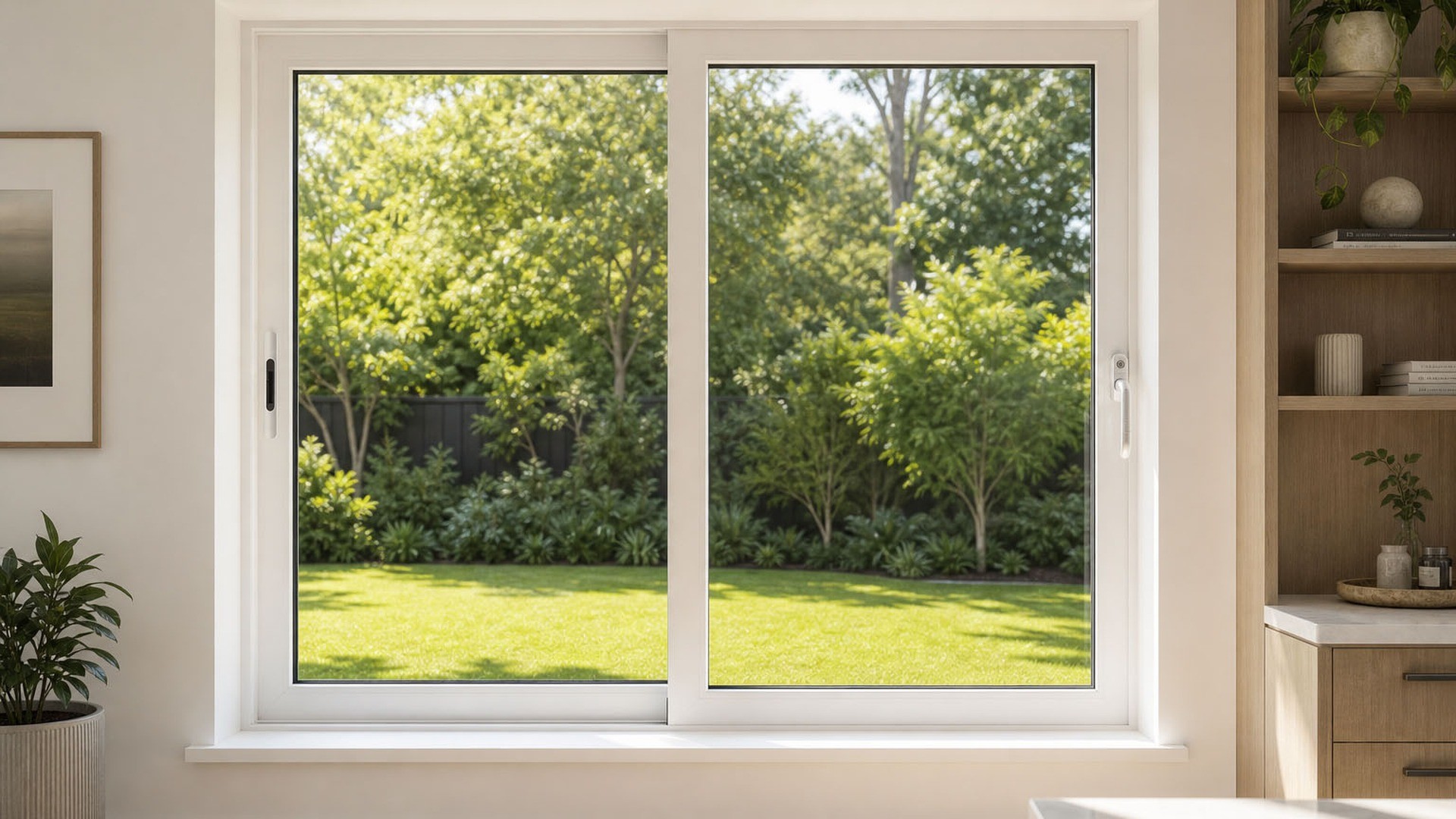
AS 2047 covers the window assembly and its performance under water, wind and air testing. AS 1288 covers glass selection and safety glazing, including where human impact glazing is required and how it must be marked. A window can pass the assembly test and still fail the glazing requirement, which is why both are requested together and why the aluminium sliding window range is documented with its glazing options rather than as a single specification.
Which Ratings Matter Most for an Australian House?
Water penetration first, because water failure damages the building rather than disappointing the occupant. Wind load second, because it is size-dependent and the largest opening in the house is usually the one that governs. Air infiltration third, not because it is unimportant but because it is the parameter an energy assessor will test through the whole-of-house model, and the frame and gasket detail decide it. Thermal performance is a separate question and is covered by the custom aluminium window and double glazing material rather than by the compliance report.
How Do I Get a Quote That Can Be Compared?
Send five things: the measured schedule with opening marks, sizes and handing, the wall type and the site address, the performance target or the house energy report, the frame colour and finish, and the installation scope you expect the supplier to cover. A factory and a local fabricator quoting against that same package produce numbers that can be read side by side. A AS2047 windows made to order quote from this factory is built from exactly that package, and the AS2047 windows for Australian projects page is where the enquiry starts.
The single most useful habit in this whole process is to keep the schedule and the evidence in the same place. A spreadsheet that lists each opening, its size, its requested configuration and the document that covers it will do more for a project than any number of showroom visits, because it turns a compliance argument into a checklist. Suppliers respond differently to a buyer holding a checklist, and the difference is usually in their favour.
