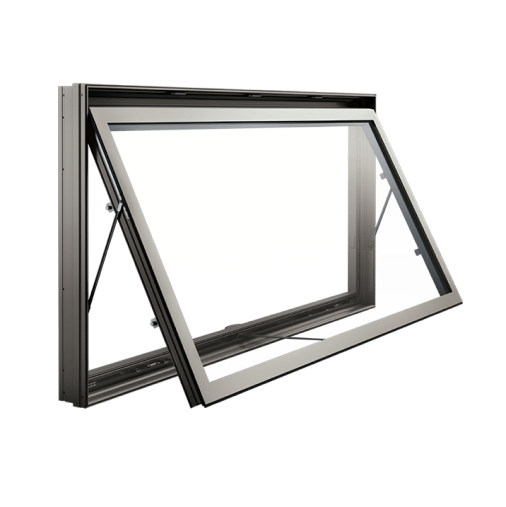
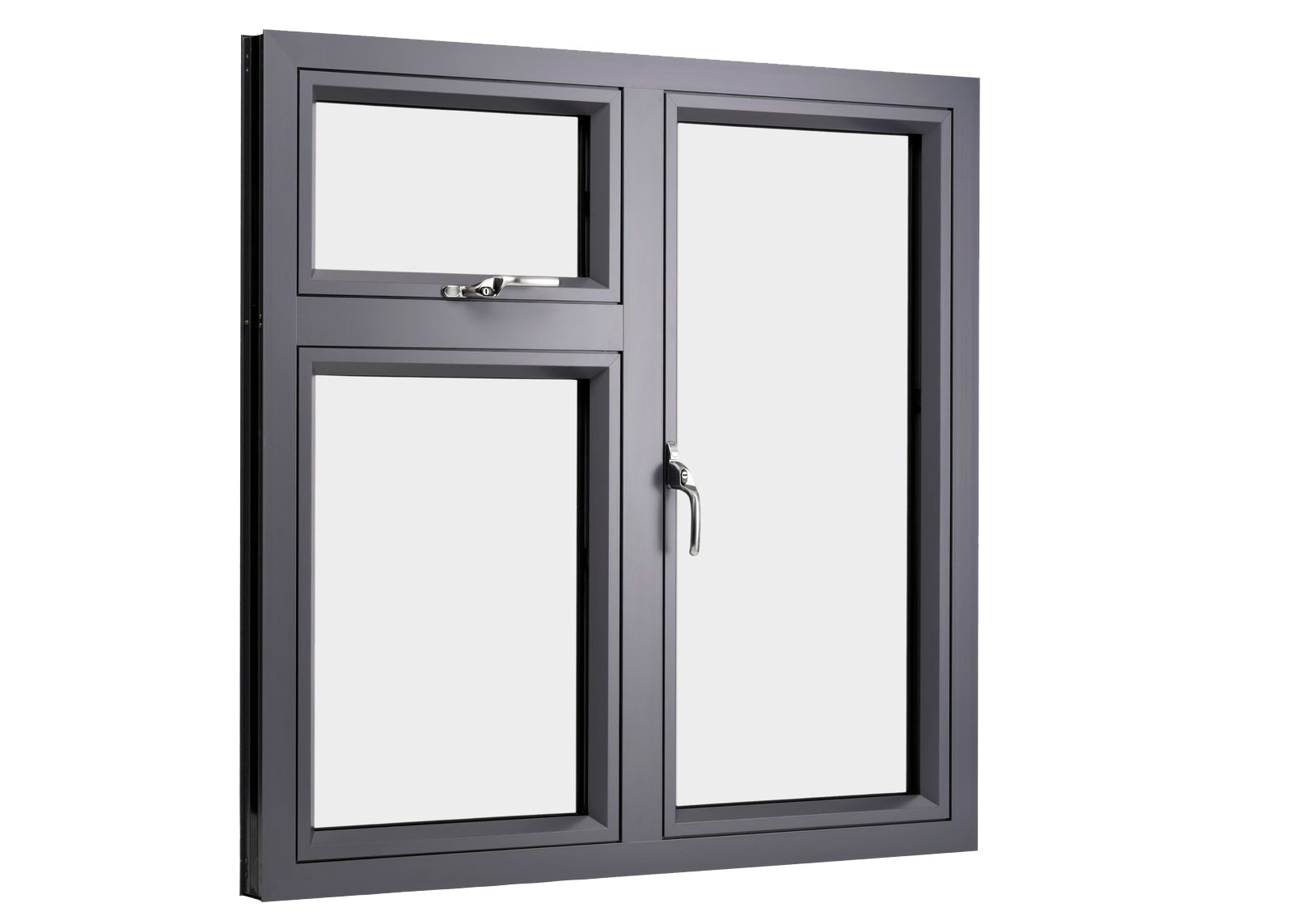
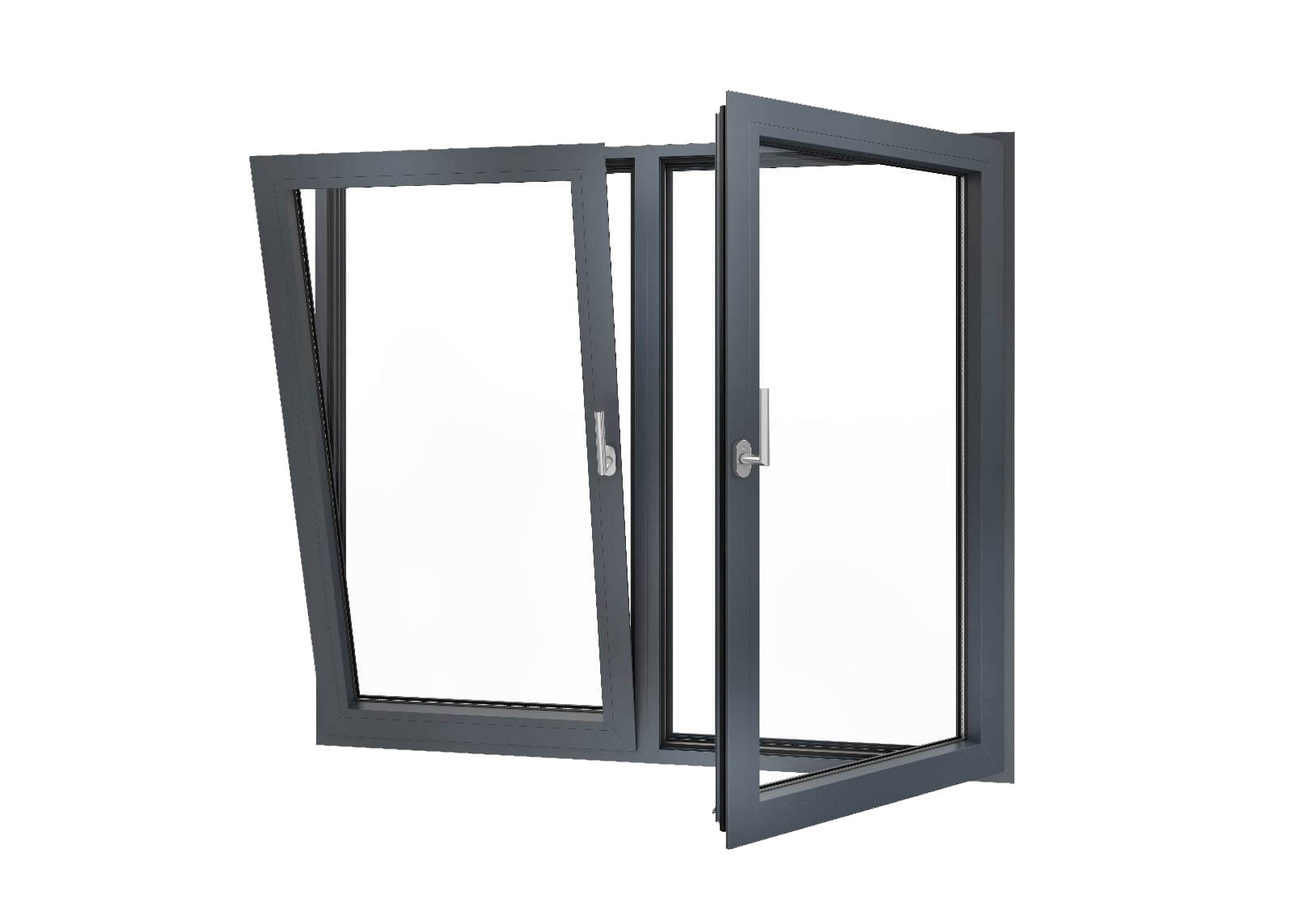
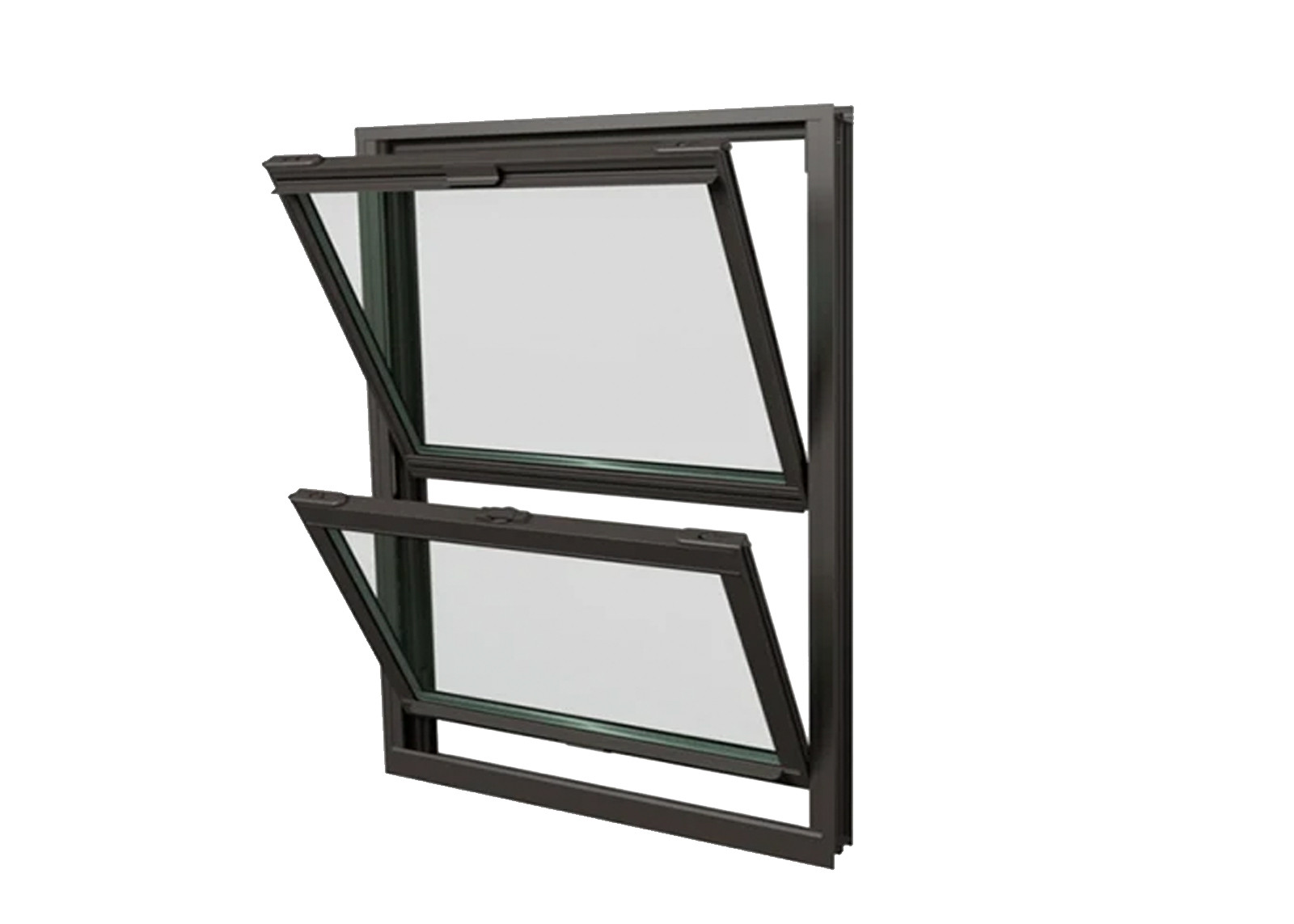
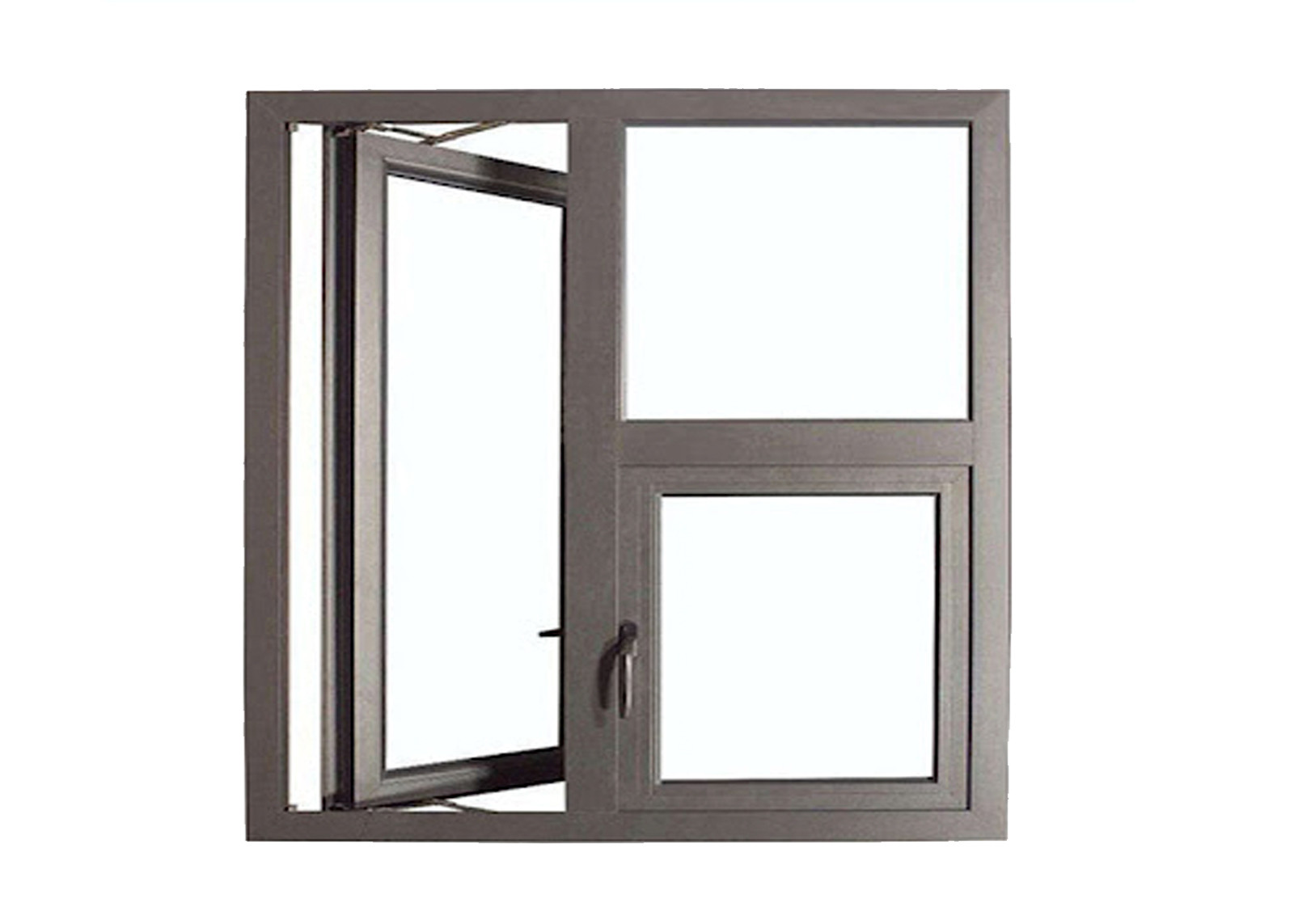
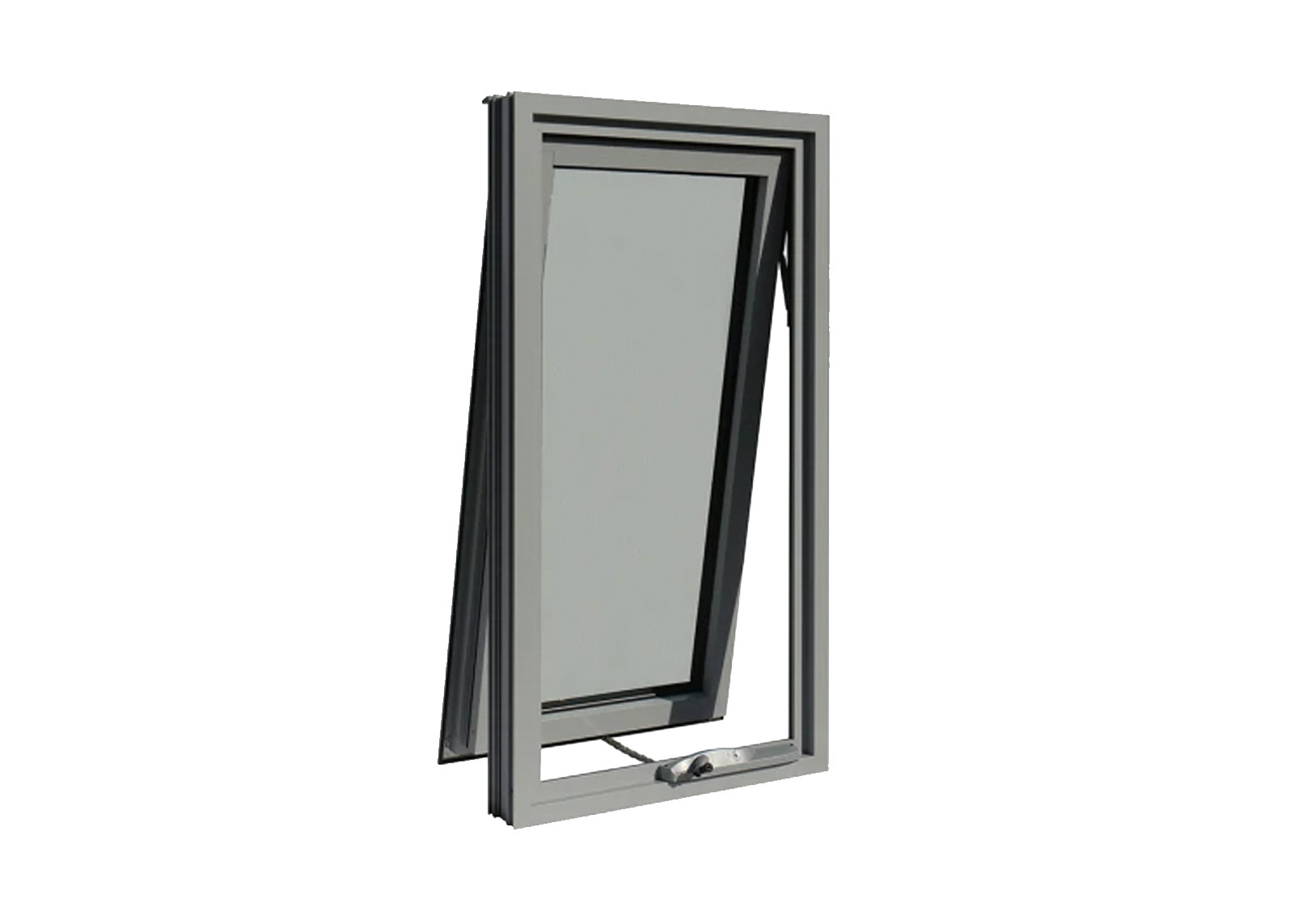
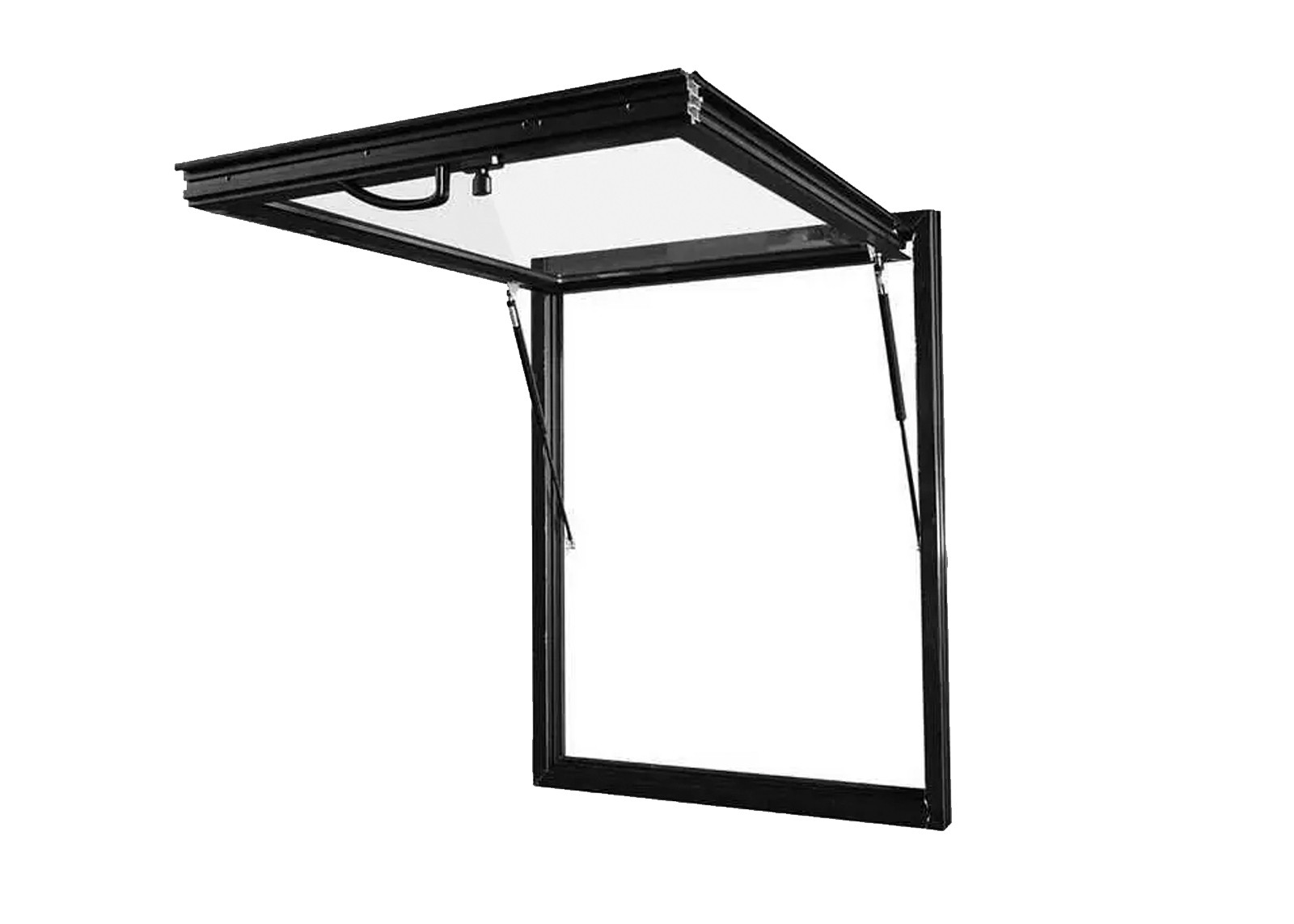
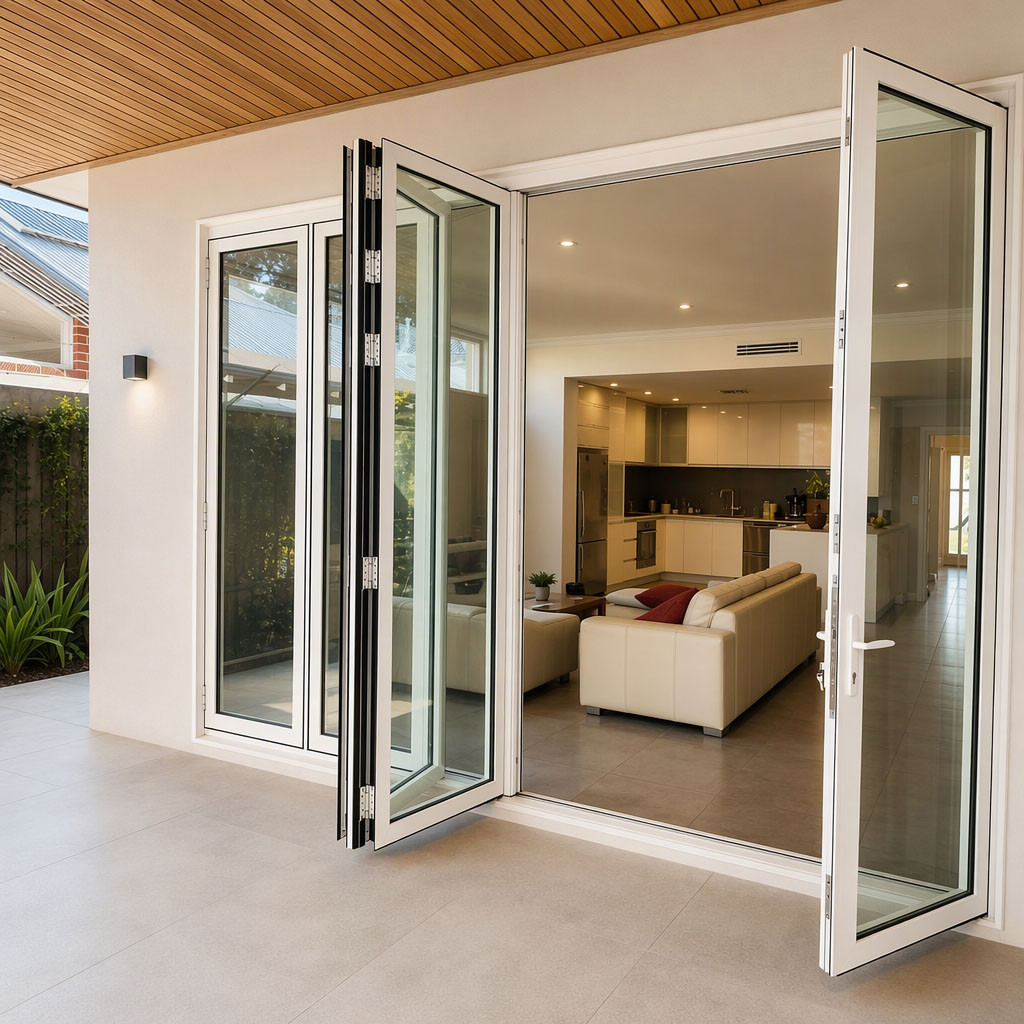
Investing in thermally broken aluminum windows has become the global standard for architects, residential builders, and commercial developers seeking uncompromising structural strength combined with high-performance thermal insulation. While traditional aluminum extrusions naturally conduct heat and cold, modern thermal break windows permanently solve thermal bridging, drastically reducing seasonal HVAC energy loss and eliminating interior condensation.
Whether you are constructing an energy-efficient residential home, renovating an apartment building, or specifying high-span commercial glazing, selecting precision aluminium thermal break systems delivers substantial lifecycle cost savings. This engineering guide explains the physical mechanics of polyamide thermal barriers, compares energy metrics (Uw and CRF values), evaluates structural performance, and outlines factory-direct wholesale procurement advantages.
What is a Thermal Break and How Does it Stop Condensation?
A thermal break is a continuous, low-conductivity barrier made from polyamide PA66 GF25 reinforced nylon inserted between interior and exterior aluminum profile extrusions. Because polyamide conducts heat over 500 times slower than aluminum, it completely interrupts the thermal bridge, keeping interior frame surfaces warm in winter and preventing moist indoor air from condensing into water droplets on the window frame.
The Engineering Mechanics of Thermally Broken Aluminum Frames
Standard architectural aluminum possesses a high thermal conductivity rate of approximately 160 to 200 W/(m·K). Without a thermal barrier, conventional aluminum window frames act as conductive highways, rapidly siphoning interior warmth during cold winters and transmitting intense solar radiation during summer months. For performance-driven building envelopes, understanding thermal break technology in modern windows is crucial for optimizing whole-structure thermal balance and occupant comfort.
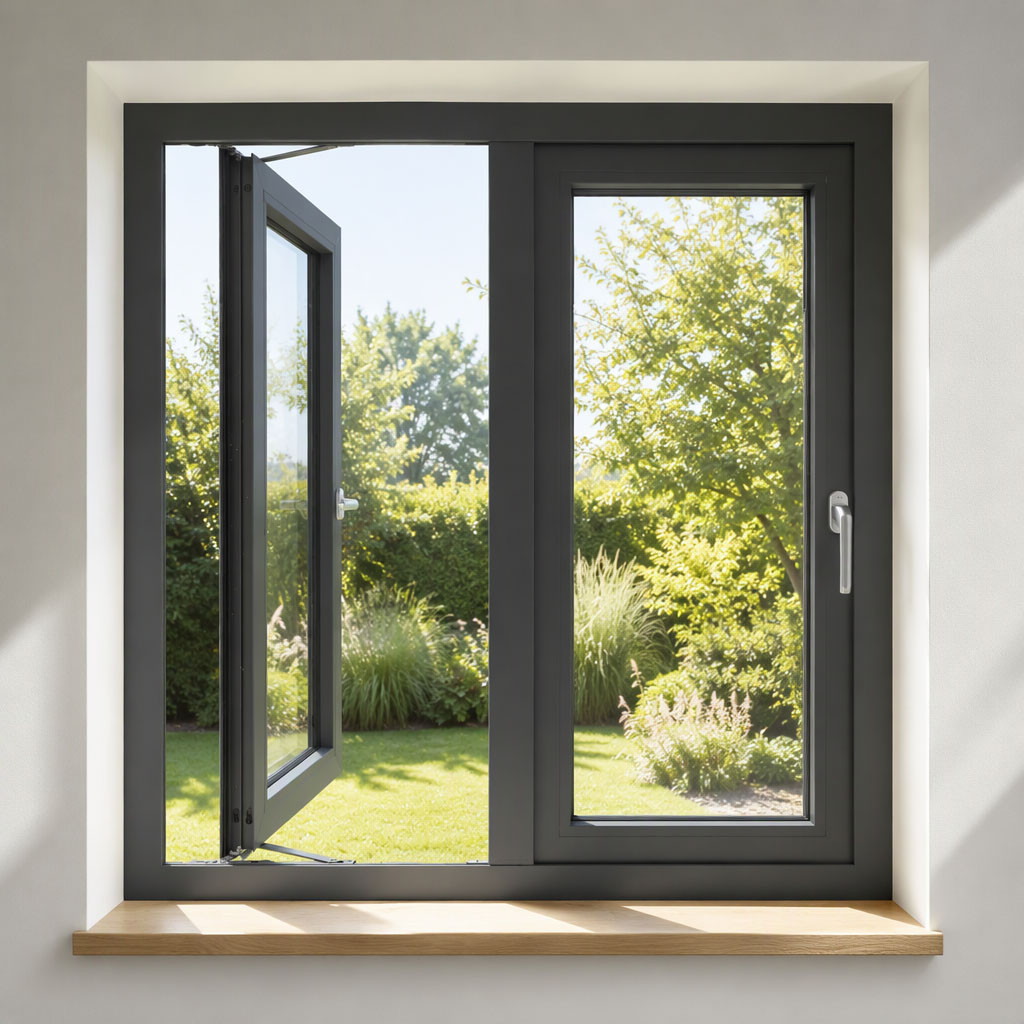
Polyamide PA66 GF25 vs. Poured-and-Debridged Systems: When examining what is a thermal break in windows and how it functions, premium export-grade window manufacturers exclusively specify polyamide PA66 reinforced with 25% glass fiber. This composite insulation strip matches the linear thermal expansion coefficient of 6063-T6 aluminum alloy, ensuring durable thermal break aluminum casement window and sliding configurations that resist delamination across extreme temperatures from -30°C to +80°C. Review our comprehensive manufacturing analysis in our thermally broken aluminium engineering guide.
Three-Level EPDM Weather Gasket Sealing: High-performance aluminum thermal break windows incorporate multi-chamber co-extruded vulcanized EPDM gaskets. This multi-barrier design provides certified weather sealing and acoustic isolation, making soundproof thermal break balcony ventilation aluminum double-glazed casement window systems ideal for high rise buildings and coastal engineering projects exposed to salt spray.
Thermal Transmittance (U-Value) Optimization: Pairing engineered thermal bridge insulation with Low-E double tempered glass or triple glazing filled with 90% argon gas lowers whole-window thermal transmittance to Uw ≤ 1.1 to 1.4 W/(m²·K). These energy efficient thermal break casement window systems provide insulated soundproof thermal break windows for villas, luxury residences, and cold climate developments. To calculate how glass coatings impact overall energy performance, consult our U-value energy calculation guide.
Why are Thermally Broken Aluminum Windows a Superior Investment?
While thermally broken windows cost 15% to 25% more initially than non-thermal aluminum frames, they lower heating and cooling energy consumption by up to 40% annually. Furthermore, their 6063-T6 architectural alloy frames deliver a 40+ year operational lifespan, fire resistance, and superior structural wind load resistance (DP 60 to DP 100+) that far outperforms standard vinyl or timber framing.
Material Comparison Matrix: Standard Aluminum vs. Thermal Break vs. uPVC
Selecting the optimal framing material requires balancing thermal efficiency, structural wind load capacity, acoustic insulation, and architectural longevity. The table below provides an objective engineering comparison.
| Performance Criterion |
Standard Non-Thermal Aluminum |
Thermally Broken Aluminum (PA66) |
Multi-Chamber uPVC (Vinyl) |
| Whole-Window U-Factor (Uw) |
4.8 – 6.2 W/(m²·K) (Poor) |
1.1 – 1.6 W/(m²·K) (Superior) |
1.0 – 1.4 W/(m²·K) (Excellent) |
| Condensation Resistance (CRF) |
CRF 25 – 35 (High Condensation Risk) |
CRF 60 – 75 (Virtually Zero Condensation) |
CRF 65 – 78 (Zero Condensation) |
| Structural Wind Load (DP Rating) |
DP 40 – DP 60 (Standard) |
DP 60 – DP 100+ (Extreme Wind / High-Rise) |
DP 30 – DP 50 (Limited Spans) |
| Acoustic Isolation (STC / Rw) |
STC 28 – 32 dB |
STC 36 – 44 dB (Acoustic Foam / PA66) |
STC 34 – 40 dB |
| Structural Frame Profile Sightlines |
Ultra-slim (45 – 65 mm) |
Slim Architectural (55 – 75 mm) |
Bulky / Thick (80 – 110 mm) |
| Expected Service Lifespan |
30 – 40 Years |
40 – 50+ Years (6063-T6 Alloy) |
20 – 30 Years |
Thermally Broken Window Systems Engineering Sizing & Acoustic Specification Chart
Different residential opening configurations require matched profile depths, sash reinforcement gauges, and hardware mechanisms. The chart below details key technical specifications across primary fenestration typologies, including thermal break aluminium sliding windows and architectural casements.
| Window & Door Typology |
Profile Depth & Alloy |
Polyamide Strip Width |
Max Glass Thickness |
Acoustic & Structural Rating |
Ideal Architectural Location |
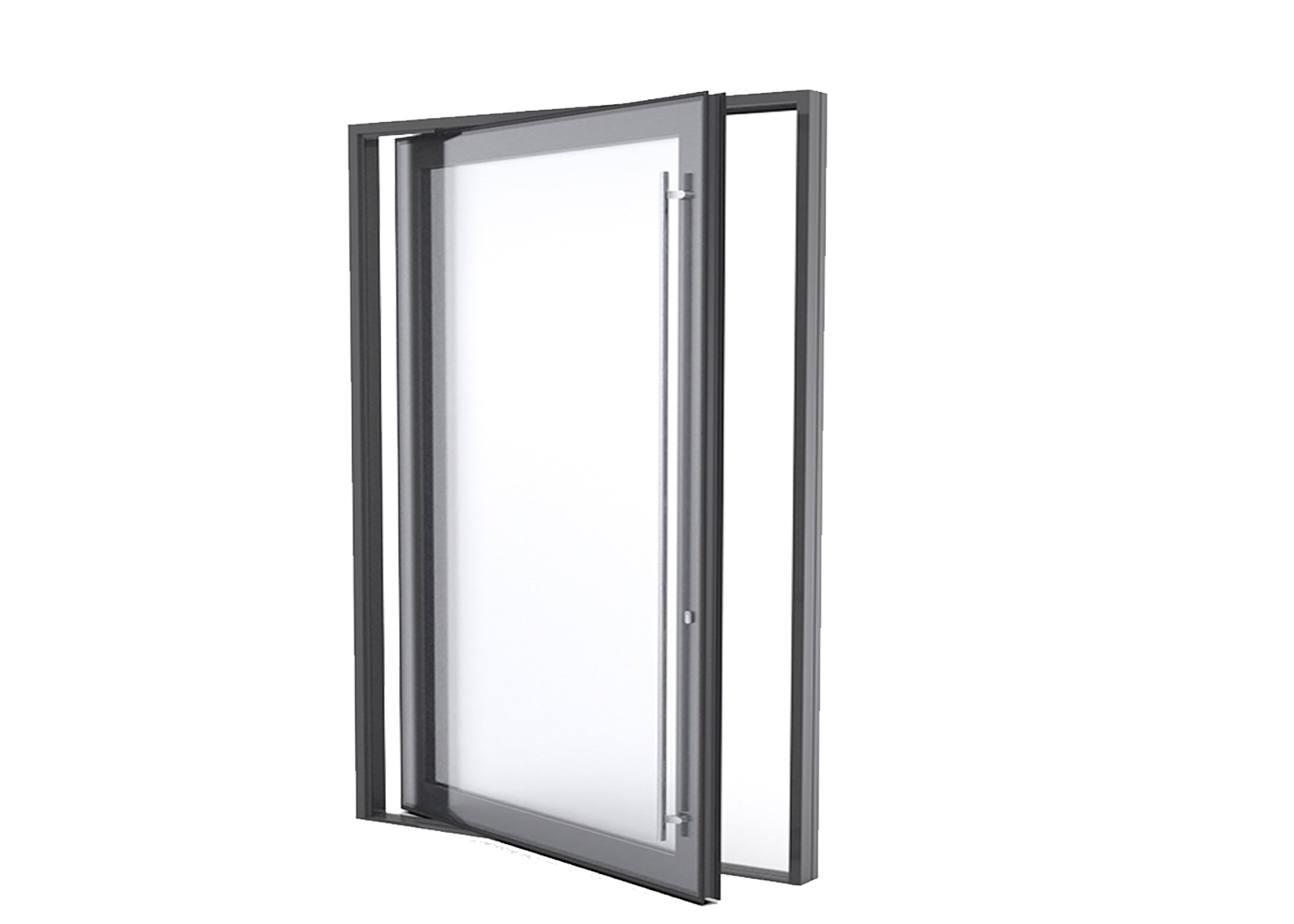
| Thermally Broken Casement Windows |
65 mm / 6063-T6 (1.6 mm wall) |
24 mm – 34 mm PA66 GF25 |
32 mm (Triple Low-E) |
STC 38 – 42 dB / DP 70 |
Master bedrooms, luxury villas, living rooms |
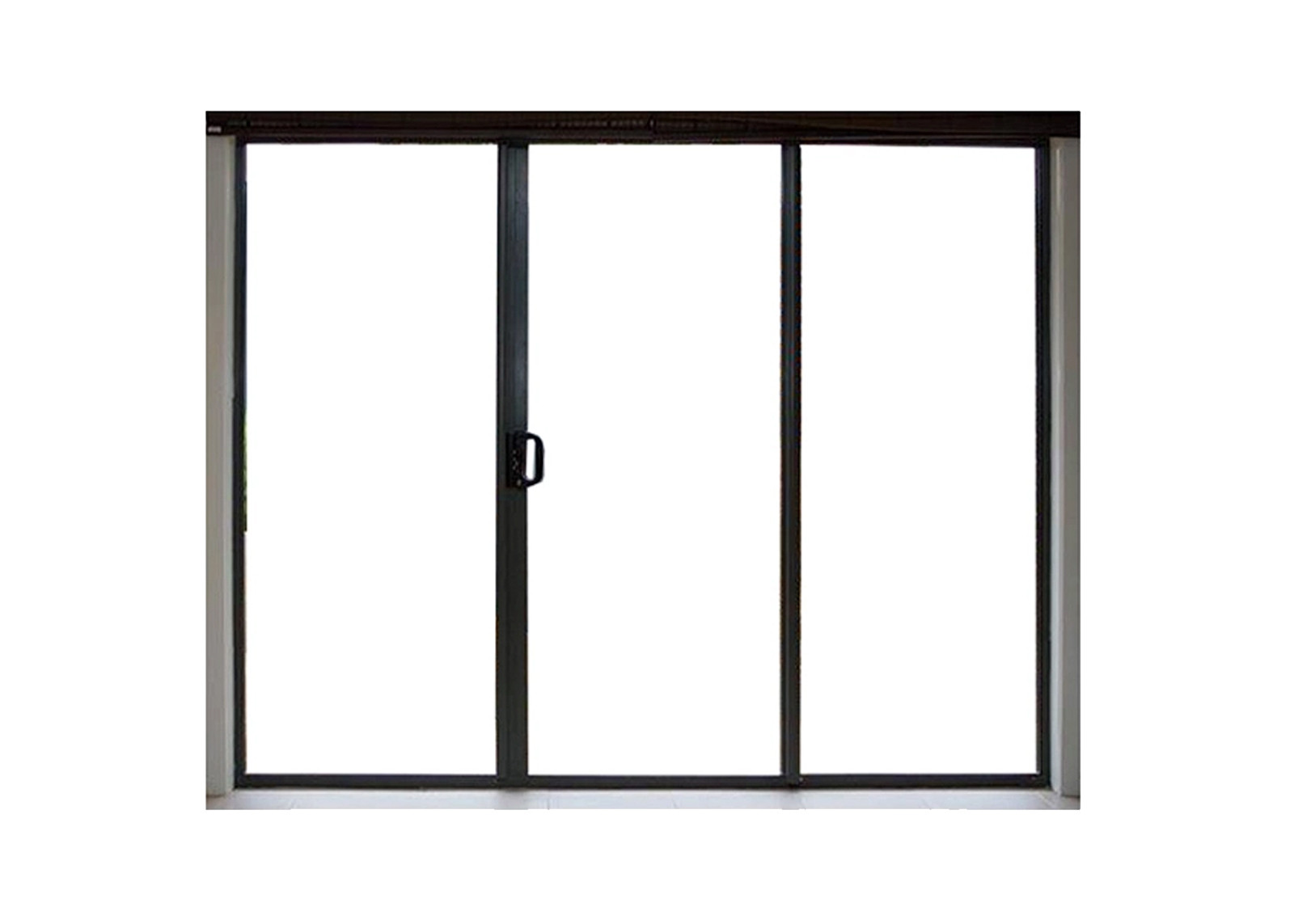
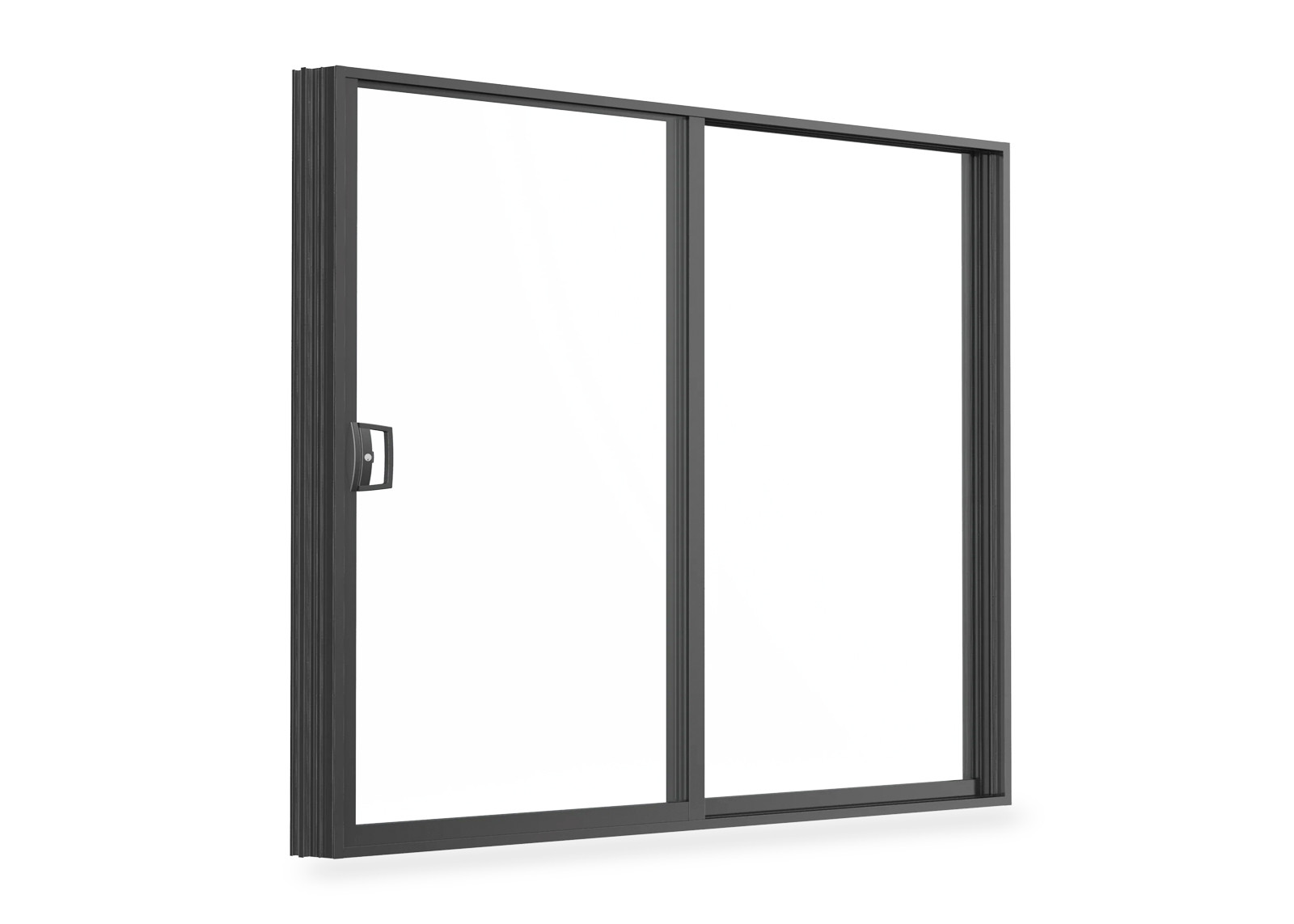
| Thermal Break Aluminium Sliding Windows |
80 mm – 100 mm / 6063-T6 (1.6 – 2.0 mm) |
18 mm – 24 mm PA66 GF25 |
28 mm (Double Low-E Argon) |
STC 34 – 38 dB / DP 65 |
Living rooms, kitchen pass-throughs, balconies |
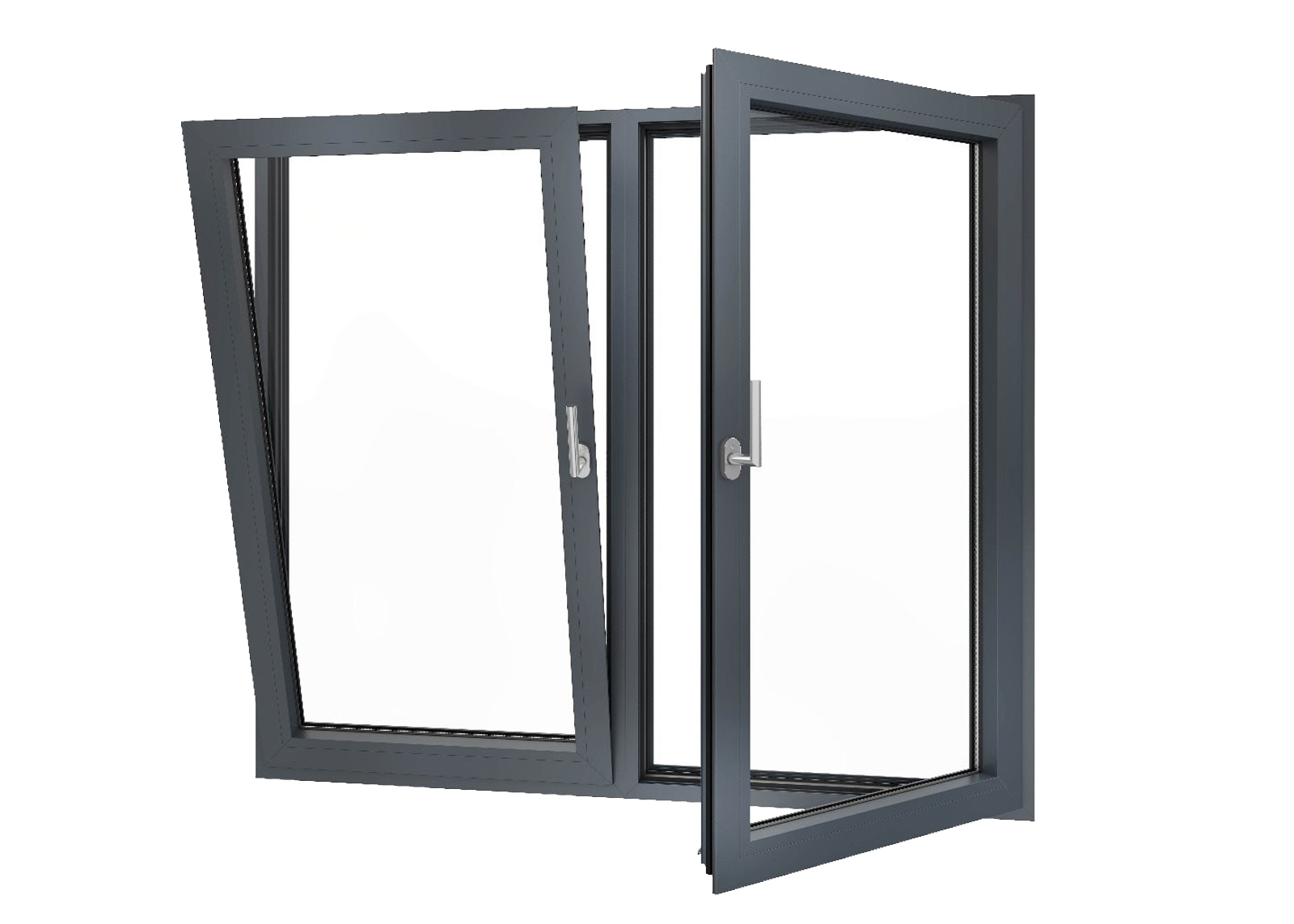
| Tilt & Turn Dual-Action Windows |
70 mm / 6063-T6 (1.8 mm wall) |
28 mm – 34 mm PA66 GF25 |
36 mm (Triple Glazed) |
STC 40 – 44 dB / DP 80 |
European luxury builds, urban apartments |
| Slim-Frame Bi-Fold Patio Doors |
75 mm / 6063-T6 (2.0 mm wall) |
24 mm – 30 mm PA66 GF25 |
32 mm (Tempered Low-E) |
STC 35 – 39 dB / DP 65 |
Panoramic indoor-outdoor living zones |
Engineered Architectural Thermally Broken Window & Door Systems
ROPO manufactures precision thermally broken aluminum systems featuring automated CNC milling, certified AAMA 2605 powder coatings, and complete NFRC and AS2047 physical testing compliance.
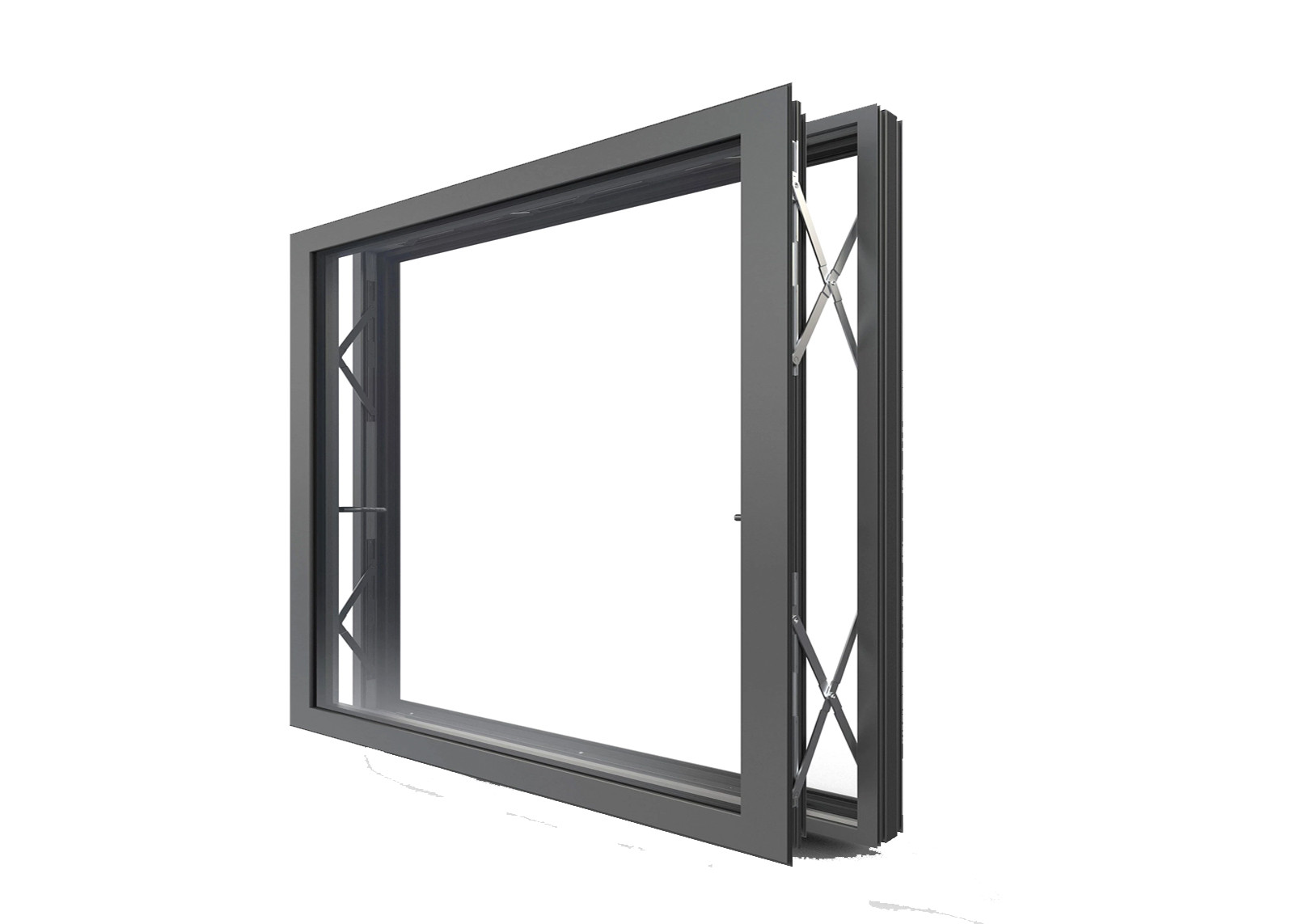
Architectural Thermal Break Casement Windows
Engineered with 6063-T6 multi-chamber extrusions, 34mm PA66 thermal barriers, multi-point locking hardware, and full NFRC / AS2047 export compliance.
Explore Casement Systems
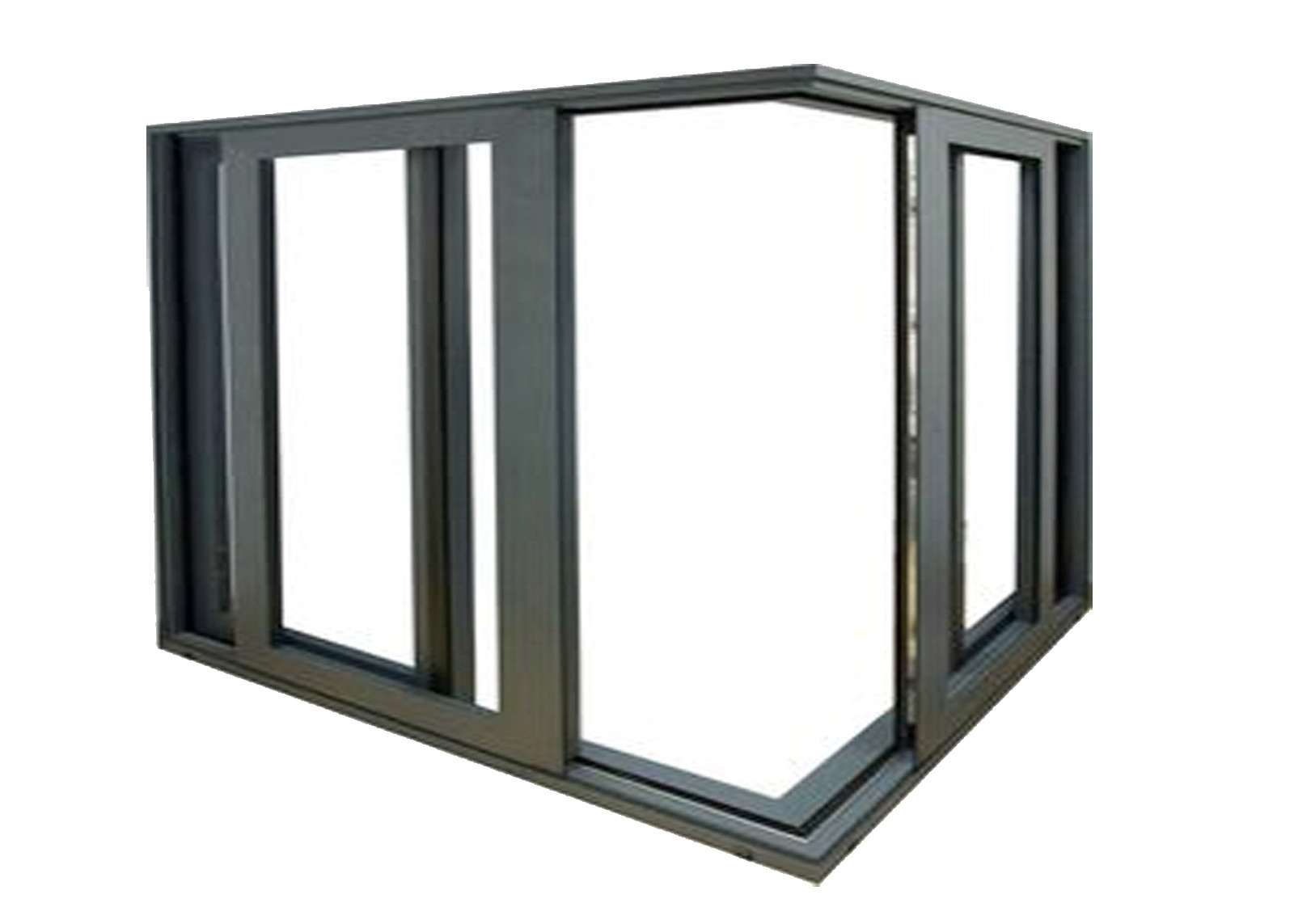
Thermal Break Aluminium Sliding Windows
Featuring multi-chamber 6063-T6 frames, continuous PA66 thermal barriers, stainless steel roller tracks, step-down drainage, and Class 4 air sealing.
Explore Sliding Windows
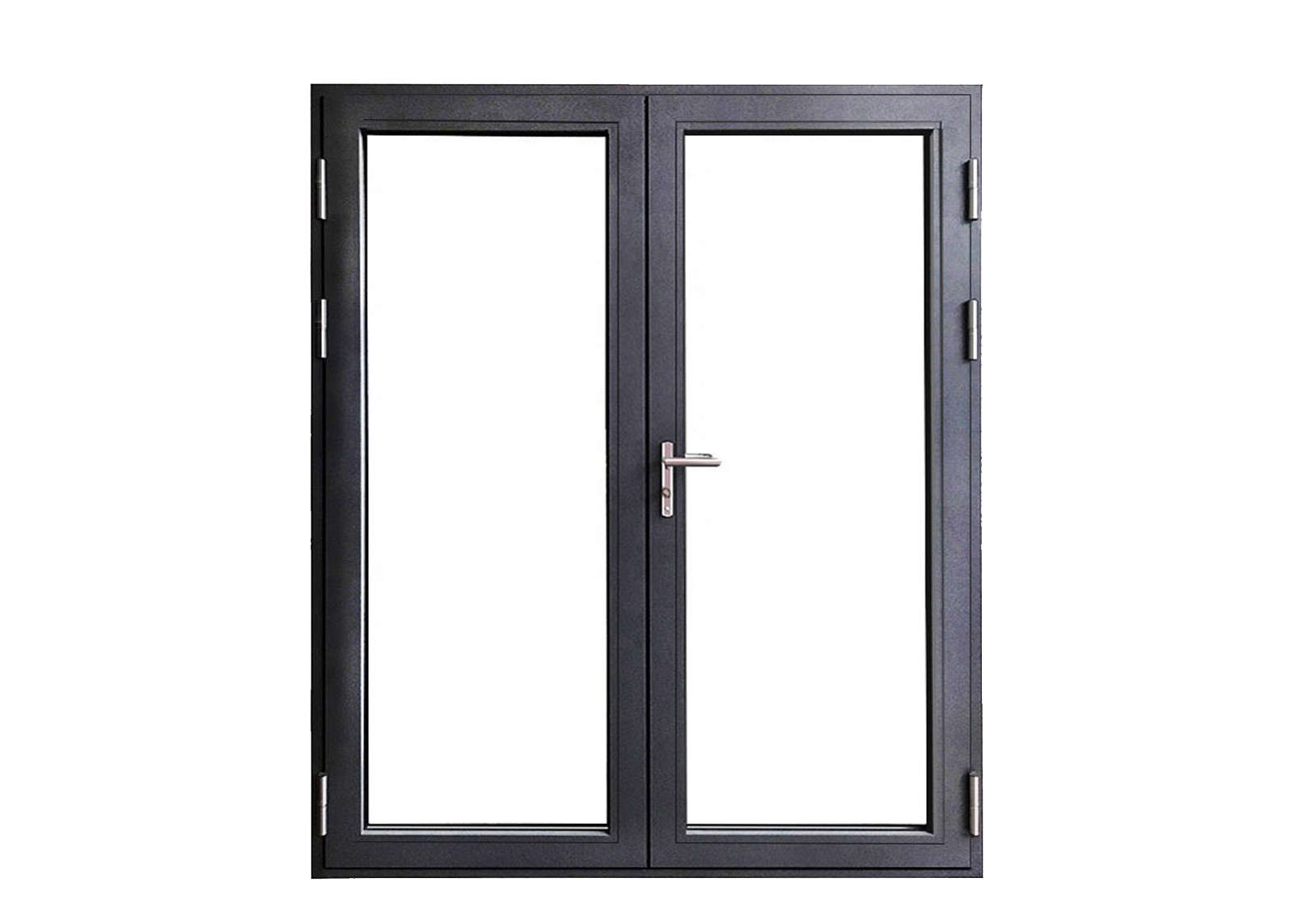
German-System Thermal Break Tilt & Turn Windows
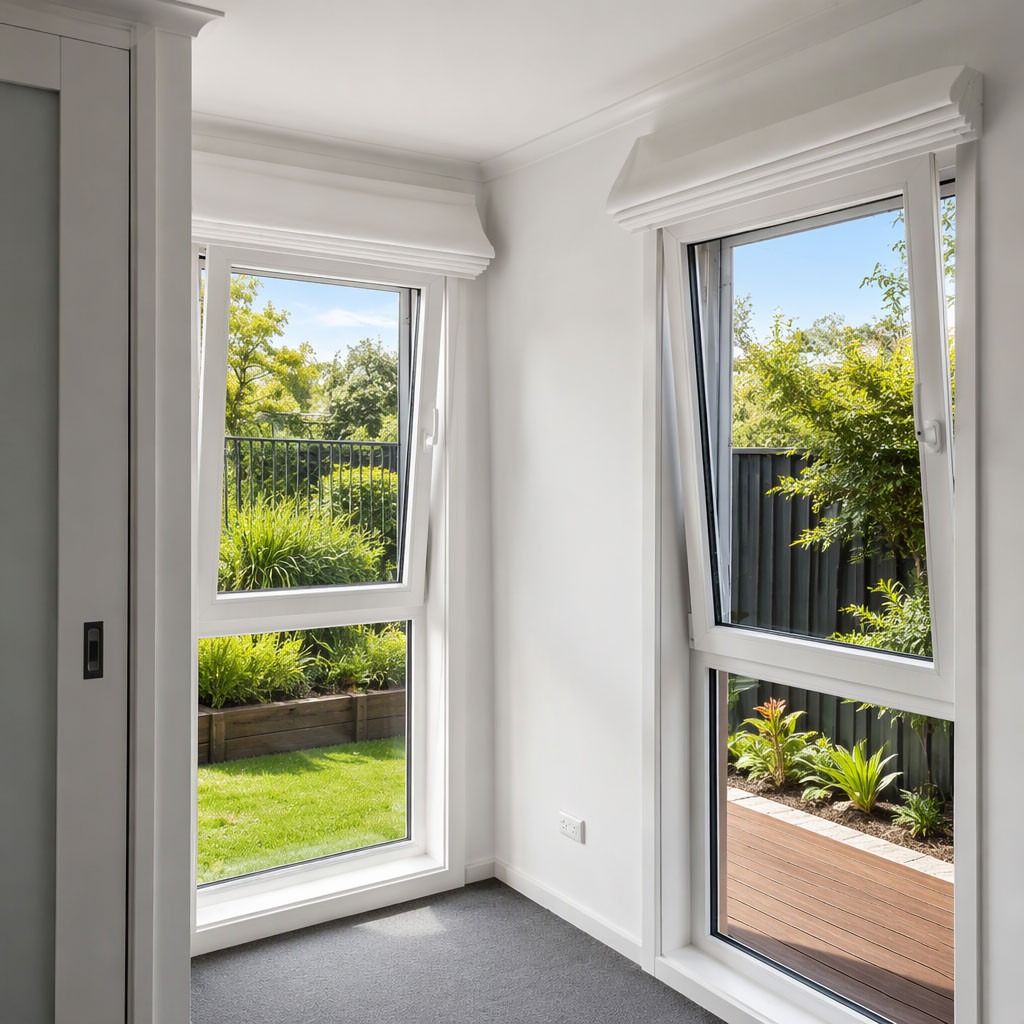
Equipped with German precision gear hardware, providing dual inward swing and tilt micro-ventilation with superior acoustic and thermal sealing.
Explore Tilt & Turn Systems
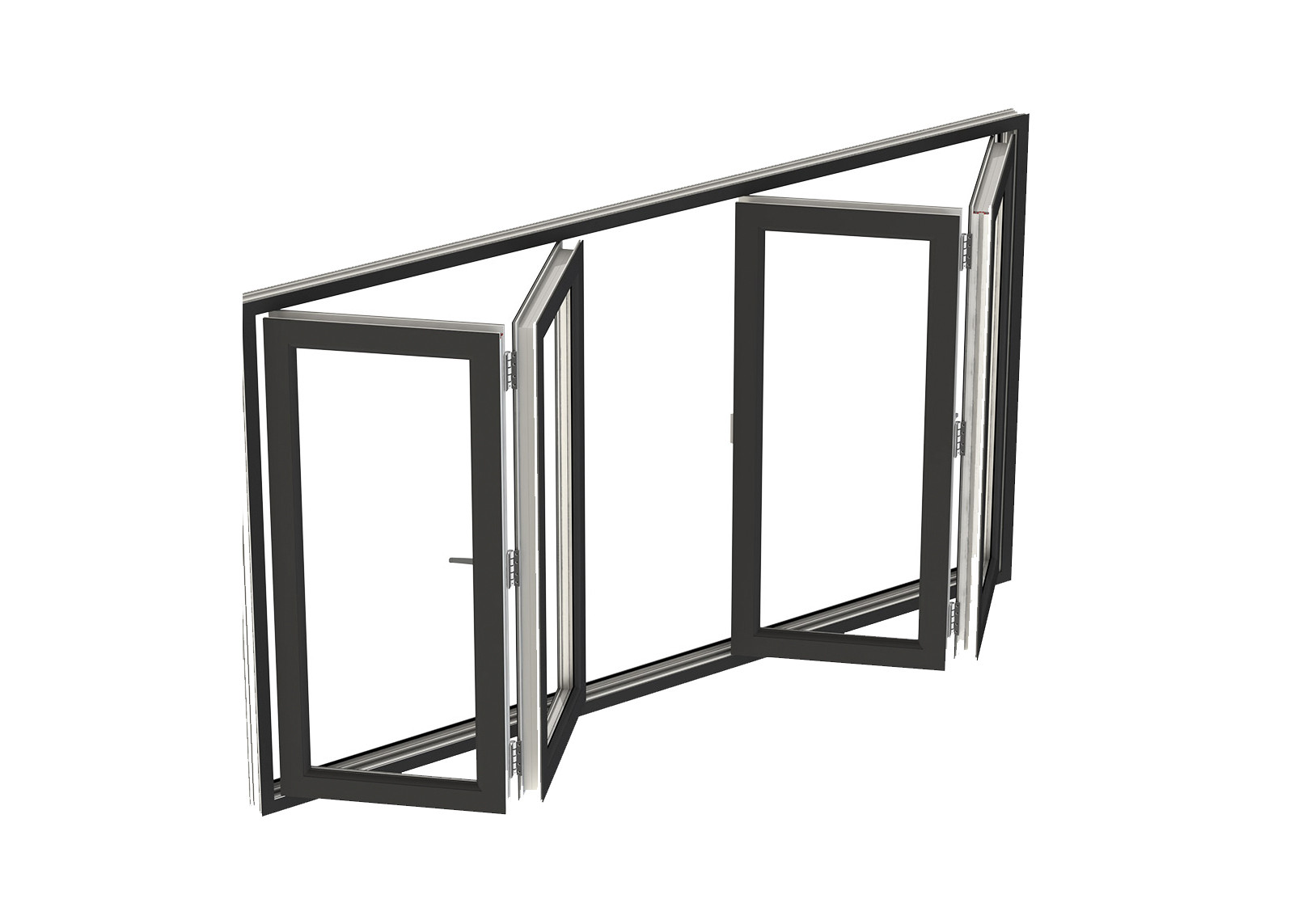
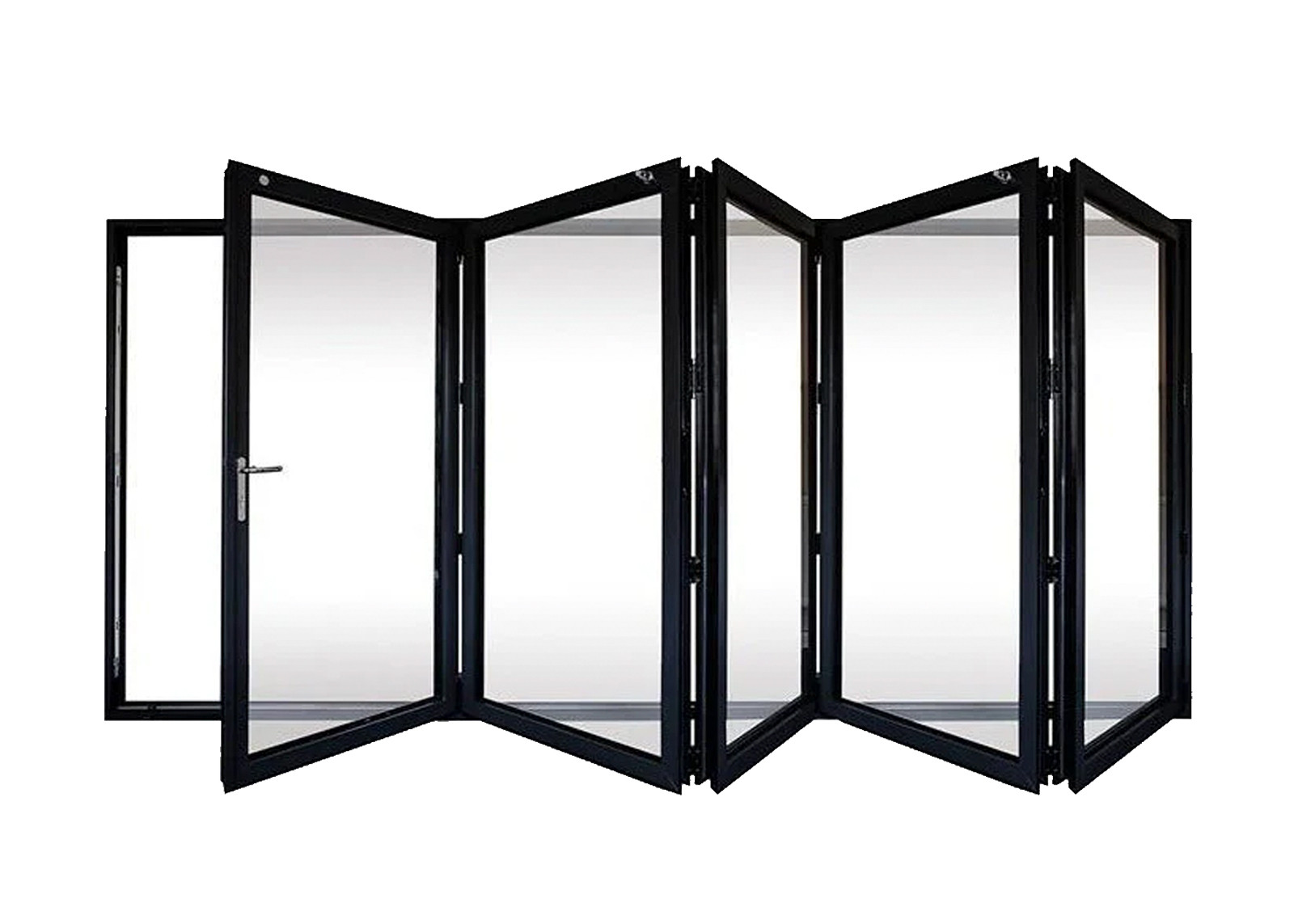
High-Performance Slim-Frame Bi-Fold Doors
Designed for seamless indoor-outdoor living with heavy-duty bottom-rolling stainless steel tracks, flush threshold sills, and panoramic folding panels.
Explore Bi-Fold Doors
Frequently Asked Questions: Thermally Broken Aluminum Windows
1. Are aluminium windows cold to the touch in winter and what does thermally broken mean?
Non-thermal aluminum frames feel icy because metal rapidly conducts outdoor chill. By contrast, thermally broken meaning refers to inserting a low-conductivity polyamide PA66 strip between exterior and interior extrusions. This barrier keeps interior frame temperatures within 1°C to 2°C of room ambient temperature, preventing cold radiant drafts and window condensation.
2. Are thermally broken windows worth it and what are their primary benefits?
Yes. Evaluating whether are thermally broken windows worth it reveals substantial long-term value: they reduce conductive frame heat loss by up to 70%, cut total heating and cooling utility costs by 30% to 40%, eliminate condensation mould, and enhance acoustic noise reduction across a 40+ year operational lifespan.
3. Can thermally broken aluminum frames have dual colors (interior vs. exterior)?
Yes. Because the interior and exterior aluminum profiles are extruded separately before being joined by the polyamide strip, manufacturers can apply different finishes, such as architectural black powder coating on the exterior and warm timber grain on the interior.
4. How do thermally broken windows perform in coastal marine environments?
When treated with AAMA 2605 compliant fluoropolymer powder coatings or Class 1 architectural anodizing, thermally broken aluminum windows offer exceptional resistance to marine salt air corrosion, backed by 15 to 20-year finish warranties.
5. What international certifications verify thermal break window performance?
ROPO thermally broken systems undergo rigorous physical testing and hold certifications including Australian AS 2047 & AS 1288 (CodeMark/WERS), North American NFRC and AAMA ratings, and European CE conformity (EN 14351-1).
6. What is the advantage of sourcing custom thermal break windows direct from the factory?
Procuring direct from an export manufacturer like ROPO delivers 30% to 50% net savings on commercial and luxury residential projects, accompanied by custom CAD/BIM shop drawing engineering and heavy-duty ocean plywood crate packaging.