
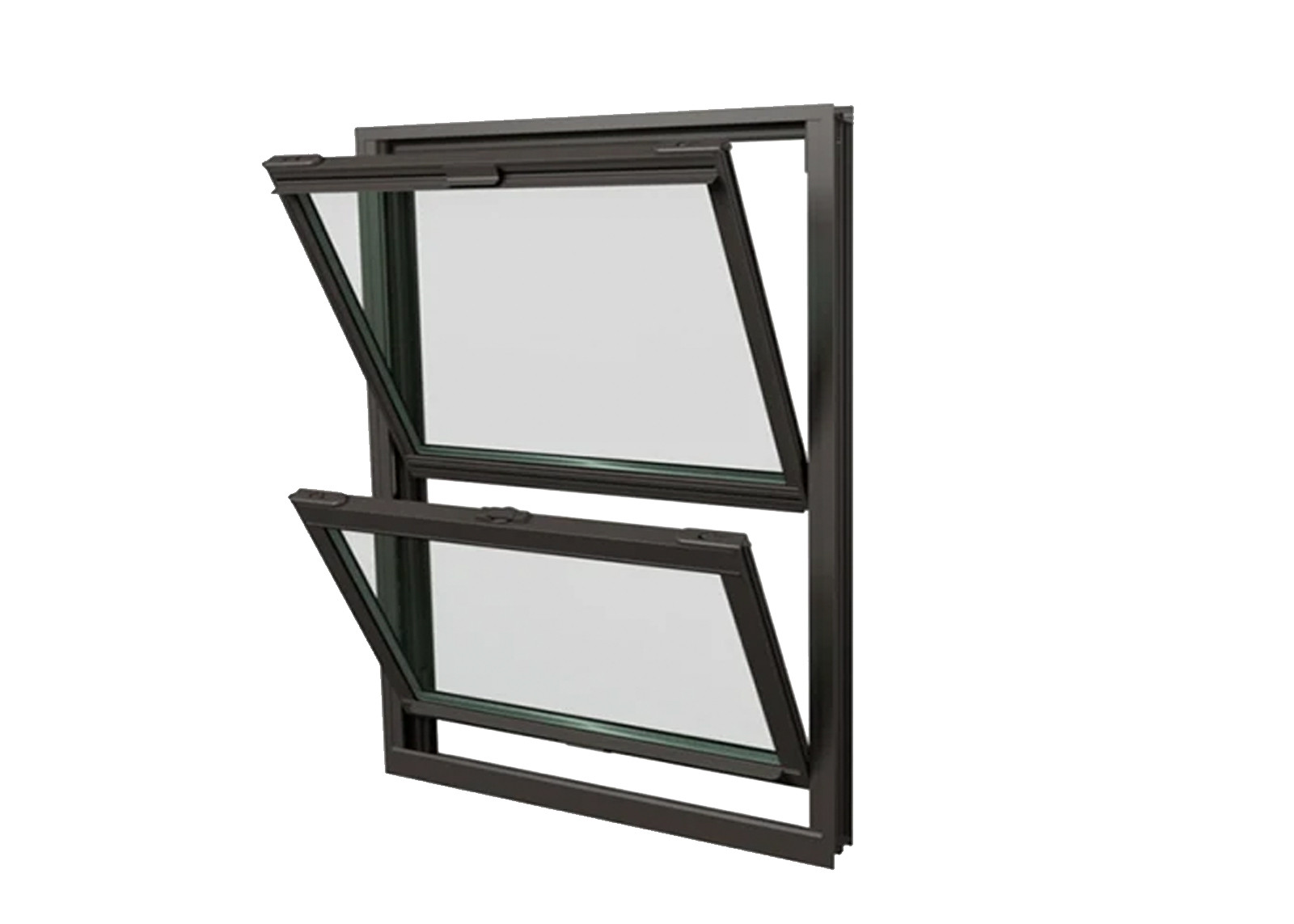
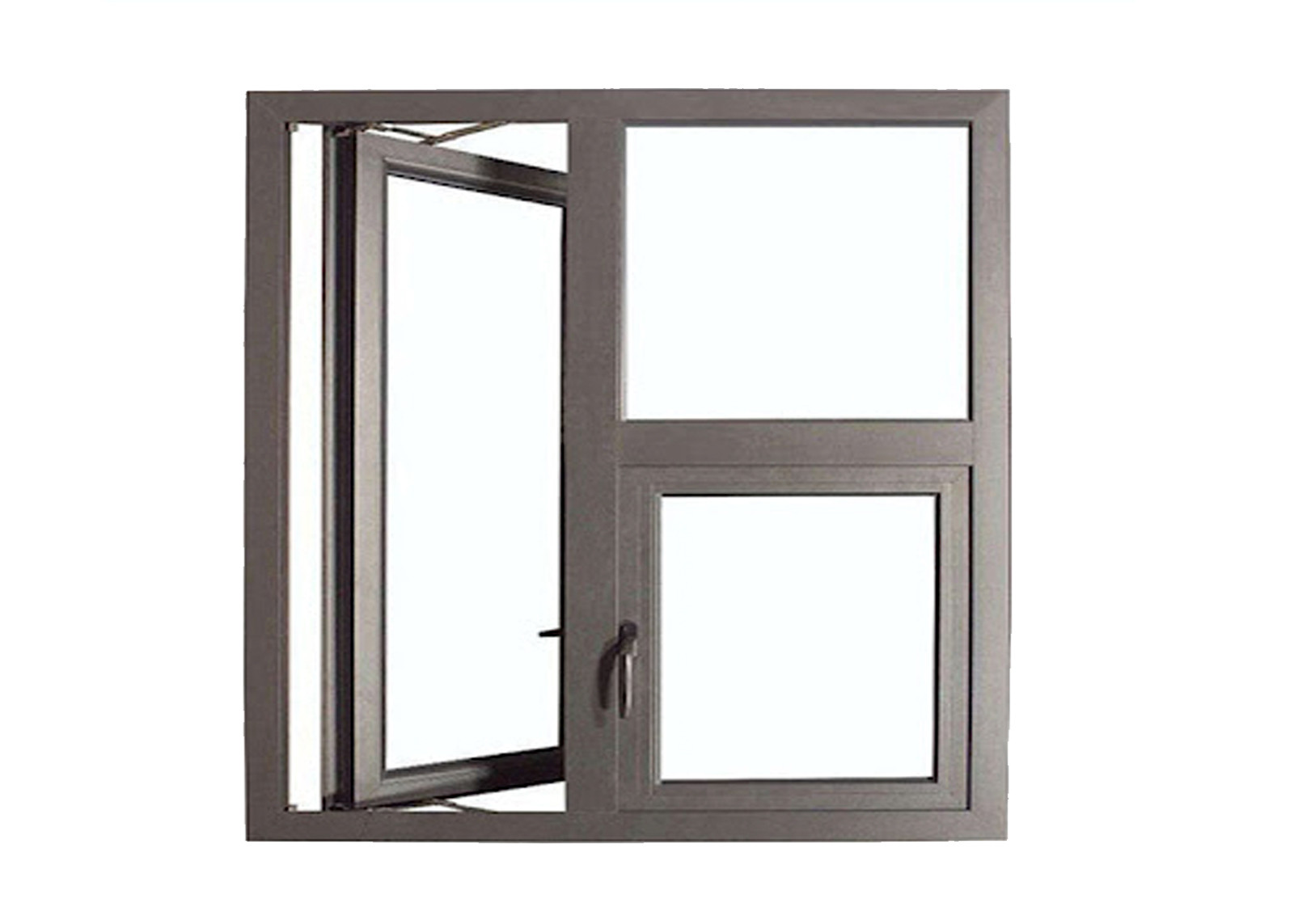
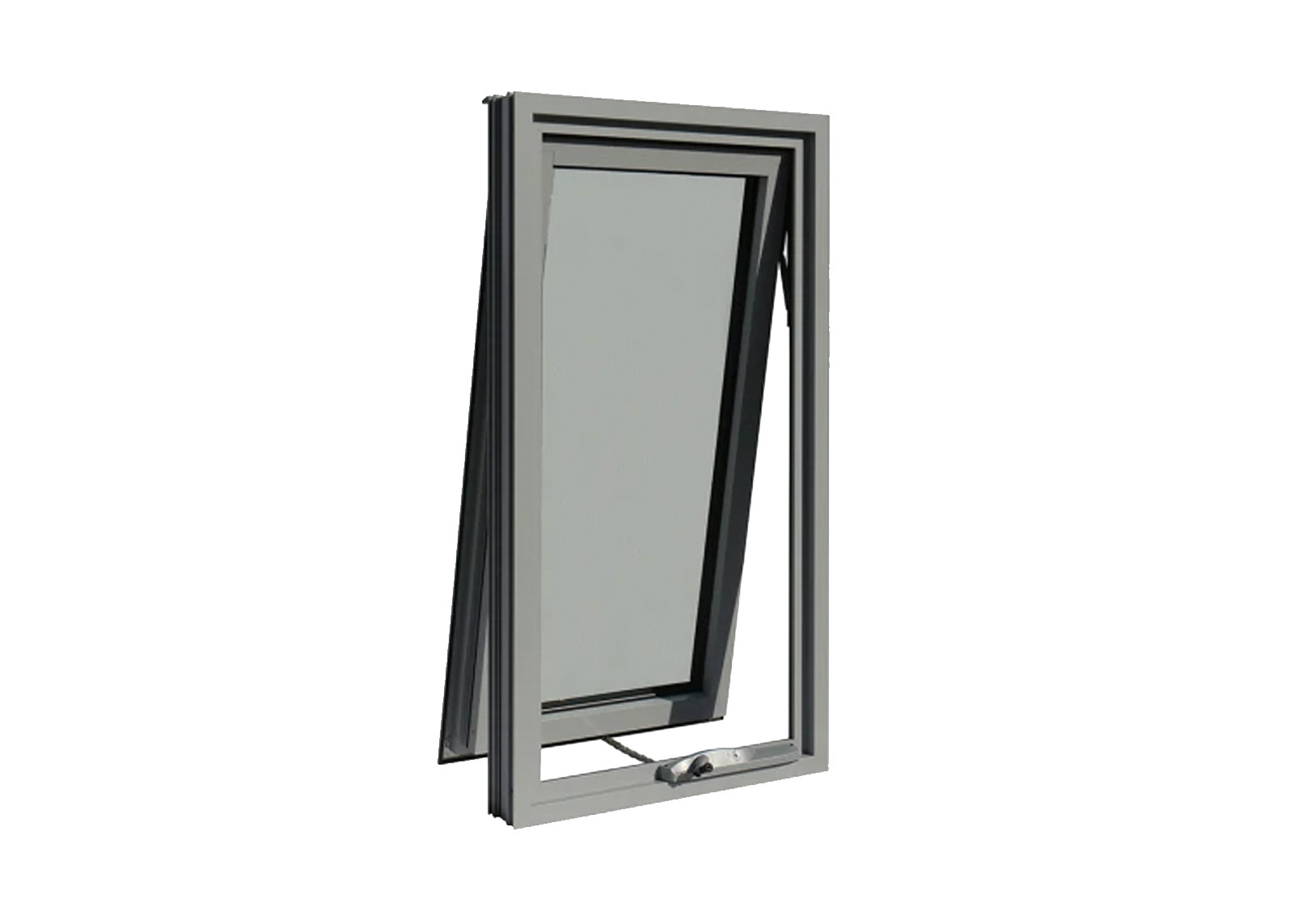
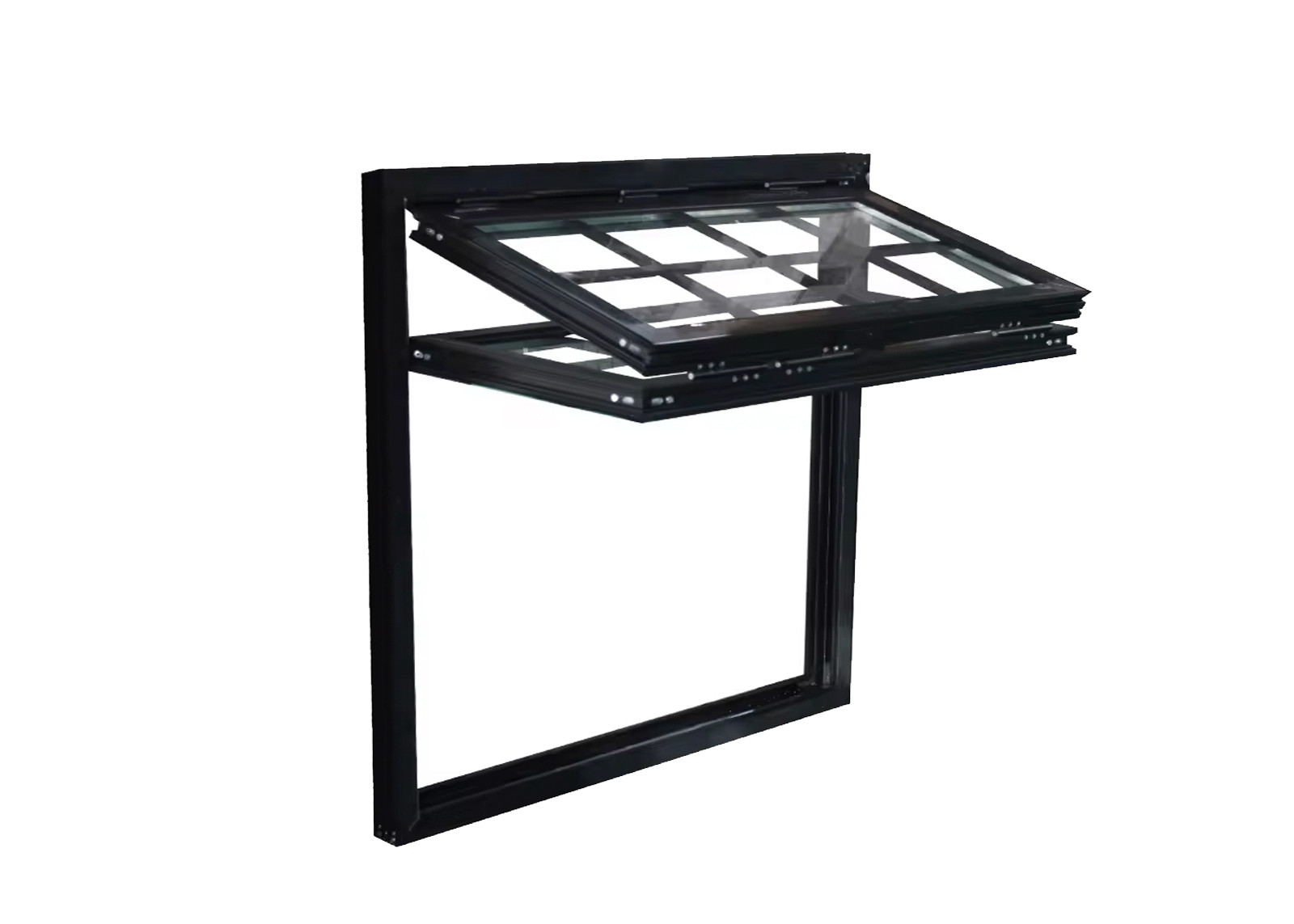

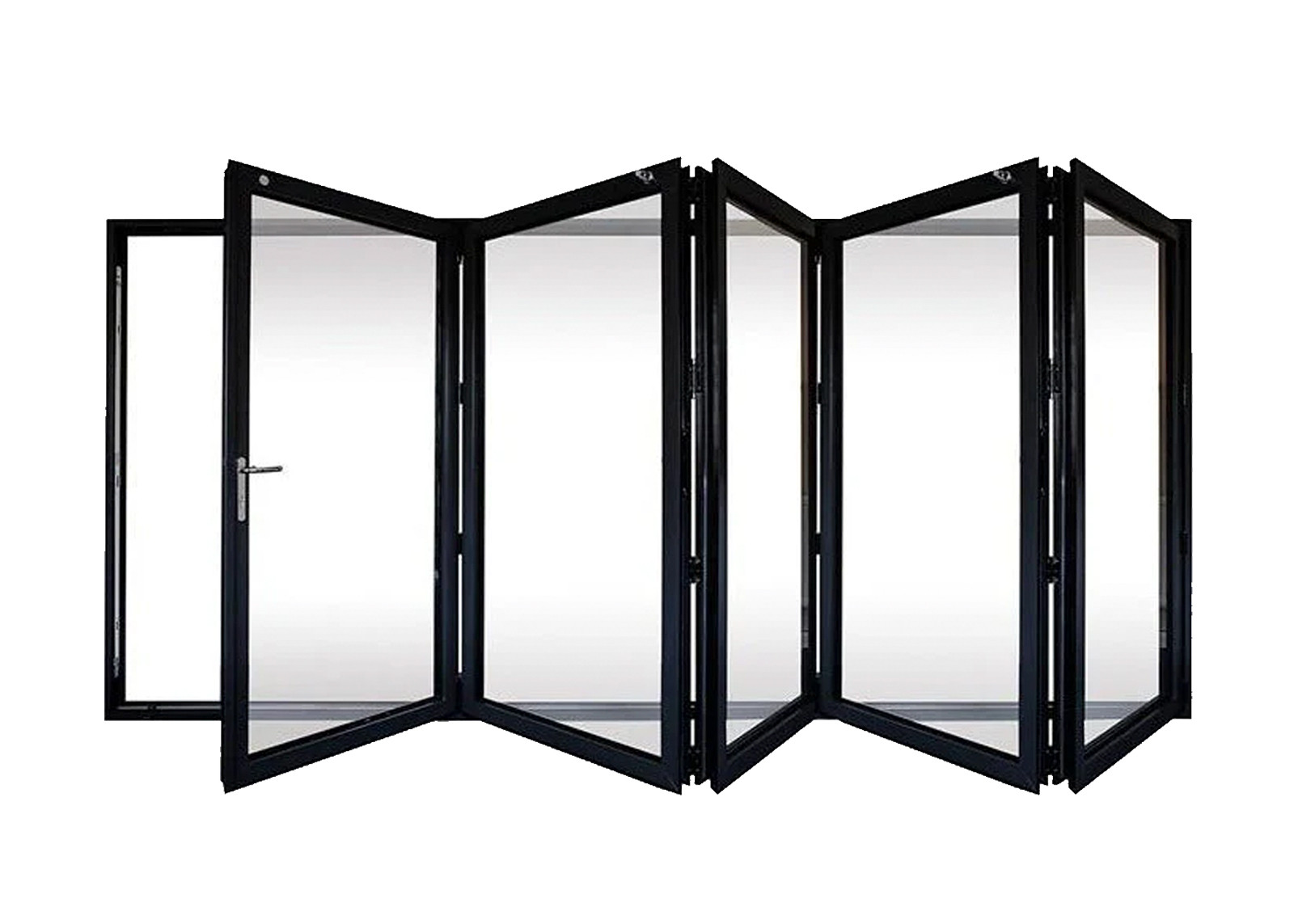
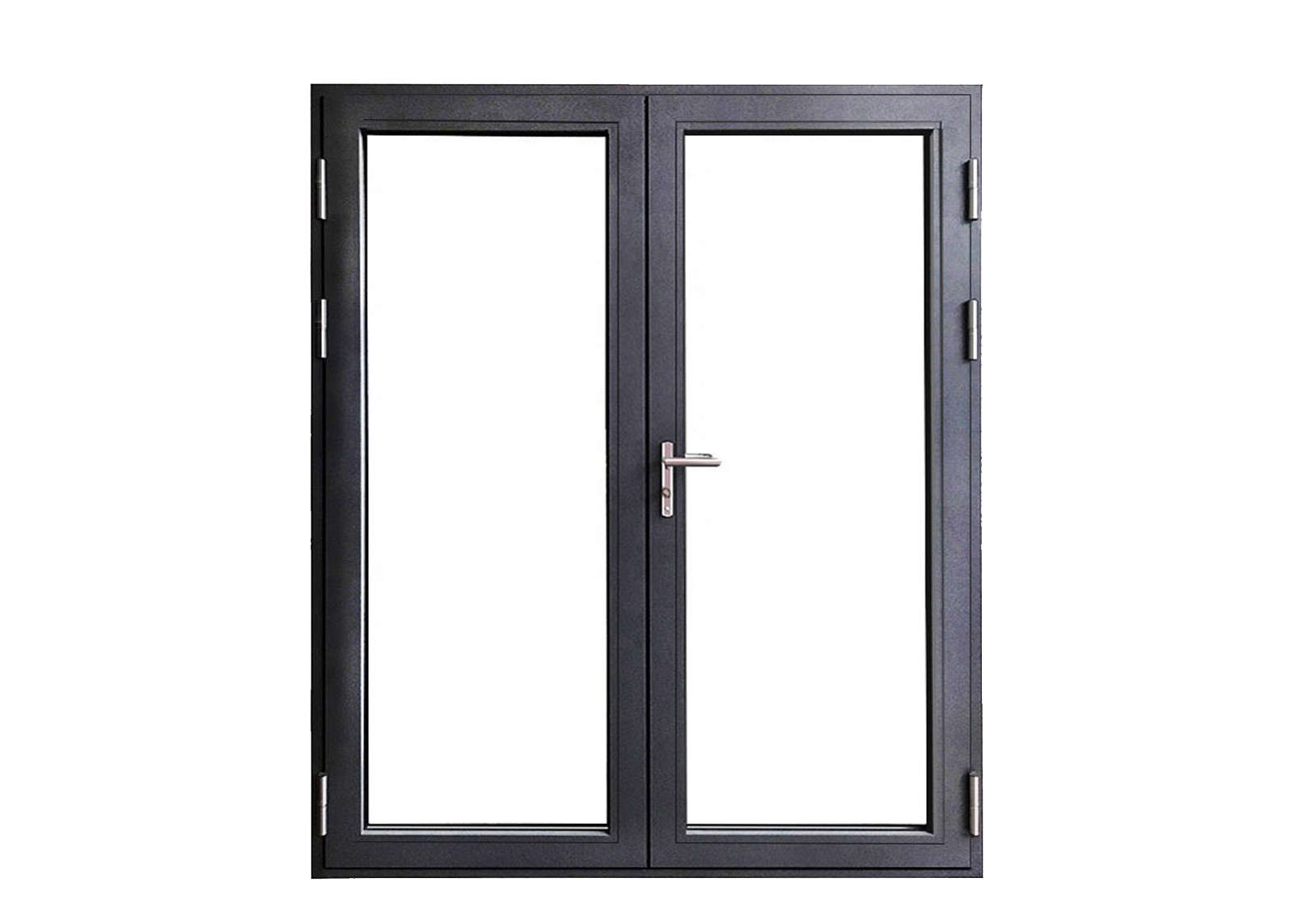
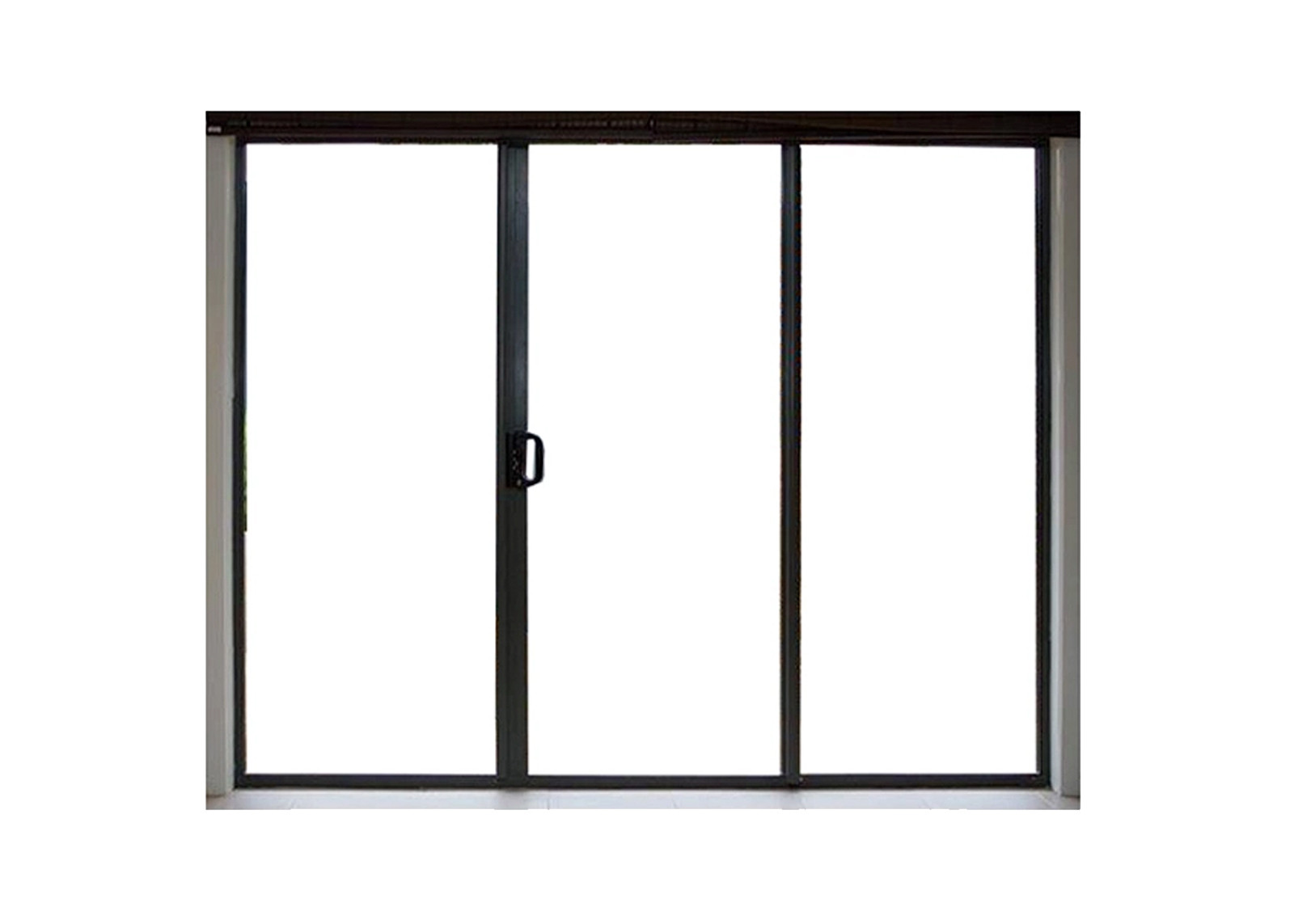
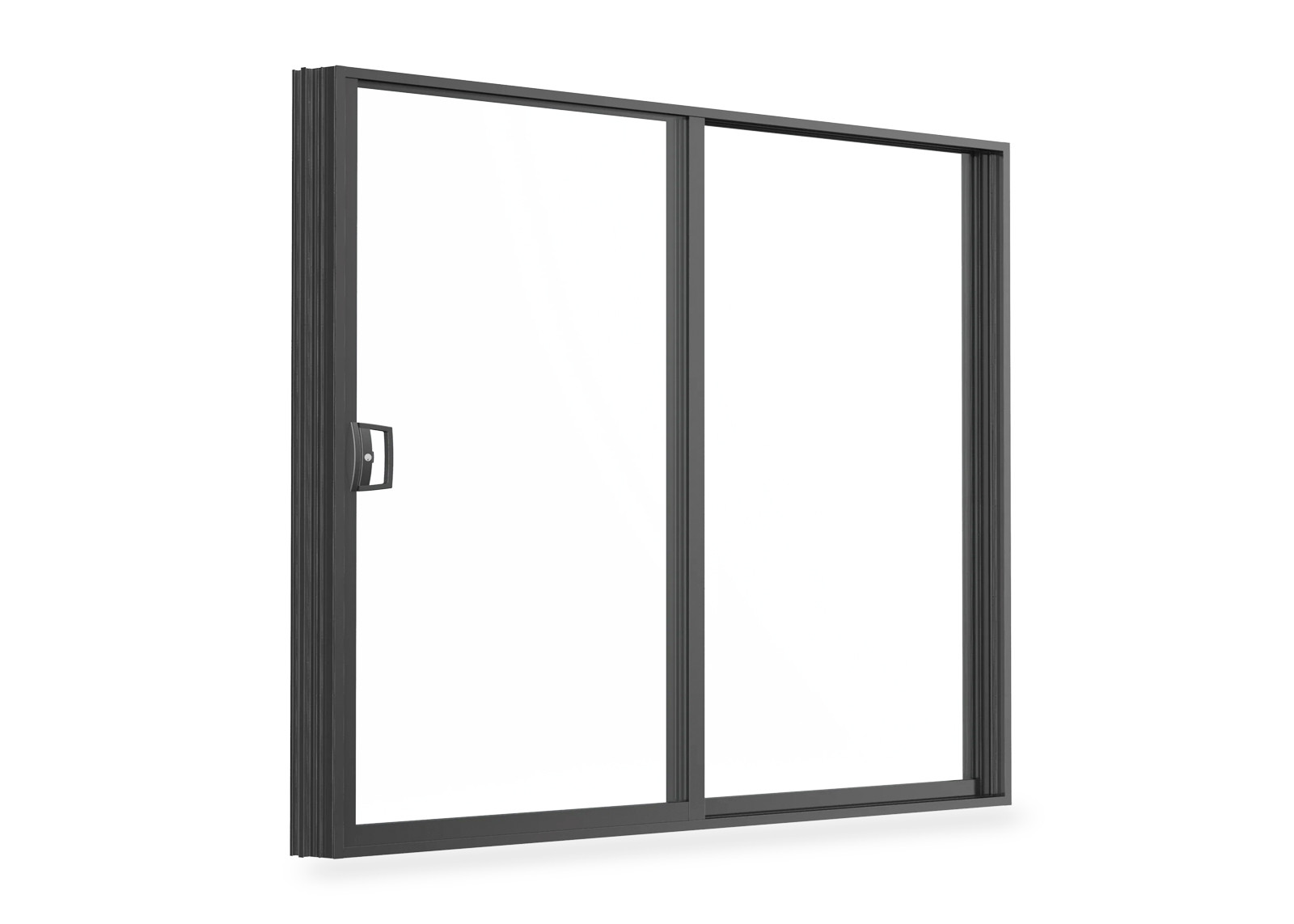

UP TO VERY HIGH WIND ZONE
ROPO AD70 FW
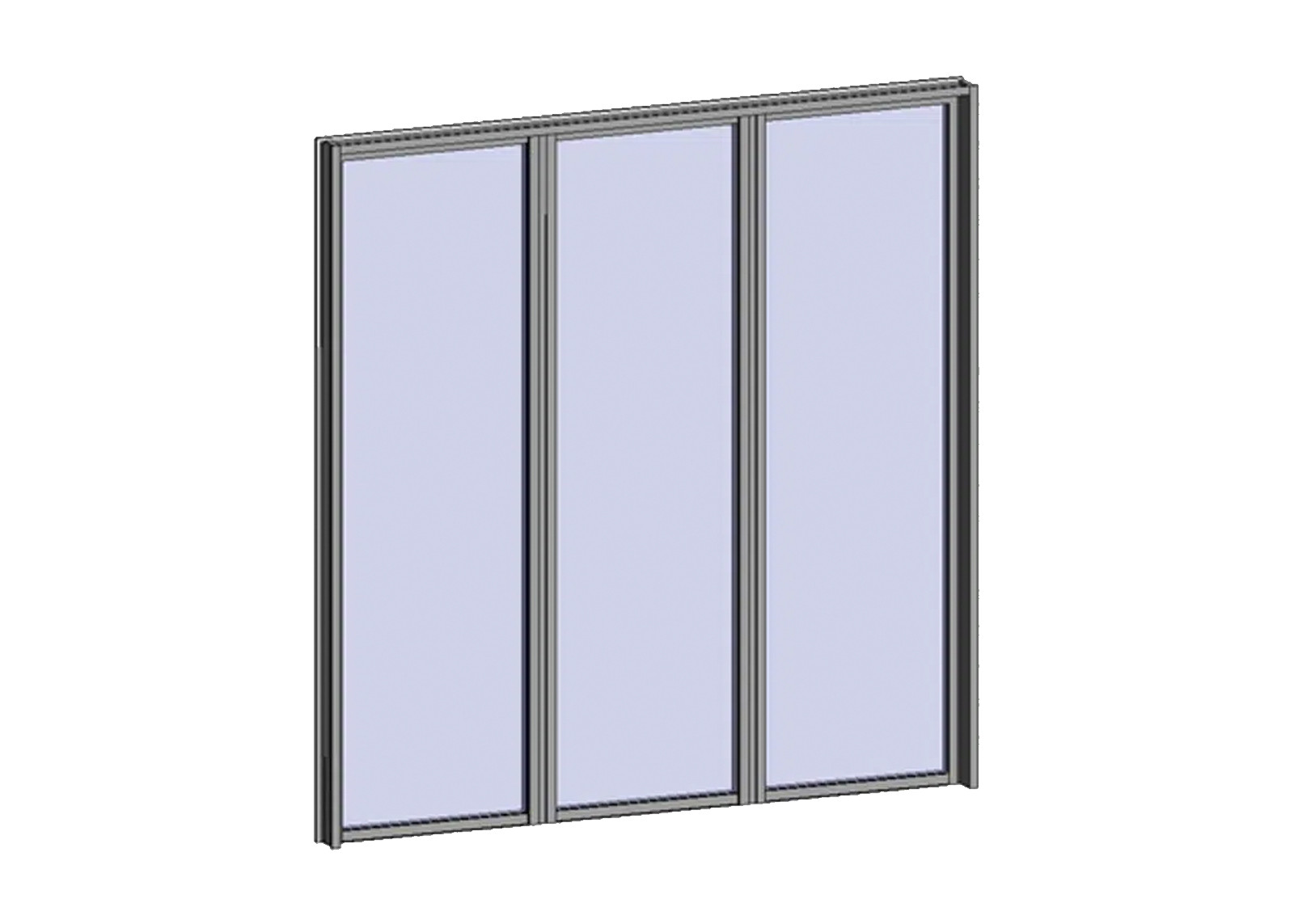
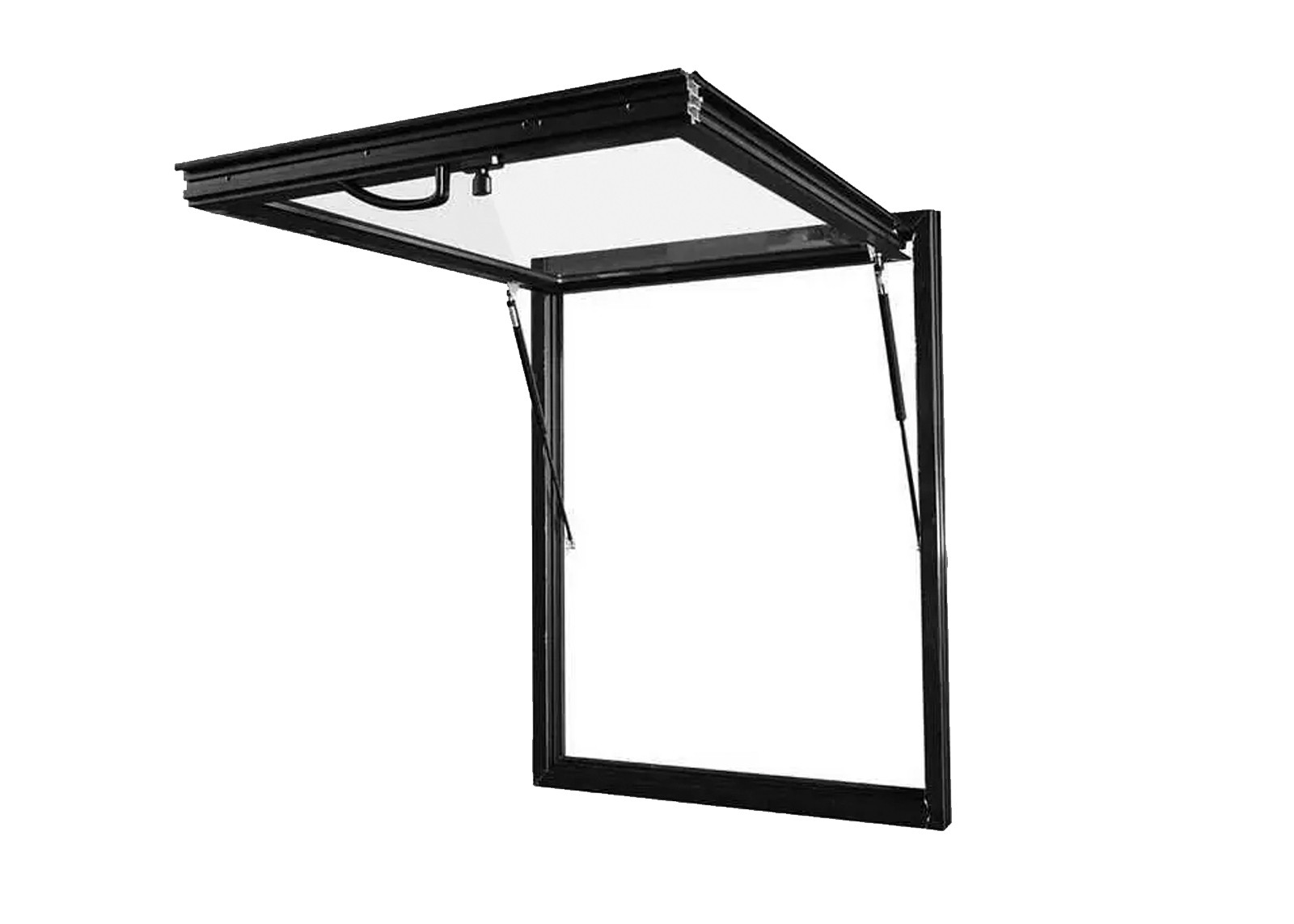
uPVC Fixed Window
Daylight and views through a fixed glazed opening.
View product category ↗
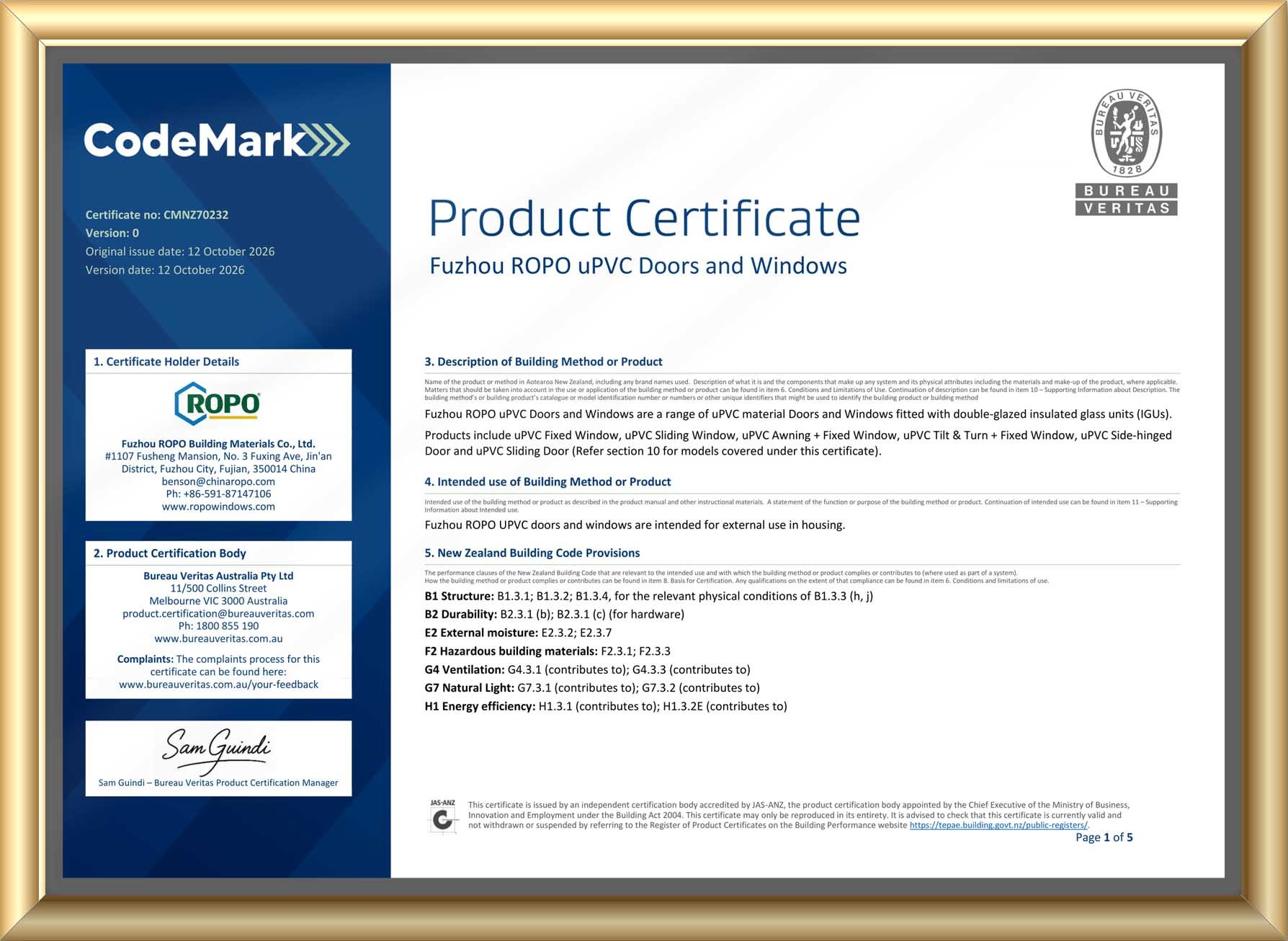
For builders, architects and developers sourcing CodeMark certified uPVC windows and doors in New Zealand, ROPO offers six selected double-glazed systems. Review CMNZ70232, compare wind-zone limits and request the technical information needed for your residential project. Certification applies within the certificate’s scope and conditions.
Request technical documents →CMNZ70232 identifies six double-glazed ROPO uPVC systems for external use in housing. Independent product certification provides a defined basis for reviewing the listed systems against the New Zealand Building Code provisions covered by the certificate.
Use the full certificate alongside the relevant manual, project drawings and performance requirements. Certification applies to the listed products and conditions of use; the wider ROPO catalogue includes products beyond this scope.
Compare uPVC window specifications by certified model, opening type and wind-zone rating. Match your window schedule, proposed sizes and glazing to the complete current certificate before selecting a system for a new build or residential development.
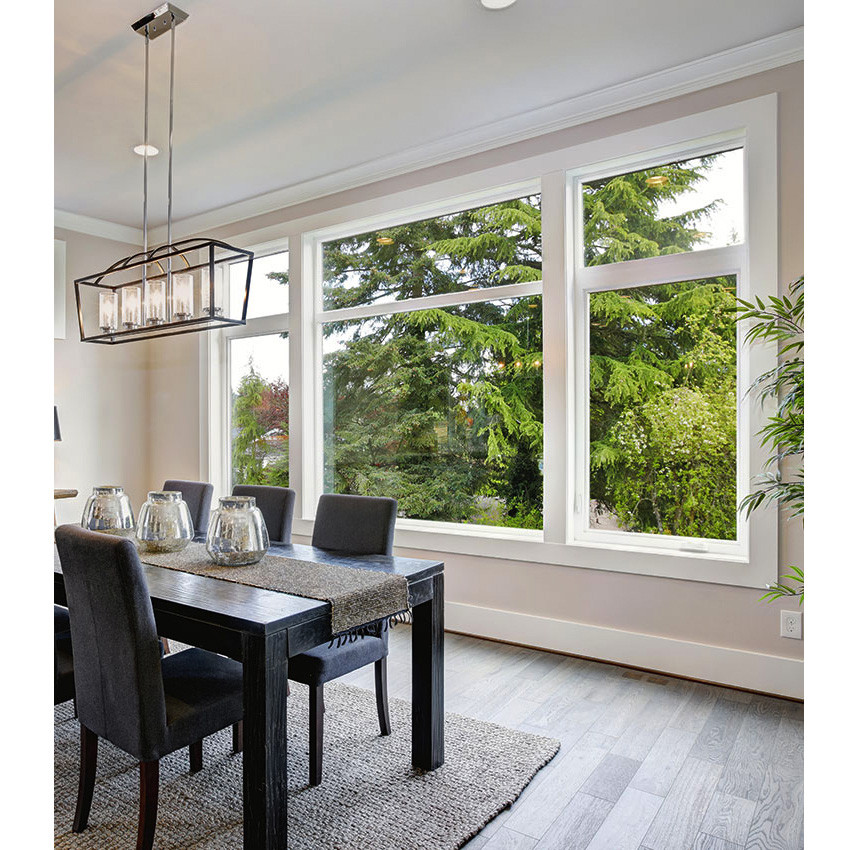
uPVC Fixed Window
Daylight and views through a fixed glazed opening.
View product category ↗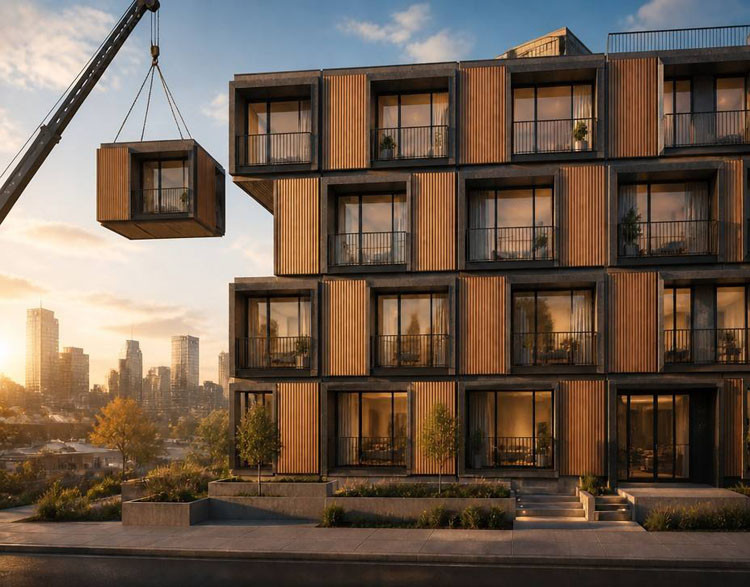
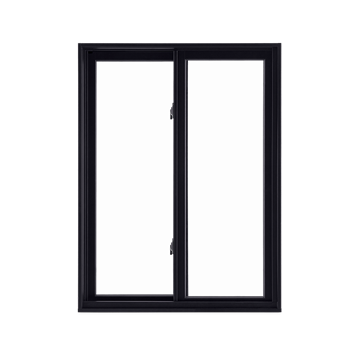
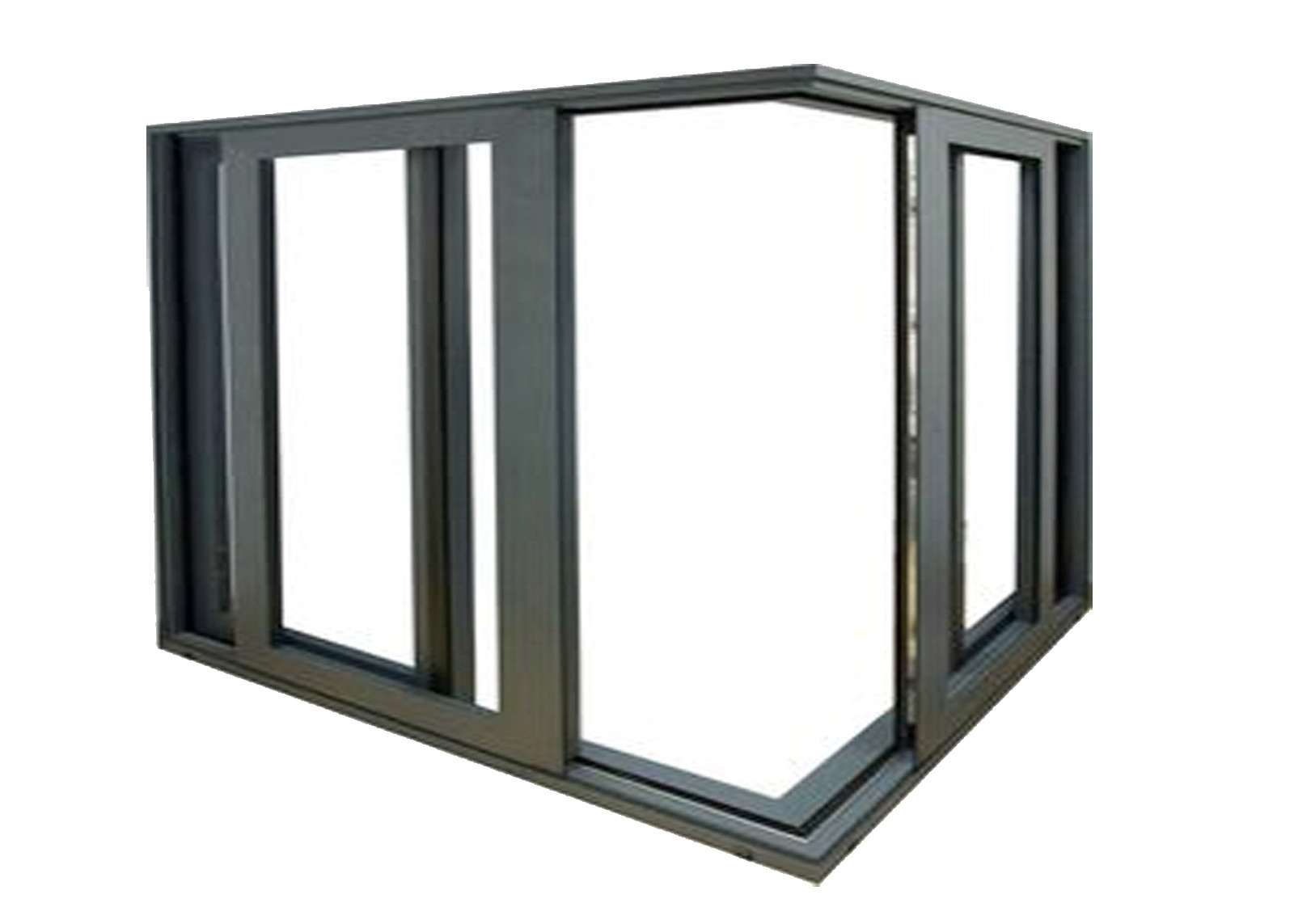
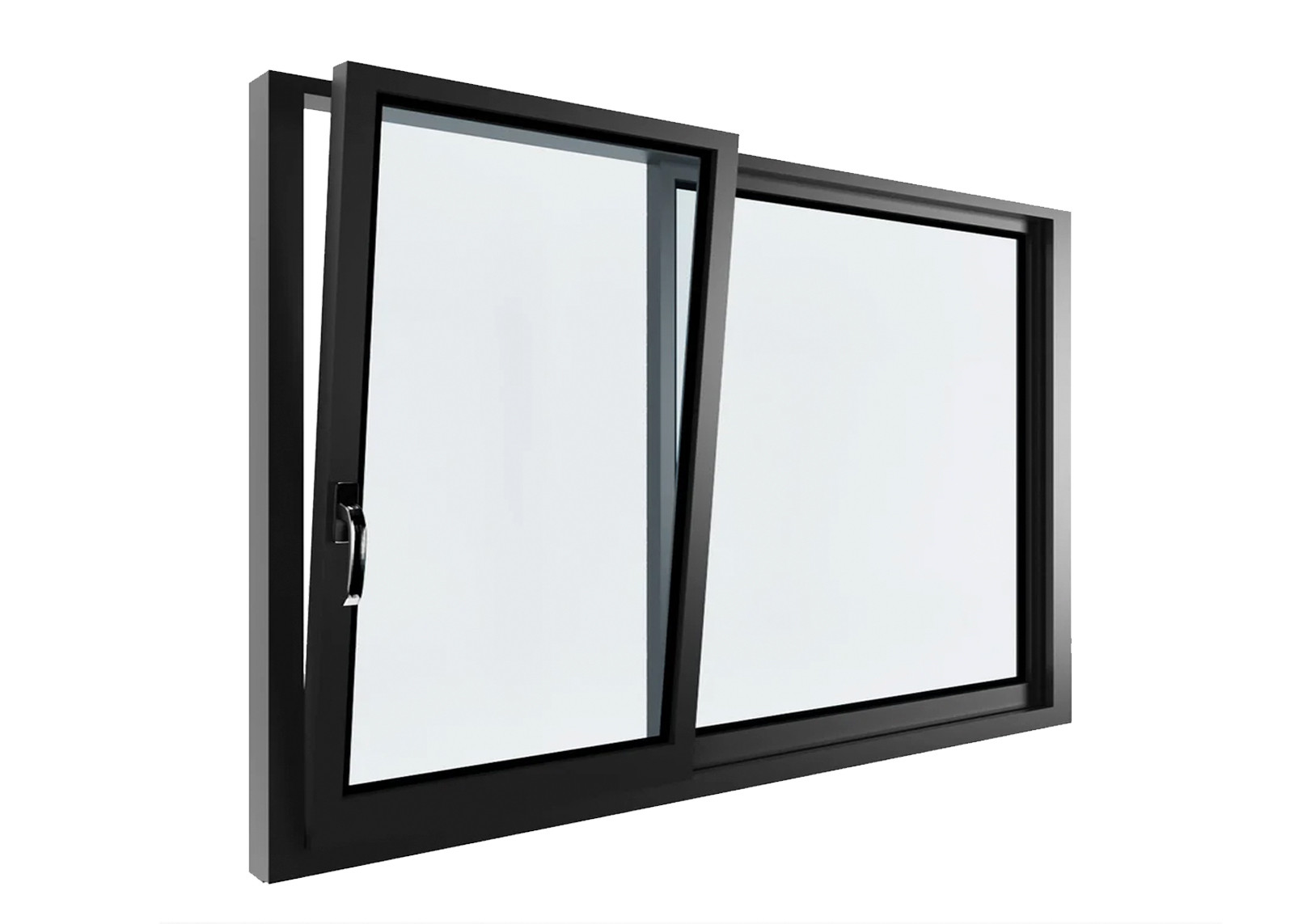
uPVC Sliding Window
Horizontal sliding operation for residential openings.
View product category ↗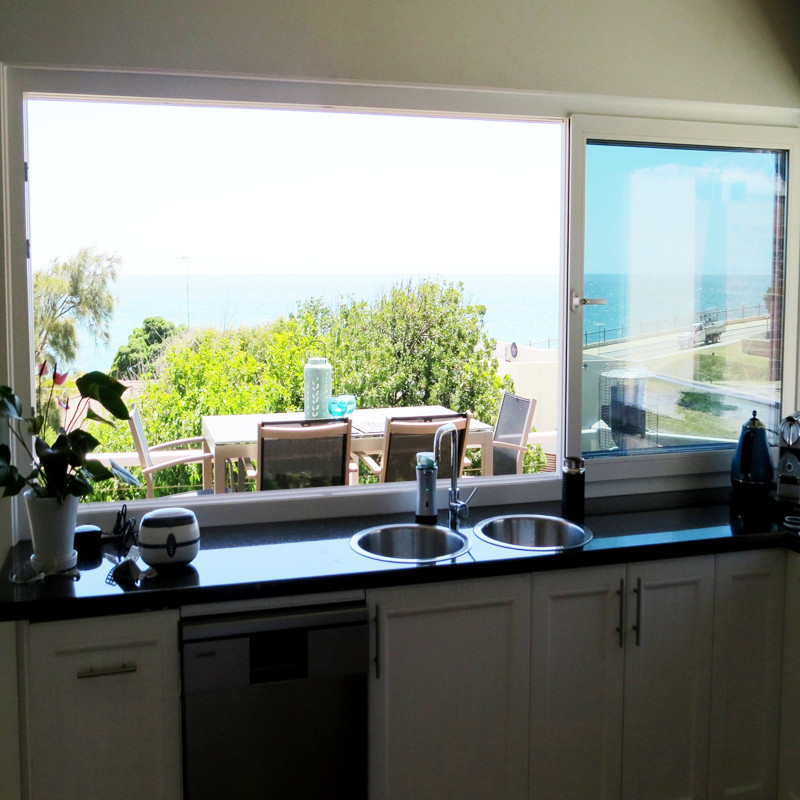
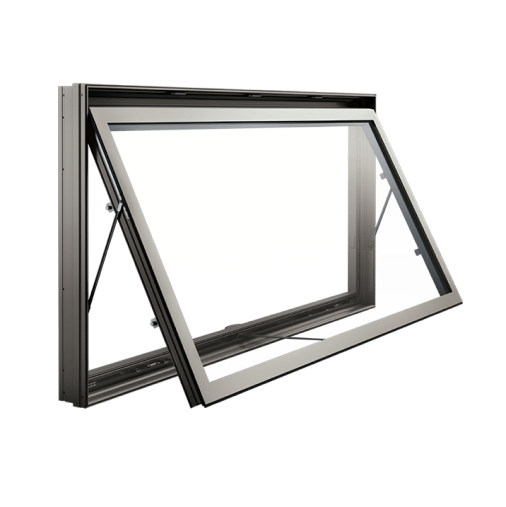
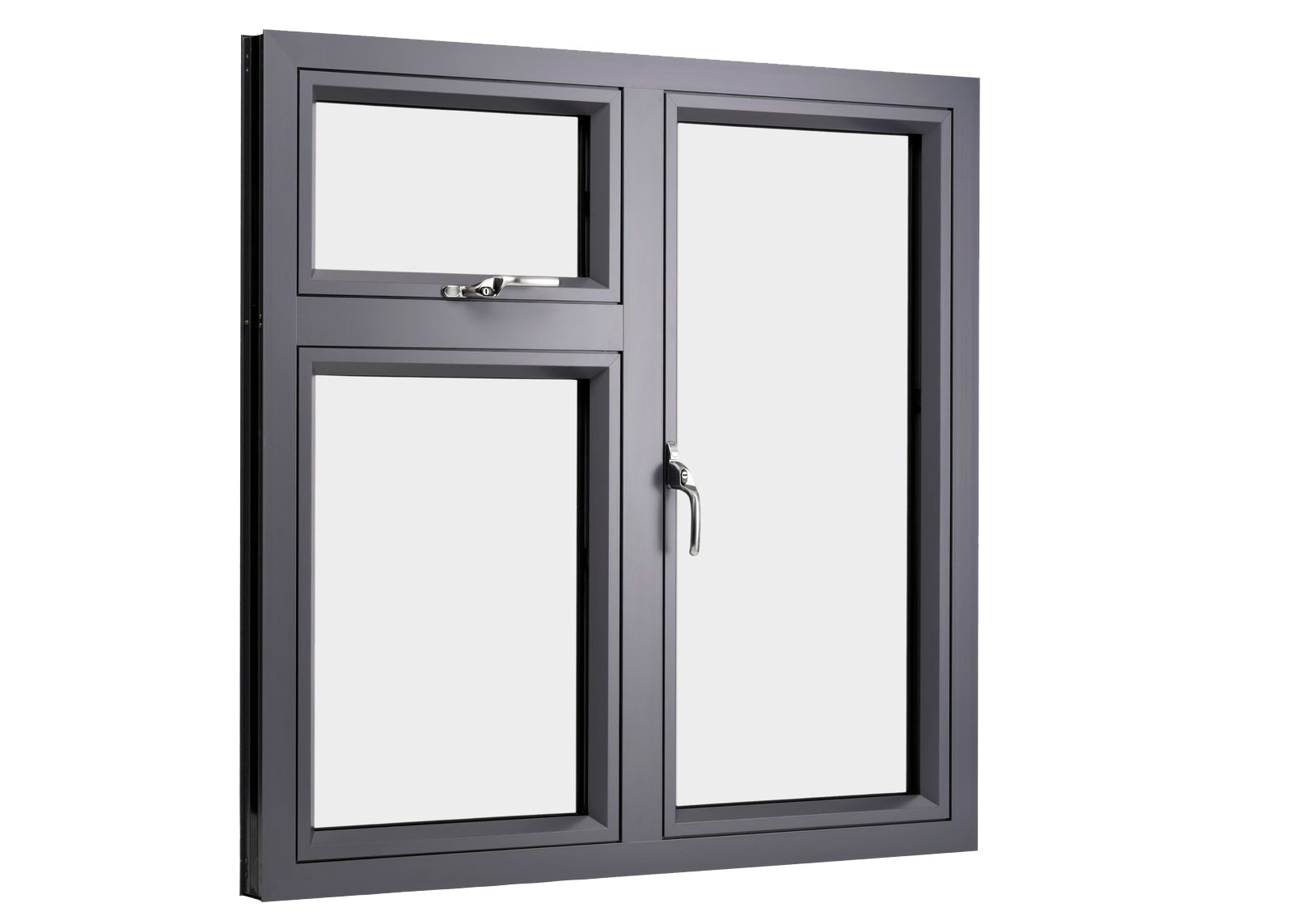
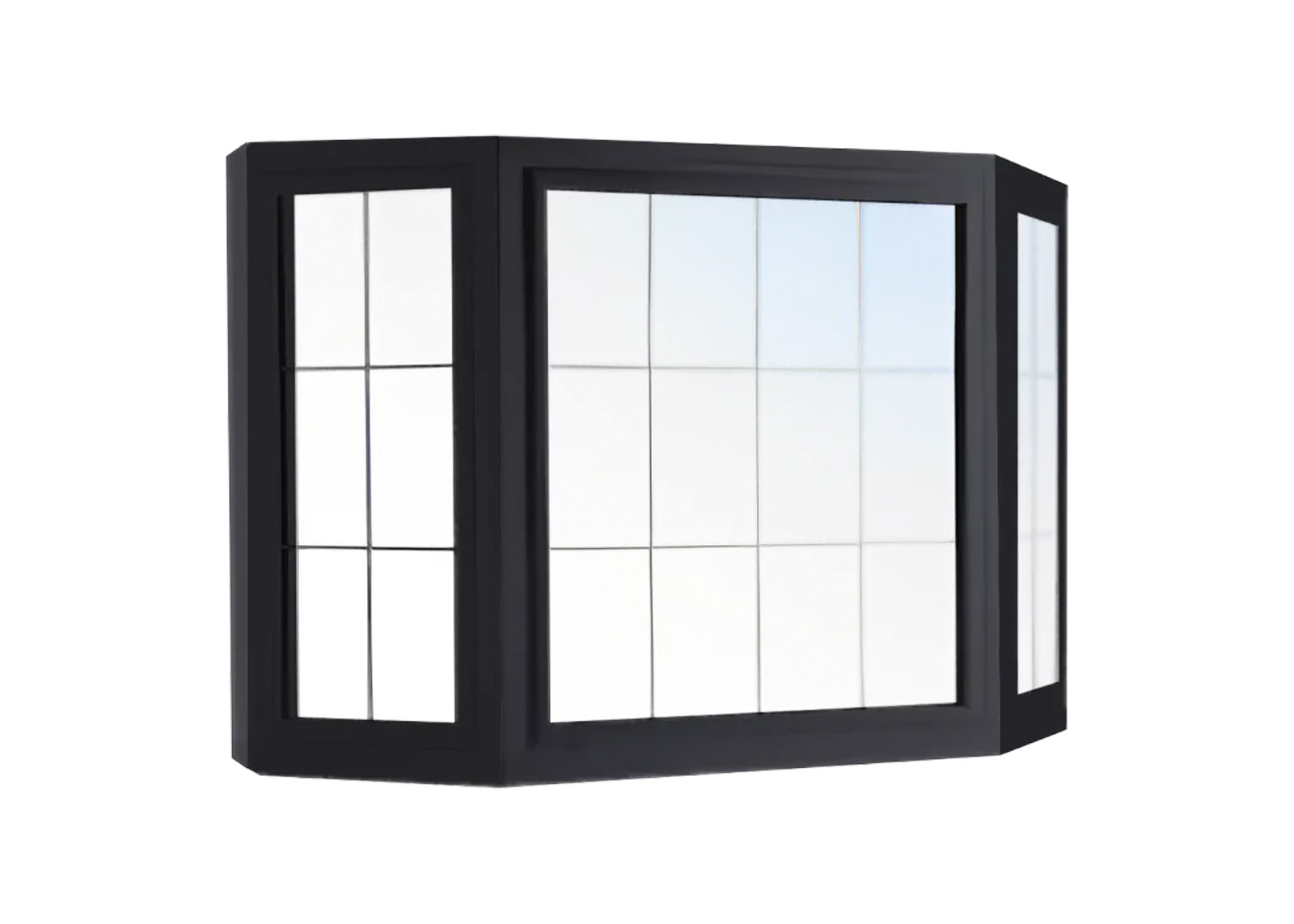
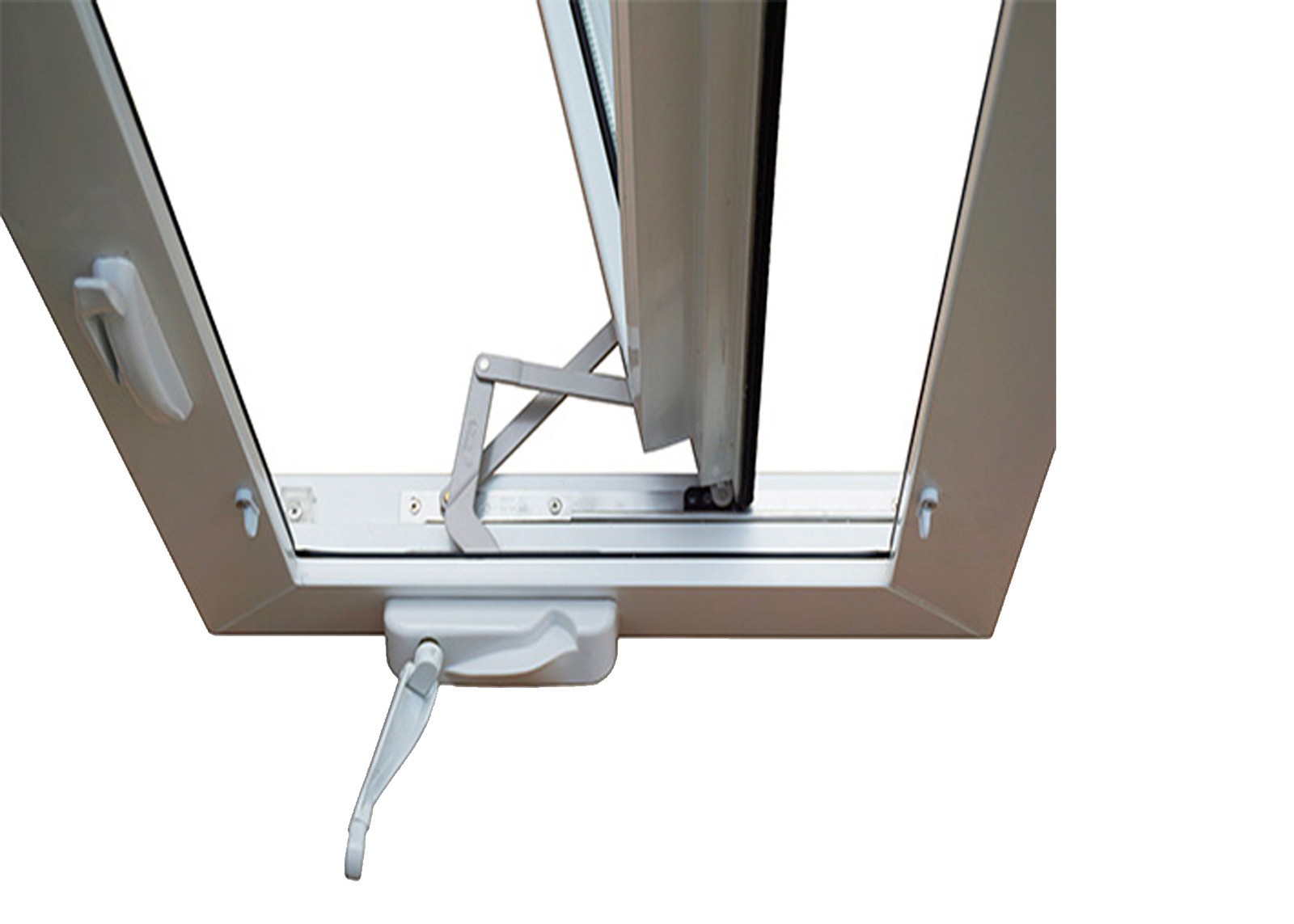
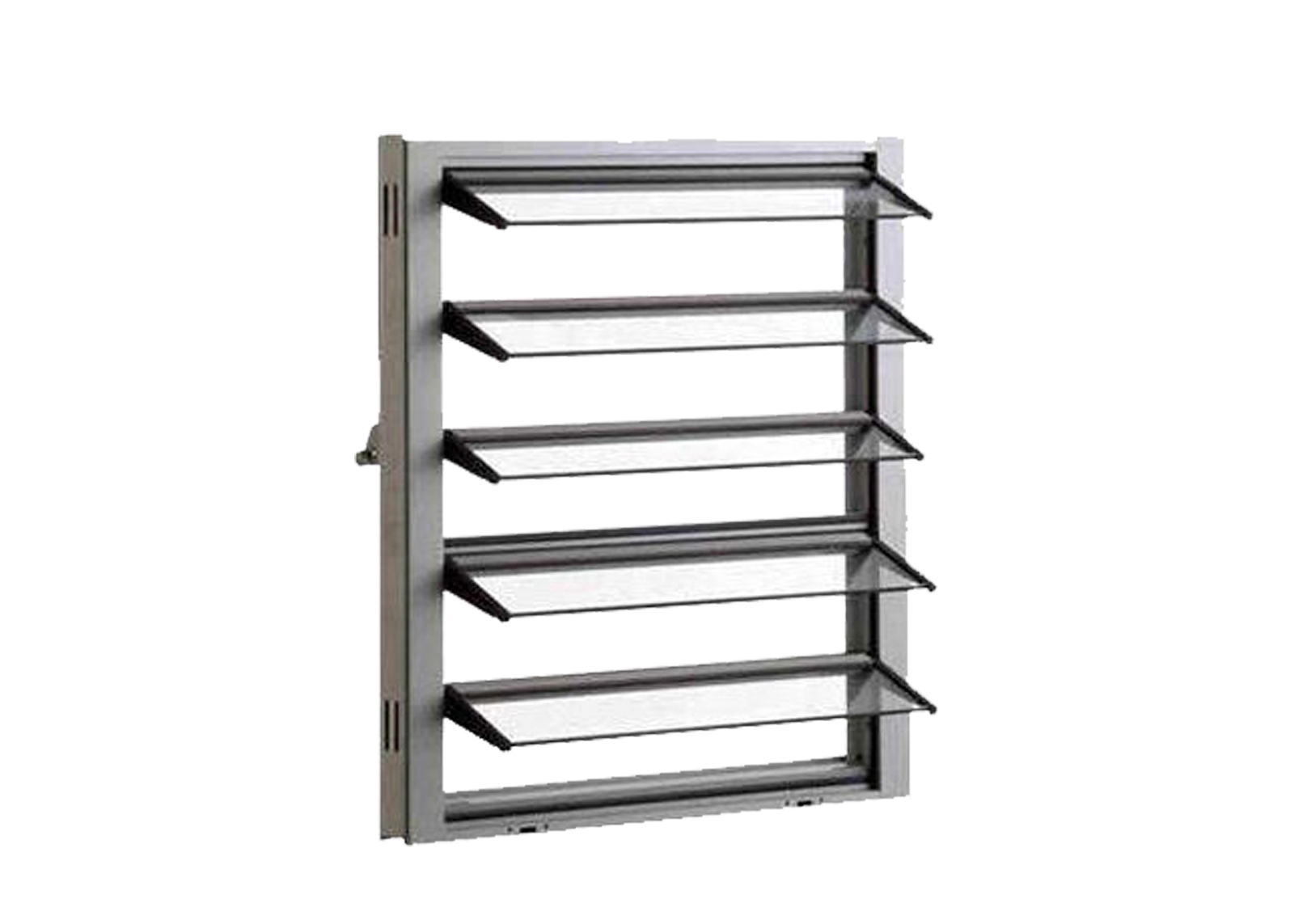
uPVC Awning + Fixed Window
Top-hung ventilation combined with a fixed glazed section.
View product category ↗
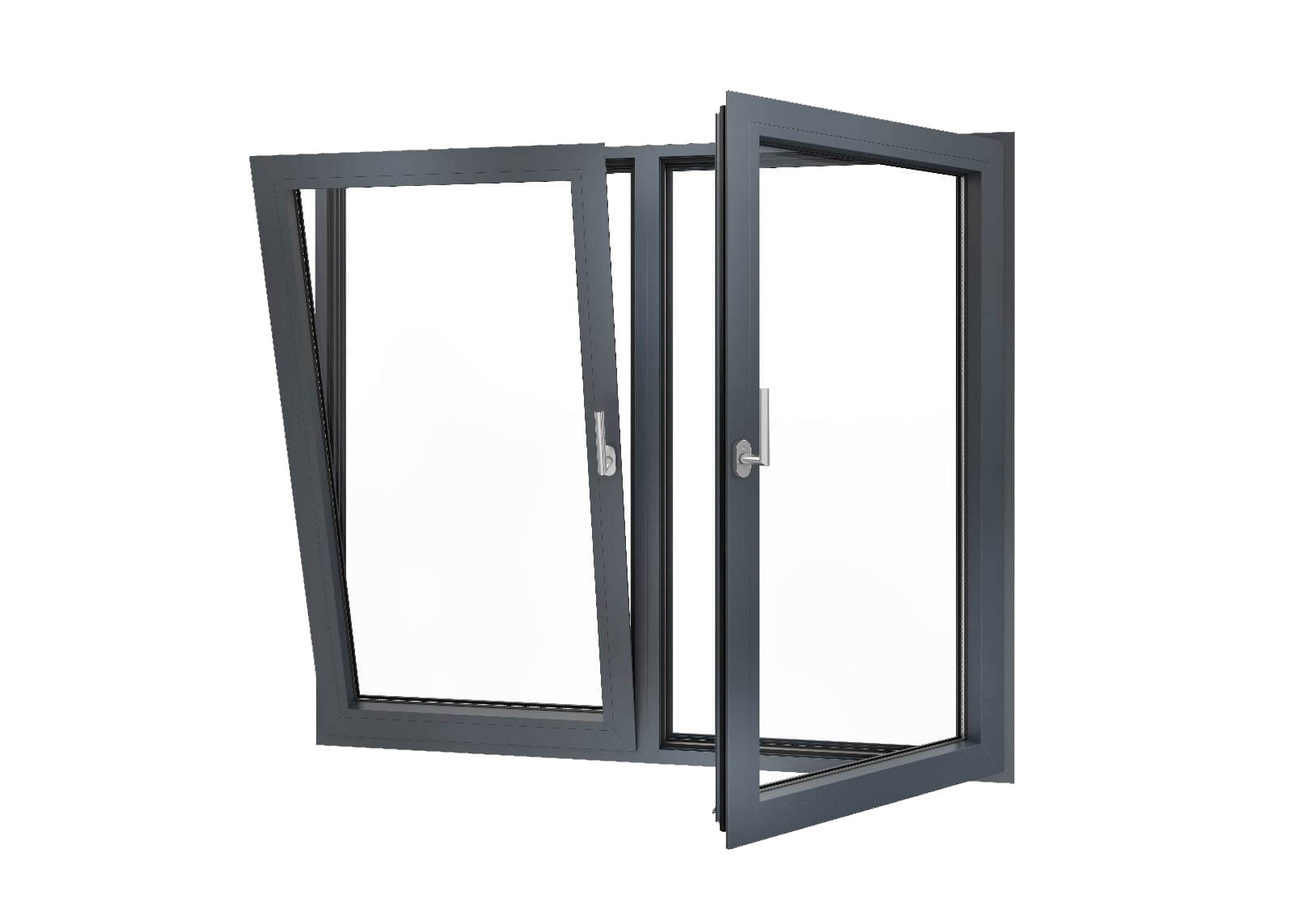
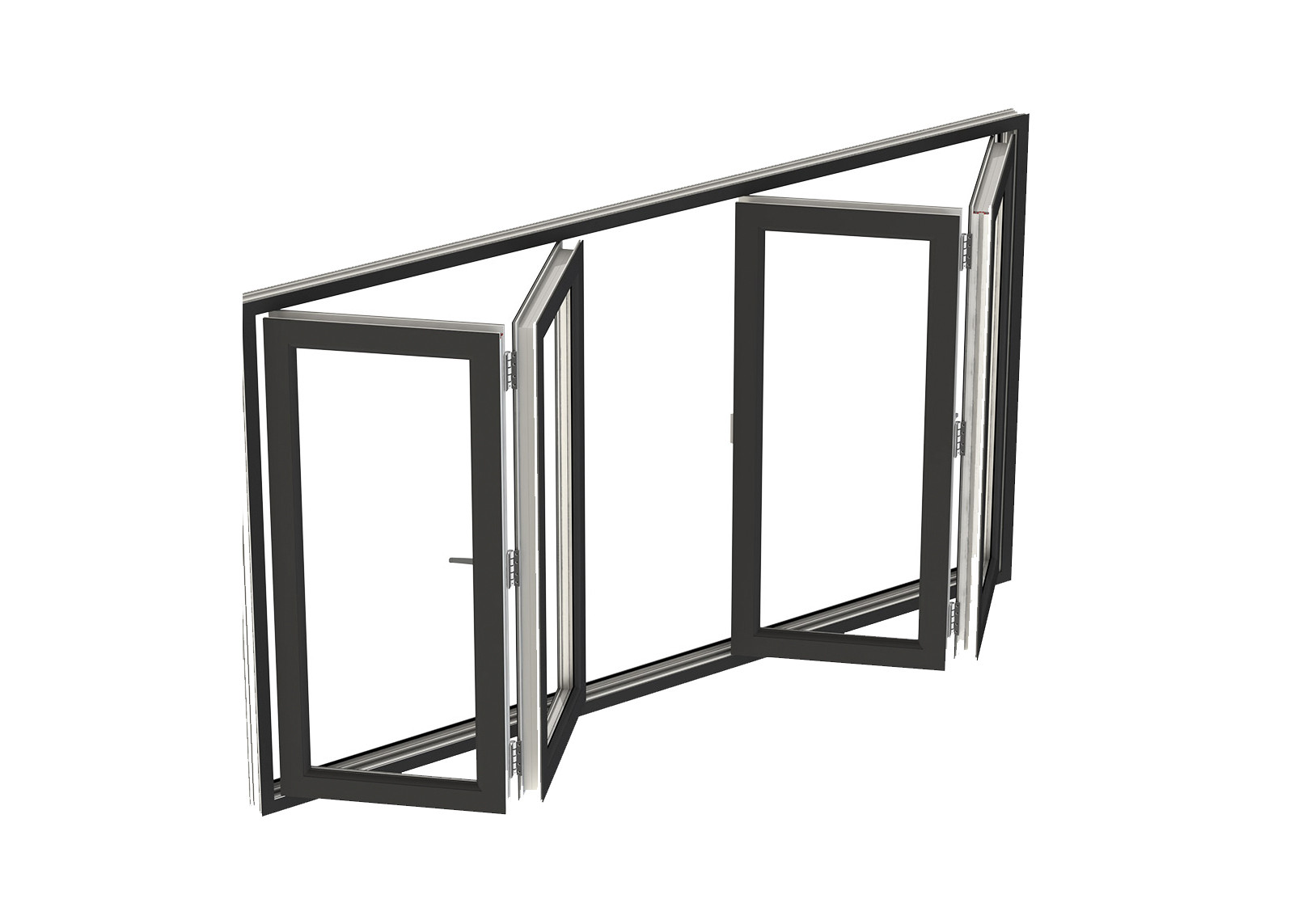
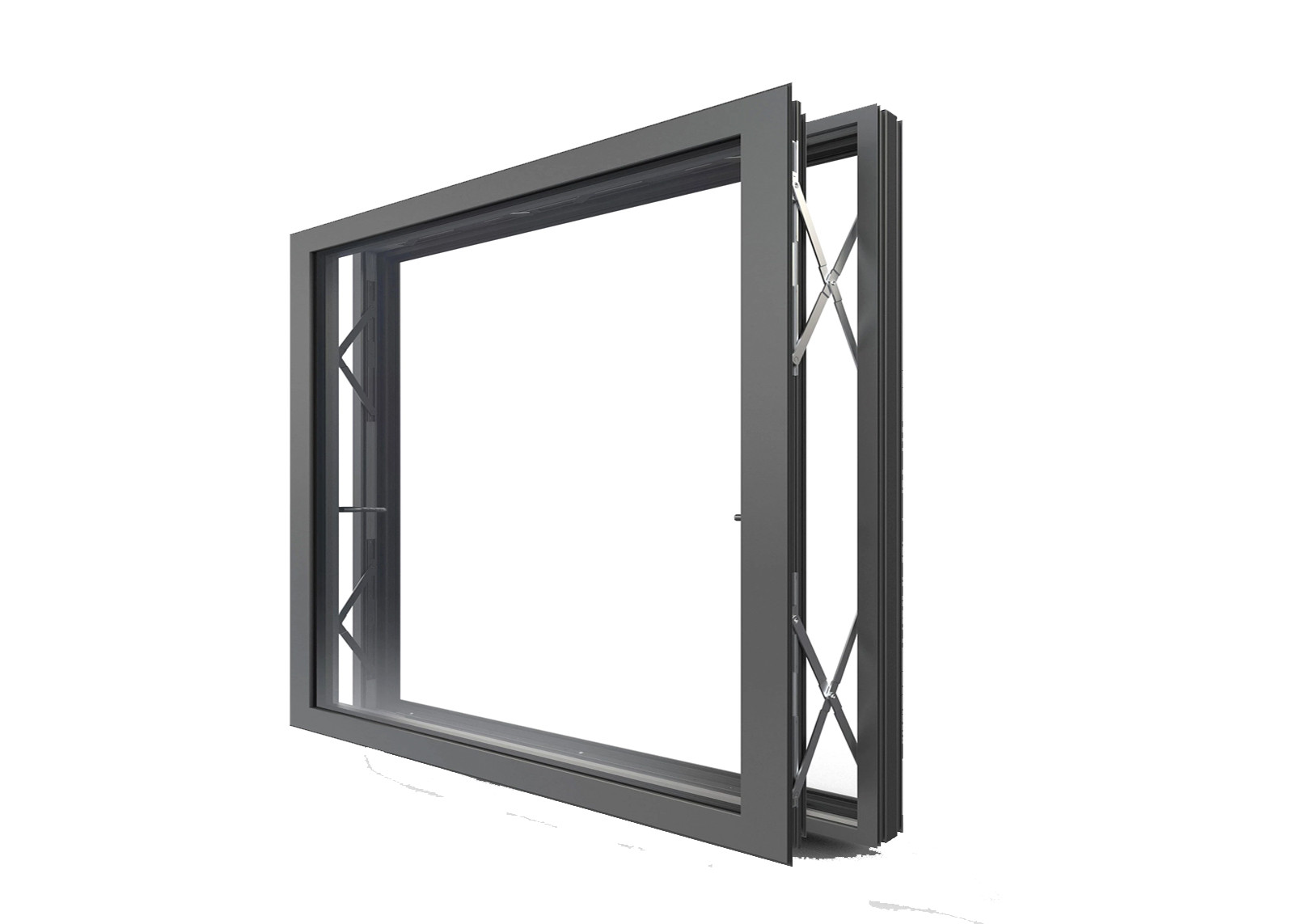
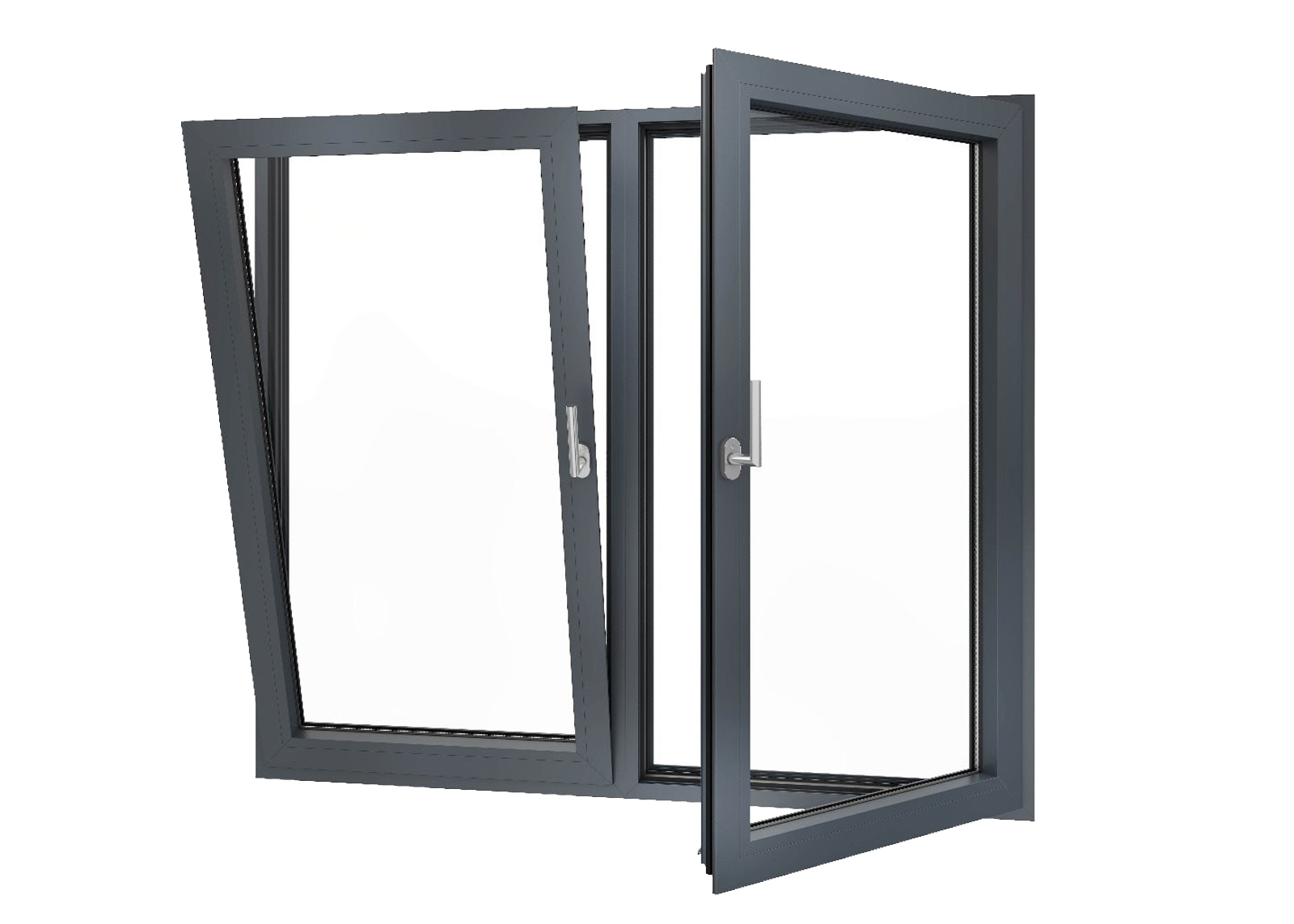
uPVC Tilt & Turn + Fixed Window
Inward tilt-and-turn operation alongside fixed glazing.
View product category ↗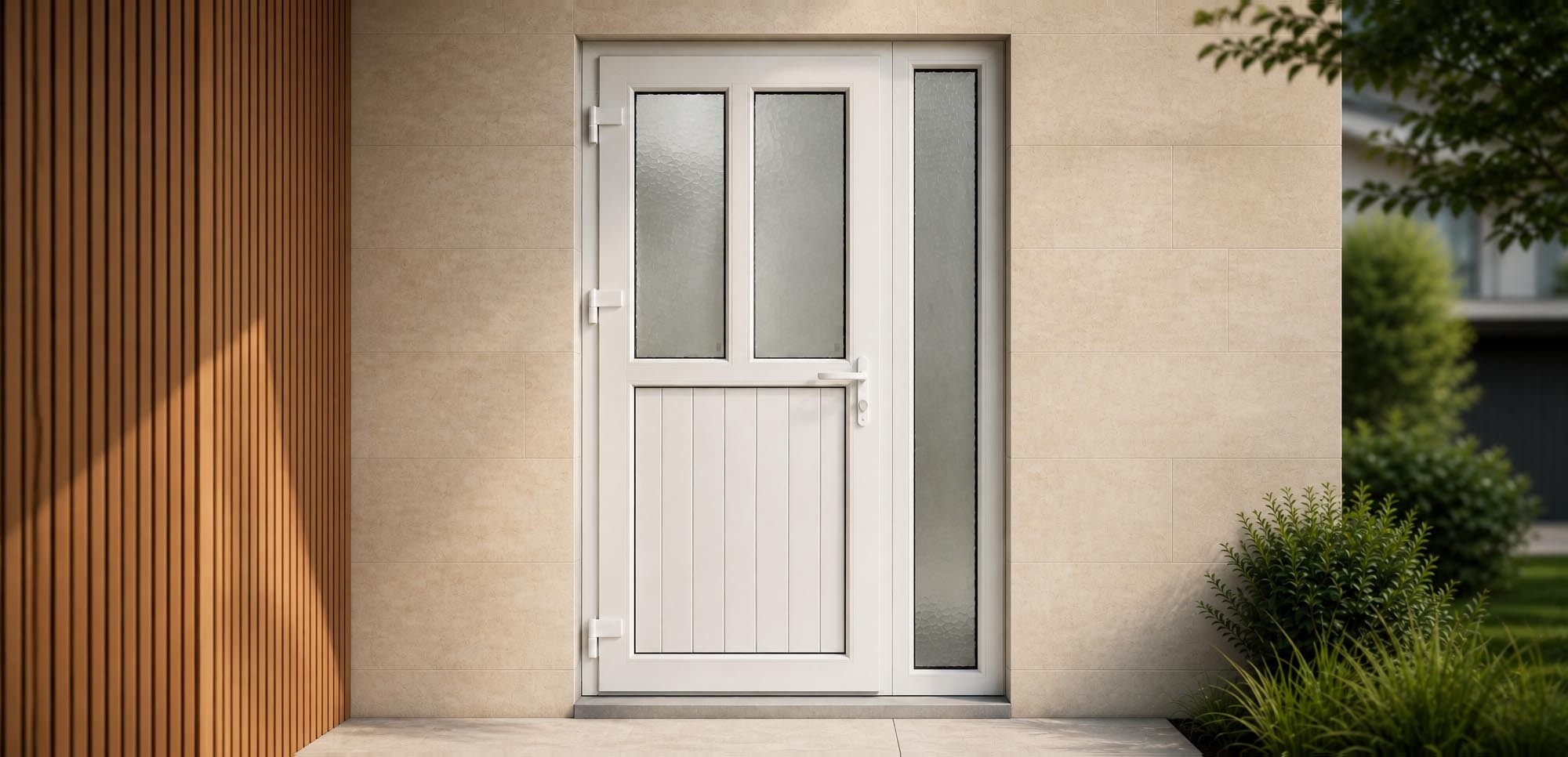
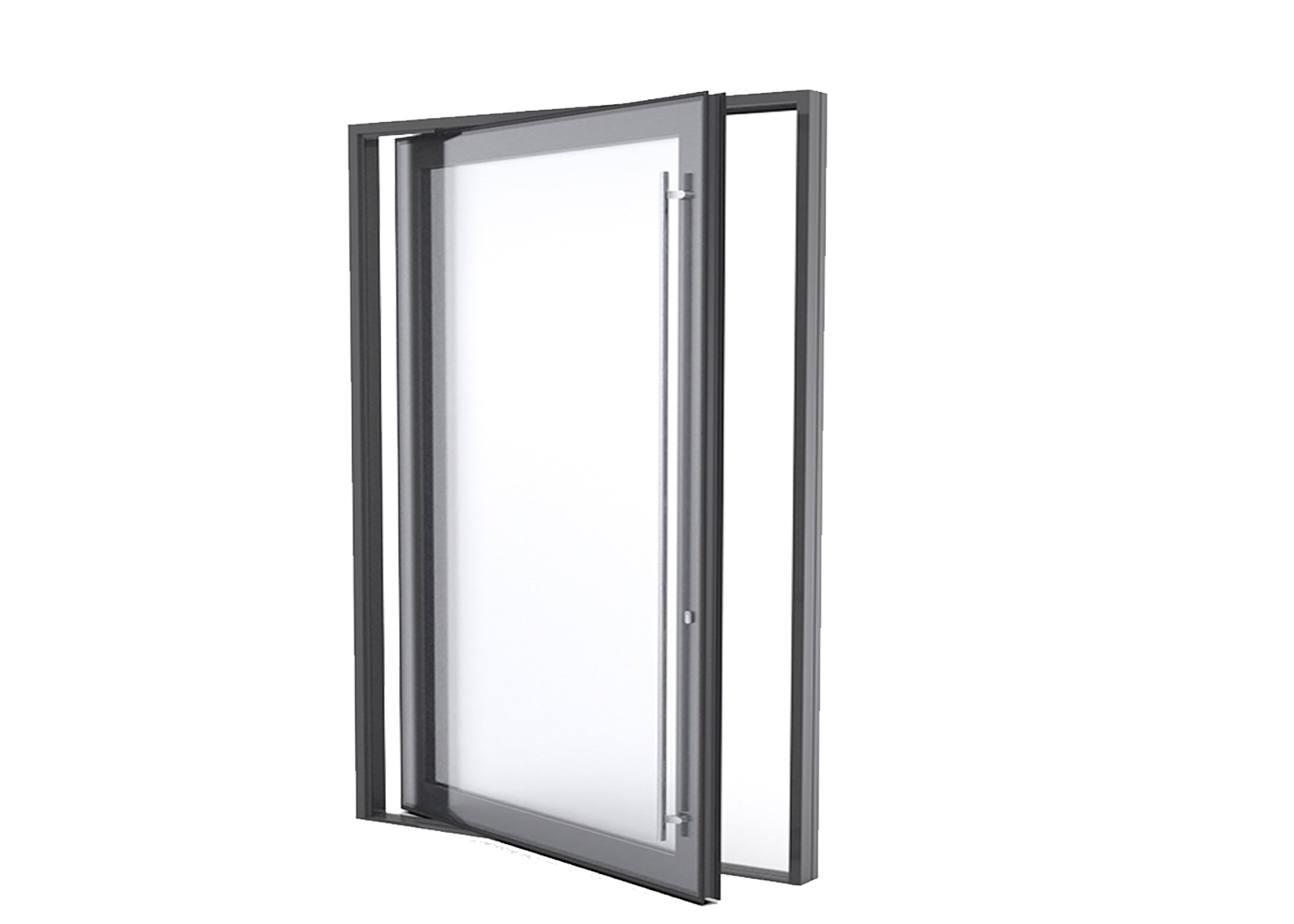
uPVC Side-Hinged Door
Hinged access within the certified residential application.
View product category ↗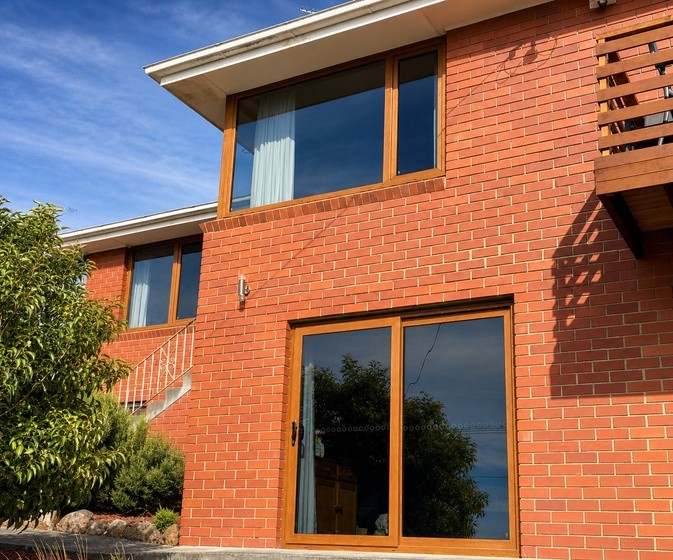
uPVC Sliding Door
Sliding access between interior and exterior spaces.
View product category ↗| Certified model | Product type | Maximum wind zone* |
|---|---|---|
| ROPO AD70 FW | Fixed Window | Very High |
| ROPO SS70 SW | Sliding Window | Very High |
| ROPO AD70 AW | Awning + Fixed Window | Extra High |
| ROPO AD70 TT | Tilt & Turn + Fixed Window | Extra High |
| ROPO AD70 HD | Side-Hinged Door | Extra High |
| ROPO SS90 SL | Sliding Door | Extra High |
* NZS 3604:2011 wind-zone classification. This schedule follows the CMNZ70232 information in the agreed page planning record; the complete current certificate controls. Illustrations explain opening types and are not fabrication drawings or evidence of a specific certified configuration.
Specifying uPVC windows for an Extra High Wind Zone? Check the individual model limit above alongside the certified dimensions and configuration. A system’s maximum wind-zone rating must be assessed for the actual opening and installation.
Review NZBC compliance at building, opening and complete-assembly level. Architects and specifiers should assess wind-zone ratings, installation interfaces and H1 window requirements using the certificate’s precise clause references and conditions.
Use the model-specific limit alongside the site design requirements. Maximum wind-zone ratings do not apply to every possible size or configuration.
Coordinate the assembly with the wall. E2/AS1 cladding and junction conditions, flashings, drainage and installation details form part of the review.
Double-glazed insulated glass units contribute to envelope performance. Project H1 compliance requires the applicable calculation or modelling assessment.
View the certificate without a form. Request a project specification pack when you need model-specific information or installation coordination.
Review the complete scope, conditions, referenced documents and current status.
Official certificate record ↗The planning record cites Version 5.0, dated 05 February 2025. Request the edition referenced by the current certificate.
Request applicable manual ↗Compare the six model identifiers, opening types and wind-zone limits.
Download schedule (CSV) ↗Request model-specific dimensions, double-glazing details, hardware and configuration information for your project specification.
Request system data ↗Coordinate head, jamb, sill, fixing, drainage and cladding interfaces. Ask which PDF or CAD installation drawings are available for the selected system.
Request project details ↗Send opening references, sizes, quantities and performance requirements to discuss system selection and a project quotation.
Prepare project enquiry ↗Request the manual edition and drawings applicable to the current certificate and selected system. The downloadable schedule is a selection aid.
When evaluating a CodeMark uPVC window supplier in New Zealand, start with the certified product scope and the information needed for your project. ROPO works with builders, architects, residential developers and distributors to coordinate system selection, drawings and supply specifications.
Review six clearly identified models and their application limits.
Source uPVC windows for new builds and townhouse developments by matching each opening reference to a suitable system, subject to the certificate’s housing scope.
Discuss glass choices and the evidence needed for thermal design.
Coordinate quantities, drawings, approvals and production with ROPO.
Discuss protection, labels, destination and agreed delivery terms.
Coordinate uPVC window specifications and installation details with the designer and local installer before finalising the proposed assembly.
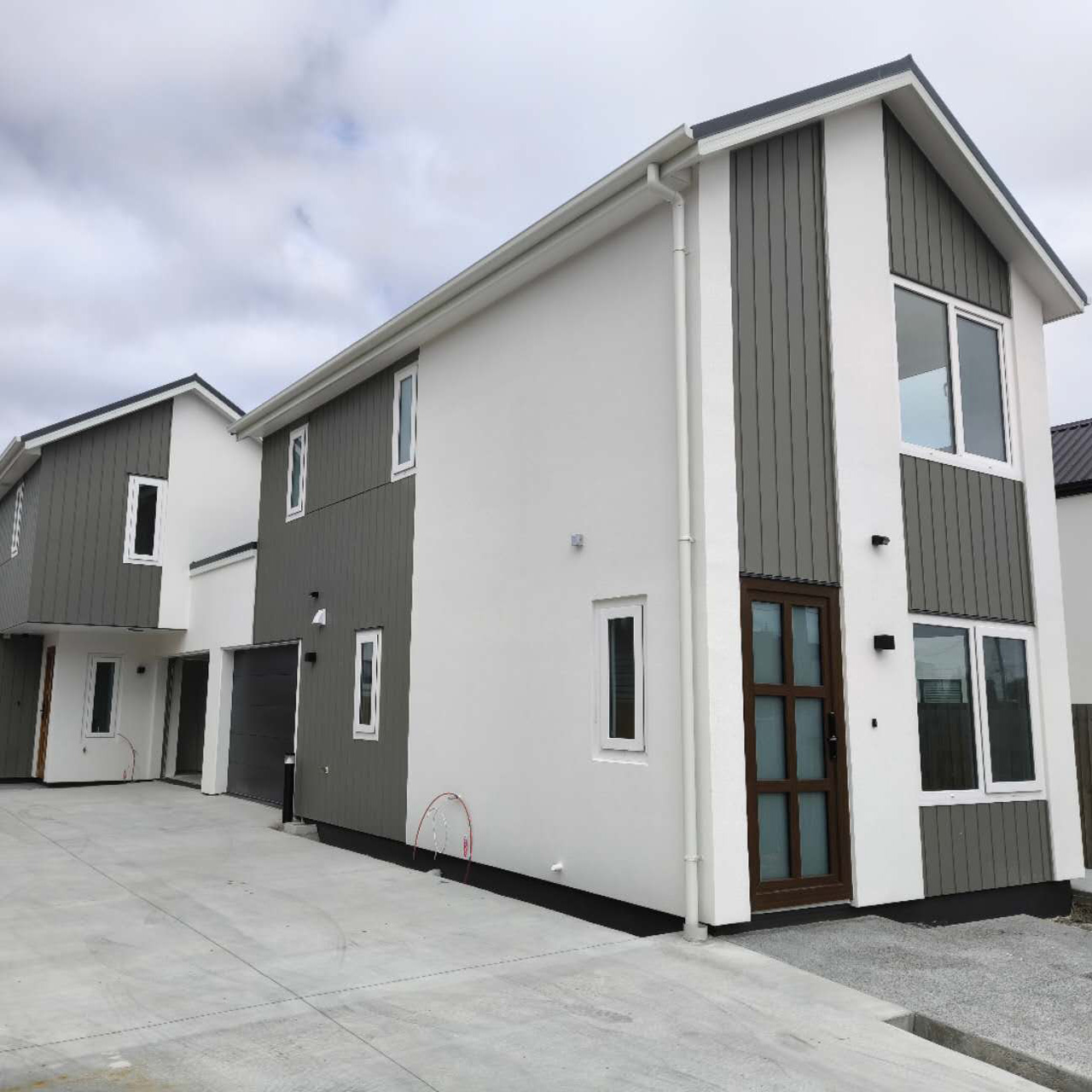
Explore ROPO’s published townhouse project for residential applications in context. Ask ROPO to identify the specific models relevant to your project.
Project imagery is a reference only; it does not establish that every pictured configuration is covered by CMNZ70232.
View published project ↗CodeMark is a voluntary product certification scheme. A current certificate provides evidence that the listed product meets the specified Building Code provisions when used within its scope and conditions.
A Building Consent Authority must accept a current, valid CodeMark certificate as evidence for the provisions it covers when the product is used in accordance with its conditions. The complete building still requires assessment; certification does not guarantee consent.
CMNZ70232 identifies AD70 FW, SS70 SW, AD70 AW, AD70 TT, AD70 HD and SS90 SL. Only the listed models, dimensions, configurations and applications are covered.
The CMNZ70232 schedule in the page planning record lists AD70 AW, AD70 TT, AD70 HD and SS90 SL up to Extra High, and AD70 FW and SS70 SW up to Very High. Confirm the current certificate and exact configuration before selection.
No. H1 compliance must be demonstrated for the project using the specified calculation or modelling methods and applicable requirements. Double glazing alone does not establish whole-building compliance.
Start with the complete current CodeMark certificate, the referenced ROPO uPVC window technical manual, product specifications and installation details. Match these documents to the window schedule. Your designer should identify any additional thermal, ventilation, daylight, glazing and site-specific evidence required for the project.
Send your window schedule or drawings, project location, quantities, wind-zone information and glazing requirements. Indicate that you are seeking a supply-only quotation and identify the intended installer. ROPO can discuss the appropriate certified systems and proposed supply scope; the quotation should confirm the agreed products and services.
Ask for a quotation based on the selected system, sizes, glazing, finish and quantities. Confirm drawing approval, production lead time, packing, delivery destination, freight arrangements and warranty terms. Check which costs and services are included and distinguish production time from transport time.
Request a project quote for CodeMark certified uPVC windows and doors for your New Zealand residential development, new build or renovation. Send your window schedule, drawings, wind-zone information and glazing requirements. Indicate whether you need a supply-only quotation so ROPO can discuss suitable certified systems, the proposed supply scope and technical documentation.
sales@ropowindows.com
Official ROPO contact & upload form ↗

+86 591-87147106