







Energy Efficient Windows & Doors Solutions for Building Projects
High-performance thermally broken aluminum and multi-chamber uPVC window and door systems, customized to meet your project's energy efficiency, structural performance, architectural and compliance requirements.
ROPO works with builders, developers, architects, glazing contractors and distributors to deliver energy-efficient window and door packages, from system selection and technical specification to manufacturing and export delivery.
- Thermal break aluminum & uPVC systems
- Double & triple glazing options
- Project-specific performance documentation
- Factory-direct custom manufacturing
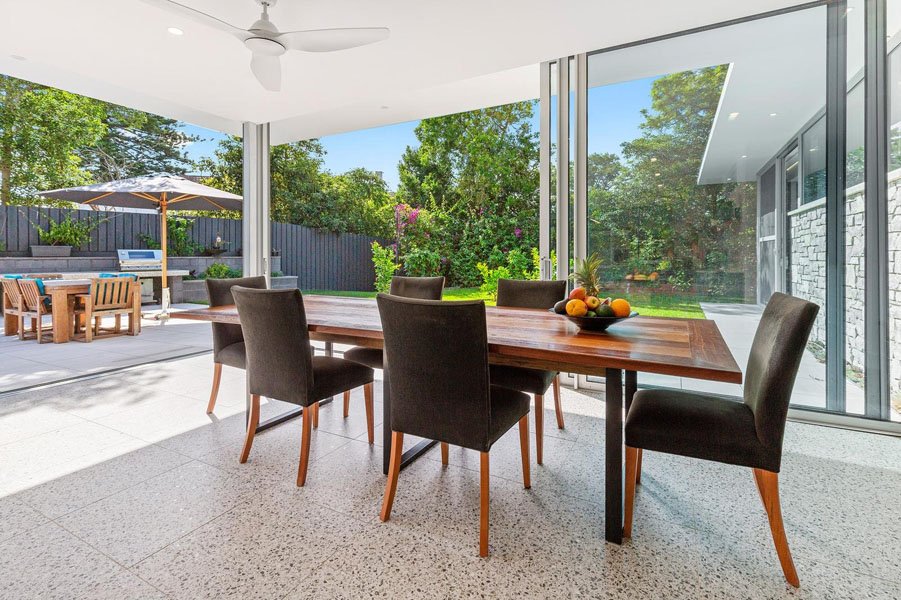
What Makes Windows and Doors Energy Efficient?
Energy-efficient windows and doors reduce unwanted heat transfer through a combination of insulated frame systems, high-performance glazing, thermally efficient spacers and effective sealing. The overall performance depends on the complete window or door assembly, rather than any single component.
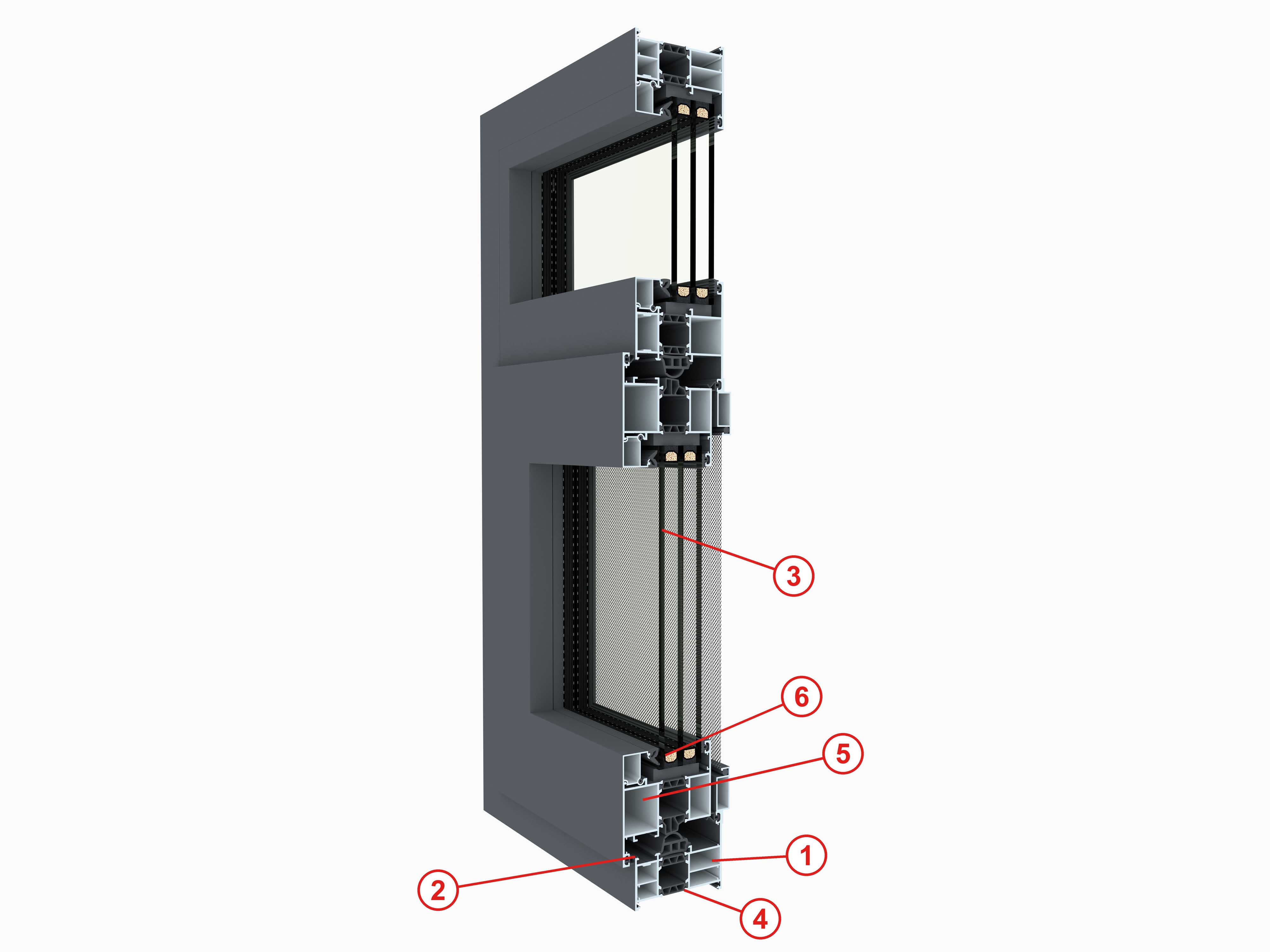 01
Insulated frame systems
Thermally broken aluminum uses insulating strips to reduce heat transfer; multi-chamber uPVC relies on low-conductivity material and chamber design.
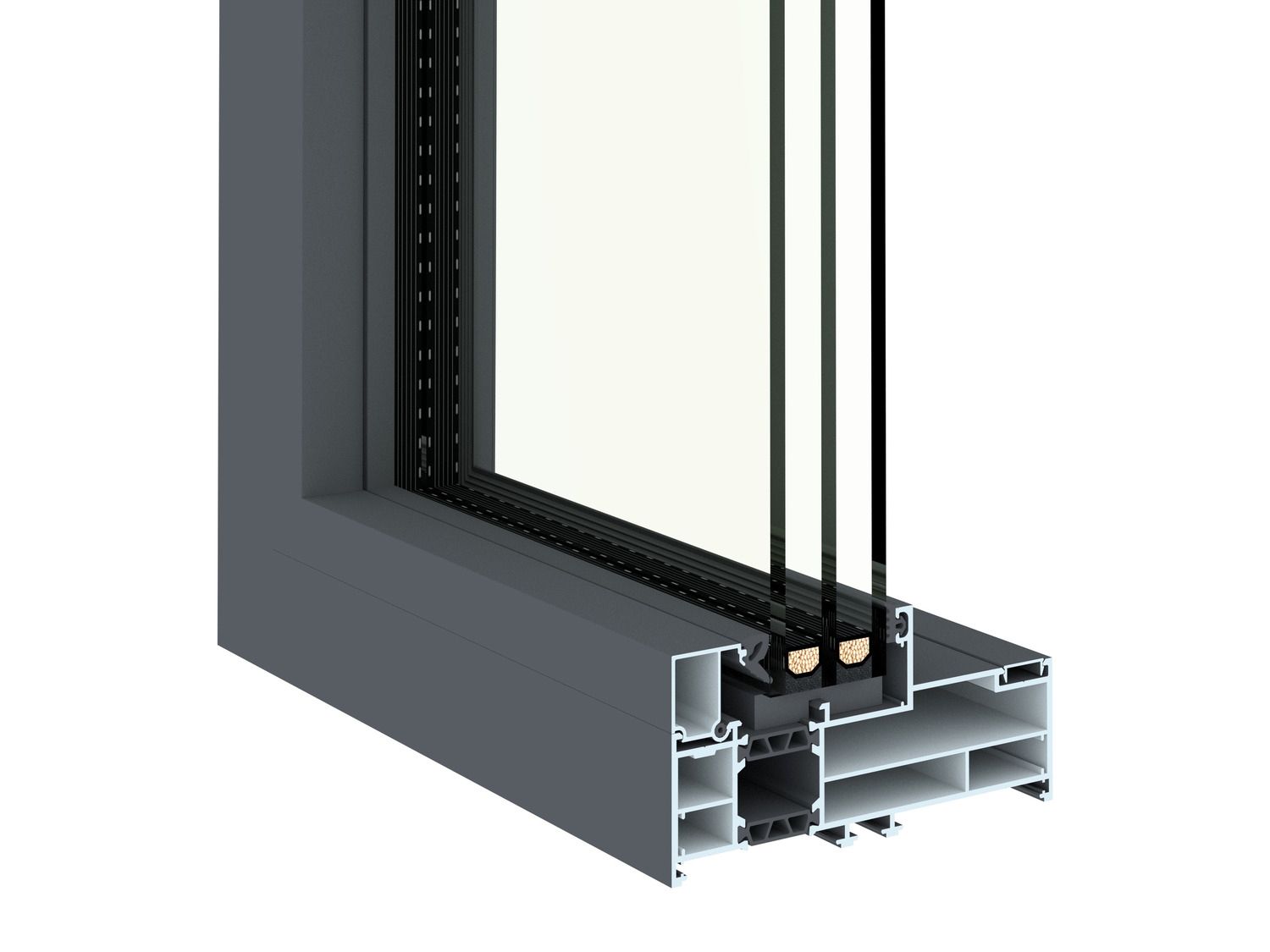 02
High-performance glazing
Double or triple glazing, Low-E coatings and gas-filled cavities help control heat transfer.
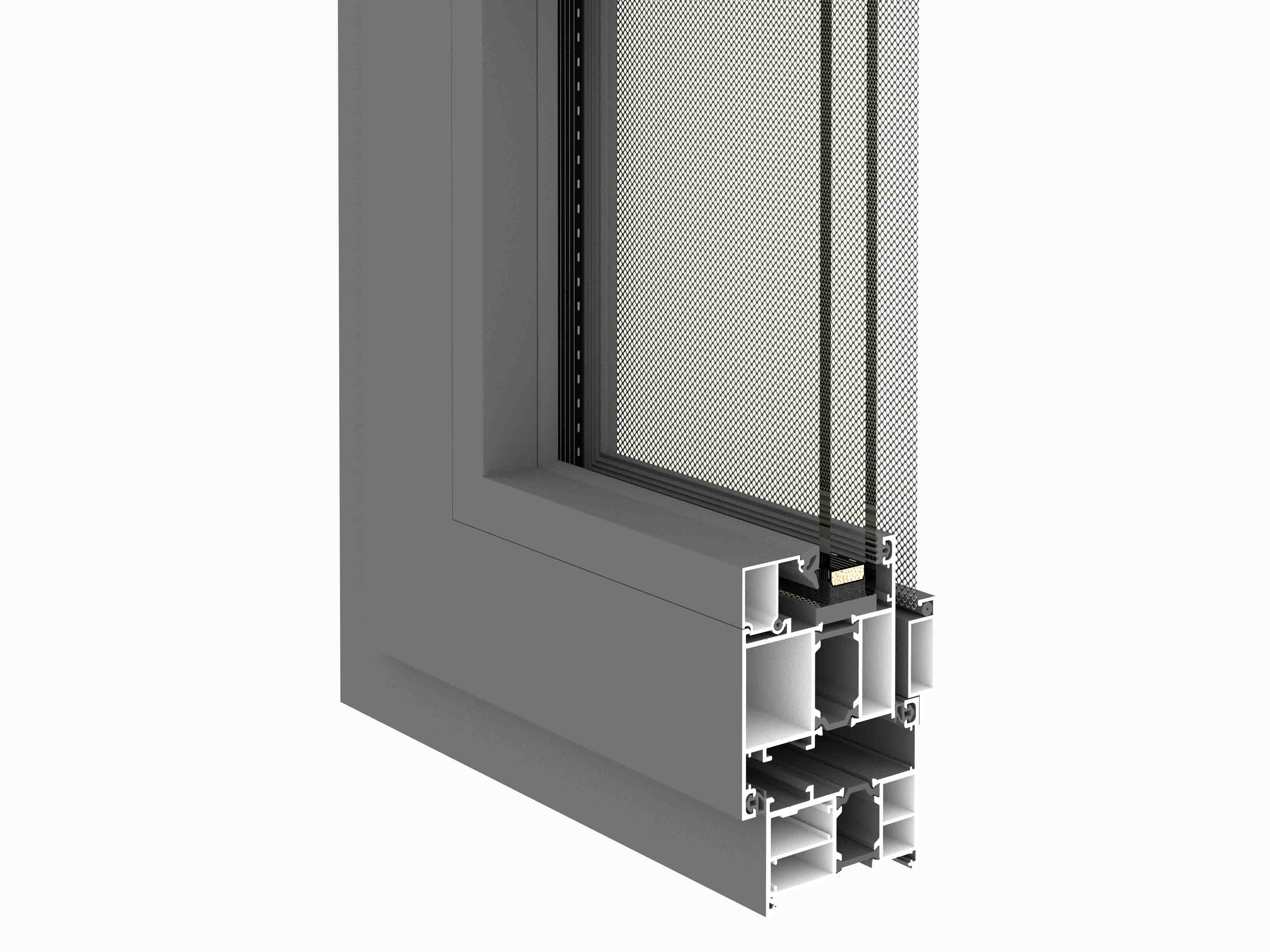 03
Warm-edge spacers
Thermally efficient spacers help reduce heat loss around insulating glass edges.
04Airtight sealing systems
Appropriate gaskets, hardware and installation interfaces help limit uncontrolled air leakage.
Choose the Right Energy Efficient Window and Door System
Compare thermally broken aluminum and multi-chamber uPVC systems to identify the most suitable solution for your building design, energy targets, structural requirements and project budget.
Thermal Break Aluminum Windows & Doors
For architectural projects requiring structural strength, larger glazed openings and flexible frame configurations.
- Multiple frame series, including RP115 and RP149
- Residential and commercial applications
- Large glazed openings and sliding systems
- Flexible glazing and surface finishes
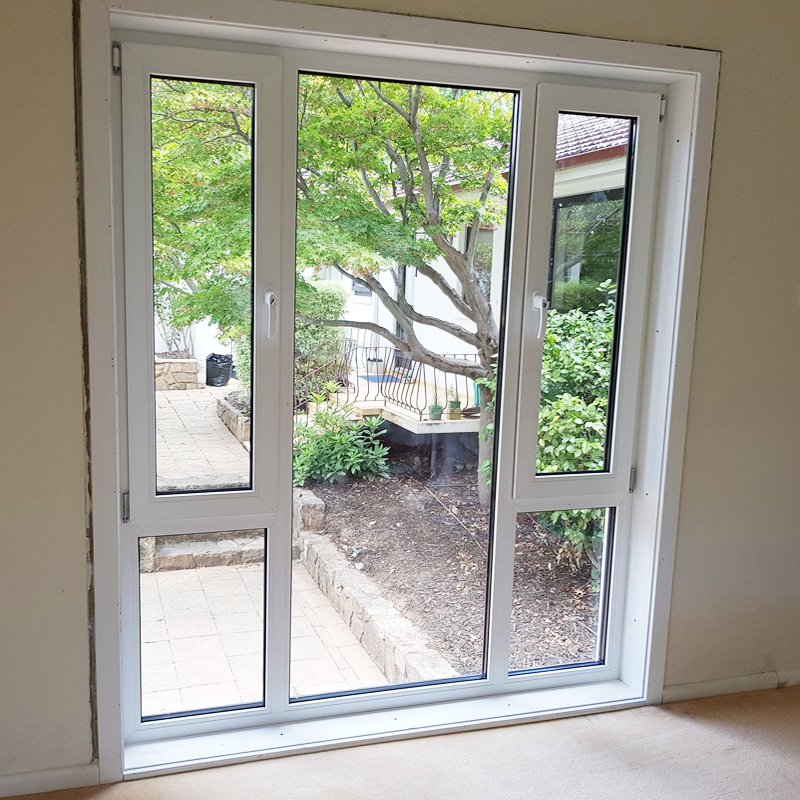
High-Performance uPVC Windows & Doors
For projects prioritizing thermal insulation, indoor comfort and low maintenance.
- Multi-chamber profile systems
- Double and triple glazing options
- Project-specific reinforcement
- Flexible opening styles and colors
Thermal Break Aluminum vs uPVC Windows: Which System Fits Your Project?
Different building types require different window systems. Compare the two frame technologies based on thermal performance, structural requirements, architectural design and overall project cost.
| Comparison | Thermal Break Aluminum | uPVC |
|---|---|---|
| Frame material | Aluminum alloy | Unplasticized PVC |
| Insulation technology | Thermal break insulating strips | Multi-chamber profiles |
| Thermal performance | Configuration dependent | Configuration dependent |
| Structural strength | Suitable for demanding applications | Reinforcement and size dependent |
| Large glazed openings | Often preferred | Subject to size and reinforcement limits |
| Frame sightlines | Slimline options available | System dependent |
| Double glazing | Available | Available |
| Triple glazing | Selected systems | Selected systems |
| Surface finishes | Powder coating, anodizing, PVDF, woodgrain | White, color and woodgrain finishes |
| Maintenance | Generally low | Generally low |
| Coastal applications | Specify suitable finishes and hardware | Specify suitable hardware and reinforcement |
| Commercial projects | Selected applications | Within system limitations |
| Project cost | Depends on series and specification | Depends on profile and configuration |
Understanding U-Values, SHGC and Window Energy Performance
Compare whole-window performance ratings to select a system that meets your building’s energy requirements.
U-value / Uw
Measures heat transfer through the complete assembly. Lower values indicate better thermal insulation.
SHGC
Measures the proportion of solar energy entering through the assembly. Select according to climate, orientation and energy targets.
| Performance indicator | What it measures | Project consideration |
|---|---|---|
| U-value / U-factor | Heat transfer | Thermal insulation |
| SHGC | Solar heat gain | Heating and cooling balance |
| Visible transmittance | Visible light transmission | Daylight |
| Air infiltration | Air leakage | Indoor comfort |
| Condensation resistance | Resistance under specified conditions | Humidity and climate |
Configuration-specific performance matrix
| Frame system | Glazing | Whole-window U-value | SHGC | Rating source |
|---|---|---|---|---|
| Thermal break aluminum | Low-E double glazing | Request rating | Request rating | Applicable rating document |
| Thermal break aluminum | Triple glazing | Request rating | Request rating | Applicable rating document |
| Multi-chamber uPVC | Low-E double glazing | Request rating | Request rating | Applicable rating document |
| Multi-chamber uPVC | Triple glazing | Request rating | Request rating | Applicable rating document |
Confirm the proposed assembly against its applicable rating. Glass-center Ug is not a substitute for whole-window Uw.
Explore WERS Rated Windows & Doors ↗High-Performance Glazing Solutions for Energy Efficient Buildings
Select the right glass configuration based on climate conditions, building orientation, thermal performance, acoustic requirements and safety specifications.
Double glazing
Improved thermal insulation compared with single glazing.
Low-E double glazing
Reduced radiative heat transfer.
03Triple glazing
Potential for lower U-values, subject to system compatibility.
| Glazing configuration | Main benefit | Typical applications |
|---|---|---|
| Double glazing | Improved insulation | General residential |
| Low-E double glazing | Reduced radiative heat transfer | Residential and commercial |
| Argon-filled glazing | Reduced cavity heat transfer | Enhanced insulation |
| Triple glazing | Potential for lower U-values | Cold-climate buildings |
| Solar control glazing | Reduced solar heat gain | Cooling-dominated climates |
| Laminated insulating glass | Safety and potential acoustic benefits | Apartments and safety-sensitive projects |
Energy Efficient Windows and Doors for Different Climates
Rather than using one standard specification for every project, ROPO configures window and door systems around regional climate conditions, building orientation and project-specific performance requirements.
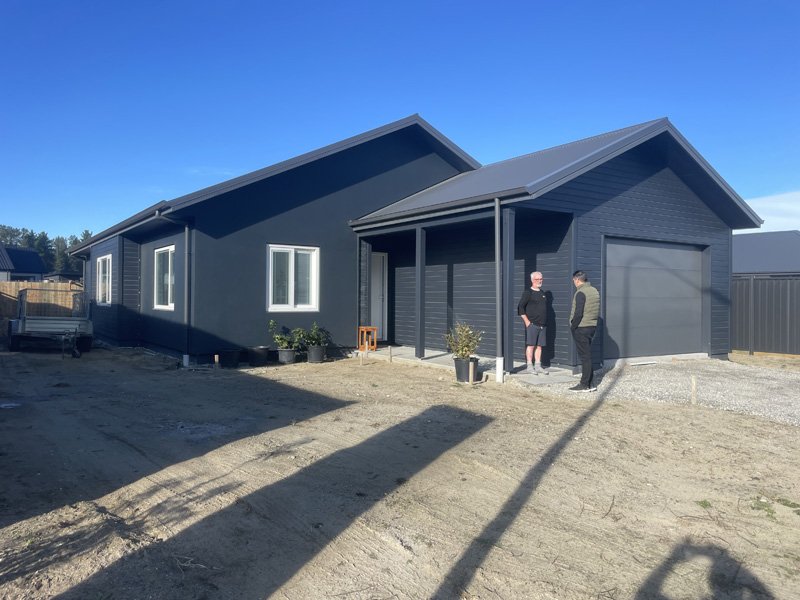 01
Cold climates
Consider multi-chamber uPVC or thermal break aluminum, Low-E double or triple glazing and warm-edge spacers to reduce heat loss.
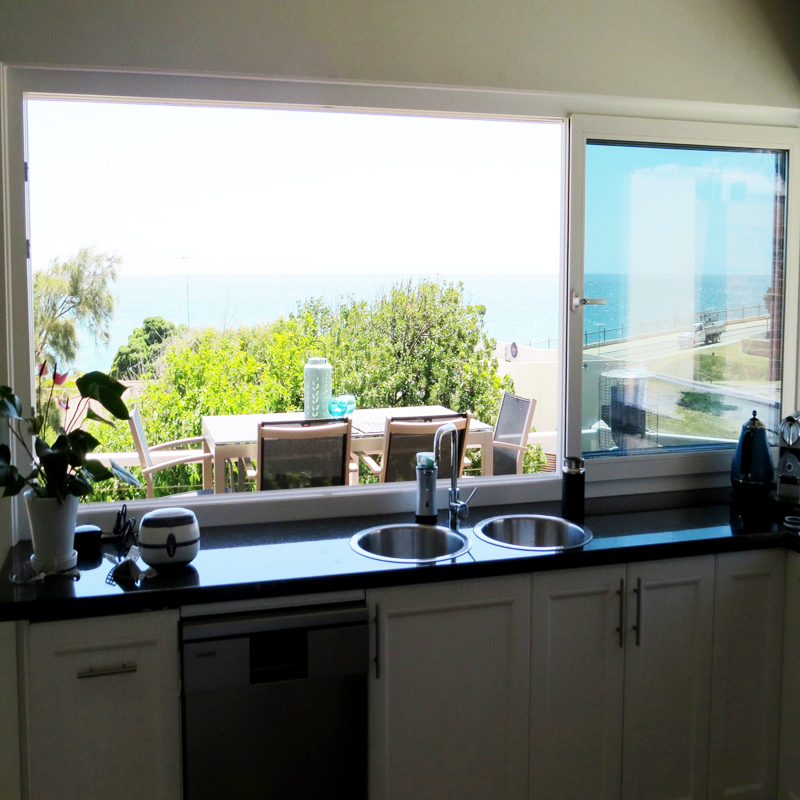 02
Hot & tropical climates
Review solar-control Low-E glazing, appropriate SHGC, sealing and shading.
03Coastal & high-wind climates
Coordinate corrosion-resistant hardware and finishes with wind, water and thermal requirements.
04Mixed & temperate climates
Balance heating and cooling demands through orientation-specific glass and performance targets.
Energy Efficient Window and Door Solutions for Every Building Type
ROPO provides customized fenestration packages for residential developments, commercial buildings and trade supply, balancing thermal performance with structural, architectural and procurement requirements.
01Residential & luxury homes
Large glazed openings, thermal comfort and architectural flexibility.
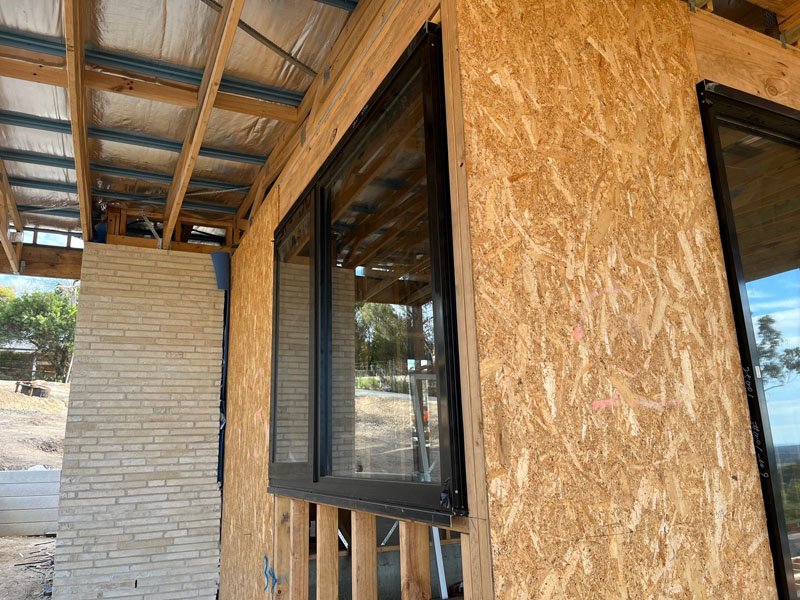 02
Townhouses & residential developments
Consistent specifications, repeatable configurations and coordinated supply.
 03
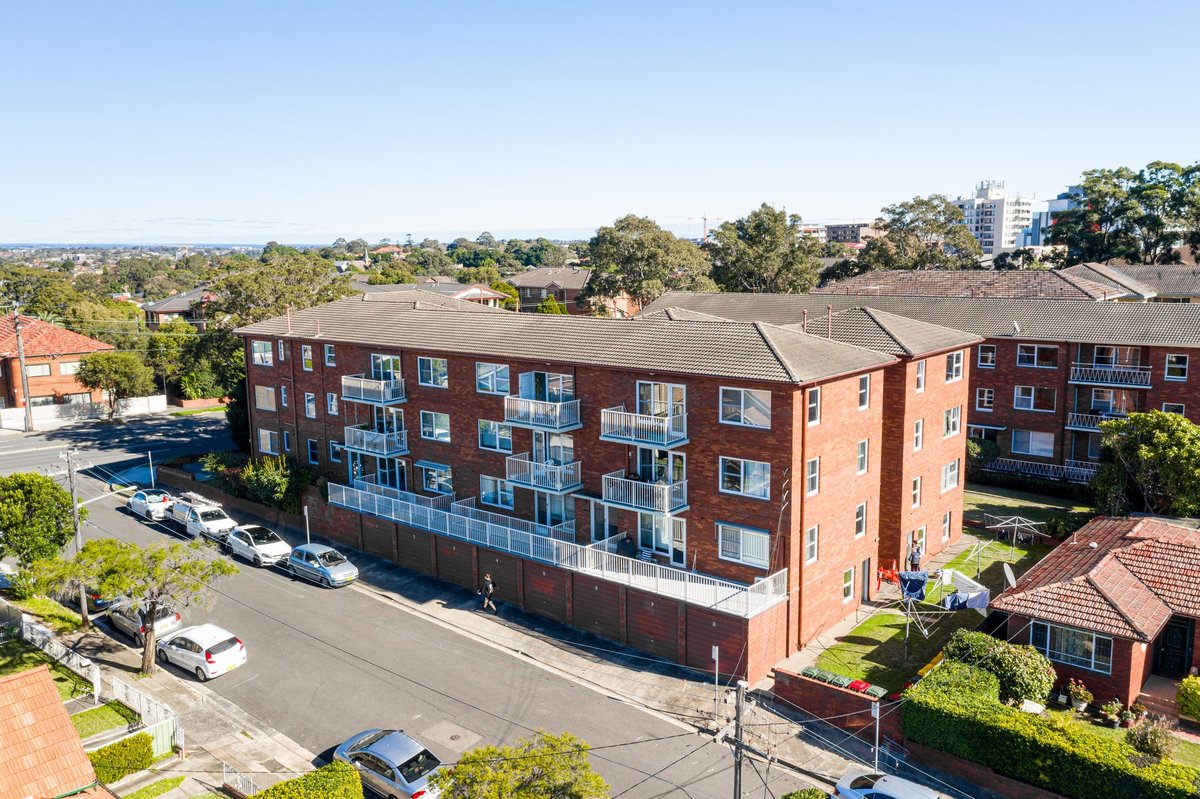
Apartments & multi-residential buildings
Thermal performance, acoustics and structural requirements.
Commercial & hospitality projects
Architectural glazing and coordinated documentation.
05Passive House & low-energy buildings
Select low U-value configurations against project energy modelling; confirm certification separately.
Distributors & trade supply
Customized product ranges, repeat orders and market-specific configurations.
Energy Performance, Testing and Compliance for Global Projects
ROPO helps project buyers identify relevant testing, energy ratings and supporting documentation for their target market and proposed window and door configurations.
| Market | Standards and documents to review | Project considerations |
|---|---|---|
| Australia | AS 2047, AS 1288, WERS, NCC / NatHERS | Uw, SHGC, wind, water, glass safety |
| New Zealand | NZS 4211, CodeMark NZ, NZBC H1 | Thermal performance, climate zone, certificate scope |
| USA | NFRC ratings, applicable structural and local codes | U-factor, SHGC, local requirements |
| Canada | Applicable NAFS and CSA A440.2 documentation | Energy, structure, local requirements |
| Caribbean | Applicable wind and impact testing documentation | Hurricane risk and corrosion resistance |
WERS Energy Ratings
Australian window energy performance documentation.
View Details ↗AGWA Accredited Compliance
Australian window and door compliance documentation.
View Details ↗CodeMark NZ
Certification within the applicable certificate scope.
View Details ↗BAL 40 Tested Systems
Bushfire performance evidence for applicable tested configurations.
View Details ↗Test reports, energy ratings and certificates apply only within their documented system, configuration, dimension and scope limitations.
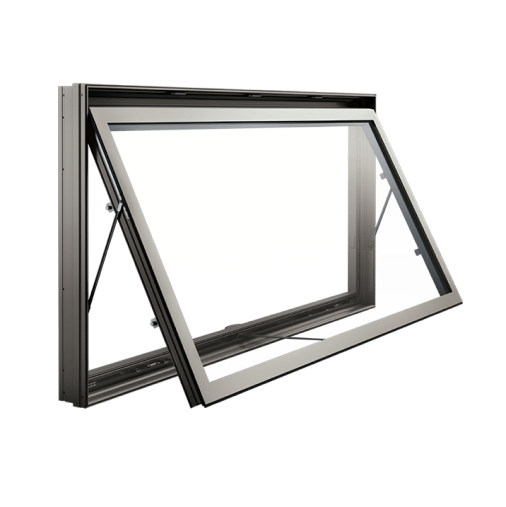
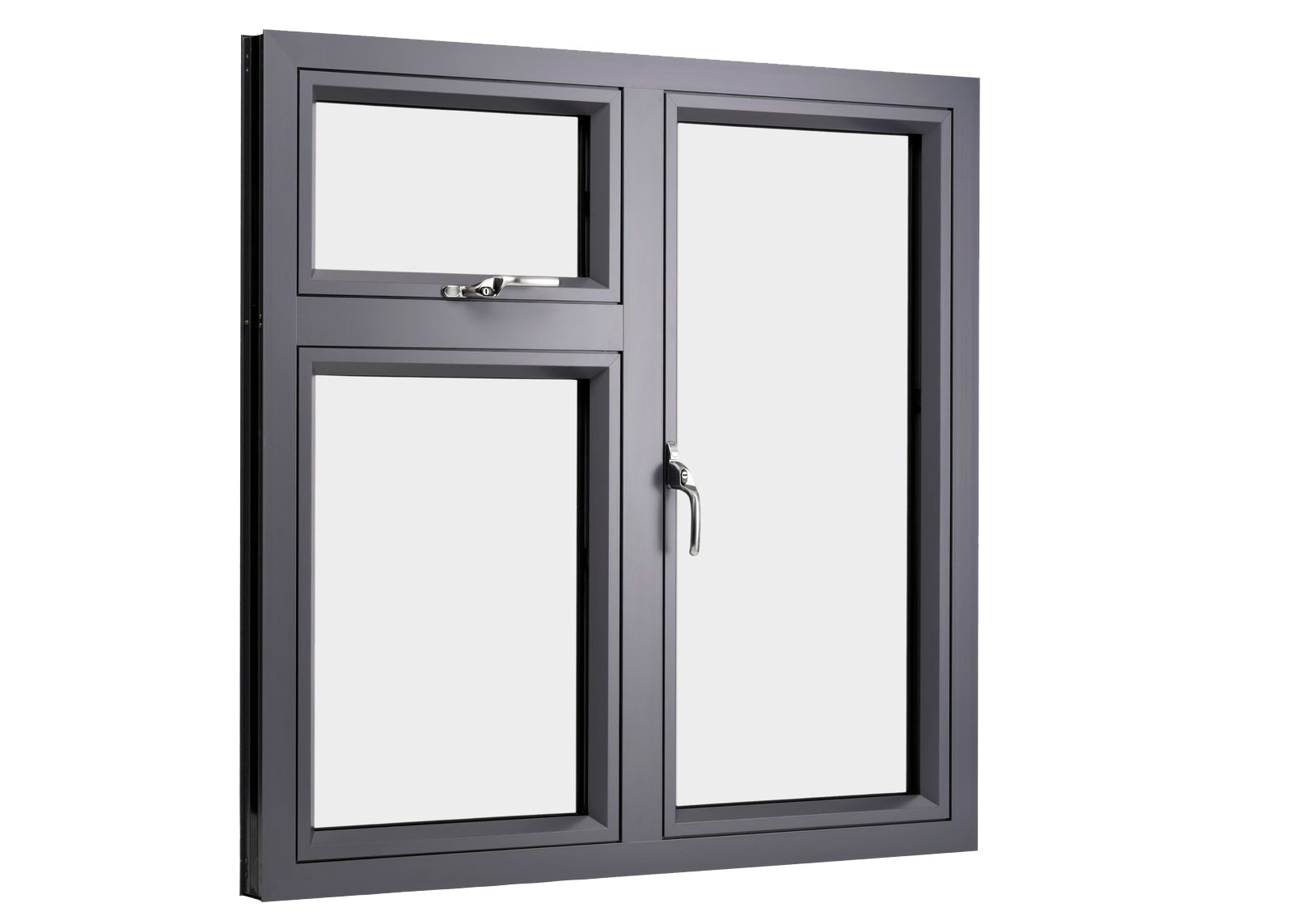
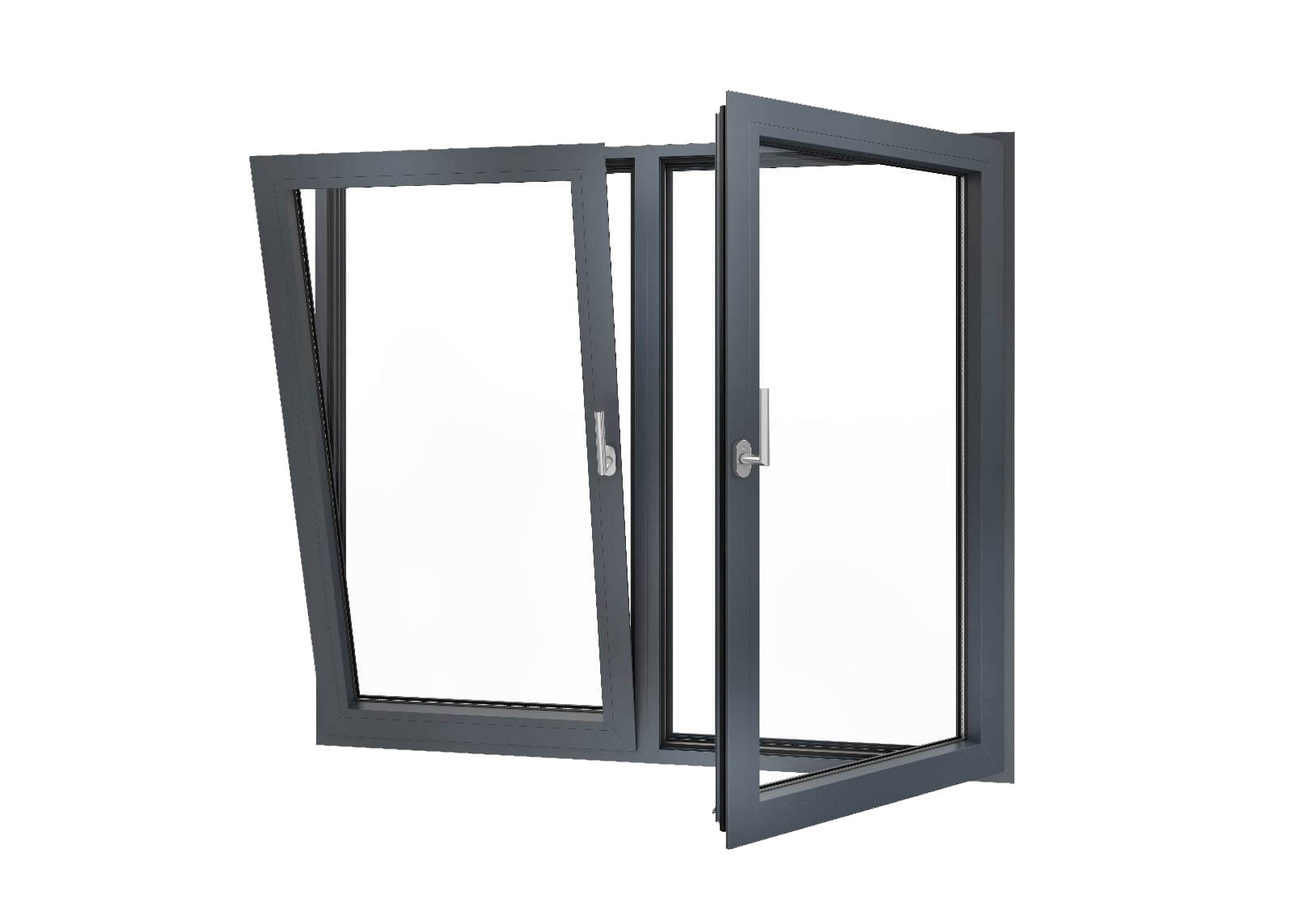
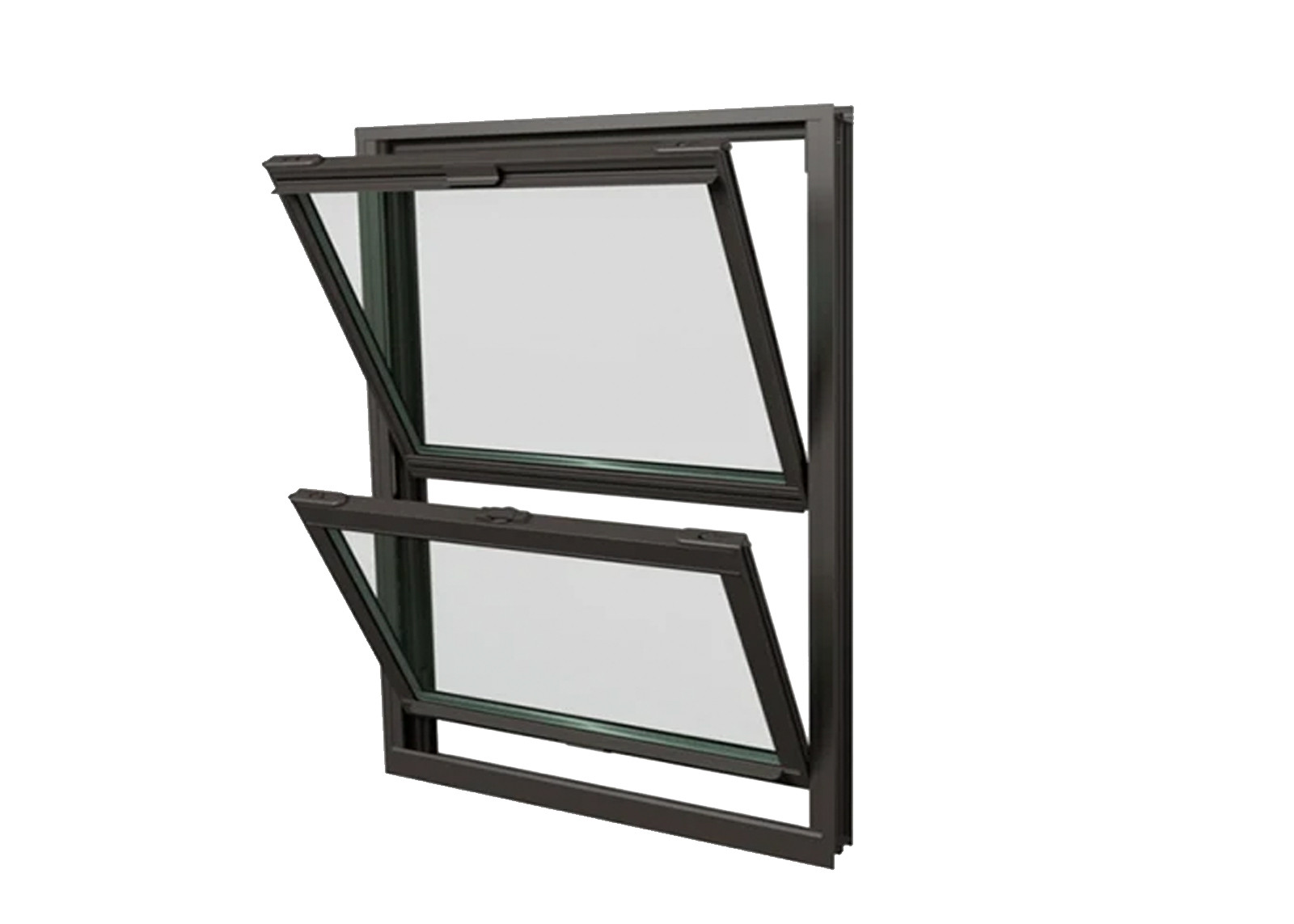
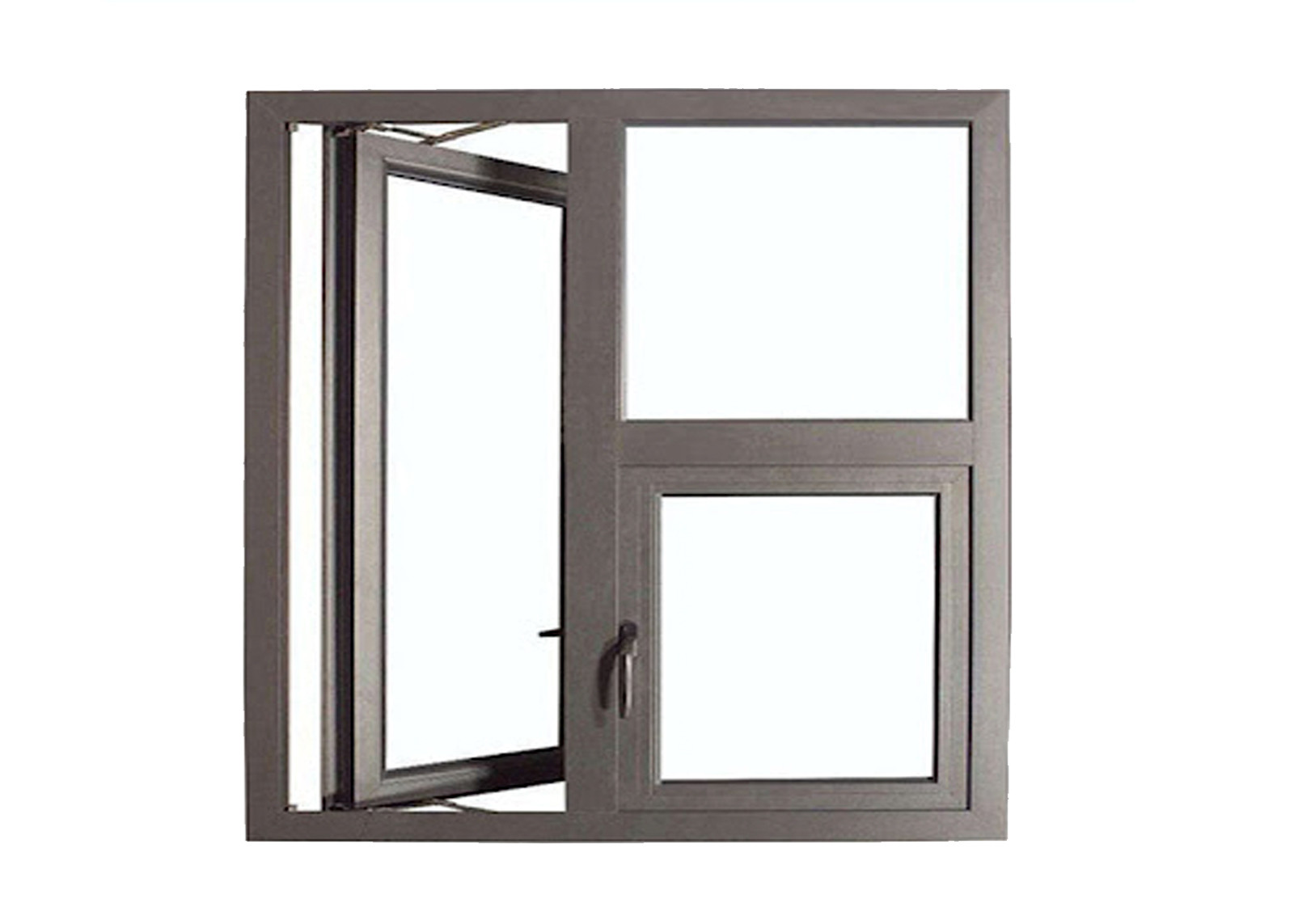
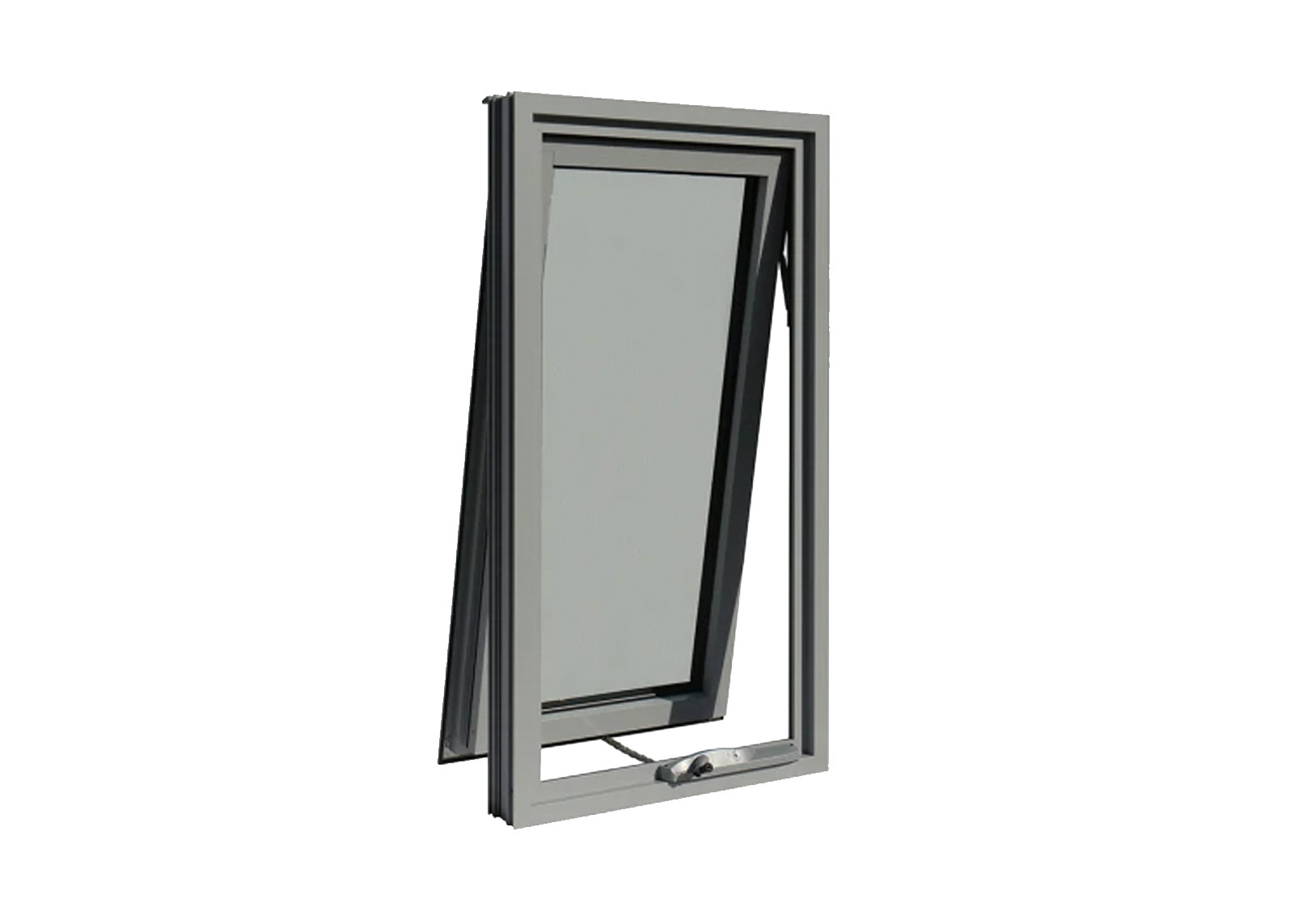
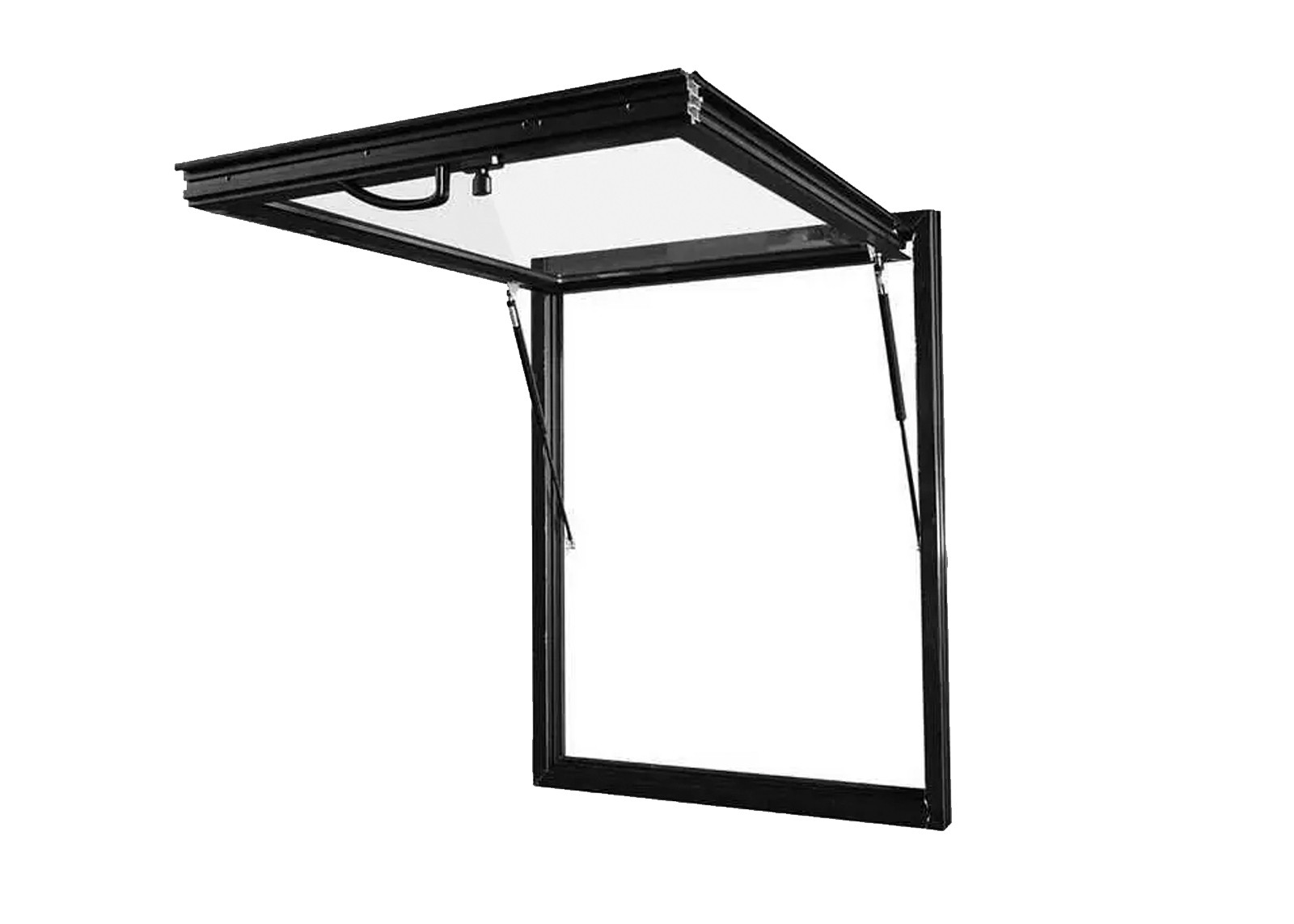
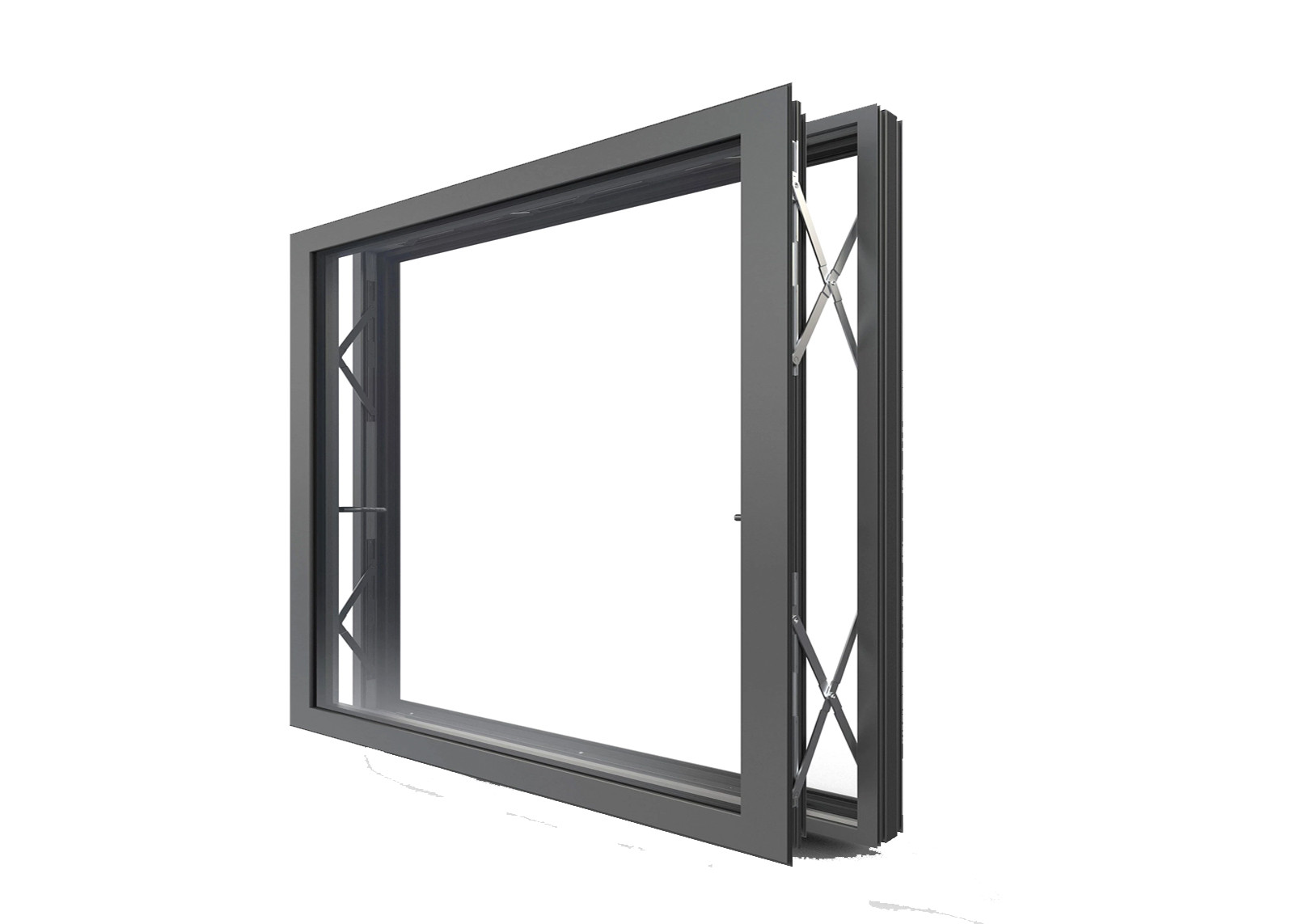
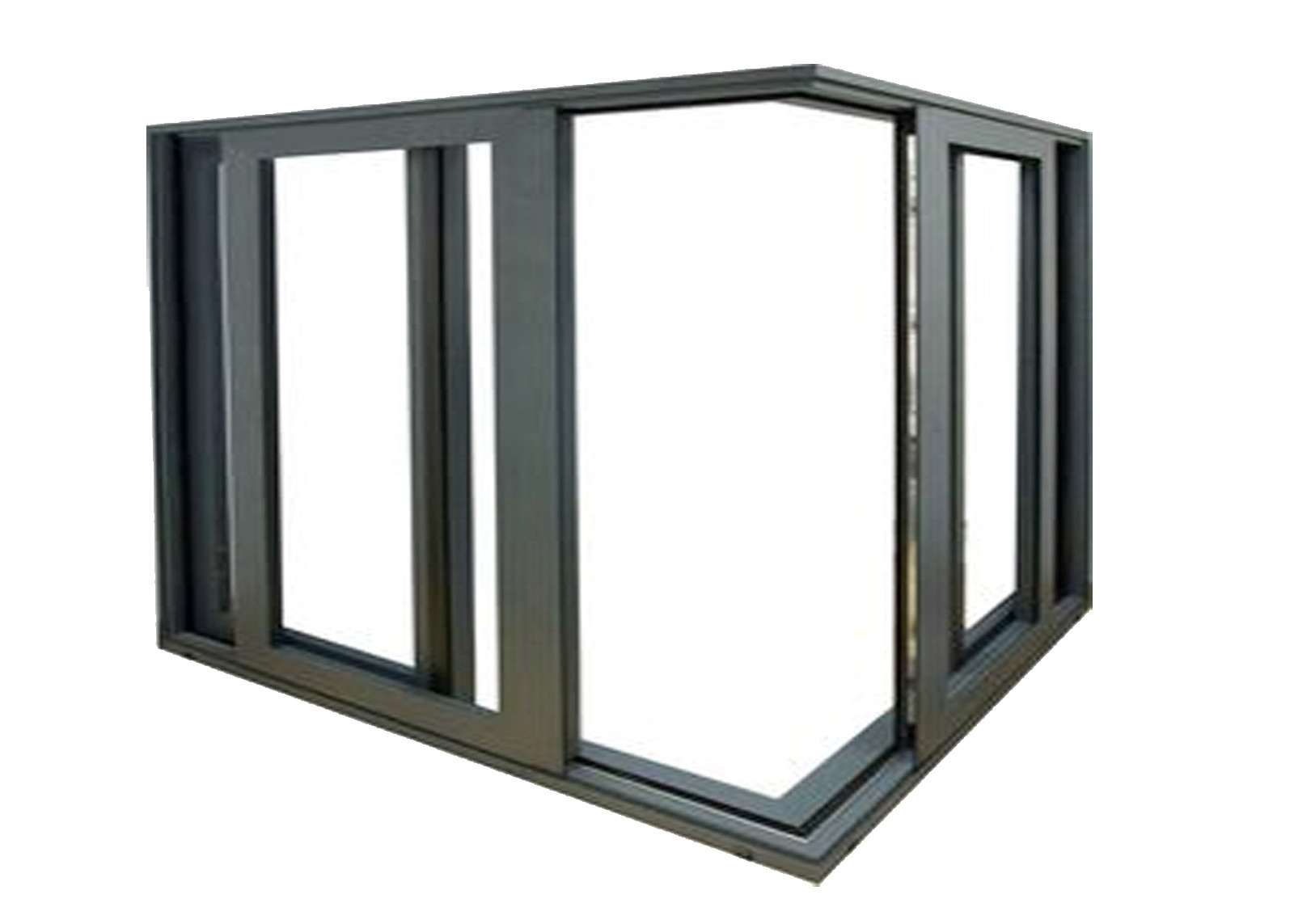
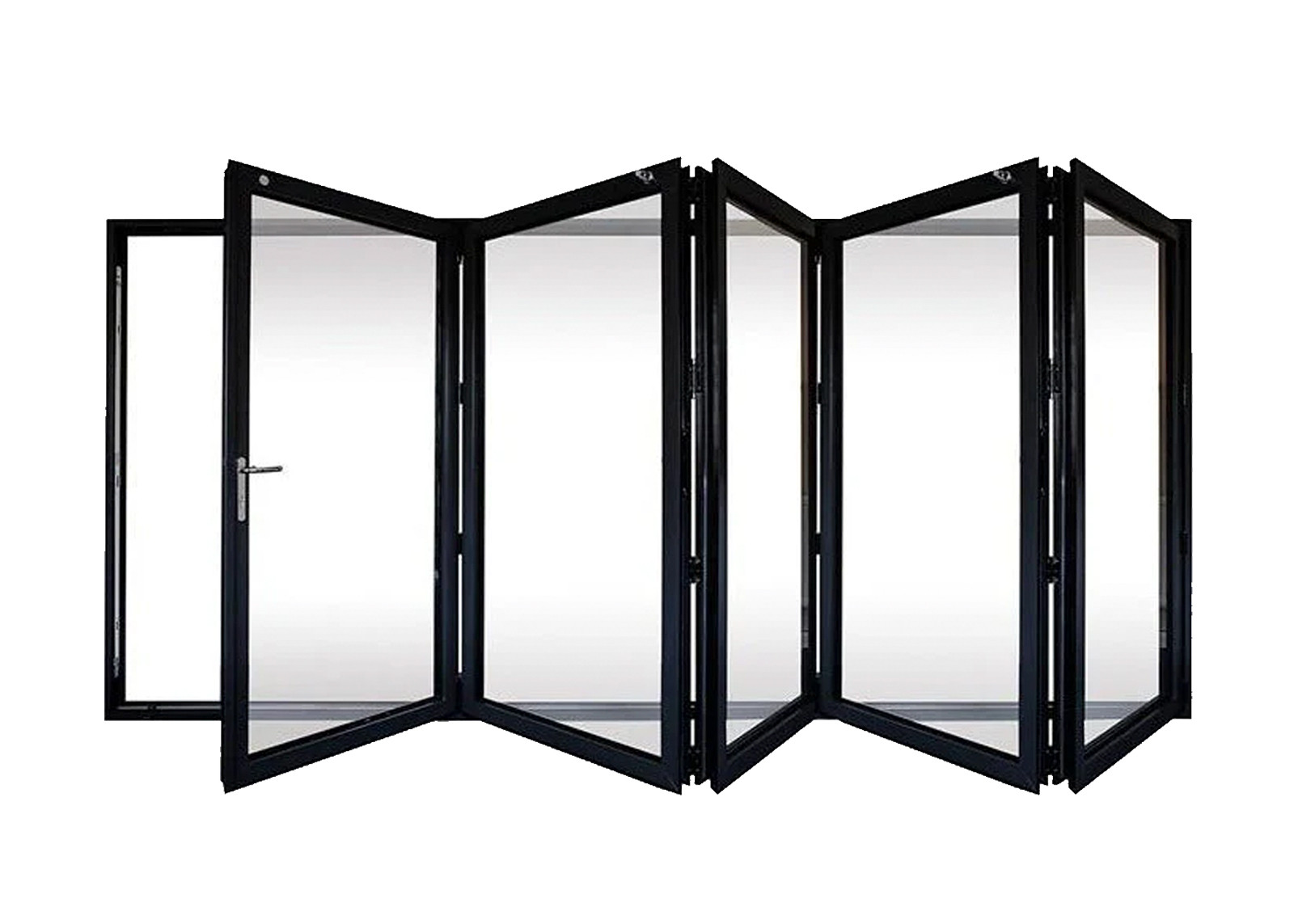
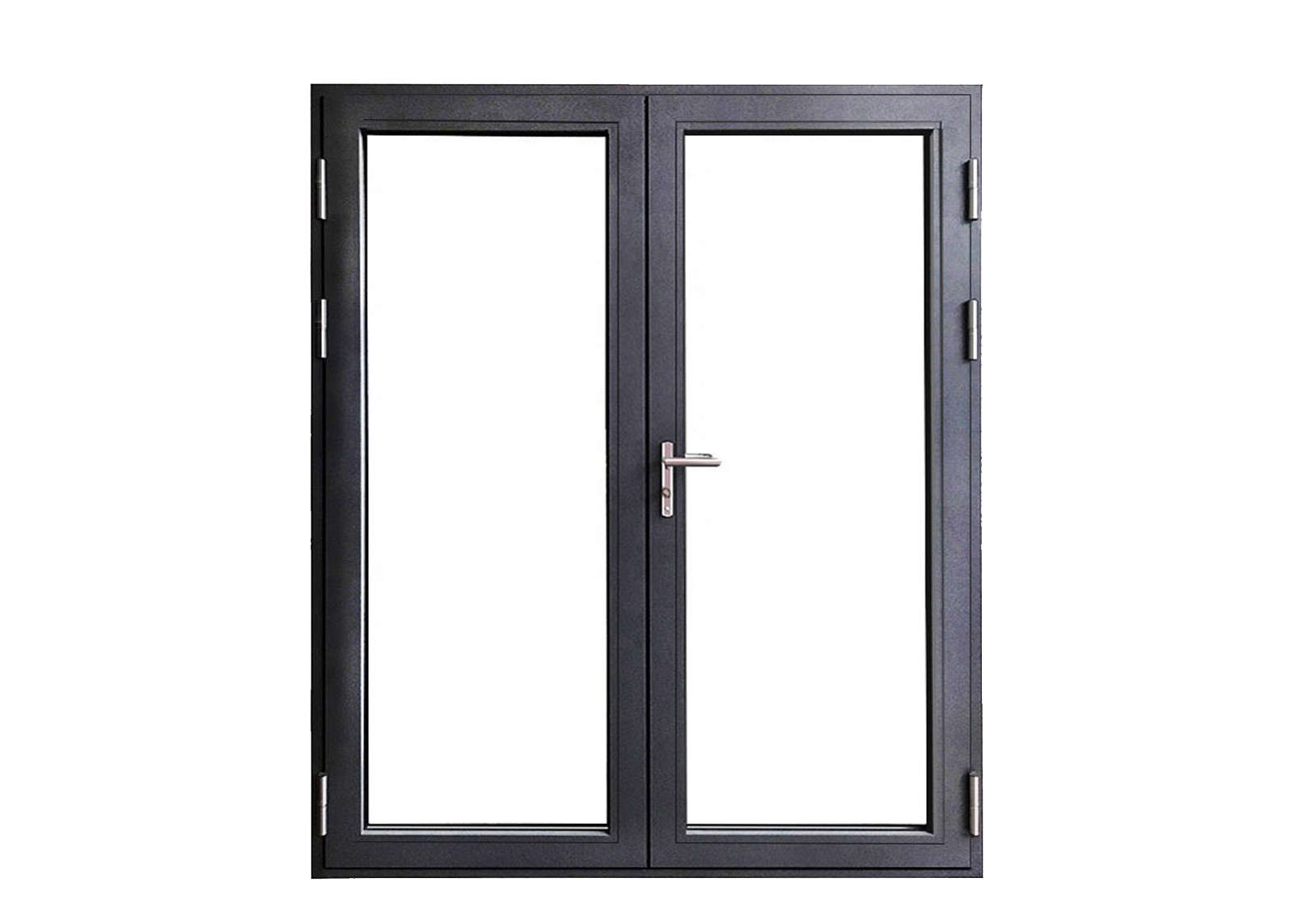
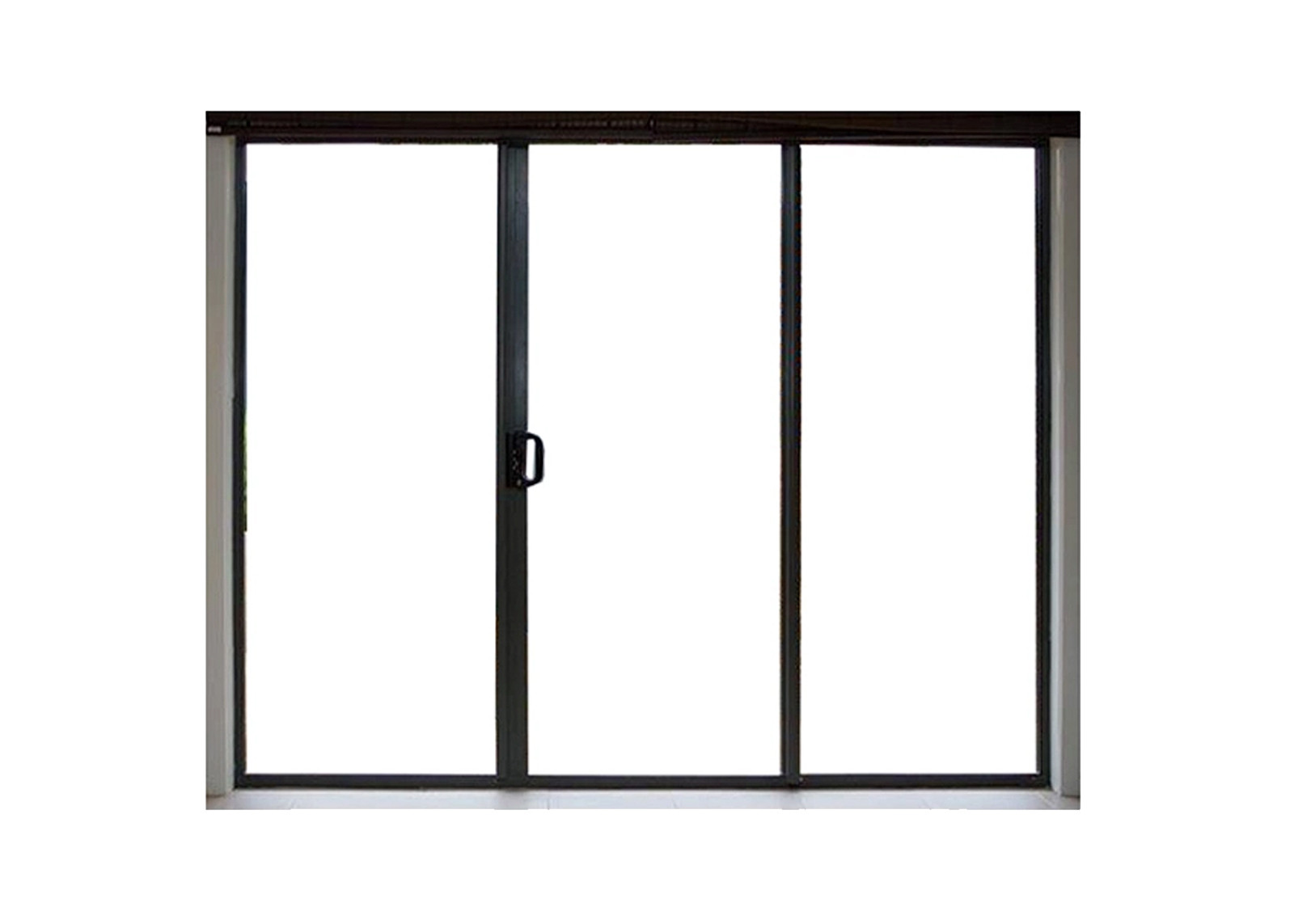
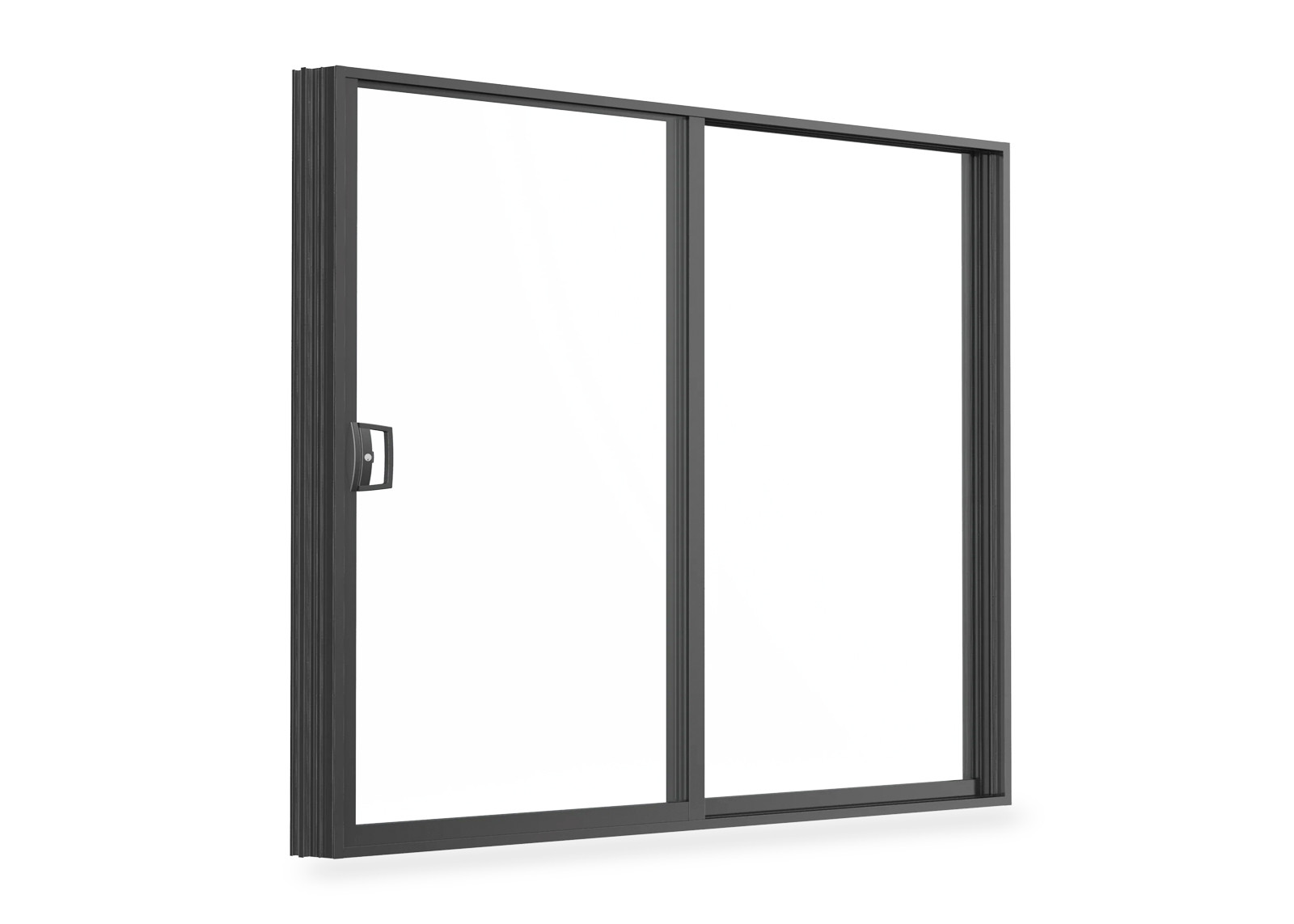
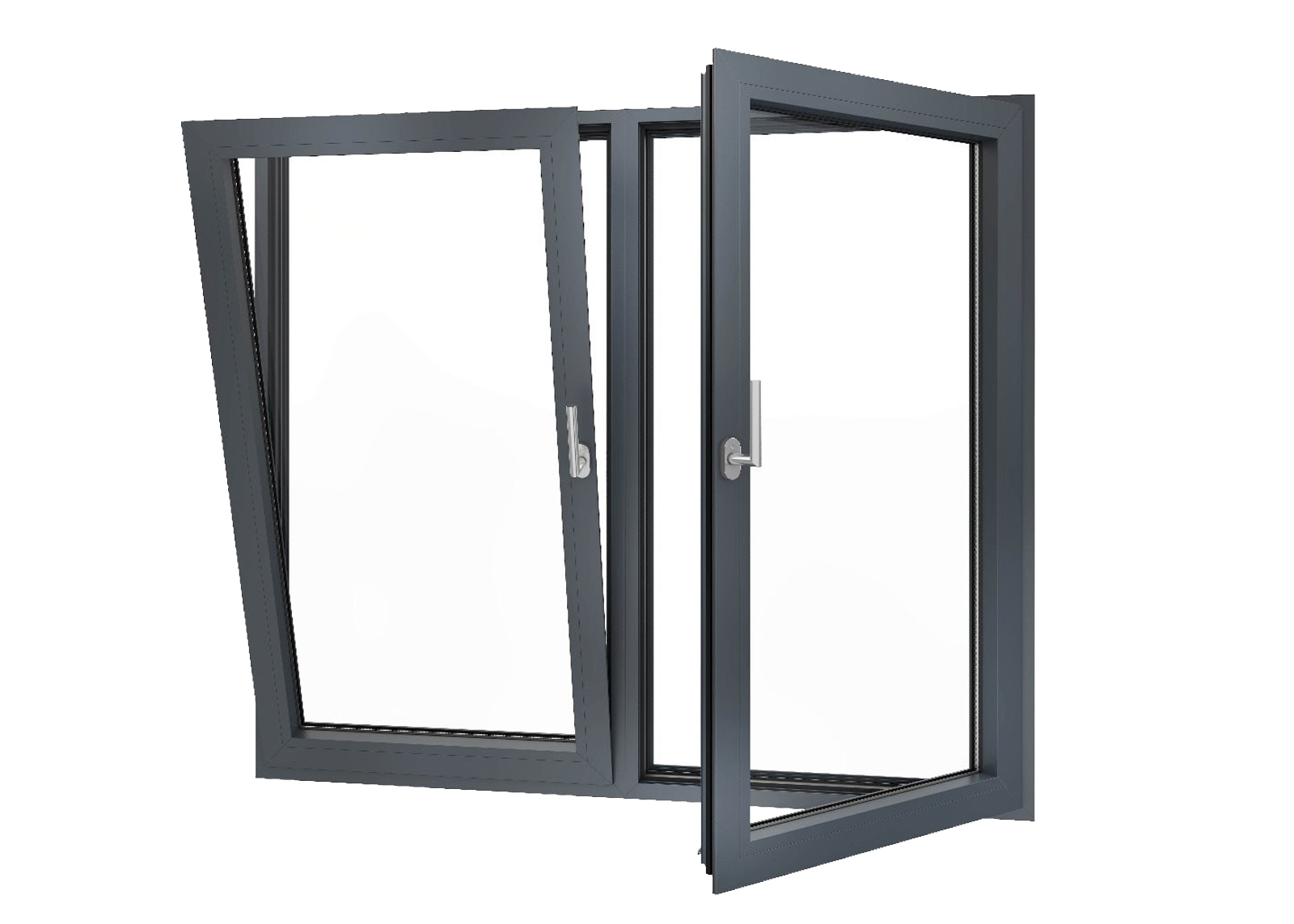
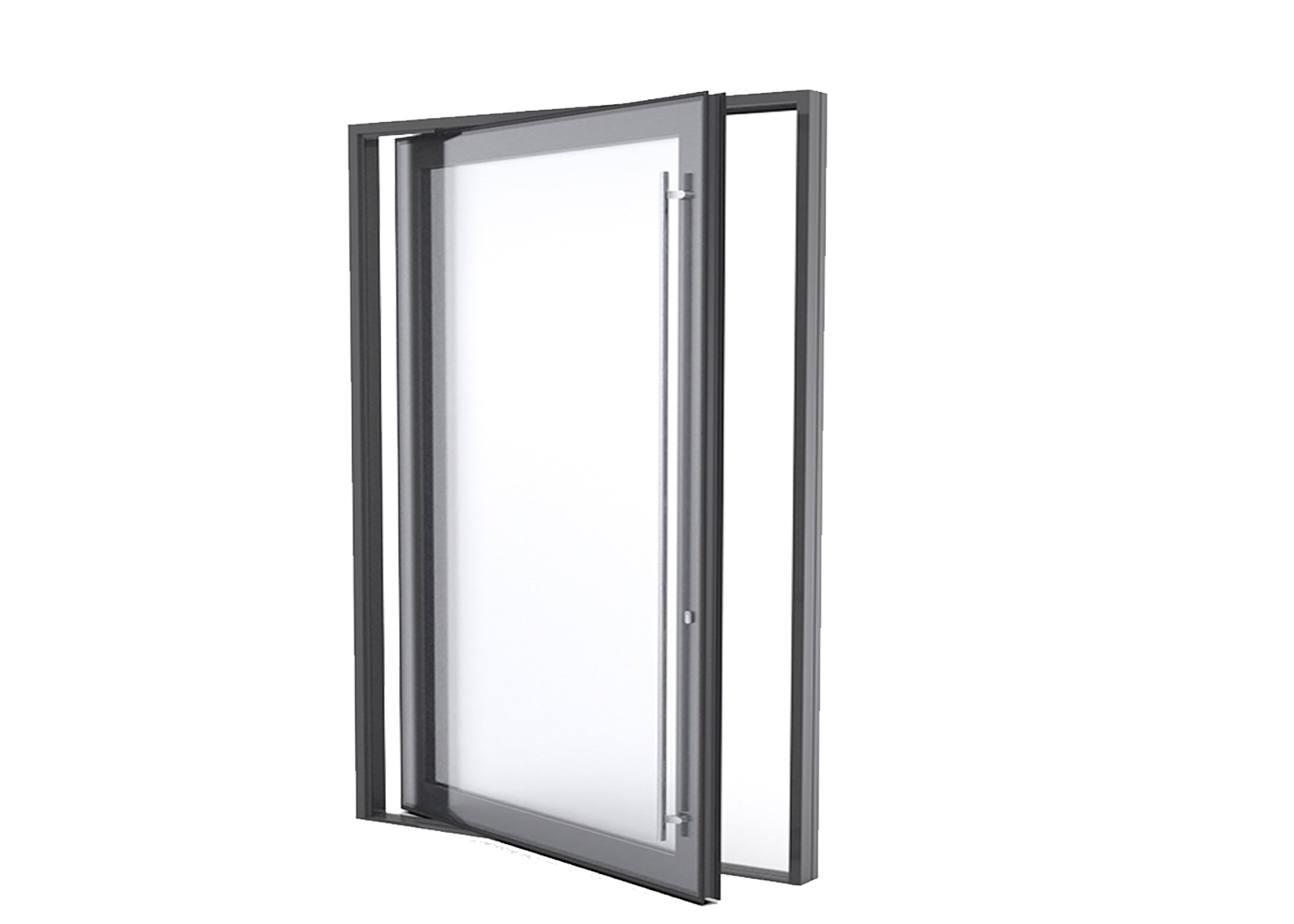
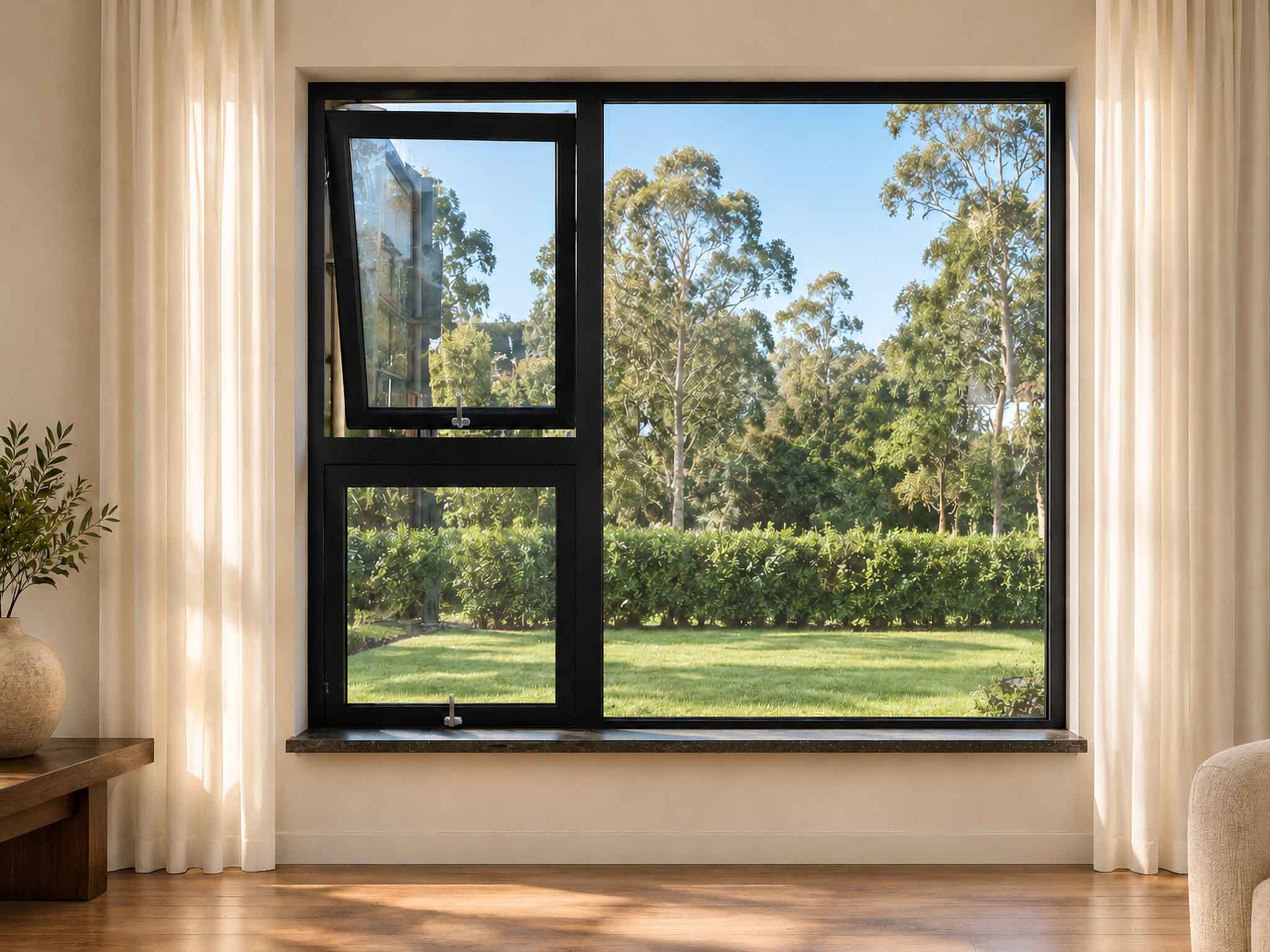
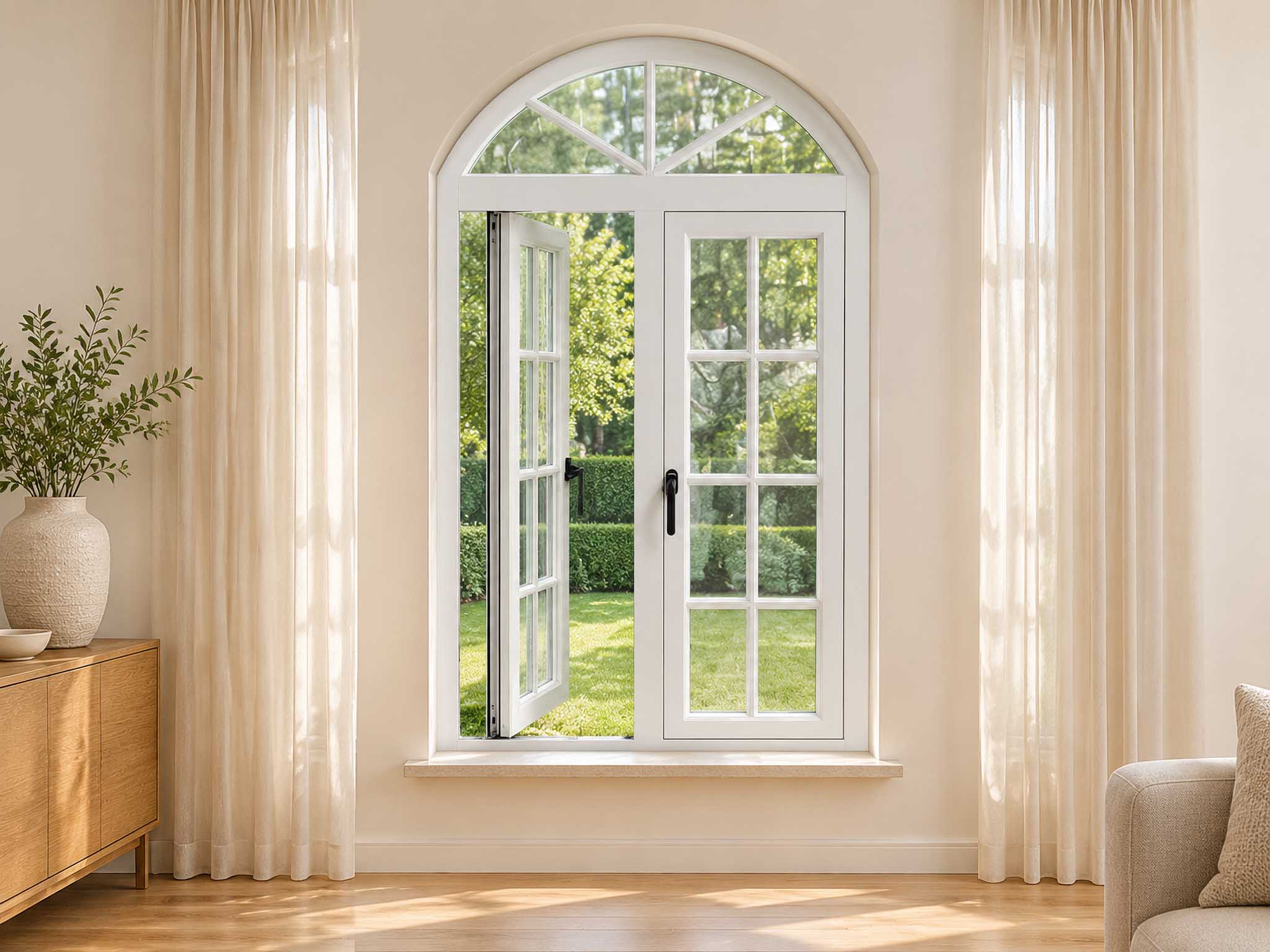
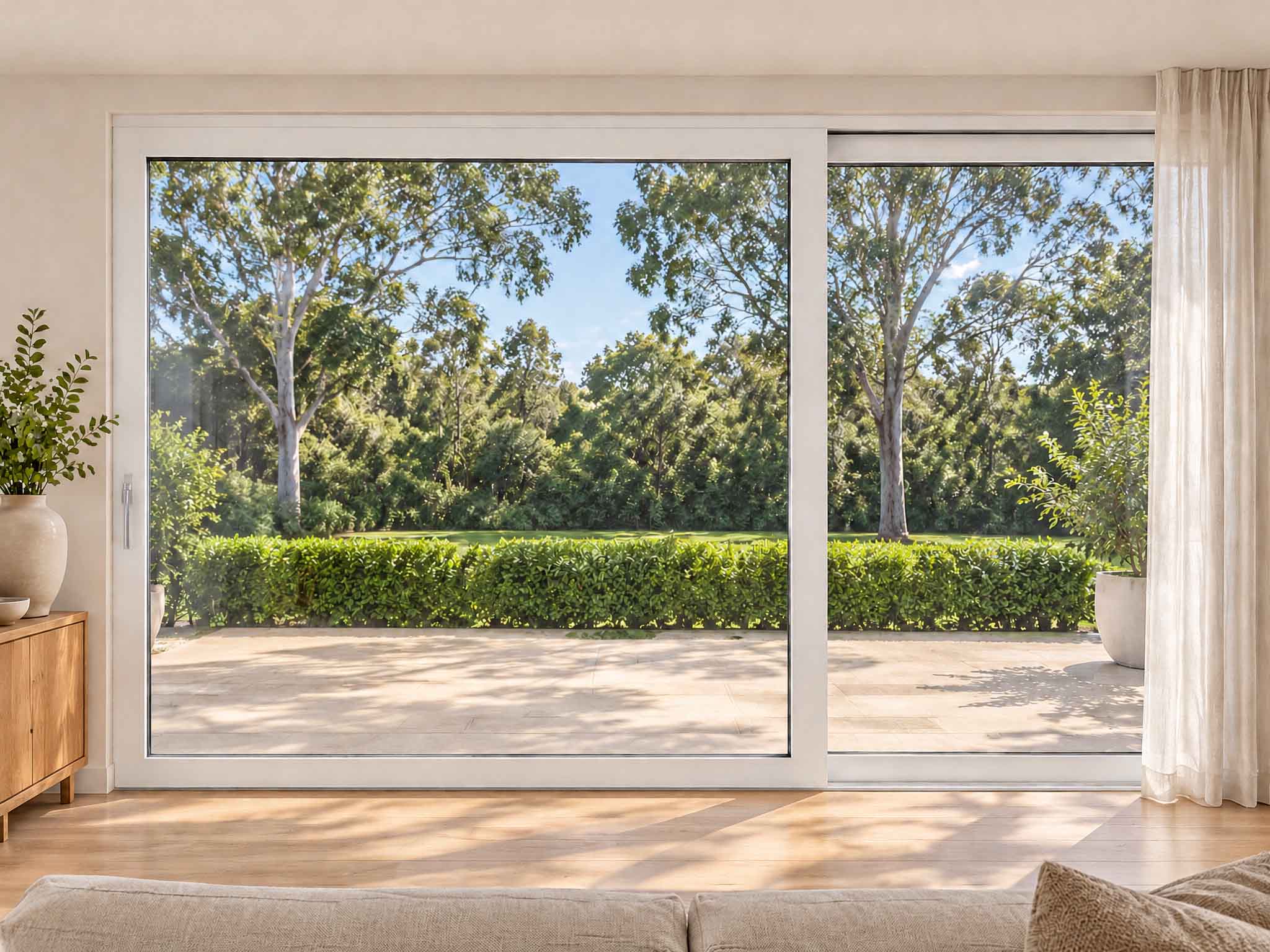
Popular Energy Efficient Window and Door Configurations
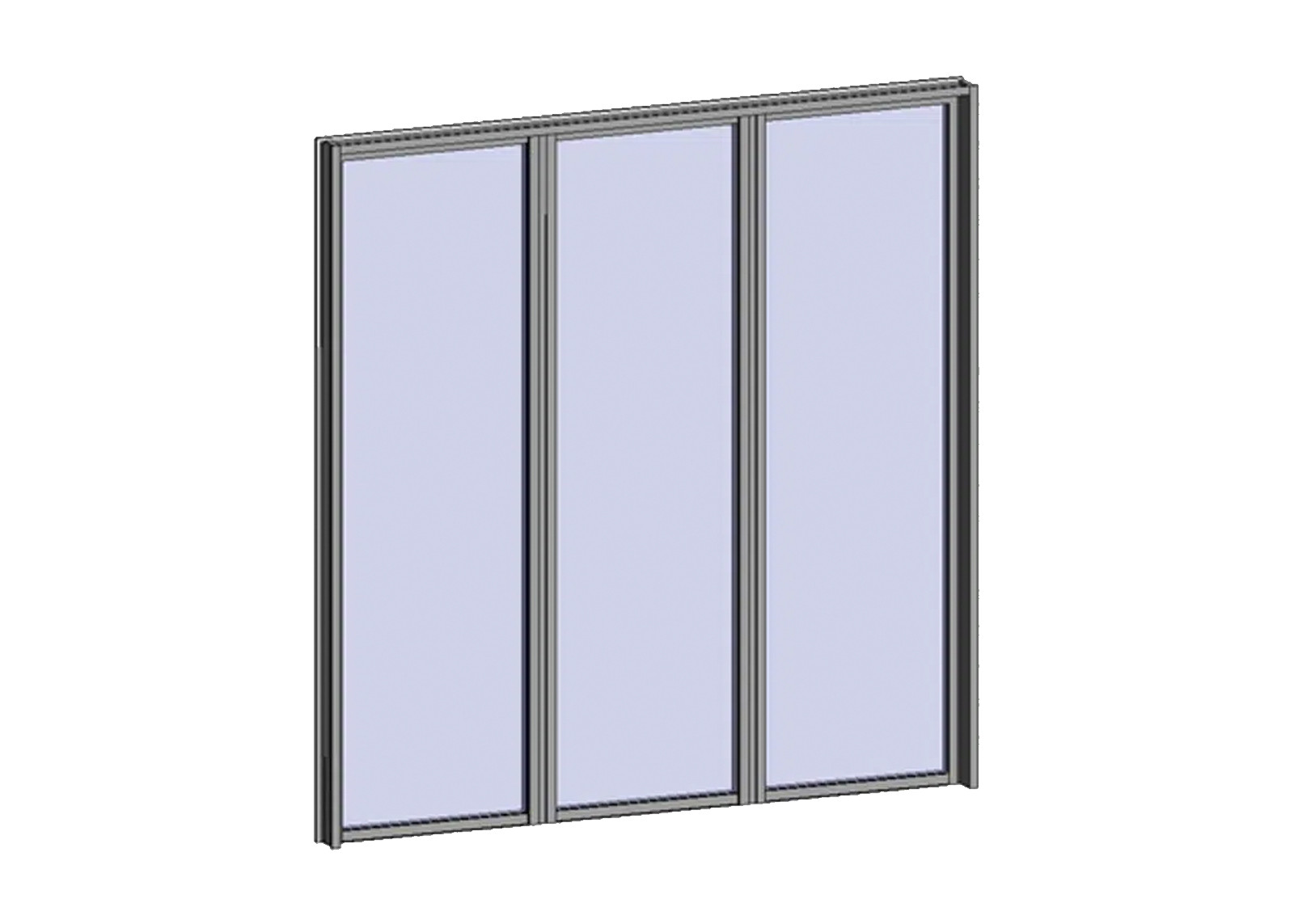
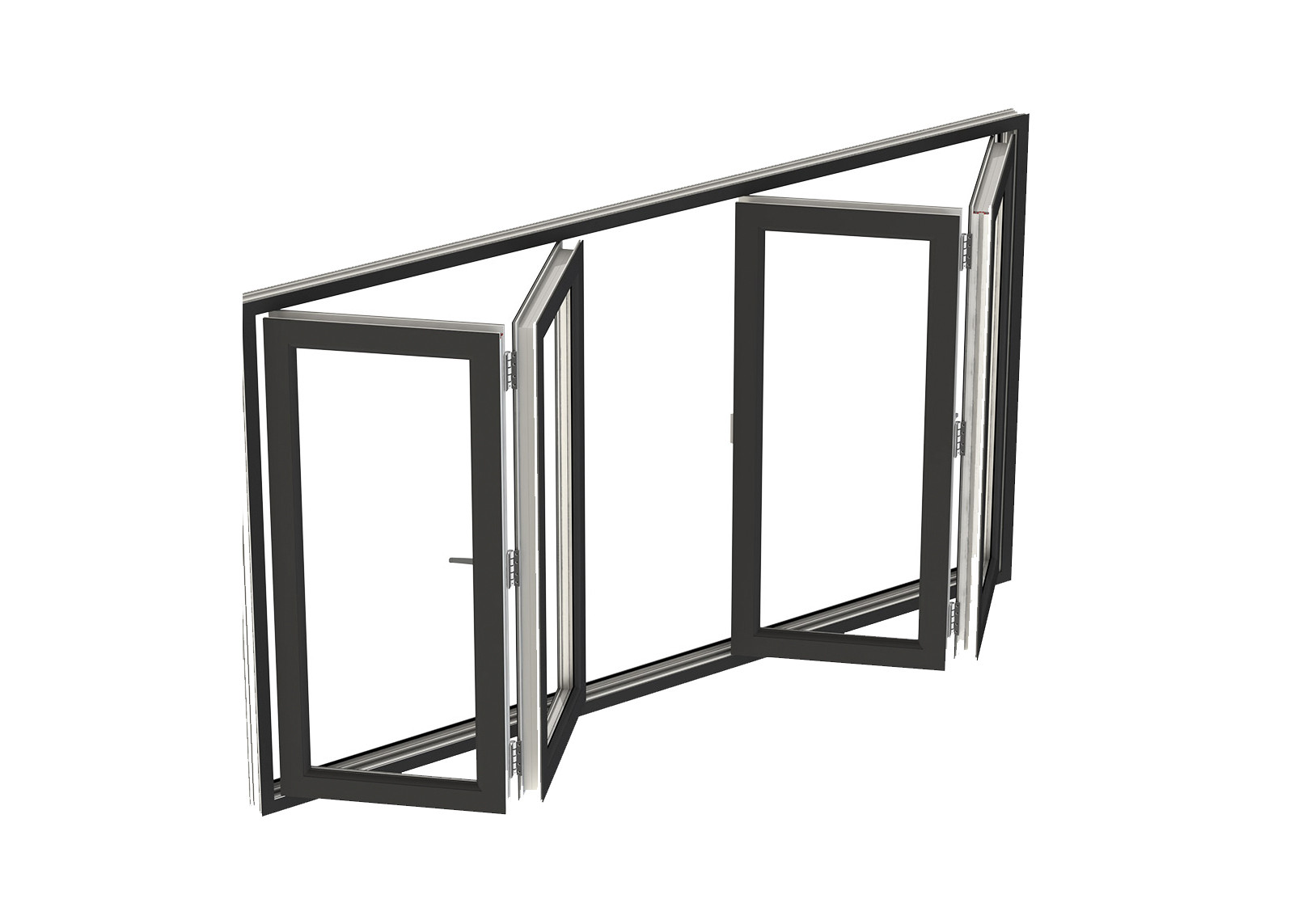
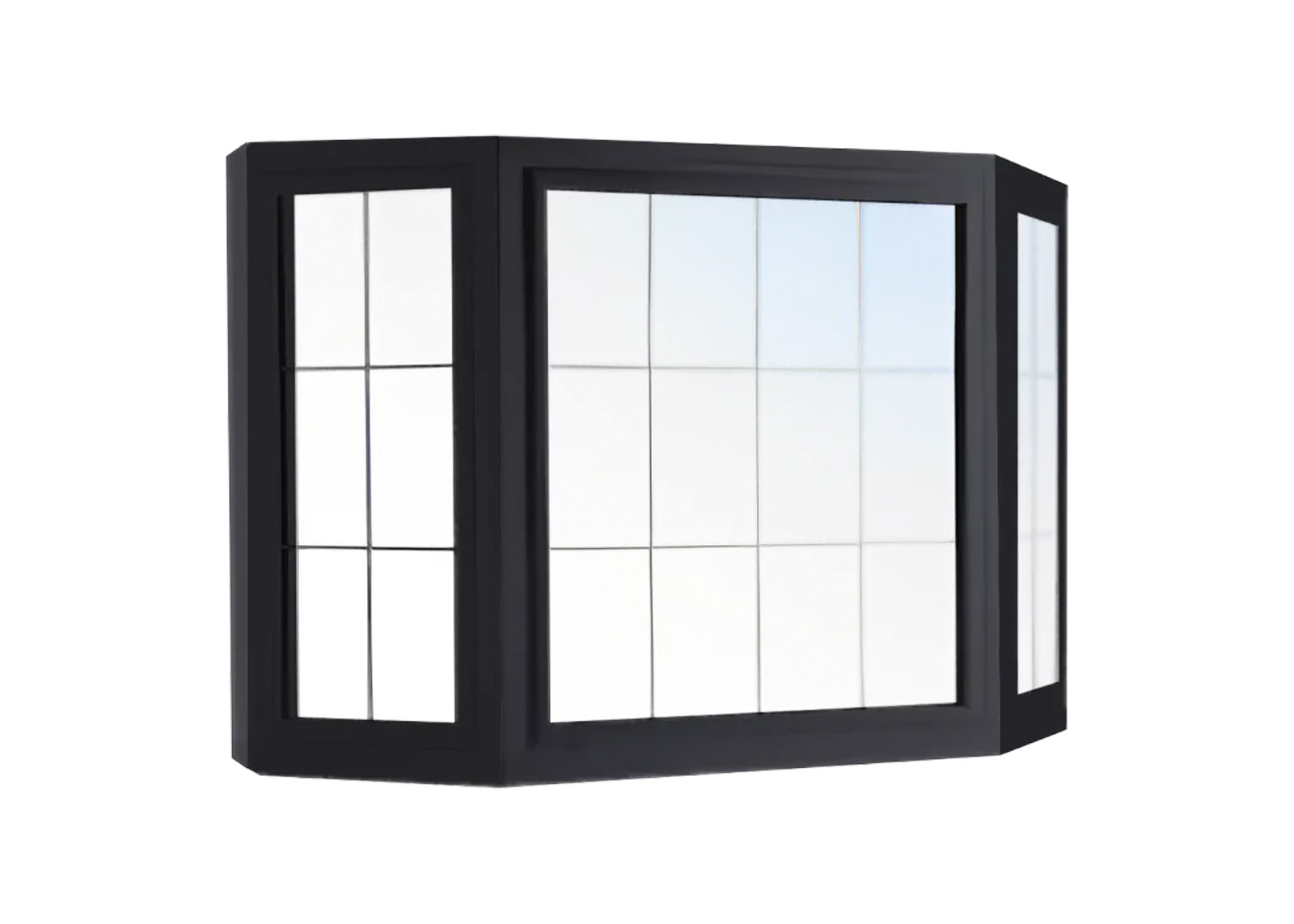
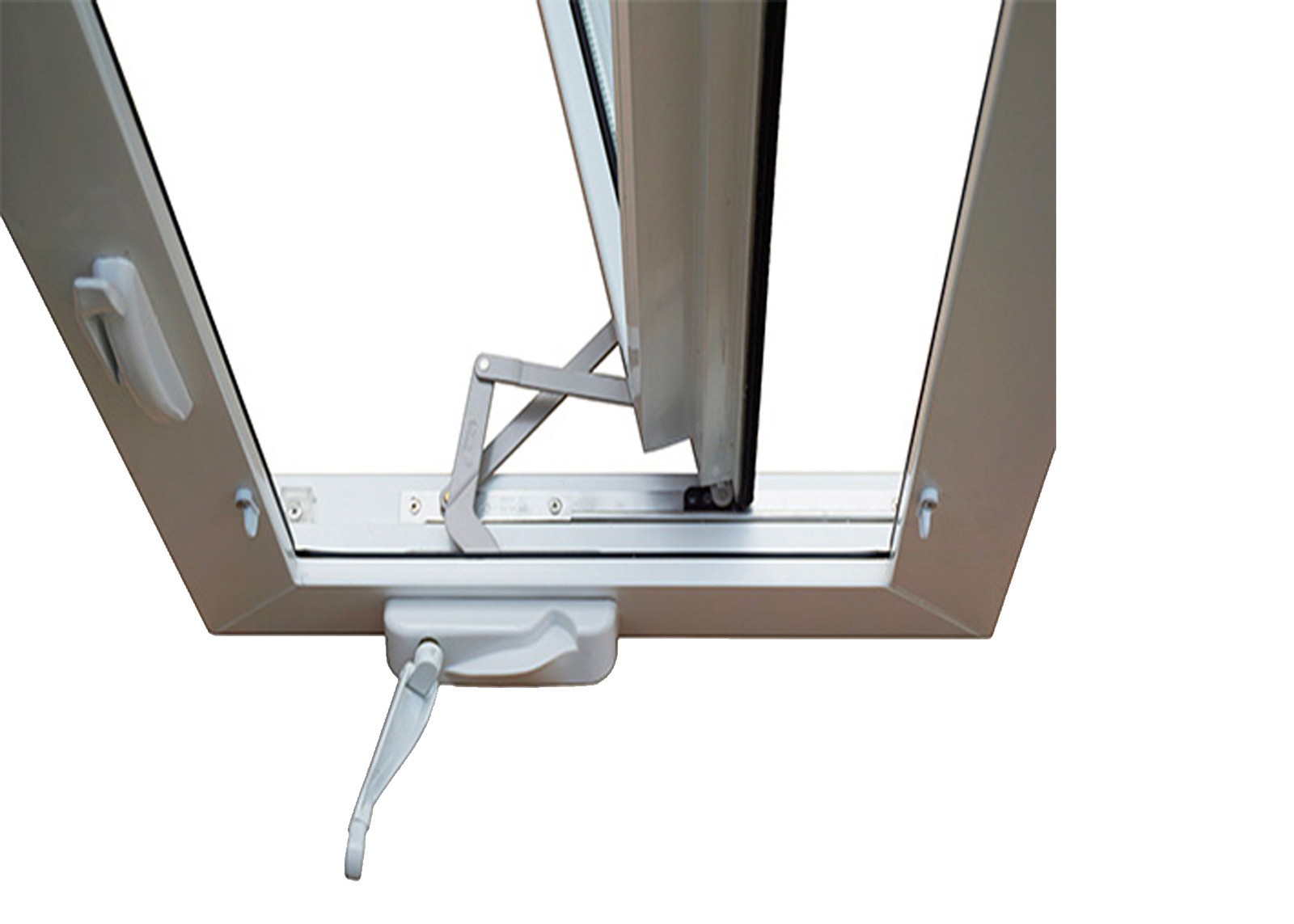
Explore selected window and door configurations that can be specified with insulated frames and high-performance glazing to suit your project requirements.
Proven Energy Efficient Window and Door Solutions in Real Projects
Explore how ROPO window and door systems are configured for different architectural designs, climate conditions and performance requirements.
Mount Eliza, Australia
Thermal break aluminum; coordinated opening styles and installation interfaces.
Discuss a Similar Project ↗Melbourne, Australia
Thermal break aluminum; large glazing and sliding doors.
Discuss a Similar Project ↗Brisbane, Australia
Thermal break aluminum; high-end residential architecture.
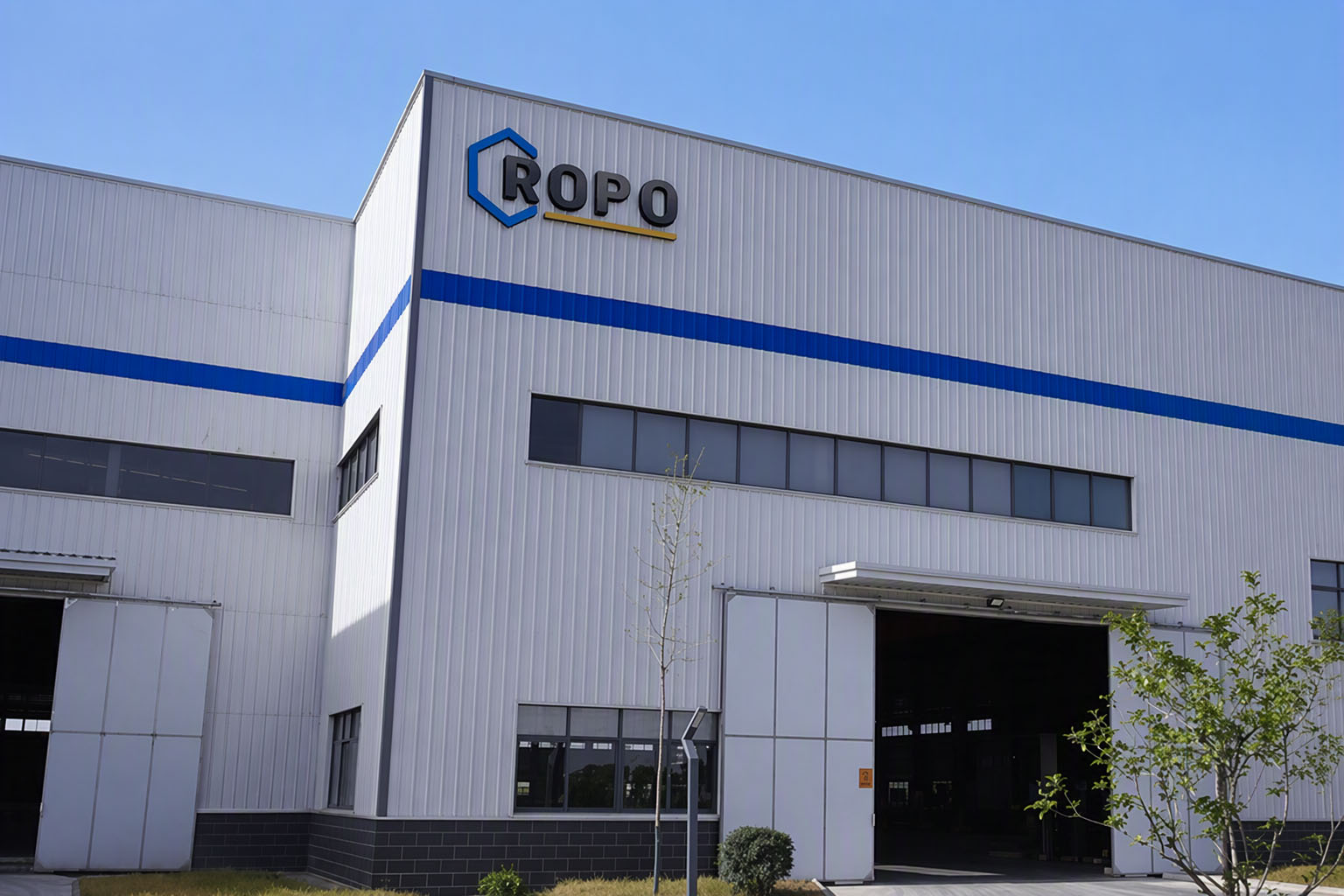
Discuss a Similar Project ↗Why Builders, Developers and Distributors Partner with ROPO
Coordinate custom manufacturing, technical documentation and export supply through a project-focused procurement process.
 01
Factory-direct manufacturing
Custom production aligned with confirmed project specifications.
02Project-specific technical support
Review frame, glazing, hardware, opening configurations and drawings.
Testing & quality assurance
Review applicable performance evidence and quality inspection requirements.
Export packaging & project delivery
Plan packing, container loading and site handling around project needs.
From Energy Performance Requirements to Project Delivery
A structured procurement process helps builders, developers and distributors coordinate technical specifications, product approvals, manufacturing and delivery.
Submit your project
Send drawings, schedule, location and performance targets.
System selection & review
Review material, profile series, glazing and opening types.
Documents & quotation
Confirm applicable evidence, specifications and pricing.
Shop drawings & samples
Approve drawings, finishes and samples as agreed.
Manufacturing & inspection
Produce and inspect against confirmed order specifications.
Export packaging & delivery
Agree packaging, loading, shipping and delivery arrangements.
| Procurement item | Information |
|---|---|
| MOQ | Based on project and system requirements |
| Samples | Subject to agreed sample configuration |
| Customization | Frame, size, glass, hardware and finish |
| Technical documents | Subject to selected system and configuration |
| Manufacturing lead time | Confirmed according to order requirements |
| Shipping | LCL and FCL options, subject to order volume |
| Warranty | According to applicable ROPO warranty terms |
Frequently Asked Questions About Energy Efficient Windows and Doors
Answers to common questions from builders, architects, developers and trade buyers.
What are energy efficient windows and doors?
Energy-efficient windows and doors are designed to reduce unwanted heat transfer and air leakage through insulated frames, high-performance glazing and effective sealing systems.
Are thermal break aluminum windows better than uPVC windows?
Both systems can achieve good thermal performance. The most suitable option depends on whole-window ratings, opening dimensions, structural requirements, architectural design and project budget.
What is a good U-value for energy efficient windows?
A lower U-value indicates better thermal insulation. The appropriate target depends on local building requirements, climate conditions and the project's energy performance assessment.
Are triple glazed windows always better than double glazed windows?
Triple glazing can improve thermal insulation, but the final selection should also consider SHGC, glazing weight, frame compatibility and overall project cost.
What is the difference between U-value and SHGC?
U-value measures heat transfer through the window, while SHGC measures the proportion of solar energy entering the building through the assembly.
Can energy efficient windows be used in commercial buildings?
Yes. Appropriate systems can be selected based on opening dimensions, structural loads, glazing requirements and the building's energy performance targets.
Can ROPO supply windows for Australian 7-star home projects?
ROPO can review suitable window configurations and available performance ratings against the project energy assessment. The final star rating depends on the entire building design, not windows alone.
Can ROPO supply windows for Passive House projects?
ROPO can review high-performance frame and glazing configurations against project-specific thermal targets. Any formal Passive House certification requirements should be confirmed separately.
Can energy efficient windows also meet hurricane or bushfire requirements?
Energy efficiency can be combined with other performance requirements where suitable tested configurations are available. The applicable impact, structural or bushfire documentation must be reviewed before ordering.
How can I get a quotation for energy efficient windows and doors?
Submit your architectural drawings, window and door schedule, project location, required performance targets and preferred specifications so ROPO can review suitable configurations and prepare a quotation.
Let’s Build a More Energy Efficient Project Together
Whether you are planning a residential development, commercial building or expanding your window distribution business, ROPO can help you select a suitable combination of frame systems, glazing and technical specifications. Send us your drawings, window schedules or project requirements to start your customized window and door solution.
What to include in your enquiry
Company name, business email, project location, customer and building type, preferred frame system, required Uw / SHGC, quantities and drawings.
For builders · developers · architects · contractors · distributors
