




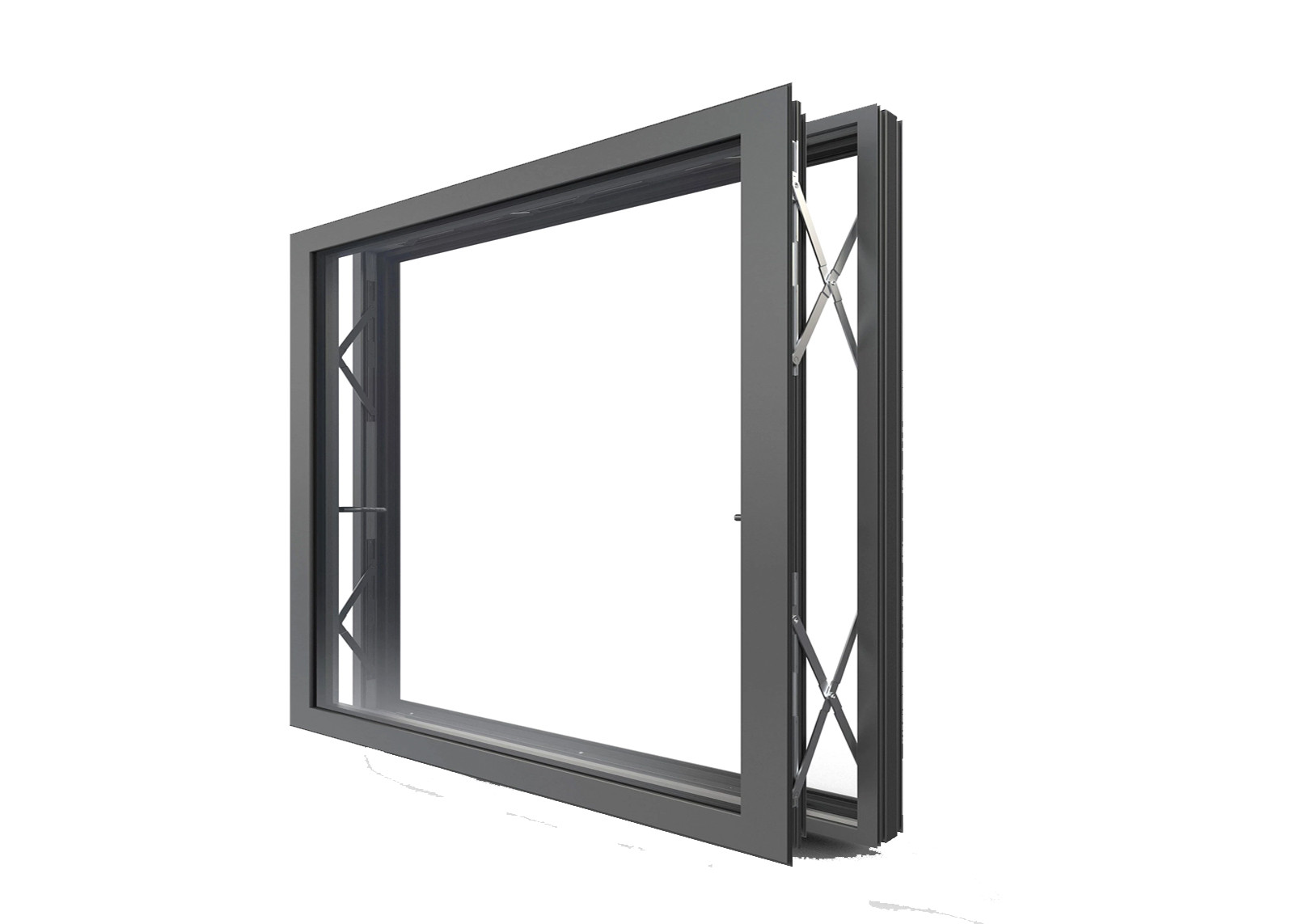

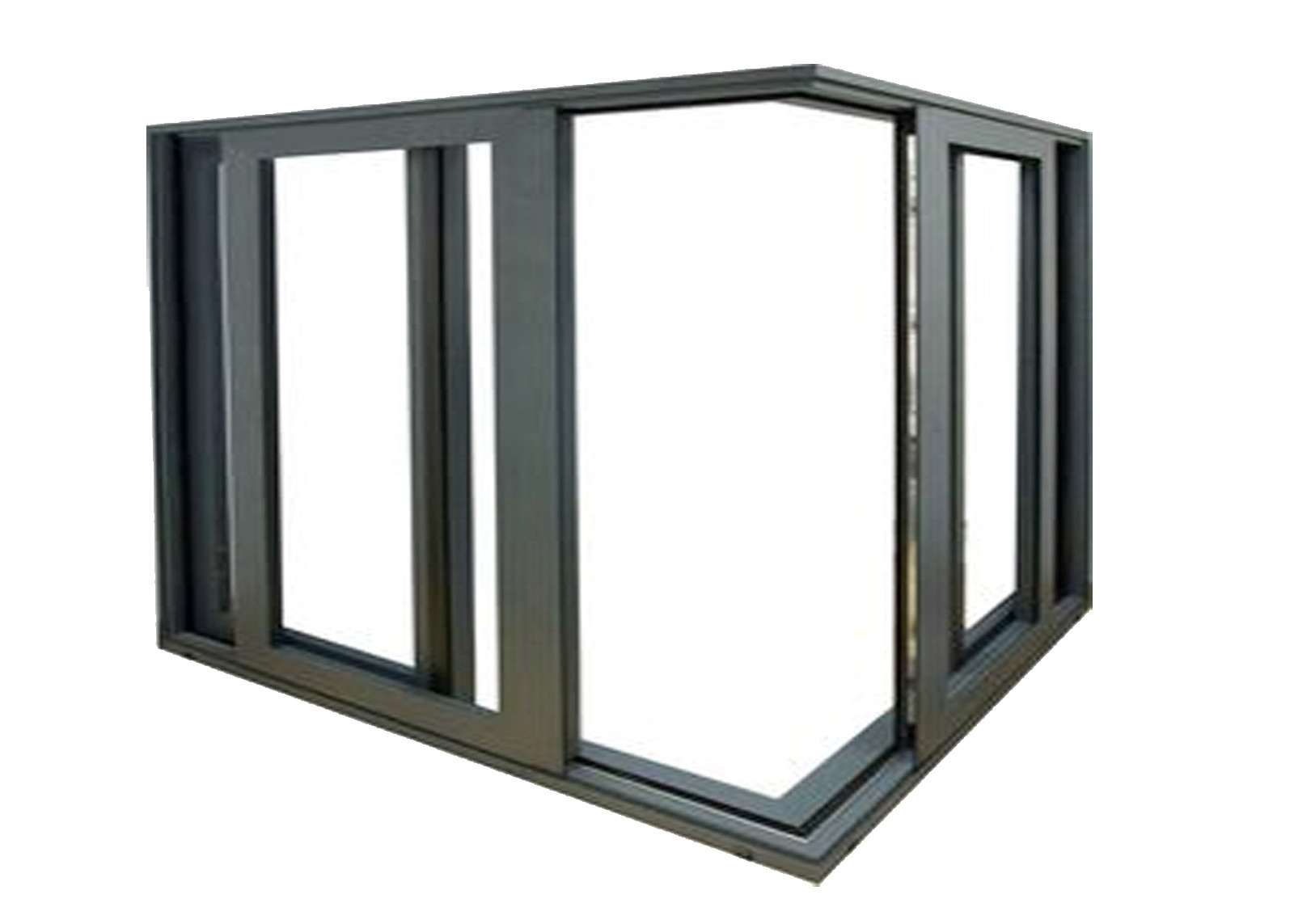
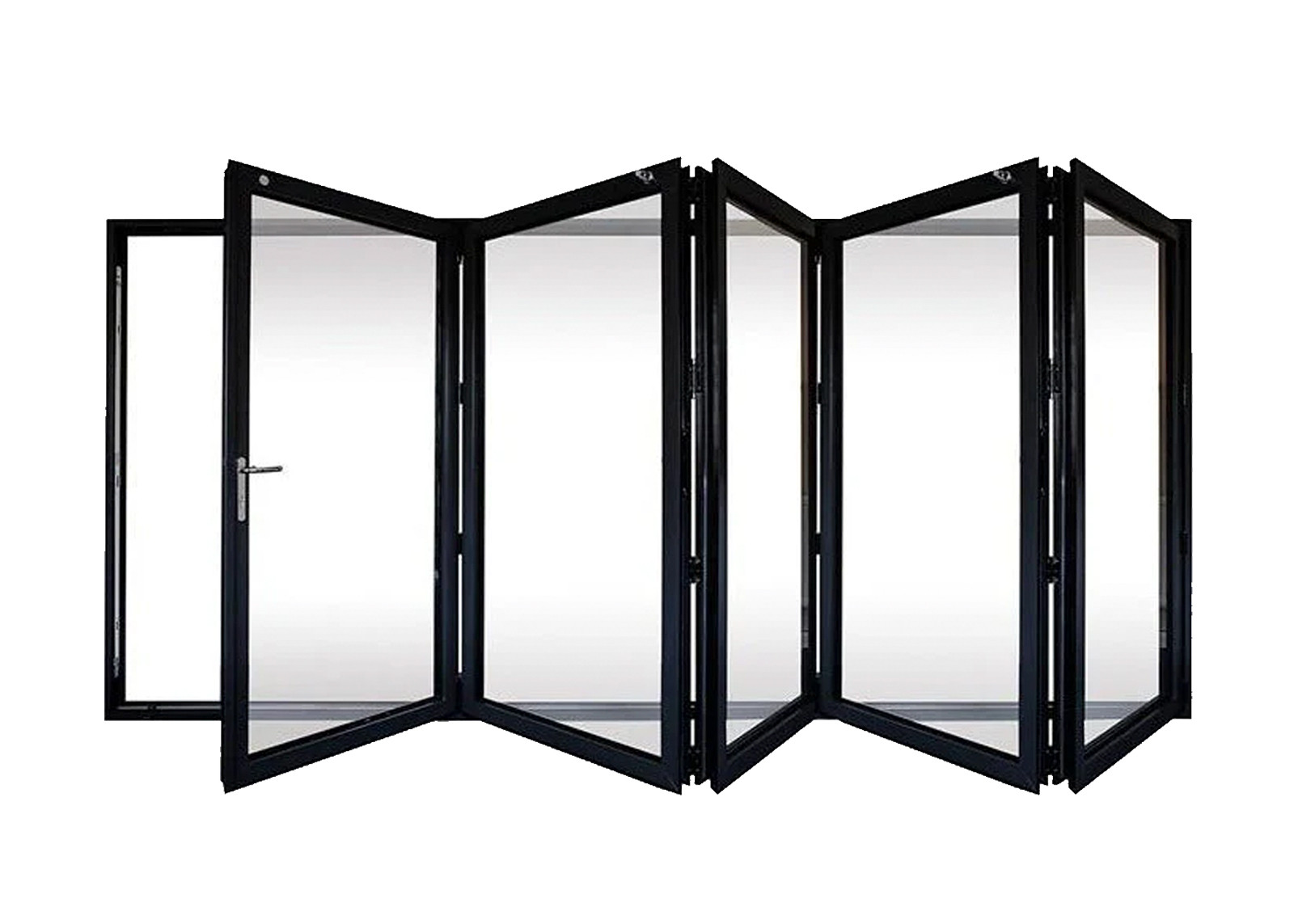
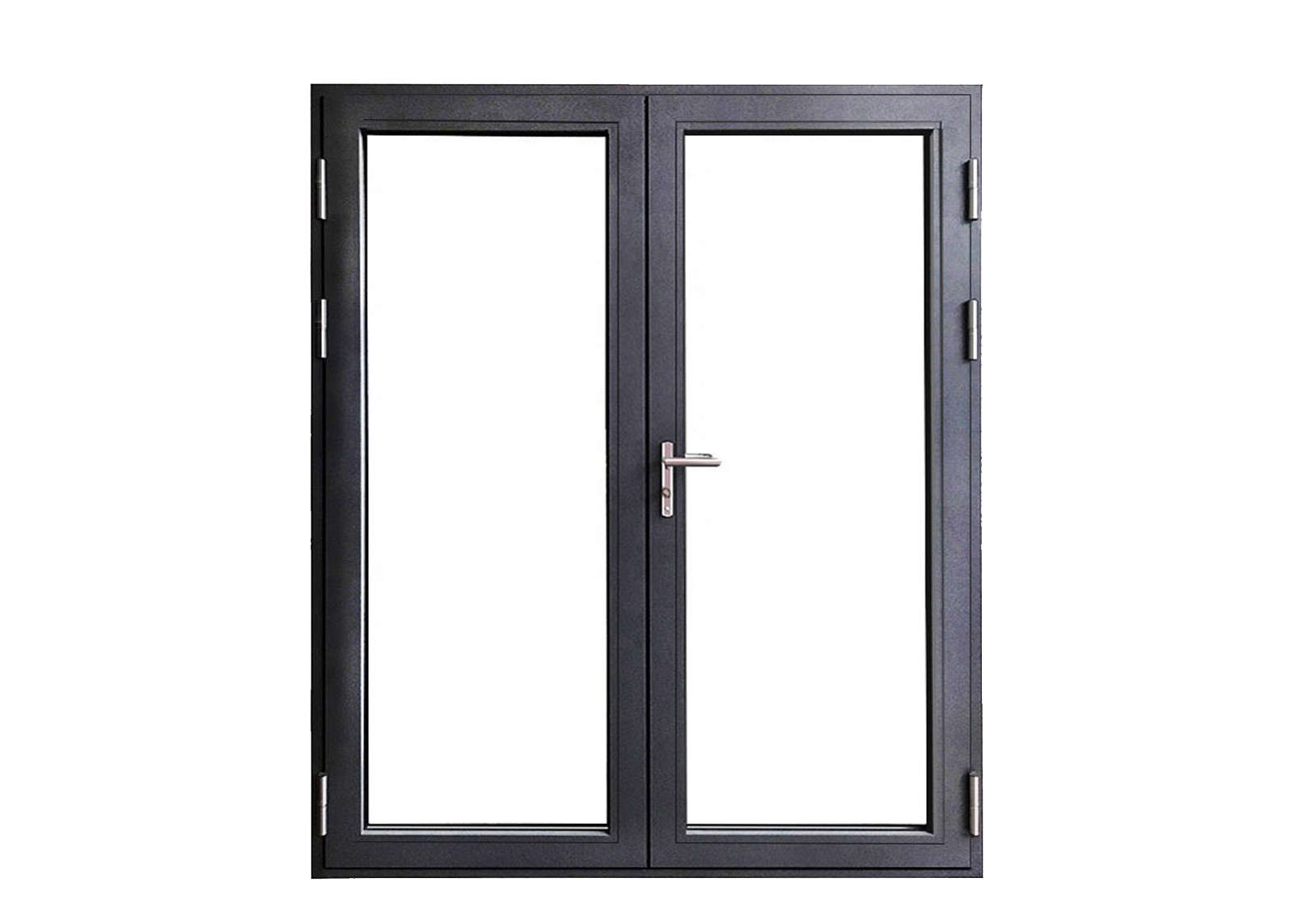


Top 10 Wholesale Window Suppliers for Australian Builders
Home / Blog / Manufacturers & Suppliers
Ten suppliers that sell windows wholesale into Australia — the three routes they use, the terms each one publishes, and the questions that decide whether a container is cheaper than a local trade account.
Which wholesale window suppliers work with Australian builders?
Australian builders buy wholesale through three routes: systems distributors such as AWS, Alspec and Capral; local trade fabricators that supply only, such as Wideline; and factory-direct importers such as ROPO. The right route depends on whether you need profiles, finished units or a container, and on who carries certification, freight and installation risk.
A builder who searches for wholesale windows australia is usually not shopping for a house lot of windows in the ordinary way. They have a pipeline: three or four jobs in frame, a display home to fit out, or a run of townhouses where the same opening repeats. What they want is a supply arrangement that holds a price across that run, keeps the specification stable between batches, and does not force them back into a retail showroom every time an opening changes.
That is a different question from "who sells windows", and the market answers it in three different ways. A systems distributor sells the profiles and hardware that a fabricator turns into windows. A local trade fabricator sells finished units supply-only, with the builder carrying installation. A factory-direct importer sells a container of finished units made to the builder's schedule, with certification, freight and duty arranged across borders. Each route has a different cost structure, a different risk profile, and a different set of terms that nobody publishes on a homepage.
The gap this guide addresses is the one between the marketing and the paperwork. Almost every supplier in the results claims to serve builders. Very few publish what a wholesale arrangement actually contains: the minimum order, whether a mixed container is allowed, what the deposit and balance terms are, how long a quoted price holds, and what support a dealer or repeat builder receives. Those are the five terms that decide whether a wholesale account saves money or quietly costs it.
ROPO has manufactured aluminium and uPVC windows in Fuzhou, Fujian, for 16 years and shipped to more than 100 countries, Australia among them. ROPO publishes this guide and appears first in the list; the same evidence standard is applied to it as to the other nine suppliers, including the parts of its commercial position that a buyer still has to confirm directly.
How does wholesale window supply work for Australian builders?
Wholesale supply in Australia runs through three distinct routes, and they are not interchangeable. For wholesale windows australia buyers, the route also decides who owns the certificate, the freight and the installation risk. One sells components, one sells finished units locally, one sells finished units across a border. A builder who compares them on price alone is comparing three different products with three different risk owners, which is why the cheapest quote often turns out to be the most expensive arrangement.
The route also determines what "wholesale" means. For a systems distributor it means a trade account and access to a catalogue. For a local fabricator it means supply-only pricing and a delivery schedule. For an importer it means a minimum order quantity, a container plan and a payment structure. Understanding which definition you are being offered is the first step in comparing any two quotes.
Route one: systems distribution, where you buy profiles rather than windows
A systems distributor designs aluminium window and door systems and sells the extrusions, hardware and technical support to fabricators, who then build and sell the finished window. AWS states the model plainly on its own site: windows and doors are supplied "through our highly trained network of licensed fabricators", and the company does "not sell, manufacture or supply finished windows and doors". That is not a limitation to work around; it is the definition of the route.
For a builder, this route matters when you want a named system behind the window — a specific frame depth, a tested drainage detail, a hardware set — but you are buying through a fabricator who carries the warranty and the installation. It also matters when a project specification names a system, because the distributor is where the documentation lives. The trade-off is that you are negotiating with two parties, and the price you see is the fabricator's, not the distributor's.
Alspec describes itself as a market leader "in the design and distribution of innovative aluminium systems" across architectural, residential, industrial and home-improvement markets, and publishes a national branch footprint. Capral describes "a national footprint of aluminium centres, stocking a wide range of standard aluminium extrusions and products for all trade projects and needs", alongside a stocked offer catalogue and ISO management certifications. Both are wholesale in the literal sense: they supply the trade that builds the window.
If your interest is finished units rather than systems, the windows wholesaler range is the more direct comparison, because it is priced and packed as finished product rather than as a system licence.
Route two: local trade fabrication, where you buy finished units supply-only
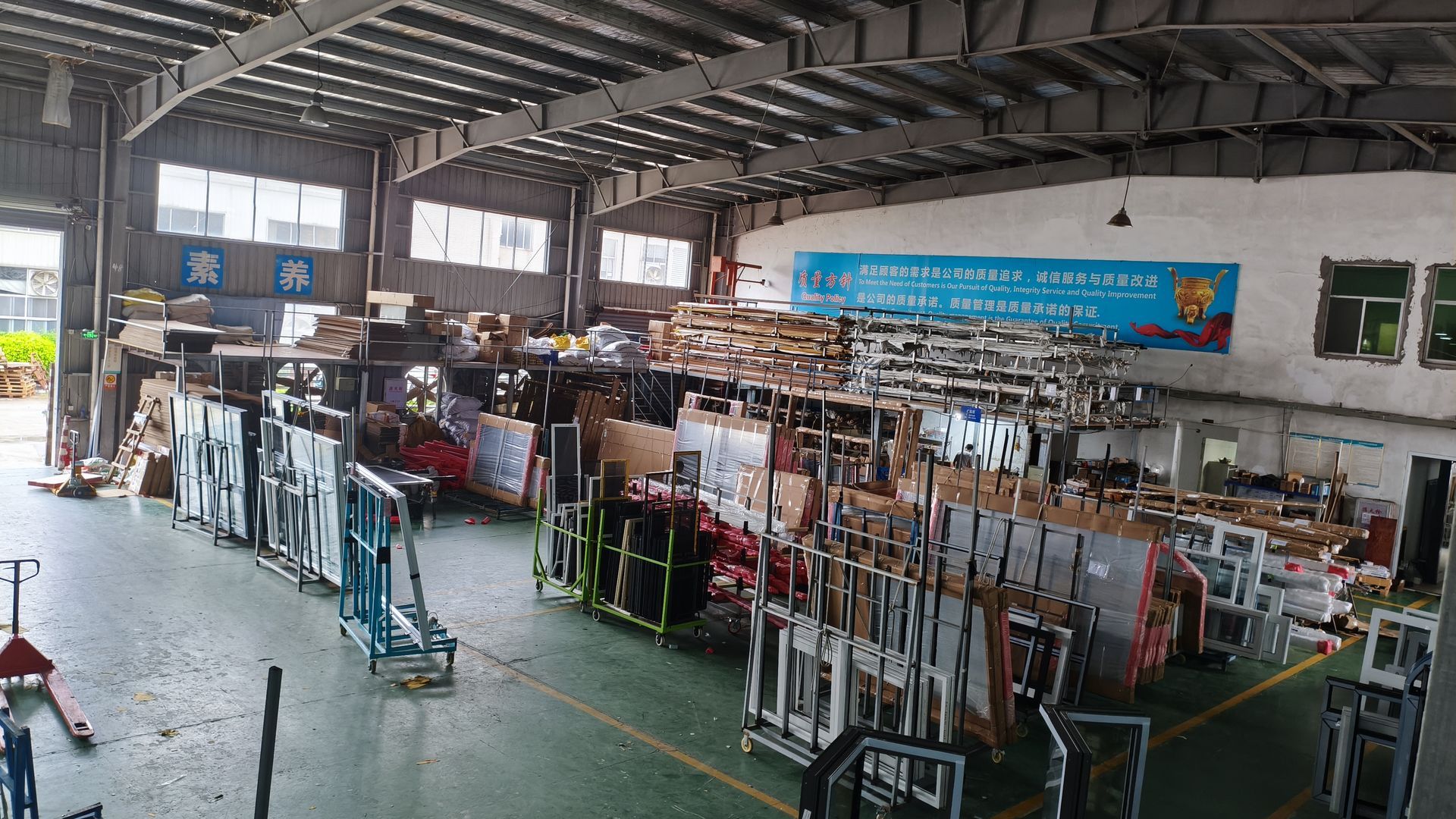
A local fabricator buys systems, builds windows to order, and sells them to builders without installing. Wideline describes the arrangement in a single sentence on its FAQ page: "We are a supply only company and we do not come out to your property to measure and quote." The same page states that products are "manufactured to order" with no stock held, and that distribution runs through New South Wales with distributors covering Melbourne and the Latrobe Valley in Victoria.
This is the route most Australian builders actually use, and for good reasons. Supply-only means the builder keeps control of the installation sequence, which is where programme risk usually sits. Local manufacture means glass breakage and missing hardware are a phone call rather than a shipment. And a fabricator that also supplies through a distributor network has an interest in the builder's repeat business, which is the informal version of dealer support.
The constraint is coverage. A fabricator's delivery area is a commercial fact, not a limitation of the product, and it decides whether the route is available to you at all. The second constraint is that trade pricing is almost never published; you get it by opening an account and submitting a schedule, which means the comparison only becomes real once you have a quote in hand.
Route three: factory-direct import, where you buy a container
The third route is the one that produces the biggest price spread and the biggest variance in outcome. A factory-direct supplier builds the windows to your schedule and ships them, usually as a full container or a mixed load with other product families. ROPO's wholesale position is on this route: a minimum order of one unit, a 10-year warranty, Trade Assurance payment terms, and a dealer programme for buyers who intend to resell.
Factory-direct is not a shortcut around certification. An imported window still has to satisfy the same Australian standards as a locally fabricated one, and the evidence has to travel with the goods. What changes is who assembles that evidence and when: on this route the factory prepares the certificate pack, the packing list and the installation drawings, and the builder or their certifier checks them before the container is released.
The commercial attraction is structural rather than mysterious. A container moves a large number of identical openings in one shipment, so the per-unit freight and the per-unit handling fall as the batch grows. The commercial risk is equally structural: the deposit leaves before the goods are inspected, the specification has to be fixed in writing before production, and any change after extrusion is expensive. For a builder with a repeatable opening schedule, that trade is usually worth making. For a one-off custom house with a moving design, it usually is not.
Whichever route you take, the wholesale aluminium windows range and the wholesale uPVC window range show how a factory packages the same offer for trade buyers.
| Route | What you buy | Who certifies and warrants | What sets the price | Typical failure point |
|---|---|---|---|---|
| Systems distribution | Profiles, hardware, system documentation | Fabricator who builds the window | System licence plus fabricator margin | Specified system substituted at fabrication |
| Local trade fabrication | Finished units, supply only | Local fabricator | Local labour, glass and delivery | Programme slip when the schedule changes late |
| Factory-direct import | Finished units in a container | Factory, checked by the builder or certifier | Batch size, container fill, freight and duty | Specification drift between quote and production |
The table is a map, not a ranking. A builder running one renovation a year is usually better served by route two. A builder with a repeatable product and a year of forward work is usually better served by route three, provided the specification is locked and the certificate pack is checked before deposit. Route one sits underneath both, because the system behind the window is what the certificate is written against. For a wider view of how the Australian market is structured, the guide to doors and windows suppliers in Australia covers the standards and import path in more detail.
Which ten wholesale window suppliers should a builder shortlist?
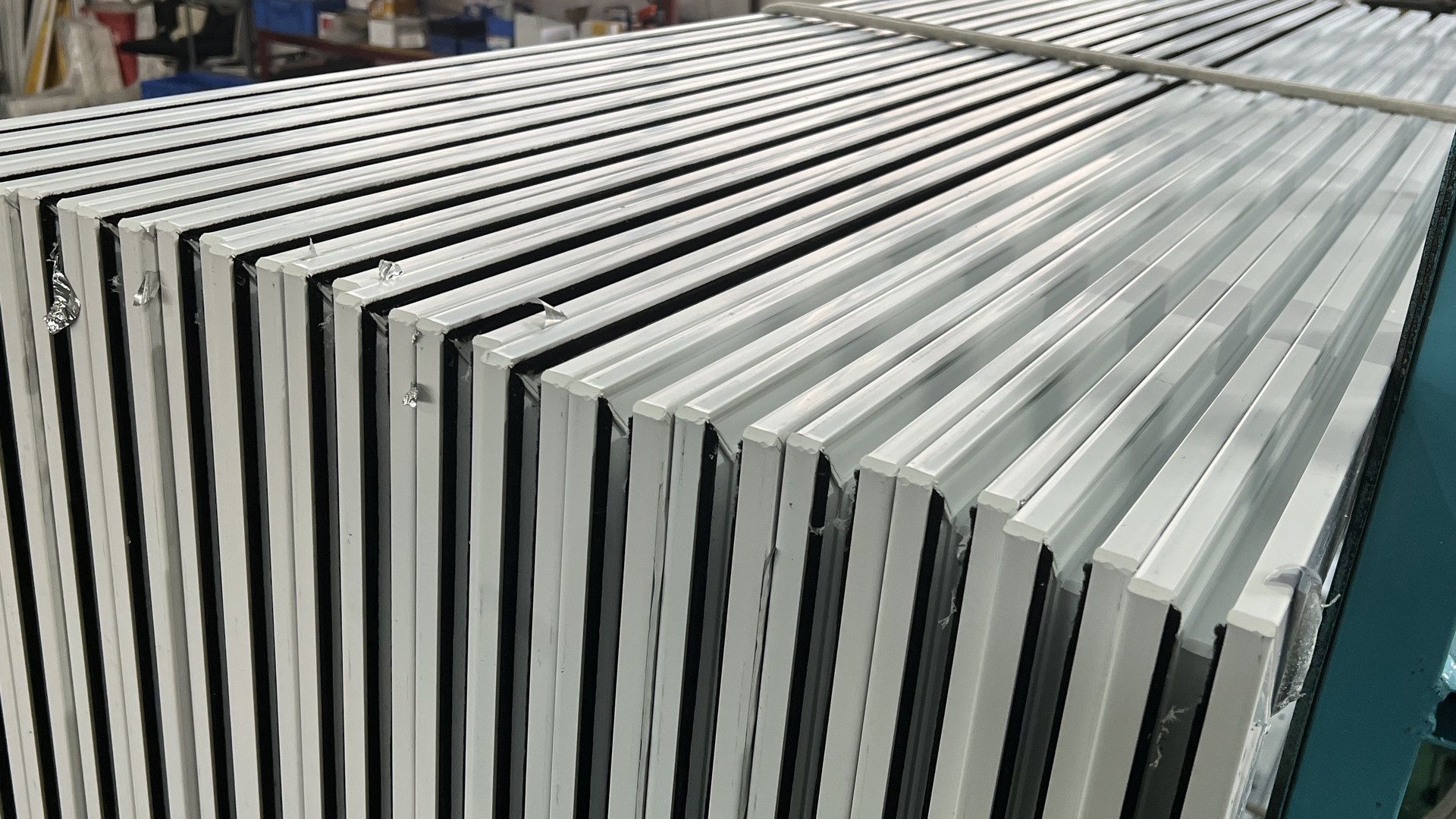
The shortlist below is an editorial ranking based on what a builder can verify before opening an account, not a price league table. Three criteria decide the order: whether the company publishes a clear wholesale or trade position rather than a retail pitch; whether it publishes the evidence a builder needs to use the product on an Australian project; and whether the route it offers can carry a repeatable opening schedule. Where a company fails one of those tests, the entry says so. Every entry was checked against the company's own public material on the same day, which is the only way a wholesale windows australia comparison stays honest.
Nine of the ten are Australian businesses, because that is where most builders start, and one is a factory-direct importer, because that is the route that changes the price. The mix is deliberate: a builder comparing a local trade account against a container should be able to read both positions in the same format. For the trade catalogue behind the first entry, the wholesale window catalogue is the relevant page.
How this list was ranked
Wholesale is a term with no legal definition in the Australian window market, so the ranking uses a working definition: a supplier qualifies if it sells to the trade rather than only to homeowners, and if its public material describes how that trade supply works. A company that sells only through showrooms to homeowners does not qualify, however large it is. A company that supplies fabricators or builders, and says so, does.
The second criterion is published evidence. For a builder, the useful question is not whether a supplier is reputable but whether the certificate, the tested specimen and the delivery footprint can be checked before money moves. Companies that publish certificate numbers, scope pages or address-level detail rank above companies that publish adjectives. The third criterion is repeatability: whether the route can hold a specification across several batches, which is the whole point of a wholesale arrangement.
The ranking is not a claim that the first supplier is best for every project. A builder in Perth weighing a local fabricator against an import has a different answer from a builder in Melbourne fitting out a display home this month. The order reflects how much of the wholesale arrangement each supplier puts in writing, because that is what makes a comparison possible at all.
| # | Supplier | Route | Wholesale position published | Evidence published | Published gap |
|---|---|---|---|---|---|
| 1 | ROPO Windows | Factory-direct import | MOQ one unit, dealer programme, Trade Assurance | AS 2047-2014, AS 1288, NZS 4211 CodeMark, Miami-Dade | No public price list; landed cost is quoted per schedule |
| 2 | AWS | Systems distribution | Supplies only through licensed fabricators | System and specification documentation | No trade price list or fabricator agreement terms |
| 3 | Alspec | Systems distribution | Design and distribution of aluminium systems | System catalogue and branch network | No trade price list, MOQ or dealer terms |
| 4 | Capral Aluminium | National distribution | Aluminium centres stocking trade products | ISO 9001, ISO 14001, ISO 45001, ASI certificates | No MOQ or trade account terms published |
| 5 | Wideline Windows & Doors | Local trade fabrication | Supply-only, manufactured to order | BAL-40 aluminium, BAL-29 timber, NatHERS rating route | No trade price list or distributor terms |
| 6 | Dowell Windows | Local trade fabrication | Supplier of windows and doors to the market | Named product ranges and branch locations | No trade account terms or wholesale price list |
| 7 | Nuline Windows + Doors | Local trade fabrication | In-house manufacture, supply to builders | BAL ratings from 12.5 to 40 | No trade price list or builder account terms |
| 8 | Jason Windows | Local trade fabrication | Supplying the WA building industry since 1959 | Product range and service area | No builder account terms or MOQ |
| 9 | Stegbar | Local trade fabrication | Manufacturer serving builders and renovators | Product range across windows, doors and wardrobes | No trade price list or builder account terms |
| 10 | Breezway | Component manufacture | Louvre systems made to order for fabricators | Australian Standards testing and WERS listing | No trade price list or fabricator licence terms |
1. ROPO Windows — Fuzhou, Fujian (factory-direct import)
ROPO builds aluminium and uPVC windows and doors in Fuzhou, has done so for 16 years, and ships to more than 100 countries. On the wholesale side it publishes the terms most factories keep quiet: a minimum order of one unit, a 10-year warranty, Trade Assurance payment terms, and a dealer programme for buyers who intend to resell rather than install.
The evidence position is stronger than the commercial one is transparent. The factory publishes an AS 2047-2014 certificate for windows and doors, AS 1288 glazing evidence, NZS 4211 through CodeMark, and Miami-Dade hurricane testing, and runs an AGWA compliance position audited against NCC 2022. Those documents are checkable before a deposit, which is the minimum standard this list applies.
The gap is price transparency. No factory publishes a wholesale price list, because the price depends on the schedule, the glass, the finish and the container fill, and a published list would be wrong for almost every buyer. What ROPO does publish is the structure behind the quote — the cost blocks and the MOQ — which lets a builder compare two quotes line by line instead of comparing totals.
For an Australian builder the practical value is the combination of a one-unit minimum and a container price. You can order a sample window, inspect the corner and the drainage, then commit to a batch without changing supplier or re-approving the specification. The thermally broken aluminium range and the standard aluminium window range sit behind the same terms.
2. Architectural Window Systems (AWS) — Prestons, NSW (systems distribution)
AWS is the clearest example on this list of a supplier that defines its wholesale boundary in public. Its own about page states: "AWS supplies windows and doors through our highly trained network of licensed fabricators. We do not sell, manufacture or supply finished windows and doors." That single sentence saves a builder a week of enquiries, because it tells you the route before you ask for a price.
The company publishes locations in Sydney, Melbourne, Brisbane, Adelaide and Perth, and a specification portal for architects and fabricators. The Vantage, Elevate and ThermalHEART ranges are system families rather than finished products, which means the frame depth, the drainage and the hardware are documented once and built many times by licensed fabricators.
For a builder, the value is documentation discipline and the risk is transparency. AWS does not publish a trade price list, a minimum order or the terms of its fabricator agreements, so the commercial comparison happens one level down, with the fabricator who quotes you. If your project specification names an AWS system, the fabricator is where the price and the programme are decided.
3. Alspec — national branch network (systems distribution)
Alspec publishes a straightforward wholesale identity: "Alspec is the market leader in the design and distribution of innovative aluminium systems to the architectural, residential, industrial and home-improvement markets." The legal entity appears as The Aluminium Specialties Group Pty. Ltd., and the branch list covers every mainland state capital plus regional centres.
The product architecture is organised for trade buyers rather than homeowners: residential ranges, commercial windows and doors, framing, curtain walls, louvres, hardware and glass. For a builder, that breadth matters when one project mixes a residential window schedule with a commercial shopfront or a balustrade, because the interfaces are designed to fit rather than improvised on site.
The published gap is commercial rather than technical. Alspec does not publish a trade price list, a minimum order or dealer terms, and its certification position is expressed through system documentation rather than a certificate register on the homepage. A builder should ask the fabricator for the system's test evidence, not assume the distributor's brand is the certificate.
4. Capral Aluminium — national aluminium centres (national distribution)
Capral is the largest distributor on this list by footprint, and it describes the wholesale function directly: "Capral has a national footprint of aluminium centres, stocking a wide range of standard aluminium extrusions and products for all trade projects and needs." The company publishes its legal identity as Capral Limited, with an ABN on every page, and a stocked offer catalogue that a fabricator can order against.
It is also the most explicit on management systems: ISO 9001, ISO 14001 and ISO 45001, plus Aluminium Stewardship Initiative performance and chain-of-custody certificates. Those are business certifications rather than window certificates, and the distinction matters: an ISO badge tells you how the company is run, not whether the window on your schedule passed AS 2047.
The gap for a builder is that Capral sells extrusions rather than finished windows, so there is no builder account, no MOQ and no dealer programme to compare. Its role in a wholesale comparison is as the system and material source behind a local fabricator, and as a check on whether the fabricator is using a documented system or an unbranded profile.
5. Wideline Windows & Doors — NSW manufacturing (local trade fabrication)
Wideline is the best-documented supply-only fabricator on this list. Its FAQ states "We are a supply only company and we do not come out to your property to measure and quote", and explains that everything is "manufactured to order" with no stock held. It also publishes its distribution reality: "Wideline distribute throughout NSW. Our distributors in Victoria deliver around the Melbourne and Latrobe Valley areas."
The product position is specific rather than generic. Aluminium ranges are named Horizon, Ascend and Paragon, with frame depths and maximum panel heights published per range, and timber is offered as Natura in western red cedar or meranti. Bushfire performance is stated as certified to BAL-40 for aluminium and BAL-29 for timber, and energy performance is rated through a NatHERS-approved simulator.
For a builder, that combination — supply-only, made to order, published ranges, published BAL ratings, published distribution area — is the closest thing in the Australian market to a wholesale specification sheet. The gap is price: there is no trade price list, no published MOQ and no distributor terms, so the commercial conversation still starts with an account application.
6. Dowell Windows — national branch network (local trade fabrication)
Dowell presents itself as "Australia's preferred supplier of Windows and Doors" and backs the claim with a national branch and showroom list rather than a single factory address. Its ranges are named UrbanLine, DesignerLine and ThermaLine, which is the kind of product architecture a builder can schedule against: one family for volume residential work, one for design-led work, one for thermal performance.
The wholesale relevance is footprint and repeatability. A builder working across more than one state needs a supplier whose product does not change at the border, and a branch network is how that is delivered. For a project with the same opening repeated across several sites, a national range reduces the risk of a local substitution.
What Dowell does not publish is the commercial mechanism. There is no trade price list, no minimum order and no builder account terms on the public site, so the wholesale arrangement is invisible until you are inside it. A builder should ask for the account terms, the price validity period and the delivery lead time in writing before comparing Dowell against a container quote.
7. Nuline Windows + Doors — Melbourne (local trade fabrication)
Nuline states its model without hedging: "We manufacture all products in-house and supply directly to homeowners, builders and developers." That sentence is useful because it separates the company from fabricators that resell another system, and because it names builders as a customer group rather than an afterthought.
The product mix is broader than a pure residential fabricator: aluminium and steel windows and doors, plus commercial glazing systems. Bushfire performance is published as "fully compliant with BAL ratings from 12.5 to 40", which covers the range a builder is likely to meet in peri-urban Victoria. Delivery is described as throughout Melbourne and Victoria.
The gap is the same one that runs through this list: no published trade price list, no MOQ and no builder account terms. Nuline is a strong candidate for a Melbourne builder who wants a local supply-only partner with a published BAL position; it is not a candidate for a builder who needs a national footprint or a container price.
8. Jason Windows — Welshpool, WA (local trade fabrication)
Jason Windows describes itself as having been "supplying quality products to the West Australian building industry since 1959", which is the longest stated trading history on this list and a useful signal in a market where fabricators come and go. The service area is published as Perth and the South West around Bunbury.
The range is the standard Western Australian mix: aluminium windows and doors, security screens, flyscreens and glass. For a builder in Perth, that combination matters because security screens and flyscreens are usually specified with the window package rather than bought separately, and a single supplier reduces the interface risk at handover.
What is not published is the wholesale mechanism: no builder account terms, no MOQ and no trade price list. Jason is therefore a route-two supplier in the purest sense — a local fabricator with a long trading record and a defined service area, whose commercial terms are negotiated rather than published.
9. Stegbar — national manufacturer (local trade fabrication)
Stegbar describes itself as recognised "by homeowners, renovators, architects and builders alike as one of this country's leading manufacturers", and its range extends beyond windows into wardrobes, mirrors, shower screens and splashbacks. For a builder fitting out a whole dwelling, that breadth is a genuine advantage, because the wet-area and joinery packages can come from the same supplier as the windows.
The wholesale position is the weakest part of the public story. The about page speaks to reputation rather than to trade supply, and there is no published trade price list, MOQ or builder account terms. A builder should treat Stegbar as a large, established manufacturer with a retail-facing public voice, and ask specifically for the trade terms rather than assuming they exist because the company serves builders.
That is not a criticism of the product. It is a comment on what a builder can verify from outside. In a comparison, Stegbar's strength is range and brand continuity; its weakness is that the wholesale terms are invisible until you are in the account.
10. Breezway — louvre systems (component manufacture)
Breezway is included because louvre windows are a separate supply chain, and builders specifying natural ventilation need a route to them. The company describes itself as "Australia's leading manufacturer of high-performance, energy efficient Altair Louvre Windows", states that it tests extensively for compliance with Australian and international standards, and makes each window to order.
Its route is component and system manufacture rather than finished-window wholesale: the View/Buy page directs buyers to showrooms, display centres and window fabricators, and separates builder, trade and commercial enquiries from service enquiries. For a builder, that means the louvre package usually arrives inside another fabricator's window schedule rather than as a direct purchase.
The published gap is commercial: no trade price list, no MOQ and no fabricator licence terms. Breezway ranks last not because the product is weak but because the wholesale arrangement is the least visible of the ten, and a builder comparing supply routes needs visibility more than another product brochure.
Who was left out, and why. Several companies that appear in a search for wholesale windows were deliberately excluded. A&L Windows, Southern Star Windows and G.James were assessed but their official sites could not be reached during this review, and a supplier that cannot be checked publicly cannot be ranked on published evidence. Others were excluded because they sell only through retail showrooms to homeowners, which fails the trade-supply test at the top of this section. Trend Windows was considered and left out because its public material describes builder relationships without a quotable wholesale position.
The exclusions are part of the method. A list of ten that includes four unverifiable entries is worth less than a list of ten where every entry can be checked in an afternoon. Builders should apply the same rule to any list they receive, including this one.
What wholesale terms should a builder negotiate before ordering?
Wholesale terms are where the money is actually made or lost, and they are almost never on a website. For wholesale windows australia orders, the five that matter are the minimum order, the container plan, the payment structure, the dealer or repeat-builder position, and the period a quoted price holds. A quote that is silent on all five is not a wholesale quote; it is a retail price with a discount attached.
This is also the part of the process where a builder's own discipline pays. Suppliers respond to a buyer who arrives with a schedule, a target date and a written list of questions, because that buyer is cheaper to serve. The guide to choosing a manufacturer for bulk orders sets out the same logic from the factory side.
MOQ and the mixed container
A minimum order quantity exists because setting up a production run has a fixed cost: programming, extrusion, cutting, glazing and packing are all cheaper per unit when the batch is larger. A factory that publishes a one-unit minimum, as ROPO does, is really saying that the fixed cost is absorbed at the sample stage and priced back into the batch. That is convenient for a builder who wants to test first, and it is not the same as a low price on a single unit.
The mixed container is the term that decides whether a small builder can use the import route at all. A container filled with one window type is efficient for a project and useless for a builder with six house types. A mixed load — different openings, different finishes, sometimes different product families — is what makes the route practical, and it depends on the factory's packing discipline rather than on its machinery.
Ask three questions in writing: how the minimum is expressed (units, value or container), whether a mixed container is accepted and at what fill level, and who bears the cost if the batch falls short of the minimum after production starts. The answers separate a factory that wants wholesale business from one that tolerates it.
Deposit, balance and the payment instrument
Cross-border window orders normally split payment: a deposit before production and a balance before shipment or against documents. The split is a risk allocation, not a formality. The deposit funds extrusion and glass, so it is spent early; the balance protects the buyer against goods that do not match the specification, but only if there is an instrument behind it.
That is the practical value of Trade Assurance on this route: it puts a platform-recorded contract and a dispute mechanism around the payment, so the balance is not simply a transfer on trust. The Trade Assurance terms explain what the instrument covers and what it does not, and the difference matters at claim time.
A builder should also fix the trigger for the balance. "Before shipment" is a date; "after inspection and notification of container loading" is a condition. The second is worth more, because it ties the money to a photograph of the goods rather than to a calendar.
Dealer support and the repeat-order position
Dealer support is the term that turns a one-off purchase into a supply relationship, and it is the term least likely to be published. It usually includes repeat-order pricing, a protected territory, marketing material, and a named contact for technical questions. For a builder whose business is repeatable house types, the repeat-order price is worth more than the first-order discount.
ROPO publishes a dealer programme and a local Australian partner programme, which is unusual on the import side: most factories will discuss dealer terms privately but publish nothing. The Australian partner route matters because installation and site measurement are where an imported window most often fails, and a partner arrangement puts that responsibility with a local party.
For the Australian suppliers on this list, dealer support exists as a distributor or fabricator network rather than as a published programme. Wideline publishes its distributor coverage, Alspec and Capral publish branch networks, and Dowell publishes a national branch list. Those are the visible parts of the same idea: coverage you can check before you commit.
Price validity, tooling and change control
A quoted price has a shelf life. Aluminium, glass and freight all move, and a factory that offers a price for an unlimited period is either hedging it or will renegotiate at production. The term to negotiate is a validity window long enough to cover your approval cycle, written into the quote rather than assumed.
Change control is the second half. Every change after extrusion — a different frame depth, a different sash configuration, a different glass make-up — carries a cost, and the cost depends on when the change happens. A wholesale agreement should state what happens at each stage: free before shop drawings are approved, priced before cutting, expensive after glazing. The buyer checklist for large projects covers the same sequence, and the bulk window supply programme is where the terms meet the product.
Tooling is the third piece, and it applies only to non-standard profiles or hardware. If a project needs a new extrusion or a bespoke colour, ask who owns the tool, who pays for it, and what happens to it if you move supplier. The answer is usually boring and occasionally decisive.
How do you compare a container price with a local trade price?
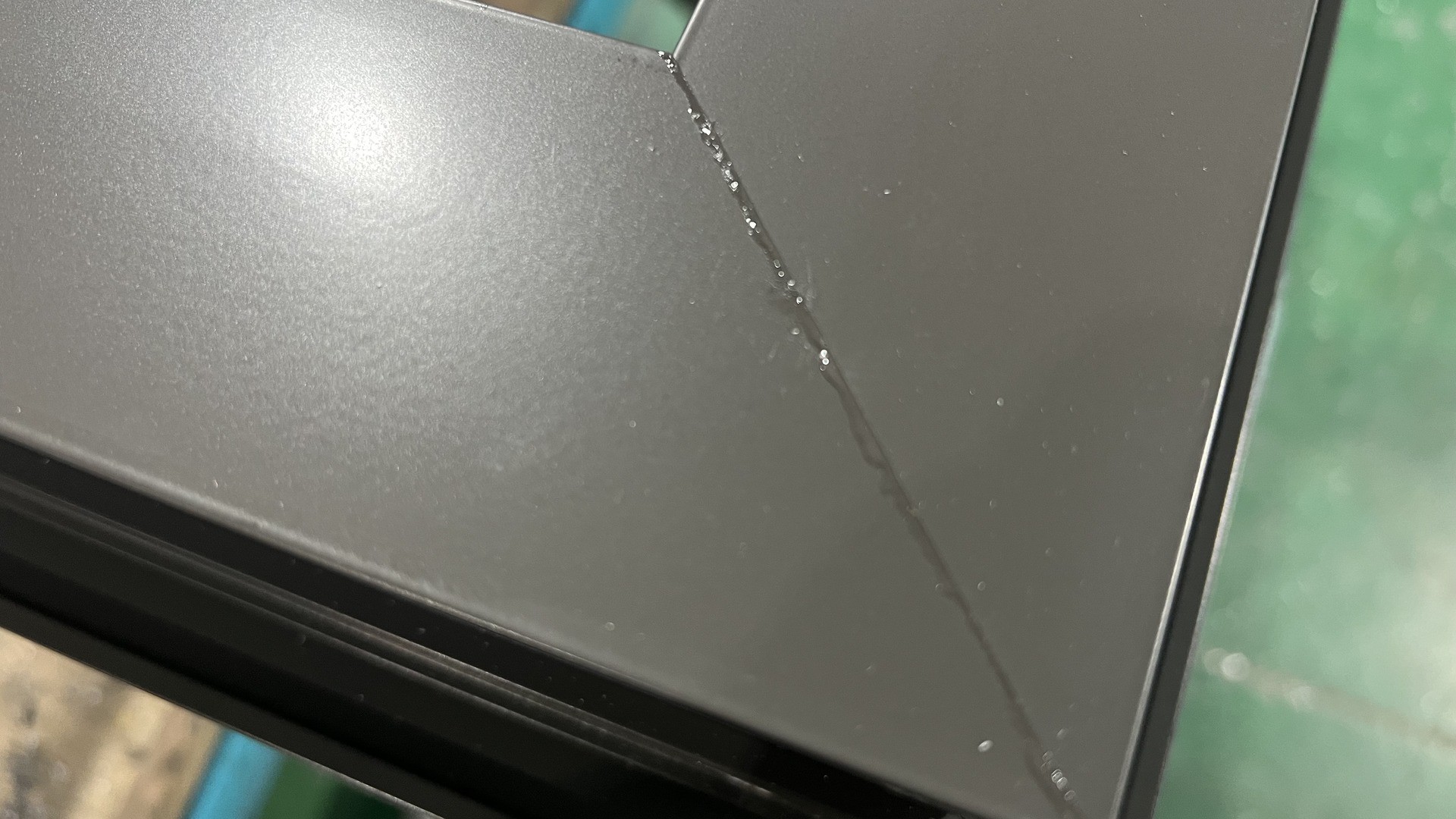
The comparison that decides most import decisions is not "factory price versus local price". It is landed cost versus delivered trade price, and the two are built from different blocks. A local price already contains labour, glass, delivery and margin in one number. A container price arrives in pieces, and the pieces are where the arithmetic goes wrong.
The only honest way to compare is to build the landed number yourself, using your own freight quote and your own duty position, then compare it with a written trade quote for the same opening schedule. Anything less is a comparison of two marketing numbers.
The five cost blocks in a landed comparison
Every landed window cost breaks into five blocks: the ex-works product price, the packaging and inland transport to port, the ocean freight and insurance, the destination charges and clearance, and the duty and taxes that apply to the product's classification. The first block is the one factories quote. The other four decide whether the quote was good.
Packaging is not a rounding error on windows, because volume is the constraint rather than weight. A container fills up long before it becomes heavy, so inefficient packing raises the per-unit freight even when the product price is unchanged. That is why the packaging standard is a commercial document as much as a protective one.
Destination charges are the block builders most often miss: port charges, cartage, unpacking and the cost of storing a container's worth of windows until the site is ready. A local supplier's price includes delivery to site on a schedule; a container arrives once, and the builder owns the storage problem, which is the block a wholesale windows australia comparison most often leaves out. For a tight site, that difference can outweigh the product saving.
The price structure behind a factory quote is explained in the window pricing breakdown published by the factory, which is the right document to read before comparing blocks rather than totals. For a builder weighing the three routes, the wholesale window packages page shows what a finished unit actually contains.
What the comparison must assume before it means anything
Three assumptions have to be identical on both sides or the comparison is meaningless: the opening schedule, the glass make-up and the hardware. A container quote built on 6 mm single glazing will beat a local quote built on double glazing every time, and the difference is the glass rather than the factory.
The fourth assumption is the specification standard. An imported window and a locally fabricated window can both claim AS 2047 and still differ in frame depth, wall thickness and drainage detail. The comparison should be made on the system, not on the standard's name. A written buying checklist is a useful way to force the specification onto one page before any price is requested.
The fifth assumption is time. A local fabricator's programme is measured in site deliveries; an import programme is measured from deposit to arrival and includes production, sailing, clearance and cartage. If the project cannot absorb that sequence, the container price is irrelevant however low it is.
When factory-direct wins, and when it does not
Factory-direct wins when the opening schedule repeats, the specification is locked, the batch fills a container, and the builder can hold the goods between arrival and installation. Under those conditions the saving is structural, because the same units are made once at volume rather than many times at small batch sizes.
It also wins when the local market cannot supply the system. A thermally broken frame, a particular opening type or a large lift and slide door may not be available from a local fabricator at all, in which case the comparison is not price but availability. The thermally broken range and the lift and slide doors are the categories where this happens most often.
Factory-direct does not win when the project has one unusual opening, when the design is still moving, when the site cannot store a container, or when the builder has no capacity to inspect goods on arrival. In those cases the local trade price is buying programme certainty, and it is usually worth the difference. The same reasoning applies to casement, awning, sliding and folding door packages: volume favours the container, variety favours the local account.
What certification and documentation should a wholesale supplier carry?
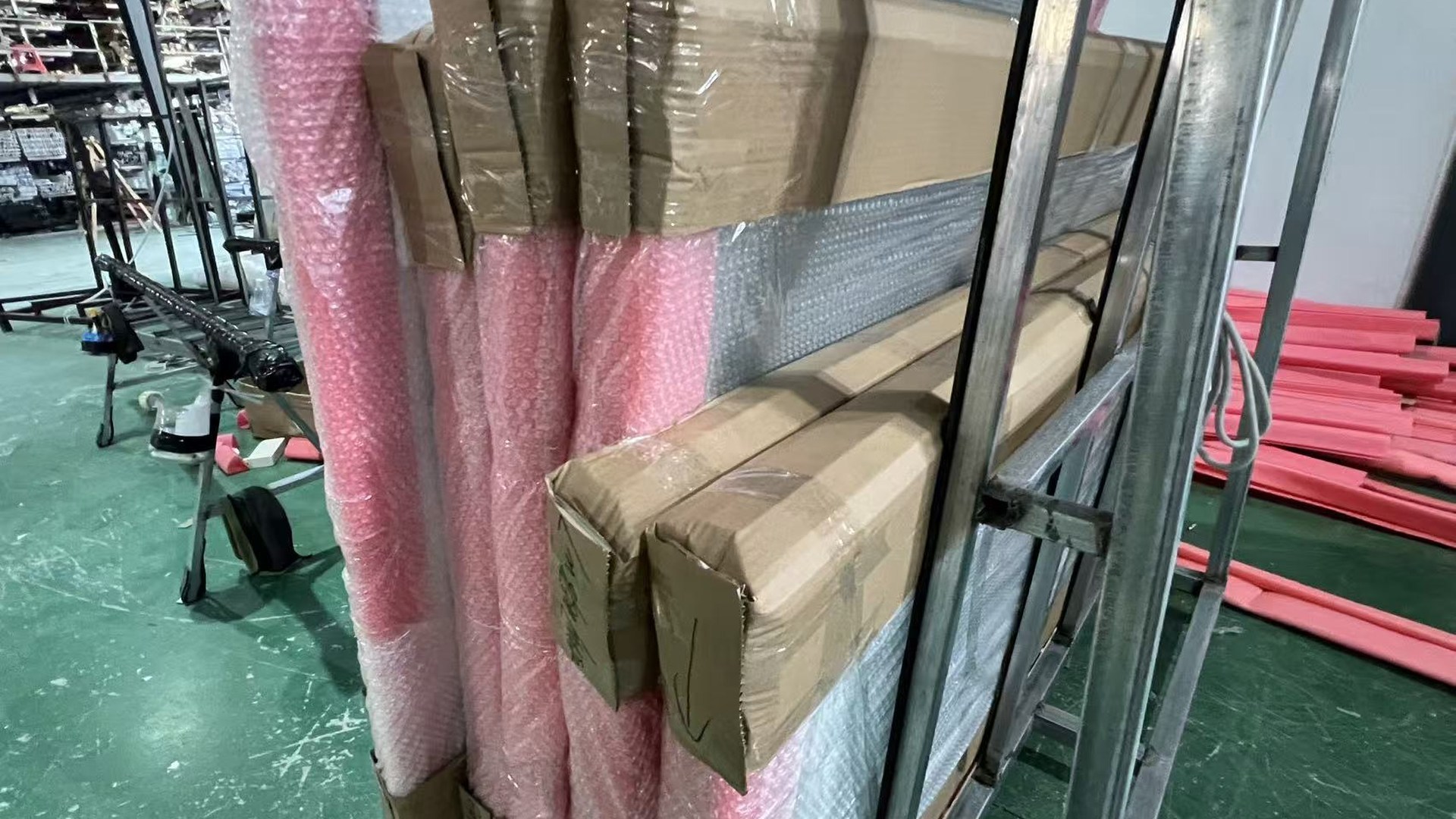
For wholesale windows australia supply, certification is the part of the deal that cannot be fixed after delivery. A window that arrives without the right certificate scope is not a warranty problem, it is a compliance problem, and the cost of resolving it usually exceeds the saving that made the import attractive. The documents have to be checked before the deposit, not at handover.
Australia and New Zealand share a family of standards but not the same documents, and a supplier that serves both markets should be able to say which certificate covers which market. Confusing the two is a common failure in wholesale quotations, and it is easy to check once you know what each document is for.
AS 2047 and the tested specimen
AS 2047 is the Australian standard for windows and external glazed doors in buildings. It is a performance standard: it requires a manufacturer to demonstrate structural adequacy, water penetration resistance and air infiltration performance for a defined specimen. The certificate is issued against that specimen, not against a catalogue, which is the detail that decides whether your window is covered.
A certificate number alone proves that a window passed. It does not prove that your window — your frame depth, your sash configuration, your glass make-up, your size — was the one tested. The AS 2047 aluminium window range is where a supplier should be able to show which configurations sit inside the tested scope, and the AS 2047-2014 certificate is the document to compare against your schedule.
Wind class is the second half of the test. AS 4055 or AS/NZS 1170.2 sets the design wind pressure for the site, and the window has to be rated for it. A wholesale quote that does not state the wind class is quoting a window, not a performance.
AS 1288, AS 4666 and the glazing package
AS 1288 governs glass selection and safety glazing, and AS 4666 covers insulating glass units. Both sit outside the frame certificate and both affect whether the installed window is compliant. A frame that passed AS 2047 with one glass make-up does not automatically pass with another, because the glass is part of the tested assembly.
For a wholesale buyer, the practical check is the glazing schedule: glass type, thickness, coating, cavity, gas and spacer, matched to the certificate's tested configuration per opening type. The AS 1288 evidence and the quality and certification page are where a supplier should be able to show the glazing position alongside the frame position.
Safety glazing is the part builders get asked about on site. Full-height glass, doors, bathroom glazing and areas around stairs all attract requirements, and they are assessed by location rather than by product family. A wholesale schedule that does not identify which panels are safety glass will be corrected on site at the builder's cost.
NZS 4211 and the New Zealand side
NZS 4211 is the New Zealand standard for windows, and compliance is commonly demonstrated through CodeMark certification. A supplier shipping to both countries needs both positions, and the documents are not interchangeable: an Australian certificate does not satisfy a New Zealand building consent, and the reverse is equally true.
ROPO's position is unusual in publishing both, with NZS 4211 through CodeMark alongside the Australian evidence and Miami-Dade hurricane testing for the US market. For a builder working across the Tasman, that is a practical advantage, because the same factory can be specified on both sides without re-approving the system.
The check is the same in both markets: certificate number, issuing body, scope page, and the tested configuration compared with your schedule. New Zealand councils are strict about the CodeMark scope, and a certificate that covers a different frame family is not a substitute.
The document pack at handover
At handover the question is not whether certificates exist but whether the right documents exist for the right product. The table below is the pack a certifier, building surveyor or project manager typically wants to see, and what each document does and does not prove.
| Document | What it proves | What it does not prove |
|---|---|---|
| AS 2047 test report and certificate | The tested specimen met structural, water and air performance at stated levels | That your configuration, size or glazing is inside the tested scope |
| Certificate schedule or scope page | Which profiles, sizes and configurations are covered | That the factory built the order to that specification |
| AS 1288 glazing assessment | The glass make-up suits the application and wind class | The thermal performance of the whole window |
| AS 4666 IG unit documentation | The insulating glass unit is made to the standard | How the unit performs once installed |
| Wind class statement | The site design pressure the window must resist | That the supplied window reaches it |
| NZS 4211 CodeMark certificate | The New Zealand compliance route and its scope | Australian compliance, or coverage outside the scope |
| Packing list matched to opening marks | Which unit goes to which opening | That the unit inside the bundle is the one listed |
| Factory inspection records | The unit was checked and identified before shipment | Site workmanship or installation tolerance |
The certificate library is the fastest way to see what a supplier actually holds, because a library that lists numbers and scope pages is harder to fake than a badge on a homepage. If a supplier will not send a certificate number before a deposit, treat the compliance claim as marketing until proven otherwise.
About ROPO Windows
ROPO Windows is a window and door manufacturer based in Fuzhou, Fujian, China, with 16 years of production behind it and customers in more than 100 countries. The factory builds aluminium and uPVC systems to order, from a single unit to a house lot, and ships through Fuzhou and Xiamen.
What the factory makes
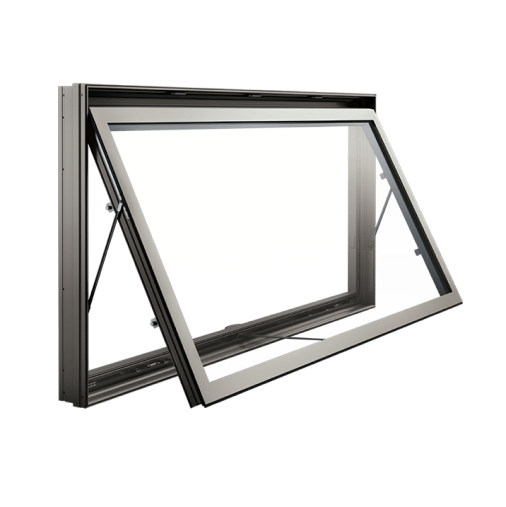
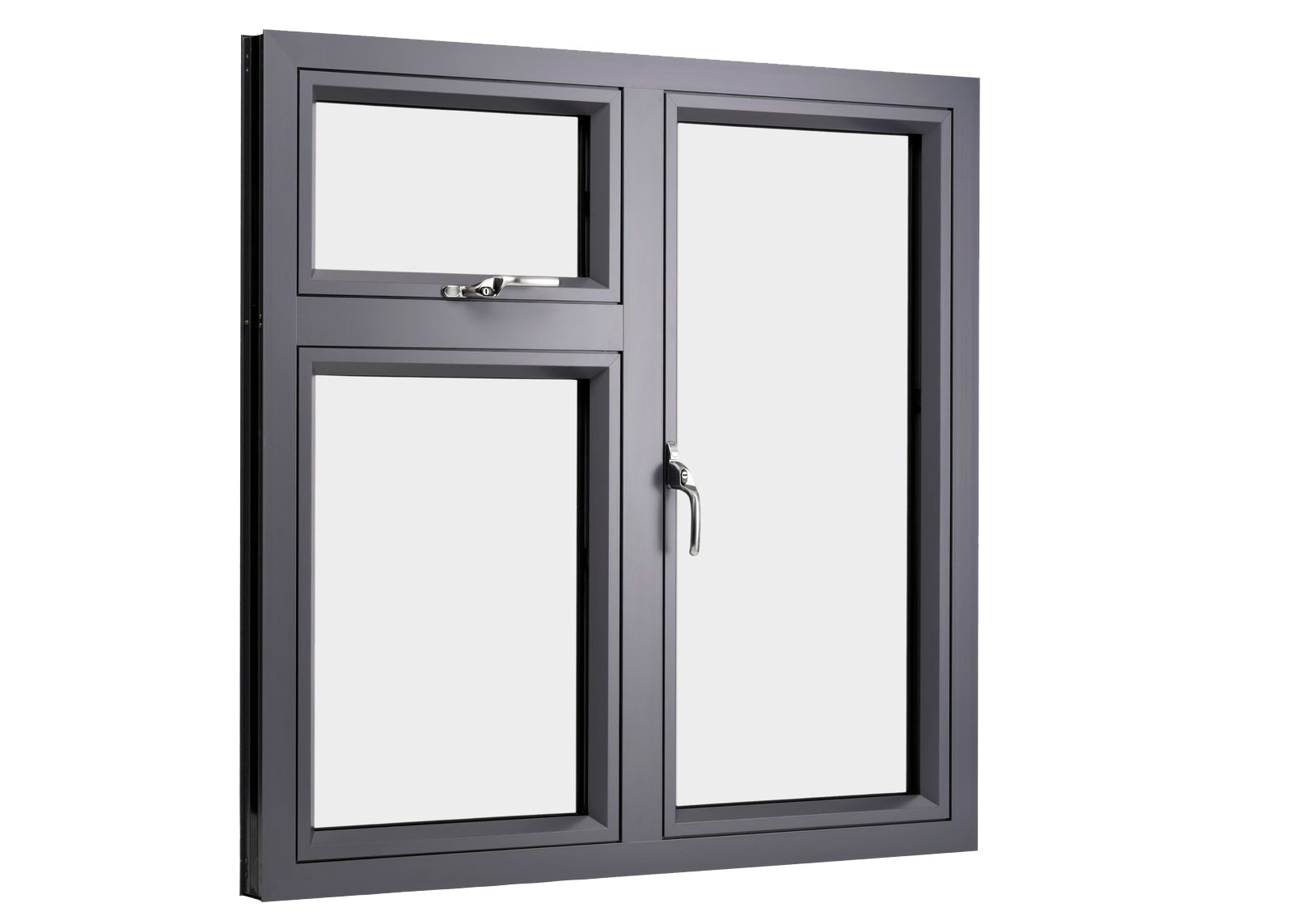
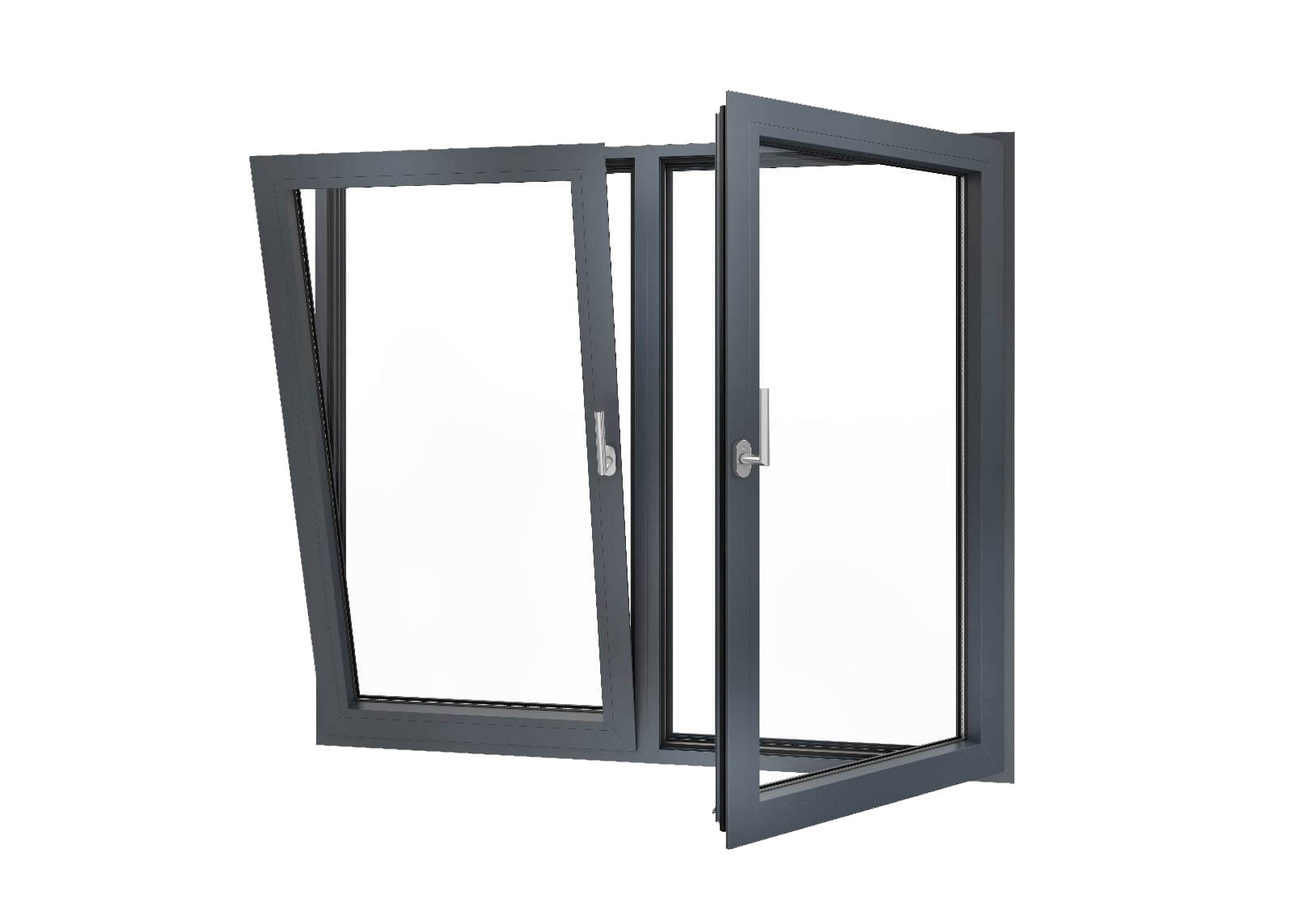
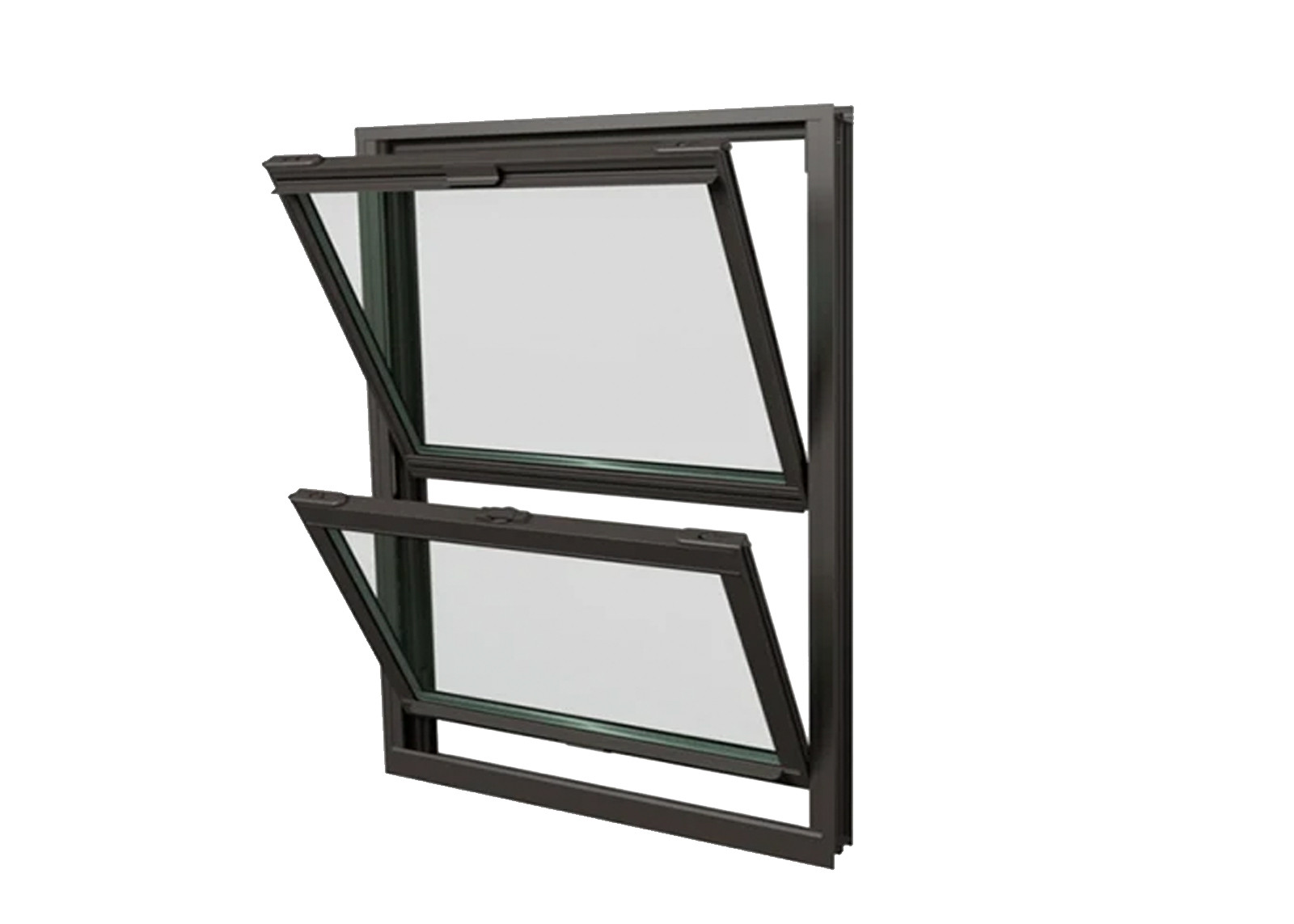
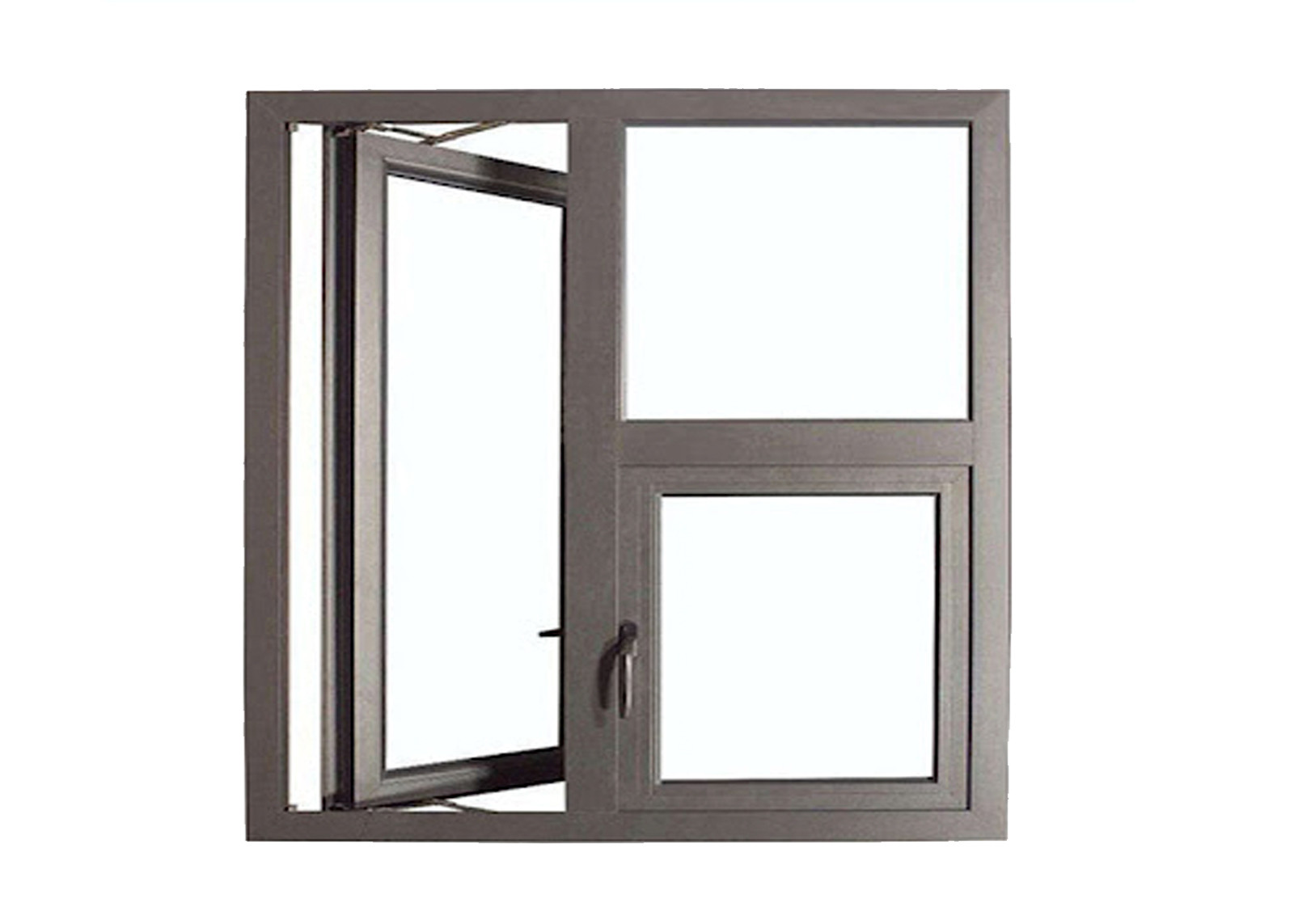
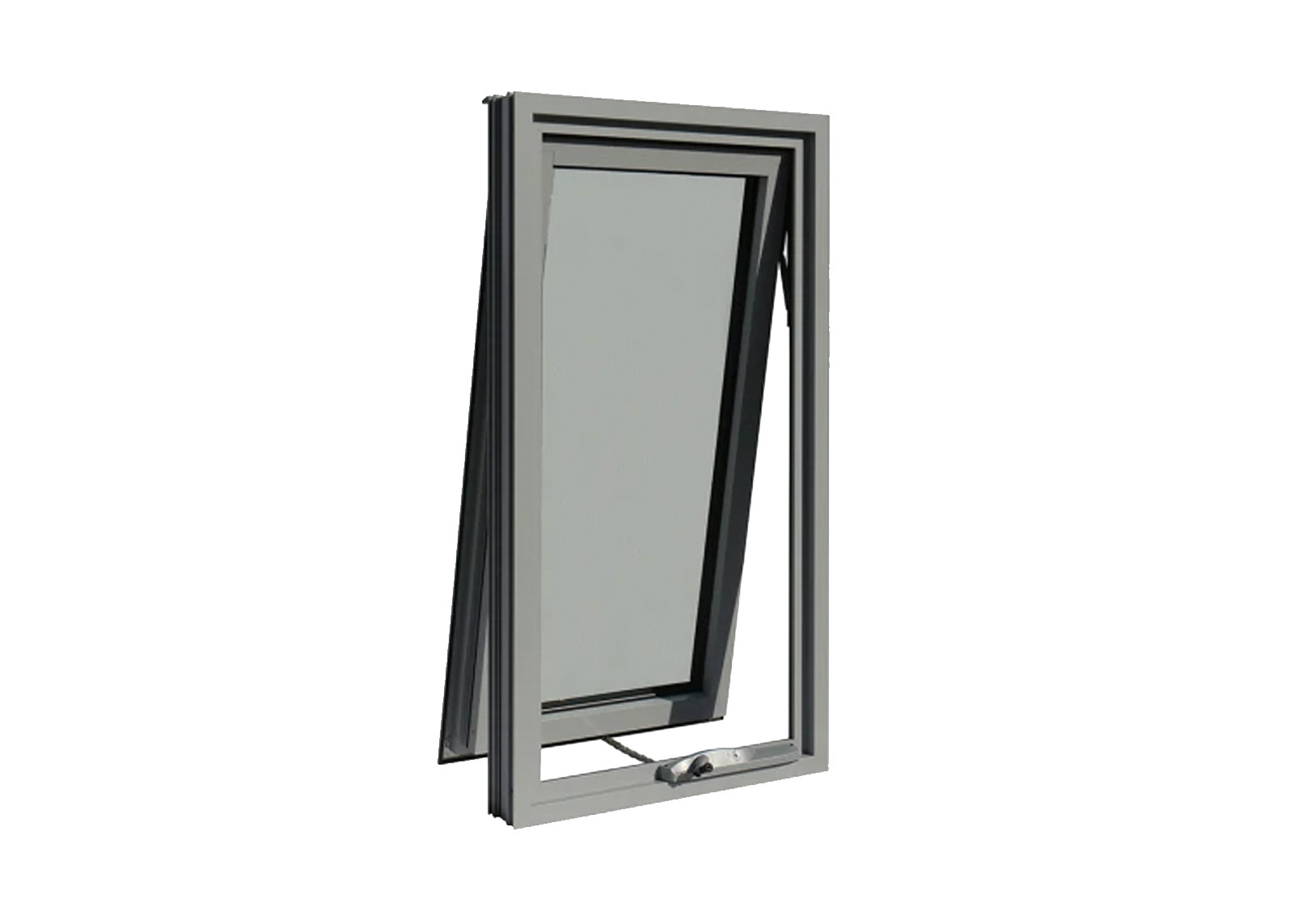
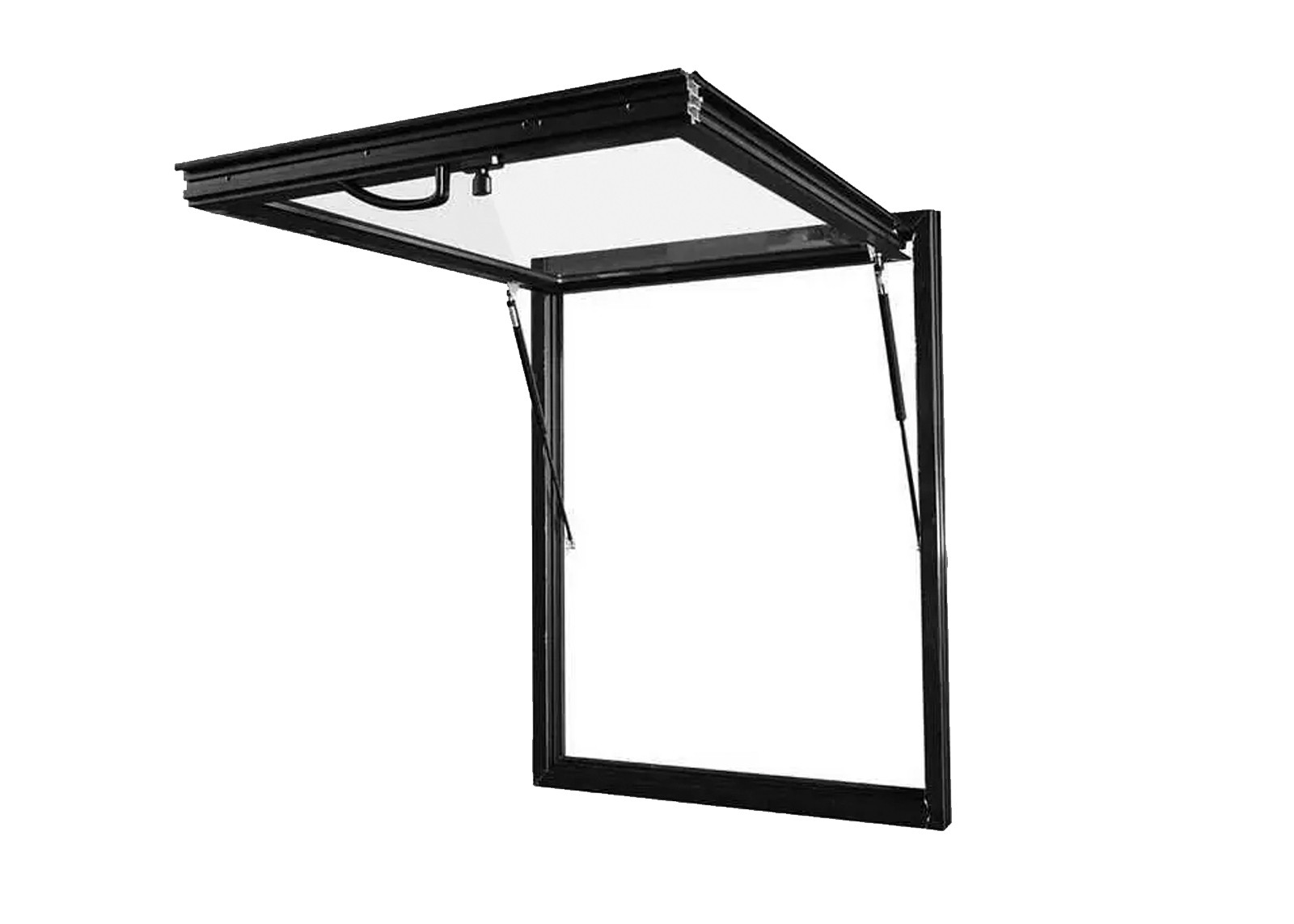
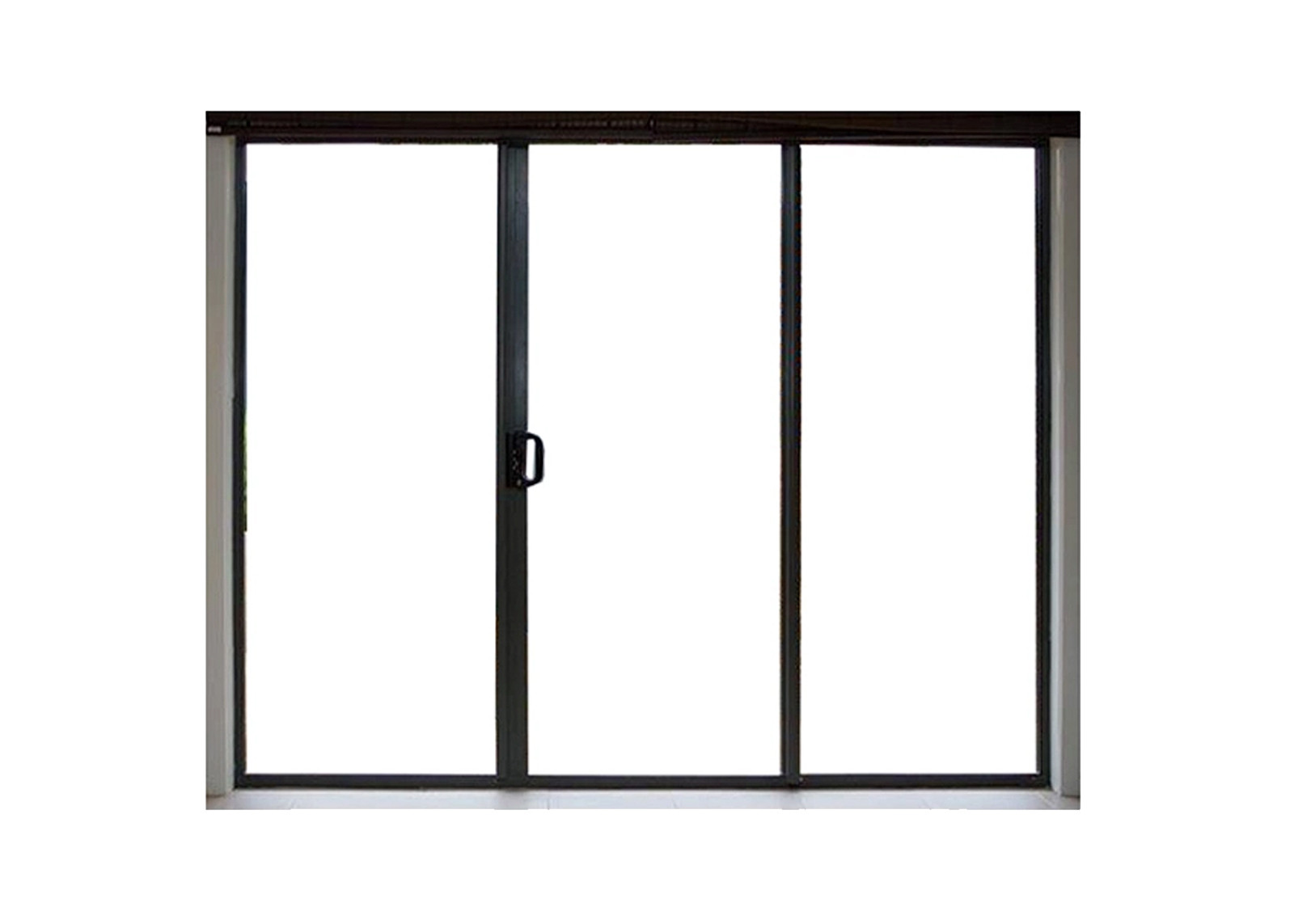
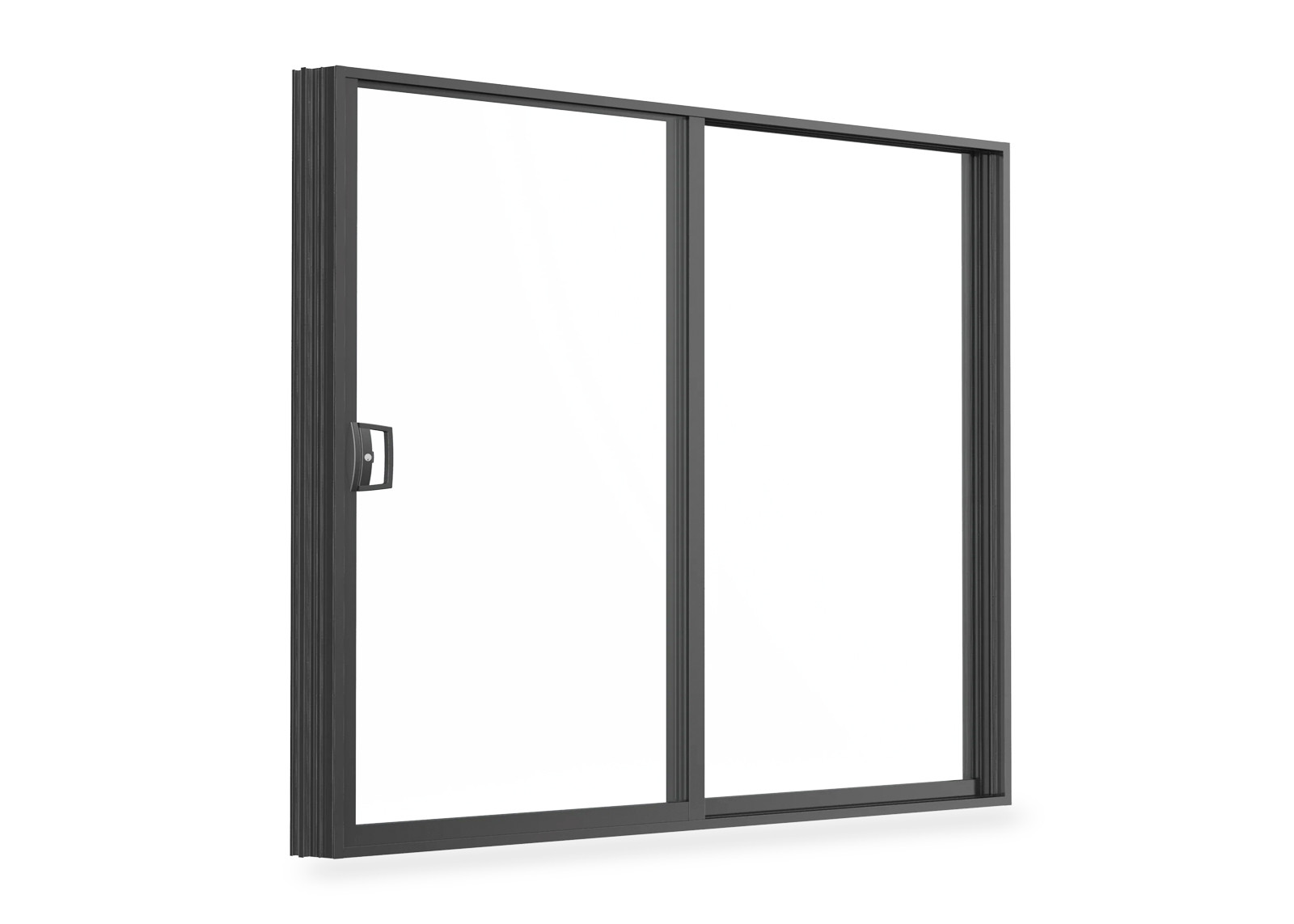
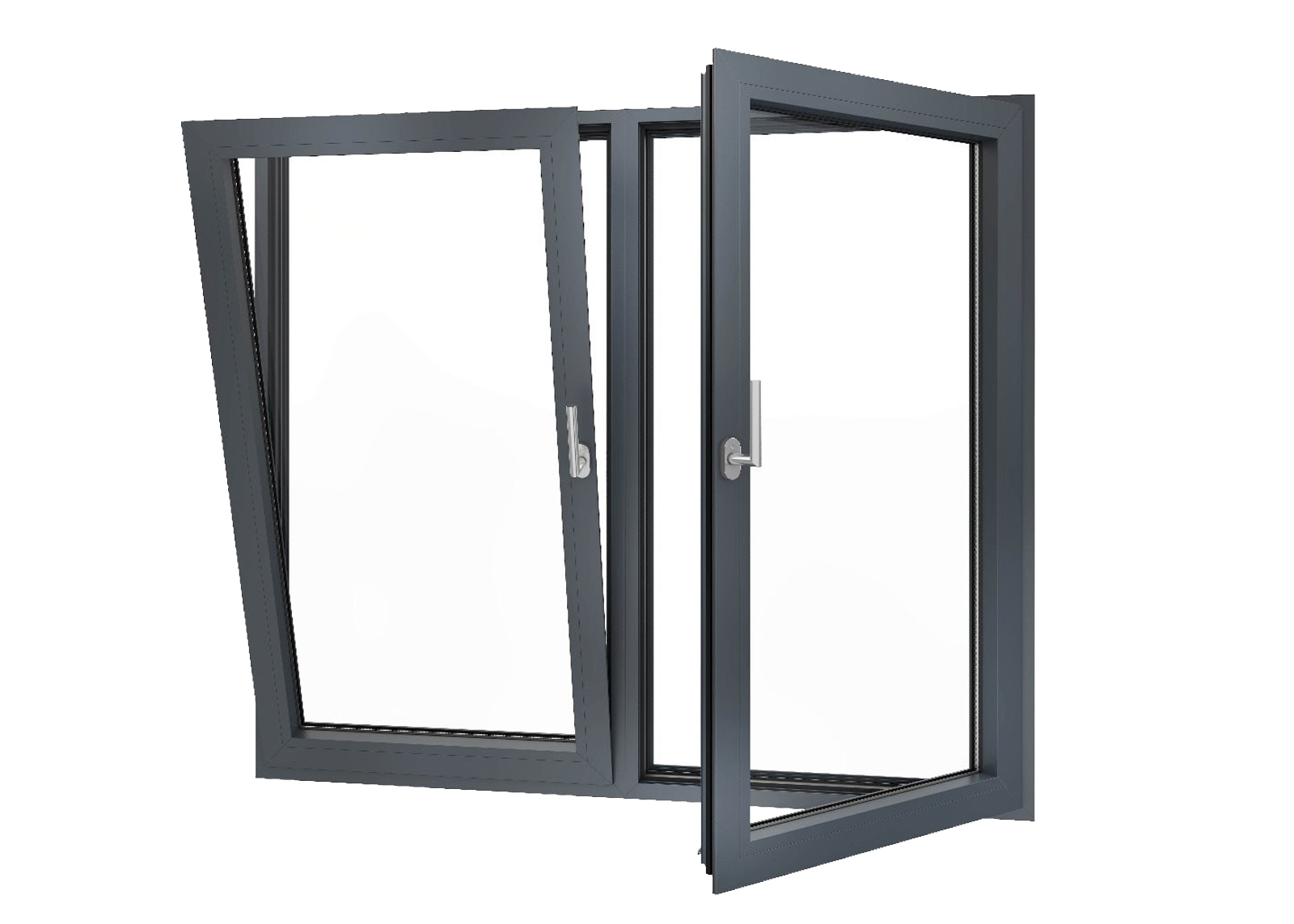
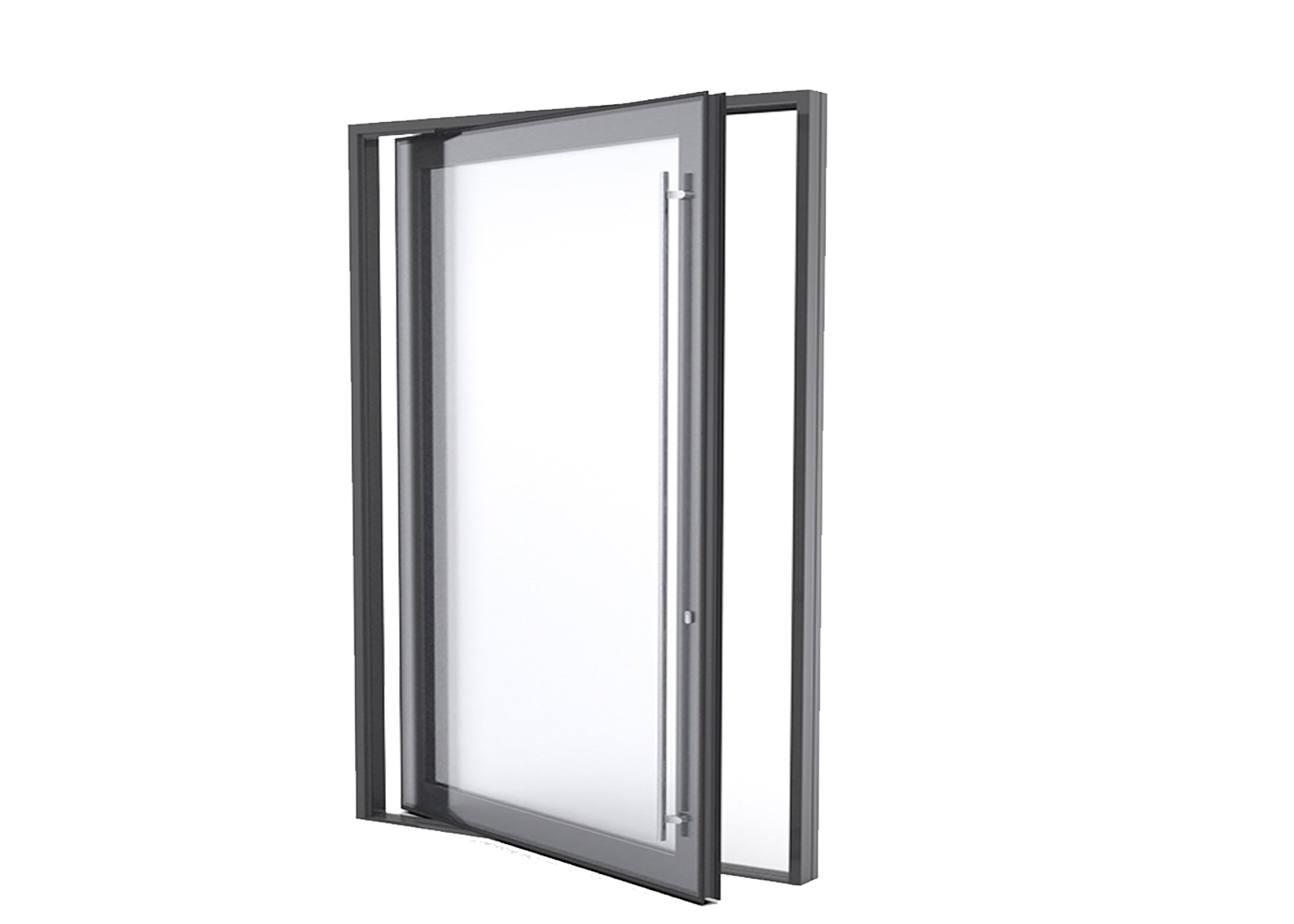
The range covers aluminium casement, awning, sliding, tilt and turn, fixed, folding, hung, bay and bow, hurricane impact and parallel opening windows, plus sliding, folding, lift and slide, pivot and tilt and turn doors. uPVC systems run alongside the aluminium range, and the windows wholesaler range is the trade-facing entry point for both.
The window wholesaler pricing structure is built around the same schedule, which is why dealers usually start here. For Australian projects the relevant starting points are the AS 2047 window range, the awning and casement systems most often specified for residential work, and the lift and slide door for large openings. Louvre and sunshade products are available as a separate family, and the aluminium doors wholesaler range covers the door side of a residential schedule.
Certificates and the Australian position
The certificate library covers AS 2047-2014, AS 1288, NZS 4211 through CodeMark, and Miami-Dade hurricane testing. The Australian position is an AGWA compliance certificate demonstrating performance against NCC 2022, AS 2047:2014 and AS 1288:2021, audited annually by an AGWA accredited independent auditor.
Certification is not the same as project compliance, and the useful question is always the same: is the window on my schedule inside the tested scope, and can the factory show me where it says so? ROPO's quality and certification page lists the scope, and the certificate library holds the documents themselves.
Warranty, ordering and dealer support
ROPO states a 10-year warranty, a minimum order of one unit, and Trade Assurance payment terms. The warranty list sets out what is covered and for how long, which matters more than the headline period: a warranty is only useful if the exclusions are narrow and the claim route is local.
ROPO's wholesale windows australia position rests on three published facts: 16 years of production, customers in more than 100 countries, and a 10-year warranty. For Australian buyers there is a local partner route through the Australia page and the partner programme, and a dealer programme for buyers who resell. The combination is what makes the import route workable for a builder: the product crosses the border, but the installation interface does not have to.
Custom Production Process
A wholesale order is a custom order at volume, and the process is where a specification either survives or drifts. ROPO's flow runs in five stages, with a document or an inspection at each one, and the same flow applies whether the batch is one window or a container.
Engineering review and shop drawings
The order starts with the opening schedule, the elevation drawings and the performance requirements. The engineering team converts them into shop drawings with frame sizes, sash sizes, glass make-up, hardware positions and the drainage direction for each opening. The drawings come back to the buyer for approval before any extrusion is cut, which is the last cheap moment to change anything.
For a wholesale buyer, this is also the moment to reconcile the schedule against the certificate scope. If an opening falls outside the tested configuration, it is cheaper to change it now than to discover it at handover.
Extrusion, cutting and assembly
Profiles are cut, machined and assembled with hardware fitted to the tested positions, and glazing set on the specified blocks and spacer. The assembly order matters on thermally broken systems, where the barrier is part of the structural frame, and it matters on any system with a drainage path that has to be built in rather than cut afterwards.
Units are marked to the opening schedule as they are built. That single discipline is what makes a mixed container usable on site: the packing list, the bundle label and the drawing all refer to the same mark, so nothing has to be opened to be identified. The factory page shows where this happens.
Five-step inspection and testing
ROPO runs a five-step quality check across incoming material, profile and frame assembly, glazing, hardware and the finished unit, with the finished window checked for operation, drainage and square. The quality and testing page shows the checks and the equipment behind them.
For a wholesale buyer the inspection records matter as much as the inspection itself, because they are the evidence that the batch was checked rather than the sample. Ask for the record set with the packing list, and check that the marks on the records match the marks on the bundles.
Packaging and Shipping
Windows travel badly when they are packed as cargo and well when they are packed as product. A wholesale shipment has one advantage and one risk in transit: the units are rigid and square, and the coatings and glass are easily marked by movement. Packing has to protect the surfaces and stop the bundle from shifting inside the container.
On the import route, packaging is also the difference between a workable container and an expensive one, because volume fills before weight does. The wholesale window supplier page and the packaging guide explain the standard from the factory side.
The packing system
Frames are protected at the corners, wrapped against moisture, and bundled with the opening mark visible without opening the bundle. Glass is protected separately where it travels separately, and hardware is packed so that nothing hard can bear on a coated surface. The packaging guide at the end of this article shows the layers and the labelling standard in detail.
The labels are the part builders underestimate. A mixed container is only efficient if the bundle for opening G07 is identifiable at the back of the container without unloading everything else. Marking discipline is a factory habit, not a one-off request, which is why it is worth checking on the sample order.
Container loading and the sea voyage
Loading is planned so that weight sits low and bundles cannot shift, with the largest units against the container walls rather than in the middle. Fuzhou and Xiamen are the usual ports for this factory, and both are used to mixed loads rather than only full project shipments.
Humidity is the quiet risk on a long voyage. A wrapped bundle that traps moisture will show it as a white bloom on an anodised or powder-coated surface at unpacking, so the wrap has to breathe or the container has to be protected. A builder receiving goods in a humid season should photograph the bundles before unwrapping, not after.
Documents, arrival and handover
The container should arrive with a packing list matched to the opening marks, the certificate pack matched to the production batch, and the installation drawings. The Australian purchasing page sets out the sequence, and the Australian project gallery shows what finished installations look like.
Check the glass, the corners and the drainage slots before installation, not after the flashing is closed. A defect found in the yard is a warranty claim; the same defect found after handover is a programme problem that costs more than the window. The import walkthrough linked below covers the full sequence from deposit to delivery.
- One unit, made to your opening
- Corner, drainage and label checked
- Specification frozen on evidence
Minimum order is one unit, so this is the cheapest test.
- One house type or one elevation
- Mixed container plan confirmed
- Packing list matched to marks
Ask for the certificate scope against this batch.
- Repeat-order price held
- Local partner for installation
- Named technical contact
Dealer programme terms are published.
For wholesale windows australia buyers it describes supply to the trade rather than to homeowners: either systems and profiles sold to fabricators, finished units sold supply-only to builders, or finished units bought factory-direct in batches. The term has no legal definition, so the contract terms matter more than the label.
It depends on the supplier. Local fabricators usually have no formal minimum but price by the batch, while factories set a minimum expressed in units, value or container fill. ROPO publishes a one-unit minimum, which makes a sample order possible before a production run.
Yes, and most builders should. A mixed container is normal for a residential schedule with several opening types, provided the factory labels every bundle to its opening mark. Ask how the load is planned and who checks the packing list before the doors close.
They need to meet the same performance requirements as locally made windows, and AS 2047 is how that is usually demonstrated. The certificate must cover the configuration you are buying, so compare the tested specimen and scope against your opening schedule before the deposit.
A deposit before production and a balance before shipment or against documents is the common structure. The instrument matters as much as the split: Trade Assurance or a letter of credit ties the payment to a contract, while a direct transfer relies on the supplier.
Ask for a stated validity period in the quote, long enough to cover your approval cycle. Aluminium, glass and freight all move, so a price with no expiry is either hedged or will be renegotiated at production.
Usually yes for a first order, but the trade price and the repeat-order terms normally require an account. The documentation a supplier asks for at account opening is also a useful signal of how organised the wholesale side of the business is.
Comparing a container price with a local price without matching the specification. Glass make-up, frame depth, hardware and wind class all change the number, and a cheaper quote is usually cheaper because one of them is different.
- ROPO Windows — Windows Wholesaler
- ROPO Windows — Become a ROPO dealer
- ROPO Windows — AS 2047-2014 Windows and Doors certificate
- ROPO Windows — How window and door prices are built
- ROPO Windows — How to import windows and doors from China
- ROPO Windows — Window and door packaging guide
- AWS — About AWS
- Alspec — About Alspec
- Capral — Capral Aluminium
- Wideline — Frequently asked questions
- Australian Building Codes Board — NCC and referenced standards
- Australian Glass and Window Association — Industry compliance resources
