



How to Import Windows and Doors from China: MOQ, Lead Times, Shipping and Payment Explained
Why Buyers Import Windows and Doors from China Directly
Windows and doors are one of the few building products where importing directly from a manufacturer still produces a meaningful saving, because the cost of a unit is set by the profile, the glass and the hardware rather than by where it is sold. Buying through a local reseller means paying for the product plus a warehouse, a sales team and a distribution margin. Buying factory-direct means paying for the product and the freight, with the same thermal break, the same glazing and the same locking hardware inside the frame.
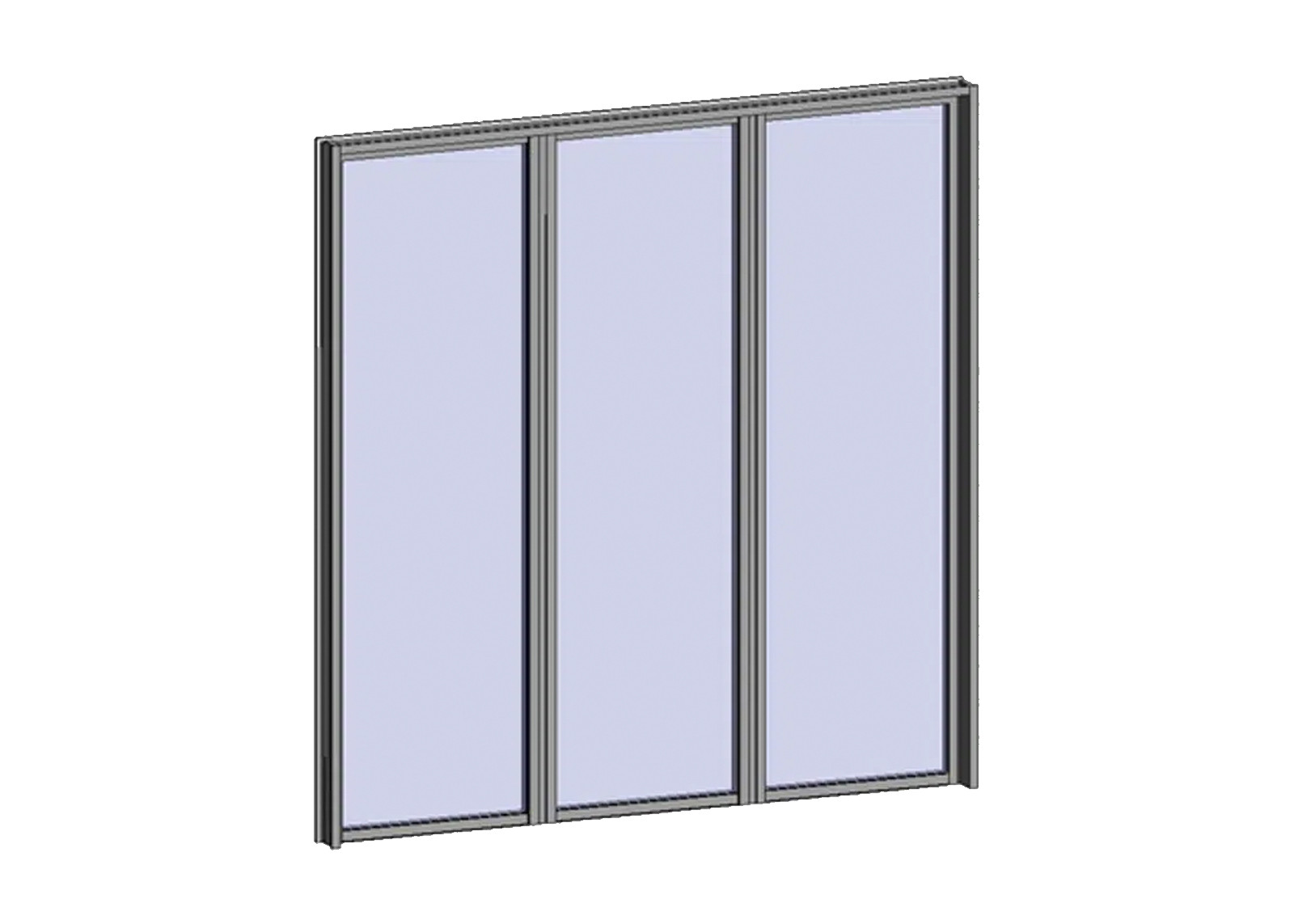
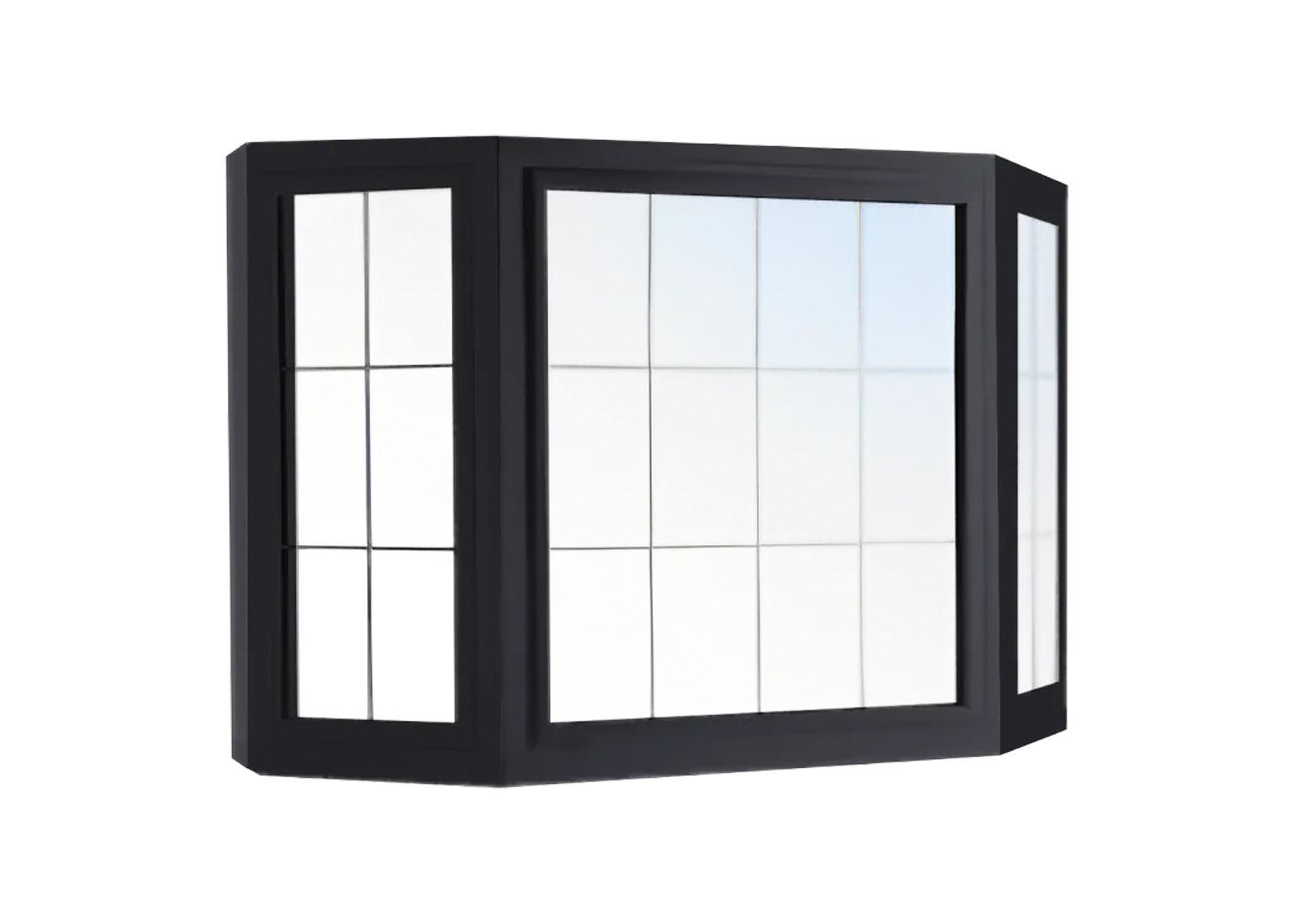
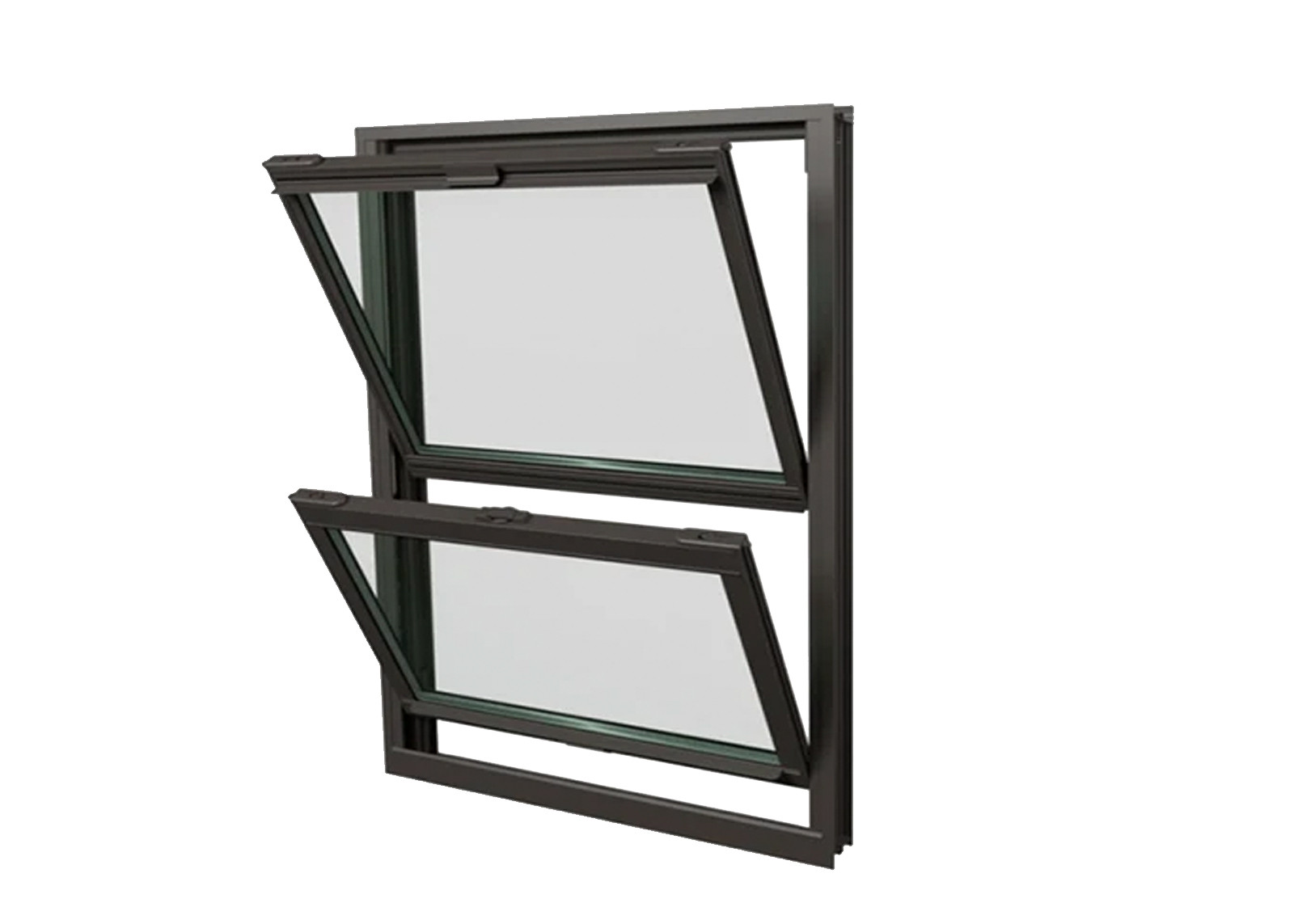
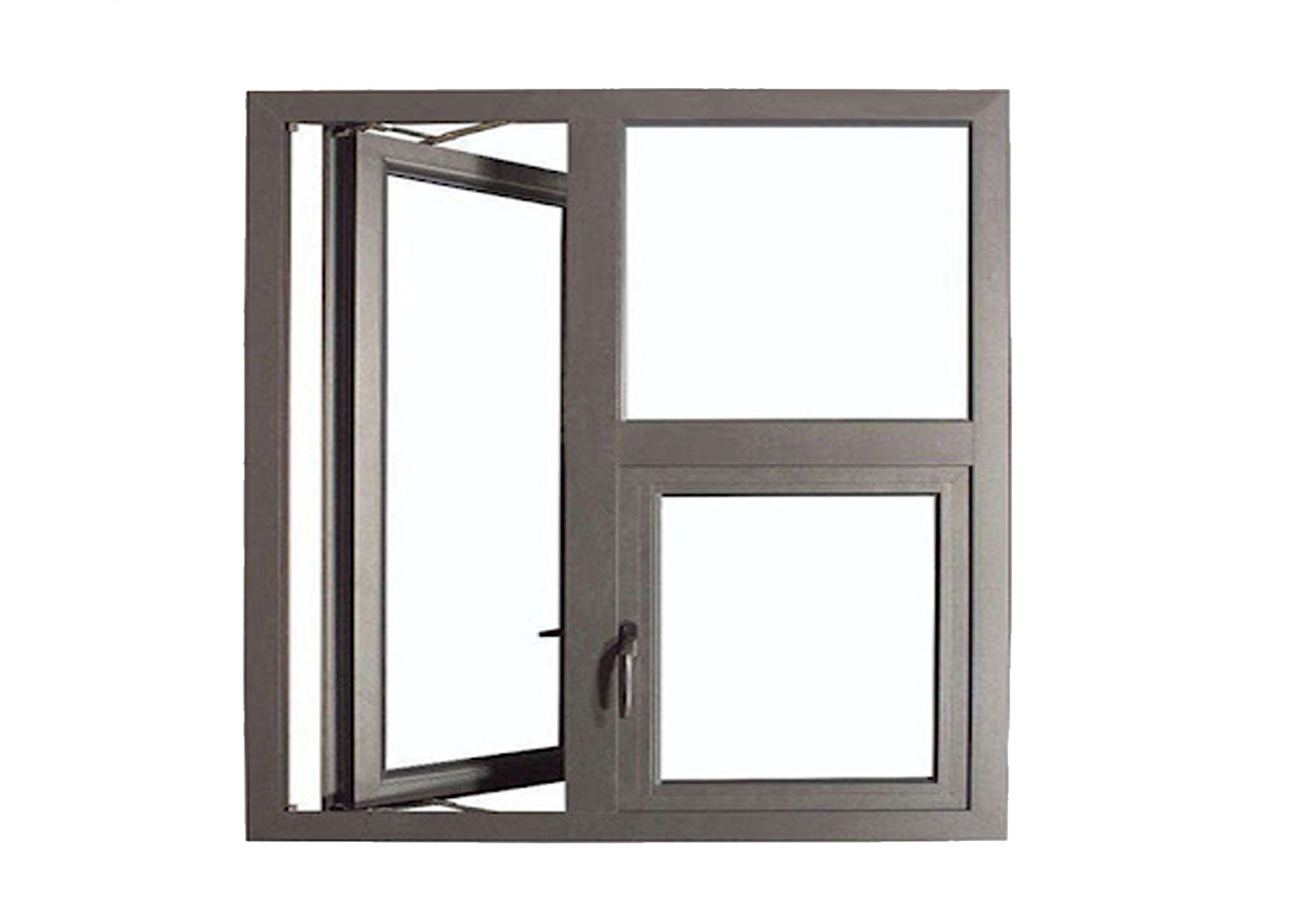
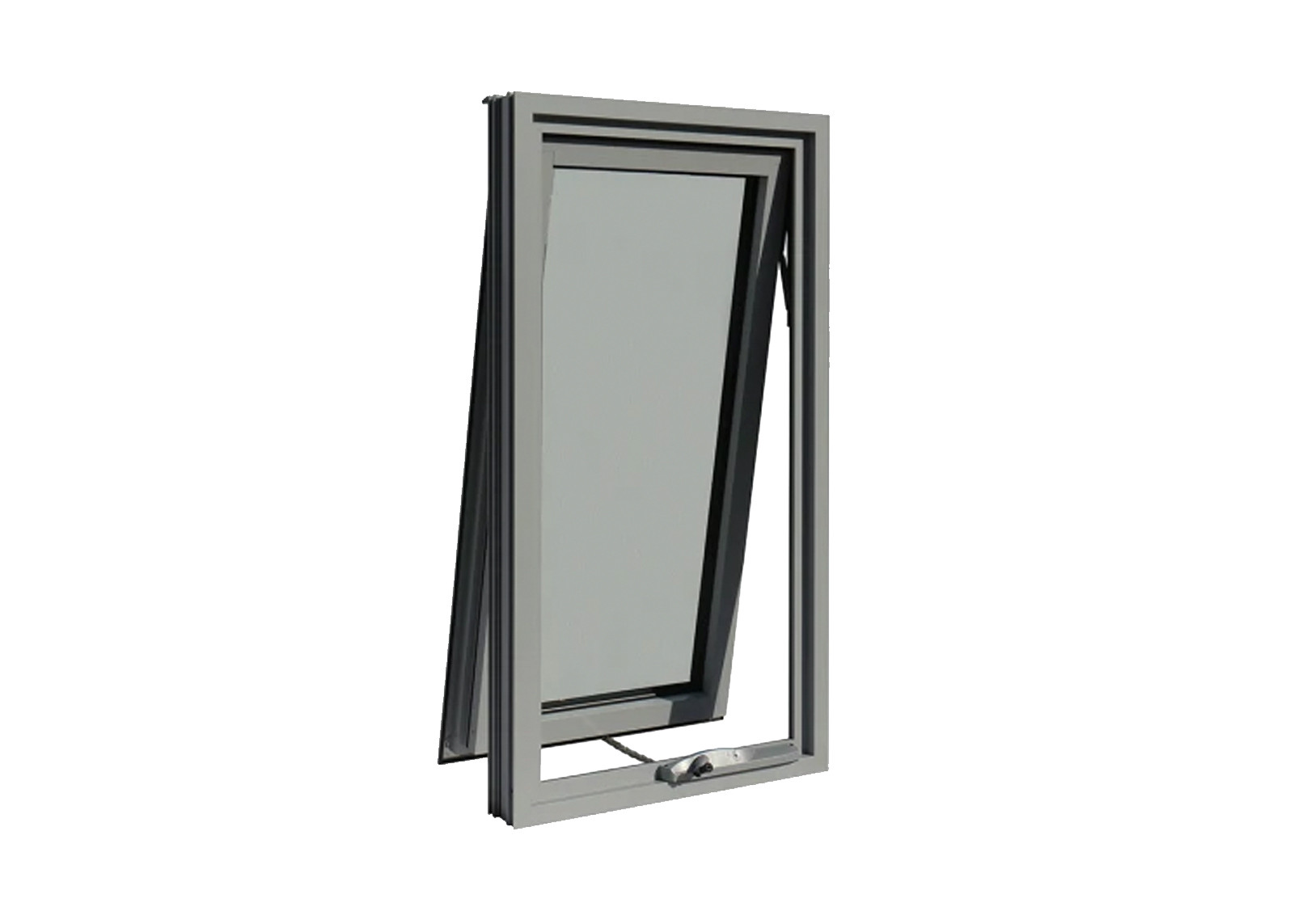
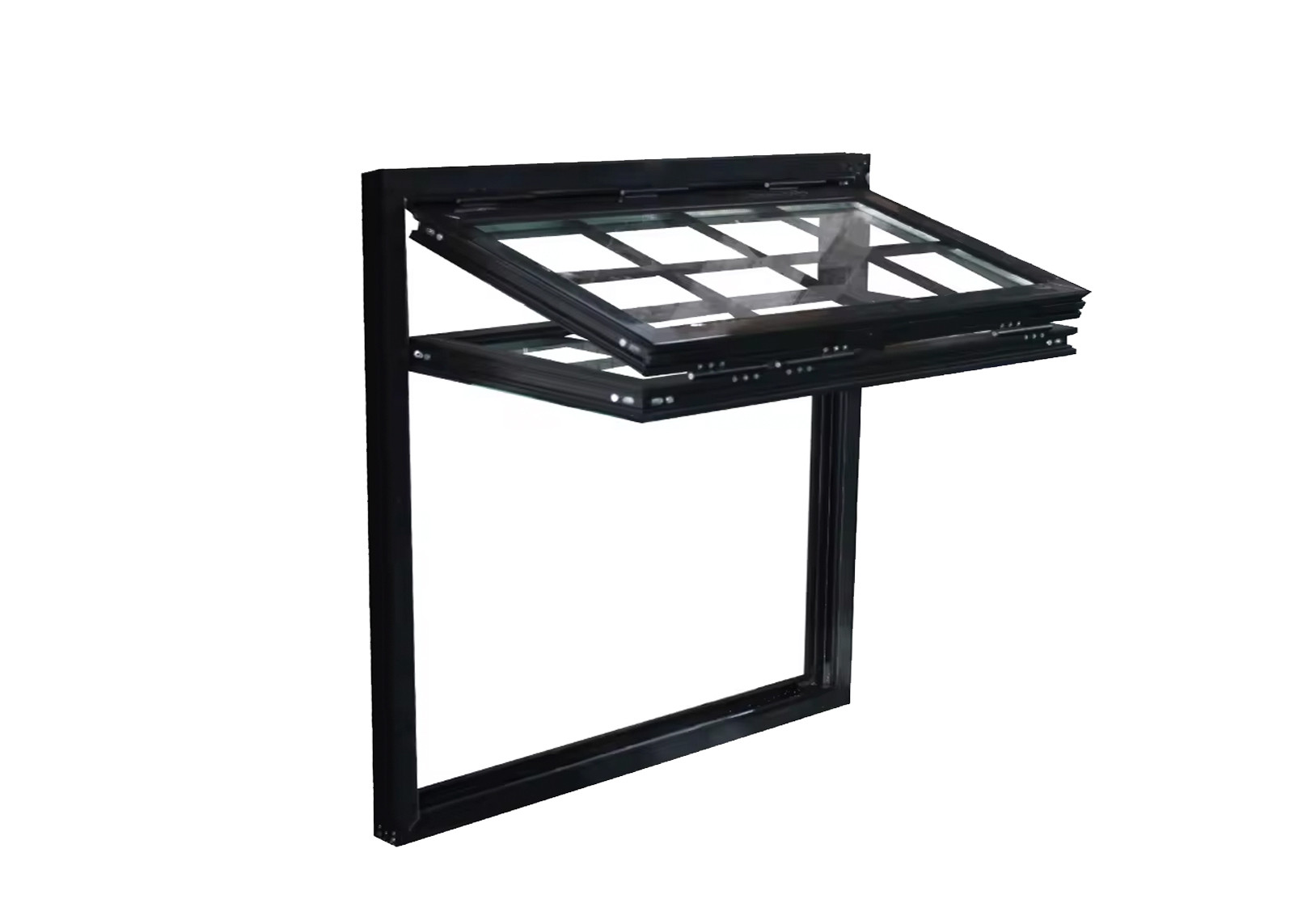
There is a second advantage that matters more on complex projects. A factory builds every unit to order, so custom sizes, sightlines matched across a whole schedule, and combinations of a door, a fixed light and an operable window inside one frame are normal production rather than special requests. For importers and wholesalers, the same order can also carry the matched hardware and spare parts that a later phase of the same development will need. You can review the full export range of custom windows and doors built to project specifications to see how a complete schedule is assembled from one production line.
The trade-off is that you take on the role of the importer. Specification accuracy, freight arrangements, customs clearance and compliance documents become your responsibility, and distance makes every mistake expensive because a replacement unit cannot be collected from a local branch. Importing well is therefore a process question rather than a price question, and the five steps below follow the sequence that experienced buyers use.
Step 1: Define Your Specification Before You Ask for a Price
A quotation is only as accurate as the information behind it. Sending a photograph with the question "how much for a window like this" always returns a number that cannot be compared with any other number, and it is usually lower than reality because the assumptions have not been priced. Send an opening schedule instead: one line for every unit, with the same fields completed for each line.
| Field | What to state |
|---|---|
| Opening size | Width and height in millimetres, and whether the figure is the structural opening or the finished frame size |
| Quantity per type | How many identical units, plus left-hand or right-hand handing where relevant |
| Frame material | Thermally broken aluminium or uPVC, and the profile series if your designer has already specified one |
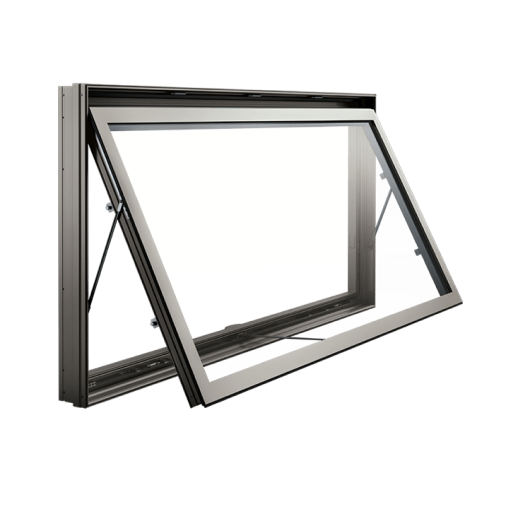
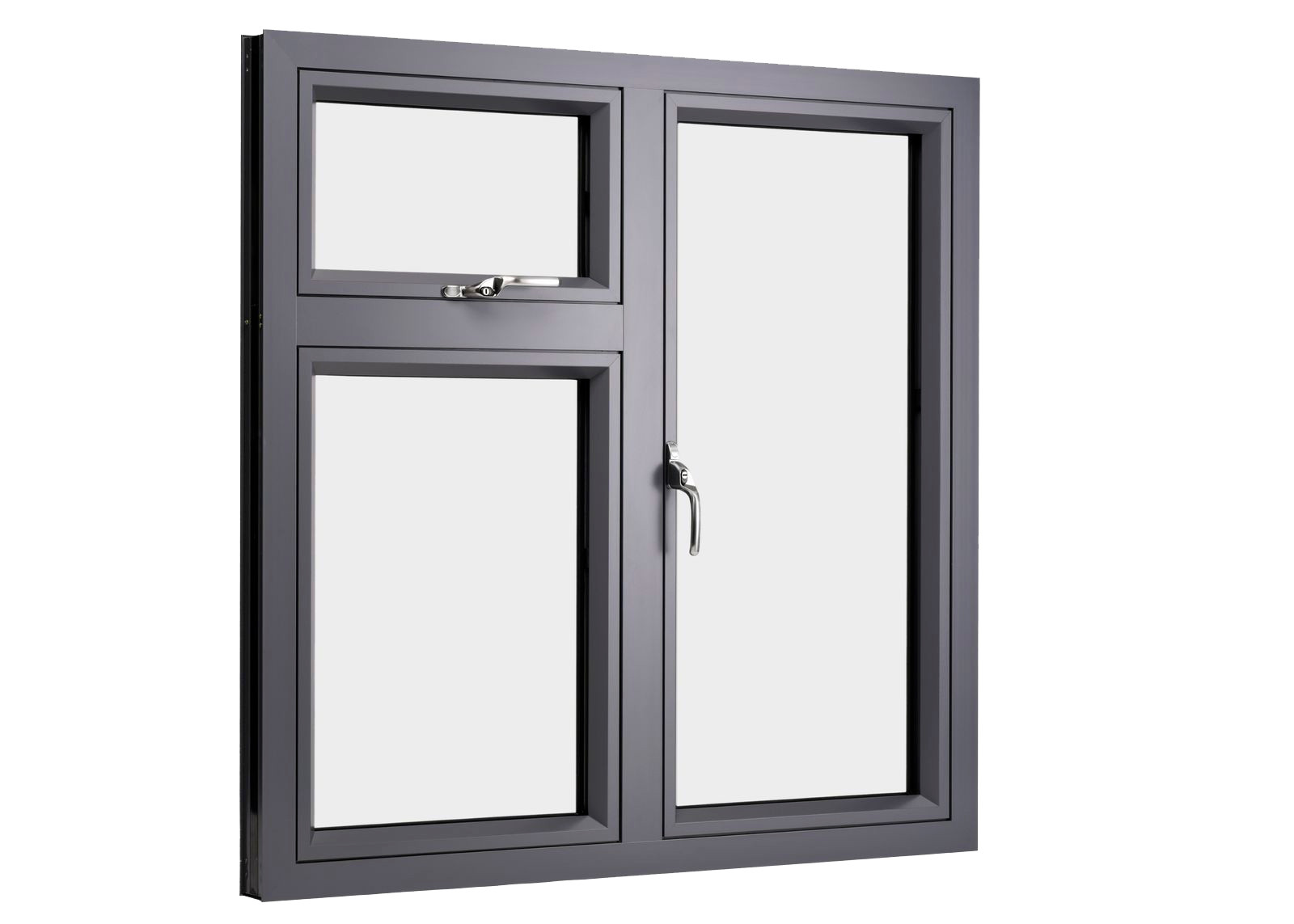
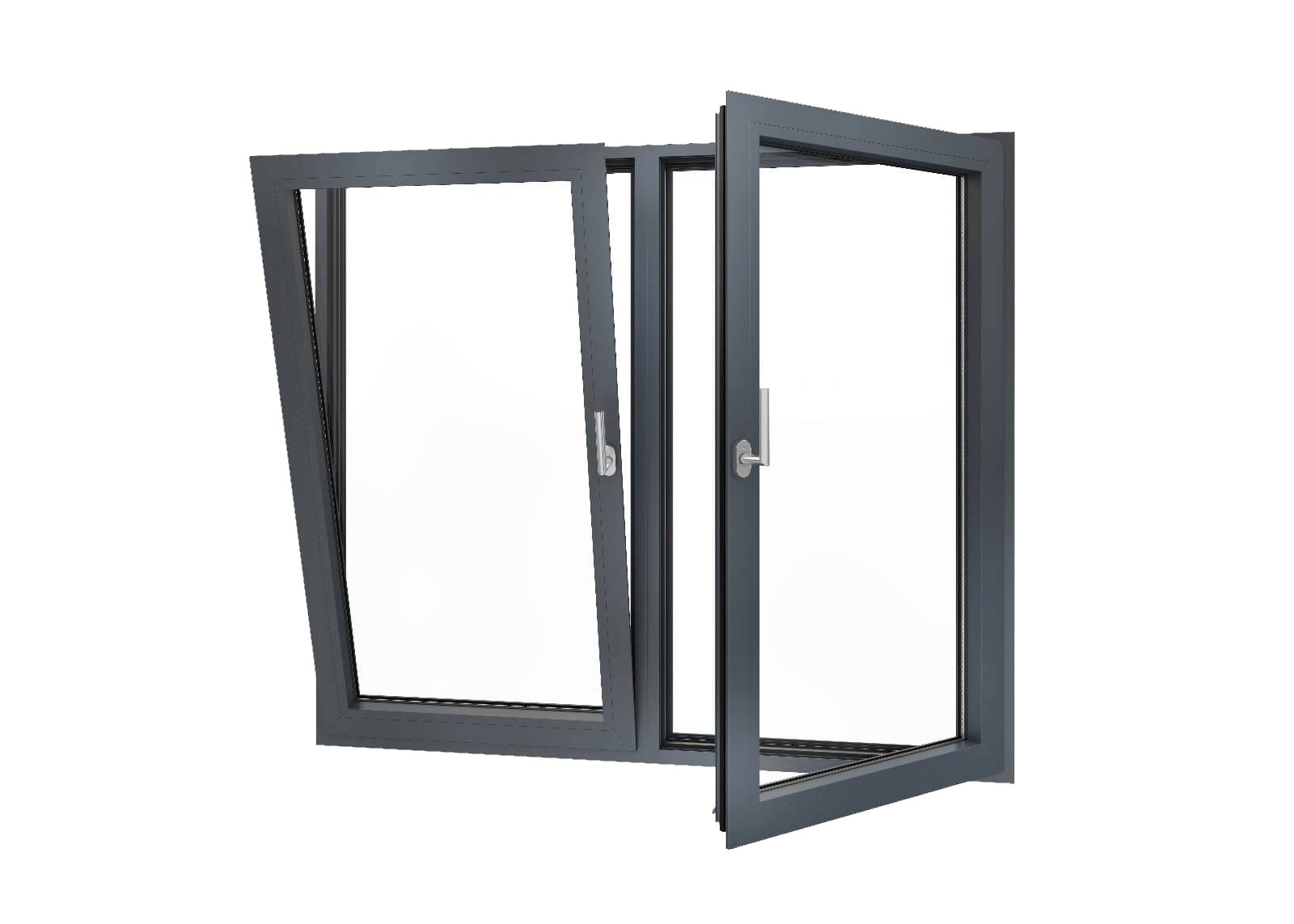
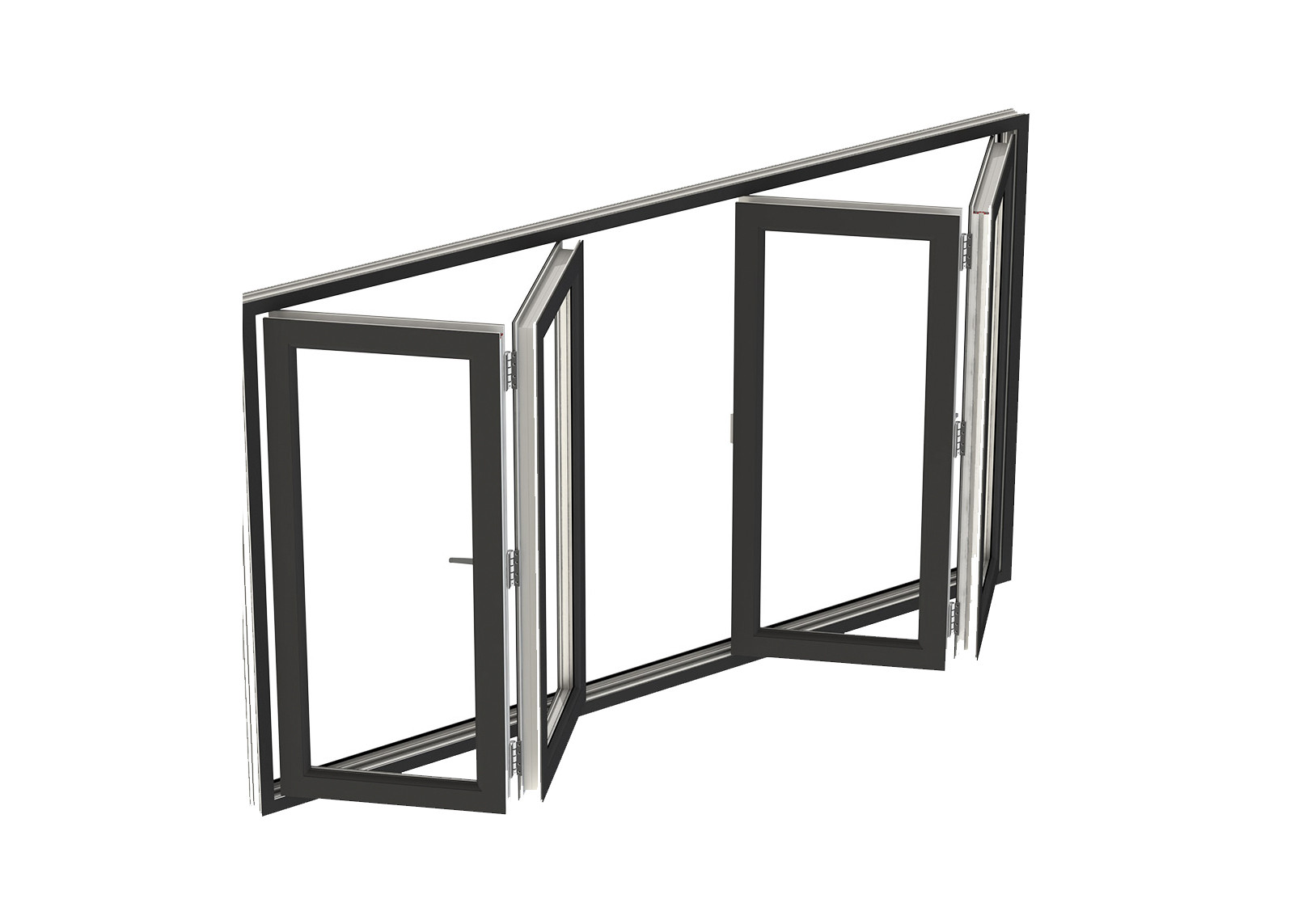
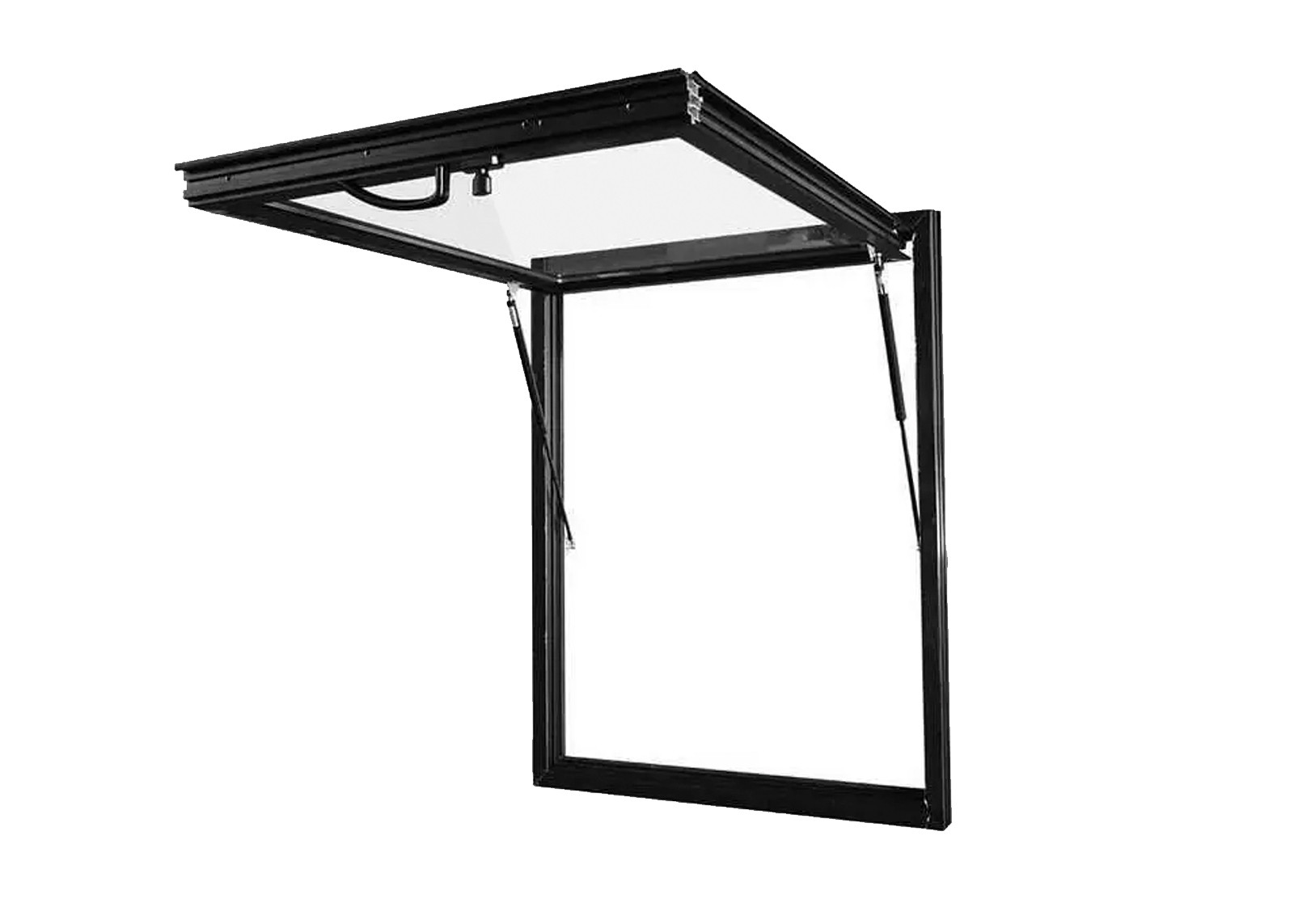
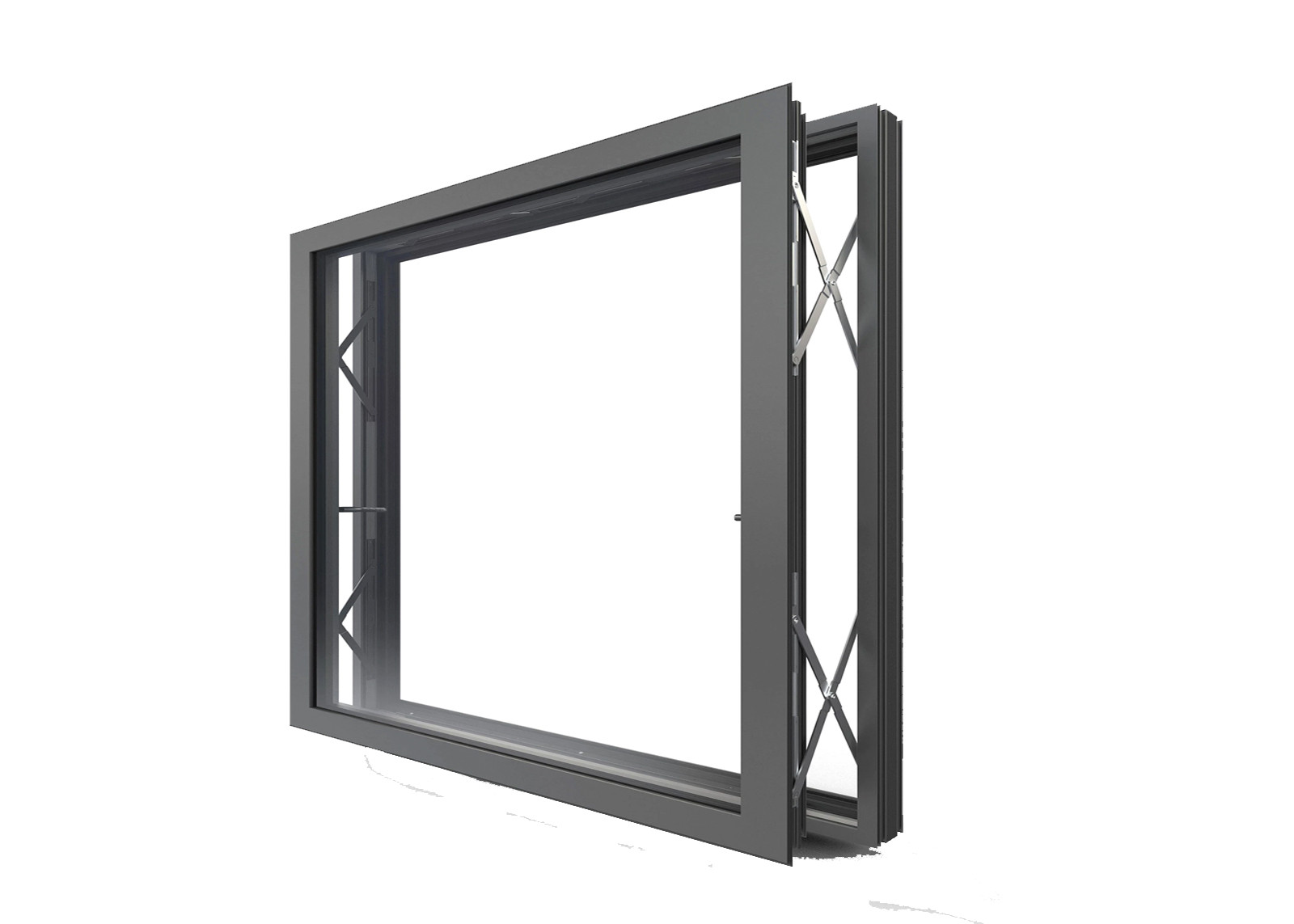
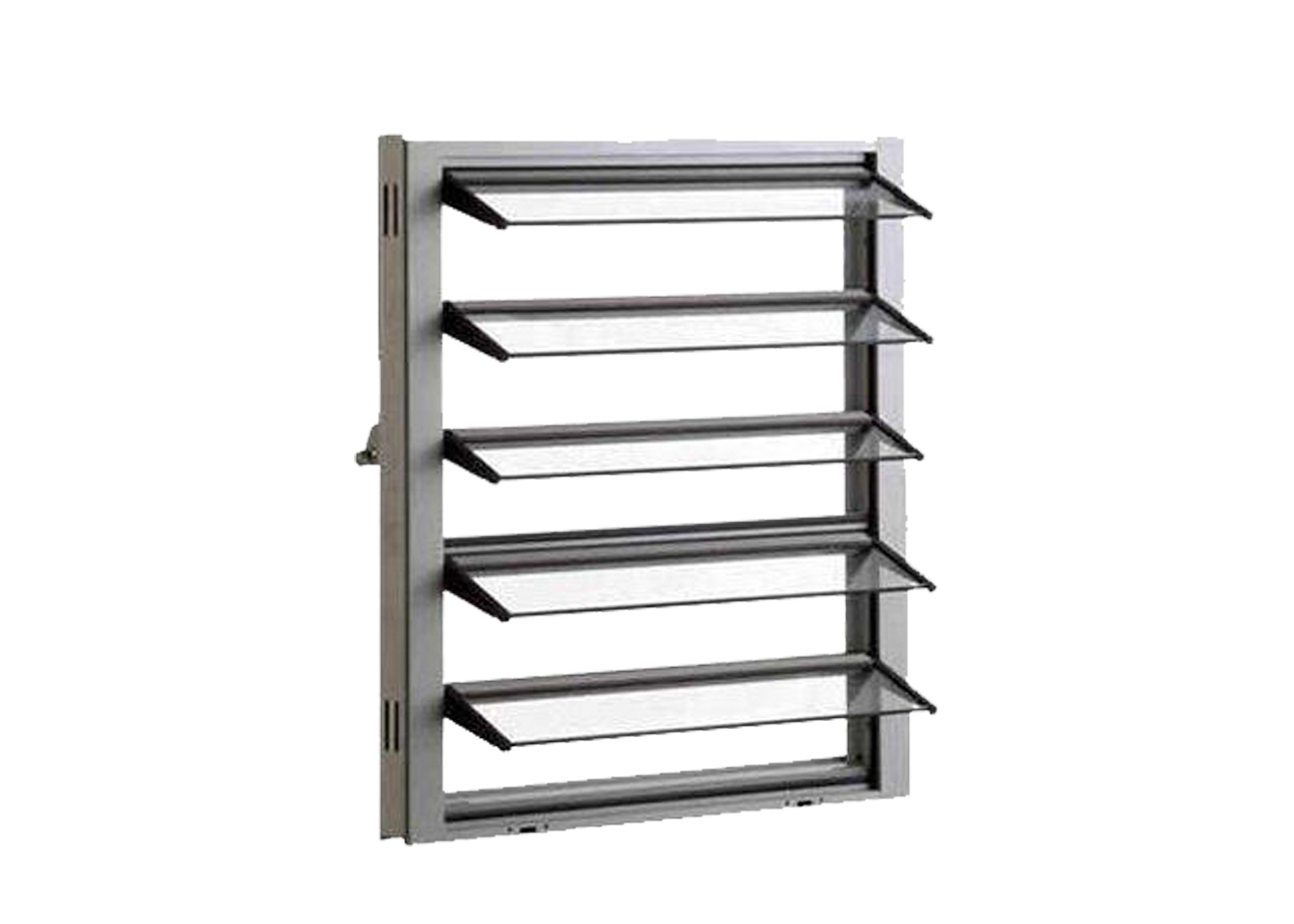
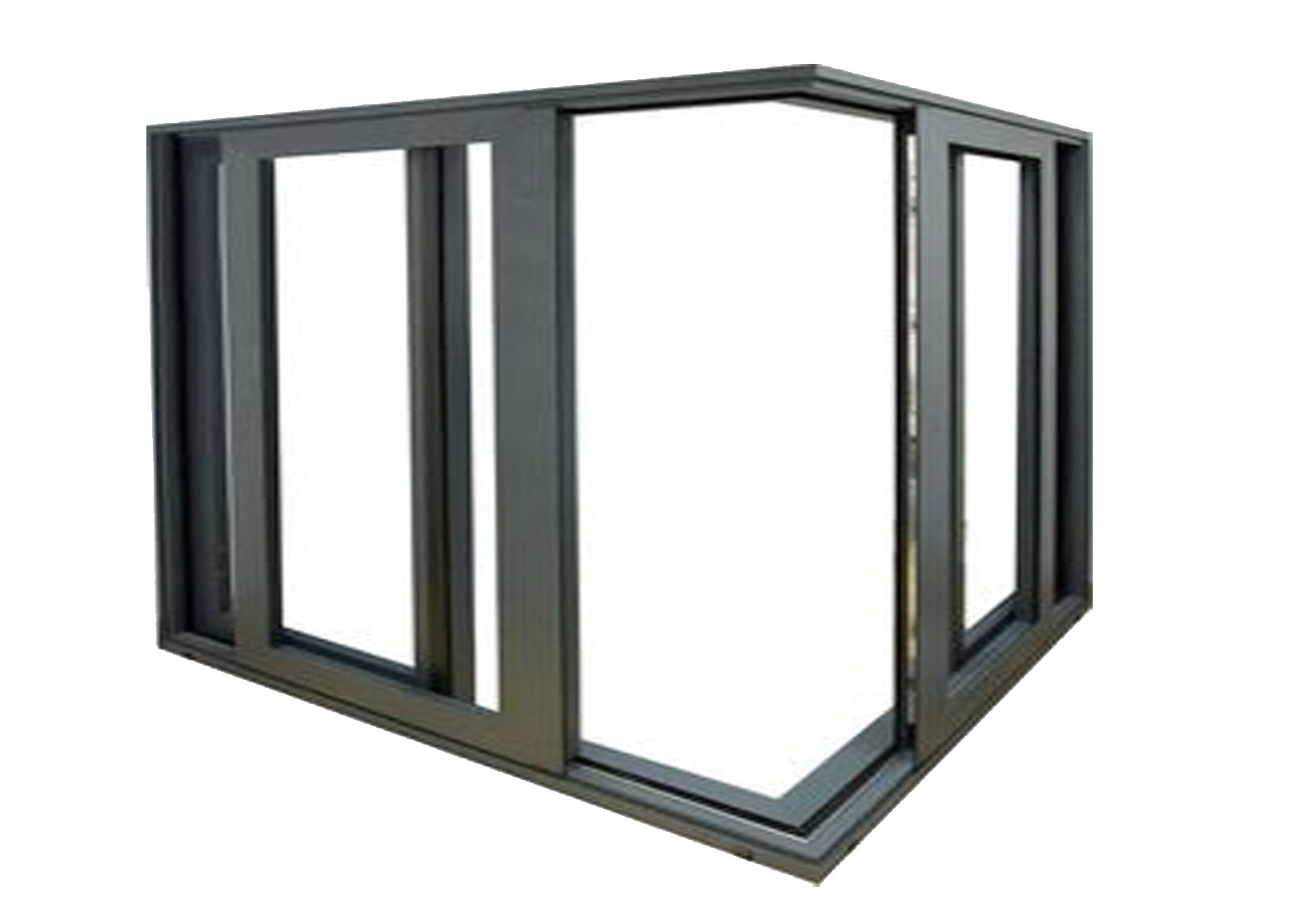
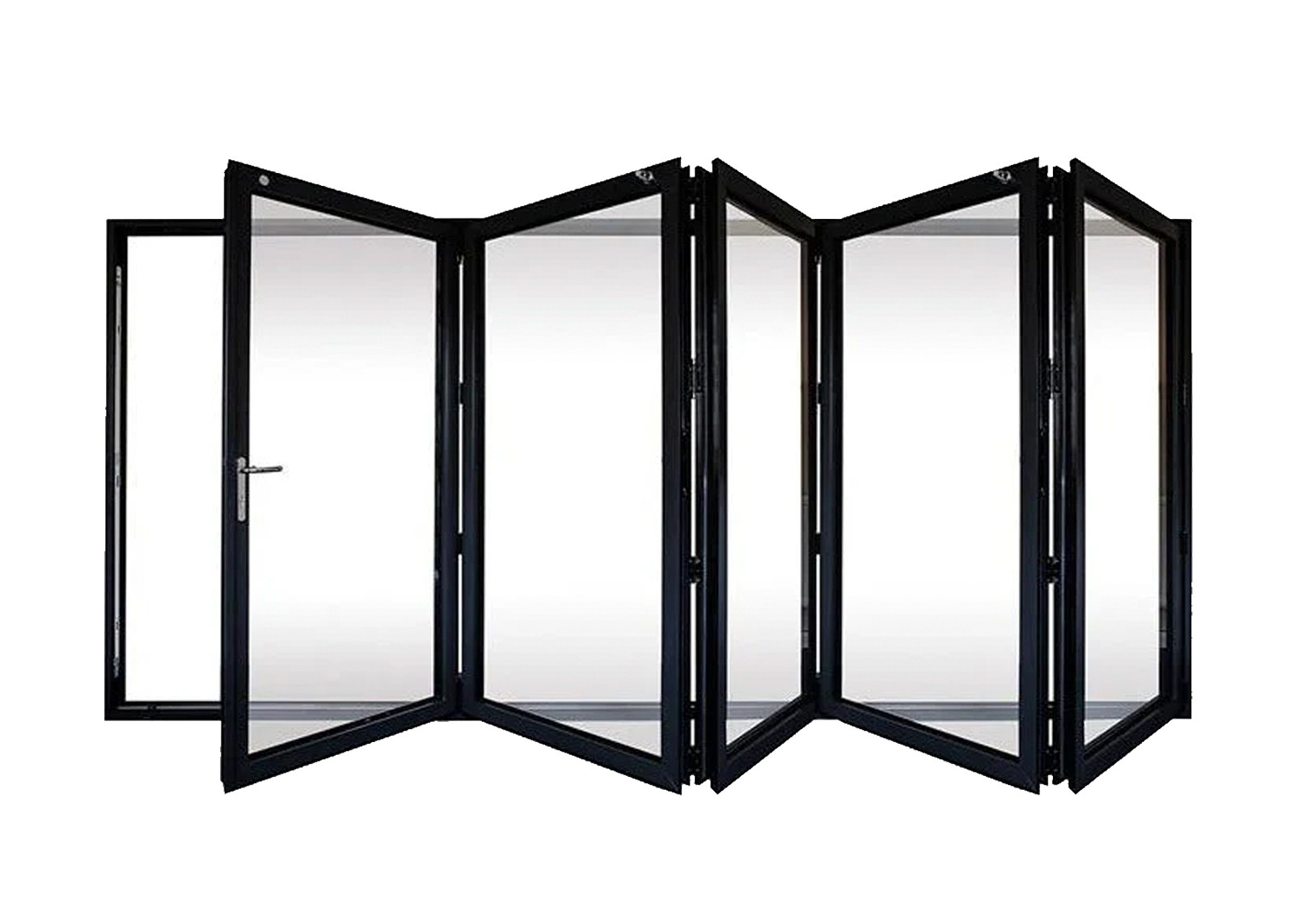
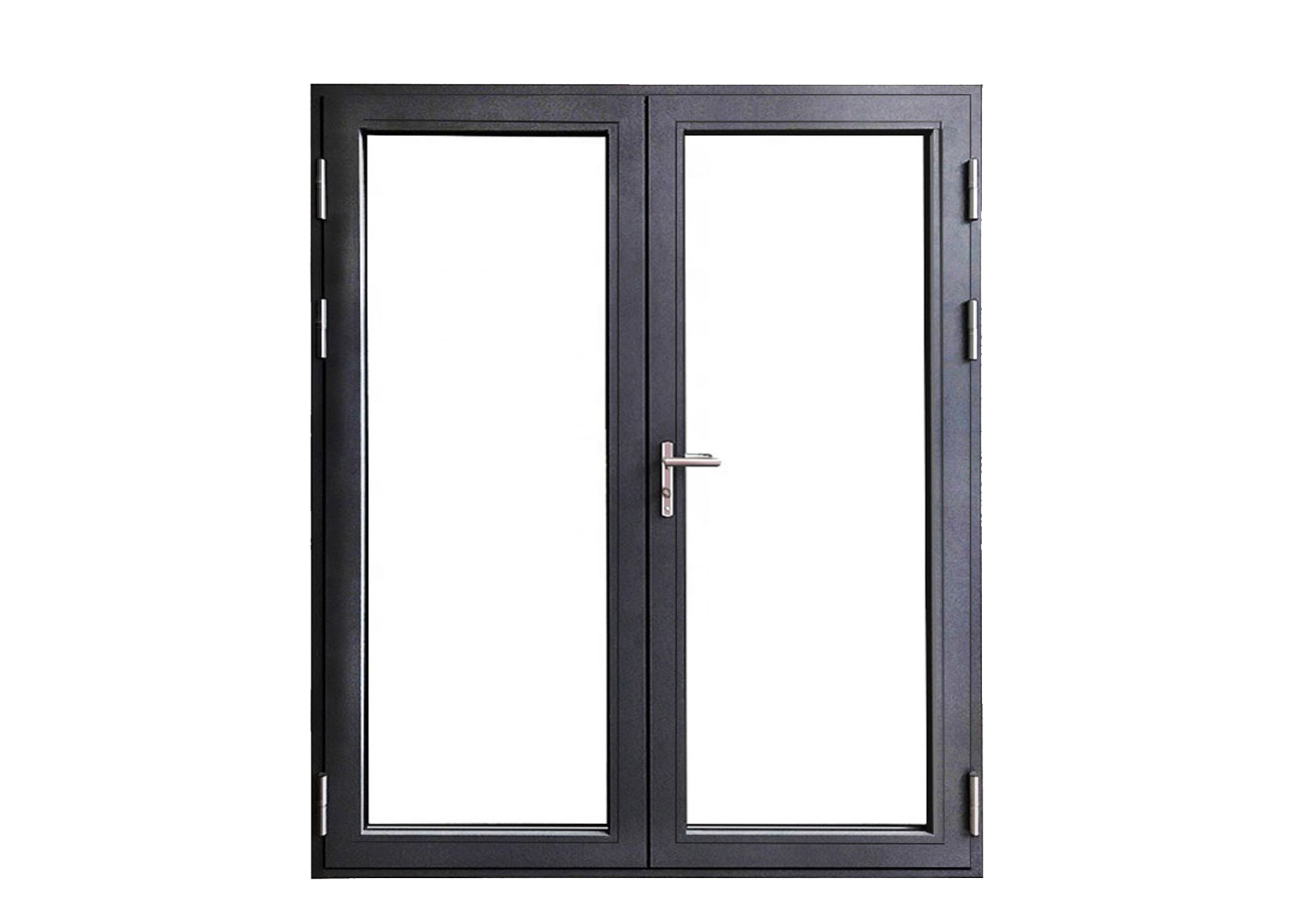
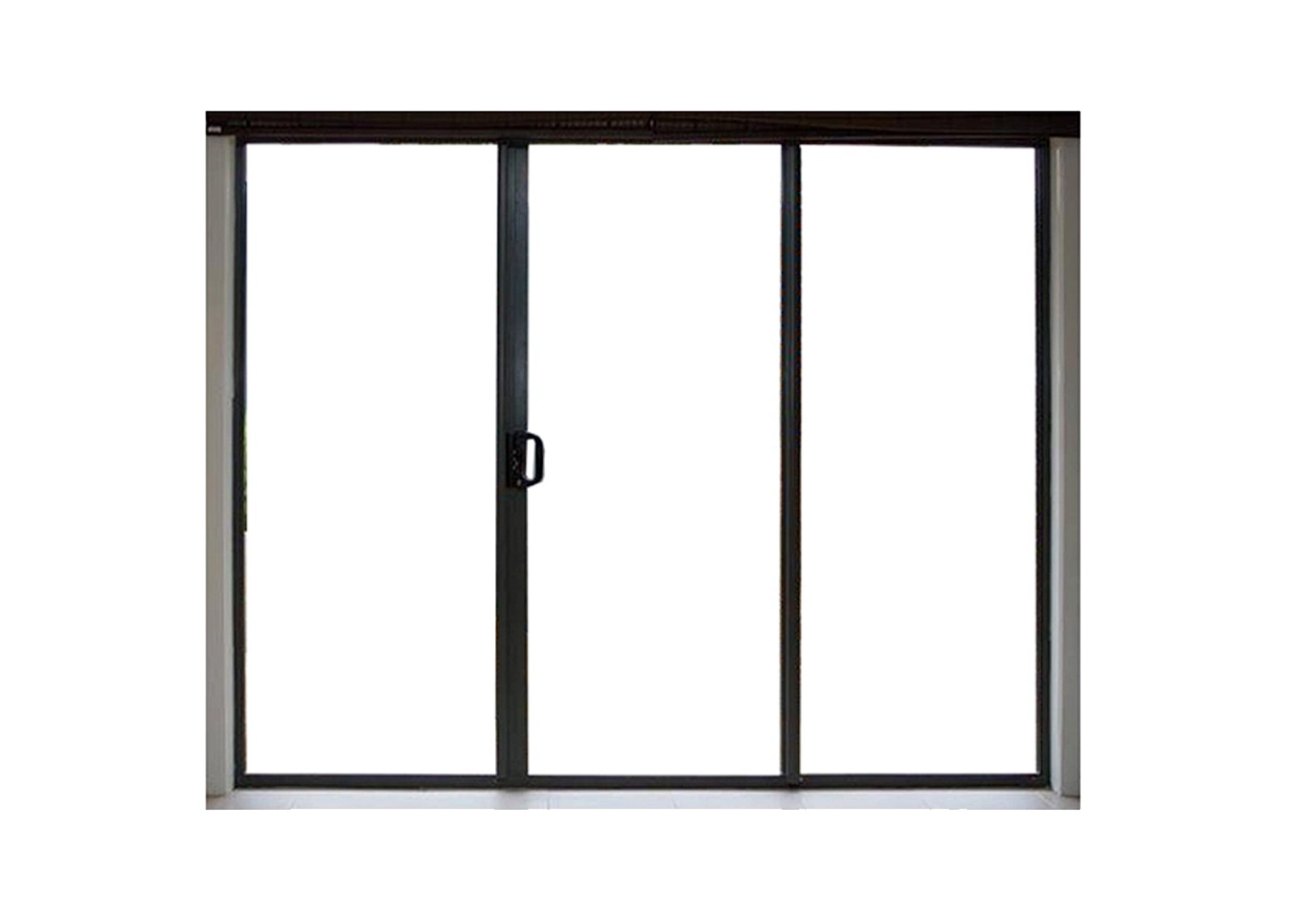
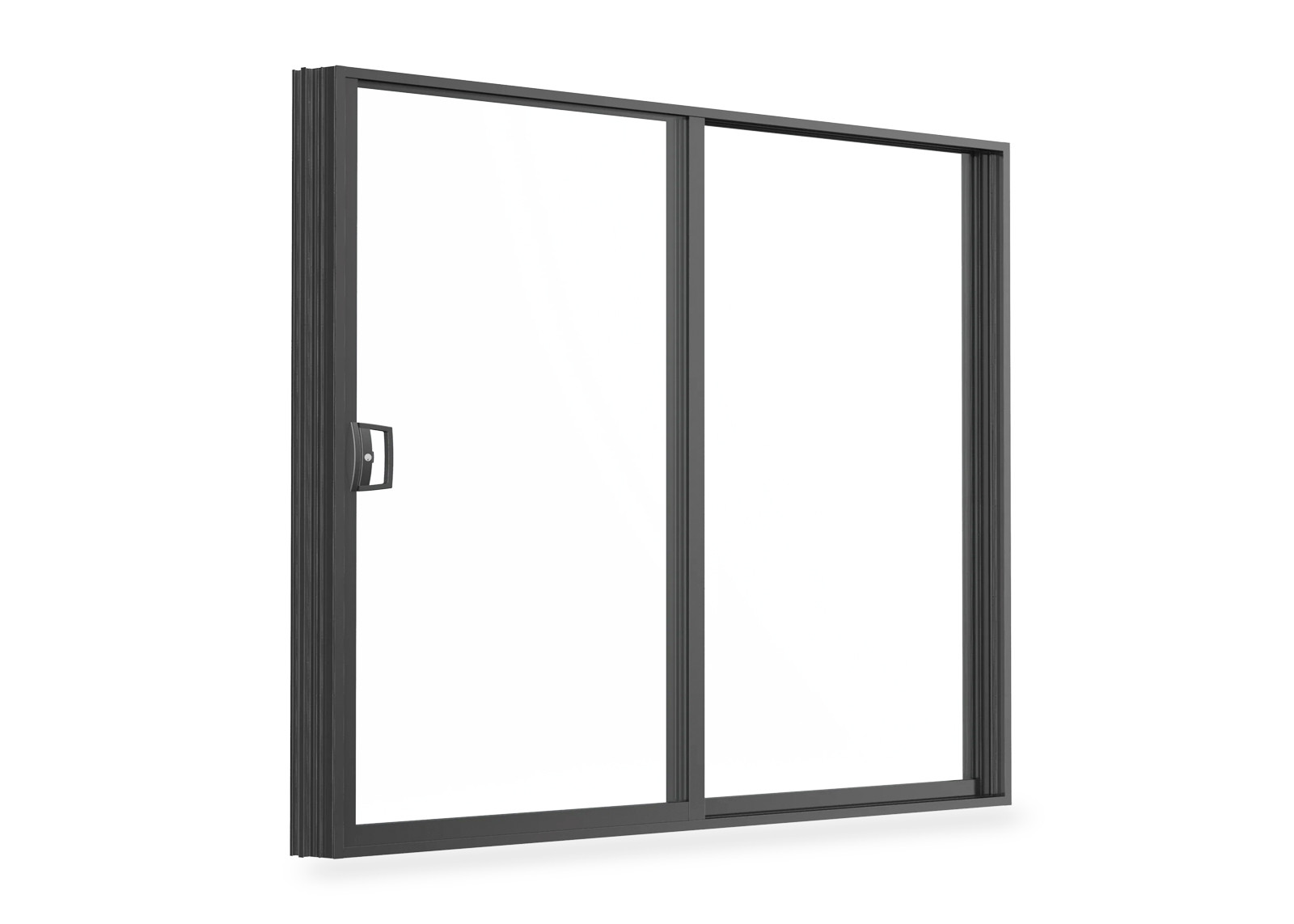
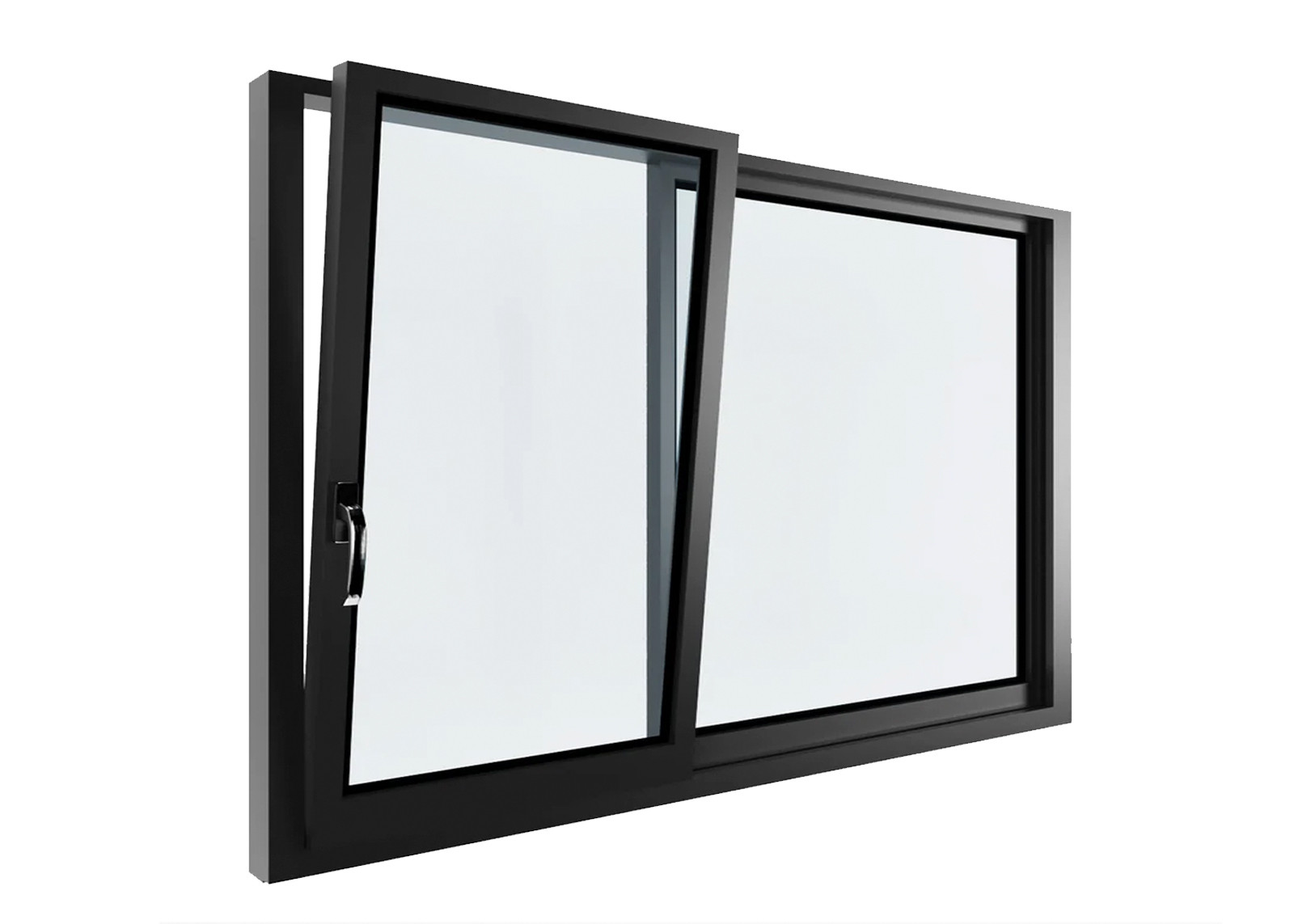
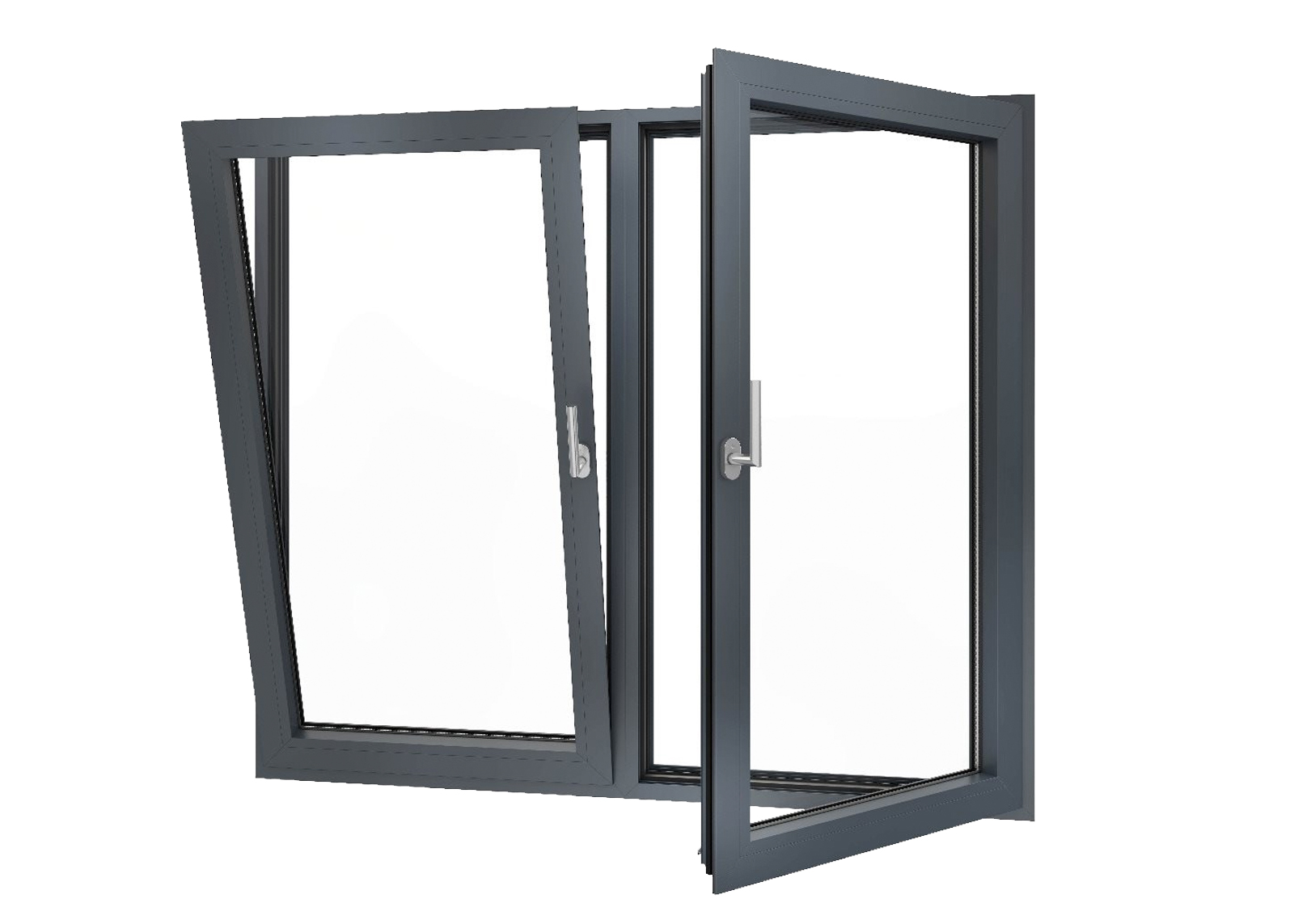
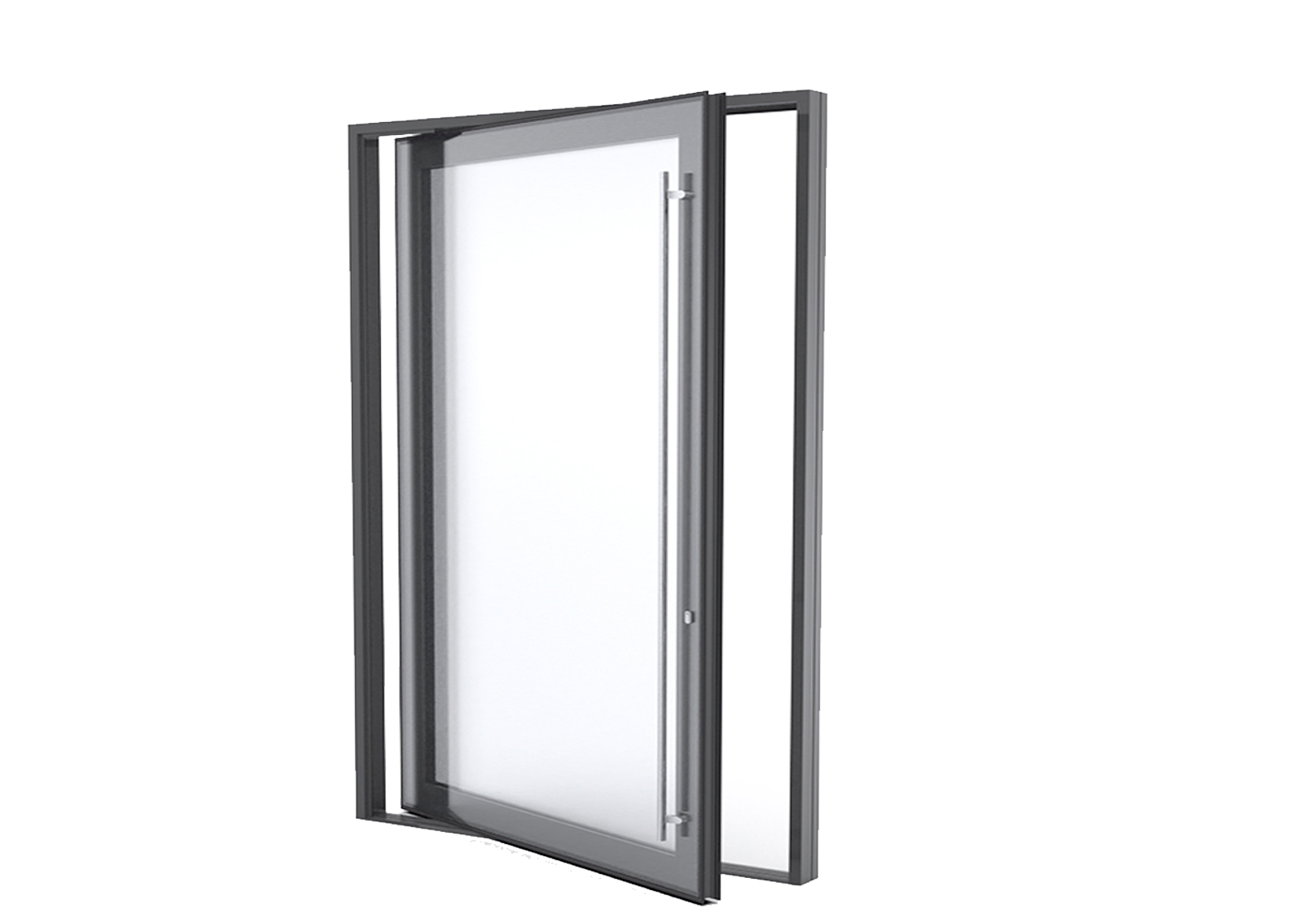
| Opening type | Sliding, hinged, casement, awning, tilt and turn, bi-fold, lift and slide or fixed |
| Glazing | Double or triple glazed, low-emissivity coating, laminated or toughened, argon fill, glass thickness |
| Colour and finish | Interior and exterior colours separately, including dual-colour and woodgrain requirements |
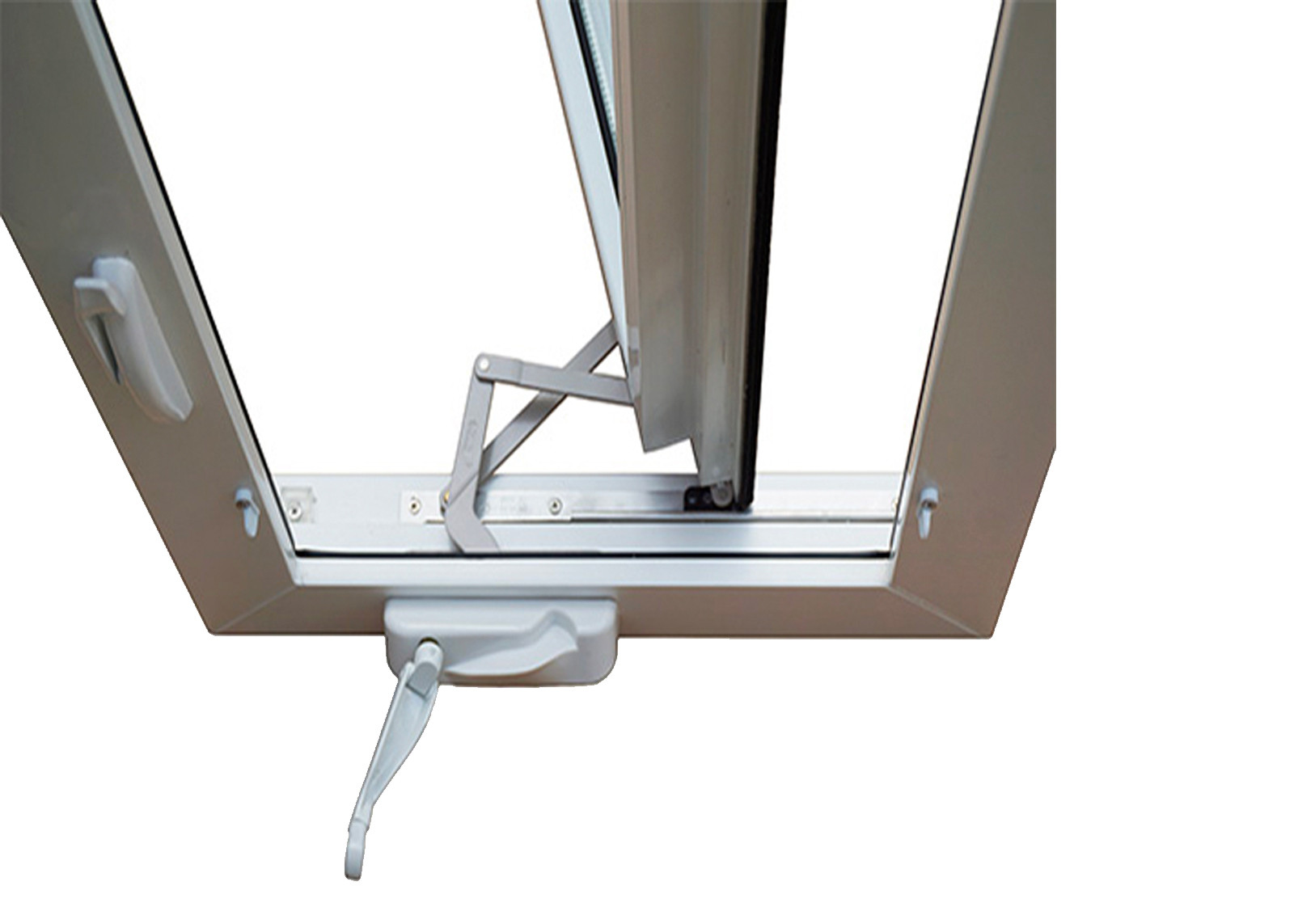
| Hardware | Multi-point locking, handle type and finish, screen or flyscreen provision, keyed-alike requirements |
| Performance requirement | Wind load, water penetration and impact rating demanded by the project location or insurer |
| Installation method | Reveal fit or face fit, and whether sub-sills, trims or fixing straps are required |
| Destination | Port of discharge and site address, so packing and freight can be quoted on the same basis |
Two decisions move the price more than any other. The first is the frame material: thermally broken aluminium carries wide spans and slim sightlines, while uPVC delivers strong thermal performance from a multi-chamber profile. The second is glazing, where the choice between double and triple glazing, and between laminated and toughened glass, changes both comfort and cost. Fixing these two points first makes the rest of the quotation predictable; the uPVC material and colour range and the glass and glazing options for import orders are the two pages worth reading before you commit to a schedule, and custom doors for your import project shows how door types are configured alongside windows in the same order.
Step 2: MOQ, Sampling and Quotation
Many buyers assume that importing starts with a container. It does not. A manufacturer who builds to order can usually supply a single unit as a minimum order quantity, because the unit is cut and assembled individually anyway. That one-piece MOQ is valuable during design: it lets you validate the profile, glass, hardware and colour on site before you commit a whole project, and it lets importers test a new supplier without tying up capital. Once the specification is proven, a mixed container of doors, windows and fixed lights usually produces the most efficient freight cost per unit.
For a system that is new to you, ask for a pre-production sample of the agreed configuration rather than a generic display unit, and confirm in writing what is being sampled. When you compare quotations, insist that each one states the same set of facts:
- unit price per type and size, with the frame, glass and hardware specification it covers;
- packing method and whether packing is included in the price;
- the port and the Incoterm the price is quoted on;
- production lead time from deposit and drawing approval;
- validity period of the quotation, and what would change the price;
- the certifications that apply to the quoted system.
If any of these are missing, the two prices you are looking at are not the same product, and the lower number is usually the one with fewer items included. Compare landed cost rather than the ex-works figure: the quick selection and quotation form returns a price built on your actual schedule, and the window and door price breakdown shows which specification items drive the total.
Step 3: Certification and Compliance Documents
Compliance is the part of an import that cannot be fixed after the container arrives. A building inspector, a certifier or an insurer will ask for documented evidence that the units you installed perform the way the project requires, and that evidence has to come from the factory before shipment.
AS2047 is the Australian standard for windows and doors. It covers structural adequacy under wind pressure, resistance to water penetration and air infiltration, and a compliant system carries a test report for the specific system and size that was tested.
NZS4211 is the New Zealand standard for window and door performance, covering wind pressure, water penetration and air leakage. For accessible ground-floor openings, councils and insurers may also ask for documented forced-entry resistance, so confirm the security evidence at the same time as the weather performance.
Miami-Dade approval is the most demanding of the three. In hurricane-prone parts of the United States and the Caribbean, units must pass impact testing with large and small missile projectiles followed by cyclic pressure testing, and the resulting product approval applies to a defined size and configuration. Impact-rated systems are documented in more detail on the Miami-Dade approved hurricane impact windows page.
The documents worth collecting with your order are the full test report rather than a summary sheet, the certificate of conformity for the system, glass certificates for the glazing build-up, and a certificate of origin for customs purposes. Check one thing carefully before you accept them: the certificate must name the system and the size range you are buying. A report for a smaller unit in the same family is not evidence for an oversized door leaf, and it will not satisfy a certifier. Requests for documents are normally answered fastest when you name the standard and the size you need, and product catalogues and technical documents give you the reference numbers to ask for.
Step 4: Production, Inspection and Quality Control
Production starts with drawings, not with material. A serious factory issues shop drawings for your confirmation, and no profile is cut until you have approved the size, handing, colour and glass build-up in writing. That approval step is your main protection: changes made on a drawing cost nothing, while changes made after assembly cost a unit.
During production, four checkpoints are worth confirming:
- Material and profile stage. Profiles are cut and machined to size, thermal barriers are assembled and steel reinforcement is set in place before frames and sashes are welded or crimped together. The same discipline applies across thermally broken aluminium window systems and uPVC systems.
- Glazing and hardware stage. The specified glass unit is fitted and sealed, and locking mechanisms, hinges, rollers and handles are installed by trained operators rather than left loose in a carton.
- Inspection stage. A five-step quality control routine covers order review, raw material inspection, semi-finished product inspection, finished product inspection and a final inspection report, with each unit marked by barcode so its production history can be traced.
- Pre-shipment stage. Request photographs and a video walk-through of the finished units, arranged exactly as they will be packed. If your project warrants it, appoint an independent inspector and instruct the factory to make the units available before packing rather than after loading.
It is also worth asking to see the production line before you place a large order. A supplier who can show real cutting, assembly, glazing and testing operations is a supplier whose process can be verified; the factory production and inspection videos are the quickest way to see how the workshop operates before you commit.
Step 5: Shipping, Customs and Payment Explained
The commercial side of an import decides whether the money you saved at the factory survives the journey. Three areas matter: how the goods are packed and moved, how they are cleared, and how the money is released.
Packing and freight terms
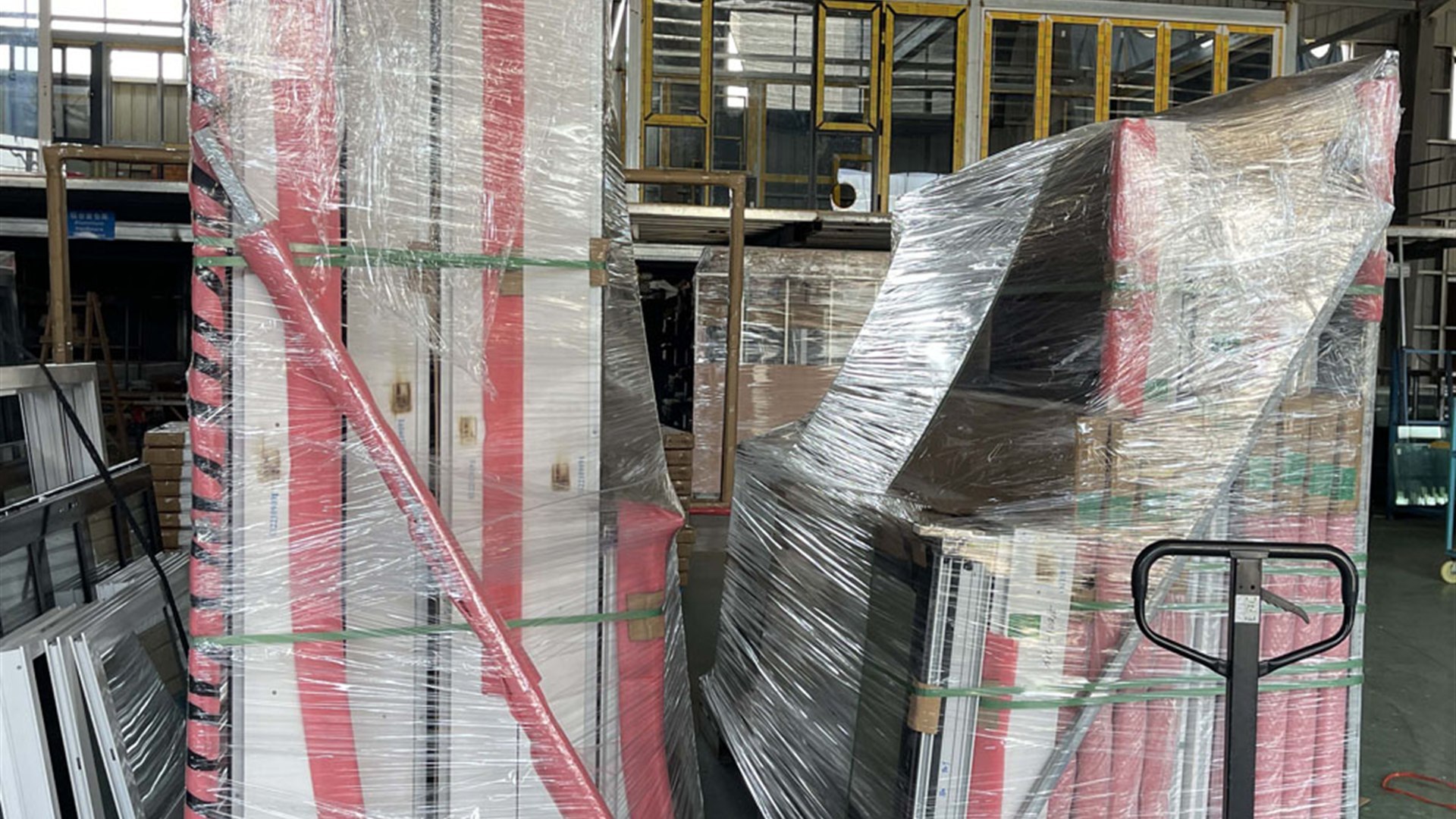
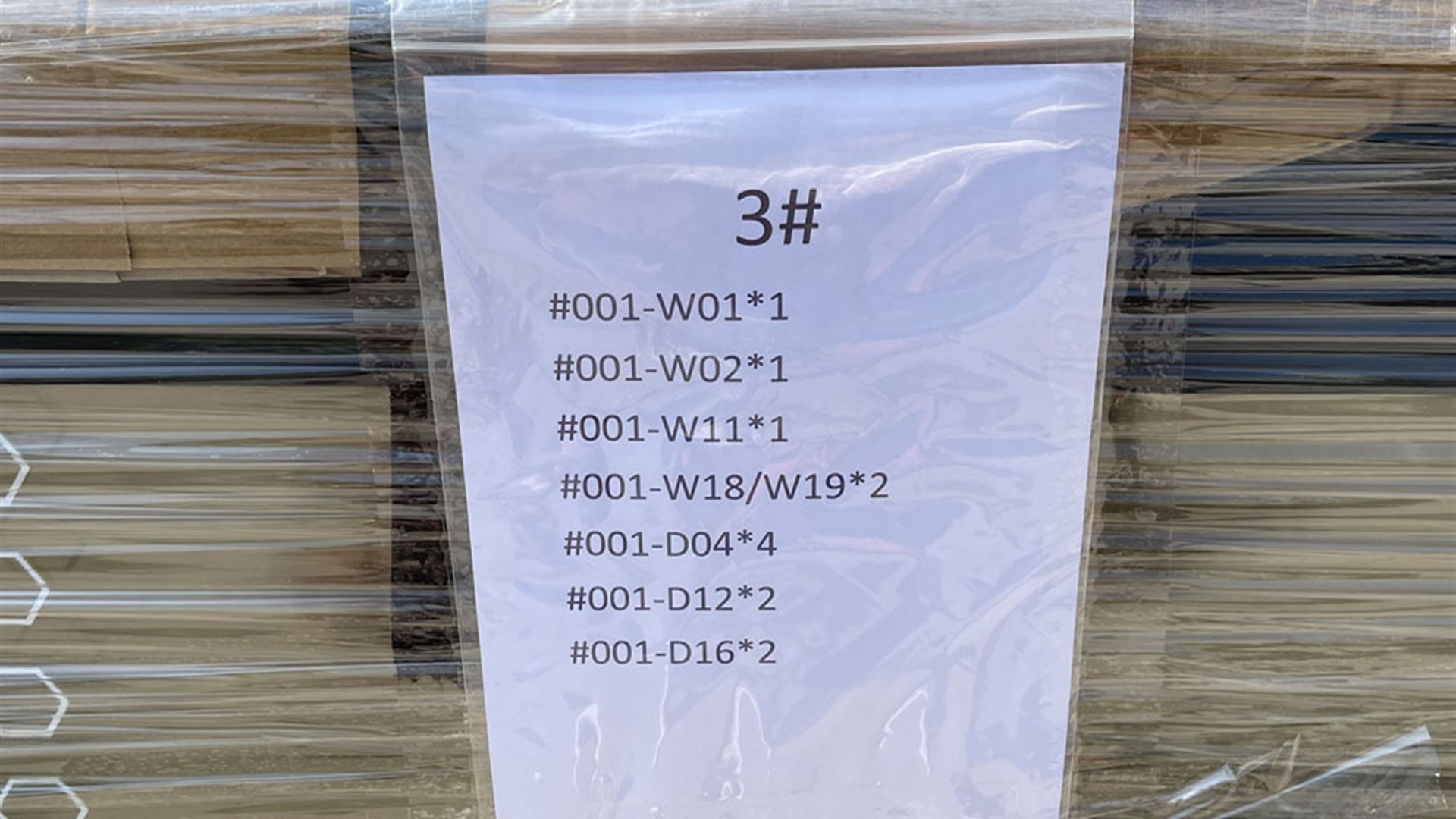
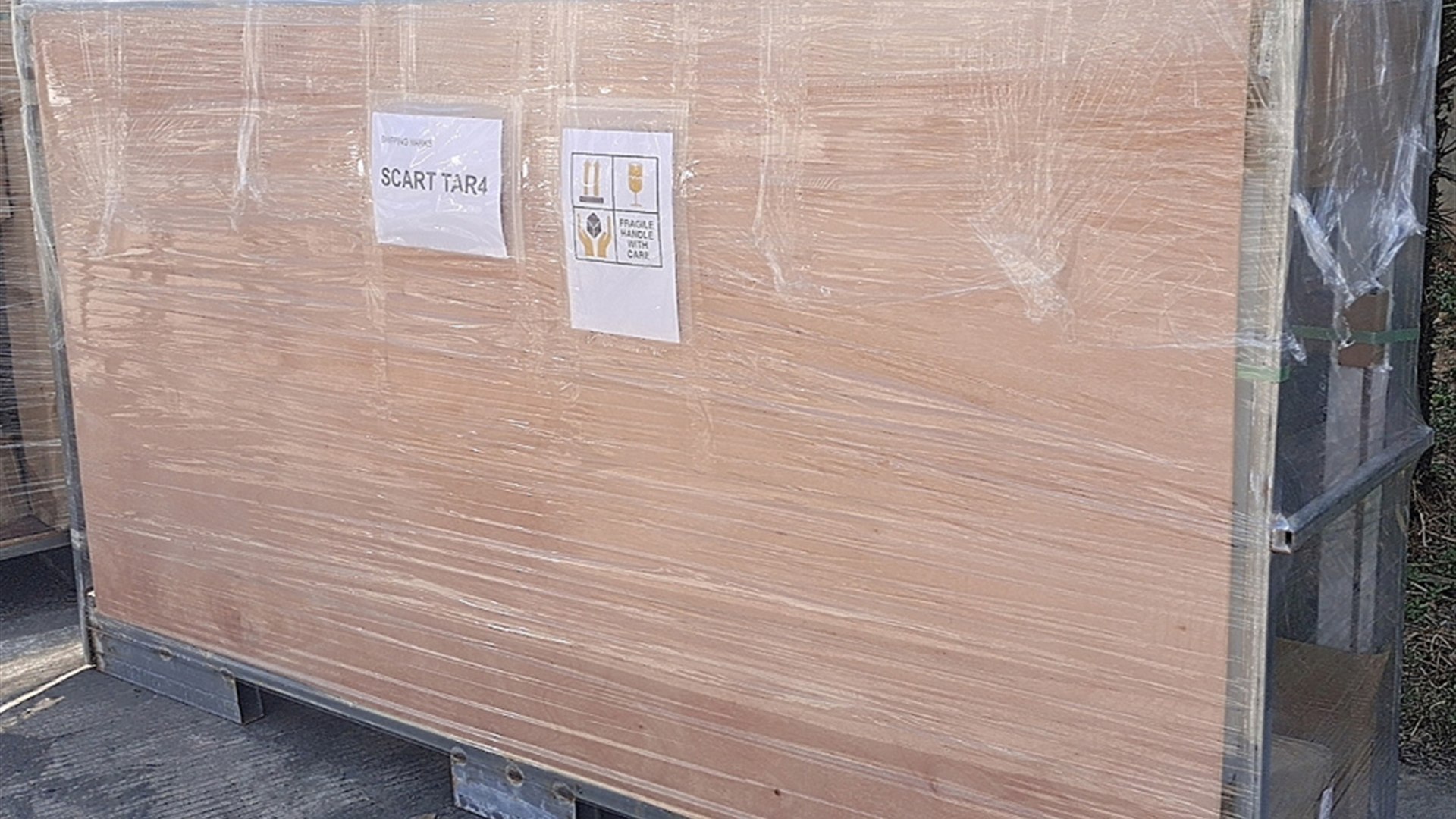
Glass and frames are fragile in transit and heavy in a container, so packing is a specification item rather than a formality. Timber crating, corner protection and protective film should be stated before production, and the freight term should state exactly where your responsibility begins. The four terms used most often for windows and doors are compared below.
| Term | Seller arranges | Buyer arranges | Control |
|---|---|---|---|
| EXW | Packing only, goods collected at the factory | Inland haulage, export clearance, freight, insurance, import clearance | Highest control, most work |
| FOB | Inland haulage to the port, export clearance, loading on board | Ocean freight, insurance, import clearance, duties | Balanced; the usual choice for first imports |
| CIF | Inland haulage, export clearance, ocean freight and marine insurance | Import clearance, duties, inland delivery | Simplest to start; you inherit the seller's freight rate |
| DDP | Everything, including duties, delivered to site | Nothing beyond acceptance | Lowest control; useful for small trial orders only |
Fuzhou and Xiamen are the two ports ROPO ships from, and both offer regular sailings to Australia, New Zealand, North America, Europe and the Caribbean. A full container gives you the lowest freight per unit and the most controlled handling; less-than-container-load shipments reduce the minimum volume but your crates are handled alongside other cargo, which is a real consideration for large glass units.
Customs clearance and duties
As the importer you are the importer of record, so clearance is yours to arrange through a customs broker in your own country. The documents a broker will ask for are the commercial invoice, the packing list, the bill of lading, the certificate of origin and, for regulated markets, the compliance certificates. Two points cause most delay: a vague invoice description that does not match the product actually shipped, and a tariff classification that does not reflect the frame material and glazing. Your broker should confirm the classification and the duty and tax treatment for your destination before the goods sail, not after they arrive.
Payment methods
Most custom window orders are settled on a deposit-and-balance structure: a deposit releases material and production, and the balance is released against the shipping documents or against a passed inspection. On larger contracts, a letter of credit substitutes the bank's undertaking for the buyer's and is accepted by both sides. On smaller orders, an escrow-style service is often the simplest protection.
About ROPO Windows
ROPO is a custom windows and doors manufacturer based in Fuzhou, Fujian Province, China, with 16 years of experience in bespoke window and door production. The factory ships to clients in more than 100 countries and regions, and works to a simple operating philosophy that the whole team follows: "Do what we say we are gonna do."
For importers, the relevant point is what that experience covers. Frames are cut, assembled and reinforced in-house, hardware is fitted by trained operators, and each completed unit carries a barcode for full production traceability. Products are manufactured and tested to recognised standards including AS2047 and NZS4211 for Australia and New Zealand, and Miami-Dade approval is available for hurricane-rated projects. A minimum order quantity of one piece makes it practical to validate a new system before a full container is committed, every order is backed by a 10-year warranty, and Trade Assurance protection covers product quality, on-time shipment and payment. Company and factory details are on the ROPO Windows factory profile page, and the cover provided per product is listed in the window and door warranty list.
Custom Production Process
When you order from ROPO, the export workflow is managed from drawing to delivery:
- Design confirmation - your opening schedule, dimensions, colour and glass specification are reviewed and confirmed before any material is cut.
- Profile preparation - profiles are cut and machined on CNC equipment, and frames and sashes are assembled to your exact layout with reinforcement in place.
- Hardware and glazing - multi-point locks, hinges or rollers and the specified glass unit are fitted and sealed; the window and door accessories and hardware range lists the components available per system.
- Five-step quality control - every order passes order review, raw material inspection, semi-finished product inspection, finished product inspection and a final inspection report before packing.
- Documents and traceability - compliance certificates and packing documentation are prepared for the shipment, and each unit is barcoded so its production history can be traced if you ever need support.
The same engineering and inspection standards apply whether you order a single oversized door or a mixed container for a project, and because dimensions, glass build-up and hardware are agreed in writing before production starts, changes cannot quietly appear on site.
Packaging and Shipping
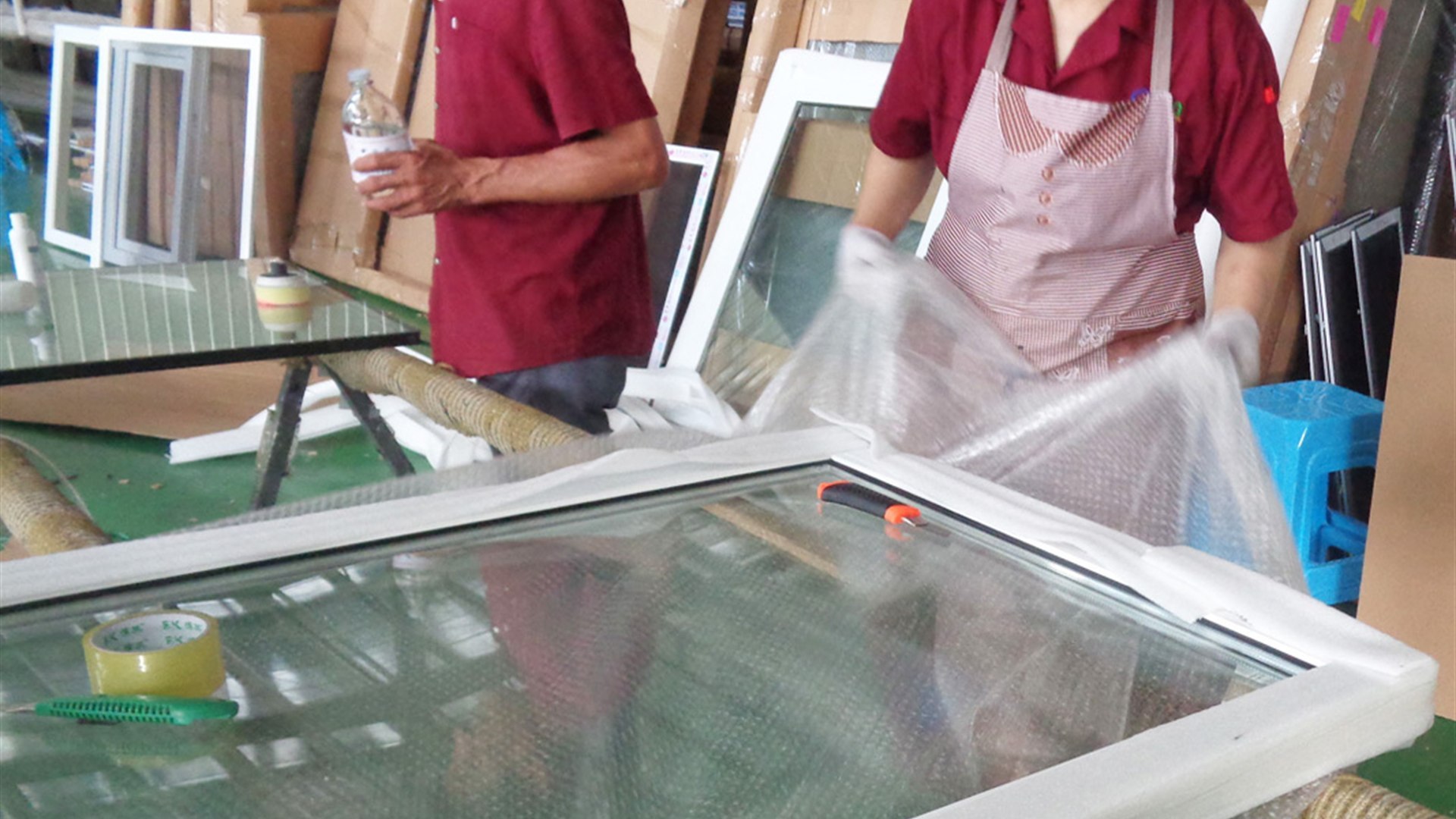
Units travel a long way from Fuzhou to sites in Australia, New Zealand, North America, Europe and the Caribbean, so packaging is treated as part of the product. Frames are protected with sturdy timber crating and corner guards, glass surfaces are covered with protective film, and loose hardware is packed separately where needed to avoid transit damage. Packing is arranged so that each crate can be opened on site in the order the installation is planned.
ROPO ships from the ports of Fuzhou and Xiamen by sea, with full container and shared LCL options. On-time delivery is managed through a dedicated system rather than a promise: profile and hardware inventory is kept in stock, raw materials are typically procured within one to two days, orders are followed up at every production stage, and transport information is confirmed with you in advance. Most projects benefit from the factory's ready inventory of profiles and hardware, which shortens lead times compared with a build-from-scratch order.
To move forward, send your opening schedule with dimensions, quantities, glass preference, packing requirements and the destination port. Adding the project location and the standard your certifier or insurer requires means the reply can include compliance advice for your region as well as pricing. Start with the quick selection and quotation form for a free project price, send your window and door import inquiry or contact the ROPO export team directly, and read more sourcing and technical guides on the ROPO windows and doors blog.
