

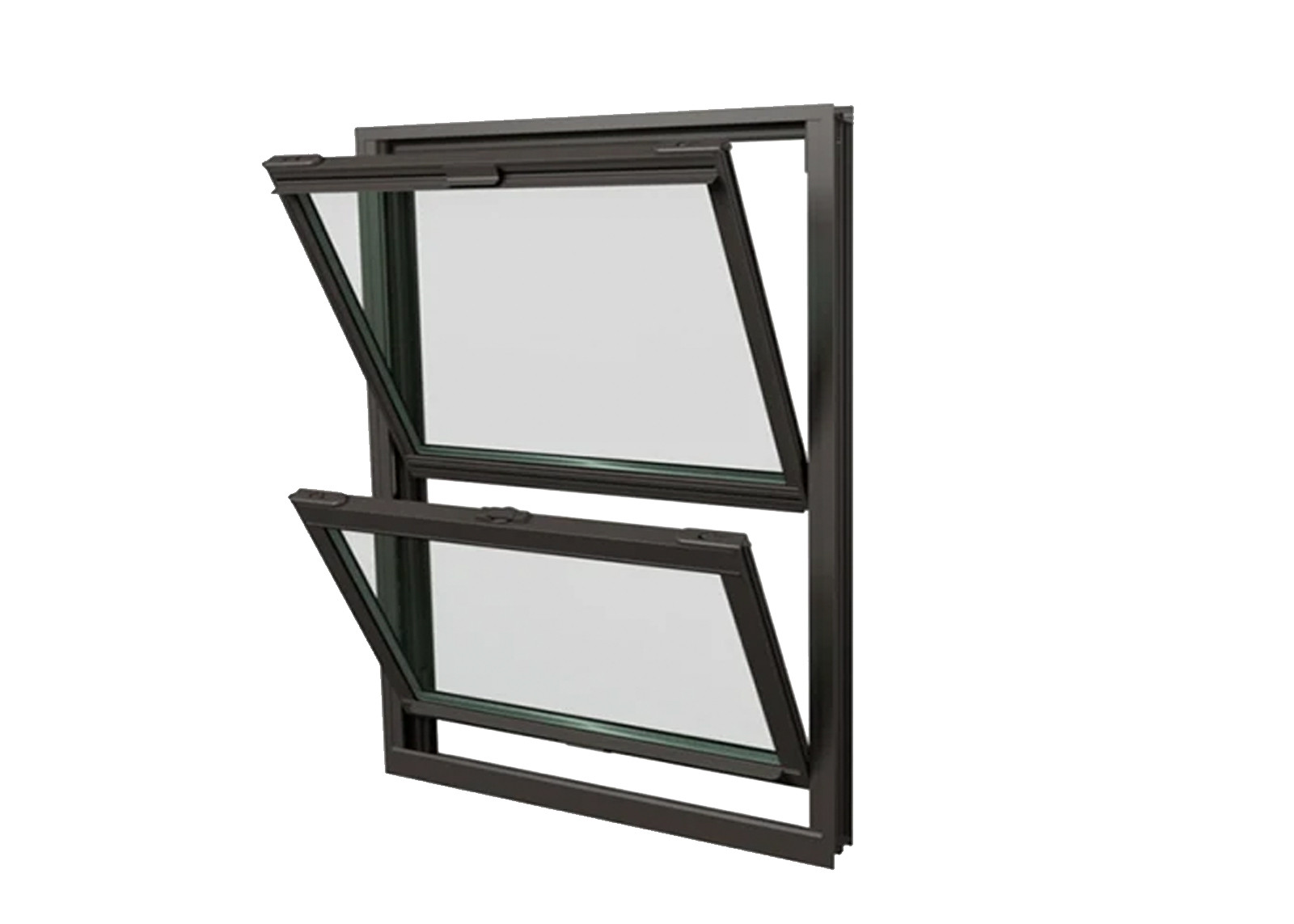
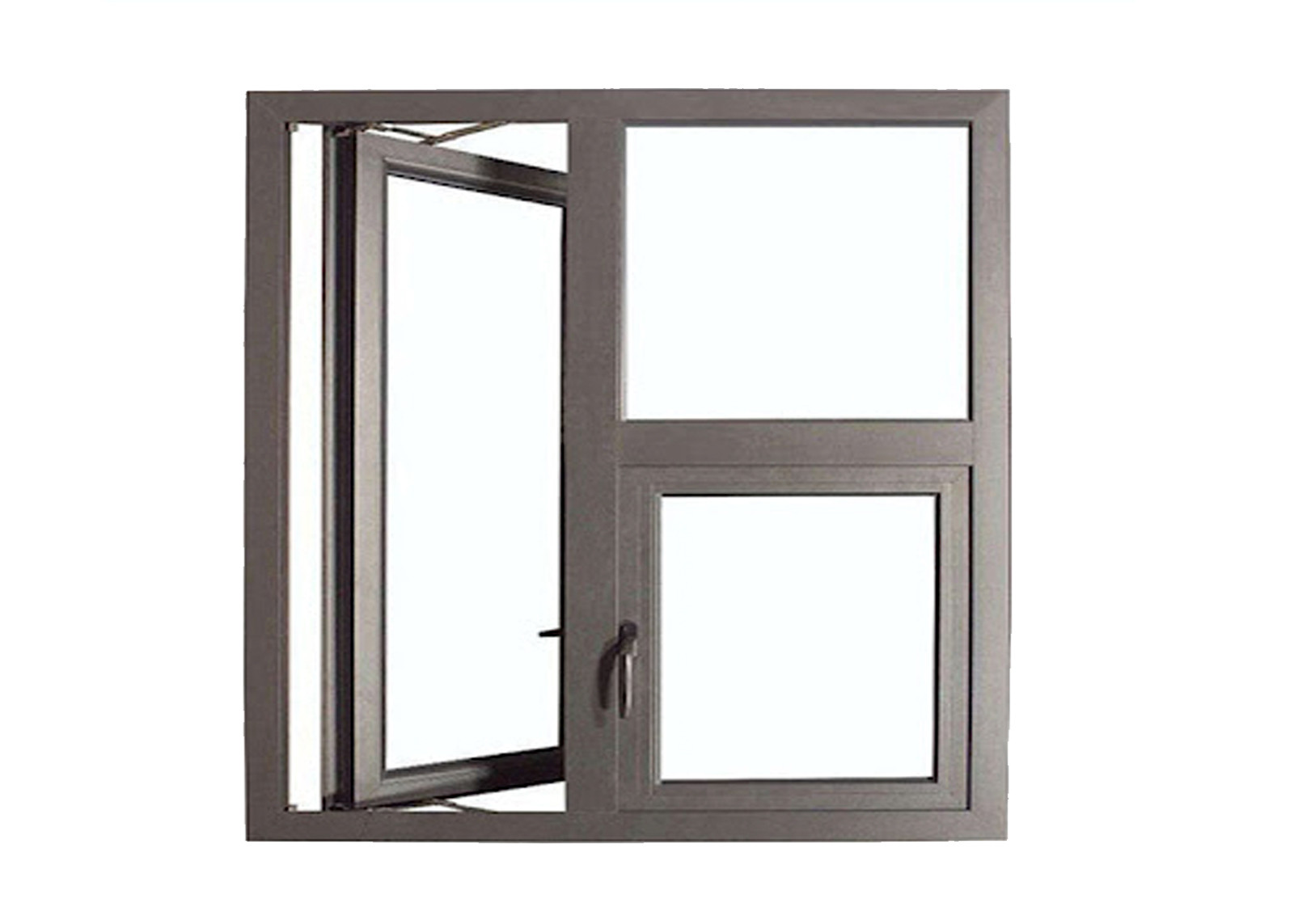
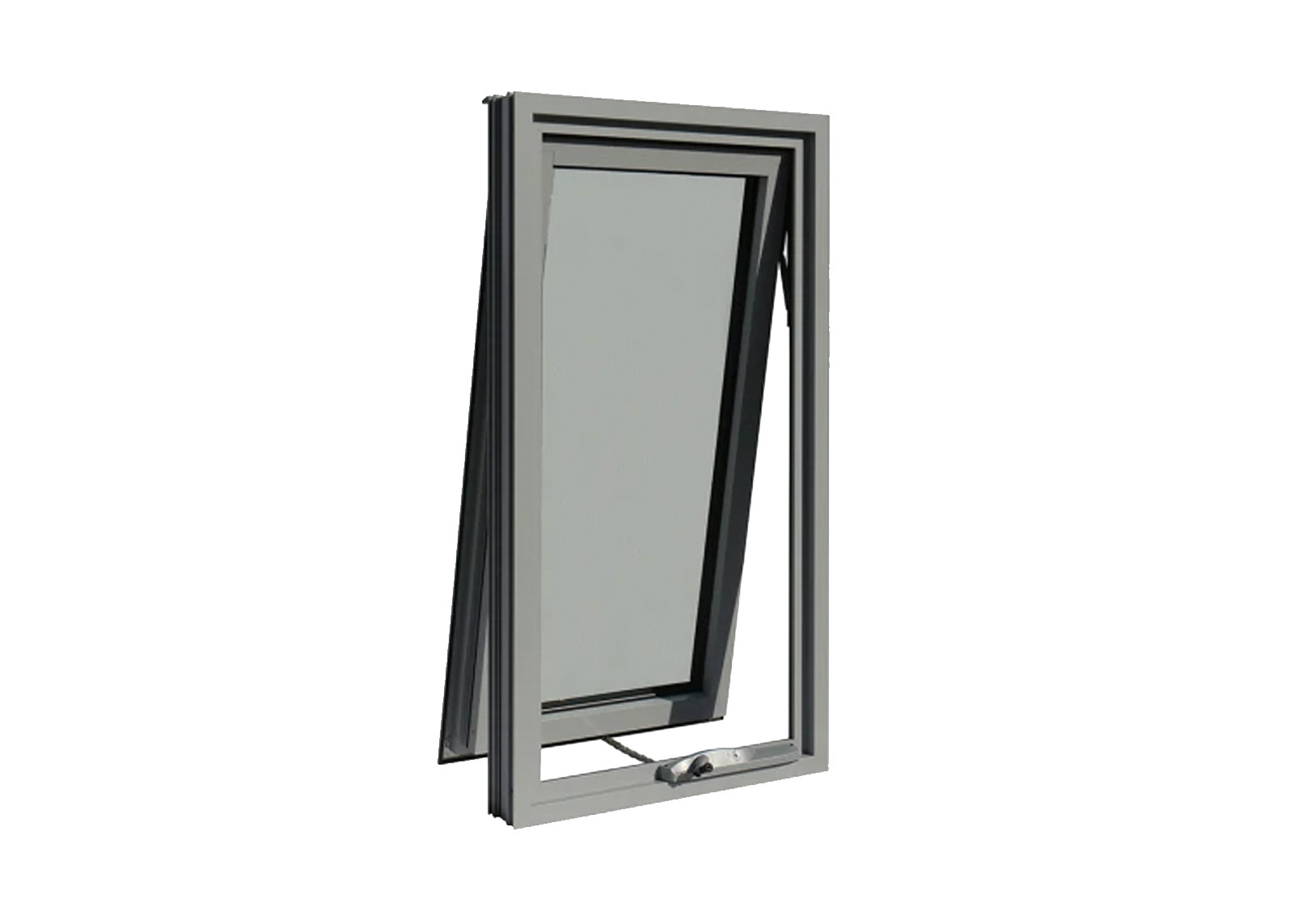
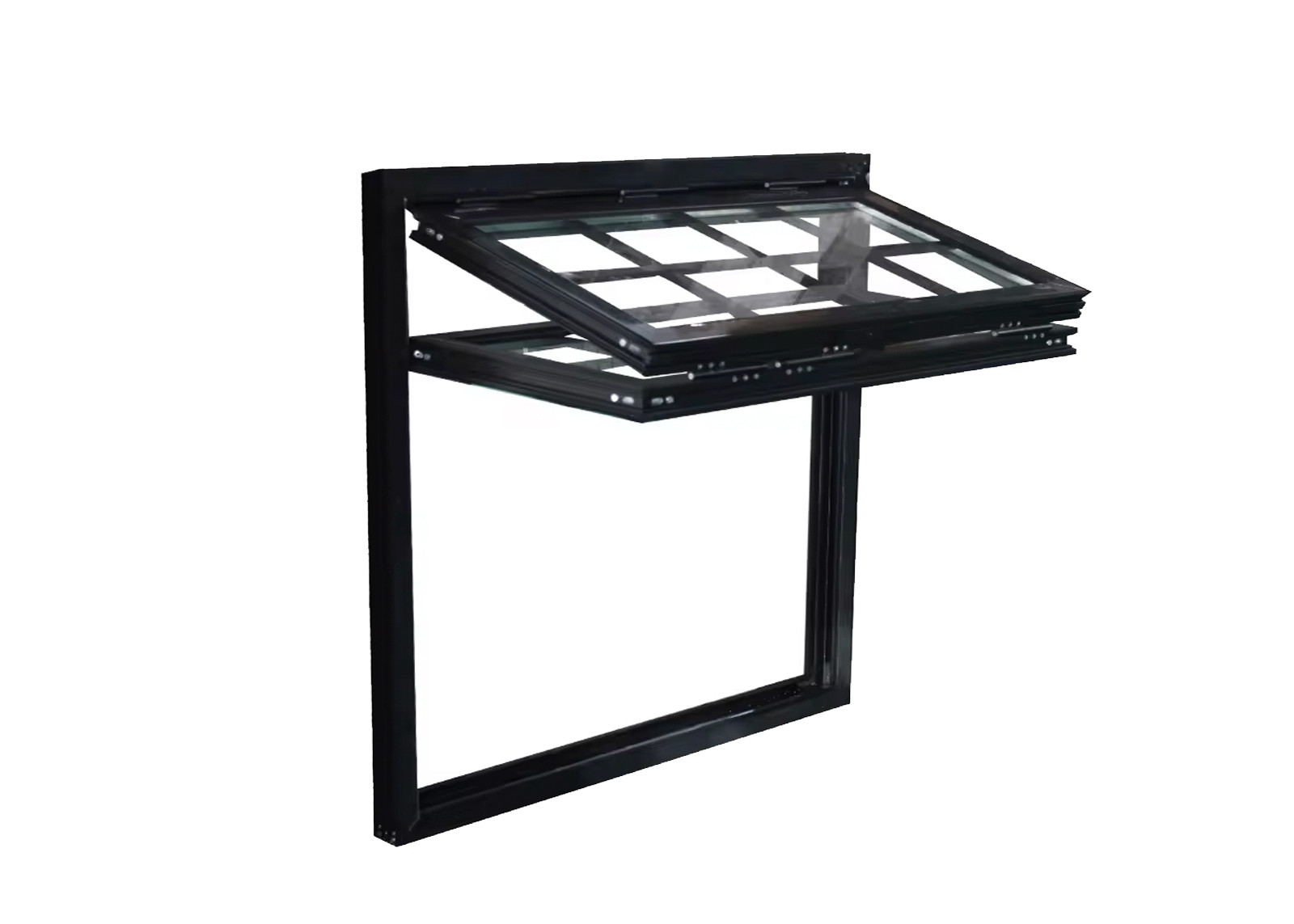

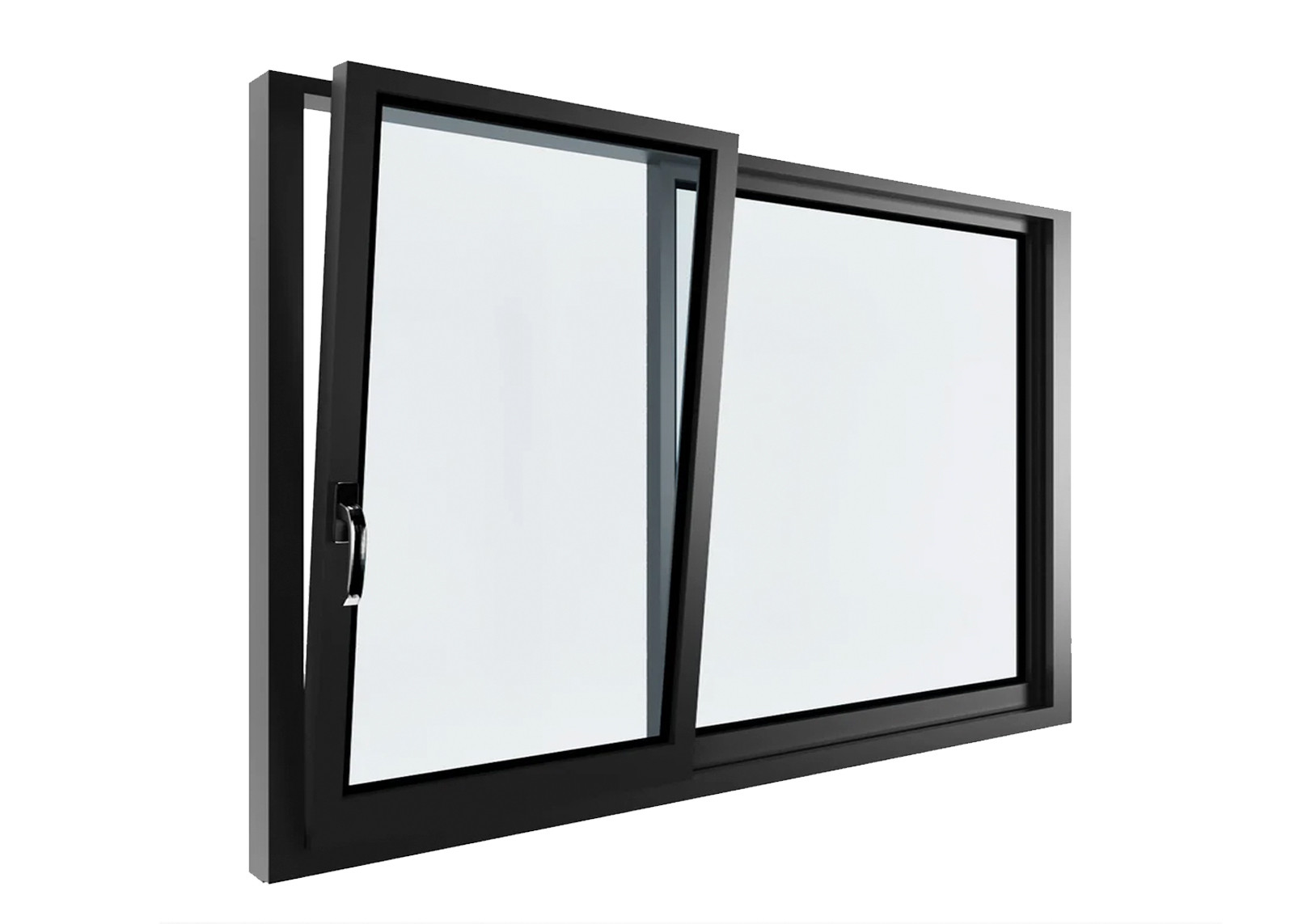
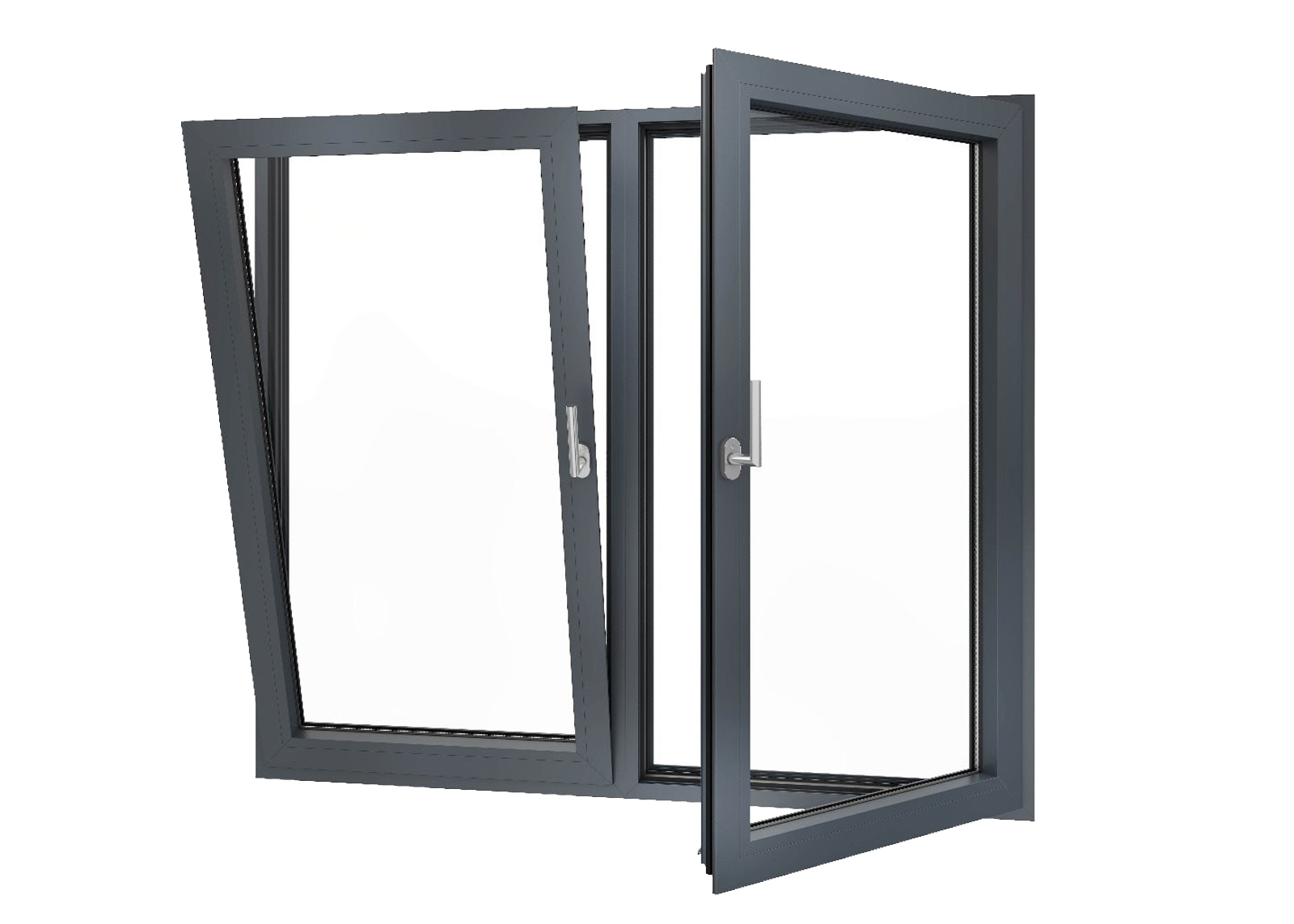
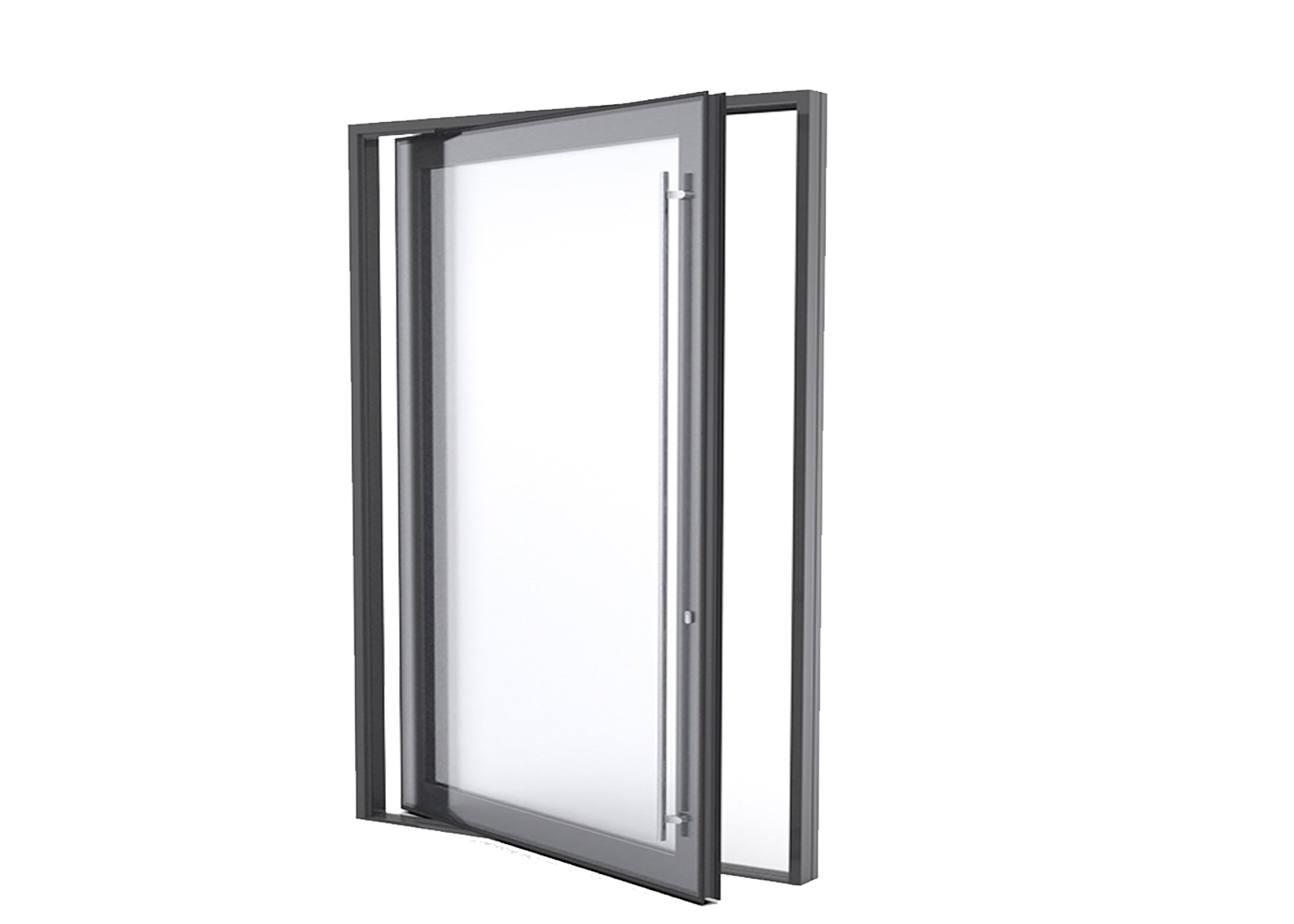

Top 5 Window and Door Suppliers in Sydney for Builders and Renovators (2026)
Which Window Suppliers Sydney Builders and Renovators Should Shortlist in 2026?
For most Sydney projects the five suppliers are ROPO Windows for factory-direct import, Stegbar and Trend for national manufacturing with showrooms, Wideline for New South Wales production, and AWS for systems built by licensed fabricators. Those are the window suppliers Sydney buyers compare most, and each answers a different question about risk, lead time and warranty.
That distinction is the whole point of this article. A renovation in the inner west and a new duplex on the Central Coast can use the same window and still need different suppliers, because the constraint is rarely the profile. It is the survey, the certifier, the site access, the storage space and the person who has to answer the phone eight months after handover. The five names below cover the routes that actually appear in Sydney tender comparisons, and the sections after them give the tests that separate one route from another.
What "supplier" means in the Sydney market
The word supplier hides four different businesses. A manufacturer makes the frame and the sash and sells it under its own name, usually with a showroom and an installation arm. A fabricator buys aluminium systems from a systems house and builds windows to those systems under licence, which means the profile is standard but the workmanship is local. An importer buys finished units from a factory overseas, holds no factory of its own, and adds margin for logistics, stock and local service. A factory-direct exporter sells from its own plant to your project, with the freight, the customs entry and the installation arranged by you or by your builder.
All four appear in a Sydney tender list, and all four will quote the same opening. What differs is where the risk sits. With a manufacturer or a fabricator, the risk of a wrong size sits with the party who measured the opening, because they have someone on site. With an importer, the risk sits with whoever holds the stock and the paperwork. With a factory-direct order, the risk sits with the person who signed the survey sheet, and the factory's job is to build exactly what that sheet says and prove it before it is packed.
None of those arrangements is inherently better. A builder repeating one house type across a dozen sites wants a supplier who can hold a delivery date and absorb a remake. A renovator with one difficult opening and a generous lead time can buy a better-specified unit for less money by going to the factory, provided the drawing is right and the compliance evidence is in hand before the order is placed.
The three routes behind almost every Sydney quote
Strip the branding away and most Sydney quotes come from one of three routes. The first is local manufacture or local fabrication, where the window is made in Australia and installed by the supplier or by a contractor the supplier nominates. The second is local supply of imported stock, where a distributor holds containers of standard sizes and sells from the rack, which is fast but limited to what is on the floor. The third is direct import against a project schedule, where every unit is made to a surveyed size, tested against the standard the certifier will ask for, and shipped as a set.
The routes differ in three practical ways. Lead time is the obvious one, but it is not the whole story: a local fabricator with a full order book can be slower than a factory that starts on your drawings next week. Flexibility is the second: a direct order can change a reveal, a mullion position, a hinge side or a frame colour without a tooling cost, while a stocked range cannot. Evidence is the third and the one buyers underestimate. A local supplier usually holds test reports for the systems it sells; a direct import order needs the report to cover the specific system, the specific glass build-up and the specific opening type you are buying, and it needs to arrive as a document, not as a claim.
Where the three routes meet is the interface. Someone has to own the junction between the window and the wall, the window and the flashing, the window and the internal lining. In a local supply contract that is normally the supplier's installer. In a direct import order it is your builder, and it needs to be written into the scope before the first unit is lifted off the truck.
How this shortlist was assembled, and what it excludes
The list was built from suppliers whose product ranges and sales routes are published on their own websites, then filtered for relevance to Sydney work: a physical presence or a documented route into New South Wales, a range that covers both windows and doors, and enough published technical material that a builder can specify from it. Only public descriptions are used. No capacity, revenue, headcount, market share, price or lead-time figures are attributed to any company, and the order is a judgement about fit for Sydney project buying, not a ranking by size.
Two exclusions are deliberate. Suppliers who sell only online in fixed sizes are left out, because the work in this market is surveyed openings and site tolerances. Importers who resell without holding test evidence are also left out, because a Sydney certifier will ask for the report and a reseller often cannot produce it. That second exclusion matters more than it sounds: the cheapest quote in a tender is very often the one with the thinnest documentation, and the cost of discovering that after the frames are on site is not measured in dollars alone.
For buyers who want to see how ROPO handles the Sydney side of a direct order before reading the rest, the ROPO Sydney windows and doors page sets out the showroom, the appointment route to the factory and the standards the company works to. The builder buying guide covers the measurement and scheduling side in more detail, including the site survey format that a factory order depends on.
The Five Window and Door Suppliers, and What Each One Is Actually Selling
Read this section as five different commercial offers rather than five brands. The question is not which company is best; it is which offer matches the way your project buys, installs and warrants its joinery. That is why the window suppliers Sydney buyers shortlist fall into five commercial shapes rather than five grades. Every description below is limited to what the company publishes about itself, and the comparison table at the end reduces the five to the four things a buyer can actually check: who makes the unit, who measures it, who installs it and who answers for it later.
ROPO Windows: factory-direct supply built to a Sydney schedule
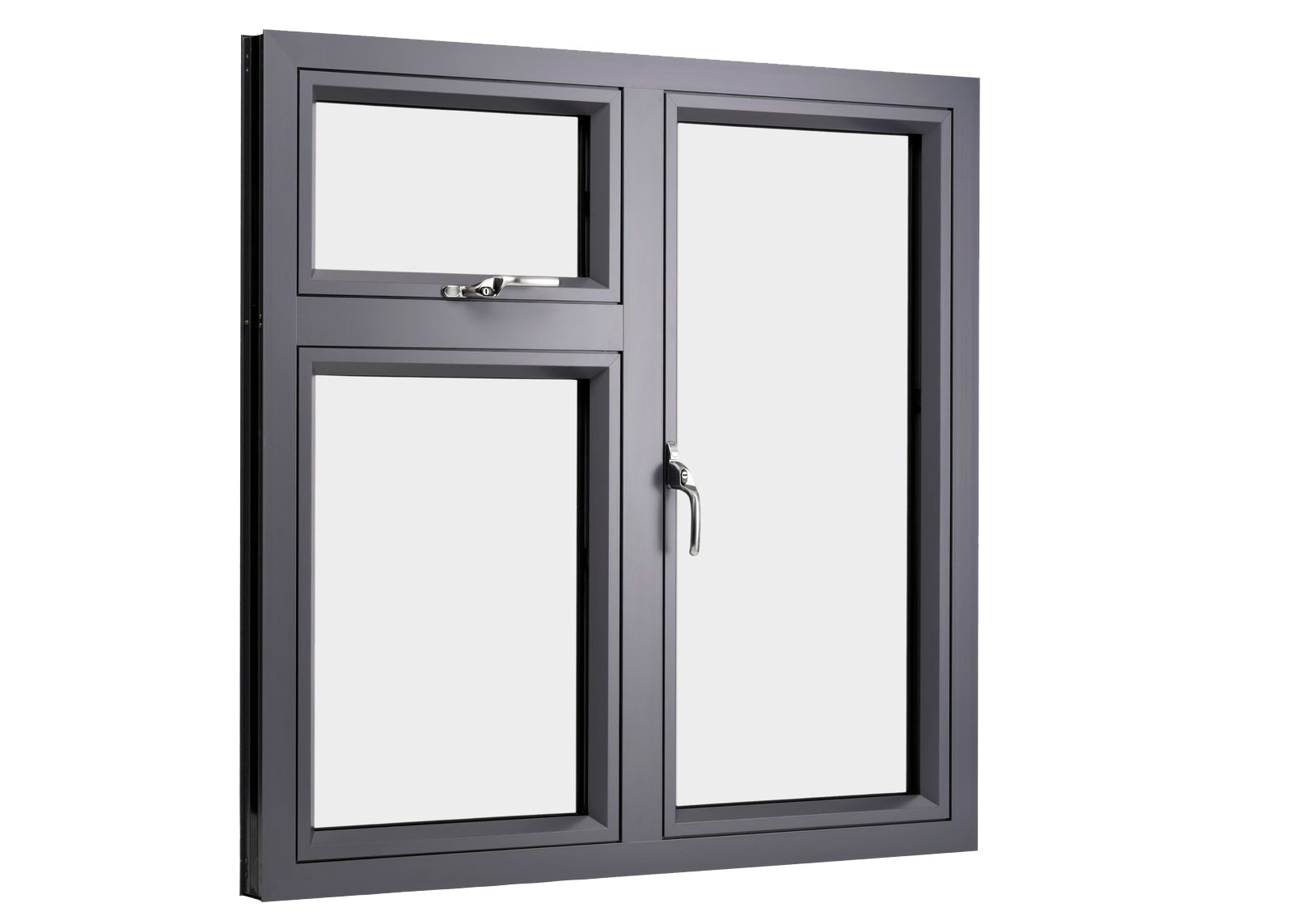
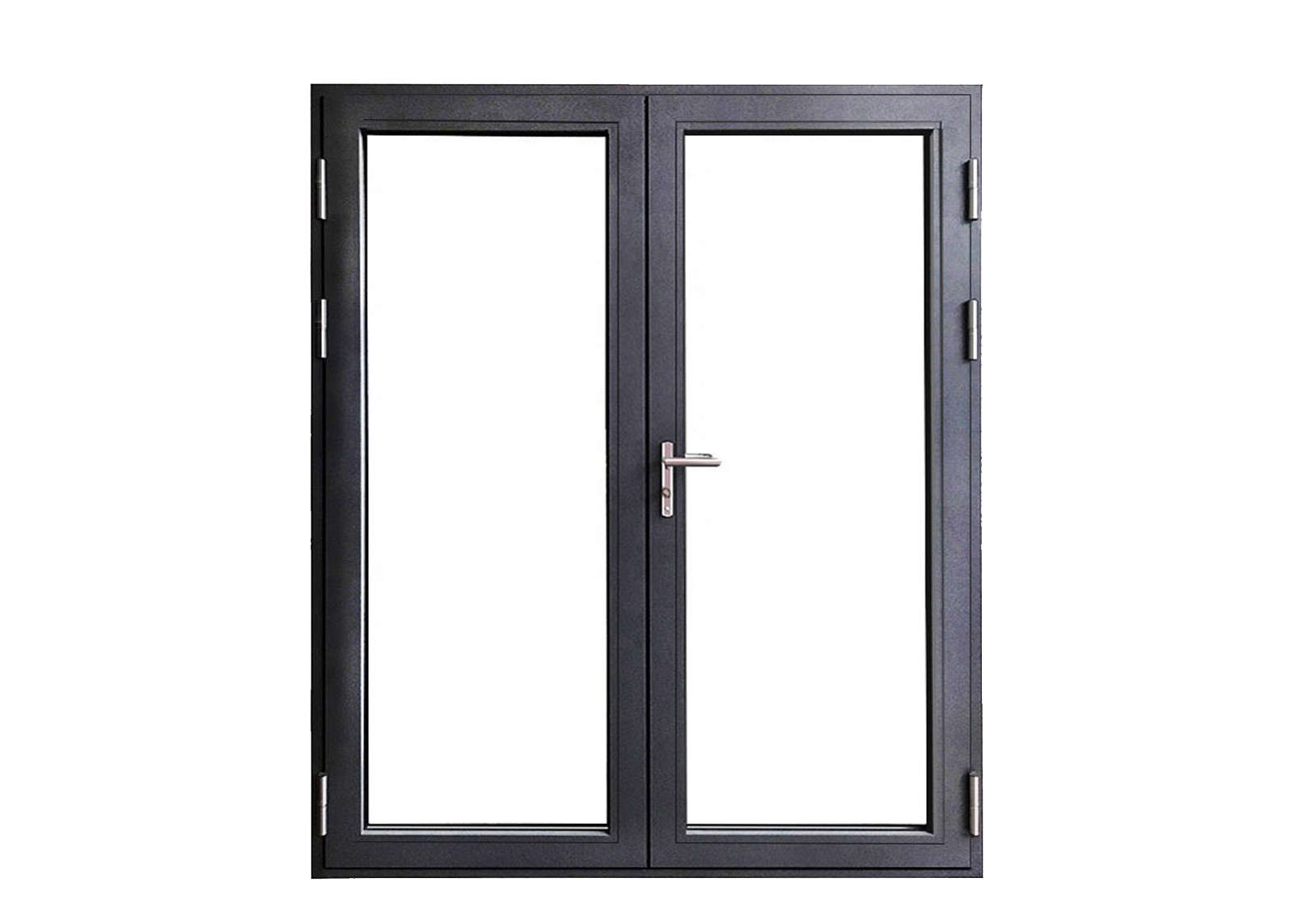
ROPO Windows is a Chinese window and door manufacturer working from its own factory in Fuzhou, with sixteen years in the trade and deliveries to more than one hundred countries. The company makes aluminium and uPVC windows and doors to order, holds AS2047, NZS4211 and Miami-Dade testing for the systems it sells, and offers a ten-year warranty with a minimum order of one unit. For Sydney buyers the relevant detail is that the company states membership of WERS and AGWA, the two bodies a New South Wales certifier and an energy assessor will recognise, and that the same factory produces the frame, the sash, the glazing and the screen as one unit.
What a direct order from this route actually buys is control over the schedule. Every unit is made to a surveyed size, so a renovation with eleven different openings does not pay a made-to-measure premium eleven times, and a repeated house type can be ordered as a set with consistent sightlines. Frame colour, glass build-up, mullion positions, hinge side, screen type and sill detail are decided on the drawing rather than selected from a stock list. The company publishes its custom aluminium window range and the factory profile so that a buyer can see the plant before committing to a container, and the Sydney double glazed aluminium windows page shows how an Australian order is configured for the local market.
What it does not buy is a local warranty holder or a local installation crew. The warranty is a factory warranty, honoured through the importer or the project team, and the installation is your builder's scope. Buyers who need one phone number for everything should choose a local route and pay for it. Buyers who can hold the survey, the compliance file and the site programme themselves get a materially better unit for the money, which is why this route sits first for project work and last for a single emergency replacement.
Stegbar: national manufacturing with New South Wales showrooms
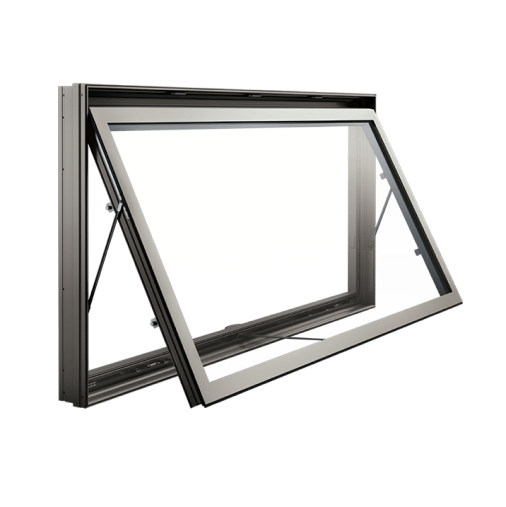
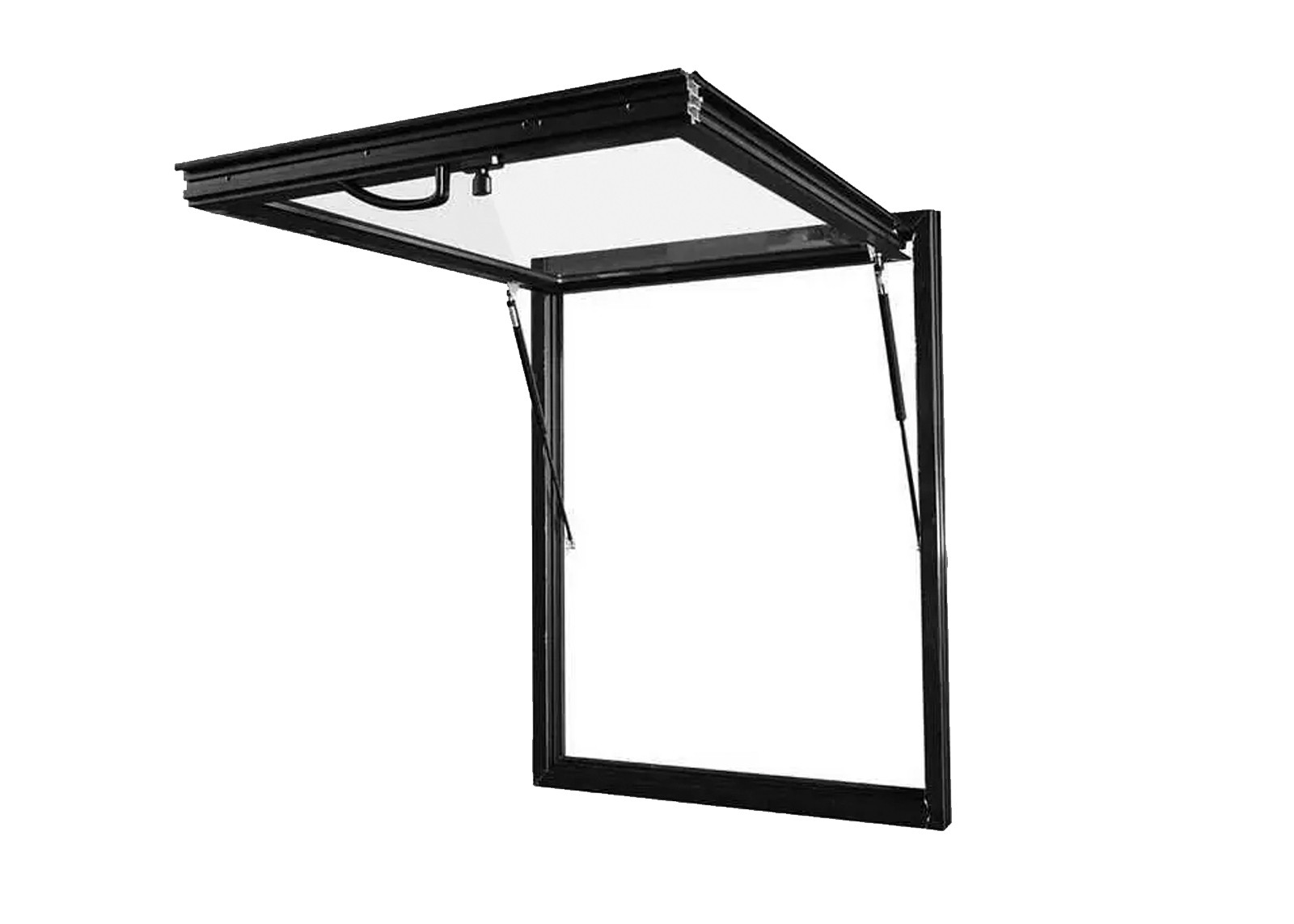
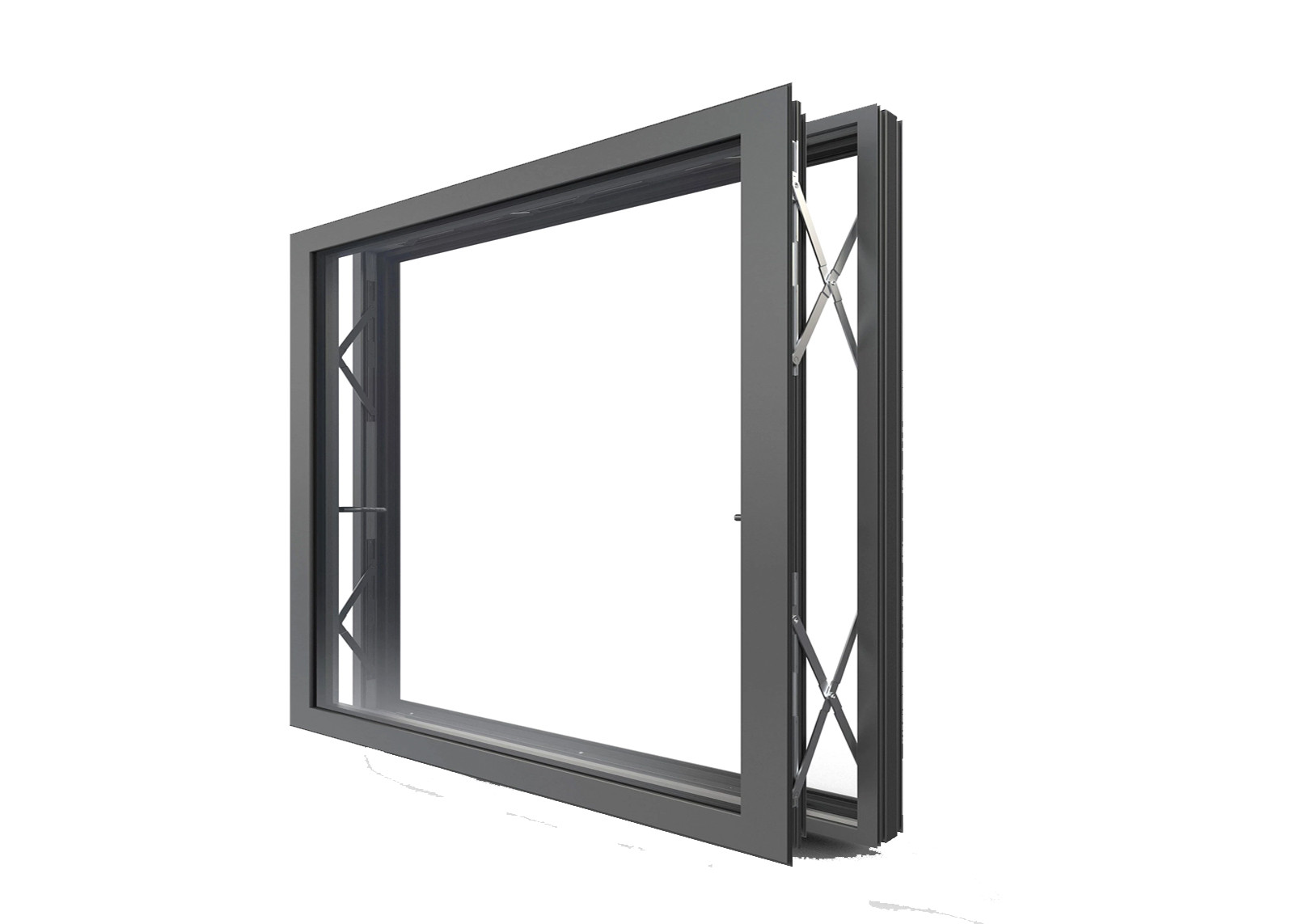
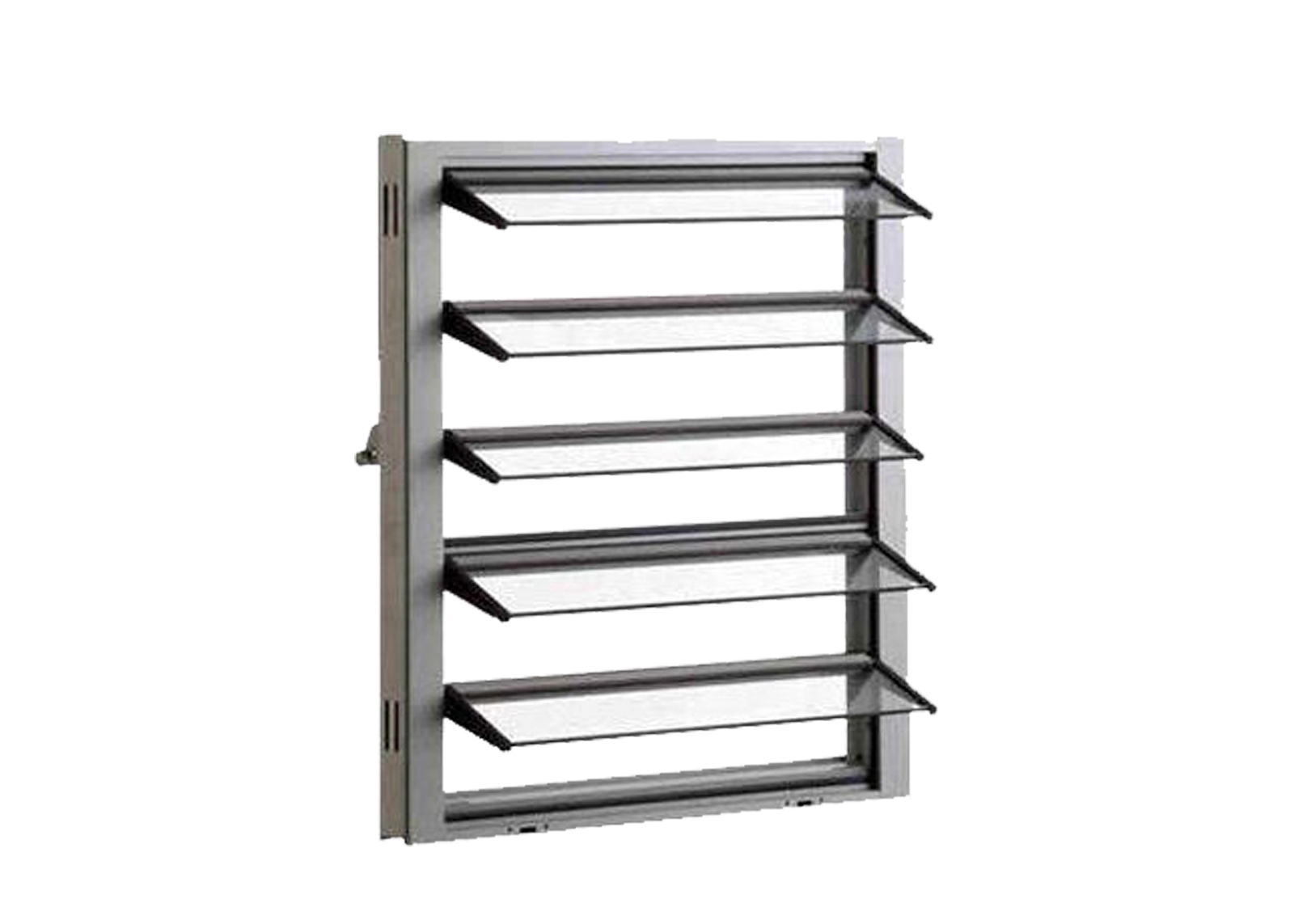
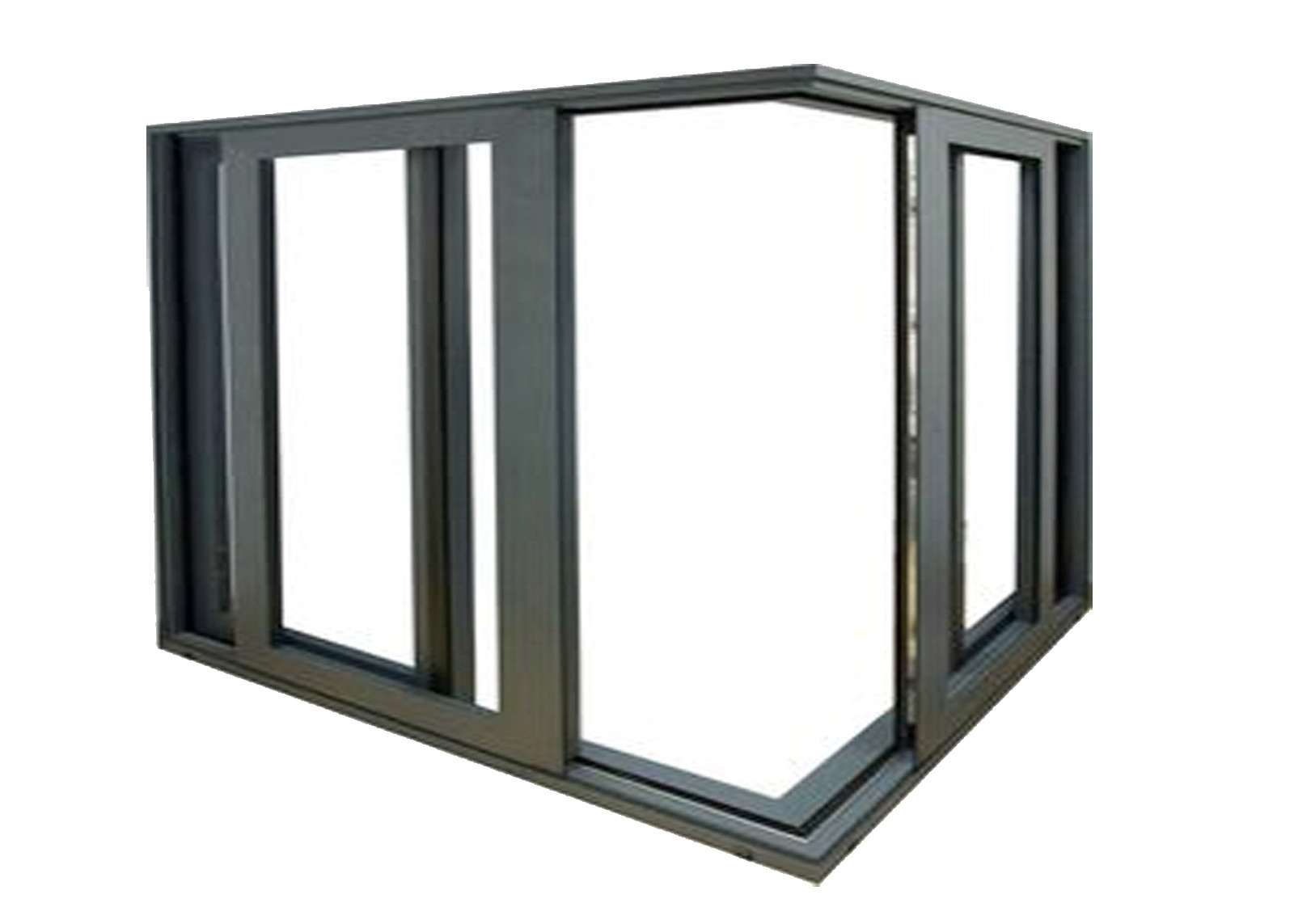
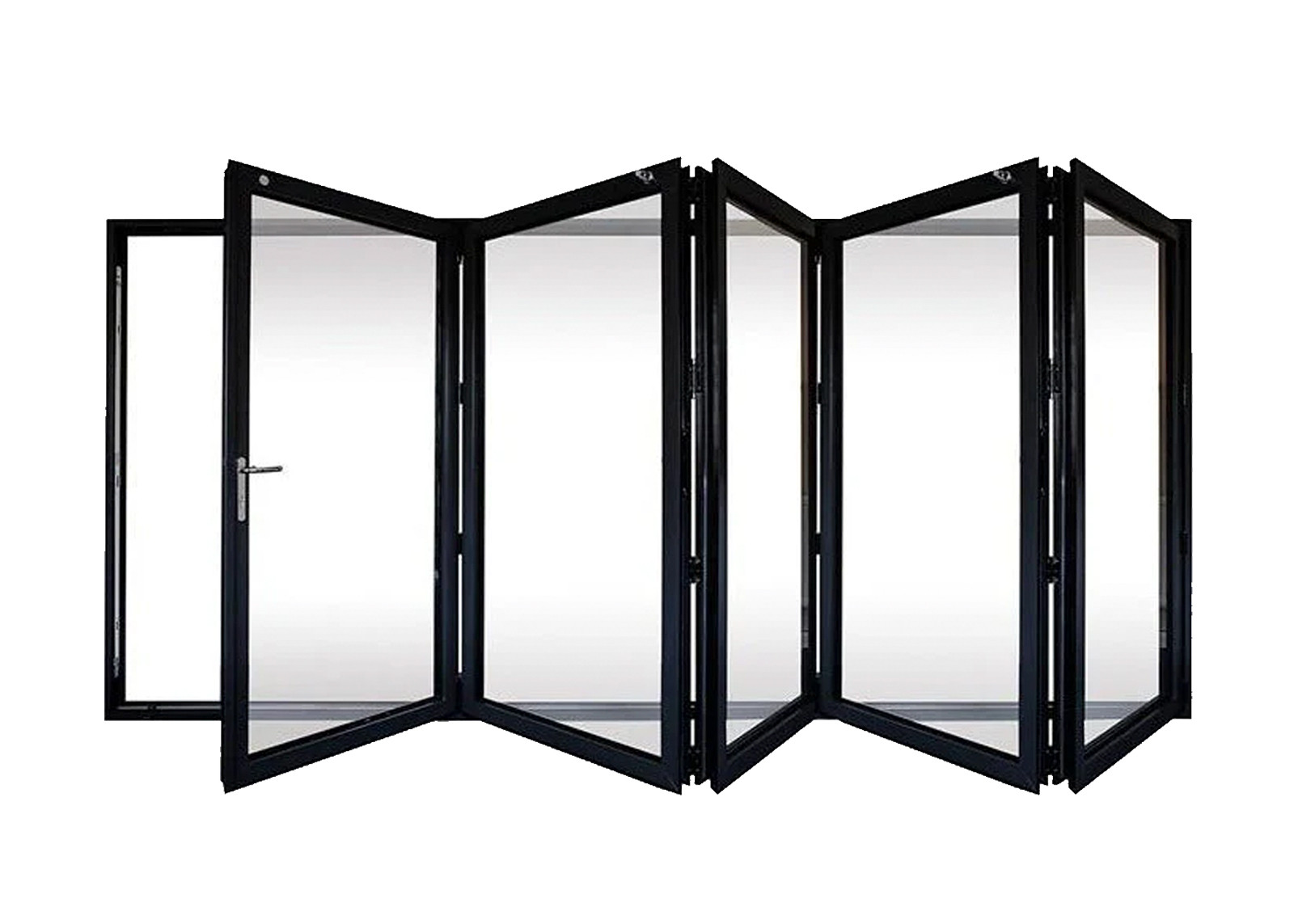
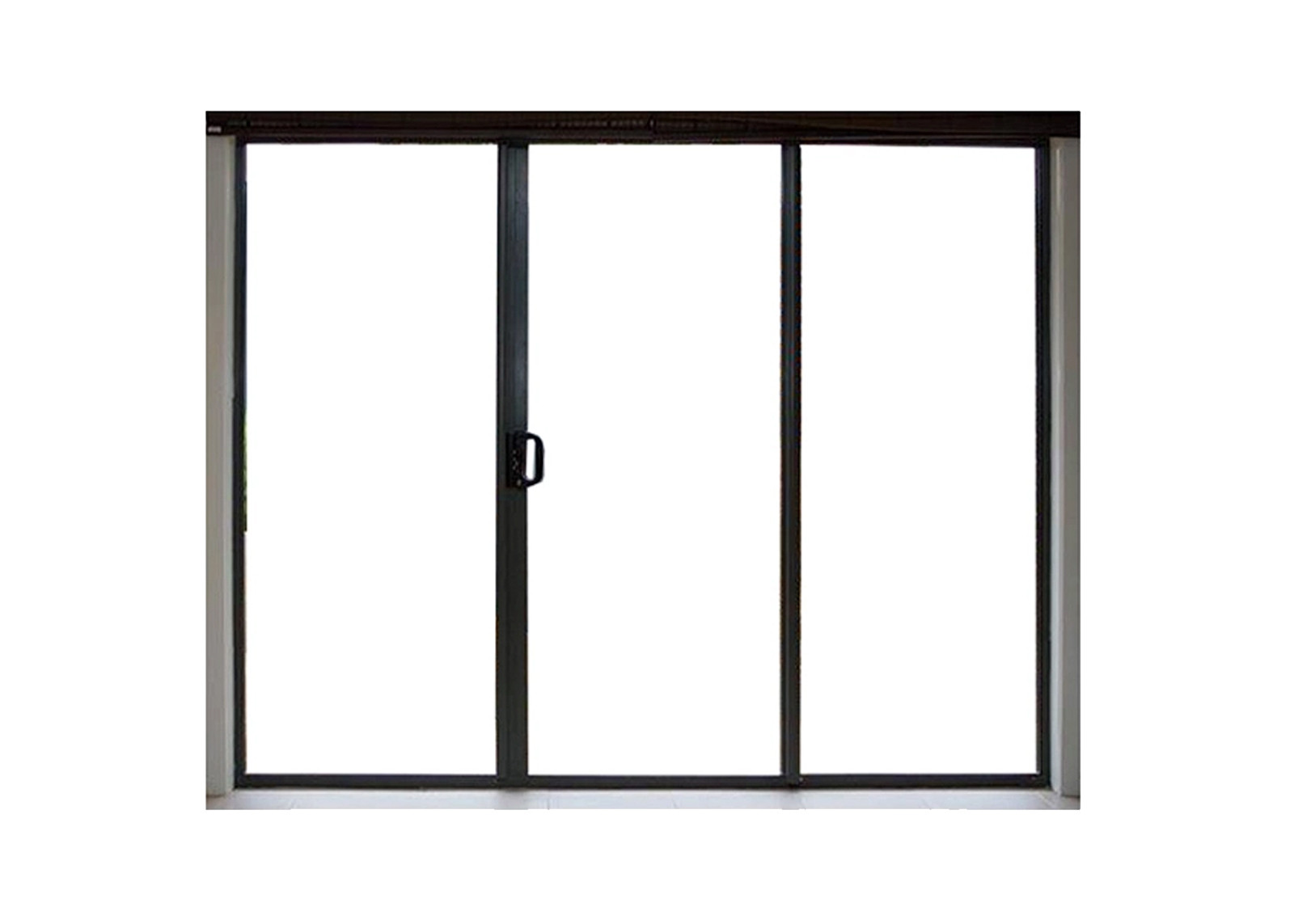
Stegbar is an Australian window and door supplier with a published range that runs across aluminium, timber and composite lines, sold through showrooms and an installation service. Its window collection is organised by product family rather than by size, covering awning, casement, double hung, fixed, sliding, bi-fold and louvre types, plus sashless and gas strut options, and the same business sells doors, wardrobe doors and shower screens. For a Sydney buyer the practical value is proximity: showrooms in the metropolitan area and on the South Coast, an installation arm, and an enquiry process that separates homeowners, builders, architects and commercial clients.
The offer suits renovation work where the client wants to see and touch the product before signing, and where a single contractor for supply and install removes an argument later. It also suits projects where the specification is close to a catalogue family: a house lot of awning and sliding windows in a standard colour, with a small number of specials. The limit appears when the drawing departs from the family: an unusual reveal, a non-standard mullion spacing, a frame colour outside the published range or a bespoke door leaf will either move to a custom line or move to another supplier.
Commercially, a national supplier carries overheads a factory does not, and the quote reflects that. That is not a criticism; it is the price of a showroom, a local installation crew and a name a certifier already knows. The question for a builder is whether those three things are worth more on this project than the specification they displace. On a high-end renovation with difficult access, they often are. On a forty-unit development with a fixed budget and a schedule, they often are not.
Wideline Windows & Doors: New South Wales production, aluminium and timber
Wideline makes windows and doors in New South Wales and sells into New South Wales and Queensland through its own showrooms, with an aluminium range and a timber range sold side by side. The company publishes technical downloads, a written guarantee and a showroom network, and its product pages are organised by material and by opening type, which makes it usable for a builder who needs to confirm that a proposed profile actually exists before it goes into a specification.
The distinguishing feature is the material mix. A renovator restoring a federation or interwar house often needs a timber window that matches an existing profile, and a builder working on the rear extension of the same house needs an aluminium unit that meets a current energy rating. Very few suppliers can quote both from one drawing set. Wideline can, which shortens the coordination loop and reduces the chance that two suppliers deliver two different sightlines into the same elevation.
The constraint is geography and range depth. Production is New South Wales based, so delivery into Sydney is straightforward and delivery outside the serviced states is not. The ranges are deep but they are ranges: a project that needs a thermally broken system with a specific U-value target, or a fire-rated assembly, will usually end up with a systems house instead. For the common Sydney job, which is a renovation or an infill house with a mix of timber and aluminium, this is one of the few suppliers that can hold both halves of the specification.
AWS: the systems house behind licensed Sydney fabricators
Architectural Window Systems designs, tests and supplies aluminium window and door systems in Australia, and sells them through a network of licensed fabricators rather than directly to a building site. Its published brands cover residential systems, commercial systems and a thermally broken range, and it provides specifier tools including CAD and BIM files, which is why its systems appear in architect-issued documentation more often than its name appears on a delivery docket.
For a Sydney builder the value of this route is standardisation with local fabrication. The system is tested as a system, the fabricator builds to it, and the performance claim travels with the system rather than with an individual workshop. On a project where the architect has specified a system by name, the path is already fixed: you choose a licensed fabricator, you do not choose a window. On a project where the architect has specified performance only, a systems house gives you a way to meet it without inventing a detail.
The trade-off is that you are buying through two parties. The fabricator owns the workmanship and the delivery; the systems house owns the design and the test evidence. When something goes wrong, the first question is which of the two it belongs to, and the answer depends on whether the failure is in the profile, the assembly or the installation. Buyers who want a single accountable party should note that this route is explicitly not that, and price the coordination accordingly.
Trend Windows & Doors: national manufacturing through a dealer network
Trend is an Australian window and door manufacturer with a published range of aluminium window and door series, sold through company showrooms and a dealer network across the states it services. Its series are marketed by design intent, from slimline residential lines to architectural ranges, and the company publishes warranty terms, hardware options and an inspiration library that a renovator can use to shortlist a look before an appointment.
The commercial shape is a national manufacturer with local distribution. That means the product is made in Australia, the dealer holds the relationship, and the installation is either the dealer's crew or a contractor the dealer works with. For a builder running several projects across Sydney and the Central Coast, that model has an obvious advantage: the same series, the same hardware and the same trim language can be ordered through one dealer for sites that are hours apart.
The limit is the same as any series-based offer. The catalogue defines what is available, and the dealer defines how far it can be stretched. A project that needs a specific sightline to match an existing facade, a bespoke door leaf or a non-standard colour will find the answer is either a special order with a longer programme or a different supplier. Buyers should ask the dealer, before deposit, which parts of the quotation are series standard and which are specials, because that split is where the programme usually slips.
| Supplier | Business model | Who measures | Who installs | Best fit in Sydney |
|---|---|---|---|---|
| ROPO Windows | Factory-direct manufacturer, Fuzhou | You or your builder, checked against factory shop drawings | Your builder | Surveyed project schedules, bespoke openings, repeated house types |
| Stegbar | National manufacturer and supplier with showrooms | Supplier, at site visit | Supplier's installation service | Renovations where the client wants to see product and one contract for supply and install |
| Wideline | NSW manufacturer, aluminium and timber | Supplier, at site visit | Supplier or nominated contractor | Mixed timber and aluminium work on older houses |
| AWS | Systems house, licensed fabricators | Fabricator | Fabricator or nominated contractor | Architect-specified systems and performance-based specifications |
| Trend | National manufacturer, dealer network | Dealer | Dealer's crew or nominated contractor | Programmes across several sites needing one series repeated |
How to use this list without turning it into a brand argument
Turn the list into four questions. Does the project need units built to a drawing, with the frame and glass specified for a coastal or bushfire exposure? Start with the factory-direct route and put the compliance file together before the deposit. Does the client want to walk into a showroom and see the product? Start with the national manufacturers. Is the house old enough that timber and aluminium have to meet in the same elevation? Start with the NSW manufacturer. Has an architect already named a system? Go to a licensed fabricator and stop looking for alternatives.
The mistake buyers make is to run all five in a tender and compare the bottom line. Five quotes built on five different scopes cannot be compared, and the window suppliers Sydney builders regret choosing are usually the ones who left the most out. A better process is to choose the route first, then get two quotes within that route on an identical scope. That is also the only way to test whether a price is genuinely competitive or simply thinner.
For buyers comparing local supply with import, the honest framing is this: window supply is a logistics business as much as a manufacturing one. The factory that builds the best unit still fails the project if the survey is wrong or the container lands a month late. The next three sections are about the things that decide which of those two failures you are exposed to.
What Sydney Conditions Do to a Window Specification
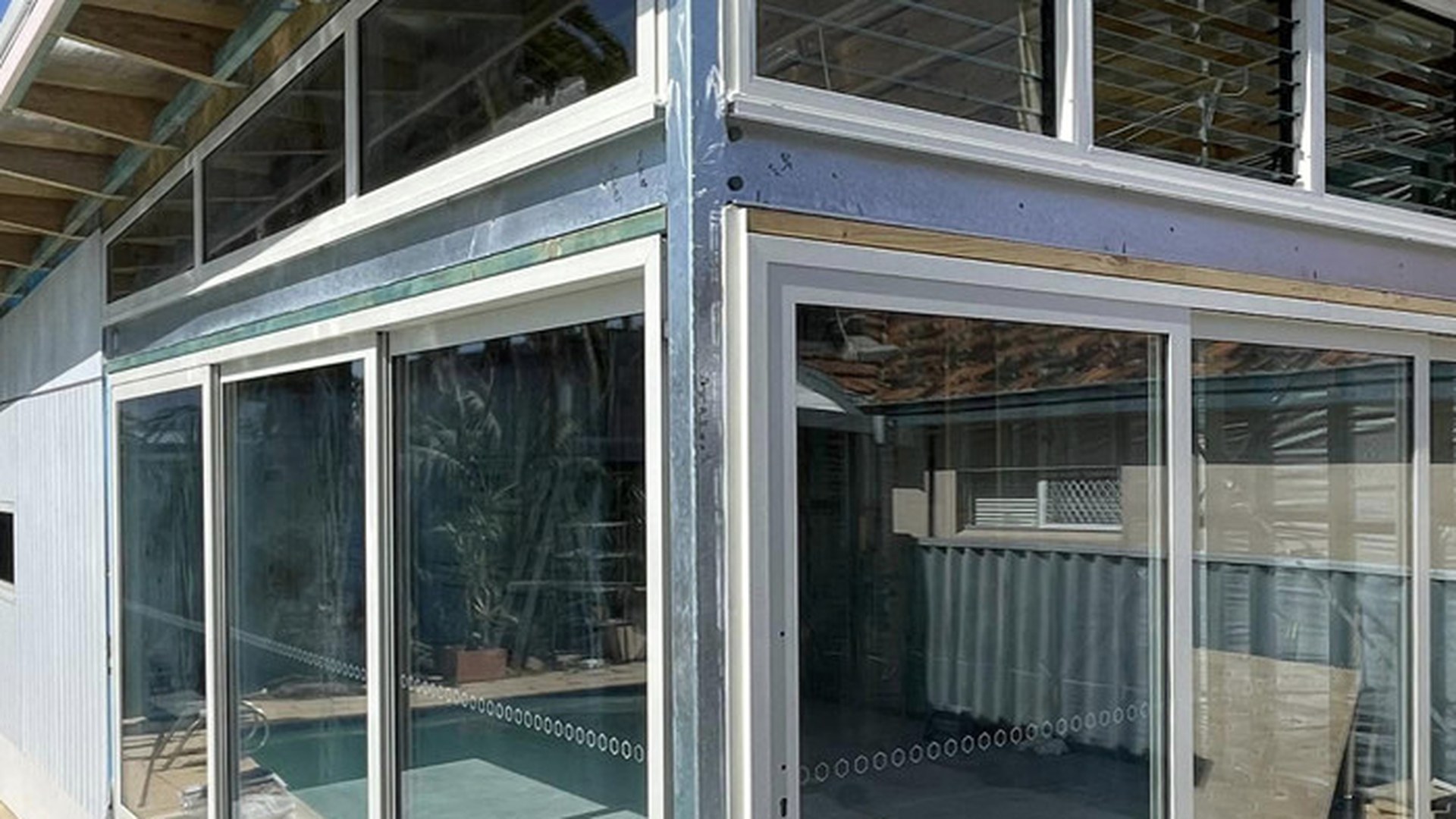
Most window specifications that fail in Sydney do not fail because the product was cheap. They fail because the specification was written for a mild inland climate and then installed eight hundred metres from the ocean, on a west-facing wall, under a bushfire overlay, or beside a flight path. The five suppliers above will all build to whatever the schedule says; the schedule is the part that has to be right, and it is what separates the window suppliers Sydney renovators keep from the ones they replace after the first winter. What follows are the four conditions that change a Sydney specification most often, and what to write into the order so that the change survives into production.
Salt, UV and the coastal strip
The coastal strip from Palm Beach down to Cronulla and around to La Perouse is a corrosion environment, not just a pretty one. Airborne chloride attacks unfinished aluminium, cheap hinge pins, mild-steel screws and any fixing that is not rated for exterior use, and the failure looks like a stiff handle or a white bloom around a fastener long before it looks like a structural problem. The specification answer is not a single product but a set of them: a powder-coated or anodised finish applied to an appropriate film thickness, stainless or appropriately coated hardware, and no dissimilar metals in direct contact where water can pool.
Ultraviolet exposure is the second half of the same problem. Sealant, gaskets, screens and painted surfaces all degrade faster on a north or west elevation, and the degradation is invisible until it is a leak. Ask what the hardware is made of, not just what colour it is, and ask whether the same hardware schedule applies to the coastal units as to the inland ones. On a direct import order this is a line on the drawing: hardware series, finish, and the note that all fixings are corrosion resistant.
Salt also changes maintenance, and maintenance changes the warranty conversation. A window that is rinsed four times a year lasts differently from one that is never touched, and a supplier is entitled to say so. The practical answer for a builder is to hand over a cleaning schedule with the keys, because the first corroded hinge usually appears within the period when the client still believes the window is maintenance free.
Wind-driven rain and the sill that decides it
Sydney's rain arrives sideways. A window that resists a garden hose will still leak under a driving south-easterly if the sill is flat, the drainage path is blocked or the frame is set back in a deep reveal with no external drainage. The performance of the window and the performance of the opening are two different things, and the second is usually the builder's scope, which is precisely why it gets missed.
Three details carry most of the risk. The first is the sill: a drained and sloped sill with a defined outlet is not optional on an exposed elevation, and a sill that relies on a bead of sealant is a maintenance item pretending to be a detail. The second is the head and jamb flashing, which has to lap in the right order so that water leaving the frame does not re-enter the wall. The third is the installation gap and the packing, because a frame that is twisted into an out-of-square opening will not close evenly on its gaskets, and a gasket that does not compress does not seal.
This is where the installation guidance matters more than the brochure. A factory can only control what leaves the plant: the frame, the drainage slots, the gaskets and the packing. Everything after that is site work, and a good unit installed badly outperforms nothing. Ask for the installation detail drawings with the order, not after the first leak, and check that the sill detail on the drawing matches the sill detail on the wall.
Heat, glare and the west-facing elevation
A west-facing living room in Sydney gets the worst of both seasons: low afternoon sun in winter that arrives under an eave, and hard afternoon sun in summer when the family is home. The window is the control surface for both, which means the glass specification is doing energy work, not decoration. Solar heat gain, visible light transmission and U-value move together, and a glass that fixes summer heat gain by going dark will usually darken the room in winter too.
The practical answer is a glass build-up chosen for orientation rather than one glass for the whole house. East and north elevations can take a different coating from west elevations, and a sliding door facing west usually deserves a better coating than a small bathroom window facing south. The glass options page sets out the combinations, and a WERS rating gives the assessor a number to work with instead of an assumption.
Shading belongs in the same conversation. An eave, a pergola, an external blind or a deep reveal does more than a coating on a west wall, and it does it without reducing daylight. A specification that fixes the glass and ignores the shading is paying twice for the same result. For renovation work, where the eave and the window head are already fixed, the glass and the frame are the only variables left, which is exactly why the glass decision should be made before the frame is ordered.
Bushfire, aircraft noise and the constraints that change the system
Large parts of the Sydney fringe sit under a bushfire overlay, and the requirement there is not a better window but a different assembly: a screened or protected opening, a frame that survives radiant heat, and glass that stays in place. The detail is set by the bushfire attack level for the site, and it changes the specification of every opening on the exposed elevation. A supplier who has not built to that requirement will quote a standard unit, and the certifier will reject it. ROPO's bushfire-rated window and door range is the reference point on this site, and the same question should be put to any local supplier before deposit.
Noise is the other constraint that is easy to miss. Properties under the flight paths, along Parramatta Road, the M4 corridor and the rail lines are exposed to sustained aircraft or traffic noise, and the answer is a combination: thicker or laminated glass, a frame with a proper compression seal, and an installation that closes the gaps around the frame. Buying a laminated unit and fitting it into a leaky opening wastes most of the money. Ask for the acoustic build-up as a system, and ask who is responsible for the perimeter seal.
Both constraints have the same commercial consequence: they move a project out of the stocked range and into a made-to-order one. That is not a reason to avoid them, but it is a reason to settle them before the window schedule is priced, because a bushfire-rated or acoustically specified opening costs what it costs and cannot be value-engineered back to a standard unit after the certifier has seen it.
Compliance: The Evidence a Sydney Certifier Will Ask For
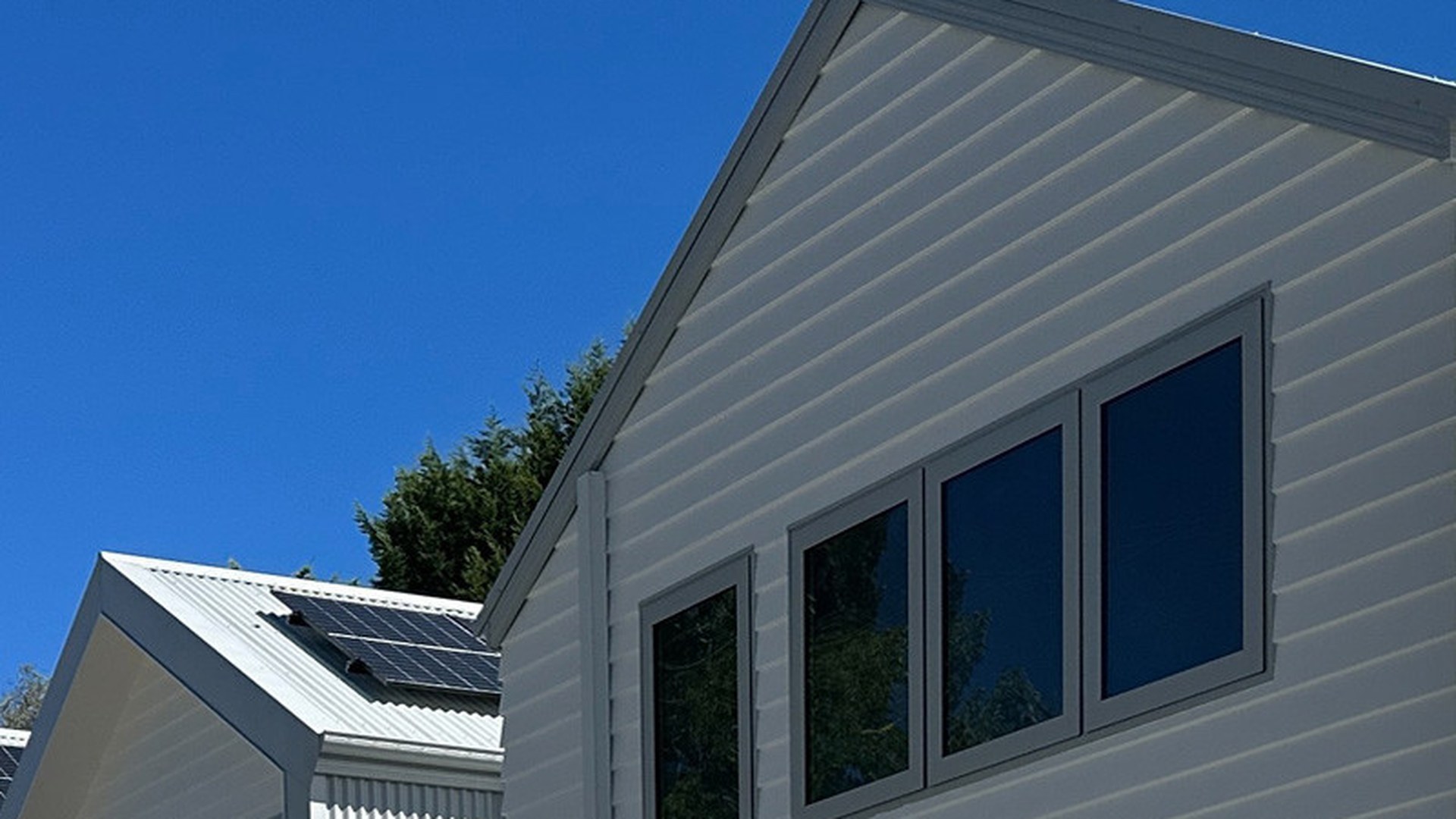
Compliance in New South Wales is a paperwork exercise attached to a physical product, and the paperwork has to describe the product that actually arrives. A certifier does not accept a brand; they accept a test report or a certificate that covers the system, the glass and the configuration on the drawing. This is the section where a direct import order is won or lost, and it is also the section buyers skim. The four items below are the ones that come up in almost every Sydney project, and each one has a specific document that answers it.
AS 2047 and the test report that has to match your order
AS 2047 is the Australian standard for windows and doors in buildings, and the evidence is a test report or a certificate of conformity issued against it. The report is not a licence for a brand. It covers a tested configuration: a system, a frame depth, a sash type, a glass build-up and a size range. If your order changes the system, the opening type, the glass or the size beyond the tested range, the report no longer describes what you are buying, and a certifier is entitled to reject it.
That is why the first question to any supplier is not "are you certified" but "show me the report, and show me the tested configuration". The guide to verifying AS2047 evidence walks through what to check on the document, and the comparison of AS2047 and NZS4211 explains why a New Zealand certificate does not automatically satisfy a New South Wales project. ROPO holds AS2047 testing for the systems it sells, and the certificate page is where the documents live.
On a direct order, put the report number on the purchase order and require the packing list to reference it. If the report covers a size range and your opening sits at the top of it, say so in writing before production. The failure mode is not a dishonest supplier; it is a report for a different configuration being sent along with the delivery, and nobody noticing until the certifier reads the schedule.
AS 1288 and the safety glazing question
AS 1288 governs glass selection and safety glazing, and it decides which panes must be toughened or laminated because of where they sit, how big they are and whether anyone can fall against them. A full-height fixed light beside a front door, a low sill in a child's bedroom and a glass panel in a stairwell are the classic cases. The requirement is not a matter of taste and it is not satisfied by a thicker pane of ordinary annealed glass.
For a buyer, the practical check is that the glazing schedule names the glass type per opening, not per project. A schedule that says "6 mm toughened throughout" is both over-specified in some rooms and possibly under-specified in others, and it hides the fact that nobody has done the selection. The AS 1288 glass selection guide sets out the rules, and the glass build-up on the drawing should be traceable to them.
This is also where a factory-direct order gains: the glazing schedule can be changed opening by opening without a tooling cost, because the glass is cut per unit anyway. On a stocked range, changing one pane to laminated can turn a standard product into a special and move the delivery date.
BASIX, the energy provisions and WERS ratings
Residential work in New South Wales goes through BASIX, and the energy assessment takes window performance as an input: the U-value, the solar heat gain coefficient and the shading. A dwelling that changes its glazing after the BASIX certificate is issued can fail the final inspection, even if the new glass is better, because the certificate describes the earlier specification. Commercial work follows the energy provisions of the National Construction Code, and the same logic applies: the rating has to match the product that is installed.
WERS is the scheme that gives an assessor a rated number instead of a manufacturer's claim, and membership is one of the things a buyer can check quickly. ROPO states membership of WERS and AGWA, which is one reason its units can be entered into a BASIX assessment without a separate simulation. For a renovation where the assessor is trying to reach a target with a fixed floor area and an unchangeable eave, the window is often the only variable left, and a rated product is the difference between a compliant certificate and a redesign.
The sequence matters as much as the product. Glass and frame are chosen, the rating is entered into the assessment, the certificate is issued, and only then is the order placed. Buyers who order first and assess later end up paying for a variation, and the variation is usually the most expensive kind: units already in production.
The document pack to request before you sign
Ask for six things and read them before the deposit. A test report or certificate that covers the system you are buying, with the tested configuration highlighted. The glazing schedule, opening by opening, traceable to AS 1288. The frame and glass performance data in a form the assessor can use. The installation detail drawings, including sill, head, jamb and the perimeter seal. The written warranty terms, with the exclusions stated in plain language. And the packing list format, so that a forty-unit delivery can be checked against the order in an hour rather than a day.
The warranty list and the Trade Assurance terms are the two documents buyers most often skim and later wish they had read. Warranty terms define what is covered and, more importantly, who pays the freight on a replacement unit; Trade Assurance defines what happens if the goods do not match the agreed specification. Neither replaces a good survey, but both change the cost of being wrong.
One more document is worth requesting on any project with an architect: the system's CAD or BIM file. It settles the sightline question before the wall is built, and it is the cheapest way to discover that the specified frame is deeper than the reveal allows.
Turning Five Quotes into One Decision
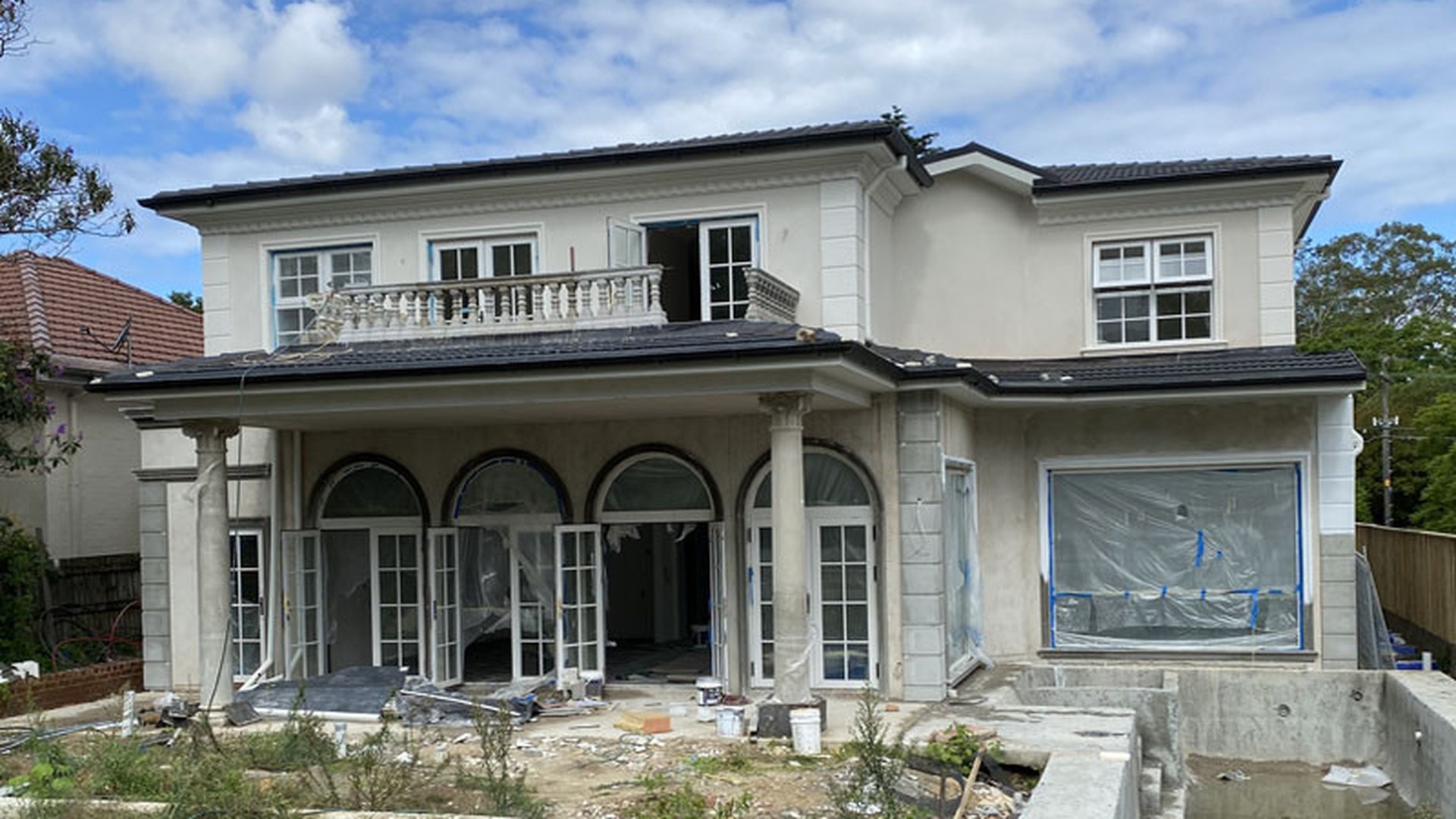
The last step is arithmetic, and it is where most Sydney buyers lose the advantage they gained by shortlisting properly. Five quotes on five different scopes cannot be compared, and the cheapest number is usually the one with the most assumptions buried in it. The method below normalises the scope first, then looks for the places where a low price hides a cost, then deals with payment and delivery, which is where a good price can still become a bad project.
Normalise the scope before you look at the price
Build one schedule and send the same schedule to every supplier. It should list every opening with a reference, the surveyed size, the type, the handing, the glass, the screen, the finish, the sill detail and the installation responsibility. Anything a supplier adds or excludes gets written on the quote, not discussed on the phone. When the quotes come back, compare line by line and put the exclusions in a column of their own; that column usually explains the difference between the highest and the lowest number.
Measurement is the assumption that hides best. A quote that says "supply only, sizes to be confirmed" is not a quote, it is an intention, and the risk of a wrong size sits with you. A quote that includes a site measure and a shop drawing carries a cost but transfers that risk. The guide to measuring openings shows how much detail a proper survey contains, and it is a useful test of whether a supplier's site visit was real or a walk-through.
The same applies to the import route. A factory price excludes freight, duty, GST, customs entry, port charges, delivery to site, unloading and installation, and every one of those items has a real cost that a local quote has already absorbed. The step-by-step import guide lists the landed-cost items in order, and a buyer who builds them into the comparison will usually find the gap between local and imported narrows to a defensible number rather than a fantasy one.
Where a cheap quote hides its cost
Four places, in order of frequency. The glass: a lower grade or a thinner pane that meets the letter of the schedule but not the intent. The hardware: a handle and hinge set that is not rated for a coastal environment, which becomes a maintenance cost inside two years. The frame: a lighter profile that passes the test at the tested size but deflects at the size you actually ordered. And the scope: installation, flashing, removal of the old units, disposal, make-good and the perimeter seal left out, each of which is a real cost that someone will pay later.
None of these is visible on a one-page quote. They become visible when the same schedule is priced line by line, and when a supplier is asked to state the glass build-up, the hardware series, the profile depth and the installation inclusions in writing. A supplier who cannot answer those four questions in writing is not necessarily dishonest; they may simply be reselling. But a buyer cannot manage a risk that has not been named.
The price explanation on this site sets out how the components drive the number, which is useful for the opposite reason: it shows what a genuinely low price has to have left out. On a project with eleven openings, the difference between a good and a poor glass build-up is a small percentage of the total; the difference between a surveyed and an unsurveyed order is a remake.
The one-page comparison sheet that survives a tender
Put every quote on one page with the same eleven columns: opening reference, size, type, handing, glass build-up, frame finish, screen, sill detail, installation responsibility, exclusions and price. Anything a supplier leaves blank is a question, not a saving. When the page is full, sort the quotes by the number of blanks rather than by the number at the bottom, because the quote with the fewest blanks is the one whose price is closest to the final cost.
The sheet also makes the second conversation easier. Instead of arguing about a total, you can ask a supplier to price one line: the west-facing sliding door with laminated glass, or the arched head that needs a curved frame. Two suppliers asked to price the same line will answer in a way that can be compared; two suppliers asked to re-quote a whole job will each re-open their assumptions.
Keep the sheet after the order. It becomes the schedule against which the delivery is checked, and the reference for any variation later in the build. Builders who run several projects find it is the only document that survives from tender to handover without being rewritten.
Payment, Trade Assurance and the delivery sequence
Payment terms are the last place a project gets into trouble, and the window suppliers Sydney builders rate highest are usually the ones who state those terms plainly. A factory-direct order normally runs on a deposit with the balance against documents or before shipment, which means the buyer carries the risk between the deposit and the arrival. Trade Assurance is the mechanism that puts a platform-backed agreement around the specification, the delivery date and the quality standard, and it only works if the specification on the order is specific enough to be checked. A vague order gives the protection nothing to enforce.
The delivery sequence matters as much as the terms. Windows arriving before the walls are ready sit on site and get damaged; windows arriving after the plaster is finished hold up the whole programme. Agree the delivery window against the build programme, agree who unloads, agree where the units are stored and agree who inspects them on arrival and in what timeframe. A signed delivery docket with exceptions noted is the only evidence that survives a dispute six weeks later.
The Australian purchasing page sets out how ROPO structures an Australian order from enquiry to shipment, including the inspection step before packing. It is worth reading alongside the quote, because it shows where the buyer's decisions sit in the timeline: survey, drawing approval, deposit, production, inspection, shipment, customs, delivery.
About ROPO Windows
ROPO Windows is the factory behind the first entry in the list, and this section is written so that a Sydney buyer can check the claims rather than take them on trust. Everything below is either published on this site or verifiable in the documents that come with an order.
Factory, history and export footprint
The plant is in Fuzhou, Fujian, and the company has been making windows and doors for sixteen years. Deliveries have gone to more than one hundred countries, which matters for a Sydney project for a practical reason: a factory that ships weekly to different standards has already met the customs, packing and documentation questions that a first-time importer discovers the hard way. Aluminium and uPVC are both made in-house, so a project that mixes materials on one elevation gets one packing list and one shipping document rather than two.
The company holds a ten-year warranty and accepts a minimum order of one unit. Both of those are unusual in the category and both are deliberate: the single-unit minimum is what allows a builder to order one prototype unit, fit it, and check the sightline against the wall before committing a container. The Australia supply page sets out how that works in practice, including the appointment route to visit the factory.
Certifications, and the limits of what they cover
The systems sold into Australia are tested to AS2047, the New Zealand market is served against NZS4211, and the North American impact market is covered by Miami-Dade testing. The company is a member of WERS and AGWA. Each of those is a real document, and each has a boundary: an AS2047 report covers a tested configuration, not every window the factory can build, and a Miami-Dade approval covers a tested assembly, not a similar one.
ROPO Sydney projects are quoted from the same documents that go to any other market, which is the point of the membership claim: the certificate travels with the system, not with the destination. That boundary is stated here because a buyer should apply it to every supplier, including this one. The right question at order stage is whether the report on file covers the system, the glass and the size range you are buying, and the answer belongs on the purchase order. The quality and testing page shows the test equipment and the inspection steps, which is the part a certificate cannot tell you: whether the plant actually tests the units it ships or only the ones it sent to a laboratory once.
MOQ, samples and who this route suits in Sydney
One unit is the minimum, and a sample can be ordered before a project is committed. For a Sydney builder that is the cheapest risk control available: build the awkward corner window first, fit it, look at the sightline from the street, and change the drawing if it is wrong. For a renovator with a single heritage opening, it means the whole job can be a factory order rather than a compromise against a stocked size.
The route suits buyers who can hold the survey, the compliance file and the programme. It does not suit a homeowner who wants one number to call for supply, installation and a repair in year six. Being clear about that is more useful than pretending the two models are the same, and the Sydney supply page is the place to start if the first model describes your project.
Custom Production Process
A factory-direct window is only as good as the drawing it was built from, and the process below exists to make the drawing agree with the wall before any aluminium is cut. Each step produces something the buyer can check.
Drawing review and shop drawings
An order starts with the schedule and the survey, not with a catalogue. The factory reviews the opening sizes, the handing, the mullion positions, the glass, the screen and the sill detail, then issues shop drawings for approval. Nothing is cut until the drawings are signed. This is the step where a wrong survey is caught, and it is the reason a direct order can be safer than a local one: the error is found on paper, in a review, before production, rather than on site after delivery.
Buyers should treat the approval as a technical review, not a formality. Check the handing against the plan, check that the fixed and opening panels line up with the elevation, check the drain holes are on the outside face, and check the glass build-up against the assessor's report. The catalogue and the profile information needed to read the drawings sit alongside the uPVC window range, which shows the options available on that material.
Profile, glass and hardware selection
The materials are chosen against the exposure, not against a price list. Aluminium profiles are powder coated or anodised for the coastal strip; uPVC is used where thermal performance or a specific finish matters more than slim sightlines; glass is selected per orientation, with laminated or toughened panes where AS 1288 requires them and low-e coatings where the energy assessment needs them. Hardware is matched to the opening type and to the environment.
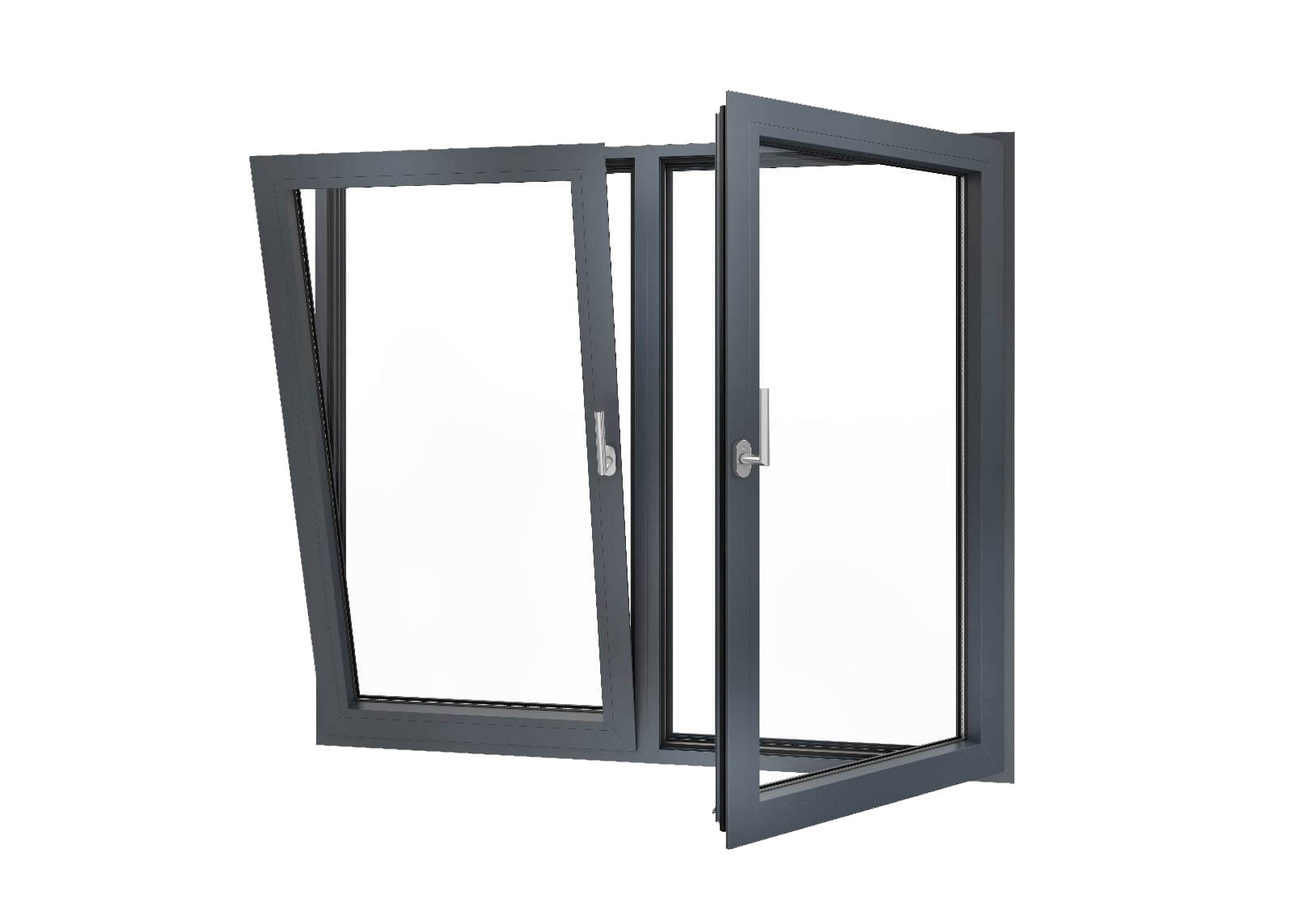
Because the units are made to order, the selection is per opening rather than per project. A west-facing awning window can take a different glass from a south-facing bathroom unit, and a tilt and turn can take a different hardware series from a folding door on the same elevation. That flexibility is the main technical argument for the route, and it is wasted if the schedule does not use it.
Assembly, glazing and the five-step quality check
Frames are cut, machined, assembled and glazed in the same plant, which means the tolerance between the sash and the frame is set by one production line rather than negotiated between two suppliers. Glazing is set on the correct blocks, drainage paths are checked before the beads go on, and hardware is fitted and operated before packing. The five-step inspection covers the profile and finish, the dimensions against the approved drawing, the glazing and gaskets, the operation of every opening sash and lock, and the packing and labelling against the delivery list.
The output of that inspection is the evidence a buyer needs at the other end: a unit that matches the drawing, a packing list that matches the order, and a label on every unit that ties it to its opening reference. The quality and certification process explains how the checks map to the documents, which is the part that makes a factory inspection useful to a certifier rather than just reassuring to the buyer.
Packaging and Shipping
The last hundred metres of a factory order are the ones that damage it. A window that survives production and fails in transit is a remake, a delay and an argument, and the packing specification is what prevents all three. This section covers how units are packed, how they move, and what the buyer has to organise at the Australian end.
How units are packed, and what the packing list has to say
Units are packed upright, with corner protection, edge protection and a film wrap, then crated or bundled so that the frame carries no point load. Glass is protected on both faces, hardware is either fitted and protected or packed separately and labelled per opening, and every bundle carries a printed packing list matched to the order reference. Nothing should need to be opened on site to be identified, because opening a pack on site is how damage happens.
The packing standard is worth agreeing in writing before production, particularly for a mixed order with doors, windows and screens. The packaging guide sets out the sequence used on this site, from frame protection to container loading, and it is the document to send to a site manager who has never received a container of joinery before.
Containers, ports and the customs file
FCL shipments load at the factory and move through Fuzhou or Xiamen to Sydney. LCL shipments are consolidated, which suits a smaller order but adds handling, so the packing has to be stronger and the labelling has to be clearer. Timber packing material must meet Australia's biosecurity requirements, which is a document question as much as a packing question, and the customs entry needs the invoice, the packing list, the bill of lading and the test evidence in a form the broker can use.
At the Sydney end the buyer organises the customs entry, the port charges, the delivery to site and the unloading. Those are real costs and they belong in the landed-cost comparison, not in a separate conversation after the container arrives. The Sydney page and the Australian purchasing guide are the two documents that set out the sequence, and a broker who has handled joinery before will save more than their fee in demurrage alone.
Window Suppliers Sydney FAQ and Quote Request
The questions below come up on almost every Sydney enquiry. They are answered briefly here so that the first conversation with a supplier can start from the project rather than from the basics.
Are imported windows legal in New South Wales?
Yes, provided the units carry the evidence the project requires. An imported window is treated the same way as a locally made one: the certifier wants a test report or certificate that covers the system, the glass and the configuration, plus the energy rating the assessment was based on. What is not acceptable is a claim without a document, or a document for a different configuration. Buyers should obtain the report before the order, not with the delivery.
How long does a factory-direct order take?
The sequence is fixed even though the duration is not: survey, shop drawings, approval, deposit, production, pre-shipment inspection, sea freight, customs clearance, delivery. Each stage has a dependency, and the two that most often move are drawing approval, which waits on the buyer, and clearance, which waits on documents. Ask for the schedule in stages rather than as one number, and hold the delivery window against the build programme rather than against the order date.
Can you match an existing opening in a renovation?
Yes, and it is the main reason renovators use a made-to-order route. The opening is surveyed, the reveal and the existing sill are measured, and the new frame is built to those dimensions rather than to the nearest stocked size. On older houses the survey should also record whether the opening is square, because a frame built to a nominal size will not fit an opening that has moved. The Sydney commercial window guide covers the same measurement discipline on larger projects, and the factory-direct supply for Sydney arrangement is built around that survey rather than around a stocked size.
Do you supply uPVC as well as aluminium?
Both are made in the same plant. Aluminium is the usual choice where slim sightlines, large panels or a specific powder-coat colour matter; uPVC is usual where thermal performance, a low-maintenance finish or a traditional profile matters. A mixed elevation is possible, and the comparison of energy-efficient window suppliers in Sydney is a useful cross-check on how the two materials are rated for BASIX purposes.
What do you need to quote?
A plan or a marked-up elevation, the opening sizes or a survey, the opening types, the glass requirement, the finish, the site suburb and the required delivery window. Add the certification the project needs and the name of the assessor or certifier if one is appointed. With those, a quote can be built line by line against the same schedule used by every other supplier, which is the only way the numbers mean anything. The Sydney project supply brief lists the same inputs in the order the factory needs them.
If the project is in Sydney and the route above matches the way you buy, the fastest next step is to send the schedule and the elevation to the team through the Sydney windows and doors page. If the project needs local installation and a single point of accountability, the same page explains what the local partner route looks like, and the Australian standards and import guide is the background reading for either path. Either way, the comparison only becomes useful once the five quotes describe the same window, and that single habit is what separates a decision from the usual tour of window suppliers Sydney has on offer.
