Frequently Asked Questions About WERS Rated Windows in Australia
Quick answers for builders, developers, architects, window distributors and project procurement teams.
What is WERS and how does it rate windows in Australia?
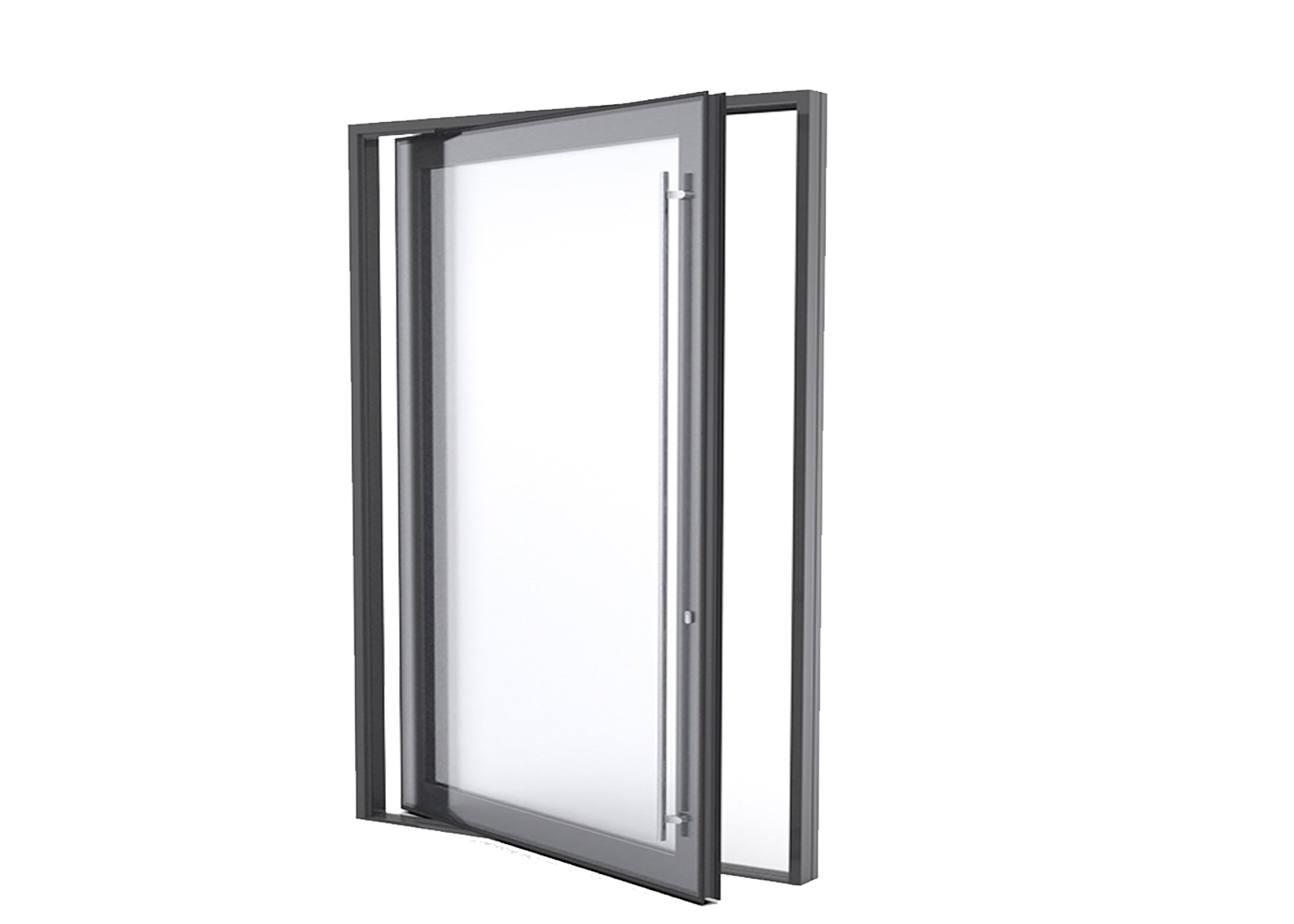
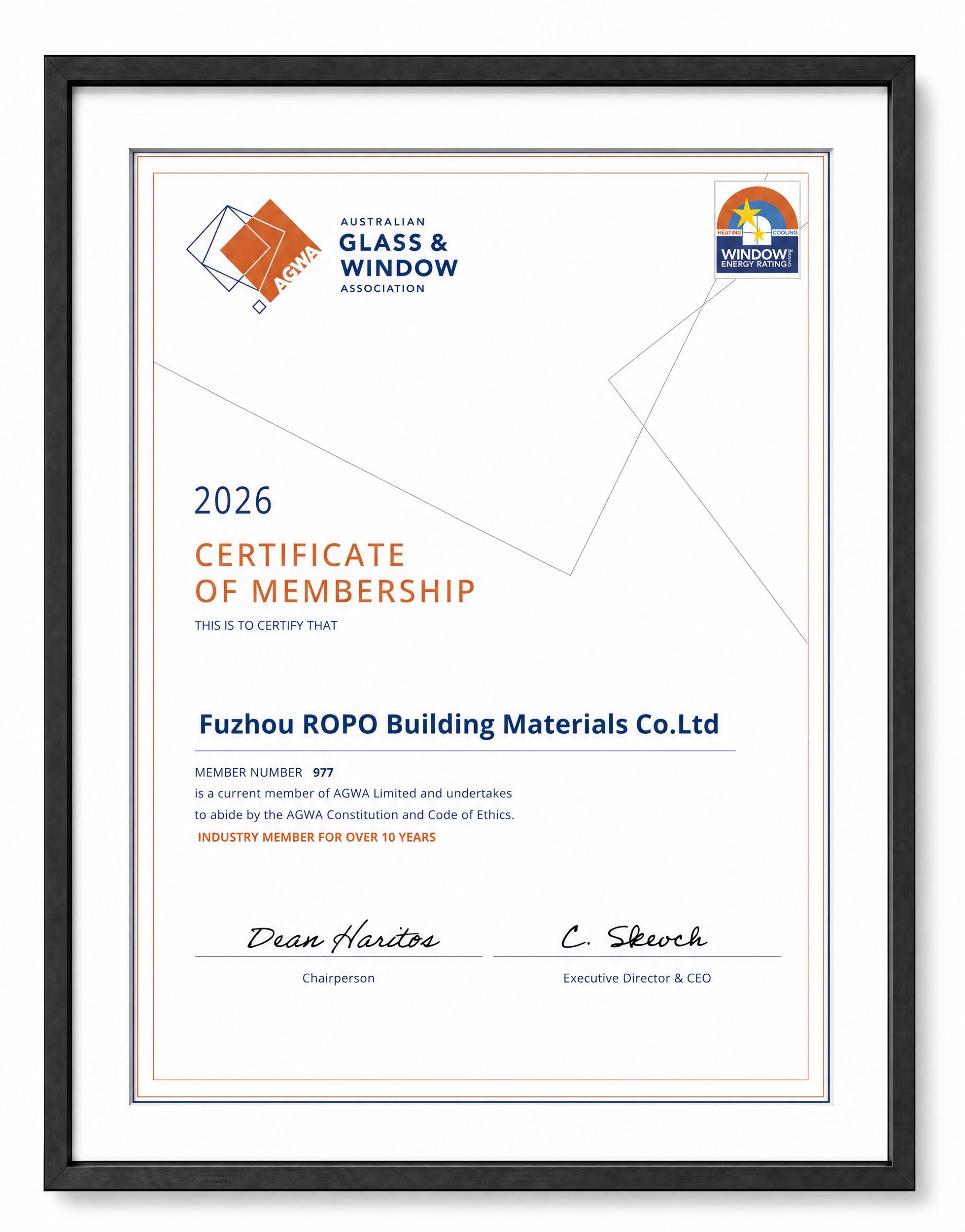
WERS is the Window Energy Rating Scheme, an independent scheme administered by AGWA that follows AFRC procedures. It rates energy performance for eligible window and glazed door systems, using comparative heating and cooling ratings and detailed performance values such as whole-window U-Value and SHGC. A rated product's documented results are specific to the applicable product configuration.
What is the difference between WERS ratings and AS2047 compliance?
WERS addresses energy performance and related rating data, while AS2047 covers relevant window performance matters such as structural loading and resistance to water penetration. Both can play a role in project procurement, but evidence for one does not replace evidence for the other. Check the applicable standards, rating records and project-specific requirements.
How do I check if a window is WERS rated?
Ask the manufacturer or supplier for the applicable WERS-rated product details and verify the record using official resources such as WERSLink. Match the frame system, opening type, glass specification and product ID against the proposed windows. A company's WERS membership alone is not proof that every catalogue configuration holds a current product rating.
What is a good U-Value for energy-efficient windows?
Lower whole-window U-Values generally indicate less heat transfer, but there is no single ideal value for every Australian project. The acceptable target is affected by project energy assessment, climate, window area, orientation, design and the chosen compliance pathway. Use the whole-window figure required by your assessor, not a glass-only number.
How do U-Value and SHGC affect a NatHERS assessment?
Whole-window U-Value influences heat transfer, while SHGC influences solar energy entering the building. Both interact with climate, shading, orientation and the rest of the building envelope. A NatHERS assessment may specify corresponding requirements for individual windows. Project teams should use documented values for the proposed products and confirm any substitutions with the relevant assessor.
Can WERS rated windows be used for 7-Star NatHERS homes?
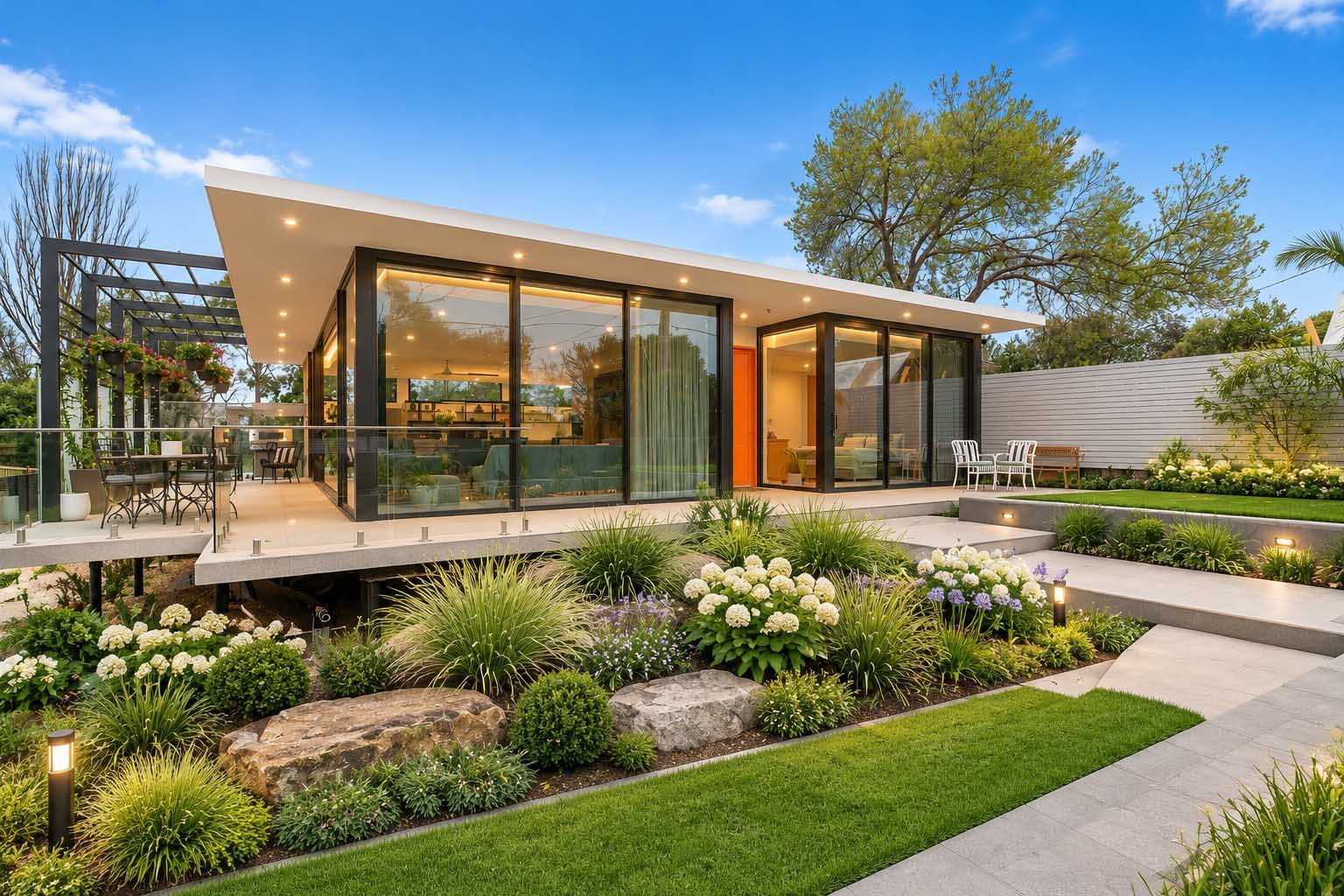
Yes, suitable WERS-rated windows may be used in residential designs targeting seven NatHERS stars, provided the relevant products meet the project's energy assessment and other requirements. However, seven stars describe the home's assessed thermal performance, not a blanket certification awarded to every window installed in that home.
Can uPVC and thermally broken aluminium windows meet project energy requirements?
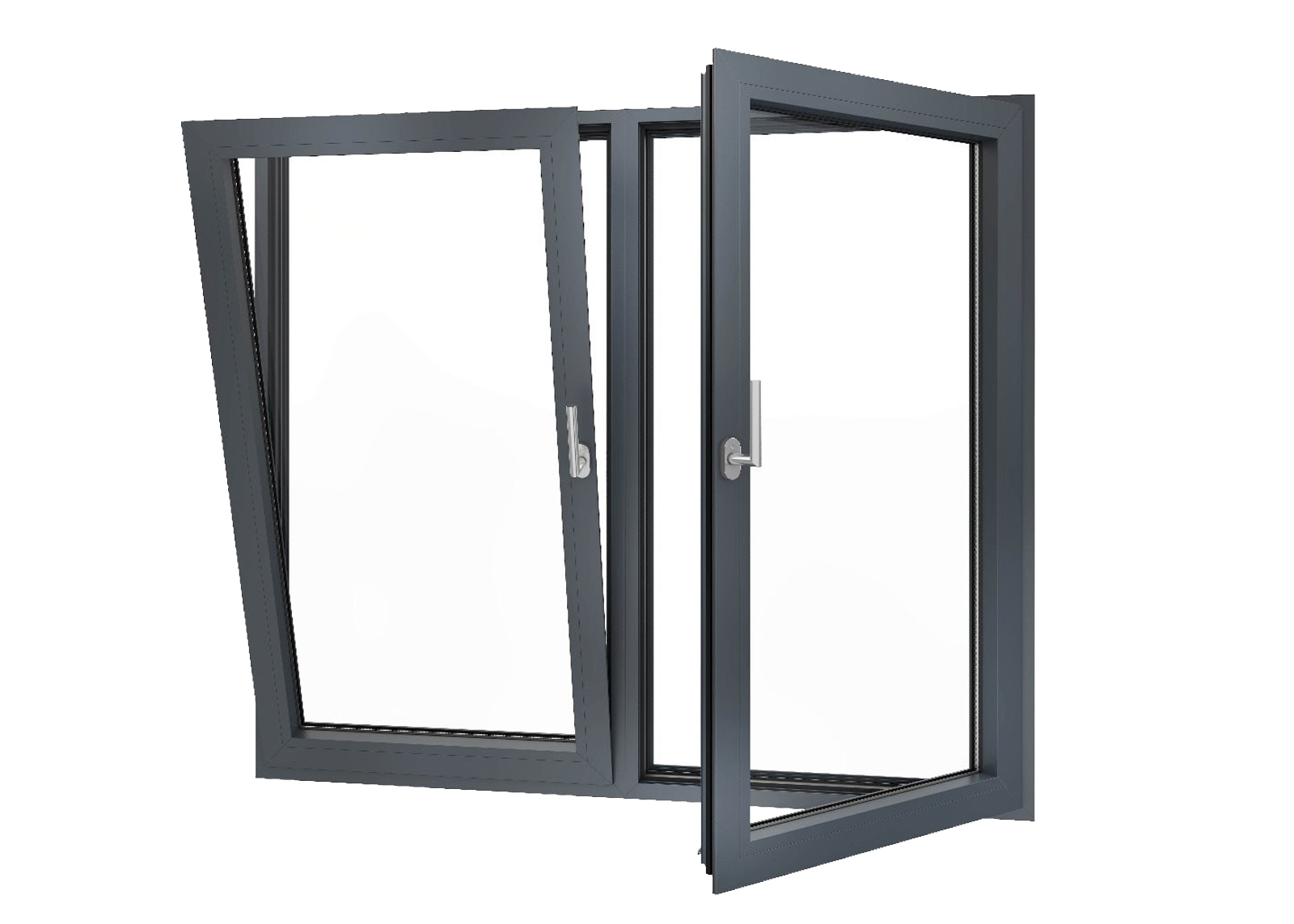
Both frame types can form part of energy-efficient designs, depending on the chosen system, glazing and whole-window ratings. ROPO offers uPVC and thermally broken aluminium configurations for Australian projects. Request documentation applicable to the exact proposed window rather than assuming all products made from the same frame material perform identically.
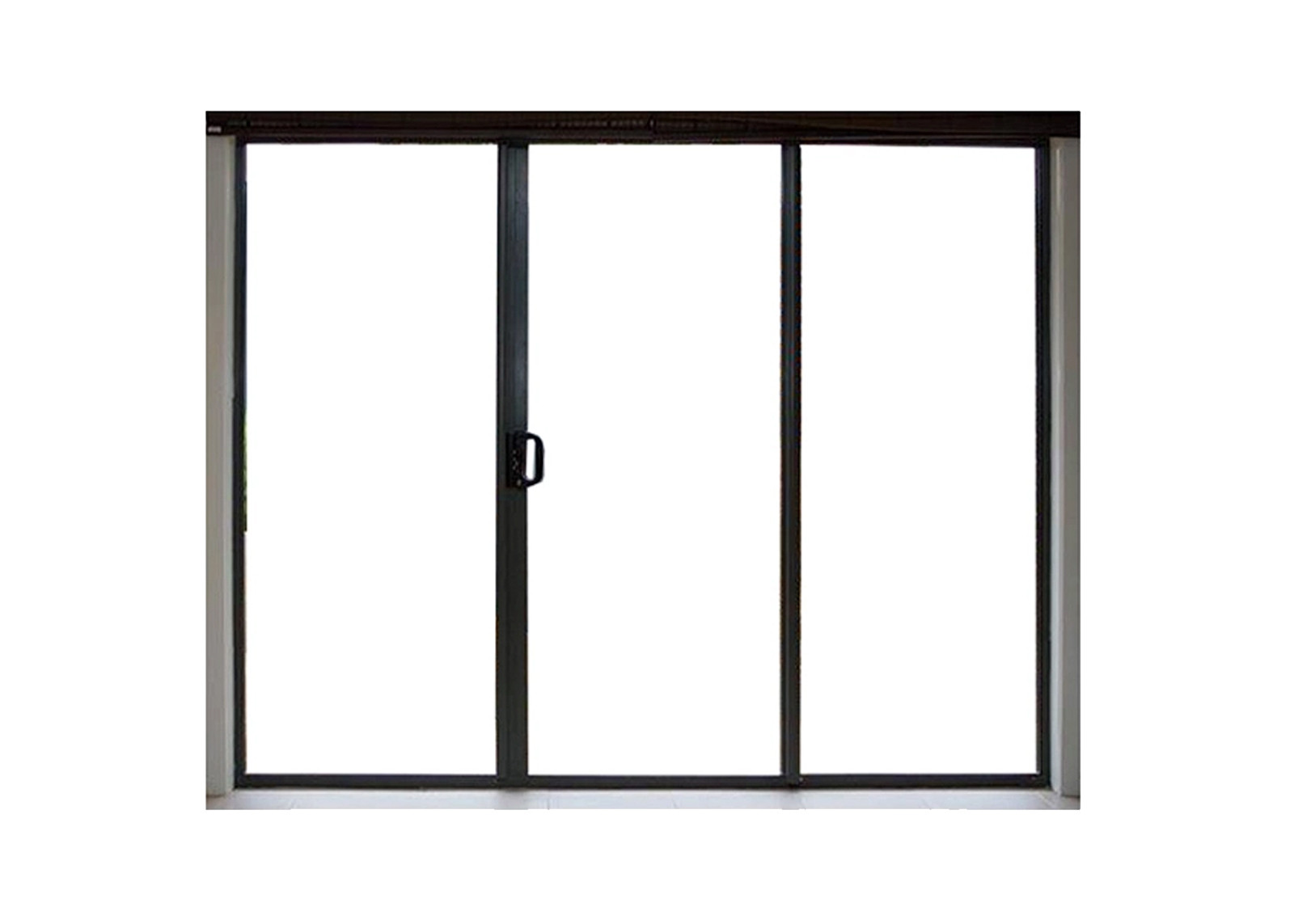
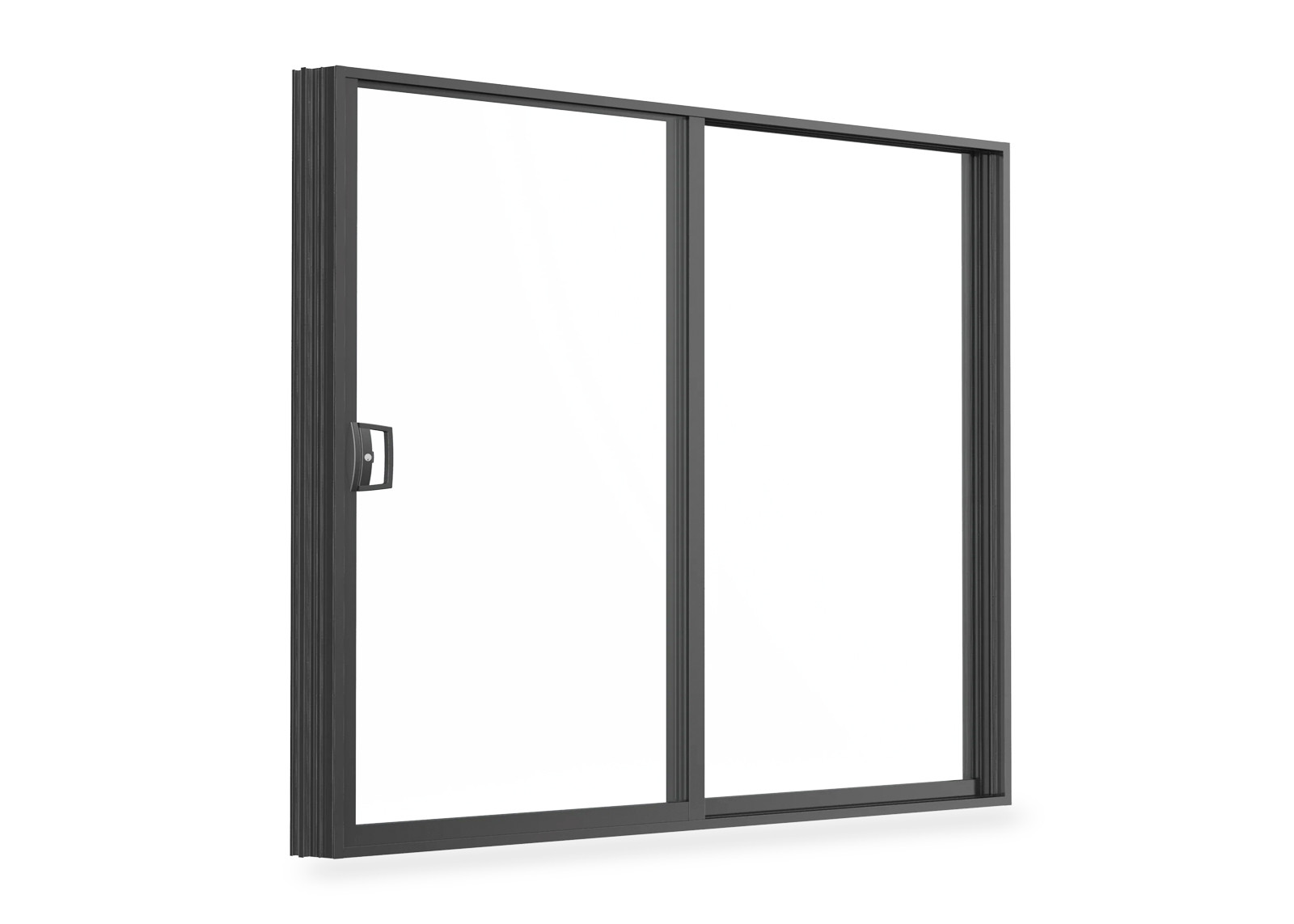
Does WERS cover glazed sliding doors?
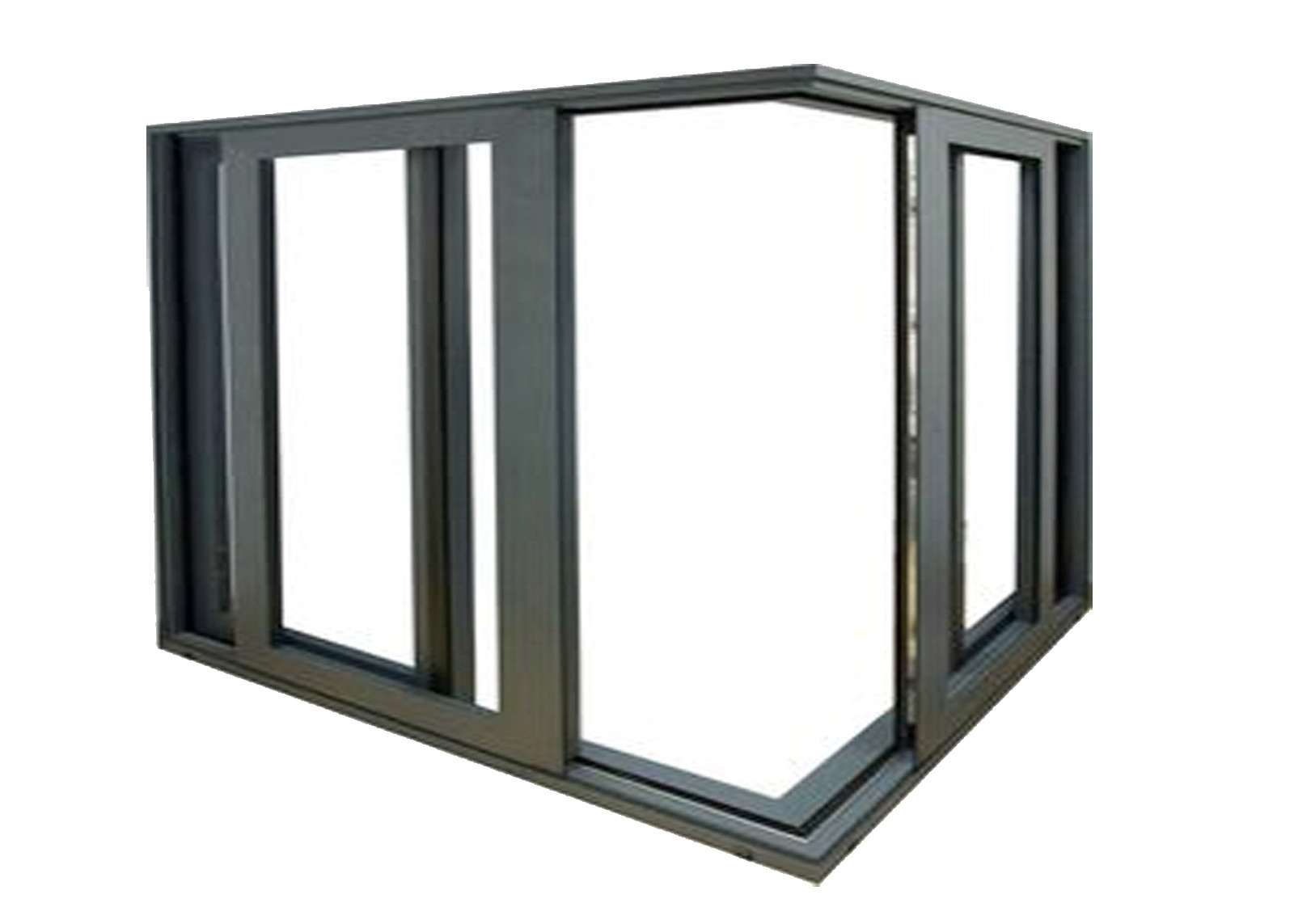
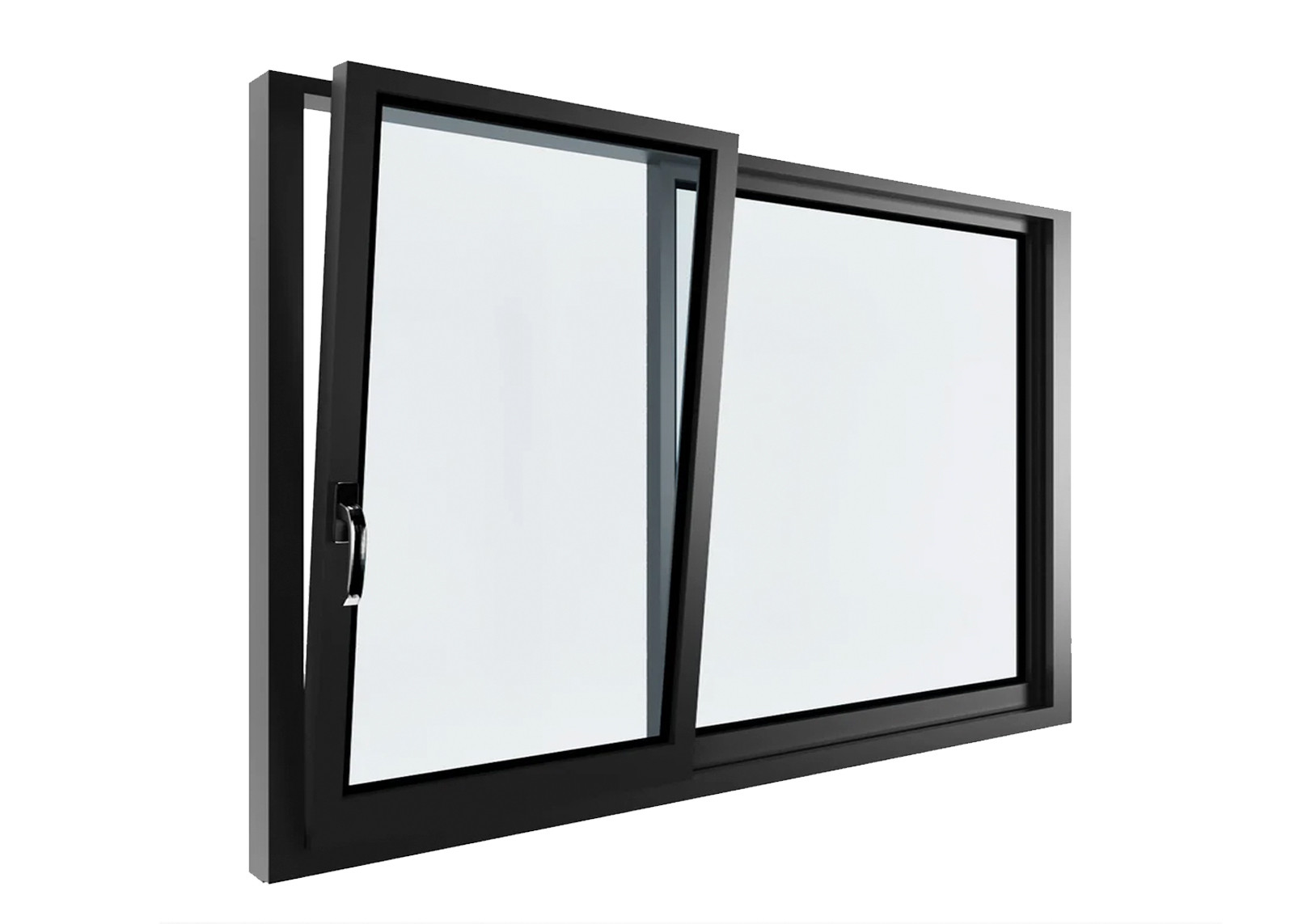
WERS covers eligible glazed doors as well as windows. A particular sliding-door system must still have an applicable rated record before its WERS performance can be claimed. Project teams should confirm the system details, glazing specification and corresponding performance data with the supplier.
What is the difference between residential and commercial WERS ratings?
WERS includes residential ratings and a commercial rating framework for suitable commercial products. Commercial ratings provide thermal, solar and optical performance information for custom specifications. Use the rating framework relevant to the building and confirm with the project's energy consultant how each value may be used for the applicable NCC pathway.
What documents should builders request when purchasing energy-efficient windows?
Request the window schedule, applicable whole-window U-Value and SHGC information, product/rating identification where available, glazing specifications and relevant AS2047 documents. Also coordinate drawings, sizes, fixing details and any project-specific requirements. ROPO can discuss available documentation for proposed systems and assist the quotation process.