


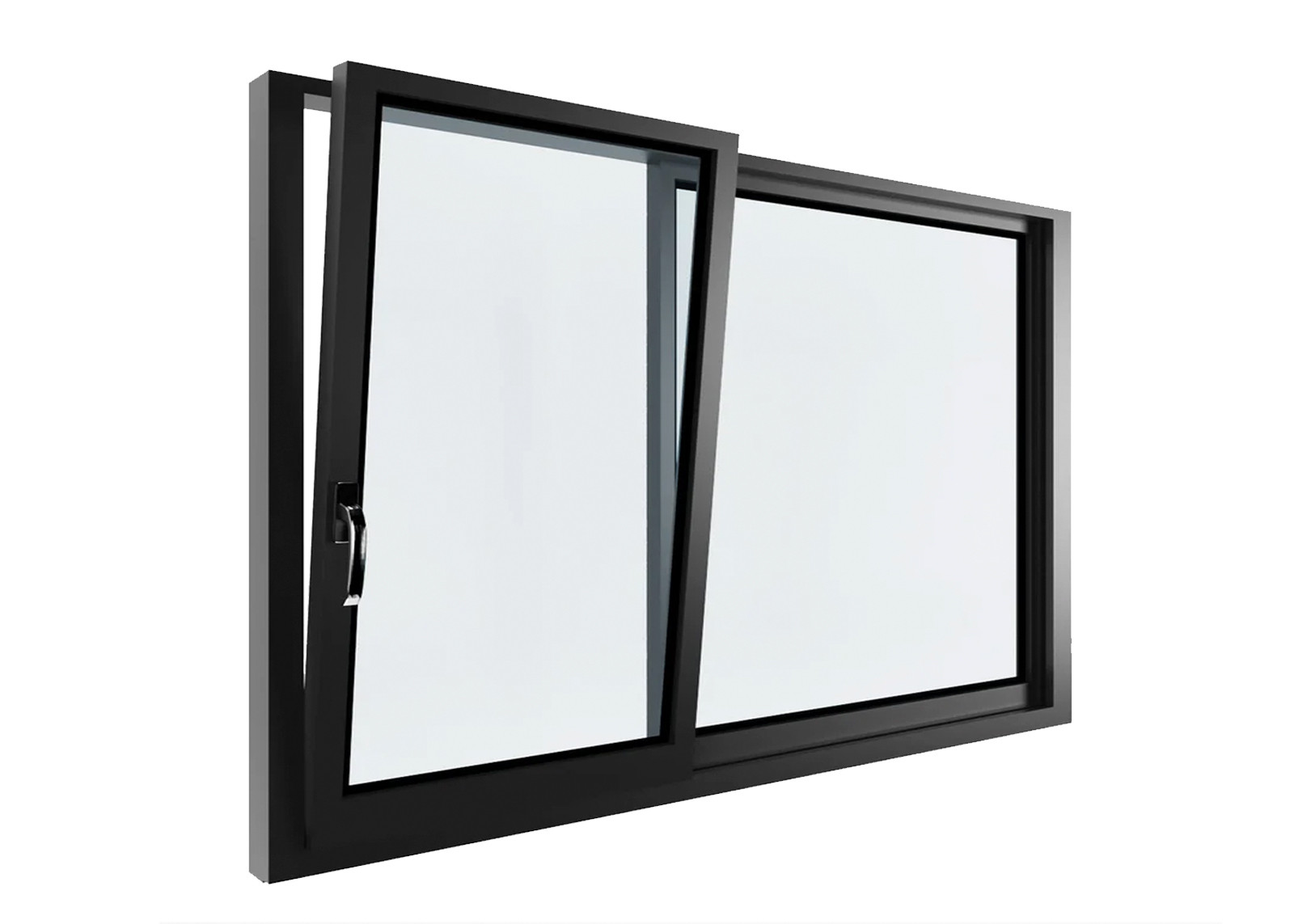
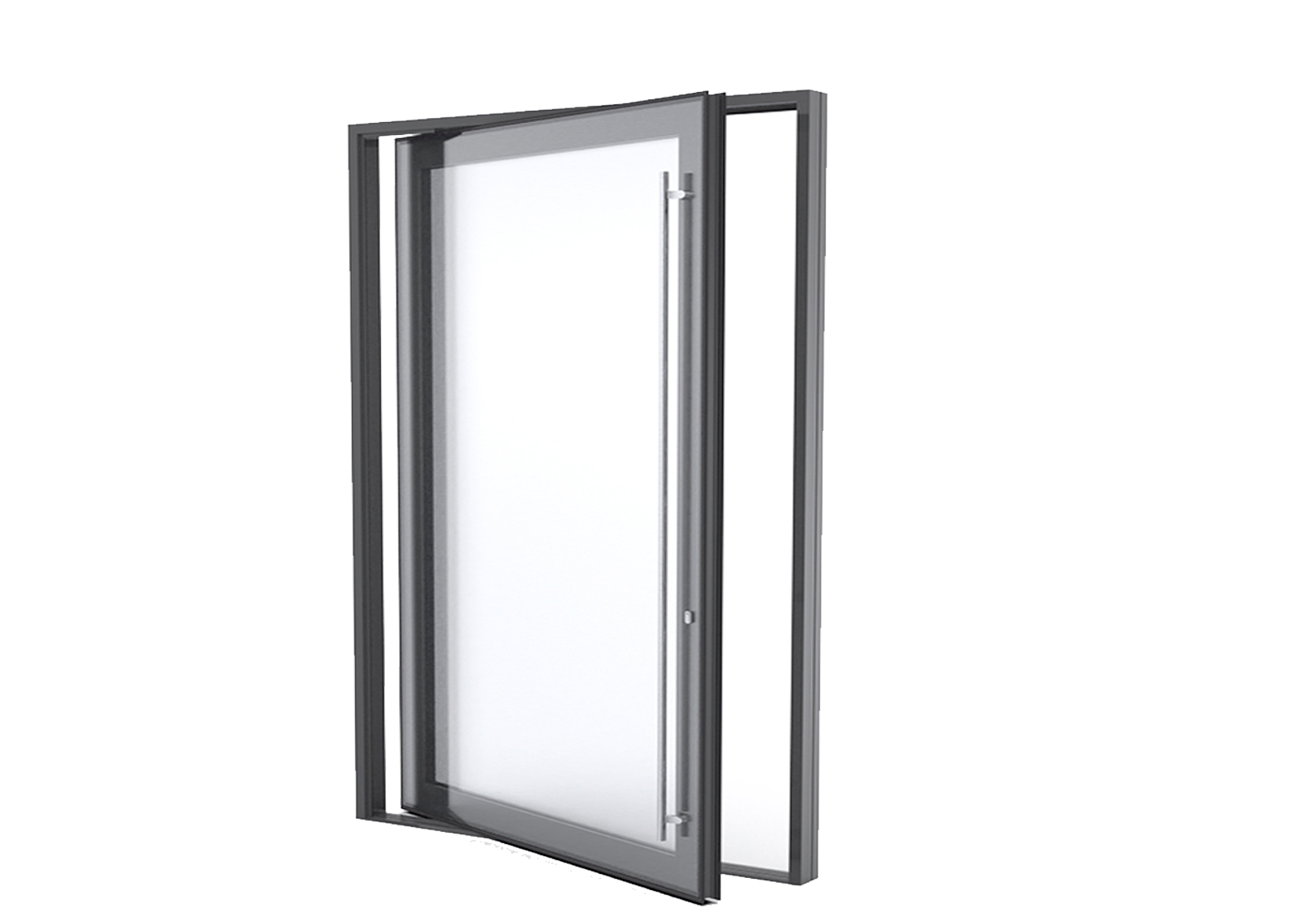

AS2047 vs NZS4211: Understanding Window Standards for Aluminium and uPVC Windows in Australia & New Zealand
AS2047 and NZS4211 are the two standards that dominate window compliance conversations in Australia and New Zealand — and the two that are most often confused. Both are standards for windows, both are written in the same code-style language, and both tend to be mentioned in the same conversation with a builder, a certifier or a window supplier. But they do two completely different jobs: AS2047 tests how a window performs against wind, rain and air leakage, while NZS4211 tests how well it resists a forced entry attempt.
Getting the difference right matters before you order, not after. Windows are certified per model and per configuration — if the standard is misunderstood at specification stage, the problem only surfaces at building inspection, when it is expensive to fix. This guide explains what each standard covers, how they differ, how they work together for trans-Tasman projects, and exactly what compliance evidence to ask for when sourcing custom aluminium and uPVC windows from a manufacturer. It draws on how ROPO Windows, a custom window factory in Fuzhou, China, with 16 years of production experience and clients in more than 100 countries, documents compliance for both markets.
What Are AS2047 and NZS4211?
AS2047, Windows and external glazed doors in buildings, is the Australian Standard that sets performance requirements for windows and external glazed doors. It governs how a window behaves in weather: its ability to resist wind load without structural failure, to keep water out during wind-driven rain, and to limit uncontrolled air leakage. In Australia, compliance with AS2047 is referenced by the National Construction Code (NCC) for windows and doors in buildings, which is why an Australian certifier will ask for AS2047 test evidence as a matter of routine.
NZS4211, Specification for intruder resistant security screens for windows and doors, is the New Zealand Standard that sets requirements for resistance to forced entry. It grades security screens, grilles and window and door systems by how well they resist attack using defined tools and test procedures. NZS4211 is not a weather standard — it is a security standard, commonly specified for residential and commercial buildings where intruder resistance matters, and it is often combined with weathertightness performance when a full window system is specified.
The confusion between the two is understandable: both are standards that a window supplier will cite on the same datasheet. The practical rule to remember is simple: AS2047 is about keeping weather out, NZS4211 is about keeping intruders out. The rest of this guide explains what that means in practice for your project, and the window range shows how both requirements are engineered into real products.
AS2047 Explained: Windows and External Glazed Doors in Australia
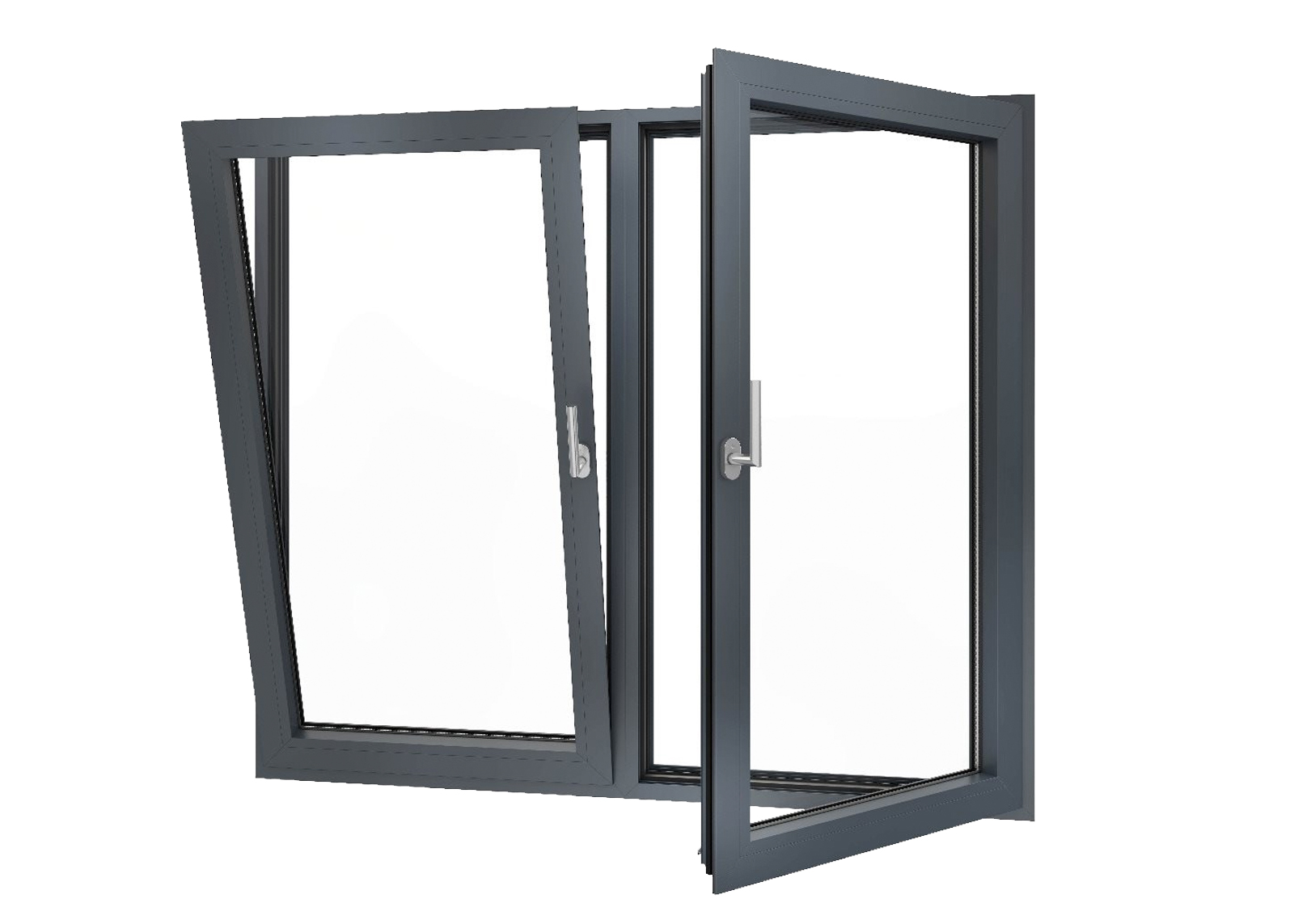
AS2047 performance is verified by laboratory testing. A representative window or door is built exactly to the manufacturer's production specification and subjected to a sequence of tests that simulate real weather: static and dynamic wind pressure to check structural integrity, water penetration testing with spray and wind pressure to check the weather seals, and air infiltration testing to measure leakage through the closed unit. The results are expressed as an N classification, from N1 through N6, where each higher classification is tested at a higher wind pressure and demands stronger profiles, better sealing and heavier hardware.
Which classification your project needs is not a choice: it is determined by the building's location and exposure, as set out in the NCC's wind region provisions. A house on an exposed coastal block in a cyclonic region needs a much higher classification than a sheltered inner-city apartment. The correct sequence is: determine the required classification from the project location, select windows tested to at least that classification, and keep the test evidence for the certifier.
Because certification is per model and per configuration, the glass build-up and hardware on the delivered windows must match what was tested. Two windows from the same range can carry different ratings if the glazing or reinforcement differs. That is why documentation, not branding, is what actually proves compliance — browse the full window range to see how tested systems are configured across uPVC and aluminium.
NZS4211 Explained: The Security Standard for New Zealand Windows
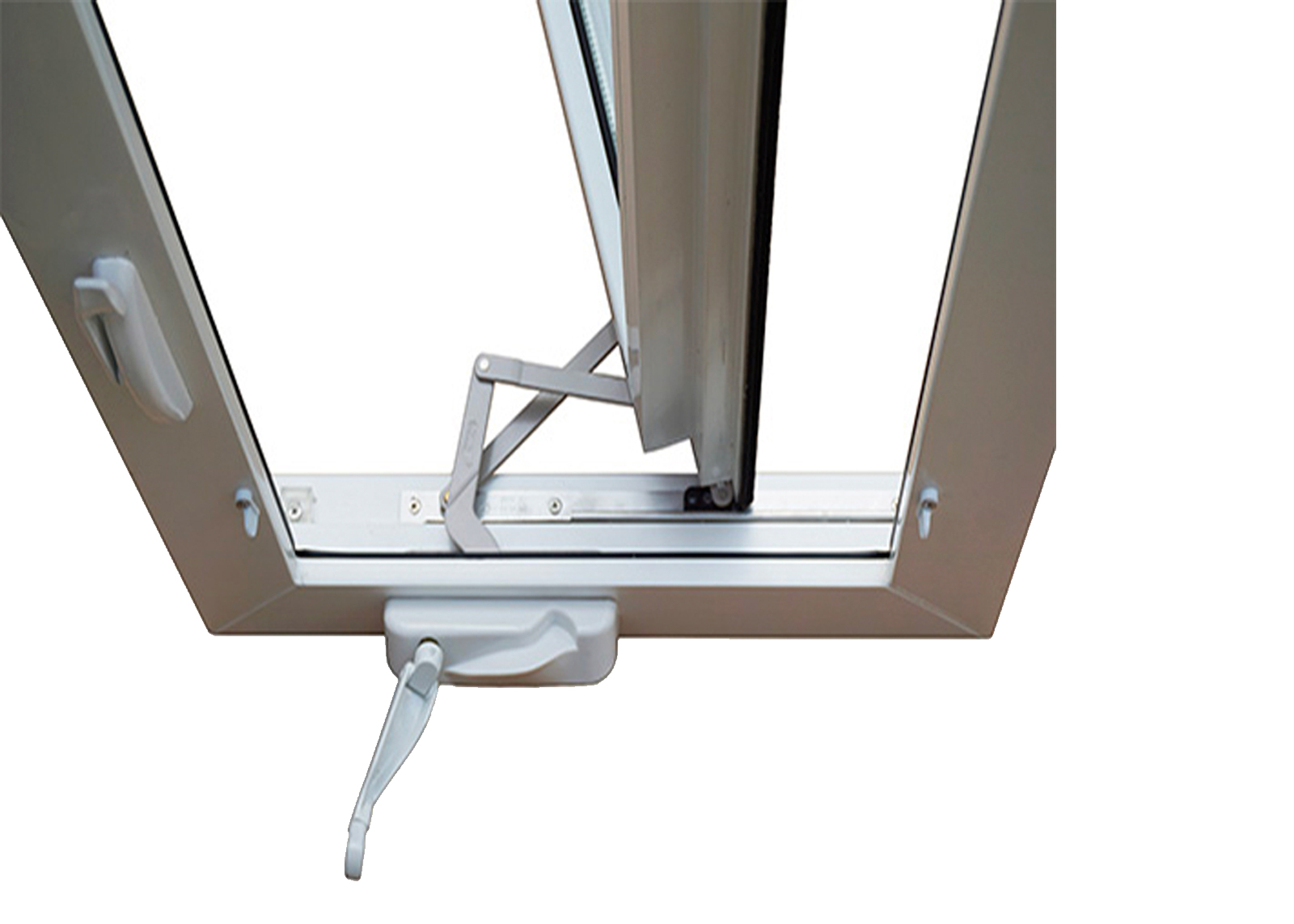
NZS4211 approaches windows from the opposite direction: instead of wind and rain, it tests resistance to attack. The standard defines a series of grades, from Grade 1 up to Grade 4, where higher grades require the product to withstand progressively more severe forced-entry attempts using specified tools and techniques. A high-grade system, for example, is expected to resist a determined attack for a meaningful period, which is why top-grade windows and screens use laminated or security glazing, reinforced frames and hardened multi-point locking.
The grade required for a project depends on the security risk the building faces — a ground-floor unit in a busy urban area has a very different risk profile from a rural property with good sightlines. Police security guidance and local council requirements in New Zealand commonly reference NZS4211 grades when security screens or window security is specified, and insurers increasingly look for documented security ratings on high-risk properties.
A crucial point for New Zealand buyers: NZS4211 covers security, but it does not replace weathertightness performance. A fully compliant New Zealand window normally combines both — weather performance demonstrated through AS2047-type testing or equivalent evidence under the NZ Building Code, plus an NZS4211 security rating where the risk assessment demands it. ROPO documents compliance for the New Zealand market on the New Zealand page.
AS2047 vs NZS4211: Key Differences Compared
Here is the comparison at a glance:
| Factor | AS2047 | NZS4211 |
|---|---|---|
| Market | Australia | New Zealand |
| Purpose | Weather performance | Security performance |
| What it tests | Wind load, water penetration, air infiltration | Resistance to forced entry |
| Applies to | Windows and external glazed doors | Security screens, windows and doors |
| Rating | N1-N6 classification (wind pressure) | Grades 1-4 (security level) |
| Referenced by | National Construction Code (NCC) | NZ security guidance and council requirements |
Read this way, the two standards are complementary rather than competing. A New Zealand project may require evidence under both: weathertightness performance plus an NZS4211 security grade on high-risk openings. An Australian project is driven by the AS2047 performance classification, with security hardware selected to match the project's risk — and many Australian buyers still choose NZS4211-rated hardware where intruder resistance is a priority. Understanding which standard answers which question is the whole game, and it is exactly what ROPO documents for each market on the Australia and New Zealand pages.
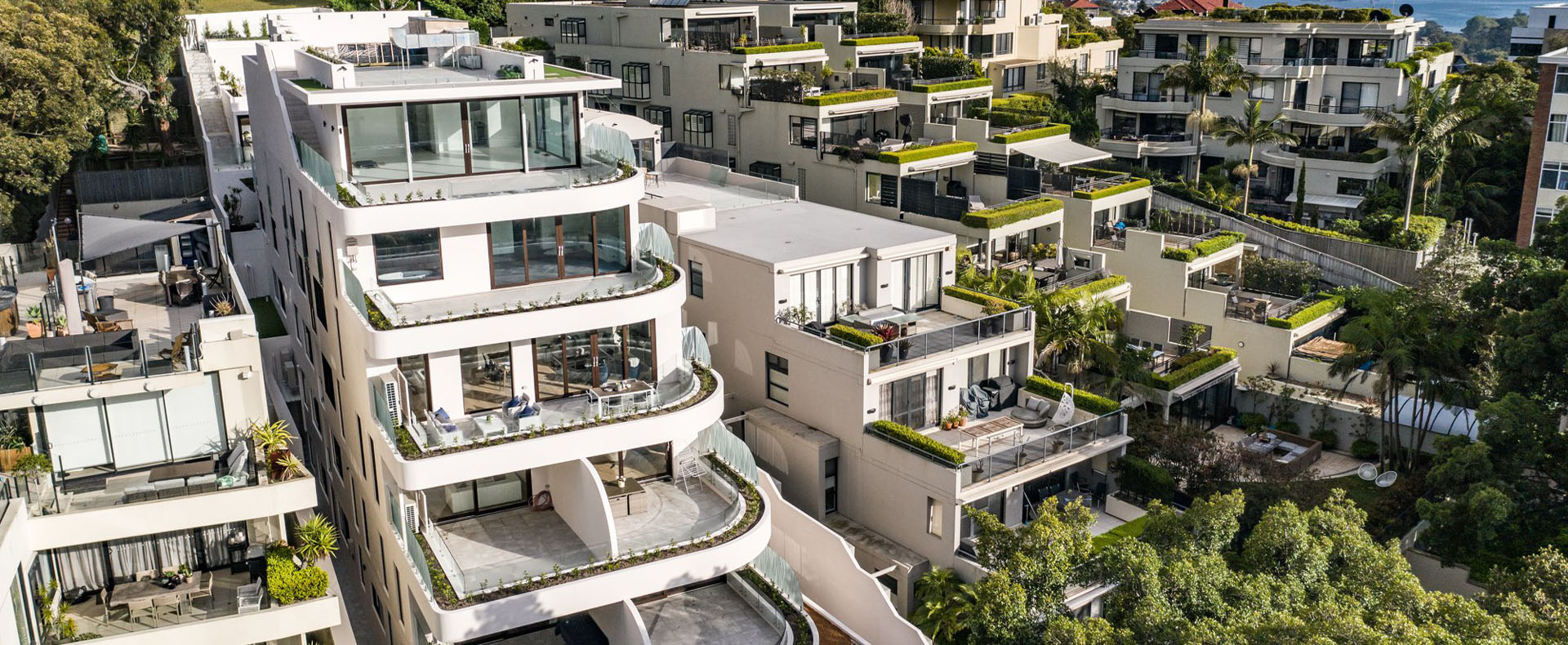
How the Two Standards Apply to Your Project in AU & NZ
For Australian projects, the compliance chain starts with the NCC and the building's wind region. The required AS2047 classification flows from the location and exposure, the windows are selected to meet it, and the test certificate accompanies the delivery to the certifier at handover. Homeowners and builders should ask the supplier for the AS2047 test evidence covering the exact model and glass configuration being installed — not a generic claim of "AS2047 compliant".
For New Zealand projects, compliance runs through the NZ Building Code, with weathertightness as the base requirement and NZS4211 security grades specified where the risk assessment demands them. Importers and builders should prepare the project location, exposure and security requirement before approaching a factory, so the compliance package matches the project rather than the other way around.
For both markets, sourcing from a factory that understands both standards removes the risk entirely: one supplier, one tested system, one compliance package. Both material families are covered — thermally broken aluminium windows for large spans and slim sightlines, and multi-chamber uPVC windows for energy efficiency and value — and both are manufactured and tested to the relevant standards.
What Compliance Evidence to Ask for When Sourcing from a Manufacturer
When you source windows from a factory, compliance is a document chain, not a claim. Ask for these five things and you can be confident the delivered product matches the certified design:
- Test reports for the exact model. AS2047 reports state the N classification achieved; NZS4211 documentation states the grade. Verify the report covers the precise model, profile and glass build-up you are ordering — not a "similar" window from the same range.
- Certification and declarations in writing. The quotation should state the standards met, the classification or grade, and the test evidence that will be supplied with the shipment.
- Production traceability. Each unit should be traceable to its production record, so any question at inspection can be answered from the factory's own records.
- Warranty. Compliance is a long-term commitment; a written warranty that matches the product's service life matters as much as the test report.
- Payment protection. For export orders, escrow-style protection such as Trade Assurance covers product quality, on-time shipment and payment — the commercial side of the compliance chain.
One practical note: because certification is granted per product model, confirm the exact model, glass build-up and hardware in your written quotation. Two windows that look identical can carry very different ratings and prices. Common questions on standards, samples and payment are gathered on the FAQ page, and ROPO backs its products with a 10-year warranty.
About ROPO Windows
When compliance is the deciding factor in a window order, what matters is that the manufacturer can document it. ROPO answers from the factory floor: the company manufactures custom windows and doors in its own facility in Fuzhou, Fujian Province, China, and has been doing so for more than 16 years, shipping to clients in over 100 countries and regions. Because production is factory-owned — profile cutting, welding, reinforcement, glazing and assembly all happen under one roof — the test evidence and the delivered product come from the same controlled process, and the specification you approve is the specification that gets built.
Products are manufactured and tested to recognised standards including AS2047 and NZS4211 for Australia and New Zealand, with Miami-Dade approval available for hurricane-rated projects. Every window and door is backed by a 10-year warranty, export orders are covered by Trade Assurance for product quality, on-time shipment and payment, and each completed unit carries a barcode for full production traceability. The team works by a simple rule: "Do what we say we are gonna do." More background is on the About Us page.
Custom Production Process
A compliance rating is only meaningful if every unit matches the tested design. ROPO runs production end to end so that the window which passes the test report is the window that ships:
- Design confirmation — your dimensions, system, glazing build-up, colour and hardware specification are locked down before any material is cut, so the tested configuration and the delivered product never diverge.
- Profile preparation — uPVC profiles are cut, steel-reinforced and welded on CNC equipment; aluminium profiles are cut, drilled and assembled to your exact layout.
- Hardware and glazing — the specified locks, hinges or rollers are installed and the agreed glass build-up (double or triple glazed, Low-E, laminated or toughened) is fitted and sealed.
- Five-step quality control — order review, raw material inspection, semi-finished inspection, finished inspection and a final inspection report catch defects before packing.
- Traceability — every unit carries a barcode, so the production history of any window can be traced if you ever need support.
The same discipline applies whether you order one sample unit — the minimum order quantity is just one piece — or a full container for a project. Orders are protected by Trade Assurance, covering quality, on-time shipment and payment.
Packaging and Shipping
Windows travel a long way from Fuzhou to project sites across Australia and New Zealand, so packaging is treated as part of the product. Every unit is protected with sturdy timber crating and corner guards, glass surfaces are covered with protective film, and hardware is packed separately where needed to avoid transit damage. The factory's packaging guide covers the full loading and handling process, so windows arrive ready to install.
ROPO ships from the ports of Fuzhou and Xiamen by sea, with flexible options for full containers or shared LCL space. On-time delivery is managed through a dedicated system: profile and hardware inventory is kept in stock, raw materials are typically procured within 1-2 days, orders are followed up at every stage, and transport information is confirmed with you in advance — which keeps lead times predictable for compliance-critical projects.
If you are sourcing windows for an Australian or New Zealand project, the fastest way to start is with your opening schedule, project location and security requirements. The team will come back with a tailored quotation and the compliance documentation for your region — use the Quick Quote tool to get started, send an inquiry, or contact us directly. And for more guidance on window standards and specification, read more articles on the ROPO blog.
