

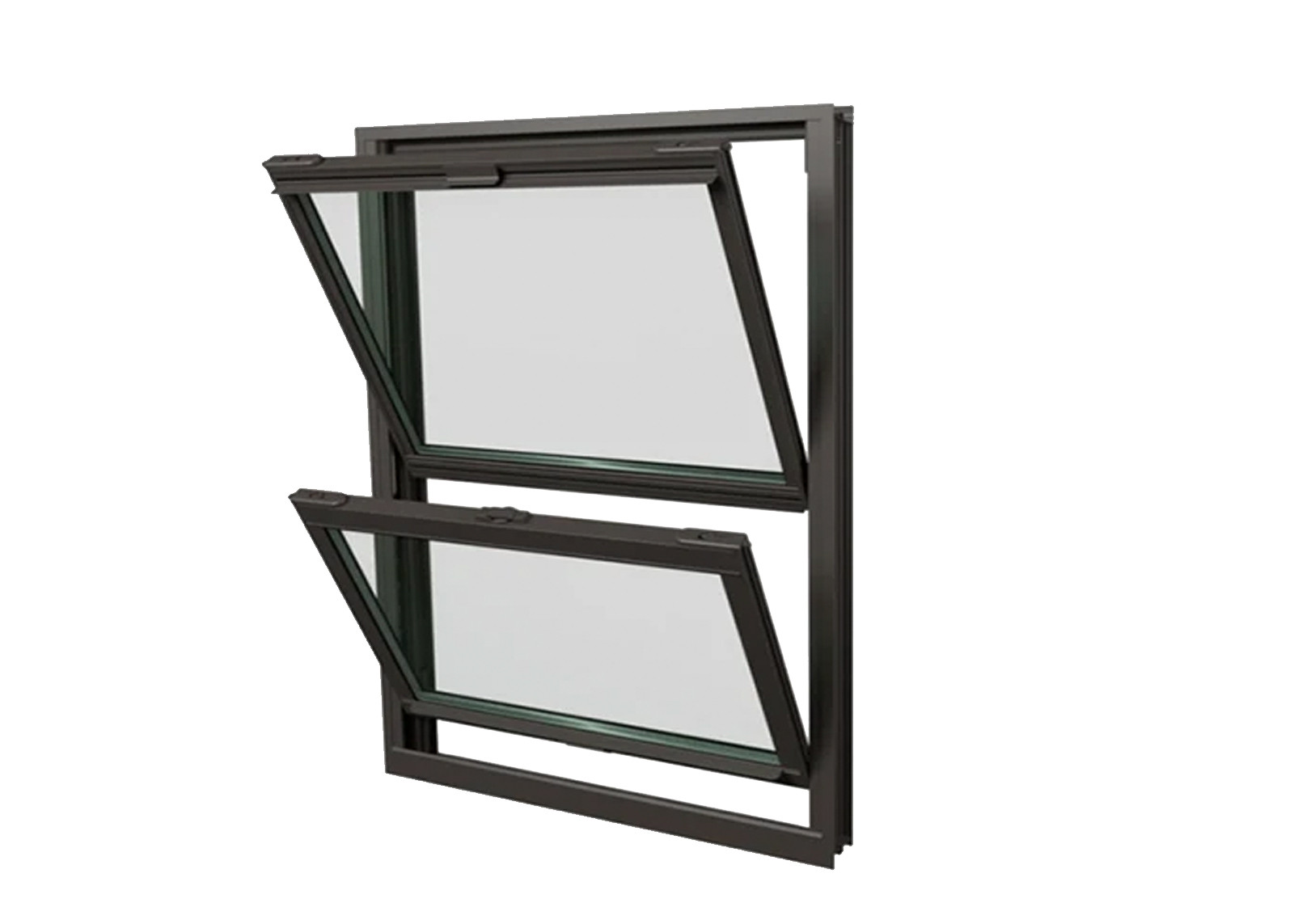
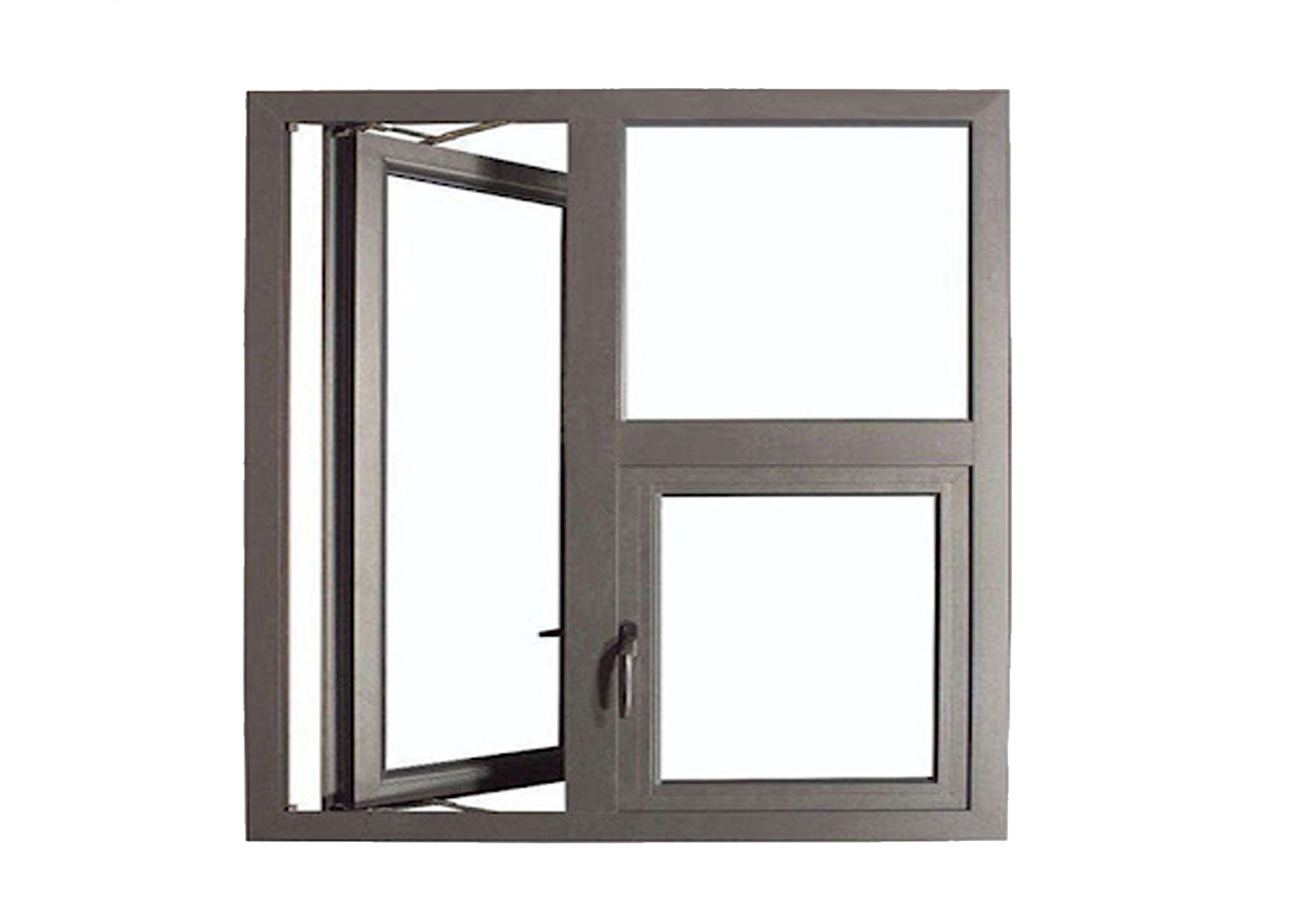
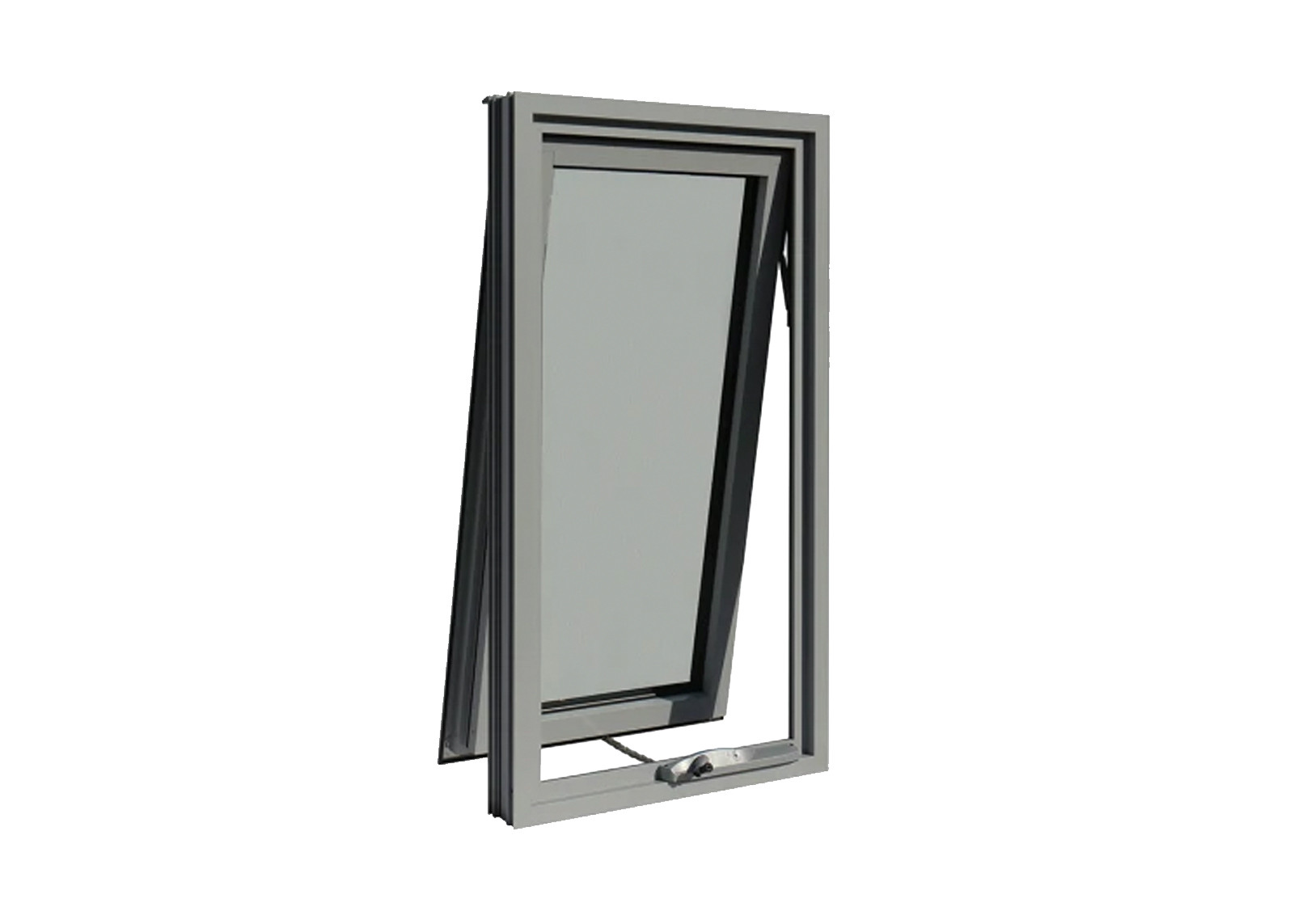
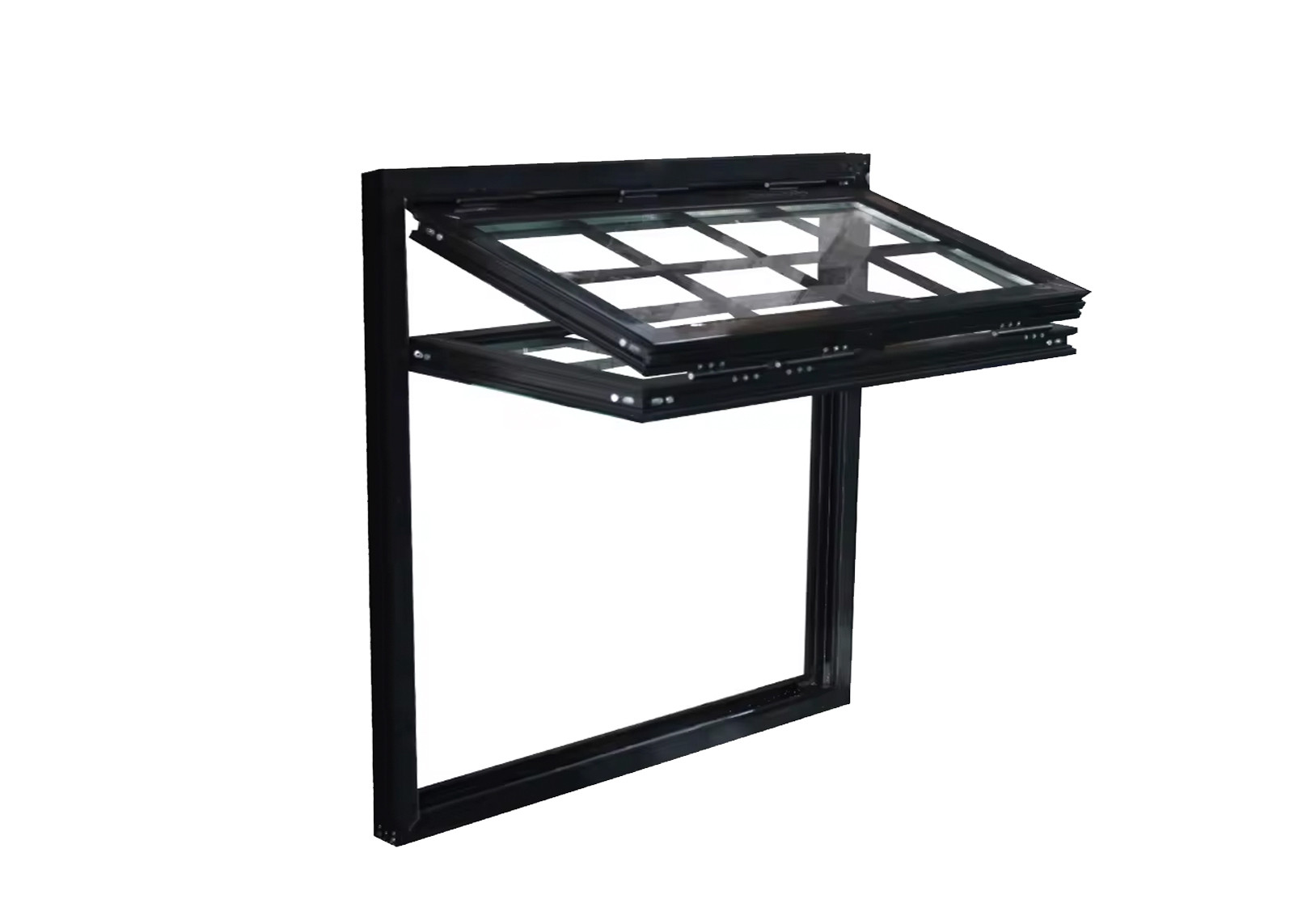
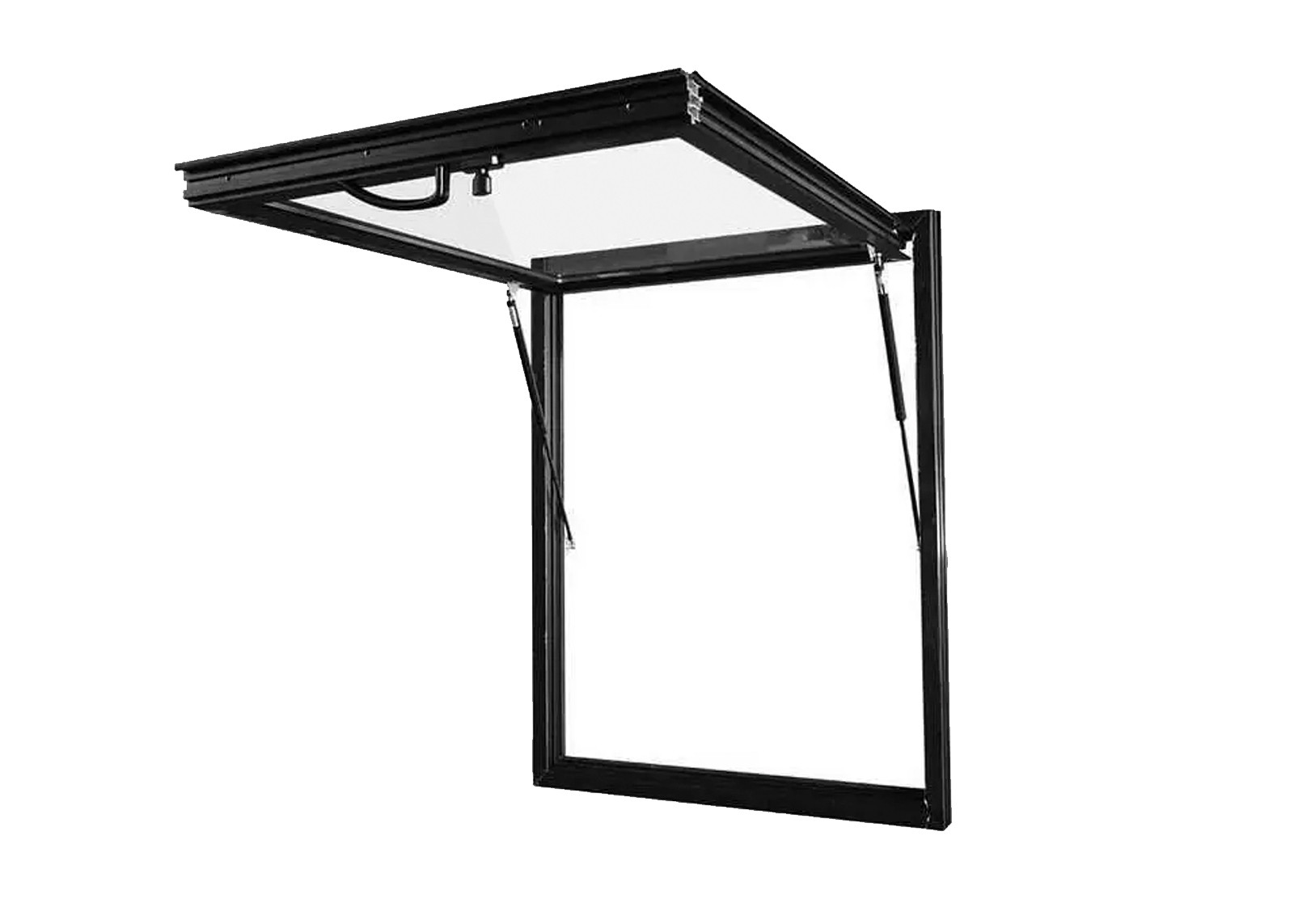
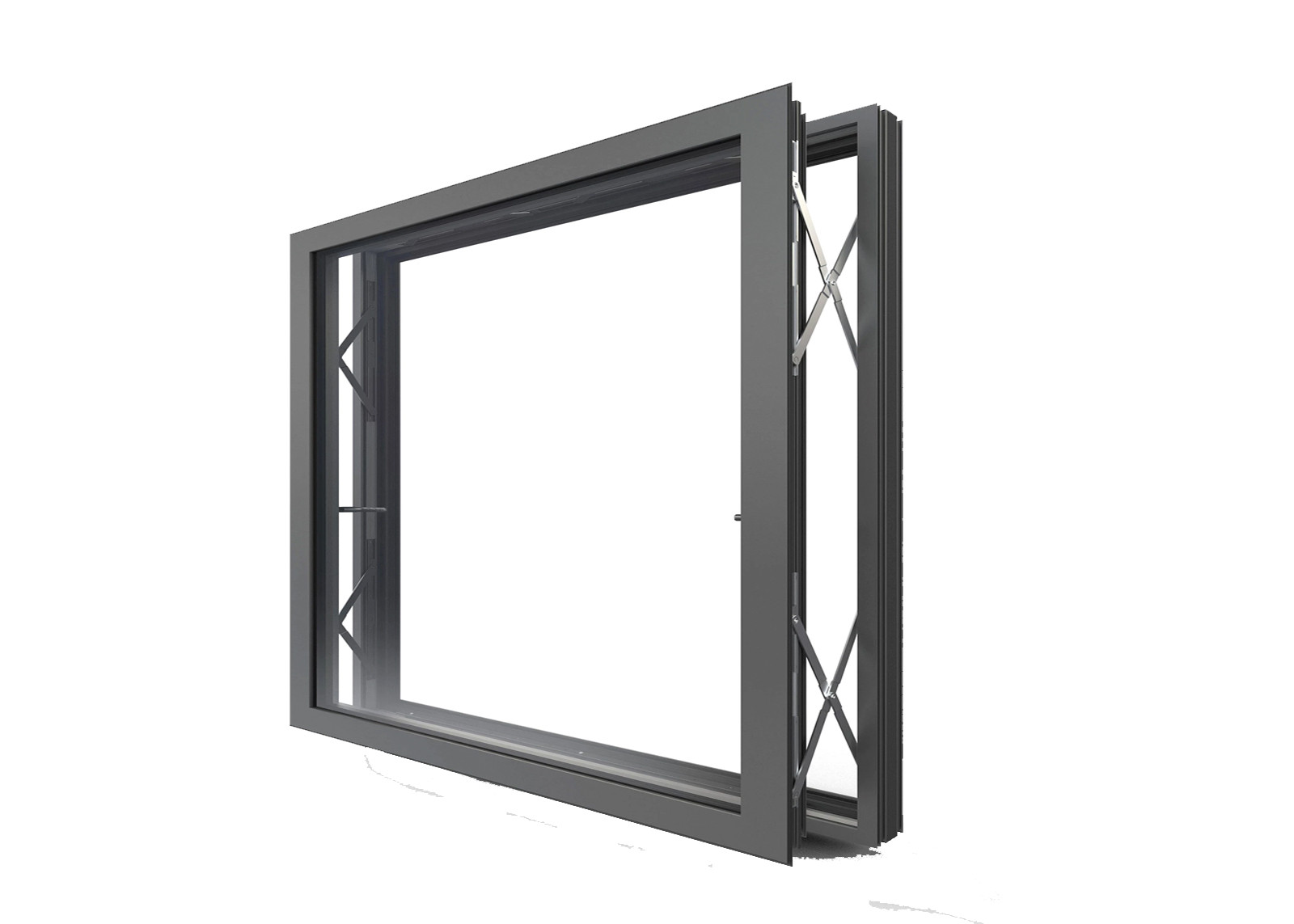
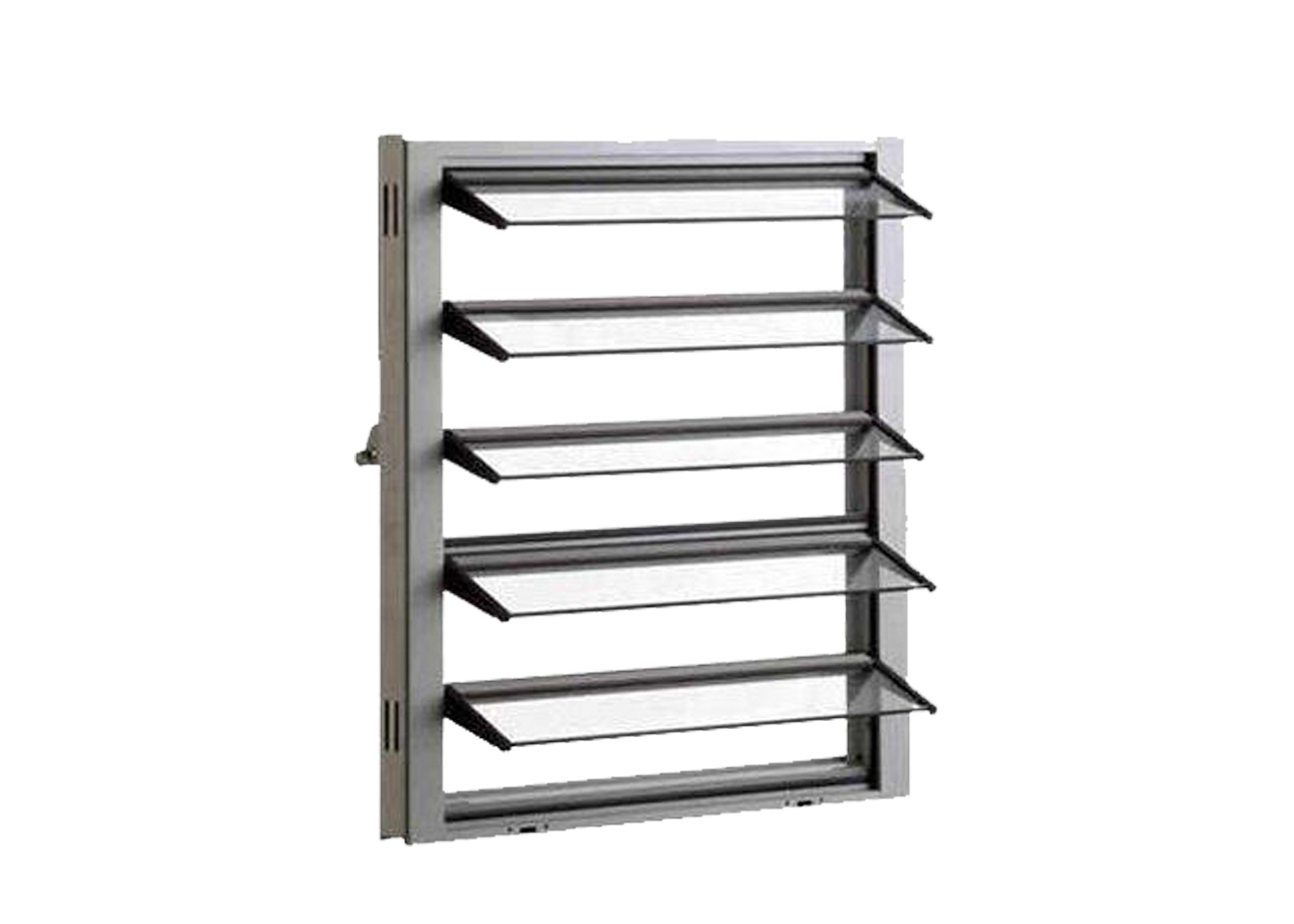

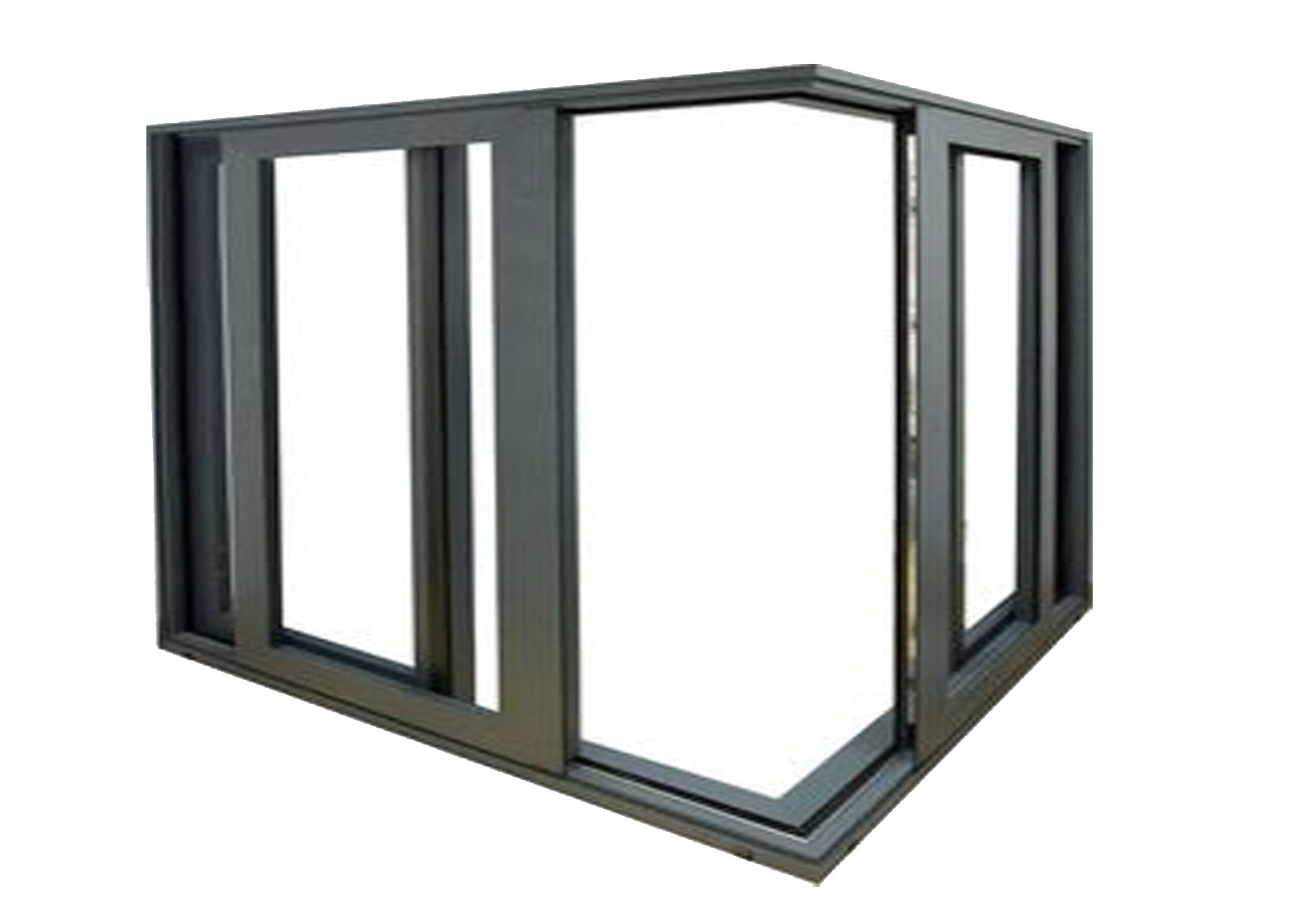

Hurricane Impact Windows: Aluminium vs uPVC Systems Compared (Miami-Dade, AS2047 & Wind Load Ratings)
When a hurricane hits, ordinary windows are the weakest point of a building envelope. Wind-borne debris shatters the glass, and the sudden change in pressure inside the home can lift a roof or blow out a wall — a chain of failure that begins the moment the first pane breaks. Hurricane impact windows are engineered to close that gap: they are tested as complete systems, glass and frame together, so that a storm can pound the facade for hours without a single breach.
This guide is a technical comparison of the two dominant impact window systems — aluminium and uPVC. It explains how impact windows actually work, what Miami-Dade approval, AS2047 testing and wind load ratings really mean, where each material wins on strength, corrosion resistance and cost, and what to verify when you source custom impact windows from a manufacturer. It is written for homeowners in storm-prone regions, and for the builders and importers who need to specify with confidence.
What Are Hurricane Impact Windows and How Do They Work?
An impact window is not a thicker version of a normal window; it is a system with two engineered layers of defence. The first is the glass. Impact glazing uses two or more panes bonded together with a tough interlayer of polyvinyl butyral (PVB) or SentryGlas (SGP). When debris strikes, the outer pane may crack, but the interlayer holds the shattered pieces in place and keeps the opening sealed. The window is damaged, but the building envelope is not breached — and that distinction is what keeps the structure standing.
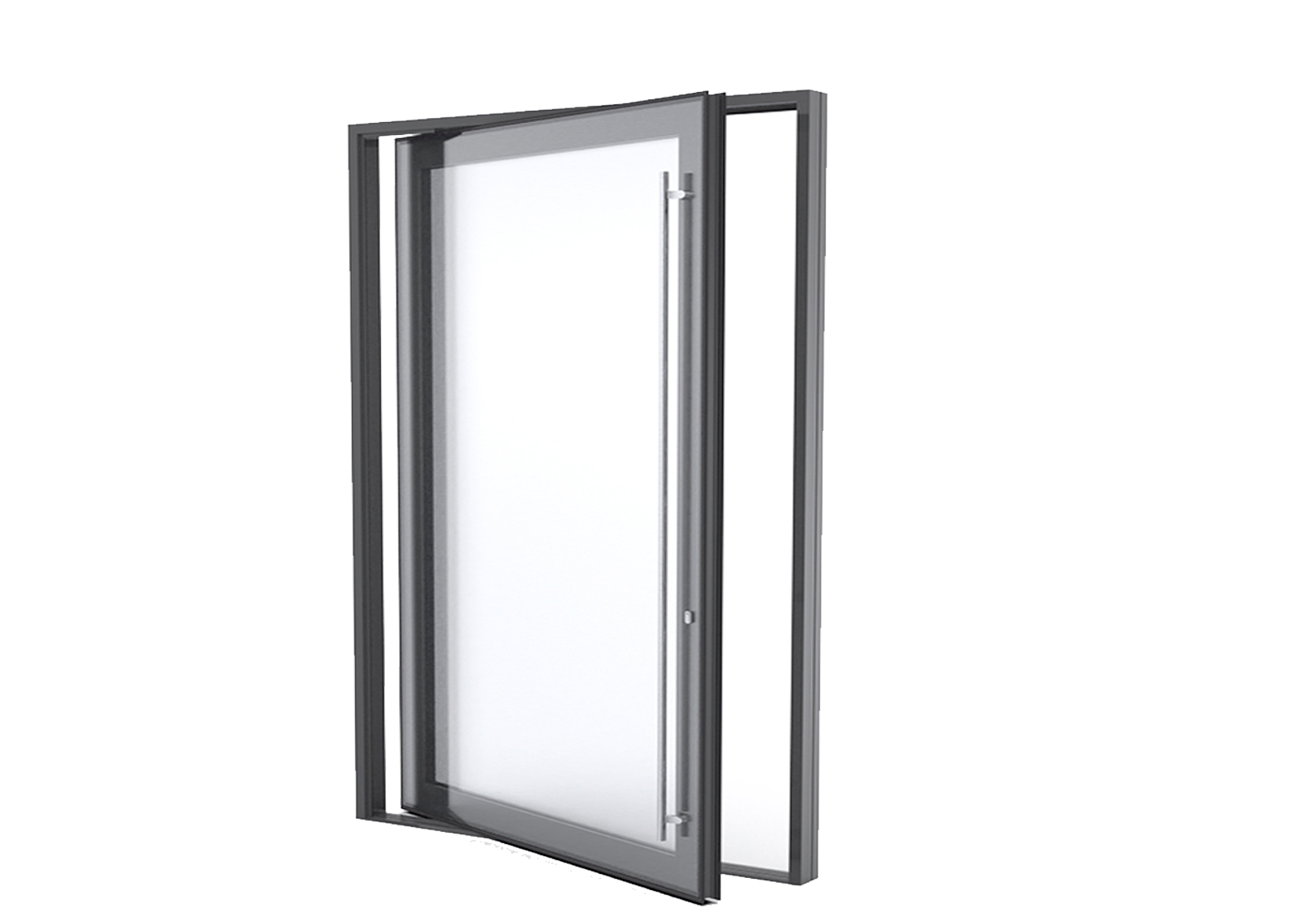
The second layer of defence is the frame. The glass unit is only as strong as the frame that holds it. Under hurricane wind pressure, a window is subjected to violent alternating positive and negative pressure, and a frame that flexes, a sash that pops out of its track, or hardware that releases will fail even if the glass survives the initial impact. That is why impact windows are engineered as complete assemblies: reinforced frames, deep glazing beads, multi-point locking and structural anchoring into the building.
This is also why the frame material matters more in impact windows than in any other window category. Aluminium and uPVC take different paths to the same test result, with different consequences for span, aesthetics, corrosion resistance and budget. ROPO manufactures hurricane impact windows as complete tested systems rather than collections of parts, which is exactly the distinction that matters in a storm.
Hurricane Window Testing Standards: Miami-Dade, AS2047 and Wind Load Ratings
Impact windows are only credible if their performance is documented, and different markets test them in different ways. Understanding the standards is the fastest way to tell a genuine impact window from a marketing claim.
Miami-Dade (United States). Miami-Dade County's building code for the High Velocity Hurricane Zone is the strictest impact-window regime in the United States, and its approval protocols — TAS 201, TAS 202 and TAS 203 — have become the de facto benchmark for the entire hurricane belt. TAS 201 is the impact test: a 9 lb length of 2x4 lumber is fired at the window at around 50 ft/s, followed by small-missile tests with steel balls. TAS 202 verifies resistance to uniform static wind pressure, and TAS 203 then subjects the impacted specimen to thousands of cycles of alternating positive and negative pressure, simulating the buffeting of a real storm. Approved products carry a Notice of Acceptance (NOA) or Florida Product Approval, which specifies the exact glazing build-up and frame configuration that were tested.
AS2047 (Australia and New Zealand). In Australia and New Zealand, windows and external glazed doors are tested to AS2047, which covers four performance areas: wind resistance, water penetration, air infiltration and structural adequacy. Testing follows the AS4420 series, and the design wind pressure is calculated for the project location using AS/NZS 1170.2 — which means a window for a cyclonic region of far north Queensland is engineered to a far higher pressure than the same model in a sheltered inland suburb. NZS4211 adds a security performance requirement for New Zealand projects. When a manufacturer says a window is "AS2047 compliant", the test report should match the exact model, size and glazing you are ordering.
Beyond the test standards themselves, the number that matters is the wind load rating — the design pressure the window is engineered to resist, usually stated in pascals or pounds per square foot. The higher the rating, the larger the storm it can withstand, but only if the frame, glass and anchoring are engineered together for that rating. The glazing build-up is part of that engineering: for the options available across impact and non-impact windows, see the glass options guide.
Aluminium Impact Windows: Thermally Broken Systems for High Wind Loads
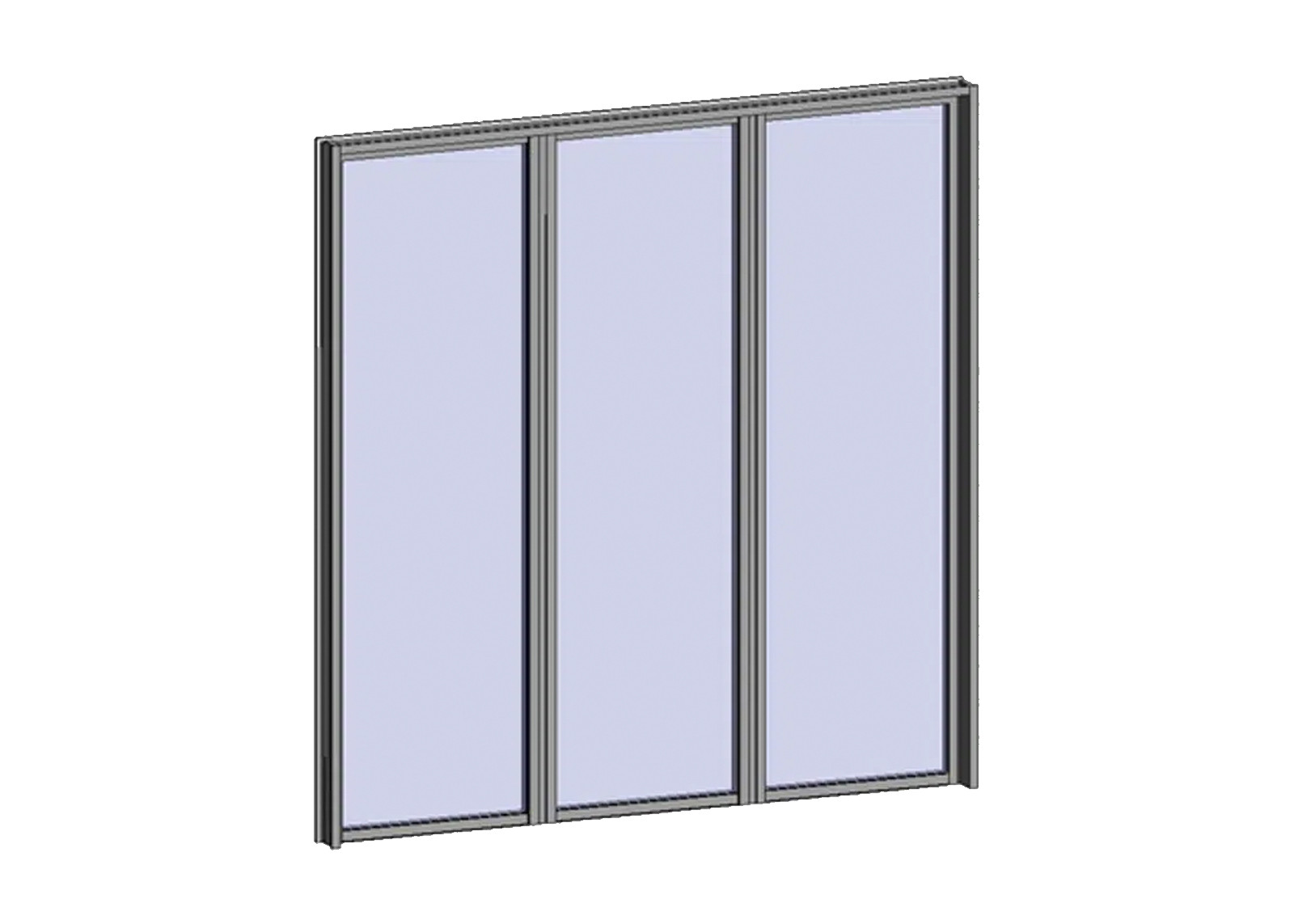
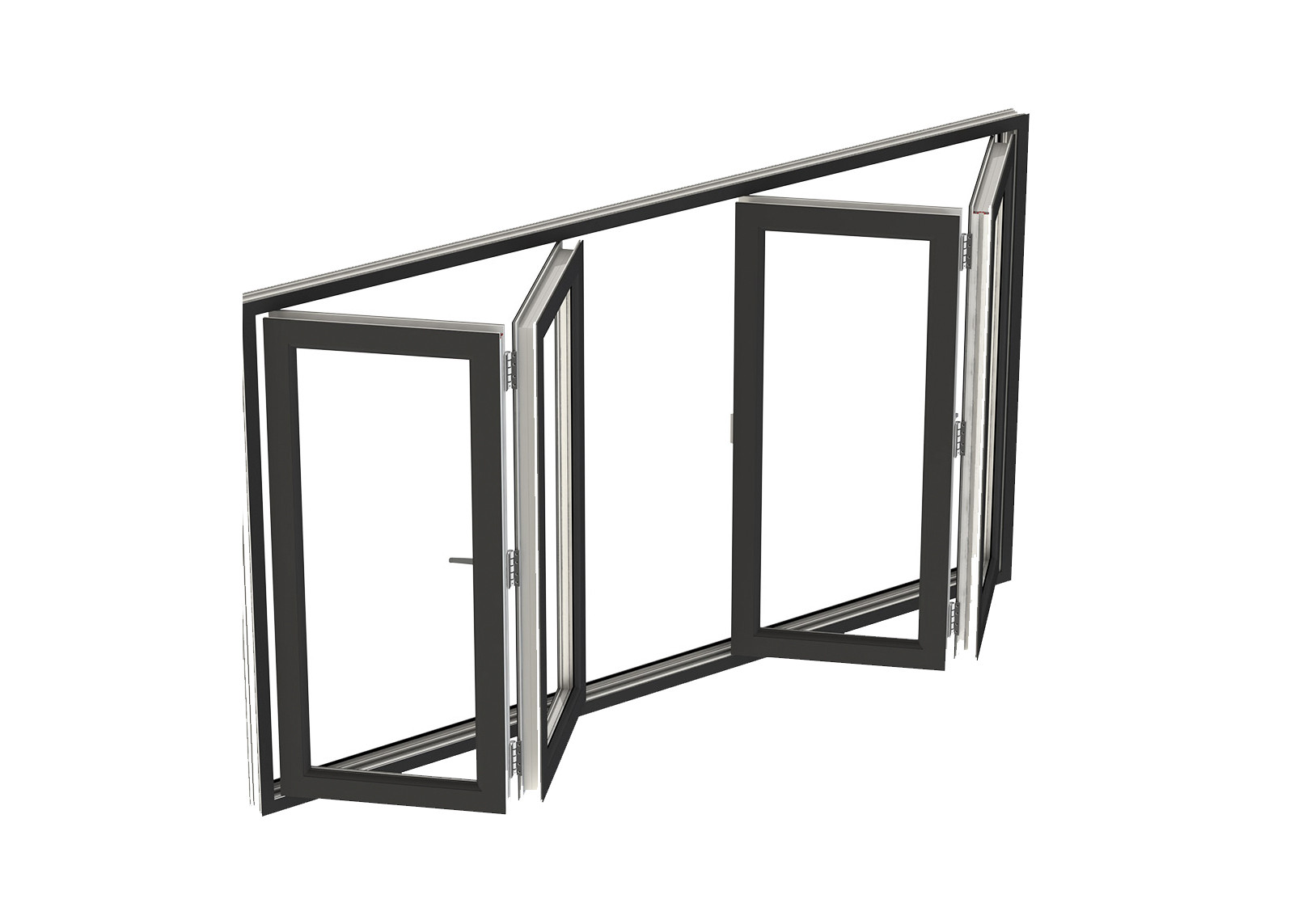
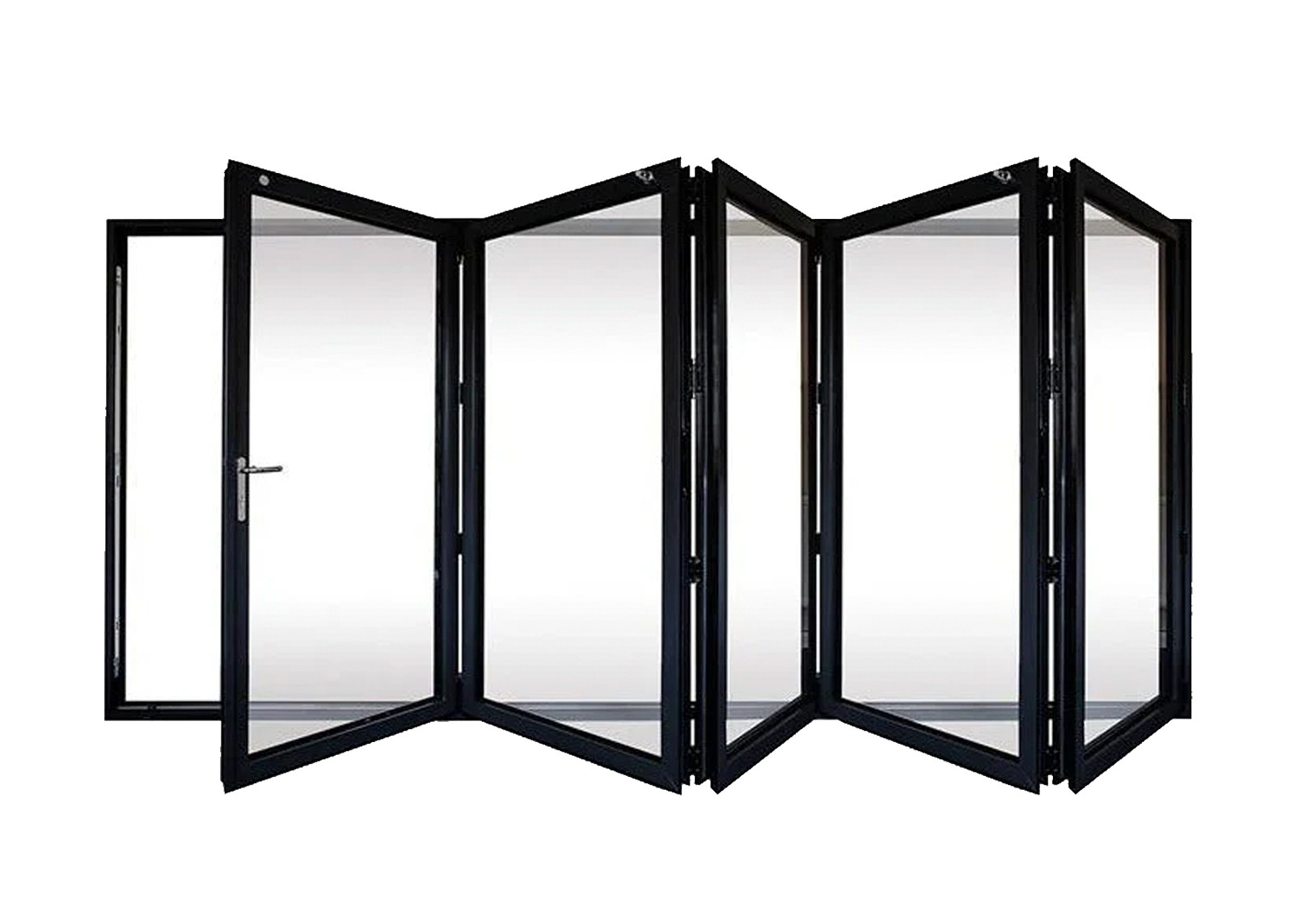
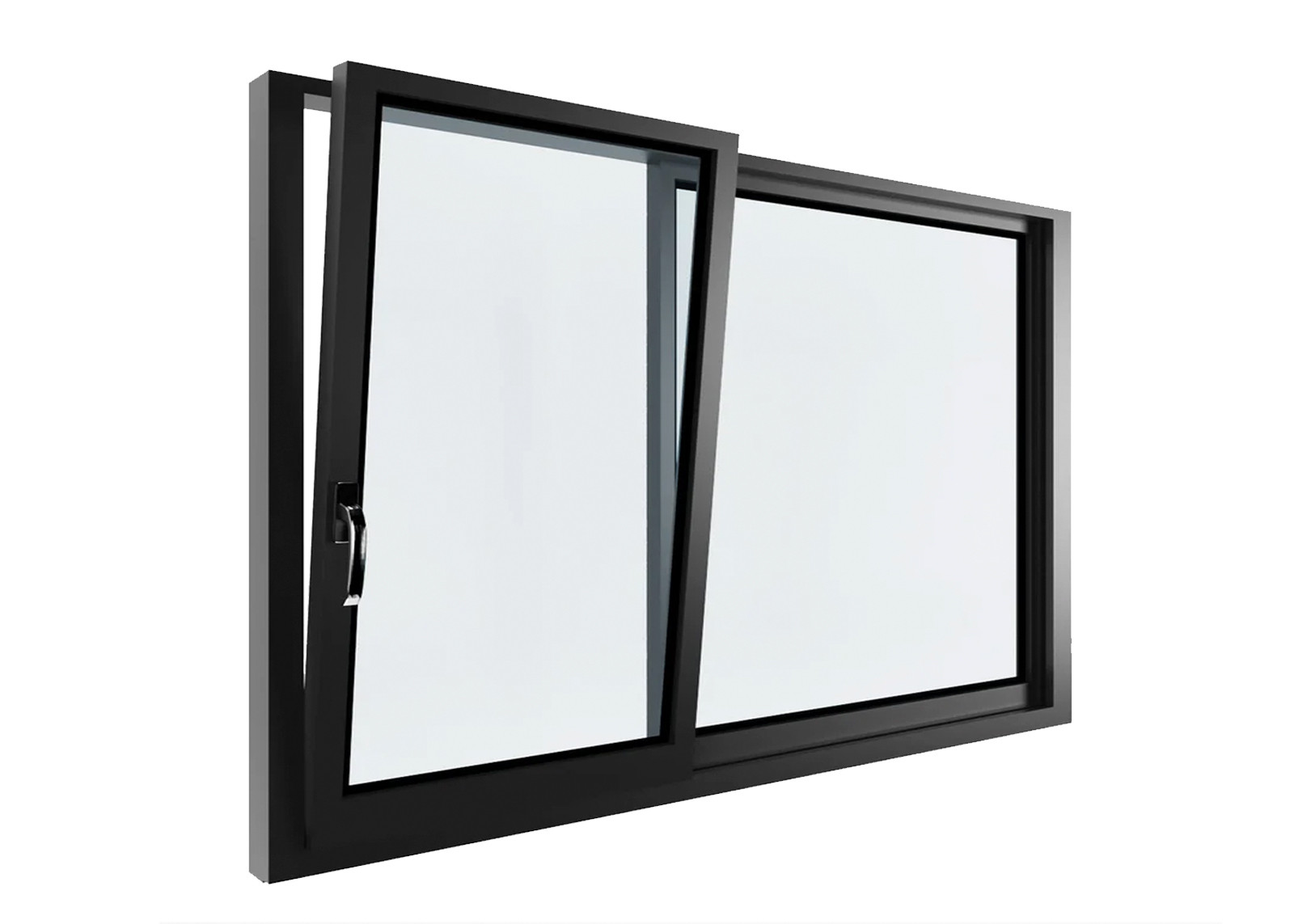
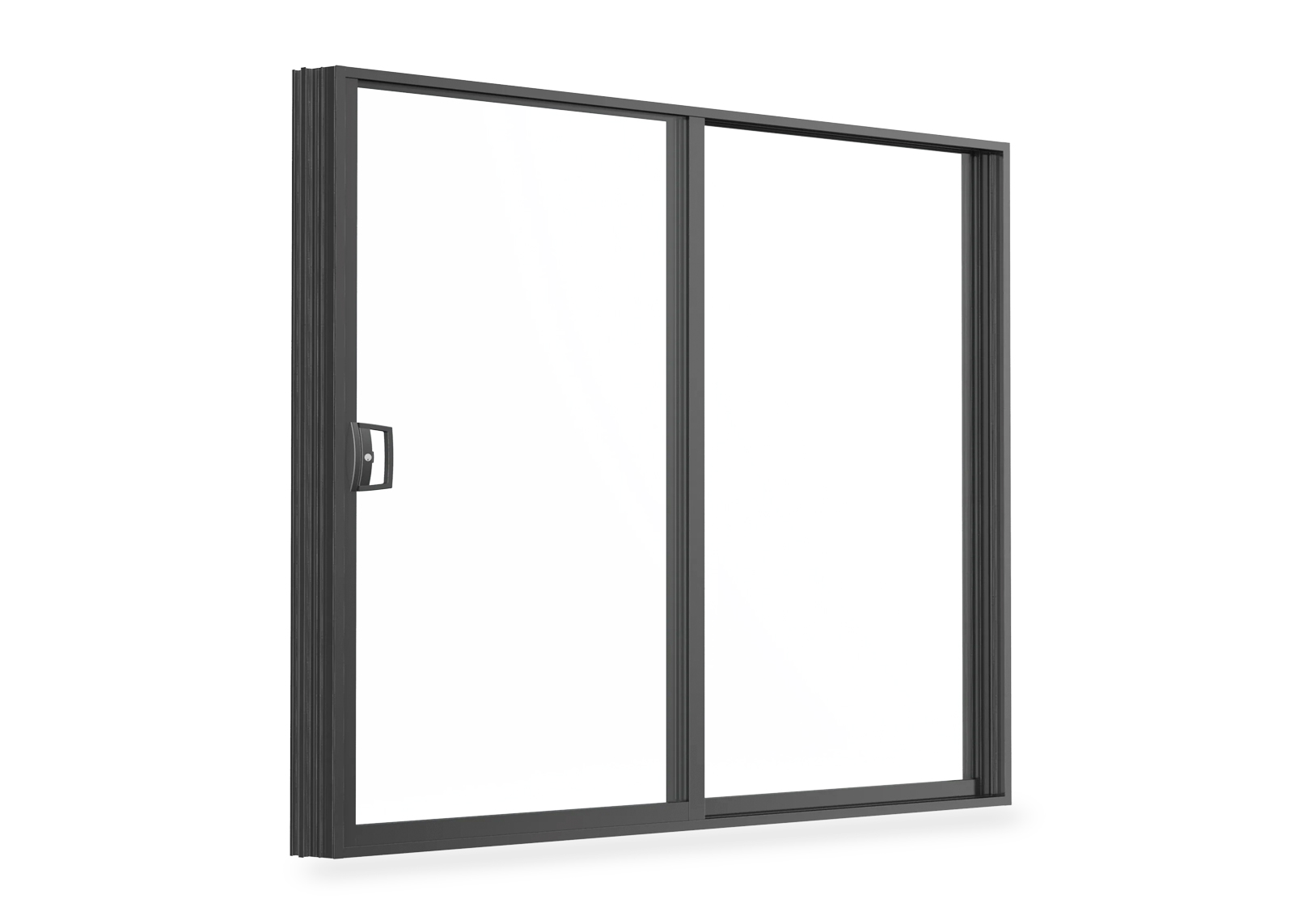
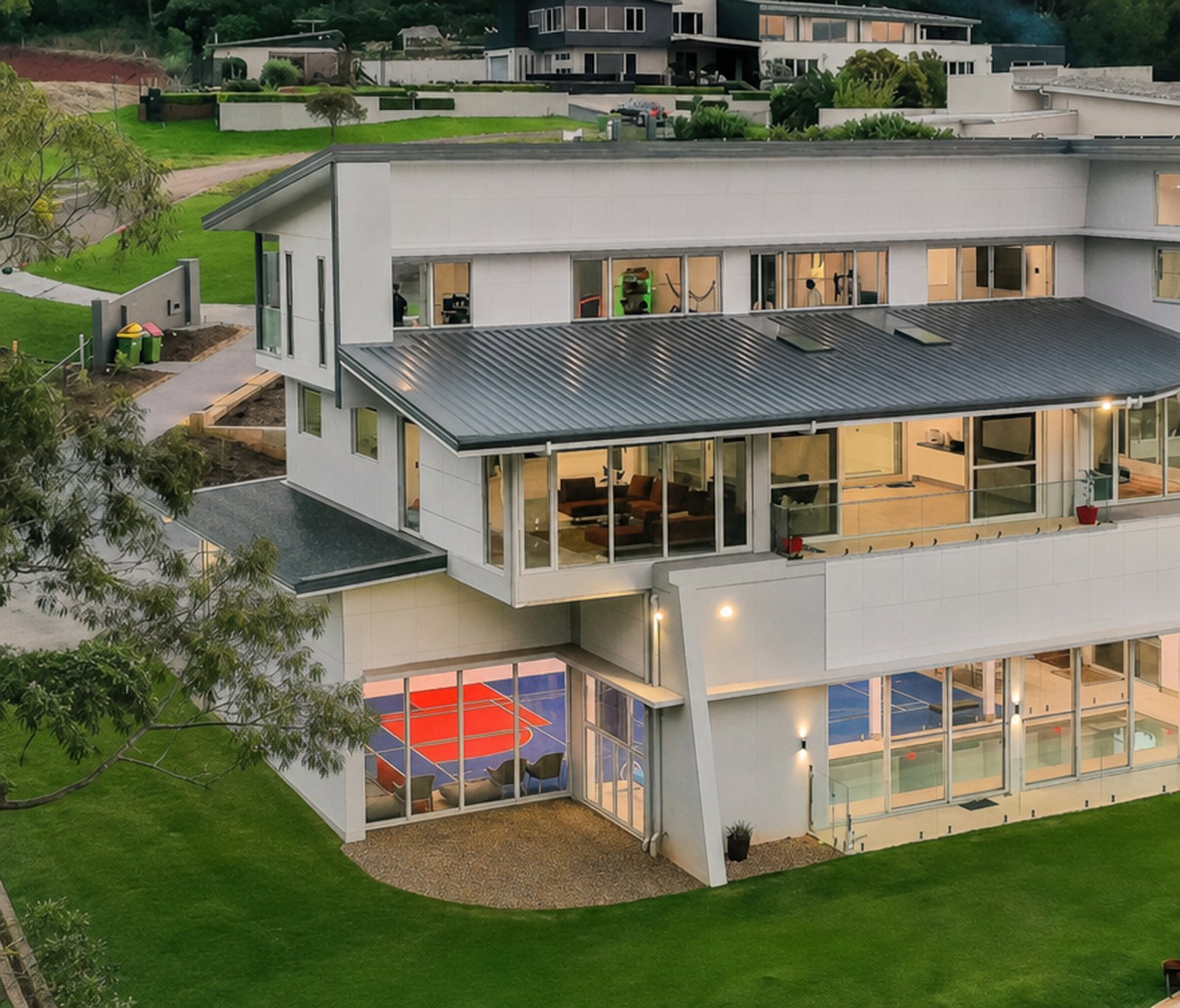
Aluminium is the material of choice where structural performance dominates. It offers the highest strength-to-weight ratio of any common window frame material, which makes it possible to build impact windows with large spans and slim sightlines — big fixed panels and wide opening sashes that keep the view open while still meeting hurricane ratings. In a wind event, a well-engineered aluminium frame simply has more stiffness to resist deflection than any plastic or timber alternative.
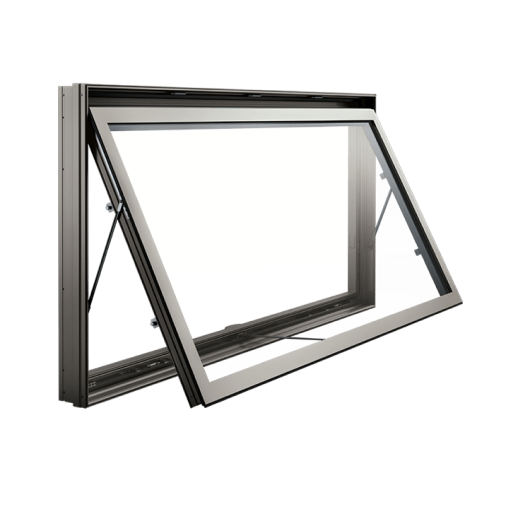
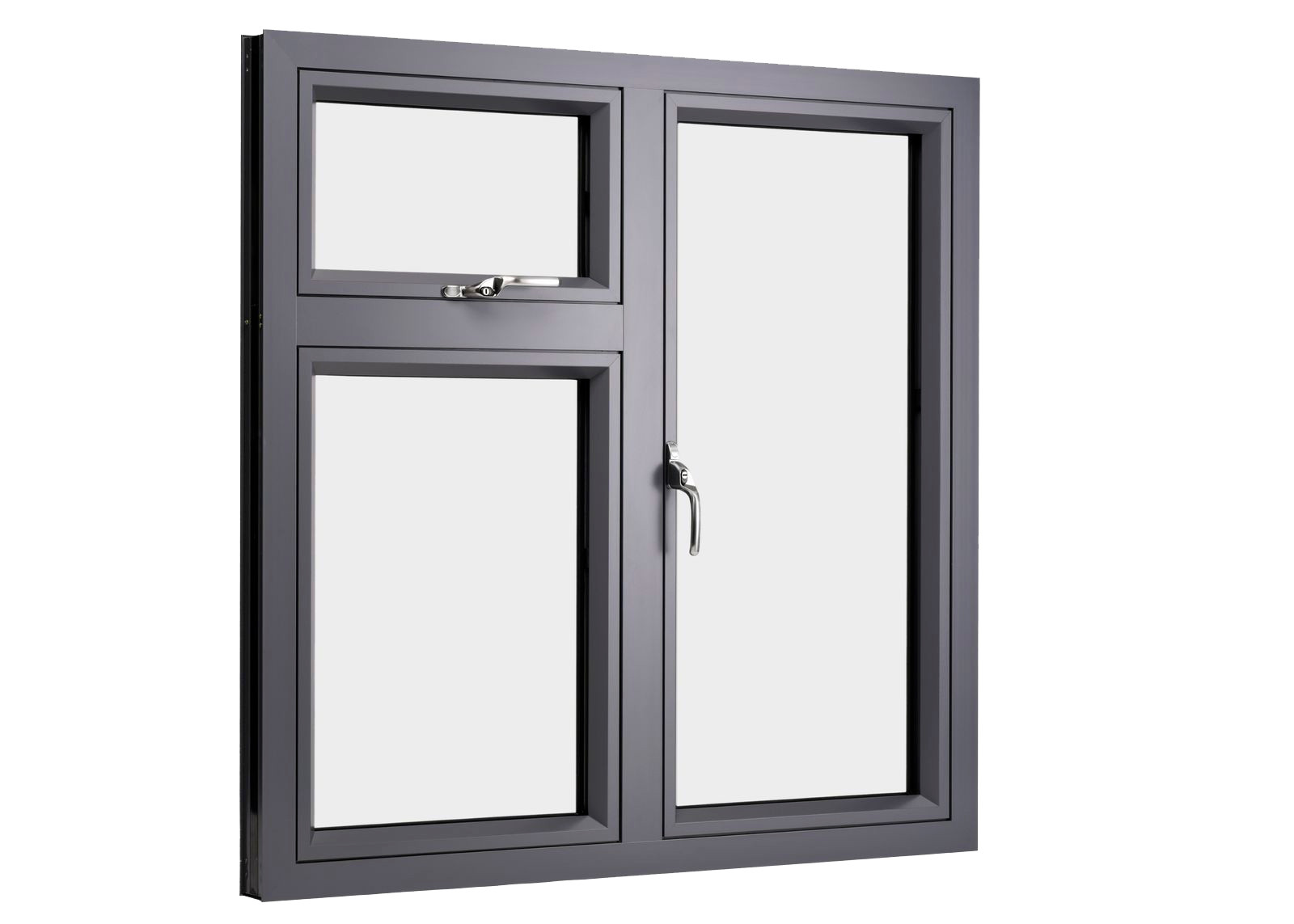
Two further properties make aluminium particularly suited to hurricane zones. First, it is naturally corrosion-resistant and, with a powder-coated or anodised finish, it stands up to the salt-laden air of coastal and island locations where frames spend their whole life close to the sea. Second, modern thermally broken aluminium systems separate the interior and exterior frames with a polyamide strip, so the same window can combine hurricane-rated strength with good thermal insulation — increasingly important in air-conditioned homes in tropical regions. The trade-offs are cost and hardware: aluminium impact windows are the premium option, and heavy sashes demand substantial hinges, rollers and multi-point locks. Explore the aluminium windows range to see how thermal break systems are configured.
uPVC Impact Windows: Steel-Reinforced Multi-Chamber Systems
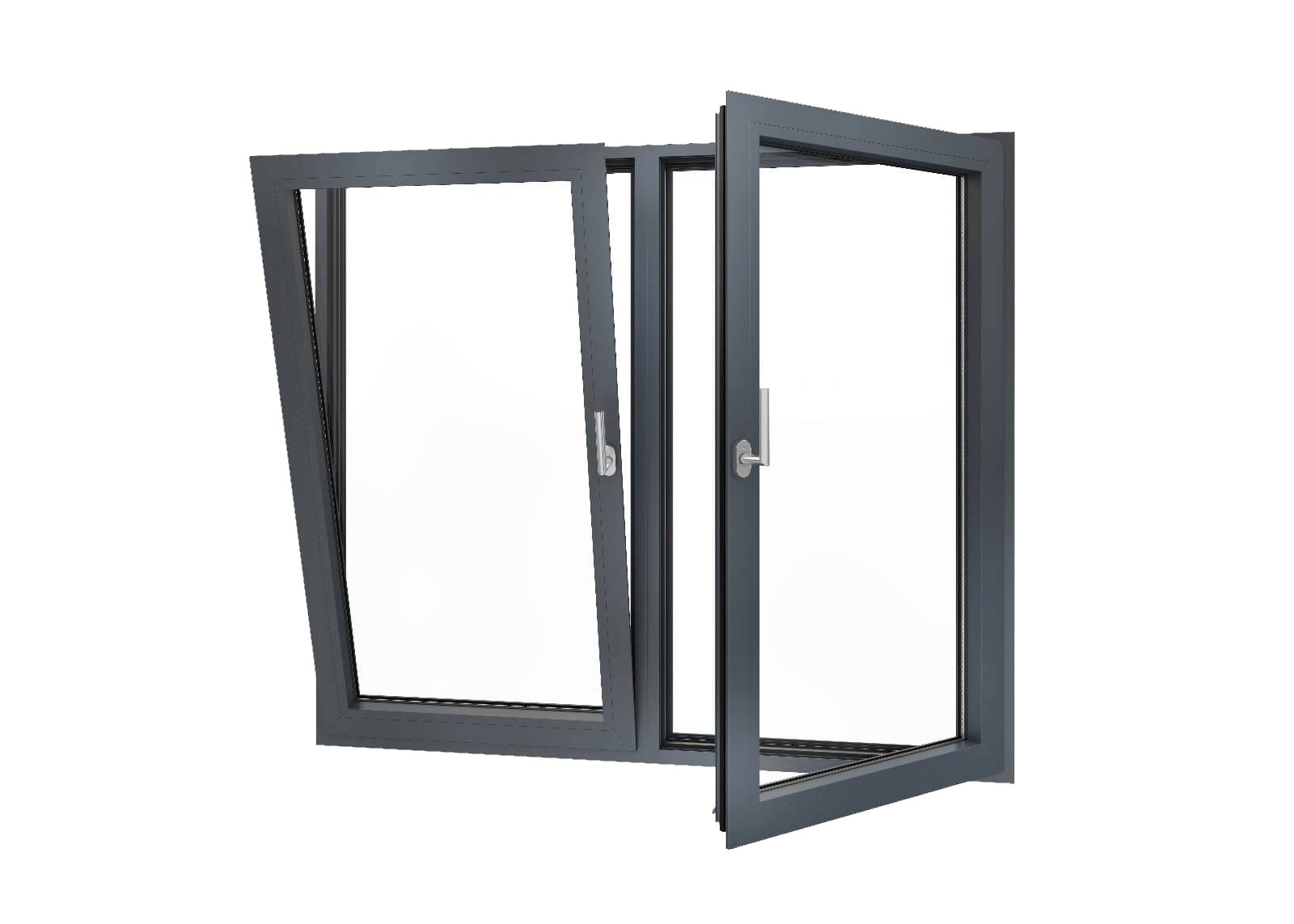
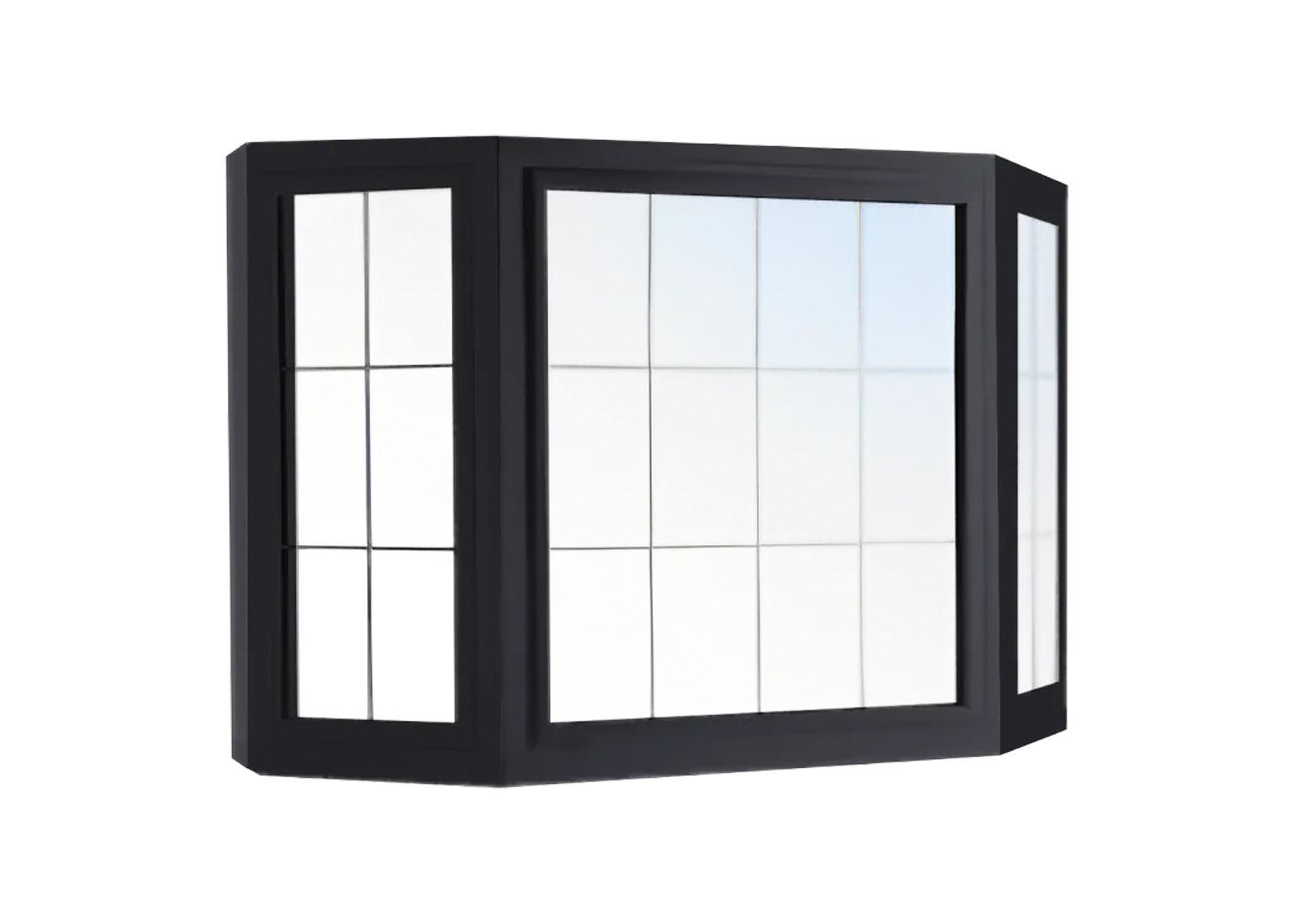
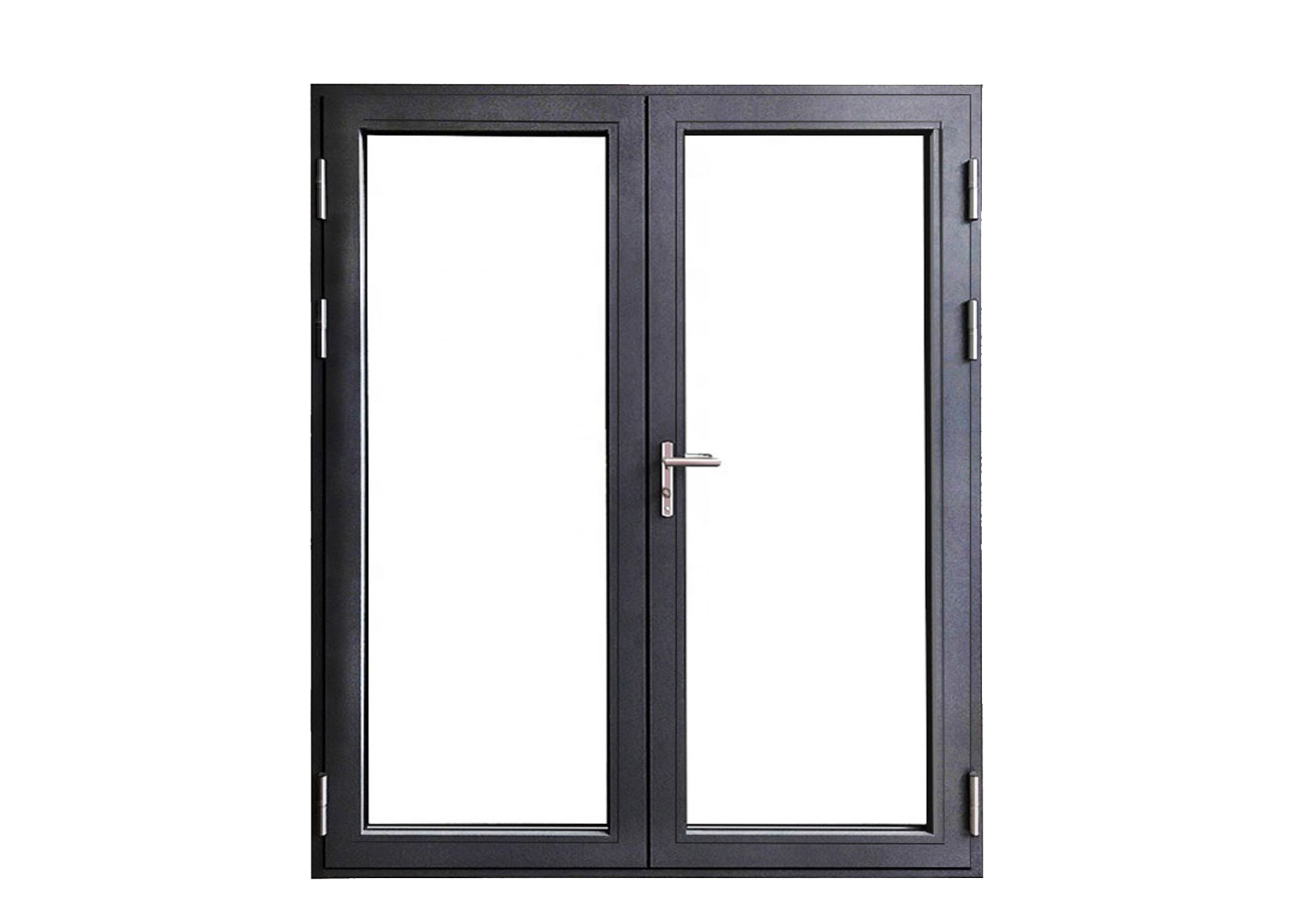
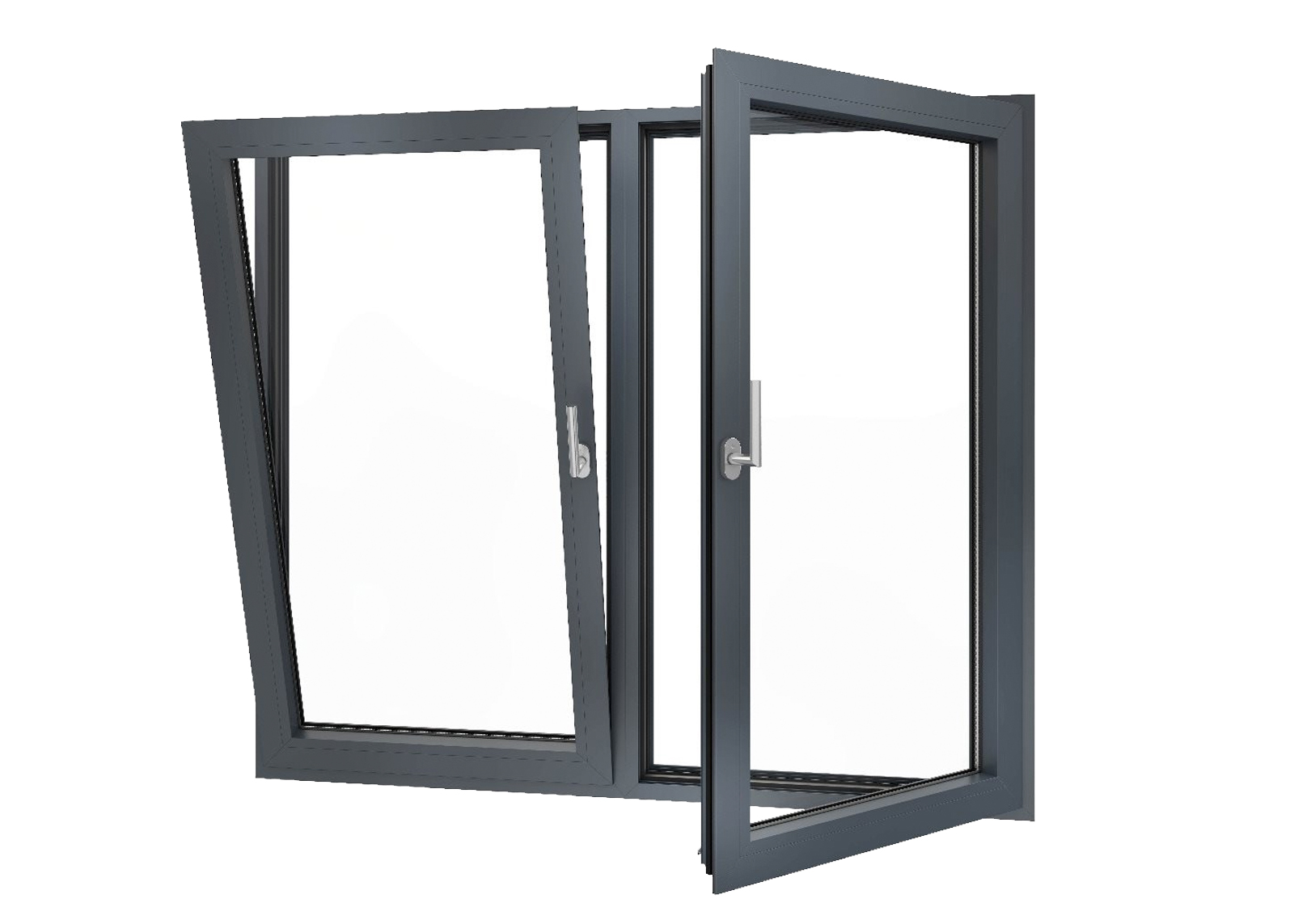
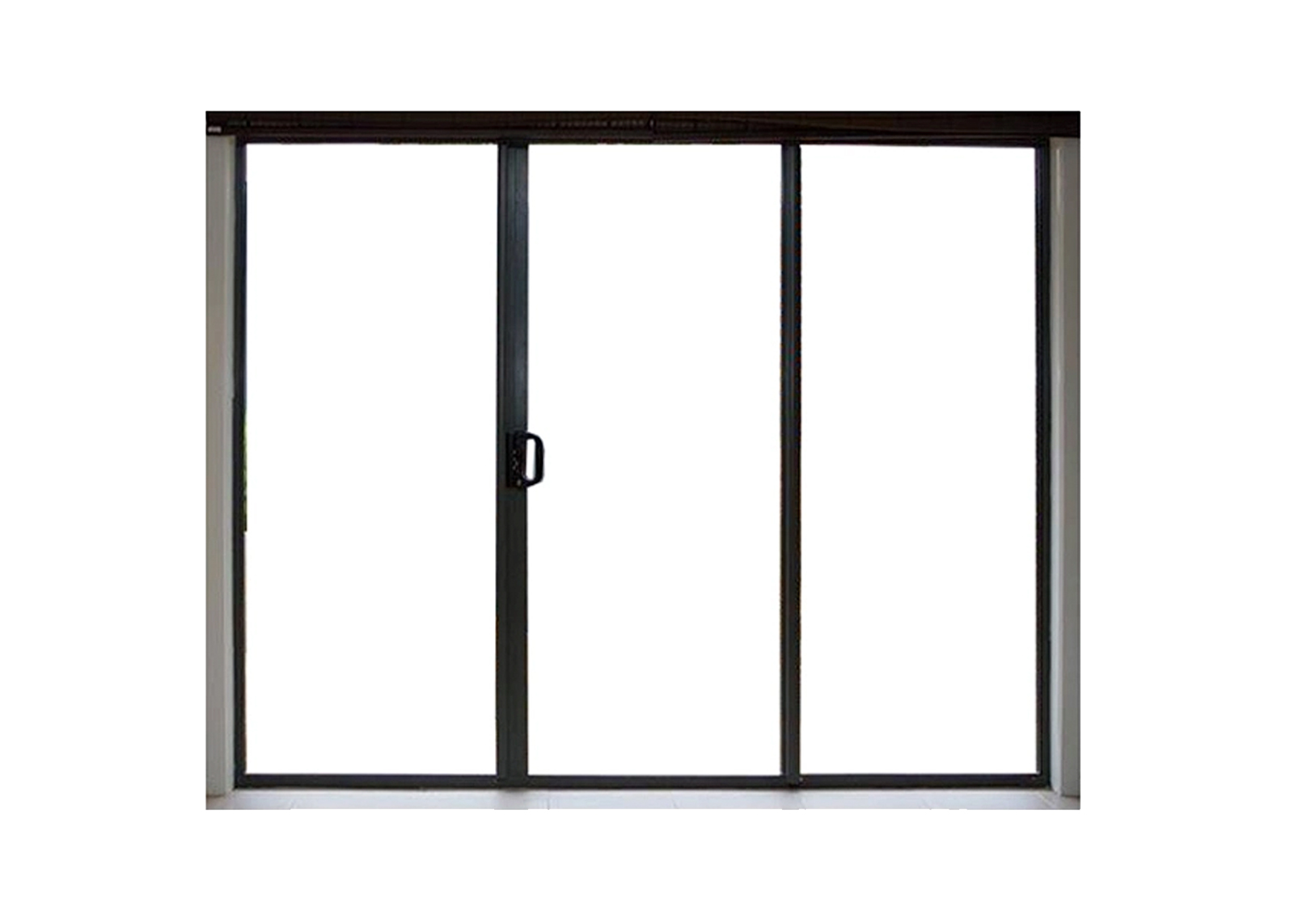
uPVC is often underestimated for impact applications, but a hurricane-rated uPVC window is a very different product from a standard residential slider. The profiles are deep multi-chamber sections — the same construction that gives uPVC its thermal performance — reinforced internally with galvanised steel cores that carry the structural loads. The corners are welded rather than mechanically joined, which removes the weakest point of a frame, and the glazing is held in place with heavy-duty beads and sealed with structural glazing tape. Built this way, uPVC impact windows pass the same missile impact and cyclic pressure tests as aluminium systems.
Where uPVC genuinely wins is corrosion resistance and cost. The material cannot rust, corrode or rot, which makes it exceptionally durable in coastal and high-humidity climates, and it never needs repainting over decades of salt-air exposure. It is also significantly more affordable than aluminium, both in the frame itself and in the hardware required, which puts certified hurricane protection within reach of a much wider range of homes. The compromises are aesthetics and span: uPVC frames are visibly chunkier than thermally broken aluminium, and very large openings or very high wind loads push the profile sizes and steel reinforcement upward. Material and colour options are covered on the uPVC material and colour page.
Aluminium vs uPVC Hurricane Windows: Key Differences Compared
Both materials can be engineered to pass the same impact tests — the decision is about the project, not a winner-take-all verdict. Here is the comparison at a glance:
| Factor | Aluminium Impact Windows | uPVC Impact Windows |
|---|---|---|
| Structural strength | Highest; best for large spans and extreme wind loads | Good with galvanised steel reinforcement |
| Sightlines and aesthetics | Slim frames, large glass areas, modern look | Chunkier profiles |
| Corrosion resistance | Excellent with powder-coated or anodised finish | Excellent; cannot rust or corrode |
| Thermal insulation | Good with thermal break technology | Excellent with multi-chamber profiles |
| Maintenance | Low; powder coating can chip | Lowest; never needs painting |
| Cost | Higher | Lower |
| Best suited to | Coastal architecture, large openings, commercial projects, premium homes | Residential projects, humid coastal climates, budget-conscious buyers |
As a rule of thumb: if the project demands the largest possible openings, the slimmest frames or the highest wind rating, thermally broken aluminium is the right tool. If the goal is certified hurricane protection at the best value, with the lowest maintenance over a long coastal service life, uPVC delivers. Many coastal homes combine both — uPVC for standard openings and aluminium for statement windows and doors. Browse the full window range to compare the systems side by side.
What to Verify When Sourcing Hurricane Impact Windows from a Manufacturer
Hurricane protection is a performance claim, and a claim is only as good as the documentation behind it. When you source impact windows from a factory, put these six points in writing:
- Certification documentation for the exact model. Ask for the Miami-Dade Notice of Acceptance, Florida Product Approval or AS2047 test report covering the precise frame system, glazing build-up and size range you are ordering — not a similar product from the same range.
- Glass build-up. Laminated glass is non-negotiable for impact windows. Confirm the interlayer type (PVB or SGP), the pane thickness, and whether the unit is double glazed with Low-E coatings for insulation as well as protection.
- Frame reinforcement. For uPVC, the steel core configuration; for aluminium, the wall thickness and thermal break system. Ask how the corners are joined and how the glass is structurally bonded into the frame.
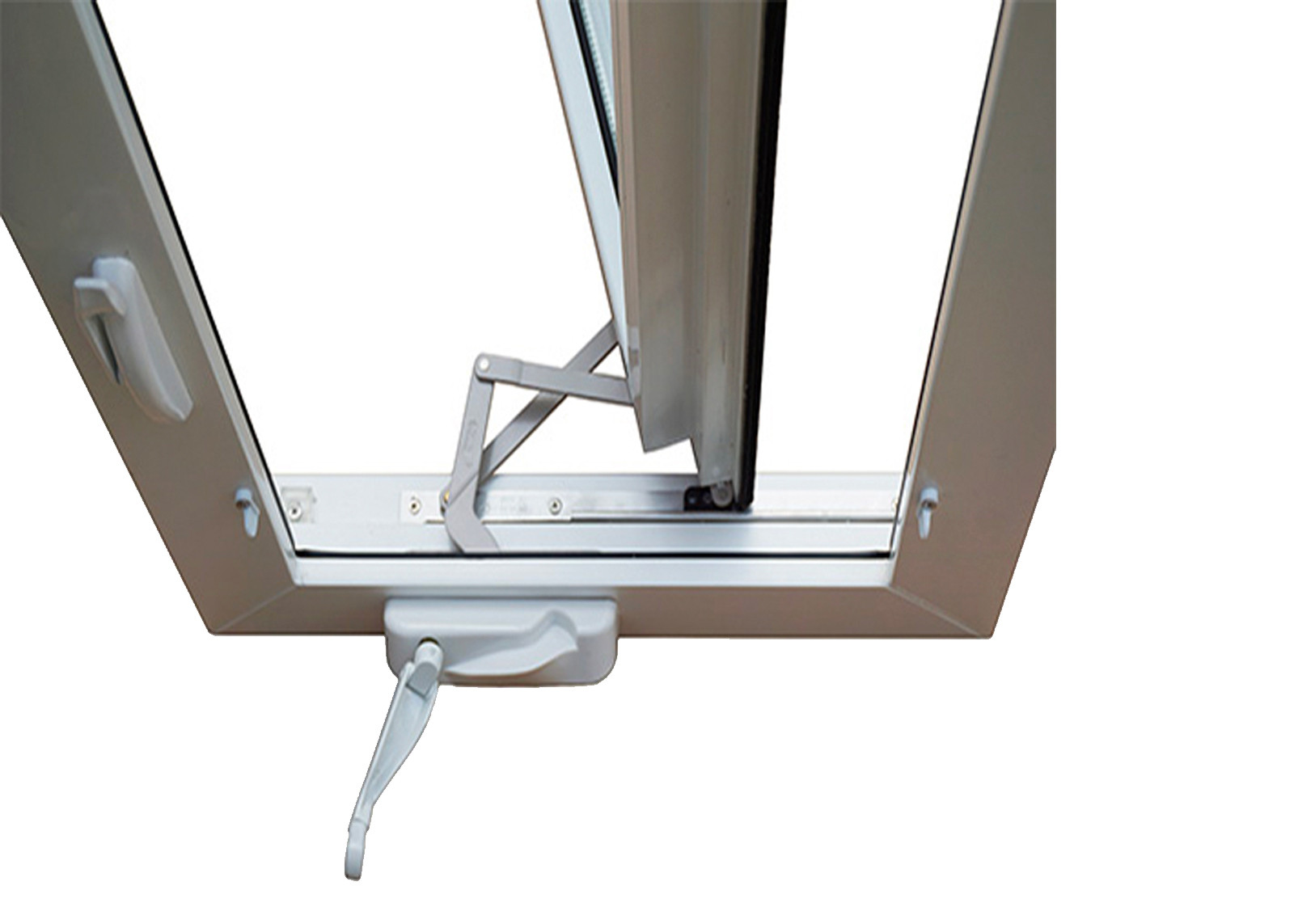
- Hardware and anchoring. Multi-point locks that engage at several points, hinges and rollers rated for heavy sashes, and the fixing specification that anchors the frame to the structure — the weakest anchorage determines the real wind rating.
- Wind load engineering for your location. The manufacturer should confirm the design pressure the window is engineered for and how it was calculated for your region — cyclonic or non-cyclonic, coastal or inland.
- Warranty and payment protection. A written warranty and protection for the shipment itself, such as Trade Assurance, which covers product quality, on-time shipment and payment for export orders.

About ROPO Windows
An impact rating belongs to a precise configuration of glass, frame and hardware — and only a factory that controls that configuration end to end can deliver it reliably. ROPO is a custom windows and doors manufacturer based in Fuzhou, Fujian Province, China, with 16 years of experience in bespoke door and window production. The factory employs 40 workers, 8 engineers, 2 dedicated quality inspectors and 6 professional consultants, and ships to clients in more than 100 countries and regions. Behind the numbers is a simple operating philosophy that the whole team follows: "Do what we say we are gonna do."
For hurricane-rated projects, what matters is that ROPO builds every impact window as a factory-engineered system rather than a collection of parts. Frames are CNC-cut, welded and reinforced in-house, hardware is fitted by trained operators, and each completed unit carries a barcode for full production traceability. Products are manufactured and tested to recognised standards including AS2047 and NZS4211 for Australia and New Zealand, with Miami-Dade approval available for hurricane-rated projects. Every window is backed by a 10-year warranty, and export orders are covered by Trade Assurance protecting product quality, on-time shipment and payment. More background is on the About Us page.
Custom Production Process
A hurricane rating is a promise about a specific configuration — so production has to reproduce that configuration exactly, unit after unit. ROPO runs the process end to end to make sure the window that carries the certification data is the window that ships:
- Design confirmation — your dimensions, system, glazing build-up, colour, hardware and required wind-load rating are reviewed and confirmed before any material is cut, locking the certified configuration into the order.
- Profile preparation — uPVC profiles are cut, steel-reinforced and welded using CNC equipment; aluminium profiles are cut, drilled and assembled with thermal break systems to your exact layout.
- Hardware and glazing — multi-point locks, hinges or rollers are installed, and the specified glass build-up (laminated impact glass, double glazed, Low-E or toughened) is fitted and sealed.
- Five-step quality control — every order passes order review, raw material inspection, semi-finished product inspection, finished product inspection and a final inspection report before packing.
- Traceability — each product is marked with a barcode so the production history of every window can be tracked if you ever need support.
This process supports fully bespoke orders with a minimum order quantity of just one piece, so whether you need a single hurricane-rated window for a coastal renovation or a complete development project, the same engineering and inspection standards apply. Orders are protected by Trade Assurance covering quality, on-time shipment and payment.
Packaging and Shipping
Impact windows are heavier and more sensitive than standard units, and they often travel thousands of kilometres from factory to coastline, so packaging is treated as part of the product. Every window is protected with sturdy timber crating and corner guards, glass surfaces are covered with protective film, and hardware is packed separately where needed to avoid transit damage. The factory's packaging guide covers the full loading and handling process so every unit arrives ready to install.
ROPO ships from the ports of Fuzhou and Xiamen by sea, with flexible options for full containers or shared LCL space. On-time delivery is managed through a dedicated system: profile and hardware inventory is kept in stock, raw materials are typically procured within 1-2 days, orders are followed up at every stage, and transport information is confirmed with you in advance — which keeps lead times predictable for hurricane-season deadlines.
If you are planning a hurricane-rated project, the fastest way to start is with your opening schedule, glass specification and project location. The team will come back with a tailored quotation and the certification documentation for your configuration — use the Quick Quote tool to get started, send an inquiry, or contact us directly. And for more guidance on window specification and storm protection, read more articles on the ROPO blog.
