







Thermally Broken Aluminium Window Cost in 2026: A Complete Guide for Builders & Developers
Two suppliers quote the same aluminium window to the same drawing and the numbers come back 40% apart. Nothing in either quote is a lie. The gap sits in the glass build-up, the profile depth, the hardware set, the finish, the packing method and how much testing is being amortised into the order — and on a thermally broken window those six lines move further than on a standard one.
This guide gives the indicative ranges first, then takes the quote apart line by line. Every price here is FOB China and indicative. A final number requires the window schedule, the glass specification and the order quantity, because those three change the answer more than any supplier comparison does.
How Much Does an Aluminium Window Cost in 2026?
For a thermally broken aluminium window bought factory-direct from China, the indicative range in 2026 is USD 180 to 350 per square metre for a double glazed standard system, and USD 300 to 550 per square metre for triple glazing or a high-performance system. Both figures are FOB China and indicative: the final price needs the window schedule, the glass specification and the order quantity.
What Thermally Broken Aluminium Windows Are
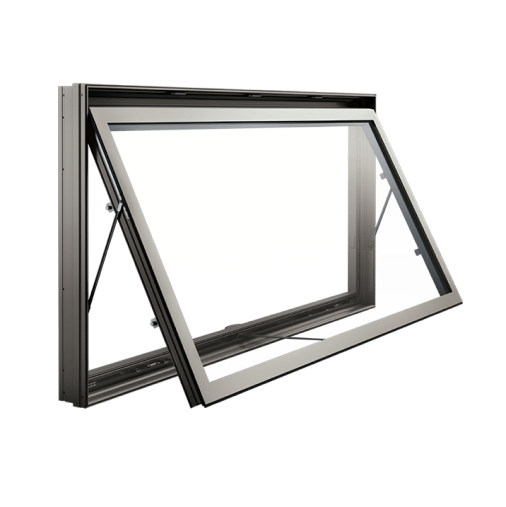
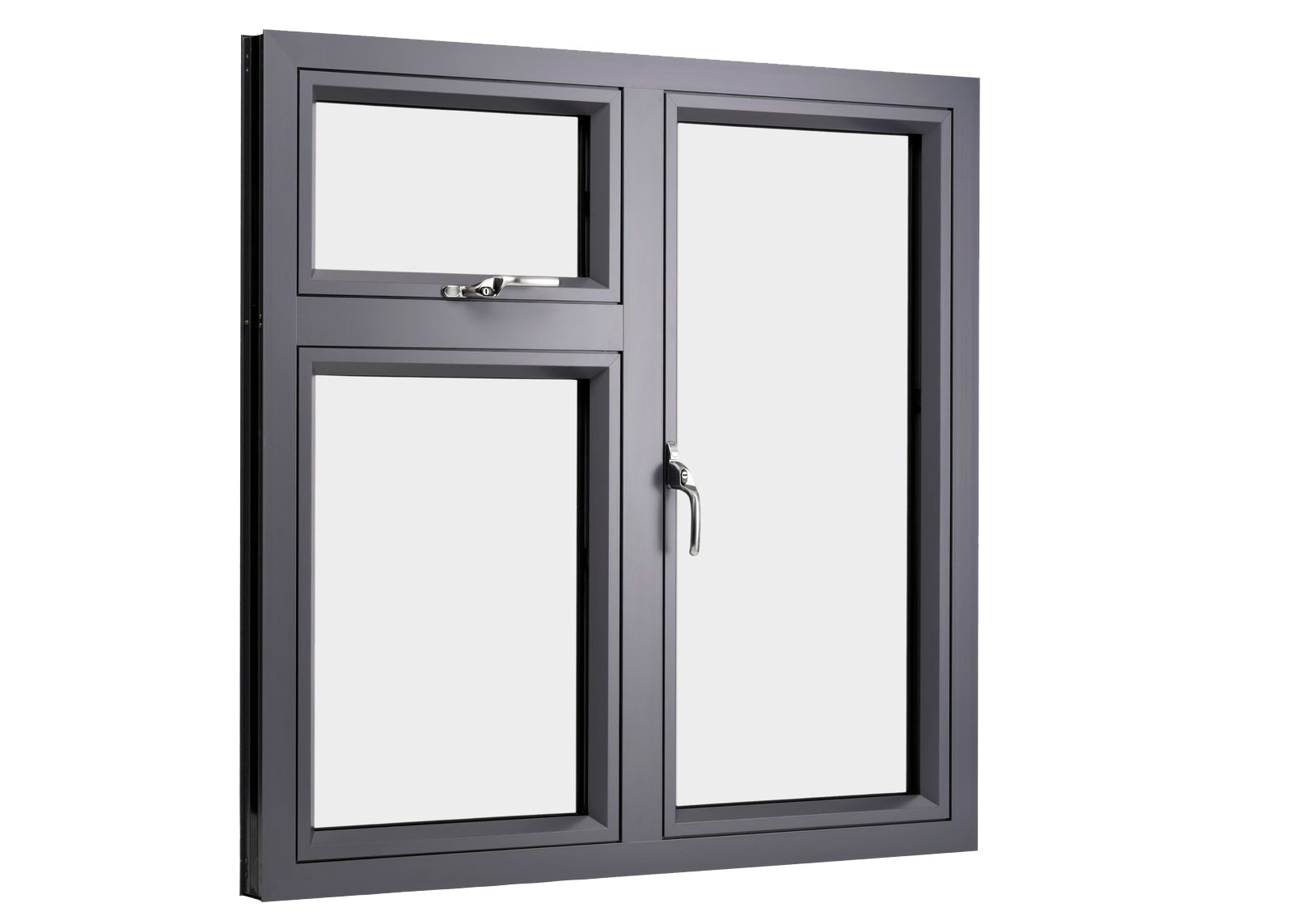
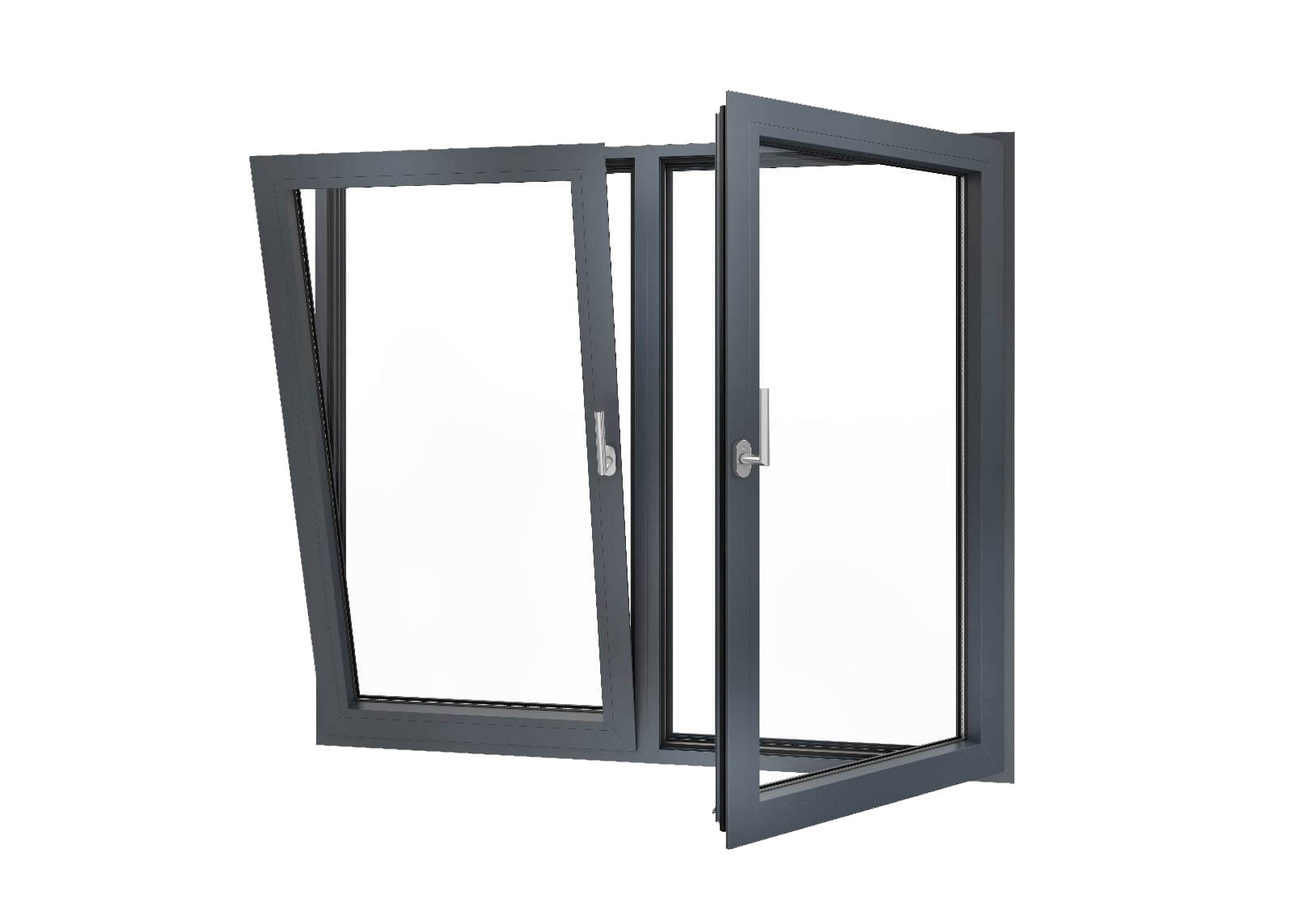
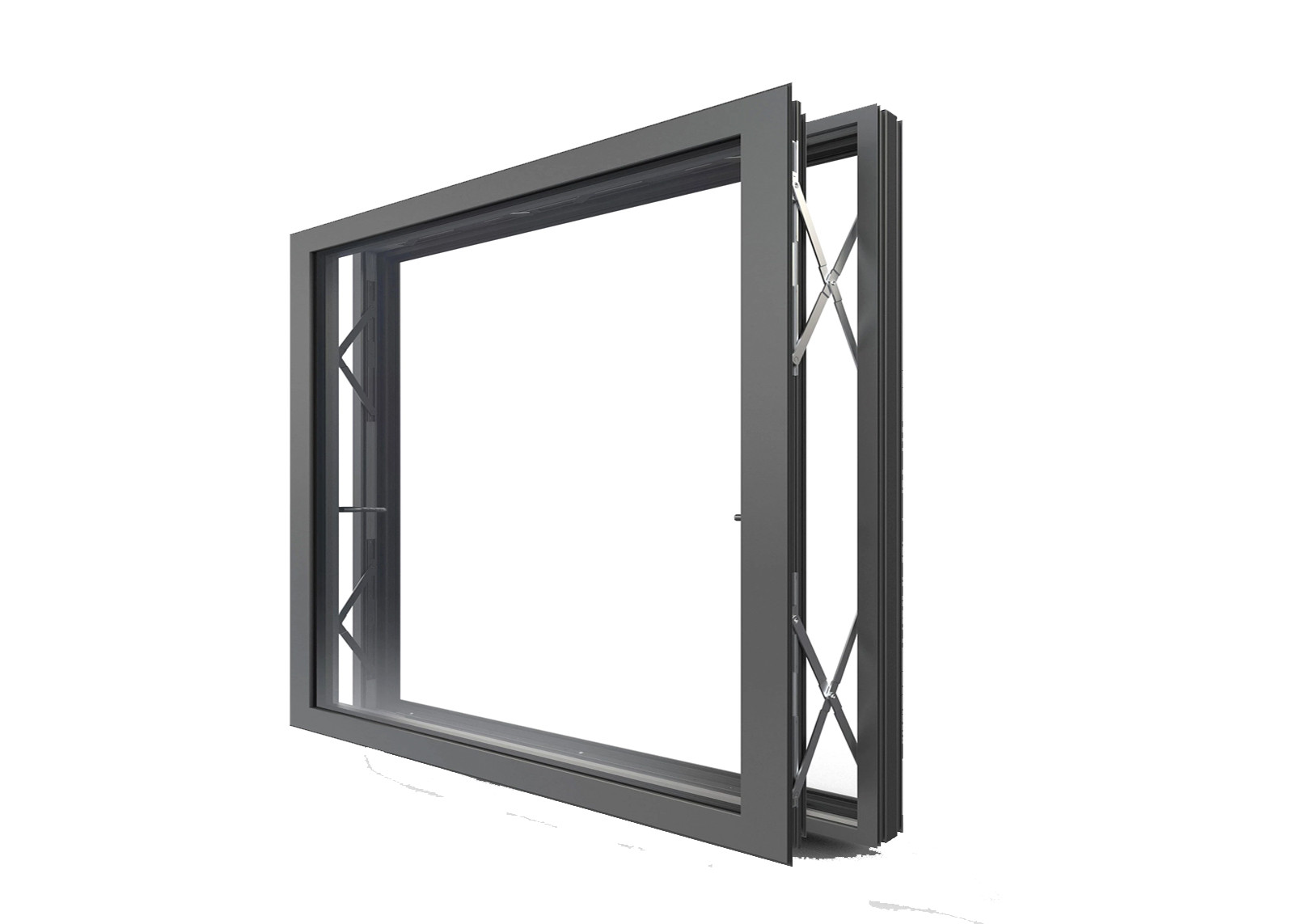
A thermally broken aluminium window separates the inner and outer aluminium faces with a non-conductive barrier, usually a polyamide strip, so heat has no continuous metal path from outside to inside. The frame still carries aluminium's strength and slim sightlines, but the U-value of the frame drops to something a wall can live with. Without the break, an aluminium frame conducts heat straight through and the inner surface gets cold enough to condense.
The break is also why the price differs from a standard aluminium window: the profile is two extrusions plus a strip instead of one, and the assembly has to be mechanically crimped and sealed rather than simply cut and joined. For the mechanism in more detail, the guide to why thermally broken aluminium windows are specified covers the physics and the sizing implications.
Thermally Broken Aluminium Window Cost: Price Ranges by Configuration
Start with the configuration, because it sets the band before any supplier conversation begins. The two ranges below are the ones this guide uses throughout; everything else is a variation inside them.
| Configuration | Indicative price (USD / sqm, FOB China) | What the band covers | What pushes a unit up within the band |
|---|---|---|---|
| Double glazed, standard thermally broken system | 180 – 350 | Thermally broken frame, double glazed unit, standard multi-point hardware, powder coated finish | Larger sash sizes, laminated or Low-E glass, dual-colour finish, non-standard RAL |
| Triple glazed or high-performance system | 300 – 550 | Deeper frame, triple glazed unit or equivalent high-performance build-up, upgraded hardware | Acoustic laminated build-ups, wider thermal break, project-specific testing |
Indicative only, FOB China, 2026 basis. Final price requires the window schedule, the glass specification and the order quantity. Opening type, aspect ratio and quantity move a unit inside the band by more than the choice of supplier does.
A single figure quoted as the thermally broken aluminum windows cost per square metre is an average across those variables, not a price for a specific opening.
Buyers who search for the latest price for thermal break window systems pricing usually want one number they can put in a budget line. The honest answer is a band plus the three inputs above, and a supplier who gives a single number without asking for the schedule is quoting a window that does not exist yet.
That is also why the latest price for thermal break window systems differs so much between quotes that look comparable. One quote is per square metre of window area, another is per opening, a third excludes glass, and a fourth includes freight to a destination port. Until the basis is the same, the numbers cannot be compared at all.
What the Price Is Made Of: Cost Structure by Component
A quote is six lines stacked on top of each other. Knowing which line is large tells you where a supplier can move the number without touching quality — and where a suspiciously cheap quote has quietly taken something out.
| Component | Weight in the quote | What drives it | Where buyers over-specify |
|---|---|---|---|
| Aluminium profile and thermal break | Largest structural line | Frame depth, wall thickness, thermal break width, reinforcing | Deeper profiles than the wind load and span actually require |
| Glass | 35% – 45% of total window cost | Pane count, Low-E coating, cavity width and gas, lamination | Acoustic laminates on elevations that face a quiet street |
| Hardware | Second-largest component line | Multi-point locking, hinge or friction-stay system, handle finish | Heavy-duty hardware on small fixed or awning units |
| Surface finish | Small per unit, large in rework risk | Powder coat versus anodised, standard versus custom RAL, dual colour | Custom colours ordered before a physical sample is approved |
| Packing and freight | Volume-driven, not unit-driven | Crating method, container fill, destination port, handling at both ends | Cartons where bulk crates would fit more units per container |
| Certification and testing | Amortised across the order | Which standard the project requires, whether testing is per system or per project | Paying for a full test programme on a one-off residential order |
The glass share (35%–45%) is the one published proportion used in this guide. The other rows are ranked by their effect on the unit price rather than assigned invented percentages, because the split changes with system depth, glazing and volume. All figures indicative, FOB China.
Two consequences follow. First, glass is the line where a specification change pays for itself fastest: moving from a standard double glazed unit to a Low-E, argon-filled build-up costs far less than moving the whole order to a deeper frame, and it changes the U-value more. Second, the last two lines are where a cheap quote usually hides — packing that is too light for sea freight, and certification that was never actually carried for the system being sold.
Why Do Two Quotes for the Same Window Differ So Much?
Usually because they are not quoting the same window. One may be per square metre of frame area while another is per opening, one may exclude glass or hardware, and one may include freight to a destination port. Profile depth, glass build-up, finish and packing method then widen the gap further. Ask for a line-by-line breakdown against the same schedule before comparing totals.
Freight and Compliance Cost by Destination
Destination does not change the factory price, but it changes the landed cost, and buyers routinely compare a FOB number against a delivered number without noticing. Four items travel with the container and none of them appear on the factory's unit price.
Sea Freight and Container Fill
Freight is charged on volume, so the cost per window depends on how well the container is filled rather than on how many windows were ordered. A mixed order that fills the last few cubic metres with small units reduces the freight per square metre; a part-load does the opposite. This is the single largest difference between a quote to a major port and a quote to an inland destination.
Destination Port Charges and Inland Delivery
Terminal handling, customs clearance, documentation and the final inland leg are charged where the container lands, not where it was built. A request from a procurement manager in Central Asia looking for Kazakhstan warehouse delivery is a good example: the question is not the unit price but whether the factory can ship to a bonded warehouse and who carries the risk between the port and that warehouse. Those terms belong in the contract, not in the price list.
Certification and Testing Amortisation
Testing is paid once and spread across the order. A system that already holds the relevant report costs the buyer almost nothing per unit; a project that requires new testing pays for the whole programme, which can be a meaningful add-on on a small order. Ask whether the report covers the system and size range you are buying, because a certificate for a different profile does not transfer.
Packing Strength
Export packing is specified by the route, not by preference. Longer sea legs and more handling transitions justify heavier crating, corner protection and vertical stacking. Cutting the packing specification is the most common way a landed cost is reduced on paper and increased on site, because glass breakage is settled as a freight claim rather than a product claim.
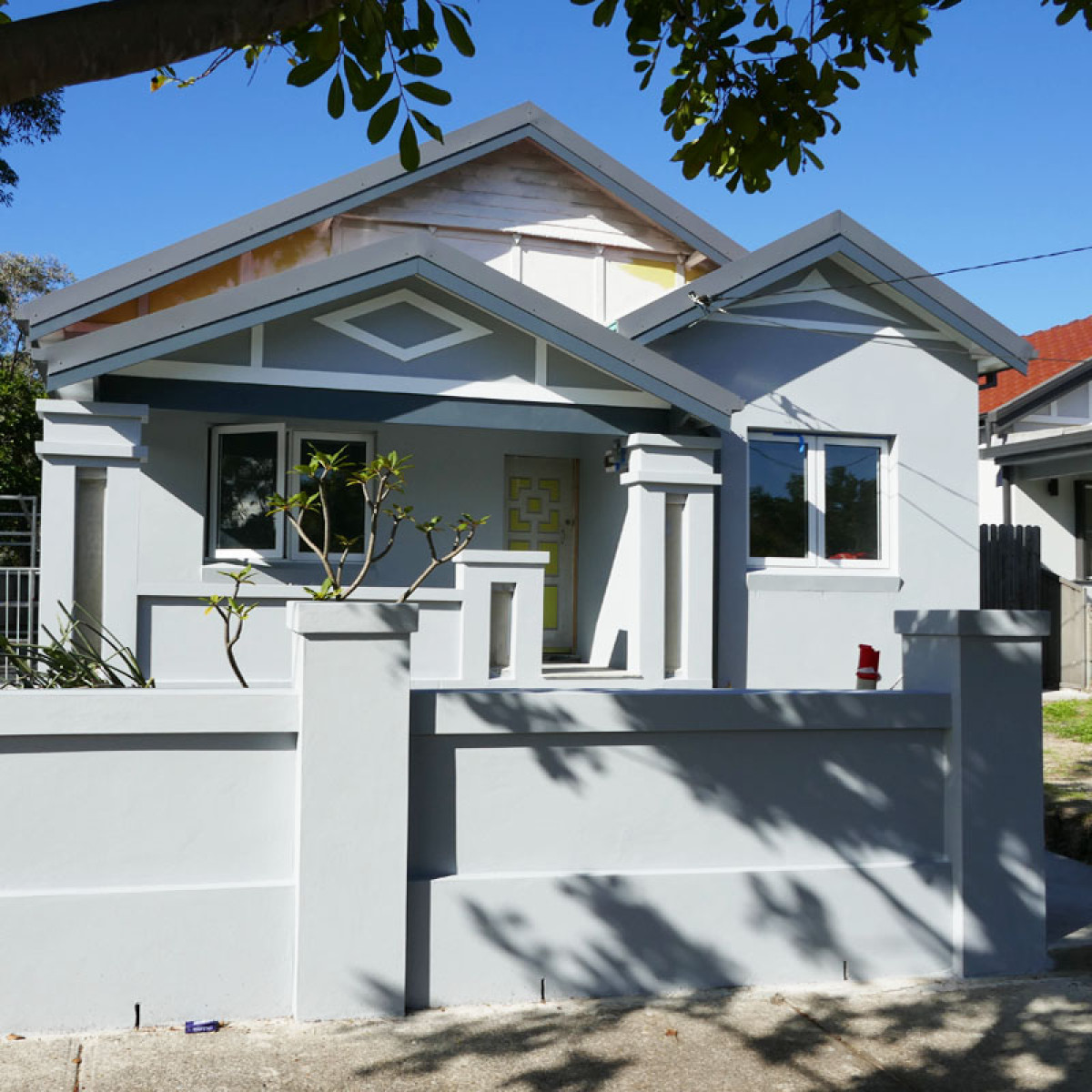
Two completed projects show how the same specification lands in different markets: the aluminium double glazed project in Sydney and the thermally broken aluminium windows in Melbourne. Both are worth reading for the packing and handling detail rather than for the price, which has moved since.
What Changes the Final Quote
Quotes for integrated thermal window systems, where frame, glass and hardware are priced as one package, are the easiest to compare line by line, because nothing sits outside the number. Builders comparing aluminium windows prices across suppliers are usually comparing this package without realising it.
Once the configuration band is set, seven variables move the number. Each one is a question a buyer can answer before the quotation arrives, which is faster than revising the quote three times.
Drawing and Window Schedule
The schedule decides everything downstream: opening sizes, aspect ratios, fixed versus operable ratios and quantity per size. A schedule that arrives in three parts is quoted in three parts, and the average price of a fragmented order is always higher than the same order quoted whole.
Glass Specification
Pane count, cavity, gas fill, Low-E coating and lamination. This is the line where the U-value is actually bought, and where the 35%–45% share sits. Build-ups are covered in the glass options reference, and the performance comparison between 24 mm and deeper double glazed units is set out in the guide to double glazed units and their U-values. Where a colder climate or a noise-sensitive site justifies the third pane, the build-up and the trade-offs are covered in the guide to triple glazed units for energy efficiency.
Order Quantity and Production Slot
Volume pricing comes from filling a production run and a container, not from a discount table. As an indicative figure, factory-direct purchasing can sit 20%–35% below buying through an importer, but only when the order is large enough to fill a run and the specification is stable enough not to be re-quoted mid-production.
Hardware and Finish
The hardware set and the finish are the two places where a specification can be reduced without touching thermal performance, which makes them the first place to look when a quote has to come down. Both are visible decisions, and both are reversible later at reasonable cost.
Certification Requirement
If the project needs a specific market certificate and the system does not already hold it, the testing programme is charged to the order. This is the only line where the cheapest option is sometimes to change the system rather than pay for the test.
How to Reduce Cost Without Reducing Quality
Four levers actually work. Working directly with the manufacturer can reduce the total window budget by an indicative 10%–18%, but only when the other three are also in place.
Standardise the Sizes
Fewer distinct sizes means fewer set-ups, less offcut and a cleaner loading plan. On a residential development, pulling four near-identical openings onto one size is usually worth more than any negotiation on unit price.
Fix the Glass Schedule Before the Tender
Changing the glazing after the quotes come in re-opens every line, because the frame depth, the glazing bead and sometimes the hardware all move with it. Deciding the build-up once, in writing, keeps the comparison honest.
Fill the Container
Consolidate the order so the container is full before it is priced. Where a project cannot fill one alone, combining windows and doors from the same system on one order achieves the same result without changing the specification.
Reduce Finish Complexity
One standard RAL across the whole order costs less than three custom colours, and dual-colour units cost more again. If the design allows a single finish, take it.
For the mechanics of how these lines are assembled into a quotation, the explanation of how a window and door quotation is built sets out what each line item should contain, and the buying guide for builders and developers turns the comparison into a selection sequence.
Certification: What a Certificate Actually Covers
Certification is the line buyers most often take on trust, and on a cost page it matters twice over, because testing that has already been paid for is testing the buyer does not pay for again.
The first thing to understand is that a certificate is issued against a system, a size range and a glazing build-up, not against a company. So a statement that a factory holds approval for four markets means very little until you know which system it covers, which sizes were tested, and who signed it. The second is that different markets use different evidence routes.
- Australia — products are tested to AS 2047 and AS 1288, and a CodeMark certificate is a product conformity route that a building surveyor can accept. Ask for the certificate number and check it in the register.
- New Zealand — NZS 4211 test evidence plus, where required, a CodeMark certificate listed in the Building CodeHub register.
- United States — NFRC certified total unit performance, and for some jurisdictions the Hallmark certification programme under AAMA, WDMA and CSA 101/I.S.2/A440.
- Canada — CSA A440 series testing, and NAFS where the specification calls it up.
Ask which of these applies to the system on your schedule, and who holds it: the factory, the distributor or the brand. A document set is published on the certificate register for exactly this kind of check.
Aluminium and uPVC Ranges We Supply
This guide is about aluminium because that is what the price question is usually about, but export orders frequently mix materials and product types on one container. The four ranges below cover that mix: aluminium and uPVC, windows and doors, including thermally broken doors for the same elevations that carry the windows.
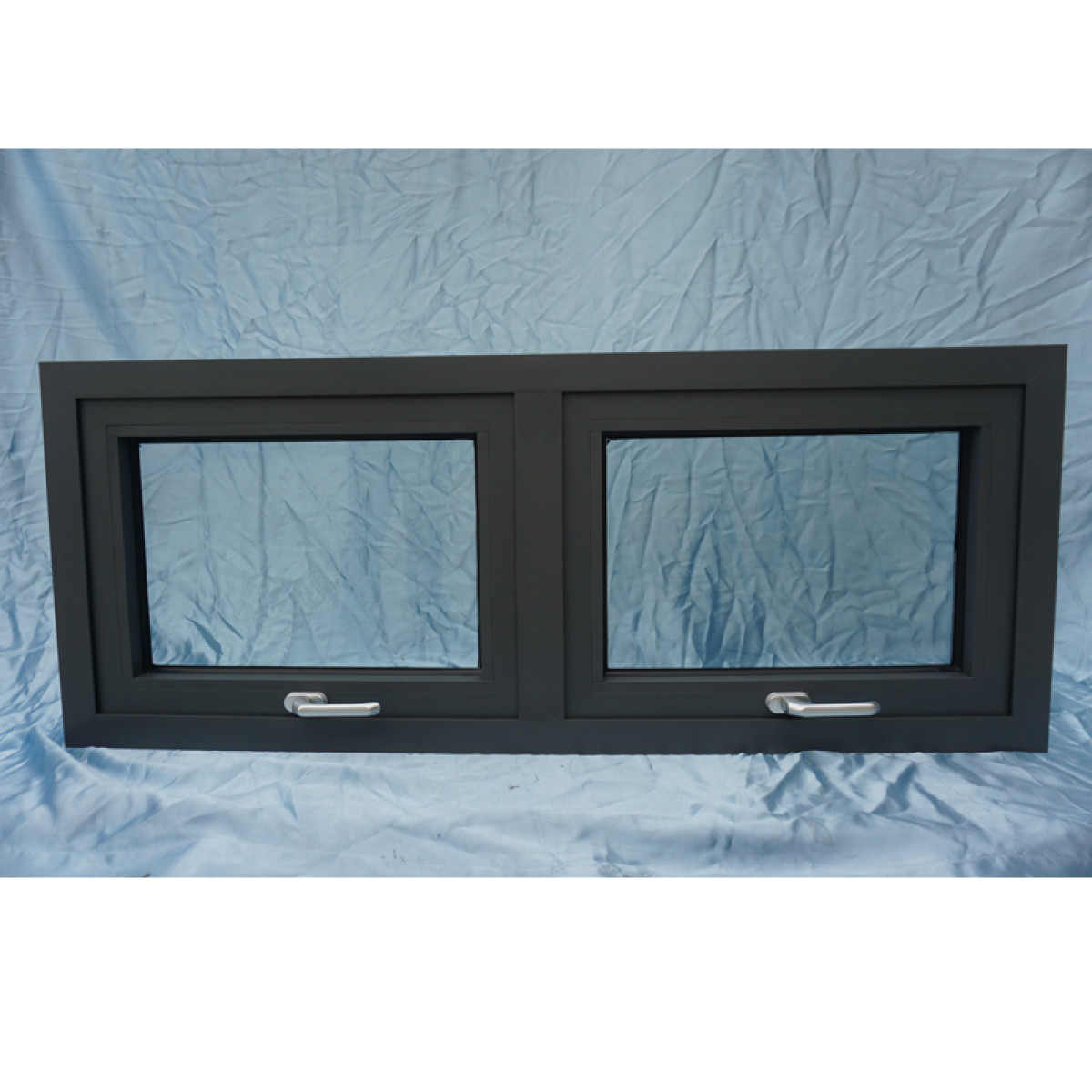
Custom Aluminum Windows
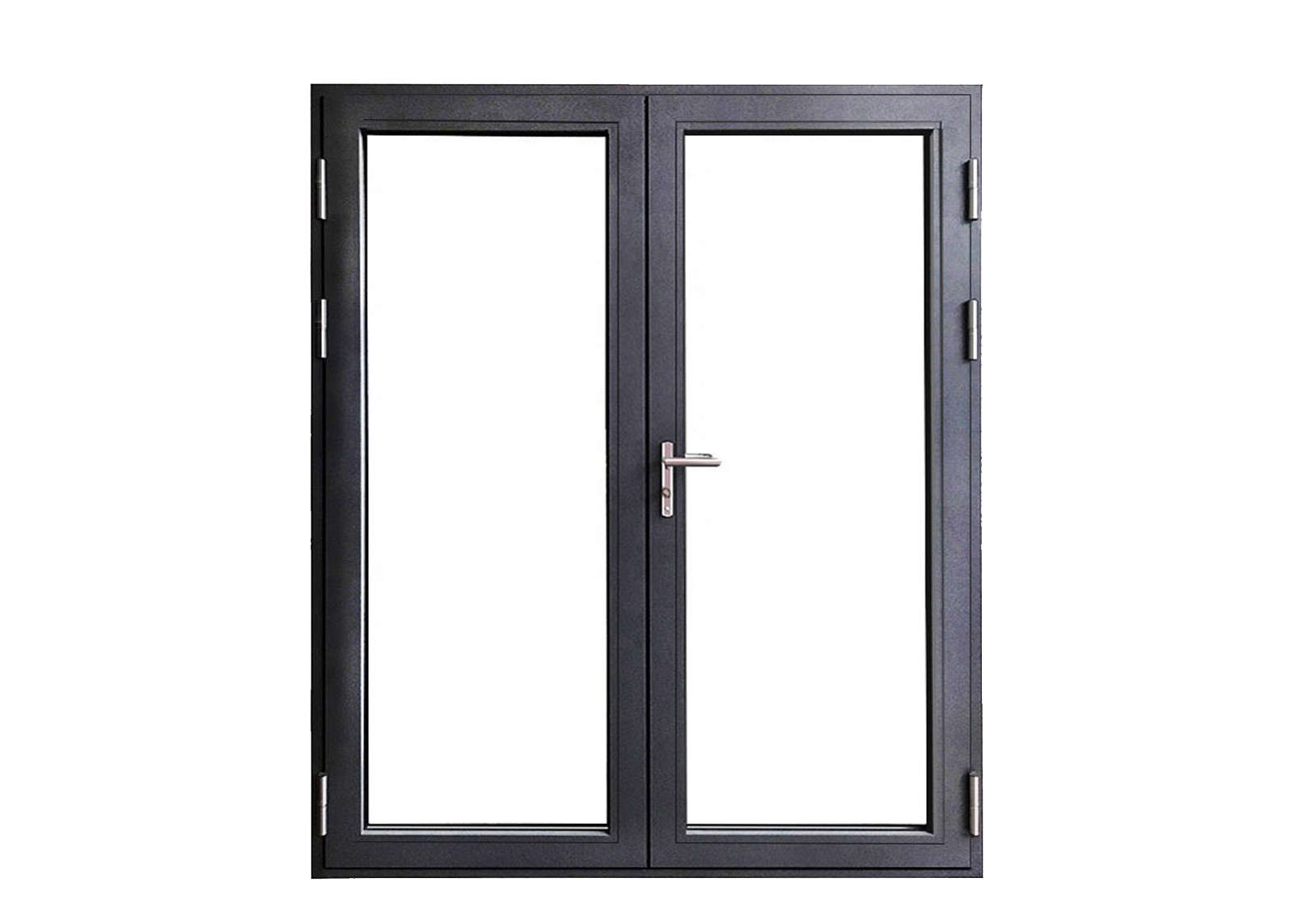
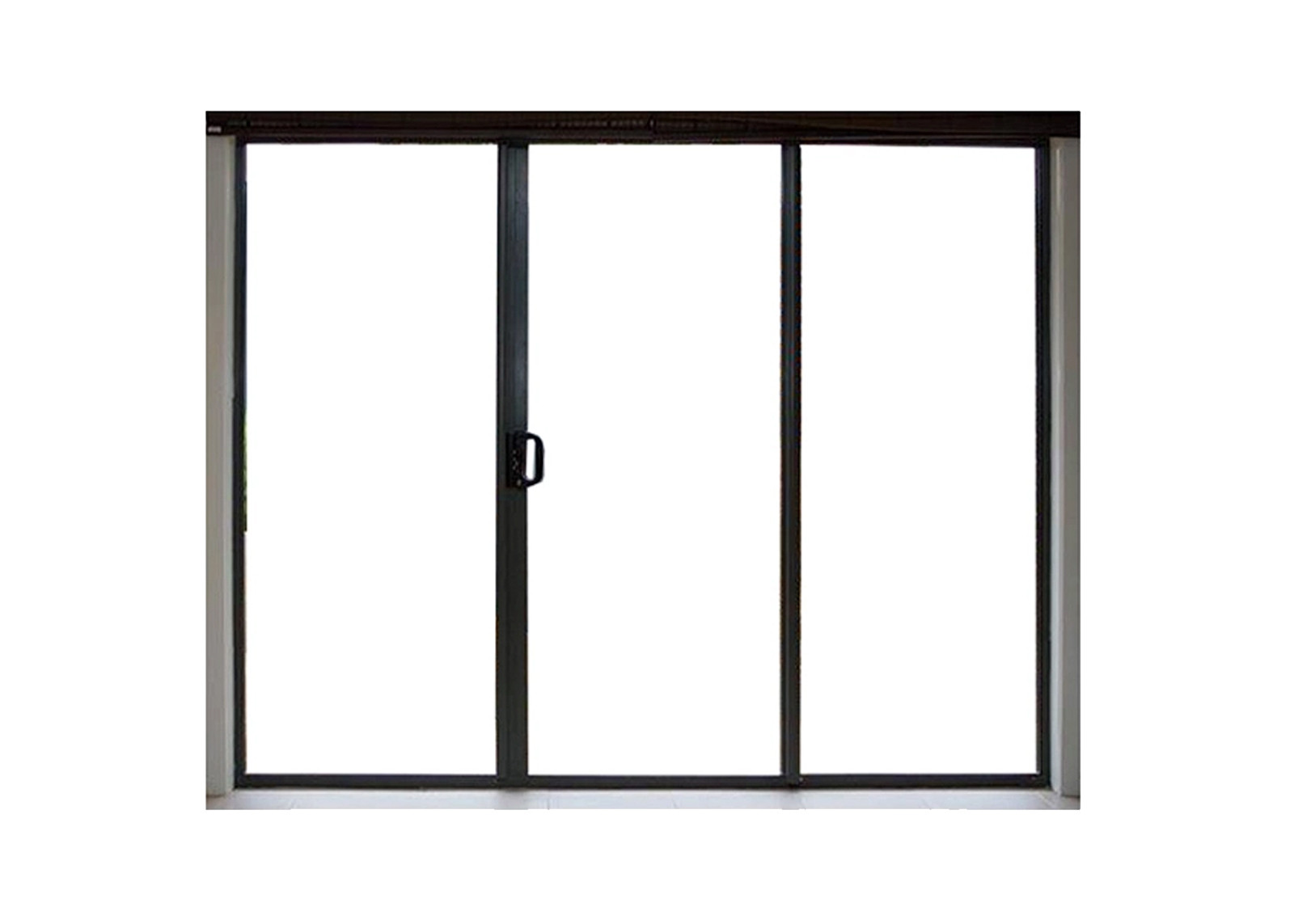
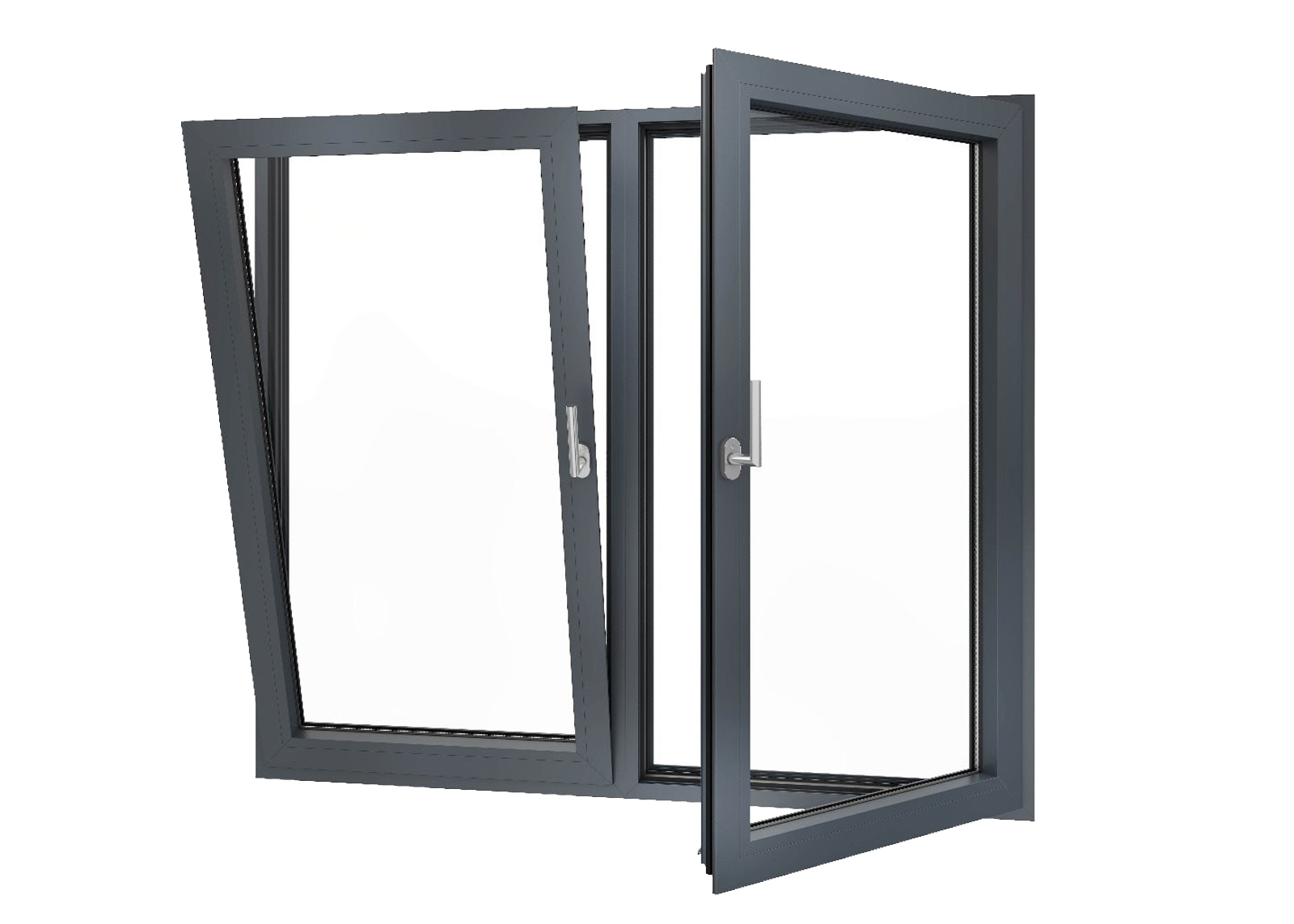
Thermally broken aluminium windows built to the schedule, in any RAL finish and up to large sash sizes.
View Custom Aluminum Windows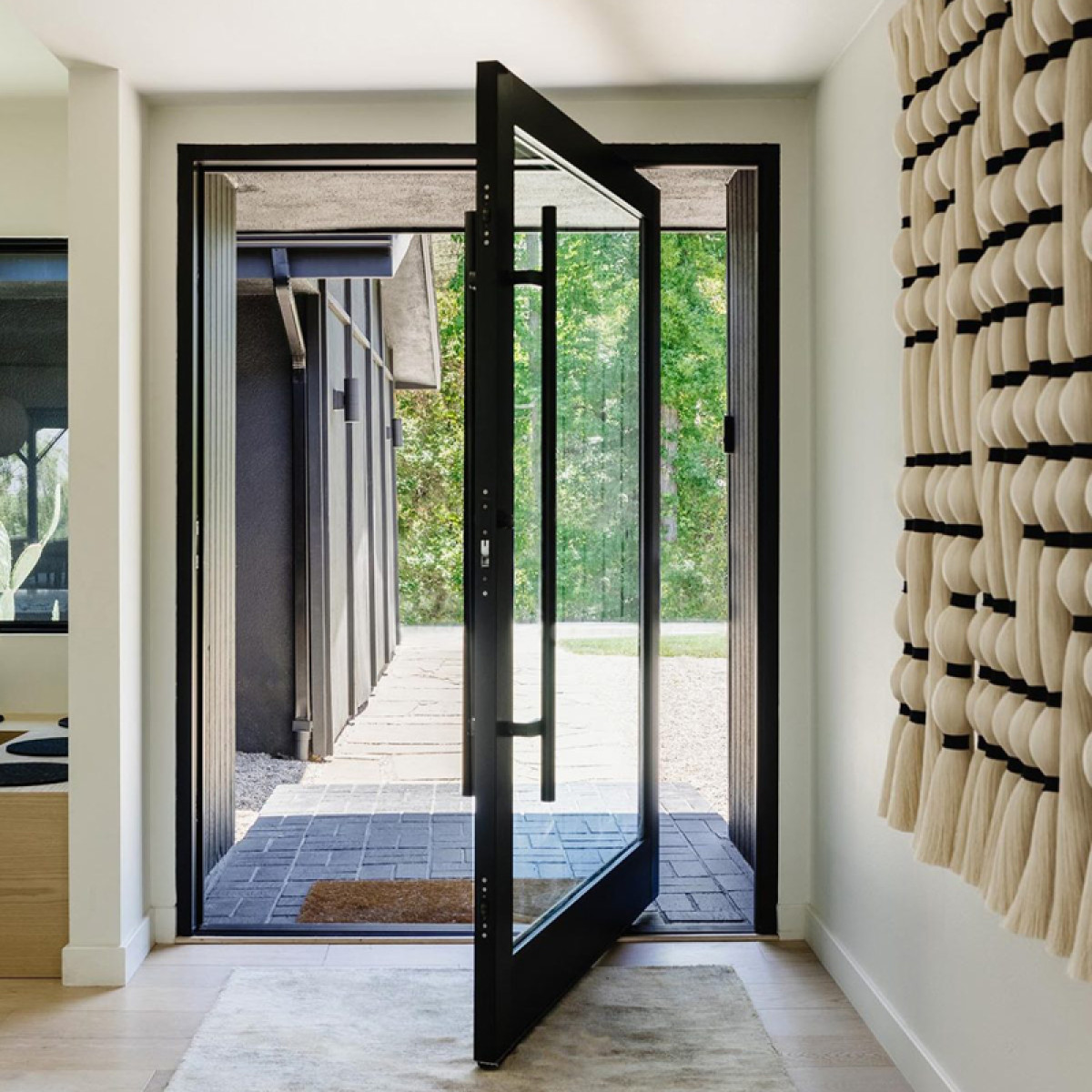
Custom Aluminum Doors
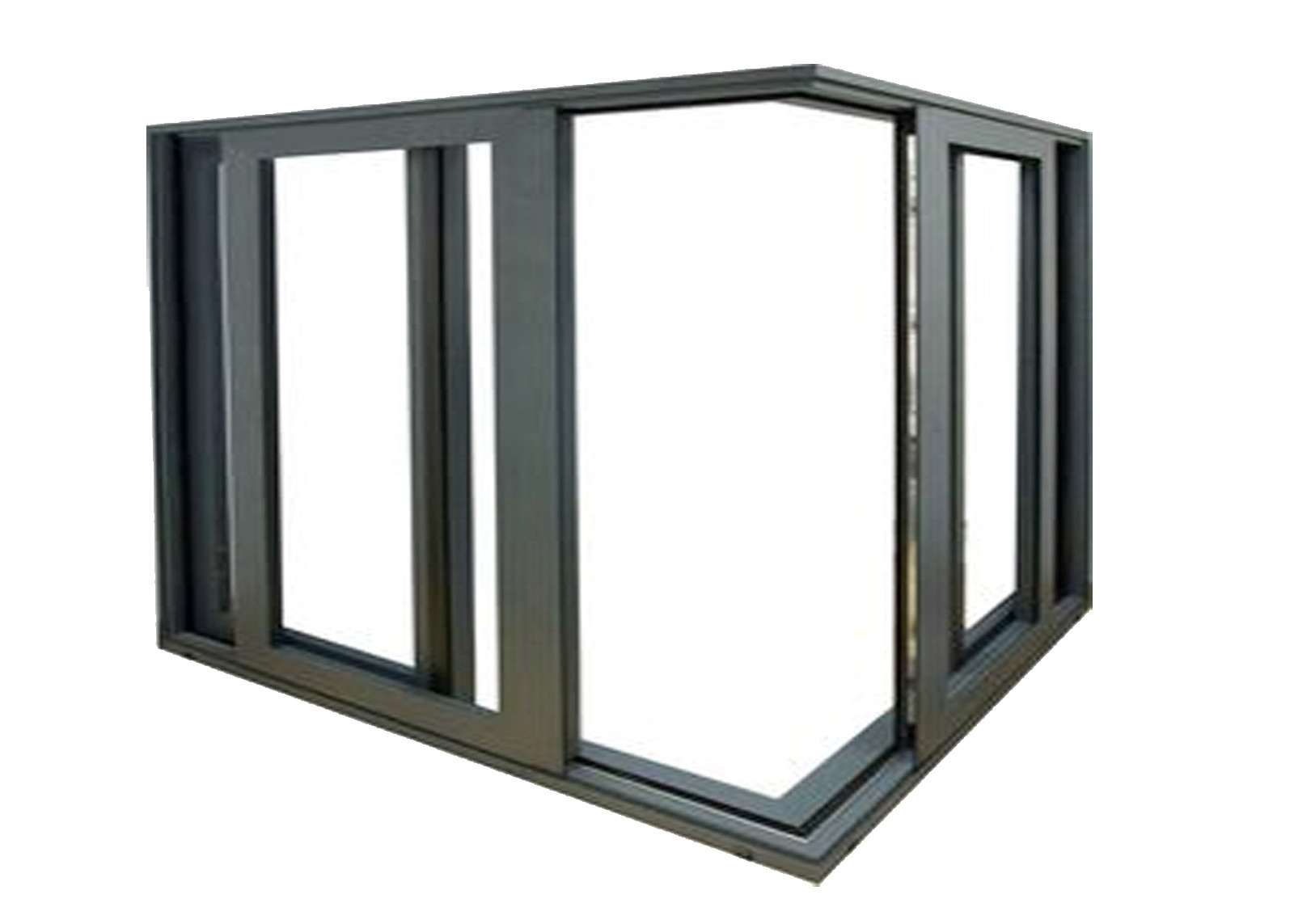
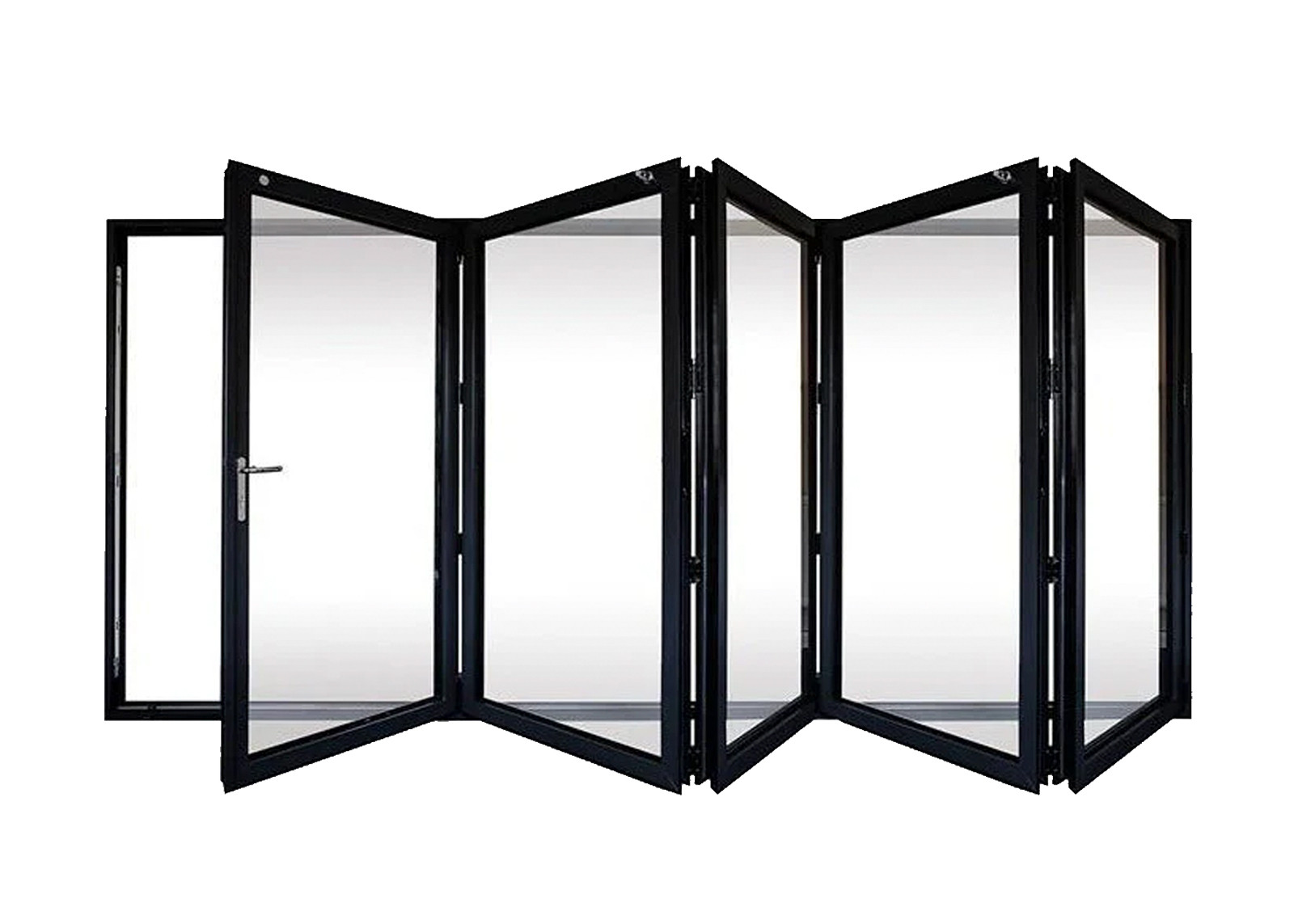
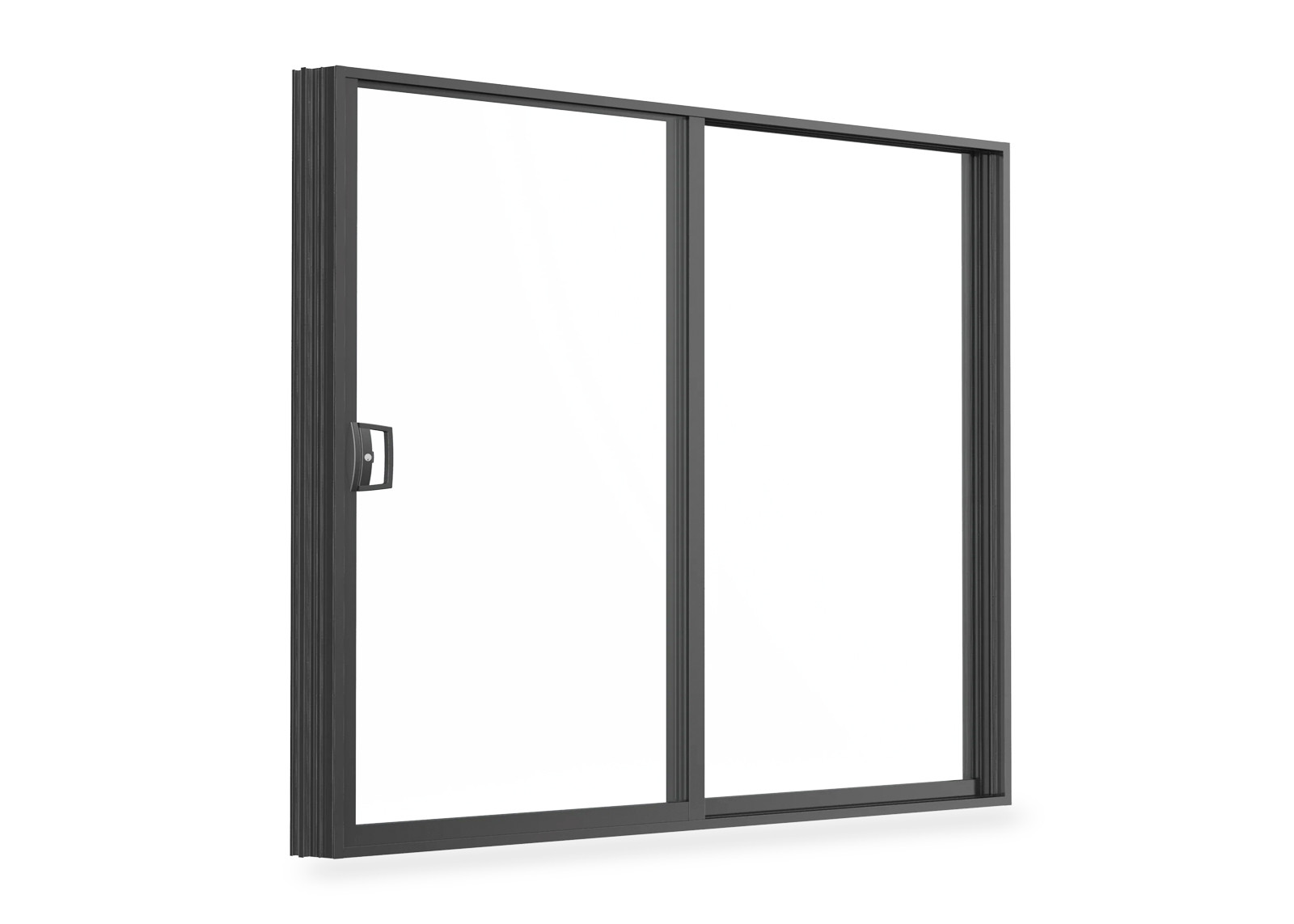
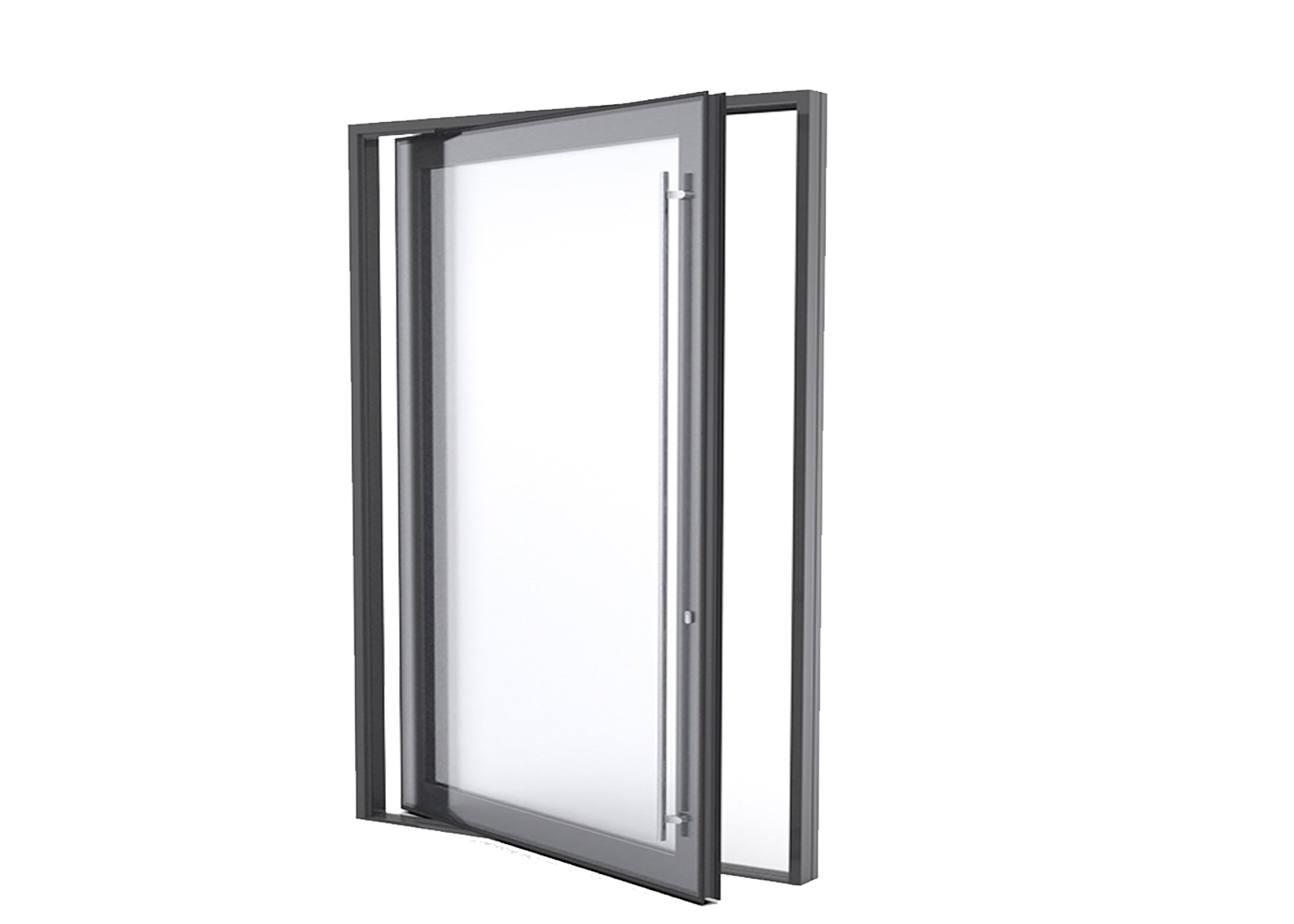
Entrance, sliding and patio doors on the same thermally broken system as the windows, priced per opening.
View Custom Aluminum Doors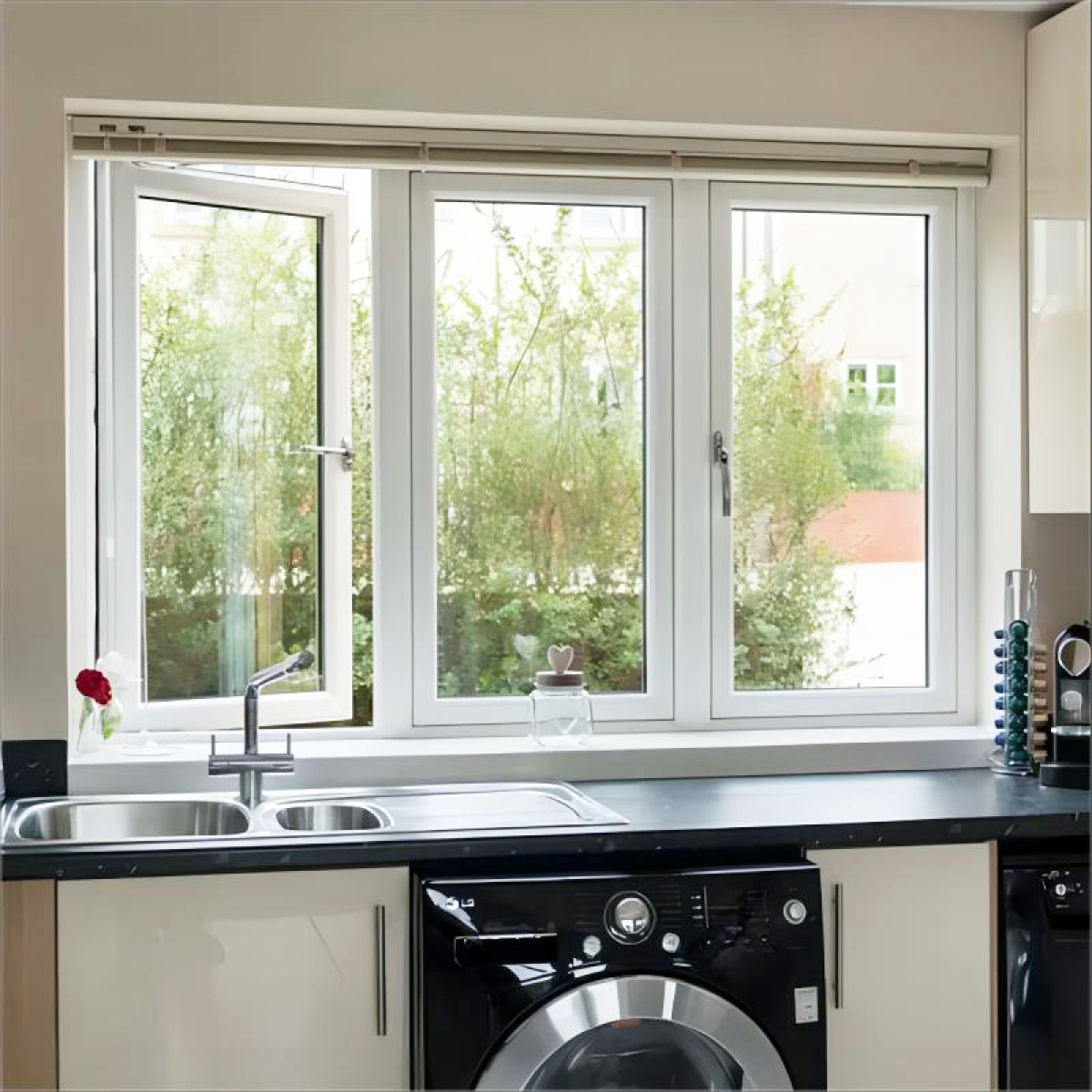
Custom uPVC Windows
The lower-cost route for standard residential openings, where the frame does not need aluminium's span.
View Custom uPVC Windows
Custom uPVC Doors
Sliding and French doors on the uPVC system, so a mixed schedule can ship one container in one material.
View Custom uPVC DoorsFrequently Asked Questions
What is the thermally broken aluminum windows cost per square metre?
Indicatively USD 180 to 350 per square metre for a double glazed standard system, and USD 300 to 550 for triple glazing or a high-performance system, FOB China. The number moves with frame depth, glass build-up, hardware, finish and quantity, so the per-square-metre figure is a band rather than a rate.
Is glass really 35% to 45% of the window cost?
On a thermally broken window with a performance glazing build-up, yes, that is the usual published share. On a standard double glazed unit in a small opening the glass proportion is lower, and on a large fixed unit with laminated acoustic glass it can be higher. It is a proportion, not a rule.
Why can a factory-direct quote sit 20% to 35% below an importer's?
Because the importer's margin, local stock holding, warranty reserve and re-packing are removed from the chain. The indicative 20%–35% difference holds only when the factory is quoting the same specification and the order is large enough to fill a production run and a container.
Does a lower price mean thinner aluminium?
Sometimes, and it is the first thing to check. Wall thickness, thermal break width and reinforcing are all invisible once the window is installed, and all three can be reduced without changing the appearance. Ask for the profile drawing and the wall thickness in writing, then compare it against the wind load the project actually requires.
Do I need new testing if the system already has a report?
Not if the report covers your system, your size range and your glazing build-up. If any of those three differs, the existing report does not carry across and the project pays for the difference. That is why the certification question belongs in the quotation stage, not after the order.
How should two quotes be compared?
Line by line, against the same schedule: frame depth and wall thickness, glass build-up, hardware, finish, packing method, certification held, and the Incoterm. An energy saving thermal break systems price list in 2026 is only as good as the schedule behind it, and a price list without a schedule is a range, not an offer.
What is the cheapest way to buy a small order?
Standardise sizes, choose a standard finish and ask to combine the order with other product types on one container. Price questions posted to forums such as Reddit, asking for a review of one supplier against another or for recommendations, rarely include a schedule, which is why the answers there tend to be ranges rather than numbers.
Send the Schedule, Get a Costed Quote
Send the window schedule, the glass build-up and the destination port, and the reply comes back with a per-opening price, the certification that applies and the packing plan behind it.
Contact ROPO for Custom Window and Door Solutions