




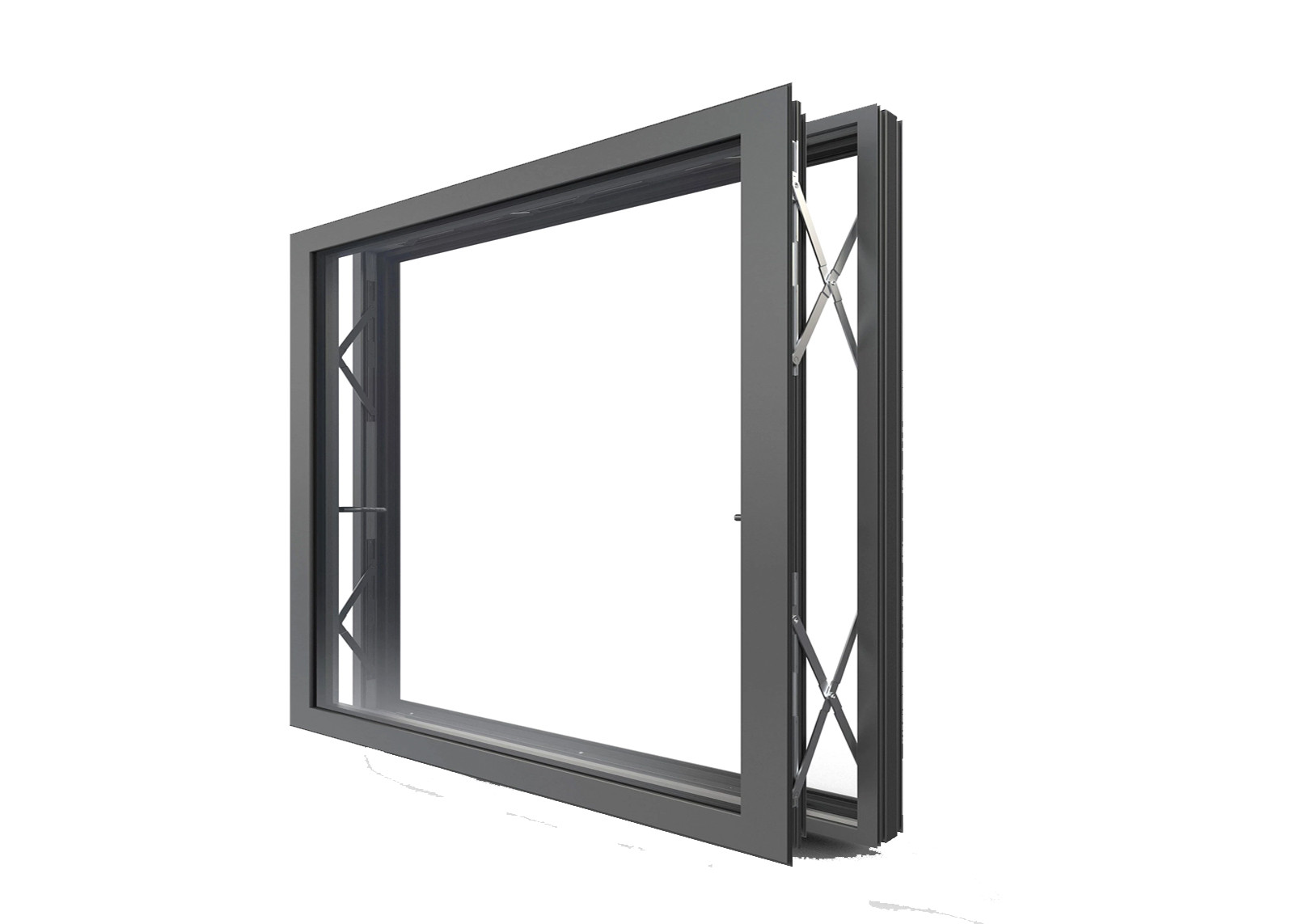

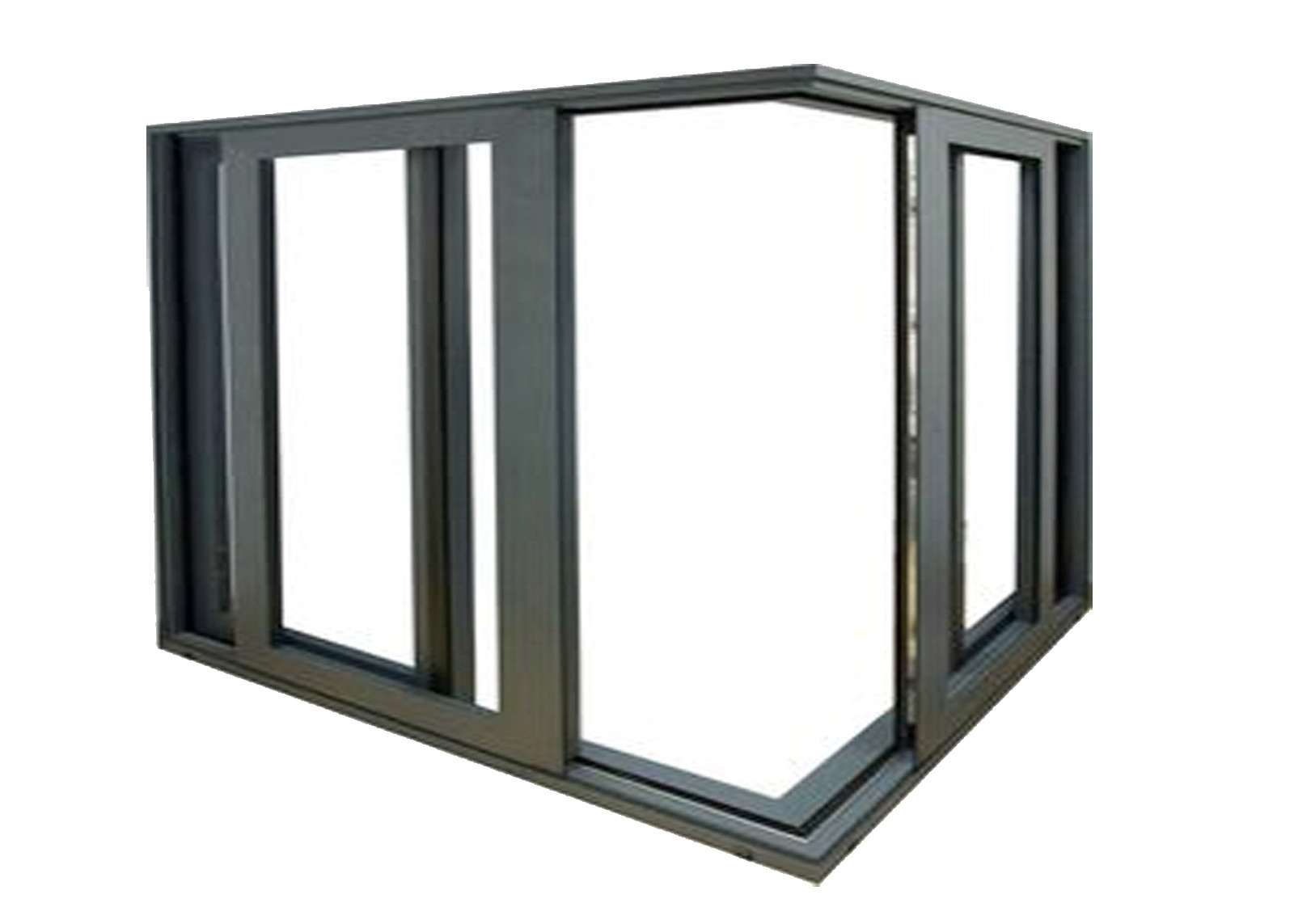
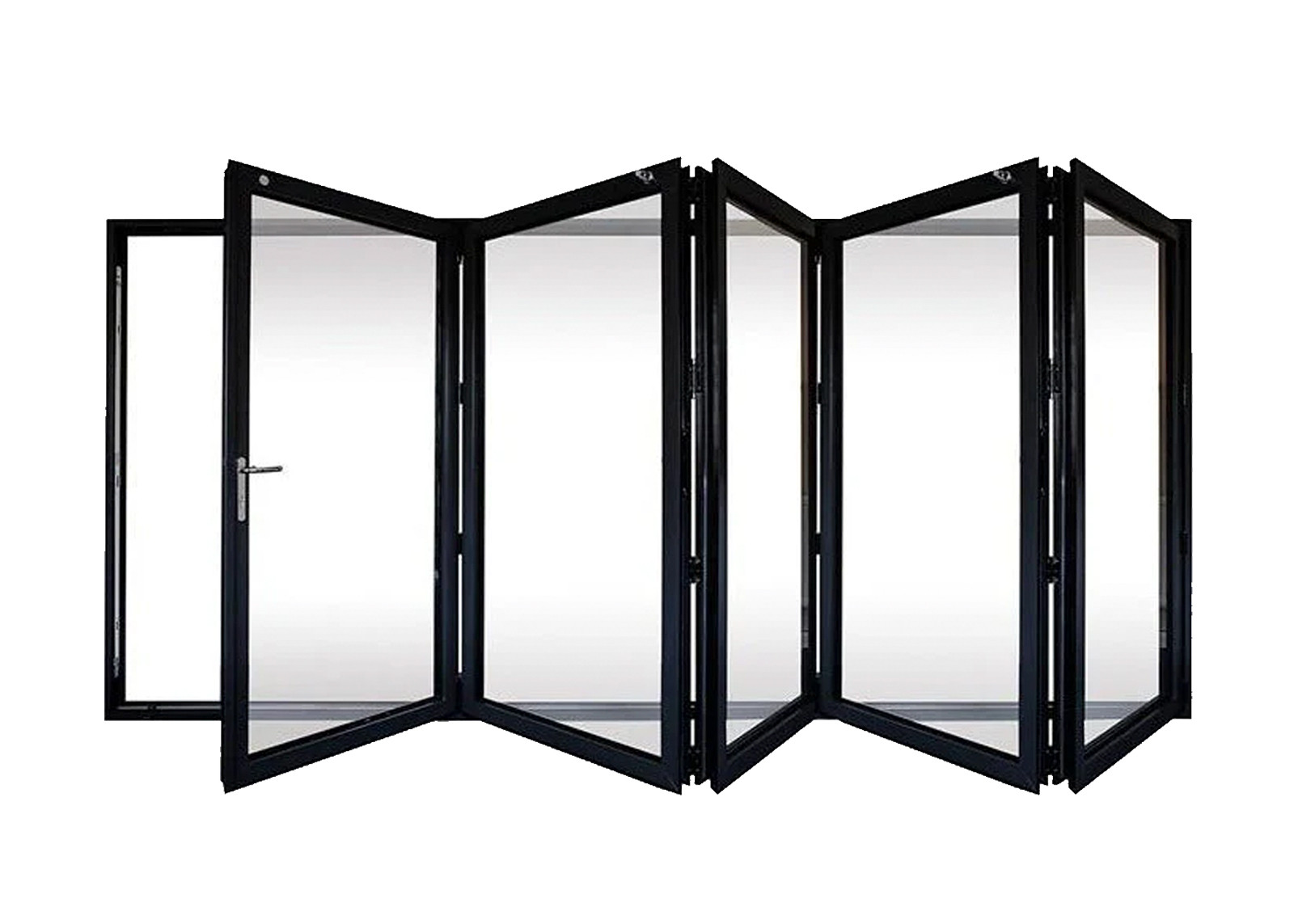
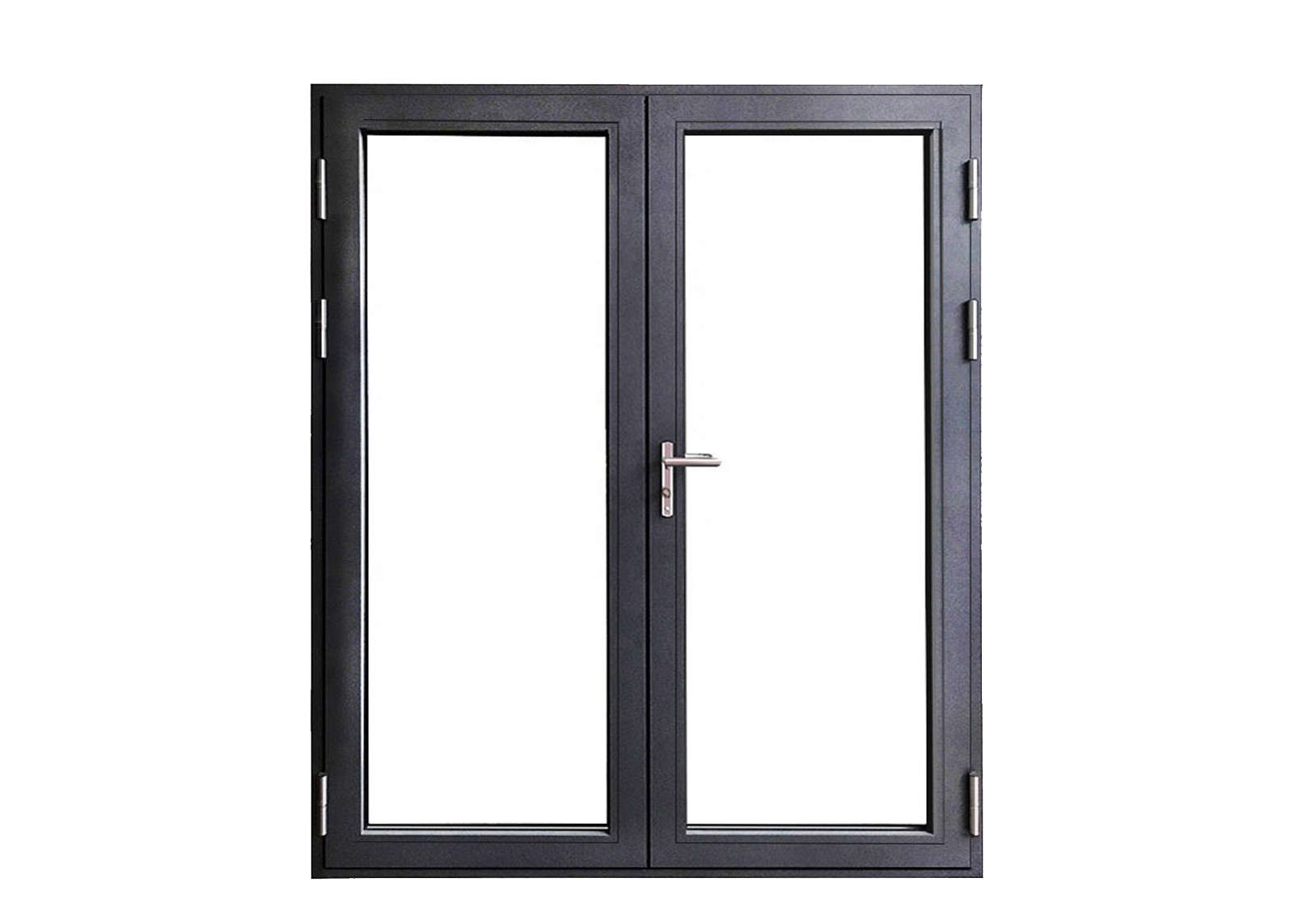


Top 10 Window Suppliers in Australia for Builders and Developers
Home / Blog / Manufacturers & Suppliers
Ten suppliers that Australian builders and developers can actually contract with — ranked on what each one publishes about certification, coverage, trade terms and defects, not on how large it says it is.
Which window suppliers in Australia work for builders and developers?
Ten suppliers cover the market for Australian builders: one systems house selling through licensed fabricators, four national or multi-state fabricators, three state trade fabricators, one louvre specialist and one factory-direct importer. Which of them fits depends on whether you need a system, a local supply account or a container, and on who carries the certificate and the defect risk.
A builder searching for window suppliers australia is not browsing a showroom. They are usually holding a tender, a set of architectural drawings and a programme, and they need a supplier who can be named in a subcontract, priced against a schedule of openings, and held to a delivery date. That is a procurement problem, not a product problem, and the Australian market answers it in four different ways.
The first is the systems house: it designs extrusions, hardware and drainage details, licenses fabricators to build the window, and publishes the documentation the certificate is written against. The second is the national fabricator: it buys or licenses systems, manufactures in several states, and sells finished units to builders under its own name. The third is the state trade fabricator: it manufactures in one or two plants, supplies builders supply-only, and knows the local certifier by first name. The fourth is the factory-direct importer, which builds the whole schedule offshore to the builder's drawings and ships it as a container.
Each route fails differently. A systems house cannot deliver a window, because it does not make one. A national fabricator cannot always service the state your project is in, and says so on its own site. A state fabricator cannot follow your next project across a border. An importer cannot fix a broken pane by Friday, and has to be managed through documentation instead. A builder who understands which failure they can absorb is already most of the way to a shortlist.
ROPO has manufactured aluminium and uPVC windows in Fuzhou, Fujian, for 16 years and shipped to more than 100 countries, Australia among them. ROPO publishes this guide and appears in the list; the same evidence standard is applied to it as to the other nine, including the parts of its position a builder still has to confirm directly. For the compliance background behind the entries, the guide to doors and windows suppliers in Australia covers the standards and import path in more detail.
How these ten suppliers were ranked
The ranking is editorial and it is deliberately narrow, and because the comparison set for window suppliers australia crosses four business models it is a fit ranking rather than a size ranking. It asks one question: if a builder or developer had to name this company in a subcontract next month, what could they verify before signing? Nothing in the order is derived from revenue, staff numbers, plant capacity or market share, because almost none of that is published in a form a buyer can check, and a ranking built on unverifiable size is just a ranking of marketing budgets.
Three tests decide the order. The first is a published trade or builder position: does the company say, on its own site, that it supplies the trade, and describe how? The second is published evidence: certificate numbers, tested systems, standards, service areas with state names rather than a map graphic. The third is route fit: whether the way the company sells can hold a builder's schedule across several jobs, which is the difference between a supplier and a one-off purchase.
The order also reflects a structural choice. Nine of the ten are Australian businesses, because that is where most builders start and where most of the local knowledge sits. One is a factory-direct importer, because that is the route that changes the arithmetic on a repeatable schedule. Putting both in the same table is the point: a builder comparing a local trade account with a container should be able to read both positions in the same format and see where each one stops.
Why national coverage is a ranking criterion, not a footnote
Two of the largest names in this list publish a service exclusion on their own websites. That is not a weakness to be polite about; it is the single most useful sentence on their site for a builder, because it tells you immediately whether the company can be specified on a project in Perth or Darwin. A supplier that states its boundary is easier to contract with than one that lets a salesperson discover the boundary after the tender closes.
Why published certificates outrank published adjectives
Every company in this list calls itself a leader in something. Almost none publish the scope of the certificate that matters to a certifier: which system was tested, to which standard, at which specimen size, and for which wind classification. Where a company publishes that scope, it ranks higher here. Where it publishes only the word "certified", the entry says so, and the buyer is told to ask for the scope document rather than the logo.
What this ranking deliberately does not claim
It does not claim the first entry is best for every project, and it does not claim the tenth is weak. A builder in Melbourne fitting out a display home in six weeks and a developer delivering forty townhouses over two years need different things from a supplier, and the same company can be first for one and fourth for the other. The order reflects how much of the supply arrangement each company puts in writing, because that is what makes a comparison possible at all. For a project-specific view, the city-level guides cover window suppliers in Sydney and the surrounding state markets, while this page stays national.
The gap this article fills is the one between a directory and a contract. An earlier ROPO guide to window suppliers for builders looked at cost control on custom work; this one looks at the procurement sequence a builder actually runs, from tender documentation to defect liability, and at what each of the ten suppliers will put in writing at each step.
| Route | Who you contract with | Who measures | Who holds the certificate | Fastest realistic fix |
|---|---|---|---|---|
| Systems house | Licensed fabricator | Fabricator or builder | Fabricator, on the tested system | Fabricator remakes the unit |
| National fabricator | Fabricator, one account | Fabricator, by arrangement | Fabricator | Branch replaces the unit |
| State fabricator | Local supplier, supply only | Builder | Local supplier | Local remake, shortest loop |
| Factory-direct import | Factory, per schedule | Builder or local partner | Factory pack, checked locally | Part shipped, or local glass replacement |
Read the last column first. A builder with no float should not choose a route whose fastest fix is a shipment, however attractive the unit price looks on the schedule. A builder with a year of forward work and a locked design can absorb a slower fix in exchange for a lower cost per opening, which is the trade the import route offers and the one it should be judged on.
Which ten window suppliers should a builder shortlist?
A window suppliers australia shortlist is only useful if it separates the supply models before it ranks companies, so the ten entries below are grouped by route rather than by size. That matters because the first decision a builder makes is not which company, but which supply model fits the job: a licensed fabricator building a named system, a national fabricator carrying its own warranty, a state trade supplier who knows the local certifier, or a factory-direct importer building to your drawings. Choosing the model first removes most of the wrong options before any pricing starts.
Each entry quotes what the company publishes about itself, on its own site, and then states the gap: the thing a builder needs and the site does not disclose. Where a company publishes a service exclusion, it is quoted in the entry rather than buried, because that exclusion is usually the fastest way to rule a supplier in or out. Nothing in the entries is inferred from a brochure, a directory listing or a third-party profile, and no capacity, revenue, staff or price figure is attributed to any company.
For a builder who wants the product view behind the first entry, the window supplier catalogue is the relevant page; the rest of this article stays with the commercial question.
1. ROPO Windows — factory-direct import for a repeatable schedule
ROPO manufactures aluminium and uPVC windows and doors in Fuzhou, Fujian, and has done so for 16 years, shipping to more than 100 countries. It sells factory-direct with a minimum order of one unit, which means a builder can test a full-size sample before committing a container, and it backs the product with a 10-year warranty. Certification published by the company covers AS 2047-2014, AS 1288 glass selection, NZS 4211 through CodeMark for New Zealand, and Miami-Dade for hurricane markets. Payment runs through Trade Assurance, and inspection follows a five-step quality process from incoming extrusion to pre-shipment packing.
On this route the builder owns more of the process, and gets more control because of it. The schedule of openings is fixed in writing before extrusion, glazing is specified by make-up rather than by name, and the certificate pack travels with the container instead of arriving after it. The gap is equally clear: there is no public price list, landed cost is quoted per schedule, and a replacement pane is a shipment rather than a phone call. A builder with a repeatable opening and a locked design gets the most from this route; a builder with a design still moving should not start it.
The evidence a builder can check before a deposit is published: the AS 2047-2014 certificate for windows and doors, the glass standard behind the glazing specification, and the factory's own quality documentation. For the product side, the windows supplier in China range shows how the same offer is packaged for trade buyers.
2. Architectural Window Systems (AWS) — the system behind the window
AWS is the clearest example of a systems house, and it says so without ambiguity: windows and doors are supplied "through our highly trained network of licensed fabricators", and the company does "not sell, manufacture or supply finished windows and doors". It publishes locations in Sydney, Melbourne, Brisbane, Adelaide and Perth, and its system families — Vantage, Elevate and ThermalHEART — are the names a specification often carries.
For a builder, the value is documentation. If the architect has named a system, the drainage detail, the frame depth and the tested specimen all trace back to the distributor, and the fabricator's job is to build it correctly. The gap is that you are negotiating with two parties: the fabricator carries the warranty and the installation, while the system house holds the technical file. A builder who needs one throat to choke should price the fabricator, not the system.
3. Stegbar — national fabricator with a published service boundary
Stegbar describes itself as recognised "by homeowners, renovators, architects and builders alike as one of this country's leading manufacturers", which is the trade-facing position a builder needs to see. It manufactures windows, doors, wardrobes, mirrors and shower screens, so a builder can consolidate several packages with one supplier, and it publishes a boundary that is unusually direct: "We are unable to service NT/WA/TAS."
That sentence is worth more than a coverage map. It means a builder in Sydney, Melbourne, Brisbane, Adelaide or Canberra can put Stegbar on a tender list without a coverage argument, and a builder in Perth can stop reading. The gap is trade terms: no builder account terms, trade price list or minimum order are published, so the commercial comparison only begins once an account is opened and a schedule submitted.
4. Trend Windows & Doors — multi-state fabricator with vertical integration
Trend was founded in 1968 and states that it has "extended our reach across NSW, the ACT, South Australia, Tasmania, Victoria and Queensland", operating as part of the VENTORA Group. It publishes a vertically integrated supply chain covering glass, hardware and coatings, and describes its products as "independently tested, certified, and backed by warranty". Its enquiry form separates builder, developer, architect and homeowner, and asks a builder for a licence number and an estimated build volume, which tells you the trade channel is structured rather than incidental.
The same form states the limit plainly: "We are unable to service this area (WA/NT)." For a builder inside the eastern and southern footprint, Trend is a credible single-source option for a multi-state programme, with the caveat that a national fabricator's lead time moves with its own plant loading, and no plant loading is published. The gap is the same as its peers: no trade price list, no published builder account terms.
5. Dowell Windows — national branch network, established brand lines
Dowell positions itself as "Australia's preferred supplier of Windows and Doors" and publishes branch and showroom addresses across Queensland, New South Wales, Victoria, Tasmania, South Australia, the ACT and Western Australia, which makes it one of the few national fabricators whose footprint covers the west as well as the east. Its product families — UrbanLine, DesignerLine and ThermaLine — are the kind of named ranges a builder can specify and re-order without re-documenting the whole opening.
For a developer running projects in more than one state, a branch network reduces the coordination cost of using one supplier, because the same product family can be quoted locally. The gap is what the site does not publish: no trade account terms, no wholesale price list and no minimum order. A builder should also confirm which branch manufactures and which only distributes, because the answer changes the lead time and the warranty contact.
6. A&L Windows — eastern-seaboard fabricator with performance categories
A&L was established in 1980 and states that its service area now covers "the whole of Victoria, New South Wales, South Australia and East Queensland", with manufacturing in Victoria and Queensland. It publishes performance categories rather than slogans — acoustics, bushfire ratings, cyclonic regions and energy efficiency — which is useful for a builder whose schedule mixes a quiet street frontage with a BAL-rated rear elevation. The company became part of the VENTORA group in 2023.
Its builder enquiry captures the licence number, the estimated builds per year and the energy report upload, which is the practical shape of a trade relationship: the supplier wants to price against a real schedule and a real energy target. The gap is commercial transparency. No trade price list, minimum order or builder account terms are published, so a builder should expect to submit plans before any comparison is possible.
7. Wideline Windows & Doors — NSW trade fabricator, supply only
Wideline states the model in one sentence on its FAQ page: "We are a supply only company and we do not come out to your property to measure and quote." Products are "manufactured to order" with no stock held, distribution runs through New South Wales, and its distributors in Victoria cover the Melbourne and Latrobe Valley areas. It also publishes a bushfire position, certified to meet bushfire-prone requirements up to BAL-40 in aluminium and BAL-29 in timber.
Supply-only is the arrangement most Australian builders actually want, because it keeps measuring, installation and the site programme under the builder's control. The trade-off is that the builder carries the measure risk and the install risk, and the supplier's liability stops at the frame. The published gap is the same as the rest of the local fabricators: no trade price list, no minimum order, no distributor terms.
8. Jason Windows — Western Australia, trade since 1959
Jason Windows states that it "has been supplying quality products to the West Australian building industry since 1959", from Welshpool, servicing Perth and the South West Bunbury region. Its range covers aluminium windows, doors, security screens, flyscreens and glass, which means a builder in its service area can close several packages with one account.
For a Perth builder, this is the local-supply answer that a national fabricator with a WA exclusion cannot give. The constraint is geographic by design: the company publishes a regional service area, not a national one, so it belongs on a WA tender list and nowhere else. The gap: no trade price list, no minimum order and no builder account terms are published.
9. Nuline Windows + Doors — Victorian fabricator, in-house manufacture
Nuline states that it manufactures "all products in-house" and supplies "directly to homeowners, builders and developers", which is the cleanest description of an integrated local fabricator in this list. It publishes compliance with "BAL ratings from 12.5 to 40" and covers aluminium and steel windows, doors and commercial glazing systems, servicing Melbourne and Victoria.
For a builder in Victoria, in-house manufacture shortens the loop between a site measurement and a replacement, which is the failure mode that hurts most on a tight programme. The limit is the same as any single-state fabricator: a project outside Victoria needs a different supplier. Commercial terms are not published, so the trade price has to be obtained through an account and a schedule.
10. Breezway — the louvre specialist behind many schedules
Breezway is a component and system manufacturer rather than a general fabricator, and it publishes a channel for "Builders / Trade / Commercial Enquiries". Its Altair and Powerlouvre louvre systems and IGLU double glazing appear in specifications where ventilation or a narrow sightline is the driver, and it publishes a certification list that includes AS 2047-2014, AS 4420.1, AS 3959-2018, AS 5203:2016, AS 1926.1-2012 and WERS.
A builder rarely buys a whole house from Breezway; they buy the louvre windows and let another supplier carry the rest. That makes it a specialist entry rather than a general one, and it earns its place because louvres are the product most often substituted badly. The gap: no trade price list, no minimum order and no fabricator licence terms are published, so the commercial route runs through the licensed manufacturer who builds the unit.
| # | Supplier | Route | Published builder position | Published evidence | Published gap |
|---|---|---|---|---|---|
| 1 | ROPO Windows | Factory-direct import | MOQ one unit, dealer programme, Trade Assurance | AS 2047-2014, AS 1288, NZS 4211 CodeMark, Miami-Dade | No public price list; landed cost quoted per schedule |
| 2 | AWS | Systems house | Supplies only through licensed fabricators | System and specification documentation | No fabricator agreement terms published |
| 3 | Stegbar | National fabricator | Recognised by builders among others | Product scope and service exclusion | No trade price list or account terms |
| 4 | Trend Windows & Doors | Multi-state fabricator | Builder and developer enquiry channel | Tested, certified and warranted, per site | No trade price list or account terms |
| 5 | Dowell Windows | National fabricator | Branch and showroom network | Named product families | No trade account terms or minimum order |
| 6 | A&L Windows | Eastern-seaboard fabricator | Builder enquiry with licence and volume | Acoustic, bushfire, cyclonic, energy categories | No trade price list or minimum order |
| 7 | Wideline | State trade fabricator | Supply only, manufactured to order | BAL-40 aluminium, BAL-29 timber | No distributor or trade terms |
| 8 | Jason Windows | State trade fabricator | WA building industry since 1959 | Regional service area | No trade price list or account terms |
| 9 | Nuline | State trade fabricator | In-house manufacture for builders and developers | BAL 12.5 to 40 compliance | No trade price list or minimum order |
| 10 | Breezway | Component and system specialist | Builder, trade and commercial enquiries | AS 2047, AS 4420.1, AS 3959, AS 5203, AS 1926.1, WERS | No fabricator licence terms or trade price list |
The table is a map of positions, not a price league. Two builders reading it will reach different shortlists, and both can be right: the Perth builder crosses out three entries on coverage alone, while the Melbourne developer keeps six and then removes the ones that cannot hold a forty-unit schedule. What the table does guarantee is that every row is a statement the company makes about itself, on a page a buyer can open, which is the minimum standard for a supplier comparison that survives a tender review.
What should a builder check before signing a supply agreement?
Most disputes on a window package are not about quality in the abstract; they are about a document that was never agreed. A builder who fixes five things in writing before the deposit removes the majority of the argument surface: the scope of the certificate against the actual opening schedule, the measure responsibility, the delivery and installation interface, the defect process, and what happens to a price if the schedule changes after extrusion. Those five are the questions worth putting to any window suppliers australia candidate, whatever route it represents.
None of the ten suppliers above publishes all five. That is not a criticism of any of them; it is the nature of a market where trade pricing is negotiated rather than listed. What a builder controls is the sequence: ask the questions in writing, keep the answers, and attach them to the purchase order. A supplier who answers in detail is a better risk than one who answers with adjectives, regardless of where they sit in this list.
Scope of certification, not the certificate logo
Ask for the certificate plus the tested specimen schedule, and check that the specimen matches the configuration you are buying: same system family, same frame depth, same glazing make-up, same hardware family, same opening type. A certificate that covers a fixed window does not cover the awning on your rear elevation, and a certifier will ask. Where the supplier is offshore, ask who converts the overseas test evidence into the local compliance statement, and get that named in the order.
Who measures, and who owns the error
A supply-only fabricator will not measure, and says so. An importer works from the dimensions you send. A national fabricator may measure for a fee and take responsibility, or may not. The measure responsibility decides who pays when a frame arrives 15 mm out, which is the most common and most expensive defect on a window package, and it is decided by a sentence in the order, not by goodwill. The technical basis for that sentence is covered in the guide to measuring window and door openings.
The delivery, storage and installation interface
Windows arrive on a truck, and the truck does not care about your crane booking. Agree the delivery window, the offloading method, who signs for each bundle, and where the units are stored until installation. On an import, add the port, the customs broker, the wharf cartage and the site delivery, because the price that looked lowest at FOB often stops at the container park. The breakdown of how window and door prices are built sets out which of those legs sit where.
The defect process and the response time behind it
Ask what happens in the first 48 hours after a defect is reported, who authorises a replacement, and whether the replacement is a unit, a sash or a pane. A local fabricator can usually send a person; an importer sends a part and a drawing. Neither is wrong, but the builder needs to know which one they have bought, because the site programme depends on it. A sample order is the cheapest way to test the answer before the main order, as set out in the guide to testing a window supplier with a first order.
Price validity and the change-order rule
Aluminium, glass and freight move, so a quoted price has an expiry whether or not it is written down. Ask for the validity period explicitly, and ask what happens to the price if one opening changes after extrusion. The best answer is a written change-order rule with a defined trigger; the worst is "we will work it out". For a container order, also ask what the deposit secures and what happens to it if the schedule slips by a quarter, and check whether the payment instrument is Trade Assurance or an open transfer.
Builders who want a single page to take into a tender meeting can start from the window supplier for builders range and the published certificate file, then use this section as the question list.
How does certification and documentation survive the trip to site?
In Australia the document that matters is not the certificate on a supplier's homepage; it is the compliance statement that reaches the certifier with the project, matching the units installed. For aluminium and uPVC windows, AS 2047 is the performance standard a certifier will usually ask about, AS 1288 governs glass selection and safety glazing, and NCC Volume One sets the performance requirements that a commercial or multi-residential project has to satisfy. A builder who can produce that chain on request is never the reason a project stalls.
For a window suppliers australia comparison, the practical test is simple: ask each shortlisted supplier for the certificate, the tested specimen schedule, the glass specification and the installation detail as one pack, then check three things — that the specimen matches the configuration you are buying, that the glass make-up on the schedule matches the glazing in the quote, and that the installation detail is buildable with the wall type on the drawings. A pack that answers all three is worth more than any brochure claim about being certified.
What AS 2047 evidence actually contains
AS 2047 assessment covers structural performance under wind load, water penetration resistance, air infiltration and operating force, and it is done on a specimen of a defined size and configuration. That is why the scope matters more than the certificate number: a system tested as a fixed window does not automatically cover an awning, a sliding door or a louvre, and a change in frame depth or glazing make-up can take a tested system outside its scope. The AS 2047-2014 certificate published by ROPO is the reference document for its windows and doors, and it is the type of file a builder should expect from any supplier on the list.
Glass, energy and the 7-star conversation
Glass selection sits on two standards at once: AS 1288 for safety and structural selection, and the energy pathway that NCC 2022 pushed new housing towards, where a 7-star NatHERS outcome is the usual target and windows are the largest single variable in reaching it. The energy conversation is where suppliers differentiate honestly or not at all. A supplier that can state the U-value and solar heat gain of the make-up it is quoting, in the frame it is quoting, is giving a builder something a certifier and an energy rater can both use. The basics are covered in the explainer on window U-value.
For a schedule that mixes orientations, the useful move is to specify by make-up and orientation together rather than by a single product name: a different glass on the west elevation is normal, and it is cheaper than upgrading every opening to meet the worst one. The glass options page sets out the make-ups available across the range, and the factory's quality and certification page documents how the evidence is assembled.
New Zealand, hurricane markets and why the same window is not the same product
A builder working across the Tasman needs NZS 4211 evidence, which in practice means a CodeMark certificate covering the system and its scope. A builder working in a hurricane market needs Miami-Dade approval, which tests impact and cyclic pressure in a way that AS 2047 does not. These are not marketing variations of the same file: the tested specimen, the glass make-up and the hardware differ, and a supplier that treats them as one certificate is telling you something about how carefully the rest of the order will be handled. The comparison is set out in the guide to AS2047 versus NZS4211.
The document pack a builder should be able to forward
By the time units reach site, the pack should contain: the certificate and its scope, the tested specimen schedule, the glass specification by make-up, the hardware schedule, the installation detail for each wall type, the packing list by opening mark, and the warranty statement. Two of those — the packing list and the installation detail — are the ones most often missing, and they are the two that cost the most time on site. A supplier who can forward the pack without a week of emails is a supplier whose documentation is a by-product of production rather than a favour. The verification method is covered in the guide to verifying AS 2047 certified windows.
For a builder assembling a tender file, the shortest route to the same evidence is the custom window supplier document set, which is published rather than sent on request.
How do programme, freight and installation risk change by route?
The four routes in this list do not just price differently; they fail on different clocks. A systems house fails at the fabricator's plant loading, a national fabricator fails at its own, a state fabricator fails at the state border, and an importer fails at the port. A builder choosing a window suppliers australia route is really choosing which clock they can afford to watch, and the answer depends on how much float the programme has.
The local routes compress the feedback loop: a mistake is discovered in a fortnight rather than a quarter, and a replacement is a delivery rather than a shipment. The import route stretches the loop but removes the plant-loading dependency, because the factory builds to your schedule rather than to its own book of local jobs. Neither is faster in every case. What a builder can do is measure the two clocks against the same opening schedule before deciding, rather than comparing a local quote with a landed cost that has not been calculated yet.
Where a local programme actually slips
Not usually at manufacture. Local slippage concentrates at three points: the measure, the colour and the glass. A measure that happens after the frames are set out produces a schedule that has to be re-cut; a colour outside the standard range adds a coating cycle; and a glass make-up that is not held in stock adds a lead time nobody quoted. A builder can de-risk all three by fixing colour and glass at tender stage, and by booking the measure before the roof is on rather than after.
Where an import programme actually slips
At the specification freeze, the inspection and the port. A change after extrusion is expensive enough that most factories will stop rather than absorb it, which is why the schedule has to be locked before production starts. Pre-shipment inspection is the point where a missing hardware set is still cheap to fix, so it should be booked rather than assumed. And the port is where a container can sit for reasons that have nothing to do with windows. The full sequence, from minimum order to payment, is set out in the guide to importing windows and doors from China.
The installation interface is where the warranty is decided
Most window failures that end in a dispute are interface failures: a frame fixed without the specified packer, a sill that does not drain, a flashing that stops short. The supplier's warranty covers the unit; the builder's covers the installation; the argument lives in between. Two documents close that gap — the installation detail supplied with the order, and a site instruction that says who installs to it. A builder who hands the detail to the installing crew and keeps a signed acknowledgement has done more for their warranty position than any supplier audit. ROPO supports Australian projects through local Australian partners, which is how the installation conversation is normally handled on an import.
On the import route, the delivery itself is a designed process rather than a truck booking, and the window supply partner page summarises how a schedule is split across a load. The packaging side is covered later in this article, because it is the part of the programme that builders most often leave to the supplier and then discover at the site gate.
About ROPO Windows
ROPO manufactures custom aluminium and uPVC windows and doors in Fuzhou, Fujian, China, and has supplied overseas builders, developers, fabricators and distributors for 16 years, with projects in more than 100 countries. The company sells factory-direct with a minimum order of one unit, publishes a 10-year warranty, and ships through Fuzhou and Xiamen. Certification covers AS 2047-2014 for Australia, NZS 4211 through CodeMark for New Zealand, and Miami-Dade for hurricane-rated markets, alongside AS 1288 glass selection. Payment can run through Trade Assurance, and every order passes a five-step quality process from incoming material to pre-shipment packing.
The company's position in this list is the import route, and it is stated plainly rather than dressed up: ROPO does not have Australian factories, does not stock locally, and does not install. What it does have is a production line that builds to a builder's opening schedule, a documentation pack that travels with the container, and a sample process that lets a builder test a full-size unit before committing to a run. Every window suppliers australia entry in this list is judged by the same standard, including this one. A builder who needs a supplier within driving distance of the site should choose one of the local entries above; a builder with a repeatable schedule and a locked design is the buyer this route is built for.
The company's own pages carry the detail: the manufacturer profile, the factory and production base in Fuzhou, and the Australian window programme that sets out how orders for this market are specified.
What ROPO publishes, and what it does not
Published: certificate files with scope, product ranges for aluminium and uPVC, glass and hardware options, the warranty statement, the quality process, and the dealer programme for buyers who intend to resell. Not published: a price list, a fixed lead time in days, and a landed cost for a specific port. Those are quoted per schedule, because they depend on the opening sizes, the glass make-up, the container fill and the freight at the time of booking. A builder should treat that as normal for the route rather than as an omission, and should ask for the quote in a form that separates product, packing, freight and duty.
Who ROPO is not the right supplier for
A renovation with one window and a two-week deadline, a project that needs a supplier to measure and install, and a job where the design is still moving after the deposit. In each of those cases the local routes in this list are the better answer, and a builder who chooses an import for a single opening will spend more time on paperwork than the saving is worth. The route works when the schedule is repeatable and the specification is finished.
Where ROPO fits against the nine local entries
The nine Australian entries above carry the parts of a project that need a local presence: measuring, installation, site rectification and a warranty contact who can attend. ROPO carries the part that benefits from a factory: a repeatable opening schedule built once, inspected before packing, and shipped as one lot. A developer running several projects can use both — local supply for the display home and site works, an import for the repeatable run — provided the specification is written once and applied to both. What a builder should not do is use the import route to avoid the local conversation, because the installation interface still belongs to the builder either way.
Custom Production Process
An import order is a manufacturing order, and the process is the product. ROPO's production runs from the opening schedule rather than from a catalogue: profile cutting to the schedule, machining for hardware and drainage, frame assembly and corner crimping, glazing to the specified make-up, then hardware, sealing and inspection before packing. Each stage has a check, and the checks are what the five-step quality process refers to when a builder asks how a defect was caught before shipment rather than after installation.
From drawing to cutting list
The builder's schedule of openings becomes a cutting list, and the cutting list is where most specification errors are caught or missed. Elevation marks, opening direction, handing, sill height and the glass make-up all have to resolve to a line. A supplier that returns the cutting list for confirmation before extrusion is giving the builder a free review; a supplier that starts cutting without one is transferring that risk to the site. ROPO confirms the schedule in writing before production, and the confirmed version is what the inspection is measured against.
Assembly, glazing and hardware
Assembly is where the system becomes a window: corner joints crimped and sealed, drainage paths kept clear, gaskets set without gaps, hardware fitted to the specified positions. The hardware range covers the handles, hinges, locks and rollers that decide how the unit feels in the first month and how it performs in the tenth year. Glazing follows the make-up on the schedule, and the glazing method is chosen for the frame rather than borrowed from another system. The thermally broken aluminium range is the one to read if the schedule includes a thermal requirement, because the break, the gasket and the glass have to be specified together. Every range is documented as a supplier of aluminium windows catalogue rather than a brochure set, because the builder's schedule has to resolve to part numbers, not to product names.
Inspection before packing, not after arrival
The five-step process ends with a pre-shipment inspection that checks dimensions against the confirmed schedule, operation of every sash and panel, glass condition, hardware function and finish. Where a builder has nominated a third-party inspection, that inspection runs against the same schedule, so two sets of eyes are looking at the same document. A defect found here costs a rework; the same defect found on site costs a programme. Photographs of the inspected units, bundle by bundle, are the cheapest insurance either party can buy.
Packaging and Shipping
A window that arrives undamaged is not luck; it is a packing decision made three weeks earlier. ROPO packs to the container plan rather than to the pallet: frames separated and edge-protected, sashes braced, glass protected at the corners, hardware bagged and labelled to the opening mark, and every bundle marked so it can be found without unpacking the load. The packaging guide shows what that looks like in practice, including the corner protection and the strapping pattern.
Bundle marking and the packing list
The packing list is the document that makes a container usable on site. Each bundle should carry the opening mark from the schedule, so a supervisor can send the right unit to the right elevation without opening everything. When the marking is wrong, the cost is not the window; it is the crew standing still while somebody works out which bundle is which. ROPO labels to the opening mark, and the packing list is issued against the same list that production was measured against.
Loading, sea freight and the port handover
Loading follows the plan: heaviest and largest units positioned for stability, nothing resting on a face that can deflect, dunnage between bundles, and the load strapped so it cannot shift in a seaway. The window supplier catalogue lists what ships in each range, so the load plan can be checked against the order. Shipments leave through Fuzhou and Xiamen, and the documents a builder needs — packing list, invoice, certificate pack — are issued together so the customs broker is not waiting on the factory. Who clears the goods at the Australian end is a choice the builder makes, and it should be made before the container is booked rather than when it arrives.
Site delivery and the first hour
The first hour on site decides most damage claims. Units should be offloaded to a hard, level surface, stored upright and never stacked flat, kept clear of traffic and protected from the weather until installation. Photograph the bundles before they are opened, count them against the packing list, and record any damaged corner before the crew starts moving them. A claim made with photographs and a marked packing list is settled in days; one made a fortnight later is an argument. The warranty terms set out what is covered and what the handling requirements are, and the product brochure is the quickest way to put the ranges in front of a client.
Three is usually enough on a residential project and four on a multi-residential one: one systems route, one national fabricator, one state fabricator and, where the schedule repeats, one import route. That is the practical shape of window suppliers australia shortlisting: fewer quotes on one specification beat many quotes on five.
They can, and the evidence is the same evidence a local supplier provides: an AS 2047 assessment covering the tested specimen, AS 1288 glass selection, and a compliance statement that matches the units supplied. The builder's job is to check that the scope covers the configuration, not to assume that an overseas factory cannot meet it.
Sometimes, and the only honest answer is that it depends on the schedule. A container of repeatable openings spreads freight and handling across more units than a one-off order, so the comparison improves with volume and with how well the specification is locked. A single opening rarely justifies the paperwork.
The builder, or a local partner acting for the builder. An offshore factory works from the dimensions it is given, which is why the measure has to be a controlled step with a record. ROPO confirms the schedule in writing before production, but the site dimensions remain the builder's responsibility.
Ten years on the frame and the finished unit is the figure ROPO publishes, and it is in the range a builder should expect from a serious supplier. What matters as much as the term is the process: who authorises a claim, what a replacement consists of, and whether the warranty survives a change of owner.
Yes, and it is common: louvres from a specialist, the main schedule from a fabricator, feature doors from an importer. The cost is coordination, because each interface has to be documented separately. Mixing works when one party owns the schedule of openings and the others build to it.
The certificate and its scope, the tested specimen schedule, the glass specification by make-up, the installation detail for each wall type, the warranty statement and a quote that separates product, packing, freight and duty. Those six items answer most of the questions a tender review will raise later.
This page covers suppliers a builder can contract with across Australia and the routes they represent. The city guides cover the local shortlist for a specific market, including lead times that only make sense within one city. A builder tendering in one city should read both.
- ROPO Windows — Windows Supplier
- ROPO Windows — AS 2047-2014 Windows and Doors certificate
- ROPO Windows — Quality assurance and certification
- ROPO Windows — ROPO local partners in Australia
- ROPO Windows — Doors and windows suppliers in Australia
- Architectural Window Systems — About AWS
- Stegbar — About Stegbar
- Trend Windows & Doors — About Trend
- Dowell Windows — Dowell Windows
- A&L Windows — About A&L
- Wideline — Frequently asked questions
- Jason Windows — About Jason Windows
- Nuline Windows + Doors — Nuline Windows
- Breezway — Builders, trade and commercial enquiries
- Australian Building Codes Board — NCC and referenced standards
