



Top 5 Window Suppliers in Perth for Double Glazed Projects
Which Window Suppliers Perth Buyers Shortlist for Double Glazed Projects?
The window suppliers Perth buyers shortlist most often are ROPO Windows for factory-direct import, Jason Windows for local volume fabrication, Vision Double Glazing for German-engineered profiles made in Perth, Heatseal for uPVC frames and insulating glass units, and Alutech for commercial double glazed framing. Each answers a different question about price, programme and warranty.
The list is deliberately short, and it is not a ranking of who is best. Double glazing in Perth is not one product. A double glazed unit is a frame, two panes, a spacer, a primary seal, a secondary seal and a desiccant, assembled by somebody, tested as a system, installed into an opening that was measured by somebody else, and warranted by whoever put their name on the invoice. Five suppliers can each be excellent and still be wrong for your project, because they are solving five different problems: importing a container of custom joinery, buying a standard range off a local production line, replacing glazing in existing frames, manufacturing the frame and the glass unit in the same shed, and framing a commercial facade that has to satisfy a certifier.
What follows is written for the buyer who has already decided on double glazing and now has to decide who supplies it. That buyer is usually a builder, a renovator, a project manager, or a homeowner acting as their own project manager on a single house. The questions are the same in all four cases: what exactly is being quoted, what evidence comes with it, what happens when a unit arrives wrong, and who is still answering the phone in year six.
What This Comparison Covers, and What It Leaves Out
This article compares the supply route, not the showroom. It looks at how each of the five organisations produces or procures double glazed joinery, what a Perth buyer actually receives, and which parts of the delivery chain each one owns. It covers residential windows and doors, and it touches commercial framing only where that is the product being sold.
It does not cover installation labour as a separate market. In Perth, installation is split in several ways: some suppliers install with their own crews, some supply through a network of installers, some supply only and leave fixing to the builder, and an import route leaves the buyer to appoint an installer or a glazier. That split matters more than most buyers expect, because the interface between frame and wall is where water gets in, and the party who owns that interface is the party who owns the leak. Where installation is discussed below, it is discussed as a scope question rather than as a price comparison.
It also does not cover glazing replacement inside existing timber or aluminium frames, which is a different trade with a different risk profile. A retrofit glazier will tell you what can be re-glazed in situ; a window manufacturer will tell you what should be replaced. Both answers can be correct for different houses.
How the Five Were Selected and Why They Are Not a League Table
The five were selected on four tests. First, they must actually supply double glazed product into the Perth market, not merely list it. Second, they must represent a distinct supply route, so that choosing between them is a real decision rather than a choice between five versions of the same business. Third, their product and service claims must be publicly checkable on their own websites, so nothing in this article depends on a private conversation or an unverifiable reputation. Fourth, they must cover the range of project types that turn up in Perth: a single house, a renovation, a multi-unit project and a commercial fit-out.
That produces a list where each name is the answer to a different question. ROPO is the answer to "how do I buy custom double glazed joinery at factory cost without losing the compliance paperwork". Jason Windows is the answer to "who can supply a large residential schedule locally, in a known range, with local installation". Vision Double Glazing is the answer to "who makes a European-profile window in Perth for a house that needs acoustic and thermal performance". Heatseal is the answer to "who makes the frame and the glass unit themselves in Western Australia". Alutech is the answer to "who can frame a commercial facade in double glazed aluminium and document the weather performance".
Ordering is by breadth of fit to a Perth double glazed project, not by size, turnover or reputation. A buyer with a three-window renovation and a buyer with a forty-unit development should read the same five descriptions and come to different conclusions. That is the point of the structure.
What We Do Not Publish About Other Companies
This article does not publish capacity figures, revenue, staff numbers, export volumes, market share, price levels or lead times for any company other than ROPO, and even for ROPO it publishes only what the company states publicly about itself. Where a supplier makes a performance claim, the claim is attributed to that supplier and described as their stated position, not as an independently verified fact.
The reason is simple. Those numbers change, they are rarely published in a comparable form, and a buyer who makes a six-figure decision on a number copied from a blog post has been poorly served. What does not change quickly is the structure of the offer: whether the supplier fabricates or resells, whether the glass unit is made in-house or bought in, whether installation is in scope, and whether the compliance evidence is produced per project or per product family. Those are the things this article compares, and they are the things a buyer can verify in a single meeting.
The Five Window Suppliers Perth Projects Can Compare
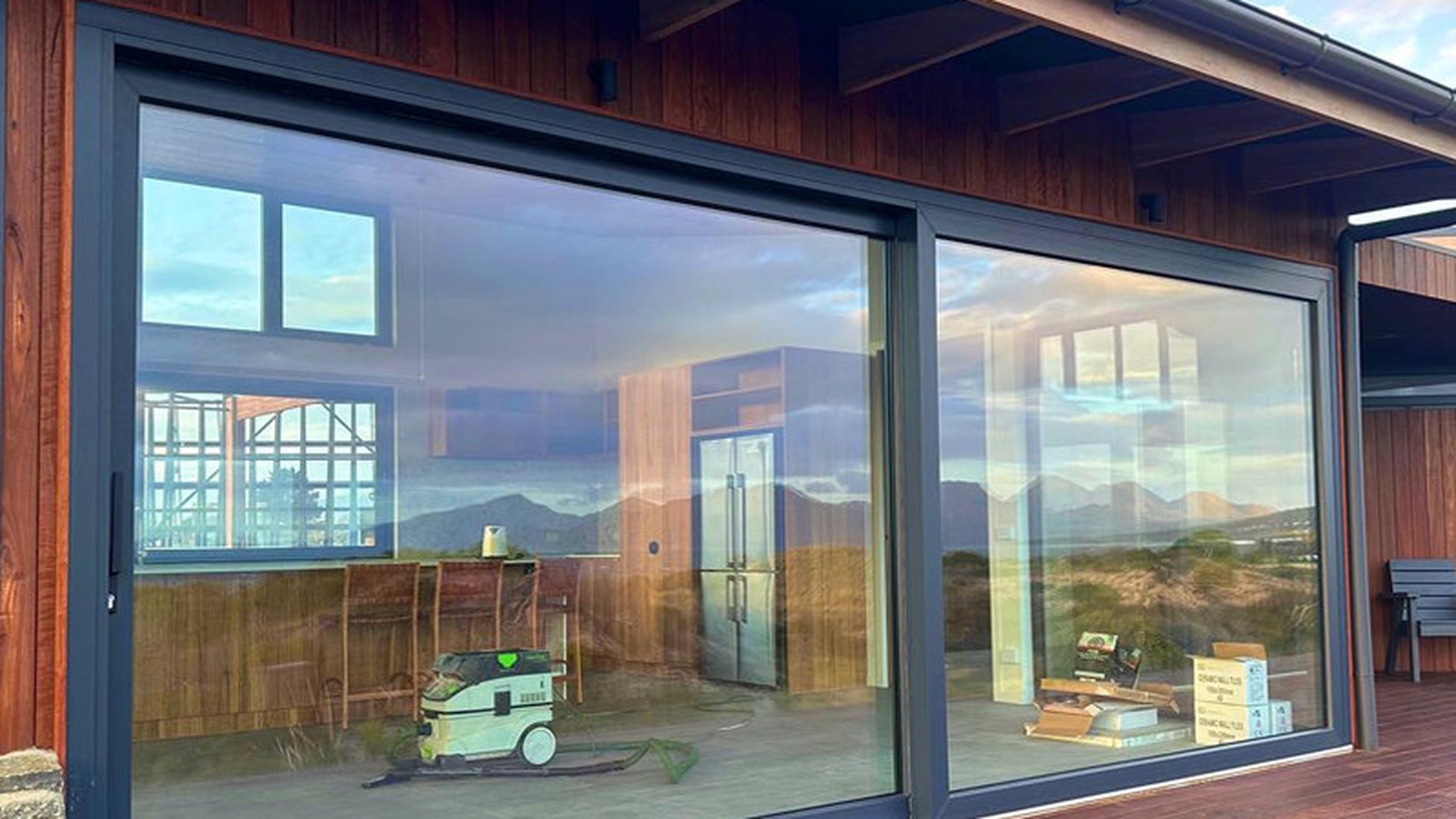
The five window suppliers Perth projects can compare fall into five commercial shapes: an import factory, a local volume manufacturer, a European-profile local maker, a frame-and-glass manufacturer, and a commercial framing supplier. Read each description as a scope, not as a score. Two of them will usually be irrelevant to your project within a paragraph, and that is a useful result.
ROPO Windows: Factory-Direct Double Glazing for Import Buyers
ROPO Windows is a Chinese manufacturer of custom aluminium, uPVC, timber and aluminium-timber windows and doors, with a factory in Minhou County, Fuzhou, Fujian Province. The company states 16 years of manufacturing experience and exports to more than 100 countries. It is a member of WERS, the Window Energy Efficiency Rating Scheme, and of AGWA, the Australian Glass and Window Association, and it states that its products are made to AS 2047, AS 2208, AS 4666 and AS 1288 for the Australian market, NZS 4211 for New Zealand, and Miami-Dade impact standards for Florida work.
For a Perth project, the relevant scope is custom manufacture against your own schedule and drawings, shipped from Fuzhou or Xiamen. That means the buyer controls the profile, the glass make-up, the colour, the hardware and the screen, and the factory builds to the measured opening rather than to a catalogue size. The company publishes a minimum order of one unit, which is unusual in this route and matters to owner-builders and small renovators who cannot fill a container.
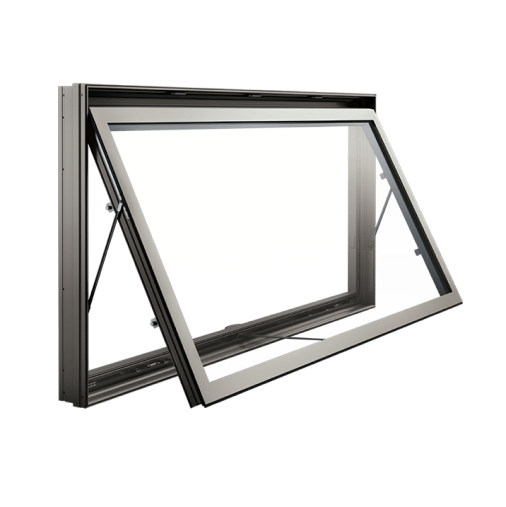
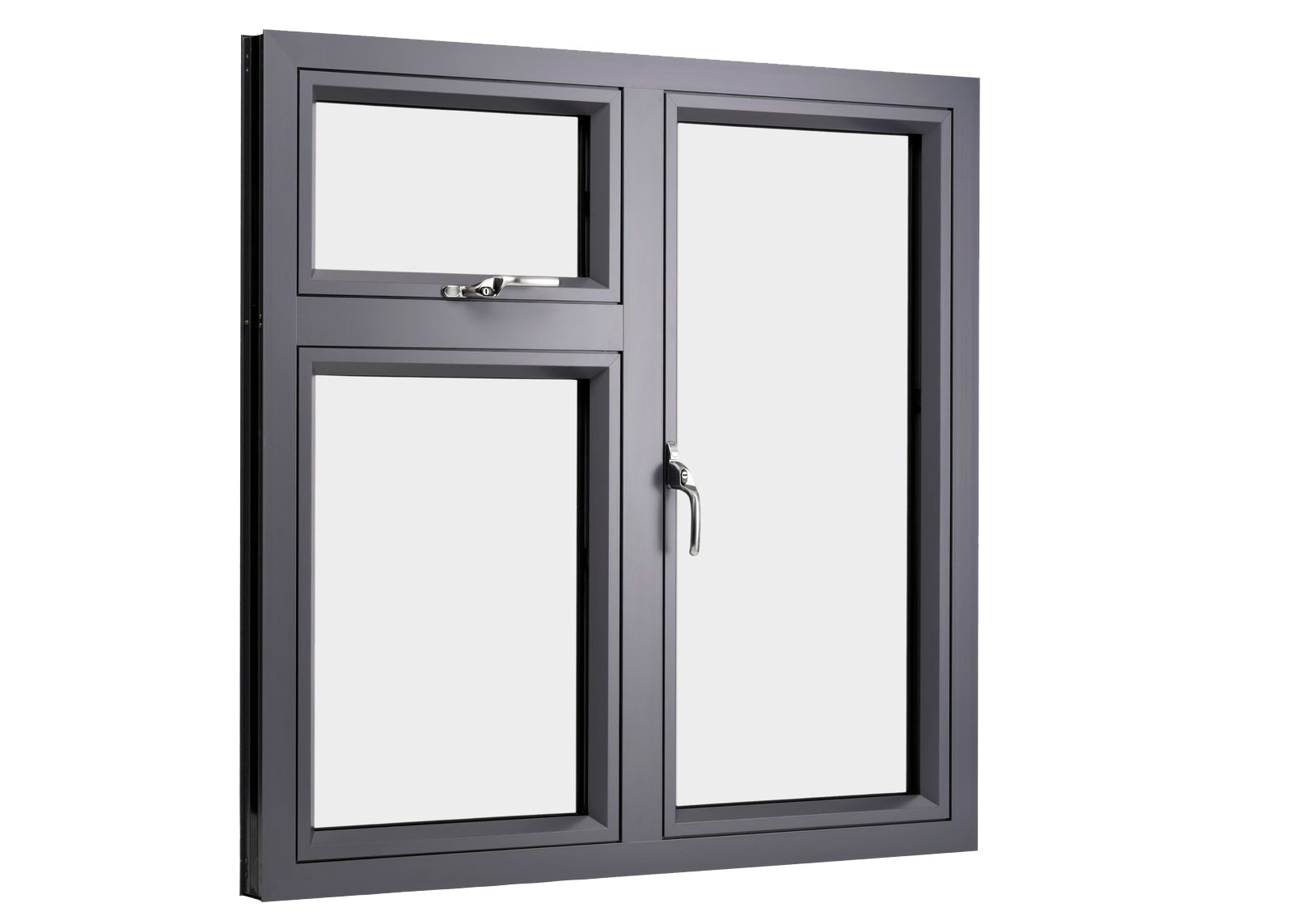
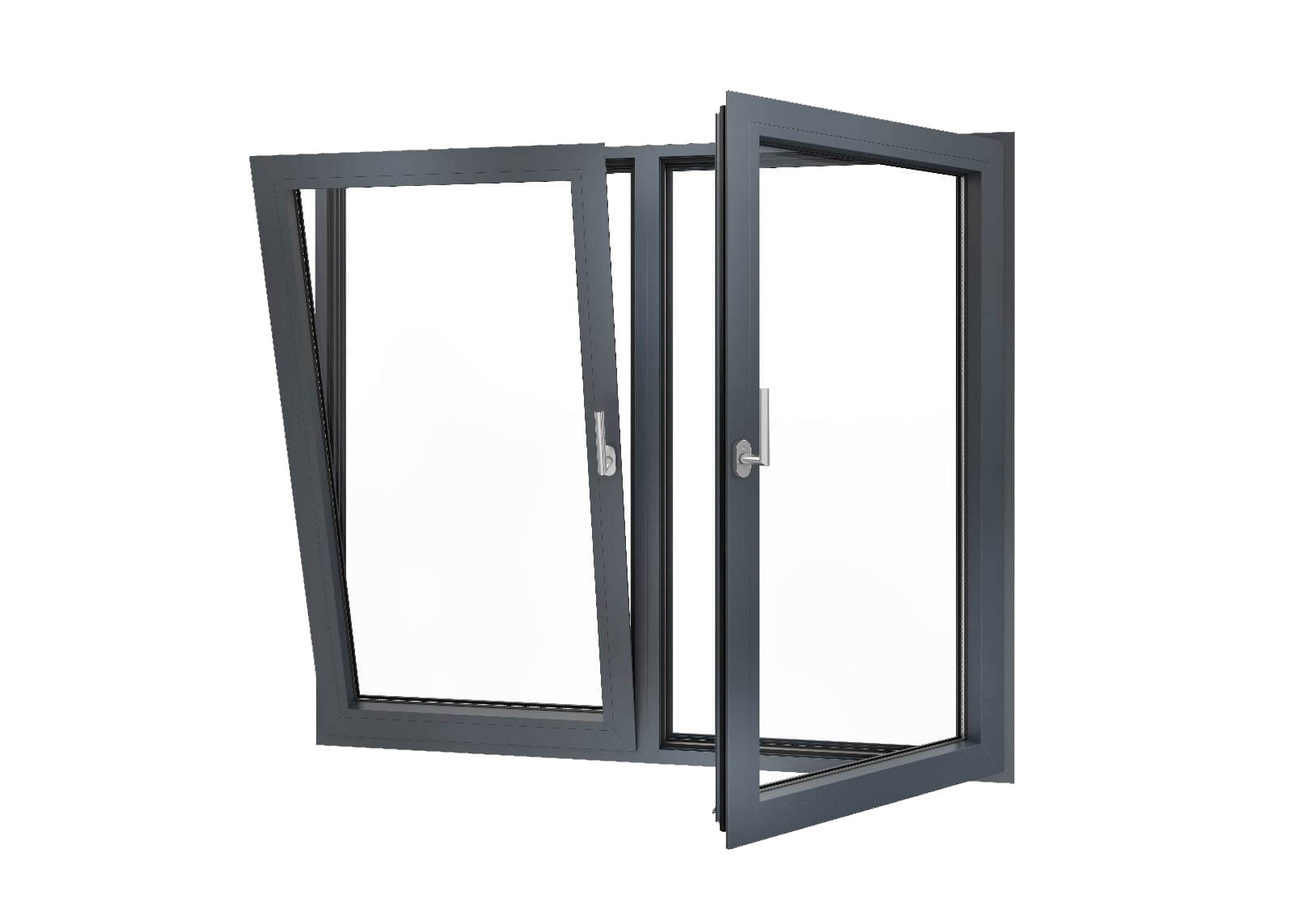
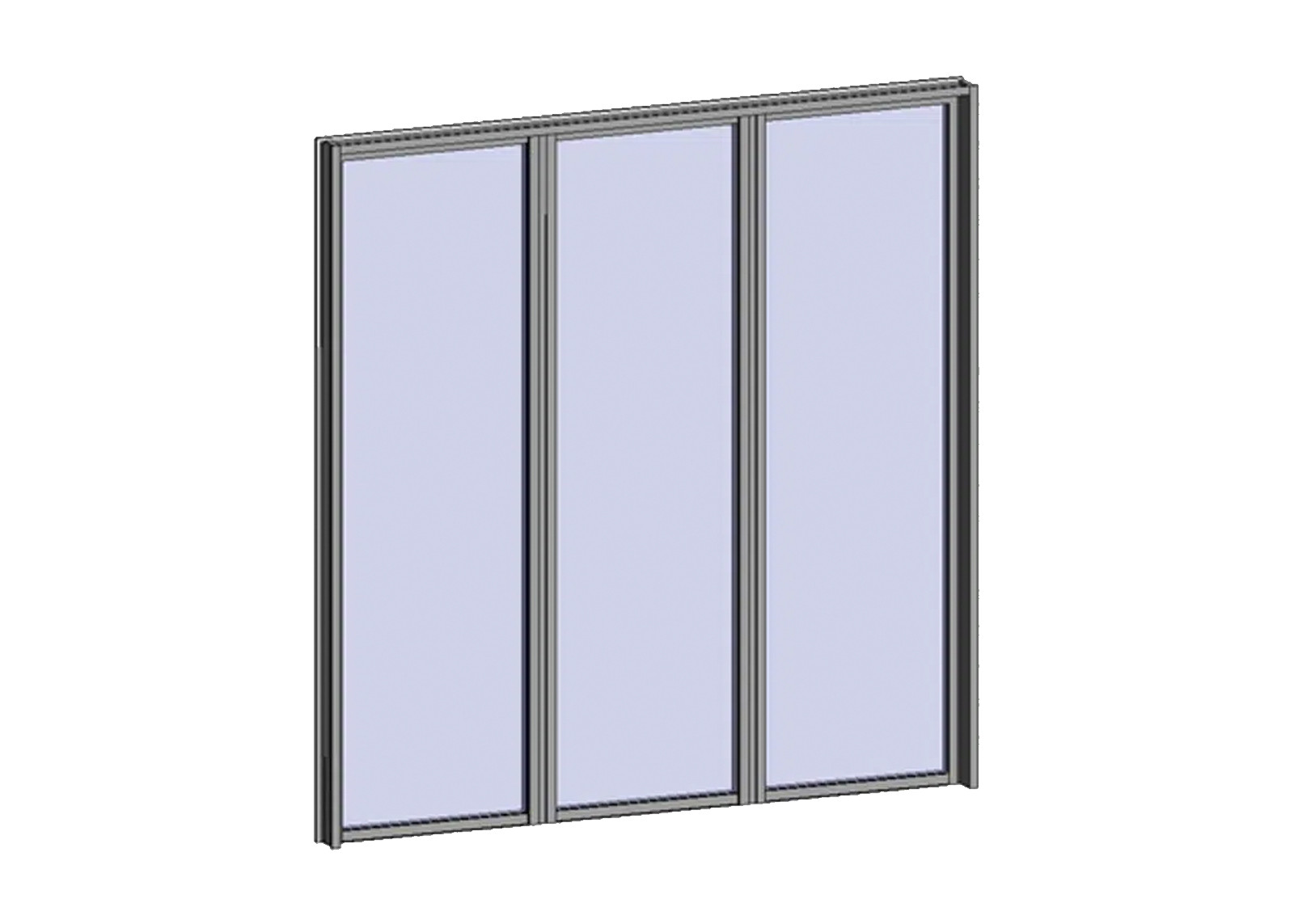
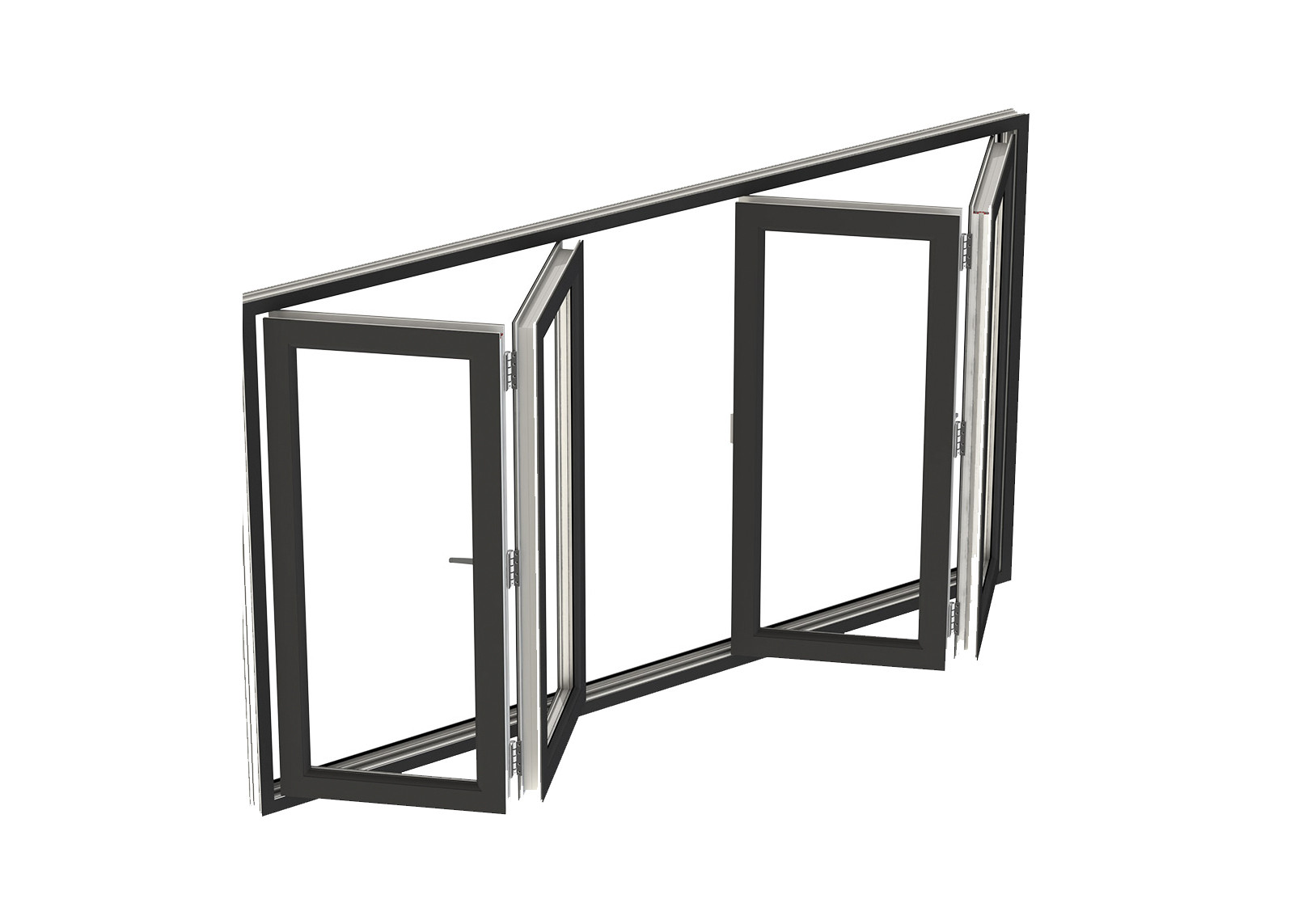
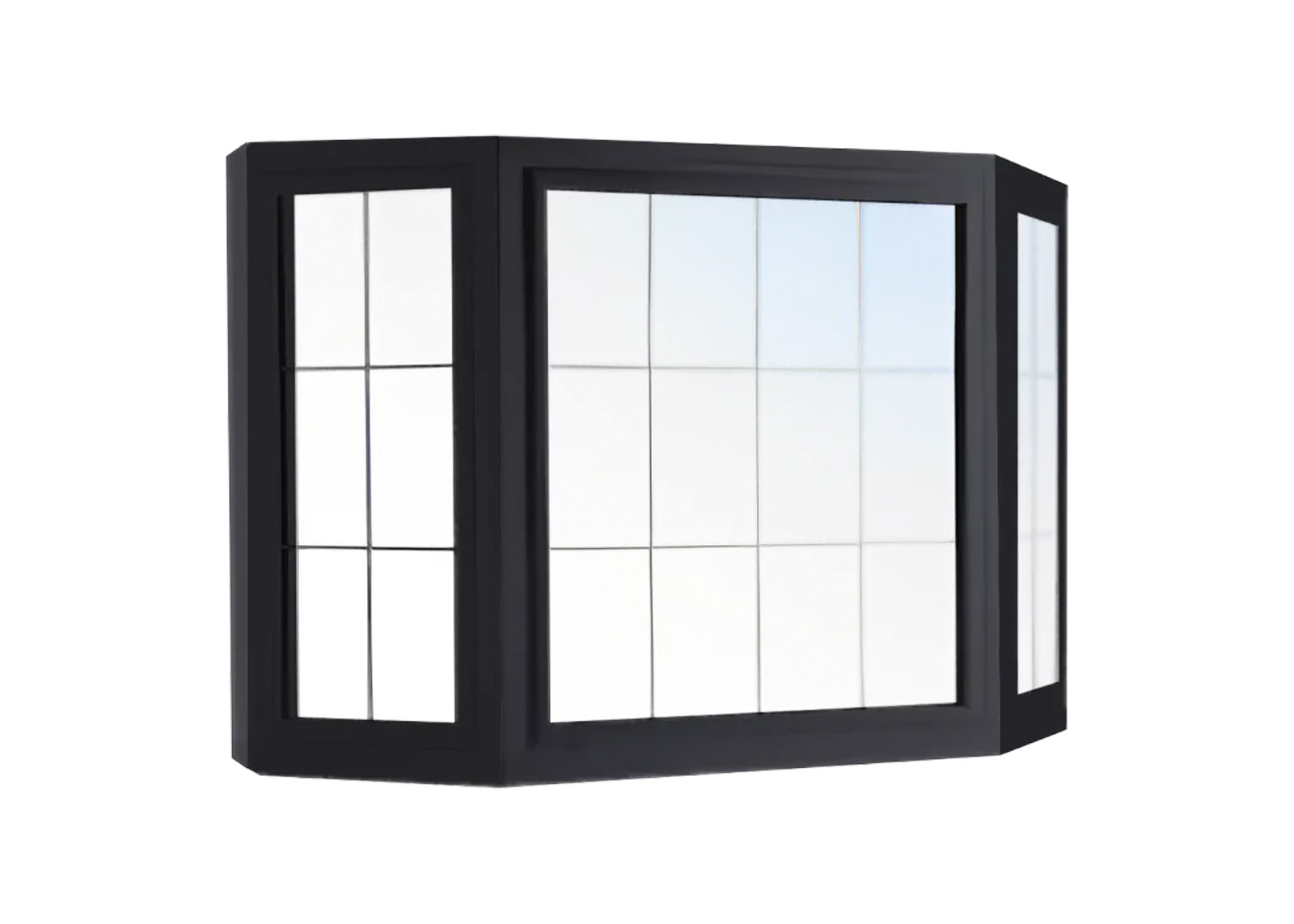
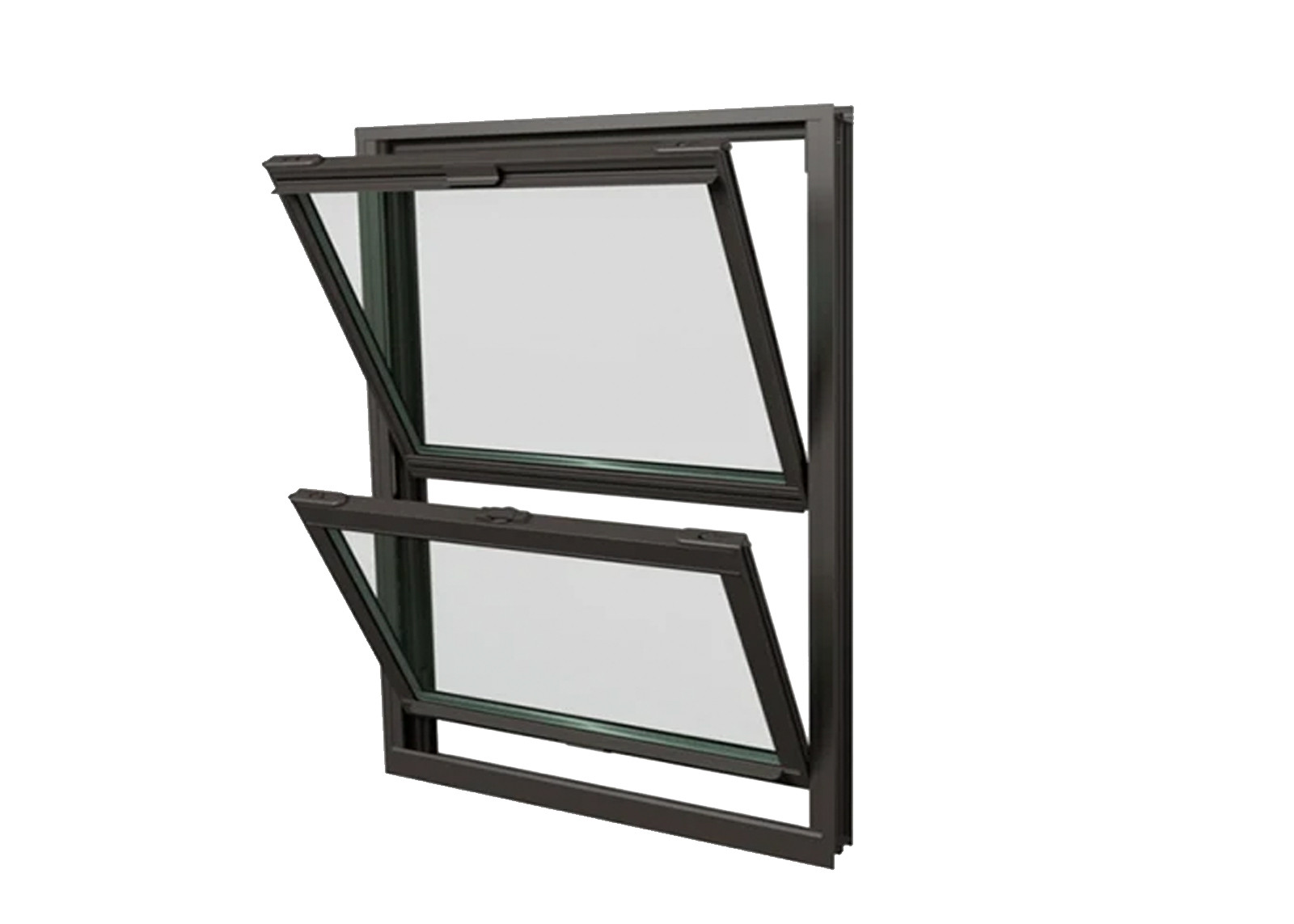
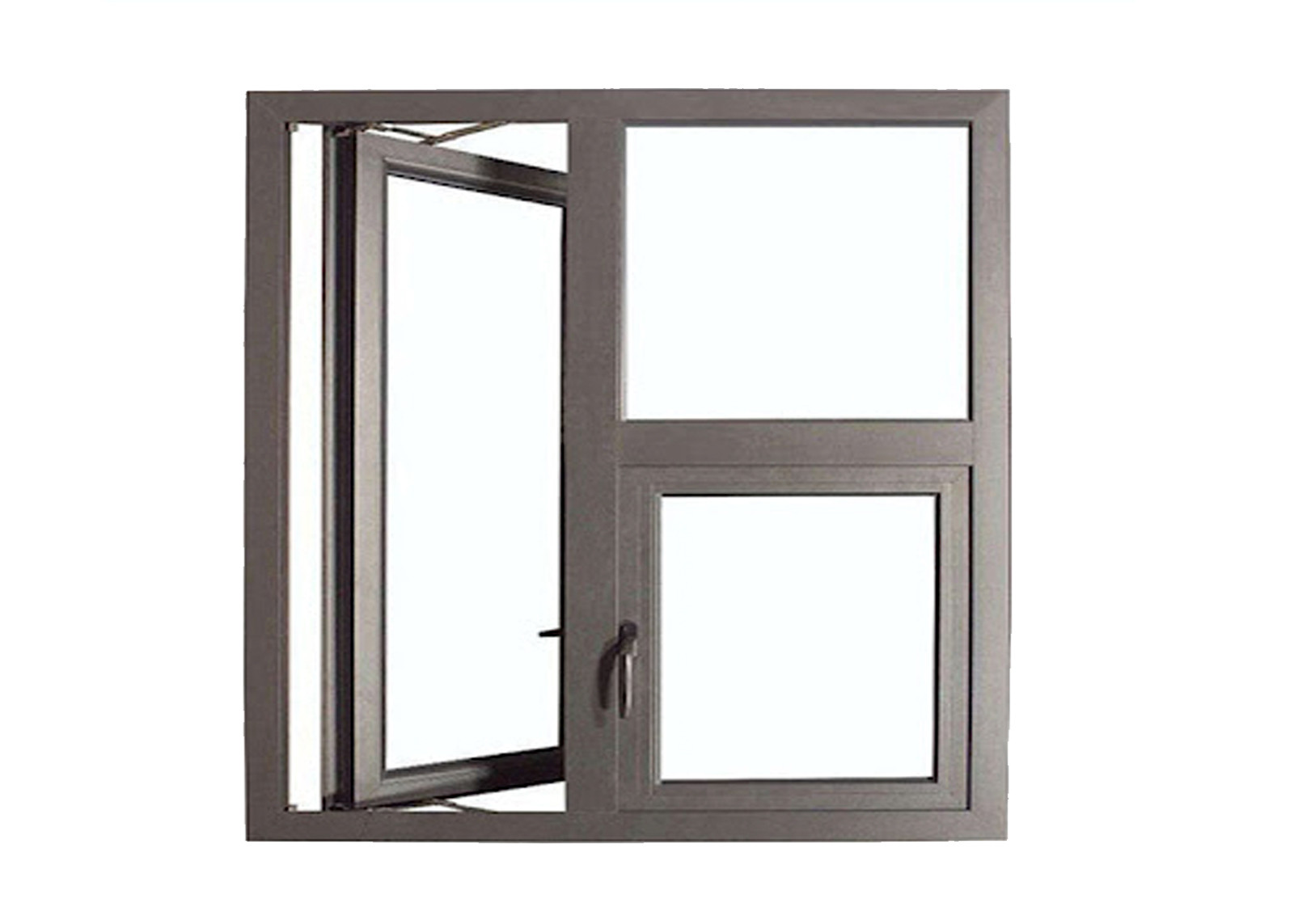
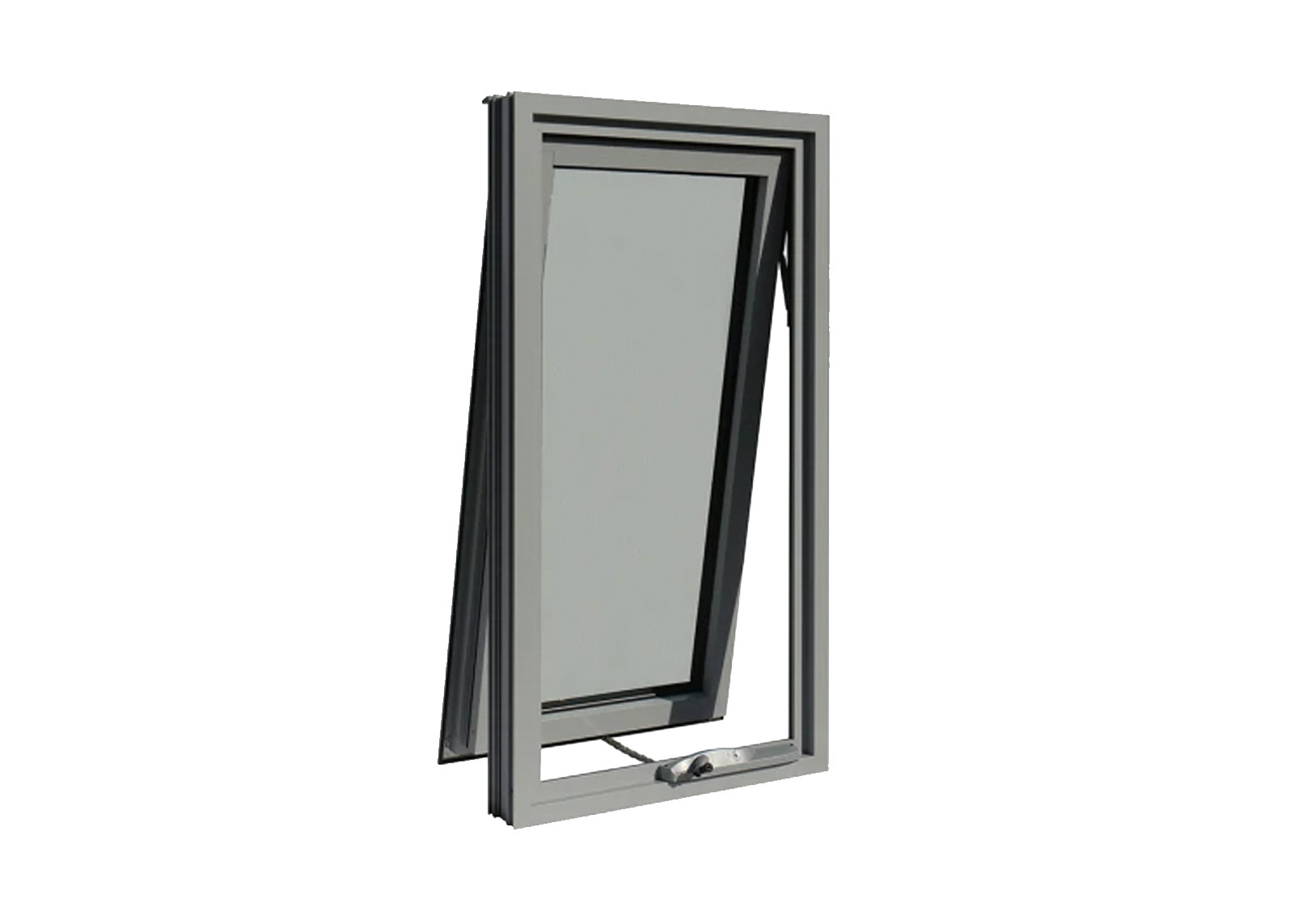
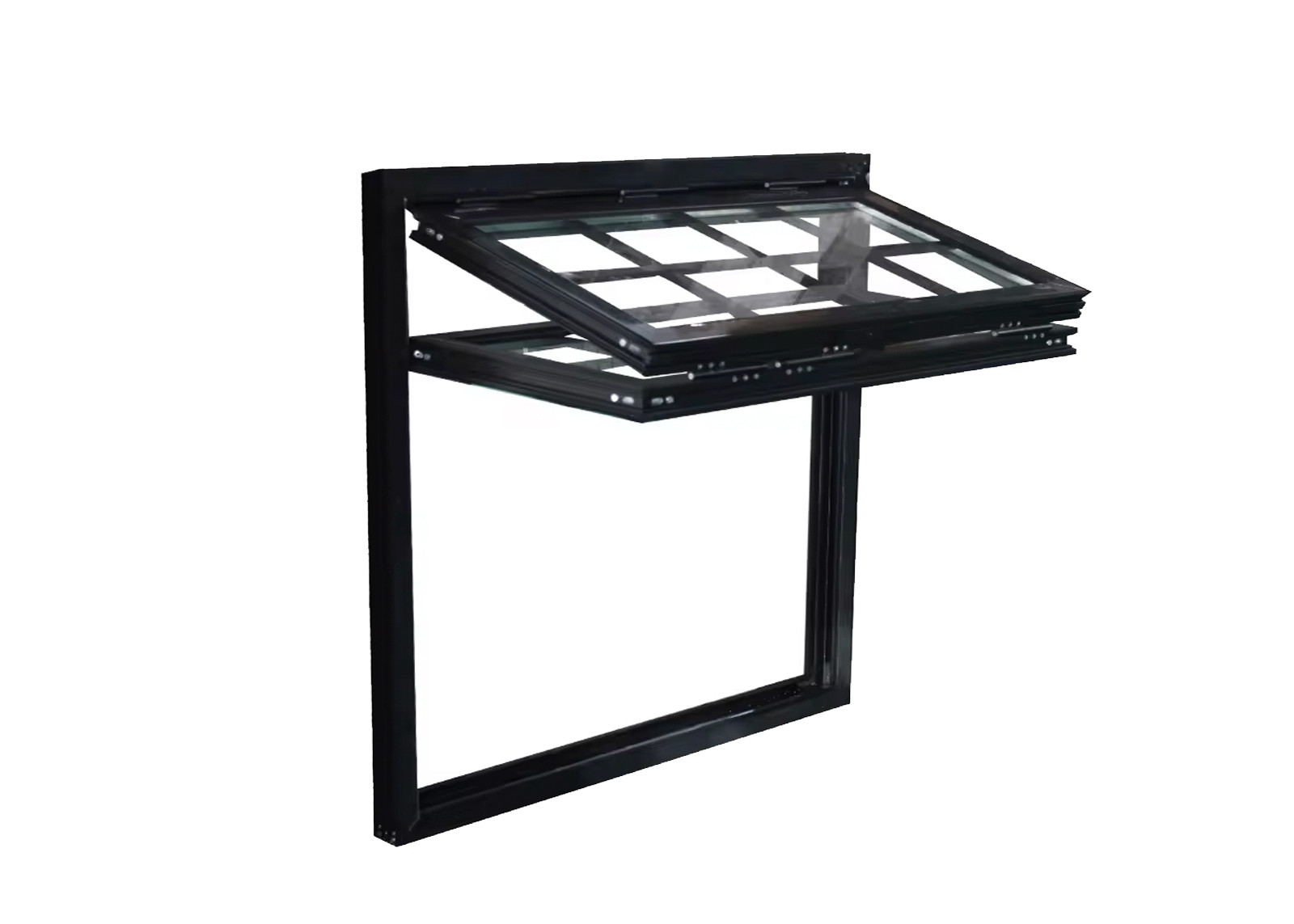
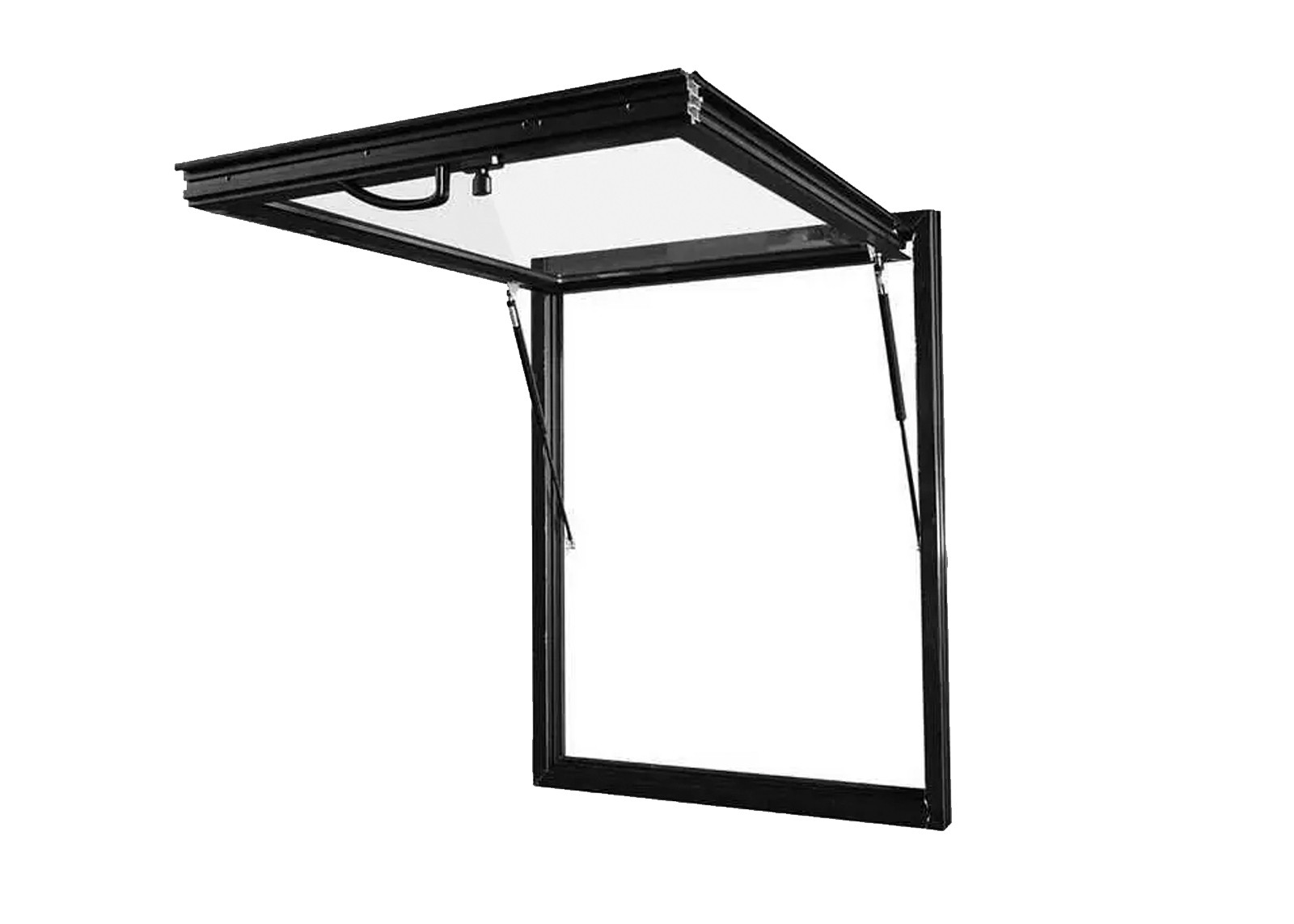
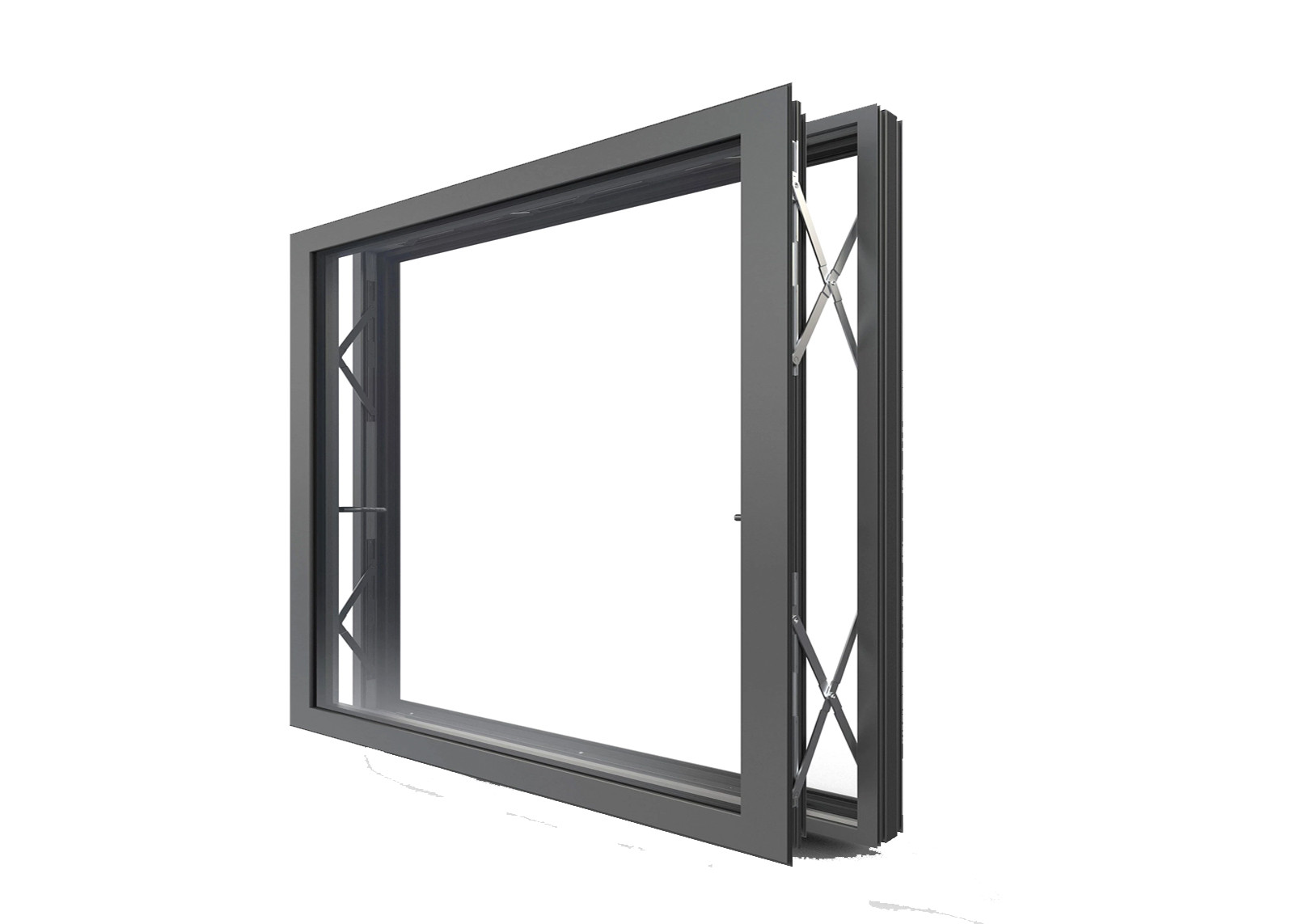
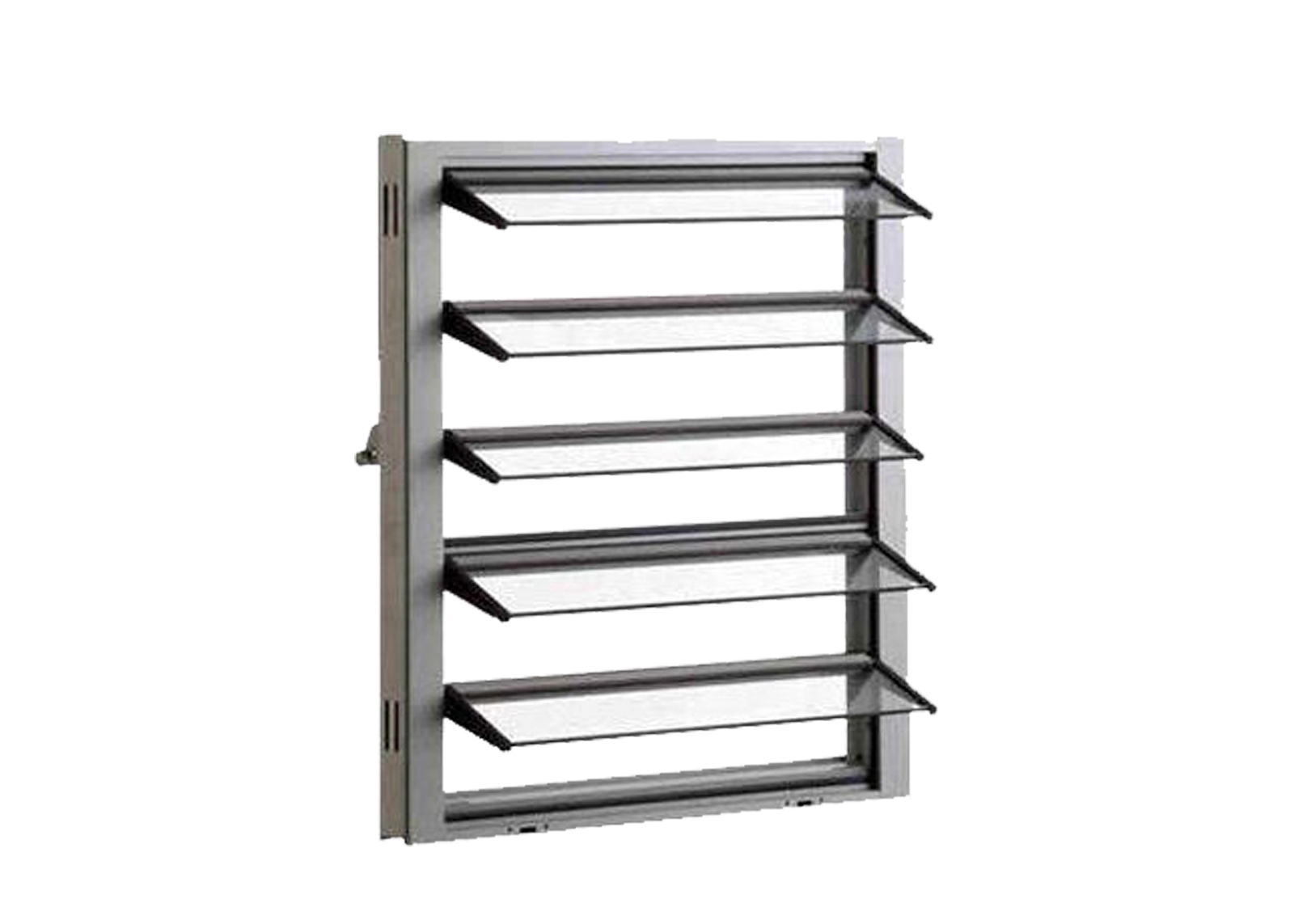
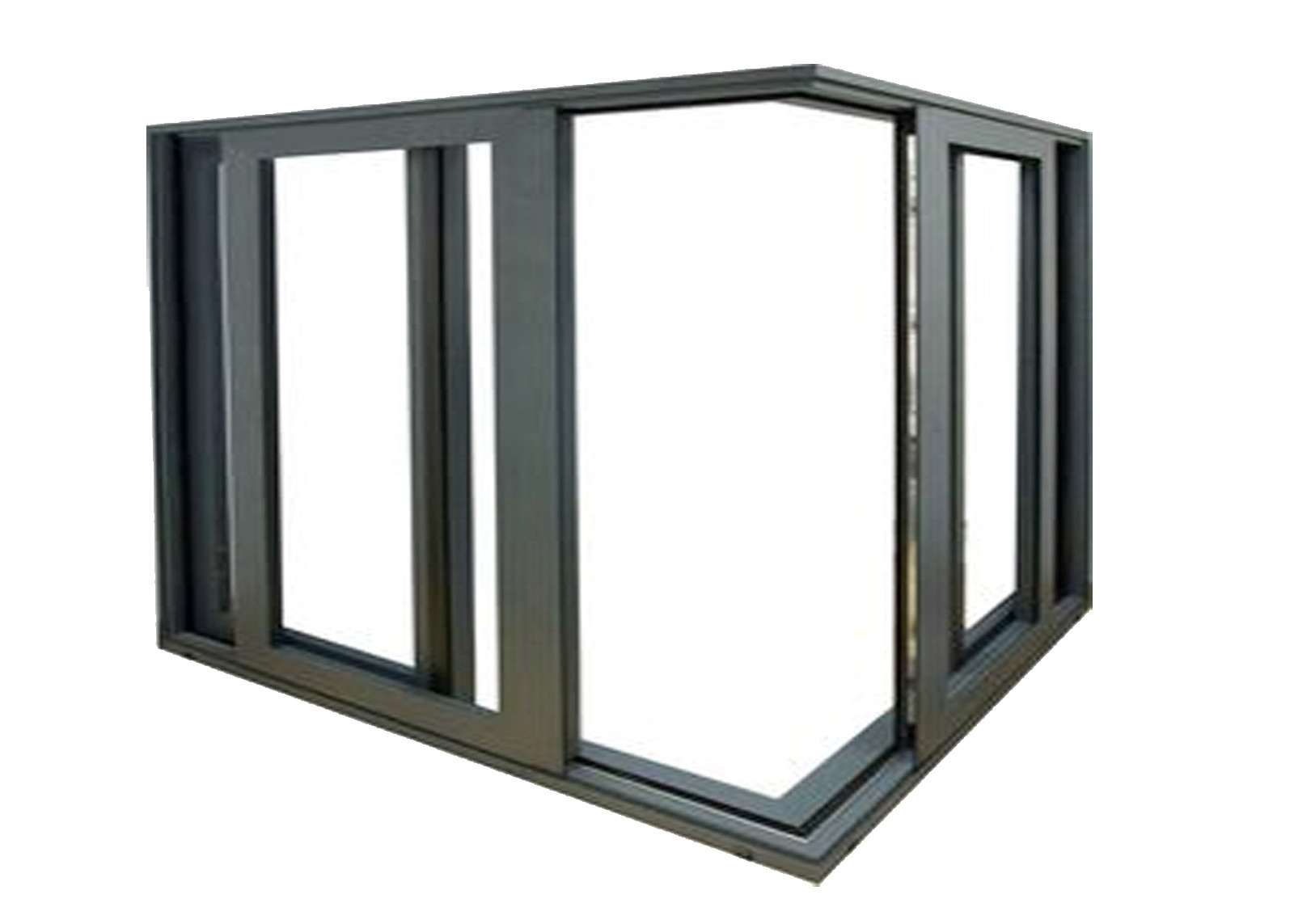
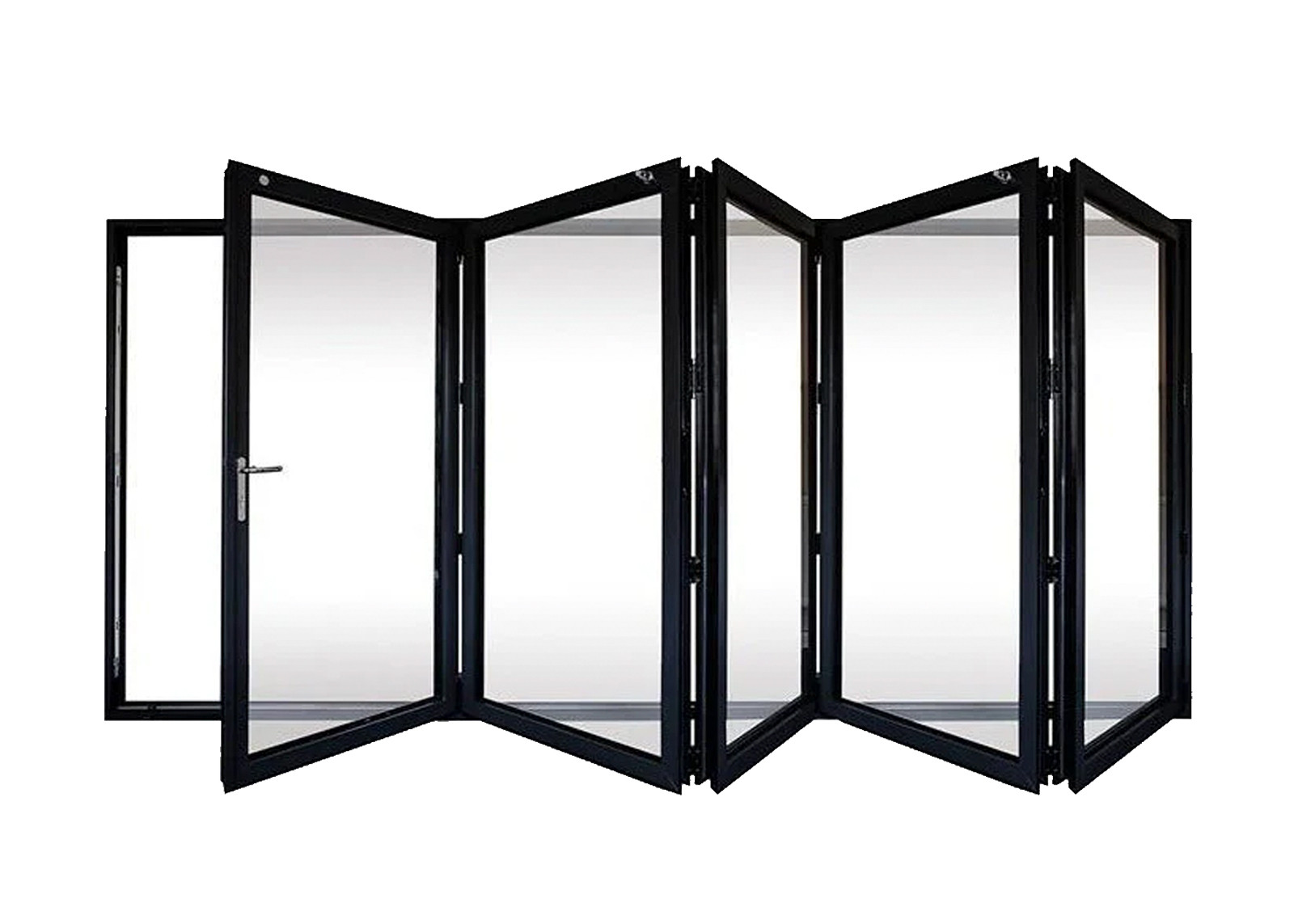
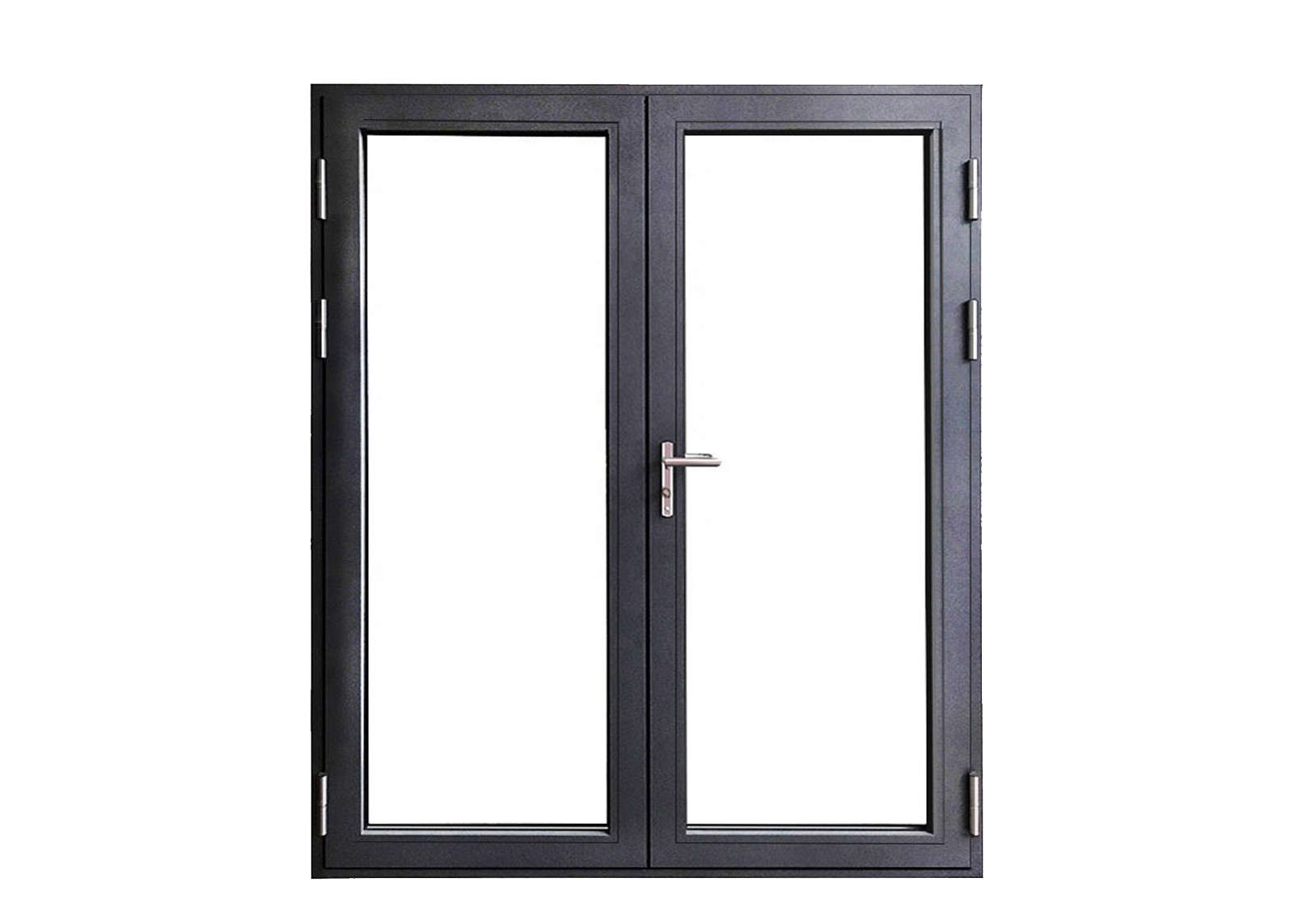
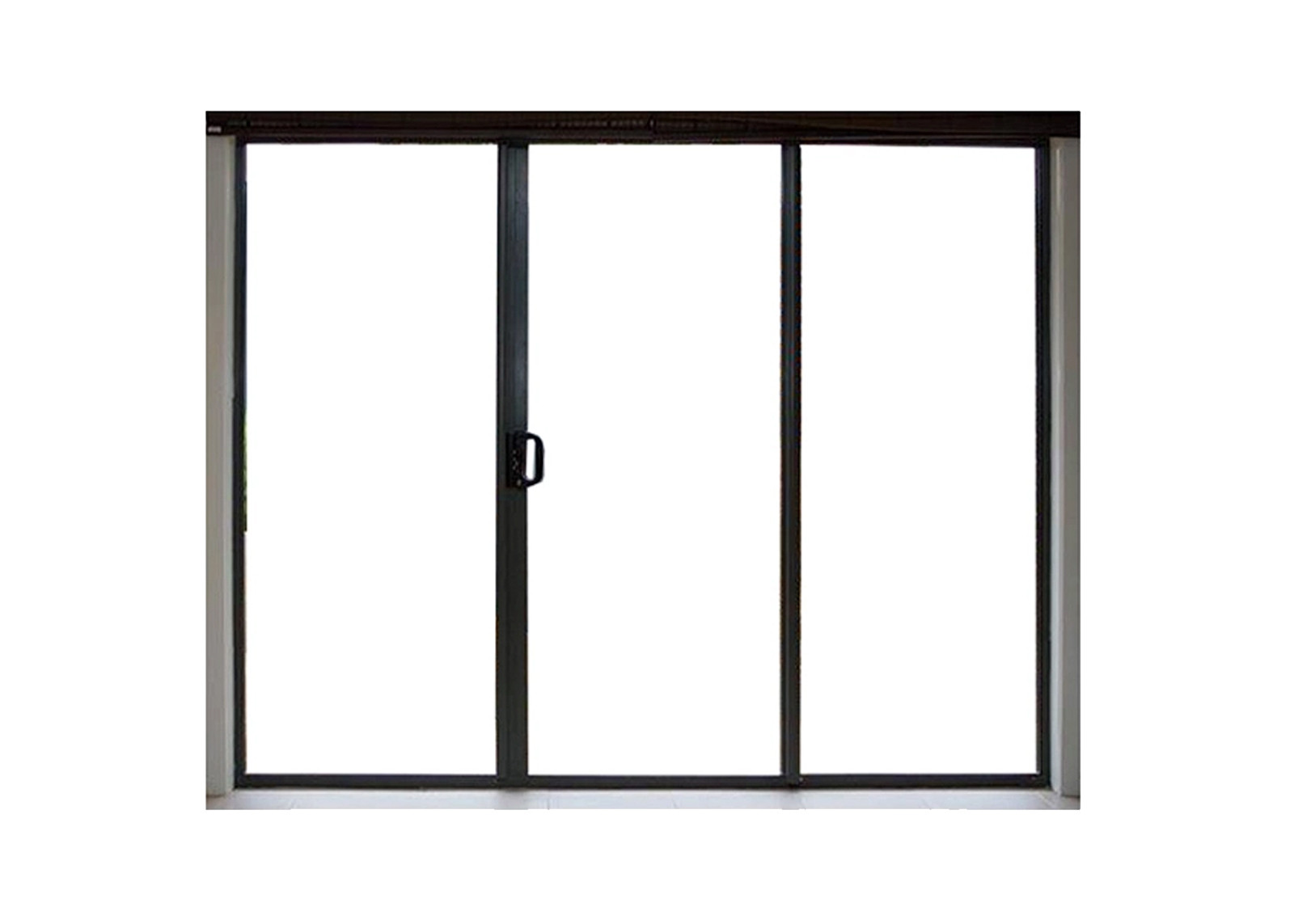
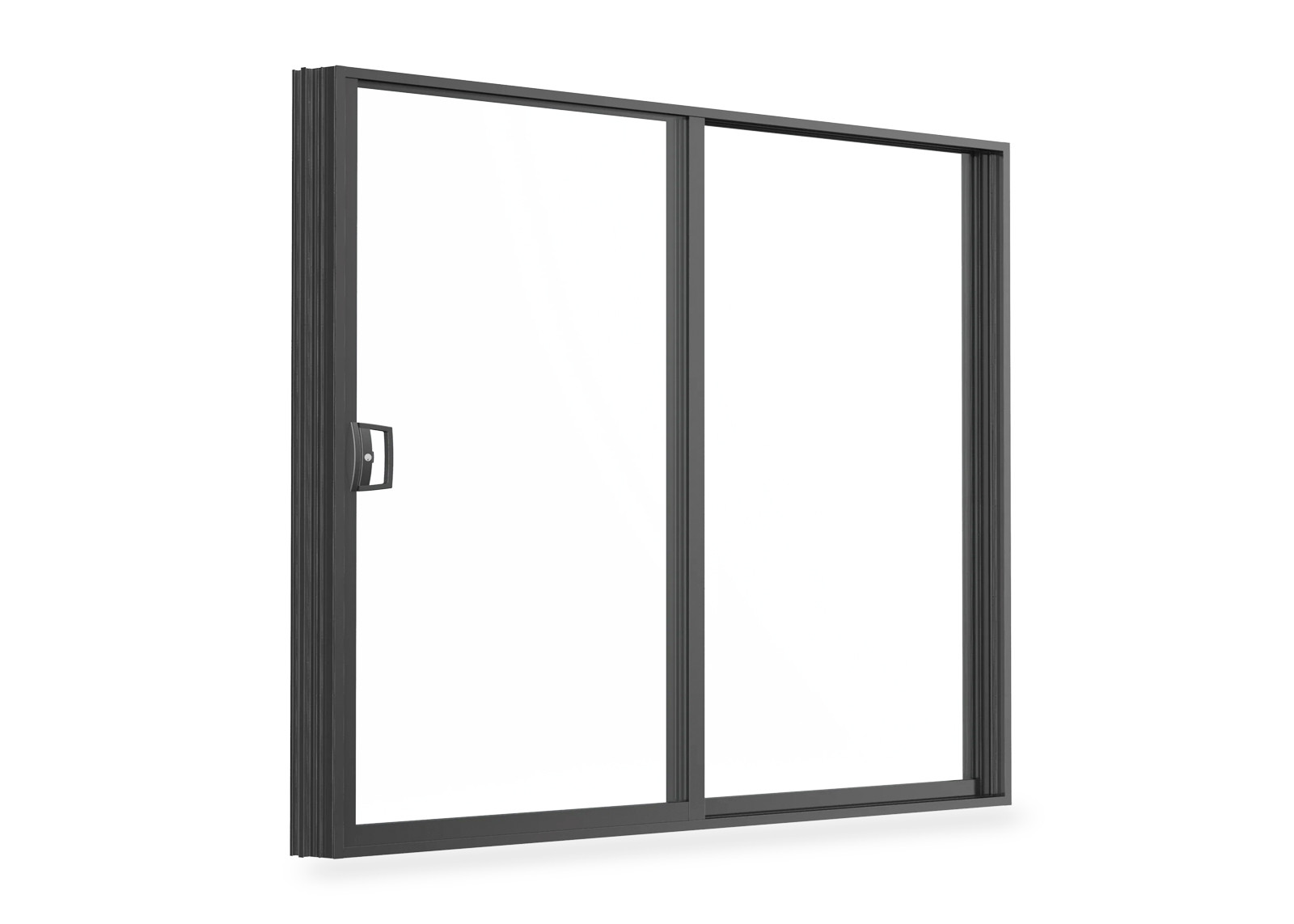
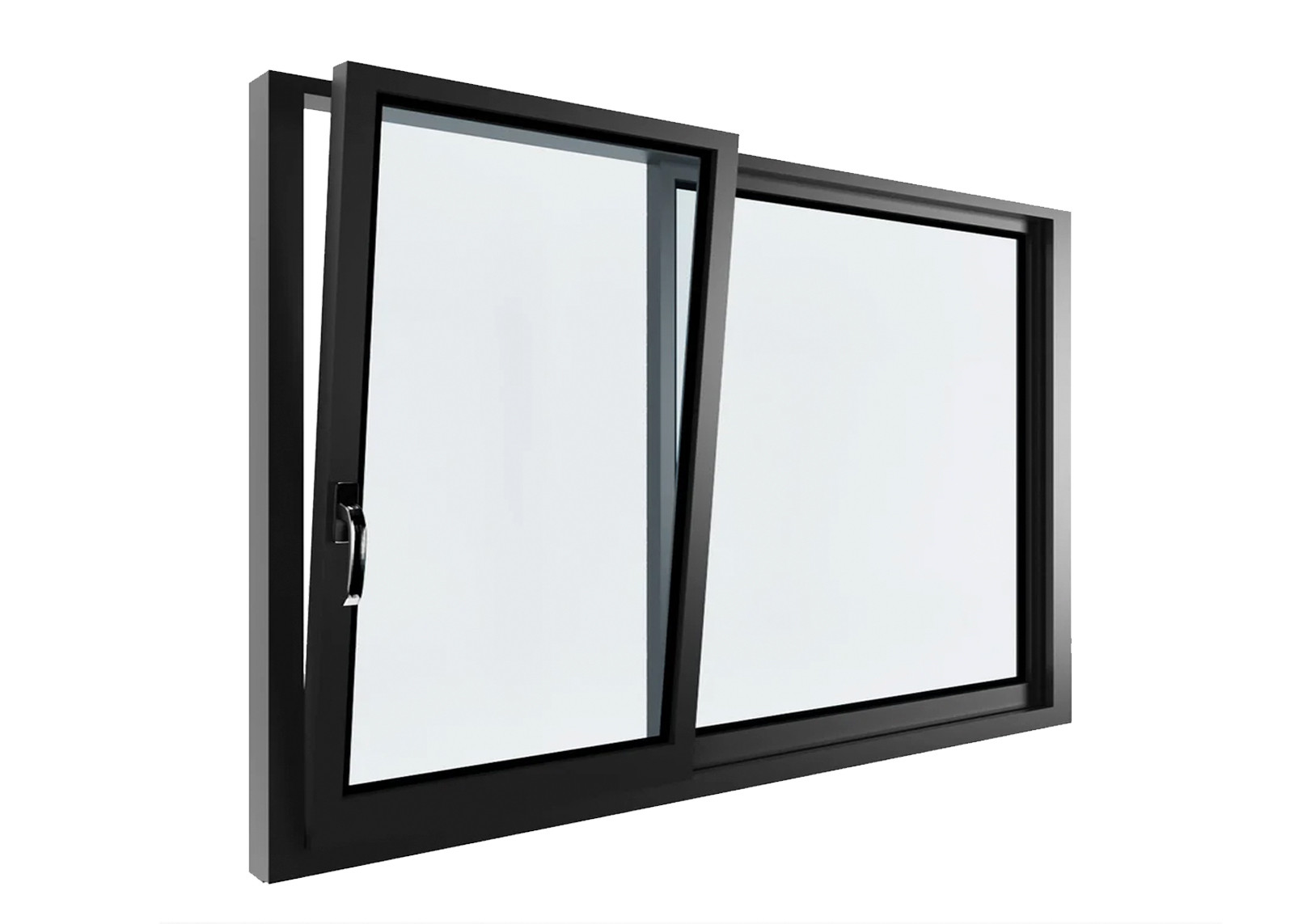
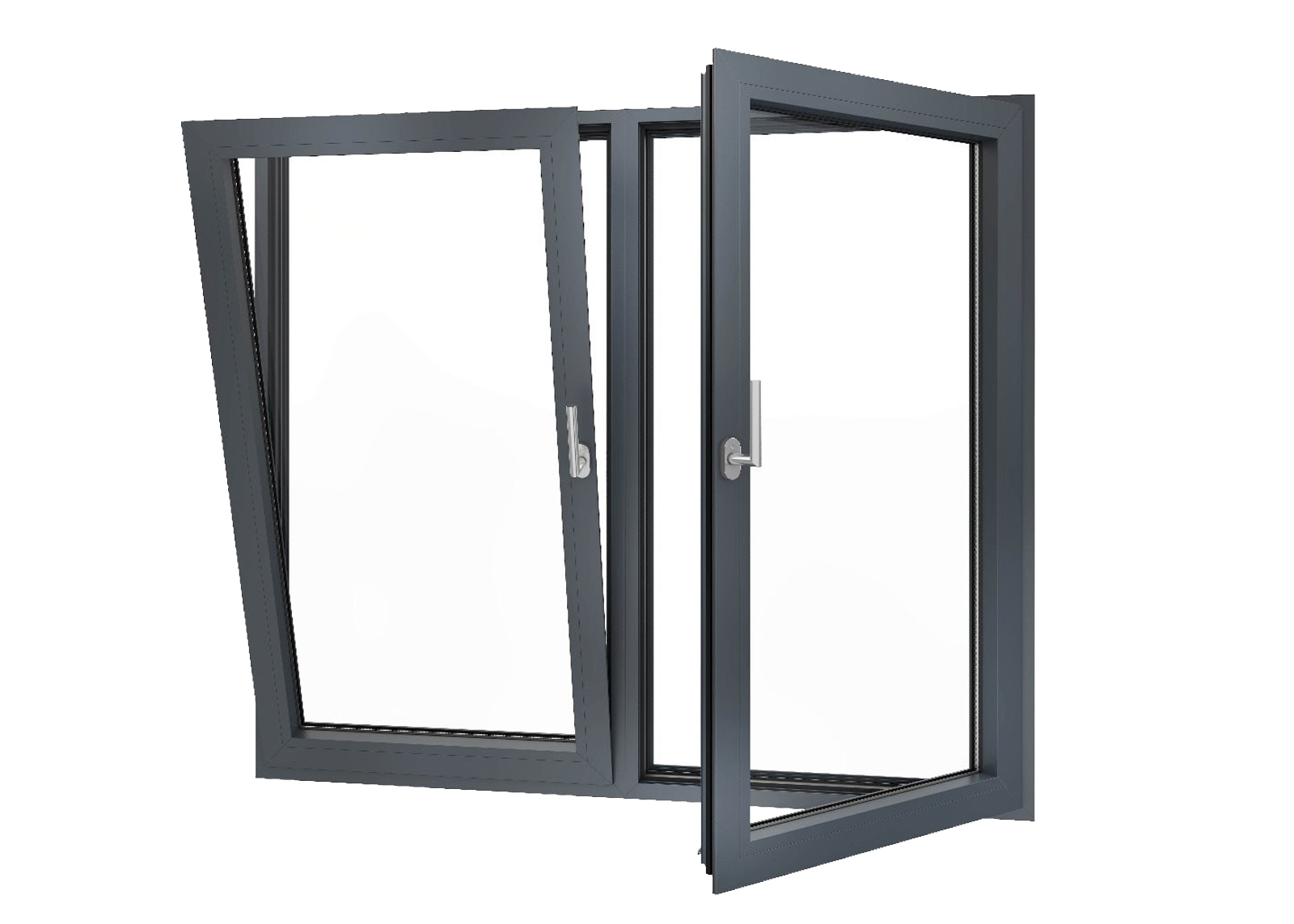
What the buyer takes on is the parts a local manufacturer would otherwise absorb: the site measure, the shop drawing approval, the freight and customs sequence, the appointment of an installer, and the handling of any unit damaged in transit. On a Perth house that is manageable. On a project with a fixed handover date and a certifier waiting, it has to be planned rather than assumed. The company's own Perth windows and doors page sets out the range it pushes into Western Australia, including aluminium sliding windows, fixed windows, awning windows, tilt and turn windows, and sliding, corner, folding and hinged doors, in single-colour or two-colour finishes with powder coating, anodising, PVDF or woodgrain surface treatment.
Jason Windows: The Local Volume Manufacturer
Jason Windows describes itself as a Western Australian supplier of windows, doors and security screens, and states that it has been supplying the state's building industry since 1959. Its products are manufactured at its Welshpool facility and supplied into Perth and the South West, including the Bunbury region, through local installation trades. Its published range covers aluminium windows, aluminium doors, security screens, flyscreens and glass, with a colour selector for frame finishes.
The strength of this route is programme certainty. A local production line, a local sales office and a local installation network mean the buyer is not managing a sea freight leg or a customs broker, and a replacement unit is a local delivery rather than a second container. For a builder running a schedule of standard house lots, that is usually worth more than the theoretical saving of an import.
The trade-off is range. A local volume manufacturer is efficient because it repeats a known set of profiles, sizes and glazing options. If your project needs a non-standard sightline, a very large panel, a specific European profile or a bespoke corner detail, the answer may be "not in our range" rather than "not at that price". That is not a criticism; it is what volume manufacturing is for. The right question to ask is which of your openings are standard and which are not, and whether the standard ones can carry the project while the exceptions go elsewhere.
Vision Double Glazing: German-Engineered Profiles Made in Perth
Vision Double Glazing states that its windows and doors are German engineered and manufactured in Perth, and that the business has more than 25 years of experience in the glass and glazing industry. Its published range covers double glazed windows in tilt and turn, sliding, casement and awning configurations, and double glazed doors including front doors, back doors, sliding doors and stacker doors, in a choice of colours, all custom made to the customer's design and specification.
This is the route a Perth homeowner typically reaches when the brief is performance in an existing house rather than a new build schedule: noise from a busy road, heat gain on a west-facing living room, security on a ground-floor bedroom, and a finish that does not need painting. The company positions its product on noise reduction, security, energy saving and low maintenance, and sells installation as part of the offer.
What to check here is the same as anywhere else, only more so: the glass make-up behind the marketing, the spacer type, whether the quoted U-value and solar heat gain coefficient come from a WERS-listed configuration or from a generic figure, and what the frame profile actually is. A "German engineered" description should resolve to a named profile system and a named glazing build before you sign, because that is what determines whether the performance claim survives the first hot summer.
Heatseal: uPVC Frames and Insulating Glass Units from the South West
Heatseal Pty Ltd states that it is a locally owned and operated manufacturer of uPVC frames and insulating glass units for double glazed windows and doors, operating from a double glazing factory in Bunbury. The distinction matters: most window suppliers buy their glass units from a separate IGU manufacturer, and most IGU manufacturers do not make frames. A business that does both controls the interface that fails most often, which is the sealed edge of the unit inside the frame rebate.
uPVC is a different proposition from aluminium in Perth. It is a low-conductivity frame, so the thermal performance comes partly from the material rather than entirely from a thermal break, and it does not corrode in coastal salt air. It also moves differently, expands differently, and cannot be repaired the way aluminium can. For a coastal house or a rental property where maintenance is a cost line, that combination is attractive. For a project that needs a powder-coated colour match to an existing aluminium facade, it is not.
The buyer should confirm the reinforcement inside the uPVC sections, the glazing thickness the profile accepts, and whether the frame and the unit are warranted by the same entity. When one company makes both, that question has a clean answer, and it is worth getting in writing.
Alutech: Commercial Double Glazed Framing for Facade Work
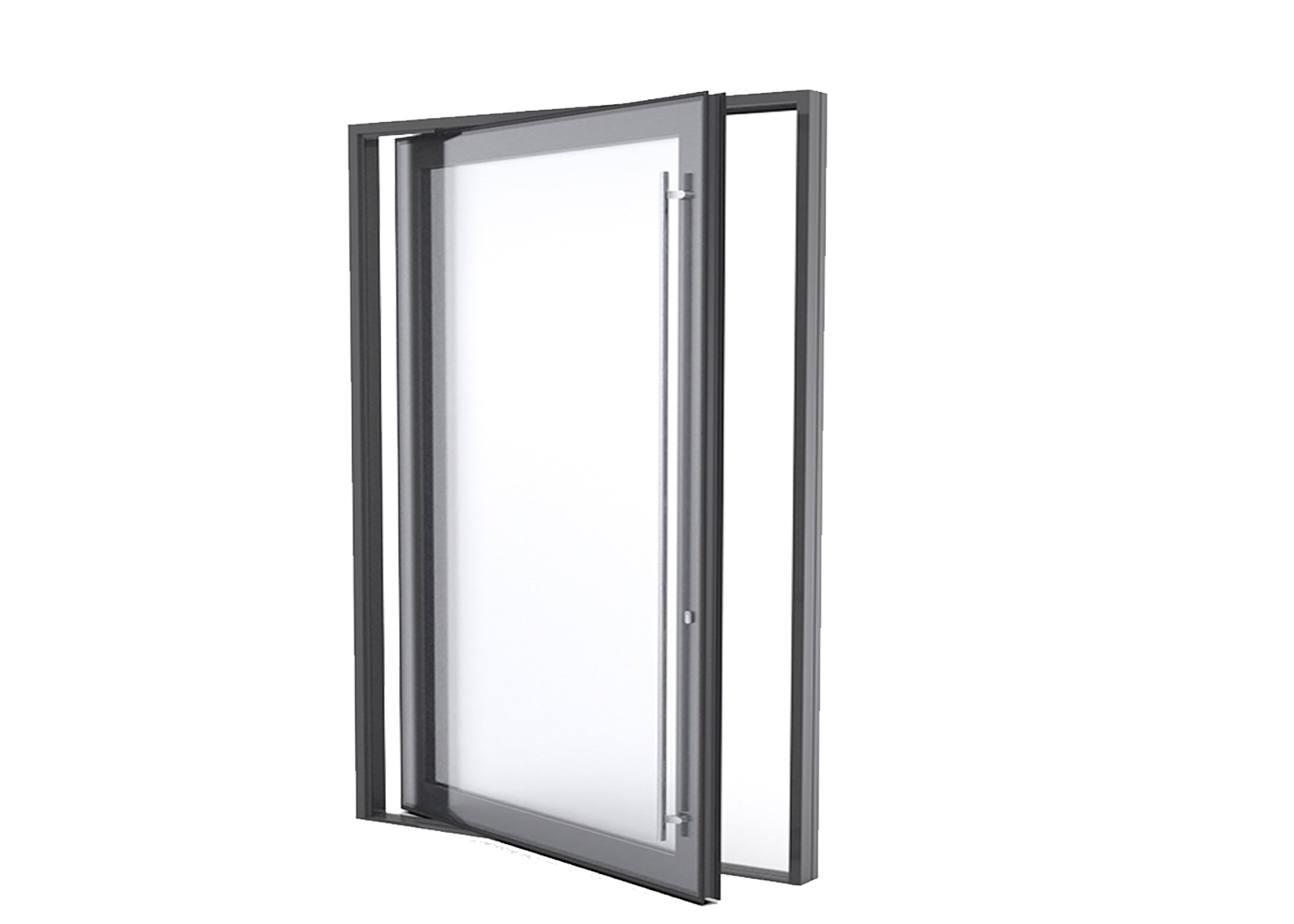
Alutech supplies commercial double glazed aluminium framing for projects across Perth and regional Western Australia. Its published Elevate Series 626 FrontGLAZE system is a front-set commercial framing range offered in 102 mm and 150 mm frame sizes, with glass positioned close to the outer face of the frame, concealed drainage arrangements and interlocking mullions, and the company states that the system is tested to withstand up to 600 Pa water pressure. The same profile family accepts single or double glazing, which allows a facade to mix glazing types where thermal requirements vary, and it integrates with sliding, hinged and pivot doors.
This is the supplier to talk to when the project has a certifier, a facade consultant and a wind-load schedule, and when the window is one component of a building envelope rather than a product bought by the each. The vocabulary changes at this level: you are specifying a framing system with a published performance set, not choosing a window from a brochure, and the documentation is part of the deliverable.
What a residential buyer should take from this description is not that commercial framing is better, but that the questions commercial suppliers expect are the right questions to ask anyone. What is the design wind pressure at this opening? What water pressure is the system tested to, and with what glazing? What is the deflection limit on the mullion, and who calculated it? A residential supplier who can answer those three questions in writing is a different class of supplier from one who cannot.
| Supplier | Route | Best fit | What to verify first |
|---|---|---|---|
| ROPO Windows | Factory-direct custom manufacture, Fuzhou, shipped from Fuzhou or Xiamen | Custom schedules, non-standard sizes, owner-builders and builders willing to run the import leg | Shop drawing approval, AS 2047 evidence per project, installer appointment, freight and damage cover |
| Jason Windows | Local volume manufacture at Welshpool, supply through local installation trades | Standard residential schedules in Perth and the South West with a fixed programme | Which openings fall outside the standard range, and what the range's glazing options actually are |
| Vision Double Glazing | German-profile systems made in Perth, supply and installation | Existing homes needing acoustic, thermal or security improvement with a finished installation | Named profile system, named glass make-up, WERS-listed configuration for the quoted performance |
| Heatseal | uPVC frame and insulating glass unit manufacture in Bunbury | Coastal and low-maintenance residential work where frame and glass should be one warranty | Section reinforcement, glazing thickness accepted, single warranty covering frame and unit |
| Alutech | Commercial double glazed aluminium framing systems, Perth and regional WA | Facades, multi-unit and commercial work with wind-load and water-pressure documentation | System performance data at the design pressure, mullion deflection calculations, glazing compatibility |
Two habits separate a decision from a shortlist. The first is to send the same schedule to every supplier, with the same opening sizes, the same glass performance target and the same installation scope, so that the quotes are answering the same question. The second is to ask each supplier to state, in writing, what they are not including. The exclusions paragraph is where the real difference between the five routes appears, and it is the paragraph most buyers read last.
The suppliers Perth builders return to are rarely the cheapest on the first quote. They are the ones whose exclusions list matched what actually happened on site. That is a reputation built on documentation, not on profile catalogues, and it is the single most useful thing to ask about when you call a referee.
What Perth Buyers Actually Compare Once Double Glazing Is Specified
Once two window suppliers Perth buyers are considering quote the same drawing, the difference stops being the brand and becomes the build. Four components decide whether the window performs: the frame, the glass make-up, the edge seal and the interface with the wall. Everything else, including the colour and the handle, is a finish decision that can be changed late without affecting performance. These four cannot. The range each route can actually deliver is the first thing to check, and for the import route it is listed on the Perth double glazed windows range page.
The order matters. Frame first, because the frame sets what glass the unit can accept and how the unit is drained. Glass second, because the glass decides the thermal and acoustic result. Edge seal third, because that is the failure mode that produces fogging and replacement claims five years in. Wall interface fourth, because a good unit badly installed leaks. A buyer who works through them in that order will ask better questions than one who starts with colour charts, and will usually find that two of the five suppliers drop out before the second question.
Frame: Aluminium, Thermally Broken Aluminium or uPVC
A standard aluminium frame is strong, stable, cheap to extrude and easy to powder coat. It is also an excellent conductor, which is why a double glazed unit in a plain aluminium frame underperforms the same unit in a frame that interrupts the heat path. The interruption is the thermal break: a polyamide or polyurethane element separating the inner and outer aluminium sections. It costs more, it needs a slightly deeper profile, and it is the difference between a window that meets a performance target and one that only claims to.
Thermally broken aluminium is what most Perth projects specify when the brief includes a west-facing living room, a second storey with full sun, or a room that must stay quiet. ROPO builds both standard and thermally broken aluminium systems, and its Perth windows and doors range lists the aluminium sliding windows, fixed windows and awning windows and tilt and turn windows and the sliding, corner, folding and hinged doors that it supplies into Western Australia. A buyer comparing routes should ask each supplier whether the quoted frame is thermally broken, and if not, what the calculated performance is without the break.
uPVC is the third option. It is a low-conductivity material, so a multi-chambered uPVC section performs thermally without a separate break, and it does not corrode in salt air. The compromises are colour stability over decades, a chunkier sightline than aluminium, and a lower structural ceiling for very large panels. Heatseal manufactures uPVC frames and units in Western Australia, which gives a Perth buyer a local uPVC route; ROPO manufactures uPVC and aluminium in the same factory, which allows a project to mix the two where the budget or the facade calls for it. Neither route is universally better. Coastal, low-maintenance residential work tends toward uPVC; large openings, structural spans and colour-matched facades tend toward aluminium.
Glass Make-Up: The Numbers Behind the Two Panes
Double glazing is not a product name, it is a construction. The unit has an outer pane, an inner pane, a cavity, a spacer and two seals. Change any of them and the performance changes. The variables a buyer can actually specify are the glass types, the cavity width, the gas fill and the coating.
On glass type, the choice is usually between annealed, toughened and laminated, and in Australia the selection is governed by AS 1288, which sets out where safety glazing is required and what counts as safety glazing. A door, a full-height panel, a window close to a floor or a panel beside a door will generally require safety glass, and the correct answer is decided by the glazing rules and the location, not by preference. ROPO's glass options page sets out the configurations it offers, and its published material describes toughened and laminated glass, low-E coatings and argon-filled cavities; the same company's guide to AS 1288 explains where the safety rules apply.
On the cavity, a wider gap is not automatically better. Too narrow and conduction across the gap rises; too wide and convection inside the cavity starts to move heat. The practical answer is a gap in the range the system was tested with, filled with argon where the performance target needs it, and sealed so the gas stays in. On coatings, a low-E coating reduces radiant heat transfer and is usually applied to one face inside the cavity. The coating position, the gas and the glass type together produce the U-value and solar heat gain coefficient that appear in a WERS listing, and those three must match the listing exactly for the claimed number to mean anything.
The question to ask is therefore not "is it double glazed" but "what is the make-up, and is that make-up the one that was rated". A supplier who cannot produce the rated configuration in writing is quoting a concept, not a product. For buyers who want the material comparison in more depth, the difference between single and double glazing and the effect of thermally broken frames are covered separately on this site.
Spacers, Desiccant and the Edge That Fails First
The edge of a double glazed unit is where almost every failure begins. The spacer holds the two panes apart, the desiccant inside it absorbs residual moisture, the primary seal keeps vapour out at the glass-to-spacer joint, and the secondary seal holds the unit together structurally. When the secondary seal fails, moisture enters, the desiccant saturates, and the unit fogs from the edge inward. The glass did not fail. The seal did.
Spacer type matters because it changes the temperature at the edge. A metal spacer conducts, creating a cold band around the perimeter where condensation forms first. A warm-edge spacer, made of a low-conductivity material or a hybrid, reduces that band and improves the edge-of-glass performance that the whole-unit rating depends on. In a Perth winter, with single-glazed windows producing rivers of condensation, the edge detail is what a homeowner notices first, long before any energy bill arrives.
Ask for the spacer type and the seal construction, and ask whether the unit is manufactured in-house or bought in. If the frame maker and the unit maker are different companies, the warranty question becomes a boundary dispute waiting to happen: the frame supplier blames the unit, the unit supplier blames the glazing installation, and the homeowner is left holding a fogged pane. A manufacturer that makes both, like Heatseal in Bunbury or ROPO in Fuzhou, can warrant the assembly as one product, which is a cleaner position.
Hardware, Screens and the Sill Detail
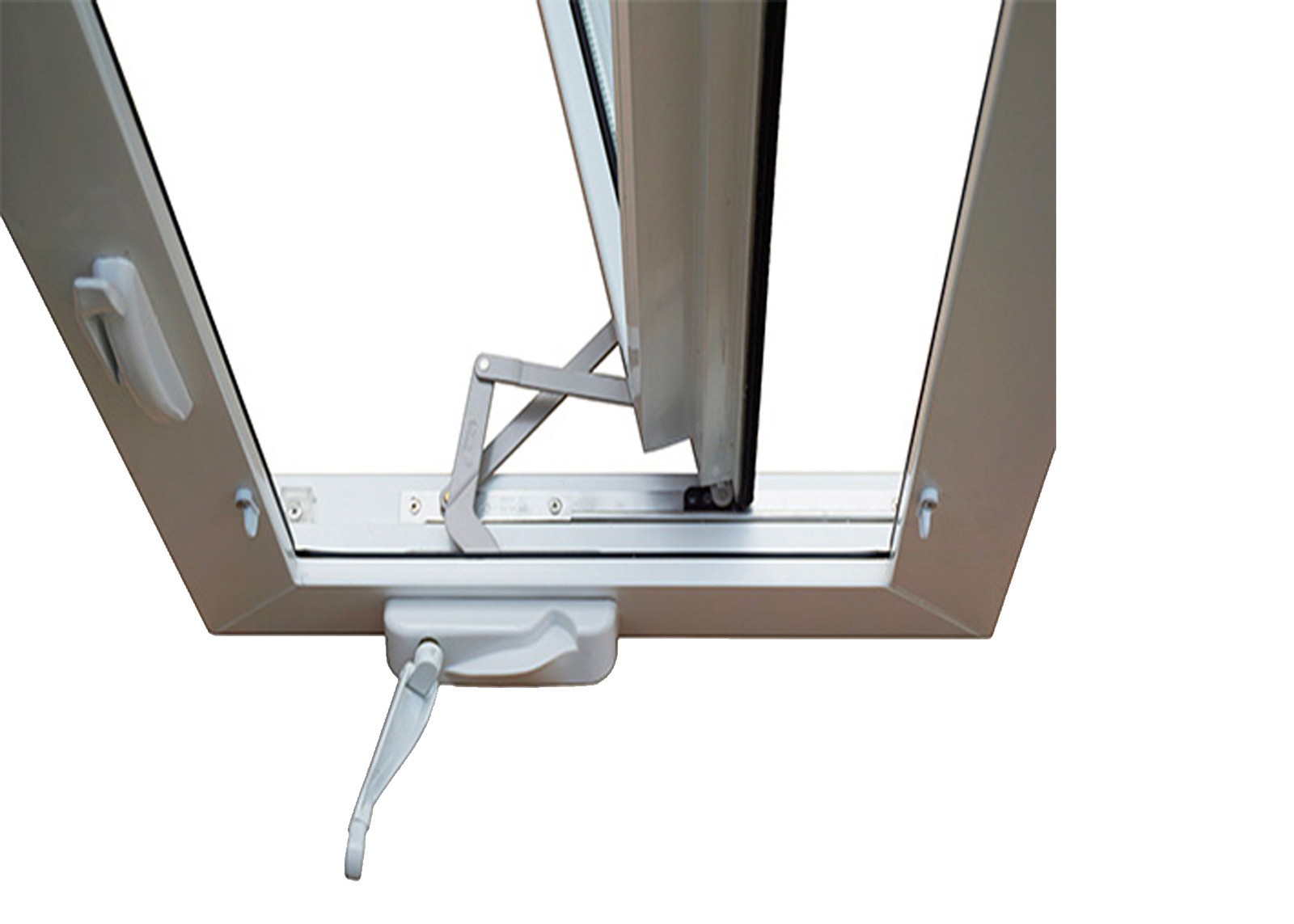
Hardware is where an opening window becomes a mechanism, and where a Perth buyer should look hardest at coastal projects. Hinges, friction stays, handles, locks and rollers all sit in salt air. Stainless steel and marine-grade finishes cost more and last longer; a powder-coated mild steel component in a beachside suburb will show the difference within a few seasons. Ask what the hardware brand and material are, and whether the same hardware is available as a spare part in ten years.
Screens are a Perth specification issue rather than an optional extra. Flyscreens and security screens change the frame depth, the drainage path and the way the sash closes. A window designed without a screen and retrofitted with one often loses its seal. If screens are required, they belong in the original order, in the same frame system, not added at handover.
The sill is the last detail and the one that decides whether water stays outside. A drained and vented sill, with weep holes that are not blocked by render or sealant, and with a sill slope that directs water away from the frame, is the minimum. On a full-height sliding door, the track drainage and the external fall of the paving decide whether a storm pushes water into the living room. The relevant guide here is the installation page, which sets out how the frame should be set, packed and sealed, and the correction page for what to do when an opening or a frame has already gone wrong.
Compliance and Documentation: What a Perth Double Glazing Quote Must Carry
Compliance is where window suppliers Perth buyers get separated most cleanly, because it is the part of the offer that costs money to produce and cannot be improvised at the last minute. A Perth project, whether it is a new house, an extension or a commercial fit-out, will be asked for evidence that the joinery suits the wind and water conditions at the site and that the glass is safe in the locations where it is installed. The evidence is a document set, and the document set is produced by the supplier.
Two suppliers can quote the same window at the same price and be in completely different positions on documentation. The range behind those quotes for Western Australia is listed on the double glazed windows Perth supplier page, and the documentation is what separates them. One has a project-specific report, a glazing schedule and a compliance statement ready before the deposit. The other has a brochure. The price difference between those two positions is small; the risk difference is not.
AS 2047 and the Report Behind the Label
AS 2047 is the Australian standard for windows and doors in buildings, and it is the reference a certifier will use for the performance of the fenestration itself. It covers structural performance under wind load, water penetration resistance and air infiltration, and it is demonstrated by testing or by an accredited assessment of a system, reported against a design pressure appropriate to the site.
What matters to a buyer is not the existence of a certificate but its scope. A report covers a system, a size range and a glazing configuration. A window that is larger than the tested size, or glazed differently from the tested configuration, is outside the scope even though it carries the same profile name. Ask for the report, find the size and glazing limits, and check that your largest opening sits inside them. The same logic applies whether the supplier is a Perth fabricator or an overseas factory: the paperwork has to match the product, and the factory has to be willing to issue project-specific documentation rather than a generic certificate.
ROPO states that its products meet AS 2047 and AS 2208 and it publishes the certification position on its quality and certificate pages. Its guide on how builders verify AS 2047 compliance sets out the check sequence in more detail, and its comparison of AS 2047 and NZS 4211 explains the difference between the Australian and New Zealand regimes, which matters if the same joinery family is being used on both sides of the Tasman.
AS 1288 and AS 4666 for the Glass Itself
AS 1288 governs glass selection and installation, including where safety glazing is mandatory, what glass thickness is required for a given span and wind pressure, and how glass must be marked. AS 4666 governs insulating glass units, including the construction and the test regime for the sealed unit. Together they cover the glass half of the window, and they are separate from AS 2047, which covers the assembly.
This separation is where quotes quietly diverge. A quote can comply with AS 2047 for the window and still use a glass unit that is not appropriate for the location, or use safety glass in one panel and ordinary annealed glass in an identical panel beside it. The glazing schedule should list every opening, its glass type, its thickness and whether it is safety glass, and it should be checked line by line rather than accepted as a whole.
For a Perth buyer the practical test is simple: ask for the glazing schedule, and ask which panels are safety glass and why. If the answer is "all of them", that is either a conservative specification or an expensive one, and either way it should be a deliberate decision recorded in the quote rather than an assumption.
WERS, Star Ratings and the House Energy Assessment
WERS, the Window Energy Efficiency Rating Scheme, is the Australian system that rates window products for their thermal performance and publishes the rating so that it can be used in a house energy assessment. A WERS-listed product carries a rating based on a specific frame, a specific glass make-up and a specific size, and only that combination carries that number.
This is why two suppliers can both say "double glazed, WERS rated" and produce different results in the same house. The rating belongs to the configuration, not to the company. If the builder substitutes a different glass make-up to save cost, the rating is no longer the one that was modelled, and the house assessment may no longer be satisfied. The substitution is usually invisible to the homeowner, which is why it belongs in the written variation process rather than in a phone call.
ROPO is a WERS member and states that its products are rated through the scheme; Heatseal and Vision Double Glazing both market double glazed product into the Western Australian residential market where the rating is part of the sales conversation. Whoever supplies the job, the buyer should ask for the WERS listing for the exact configuration quoted, and should keep it with the contract documents.
AGWA Membership and What It Does Not Prove
AGWA, the Australian Glass and Window Association, is the industry body for glass processors, window fabricators and suppliers. Membership indicates that a business participates in the association's framework, and it is a reasonable signal that the company is a known participant in the Australian market rather than an unknown exporter. ROPO states that it is an AGWA member, and it also states that its workshop is audited annually.
Membership is not a product certification. It does not mean every window the member sells has been tested to AS 2047, and it does not transfer any obligation to the buyer. It is one line of evidence among several, and it should be read alongside the test reports, the glazing schedule and the warranty terms rather than instead of them. A supplier with no membership but a complete project document set is in a stronger position than a member with a brochure.
The Document Set to Request Before a Deposit
Six documents are enough to tell whether a quote is real. The first is the measured schedule with every opening dimensioned, because a quote without dimensions is an estimate. The second is the glazing schedule with glass type, thickness, safety classification and coating for each opening. The third is the AS 2047 evidence for the system and size range being supplied. The fourth is the warranty document, stating what is covered, for how long, and who performs the remedy. The fifth is the installation scope, naming who sets, packs, seals and flashes the frame. The sixth is the delivery programme with the date the shop drawings are approved, because that date, not the order date, starts the manufacturing clock.
ROPO publishes a downloadable catalogue and a warranty list that set out its position on the third, fourth and sixth items; its Trade Assurance page explains the payment protection route for import orders. None of this replaces a project-specific document pack, but it shows what the supplier is prepared to put in writing before money moves. A supplier who hesitates on any of the six is telling you something useful, and it is better to hear it before the deposit than after.
Landed Cost, Freight and Programme Across the Five Routes
By the time five quotes are on the table, the window suppliers Perth projects can choose between are no longer comparable on unit price, because the unit price is the smallest part of the difference. What differs is what each price includes. A local quote includes labour, overhead, warranty administration and a margin that funds a local business. An import quote excludes freight, duty, clearance, delivery to site and installation, and those four lines can move the landed cost by an amount that changes the decision.
The right way to compare is to build a single column per route with every line item listed, including the ones nobody quoted. The exercise takes an hour and it is the only way to see which supplier is actually cheaper for your project. It also exposes the route that looks cheapest because it quietly left the installation, the screens or the crane out of the offer. Of the five, the Perth double glazing supply route is the one with the longest chain, which is exactly why it needs costing line by line.
What Local Fabrication Includes in the Price
A local fabrication quote normally includes the profile, the glass unit, the hardware, the screens, the factory assembly, the delivery to site and, where the supplier installs, the installation labour and the sealant. It also includes the supplier's compliance overhead: the test reports, the WERS listings, the warranty administration and the staff who answer the phone when a unit is wrong.
That overhead is real and it is not waste. It is what allows a builder to hand a schedule to one company and get a delivered, installed, warranted product with a local remedy. When a Perth fabricator quotes more than an overseas factory, part of the difference is the cost of being able to send a van to the site on Tuesday. For a project where the programme is tight or the client is occupying the house, that is often the deciding factor, and it is reasonable to pay for it. Builders lining up scopes can use the builder buying guide to compare what each quote excludes.
What Factory-Direct Import Includes, and What It Does Not
A factory-direct quote from ROPO includes the manufactured windows and doors, the glazing, the hardware, the screens where specified, the factory packing and the documentation for the shipment. It does not include international freight, marine insurance, Australian customs duty and GST, clearance fees, port charges, delivery from the wharf to site, unloading, installation, or the cost of replacing a unit damaged in transit if insurance was not arranged.
Those exclusions are not hidden, but they are easy to underestimate. The import route is covered step by step in the guide to importing double glazed windows and doors from China, and the Australian purchasing page sets out how ROPO handles the sequence for Australian buyers. The practical advice is to get three freight quotes against the actual volume and weight, to confirm who clears customs, and to decide before the container sails who is responsible for a broken pane at the other end. Trade Assurance covers the payment against the agreed scope; it does not cover a forklift dropping a crate on site.
The Cost Lines That Move a Perth Quote
Seven lines move a double glazing quote more than anything else: the frame material and whether it is thermally broken, the glass make-up and whether it is laminated, the size of the largest panel, the colour and surface treatment, the hardware grade, the screens, and the number of non-standard openings. Each one is a design decision, and each one can be traded against the others if the buyer knows which performance outcome actually matters.
The line most often wasted is colour. A two-colour window, different outside and inside, costs more than a single colour through the whole frame, and on many Perth houses the inside colour is only visible in three rooms. ROPO offers single-colour and two-colour finishes with powder coating, anodising, PVDF and woodgrain, and its prices-explained page sets out how the specification drives the price. Knowing which openings are actually seen is worth more than a discount on the ones that are not.
The line most often underestimated is the largest panel. A very large fixed light or a full-height slider needs thicker glass, a stronger frame, more handling equipment and more people on site at installation. It also needs a mullion design that was checked for deflection. That is the point at which a residential quotation and a commercial one start to diverge, and the point at which a supplier's engineering depth becomes visible.
Programme Risk: Glass Breakage, Replacements and Site Sequence
Every window project has a critical path, and for double glazing it usually runs through the shop drawing approval rather than the factory. Nothing can be cut until the drawings are approved, and the drawings cannot be approved until the openings are measured and the glazing schedule is settled. A project that orders early and approves late has bought nothing but storage risk.
Breakage is the second risk. Glass breaks in factories, in containers, on wharves and on sites. The question is not whether it happens but who fixes it and how long a replacement takes. On a local route, a replacement is a local delivery. On an import route, a replacement may wait for the next container unless a spare unit was ordered. The professional habit is to order one spare unit for each non-standard size on a large project, and to keep the packing until the unit is installed and inspected.
The third risk is sequence. Windows go in before the linings, after the frame is plumb and the flashings are in place, and before the floors are finished. If the joinery arrives after the plaster, the installation becomes a retrofit, the seals are compromised and the making good becomes a separate trade. The measuring guide on this site explains how the opening and frame dimensions relate, and it is worth reading before the first site measure rather than after the first discrepancy.
About ROPO Windows
ROPO Windows is the manufacturing business behind this site, so this section describes its own position rather than comparing it. The company manufactures custom aluminium, uPVC, timber and aluminium-timber windows and doors at a factory in Minhou County, Fuzhou, Fujian Province, and states 16 years of manufacturing experience and exports to more than 100 countries. Its production area is described as 10,000 square metres with two production lines, and its workshop is described as audited annually.
The certifications it states are AS 2047 and AS 2208 for Australia, AS 4666 and AS 1288 for glazing and glass selection, NZS 4211 for New Zealand, and Miami-Dade impact standards for Florida. It is a member of WERS and of AGWA. For Perth buyers, the relevant page is the Perth windows and doors landing page, which sets out the range supplied into Western Australia and the project case for a Perth installation using thermally broken aluminium windows and doors.
Factory, Certifications and Warranty
The company offers a 10-year warranty on its windows and doors, covering defects in materials or workmanship, with the terms published on its warranty list. It accepts a minimum order of one unit, which is unusual for a factory-direct route and is the reason the route is accessible to owner-builders and small renovators rather than only to container buyers.
The factory position is set out on the about factory page, including the production lines, the machining equipment and the inspection regime. The quality and certificate page carries the certification position in more detail. For a buyer, the useful thing about a factory that publishes its process is that the claims can be tested against the documents: a certification claim should resolve to a report, and a process claim should resolve to an inspection record on your own order.
Who ROPO Suits in a Perth Project
ROPO suits the buyer who has a schedule that is not standard, who is willing to approve shop drawings and manage a freight leg, and who wants the frame, the glazing and the finish specified together rather than chosen from a local range. That includes builders running custom homes, renovators replacing a full house of joinery in one order, and owner-builders who are comfortable with a bill of lading.
It does not suit the buyer who needs a window installed next month by the company that sold it, or who wants a single local phone number to cover manufacture, installation and after-sales. That buyer is better served by a Perth fabricator, and saying so is more useful than pretending one route fits every project. The comparison earlier in this article is there precisely because the routes are different.
Custom Production Process
The production process is the part of a factory-direct order that the buyer never sees, and it is the part that determines whether the joinery fits. It runs in five stages: drawing review, material preparation, fabrication and assembly, glazing, and inspection and packing. Each stage has a document that the buyer can ask for, and each stage has a failure mode that shows up on site if it is skipped.
Drawing Review and Shop Drawings
The process starts with the measured schedule. Each opening is recorded with its width, height, sill height, wall type and the direction it opens, and each is checked against the architectural drawing for head height, structural openings and adjacent finishes. Discrepancies are resolved at this stage, in writing, because a discrepancy discovered after extrusion cannot be fixed by a discount.
The output is a shop drawing set: elevation, section, opening direction, frame colour, glass make-up, hardware and screen for every unit, with a unit mark that matches the schedule. The buyer approves the set before production. This approval is the single most important control in the whole order, because everything downstream is built to it. A buyer who approves drawings without checking the opening direction on every unit has outsourced the quality control to the factory.
Fabrication, Glazing and the Inspection Regime
Fabrication covers cutting, machining, drainage slotting, assembly, sealing and hardware fitting, followed by glazing of the sealed units into the prepared rebates. ROPO describes five production steps to ensure quality, and its quality and testing page sets out the inspection points: incoming material inspection, in-process inspection and finished product inspection, with the assembled unit checked for dimension, squareness, operation and finish before packing.
For a double glazed order, the glazing step deserves particular attention. The unit must sit on setting blocks, not on the frame, and the rebate must drain. A unit installed hard against a blocked drain will hold water at the edge and fail the seal early, no matter how good the unit was when it left the glass line. This is a factory detail that the buyer can verify on a pre-shipment inspection photo set, and it is worth asking for on the first order.
Traceability and Pre-Shipment Checks
Traceability means that every unit can be matched to its drawing, its glass make-up and its inspection record after it has left the factory. In practice it is a unit mark on the frame, a packing list that matches the marks, and photographs of the packed crates that show the marks and the protection. When a discrepancy appears on site, the mark is what allows the factory and the buyer to talk about the same window.
The pre-shipment check is the buyer's last chance to catch a problem before it becomes a freight problem. Ask for photographs of each unit type, a packing list with marks and dimensions, and confirmation that the hardware and screens for each unit are packed with it rather than in a separate carton. A missing handle is trivial to fix in Fuzhou and expensive to fix in Perth.
Packaging and Shipping
Packing is the part of an import order that buyers notice only when it fails. A double glazed unit is heavy, fragile at the edge and easily scratched on the face, and a container is a dynamic environment: it flexes, it sweats, and it is handled by machinery at both ends. The packing has to protect the unit from all three. ROPO uses a three-layer packing system, and the packaging guide on this site sets out the sequence in detail.
For a Perth buyer the relevant question is not whether the packing looks substantial in a photograph but whether the crates are designed for the route. A short sea leg to Fremantle with one transhipment is a different risk profile from a long haul with three. Ask how the units are braced inside the crate, whether the crate can be lifted from the top and the side, and whether the faces are protected with film that can be left on until the last coat of paint.
Three-Layer Packing for Double Glazed Units
The three layers are the surface protection, the edge and corner protection, and the crate. The surface layer is a film applied to the frame and the glass, which keeps dust, mortar and paint off during construction. The edge layer is corner strips and foam that absorb impact at the points where a unit is most likely to be struck and where a chipped edge becomes a broken pane. The crate is the structural layer, holding the units upright, separated so they cannot rub, and braced so they cannot move as a block.
Two details are worth confirming on any order. First, units should travel upright, not flat, because a large double glazed unit laid flat can bow and stress the seal. Second, the crate should be marked with the unit marks that match the packing list, so that the installer can find the right window without unpacking the whole container on the driveway. Both are small requests and both save hours on site.
Full Container, LCL and the Fuzhou / Xiamen Departure
ROPO ships from Fuzhou and Xiamen. A full container is loaded at the factory and sealed, which is the lowest-risk option for a large order because the cargo is not handled again until it reaches the destination. LCL, where the cargo shares a container with other shippers, is the option for smaller orders, and it introduces consolidation handling at both ends. That handling is where most transit damage occurs, so the crate specification matters more on LCL than on a full container.
The buyer's decision is usually driven by volume: a house of joinery may fill a container, a single room will not. Where the volume sits between the two, the practical answer is to consolidate with other orders from the same factory rather than to force an LCL shipment of awkwardly shaped crates. The Australian purchasing page explains how ROPO groups orders for Australian buyers, and the Perth windows and doors range shows what a typical Perth order contains.
Documents, Trade Assurance and Arrival in Fremantle
The shipping documents are the commercial part of the packing. A commercial invoice, a packing list that matches the unit marks, a bill of lading and a certificate of origin are the minimum, and the importer's broker will want them before the vessel arrives. ROPO offers Trade Assurance, which holds the payment against the agreed scope and gives the buyer a documented route if the goods do not match it.
On arrival in Fremantle, the container is cleared, delivered to site or to a storage yard, and unpacked. Two habits make that day go well. The first is to inspect the crates for damage before signing the delivery receipt, and to photograph any damage before the crate is opened. The second is to check the units against the packing list as they are unpacked, rather than after installation, because a missing unit discovered during installation becomes a programme problem rather than a supply problem.
Window Suppliers Perth FAQ and Quote Request
The questions below come up in almost every Perth enquiry, and the short answers are here so that a buyer can get to the quote stage faster. They are deliberately direct. Where the answer depends on the project, the answer says so rather than inventing a number. For a specific project, the Perth double glazing supply page carries the range and the enquiry route, and the quote form below it goes to the same team that handles Australian orders.
Is Double Glazing Worth It in Perth?
For most Perth houses, yes, but the reason is comfort and condensation more often than payback. Double glazing reduces heat transfer through the glass, which lowers the load on air conditioning in summer and heating in winter, and it raises the temperature of the inner pane so that moisture condenses on the glass far less. The payback period depends on the house, the glazing and the energy prices, and any supplier who quotes a fixed payback without modelling the house is guessing. The honest framing is that double glazing is a comfort and durability decision with an energy benefit, not a financial investment with a guaranteed return.
Can I Import Double Glazed Windows to Perth Directly?
Yes. A homeowner or builder can buy custom double glazed windows from an overseas factory and import them, and ROPO accepts orders from a single unit upward. What changes is the work: the buyer arranges freight, customs clearance, delivery and installation, and takes responsibility for the site measure and the shop drawing approval. The import guide on this site sets out the sequence, and the Trade Assurance page explains the payment protection route. The route rewards buyers who plan; it punishes buyers who order from a photograph.
What Certifications Should a Perth Supplier Provide?
Three things. Evidence that the window system meets AS 2047 for the design pressure at the site, within the size and glazing range being supplied. A glazing schedule showing that the glass meets AS 1288 for safety and thickness, and that the units are built to AS 4666. And a WERS listing for the exact configuration if a star rating is being claimed for the house assessment. Membership of AGWA is a useful additional signal but is not a substitute for any of the three. ROPO states AS 2047, AS 2208, AS 4666 and AS 1288 compliance and holds WERS and AGWA membership.
How Long Does a Factory-Direct Order Take?
The programme is driven by three dates, and only one of them is the factory's. The first is the date the openings are measured and the schedule is final. The second is the date the shop drawings are approved, which starts production. The third is the sailing date, which depends on the shipping line and the season. Because all three move with the project, the useful answer is not a single number but a schedule from the supplier with those three dates named, and a written statement of what happens if the approval date slips. Ask for that schedule before the deposit, and treat a verbal lead time as a placeholder.
What Is the Minimum Order?
ROPO's minimum order is one unit. That is the company's published position and it is what makes the factory-direct route usable for a single replacement window or a small renovation, not only for a container. The economics still favour volume, because freight and clearance are largely fixed costs, so a buyer ordering one unit should expect the freight to be a large share of the landed cost and should compare it against a local supply-only price before deciding.
To get a quote that can be compared with a local one, send five things: the measured schedule with opening sizes and directions, the wall type and the site suburb, the glass performance target or the house energy report, the frame colour and finish, and the installation scope you expect the supplier to cover. ROPO quotes against that package, and the same package sent to a Perth fabricator produces a quote that can be read side by side. The window and door supplier in Perth that answers all five in writing is the one worth shortlisting, whichever route it represents.
For buyers who want to see how the range is put together before they measure, the Perth display home and distributor network page explains how local partners and display homes work, and the dealer page sets out the route for a business that wants to supply rather than buy. Both are useful context for the decision, and neither replaces a measured schedule. Buyers comparing states can read the Melbourne windows and doors page and the Australia-wide supply page for the same five routes elsewhere.
