







Top 10 Aluminium Window Manufacturers in Australia (AS2047 & AGWA)
Home / Blog / Manufacturers & Suppliers
How to read an Australian test report, compare local manufacturers by state and evidence, and decide when factory-direct import is the better commercial route.
A buyer who types aluminium window manufacturers australia into a search bar is usually not browsing. They are trying to finish a shortlist. The project may be a new home in Brisbane, a townhouse development in Melbourne's south-east, a school refurbishment in Perth, or a renovation in Hobart where the timber frames have reached the end of their life. Underneath the search sit three questions: who actually fabricates the window, what evidence can they put in front of a certifier, and will they still answer the phone when the first unit arrives damaged.
The Australian market makes those questions harder than they look, because the companies that share a search result page are not the same kind of business. Some are national brands that manufacture and install. Some are state fabricators that serve one metro area extremely well. One is a systems house that designs and tests extrusions which other companies then build. Another is a component specialist that makes louvre windows and sells through a dealer network. Treating them as interchangeable suppliers is how a project ends up comparing a $900 window with a $2,400 window and concluding that one must be a bargain.
This guide sorts that market by what each company publishes about itself, not by advertising spend. Every company description is drawn from the manufacturer's own public website in November 2026, with claims attributed to the company that makes them. Where a company does not publish a compliance position or a service area, this article says so rather than filling the gap. ROPO has manufactured aluminium and uPVC windows in Fuzhou, Fujian, for 16 years and shipped to more than 100 countries, Australia among them, so the import section explains how factory-direct supply compares with the local routes above.
What does AS 2047 actually test, and what does it not?
AS 2047 tests four performance properties of a window assembly — structural performance under wind pressure, water penetration resistance, air infiltration and operating force — using the AS 4420 methods. It does not certify a company, a brand or an energy rating. The report belongs to a tested specimen at a tested size, with a named frame, glazing build and hardware.
The distinction is structural, not semantic. A supplier can hold a valid report and still sell you a window outside its scope, because scope is defined by the specimen rather than by the company name. When someone says "we are AS 2047 certified", the useful follow-up is not "which certificate" but "which specimen, at which size, with which glass, and does my order sit inside that envelope".
The four properties, and the site class that sets the target
Structural performance is measured as deflection and permanent deformation under positive and negative design pressure. Water penetration is measured as the pressure at which water crosses the sill or the drainage path. Air infiltration is measured as leakage per unit of frame length or area at a reference pressure. Operating force covers the effort needed to open, close and lock the sash. A window that passes three and fails the fourth is not a compliant window; it is a window with a problem in one specific assembly detail.
For housing, the design pressure is set with reference to AS 4055, Wind loads for housing, which classifies sites from N1 to N6 and, in cyclonic regions, C1 to C4. The class is a function of the site's regional wind speed, terrain and shielding, and it is assigned to the building, not to the window. Non-housing buildings are usually assessed under AS/NZS 1170.2 wind actions, which produces a design pressure directly. Either way, the number that matters is the pressure the window must resist at its location, and the report has to bracket it.
This is where a schedule quietly falls apart. A house on an exposed coastal block can sit two classes above an identical house four streets inland, and the elevation looks the same. The fix is not a bigger frame; it is a different tested configuration, sometimes thicker glass, and an anchor detail that matches the pressure. Ask for the site class before pricing, not after certification.
Table 1 — AS 2047 properties: what each one proves and what it leaves open
| Property | Test basis | What it proves | What it does not prove |
|---|---|---|---|
| Structural performance | AS 4420.2, positive and negative design pressure | The assembly resists the tested pressure without excessive deflection or permanent set | That a larger or differently divided unit behaves the same |
| Water penetration | AS 4420.1, differential pressure with water spray | The tested sill, drainage and seal detail resists the tested pressure | That site flashing and the wall interface are correct |
| Air infiltration | AS 4420.3, leakage at reference pressure | Leakage falls within the standard's limit for the tested unit | Whole-building airtightness, or duct and exhaust leakage |
| Operating force | AS 4420.4, opening and locking effort | The sash operates within the force limits at the tested size and mass | Long-term hardware wear, or operation after settlement |
Read the table as a scope map rather than a scorecard: the four rows are four separate promises, and a quote that references only one of them has answered a quarter of the question. The compliance file should show a result against each, for the configuration being purchased.
Why the tested envelope decides more than the badge
Anyone assembling an aluminium window manufacturers australia shortlist will meet the same problem here. A test report typically names the largest and smallest specimen tested, the glazing make-up used, the hardware set and the pressure achieved. Everything inside that envelope can usually be interpolated or extrapolated under the laboratory's rules; everything outside it needs a new test or a documented engineering assessment. That boundary, not the logo on the certificate, is what a certifier applies to your schedule.
Most Australian residential schedules sit comfortably inside a report. Problems cluster at the edges: full-height fixed panels, wide sliding doors, corner openings, and any unit where the architect increased the span to keep a sightline. Those are the units where the answer should be a report page with the size circled, not a reassurance. The AS2047 aluminium windows page on this site lists the configurations built for Australian projects, and the test report verification guide sets out how to read the document line by line.
How do Australian ratings translate into NFRC, NAFS and Miami-Dade terms?
There is no one-to-one conversion. AS 2047 reports structural, water, air and operating results for a specimen. NFRC reports U-factor, SHGC, visible transmittance and air leakage for energy. NAFS reports a Performance Grade for structural, water and air performance. A Miami-Dade NOA approves a specific configuration. They answer different questions and cannot be substituted for each other.
That matters because Australian manufacturers increasingly export, and Australian buyers increasingly receive brochures written for the American market. A factory that holds a Florida approval is not automatically compliant in Queensland, and a window with an excellent NFRC U-factor has told you nothing about its wind class. The table below maps the frameworks, and the paragraphs explain where the seams are.
NFRC: four metrics, four different questions
The NFRC label reports U-factor under NFRC 100, solar heat gain coefficient and visible transmittance under NFRC 200, and air leakage under NFRC 400. Condensation resistance, under NFRC 500, appears on some labels as a fifth value. Each is a simulation or test result for a specific product line and size, and each is routinely misread in the same three ways.
U-factor is heat flow through the assembly per unit area and temperature difference, expressed in Btu/h·ft²·°F. It is not insulation thickness, and a low U-factor does not imply a warm frame or a dry sill. SHGC is the fraction of solar heat admitted, not the fraction of light admitted; VT is the light fraction. A window can be bright and hot at the same time, which is why the SHGC and VT trade-off is a design decision rather than a specification detail: shading the glass always costs daylight, and daylight always costs cooling unless the shading is selective.
Air leakage looks like an energy metric and behaves like a moisture metric. Leakage at frame, sash and meeting stile carries humid air into the wall cavity, where it condenses on the first cold surface. In a cooling-dominated climate the energy penalty may be small while the condensation risk is not.
ENERGY STAR: climate zones drawn by county, not by state
ENERGY STAR for windows divides the country into four zones — Northern, North-Central, South-Central and Southern — and the boundary follows county lines, so a single state can contain two or three zones. Qualifying values for U-factor and SHGC differ by zone, and the programme is voluntary: it sits beside structural compliance, not inside it.
The commercial consequence is that one product cannot be sold unchanged across the country. A configuration tuned for the Northern zone carries glazing and spacer cost a Southern buyer does not need, and the extra weight can pull a sash out of its tested operating-force range. The zone drives the glass, and the glass drives the tested configuration.
NAFS and Performance Grade: PG is a pressure, not a wind speed
NAFS is the North American Fenestration Standard, published as AAMA/WDMA/CSA 101/I.S.2/A440. It assigns a Performance Grade in pounds per square foot of design pressure and a class — R for residential, LC for light commercial, CW for commercial window, AW for architectural window — that reflects the intended application and the test severity. The grade covers structural, water and air performance together, which is why a single PG number looks deceptively simple.
Converting PG to wind speed requires the basic wind speed, the exposure category, the effective wind area and the pressure coefficients that produced the original design pressure. Without those four inputs, a conversion is arithmetic theatre. The same warning applies to the tested size: a PG 50 result belongs to the specimen that was tested, and a larger unit carrying the same grade has less margin, not the same margin.
TAS 201, 202 and 203: three tests that only work as a sequence
Florida's impact regime runs three tests in sequence. TAS 201 fires a large or small missile at the specimen, depending on the building height and the windborne-debris region. TAS 202 applies uniform static pressure to check structural capacity and water resistance after impact. TAS 203 applies cyclic pressure to check fatigue and residual performance. Passing one is not passing the set.
The failure modes explain why. A unit that passes 202 but fails 203 typically has an anchorage or sealant detail that survives a single load and then fatigues under repeated loading, which is exactly the loading a storm season delivers. A unit that passes 201 but fails 202 keeps its glass intact at impact and then deflects beyond limits under design pressure, because the frame or the anchor was never sized for the post-impact load path. And a unit that passes all three at one size tells you nothing about a wider unit with an extra mullion, because the mullion changes how the load reaches the anchors.
Miami-Dade NOA: the approval covers a configuration, not a brand
A Miami-Dade Notice of Acceptance approves a product family within a defined scope: model, size range, panel configuration, anchorage method, substrate and installation instructions, with a number, a revision and an expiry date. Inside that scope the product may be installed in the High Velocity Hurricane Zone; outside it the approval does not apply, even if the label on the frame is the same.
Four situations put a project outside scope: increasing a panel dimension beyond the approved range; adding or moving a mullion; changing the anchorage or the substrate, for example from concrete to cold-formed steel; and installing with a detail that differs from the approved instructions. The underlying reason is mechanical: bending moment rises with the square of the span while the section modulus and anchor spacing do not rise with it, so the margin disappears faster than the drawing suggests. A NOA also says nothing about energy performance or about installation quality on site.
Table 2 — Framework map: what each system rates, and what it cannot replace
| Framework | Rates | Reported as | Cannot replace |
|---|---|---|---|
| AS 2047 (Australia) | Structural, water, air, operating force | Pass or fail against a site pressure, per specimen | Energy rating; US product approval |
| AS 4055 / AS-NZS 1170.2 | Design wind pressure for the building | Site class N1–N6, C1–C4, or calculated pressure | Any window test result |
| NFRC 100 / 200 / 400 / 500 | U-factor, SHGC, VT, air leakage, condensation | Label values for a product line and size | Structural or water performance |
| ENERGY STAR zones | Energy performance thresholds by county | Qualified or not qualified, per zone | Code compliance of any kind |
| NAFS / AAMA PG | Structural, water and air, combined | Performance Grade in psf, plus class | Australian site class; energy values |
| TAS 201 / 202 / 203 | Impact, static pressure, cyclic pressure | Pass or fail per specimen and size | Non-hurricane wind ratings; thermal performance |
| Miami-Dade NOA | Product approval for a defined configuration | NOA number, revision, expiry, scope | Energy rating; site workmanship; other jurisdictions |
The table is a translation key, not an equivalence proof. A tender that mixes frameworks without saying which one governs will produce quotes that cannot be compared, and a supplier who answers a NAFS question with an NFRC label has either misunderstood the question or is hoping you will not notice.
What this means for an Australian order
For an aluminium window manufacturers australia comparison, AS 2047 plus AS 4055 and the NCC is the governing set, and NFRC or Miami-Dade documents are supporting evidence of factory capability rather than project compliance. For a factory that serves both markets, the discipline is to keep the document sets separate: the Australian report for the Australian order, the Florida approval for the Florida order, and no statement that one implies the other.
That separation is also a useful screening test. A supplier who can name which document applies to which market, and who can produce the scope page rather than a certificate image, is a supplier whose paperwork will survive a review. The certificate library on this site lists the positions held by product family, and the quality and certification page explains how each is maintained.
Who are the leading aluminium window manufacturers in Australia?
The strongest shortlist combines G.James for glass, extrusion and facade depth, Stegbar and Dowell for national manufacture with installation, A&L and Wideline for volume residential supply, Jason for Western Australia, Trend for architectural systems, Regency for Melbourne custom work, Breezway for louvres and AWS for tested systems. Each leads a different segment rather than the whole market.
That answer is deliberately plural, because "leading" depends on which capability a project needs. A builder pricing 140 identical openings needs repeatable production and a schedule they can hold. An architect specifying a four-metre sliding panel needs a tested system with a fabricator licensed to build it. A homeowner replacing eleven windows in a 1970s brick veneer needs one company that measures, manufactures, installs and carries the warranty for all three.
The phrase aluminium window manufacturers australia covers four different business models, and the model matters more than the ranking. Four filters produced the list. The company had to state on its own website that it manufactures in Australia or operate a named fabrication facility. It had to offer a range that matches Australian schedules — awning and casement with chain winders, sliding windows and doors, double-hung for renovation, tilt-and-turn for apartment ventilation. It had to publish something substantive about performance or accreditation that a buyer can read without registering. And it had to represent a real procurement route rather than a catalogue.
The order follows breadth of fit: how much of a package one entity can carry, how far its service area reaches, and how much of its compliance position is public. It is not a claim that the tenth company is worse than the first. A project in Perth should read Jason first; a Melbourne renovation should read Regency first; a specification built around a tested system should start with AWS.
1. G.James Glass & Aluminium — Queensland: glass, extrusion and facade under one group
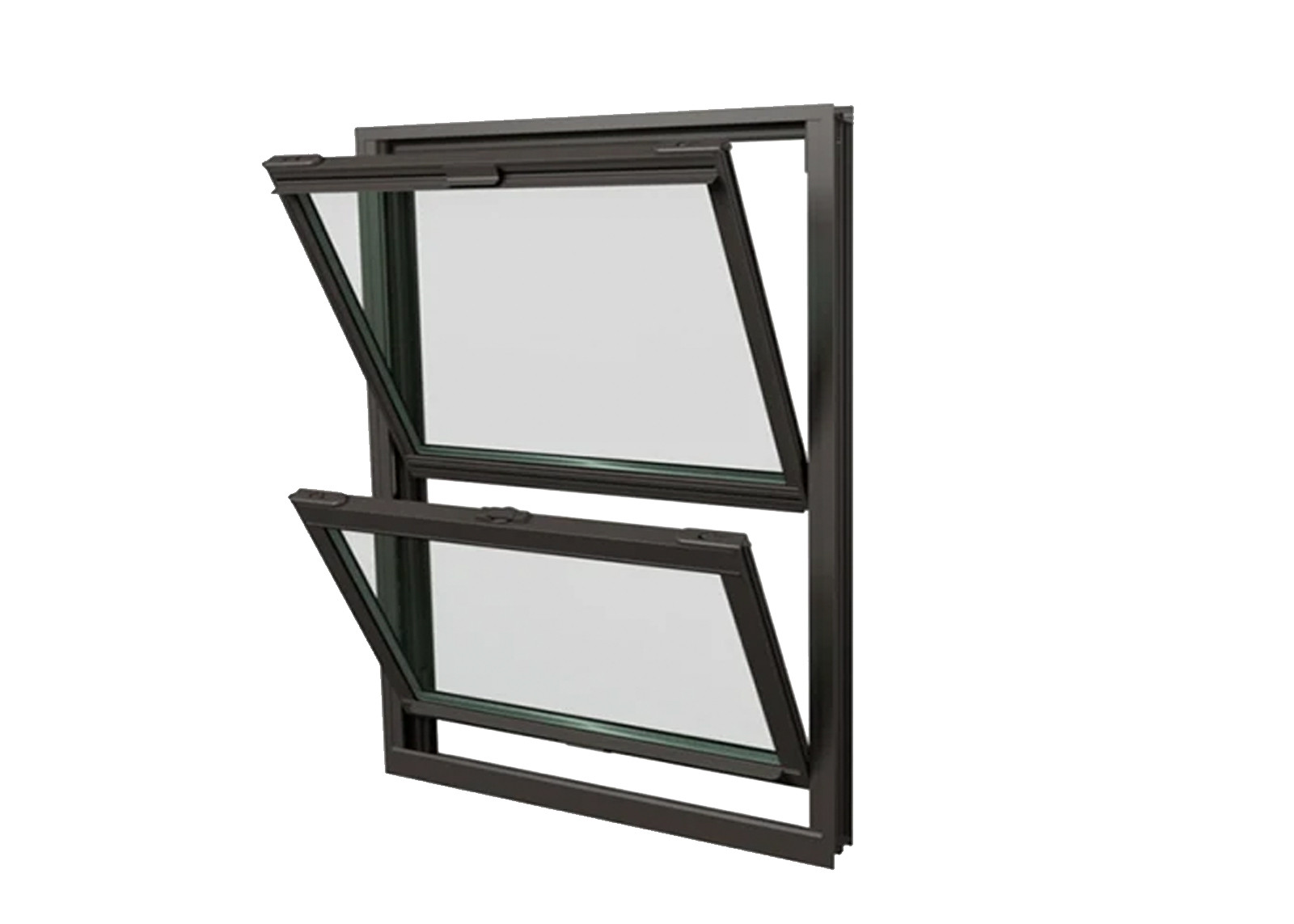
G.James is the closest thing in Australia to a vertically integrated window group. Its site lists windows (sliding, double-hung, strut, louvre, fixed, awning and casement), doors (sliding, bi-fold, hinged, pivot, wardrobe, shower screens) and a facade division covering shopfronts, window walls, curtain walls, shading and cladding. Behind those products sit glass processing — laminating, toughening, insulating glass units, printing, glazing services — and aluminium capability that starts at extrusion and runs through anodising, powder coating, fabrication and castings.
That breadth matters where the window, the glass and the facade are one interface. When a curtain wall leaks, the argument between glazier, fabricator and glass processor is expensive; a group that owns all three has fewer places to point. The homepage project references reviewed for this article are Queensland addresses — Fortitude Valley, the Gold Coast, Cairns, Tarragindi, Chermside — consistent with a Queensland base and a strong south-east Queensland pipeline, while the locations directory indicates a wider footprint. The reviewed pages do not publish an AS 2047 position in words, so the report request is still the buyer's job.
2. Stegbar — national: windows, doors, wardrobes and shower screens at scale
Stegbar describes itself as having started "over 80 years ago as clock case and office furniture fabricators" and having grown into "Australia's leading manufacturer of windows, doors, shower screens, splashbacks and wardrobes". That trajectory explains its shape: a multi-product building materials manufacturer with showrooms, installation crews and a national brand, not a single-product window shop.
The practical advantage is coverage. Its enquiry forms list showrooms in New South Wales (Chatswood, Penrith, Taren Point, Wollongong), Queensland (Chevallum, Fortitude Valley, Helensvale), South Australia (Pooraka) and Victoria (Geelong, Rowville), and state plainly that the company is unable to service NT, WA and TAS. A builder running a programme across the eastern states can standardise on one supplier and one warranty process. The trade-off is that a multi-product manufacturer optimises for its standard ranges; highly bespoke facade work is better served elsewhere. Stegbar publishes an accreditation page, but the reviewed pages did not state specific AS 2047 report numbers.
3. Dowell Windows — national: a 160-year brand built around thermal ranges
Dowell's homepage makes three claims that are easy to check: more than 160 years of manufacturing in Australia, 100% Australian ownership, and 19 locations across the country. The range is organised into DesignerLine for architecturally specified work, UrbanLine for mainstream residential, ThermaLine for thermally improved performance, plus security and screening.
The thermal claim is the one that matters to an assessor. Dowell states that ThermaLine achieves an NCC 7+ star energy rating, and it offers a complete window and door installation and replacement service for Victorian and Tasmanian homeowners. A 7-star claim is a statement about a window system in a defined configuration, not a promise about a whole house, so the follow-up is which glazing make-up and frame produced the rating and whether the assessor's model uses the same values. The reviewed pages did not publish AS 2047 report numbers.
4. A&L Windows — South Australia and the eastern states: volume residential with stated lead times
A&L states that all of its windows are "proudly 100% designed and made in Australia", that it began as a family-owned business and is now part of one of Australia's larger building materials manufacturers. What makes it unusual is that it publishes service promises rather than adjectives: lead times of 5–7 working days in Queensland and 7–10 in Victoria, a DIFOT rate of 94%, prices held for twelve-month terms, and a 10-year product warranty.
Its range covers awning, bifold, corner, double-hung, fixed, louvre, sashless and sliding windows plus sliding, bifold, corner bifold, corner sliding and French doors — a set that maps closely onto Australian residential demand, including sashless windows that are a genuinely local product type. Published lead times deserve respect and scrutiny in equal measure: they are the company's own figures, they vary by colour, glass and configuration, and they are measured from different starting points at different companies. Convert the claim into a contractual date with the measurement and approval dates that trigger it.
5. Wideline Windows & Doors — New South Wales: aluminium and timber, with a written guarantee
Wideline describes itself as "50+ years producing quality, Australian-made windows and doors", and it is one of the few companies here that manufactures both aluminium and timber. The aluminium range covers windows and doors for residential work; the timber range, sold as Natura, matters for heritage and character homes where an aluminium frame will not satisfy the council or the owner. The company states that every product is "tested for safety, energy efficiency and quality" and is backed by a written 7-year guarantee.
Two things follow. A renovation where the front elevation must stay timber and the rear can be aluminium can be supplied by one manufacturer, which simplifies the delivery schedule. And a 7-year written guarantee is a useful benchmark — shorter than the 10-year terms offered by some competitors, longer than the statutory minimum — but the buyer should read what it covers: frame, glass, hardware, installation.
6. Jason Windows — Western Australia: the state specialist that east-coast brands do not replace
Jason Windows is explicit about geography: "Western Australia's trusted supplier of windows, doors and security screens", supplying since 1959, manufacturing locally at its Welshpool facility for Perth and the South West Bunbury region. Its range includes aluminium windows and doors, security screens, flyscreens, glass and screen components — a combination that reflects a market where security and insect protection are part of the window package rather than an afterthought.
The company also calls itself the market leader in "product design, strength, security and customer service", a self-assessment rather than an audited claim. What can be verified is the facility, the range and the service region: a buyer in Perth can visit, inspect a unit and speak to the people who will manufacture it. For a national builder, Jason illustrates a structural fact — Western Australia is often excluded from east-coast service areas, so a Perth project uses a local fabricator or imports.
7. Trend Windows & Doors — eastern and southern states: architectural ranges with a showroom network
Trend organises its range by performance tier rather than by opening type: Synergy for residential aluminium, Quantum for architectural aluminium, Crestlite for commercial aluminium, ThermaRange and ThermaHybrid for thermally broken systems, and Botanica for timber. That structure lets a specification move up or down a tier without changing supplier or detailing language, which is useful when a project's thermal target shifts during design.
The company states that it partners with "multi-residential and commercial clients to craft perfect project solutions", and its showroom list — Hume, Chatswood, Girraween, Fortitude Valley, Ormeau, Regency Park, Bayswater and Hawthorn — maps to the ACT, NSW, QLD, SA and VIC markets. Its enquiry form states that it cannot service WA or NT. The thermal ranges are the part most likely to be specified on a 7-star project, and the questions are the same as for any thermally broken system: which frame, which glass, which spacer, and what the rating covers.
8. Regency Windows — Melbourne: custom manufacture from a single workshop
Regency Windows has operated since 1985 and manufactures custom aluminium windows and doors at its workshop in Thomastown, offering supply only or supply and install across greater Melbourne, with an in-house team and on-site custom design and fabrication. A single-metro manufacturer is a different proposition from a national brand: the people who quote, draw, fabricate and install are in the same building, and a site issue can be resolved by a phone call rather than a ticket.
The limitation is geography — a project outside greater Melbourne is outside the model. For a Victorian renovation with irregular openings, brick veneer walls and a heritage overlay, that trade is usually worth making. For custom work the critical question is the tested size envelope, because a custom size is exactly where a report's scope is most likely to be exceeded.
9. Breezway — national louvre specialist: a component range, not a whole-house supplier
Breezway makes Altair aluminium louvre windows and describes them as allowing "more ventilation than any other window type". The company states that it tests the Altair range extensively for compliance with international standards, that the product has "proven their performance in real-world hurricane conditions", and that each window is made to order so blade, frame and control options can be combined for a specific design.
Its route to market is instructive: it sells through a network of window dealers and fabricators who build the product locally, so the buyer's contract is usually with the fabricator while the louvre hardware and blades come from the specialist. Knowing where the warranty splits matters more than the brand on the blade. A louvre is also not a substitute for a sealed window — it leaks air by design, behaves differently under water penetration, and its acoustic performance is not comparable to a fixed or awning unit.
10. Architectural Window Systems (AWS) — national systems house: tested systems, licensed fabricators
AWS is included last because it is not a window manufacturer in the sense the other nine are. Established in 1995, it describes itself as "one of Australia's leading suppliers of aluminium window and door systems", with its own brands — Vantage for residential, Elevate for commercial, ThermalHEART for thermally broken work — designed, tested and manufactured in Australia. The windows themselves are built by a network of licensed fabricators.
That model has real advantages: a specification can name a system that was tested as a system, and any licensed fabricator can build it to the same drawings, which makes tendering more competitive and replacement more predictable. It also splits accountability — the system house owns the design and the test evidence, the fabricator owns the workmanship and the site measure, the installer owns the wall interface. For a buyer, "AWS" is not a supplier you can place an order with; you choose a fabricator, and the fabricator's capability determines the outcome.
Read together, the ten fall into three groups, and the group matters more than the ranking. The fabricator-brand carries the product and installation warranty and is the right first call when the project needs one throat to choke. The component specialist is right for louvres and wrong for a whole-house package. The systems house is right when the specification should be system-led. Above all three sits the extruder — Capral publishes its extrusion, anodising and coating capability and its AGS and Artisan ranges — and an extruder supplies the fabricator; it does not replace one.
How do you verify a manufacturer's compliance claim?
Ask for three things and read them in order: the AS 2047 report for the suite and size you are buying, the AS 1288 glass specification for your largest pane, and the AS 4666 certificate for any insulating glass unit. Then check that the entity named on the report is the entity that will invoice you. A certificate image proves none of this.
Most weak claims fail at the second question rather than the first: the supplier has a report, but it covers a different suite, a smaller sash or single glazing, and the person answering the email does not know the difference. The exercise is not about catching anyone out. It establishes whether the compliance file can be produced per project, which is what a certifier actually tests.
Start with the report, not the logo
An AS 2047 report has a structure worth learning: the applicant and the testing laboratory, the specimen description, the glazing make-up, the test methods, the results against each property, and the size tested. The pages that matter most are the specimen page and the results table, not the cover. If the report was issued to a related company, ask for the letter that links the two entities, because a report held by one subsidiary and an invoice issued by another creates an argument at handover.
Three checks settle most of it. Does the legal name match the contracting party? Does the specimen match the configuration in the schedule — opening type, frame depth, sash size, glazing build, hardware? Does the largest opening sit inside the tested envelope? A supplier who can answer all three in writing has a compliance file; a supplier who answers two and promises the rest after deposit is telling you how the project will run.
AGWA membership and WERS ratings are signals, not certificates
AGWA, the Australian Glass and Window Association, is the industry body many fabricators and importers belong to, and its member directory is a useful check on whether a company is part of the local industry conversation. Membership is not a product certification and does not prove that a specific window will pass a specific project. Our article on why AGWA membership matters explains what the affiliation does and does not cover.
WERS, the Window Energy Rating Scheme, rates the energy performance of window products and is the language an energy assessor uses. A WERS rating is configuration-specific: frame, glass, spacer and size all affect it. When a supplier quotes a star rating, ask for the rated configuration and compare it with the specification rather than with the brochure headline. The comparison of five Australian compliance routes in our AS2047 manufacturer comparison shows how differently five companies document the same standard.
The report checklist, and what breaks when a line is missing
Table 3 — Report and evidence checklist
| Item | What to read | If missing |
|---|---|---|
| Report holder | Legal entity on the report vs the contracting party | Warranty and liability split at handover |
| Specimen description | Suite name, frame depth, opening type, hardware | No proof the ordered product was tested |
| Tested size | Largest and smallest unit, aspect ratio, mullion layout | Oversized units inherit an unproven margin |
| Glazing build | Glass type, thickness, IGU make-up, spacer | AS 1288 and AS 4666 obligations unclosed |
| Results | Structural, water, air and operating force against site pressure | Certifier cannot map result to class |
| Site class basis | AS 4055 class or AS/NZS 1170.2 pressure used | Window may be rated for the wrong exposure |
| Validity | Issue date and any revision | Superseded results presented as current |
The last row is the one buyers skip. A report is a snapshot of a specimen tested on a date; if the profile was revised, the die changed or the glazing supplier changed, the result may no longer describe what is being shipped. Ask what has changed since the test, and get the answer in writing.
Five questions that produce documents within a week
- Which AS 2047 report covers the suite, size and glazing I am ordering, and can you send the full report rather than the certificate page?
- Which AS 1288 glass specification applies to my largest pane, and which AS 4666 certificate covers the insulating glass unit?
- If the site is bushfire-prone, which BAL rating have you tested to, and what changes in the frame and glazing?
- Which entity will sign the contract, and is it the same entity named on the report?
- Who owns the installation interface, and what is the warranty if water enters at the frame-to-wall junction?
That is the standard an aluminium window manufacturers australia shortlist should be held to. A supplier who answers all five in writing is worth shortlisting. The same discipline applies if the project spans both sides of the Tasman: the AS2047 versus NZS 4211 comparison sets out where the two regimes diverge, and the import guide for Australian suppliers covers the documentation that travels with a shipment.
Which states does local supply actually cover?
Coverage is the filter that most aluminium window manufacturers australia lists skip. Australia is not one window market. It is five or six regional markets with different wind classes, builder ecosystems and levels of manufacturer coverage. Coverage statements below come from each company's own published service area or showroom list. A national brand does not automatically mean national installation, and a showroom does not guarantee a crew in a regional town.
Read the table with the project address in hand. The question is not "does this company sell into my state" but "who will measure, who will install, and who pays for the second trip if a frame does not fit". Those three answers decide whether a national quote is comparable with a local one.
Where the coverage thins out
New South Wales has the deepest bench: Stegbar lists four showrooms, Wideline's published base is Sydney, A&L lists NSW among its service states, and Trend lists Chatswood and Girraween. Victoria combines national brands with a strong custom sector — Regency manufactures in Thomastown, Dowell runs an installation and replacement service, and Trend lists Hawthorn and Bayswater. Queensland is G.James territory in the south-east, with A&L quoting 5–7 working days and Stegbar and Trend holding showrooms.
South Australia is served by Stegbar at Pooraka, A&L and Trend at Regency Park. Western Australia is different: Jason manufactures at Welshpool for Perth and the South West, while Stegbar states it cannot service WA and Trend states it cannot service WA or NT. Tasmania depends on mainland supply plus installation partners, with Dowell's published Victorian and Tasmanian replacement service one of the few explicit offers. The Northern Territory is excluded by both Stegbar and Trend, leaving local fabricators and import.
Table 4 — State coverage from published service areas
| State / territory | Published coverage | What coverage does not prove |
|---|---|---|
| NSW | Stegbar (4 showrooms), Wideline (Sydney), A&L, Trend (Chatswood, Girraween) | Install crew availability west of the Divide |
| ACT | Stegbar (listed), Trend (Hume) | Bushfire (AS 3959) evidence for the BAL rating |
| VIC | Stegbar (Geelong, Rowville), A&L, Dowell (install/replacement), Trend, Regency (Thomastown) | Custom sizes inside the tested envelope |
| QLD | G.James, Stegbar, A&L, Trend | Cyclonic-region testing for northern sites |
| SA | Stegbar (Pooraka), A&L, Trend (Regency Park) | Regional freight and install cost |
| WA | Jason Windows (Welshpool) — Stegbar and Trend exclude WA | Cross-state warranty response time |
| TAS | Dowell (replacement service) — Stegbar excludes TAS | Freight to site and returns handling |
| NT | Stegbar and Trend exclude NT | Local fabrication capacity and cyclone compliance |
Two operational points follow. First, ask for a delivered-to-site price rather than an ex-works price, and ask who pays for the second trip when a unit does not fit. Second, ask for the name of the installer, not the name of the brand; the warranty on the wall interface usually sits with a subcontractor the brand does not employ. The opening measurement guide explains why a 5 mm error at measure becomes a site problem in every state.
When does factory-direct import beat local supply?
Import wins in four situations: the project sits outside a manufacturer's service area, the schedule is larger or faster than the local factory can absorb, the design needs sizes outside a standard range, or the package is large enough that landed cost plus installation beats a local quote. For a single replacement window or a warranty-critical site, local supply usually wins. For a buyer weighing aluminium window manufacturers australia against an offshore plant, the real difference is who holds the risk, not who holds the cheaper unit price.
The shift is not mainly about product. When you buy locally, the manufacturer holds the test report, the quality system and the warranty, and you hold a contract. When you import, you hold the specification, the drawing approval, the inspection plan, the shipping documents and the installation coordination, and the factory holds production. The window can be identical; the risk allocation is not.
What a factory-direct supplier has to prove
ROPO has manufactured aluminium and uPVC windows and doors in Fuzhou, Fujian, for 16 years and exported to more than 100 countries. The factory holds AS2047, NZS 4211 and Miami-Dade test positions and offers a 10-year warranty, with a minimum order of one unit, which matters to a buyer testing a supplier before committing a project. Trade Assurance is available on orders, and production runs through five inspection gates from incoming aluminium to pre-shipment.
Those facts answer the first question: can this factory produce a window a certifier will accept for my project. They do not answer the second: will the tested specimen reach site in the condition it left the factory. That is a packaging, loading and documentation question, covered in the trust sections below. The Australia supply page sets out the market position, and the Australian project references show the range of work shipped there.
How the cost comparison actually works
A factory-direct quote and a local quote are not the same object. The local price usually includes measure, manufacture, delivery, installation, warranty administration and showroom overhead. The import price usually covers manufacture, packaging and delivery to a port, with freight, duty, clearance, site delivery and installation added separately. Comparing headline numbers is meaningless; the comparison is landed cost plus installation plus the cost of the risk you have taken on.
That is why an import case should be built on a full-house schedule rather than a single window. Fixed costs — drawing approval, inspection, freight, clearance — spread across the order, so a 40-opening house behaves differently from a 4-opening renovation. Our guide to materials and cost factors sets out what moves a factory quote, and the import sequence guide covers MOQ, payment and shipping.
Turning a schedule into an orderable specification
The mapping below is the step most buyers skip. Each project condition produces a requirement, each requirement produces a document, and the document is what the factory quotes against. Without it, two factories quote two different windows and the cheaper number is usually the one with less evidence.
Table 5 — From site condition to orderable specification
| Project condition | Specification consequence | Evidence to request |
|---|---|---|
| Exposed coastal site, AS 4055 class above N3 | Higher design pressure, thicker glass, closer anchors | Report bracketing the class; anchor and fixing detail |
| Bushfire-prone, BAL-29 or above | AS 3959 glazing and frame detailing | BAL-specific test evidence; mesh and gap detail |
| 7-star NCC thermal target | Insulating glass, thermally broken frame, spacer choice | WERS or NCC modelling basis for the exact build |
| Full-height fixed panel | Larger tested size, heavier glass, engineered mullion | Report covering the height; deflection limit |
| Acoustic exposure, airport or arterial | Laminated glass, different seal, heavier sash | Acoustic test or calculation basis; glazing build |
| Cyclonic region (C1–C4) | Impact-rated assembly, tested anchorage | Cyclonic test evidence at the ordered size |
With that mapping, a factory quote becomes comparable with a local one: same pressure class, same glass, same evidence. Without it, the comparison is between two different products that happen to share a drawing.
Factory-direct systems built for Australian schedules
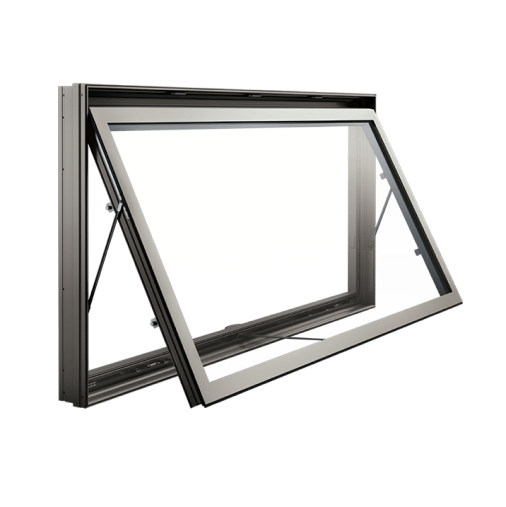
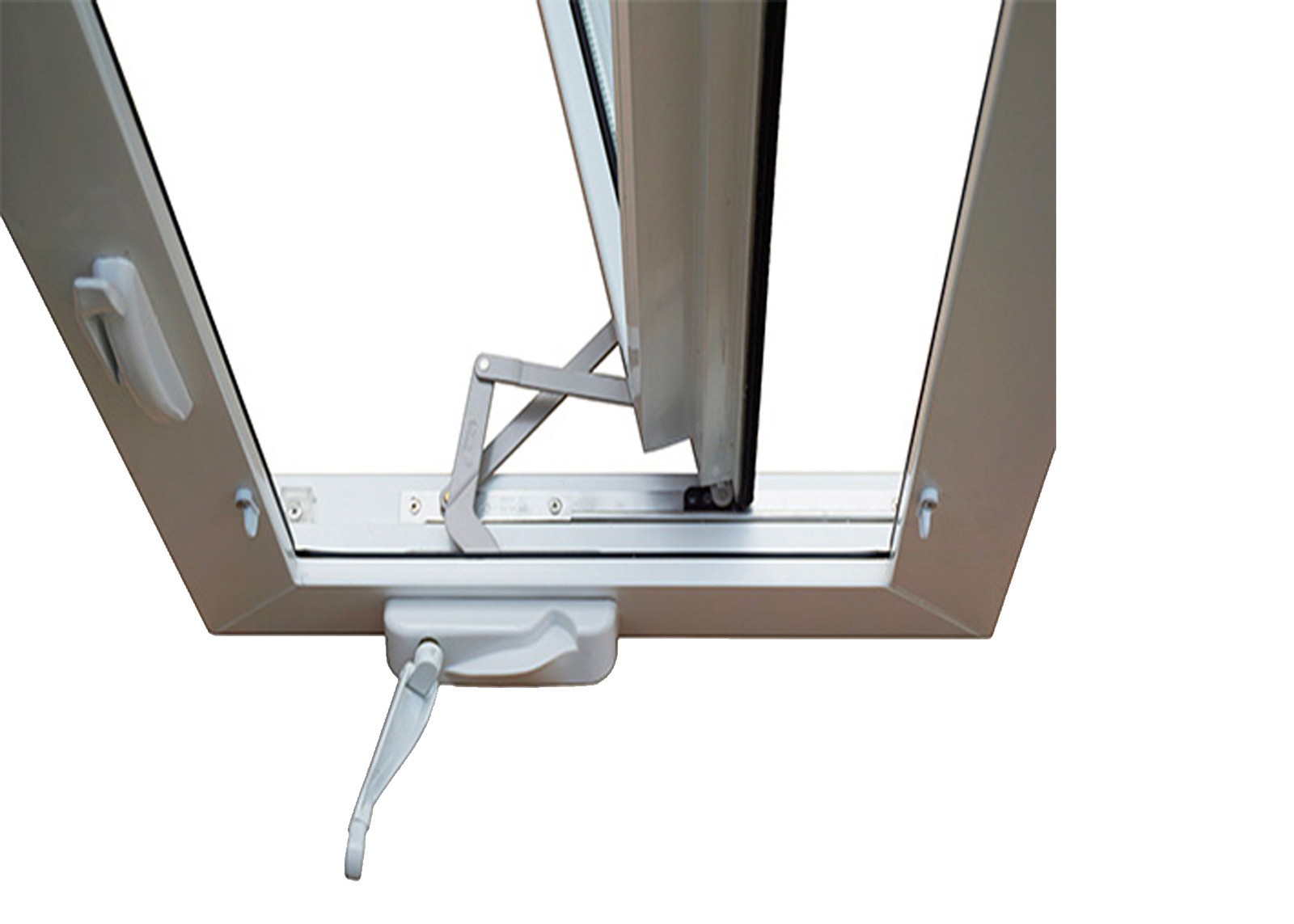
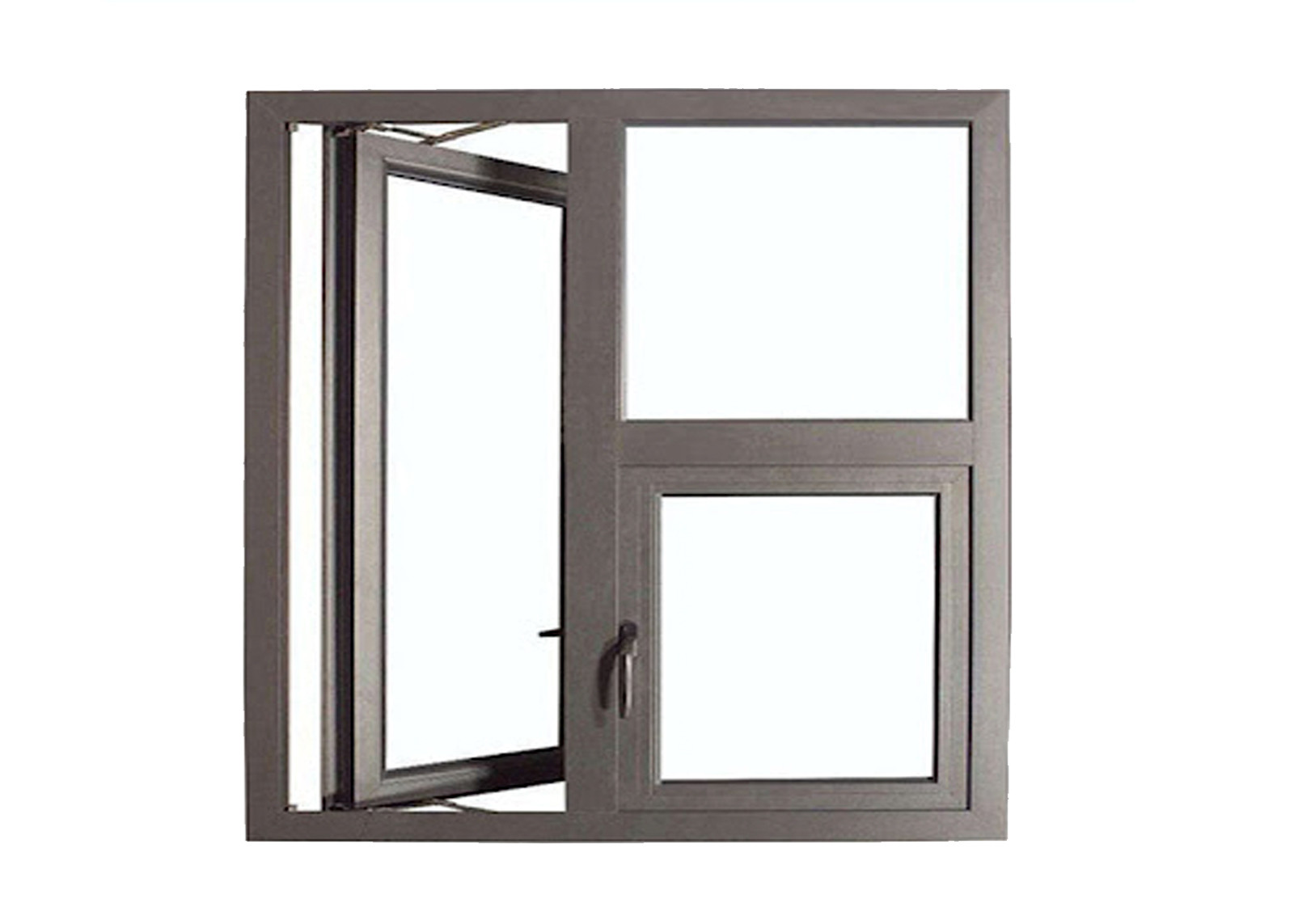
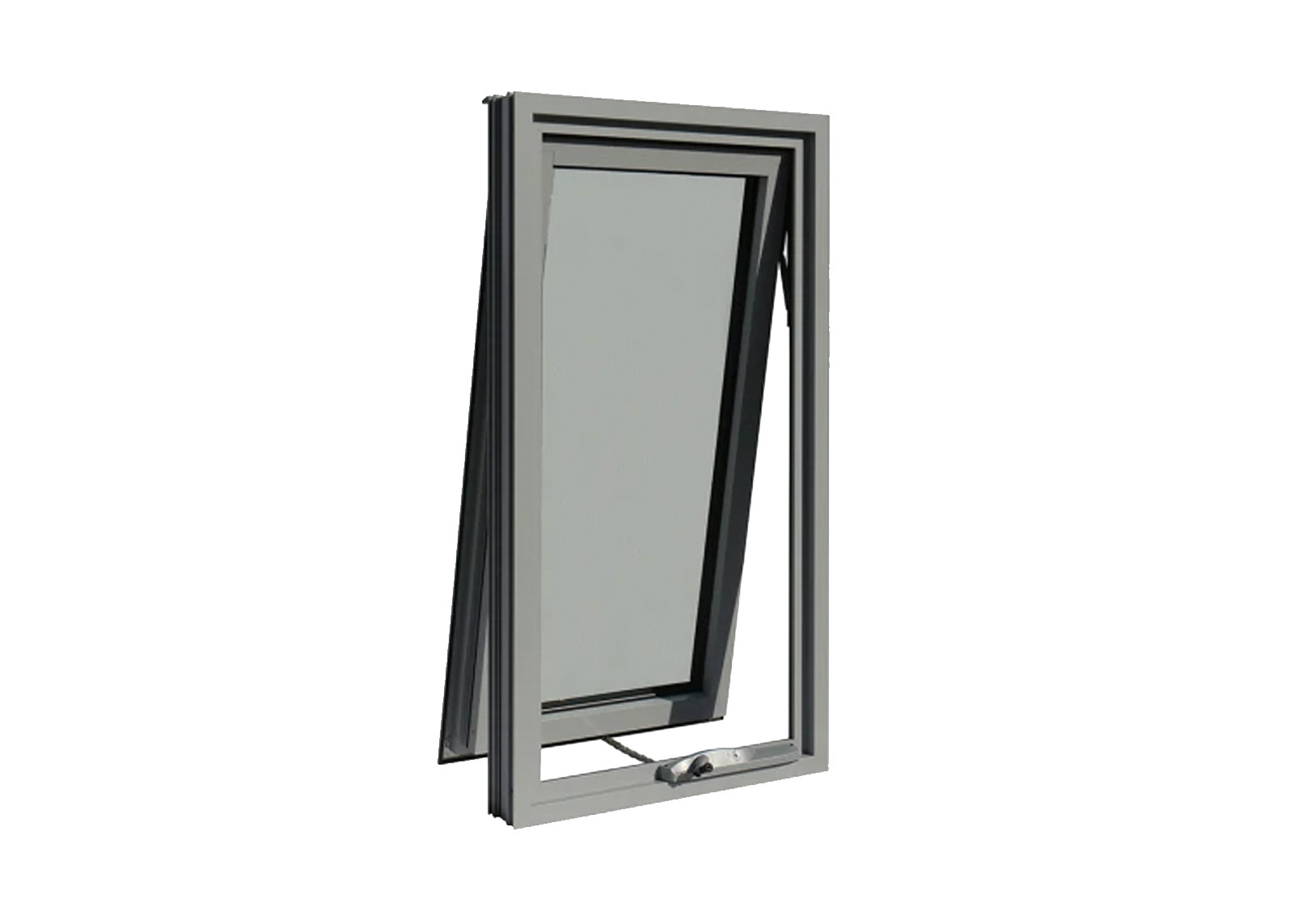
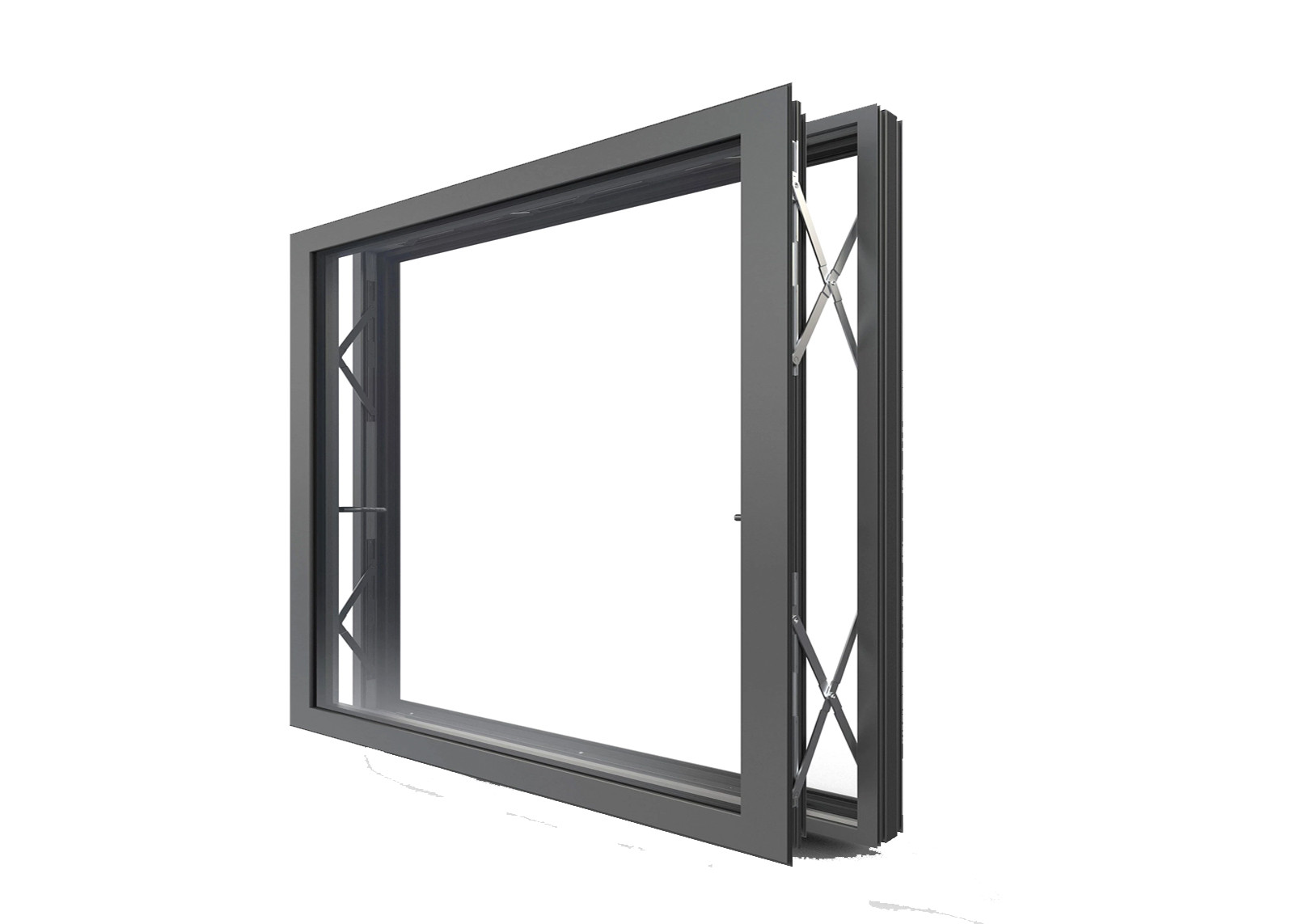
AS2047 awning, chain winder
- Profile: 6063-T5 aluminium, 1.60 mm wall where the system requires
- Glazing: 6 mm tempered, laminated or insulating glass
- Size: custom per opening, not a fixed list
- Evidence: AS 2047 report per configuration; NFRC U-factor —
- Minimum order: 1 unit
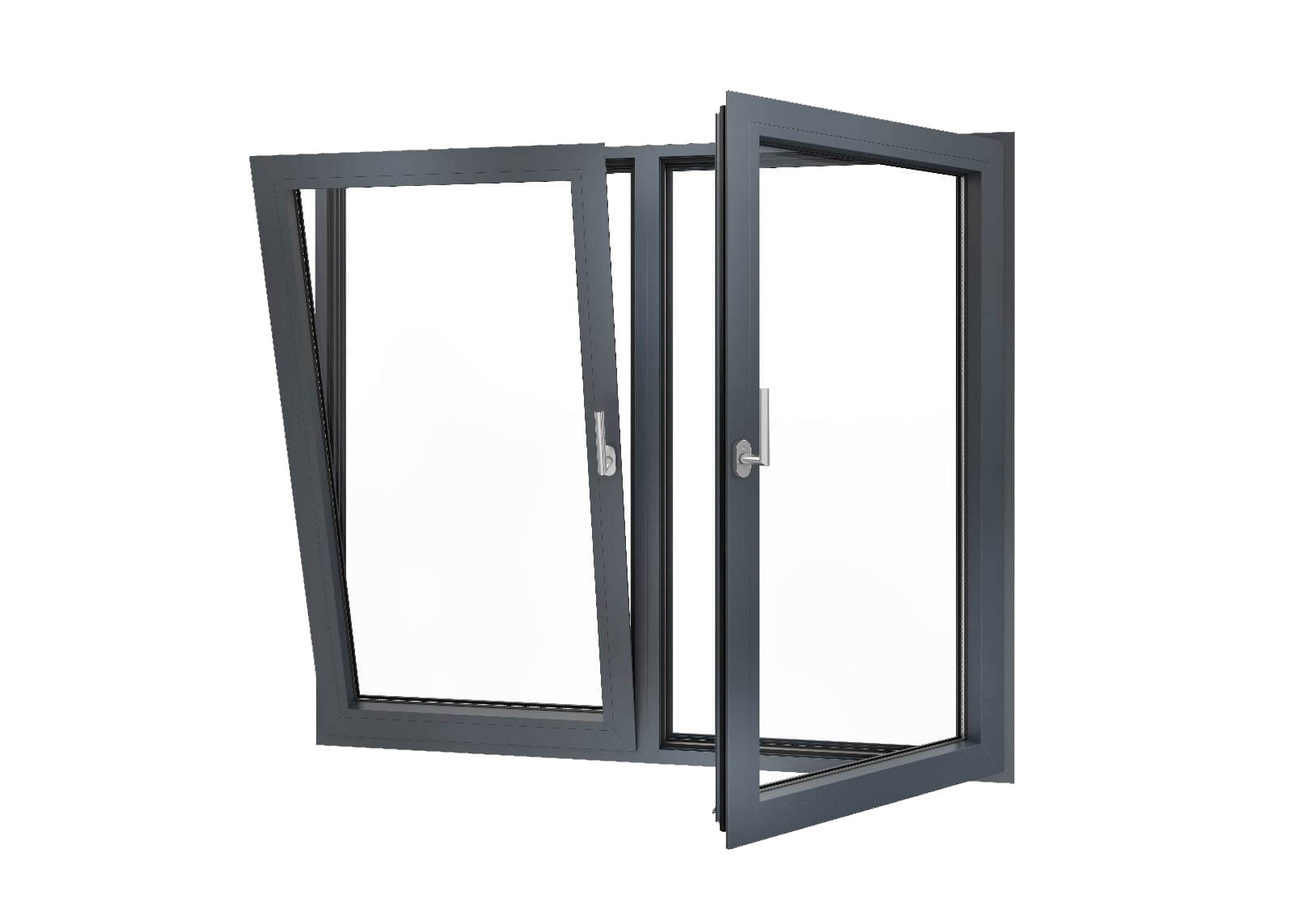
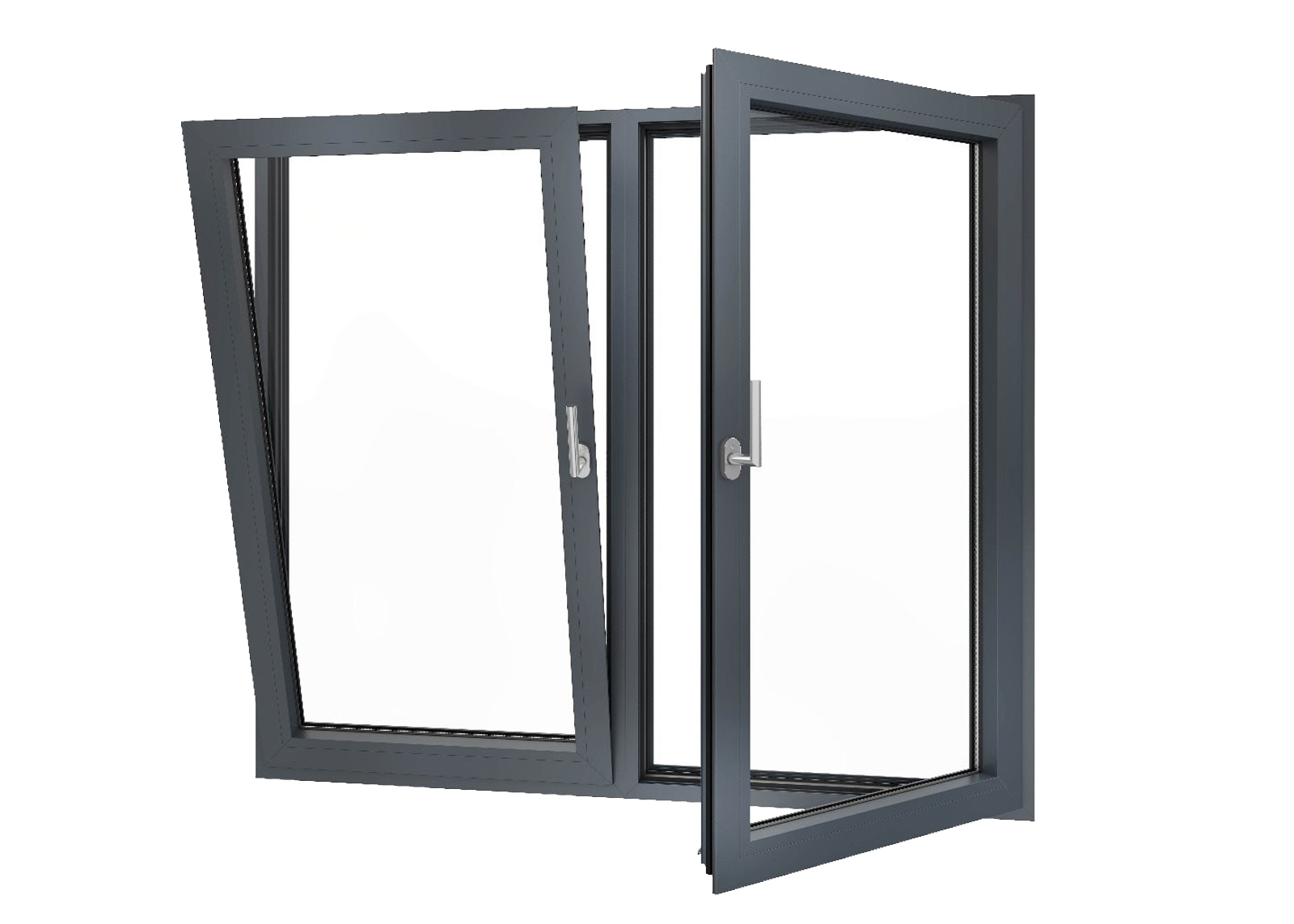
Tilt and turn, apartment ventilation
- Profile: 6063-T5 aluminium, thermally broken option
- Glazing: 6 mm tempered or double-glazed unit
- Size: custom per opening
- Evidence: AS 2047 report per configuration; NFRC U-factor —
- Minimum order: 1 unit
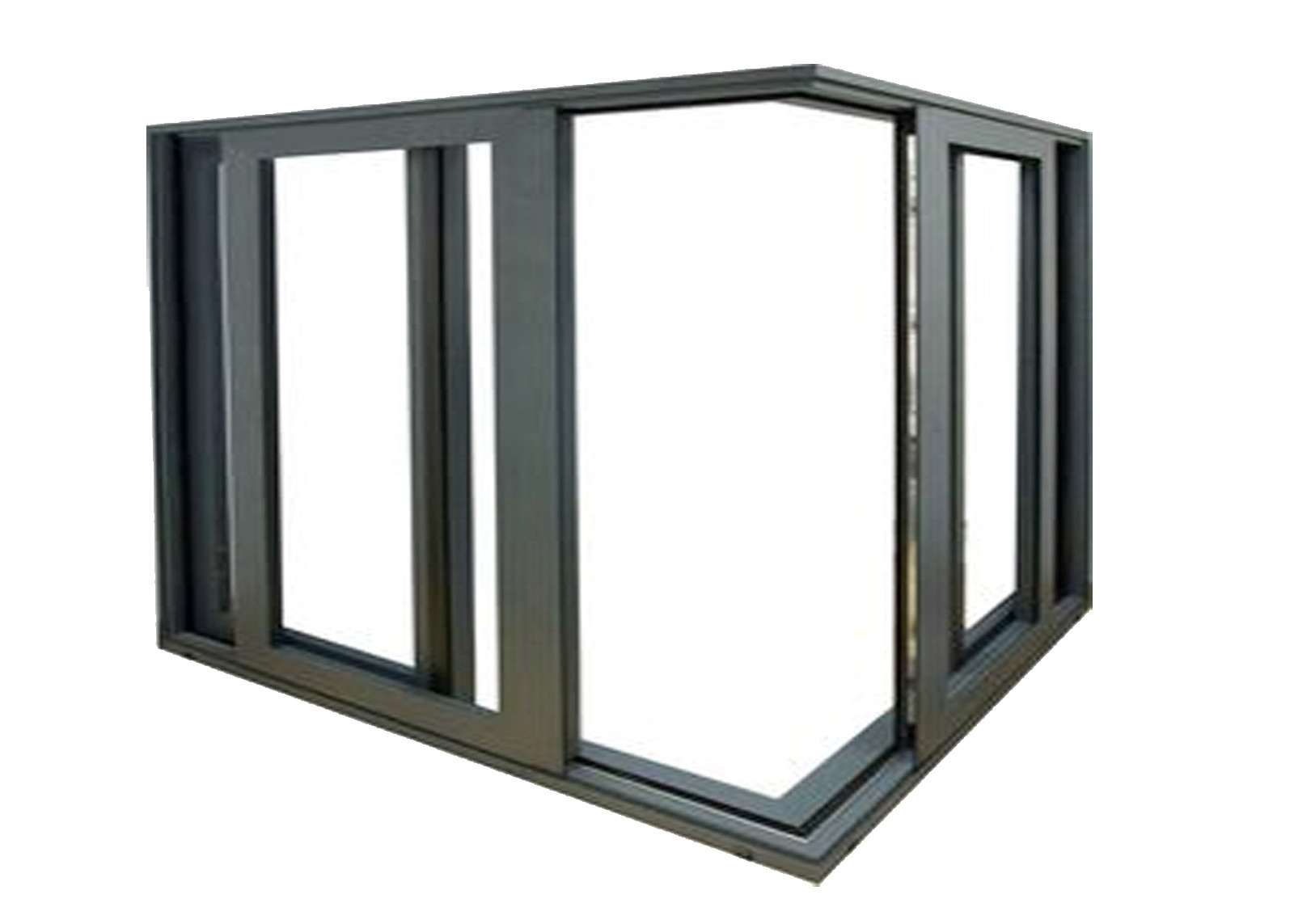
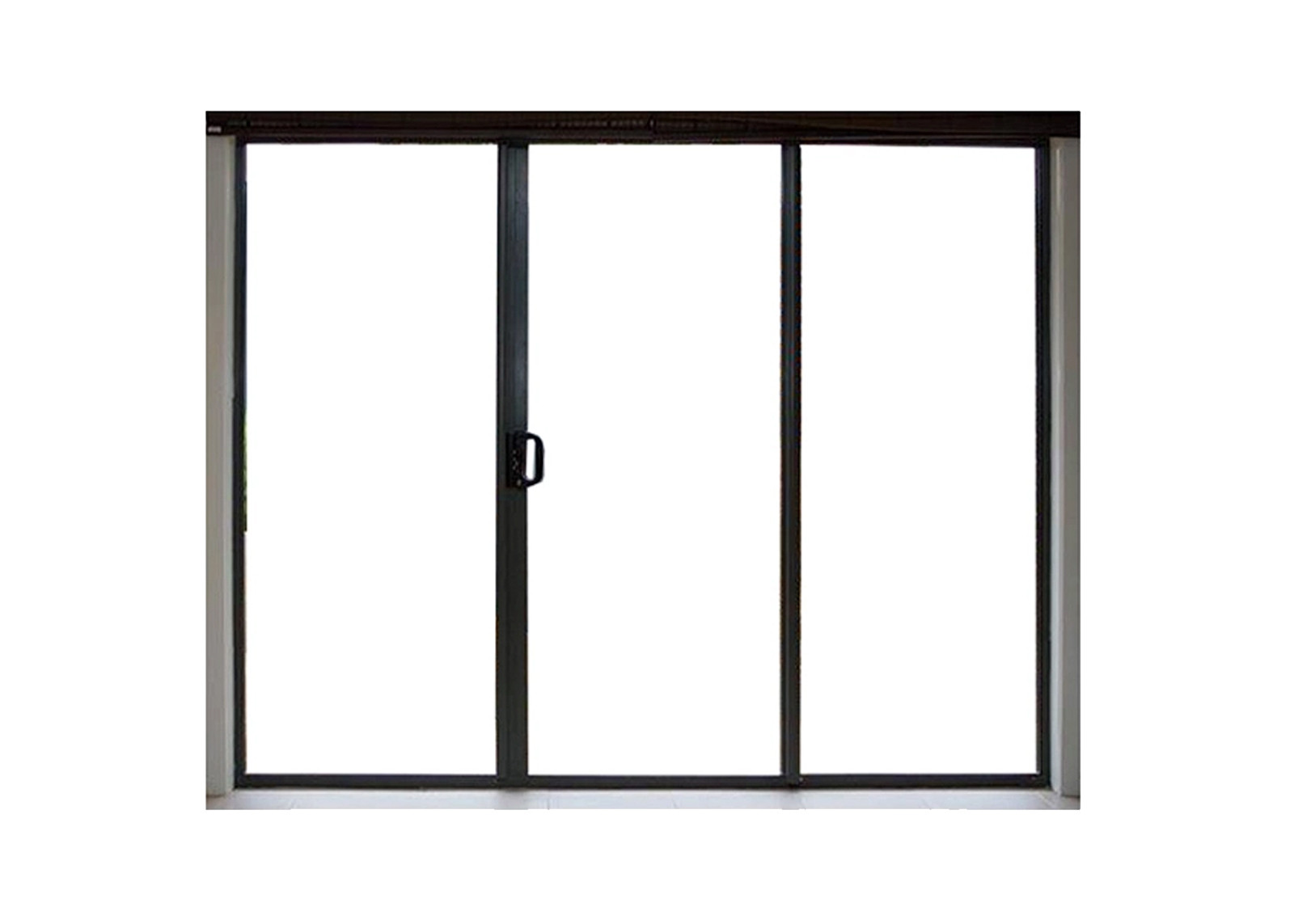
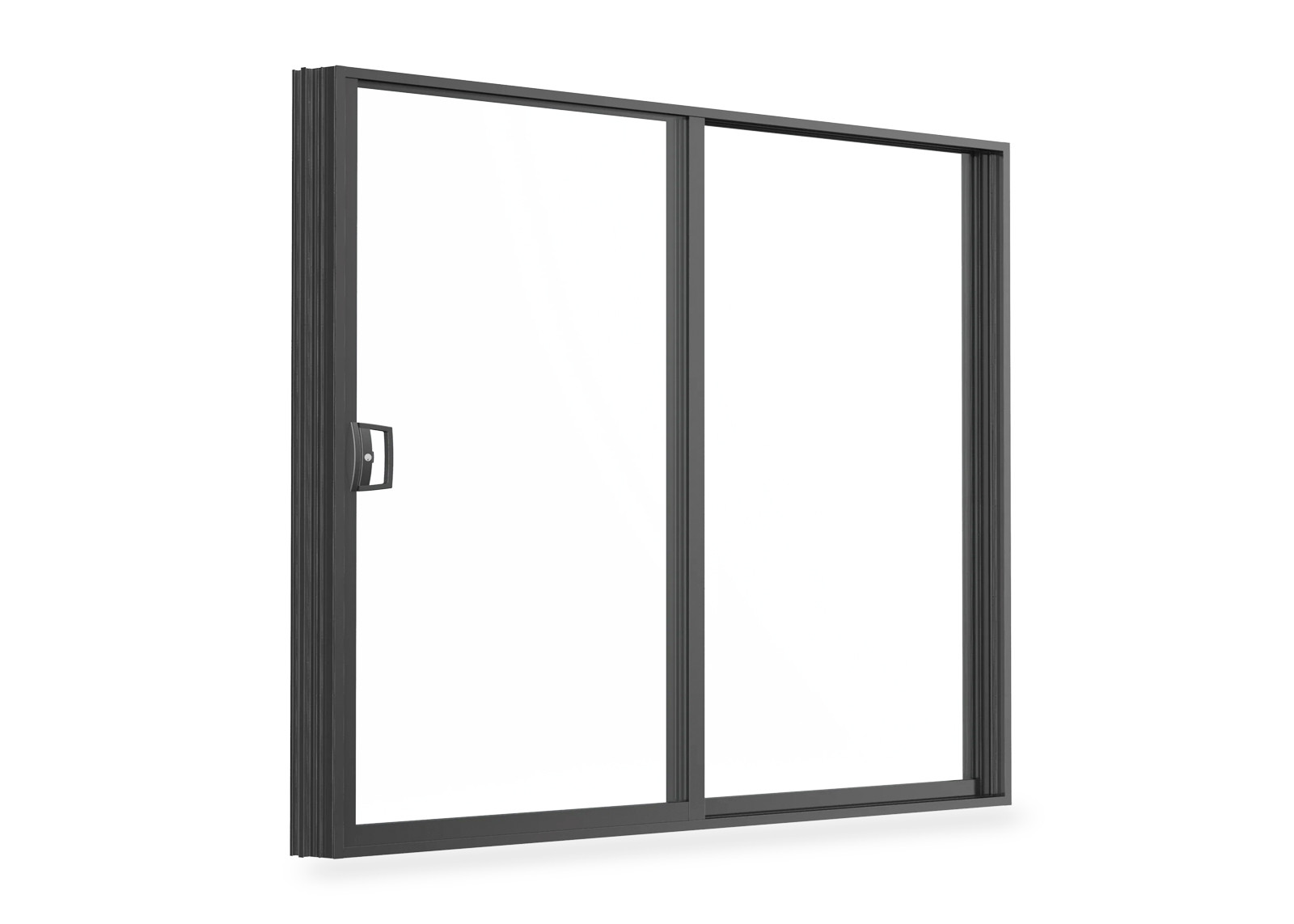
Sliding window and door
- Profile: 6063-T5 aluminium, powder coated
- Glazing: 6 mm tempered or laminated
- Size: custom per opening
- Evidence: AS 2047 report per configuration; NFRC U-factor —
- Minimum order: 1 unit
Card values are published product parameters, not project measurements. U-factor is left blank because NFRC ratings are not held for these configurations; Australian projects are specified against AS 2047, and the report for the ordered size is issued with the quotation.
About ROPO Windows
ROPO is a window and door manufacturer in Fuzhou, Fujian, China. The plant runs aluminium and uPVC lines under one roof and has exported for 16 years to more than 100 countries, with Australia and New Zealand among its established markets. Published positions include AS2047 for Australia, NZS 4211 for New Zealand and Miami-Dade for hurricane-rated work, with a 10-year warranty as standard.
For a buyer comparing aluminium window manufacturers australia with an offshore option, the question is not whether a Chinese factory can build a good window. It is whether this factory can document the specific window, for the specific project, in a form an Australian certifier accepts. That is why the factory publishes its certification position, its inspection process and its shipping method rather than relying on a showroom impression. The factory profile covers the plant, and the aluminium window manufacturer page lists the systems built for export.
What the factory actually does
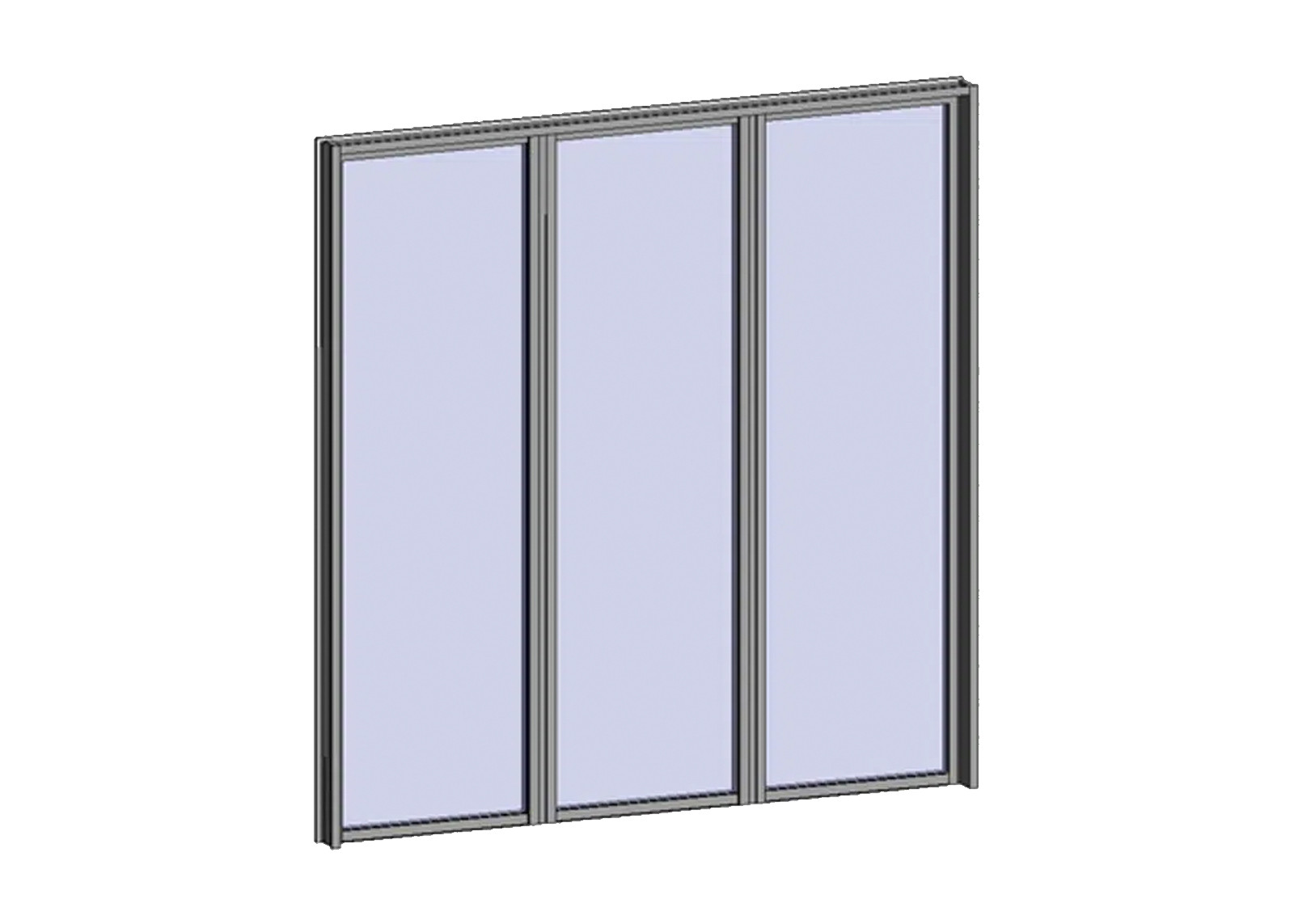
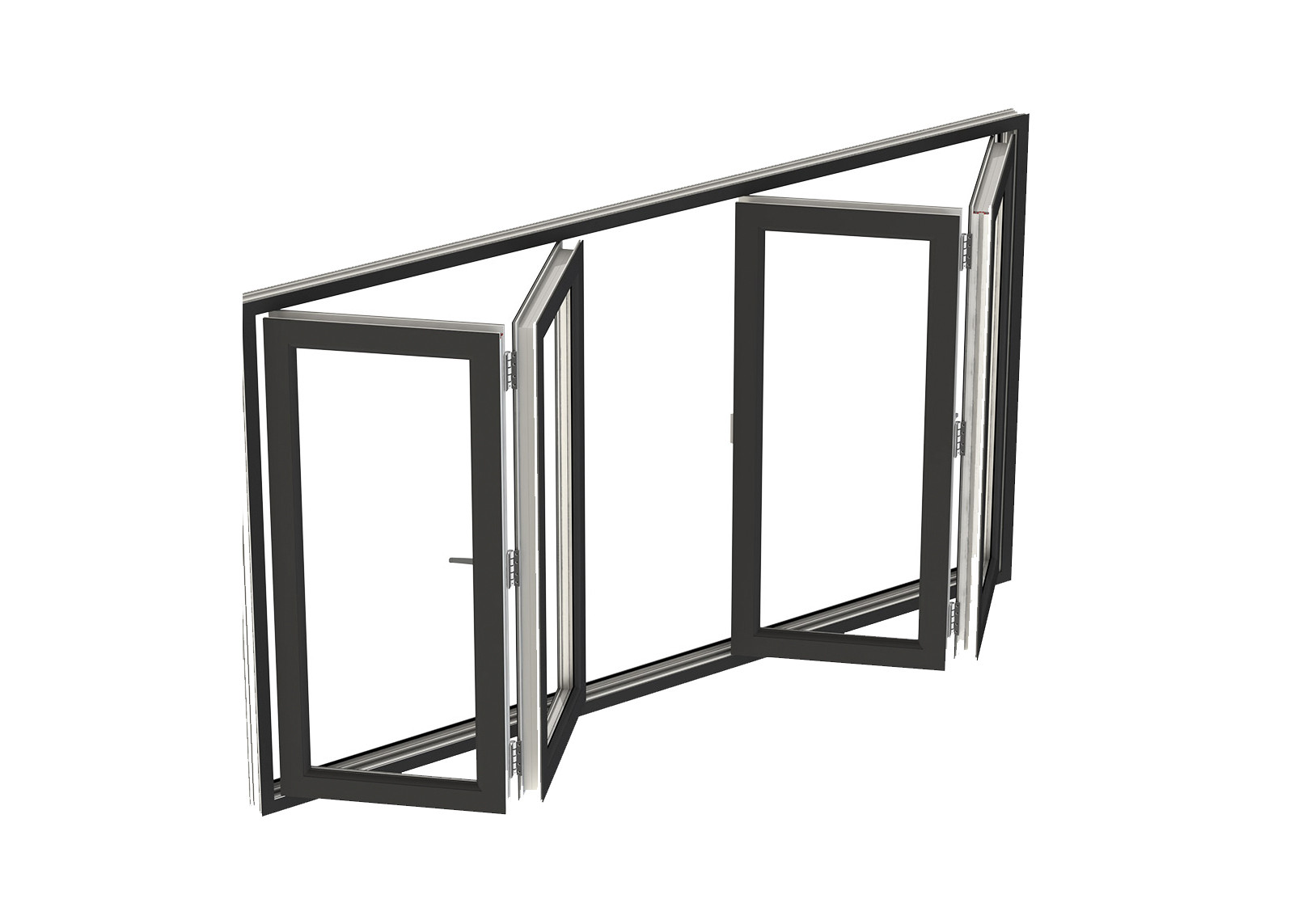
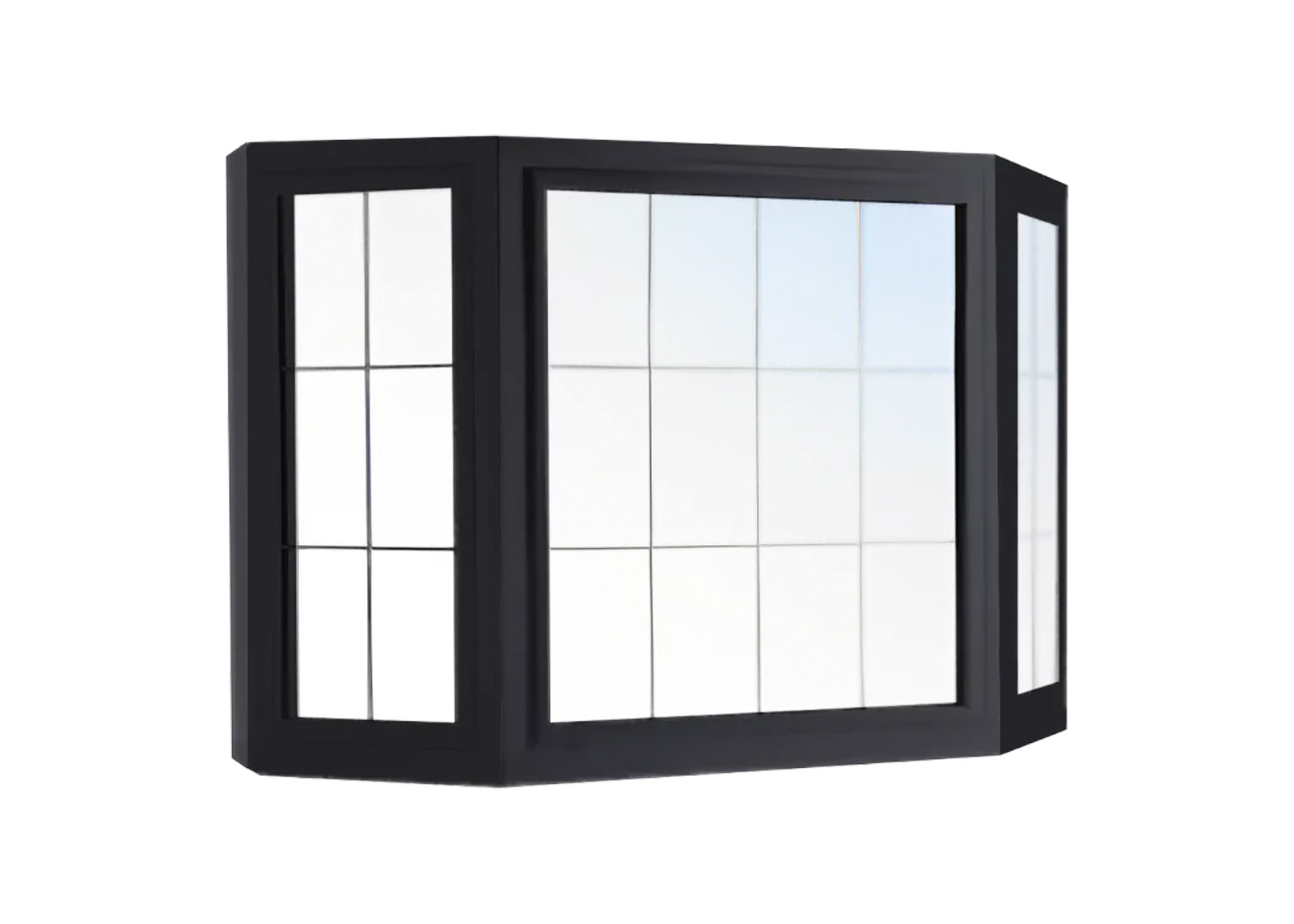
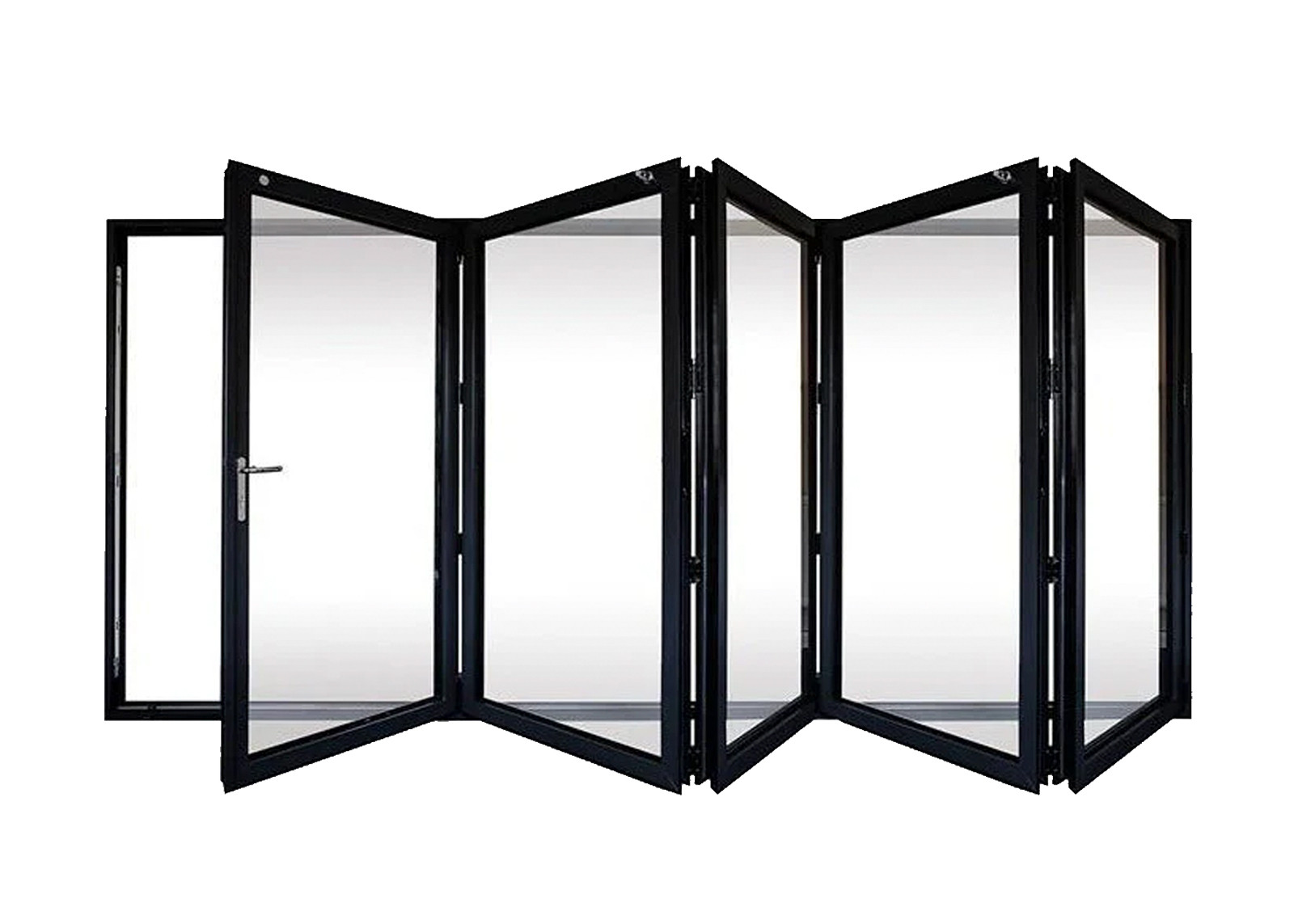
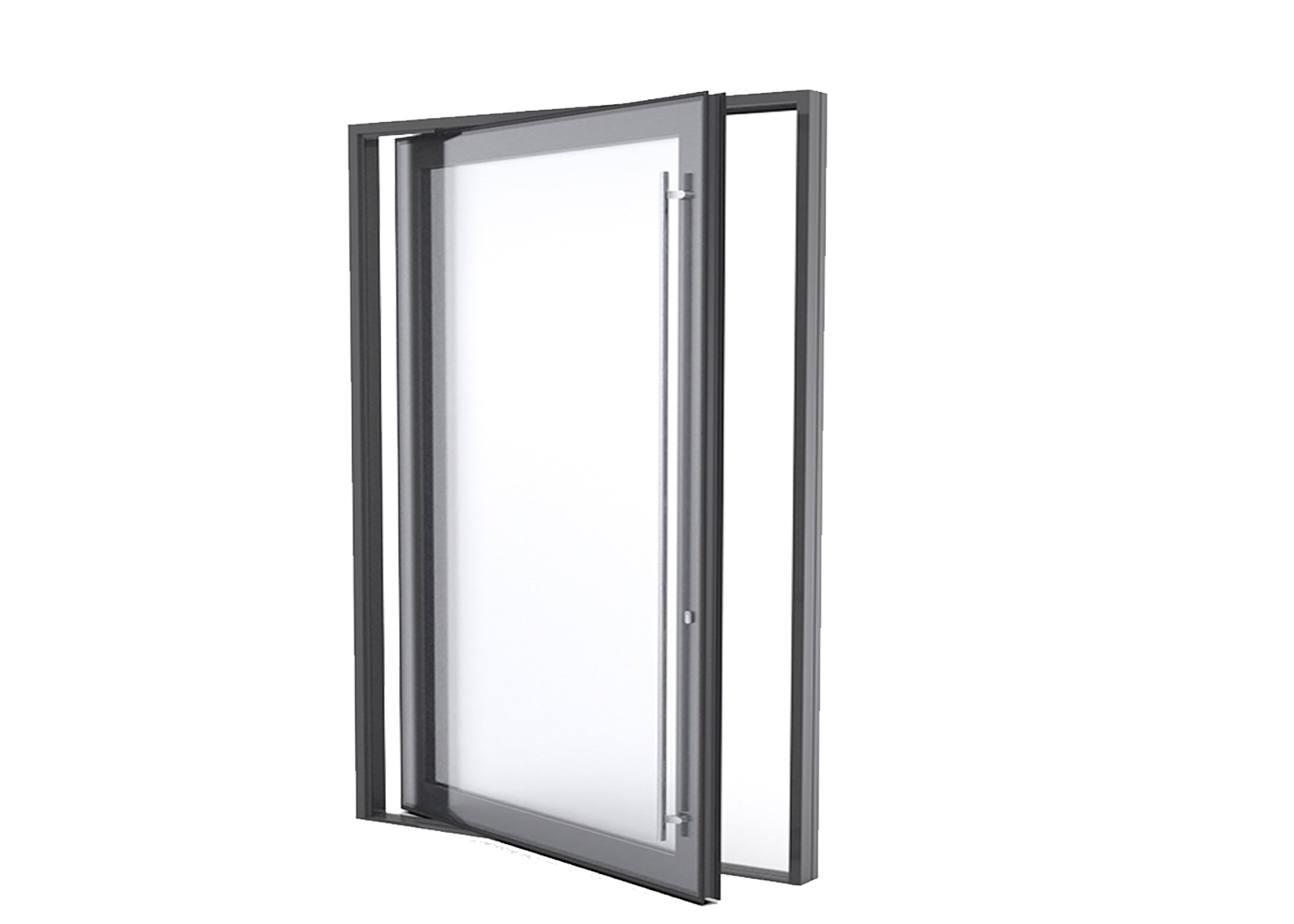
The range covers awning, casement, sliding, tilt-and-turn, fixed, double-hung, louvre, bay and bow, folding and specialist windows, plus sliding, folding, hinged, pivot and lift-slide doors. Profiles are specified in 6063-T5 aluminium with a 1.60 mm wall where the system requires it, glazing is typically 6 mm tempered or a laminated or insulating build, sealing is EPDM, and finishes are powder coated. Insect and security mesh options are available on the opening types that accept them.
Those specifications are starting points, not a catalogue limit. The factory builds to a schedule, so sizes, colours, glass make-up, hardware and screens are set per opening rather than chosen from a fixed list. That flexibility matters where local standard ranges run out: a 3.2 m high fixed panel, a corner opening, a mix of awning and fixed in one frame, or a size outside a local tested envelope that needs its own documentation.
Evidence, warranty and the first order
Compliance evidence is issued per product family and per project configuration. The warranty list sets out what the 10-year term covers and excludes, and Trade Assurance holds order terms, inspection requirements and delivery dates in a form both parties can reference. A buyer should still ask for the report that matches the order, because a certificate library is a starting point for verification, not a substitute for it.
The minimum order is one unit, which is unusual for a factory and useful for testing production quality before committing a house. A sample order can be built, shipped and inspected before the main order is released, and the dealer programme covers buyers expecting repeat volume. For a first order the practical sequence is drawings, an approved first article, a pre-shipment inspection and a loading report with photographs — with custom aluminium window supply priced against that approved drawing set rather than against a brochure.
Custom Production Process
Every order starts with a schedule, not a product code. The buyer supplies opening sizes, elevations, glass requirements and project standards; the factory returns shop drawings fixing frame depth, opening direction, drainage, fixing points and the wall interface. Nothing is cut until those drawings are approved in writing, because a 5 mm error in one opening size becomes a 5 mm error in every frame in that group.
Drawings are checked against three things: the measured opening, the tested system envelope and the installation method. If a requested size exceeds the tested range, the factory says so before production and offers a tested alternative or a project-specific test path. That conversation is cheaper at drawing stage than at delivery, and it is why a factory order needs an approval step rather than a purchase order and a hope.
From schedule to approved drawing
Glass, hardware and finish are fixed at the same stage. The glass specification follows AS 1288 logic for Australian work, including the thickness and type required for the pane size and wind load, and insulating glass units carry their own AS 4666 documentation. Hardware is matched to sash weight and operating force, and the finish is confirmed against a sample or agreed reference. The glass options page shows the builds that are fixed at this point, and the AS2047 tested window systems list the suites that carry a report.
Fabrication, glazing and the five inspection gates
Production runs through five gates. Incoming aluminium is checked for alloy, temper and wall thickness. Cutting and machining are checked for dimension and square. Frame assembly is checked for joint strength, drainage paths and hardware preparation. Glazing is checked for glass specification, spacer, sealant and setting blocks. Pre-shipment inspection checks operation, alignment, finish, labelling and packing against the approved list.
Each gate produces a record, which is what allows a problem to be traced to a batch rather than to a container, and what a third-party inspector reviews when a project requires one. The quality and testing page describes the checks. For buyers comparing this with factory-direct window manufacture elsewhere, the difference is not the machine shop but whether the records exist for the batch you are buying.
Traceability: the document set that survives an inspection
Table 6 — Documents and the inspection they satisfy
| Document | Who asks for it | If it is missing |
|---|---|---|
| AS 2047 report for the suite and size | Building certifier, surveyor | Approval withheld; retrofit testing at your cost |
| AS 1288 glass specification | Certifier, glazier | Glass thickness or type unproven for the pane |
| AS 4666 IGU certificate | Certifier, warranty provider | Sealed unit performance unproven |
| BAL test evidence (AS 3959) | Certifier, insurer | Bushfire-prone sites cannot be signed off |
| Unit label and opening reference | Site manager, installer | Wrong unit installed; identification by opening the pack |
| Batch and glass build record | Insurer, replacement order | Replacement glass cannot be matched |
| Packing list and loading report | Customs broker, site | Clearance delay; damage claims rejected |
The point of the table is that traceability is not one certificate. It is a chain in which each link satisfies a different inspector, and a break at any link surfaces at the worst possible moment — usually after the frames are on site and the crane is booked.
Packaging and Shipping
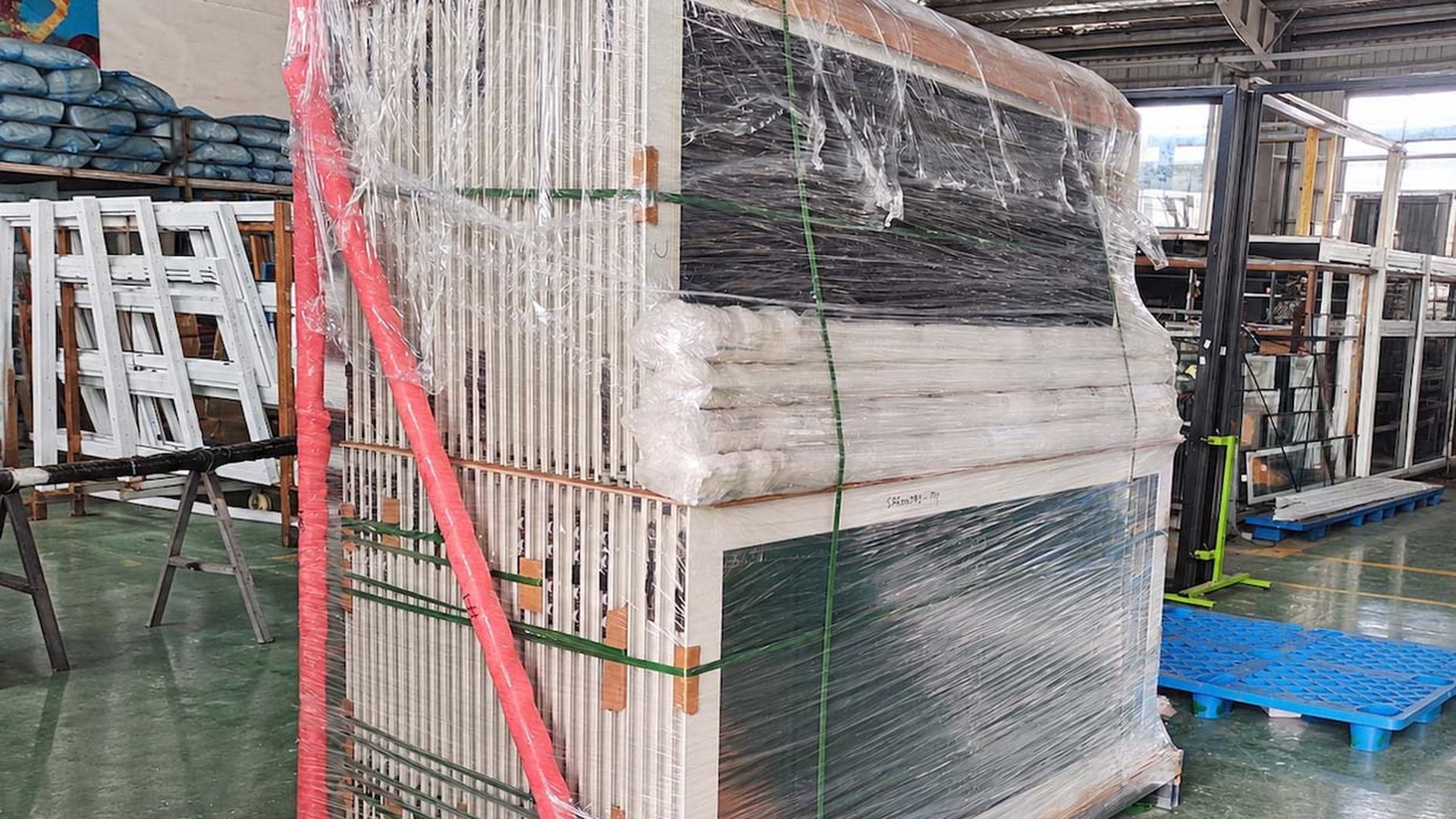
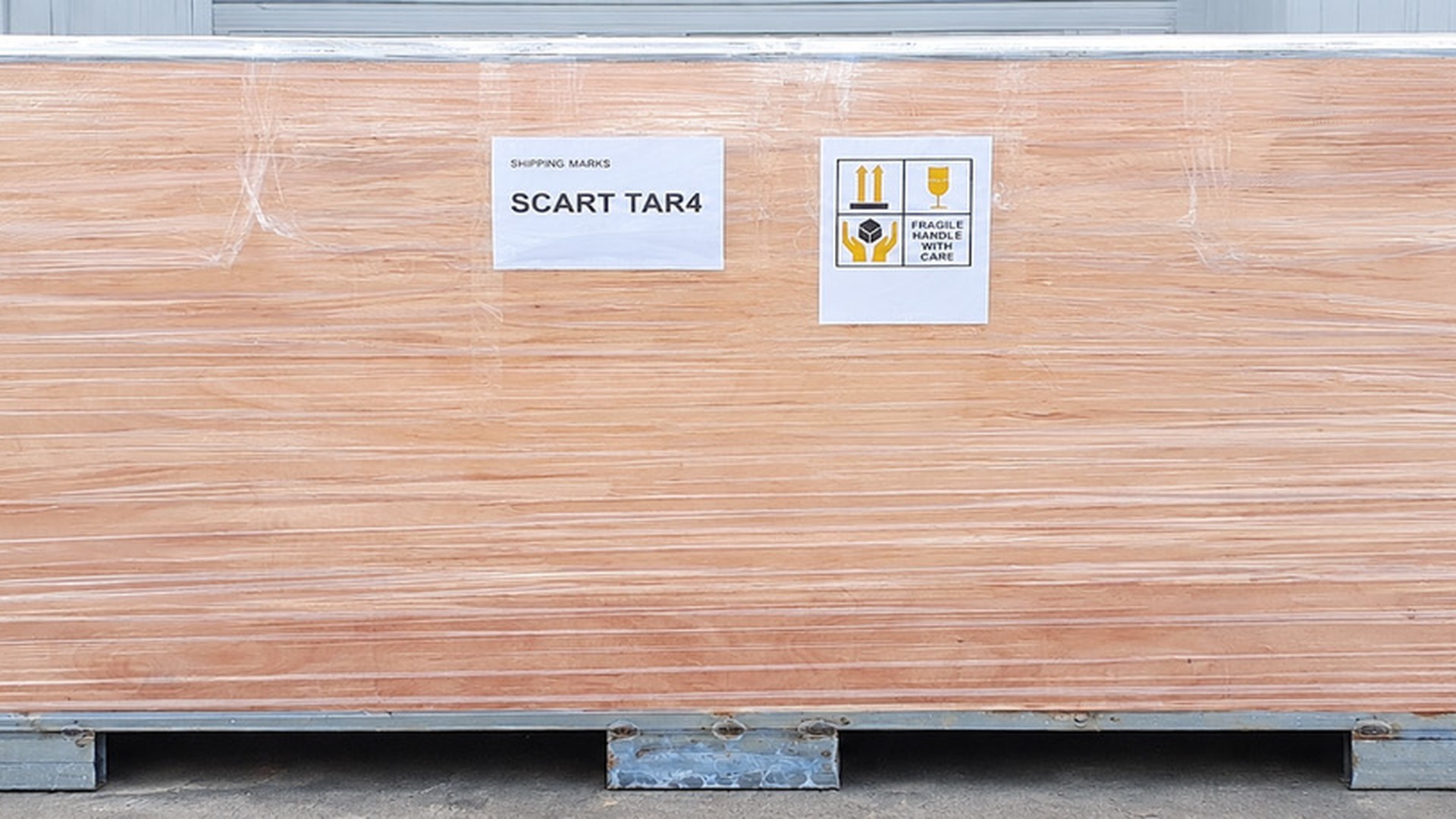
A window that leaves the factory in specification can still arrive out of specification. Packaging is therefore treated as part of production, not as a logistics afterthought. The standard build is a three-layer system: protective film on frame and glass, foam or corrugated corner protection on every edge, and a timber crate or strapped bundle with a timber base for multiple units.
Frames are filmed before assembly is complete so powder-coated surfaces are not handled bare. Corners receive moulded protection because a corner is the first thing to hit a container wall and the hardest thing to repair on site. Glass is protected with a film rated for the voyage, and units are separated so frames cannot rub under vibration. Crates use timber that meets Australian quarantine requirements, with the treatment mark visible on the crate.
Marking, crating and the loading plan
Each crate or bundle carries a printed packing list with opening references, quantity, destination and handling symbols. That list is duplicated in the shipping documents so a customs broker, a freight forwarder and a site manager read the same description. The packaging guide sets out the materials and crate build in detail, and it is the document to send a site manager before the first delivery of project aluminium windows.
Full-container loads are loaded in the sequence the site will unload, with first-needed units nearest the doors. LCL shipments are packed so each crate can be handled independently, because a consolidated container may be opened more than once. Heavy units go low and against the wall, lighter bundles are braced above, and nothing is left free to move. Ports of departure are Fuzhou and Xiamen, and a loading report with photographs is issued before the container is sealed.
Arrival, claims and the first week on site
Inspect the crate before opening it: photograph the seal, the markings and any visible damage, and note exceptions on the delivery docket before signing. Damage found after signing is harder to claim. Once opened, check units against the packing list and store them upright on a flat surface, not stacked on their corners, until installation.
The first week on site is when most issues surface: a frame that does not fit the measured opening, a sash that binds, a screen on the wrong hand. A supplier with a documented schedule can trace each back to a drawing reference and respond with a remedy rather than a denial. That applies whether the windows come from Fuzhou or from a plant in the same city. Buyers assembling the documentation set for Australian-standard aluminium windows can request the pack with the quotation.
Does an AS 2047 report cover a window larger than the tested specimen?
No. The report covers the specimen and size range tested, and anything outside that envelope needs a new test or a documented engineering assessment. If your largest opening is wider or taller than the tested unit, ask the supplier to show where the schedule sits relative to the tested maximum, and to confirm the interpolation rule the laboratory applied. A report that names only a typical size is not evidence for a full-height panel.
Is a NAFS Performance Grade equivalent to an Australian wind class?
No conversion exists. NAFS reports a Performance Grade in psf covering structural, water and air performance for a tested size; AS 4055 assigns a site class (N1–N6, C1–C4) to the building. Turning a PG into a wind speed needs the basic wind speed, exposure category, effective wind area and pressure coefficients. Treat the two as parallel evidence, and specify the Australian report for an Australian project through an aluminium windows supplier that holds one.
Do I need a Miami-Dade NOA for a Queensland project?
No. A Miami-Dade Notice of Acceptance is a Florida product approval for the High Velocity Hurricane Zone. Queensland projects are assessed against AS 2047, AS 4055 and the NCC, with cyclonic regions adding their own requirements. A NOA is useful evidence of factory capability, but it does not substitute for an Australian report, and presenting one as local compliance is a red flag rather than a reassurance.
What happens if the design adds a mullion after approval?
The approval no longer describes the product. A Miami-Dade NOA is scoped to panel configuration as well as size, and an AS 2047 report is scoped to the specimen, so adding a mullion changes how load reaches the anchors and how the glass spans. The result needs re-evaluation, not a verbal confirmation. Ask for the revised drawing reference and the evidence that covers it before the frame is fabricated.
Are TAS 201, 202 and 203 all required, or is one enough?
All three are required for impact-rated assemblies in Florida's HVHZ. TAS 201 applies the missile impact, TAS 202 applies uniform static pressure to check structural and water performance after impact, and TAS 203 applies cyclic pressure to expose fatigue. A unit that passes 201 alone has shown it survives the hit, not that it keeps water out or holds its anchors through a storm season.
Which documents should arrive with the windows?
The AS 2047 report for the ordered suite and size, the AS 1288 glass specification, AS 4666 certificates for any insulating units, BAL evidence if the site requires it, unit labels matching the opening schedule, batch records, and a packing list that matches the loading report. For imported windows from a manufacturer, add the commercial invoice and clearance documents. Missing any one of these surfaces at a different inspection stage.
Is AGWA membership proof that a window complies?
No. AGWA membership is an industry affiliation and a signal that a company participates in the local supply chain; it is not a product certification. Compliance is demonstrated by the AS 2047 report for the specimen, with AS 1288 and AS 4666 closing the glass obligations. Use the member directory as a background check, then ask for the project documents.
Can the factory issue the AS 2047 report before I pay a deposit?
It should. The report belongs to the product family and size range, so it exists before your order does; what is order-specific is the drawing set that confirms your sizes sit inside it. Ask for the report, the tested envelope and a marked-up schedule before any payment. If the supplier will only produce evidence after a deposit, treat that as the answer to a different question — whether they have the document at all.
References and standards cited
- AS 2047-2014, Windows and external glazed doors in buildings.
- AS 4420.1–4420.4, test methods for water penetration, structural performance, air infiltration and operating force.
- AS 4055, Wind loads for housing (site classes N1–N6, C1–C4; edition as cited by the certifier).
- AS/NZS 1170.2, Structural design actions — Wind actions.
- AS 1288, Glass in buildings — Selection and installation.
- AS 4666, Insulating glass units.
- AS 3959, Construction of buildings in bushfire-prone areas (BAL-12.5 to BAL-FZ).
- NCC 2022, National Construction Code, energy efficiency and glazing provisions.
- AAMA/WDMA/CSA 101/I.S.2/A440-17, North American Fenestration Standard (NAFS).
- NFRC 100, 200, 400 and 500, rating procedures for U-factor, SHGC/VT, air leakage and condensation resistance.
- ENERGY STAR windows programme, climate-zone qualification criteria (voluntary programme).
- TAS 201, TAS 202 and TAS 203, Florida Building Code test standards for impact and pressure cycling.
- Miami-Dade County Notice of Acceptance (NOA), product approval scope, revision and expiry.
Standards are cited by number and, where the edition matters to a project, the edition named by the certifier governs. Nothing in this article replaces a project-specific specification or a certifier's determination.
