

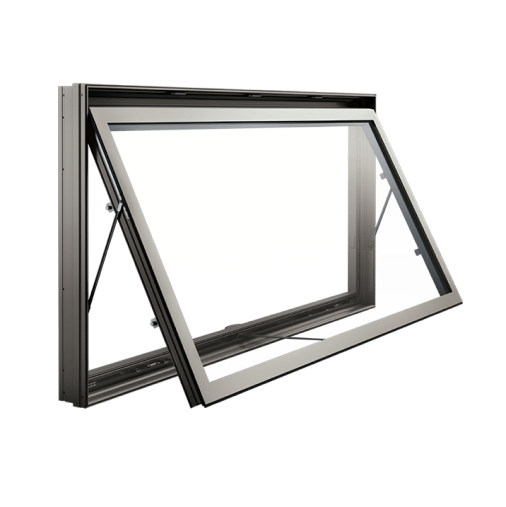
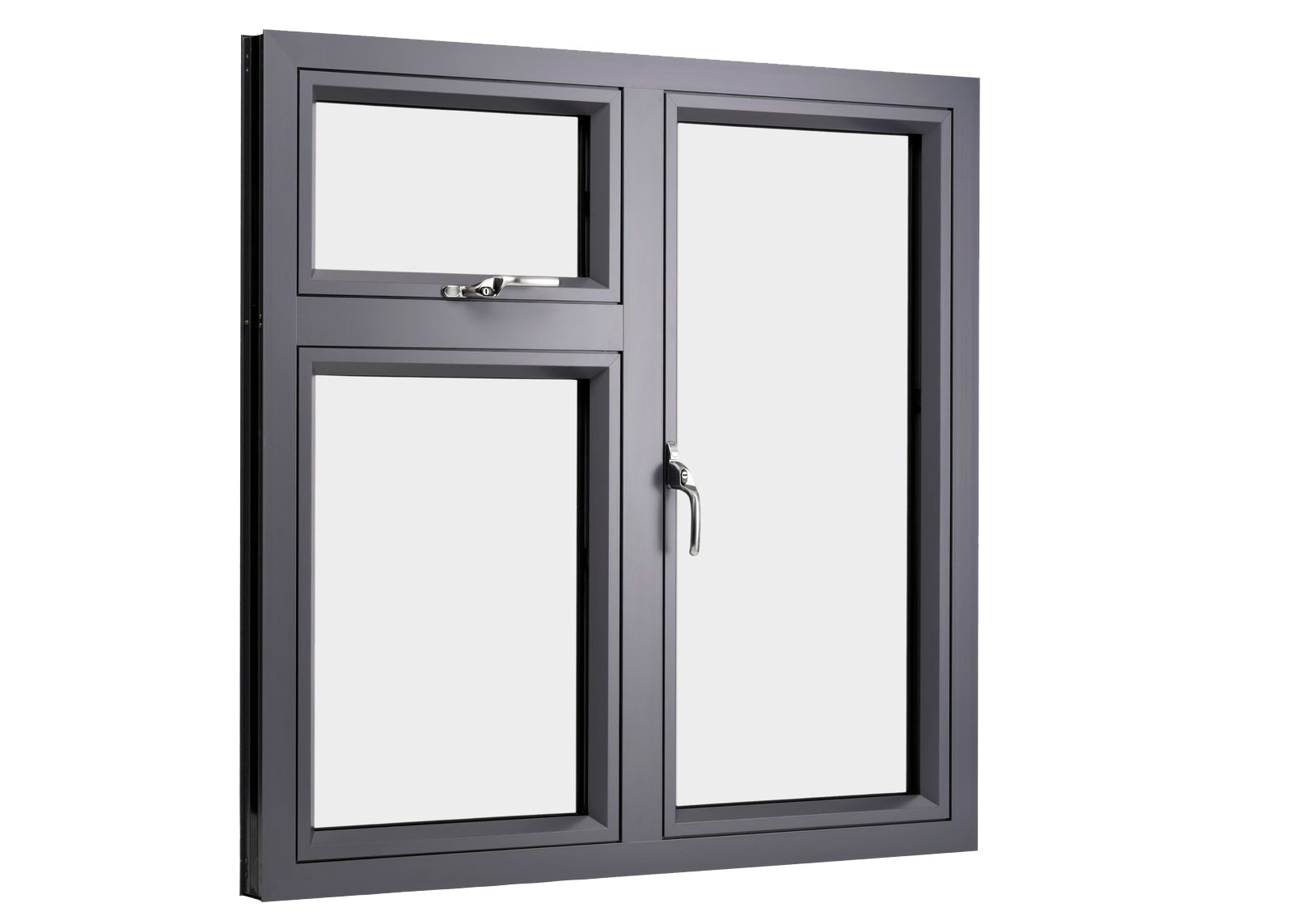
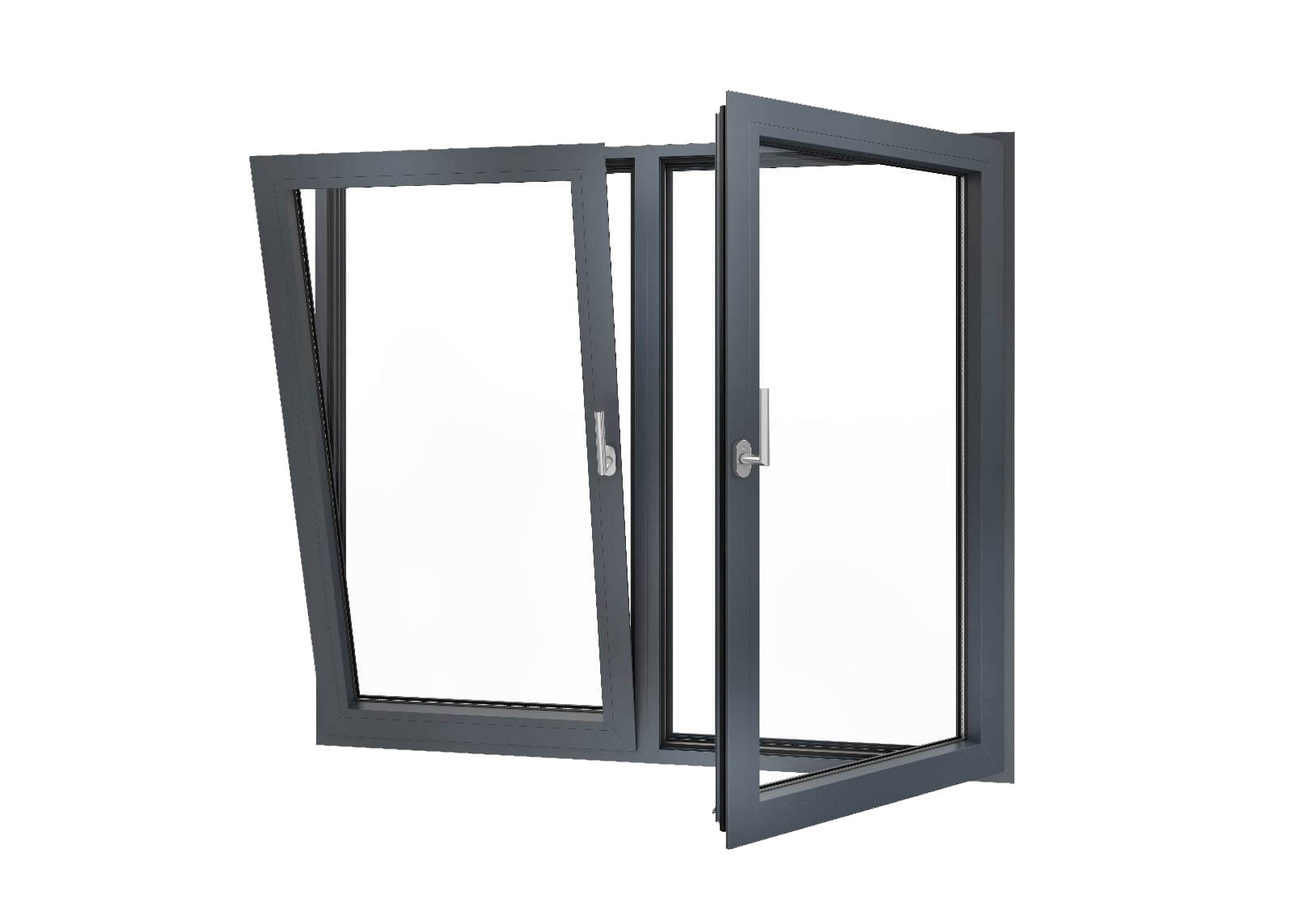
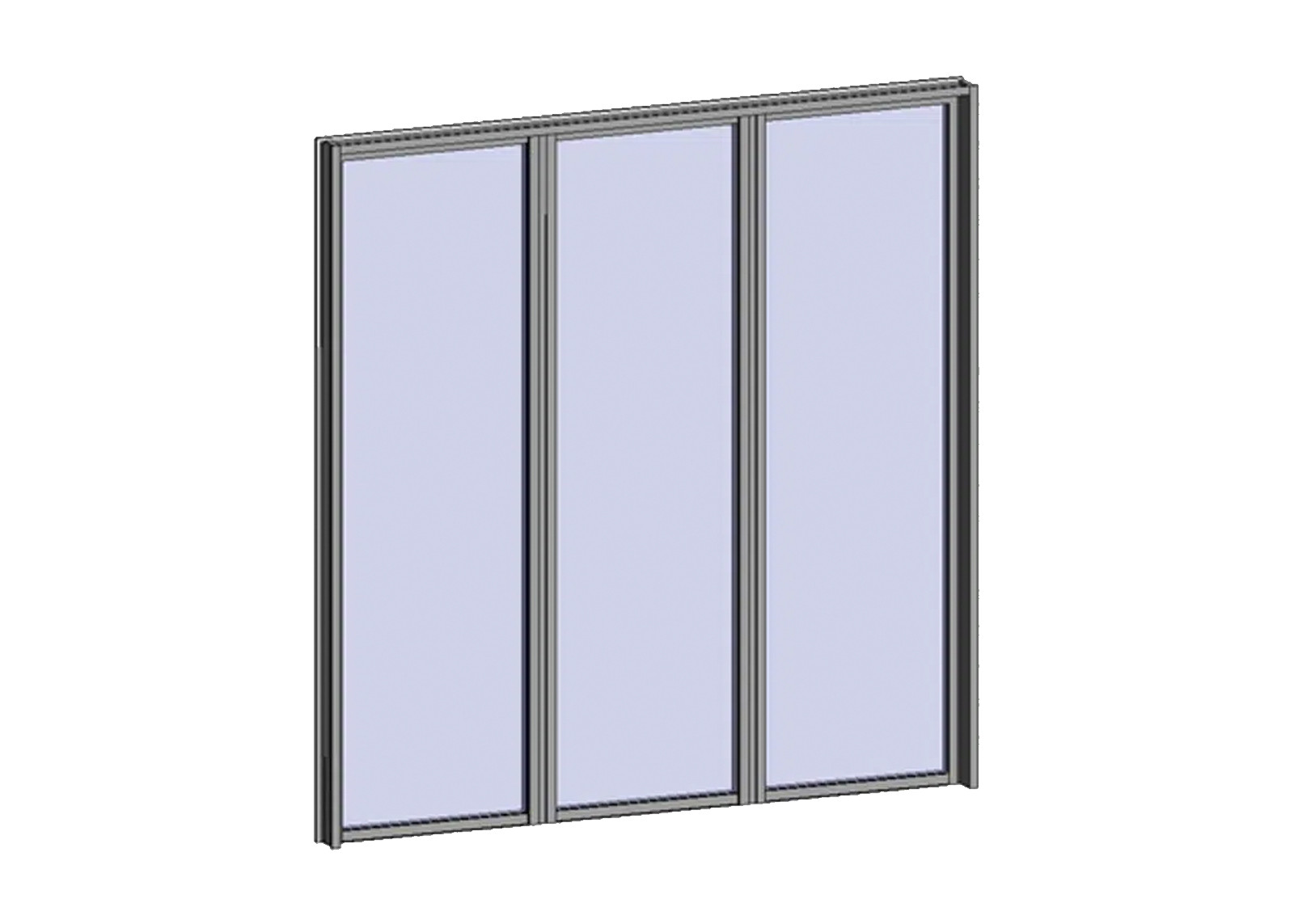
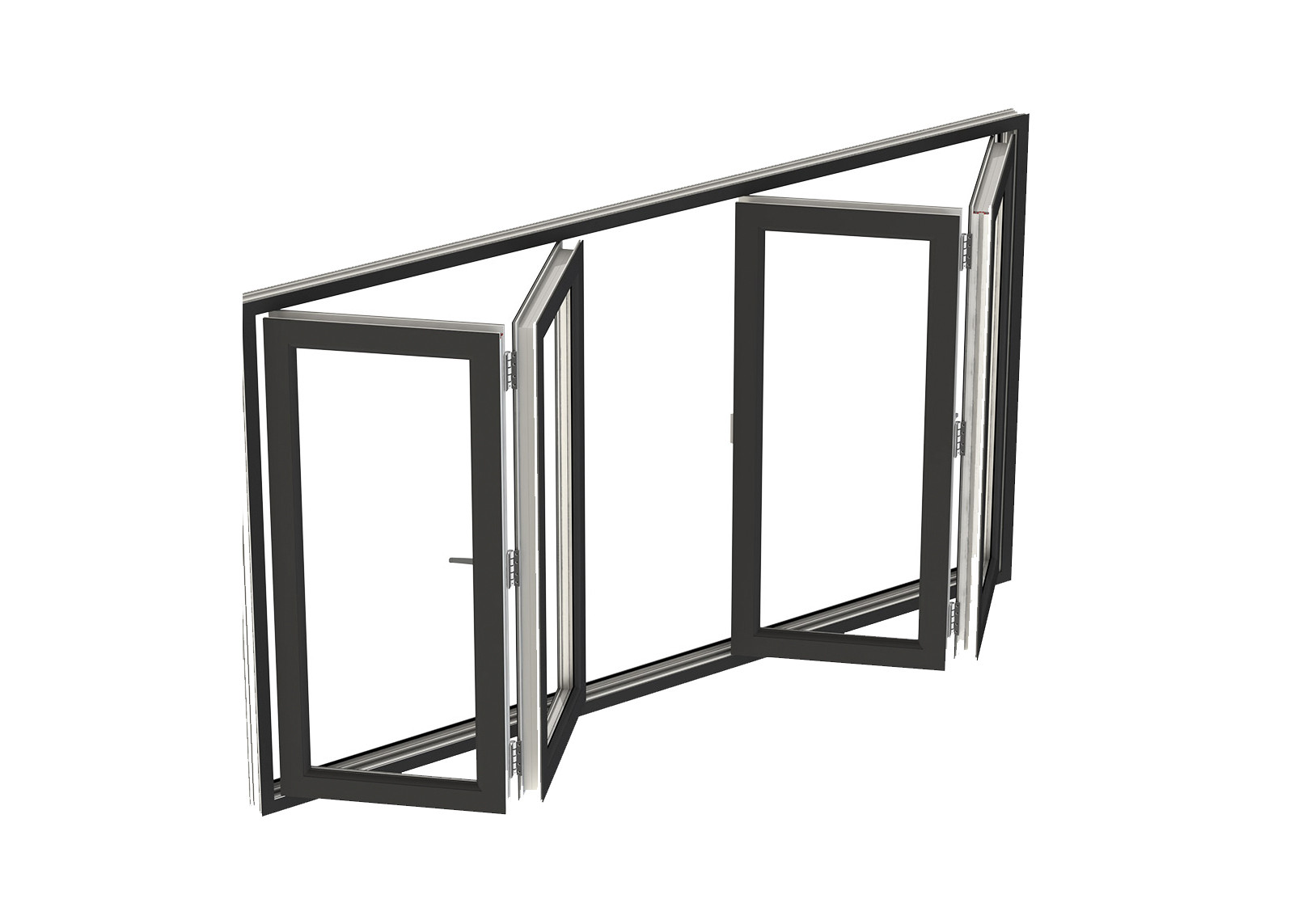
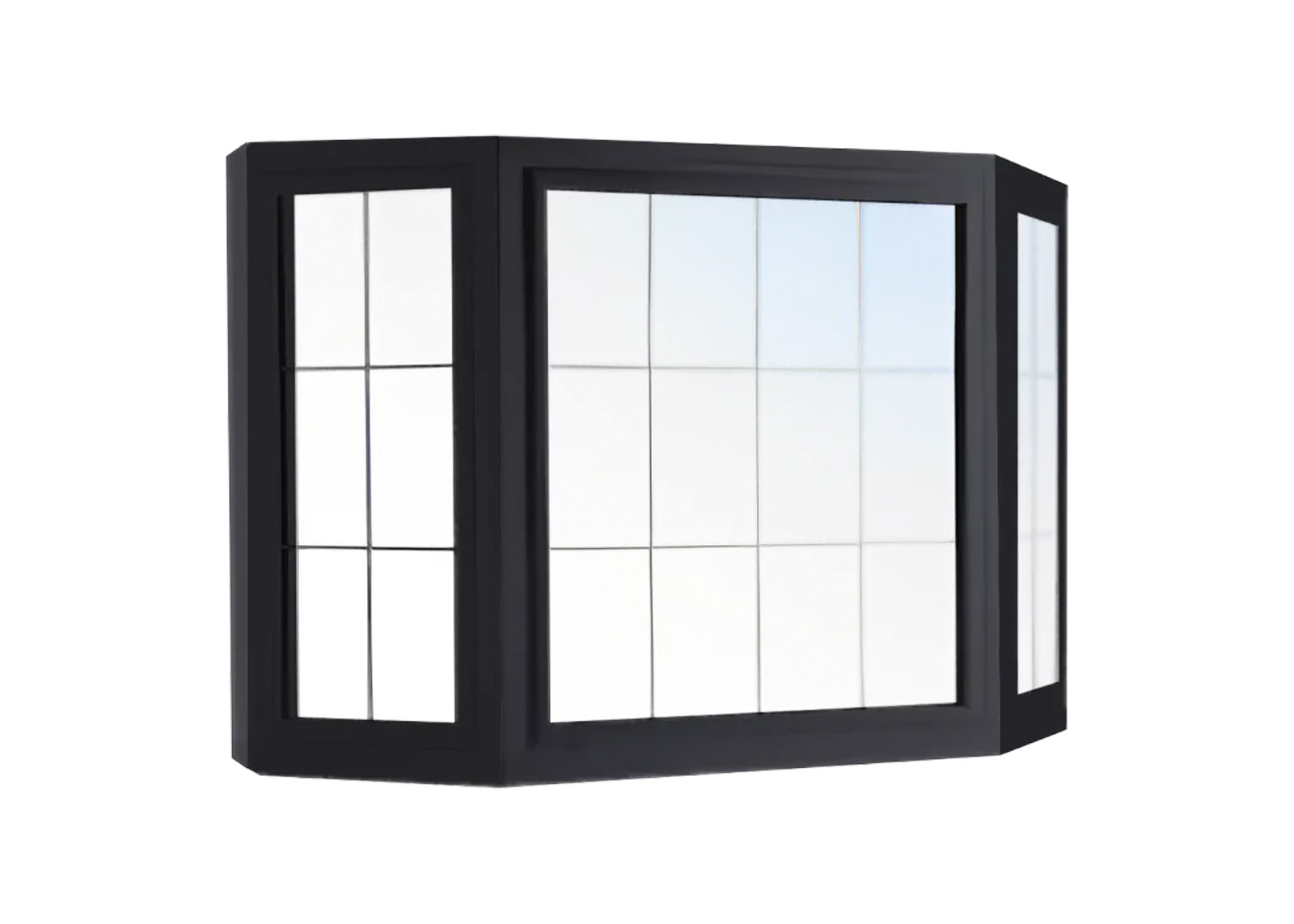
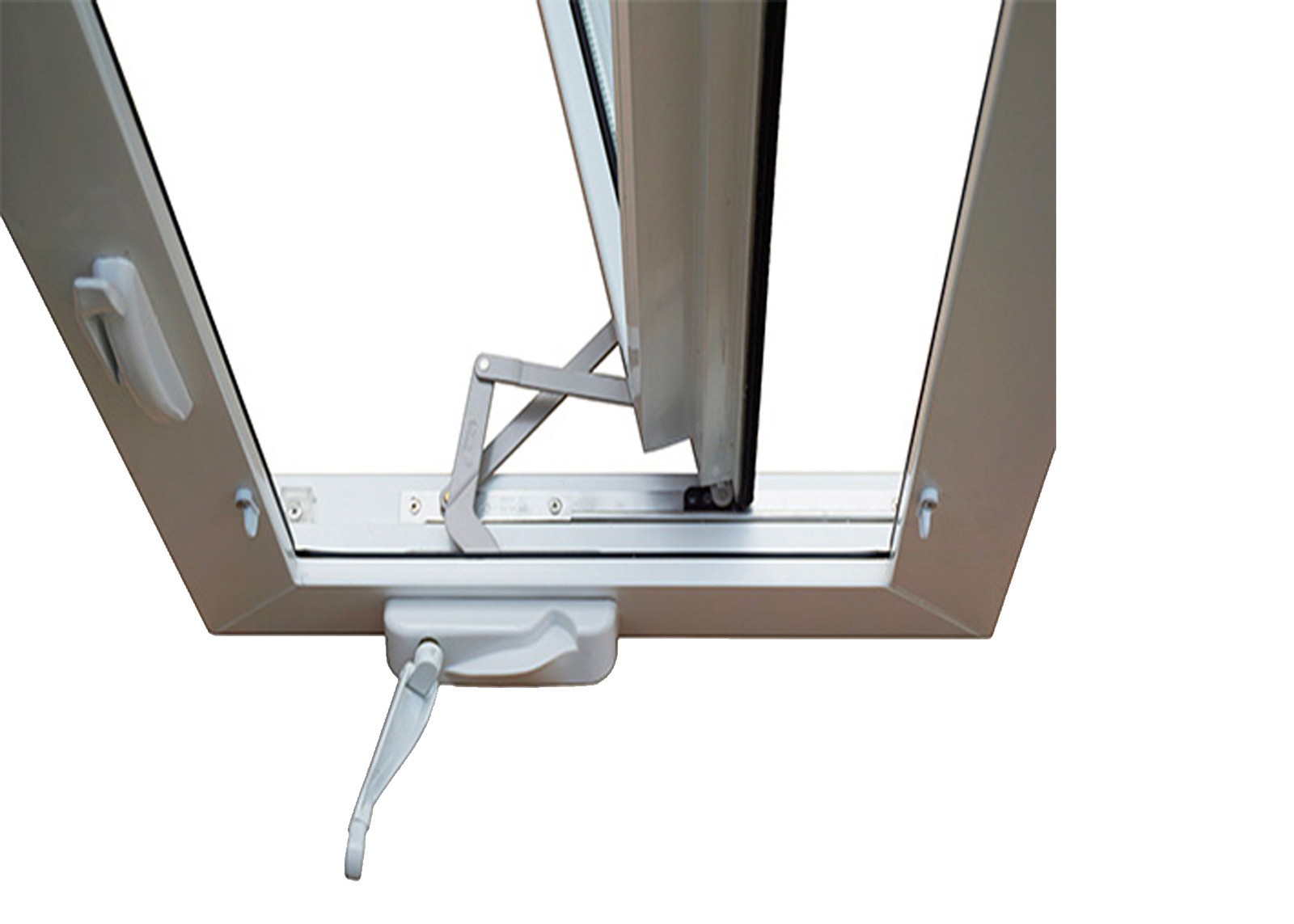






Top 10 Australian Standard AS2047 Aluminium Windows Factory in China
An Australian buyer who searches for an as2047 aluminium windows factory china is not shopping for a logo. They are trying to answer a narrower and much harder question: can this plant produce a window that a certifier, a builder and a building surveyor will all accept, in the size and configuration the project actually needs, and can it prove that on paper before money moves? Most Chinese window factories will answer yes. Far fewer can produce the document trail that makes the yes stick.
The gap matters because the Australian market has become the default growth target for Chinese fabricators. Aluminium is the dominant residential frame material in Australia, the housing stock is old enough that replacement demand is steady, and the NCC now puts real weight on window performance in both energy and weathertightness. That combination has produced a large supply of factories that can cut, weld and glaze a window, and a much smaller supply that can demonstrate compliance for a specific project. The difference between those two groups is almost never the machine shop. It is the test evidence, the drawing discipline and the shipping documentation.
This guide is written from the factory side of that transaction. ROPO has manufactured aluminium and uPVC windows and doors in Fuzhou, Fujian, for 16 years and shipped to more than 100 countries, Australia among them. We have been asked to produce AS2047 evidence by importers, by builders and by certifiers, and we have watched good projects stall on paperwork rather than on product. What follows is the shortlist logic we would use if we were buying instead of selling, applied to ten Chinese factories whose own websites state an AS2047 position, and then the evidence tests that separate a claim from a certification.
What makes an aluminium window factory in China AS2047-capable?
A factory is AS2047-capable when it can show a test report for the exact window type and size range you are buying, issued to the AS 4420 test methods by an accredited laboratory, and can reproduce that tested specimen in production. Certificates, ISO badges, showroom visits and export volume do not substitute for that report.
The distinction is structural, not semantic. AS 2047 is a performance standard: it does not certify a company, it describes what a window assembly must do under wind pressure, water penetration, air infiltration and operating force. A report therefore belongs to a specimen — a named product type, a named frame system, a tested size and a tested glazing build. When a supplier says "we are AS2047 certified", the useful follow-up question is not "which certificate?" but "which specimen, at which size, with which glass, and does my order sit inside that envelope?" That single question is what separates a usable as2047 aluminium windows factory china shortlist from a list of companies that have tested something, at some point, for someone.
What the standard actually tests, and what sits beside it
AS 2047-2014, Windows and external glazed doors in buildings, defines the performance requirements and points to the AS 4420 series for the test methods. The properties under test are the ones that decide whether a building stays dry and quiet: structural performance under wind pressure, water penetration resistance, air infiltration, and the operating force needed to open and close the sash. Wind pressures for housing are set with reference to AS 4055, Wind loads for housing, which classifies sites from N1 to N6 and, in cyclonic regions, C1 to C4. Non-housing buildings are usually assessed under AS/NZS 1170.2 wind actions instead.
Around that core sit four companion documents that Australian certifiers will ask about. AS 1288 governs glass selection and glazing, including the thickness and type required for a given pane size and wind load. AS 4666 governs insulating glass units, so a double-glazed build needs an IGU certificate as well as a window report. AS 3959 sets construction requirements in bushfire-prone areas, from BAL-12.5 through to BAL-FZ, and interacts with the window's glazing and frame detailing. The NCC ties these together and is the instrument a surveyor actually applies. None of these is optional paperwork; each one closes a specific gap that a window report alone leaves open.
There is also an industry layer that buyers confuse with regulation. WERS, the Window Energy Rating Scheme, rates the energy performance of window products; AGWA, the Australian Glass and Window Association, is the industry body many fabricators and importers belong to. Both are useful signals of market seriousness. Neither is a substitute for a project-specific AS 2047 report, and neither certifies that a particular order will pass.
Why the factory, not the brand, carries the evidence
Australian window brands are often system houses: they develop a frame system, have it tested, and license fabrication to local plants. That model works because the system, the fabrication manual and the test report travel together. When you import from China, you take on the fabricator's role, which means the evidence chain now starts at the Chinese plant. If the plant is fabricating a licensed system, the report may exist under the system owner's name and the plant must be a named licensee. If the plant is fabricating its own system, the report must be its own.
This is where many shortlists fail. A buyer collects a certificate image showing a familiar logo, a test report number and a company name that does not match the entity on the proforma invoice, and then discovers at certification stage that the report covers a different profile series, a smaller sash, or single glazing only. The plant was not lying. It was answering the question it was asked, which was whether it had ever tested anything to AS 2047. The question it should have been asked is whether it has tested the thing being purchased.
Practical buyers therefore evaluate the factory on three levels at once: the entity (does the legal name on the report match the contracting party), the specimen (does the tested configuration match the order), and the production (can the plant repeat the specimen within tolerance, batch after batch). A factory that can answer all three is AS2047-capable. A factory that can only answer the first is a factory with a certificate. The shortlist below is built on that distinction, and the AS2047 aluminium windows we build sit inside the same test, so the criteria are the ones we are measured against.
How this list was built, and what it is not
Any ranking of an as2047 aluminium windows factory china field has to declare its method, because the obvious method — searching the term and listing the results — rewards advertising budget rather than compliance. We evaluated fourteen Chinese manufacturers that publish an Australian position, and ranked ten of them. The order reflects how much of the compliance burden a buyer can hand over, not how large any company is.
The four filters used to shortlist
Filter one: a stated Australian standard position, in words. The company's own English website had to say something specific about AS2047, AS 2047-2014 or the Australian standard on a page a buyer can reach without registering. A certificate image with no accompanying text did not qualify, and neither did a generic claim to "international standards". That test is the difference between a marketing list and an as2047 aluminium windows factory china list you can act on. This filter alone removed several otherwise credible factories, including two that publish strong North American evidence but no Australian statement.
Filter two: an operating factory in China. The entity had to present itself as a manufacturer with a plant address, not a trading company with a serviced office. This is the single most useful filter for Australian buyers, because the party that signs the test report has to be the party that builds the window. Factories that could not name a production location on their own site were dropped regardless of how good their catalogue looked.
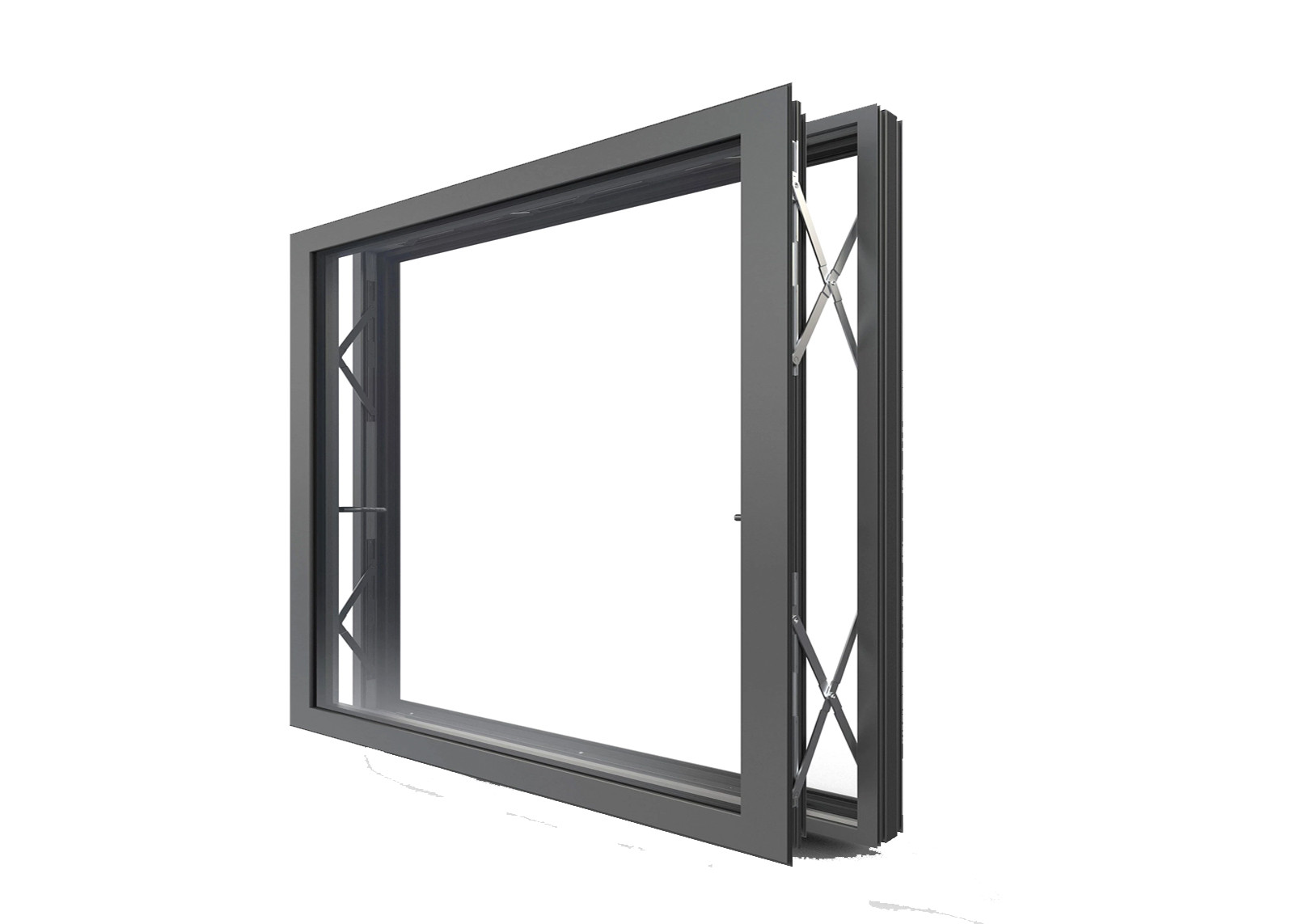
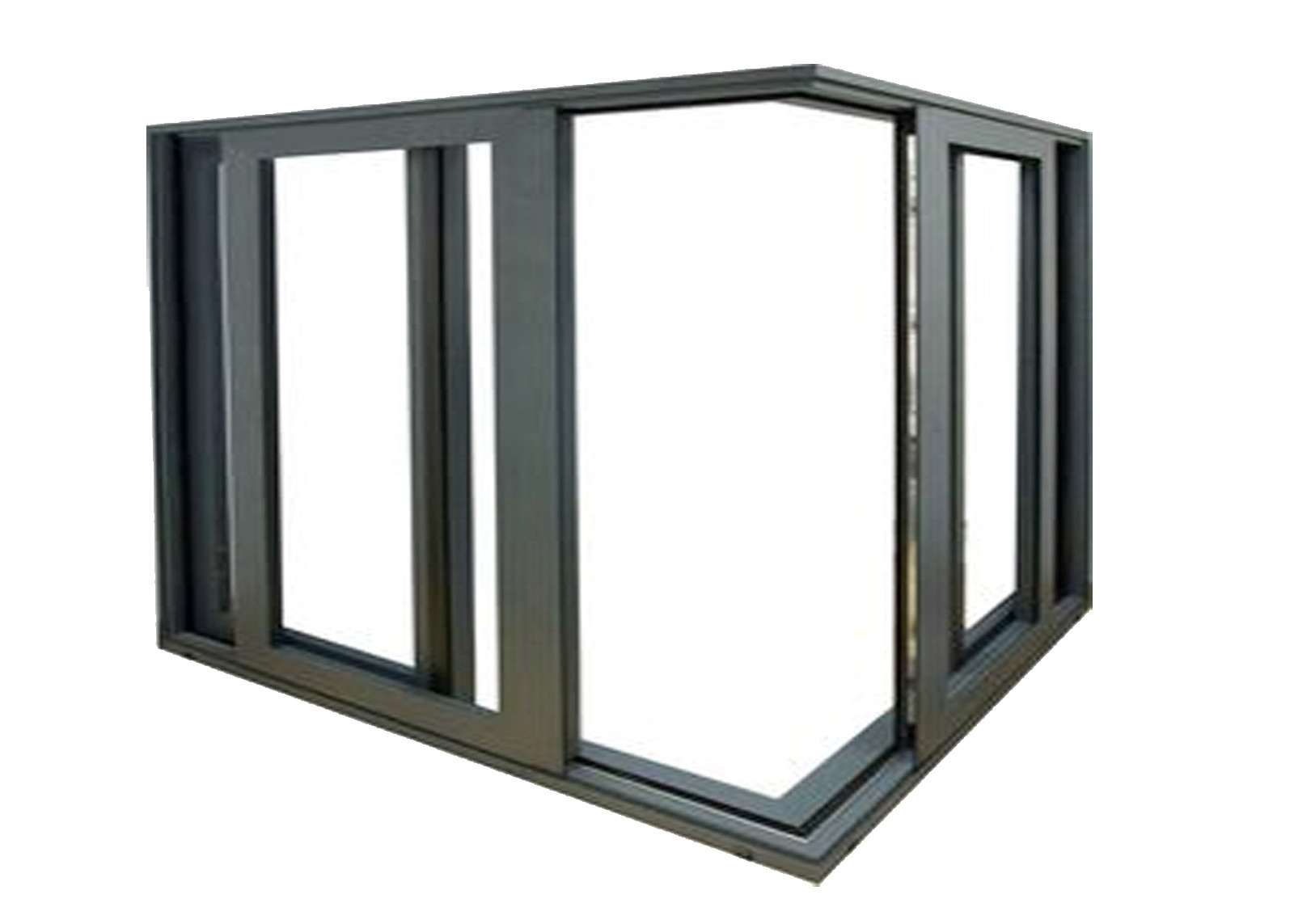
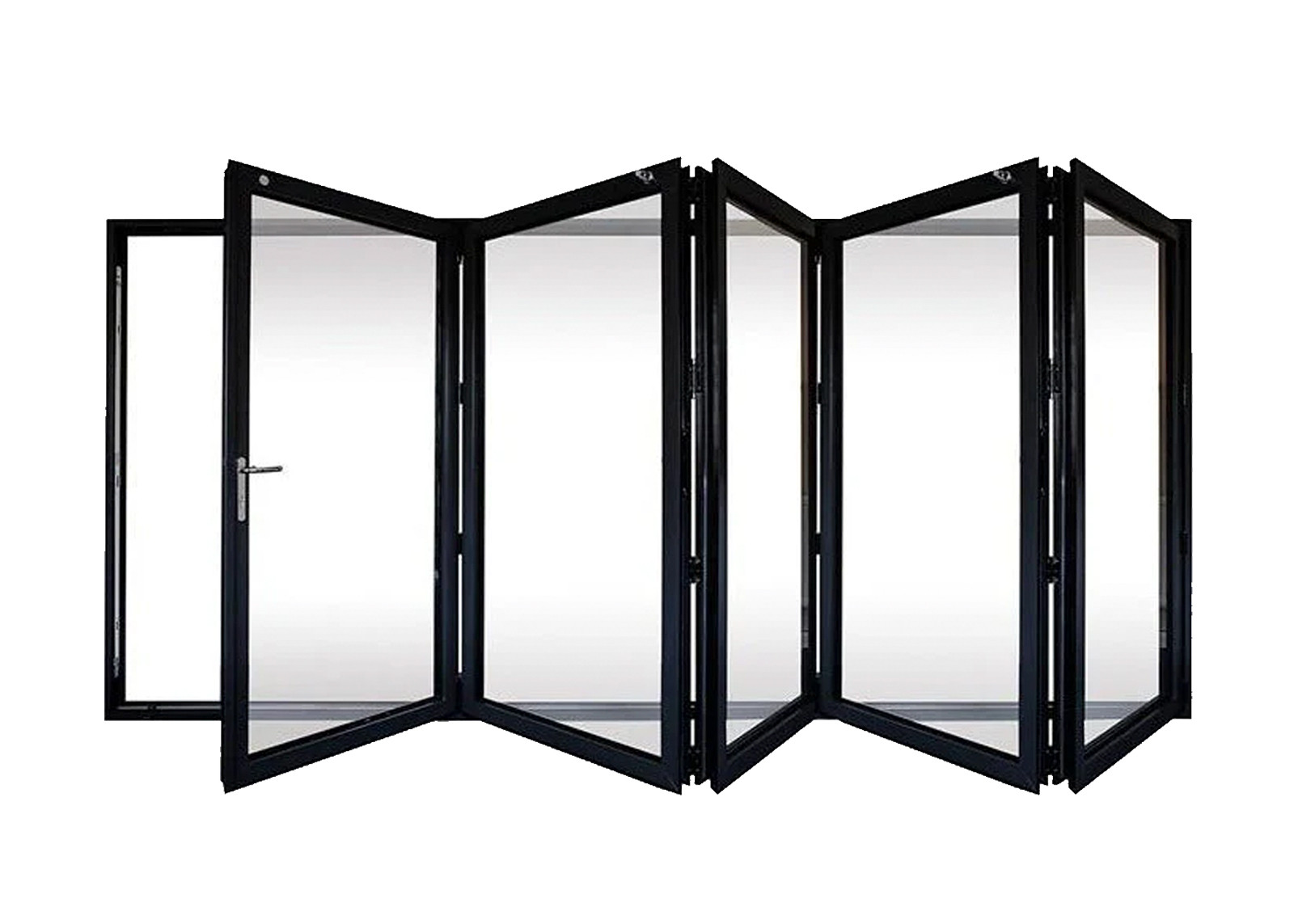
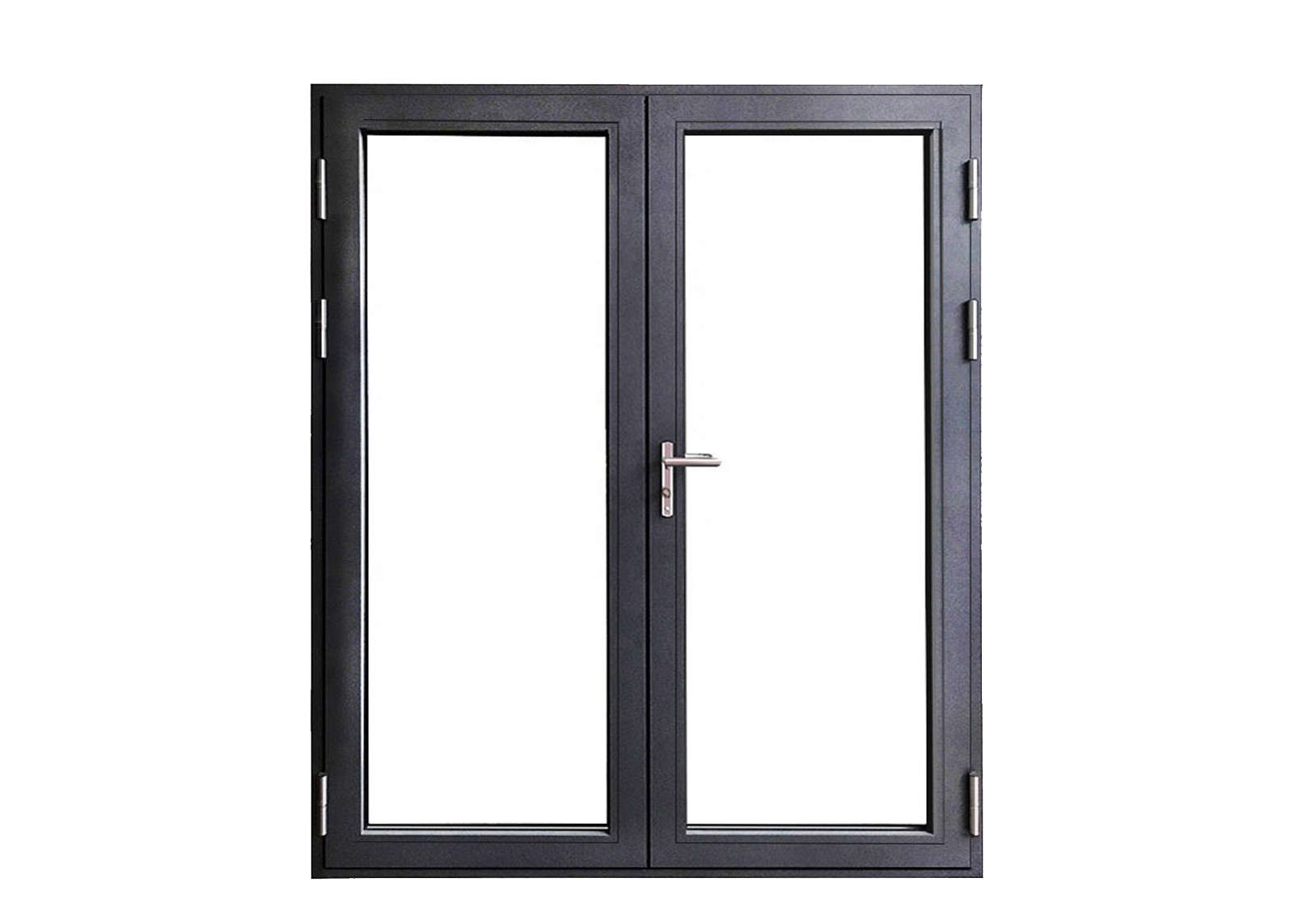
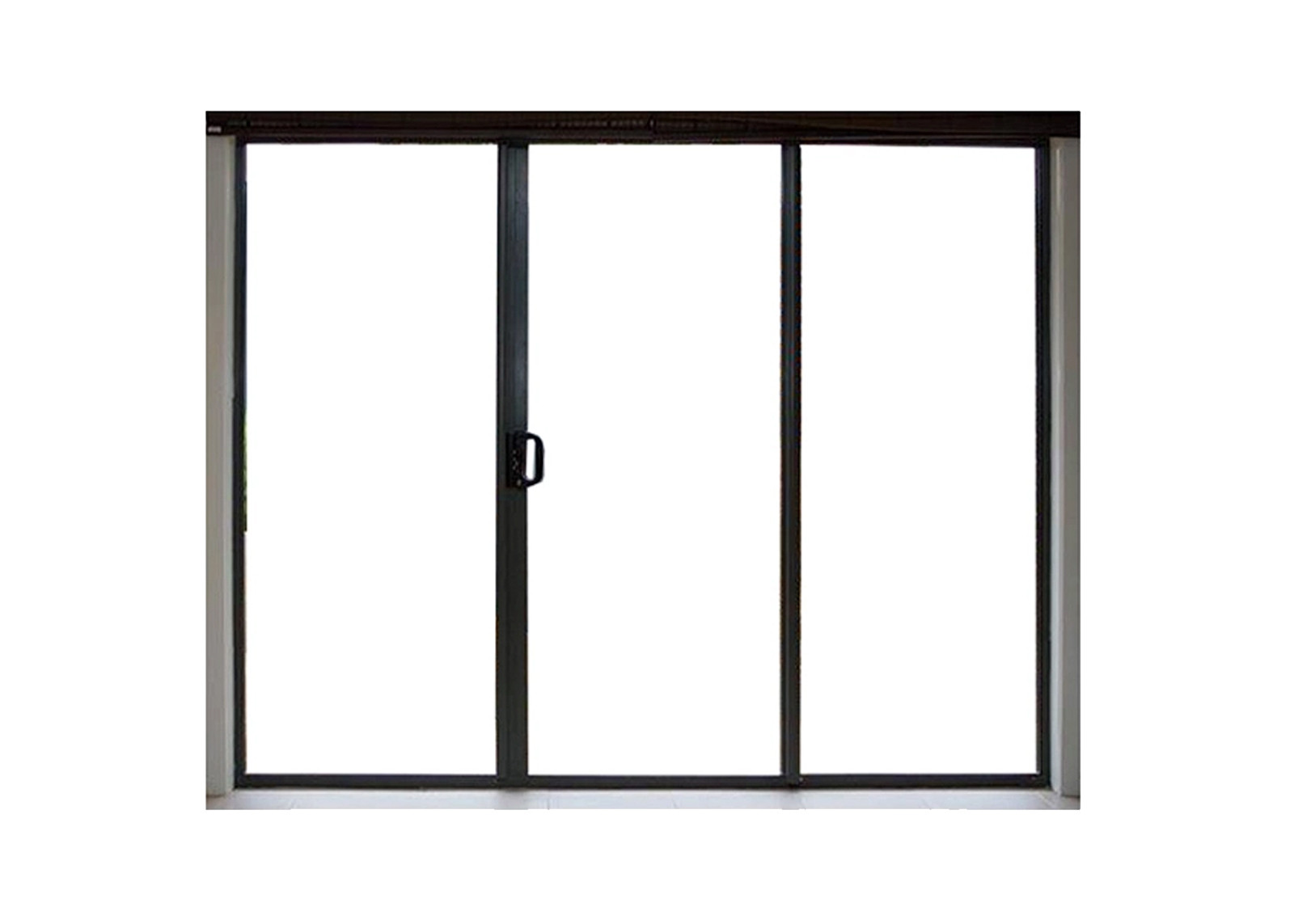
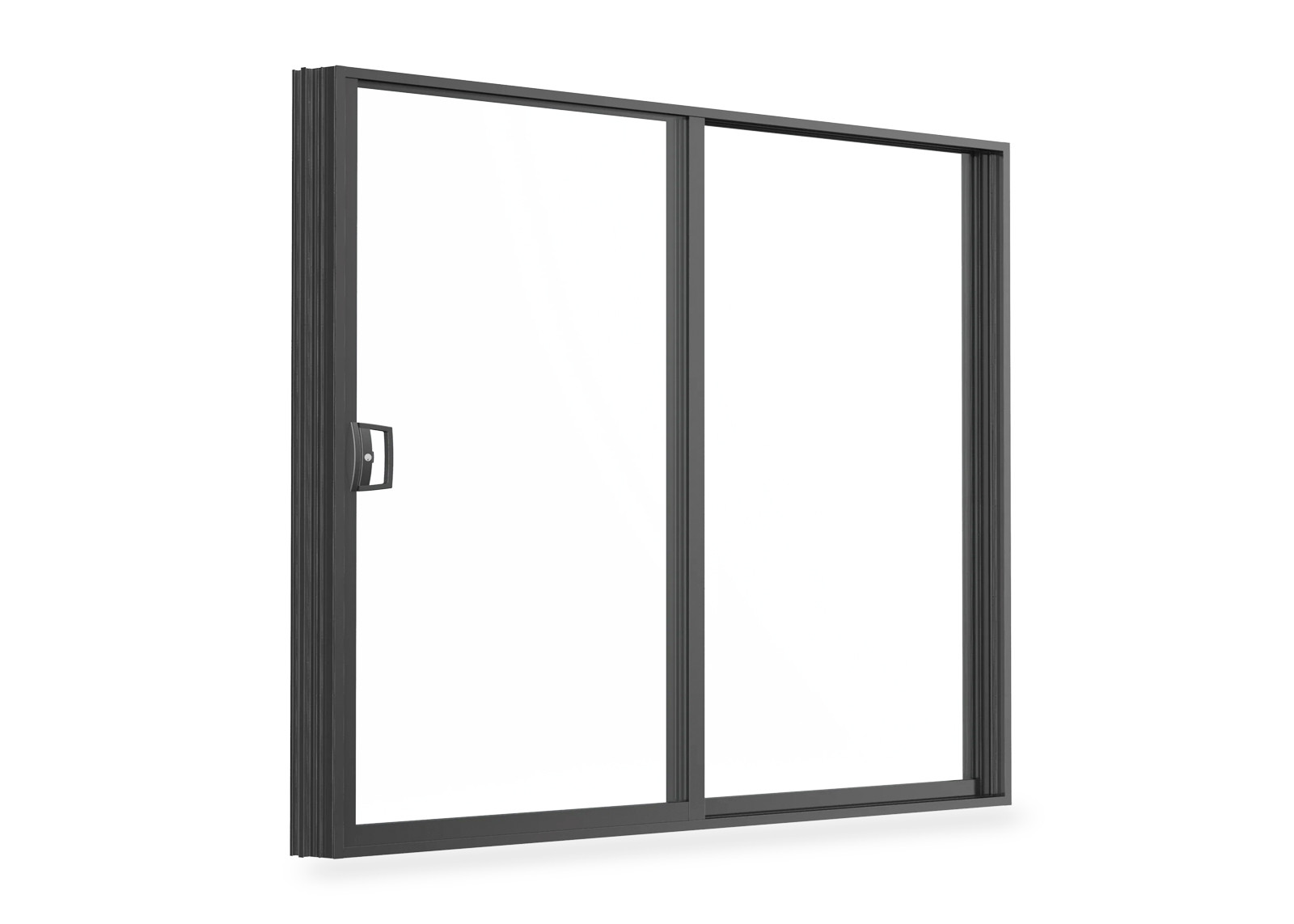
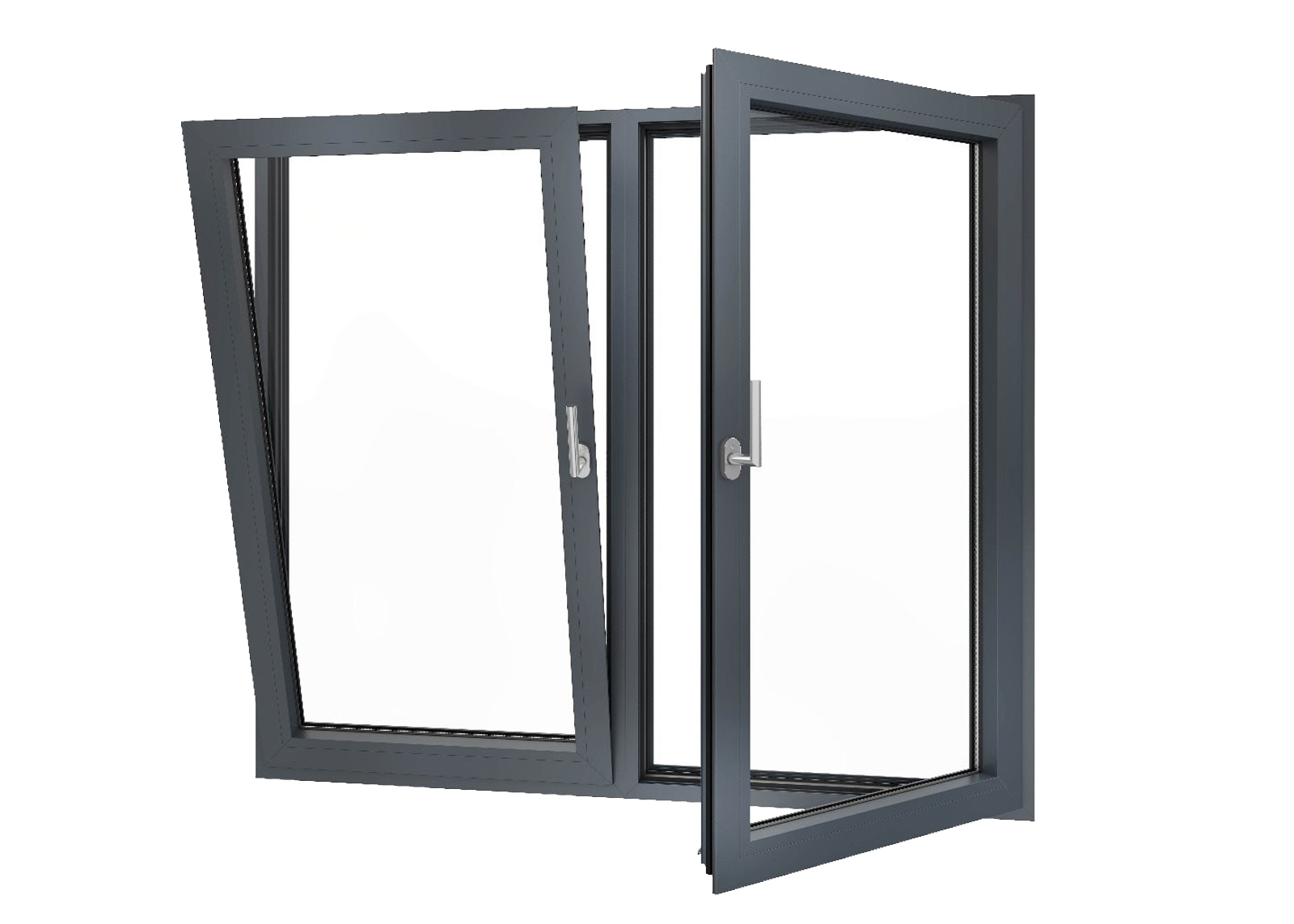
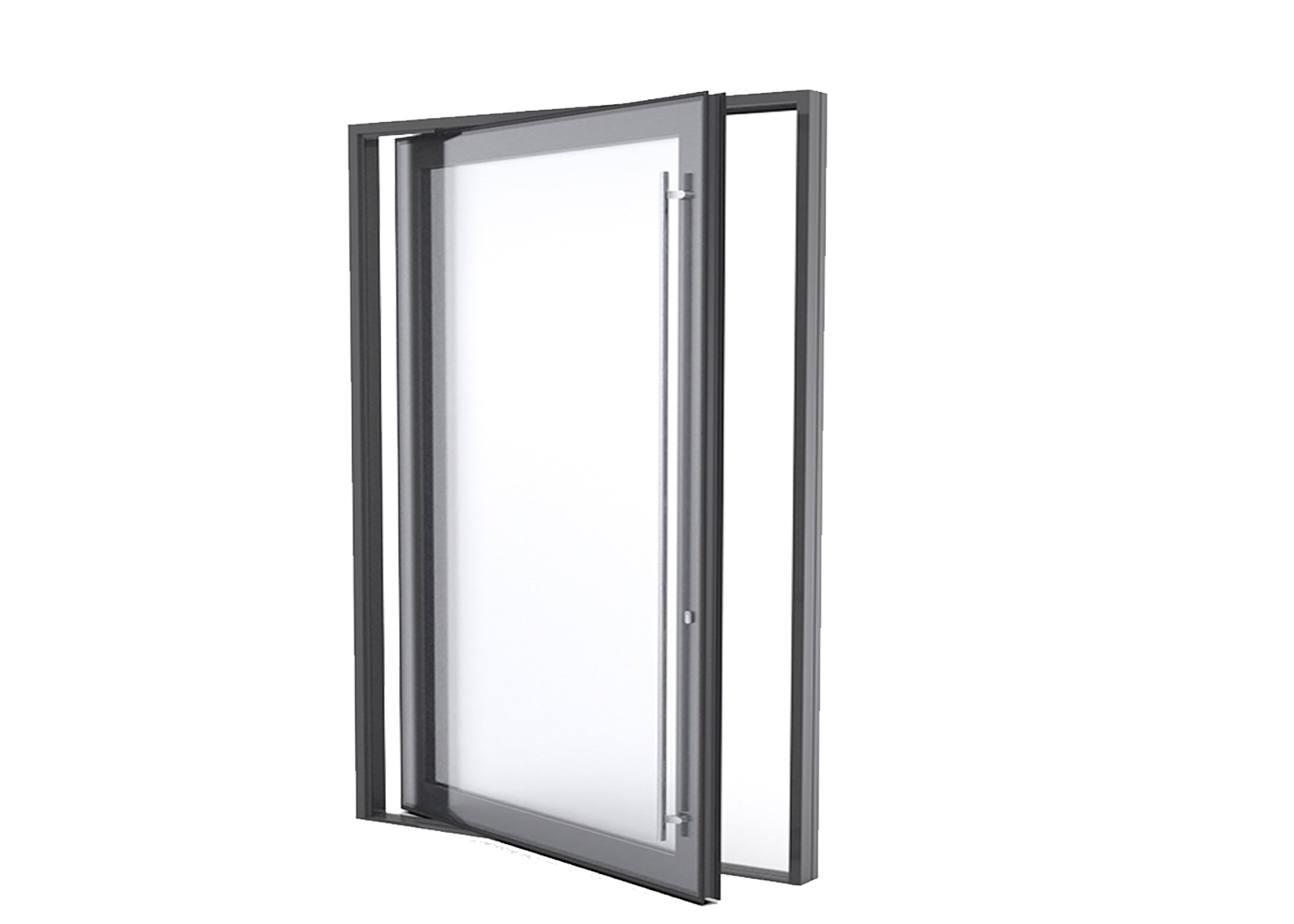
Filter three: a product range that matches Australian demand. Australian projects buy a recognisable set: casement and awning windows with chain winders, sliding windows and doors, tilt-and-turn for apartment work, double-hung for renovation, and fixed or lift-slide units where the opening is full height. A factory that only offers one opening type is a specialist, not a general supplier, and cannot carry a whole house package.
Filter four: an export posture that includes Australia. The company had to name Australia as a market, or publish Australian project references, or maintain an Australia-specific page. This does not prove capability, but it does mean the plant has met Australian packing, labelling and documentation expectations before, which shortens the learning curve on your order.
Why no capacity, revenue or headcount figures appear here. We do not publish other companies' capacity, revenue, staff numbers, export volumes or market share, and we have not repeated the plant-area figures that some of the ten publish about themselves. Those numbers are not comparable across companies, they are rarely audited, and a buyer cannot act on them. What a buyer can act on is the shape of the claim each company makes and the documents it can produce when asked.
Every peer statement below is drawn from the company's own website as published in November 2026, and each profile says what the site states rather than what we believe to be true. Where a site is silent on something material, the profile says so. Two companies we evaluated publish no AS2047 claim at all and were therefore not ranked; two more publish an AS2047 claim and would sit comfortably on a longer list, and we name them at the end of this section so the shortlist is not presented as exhaustive. The ranking itself is our editorial judgement of fit for Australian import orders, not a measure of quality, scale or market position, and no company paid for a position.
The ten factories, ranked by published AS2047 evidence
The ten profiles follow one template: where the plant is, what it makes, the Australian position it publishes, and the one thing an Australian buyer should test first. Read them as a screening layer. None of them removes the need to verify the report against your own schedule, which is the subject of the next two sections.
1. ROPO Windows — Fuzhou, Fujian: factory-direct aluminium and uPVC under one roof
ROPO is the first entry because we can show our own evidence rather than describe it. The plant manufactures aluminium and uPVC windows and doors in the Tieling industrial zone in Minhou County, Fuzhou, and has exported for 16 years to more than 100 countries. The plant runs both frame materials on one site, which matters for Australian packages that mix aluminium externally with uPVC in wet areas or on tighter budgets. The published position covers AS2047 and NZS4211 for the Australasian market alongside Miami-Dade approval for the hurricane states, with a 10-year warranty and a minimum order of one unit for a first sample.
What an Australian buyer should test first: the size envelope of the AS2047 report against the largest opening in the schedule. The awning and casement builds we ship to Australia are listed in the AS2047 aluminium window supplier range, and the tested specimens behind them are the documents we send with a quote. A factory that can build a 3-metre lift-and-slide can usually build it; whether the tested specimen covers that span at the project's wind class is a separate question, and it is the question we expect to be asked.
2. Shanghai Aoland Building Materials — Shanghai: an explicit AS2047-2014 statement
Aoland, headquartered in Fengxian, Shanghai, describes itself as a manufacturer and exporter of aluminium windows, doors, curtain walls and façade solutions, with casement, awning, French, sliding and bi-fold systems in the range. Its site carries an unusually direct Australian line, listing AS2047-2014 as a certification alongside NFRC labelling and a New Zealand timber-related standard, and it names Australia among its export markets together with North America, Europe and the Pacific hurricane region.
What an Australian buyer should test first: which entity holds the AS2047-2014 document and whether the tested system is the series quoted. A façade-capable exporter often holds several reports across commercial and residential systems, and the report number on the quote should match the profile series on the shop drawing, not merely the company name on the certificate.
3. Gwint Door and Window Technology (Shandong) — Linqu, Weifang: aluminium, wood-clad and curtain wall
Gwint operates in Linqu, the aluminium processing cluster in Weifang, Shandong, as a subsidiary of Shandong Huajian Aluminum Group. Its range covers aluminium windows and doors, wood-clad aluminium windows and doors, curtain wall and sunrooms, and its site lists AS2047 among a certificate set that also includes CSA, NAFS, PHI and ISO 9001, with Australia named in its export list alongside North America, Europe and Southeast Asia.
What an Australian buyer should test first: the wood-clad option. Timber-clad aluminium is attractive for façades where a natural interior finish is wanted, but the cladding detail changes the frame's thermal and water behaviour, and a report on the plain aluminium version does not automatically transfer. Ask specifically for the clad specimen.
4. Zhejiang Shieldoors Security Technology — Zhejiang: a compliance-worded Australian page
Shieldoors, established in Zhejiang, runs a dedicated Australian page and describes its aluminium window and door systems as compliant with AS2047, AS1288 and WERS protocols for Australian commercial and residential developments. Its product list is written around Australian buying patterns — AS2047 sliding windows, double-glazed awning windows, bi-folding patio doors, corner pocket sliders and louvre windows — and it names North America, Australia and Southeast Asia as its main markets.
What an Australian buyer should test first: the word "compliant" versus a report number. Compliance language can rest on a system designed to the standard rather than a specimen tested to it, so ask for the laboratory report and the tested size range before accepting the page as evidence. Because the site also lists products that appear to originate elsewhere, confirm that the plant you are contracting is the plant that will fabricate.
5. Xiamen KDS Building Material — Xiamen, Fujian: NATA-audited testing stated on site
KDS is a Xiamen-based manufacturer and exporter that has worked in commercial and private windows and doors for more than a decade, with aluminium, uPVC, solid timber and aluminium-clad ranges plus curtain wall. Its site states that its windows and doors are certified to CE and tested under AS2047 at a NATA-audited laboratory in Australia, and it lists Australia among export destinations alongside the USA, UK, Canada, the Philippines and Norway.
What an Australian buyer should test first: the distinction between testing at an accredited laboratory and holding a current report for the product you are ordering. NATA-audited testing is a strong signal about the laboratory, not about the specimen. Ask for the report itself, then check the specimen description against your schedule.
6. Shanghai Superhouse Building Material — Shanghai: AS2047 certification from an Australian body
Superhouse presents itself as a Shanghai-based exporter of aluminium doors and windows with a stated history in manufacturing and exporting aluminium windows, and it makes one of the more specific Australian claims in this field. Its site says it was among the earliest Chinese suppliers to obtain an authentic AS2047 certificate from SaiGlobal, together with NFRC certification, and that it is a member of the Australian window industry association.
What an Australian buyer should test first: the certificate's scope and currency. A certificate issued by a recognised body is a strong starting point, but certification has a scope of product families and a validity period, and both need to be current at the time of your order. Ask for the certificate number and the product schedule attached to it.
7. ZMR — Foshan, Guangdong: a multi-market certification stack
ZMR describes itself as an aluminium window and door manufacturer in Foshan, exporting mainly to the United States, Canada and Australia, with folding, sliding and casement doors and windows, sunrooms and curtain walls in the range. Its site lists NFRC, Energy Star, AS2047, CSA and CE certification and separately states tested watertightness and wind-pressure figures for its systems, which is more disclosure than most competitors offer.
What an Australian buyer should test first: whether the AS2047 figures quoted in its marketing are attached to the product family you are ordering or to another system in the range. Where a factory publishes performance numbers, ask for the report page that contains them; a number without a specimen reference is a marketing claim rather than a compliance document.
8. ZEKIN (Foshan Desilesi Home Technology) — Foshan, Guangdong: design-led range with an Australian certificate claim
ZEKIN, established in Foshan in 2008, presents aluminium windows, aluminium doors and entry doors, and states that it is certified to CE, ISO, Australian AS2047, Canadian CSA and US NFRC standards. Its site positions the brand on design awards and on vertical integration, describing in-house aluminium extrusion and glass tempering across its production bases, and it names installation support in parts of the United States, Canada and Australia.
What an Australian buyer should test first: the depth of the Australian programme. A brand that offers installation support in Australia is more likely to have dealt with Australian site conditions, but support is not certification. Ask which Australian projects the plant has supplied, then ask for the AS2047 report covering the window type used on those projects.
9. Boswindor — Foshan, Guangdong: high-wind and bushfire language on the Australian page
Boswindor, based in Shishan, Nanhai District, Foshan, manufactures awning, casement, folding, sliding, tilt-and-turn and skylight windows plus casement, folding, sliding and French doors. Its site lists ISO 9001, AS2047, CE, CSA, NFRC and Energy Star, and its Australia and New Zealand page goes further than most by describing AS2047-compliant high-wind and bushfire-rated solutions, with customers across Australia, North America, Europe, the Middle East, Africa and Southeast Asia.
What an Australian buyer should test first: the bushfire wording. Bushfire performance is governed by AS 3959 and by the BAL level of the site, not by AS 2047 alone, so a bushfire claim should be accompanied by the specific glazing and screening specification that achieves it. Ask which BAL level the tested assembly addresses and what changes below that level.
10. Trango (Guangdong Chuanggao) — Foshan, Guangdong: separate commercial and residential Australian certification
Trango, founded in 1998 and based in Shishan, Nanhai, supplies aluminium doors, windows and curtain wall and describes itself as holding CE, NFRC and Australian standard certification for both commercial and residential systems. Its range covers outward and inward opening doors, sliding and folding doors, inward and outward opening windows, sliding and folding windows, single and double hung windows, louvered windows and curtain walls, with Australian project references published in its case studies.
What an Australian buyer should test first: which of the two certification tracks applies. Commercial curtain wall and residential windows are tested and assessed differently, and a project that mixes shopfront glazing with apartment windows may need evidence from both tracks, not one document stretched across the package.
Who else belongs on a longer list, and why two were excluded
Two further Foshan manufacturers, Fuson and DERCHI, also publish AS2047 claims and would appear on a long list; we left them out of the ten to keep the geographic spread readable, not because their evidence is weaker. Two companies we evaluated publish no AS2047 statement at all and were excluded on that basis alone, even though both are credible factories: one advertises ISO 9001 and third-party inspection instead, and one states plainly that it does not publish performance figures it has not measured. That second position is more respectable than an unsupported compliance claim, and a buyer who values candour should still consider such a plant — just not as an AS2047 source without a report.
Read together, the ten show the range of what "AS2047" means in a Chinese factory's marketing. At one end, a named certification body and a certificate number. In the middle, a laboratory tested to Australian methods and a report that may or may not cover the ordered size. At the other end, the word "compliant" attached to a system design. All three can be honest. Only the first two can be verified quickly, which is why the next section is the one to keep open while you read quotations. If your package also includes uPVC, the same filters applied to a China uPVC windows factory change only in the frame material, and the market context for imported joinery is set out in our guide to doors and windows suppliers in Australia.
What an AS2047 test report must show before you accept a quote
Every as2047 aluminium windows factory china shortlist eventually reaches the same document. A quotation tells you what a factory will build; a test report tells you what it has proven. In most stalled Australian imports, the quotation was clear and the report was vague. The four checks below take about twenty minutes with the documents in front of you, and they are the same checks a certifier will run later, at a point when changing supplier is expensive. The report and the range it covers should be read together: AS2047 aluminium windows for Australian projects only means something when the specimen envelope matches the schedule.
Identity: the specimen, the type and the size range
Start with the front page. A usable report names the applicant or sponsor, the manufacturer, the product type, the frame system and the profile series. It then defines the specimen: overall width and height, sash configuration, glazing build, hardware, and the test pressures applied. That definition is the envelope. If your schedule asks for a 2400 × 2100 awning and the report covers a 1200 × 900 awning, the report does not cover your window even though the product type matches.
The name check is equally important. Companies change names, add trading divisions and quote through related entities. The manufacturer on the report should be the entity that will be named on the commercial invoice, or the report should carry a licensee schedule that includes it. When the three names — report, invoice, shop drawing title block — do not line up, ask for a written explanation before the deposit, not after the container arrives.
Two supporting documents belong in the same folder. A drawing or specification sheet for the tested product, so the fabricator can show what was built, and the laboratory's accreditation reference, so you can confirm the test was performed by an accredited facility. Without those, a report number is a claim rather than evidence.
Ratings: the numbers that matter for your site
AS 2047 reports are read for the performance values, not for the pass stamp. The structural result tells you the wind pressure the specimen withstood without exceeding the deflection limit; the water result tells you the pressure at which water crossed the threshold; the air infiltration result tells you leakage at a reference pressure; the operating force result tells you what a user must apply to move the sash. Each of these has to be compared with the demand of your site, which is where wind classification comes in.
A common error is to treat a higher number as universally better. Higher water ratings usually come with deeper frames, more complex drainage and a higher price, and on a sheltered suburban block that capacity is inert. The right question is whether the tested value exceeds the site demand with a sensible margin, and whether the whole schedule — not just the largest window — sits inside the tested range. If the report covers a family of sizes, check the smallest and largest explicitly.
Glass, IGU and the glazing certificate
Windows are tested with a specific glazing build, and the glass is part of the specimen. A report for 6 mm monolithic toughened glass does not automatically extend to a 24 mm double-glazed unit, and a change from clear to low-e coating changes the thermal result even where the structural result holds. Certifiers therefore ask for the IGU certificate as well, normally to AS 4666, and for the glass specification to AS 1288 for the pane sizes in the schedule.
This is also where substitution happens most often, usually without malice: a factory upgrades the glass to meet an energy target and thereby steps outside the tested build. If the project needs a different glass, ask the factory to confirm in writing whether the tested specimen covers it, and if not, what the alternative tested configuration is. Our own glass options page sets out how coating, cavity and thickness choices interact, and it is the same logic a certifier applies.
When the report is missing, generic or in someone else's name
Three failure modes are common. The first is the missing report: the factory has a certificate image, or a test summary in a brochure, but cannot produce the report itself. The second is the generic report: a document covering "aluminium windows" with no size envelope, no specimen drawing and no glazing definition. The third is the borrowed report: a valid document held by a system supplier or another fabricator, presented as if it covered the plant in front of you.
All three are recoverable, but only before the order. A factory can arrange testing of a representative specimen, which takes time and is best planned into a first project rather than discovered during it. A fabricator can be added to a system licence and produce the licensee evidence. What cannot be recovered is a container of windows on the water with no document trail, because the certifier's question arrives at the building approval stage, when the units are already made.
For a worked example of report reading, including the five documents worth requesting in the first email, see our guide to verifying AS2047 certified windows, and for the Australian-local comparison that complements this article, our Top 5 AS2047 certified manufacturers in Australia covers the fabricators who hold their own reports locally.
Matching factory ratings to an Australian site: wind, water, air and glass
Compliance is a comparison, not a badge. Once the report is in hand, the work is to place the project's demand beside the specimen's performance and confirm that the margin is sensible for the exposure. Four comparisons do most of the work, and each one has a specific question that a factory can answer in writing.
Wind class, deflection and the corner that always fails
For housing, the site's wind classification comes from AS 4055, which assigns N1 to N6 for non-cyclonic sites and C1 to C4 in cyclonic regions, taking terrain, shielding, topography and building height into account. The classification is a property of the site and the building geometry, not of the window, and it is normally fixed by the engineer or certifier before windows are ordered. Your specification should state the class and the corresponding design pressure.
The comparison then runs against the tested structural performance, including the deflection criterion. Deflection is where large units fail first: a wide sash on a high-wind site bends more at the same pressure, so the tested span matters as much as the tested pressure. Corner zones of a building also see higher pressures, which means a window on a corner elevation may need a higher rating than the same window mid-wall. Ask the factory to confirm the tested size and the site class together, in writing, rather than quoting a single headline pressure.
Water penetration, drainage and the sill detail
Water performance is the rating Australian buyers underestimate. It is tested as a pressure differential with water applied, and the failure point is usually a drainage path rather than the seal: a sill that cannot shed water fast enough, a joint that holds water against a gasket, or a head flashing detail that lets water track behind the frame. A high laboratory rating does not survive a badly flashed opening.
For that reason the window rating and the installation detail have to be read together. Our guide to measuring window openings explains how frame size, reveal and installation gap interact, and those dimensions decide whether the tested drainage geometry is preserved on site. If the builder's opening is 15 mm tight, someone will plane the frame or compress the flashing, and the rating on paper becomes irrelevant.
Air infiltration, operating force and hardware
Air results are read alongside operating force because both depend on the same hardware and gasket system. A sash that seals tightly needs more force to open; a sash that opens easily may leak more air. Australian buyers usually notice the second problem first, as draught or condensation, and the first second, as a winder that strips or a handle that needs two hands.
Hardware is therefore a compliance component, not an accessory. Ask which hardware brand and model was in the tested specimen, and whether the factory will fit the same item or an equivalent. Substitution to a cheaper handle or hinge is one of the most common silent deviations in imported joinery, and it is invisible until the first summer of use. Details of the hardware families we fit, and the points where substitution matters, are set out on our window and door hardware page.
Thermal break, condensation and bushfire exposure
Three specification threads sit outside the basic AS 2047 numbers but decide whether a window performs in service. The first is thermal break: a thermally broken aluminium frame separates the inner and outer extrusion to reduce conduction, which matters for condensation on cold mornings and for meeting energy targets in cooler zones. The second is the glazing specification, where U-value and solar heat gain are assessed together. The third is bushfire, where AS 3959 sets the construction requirements by BAL level and the window's glazing, frame and screen details must match the level the site is assessed at.
A factory that can discuss all three in the same conversation, with the same specimen discipline, is a factory that understands Australian compliance as a system. A factory that treats thermal break as a premium option, bushfire as a glazing upgrade and energy as a glass sale is likely to produce a package that fails at the joints between those answers. Where a site is BAL-assessed, the bushfire specification should be requested as a named deliverable, with the relevant standard called up on the drawing.
The AS2047 and NZS4211 comparison is worth reading once if your package spans both countries, because the wind and testing logic differ enough to change a specification; our AS2047 versus NZS4211 guide sets out the differences.
Programme, documents and clearance: what happens after you choose
Choosing the as2047 aluminium windows factory china shortlist is the midpoint of an import project, not the end. The second half is a sequence of approvals and handovers, and the factories that disappoint Australian buyers are usually the ones that cannot hold that sequence. The four blocks below are where the programme is won or lost, and each one can be de-risked with a document. The AS2047 window range is only useful to you once those blocks hold, because a window that arrives late or undocumented is a cost rather than a component.
Drawing approval and the mock-up decision
Australian projects run on shop drawings. Before any profile is cut, the factory should produce elevation and section drawings for each opening, keyed to the schedule, showing frame depth, reveal, sill projection, sash direction, hardware position and the glazing build. The approval cycle is where dimensional errors are caught cheaply; a 10 mm discrepancy found on a drawing costs an email, and the same discrepancy found on site costs a re-make and a container slot.
A mock-up is the second checkpoint. For a single dwelling it may be one representative window; for a multi-unit project it should be one of each type, installed and inspected before the batch starts. The mock-up is not a sample of the product in the abstract — it is a rehearsal of the interface between frame, flashing, lining and cladding. Builders who skip it usually discover the interface problem on the first elevation, at the worst possible moment in the programme.
Both steps depend on factory-side discipline rather than machinery. Ask who prepares the drawings, whether they are issued in a format the builder can mark up, and how revisions are tracked. Our guide to sample and first orders sets out a one-window test that reveals more about a plant's drawing culture than a factory tour does.
MOQ, samples and the five inspection gates
Minimum order quantity is a commercial term that hides a technical one. A factory with a low minimum can still be a poor fit for a small project if it groups your units with another customer's batch and loses the traceability between report, drawing and product. A factory with a higher minimum may hold better discipline. The useful question is not only how few units are accepted, but how a small order is scheduled and identified inside the plant.
Inspection is where that discipline shows. A five-gate routine — incoming profile and glass check, frame assembly, glazing and sealing, hardware and operation, packing and pre-shipment — produces a record per unit or per bundle. Ask to see a completed inspection sheet from a previous Australian order, with the unit references, and ask what happens when a gate fails. A factory that can show a rejection and its disposition is more convincing than one that reports a perfect record.
Our own quality routine, including the certification set we hold and the tests we run, is documented on the quality and certification page, and the certificates themselves are listed on the certificate index.
Documents for clearance, certification and handover
The document set that leaves with a container is part of the product. At minimum an Australian importer needs the commercial invoice, packing list, bill of lading or sea waybill, and the certificate of origin where a preferential rate is claimed; the broker will also want the tariff classification and, for some goods, a declaration of wood packaging compliance. On the technical side, the project needs the test report, the drawing set as built, glass and IGU certificates, hardware schedules and warranty terms.
Two failures recur. The first is a technical file that lives in the salesperson's inbox rather than in a project folder, so nobody can find the report version that matches the shipped units. The second is a packing list that does not identify units the way the site does, which turns unloading into a search. Both are solved by agreeing a reference system at order stage and using it on drawings, labels, inspection sheets and the packing list.
Payment protection matters here too. Trade Assurance through a platform escrow, or a letter of credit through a bank, keeps the document set and the payment milestones in the same conversation. Our Trade Assurance page explains how the mechanism works for a first order, and the guide to importing windows from China covers the payment and shipping sequence in more detail.
Sailing from Fuzhou and Xiamen, and what arrives
Most Fujian-origin joinery leaves through Fuzhou or Xiamen. Both ports handle full containers and LCL consolidation, and the choice affects both cost and damage risk: an LCL consignment is handled more often, so crating quality matters more, while a full container lets the factory load in installation sequence so the first units off are the first the site needs. Guangdong factories typically sail from Shenzhen or Nanshan-area terminals, and northern plants from Qingdao or Shanghai, which changes transit time to Australian ports rather than the product itself.
The AS2047 aluminium windows and doors we ship through both ports follow the same loading discipline, which is the part a buyer can audit from photographs. Regardless of port, the arrival check should be the same: count against the packing list, inspect crates for water damage before signing, photograph any damage before opening, and compare a sample unit's label to the drawing reference. Damage discovered after the crates are broken down is much harder to attribute. Our packaging guide describes the three-layer protection we use and why the outer crate is specified the way it is.
About ROPO Windows
ROPO Windows is the trading name of Fuzhou Ropo Building Materials Co., Ltd., a manufacturer based in the Tieling Technical and Economic Development Zone in Minhou County, Fuzhou, Fujian. The plant is the subject of any honest as2047 aluminium windows factory china comparison, so it is fair to state what we can and cannot show. It builds aluminium and uPVC windows and doors to order, with a 10-year warranty position and a minimum order of one unit for a first sample. Export experience runs to 16 years and more than 100 countries, and the compliance set covers AS2047 and NZS4211 for Australia and New Zealand, Miami-Dade approval for hurricane-rated markets, and the certification documents listed on our certificate index.
What the factory actually does
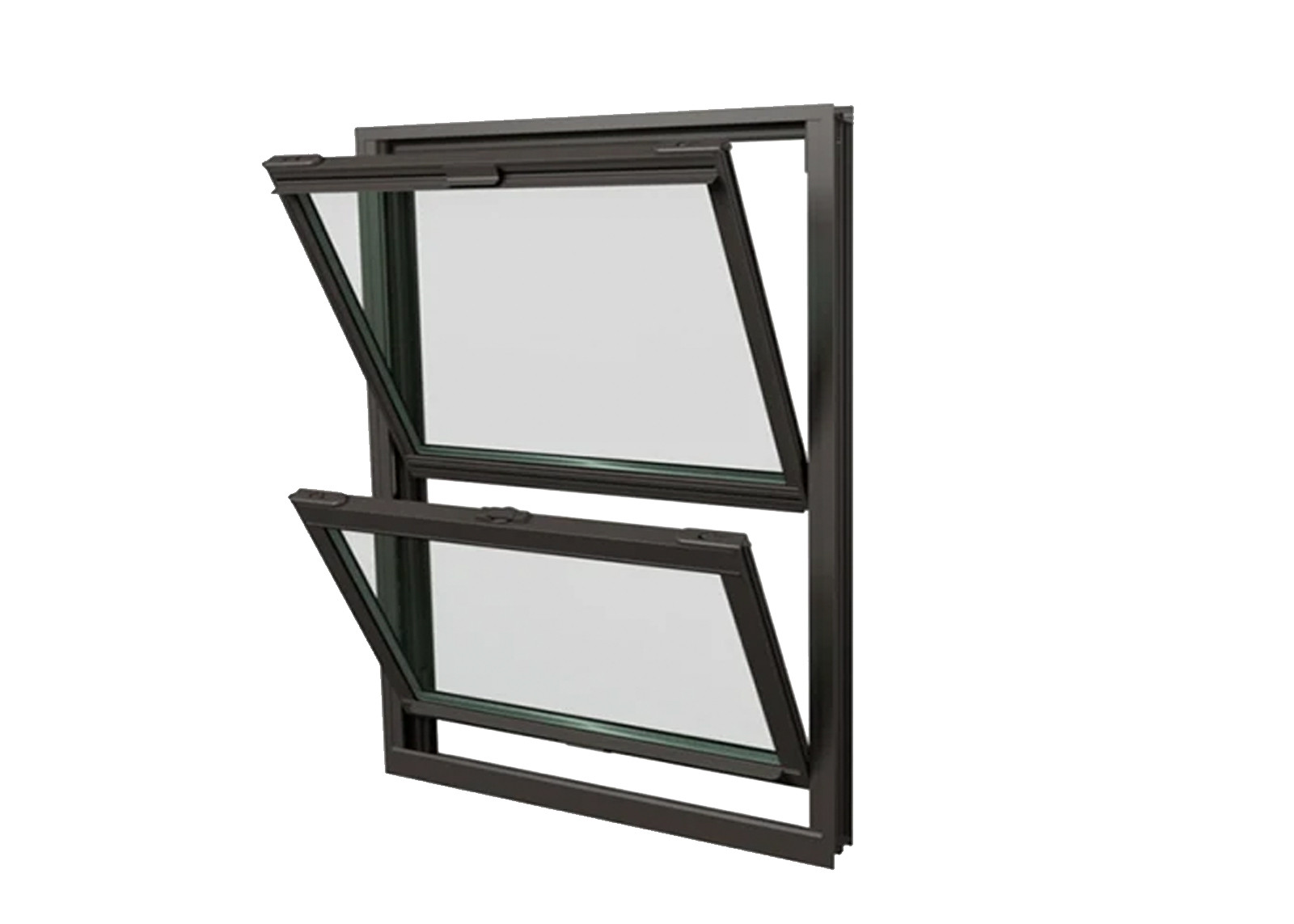
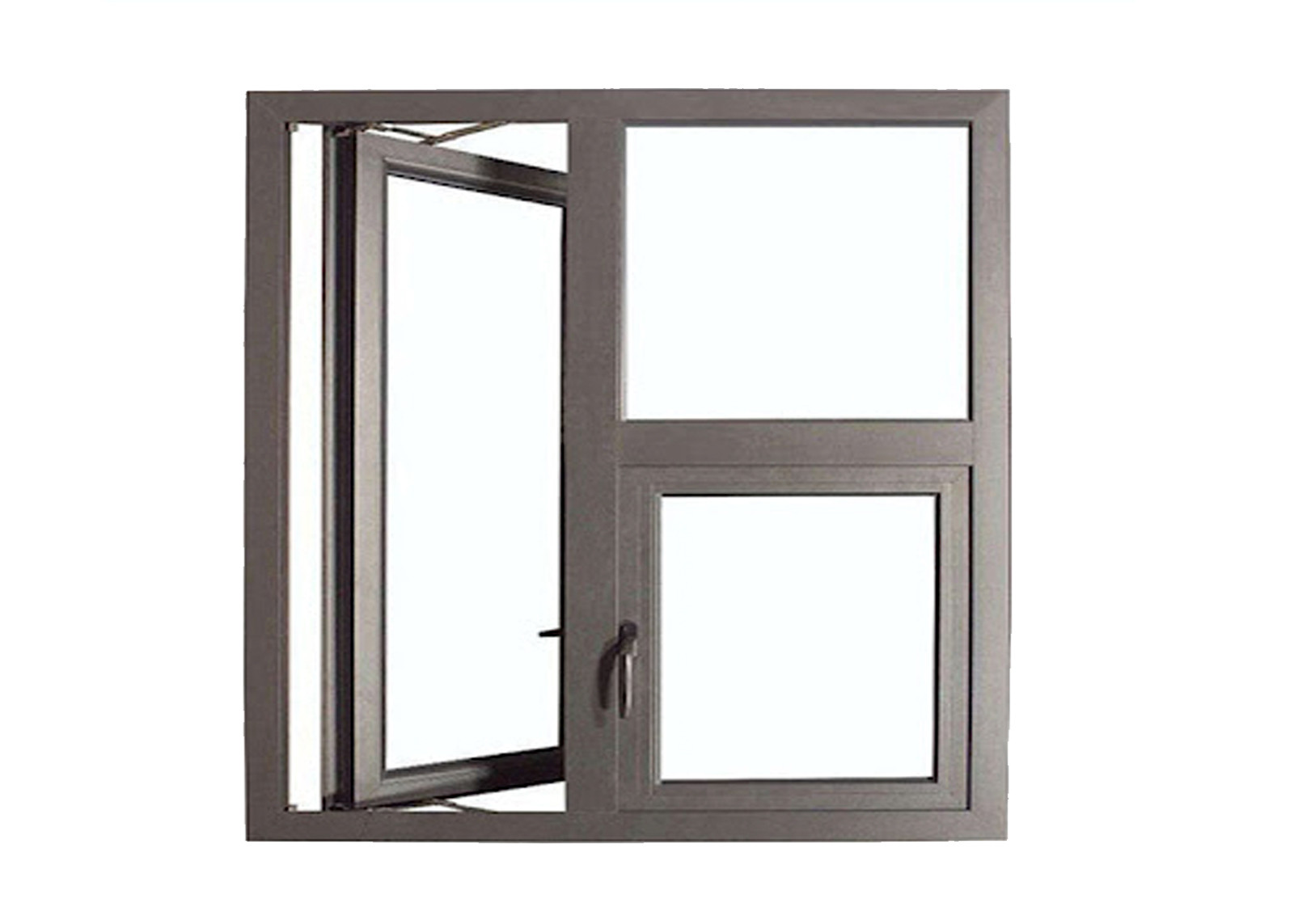
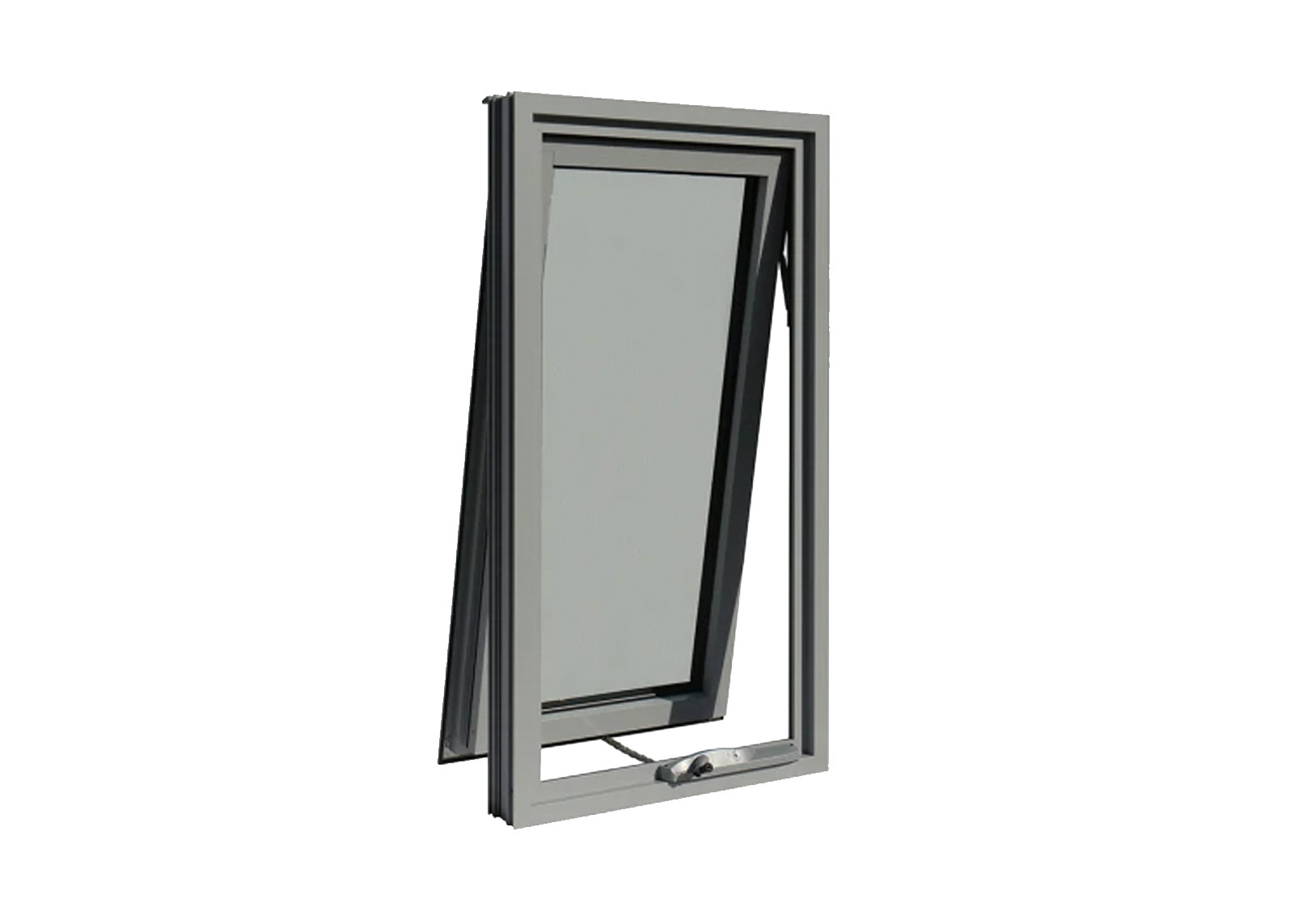
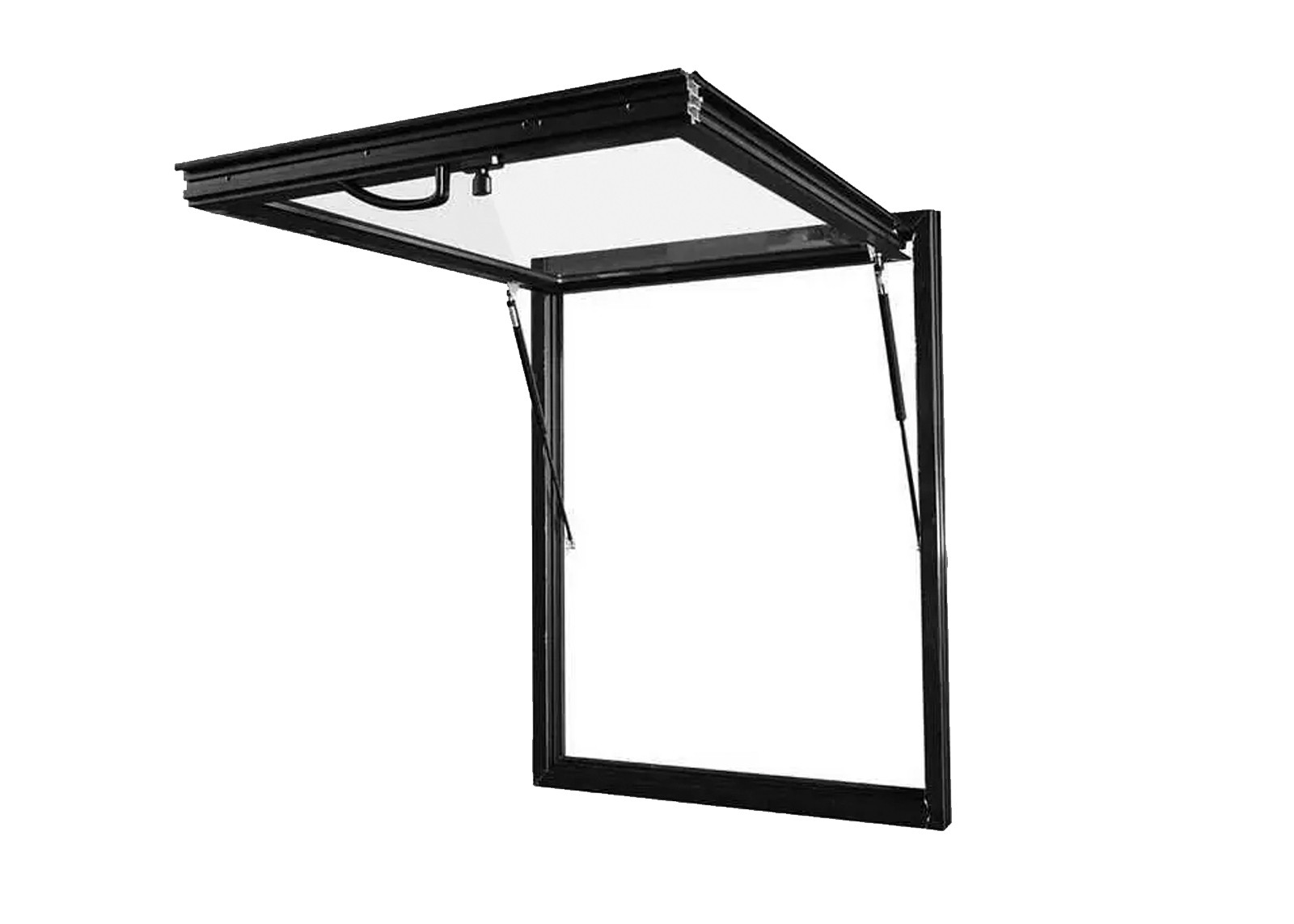
Two frame materials run on one site: aluminium systems with thermal break options, and uPVC systems for projects where insulation and budget point that way. That combination is useful for Australian packages that need aluminium externally and a warmer frame in a bathroom, laundry or utility opening, because both come from one drawing office and load in one container. The aluminium side covers casement, awning, sliding, tilt-and-turn, double-hung, fixed, folding and lift-and-slide types, and the AS2047 aluminium windows range collects the systems we supply into the Australian market in one place.
What we do not do is the part that gets buyers into trouble: we do not present a report for one system as coverage for another. When a schedule falls outside a tested envelope, we say so at quoting stage and offer the options, which are usually a different system, a smaller sash, or a project-specific test. That conversation is cheaper before the deposit.
Evidence, warranty and the first order
The documents we provide with a quotation are the same ones a certifier will ask for later: the relevant test report with its specimen description, product drawings, glass and IGU certificates, hardware schedules and the warranty terms. The factory profile and process are described on the About ROPO factory page, and the manufacturing side is summarised on the aluminium windows manufacturer page.
For Australian buyers specifically, three pages are relevant. The Australia window supply page covers the product fit for Australian conditions, the ROPO Australia page explains how projects are handled, and the local Australian partner network explains who can support installation and after-sales on the ground. Warranty terms, including what is covered and for how long, are set out on the warranty list.
Custom Production Process
Every order is made to a schedule, which means the production process starts with information rather than with aluminium. The sequence below is the one we run, and it is the sequence a buyer should expect from any factory claiming project capability.
From schedule to approved drawing
The schedule arrives as a window list, a set of architectural drawings or a measured survey. The drawing office converts it into shop drawings: one per opening type, showing frame size, sash configuration, opening direction, glazing build, hardware and the reference that will follow the unit through production and packing. The drawings go back to the buyer and the builder for markup, and nothing is released to the saw until the marked-up set is signed off.
This stage also fixes the specification: profile series, wall thickness, thermal break, glass make-up, hardware family, screen type, finish and colour. Material and cost factors that drive those choices, and the way they translate into a price, are set out in our guide to window and door materials and cost factors. Glass selection has its own logic, covered in our glass options guidance.
Fabrication, glazing and the five inspection gates
Cutting and machining follow the approved drawing. Frames are assembled and squared, then the unit passes the first gates: profile and reinforcement check on receipt, frame assembly check, and dimensional check against the drawing. Glazing and sealing come next, with the IGU and setting blocks checked against the glass schedule. Hardware and operation follow, where every sash is opened, closed and locked. The final gate is packing, where the unit is filmed, corner-protected, crated and labelled with the reference that ties it to the drawing and the packing list.
Each gate produces a record. A failed gate produces a disposition, not a shrug: rework, replacement or concession, with the decision written down. That record is what makes a factory auditable, and it is why we can answer a question about a specific unit months after it shipped. The aluminium systems themselves are described on the product pages linked above, and site-side handling is covered in the installation guidance we send with every container.
Traceability and pre-shipment checks
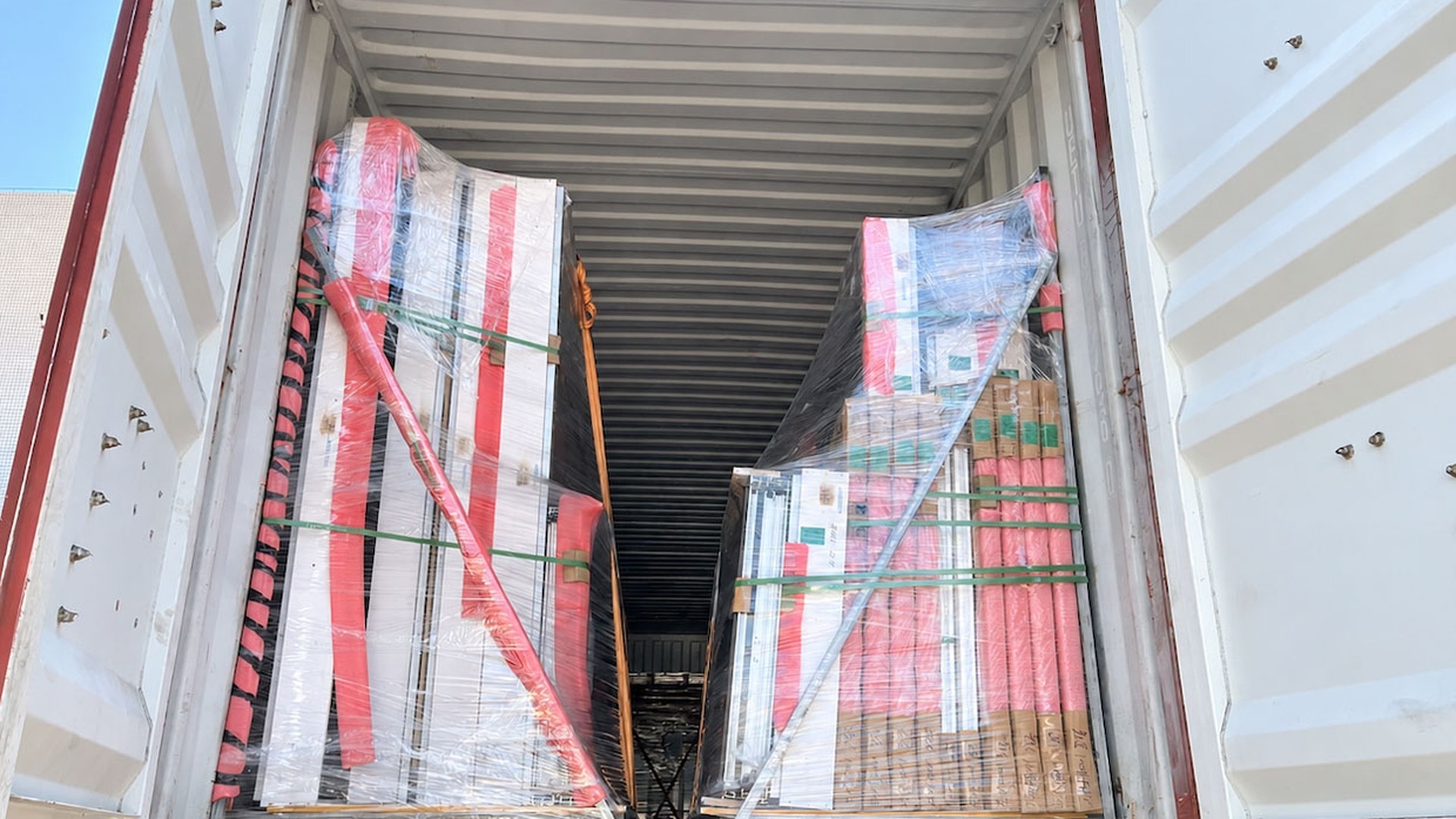
Before a container is sealed, three checks run in parallel: the packing list is reconciled against the production list, the technical file is assembled for the project, and a sample unit is opened to confirm the label matches the drawing reference. The container is then loaded in a sequence agreed with the site, so that the first units needed are the first accessible. Photographs of the loaded container, with the seal number visible, close the loop.
For buyers who want a second opinion before shipment, a third-party inspection can be arranged at the plant. We treat that as a normal request rather than a signal of distrust, because the alternative — discovering a mismatch on site — is worse for both sides. The AS2047 aluminium window systems we supply are built on this process regardless of the market they ship to.
Packaging and Shipping
Any as2047 aluminium windows factory china order is exposed to the same risk at this stage. Imported joinery is damaged in transit more often than it is damaged in manufacture, and almost always for the same three reasons: insufficient corner protection, crates that are not rigid enough for stacking, and loading that puts weight on a sash rather than on a frame. Packaging is therefore a specification item, not a courtesy.
Three-layer protection and crate specification
Each unit is wrapped in protective film, with corner strips and edge protection fitted before any bundling. Bundles are then braced so that frames carry the load and sashes carry none, and the whole pack is crated in plywood or boarded timber with a pallet base that can be lifted by forklift without bearing on the frame. Glazed units get extra face protection, and hardware is either fitted and protected or packed separately with a fitting schedule.
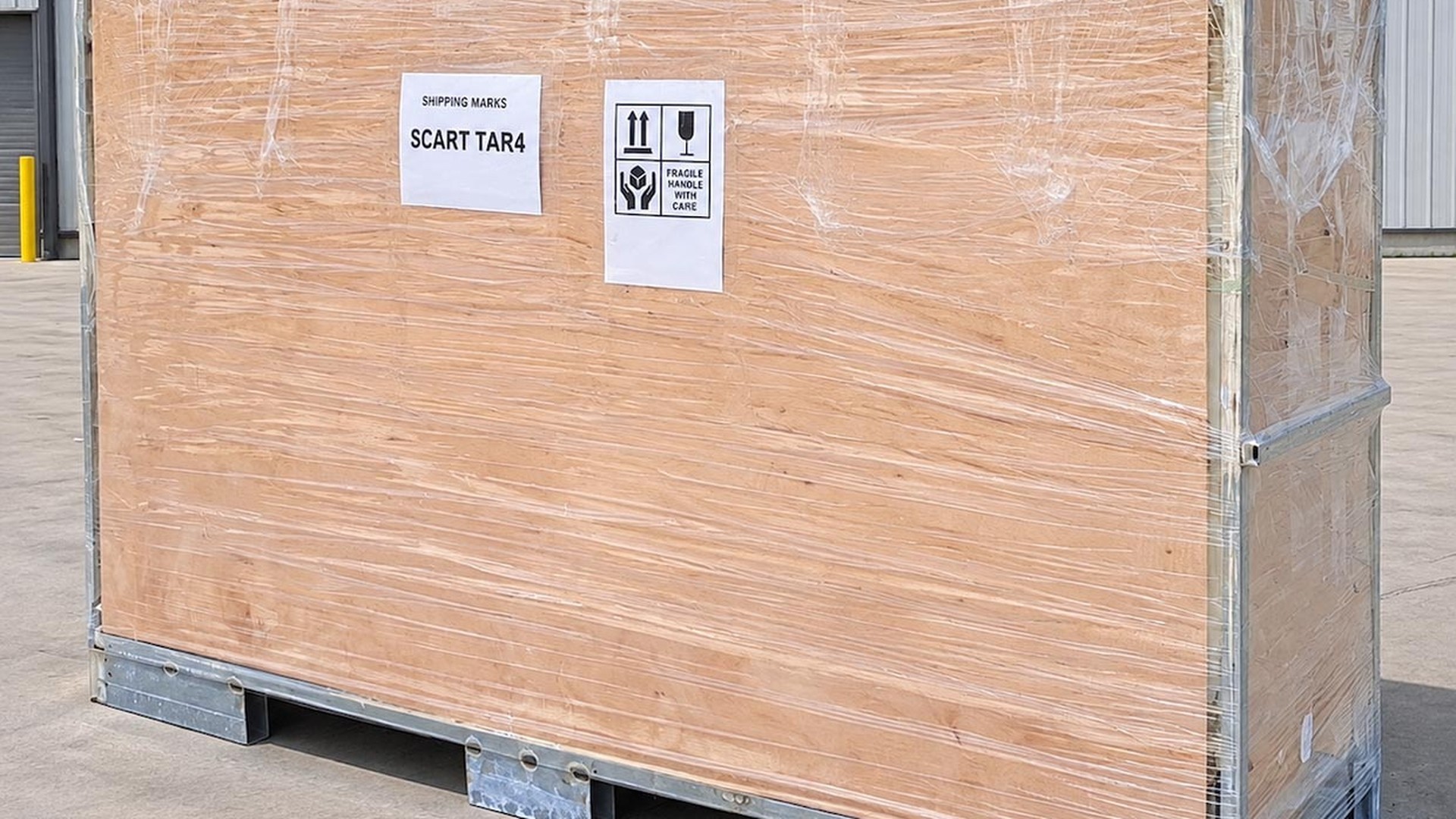
Crates are marked with the unit references used on the drawings and the packing list, plus handling marks and the project reference. That marking is what makes an arrival inspection possible: a site can identify a unit without opening the pack, and a missing unit is discovered at count rather than at installation. Our packaging guide describes the layers in more detail, including the timber treatment documentation that Australian biosecurity rules require.
Containers, LCL and the loading plan
A full container is the lower-risk option for a project: one handling point, one loading plan, and less chance of a crate being restacked by a consolidator. LCL is workable for smaller orders but adds handling, so the crate specification should be upgraded rather than left at the container standard. For either mode, the factory should produce a loading plan that shows where each bundle sits, because the plan is what the site uses to decide the unloading order.
Transit time depends on the port pair rather than on the factory: Fuzhou and Xiamen sail to Sydney, Melbourne, Brisbane, Fremantle and Adelaide on regular services, and the schedule is confirmed at booking. What the factory controls is readiness — the container is only useful when the technical file, packing list and labels are complete, which is why we treat document assembly as part of the shipping step rather than an afterthought. The full sequence, including documents and payment protection, is covered in our import guide, and the paperwork checklist a builder should hold is set out in the Australian buying checklist.
Arrival, claims and the first week on site
On arrival, count before signing, inspect crates for water staining and impact damage, and photograph anything suspect before opening. Damage found after the crates are broken down is hard to attribute, and a claim that cannot be attributed is usually absorbed by the buyer. Once the units are on site, store them upright on bearers, out of standing water, with the protective film removed from glazed faces if they will sit in sun, since trapped moisture under film is a common cause of staining.
Installation quality decides whether the tested performance survives. A correctly rated window fitted with a compressed flashing or a bridged cavity will leak, and the report will not save it. Where a project needs local support, our Australian partner network can advise on installation and after-sales, and a dealer or builder account can be opened through the dealer programme if the relationship is going to be repeat rather than one-off.
If you are assembling a shortlist and want the compliance question answered against a real schedule, send the window list with the site wind class and the BAL assessment where one exists. We will tell you which systems sit inside a tested envelope, which need a different configuration, and which need a project-specific test — and if the honest answer is that a competitor's system fits better, we will say that too. The starting point is the ROPO's AS2047 aluminium windows range, and the fastest route to a written answer is the contact page.
