







Top 10 Energy Efficient Window Manufacturers in Australia (WERS Rated)
Home / Blog / Manufacturers & Suppliers
Ten manufacturers whose energy claims can be checked — ranked on published WERS ratings, Uw and SHGC figures and climate-zone stars, not on the phrase energy efficient.
Which manufacturers can show a WERS rating for the windows they sell in Australia?
Twelve of the eighteen manufacturers checked publish something a certifier can use, and ten of those publish a WERS identifier, a full rating table or a numeric Uw. Breezway, Alspec and Capral publish rating tables with Uw and SHGC; Miglas publishes a minimum star rating; the rest publish a figure or a certificate list, and four publish only adjectives.
Energy efficiency is the one claim in the window market that is easy to make and hard to check. A manufacturer can print "energy efficient" on a brochure without producing a document, and a buyer can compare two brochures for a week without learning whether either window performs in their climate. The Window Energy Rating Scheme exists to close that gap: it turns a window into a number that can be compared, and the number carries the climate zone it was calculated for.
That last point is what most comparisons miss. There is no single star rating for a window. The same unit can earn five stars in Brisbane and three and a half in Hobart, because the rating describes the annual energy impact on a house in a specific climate rather than an abstract property of glass and aluminium. A list of energy efficient windows australia buyers can shortlist therefore has to say which climate the number belongs to, and what still has to be modelled for the specific house.
This article does that for ten manufacturers. It ranks them on what they publish, states the climate context where the supplier states it, and marks the gaps where the supplier does not. Where a company is well known but publishes nothing verifiable, it appears in the exclusion note at the end of the ranking rather than being promoted on reputation. The 09:00 article on this site covered Passive House component certification; this one covers the rating system that most Australian approvals actually rely on.
How a WERS rating is built, and the three numbers behind the star
A WERS rating is produced by simulating a whole house with and without the window, then converting the difference into heating and cooling stars. That is why the rating is not a property of the product alone, and why two suppliers can quote different stars for what looks like the same window. The scheme also publishes the underlying figures — Uw, SHGC, Tvw and air infiltration — and those are the numbers a specifier should be reading when a star rating is offered without context.
The star belongs to a climate zone, not to a product
WERS star ratings are reported separately for heating and cooling, and they are calculated against a set of generic reference windows in a stated climate. A window with excellent insulation and high solar gain scores well in a heating climate and poorly in a cooling one; a window with low solar gain reverses that. Breezway, for example, groups its published WERS data by climate zone — zones 1 to 3, zones 4 and 5, and zones 6 to 8 — which is the correct way to present it and the fastest way for a buyer to find the column that applies to their project.
The practical consequence is that a national star claim is a marketing statement, not a technical one. If a manufacturer quotes "up to 6 stars" without naming the climate zone, ask which zone produced the number, and ask whether the same product line reaches that figure in the zone where the house is being built. A supplier who can answer both questions is working from a rating table; a supplier who cannot is working from a brochure.
Uw and SHGC do different jobs, and both matter
Uw measures heat flow through the whole window — frame, glass, spacer and the effect of the sash. Lower is better, and it dominates the heating side of the rating. SHGC measures how much of the sun's heat enters, as a fraction between zero and one; in a cooling climate a low figure is better because it keeps summer heat out, while in a heating climate a higher figure can be an asset because winter sun is free warmth. Tvw, visible light transmittance, decides how much daylight comes with that heat, and it is the number that explains why a heavily tinted window can score well and still make a room gloomy.
This is why the published tables are more useful than star counts. Alspec, for instance, publishes a WERS table with window ID, glazing, frame, Uw, SHGCw, Tvw and air infiltration per row, and an example row for a double-glazed ThermAFrame awning sash shows Uw 2.70, SHGC 0.23, Tvw 0.27 and air infiltration 0.11. From that row a specifier can tell immediately what kind of building the window suits — low solar gain, moderate Uw, daylight on the low side — before anyone quotes a star.
Installation and the whole-of-house model
The rating assumes the window is installed in a wall of a given construction and orientation. Change the wall, add an eave, rotate the house ten degrees, and the annual energy impact changes even though the window has not. That is not a loophole; it is the design of the scheme, and it is why NatHERS and BASIX assessments are done per dwelling rather than per product.
For a buyer, the useful rule is that the window rating sets the ceiling and the detailing decides how much of it is realised. A rated unit installed with a bridged sill, an unsealed frame or a shading device that was not in the model will underperform the certificate, and no amount of glass specification recovers that. The rating is a contract about the product; the building performance is a contract about the assembly.
What the rating does not cover
WERS rates thermal performance in a house model. It does not cover structural or water performance, which belong to AS 2047; it does not cover bushfire exposure, which belongs to AS 3959; and it does not certify the factory that made the unit. A rated window therefore still needs its compliance pack, and a supplier who presents a star rating as the whole story is answering one question out of four. The most useful shortlist document pairs the rating row with the AS 2047 evidence for the same configuration.
| Number on the certificate | What it measures | What it does not tell you |
|---|---|---|
| Heating and cooling stars | Annual energy impact of the window in a stated climate, relative to a reference window | Which climate zone produced the number, or how the unit performs with a different glass or frame |
| Uw (W/m²K) | Heat flow through the whole window, frame included | Solar gain, daylight, or air infiltration |
| SHGC | Fraction of incident solar heat admitted | Whether that heat is useful or unwanted in the project's climate |
| Tvw | Visible light transmitted | Glare, colour rendering, or how the room will feel |
| Air infiltration | Leakage through the assembly at a reference pressure | Leakage at the frame-to-wall junction |
| WERS window ID | Which tested configuration the row describes | That the size you order matches the rated size |
The ten manufacturers, ranked on published WERS evidence
For energy efficient windows australia buyers can actually specify, the order below runs from the most checkable to the least, with one correction: a full rating table outranks a single headline number, and a single number outranks a certificate list that is not searchable on the page. No company was ranked on showroom presence, national footprint or reputation, and no company was credited with a figure it does not publish.
1. Breezway — a full WERS table with climate-zone stars
Breezway publishes the most complete rating set in this list: a table with WERS cooling stars, heating stars, Uw, SHGC and Tvw for each window ID, grouped by climate zone. The Altair louvre range is listed with U-values ranging from 2.4 to 6.9, and one example row — a double-glazed blade with 4 mm clear glass, a 12 mm argon gap and 4 mm EnergyTech on face three — reads 6.2 for Uw, 0.64 for SHGC and 0.68 for Tvw against the WERS reference.
The important detail is the honesty about what the numbers are. Breezway distinguishes products that carry an authorised WERS rating from products where the company has applied the WERS calculation method itself, and the page states that star ratings are calculated using the Nationwide House Energy Rating Software under the procedures of WERS 2008. Very few suppliers make that distinction, and it is exactly the distinction a certifier cares about when a table is presented as evidence.
Louvres are not the right product for every elevation — the Uw range is wide and the low end of that range is not a Passive House number — but for a Brisbane or Darwin project where cross ventilation and shaded openings do real work, a louvre with a published rating and a stated climate zone is a defensible specification. The AS2047 windows range is the equivalent comparison point if the design calls for operable sashes rather than blades.
2. Alspec — 370 published WERS rows, searchable by window ID
Alspec publishes a WERS ratings table with roughly 370 rows, each carrying the window ID, glazing, frame description, Uw, SHGCw, Tvw and air infiltration. A representative row for the ThermAFrame 101.6 mm centre pocket with awning sash, double glazed, reads Uw 2.70, SHGC 0.23, Tvw 0.27 and air infiltration 0.11. The product pages summarise the same data as a Uw range of 2.7 to 3.4 and an SHGC range of 0.21 to 0.40 for double glazing.
That level of disclosure is what makes a systems house useful to a designer. Alspec sells profiles and systems to licensed fabricators rather than finished windows, so the rating table is the handover document: a fabricator can pick the row that matches the system, the glazing and the opening type, and know the numbers before the first quote is issued. The company uses a European polyamide thermal break and supports double-glazed units from 22 to 32 mm.
What Alspec does not publish is a star rating per product or a climate-zone table, and no NatHERS reference appears on the pages reviewed. The Uw and SHGC figures are the raw material a rating is built from; the star still has to be produced by simulation for the specific house. A buyer who wants the star should ask the fabricator which WERS row was used and how the house was modelled.
3. Capral — a named WERS rating and a published range
Capral publishes a certified WERS badge on its thermally broken product pages and links directly to the rating record, with the Urban Comfort 282TB casement carrying the identifier CAP-585. The published performance range for that range is Uw 2.60 to 3.50, SHGC 0.25 to 0.40 and Tvw 0.26 to 0.49, with double glazing from 16 to 22 mm and a 50.8 mm frame depth that accommodates the thermal break and a flyscreen.
A named WERS identifier is worth more than a range because it can be looked up. It tells a specifier which configuration was rated and lets the project compare the rated row against the unit actually being ordered. The range figures then show how much the result moves with glazing choice, which is useful when a budget forces a decision between a better glass and a better frame.
Like the other systems houses in this list, Capral does not publish star ratings or a climate-zone breakdown, and its compliance language is limited to testing to AS 2047. That places it third rather than first: excellent raw data, no interpretation layer. For a builder working with a NatHERS assessor, that is enough. For a homeowner comparing quotes, someone still has to do the conversion.
4. AWS — a comparative WERS result and a very wide performance range
AWS publishes one of the few genuinely useful comparative claims in the market: WERS data showing that the same insulating glass unit in a ThermalHEART awning window is 32 per cent more efficient than in a standard non-thermally broken awning. That single sentence explains why the frame matters, and it is the kind of statement that only comes from someone who has read the rating tables.
The published performance range is broad: Uw from 1.5 to 5.5 and SHGC from 0.13 to 0.86, with WERS identifiers AWS-035, AWS-049 and AWS-050 appearing in the product data. The spread reflects the range of glazing and opening types the system supports, and it is a reminder that a rating belongs to a configuration, not to a brand.
AWS is explicit that it does not sell, manufacture or supply finished windows; it supplies systems to a fabricator network. Star ratings and a climate table are therefore not published, and the residential WERS table on the site returns no data unless it is queried with the right parameters. The 32 per cent comparison is the most quotable thing here, and it should be used as an argument for thermal breaks rather than as a performance figure for a specific window.
5. Miglas — a minimum star rating across the range
Miglas publishes something no one else in this list does: a floor. All Miglas products get a minimum of 3.5 stars for cooling and heating, according to its thermal performance page, alongside a Uw as low as 1.7 for the AliClad suite and an air infiltration of 0.07, described as the best performance of all WERS-tested opening windows. The same page explains that star ratings rank a window against alternatives using a scale built on 17 generic window types.
A published minimum is a stronger commitment than a published maximum. A maximum says what the best configuration can do; a minimum says what the buyer will get if they choose any product in the range. For a project that is choosing between a handful of opening types and does not want to model each one, that floor is a useful design constraint.
What is missing is the per-product table: no WERS identifiers, no climate-zone breakdown and no SHGC figures are published, and the compliance language is Australian in the broad sense — WER Scheme labels, the Building Code and AS 2047. The company describes itself as Melbourne-made and supply-only, so installation and the frame-to-wall detail sit with the builder.
6. Paarhammer — the lowest published Uw, at brand level
Paarhammer states that its windows achieve U-values from 0.8 under WERS, with energy savings of up to 85 per cent and noise reduction of up to 45 dB, across timber and wood-aluminium ranges. That 0.8 is the lowest figure in this list and it is consistent with the triple-glazed timber construction the company builds.
The caveat is scope. The figure is presented at brand level, without a WERS identifier, a product name, a star rating or a climate zone, and no SHGC values are published. A brand-level Uw is a statement about what the range can reach rather than a document that can be matched to a specific opening, which is why the entry sits sixth despite carrying the best number in the article.
For a heating-climate project in Victoria or the high country, that is still the first conversation worth having: a Uw near 0.8 changes the glazing specification and the wall design together, and a supplier who builds to that standard understands the detailing. Bring the WERS identifier request to the first meeting, and ask which configuration produced the 0.8.
7. Nuline — published Uw and a rare note on compliance tolerance
Nuline publishes U-values as low as 1.7 for some framing solutions with thermally broken frames and low-E double glazing, using a Technoform thermal break in fibreglass-reinforced polyamide, and it is made in Melbourne. The product pages are technical rather than promotional, and the Uw figure is attached to the framing solution rather than to a slogan.
The most useful passage on the site is about tolerance: to comply with an energy rating report, U-values must be equal to or lower than the specified value, and SHGC must be within 10 per cent of the set value. That is the rule a certifier applies when comparing a delivered window with the assessment, and very few manufacturers state it in plain language. A buyer who understands it can read any quote more accurately.
No WERS identifier, star rating or climate-zone table is published, so Nuline ranks below the companies that publish a rating record. The company also notes that navigating the WERS website can be difficult, which is an honest description of the experience and a hint that the buyer will be doing the lookup unless the supplier does it for them.
8. Wideline — a certified simulator and a published product list
Wideline states that it has conducted testing across its product range through a NatHERS-approved certified AFRC simulator, and it publishes a certified energy ratings document listing its WERS-certified products. The technical page also explains NatHERS in plain language: the scheme rates windows and doors for their annual energy impact on a whole house, in any Australian climate.
A simulator statement plus a certified product list is a legitimate evidence chain, and it is more than most fabricators offer. What it lacks is the numbers on the page: no star ratings, no Uw or SHGC values and no climate-zone table appear in the HTML, so a specifier has to open the PDF and match the product to the rating row before the figure can be used.
Wideline also publishes a useful qualitative point, that timber windows and doors perform better than aluminium because aluminium conducts heat, which is the right frame-material argument to have before the glass specification is fixed. For a project comparing a timber-aluminium composite against a thermally broken aluminium system, that is the conversation to start with.
9. Stegbar — the clearest explanation of the scheme, the least product data
Stegbar publishes the best plain-language explanation of WERS in this list: that the scheme allows windows to be independently rated and labelled for their annual energy impact on a whole house, anywhere in Australia, with a link to the ratings for its products. It also publishes climate-specific guidance, including a Queensland page explaining that climate zone 2 is primarily a cooling climate where a low solar heat gain coefficient matters most, and that under the NCC 2022 energy provisions new homes in Queensland need a minimum seven-star rating.
What is not published is the product-level number: no star rating per product, no WERS identifier and no Uw or SHGC table appear on the pages reviewed. The U-value figures on the site are the industry's generic ranges — 4.0 to 6.0 for single glazing, 1.2 to 3.0 for double glazing — rather than the performance of a specific window. The frame explanation, including the reinforced polyamide thermal break, is accurate and useful.
That combination places Stegbar ninth: the education is excellent and the evidence is one click away, but a specifier cannot finish a schedule from the website alone. It is the kind of supplier a homeowner should read before shopping and a builder should call for the rating record.
10. Trend — a Uw figure and a climate-zone framework
Trend publishes a U-value as low as 2.3 without going to the expense of a fully thermally broken suite, and organises its energy guidance by climate zone: heating for Victoria and the ACT, mixed for New South Wales and South Australia, cooling for Queensland. It states that WERS ratings for its products can be found on the WERS scheme itself, and that the NCC requires windows to be rated according to the Australian Fenestration Rating Council's protocols.
The climate framework is the useful part. A buyer in Melbourne and a buyer in Brisbane are given different advice on the same product family, which is the correct way to sell in a country with eight climate zones. The Uw figure is a floor for the range rather than a per-product number, and no star rating, SHGC value or WERS identifier is published on the pages reviewed.
That places Trend tenth: a national fabricator with a coherent story and a real number, but without the table that would let a specifier match the number to an opening. On a project where the builder already has an assessor and will hold the supplier to the rating, that is workable. On a project still choosing between routes, the first five entries will be faster to specify.
| # | Manufacturer | Route | Published WERS evidence | Uw published | Stars or climate table |
|---|---|---|---|---|---|
| 1 | Breezway | Manufacturer, louvre specialist | Full WERS table by window ID and climate zone | 2.4–6.9 | Yes — cooling and heating stars by CZ group |
| 2 | Alspec | Systems to licensed fabricators | About 370 WERS rows with Uw, SHGCw, Tvw, air infiltration | 2.7–3.4 DG | No |
| 3 | Capral | Extruder and systems, via fabricators | Named WERS rating (CAP-585) plus ranges | 2.60–3.50 | No |
| 4 | AWS | Systems to fabricator network | Comparative WERS result, identifiers AWS-035/049/050 | 1.5–5.5 | No |
| 5 | Miglas | Melbourne fabricator, supply-only | Published minimum star rating for the range | As low as 1.7 | Stars yes, climate table no |
| 6 | Paarhammer | Manufacturer, timber and wood-aluminium | Brand-level WERS Uw statement | From 0.8 | No |
| 7 | Nuline | Melbourne fabricator | Uw figure plus compliance tolerance explained | As low as 1.7 | No |
| 8 | Wideline | Fabricator, aluminium and timber | AFRC simulator statement plus certified product list | Not published on page | No |
| 9 | Stegbar | National fabricator, retail and trade | WERS link and climate guidance | Generic ranges only | No |
| 10 | Trend | National fabricator | WERS link plus climate-zone guidance | As low as 2.3 | No |
Who is not ranked, and why. Southern Star publishes a WERS registry reference and a seven-star performance goal but no per-product star or Uw figure, so it belongs in the compliance discussion rather than the ranking. Ecovue publishes a single U-value of 1.4 described as best in market, with no WERS identifier and no SHGC. G.James publishes low-E glass ranges without ratings. Thermeco keeps its technical data behind a login. Jason Windows sells in Western Australia with no published numbers. Dowell states an NCC seven-star capability without a table. A&L Windows could not be reached on either domain on the day of checking and is not described here at all.
A WERS star tells you how a rated configuration behaves in a stated climate. Turning that into a delivered window means fixing the glass make-up, the spacer, the frame and the orientation in one document, and checking the delivered unit against the rated row.
AS2047-certified window range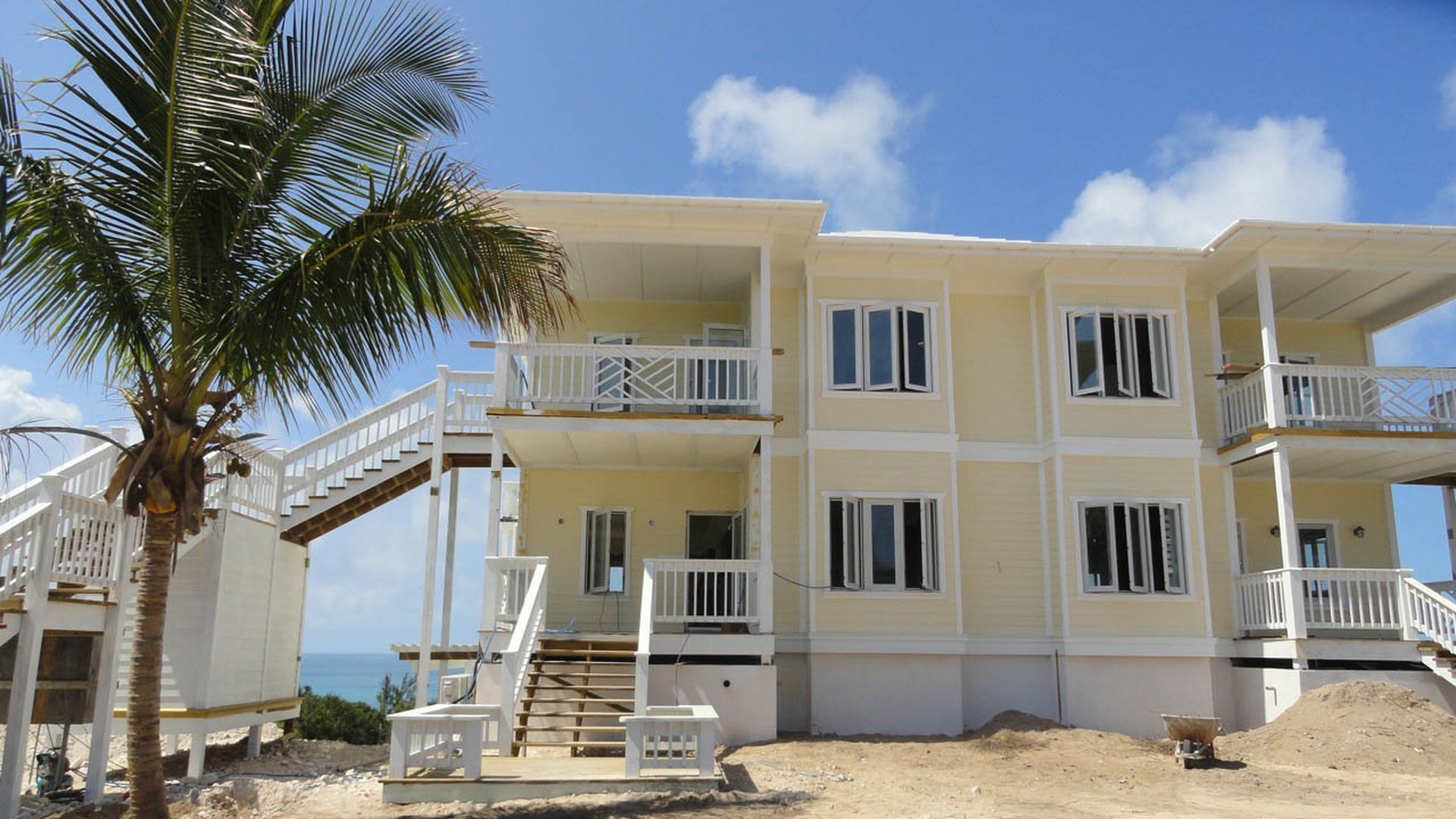
Uw and SHGC compared across the ten
The published Uw range across this group runs from 0.8 to 6.9, and the SHGC range runs from 0.13 to 0.86. That spread is bigger than most buyers expect, and it is not a measure of quality: a louvre with a 6.9 Uw can be the right window in a Brisbane breezeway, and a 0.8 timber unit can be wrong on a west-facing Sydney wall. The numbers only become useful when they are read against the climate, the orientation and the glass.
Reading a range instead of a headline
Where a supplier publishes a range, the range is the honest part of the disclosure. AWS publishes 1.5 to 5.5 for Uw and 0.13 to 0.86 for SHGC because one frame system with different glazing and opening types genuinely spans that spread. Alspec publishes 2.7 to 3.4 and 0.21 to 0.40 for double glazing, which is a narrower range because the glazing family is narrower. A single headline figure, by contrast, is almost always the best configuration in the range.
For a specifier the practical instruction is to ask for the row, not the range. A WERS row names the window ID, the frame, the glazing, the Uw, the SHGC, the Tvw and the air infiltration, and it is the only form in which a figure can be checked against what is being ordered. Where a supplier publishes rows — Breezway and Alspec are the clearest examples — the buyer can do that work before the quote.
Why SHGC decides more of the result than Uw in most of Australia
Australia's population is concentrated in cooling and mixed climates, and in those climates solar gain dominates the annual energy balance. A window with a moderate Uw and a low SHGC will usually outperform a window with an excellent Uw and a high SHGC in Brisbane, while the reverse holds in Canberra. That is the single most useful thing a buyer can learn from the rating scheme, and it is why a national "energy efficient windows australia" claim without a climate qualifier is close to meaningless.
This is also where shading beats glass. A deep eave, a recessed balcony or an external screen can cut summer solar gain without touching the SHGC of the glass, and it costs less than moving from a good double-glazed unit to an excellent one. The trade-off is that shading also cuts winter sun, which matters in heating climates — so the shading decision belongs to the architect and the energy modeller, not to the window supplier alone.
Air infiltration is the third number, and it is rarely published
Air infiltration appears as a column in the WERS tables published by Breezway and Alspec, and in the Miglas claim of 0.07 described as the best of WERS-tested opening windows. It is the number that explains why two windows with the same Uw perform differently in a real house: a sash that does not compress its gasket leaks conditioned air regardless of how good the glass is.
Most of this list does not publish it. Capral, AWS, Paarhammer, Nuline, Wideline, Stegbar and Trend publish no air-infiltration figure on the pages reviewed, which does not mean the windows leak — it means the number is not offered. A buyer who is comparing on paper should note the absence, and a buyer who is comparing on performance should ask for it, because it is measured in the same test that produces the Uw.
| Manufacturer | Uw published | SHGC published | Air infiltration published | Basis of the figure |
|---|---|---|---|---|
| Paarhammer | From 0.8 | Not published | Not published | Brand-level WERS statement |
| AWS | 1.5–5.5 | 0.13–0.86 | Not published | Product page range with WERS identifiers |
| Miglas | As low as 1.7 | Not published | 0.07 | Range figure plus WERS-tested claim |
| Nuline | As low as 1.7 | Not published | Not published | Framing solution |
| Trend | As low as 2.3 | Not published | Not published | Suite-level claim |
| Capral | 2.60–3.50 | 0.25–0.40 | Not published | Rated product range, CAP-585 |
| Alspec | 2.7–3.4 DG | 0.21–0.40 DG | 0.11 in the example row | WERS table, about 370 rows |
| Breezway | 2.4–6.9 | 0.64 in the example row | Not published | WERS table with stars by climate zone |
| Wideline | Not on page | Not published | Not published | AFRC simulator plus certified list PDF |
| Stegbar | Generic ranges only | Not published | Not published | Scheme explanation and climate guidance |
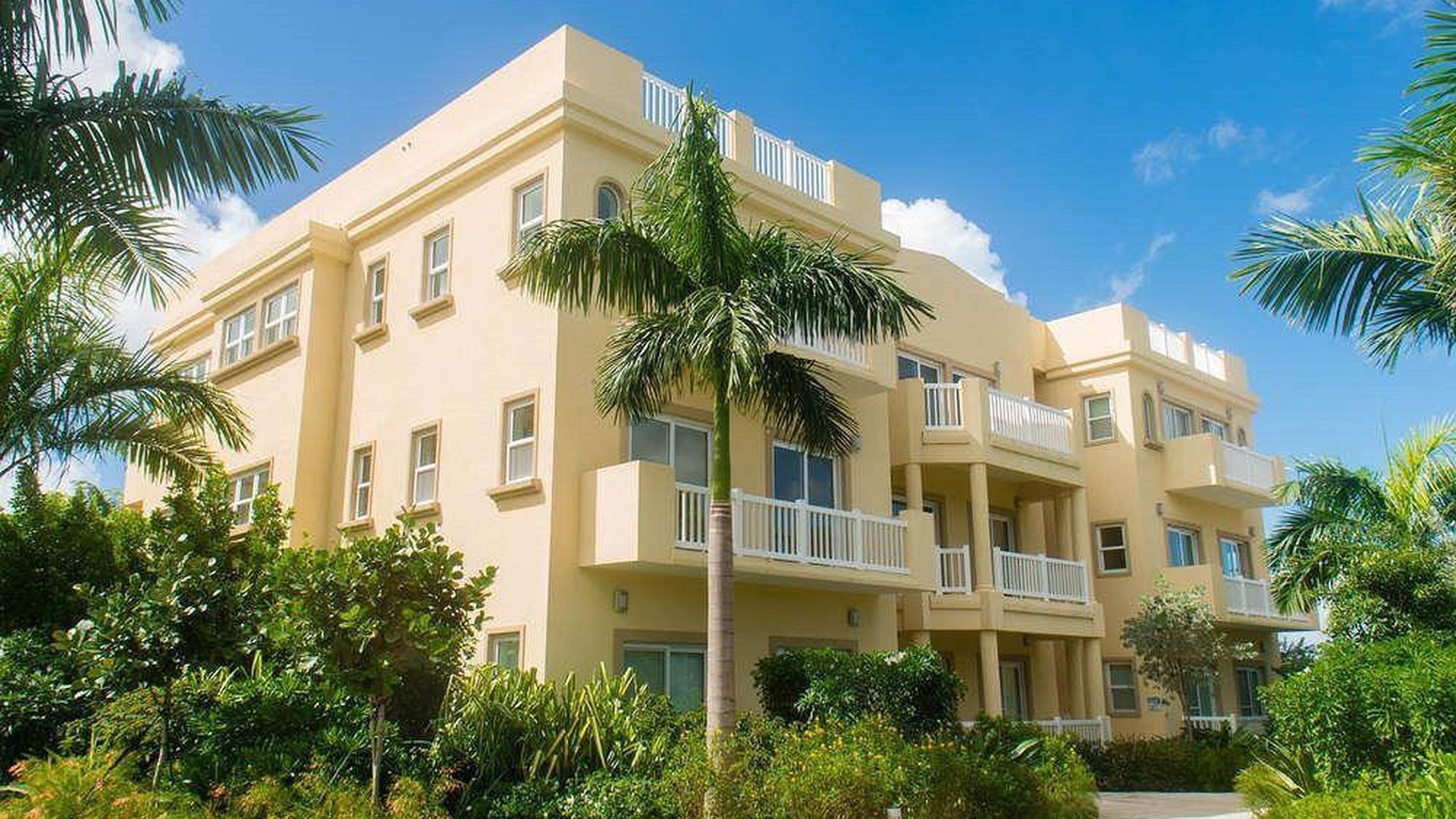
Climate zones: why a six-star window in Brisbane is not a six-star window in Hobart
Australia is divided into eight climate zones for building energy purposes, and a window rating is calculated inside one of them. A product that earns six cooling stars in zone 2 can earn a materially lower score in zone 6, and a product optimised for winter heat retention can overheat a Queensland living room. Any comparison of energy efficient windows australia households are offered has to start with the zone, not with the star.
What changes between a cooling and a heating climate
In a cooling climate the annual energy bill is dominated by removing heat, so the window's job is to keep solar gain out during the day and to allow night purging. Low SHGC, external shading and operable openings do most of the work, which is why a louvre with a modest Uw can be a rational choice in Darwin and a poor one in Canberra. In a heating climate the balance reverses: winter solar gain is free heat, so a higher SHGC on north-facing glass can reduce the heating load, and the Uw becomes the dominant number.
Mixed climates sit between the two, and the answer depends on orientation. A west-facing window in Sydney needs low solar gain for summer afternoons; a north-facing window on the same house may want the opposite in winter. That is why a per-elevation specification outperforms a single window type across a whole house, even when the budget only allows one frame system.
How the suppliers present climate data
Only Breezway publishes stars grouped by climate zone, in three bands covering zones 1 to 3, 4 and 5, and 6 to 8. Trend publishes guidance by climate rather than stars — heating for Victoria and the ACT, mixed for New South Wales and South Australia, cooling for Queensland. Stegbar publishes a Queensland-specific page on the seven-star requirement and a separate guide for the cooler states, with a WERS values reference sheet.
Everyone else leaves the climate work to the buyer. That is not necessarily a criticism: a systems house publishing 370 rating rows has already given the assessor the raw material, and a fabricator quoting a minimum star rating has given a floor that holds across climates. But a buyer comparing quotes should notice which suppliers have done the translation and which have handed over the data.
What to ask when a star rating is quoted
Four questions settle most of it. Which climate zone produced the stars? Which orientation and which glass? Is the rating for this specific product and size, or for the best configuration in the range? And what does the same product score in the zone where the house is being built? A supplier who answers all four is quoting from a rating; a supplier who answers none is quoting from a brochure.
For imported product the questions change slightly, because an imported unit usually carries no WERS rating at all. That does not make it unsuitable — the AS2047 windows for Australian projects route is assessed for structure, water and air, and the glazing can be specified to the same Uw and SHGC targets the model requires — but the star has to be produced by the assessor rather than copied from a supplier table. The article on how Uw, Ug and Uf relate is the shortest way to understand what has to be substituted into that calculation.
| Climate situation | What matters most | Typical specification direction | Common mistake |
|---|---|---|---|
| Cooling dominant (zones 1–3) | Low SHGC, shading, ventilation | Lower solar gain, external shade, operable openings | Buying on Uw alone and overheating the room |
| Mixed (zones 4–5) | Orientation-by-orientation balance | Different glass on west and north elevations | One glass type across every facade |
| Heating dominant (zones 6–8) | Low Uw, useful winter solar gain | Better frame, triple glazing where budget allows | Over-tinting north glass and losing winter heat |
| Apartment with recessed balconies | Shading already in the geometry | Moderate SHGC, focus on frame and airtightness | Paying for solar control the balcony already provides |
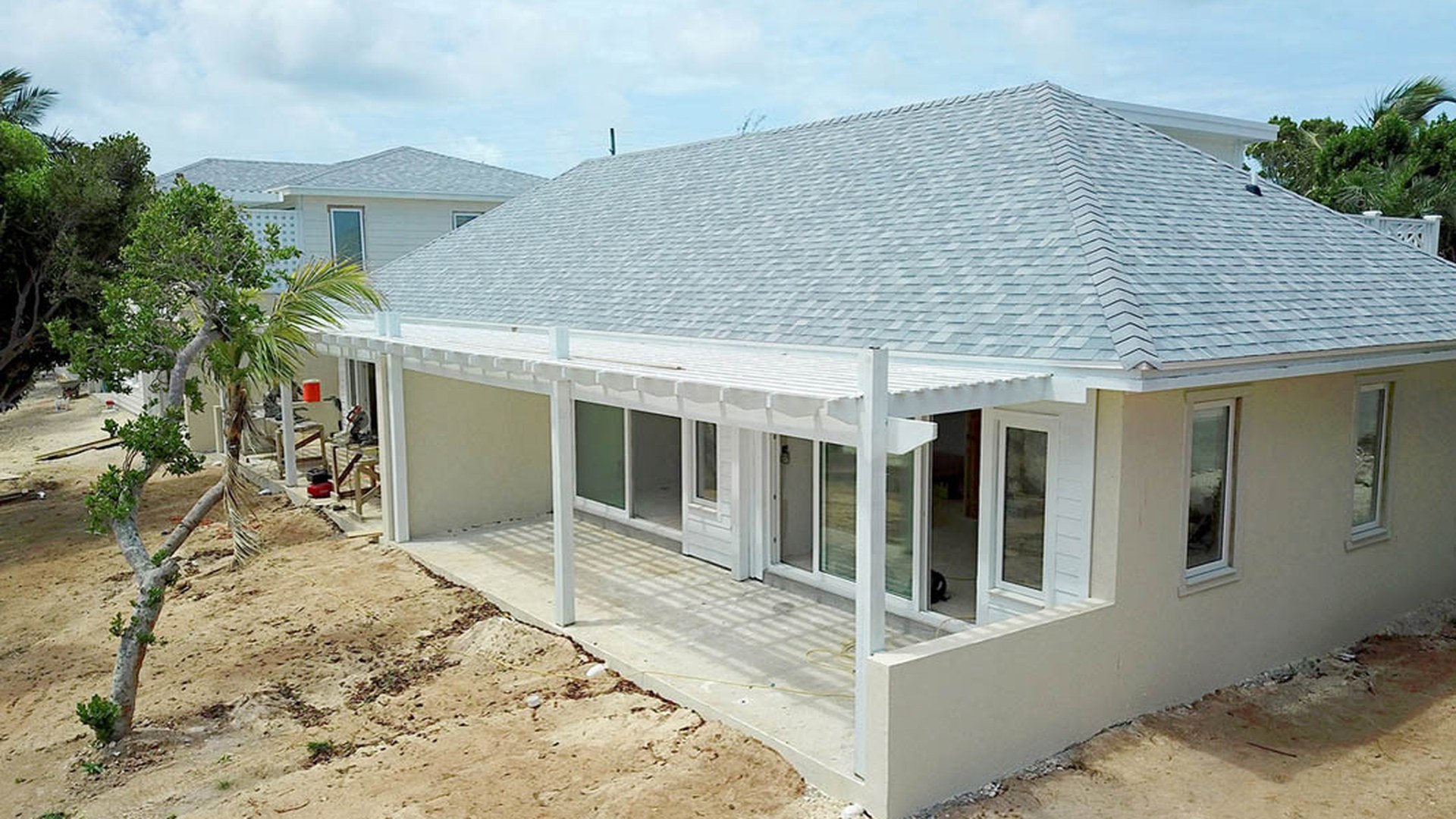
NatHERS, BASIX and NCC 2022: how the rating enters a building approval
A window rating only matters if it appears in an approval document, and in Australia that document is usually a NatHERS certificate, a BASIX certificate in New South Wales, or a performance solution under NCC 2022. Each of them consumes the same raw numbers — Uw, SHGC, and increasingly air infiltration — but each asks for them in a different form, and the window supplier's job is to produce the figures in a form the assessor can enter without guessing.
NatHERS: the whole-house simulation
NatHERS rates a dwelling, not a window. The assessor models the house, enters the window properties for each opening, and iterates until the design reaches the required star band. Wideline describes the scheme accurately on its technical page: it enables windows and doors to be rated and labelled for their annual energy impact on a whole house, in any Australian climate. The rating that comes out belongs to the house.
For the window supplier this means the deliverable is a data sheet, not a certificate. The assessor needs the frame type, the glass make-up, the spacer, the Uw, the SHGC and the Tvw for every unit type on the schedule, and will reject an entry that arrives as a brand-level claim. A supplier who can issue that sheet per opening type is worth more to the project than one who quotes a single star.
BASIX and the New South Wales pathway
New South Wales runs BASIX alongside the national scheme, and the practical effect is that a Sydney project may need to satisfy both a water and an energy target in one certificate. The window entries are the same numbers, but the tolerances are applied by the certifier: as Nuline notes, a delivered window has to meet or beat the specified Uw, and its SHGC has to sit within 10 per cent of the specified value.
That tolerance is the reason substitutions are dangerous. Swapping a glass for a cheaper equivalent after the certificate is issued can push the SHGC outside the 10 per cent band and invalidate the assessment, even where the Uw still passes. Any change to the glazing should be run back through the assessor before the order is released, not after the units arrive.
NCC 2022 and the seven-star baseline
NCC 2022 raised the residential energy baseline, and several suppliers in this list have built their marketing around the change. Stegbar states that under the NCC 2022 energy efficiency provisions, new homes and building permits in Queensland from 1 May 2024 need a minimum seven-star rating. Southern Star describes its thermally broken range as designed to help projects meet the updated code affordably. Dowell claims a seven-star capable range without publishing the numbers behind it.
A seven-star house is not achieved by buying a seven-star window; it is achieved by modelling a house whose windows, insulation, orientation and shading together reach the band. The window contributes Uw and SHGC, and the rest is the building. Suppliers who frame the requirement as a product claim are simplifying a system problem into a shopping decision, which is convenient for marketing and unhelpful for a build.
What an assessor needs from a window supplier
The list is short and most suppliers can meet it: per-unit-type Uw and SHGC, the glazing make-up with glass type and coating position, the frame system name and thermal break type, the spacer, and a statement of which standard the figures come from. Where a WERS row exists, the window ID should travel with the data so the assessor can verify the source. Where it does not, the supplier should say so plainly and provide the calculation basis.
For imported units the same list applies with one addition: the AS 2047 evidence for the delivered sizes, because the Australian certifier will ask for structural, water and air performance separately from the thermal numbers. The AS2047 window systems range and the guide to AS2047 and NZS4211 cover that side of the pack.
| Document | Who produces it | What the window supplier must supply | Where projects lose time |
|---|---|---|---|
| NatHERS certificate | Accredited assessor | Uw, SHGC, Tvw, frame and glass per unit type | Data arrives per brand instead of per opening |
| BASIX certificate (NSW) | Accredited assessor | Same figures, checked against the 10 per cent SHGC tolerance | Glass substituted after certification |
| NCC 2022 performance solution | Energy consultant or assessor | Verified figures plus the calculation basis | Supplier quotes a star with no climate zone |
| AS 2047 evidence | Testing laboratory, issued by supplier | Report and certificate for the delivered sizes | Certificate covers a different configuration |
| WERS rating row | WERS / AFRC accredited simulator | Window ID matching the ordered configuration | No row exists for the imported unit |
The same per-opening table feeds the NatHERS model, the BASIX certificate, the NCC performance solution and the purchase order. Producing it once, with the glazing make-up and the frame named, is the difference between a window schedule and a set of variations.
AS2047 windows built to orderWhere imported windows sit in this system
An imported window usually arrives without a WERS rating, because the rating belongs to a configuration assessed by an accredited Australian simulator, not to a factory catalogue. That is a documentation gap rather than a performance verdict: a factory can build to a specified Uw and SHGC, and the assessor can model the result, but the star has to be produced locally rather than quoted from a supplier page.
For energy efficient windows australia projects sourcing offshore, the workable pattern is to specify the targets in the purchase order, require the glazing make-up and spacer on the confirmation drawing, and have the unit modelled by the project's assessor before the order is released. The 09:00 article on this site covers the Passive House version of the same problem; the difference here is that the Australian rating system accepts a modelled configuration, while the Passive House system wants a certified component.
About ROPO Windows
ROPO Windows manufactures custom aluminium and uPVC windows and doors in Fuzhou, China, and has supplied projects in more than 100 countries over 16 years. The factory works to Australian, New Zealand and North American requirements — AS 2047, AS 1288, NZS 4211 and Miami-Dade — with an annual AGWA compliance audit, a ten-year warranty, a minimum order of one unit and Trade Assurance payment terms. The factory profile sets out the site, the lines and the ranges.
Where ROPO sits in the rating system
ROPO does not hold WERS ratings, and this article does not claim otherwise. WERS ratings are produced by accredited Australian simulators for specific window configurations, and a factory selling into many markets does not carry a rating row for every product it makes. What ROPO publishes is the compliance evidence an Australian project needs alongside the thermal numbers: the AS 2047-2014 certificate, AS 1288 glazing assessment, the AGWA audit statement and the NCC 2022 references.
That combination is what makes the factory-direct route workable for energy efficient windows australia projects that cannot buy a rated local product at the required size. The assessor models the unit, the factory builds to the model, and the AS 2047 pack covers the structural and weather side. The missing piece — the star rating — is produced as part of the project rather than inherited from a supplier table.
How to use ROPO in an energy-rated package
Start with the targets, not the catalogue. Give the factory the Uw and SHGC the model requires for each opening type, name the glass make-up and spacer, and require them on the confirmation drawing. Then ask for the AS 2047 evidence covering the delivered sizes, and keep the calculation on the project side where the assessor can audit it. The AS2047 windows for energy-rated projects range is the starting page, and the glass options page shows the make-ups that carry those targets.
Buyers who want to see the hardware and the gaskets before committing to a house can use the sample order process, and the warranty terms set out what is covered after installation.
Custom Production Process
Every unit passes through five stages, and the thermal numbers on a data sheet are decided in the first three. A rated glass assembly fitted into a frame with poor corners and a gasket that does not compress will not deliver the Uw it was calculated for, and an air-infiltration figure measured on a prototype is only meaningful if the line repeats the prototype. That is why the process is described here in terms of the numbers rather than in terms of quality assurance.
Design and engineering
The schedule is converted into shop drawings: frame size, sash size, opening direction, glass make-up with coating position, spacer type, hardware positions, drainage path and the interface with the wall. On an energy-rated order the drawing also records the thermal break width and the gasket type, because those are the elements an assessor compares against the modelled unit. Drawings are issued for approval before material is cut, which is the last cheap moment to change a decision that affects the rating.
Extrusion, cutting and machining
Aluminium profiles are cut and machined for drainage, hardware and corner joints; uPVC profiles are cut and welded. The thermal break is a polyamide strip that must be seated correctly and must not be interrupted by a fixing or a drainage slot that crosses it. Machining accuracy decides whether the corner closes to the designed gap, and the corner is where an aluminium window either leaks air or does not.
Assembly, glazing and gaskets
Frames are assembled and squared, corners crimped or welded and sealed, gaskets fitted continuously without joints at the corners, and the sash hung and adjusted so gasket compression is even. Glazing follows the make-up on the schedule, with setting blocks positioned to carry the weight and the drainage path left clear. This is the stage where the Uw on the drawing becomes the Uw in the wall, and where a low-E coating placed on the wrong face quietly changes the SHGC.
Inspection before packing
The five-step process ends with a pre-shipment inspection covering dimensions against the confirmed schedule, operation of every sash and panel, glass condition, hardware function and finish. Where a buyer nominates a third-party inspection it runs against the same schedule, so both sets of eyes read one document. Photographs of the inspected units, bundle by bundle, are the record of which opening went into which bundle and the cheapest insurance either party can buy.
| Stage | What is recorded | Why it matters to a rating |
|---|---|---|
| Shop drawing approval | Size, opening type, glass make-up, coating position, spacer, gasket, thermal break | The only place the modelled configuration can be compared with the ordered one |
| Cutting and machining | Profile batch, corner detail, drainage and hardware preparation | Drainage slots crossing a thermal break or gasket path change both Uw and infiltration |
| Assembly and glazing | Corner seal, gasket continuity, setting blocks, sash adjustment | Gasket compression and coating face decide the delivered SHGC and air leakage |
| Pre-shipment inspection | Dimension check, operation, glass, hardware, finish, photographs | The last chance to catch a unit that does not match the approved drawing |
Packaging and Shipping
A window that arrives undamaged is a packing decision made three weeks earlier, and on an energy-rated order the packing has a second job: it protects the gaskets and frame corners that the infiltration figure depends on. A crushed corner is a gap in the seal, and a gap in the seal is a rating that will not survive the first blower-door test.
Packing to the container plan
ROPO packs to the container plan rather than to the pallet: frames separated and edge-protected, sashes braced, glass protected at the corners, hardware bagged and labelled to the opening mark, and every bundle marked so it can be found without unpacking the load. Units travel upright and never stacked flat. The packaging guide shows the corner protection and strapping pattern in practice.
Documents that travel with the load
Shipments leave through Fuzhou and Xiamen, and the packing list, invoice and certificate pack are issued together so the customs broker is not waiting on the factory. For an energy-rated project the packing list should carry the opening mark that matches the schedule the assessor modelled, so the unit installed on the north elevation is the unit that was modelled for the north elevation. The full sequence from minimum order to payment is set out in the guide to importing windows and doors from China.
Site delivery and the first hour
The first hour on site decides most damage claims. Offload to a hard, level surface, store upright and clear of traffic, keep the units dry, photograph the bundles before opening and count them against the packing list. On a rated order, check the gaskets in the same pass: a gasket compressed in transit or torn on a corner is a performance defect, and replacing it before installation costs a fraction of replacing it after the wall is closed.
For a buyer assembling the whole package, the shortest route is the aluminium window specification page, which collects ranges, glass options and certificate references in one place. Buyers who want the wider market view can start from the national guide to window suppliers in Australia and the factory-side comparison in thermal break aluminium window factories, both of which use the same evidence standard as this article.
An energy-rated project usually splits into a performance-critical elevation and a repeatable schedule. The factory side of that split is priced from the opening schedule, with glass make-up, coating face and spacer written line by line.
AS2047 window specification pageIt means the window configuration has been simulated under the Window Energy Rating Scheme and given heating and cooling stars for a stated climate, plus published figures for Uw, SHGC and usually Tvw. The stars belong to that configuration in that climate, not to the brand, so a energy efficient windows australia shortlist should always quote the window ID and the climate zone beside the star.
Only within the same climate and the same orientation. A window with strong cooling stars can be a poor choice on a cold-climate north wall, because the solar gain that hurts in Brisbane helps in Canberra. Compare stars only where the climate zone and the orientation match the project.
Uw measures heat flow through the whole window and is a winter number in most of Australia. SHGC measures how much solar heat is admitted and is the summer number. For energy efficient windows australia projects in cooling climates, SHGC usually moves the annual result more than Uw, which is why low-solar-gain glass and shading matter so much.
Usually not. A WERS rating is produced by an accredited Australian simulator for a specific configuration, so an imported unit normally arrives with AS 2047 evidence and a glazing specification rather than a star. The assessor models the imported unit into the house, and the star is produced by that model rather than quoted from a catalogue.
Only within the tolerance the certifier applies. Uw must be equal to or better than the specified value, and SHGC typically has to sit within 10 per cent of it. A cheaper glass that shifts SHGC beyond that band can invalidate the assessment even where the Uw still passes, so any substitution should go back through the assessor before the order is released.
Three is usually enough: one manufacturer with a published rating table, one fabricator who will work to a specified Uw and SHGC, and — if the sizes or budget point offshore — one factory-direct route. Fewer quotes on one consistent data sheet beat many quotes on five different assumptions.
No. Double glazing changes Uw and, with the right coating, SHGC — but a poorly sealed frame with a single latch can leak more air than the glass saves. The rating is a whole-window result, which is why multi-point locking, continuous gaskets and a proper frame-to-wall detail belong in the same specification as the glass.
Ask the factory for the glazing make-up, coating position, spacer and frame system on the confirmation drawing, and ask your assessor to model them before release. ROPO publishes its AS2047 windows direct from the factory documentation and will quote to a stated Uw and SHGC target, but the star still has to come from the project model.
- ROPO Windows — AS2047 windows range
- ROPO Windows — AS 2047-2014 Windows and Doors certificate
- ROPO Windows — Window U-value explained: Uw, Ug and Uf
- ROPO Windows — Double glazing and single glazing compared
- ROPO Windows — Thermal break windows for commercial projects
- ROPO Windows — AS2047 and NZS4211 compared
- ROPO Windows — Energy-efficient window manufacturers in Sydney
- ROPO Windows — Passive House windows and PHI standards
- Breezway — Energy efficiency and WERS ratings
- Alspec — Thermally broken awning and casement WERS table
- Capral — Urban Comfort 282TB thermally broken casement
- AWS — Thermally broken awning window energy performance
- Miglas — Thermal performance and WERS stars
- Nuline — U-value and SHGC explained
- Wideline — Energy ratings and AFRC simulator
- Stegbar — Energy efficiency and WERS ratings
- Trend Windows & Doors — Energy efficiency by climate zone
