

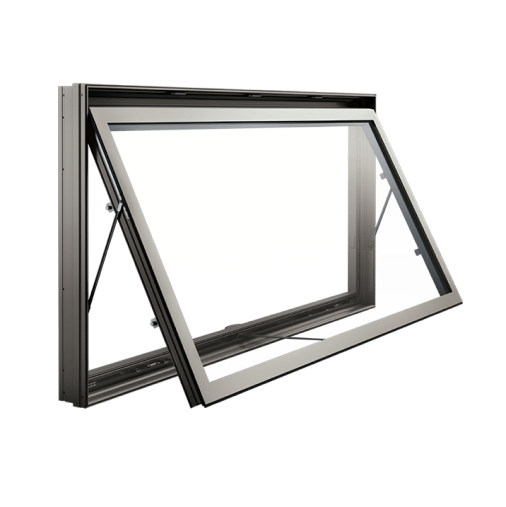
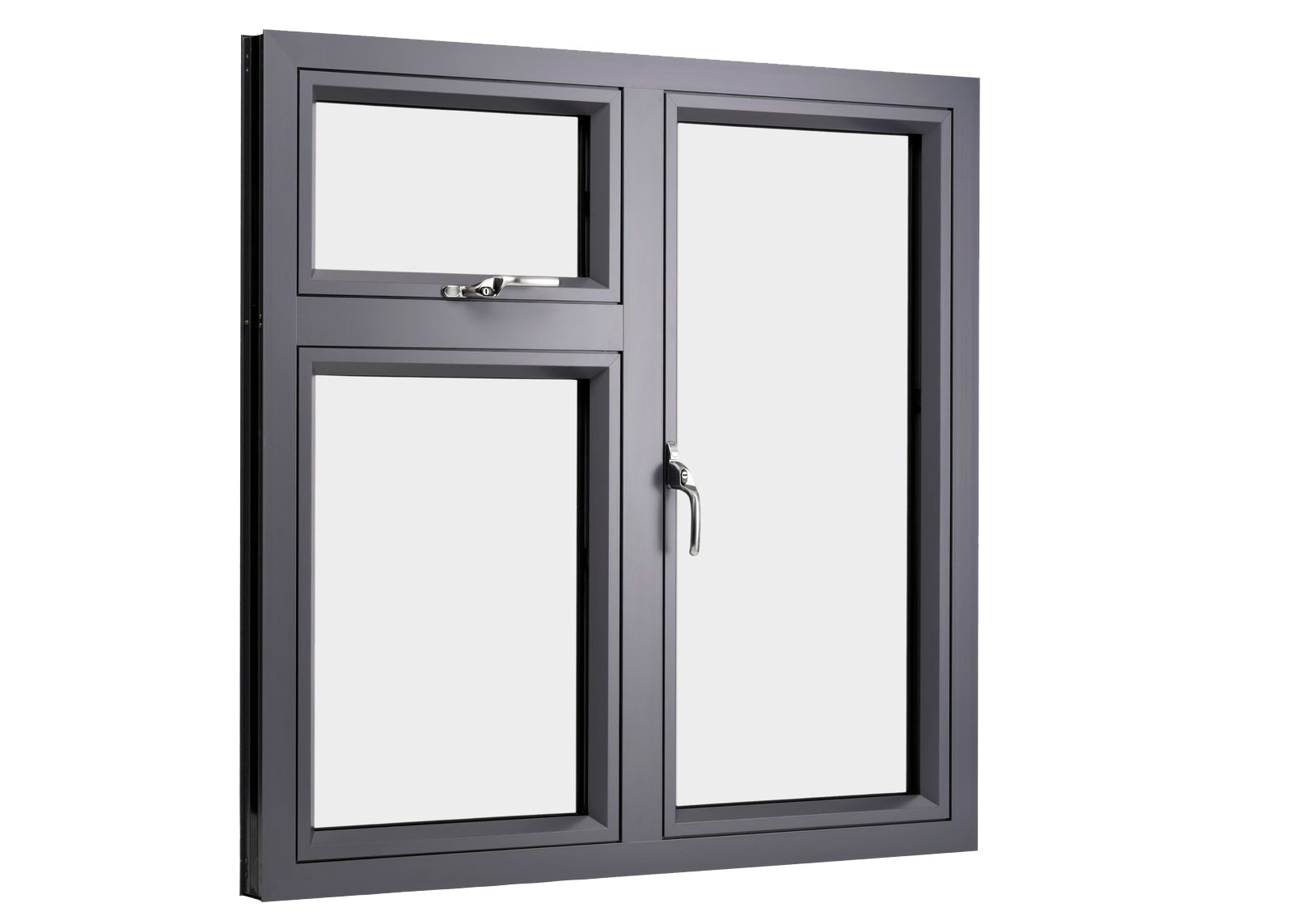
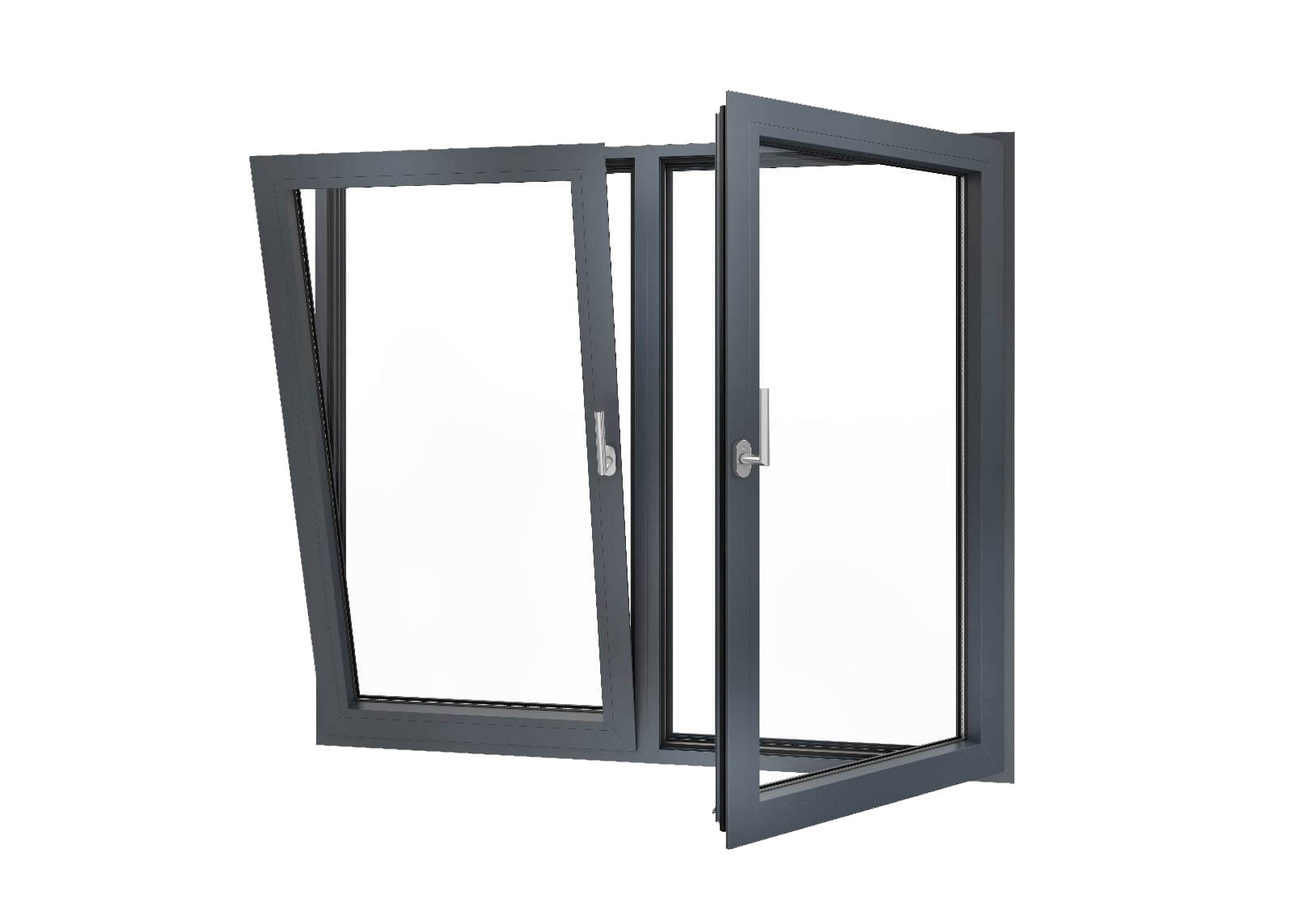



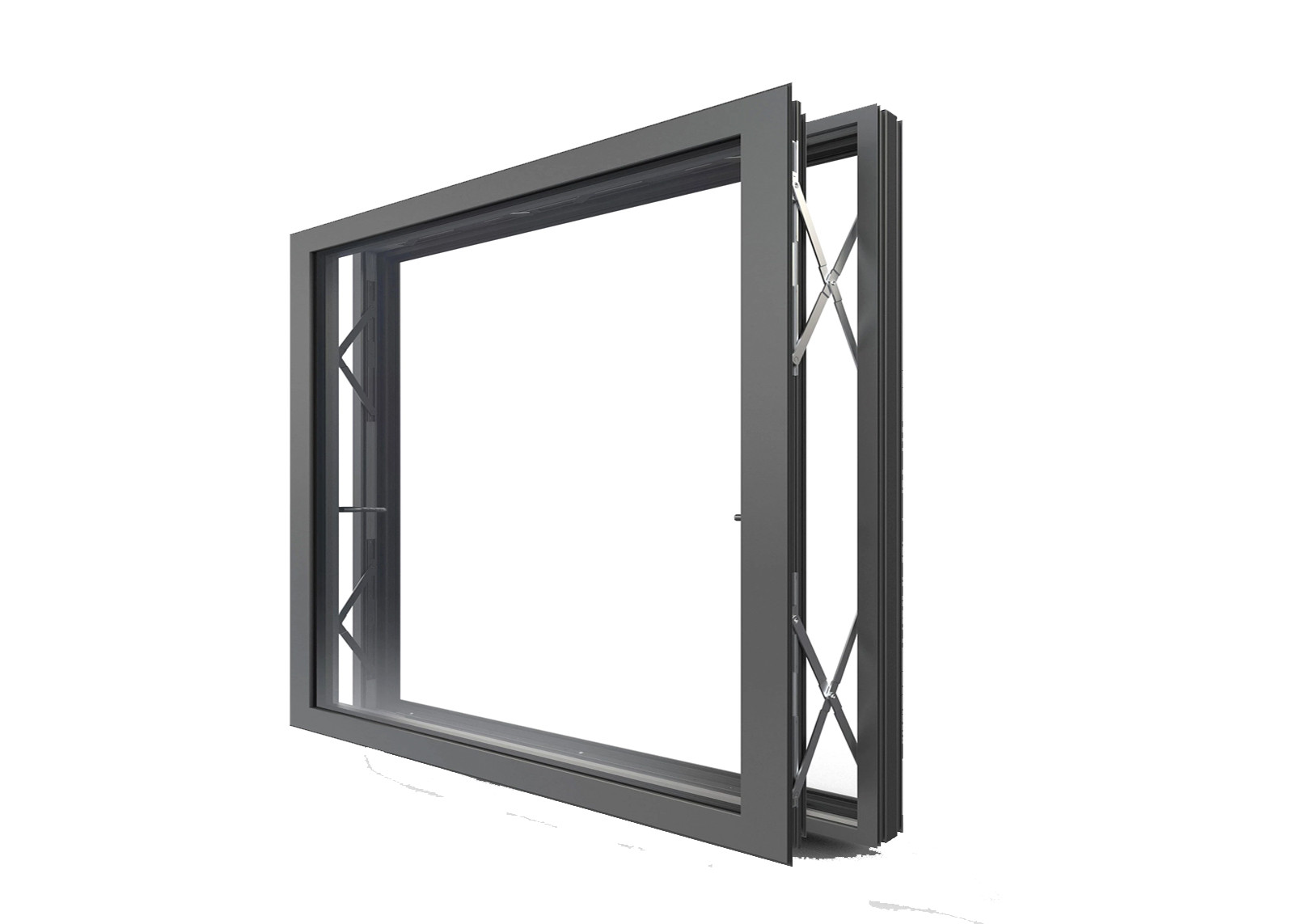

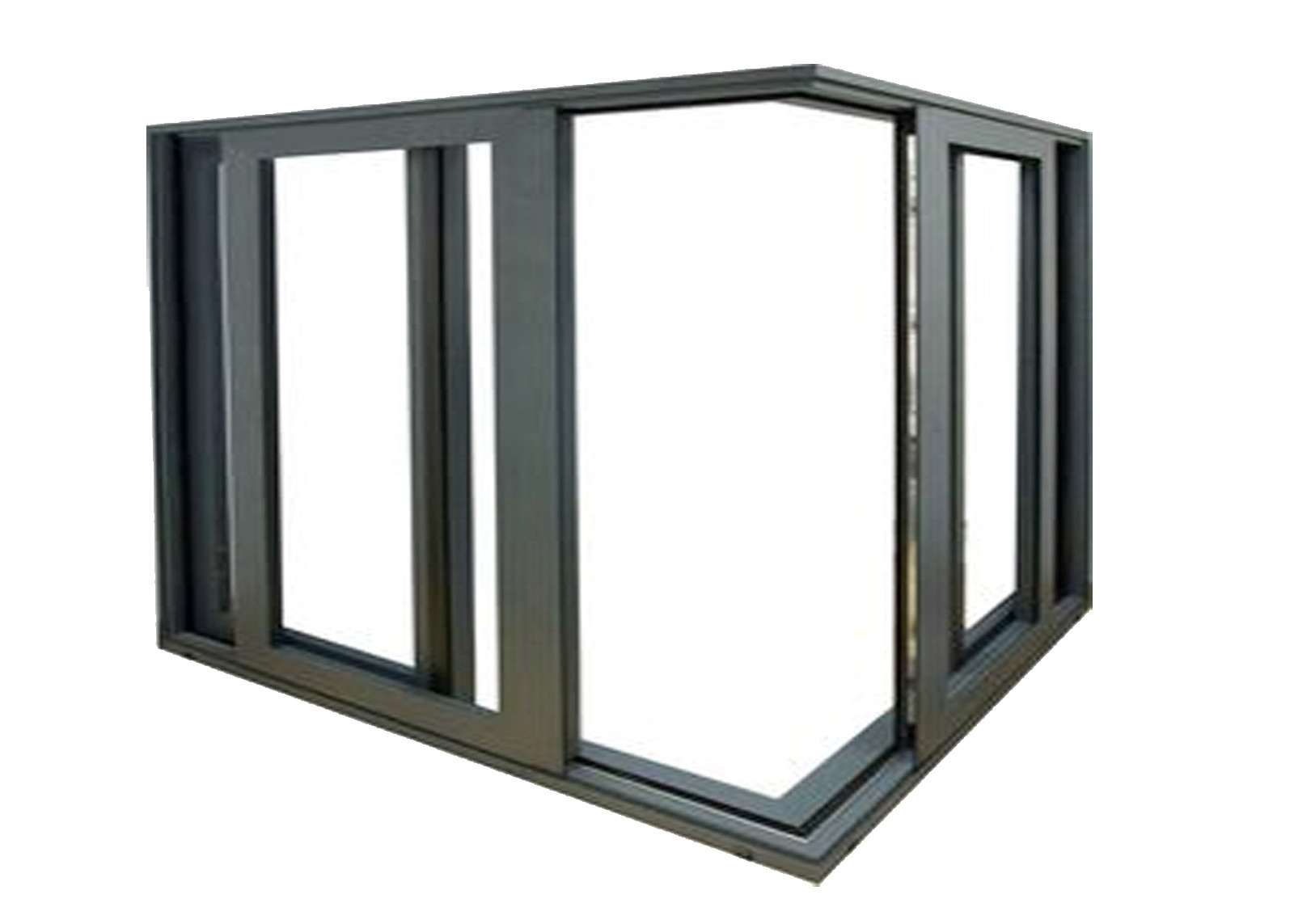
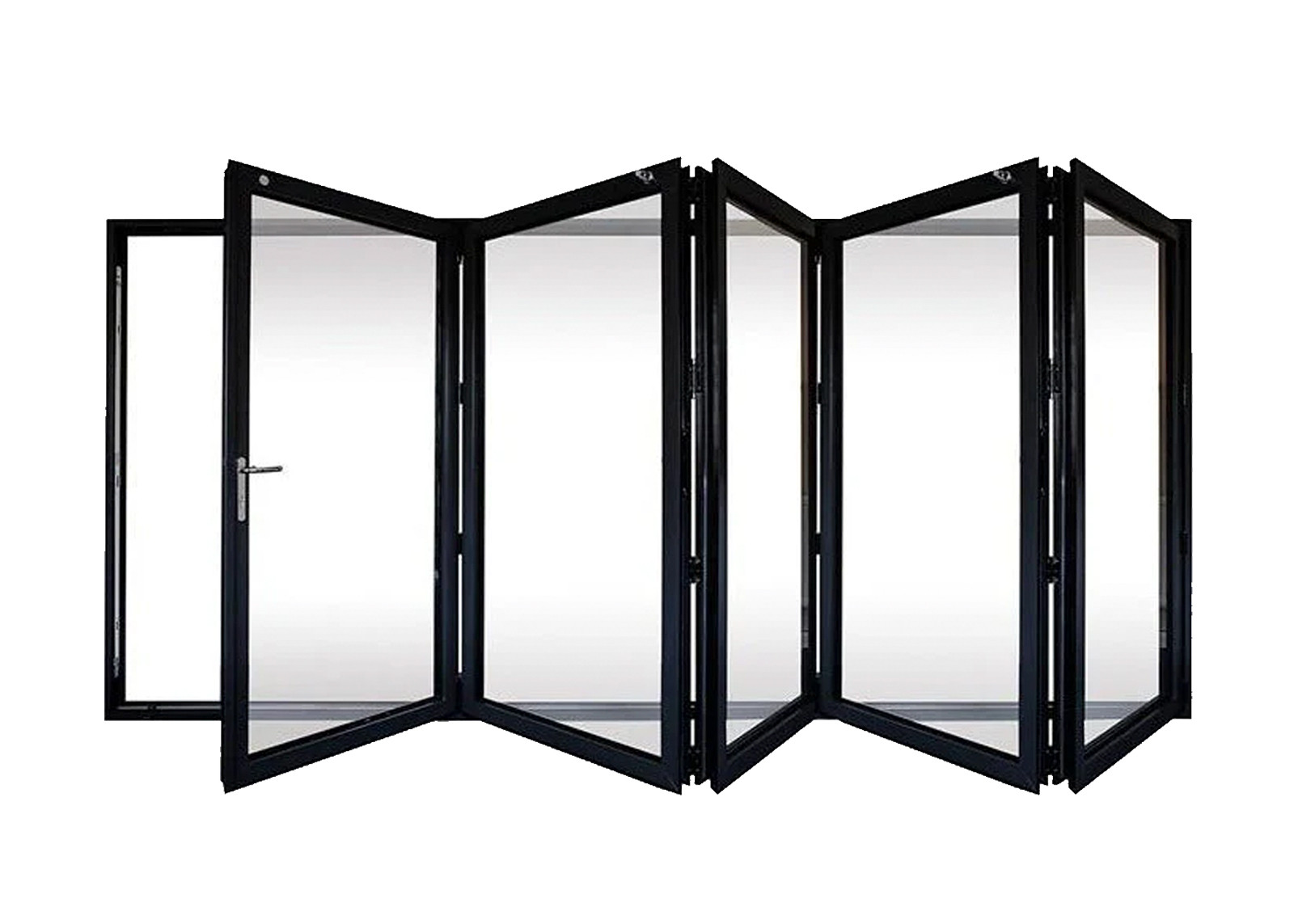
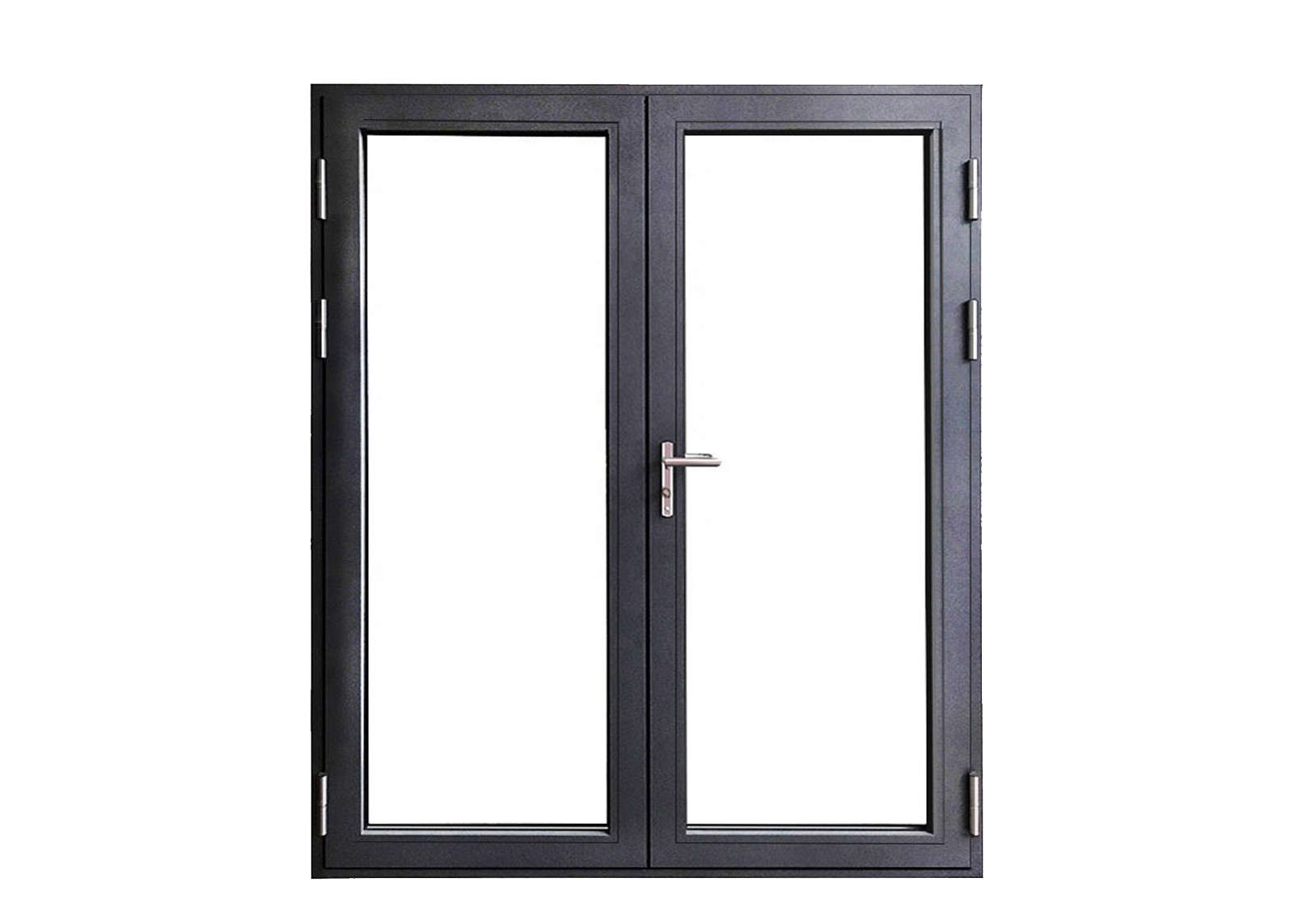


Top 10 Thermal Break Aluminium Window Factories for Australia
Home / Blog / Manufacturers & Suppliers
Ten factories that publish a polyamide barrier, a U-value position and an Australian certificate scope — and what each one still leaves for you to verify.
Shortlist factories that publish a polyamide barrier, a measurable U-value and an Australian certificate scope. Ten qualify here: ROPO in Fuzhou, JZZ1 in Jinan, DERCHI and NF in Foshan, OEFAS, HANNOVER and Zestop, Shanghai Xiao An, HTS-ALU and EEHE. Verify each certificate against your own opening schedule before you pay a deposit.
A buyer searching for thermal break aluminium windows australia has usually already decided that a standard aluminium frame is not good enough. The drawings call for a better U-value than a single-glazed, unbroken frame can deliver, the energy report has a number to hit, and someone on the project has heard that a thermal break is the cheapest way to get there without changing the glazing.
What that buyer does not have is a way to compare factories. Every website in the results claims a thermal break. Almost none of them explain which barrier they use, how it is assembled, what the tested specimen was, or whether the certificate that arrives with the quote actually covers the window on the schedule. The phrase is doing a lot of work and carrying very little evidence.
Most thermal break aluminium windows australia enquiries arrive with the same three gaps, so this guide separates those questions. It explains what a thermal break does inside a profile, how the National Construction Code climate zones change what you should be asking for, what AS 2047 requires of a thermally broken window, and then profiles ten Chinese factories that publish a position a buyer can check. Each profile names the fields the company does not publish rather than filling the gap, and the closing sections cover the specification sheet, the inspection points and the shipping documents that decide whether the order arrives usable.
ROPO has manufactured aluminium and uPVC windows in Fuzhou, Fujian, for 16 years and shipped to more than 100 countries, Australia among them. ROPO is the publisher of this guide and appears first in the list; the same evidence standard is applied to it as to the other nine, including the parts of its certificate scope a buyer should confirm independently.
Which thermal break aluminium window factories suit an Australian project?
Start with factories that publish a barrier grade, a U-value basis and an AS 2047 scope, then verify each one against your own opening schedule. Ten factories clear that first filter, and the strong ones are those that publish a certificate number or a tested model range rather than the words thermal break alone. For a wider view of the category, the thermally broken aluminium windows range shows how a factory documents its options.
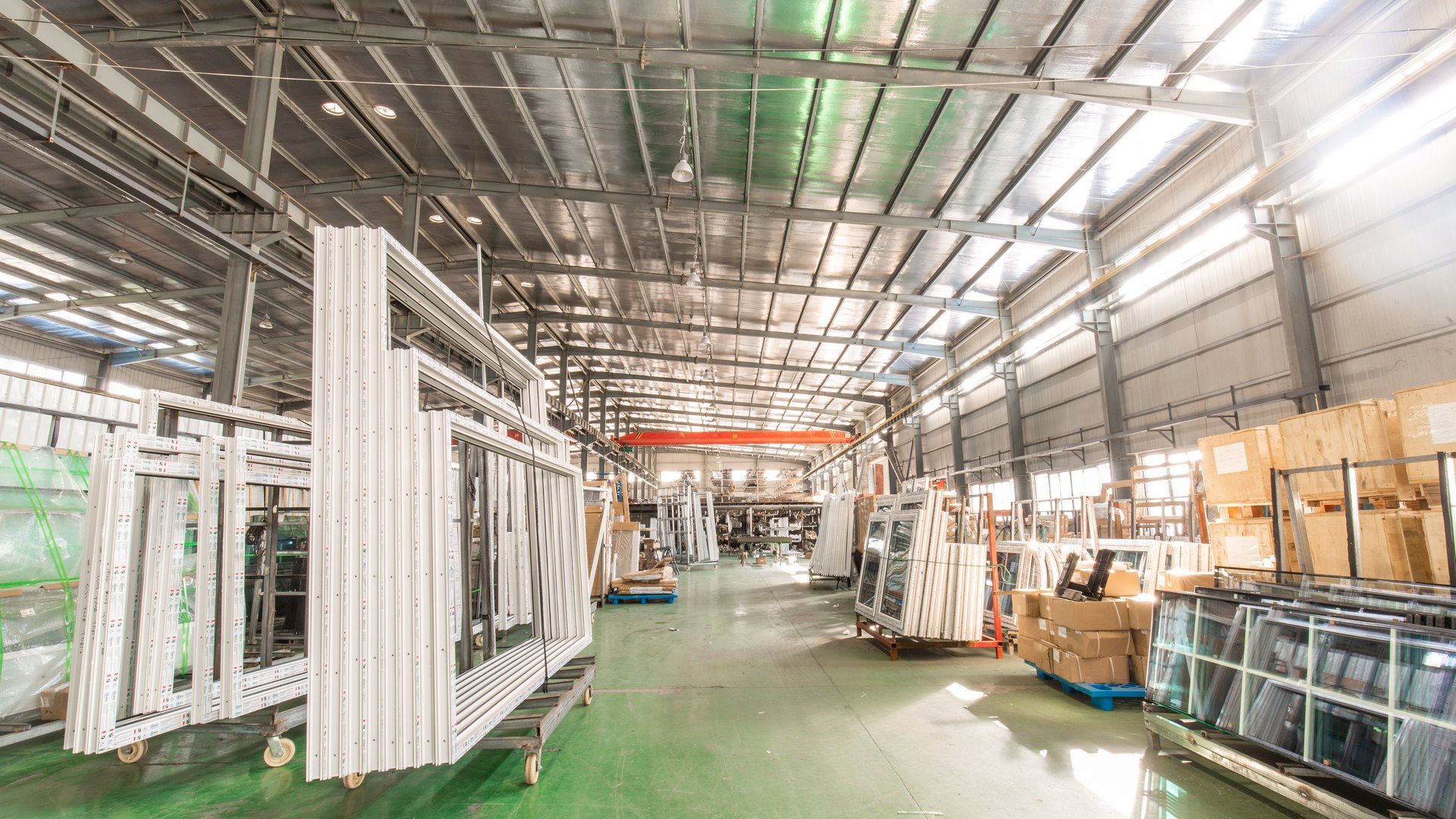
How does a thermal break work, and which NCC climate zones does it suit?
The break works by cutting the aluminium path. A frame is split into an outside profile and an inside profile, and the two are joined by a material that conducts heat far more slowly than aluminium. Heat still crosses the window through the glass, the seals and the frame, but it no longer crosses the frame at metal speed.
Why aluminium needs to be interrupted at all
Aluminium is chosen for windows because it is stiff, stable and cheap to extrude into accurate profiles. Those same properties make it an excellent conductor: a continuous aluminium frame acts as a fin that links the cold outside face to the warm inside face. In a heated room on a cold morning, that fin is the path the heat takes out of the building, and it is also the path that makes the inside face of the frame cold enough to condense moisture.
This is why an unbroken aluminium window can perform reasonably on a mild day and disappoint on the two days that matter. The glass may be doing its job while the frame short-circuits it. A thermal break inserts a deliberate bottleneck in that path, so the frame stops behaving like a radiator fin and starts behaving like an insulated assembly.
What the polyamide barrier actually does
Most export-grade thermally broken windows use a polyamide strip, usually PA66 with a glass-fibre fill, set into a channel in each extrusion and crimped or rolled so the two halves become one structural profile. The strip has to do three jobs at once: carry the structural load between the inside and outside halves, hold the two halves at a fixed distance so the glass and hardware still line up, and resist the expansion and contraction that comes from a black frame sitting in the sun.
That is why the grade matters, and why a polyamide thermal break window system should be judged on the strip rather than on the phrase. A strip that is too soft will creep under wind load; one that is under-dimensioned will allow the frame to twist when a heavy sash is hung on it. JZZ1, for example, publishes a PA66 GF25 multi-cavity strip and states a thermal conductivity of 0.30 W/m·K for it, which is the kind of specific claim a buyer can compare. Where a factory only says "thermal break" and stops there, you are being asked to take the barrier on trust.
Which NCC climate zones justify the upgrade first?
Australia's National Construction Code divides the country into eight climate zones, and the zone decides how much the frame matters relative to the glass. For thermal break aluminium windows australia projects, the table below is a planning aid rather than a compliance shortcut: the actual requirement comes from your energy report, the NCC provisions in force for the project, and the window's tested values.
| NCC climate zone | Where it typically applies | What the frame is being asked to do | First upgrade to consider |
|---|---|---|---|
| 1 — hot humid | Darwin, far north Queensland | Keep solar gain and condensation under control; cooling dominates | Shading and glass first, thermal break helps condensation |
| 2 — warm humid | Brisbane and coastal Queensland | Cooling load dominates, winter heating is light | Glass and shading, then frame |
| 3 — hot dry | Inland arid and semi-arid | Large day–night swing, both heating and cooling | Frame and glass together |
| 4 — hot dry, cool winter | Inland New South Wales and Victoria | Heating and cooling both material | Thermal break plus double glazing |
| 5 — warm temperate | Sydney, Perth, Adelaide | Mixed mode, condensation on south-facing glazing | Thermal break plus double glazing |
| 6 — mild temperate | Melbourne and southern Victoria | Heating dominates, cold mornings | Thermal break, then better glass |
| 7 — cool temperate | Hobart, Canberra, tablelands | Heating dominates, long cold season | Thermal break and high-performance glazing |
| 8 — alpine | Snowfields and alpine resorts | Severe cold, snow load, extreme condensation risk | Full system: frame, glass, warm-edge spacer |
Thermal break versus double glazing: they solve different halves
These two upgrades are often sold as alternatives. They are not. Double or triple glazing reduces the heat that crosses the glass; a thermal break reduces the heat that crosses the frame. A window with excellent glass and an unbroken frame still has a metal bridge around its entire perimeter, and that bridge is where condensation appears first. A window with a good break and ordinary glass has solved the frame and left the largest surface untouched.
For a project in zones 5 to 8 the honest answer is usually both, in an order driven by the energy report. For zones 1 and 2, where cooling dominates and the winter delta is small, the frame upgrade is often justified by condensation and comfort rather than by heating load, and a buyer should say so in the specification instead of pretending the break is a cooling measure. ROPO's guide to how window U-values are calculated sets out how the frame and glass contributions combine into one number.
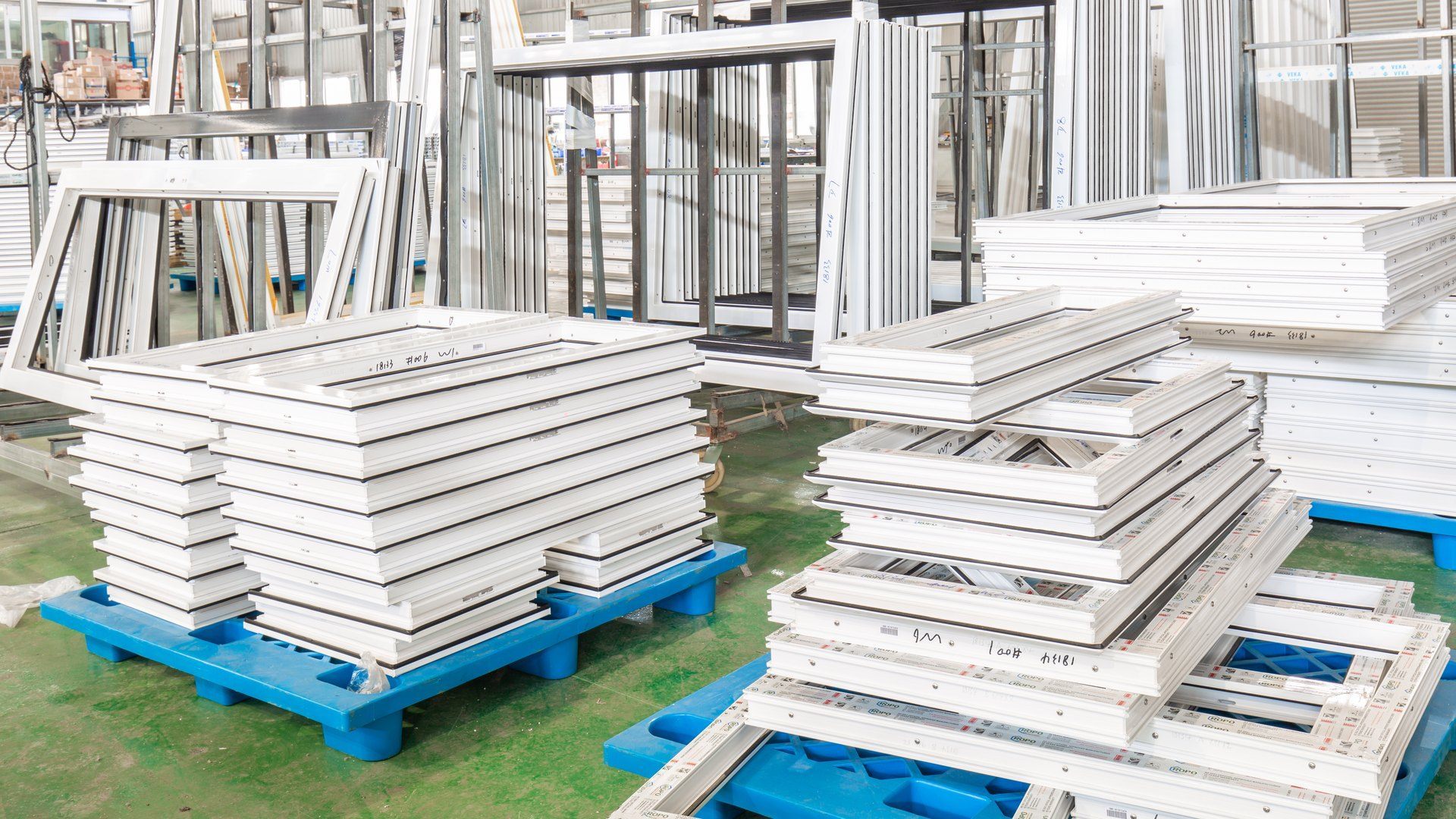
What does AS 2047 ask of a thermally broken window?
AS 2047 is the Australian standard for windows and external glazed doors in buildings, and it is the document that decides whether thermal break aluminium windows australia buyers can actually use on a project are compliant. It is a performance standard, and it asks the manufacturer to demonstrate structural adequacy, water penetration resistance and air infiltration performance for a defined specimen. A thermal break changes the frame's stiffness and its condensation behaviour, so it changes what has to be demonstrated.
What the standard tests, and what it does not
The tests are structural and hydraulic: uniform load, water penetration and air infiltration, at levels set by the wind class of the site. They are not a thermal test. A certificate that says a window passed AS 2047 tells you the frame and sash survived a defined pressure and water regime; it does not by itself tell you the U-value, and it does not tell you that the thermal barrier was part of the tested specimen.
That distinction matters when a thermal break is added to an existing system. If the tested specimen was the unbroken profile and the project order is the broken one, the certificate and the product are not the same thing. Ask for the specimen description, the profile identification and the glazing make-up that were tested, and compare them line by line with what you are buying.
Tested specimen versus the window on your schedule
Certificates are issued against a specimen, not against a catalogue. The specimen has a frame depth, a sash configuration, a hardware set, a glass make-up and a size. Change the size beyond the tested range, substitute a thicker glass unit, swap the hardware for a different brand, or move from a fixed light to an awning, and you have a different window in the eyes of a certifier even if the profile family is the same.
Well-run factories handle this by listing the configurations inside the certificate scope and telling you when a project falls outside it and needs project-specific testing or an engineering assessment. Factories that answer "yes, AS 2047" to every question are telling you they have a certificate, not that your window is covered.
AS 1288, AS 4666 and the glass that sits in the frame
For thermally broken frames on Australian projects, the certificate has to describe the assembly and not only the profile. The frame is only part of the assembly. AS 1288 governs glass selection and safety glazing, and AS 4666 covers insulating glass units. A thermally broken frame paired with a glass unit that is not rated for the wind class, or with a spacer that fails in service, will not deliver the performance the frame was chosen for. ROPO's summary of how AS 1288 drives glass selection explains the parts of that decision that sit outside the frame supplier's scope.
The evidence pack a certifier will actually accept
At handover, the question is not whether a factory has certificates but whether the right documents exist for the right product. The table below is the pack a certifier or building surveyor typically wants to see, and what each document does and does not prove.
| Document | What it proves | What it does not prove |
|---|---|---|
| AS 2047 test report and certificate | The tested specimen met structural, water and air performance at stated levels | That your configuration, size or glazing is inside the tested scope |
| Certificate schedule or scope page | Which profiles, sizes and configurations are covered | That the factory built the order to that specification |
| AS 1288 glazing assessment | The glass make-up is suitable for the application and wind class | The thermal performance of the whole window |
| AS 4666 IG unit documentation | The insulating glass unit is made to the standard | How the unit performs once installed in the frame |
| Wind class statement (AS 4055 or AS/NZS 1170.2) | The site's design wind pressure the window must resist | That the supplied window reaches it |
| Thermal calculation or simulation report | The claimed Uw for a defined configuration | Site-specific performance after installation |
| Factory QC records and packing list | The unit was inspected and identified before shipment | Site workmanship or installation tolerance |
ROPO publishes its certificate library and its AS 2047-2014 window and door certificate openly, which is the minimum bar. If a factory will not send a certificate number and scope page before you pay a deposit, treat the thermal break claim as marketing until proven otherwise.
Which ten factories publish a thermal break position?
The thermal break aluminium windows australia shortlist below is an editorial ranking, not a performance league table. Four criteria decide the order, and each one is something a buyer can check without visiting China: whether the factory publishes a specific barrier rather than the phrase "thermal break"; whether it publishes Australian certification evidence with a scope or a number; whether it is a window fabricator rather than only an extrusion supplier; and whether it publishes an identity a buyer can trace, such as a legal name or a factory address.
Where a company fails one of those tests, the entry says so. That is the point of the exercise: the gap between factories is usually not the extrusion, it is the evidence.
| # | Factory | Location | Barrier published | Australian evidence | Published gap |
|---|---|---|---|---|---|
| 1 | ROPO Windows | Fuzhou, Fujian | PA66 polyamide bar in a broken profile | AS 2047-2014 and AS 1288 under AGWA compliance audit; NZS 4211 CodeMark; Miami-Dade | Project-specific Uw must be calculated per configuration |
| 2 | JZZ1 (Jinan Jingzao New Materials) | Jinan, Shandong | PA66 GF25 multi-chamber strut, 0.30 W/m·K stated | StandardsMark Licence SMK41678; AS/NZS 2208 Licence 7632; NFRC CPD ESD-M-1 | No street address published |
| 3 | DERCHI (Guangdong Dejiyoupin) | Foshan, Guangdong | Low-conductivity polyamide barrier | AS 2047 named; Australia market page naming four cities | No certificate number published |
| 4 | Foshan NF Windows And Doors System | Foshan, Guangdong | Thermal-break aluminium and wood-clad aluminium | "Certified by AS2047"; Australian project page | No certificate number; factory address not published |
| 5 | HTS-ALU | China (city not published) | Thermal break profile systems | AS 2047 listed among standards it "can be configured to meet" | Legal entity and address not published |
| 6 | OEFAS (Foshan Hill Dun) | Foshan, Guangdong | 24 mm nylon insulation strips | EN 14024 and CE; Australian certification referenced indirectly | No AS 2047 number published |
| 7 | Foshan HANNOVER | Foshan, Guangdong | Polyamide breaks in multi-chamber frames | None published as a standard code | No certificate evidence |
| 8 | Foshan Zestop | Foshan, Guangdong | Polyamide barrier explained on the product page | None; ISO, BV, TUV and SGS named as guidelines | Barrier claim is product-level, not company-level |
| 9 | Shanghai Xiao An | Shanghai | Polyamide thermal break | None; ISO, CE and RoHS only | No Australian certificate; years claims inconsistent |
| 10 | EEHE Doors & Windows | City not published | Thermal break casement and curtain wall series | None published | No certificate codes, no city, no address |
1. ROPO Windows — Fuzhou, Fujian
ROPO builds aluminium and uPVC windows and doors in Fuzhou, has done so for 16 years, and ships to more than 100 countries. Its thermal break construction uses a polyamide bar to separate the internal and external aluminium profiles, the same PA66 approach the rest of this list relies on; the difference is what sits around it. The company publishes an AS 2047-aligned thermally broken window range with the profile, glazing and hardware options listed, a certificate library that includes AS 2047-2014 and AS 1288, and an AGWA compliance position audited annually against NCC 2022.
For Australian buyers the useful part is not the certificate itself but the project trail behind it. ROPO has installed thermally broken windows in Perth and Melbourne, publishes those project records, and runs a local partner programme that puts the site measurement and installation responsibility with an Australian party rather than leaving it at the port. The company also states a 10-year warranty and a minimum order of one unit, which matters when a builder wants to test a system before committing a house lot to it.
What it does not publish is a single Uw number that applies to every configuration, because no honest factory can: Uw depends on the frame, the glass, the spacer and the size. Ask for the calculation for your opening schedule, and check that the frame profile in the calculation is the one on the order.
2. JZZ1 (Jinan Jingzao New Materials Co., Ltd) — Jinan, Shandong
JZZ1 is the clearest example on this list of a factory that treats Australian compliance as a document rather than a slogan. It publishes StandardsMark Licence SMK41678, issued by Intertek SAI Global under JAS-ANZ accreditation, valid through 29 April 2030, with a scope covering windows and external glazed doors and two endorsed models: a tilt and turn unit rated to 4000 Pa ultimate limit state and 600 Pa water, and an awning rated to 3000 Pa and 200 Pa. It also publishes an AS/NZS 2208 safety glazing licence, an NFRC certification for a tilt and turn model, and ISO 9001 numbers.
On the barrier itself the company is specific: multi-chamber 6063-T5 extrusions crimped with glass-fibre reinforced PA66 GF25 polyamide struts, with a stated thermal conductivity of 0.30 W/m·K for the strip, and a claim that this cuts conductive heat loss by more than 80%. That is a testable statement rather than a mood. The Australian page goes further than most, naming port and city destinations and referring to AS 4055 wind classes, which suggests the factory has actually shipped into the market rather than merely listing the standard.
The gap is identity: no street address appears on the homepage, contact page, factory page, certificate page or Australia page. A buyer should ask for the factory address, the business licence and the certificate scope page before treating JZZ1 as a verified supplier rather than a verified certificate holder.
3. DERCHI (Guangdong Dejiyoupin Doors and Windows Co., Ltd.) — Foshan, Guangdong
DERCHI publishes a full legal name, a Foshan address in Shishan Town, and a dedicated Australia page, which puts it ahead of most Foshan exporters on traceability. Its thermal break description is conventional and correct: the exterior and interior aluminium frames are separated by a low-conductivity polyamide barrier, which interrupts heat transfer and reduces internal condensation. The product range covers casement, sliding, tilt and turn, doors, sunrooms and curtain wall.
The certification list is broad — AS 2047, NFRC, CE, CSA, Energy Star, ISO 9001, Miami-Dade NOA and ASTM E1886/E1996 are all named — but no certificate number or scope page is published alongside them. The Australia page is a marketing page that names Sydney, Melbourne, Brisbane and Perth, not a project record. For a buyer, that means DERCHI is a credible candidate at the quotation stage and an unverified one at the approval stage until the AS 2047 certificate number and tested specimen description arrive.
4. Foshan NF Windows And Doors System Co., Ltd. — Foshan, Guangdong
NF was founded in 2007 and describes its production as thermal-break aluminium alloy and wood-clad aluminium doors and windows, which is a narrower and more honest positioning than a general "aluminium windows" claim. The product list is long and specific — bi-fold, lift and slide, pivot, arched, gas strut, tilt and turn — and the company publishes an AS 2047 claim plus an Australian project reference, which is more than most.
It also publishes an office address in Guicheng Street, Nanhai, but not the factory address, and it names NFRC, AS 2047, NOA, CSA and CE without certificate numbers. Wood-clad systems add a second material interface to the thermal path, so a buyer should ask how the cladding is fixed and whether the tested specimen included it. If the answer is that the test was on the aluminium-only profile, the wood-clad version is outside the certificate.
5. HTS-ALU — China (city not published)
HTS-ALU operates the Windoor site and describes itself as a China-based aluminium window and door manufacturer with integrated profile production and fabrication. Its thermal break content is technically literate: it explains that thermal break profiles and insulated glazing work together to reduce heat loss and limit heat gain, and it lists thermal break systems as a capability rather than a single product.
The certification wording is the weakest link. NFRC, AAMA, AS 2047, CSA and CE/EN are presented as standards the product "can be configured to meet", which is a different statement from holding a certificate. The company also publishes no legal entity, no city and no factory address; its About page returns a broken-link page. HTS-ALU is worth a technical conversation and not yet worth a deposit.
6. OEFAS (Foshan Hill Dun Home Technology Co., LTD.) — Foshan, Guangdong
OEFAS was founded in 2015 and publishes a complete factory address in Nanhai, which is rare on this list. Its thermal break series is described with unusual precision: 6063-T5 profiles with wall thickness from 1.8 to 3.0 mm, 24 mm nylon insulation strips, compliance with EN 14024 and CE, and a stated whole-window U-value as low as 1.5 W/m²K. That last figure is a company claim for a defined configuration, not a guarantee for your window, but it is at least a number a buyer can test against a calculation.
The Australian position is thin. AS 2047 is not published, and the only Australian reference is an indirect mention of Australian certifications in the energy-efficiency copy. A buyer would need the AS 2047 report and the tested specimen before using OEFAS on an Australian project, and should treat the EN 14024 evidence as European evidence, which it is.
7. Foshan HANNOVER Windows & Doors — Foshan, Guangdong
HANNOVER describes multi-chamber frames with polyamide breaks formed on automated extrusion lines, and states U-values down to 0.22 W/m²K for its thermal insulation build-ups. The product range covers the usual residential set plus thermal-break door panels and sunrooms. The technical language is more specific than most, and the U-value claim is unusually low, which makes it worth asking exactly which configuration, glass make-up and size produced that figure.
What is missing is certification. No standard code or number is published; the site refers to ISO and international manufacturing standards and to "A*4/9A" performance classes, and its export focus is the Middle East, Africa and South America rather than Australia. For an Australian project, HANNOVER is a specification conversation with a documentation gap, not a compliance-ready supplier.
8. Foshan Zestop Doors and Windows Co., Ltd. — Foshan, Guangdong
Zestop publishes one of the clearer plain-language explanations of the barrier on its product pages: the thermal break is a low-conductivity material, usually polyamide, that reduces heat transfer through the frame. That is a good sign for a buyer trying to understand the product, and a weaker sign for a buyer trying to verify it, because the statement sits at product level rather than as a company position. The company publishes an address at district level, names ISO 9001, BV, TUV and SGS, and does not mention Australia.
For Australian work, Zestop would need to supply an AS 2047 report, a tested specimen description and a project reference before it could be shortlisted. The thermal break claim itself is credible; the compliance evidence is absent.
9. Shanghai Xiao An Plastic Aluminum Doors and Windows Co., Ltd. — Shanghai
Xiao An publishes a full production address in Jiading, Shanghai, and states plainly that it makes ISO-certified polyamide thermal break windows for commercial and residential projects. It lists aluminium windows, sliding and casement systems, thermal break windows and waterproof windows, and names ISO, CE and RoHS. The company also publishes export experience across a wide set of countries.
The page has internal inconsistencies a buyer should notice: founding date 2000 alongside counters reading "16+ years" and "26+ years", and worker counts that differ between the About page and the product copy. None of that is disqualifying, but it means the documentation should be read rather than skimmed. There is no Australian certificate and no Australia reference, so the same AS 2047 gap applies.
10. EEHE Doors & Windows — city not published
EEHE is included because it is one of the few factories that names thermal break series in its product catalogue — casement and curtain wall ranges with branded insulation strips — and because it publishes a factory floor with the equipment list a buyer would expect: laser saw and milling, spacer bending, lamination and a loading platform. That is a manufacturing operation, not a trading desk.
It is last because the evidence stops there. No legal entity, no city, no address and no certificate code are published, and its own history is inconsistent across pages. Its export markets are listed by region rather than by country, with no Australian reference. EEHE is a candidate for a sample order and a factory audit, not for a project that needs a certificate pack on day one.
Who was left out, and why. Several factories that appear in a generic search were deliberately excluded. Rogenilan publishes an AS 2047 reference and a Foshan address but no thermal break wording at all, so it cannot be ranked on a thermal break list. Shaanxi SGL and Sainty both publish useful export and certification information but no thermal break statement on their sites. Aluwin is an Australian supplier and installer, not a Chinese factory, so it belongs in a different comparison.
Three profile producers — GKBM in Xi'an, MT Flying in Foshan and Zhonglian (Pailian) in Foshan — are relevant for a different reason and are covered in the next section. They extrude and assemble the broken profiles that window factories buy, and their published equipment lists are often more specific about the barrier than the window makers' pages are.
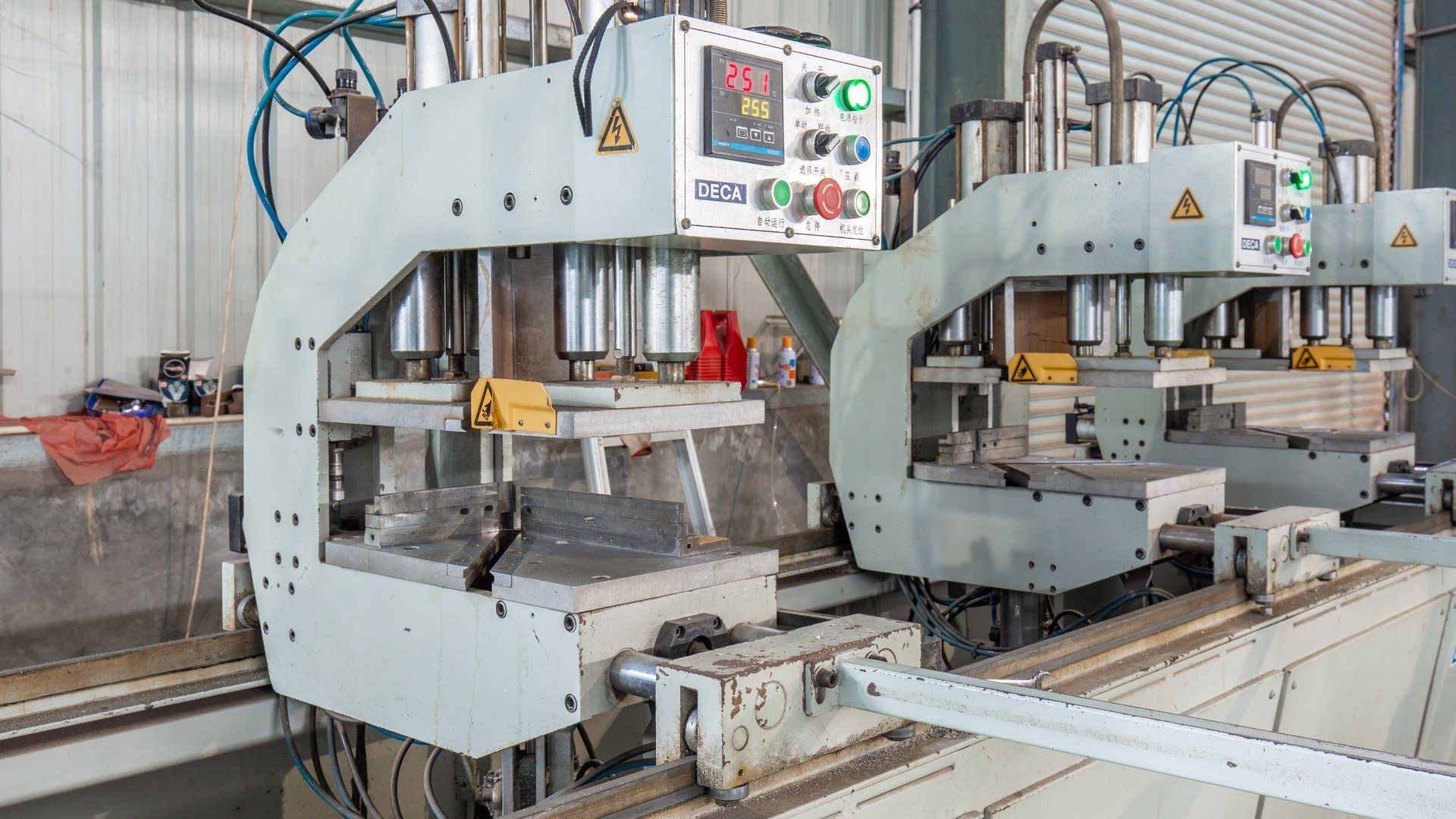
How do strip and pour-and-deburr barriers compare on the factory floor?
Two processes dominate export production of thermal break aluminium windows australia buyers will be offered, and they fail in different ways. Knowing which one a factory uses tells you what to look at in a sample, and what to ask about when a unit arrives on site with a problem.
Strip insertion: crimped or roll-in polyamide
In a strip system, each half of the profile is extruded with a channel, the polyamide strip is pushed or rolled into both channels, and the assembly is then crimped at intervals so the strip cannot pull out. The process is fast, the barrier thickness is set by the strip width, and the mechanical connection is visible if you cut a section.
The failure modes are equally visible, and the thermal break window product range is where a factory should be able to show its crimp pattern and strip grade.
The defects show up in predictable ways. Under-crimping leaves the strip able to migrate under load, which shows up as a sash that will not stay square. Over-crimping can crack the strip at the knurl. A strip that is too narrow for the frame depth gives a thin barrier and a poor Uf. When you cut a sample, look at the crimp spacing and whether the strip sits flush along its full length rather than lifting at the ends.
Pour and deburr: a cast polyurethane bridge
In a poured system, the profile is extruded with a bridge of aluminium holding the two halves together, the bridge is milled away, the channel is filled with a two-part polyurethane, and once cured the excess is cut back flush. The result is a continuous, rigid connection with no mechanical crimp to inspect. It is generally stronger in shear, which is why it appears on larger and heavier units.
Its failure modes are process failures rather than assembly failures: incomplete filling leaves voids that show as a shadow line when the section is cut, poor adhesion leaves a hairline gap at the interface, and cutting back too aggressively can score the aluminium. On a sample, look for a uniform, fully filled channel and a clean interface with no separation when the section is flexed.
| Point of comparison | Crimped polyamide strip | Poured polyurethane bridge |
|---|---|---|
| How the halves are joined | Strip rolled or pushed into both channels, then crimped | Aluminium bridge milled out, channel filled, excess cut back |
| Shear strength | Adequate for residential sashes; crimp quality is decisive | Higher; better suited to large or heavy units |
| Inspection | Crimp spacing and strip seating are visible on a cut section | Fill uniformity and adhesion are visible on a cut section |
| Typical failure | Strip migration, cracked knurl, lifting ends | Voids, poor adhesion, scored aluminium at the cut line |
| Repair on site | Difficult but possible with a replacement section | Not repairable; the unit is replaced |
What to inspect before you approve a sample
Cut a section, photograph it, and check five things: the barrier material and grade marking, the barrier depth relative to the frame depth, the crimp or fill quality along the full length, the drainage path from the glazing rebate to the exterior, and the corner joint where the barrier meets the corner cleat. The corner is where most thermal bridges survive a good profile design, because the barrier stops at the mitre and the corner block is solid aluminium unless the system uses a thermal-broken corner connector.
ROPO's hardware and glass option pages show the parts that interface with the barrier, and the sample order process is the cheapest way to run this inspection before a production order exists. A sample that arrives without a section photograph and a barrier grade statement is a sample you cannot evaluate.
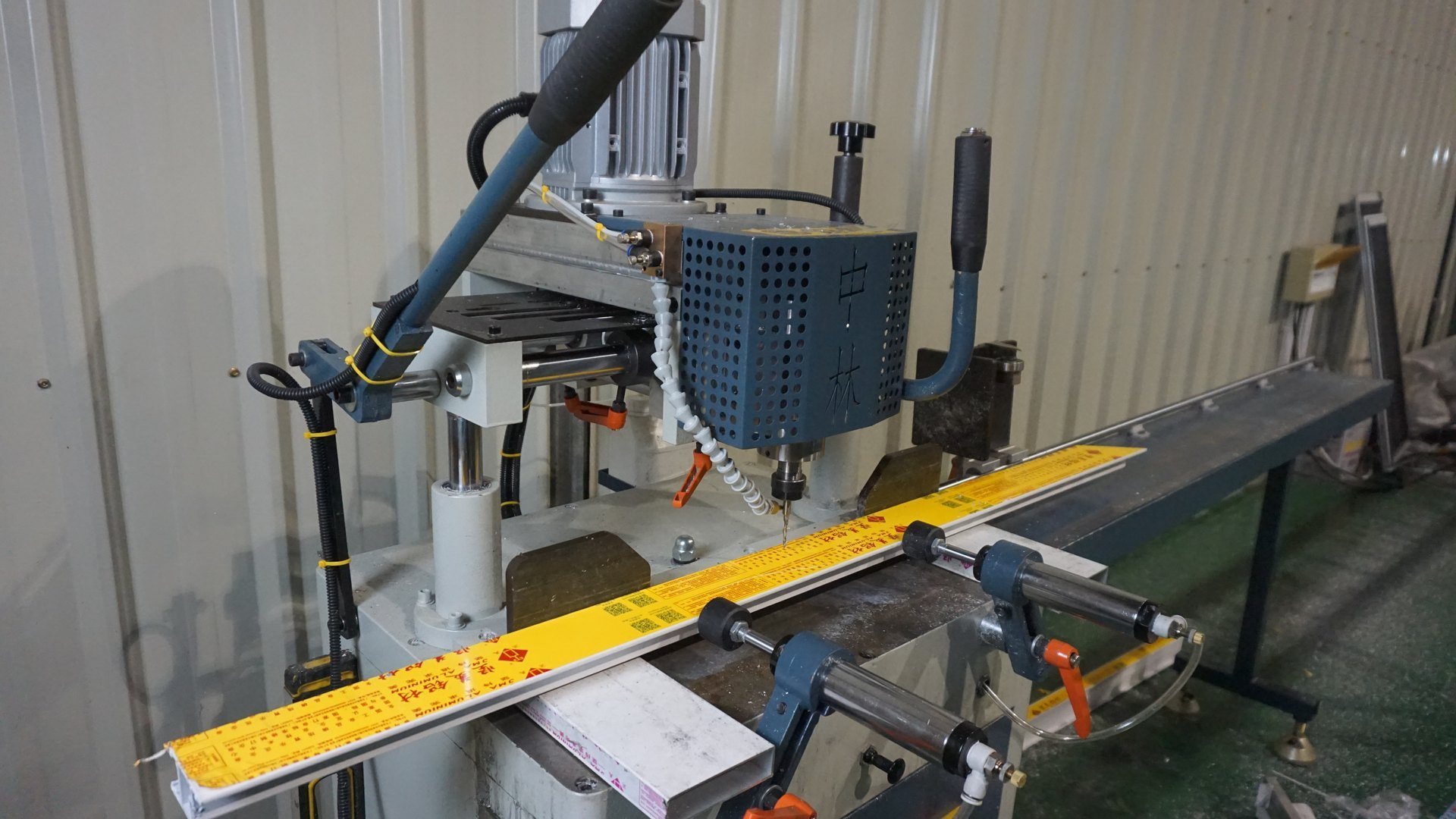
How do you specify, price and verify a thermal break order?
A specification for thermal break aluminium windows australia orders has to survive a change of factory, and most disputes are specification disputes wearing a technical disguise. The frame performs as built; the problem is that nobody wrote down which frame, which glass and which calculation was being bought.
The U-value arithmetic that decides whether the frame is the problem
A whole-window U-value, Uw, is an area-weighted combination of the frame, the glass and the spacer, with a term for the installation thermal bridge. The frame value Uf comes from the profile and the barrier; the glass value Ug comes from the make-up; the spacer value affects the edge. Improving the glass lowers Ug and moves Uw, but the frame term keeps a floor under the result.
This is why a project can hit its number with ordinary glass and a good frame in a mild climate, and fail with excellent glass and an unbroken frame in a cold one. Ask the factory for the calculation with the areas of your actual openings, not a catalogue figure for a nominal window. ROPO's breakdown of Uw, Ug and Uf is a useful check on whether the number you have been given is the number you think it is.
Condensation is the other half of the argument
The inside face of a frame condenses when its surface temperature falls below the dew point of the room air. An unbroken aluminium frame gets cold fast, which is why condensation appears on the frame before it appears on the glass. A thermal break raises that surface temperature, and a warm-edge spacer does the same at the glass edge.
For a buyer, condensation complaints are the most expensive kind because they appear after handover and are blamed on the window. If the project is in a cool climate, a bathroom, or a room with a lot of plants and no mechanical ventilation, specify the break and the spacer together and ask for the condensation resistance basis in writing.
Which glass make-up matches the frame? The frame and the glass have to be chosen together, because the cheapest combination that hits a target in one climate misses it in another. The matrix below is a starting point for a conversation with the factory, not a substitute for the project calculation.
| Climate zone | Frame | Glass | What to watch |
|---|---|---|---|
| 1–2 hot humid | Thermal break for condensation control | Single or double with solar control | Solar gain and glare, not winter heat loss |
| 3–4 hot dry, cool winter | Thermal break | Double, low-e on the appropriate face | Day–night swing and frame movement |
| 5 warm temperate | Thermal break | Double, low-e, warm-edge spacer | Condensation on south-facing glazing |
| 6 mild temperate | Thermal break | Double or triple, argon | Heating load and frame surface temperature |
| 7–8 cool and alpine | Thermal break with thermal-broken corner | Triple, warm-edge, argon or krypton | Cold bridging at the corner and the sill |
A specification sheet that survives a factory change
Every line in it exists to stop a substitution, and a custom thermal break aluminium window order needs all of them written down before the deposit leaves.
The sheet should be short enough that a factory cannot reinterpret it, and specific enough that two factories quote the same thing. The table below is the minimum set of fields; anything left blank becomes a assumption in the factory's favour.
| Field | What to write | Why it matters |
|---|---|---|
| Profile system and barrier | System name, frame depth, barrier material and grade, barrier depth | Two "thermal break" quotes can differ by the barrier alone |
| Certification scope | AS 2047 certificate number, tested specimen models, size range | Confirms your configuration is inside the certificate |
| Glazing | Glass make-up, coating, cavity, gas, spacer type | Ug and edge performance both depend on it |
| Wind and water class | AS 4055 class or design pressure, water test level | Sets the structural and hydraulic target |
| Thermal target | Required Uw for each opening type, with the calculation basis | Turns a claim into a deliverable |
| Hardware and screens | Brand, model, finish, screen type | Hardware is part of the tested specimen |
| Inspection and documents | QC record, packing list, photo set, certificate pack | Decides whether handover is smooth |
Price, payment and the documents that travel with the container
Thermal break adds cost at the profile, not at the glass, so a quote that is much cheaper than the others usually differs in the barrier, the wall thickness or the hardware rather than in the labour. ROPO's explanation of what drives window prices sets out the cost blocks to compare line by line, and the Trade Assurance route is the mechanism that keeps a deposit recoverable if the goods do not match the specification.
On the shipping side, the documents matter as much as the packing: the packing list matched to opening marks, the certificate pack matched to the production batch, and the installation drawings. ROPO's packaging guide shows the packing standard, and the import walkthrough covers the sequence from deposit to delivery. For a first order, the sequence that works is sample, then a single-opening trial, then the production run.
About ROPO Windows
ROPO Windows is a window and door manufacturer based in Fuzhou, Fujian, China, with 16 years of production behind it and customers in more than 100 countries. The factory builds aluminium and uPVC systems to order, from a single unit to a house lot, and ships through Fuzhou and Xiamen.
What the factory actually makes
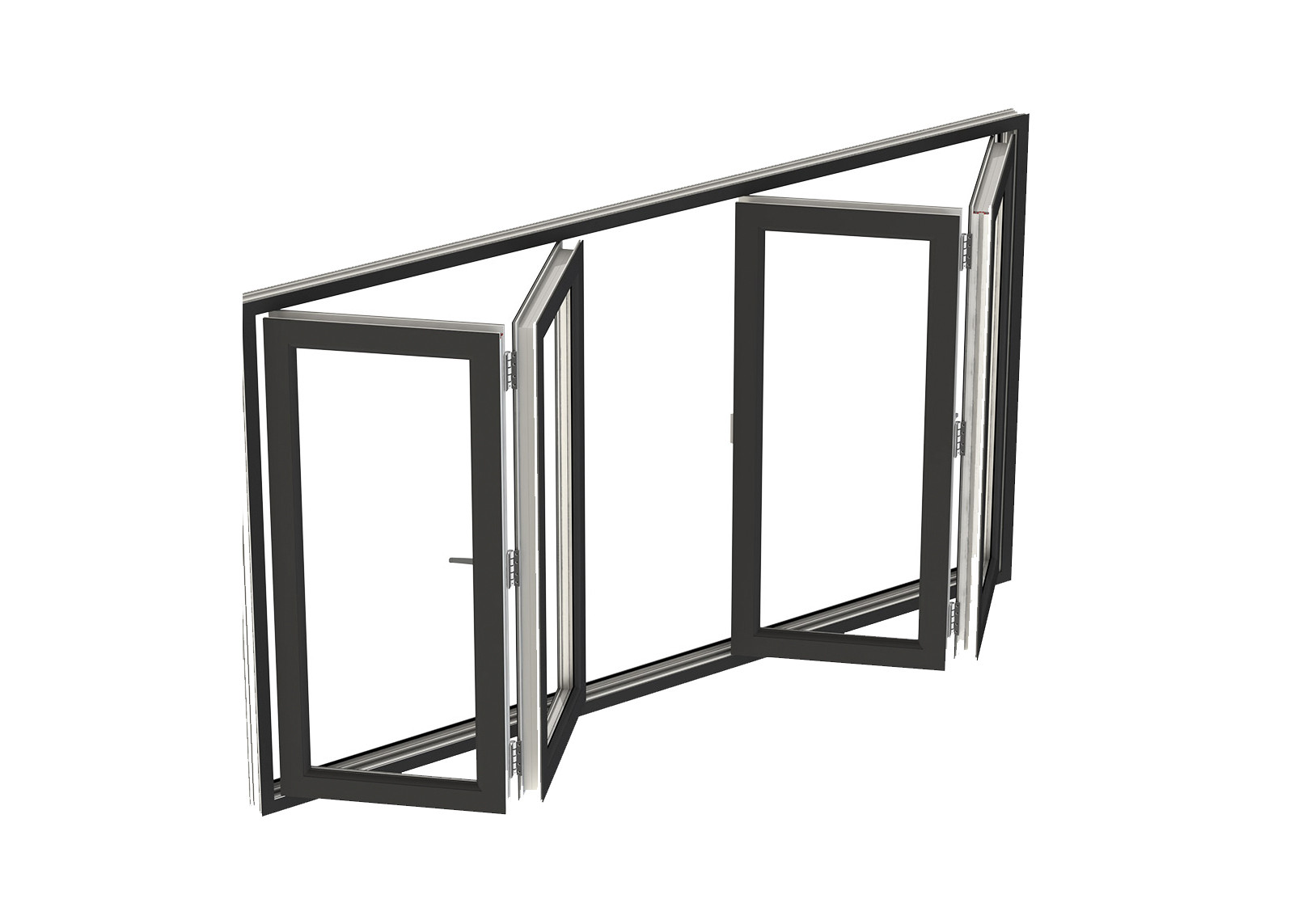
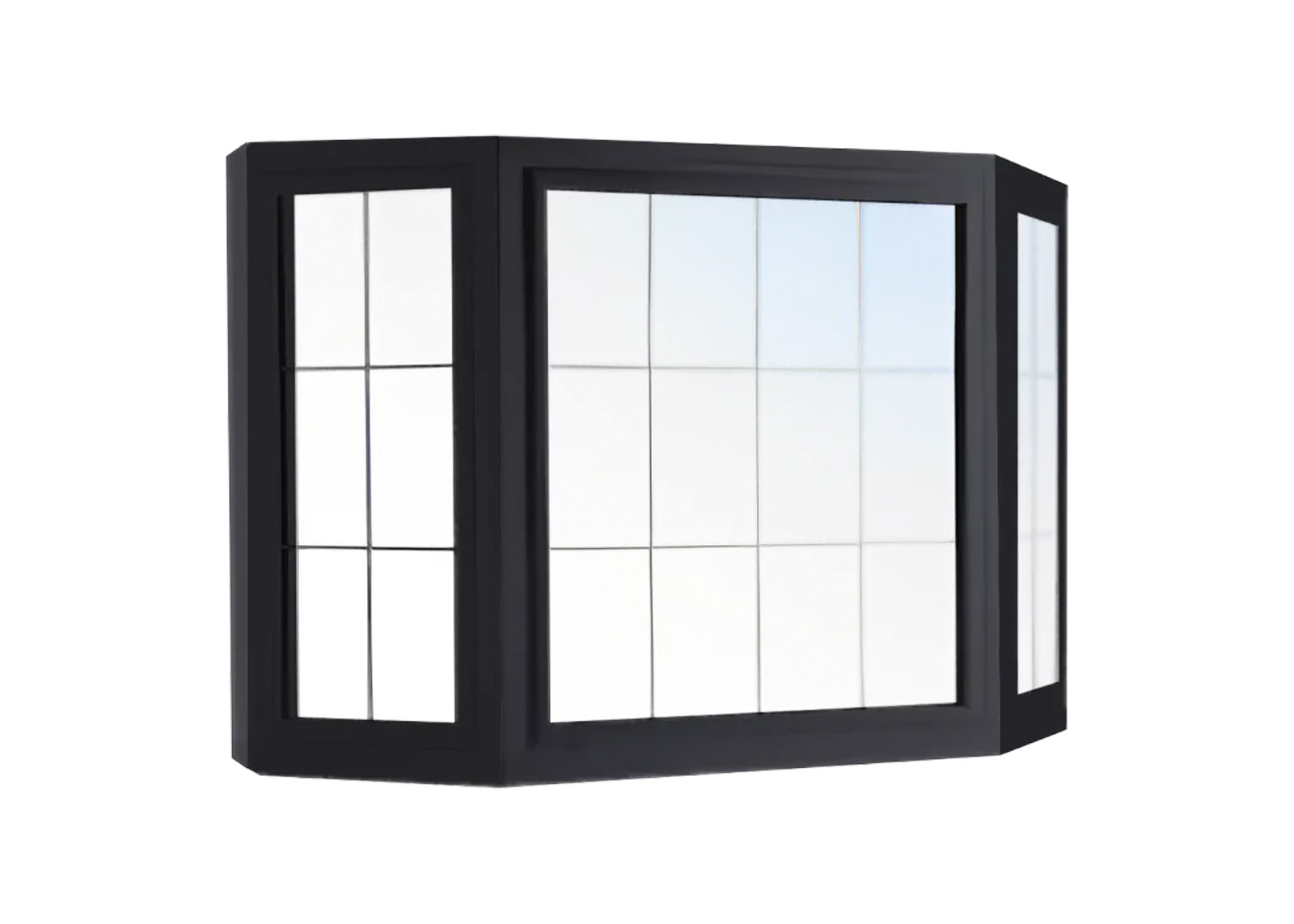
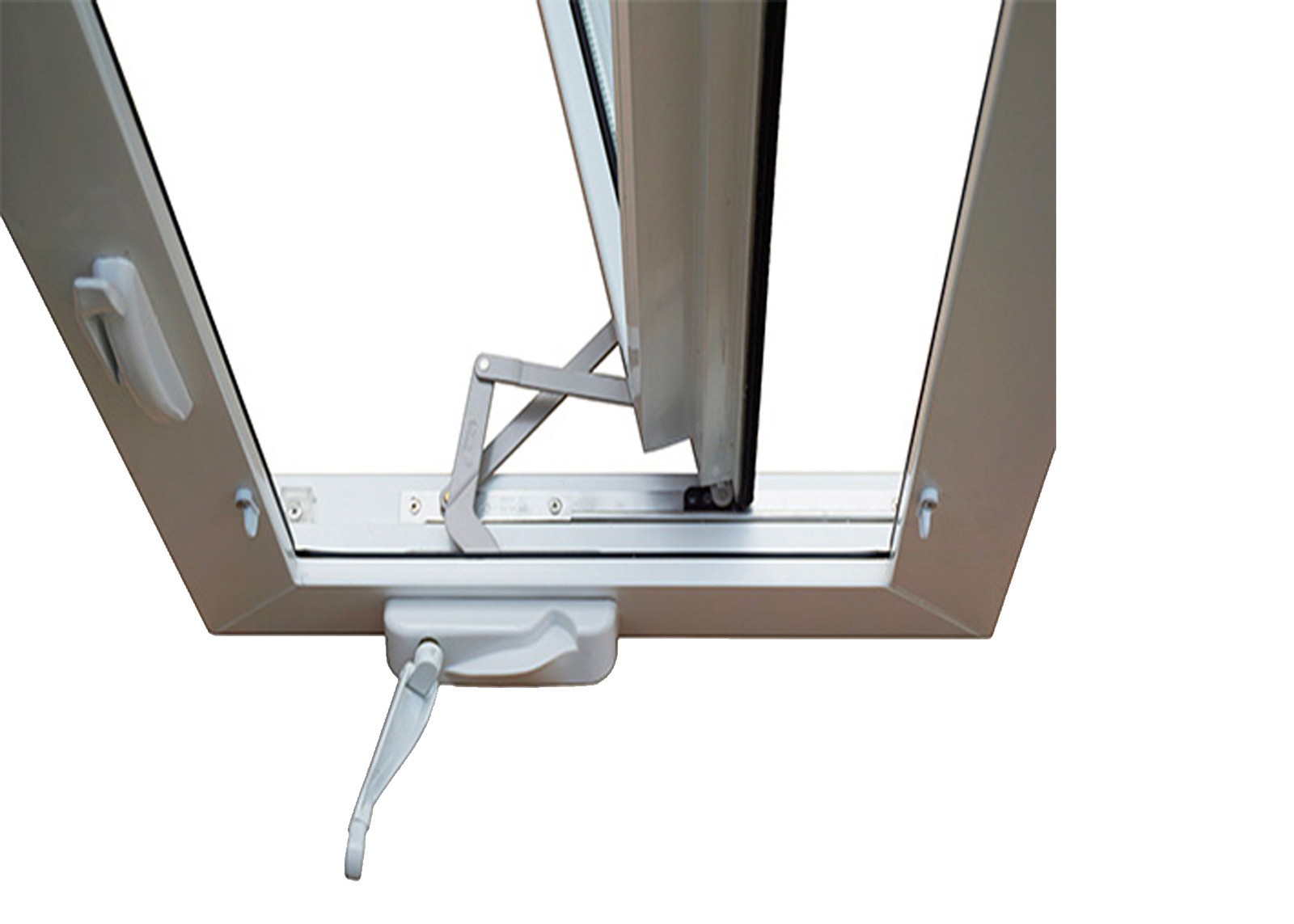
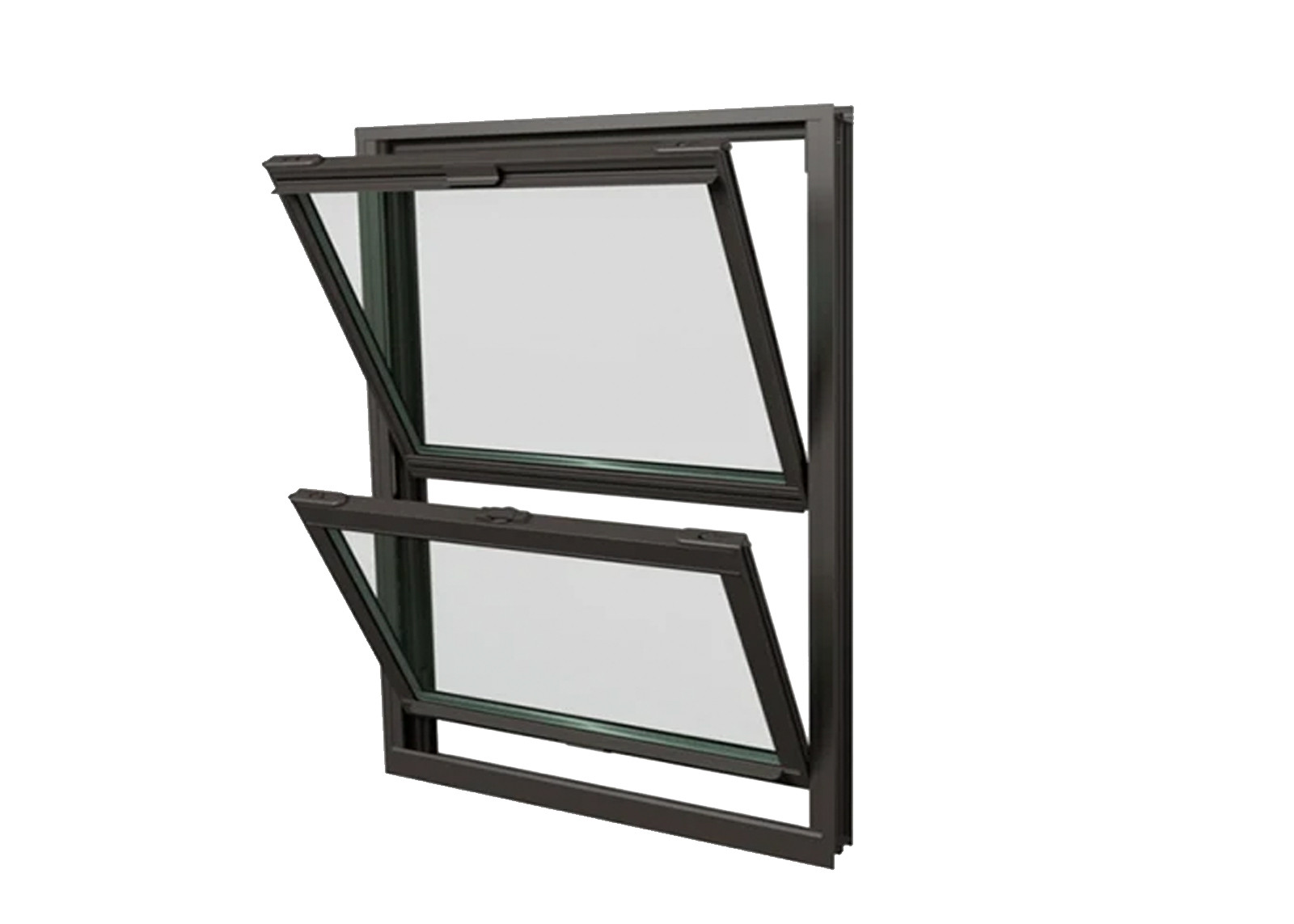
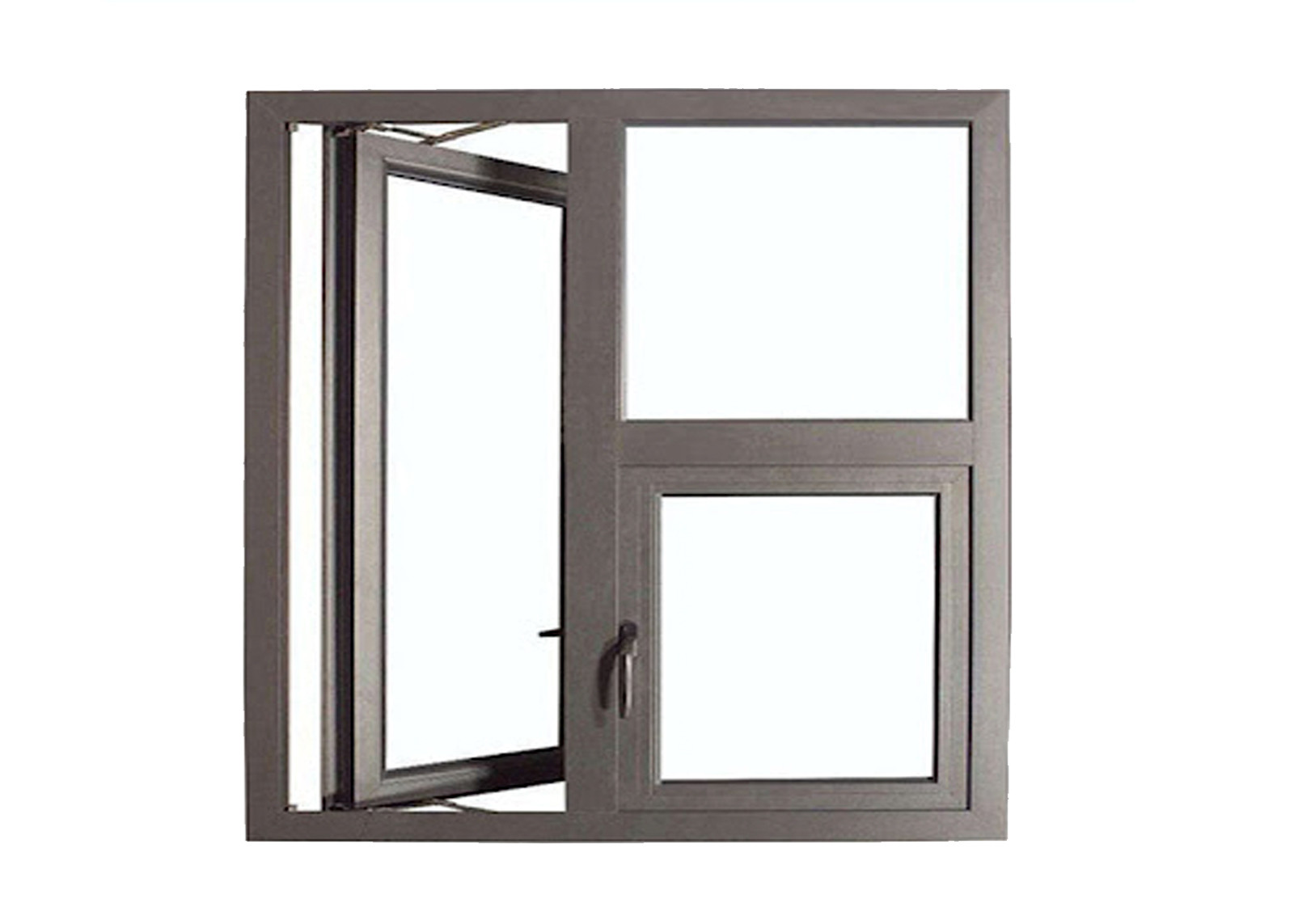
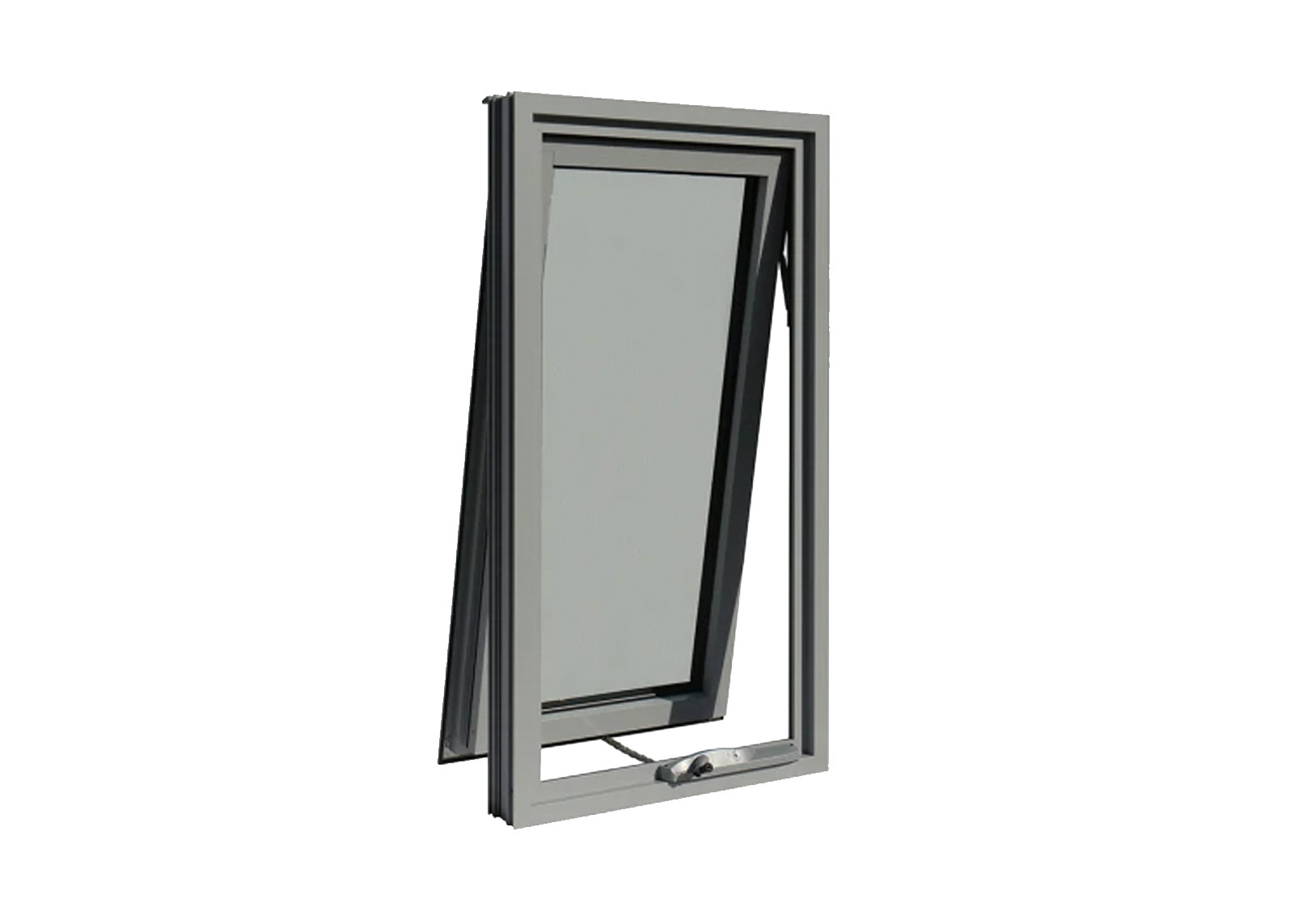
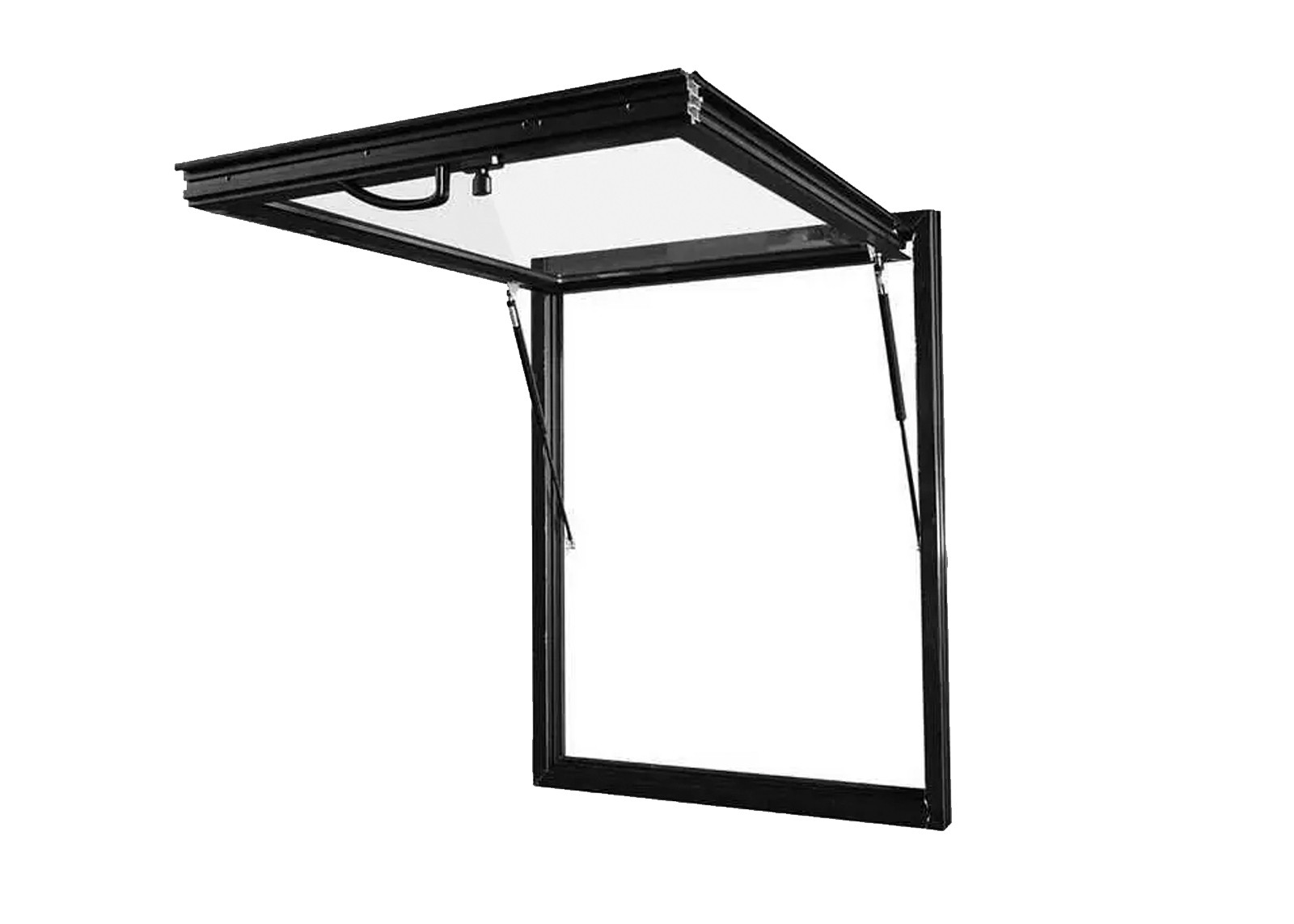
The range covers aluminium casement, awning, sliding, tilt and turn, fixed, folding, hung, bay and bow, hurricane impact and parallel opening windows, plus sliding, folding, lift and slide, pivot and tilt and turn doors. Thermal break construction is available across the aluminium range, and the thermally broken aluminium window range lists the profile, glazing and hardware combinations that can be quoted together.
For Australian projects the relevant starting points are the AS 2047 window range, the awning and casement systems most often specified for residential work, and the lift and slide door for large openings.
Certificates, testing and the Australian position
The certificate library covers AS 2047-2014, AS 1288, NZS 4211 through CodeMark, and Miami-Dade hurricane testing. The Australian position is an AGWA compliance certificate demonstrating performance against NCC 2022, AS 2047:2014 and AS 1288:2021, audited annually by an AGWA accredited independent auditor. The quality and certification page lists the scope, and the testing page shows the equipment and the tests behind it.
Certification is not the same as project compliance, and ROPO's own guide to verifying AS 2047 windows says so. The useful question is always the same: is the window on my schedule inside the tested scope, and can the factory show me where it says so?
Warranty, ordering and support
The range behind the warranty is the thermally broken aluminium window range described earlier, and the terms below apply to it.
ROPO states a 10-year warranty, a minimum order of one unit, and Trade Assurance payment terms. The warranty list sets out what is covered and for how long. For Australian buyers there is a local partner route through the Australia page and the partner programme, which matters because the installation interface is where an imported window most often fails.
Custom Production Process
A thermal break order is a custom order, and the process is where the specification either survives or drifts. ROPO's flow runs in five stages, with a document or an inspection at each one.
Engineering review and shop drawings
The order starts with the opening schedule, the elevation drawings and the performance requirements. The engineering team converts them into shop drawings with frame sizes, sash sizes, glass make-up, hardware positions and the drainage direction for each opening. The drawings come back to the buyer for approval before any extrusion is cut, which is the last cheap moment to change anything.
Extrusion, cutting and assembly
Profiles are cut, machined and assembled with the barrier and the corner connectors in place. For a thermal break system the assembly order matters: the barrier is part of the structural frame, so the corner joint and the drainage path have to be built around it rather than cut into it afterwards. Hardware is fitted to the tested positions, and glazing is set on the specified blocks and spacer.
Five-step inspection and testing
ROPO runs a five-step quality check across incoming material, profile and barrier assembly, glazing, hardware and finished unit, with the finished window checked for operation, drainage and square. The quality and testing page shows the checks, and the factory page shows where they happen. Units are then marked to the opening schedule, which is what makes the packing list usable on site.
Packaging and Shipping
Shipping thermal break aluminium windows australia projects depends on has one advantage and one risk in transit: the frame is stiff, and the barrier is a bond that does not like being twisted. Packing has to protect both.
The packing system
Frames are protected at the corners, wrapped against moisture, and bundled with the opening mark visible without opening the bundle. Glass is protected separately, and hardware is packed so that nothing hard can bear on a coated surface. The packaging guide shows the layers and the labelling standard.
Container loading and the sea voyage
Loading is planned so that weight sits low and bundles cannot shift, with the largest units against the container walls rather than in the middle. Fuzhou and Xiamen are the usual ports. Humidity is the quiet risk on a long voyage: a wrapped bundle that traps moisture will show it as a white bloom on the anodised or powder-coated surface at unpacking, which is why the wrap has to breathe or the container has to be protected.
Documents, arrival and handover
The container should arrive with a packing list matched to the opening marks, the certificate pack matched to the production batch, and the installation drawings. The Australian purchasing page sets out the sequence, and the Australian project gallery shows what the finished installations look like. Check the barrier at the corner and the drainage slots before installation, not after the flashing is closed.
- One unit, cut and photographed
- Barrier grade and depth confirmed
- Corner and drainage inspected
Sample order guide in the links above.
- Opening schedule and wind class
- Uw calculation per opening type
- Certificate scope check
Pricing blocks are explained above.
- Repeat configurations
- Local partner installation
- Dealer terms
Ask for dealer terms with the quotation.
It depends on the climate zone and the glazing. In zones 5 to 8 the frame becomes a meaningful part of the heat path and of the condensation risk, so a break is usually justified. In zones 1 and 2 the case is more often about condensation and comfort than heating load.
No. A break reduces heat flow through the frame; double glazing reduces it through the glass. A window with one and not the other leaves half the assembly unimproved.
Ask for the Uw of your actual opening types, calculated from the frame, the glass and the spacer you have specified. A single catalogue number cannot describe a whole house.
No. AS 2047 addresses structural, water and air performance. Thermal performance is demonstrated separately through calculation or simulation, and the certificate scope tells you which configurations were tested.
Neither is universally better. Strip systems are easier to inspect and repair; poured systems are stronger in shear and suit larger units. What matters is whether the process is controlled and whether the sample shows it.
At ROPO the minimum order is one unit, which is the cheapest way to inspect a barrier before a production run. Ask for a section photograph and the barrier grade with the sample.
Ask for the certificate number, the issuing body, the scope page and the tested specimen description. Compare the models and size range with your schedule, and confirm the certificate is current.
The corner. The barrier often stops at the mitre, and the corner block is solid aluminium unless the system uses a thermal-broken connector. Check the corner detail before approving the system.
- ROPO Windows — Aluminum Thermally Broken Windows
- ROPO Windows — AS 2047-2014 Windows and Doors certificate
- ROPO Windows — AS2047 vs NZS4211 explained
- ROPO Windows — Window U-value: Uw, Ug and Uf
- ROPO Windows — Thermally broken aluminium window cost guide
- JZZ1 — certificates page (SMK41678)
- DERCHI — thermal break windows for the Australia market
- Foshan NF — official site
- OEFAS — thermal break window series
- HTS-ALU — thermal break aluminum windows
- Foshan HANNOVER — official site
- Australian Building Codes Board — NCC and climate zone resources
