







Top 10 Imported Aluminium Windows Suppliers for Australian Projects
Home / Blog / Manufacturers & Suppliers
Ten exporters compared on the Australian evidence they publish, then on the parts of an import order that actually decide whether a project lands on time.
Shortlist suppliers that publish an Australian certificate claim, a named factory, and a stated export market. Ten qualify here, led by ROPO Windows in Fuzhou, Shanghai Aoland, Shanghai Superhouse, Gwint in Shandong, Zhejiang Shieldoors and Xiamen KDS, with Foshan exporters ZMR, Boswindor, Trango and ZEKIN completing the list. Verify each certificate against your own opening schedule before paying a deposit.
A buyer searching for imported aluminium windows australia is usually already past the idea stage. They have a set of drawings, a builder asking for a supply price, and a certifier who will want documentation before the frames are wrapped into the wall. What they do not have is a way to tell one overseas supplier from another, because every website in the results looks competent and every quote arrives with a certificate attached.
The gap between a good import order and a bad one is rarely the extrusion. It is the paperwork and the logistics: whether the certificate describes the window you ordered, whether the container was packed so the corner frame survives a month at sea, whether the glass make-up matches the schedule the certifier approved, and whether anyone can find the drainage detail drawing two years later when a tenant reports a leak.
This guide works through those questions in the order a project meets them. It then lists ten suppliers that publish an Australian position on their own websites, describing each one only in terms its own site uses, and naming the fields a company does not publish instead of filling the gap. ROPO has manufactured aluminium and uPVC windows in Fuzhou, Fujian, for 16 years and shipped to more than 100 countries, Australia among them, so the import mechanics below are written from the factory side of the transaction.
Which imported aluminium window suppliers suit an Australian project?
On an imported aluminium windows australia shortlist, the right supplier is the one whose published certificate covers your schedule, whose factory you can name, and whose packing and loading method you can inspect before the container is sealed. Price matters, but a quote that is cheaper because the tested specimen does not cover your largest opening is not a cheaper quote; it is a deferred problem.
Most Australian import enquiries fail at one of three points. The first is scope: the supplier holds an AS 2047 report for a standard casement and the project needs a 3.2 m high fixed panel in a cyclonic wind region. The second is evidence: the certificate exists but names a trading company, or a laboratory that cannot be checked. The third is logistics: the units are correct but arrive with two broken sashes because the crate was built for a domestic truck, not an ocean container.
A shortlist built on those three points looks different from a shortlist built on search results. It tends to include factories in Fujian, Shandong, Zhejiang and Shanghai as well as the Foshan cluster, because the qualification is documentary and logistical rather than geographic. It also tends to exclude companies that market hard but publish nothing verifiable, however attractive their showroom photography.
Table 1 — What an import-ready supplier should be able to publish
| Item | What to ask for | Why it decides the order |
|---|---|---|
| Australian certificate | AS 2047 report number, issuing laboratory, tested specimen and size range | Without it the certifier cannot sign the installation off, whatever the marketing says |
| Factory identity | Company name, plant city, and the address that appears on the packing list | A trading desk cannot control the batch, the inspection record or the replacement |
| Tested configuration | Frame series, glazing build, hardware set, opening type and pressure achieved | The report covers a specimen, and your order has to sit inside that envelope |
| Packing method | Film, corner protection, crate or bundle, timber treatment and loading plan | Most import damage is decided before the container doors close |
| Export markets stated | Named countries on the supplier's own site, not a logo strip | Shows the product has met a comparable regulator, and that spare parts travel |
| Commercial route | Trade Assurance or equivalent, minimum order, sample policy, warranty terms | Determines what you can enforce if the second container differs from the first |
Read the table as a request list rather than a scorecard. A supplier that answers all six in writing, with documents attached, is a supplier you can put in front of a certifier. One that answers three and promises the rest after the deposit is answering a different question.
How was this shortlist built, and what did it leave out?
The list was assembled from what suppliers publish on their own English websites in November 2026, not from directories, marketplace storefronts or third-party profiles. Each company had to show a working website, a named manufacturing base, and a written Australian position: either an AS 2047 or Australian Standard claim, or an explicit statement that Australia is a served market.
Nothing in the descriptions below has been estimated. Where a company does not publish a factory area, a founding year, an export country list or a certification statement, this article says so. That restraint is deliberate: a buyer comparing ten suppliers needs to know which fields are documented and which are blank, because the blanks are where a project discovers its risk.
The filters applied to every candidate
Four filters ran in sequence. First, a real website with an English product and about page, reachable without a login. Second, a factory location the site states, at city or at least provincial level. Third, a written Australian position rather than a certificate image with no caption. Fourth, a product range that includes made-to-order aluminium windows rather than stock sizes only.
Companies were dropped when any filter failed. A supplier that could not be placed in a country, or that presented an office address as a factory, was excluded even when its marketing was strong. The same filter explains why the list reads differently from a directory: the Australian suppliers and import guide covers the local side of the comparison. That is a conservative test, and it means the list is shorter than the market; it is also the only version of the list that survives a certifier's question about who actually fabricates the frame.
Why no capacity, revenue or headcount figures appear
Those numbers are self-reported, rarely audited and impossible to compare across companies that measure different things. A factory area can mean a leased warehouse or a full production campus; a founding year can refer to a trading company or to a workshop that no longer exists. Repeating them would make the article look detailed while making it less useful.
What replaces them is verifiable structure: whether the site names a plant, whether it lists the product families it fabricates, whether it publishes an Australian certificate reference, and whether it states which countries it ships to. Those four facts predict delivery behaviour better than a square-metre figure, and they can be checked by the buyer in an afternoon.
What the exclusion list says about the market
Several companies that market actively in Australia were left out. Some publish certificates only as images with no readable text; others describe North American approvals in detail but never mention Australian compliance; a few present an address that is an office floor rather than a plant. None of that proves a bad product, but it does mean an Australian buyer would be relying on a sales conversation rather than a document.
Two exclusions are worth naming because they will otherwise come up in a buyer's own research. One Foshan exporter publishes a full certification stack but no statement of which countries it exports to; another publishes Australian-standard language on a page that also promotes a different company's patio door system, which suggests a trading relationship rather than a factory capability. Both may be entirely legitimate; neither gives a certifier what they need from a supplier list alone.
How do you verify an AS2047 certificate before you pay a deposit?
On an imported aluminium windows australia order, you verify it the way a certifier will: by reading the report as a scope document, not as a badge. AS 2047 reports are issued for a tested specimen, at tested sizes, with a named frame, glazing build and hardware set. The report tells you what was tested and what the result was. It does not tell you that the company is certified, that every product it sells is covered, or that your project's largest opening sits inside the envelope.
That distinction is where most import disputes begin, and it is settled long before a container is booked. A supplier that understands it will send the report with the size range marked and your schedule overlaid. A supplier that does not will send a certificate image and a reassurance.
Read the specimen, not the company name
Start with the specimen description. It should name the system or series, the opening type, the frame depth, the glazing make-up and the hardware. Then find the tested size range: most reports bracket a smallest and a largest unit, and the laboratory's interpolation rules govern what sits between them. Write your own largest and smallest opening next to those numbers before discussing price.
This is also where a substituted product shows up. If the quote offers a different series, a deeper frame or a wider sash than the specimen describes, the report no longer covers it, even if the supplier's own marketing says the family is certified. The AS2047 aluminium windows range on this site publishes the tested configurations per opening type for exactly this reason.
Check the issuing laboratory and the report number
An Australian report should come from an accredited testing laboratory, and the number should be traceable to that laboratory rather than to a design office or an agency. Ask for the report as a PDF with its pages intact, not a cropped image of the cover, and check that the report number, the date and the specimen photographs are legible on the same document.
NATA-audited testing is a phrase worth understanding rather than accepting. It describes where the test was performed, which is useful, but it is not the same as a current report for the product family you are buying. Xiamen KDS, for example, states on its own site that its windows and doors have been "certified by CE (Europe) and AS2047 NATA audited lab testing in Australia" — a testing statement that still needs the report number and the specimen attached before it answers a certifier's question.
Match the report to your schedule: size, glass, hardware
Three variables break more schedules than any other: a full-height fixed panel outside the tested maximum, a glazing build that differs from the tested unit, and hardware from a different supplier than the one tested. Any of the three can put an otherwise compliant window outside its evidence, and the fix is a project-specific assessment rather than an argument.
Practical approach: prepare a one-page schedule extract showing the five largest and five smallest openings, with glass make-up and hardware for each, and ask the supplier to mark which of them fall inside the tested envelope and which need separate treatment. A supplier who can answer that page in writing is a supplier who has read their own report. The AS2047 verification guide walks through the same page in more detail.
Red flags that appear in real import quotes
The recurring ones are dull and recognisable. A certificate whose company name differs from the invoicing entity. A report older than the product it is said to cover. A tested size that stops below the project's main opening. A "compliance certificate" that is actually an ISO 9001 quality certificate. A laboratory name that appears nowhere in the accreditation records. Each is cheap to check and expensive to discover at handover.
Table 2 — Six checks before a deposit leaves Australia
| Check | Pass condition | If it fails |
|---|---|---|
| Report identity | Report number, lab, date and specimen photos on one legible PDF | Ask again; do not accept a cover image |
| Company match | Report holder matches the invoicing and shipping entity | Written assignment or a different supplier |
| Size envelope | Every scheduled opening inside the tested range or covered by an assessment | Re-test, re-design, or move the opening |
| Glazing build | Glass type, thickness and IGU make-up as tested, with AS 1288 and AS 4666 evidence | New glass specification and revised report |
| Hardware set | Tested hardware named, and spare parts orderable | Substitution request with engineering sign-off |
| Site class | AS 4055 class or design pressure stated for each elevation | Wind assessment before pricing |
The table is deliberately short enough to run against a quote in an hour. It is also the order in which a certifier tends to ask, so a supplier who can answer it front to back saves the project a round of correspondence later.
What sits inside the landed cost of imported aluminium windows?
Landed cost is the number a project should budget, and it is almost never the number in the first email. The ex-works price covers aluminium, glass, hardware, fabrication and packing. Everything between the factory gate and the wall opening — freight, insurance, terminal charges, clearance, biosecurity, transport to site, and the labour to adapt a frame to a reveal it was not measured against — is either quoted separately or discovered later.
The useful discipline is to build the cost model before comparing suppliers. The import, MOQ and shipping guide covers the commercial terms that sit around it, so that every quote is forced into the same shape. When two suppliers look 20 percent apart on the unit price, they are often closer once both are expressed as delivered-to-site cost with the same scope. When they look identical on unit price, the difference usually sits in what one of them has quietly excluded.
Ex-works price is not a delivered price
Ask each supplier to state the Incoterm they are quoting, and to name the port. Fuzhou and Xiamen are the two ports this factory uses; other suppliers will quote Shanghai, Ningbo or Shenzhen depending on where the plant sits. A quote that says only "FOB China" cannot be compared with one that says "FOB Xiamen", because inland haulage and terminal handling differ by port and by distance from the plant.
For imported aluminium windows australia projects, the practical rule is to request two prices from every shortlisted supplier: ex-works, and delivered to the nominated Australian port with a stated Incoterm. The gap between them is the supplier's logistics assumption, and it is the first place a cheap quote reveals itself.
Freight, insurance and terminal charges
Windows are bulky and light, which makes them poor container cargo by weight and good cargo by volume. A full container load is normally the cheaper route per unit once a project passes a modest number of openings; below that, LCL consolidation is common but exposes crates to more handling. Either way, the chargeable quantity is driven by packed volume, not by the number of windows.
Marine insurance should be quoted explicitly rather than assumed. Terminal handling, documentation and delivery-order fees arrive as separate line items in the destination port, and they are charged per container or per consignment rather than per window. A buyer who models them as a percentage of the goods value will misjudge small shipments badly.
Duty, GST and origin questions
Duty depends on the tariff classification of the goods and on any preferential arrangement that applies to their origin, and the classification is a customs question rather than a supplier question. Ask a licensed customs broker to classify the product before the first shipment, then ask the supplier to describe the goods consistently on the invoice, the packing list and the bill of lading. Inconsistent descriptions are the most common cause of a held consignment.
GST is charged at importation and is recoverable where the importer is registered and entitled to claim it, which changes the cash-flow picture rather than the true cost. Timber packing brings its own requirement: crates and bearers must carry the international phytosanitary treatment mark, or the consignment can be directed for treatment or export at the importer's expense. This factory treats and marks its timber accordingly, and the mark is visible on the crate rather than buried in a document.
The costs buyers forget: site adaptation, storage, replacement glass
Three lines are routinely missing from an import budget. The first is site adaptation: an imported frame arrives as a finished unit, so any change to the reveal, the sill or the fixing method happens on site, in labour, at the builder's rate. The second is storage: containers are unpacked on arrival, and frames need to stand upright under cover rather than lie flat in a yard for six weeks.
The third is replacement glass. A single broken sash on a project with a proprietary glazing build can mean an air-freighted unit or a locally cut pane that no longer matches the tested assembly. Building a small allowance for breakage and asking the supplier to nominate a glass specification that a local glazier can match is cheaper than discovering the problem after handover.
Table 3 — Building a landed cost model that survives comparison
| Cost block | Who quotes it | Where it surprises buyers |
|---|---|---|
| Ex-works product | Supplier | Assumes a standard size; changes on approval are repriced |
| Inland haulage and terminal | Supplier or forwarder | Quoted for a port the plant does not actually use |
| Ocean freight | Forwarder | Priced on weight, while the cargo is volume-limited |
| Marine insurance | Forwarder or broker | Omitted from the comparison, so damage has no cover |
| Duty and GST | Customs broker | Classification assumed rather than confirmed |
| Biosecurity and treatment | Broker or quarantine | Timber mark missing on crates or bearers |
| Port to site | Local transport | Oversized crates need a different vehicle class |
| Site adaptation | Builder | Reveal or fixing differs from the shop drawing assumption |
| Storage and handling | Builder | Frames stored flat, then found out of square |
| Breakage allowance | Project contingency | No local glass match for the tested build |
Ten rows is enough to expose a quote that was never a delivered price. It is also the structure a quantity surveyor will rebuild anyway, so supplying it early shortens the comparison instead of lengthening it.
Which ten suppliers publish an Australian export position?
The ten below are ordered by how directly each one's own website addresses Australian projects, because the imported aluminium windows australia market rewards documentation over marketing. Each is a candidate for an aluminium windows supplier role only once its report is matched to the buyer's schedule: an explicit AS 2047 or Australian Standard position first, then a stated export market, then breadth of made-to-order aluminium product. Everything attributed to a company is its own published wording, captured in November 2026. Fields a company does not publish are marked as not published rather than inferred.
Two notes before the list. Certification language is quoted as the company writes it, including where a company describes testing rather than a held certificate; the distinction matters and is preserved below. And no capacity, revenue, headcount or price figure is reproduced for any company, because those numbers are self-reported and cannot be compared like for like.
1. ROPO Windows — Fuzhou, Fujian: factory-direct aluminium and uPVC with an Australian position
ROPO manufactures aluminium and uPVC windows and doors in Fuzhou, Fujian, has exported for 16 years to more than 100 countries, and publishes AS2047 for Australia, NZS 4211 for New Zealand and Miami-Dade for hurricane-rated work alongside a 10-year warranty. The minimum order is one unit, which makes a first order testable before a house is committed. For import buyers the relevant part is the document set: a tested range per opening type, five inspection gates with records, and loading at Fuzhou or Xiamen with a photographic loading report.
2. Shanghai Aoland Building Materials — Shanghai: an explicit AS2047-2014 statement
Aoland's site states "AS2047-2014 Certfied" (the spelling is the company's own) and "Australia AS2047: 2014 Certificated Window factory", and lists SNZ TS4211:2022 and NFRC labelling alongside it. Its published markets include "North America, Europe, the Caribbean, the Pacific hurricane region, and Australia". The company describes itself as "Established in 2016 and headquartered in Shanghai", and does not publish a factory area. Product range covers casement, awning, French, sliding and bi-fold doors, curtain walls and façade work.
3. Shanghai Superhouse Building Material — Shanghai: AS2047 from SaiGlobal and an industry membership
Superhouse writes that it is "one of the earliest suppliers in China who has got the authentic AS2047 certificate from SaiGlobal and NFRC certificate", and states membership of the Australia Window Association. It says it has "15 years of history in manufacturing and exporting aluminum windows" and that its brand has reached "Australia, America, Canada, Britain". Its published address is an office near Shanghai's international airport rather than a plant, so a buyer should ask which factory fabricates the order.
4. Gwint Door and Window Technology (Shandong) — Linqu, Weifang: aluminium, wood-clad and curtain wall
Gwint states "Fully Certificates: CSA, NAFS, AS2047, PHI, and ISO9001" and names Australia among its export markets alongside the USA, Canada, UK, France, Japan, Russia, South Korea, Brazil, Singapore and Malaysia. It describes itself as established in 2014 as a subsidiary of Shandong Huajian Aluminum Group, and publishes a factory area figure that varies between pages on its own site, so the figure is best treated as indicative. The range includes wood-clad aluminium and curtain wall, which suits architectural work.
5. Zhejiang Shieldoors Security Technology — Zhejiang: a compliance-worded Australian page
Shieldoors runs a dedicated Australian page describing systems "compliant with AS2047, AS1288, and WERS certification protocols for Australian commercial and residential developments", and states that it targets "North America, Australia, and Southeast Asia". It was established in 2016 and publishes a 45,000 m² production base. One caveat for buyers: the same page also promotes a patio door system under another manufacturer's name, which reads as a trading or agency arrangement, so ask for the report in Shieldoors' own name for the specific series quoted.
6. Xiamen KDS Building Material — Xiamen, Fujian: NATA-audited testing stated on site
KDS states that its windows and doors "have been certified by CE (Europe) and AS2047 NATA audited lab testing in Australia", and that products have been exported to the USA, UK, Canada, Australia, the Philippines and Norway. It describes itself as a manufacturer and exporter of commercial and private windows and doors "for more than ten years", with a Xiamen branch plant. The phrase "NATA audited lab testing" is a testing statement rather than a certificate claim, so request the report number and the tested specimen before relying on it.
7. ZMR — Foshan, Guangdong: a multi-market certification stack
ZMR states: "We have obtained US NFRC certification, Energy Star, Australian AS2047 certification, Canadian CSA certification, and European CE certification", and says its products are "mainly exported to the United States, Canada, Australia and other countries". The company describes itself as founded in 2015 and located in Foshan, with a factory area it publishes on its own site. The range is broad: folding, sliding and casement doors, casement and sliding windows, sunrooms and curtain walls.
8. Boswindor — Foshan, Guangdong: high-wind and bushfire language on an Australian page
Boswindor lists "ISO 9001 / AS2047 / CE Certified / CSA / NFRC / Energy Star" and, on its Australia and New Zealand page, "AS2047 compliant high-wind & bushfire rated solutions". Its stated markets span the United States, Canada, Australia, Europe, the Middle East, Africa, South America and Southeast Asia. The company says it was founded in 2000, and publishes a workshop area on its site. For bushfire-prone Australian sites, ask specifically which BAL level the tested evidence addresses, because "bushfire rated" without a BAL band is not a specification.
9. Trango (Guangdong Chuanggao) — Foshan, Guangdong: separate commercial and residential Australian certification
Trango publishes "Australian Standard Certification - Commercial System Certification" and "Australian Standard Certification – Residential System Certification" as two separate lines, which is unusual and useful: it implies different evidence for commercial and residential systems rather than one blanket claim. It was founded in 1998, describes a 70,000 m² production base, and its foreign case studies include an "Australian Project". It does not publish a list of export countries, only project pages.
10. ZEKIN (Foshan Desilesi Home Technology) — Foshan, Guangdong: design-led range with an Australian certificate claim
ZEKIN states "We are certified by CE, ISO, Australia AS2047, Canada CSA, and the U.S. NFRC standards", and says it delivers "to customers in 60+ countries". It was founded in 2008 in Foshan and publishes a large production base figure on its site. Its range is weighted towards aluminium windows, doors and entry doors with a design emphasis, which suits residential work where elevation appearance is part of the brief. As with every entry here, the certificate claim needs the report attached to the specific series being quoted.
Who was left out, and why
Several credible exporters did not make the ten. Foshan's Fuson publishes AS 2047 among a full certification stack but does not state which countries it exports to in text. DERCHI publishes AS2047 alongside NFRC and CSA and refers to overseas franchisees, again without naming markets. Zestop lists ISO 9001, BV, TUV and SGS but does not claim AS 2047 in writing; JANWII states ISO 9001 and CCC glass and explicitly says it does not publish ratings it has not measured; WANJIA shows certificates as images without a written Australian statement.
None of that is disqualifying for every project. A buyer with a North American order, or one who only needs a component, may find those companies perfectly suitable. But for an Australian project that has to pass a certifier, a written Australian position is the minimum entry ticket, and a list that ignores the difference is a list that wastes the reader's first week. A buyer who wants the shortlist tested against a live schedule can send it to a China aluminium windows supplier and ask for the report envelope in writing.
How does an import order change site installation and handover?
On an imported aluminium windows australia project, the window arrives as a finished assembly, which moves work from the factory to the site. Locally fabricated frames are often delivered as sub-assemblies with site glazing and adjustment still to do; an imported unit is glazed, sealed and packed, so the site's job is to receive it, protect it, fix it and prove it. That shift is manageable, but only if the interface details are agreed before fabrication rather than discovered on the day.
The pattern that works is to treat the shop drawing as a contract about interfaces: who builds the reveal, who supplies the flashing, who sets the sill, who seals the perimeter, who adjusts the hardware, and who signs the certificate file. Get those six answers in writing and the installation week is boring, which is the goal.
Reveals, fixings and the wall interface
Imported frames are built to the sizes on the approved drawing, including the deduction the factory has assumed for the reveal. If the builder frames the opening to a different tolerance, the window will not fit, and the argument is about who measured. The fix is a measured survey with photographs of every opening before drawing approval, plus a written statement of the tolerance the factory has allowed.
Fixing method matters as much as size. The anchor type, the spacing and the substrate are usually set by the engineer or by the window supplier's tested installation detail, and the tested detail is often the part an overseas supplier cannot provide for an Australian wall type. Ask for the fixing detail as a drawing, not as a verbal assurance, and have the builder confirm it before the first lift.
Glazing, screens and hardware compatibility
Glass is where import orders most often diverge from the schedule. The tested build may be 6 mm tempered, laminated, or an insulating unit, and the Australian project may require a different make-up for energy or safety reasons. Any change to the glass changes the tested assembly, so the specification has to be frozen before the glass is ordered. The glass options page sets out the builds this factory produces, and the AS 1288 selection guide explains which panes need safety glass.
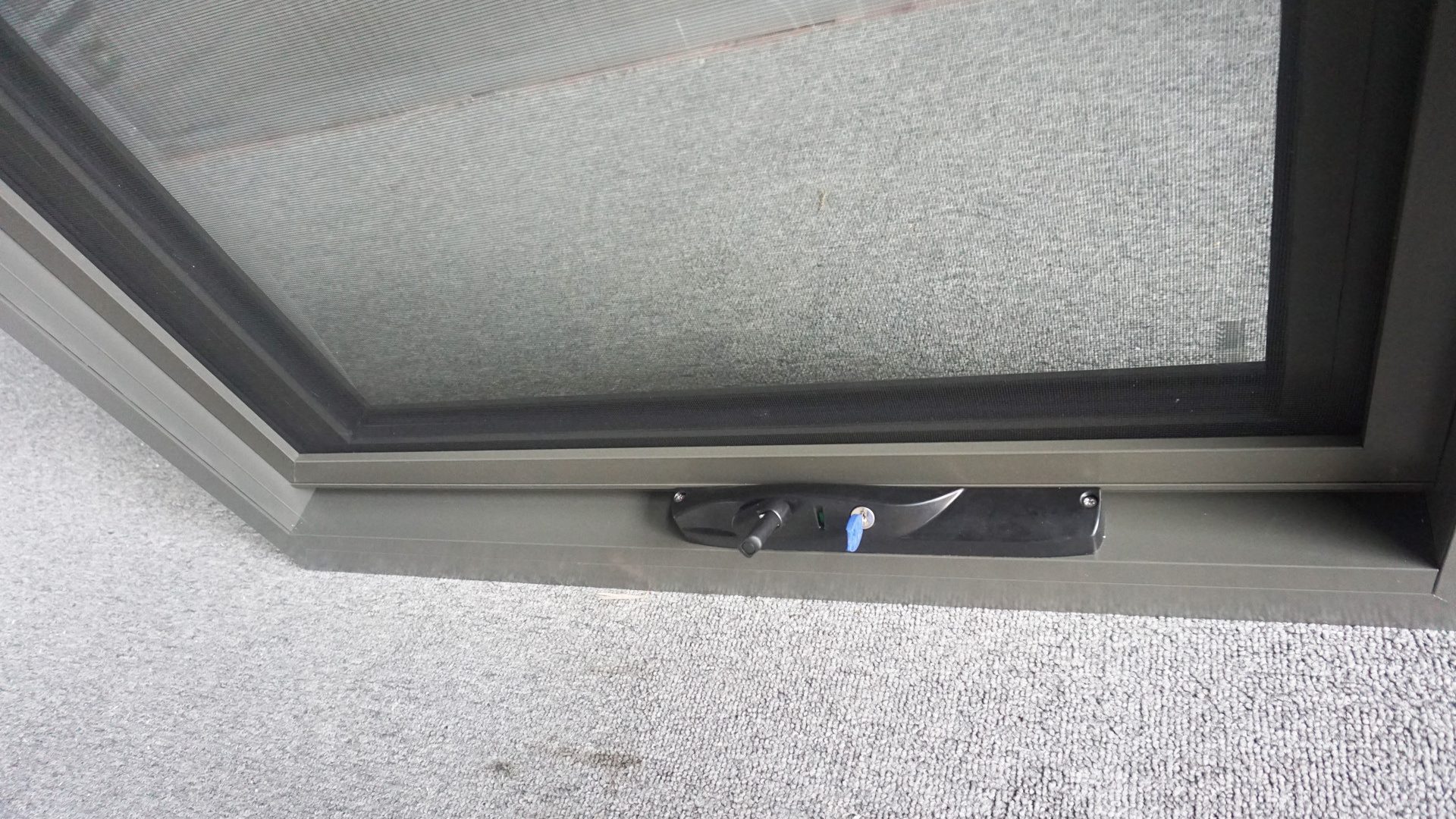
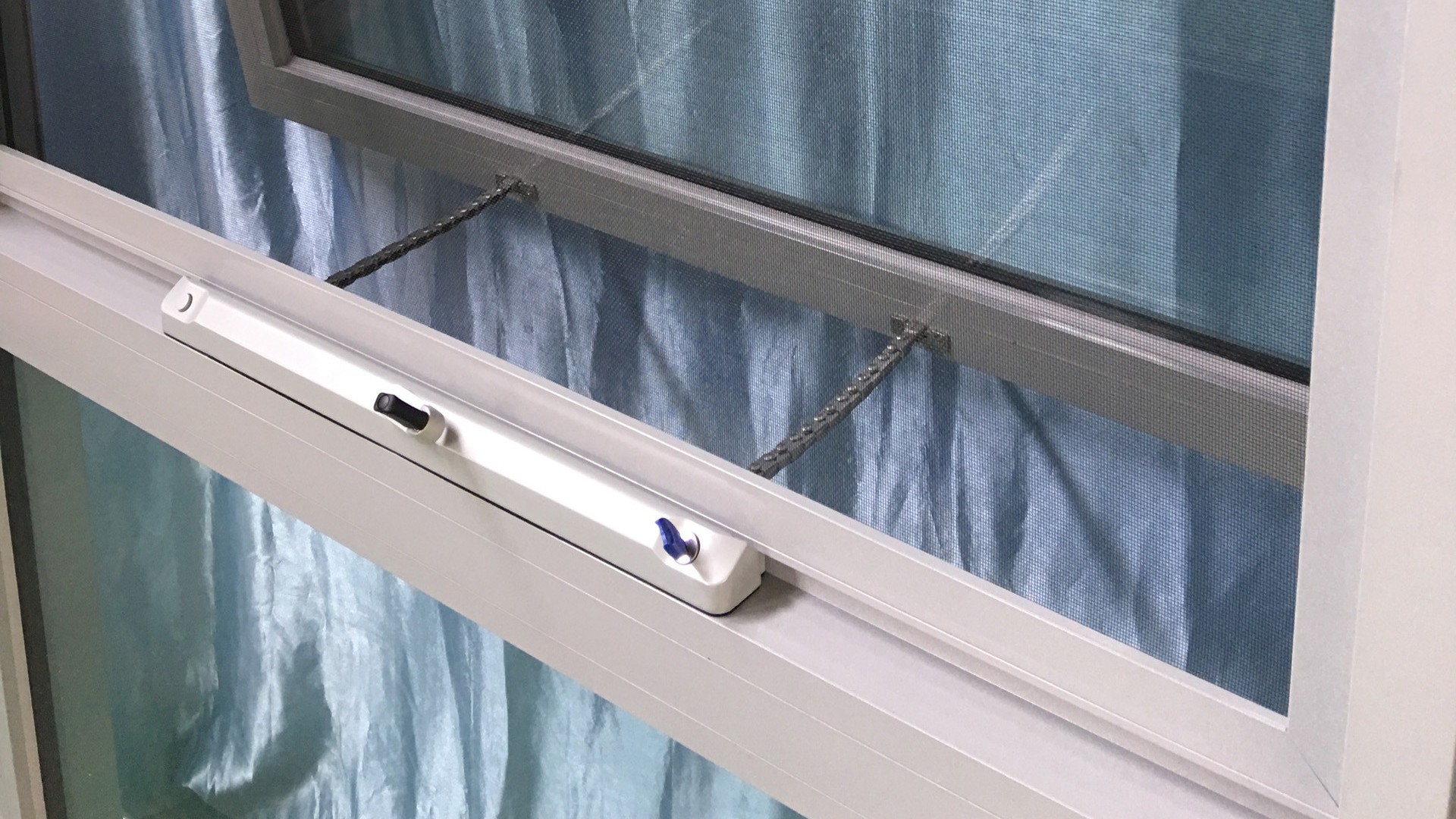
Screens and hardware are the second divergence. Flyscreen frames, security mesh, winders, friction stays and multi-point locks are all hardware, and hardware is part of the tested specimen. If a project substitutes a local lock or a different winder, the substitution needs a documented position. Local partners matter here: the Australian partner network page explains how installation support is handled on the ground. The practical test is spare-part availability: ask for the hardware brand and model, and check that a replacement can be ordered two years after handover. The security specification guide covers the lock and screen decisions in more detail.
Inspection, labelling and the certificate file on site
Every unit should carry a label that matches an opening reference on the schedule. Without it, the site identifies frames by opening the pack, which is how the wrong unit ends up in the wrong room and how a claim becomes an argument. Labelling is cheap in the factory and expensive to reconstruct on site.
The certificate file should travel with the shipment in digital form: the report for the ordered suite and size, the glass specification, insulating glass certificates where used, any bushfire evidence, the packing list and the loading report. A site manager who has that file can answer an inspector's question without calling the supplier. The Australian buying checklist is a reasonable template for assembling it.
Defects, replacements and the first service visit
Most defects surface in the first weeks: a sash that binds after the frame settles, a screen on the wrong hand, a scratched powder coat that was touched up rather than repaired. A supplier with batch records can trace each item to a drawing and a production run, which is what makes a replacement possible without rebuilding the whole order.
Agree the remedy path before the order: who inspects, within what period, and whether a replacement part ships with the next container or by air. For buyers comparing imported aluminium window supply options, that clause is worth more than a small discount on the unit price, because it is the only part of the contract that gets used.
Table 4 — Splitting responsibility on an imported window package
| Task | Typical owner | What goes wrong if it is unassigned |
|---|---|---|
| Opening survey and sizes | Builder, checked by supplier | Frames built to a nominal size that does not match the wall |
| Reveal and sill preparation | Builder | Window sits out of plane; drainage path blocked |
| Flashing and weather seal | Builder, to supplier detail | Water enters behind the frame, not through it |
| Anchors and fixing pattern | Engineer or supplier detail | Anchors miss the tested pattern; capacity unproven |
| Glazing specification | Supplier, to AS 1288 | Glass does not match the tested assembly or the safety rule |
| Hardware and screens | Supplier | Substitution voids the specimen; spares unavailable |
| Certificate file | Supplier | Handover stalls at the certifier's desk |
| Adjustment after settlement | Installer | Sashes bind and the supplier is blamed for a site issue |
The table is not a contract, but it is the agenda for the meeting that produces one. Projects that hold that meeting before drawing approval rarely hold a second one on site.
About ROPO Windows
ROPO is a window and door manufacturer in Fuzhou, Fujian, China. The plant runs aluminium and uPVC lines under one roof and has exported for 16 years to more than 100 countries, with Australia and New Zealand among its established markets. Published positions include AS2047 for Australia, NZS 4211 for New Zealand and Miami-Dade for hurricane-rated work, with a 10-year warranty as standard.
For an Australian buyer comparing imported aluminium windows australia suppliers, and reading the Australia market page alongside them, the relevant question is not whether a Chinese factory can build a good window. It is whether this factory can document the specific window, for the specific project, in a form an Australian certifier accepts. That is why the factory publishes its certification position, its inspection process and its shipping method rather than relying on a showroom impression. The factory profile covers the plant, and the Australian project showcase shows completed work.
What the Fuzhou factory actually builds
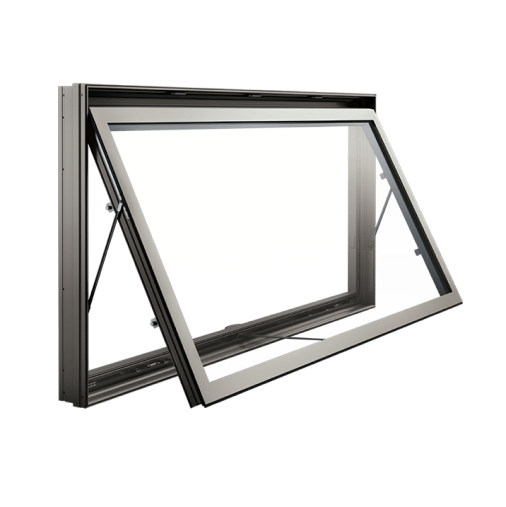
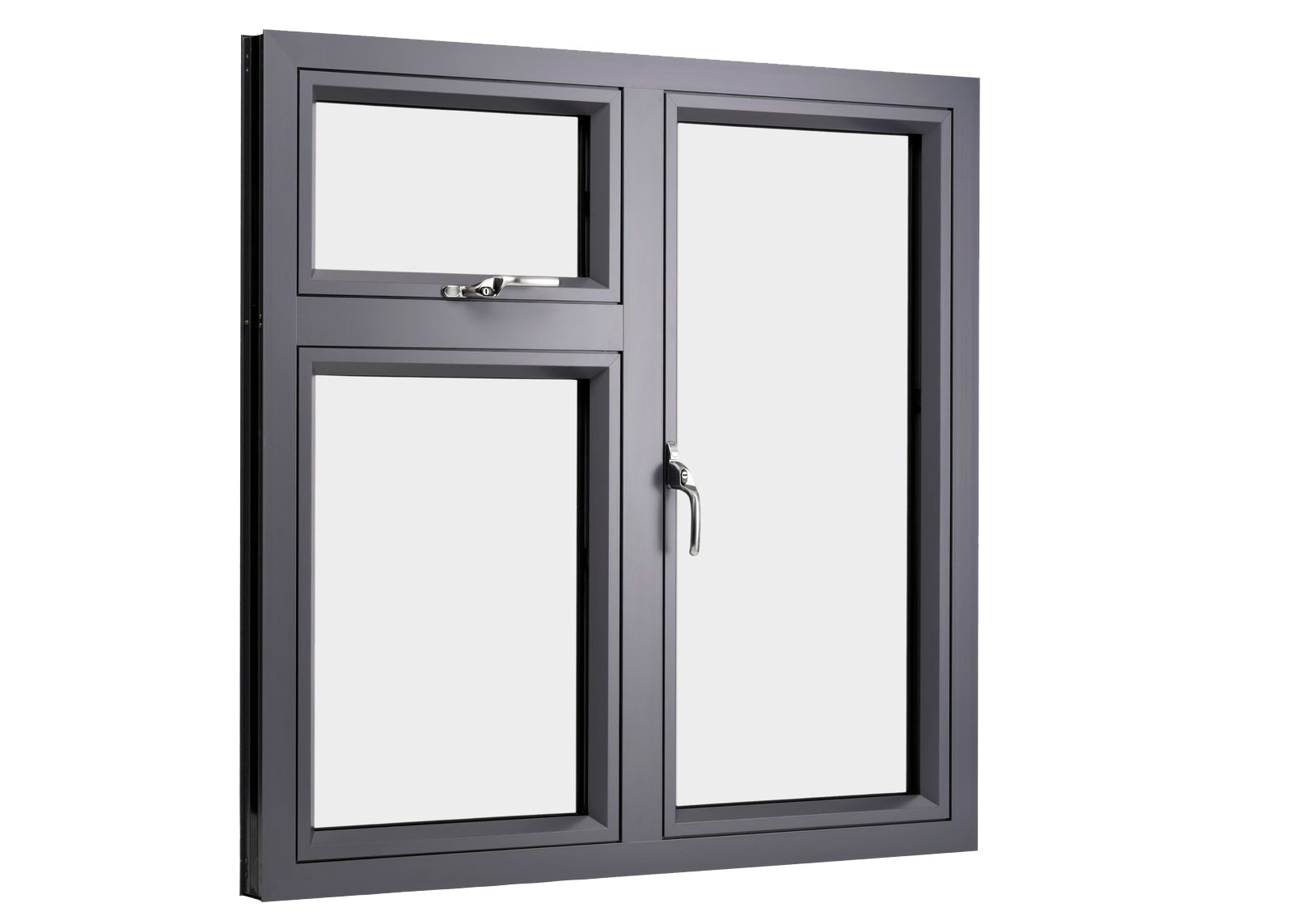
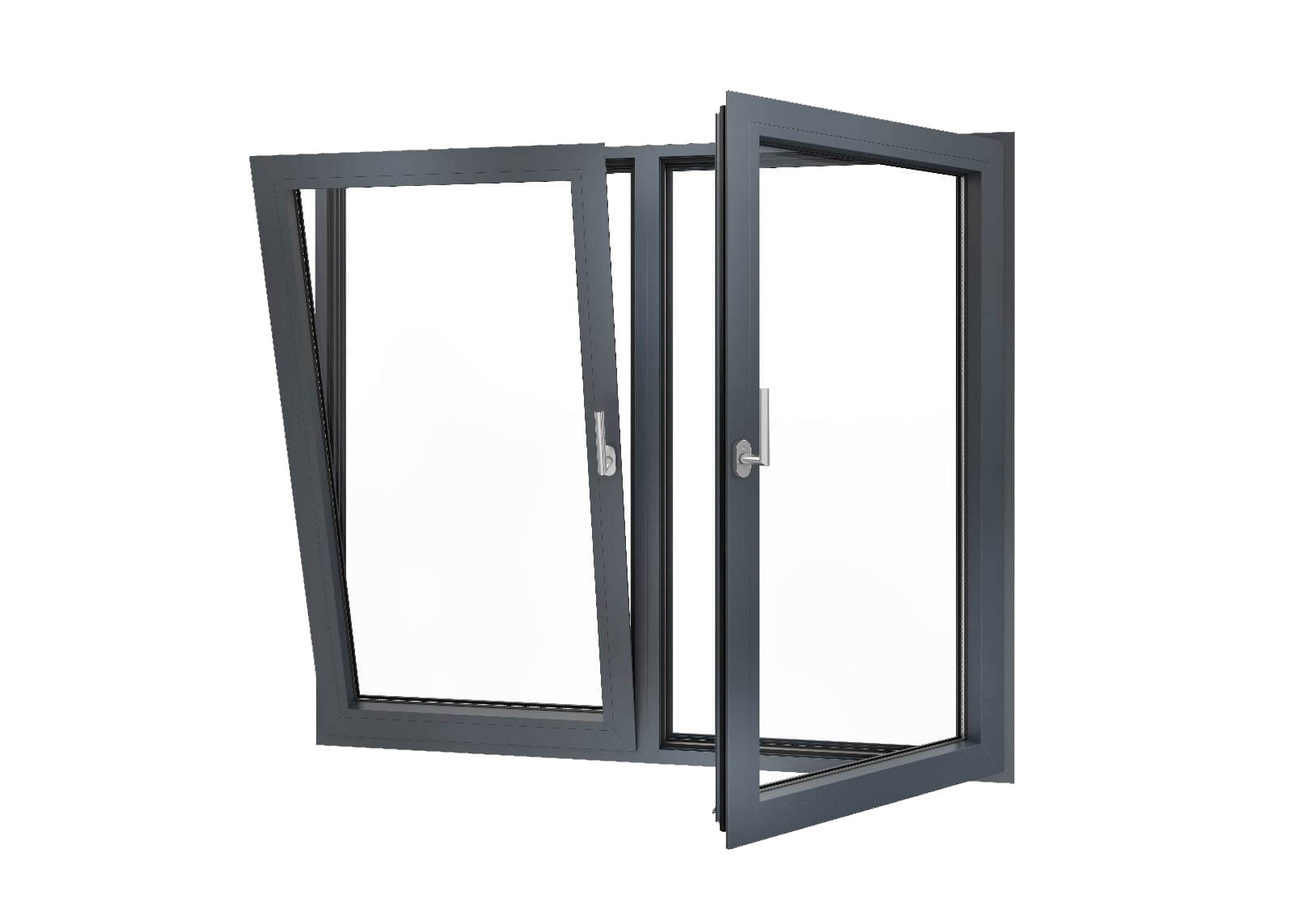
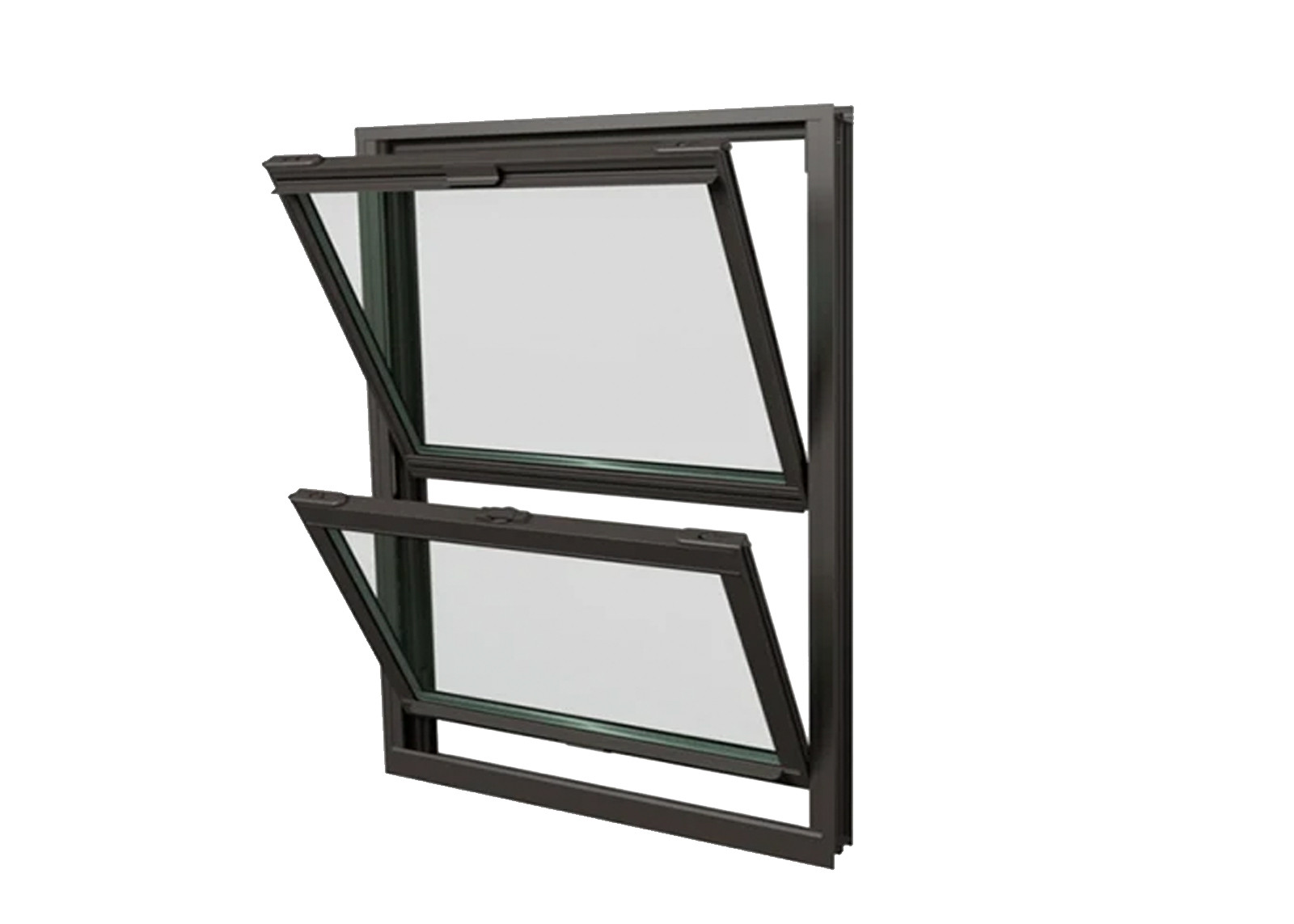
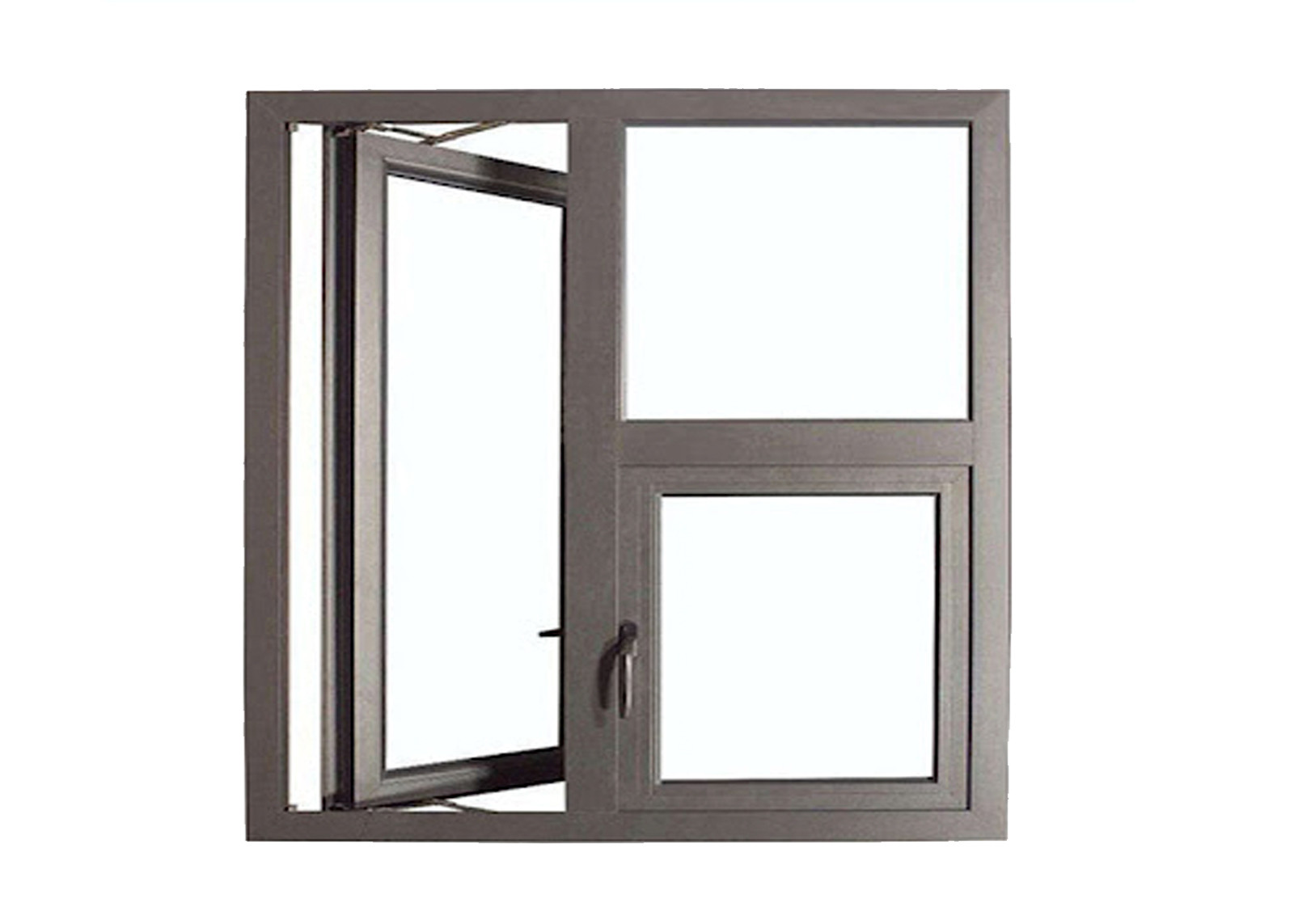
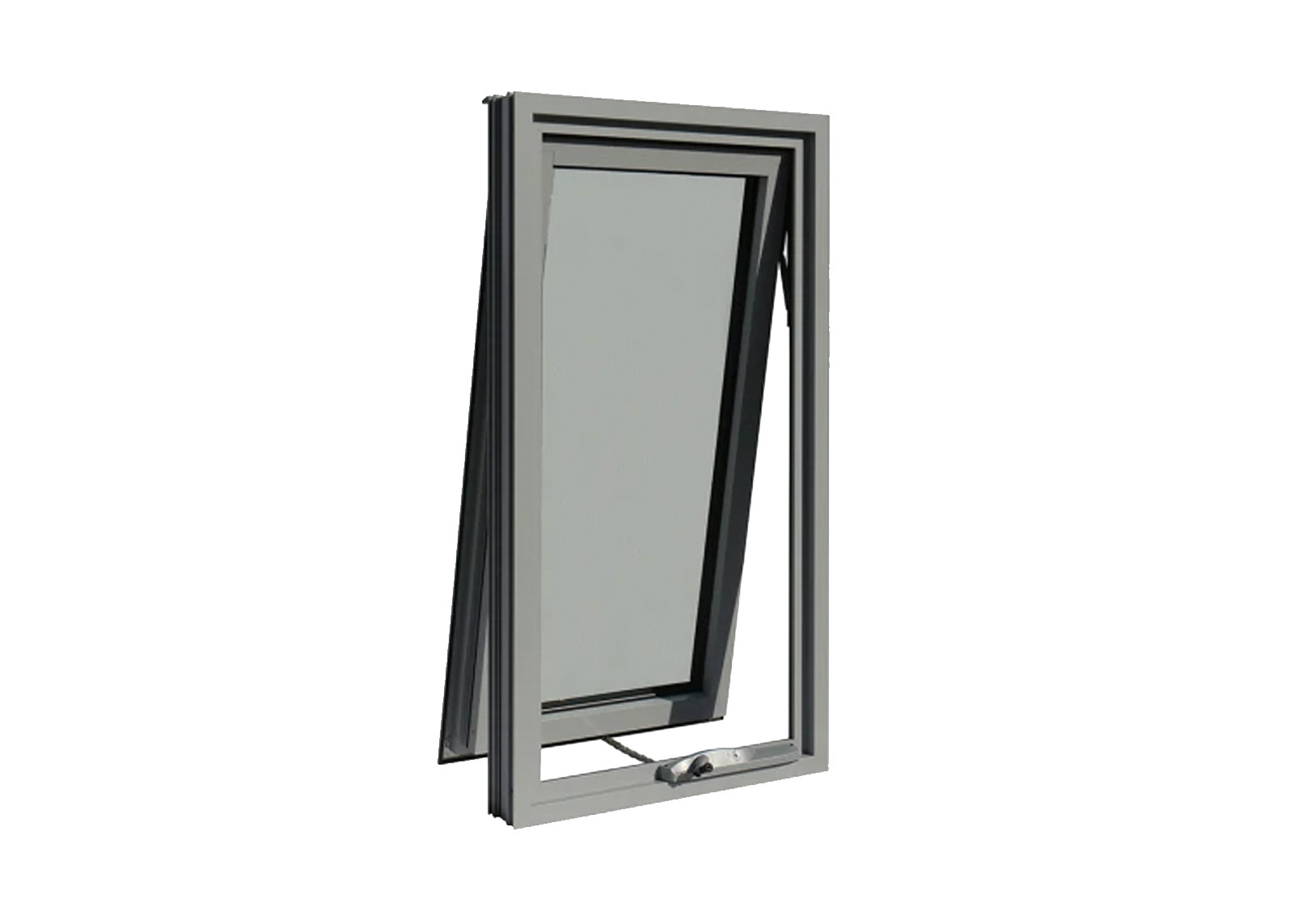
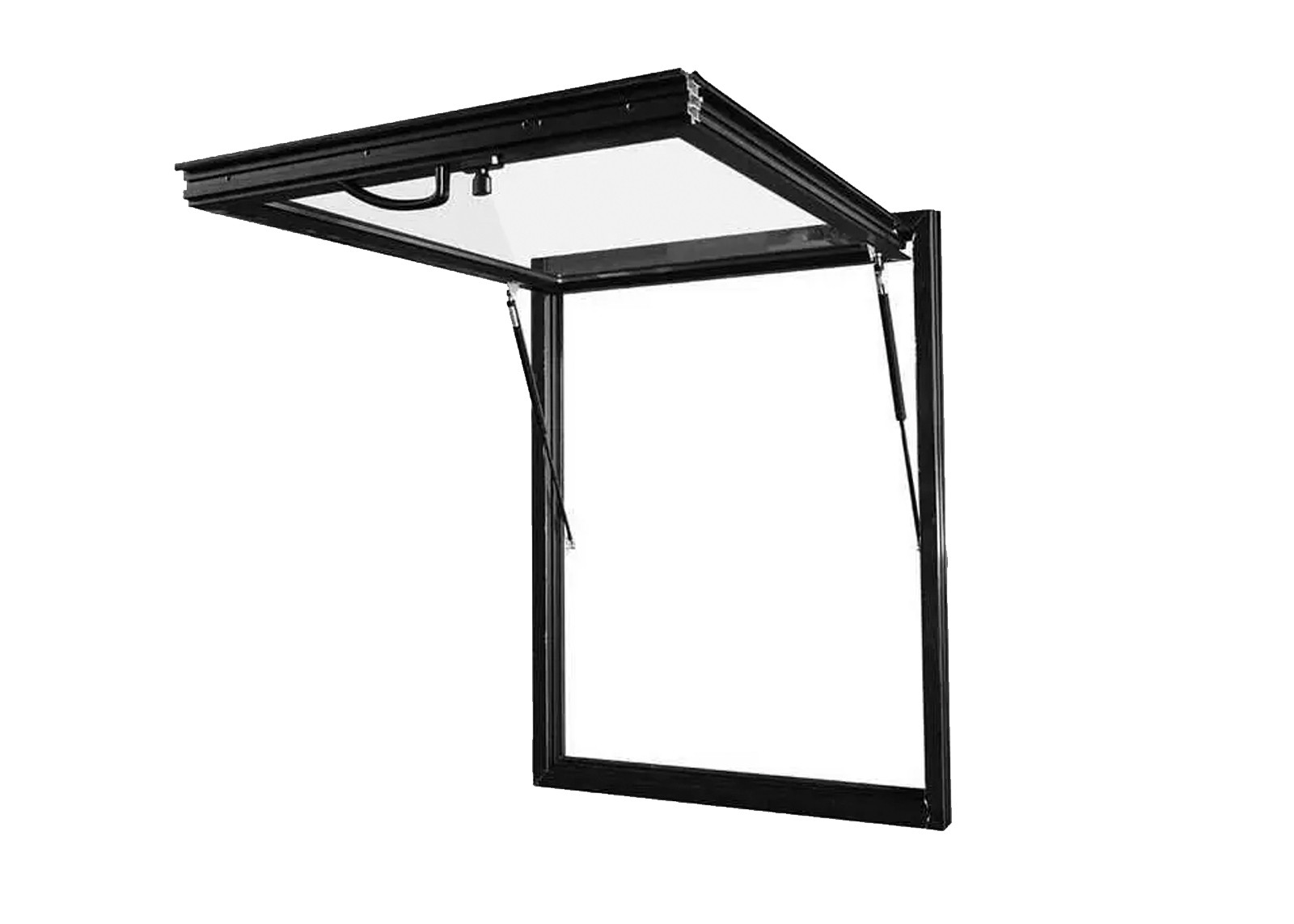
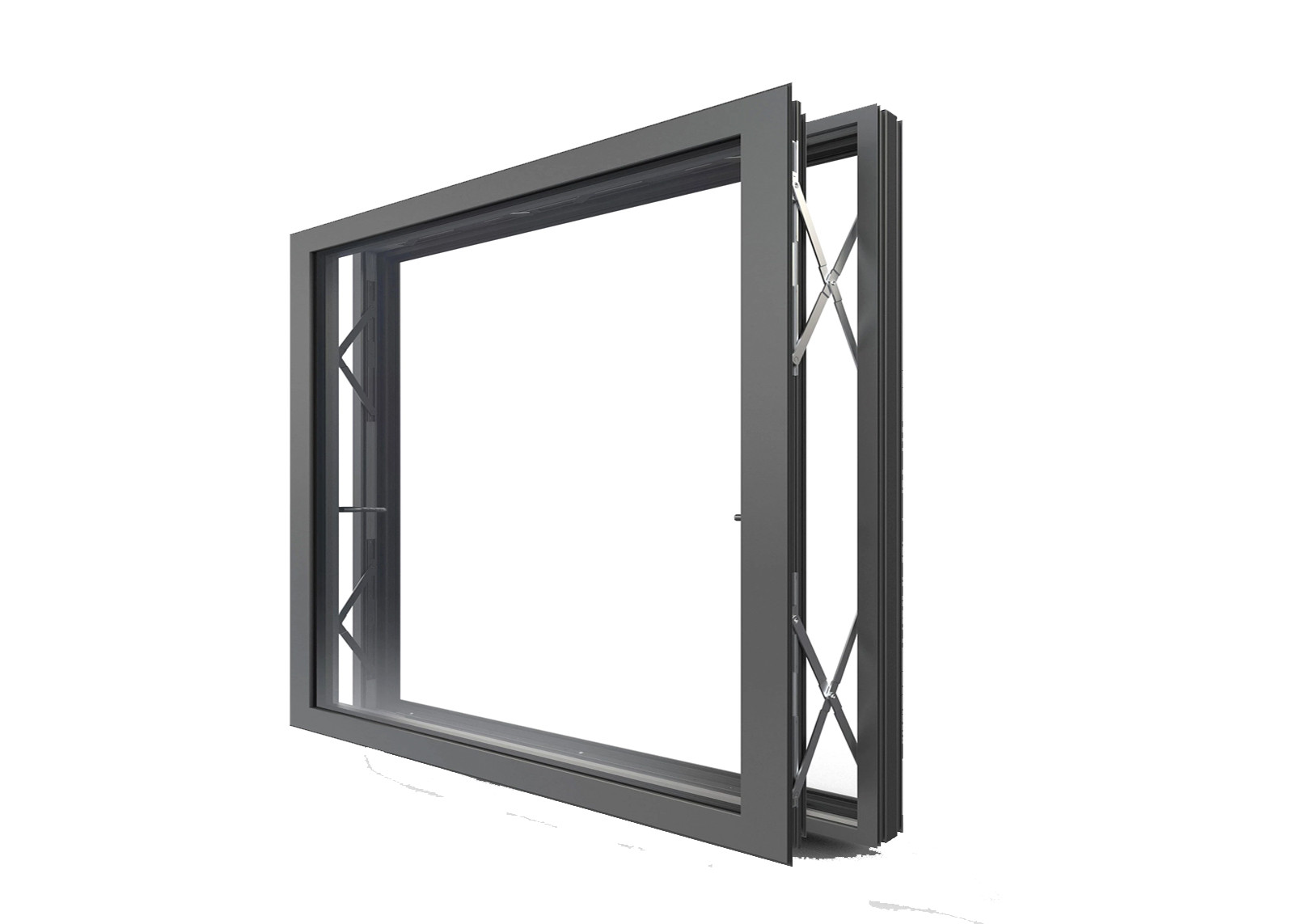
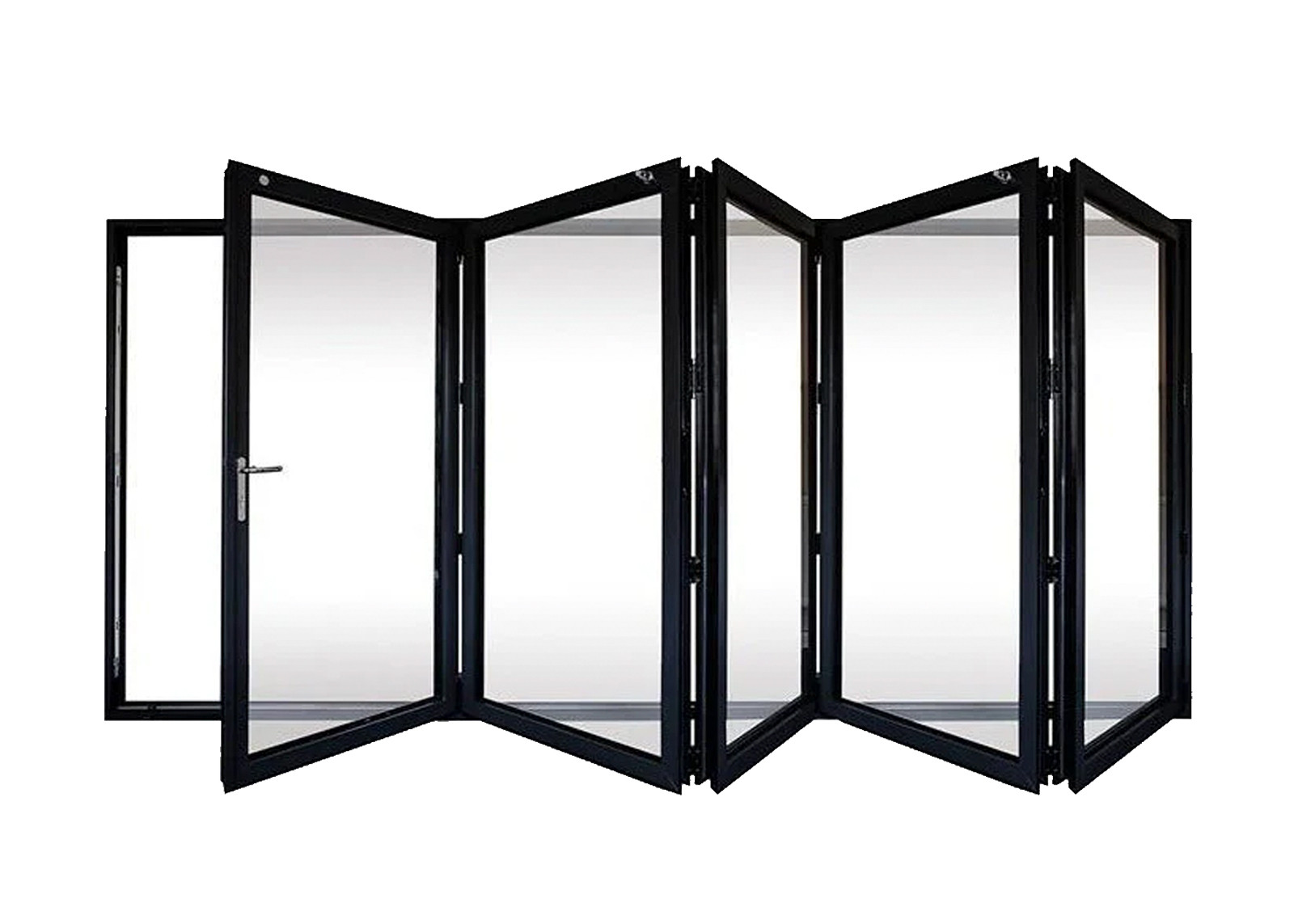
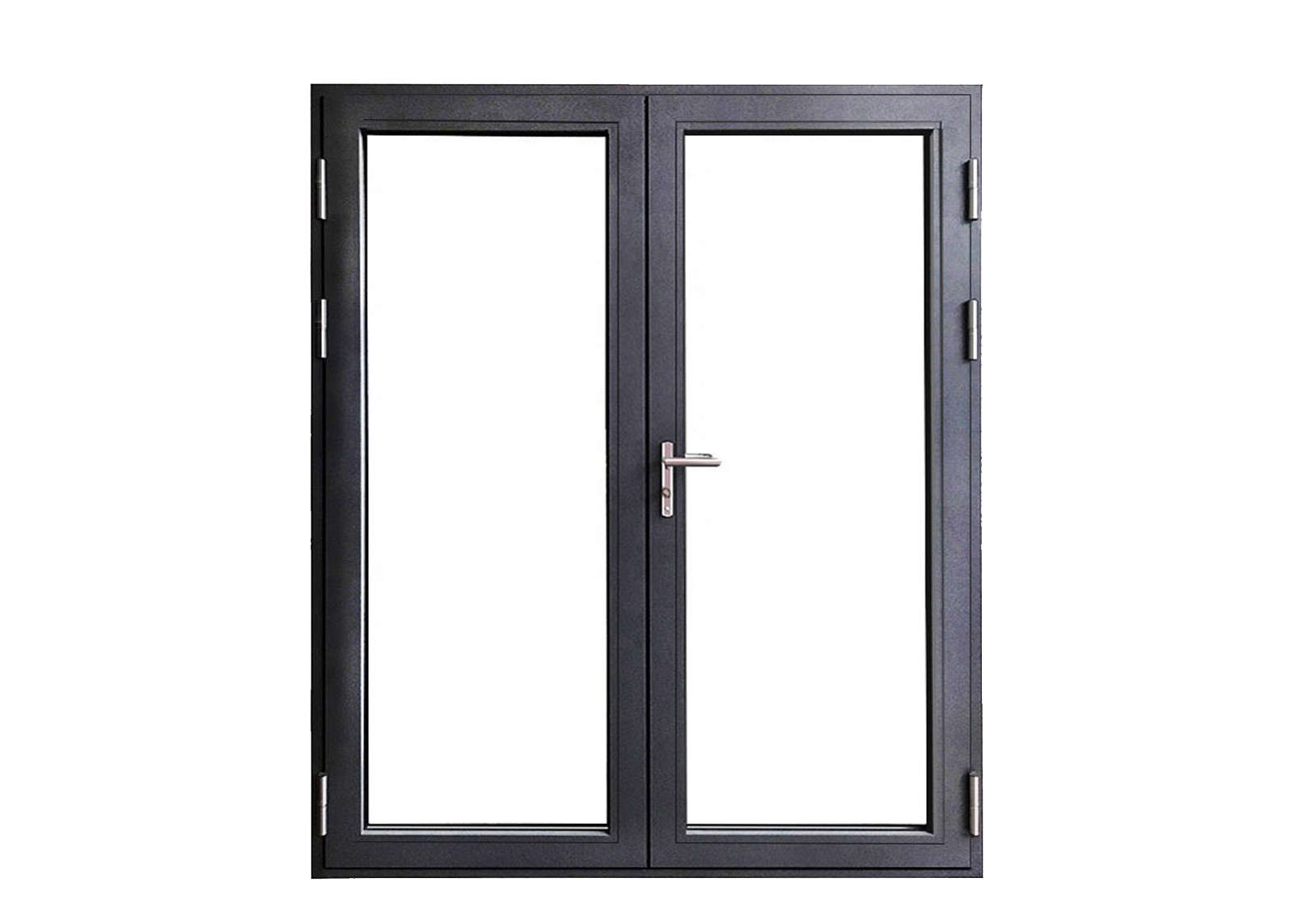
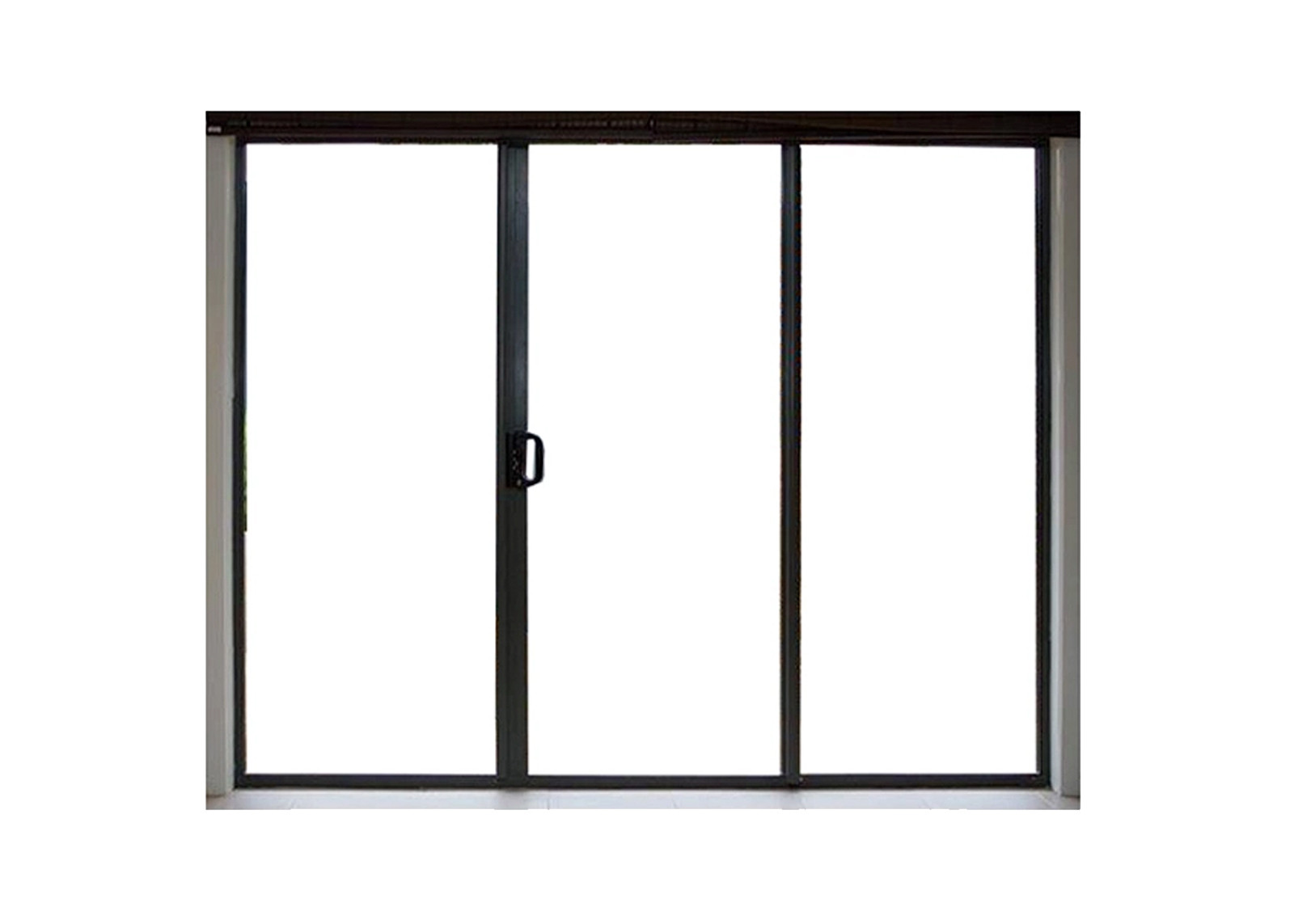
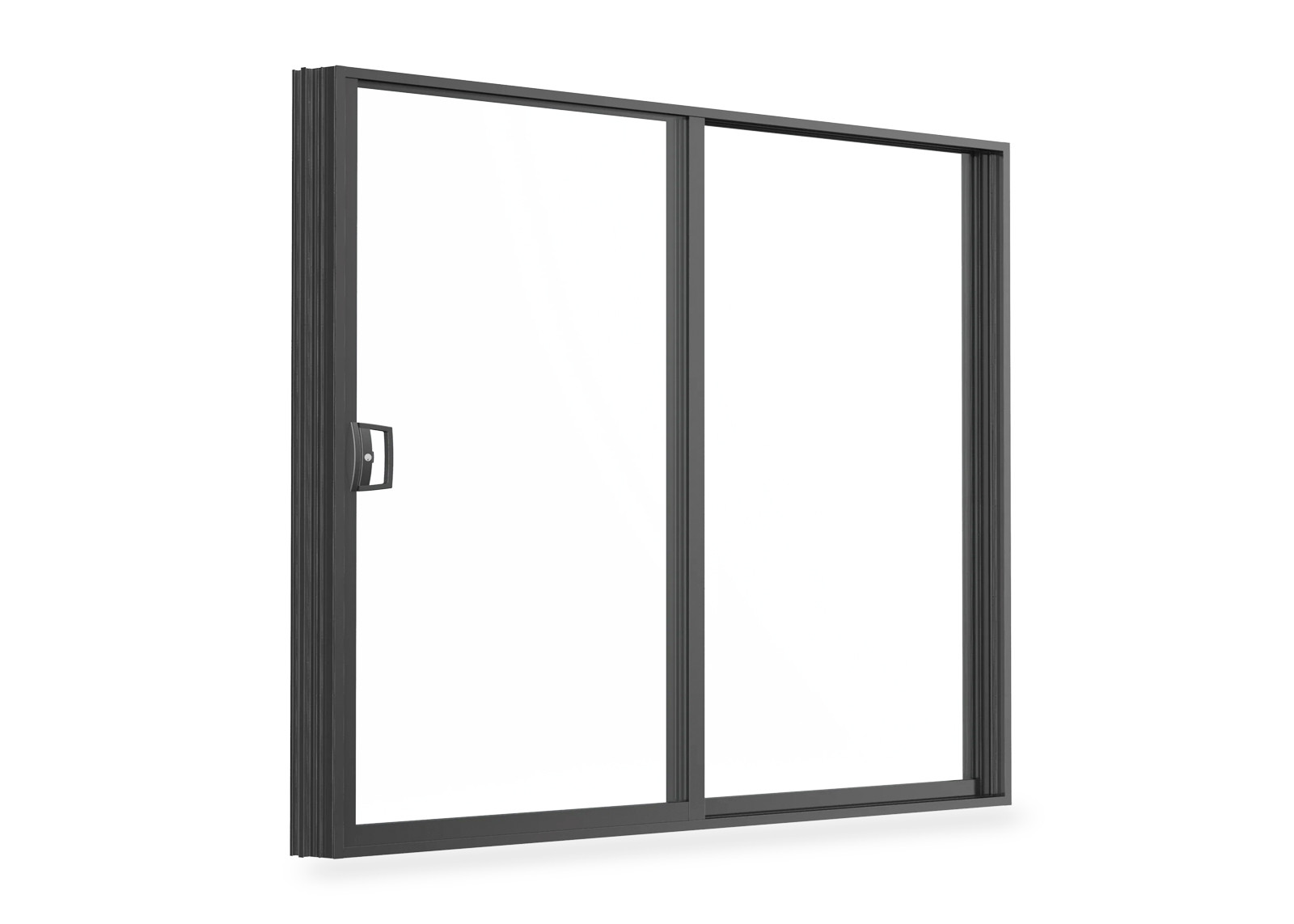
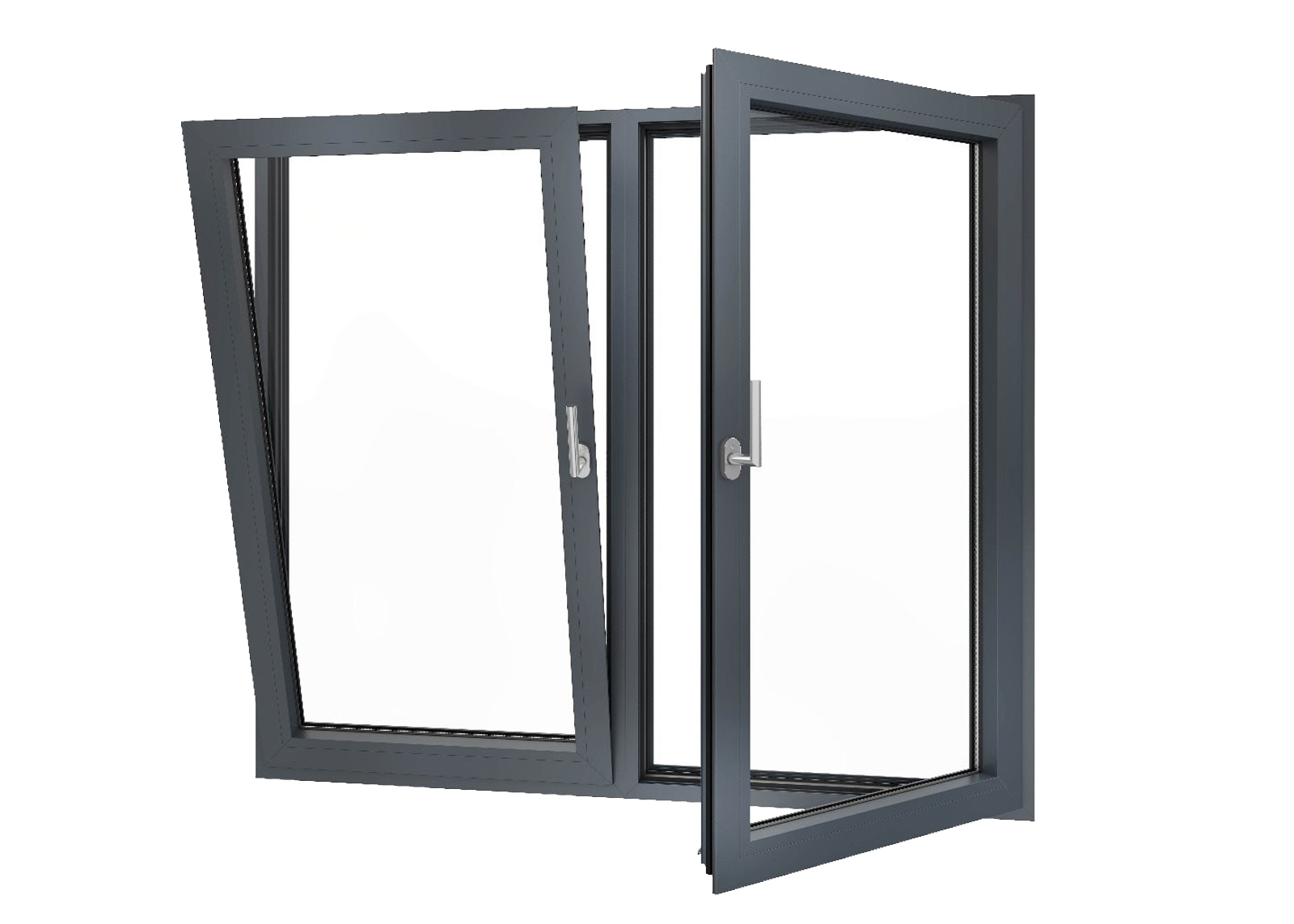
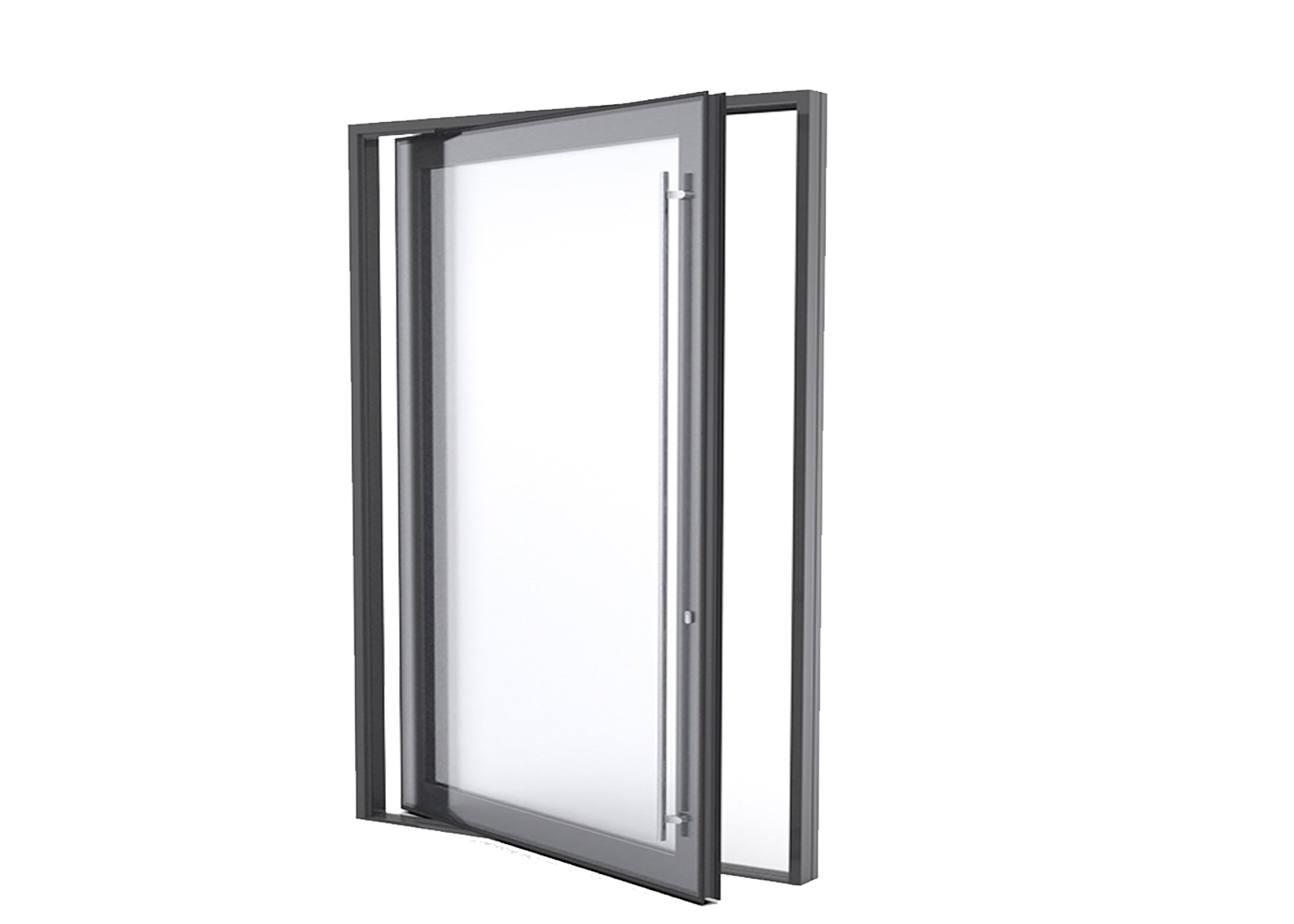
The range covers awning, casement, sliding, tilt-and-turn, fixed, double-hung, louvre, bay and bow, folding and specialist windows, plus sliding, folding, hinged, pivot and lift-slide doors. Profiles are specified in 6063-T5 aluminium with a 1.60 mm wall where the system requires it, glazing is typically 6 mm tempered or a laminated or insulating build, sealing is EPDM, and finishes are powder coated. Insect and security mesh options are available on the opening types that accept them.
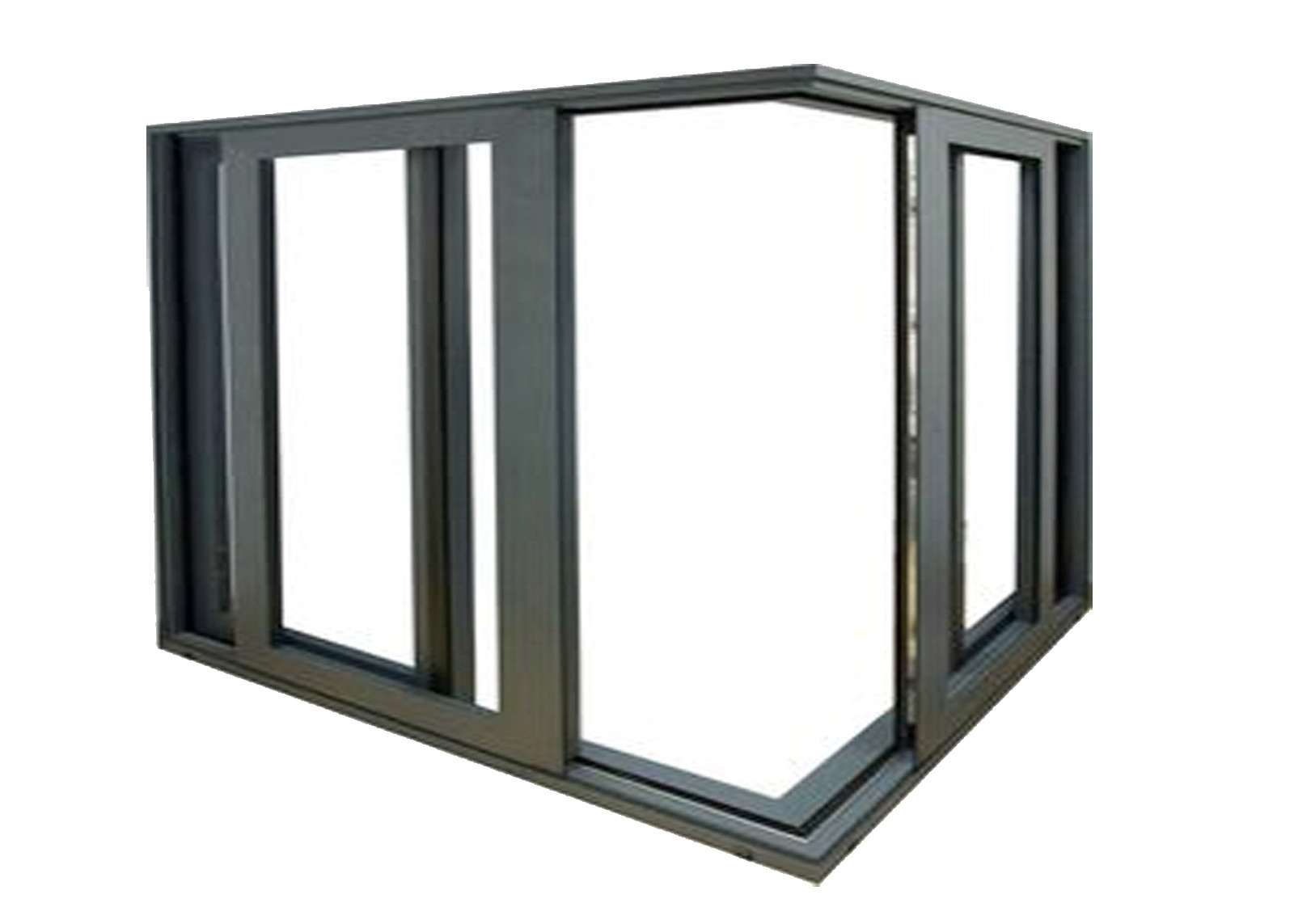
Those specifications are starting points, not a catalogue limit. The factory builds to a schedule, so sizes, colours, glass make-up, hardware and screens are set per opening rather than chosen from a fixed list. That flexibility matters where local standard ranges run out: a full-height fixed panel, a corner opening, a mix of awning and fixed in one frame, or a size outside a local tested envelope that needs its own documentation.
Certification position and warranty
Compliance evidence is issued per product family and per project configuration. The AS 2047-2014 certificate page and the certificate library publish the documents the factory holds, including AS1288 and Miami-Dade entries. The warranty list sets out what the 10-year term covers and excludes.
A certificate library is a starting point for verification, not a substitute for it. The buyer should still ask for the report that matches the order, because the report is scoped to a specimen and the order is scoped to a schedule. The quality and certification page explains how the two are matched during order review.
How a first Australian order runs
The minimum order is one unit, which is unusual for a factory and useful for testing production quality before committing a house. A sample order can be built, shipped and inspected before the main order is released, and the dealer programme covers buyers expecting repeat volume.
For a first order the practical sequence is drawings, an approved first article, a pre-shipment inspection and a loading report with photographs, with payment terms held through Trade Assurance. Prices are quoted against that approved drawing set rather than against a brochure, which is why the price explanation page starts with scope rather than with a number. Buyers who need a single source for custom aluminium windows supply can request the drawing pack with the quotation.
Custom Production Process
Every order starts with a schedule, not a product code. The buyer supplies opening sizes, elevations, glass requirements and project standards; the factory returns shop drawings fixing frame depth, opening direction, drainage, fixing points and the wall interface. Nothing is cut until those drawings are approved in writing, because a 5 mm error in one opening size becomes a 5 mm error in every frame in that group.
Drawings are checked against three things: the measured opening, the tested system envelope and the installation method. If a requested size exceeds the tested range, the factory says so before production and offers a tested alternative or a project-specific test path. That conversation is cheaper at drawing stage than at delivery, and it is why a factory order needs an approval step rather than a purchase order and a hope.
From schedule to approved shop drawings
Glass, hardware and finish are fixed at the same stage. The glass specification follows AS 1288 logic for Australian work, including the thickness and type required for the pane size and wind load, and insulating glass units carry their own AS 4666 documentation. Hardware is matched to sash weight and operating force, and the finish is confirmed against a sample or agreed reference.
On any import job, the drawing set is also the customs description. Opening references, quantities, dimensions and finishes on the drawing should match the packing list and the commercial invoice, because a consignment described differently across those three documents is a consignment that gets held. The AS2047 tested window systems list the suites that carry a report, and the aluminium windows range shows the opening types those suites cover.
Fabrication, glazing and the five inspection gates
Production runs through five gates. Incoming aluminium is checked for alloy, temper and wall thickness. Cutting and machining are checked for dimension and square. Frame assembly is checked for joint strength, drainage paths and hardware preparation. Glazing is checked for glass specification, spacer, sealant and setting blocks. Pre-shipment inspection checks operation, alignment, finish, labelling and packing against the approved list.
Each gate produces a record, which is what allows a problem to be traced to a batch rather than to a container, and what a third-party inspector reviews when a project requires one. The quality and testing page describes the checks, and the compliance process guide explains how the records map to certification. For buyers comparing this with factory-direct window supply elsewhere, the difference is not the machine shop but whether the records exist for the batch you are buying.
Documents that survive an inspection
Table 5 — Documents and the inspection they satisfy
| Document | Who asks for it | If it is missing |
|---|---|---|
| AS 2047 report for the suite and size | Building certifier, surveyor | Approval withheld; retrofit testing at your cost |
| AS 1288 glass specification | Certifier, glazier | Glass thickness or type unproven for the pane |
| AS 4666 IGU certificate | Certifier, warranty provider | Sealed unit performance unproven |
| BAL test evidence (AS 3959) | Certifier, insurer | Bushfire-prone sites cannot be signed off |
| Unit label and opening reference | Site manager, installer | Wrong unit installed; identification by opening the pack |
| Batch and glass build record | Insurer, replacement order | Replacement glass cannot be matched |
| Packing list and loading report | Customs broker, site | Clearance delay; damage claims rejected |
| Phytosanitary treatment mark on timber | Biosecurity, broker | Consignment directed for treatment or export |
The point of the table is that traceability is not one certificate. It is a chain in which each link satisfies a different inspector, and a break at any link surfaces at the worst possible moment — usually after the frames are on site and the crane is booked.
Packaging and Shipping
A window that leaves the factory in specification can still arrive out of specification. Packaging is therefore treated as part of production, not as a logistics afterthought. The standard build is a three-layer system: protective film on frame and glass, foam or corrugated corner protection on every edge, and a timber crate or strapped bundle with a timber base for multiple units.
The ocean leg is where a light, bulky product meets its main risk. Containers flex, cargo shifts, and humidity cycles between load port and discharge port. A crate designed for a domestic truck will not survive that, which is why the packing specification and the loading plan belong in the quotation rather than in a conversation after the order is placed.
Three-layer protection, crates and container plans
Frames are filmed before assembly is complete so powder-coated surfaces are not handled bare. Corners receive moulded protection because a corner is the first thing to hit a container wall and the hardest thing to repair on site. Glass is protected with a film rated for the voyage, and units are separated so frames cannot rub under vibration. Crates use timber that meets Australian quarantine requirements, with the treatment mark visible on the crate.
Each crate or bundle carries a printed packing list with opening references, quantity, destination and handling symbols. That list is duplicated in the shipping documents so a customs broker, a freight forwarder and a site manager read the same description. The packaging guide sets out the materials and crate build in detail, and it is the document to send a site manager before the first delivery of project aluminium window supply.
Table 6 — Packing specification for an ocean container
| Layer | Material | What it prevents |
|---|---|---|
| Surface | PE film on frame and glass | Handling marks and transit scuffing |
| Edge | Foam or corrugated corner protectors | Corner crush against container walls |
| Unit separation | Foam spacers between frames | Rubbing and powder coat transfer |
| Bundle | Timber base, strapping, vertical bracing | Racking and out-of-square frames |
| Crate | Treated timber, marked to quarantine requirement | Biosecurity hold at the Australian end |
| Identification | Printed packing list, opening references, handling symbols | Wrong unit installed; claims rejected |
| Loading | Heavy units low and against the wall, first-needed nearest the doors | Shift in transit and double handling on site |
Loading at Fuzhou and Xiamen, arrival and claims
Full-container loads are loaded in the sequence the site will unload, with first-needed units nearest the doors. LCL shipments are packed so each crate can be handled independently, because a consolidated container may be opened more than once. Heavy units go low and against the wall, lighter bundles are braced above, and nothing is left free to move. Ports of departure are Fuzhou and Xiamen, and a loading report with photographs is issued before the container is sealed.
On an imported aluminium windows australia delivery, inspect the crate before opening it: photograph the seal, the markings and any visible damage, and note exceptions on the delivery docket before signing. Damage found after signing is harder to claim. Once opened, check units against the packing list and store them upright on a flat surface, not stacked on their corners, until installation. Buyers assembling the documentation set for Australian-standard aluminium windows can request the pack with the quotation.
Opening types that travel well on an Australian import order
Awning and casement
- Chain winder or friction stay hardware
- Tested suites for coastal wind classes
- Screen and security mesh options
Sliding and stacker
- Wide openings with tested sill drainage
- Stainless or marine-grade hardware options
- Panel sizes inside the tested envelope
Lift-slide and pivot doors
- Large glass panels with slim sightlines
- Track and drainage detail agreed at drawing stage
- Hardware listed on the tested specimen
Card links point to published product pages. Sizes, glass make-up, hardware and finish are confirmed per opening against the approved shop drawing, and the report for the ordered size is issued with the quotation.
Can I import aluminium windows into Australia without an Australian certificate?
You can import the goods, but you cannot rely on them to satisfy a building approval without evidence the certifier accepts. AS 2047 is the usual route for windows and external glazed doors, supported by AS 1288 for glass and AS 4666 for insulating units. A supplier that offers only a CE mark, an ISO 9001 certificate or a manufacturer's own test sheet has not answered the Australian question. Ask for the report before the deposit, not before the shipment; the AS2047 aluminium window supply page lists the suites this factory holds reports for.
Is an imported window cheaper than an Australian-made one once everything is landed?
Sometimes, and not automatically. The comparison only works at the same scope: same glass build, same hardware, same screens, same installation responsibility and the same document set. Freight, terminal charges, duty, GST treatment, site adaptation and storage all move the number, and small orders carry a disproportionate share of fixed costs. Model the ten cost blocks in this article before assuming a unit price difference survives to the wall.
What is the difference between a supplier and a trading company for an import order?
A factory controls fabrication, the batch record and the replacement. A trading company controls the relationship and often the export paperwork, but not the production line. That is not automatically worse: some traders are competent and hold stock. It matters because the AS 2047 report, the inspection records and the spare-part commitment all sit with whoever builds the window. Ask which entity will appear on the packing list and in the report.
Who is responsible for the flashing and the sill on an imported window?
Usually the builder, working to a detail supplied by the window manufacturer. The window is tested as an assembly, not as a wall interface, so water that enters behind the frame is a site issue rather than a product defect. The workable arrangement is a written interface drawing that shows the flashing, the sill, the sealant and the fixing before fabrication. This factory issues that drawing with the shop drawing set so the builder can price it.
How do I check that the glass in the container matches the tested build?
Compare the glass specification on the packing list, the shop drawing and the certificate for the ordered suite. The make-up should match on type, thickness and, where used, the insulating unit construction. Look for the AS 1288 safety glazing decision for each pane and the AS 4666 certificate for any sealed unit. Photographs of the glass build record before packing are a reasonable additional check on a first order.
What happens if one unit arrives damaged?
Photograph the crate, the seal and the damage before opening, and note the exception on the delivery docket. Then compare the unit against the packing list and the loading report, which is why both documents should travel with the shipment. A supplier with batch records can identify whether the damage happened in packing, loading or transit, and can ship a replacement with the next container. Without those records the claim becomes a negotiation about timing. A supplier that ships regularly to Australia, such as an aluminium window supplier for Australian projects, will already have that paperwork pattern in place.
Do I need a customs broker for a window import?
For anything beyond a single sample it is the practical choice. The broker classifies the goods, lodges the entry, manages duty and GST treatment and handles biosecurity questions about timber packing. The supplier's job is to describe the goods consistently across invoice, packing list and bill of lading, and to make sure the timber carries the required treatment mark. Inconsistent descriptions are the most common reason a consignment is held.
How early should an import order be placed relative to the build programme?
Early enough that drawing approval, production, inspection, ocean freight, clearance and delivery all sit before the first fix, with float for a re-inspection. Rather than a single promised lead time, ask for the schedule stage by stage and hold each stage to a document: approved drawing, inspection record, booking confirmation, arrival notice. A supplier who can produce that schedule is telling you how the order will actually run.
References and standards cited
- AS 2047-2014, Windows and external glazed doors in buildings.
- AS 4420.1–4420.4, test methods for water penetration, structural performance, air infiltration and operating force.
- AS 4055, Wind loads for housing (site classes N1–N6, C1–C4; edition as cited by the certifier).
- AS 1288, Glass in buildings — Selection and installation.
- AS 4666, Insulating glass units.
- AS 3959, Construction of buildings in bushfire-prone areas (BAL-12.5 to BAL-FZ).
- NCC 2022, National Construction Code, glazing and energy efficiency provisions.
- ISPM 15, international standard for phytosanitary measures on wood packaging material.
- Australian Border Force and Department of Agriculture, Fisheries and Forestry guidance on import declarations and biosecurity for timber packaging.
- AS/NZS 4211 (NZS 4211), Specification for performance of windows, for New Zealand projects.
- Miami-Dade County Notice of Acceptance (NOA), product approval scope, revision and expiry, for hurricane-rated work.
- Supplier statements quoted in this article were read on each company's own English website in November 2026; wording is attributed to the company that publishes it.
Standards are cited by number, and where the edition matters to a project the edition named by the certifier governs. Nothing in this article replaces a project-specific specification, a customs determination or a certifier's decision.
