



Top 5 Roller Shutter Window Manufacturers for Security and Storm Protection
Which Roller Shutter Window Manufacturers Should You Shortlist for Security and Storm Protection?
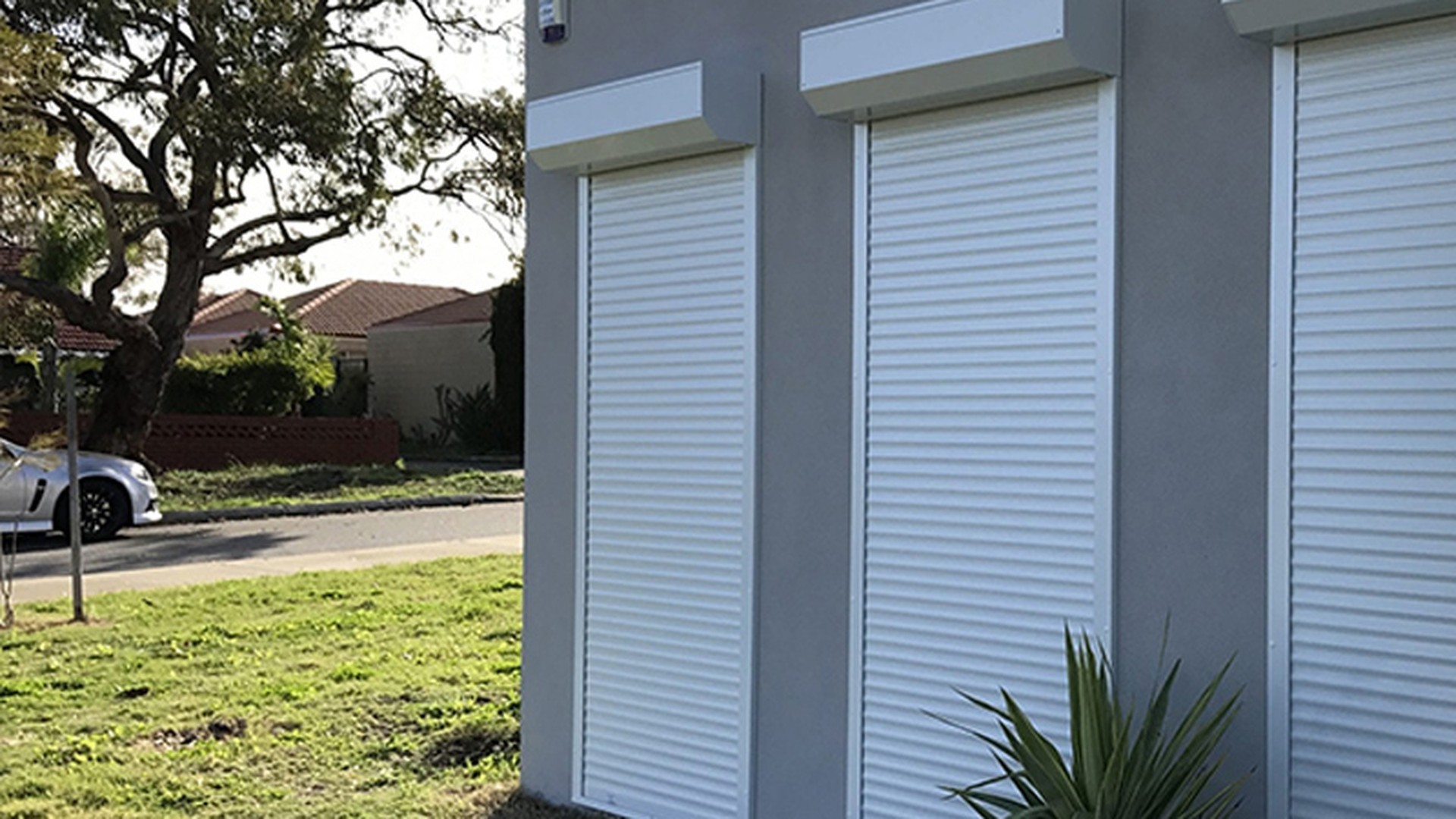
The roller shutter window manufacturers we shortlist for security and storm work are ROPO Windows, heroal, WAREMA Renkhoff, Griesser and Alulux. All five build the curtain, the guides and the head box as one engineered system, which is the only basis on which a shutter can be sold as a security or storm product rather than as a shade.
A roller shutter window is a system, not a blind
A roller shutter window is an assembly of four parts that only works when all four are designed for each other: the curtain of interlocking slats, the two side guides it runs in, the head box that holds the rolled curtain and the mechanism, and the operator — a strap, a crank, a rod or a motor. Every one of those parts carries load. The slats carry impact and lever force, the guides carry the curtain and resist it being pulled out, the head box carries the whole rolled weight plus whatever is pushing on it, and the operator carries the daily cycle count. When one of them is bought separately and adapted, the assembly has a joint, and a joint is where a shutter fails. This is why the useful question is never \"which slat\" but \"whose system\" — and why a shutter quoted as a cheap add-on to a window order usually turns out to be a curtain and two guides rather than a system.
That distinction also decides who is accountable. On a factory-direct order the party that extrudes or rolls the slat, punches the guides, assembles the box and tests the finished unit can answer for the whole opening. On a mixed order the window factory answers for the frame, the shutter fabricator answers for the shutter, and the installer answers for the interface between them — which is exactly where water gets in and where a claim gets lost. If you are buying for a project that has to be signed off, buy the opening from one party or write the interface down before the order is placed. The roller shutter range on this site is built on that principle: the roller shutter window manufacturers page groups the shutters with the sunshade and screening products they are usually specified alongside, so one colour schedule and one packing list cover the elevation.
Security, storm protection and shading are three separate claims
Most shutter literature mixes three promises, and a buyer who accepts the mix ends up with a product that does one of them well. Shading is the easiest claim: any curtain that blocks the opening will cut solar gain and glare, and a slat with a foam insert or a hollow chamber will also slow heat transfer through the opening. Security is a different claim, because it is about time and noise under a deliberate attack rather than about blocking sunlight: what matters is whether the curtain can be lifted out of the guides, whether the lock bar can be reached, whether the box can be peeled off the wall, and how long the whole assembly resists a lever and a cutting tool. Storm protection is a third claim again, and the most demanding, because it is a claim about a specific pressure and a specific missile at a specific test protocol — and it is only true of the assembly that was tested, with the fixing detail that was tested, at the size that was tested.
The practical consequence is that a shutter sold as a sunshade should not be assumed to be a security shutter, and a shutter sold as a security shutter should not be assumed to be storm-rated. A supplier who understands the difference will separate the three in the quotation and tell you which test evidence exists for which claim. A supplier who does not will send one PDF with the words \"anti-typhoon\" and \"anti-theft\" on the same page and no test report behind either. Ask for the report, not the adjective — and if the answer is \"our customers use it for that\", you have been told that no test exists.
What this guide covers, and what belongs on other pages
This guide stays on the sourcing question: which roller shutter window manufacturers to shortlist, and how to verify one before you place an order. The shutter families that sit beside it on the same elevation are covered separately — the louvre and screening side in our guide to aluminium louvre manufacturers for facades, the screen side on the windproof sunshade screens page, and the louvre-as-window format on the aluminium louver windows page. The opening behind the shutter has its own guides: glazing build-up and coatings on the glass options page, locking and cylinder choice on the hardware page, and the whole question of how locks, glass and screens are specified in window and door security. Storm-rated glazing and approvals are a separate discipline again: start from Miami-Dade approved impact windows, the hurricane impact window comparison and the Caribbean and coastal US sourcing guide, with the standards themselves compared in AS2047 against NZS4211. What this page does not do is restate any of them.
The Five Roller Shutter Window Manufacturers, Ranked for Security and Storm Work
The five names below are the ones a contractor, architect or importer actually meets once a shutter is being bought as a security or storm element rather than as a decorative extra. Four are European system houses whose published ranges are organised around roller shutters, external venetian blinds and sun shading, and one is a factory-direct manufacturer that takes a shutter from a drawing through slat preparation, assembly, inspection and packing under one roof. Together they are the roller shutter window manufacturers and roller shutters suppliers you will shortlist, in the order we would shortlist them for a factory-direct security and storm package.
Two things about this list before you read it. First, the order is our judgement of fit for one specific job — shutters procured for a build, a refurbishment or an import programme where security, storm exposure or both are the reason for buying — and it is not a ranking of size, quality or market position; a company lower down the list may be a far larger business than one above it. Second, we publish no capacity, revenue, staff or export figures for any company named here, including ourselves, because figures of that kind cannot be checked from outside the company. What follows is public, verifiable description, plus the one or two things worth verifying with each.
1. ROPO Windows (China) — the factory-direct shutter and window manufacturer
ROPO is an in-house door and window factory in Fuzhou, Fujian Province, China, and the only name on this list that builds the window, the shutter and the sunshade products around it under one roof and ships them under its own name. That shape matters more on a shutter than on a window, because the shutter has to fit a frame that is being made in the same plant: the guide positions are set from the frame drawing rather than measured on site, the head box is packed with the frame it belongs to, and the colour of the slat and the colour of the frame come off one schedule. It is the position that matches a factory-direct package most directly, and the one where the answer to \"who is responsible for the opening\" does not depend on a chain of sub-suppliers.
The shutter side of the factory sits inside the sunshade and screening range, alongside aluminium louvers, glass louvers, PVC louvers and windproof sunshade screens, with the shutter itself built as an energy saving aluminium roller shutter window and the whole family collected on the sunshade and screening range page. Because the same plant also builds the window behind the shutter, a project that needs the shutter, the frame and the screen in one finish can be produced against one colour schedule rather than three. What to verify with ROPO, or with any factory claiming this position: which operations are genuinely in-house and which are subcontracted, who signs the inspection report on your order, and which test evidence is attached to the shutter rather than to the window.
2. heroal (Germany) — the aluminium roller shutter system house
heroal is a German manufacturer of aluminium system solutions whose published range covers windows, doors, facades, roller shutters and sun shading, and which states that it develops and manufactures in Germany and uses aluminium alloys for its roller shutter systems. It is the clearest example of the system-house model applied to shutters: the slat, the guide rail, the head box, the end cap and the drive are published as a family with the details that a fabricator or a specifier needs, so the assembly is engineered once by the manufacturer and then fabricated to the opening rather than improvised per job. Its roller shutter systems are specified through fabricators and system partners rather than sold as a loose curtain.
What to verify: whether the slat, guide and box being quoted are the manufacturer's own system components or an adaptation, and which accessory set — end caps, bottom rail, locking, ventilation — belongs to that system rather than being added by the fabricator. On a security specification the guide and the locking detail are the parts that decide the outcome, so ask for the section at the guide and at the lock, not just the slat profile. The same discipline applies to the accessory layer on any opening, which is why the accessories range and the hardware page are worth reading before the quote is fixed.
3. WAREMA Renkhoff SE (Germany) — the external shading and roller shutter manufacturer
WAREMA is a German, family-owned manufacturer of external sun shading and outdoor living products, with awnings, external venetian blinds, roller shutters and patio covers in its published range, and it describes its roller shutters as external sun shading that also provides privacy and room darkening. It is the name on this list that most directly spans the two halves of the product: the same manufacturer publishes a slatted external blind and a rigid roll-down shutter, which matters on a building where one elevation needs shade and adjustment while another needs a barrier that stays down. Its front-mounted roller shutter range is published for retrofitting onto existing windows, which is the configuration most refurbishment projects actually need.
What to verify: whether the product quoted is an external venetian blind, a roller shutter or an awning, because the three are described with similar words and behave completely differently in wind; and whether the drive and control are part of the same system or supplied by another party. On a retrofit the fixing detail back to the wall and the treatment at the reveal decide both the watertightness and the security value, so ask for the detail drawing at the head and at the sill. The finish question is the same one that decides how any coated aluminium element ages, which is set out on the aluminium material page and in the comparison of uPVC against aluminium.
4. Griesser AG (Switzerland) — the sun shading and rolling shutter specialist
Griesser is a Swiss sun shading manufacturer with a history that its own published material dates to 1882, and its range covers sun shading for windows and patios — window shutters, rolling shutters and facade awnings among the product families it publishes — with production in its own plants in Switzerland, Austria and France. Its position in this list is the specialist's: the business is organised around the shading element and the mechanism that moves it, on buildings where the shading is part of the architecture rather than an accessory added at the end. For a project with a strong facade intent, that orientation is worth more than a broader catalogue.
What to verify: whether the shutter is being offered as a shading product or as a security product, because the same company can publish both and they are not the same specification; and how the drive, the controls and the maintenance access are handled, since on a motorised shutter those are the parts that decide the ten-year experience. Ask as well how the assembly is fixed to the substrate and who details that connection, because an external shutter bracketed to a lightweight wall is a design risk rather than a product risk. The interface guidance for a factory-built element on the installation notes and the remedy notes on the correction page apply to shutters as much as to glazing.
5. Alulux GmbH (Germany) — the aluminium roller shutter and screen manufacturer
Alulux is a German manufacturer based in Verl whose published range is built around aluminium roller shutter systems, external venetian blinds, fabric screens and garage doors, and which states that its roller shutters are made in Germany. It is the most narrowly focused name on the list: the product is the roll-down element and the systems around it, offered in front-mounted and integrated configurations, which makes it a natural benchmark when the question is what a dedicated shutter factory considers a complete system. For an importer comparing a factory-direct package against a European system, it is the reference point that shows what the accessory set and the documentation should look like.
What to verify: the slat type and whether it is extruded aluminium with insulation, the guide and box that go with it, and which locking or anti-lift option is being quoted, because those three decide whether the shutter is a shade or a barrier. Ask for the wind and impact evidence that applies to the exact configuration quoted, and for the installation instructions that go with it — a system is only as good as the fixing detail in its manual.
How to use this list
Read the list as a shortlist, not as a ranking to be copied. If you are importing a complete opening — frame, glazing, shutter and screen — the factory-direct position is the one that removes the interface problem, and the European names are the benchmark you compare it against on system completeness and documentation. If you are fabricating locally, a system house is the right partner and the question becomes which system your fabricator is certified or trained on. If you are retrofitting onto existing windows, the front-mounted ranges are the relevant ones, and the fixing detail matters more than the slat. In all three cases the same three documents decide the purchase: the system drawing, the test evidence for the assembly being quoted, and the installation instruction that goes with it. Everything else in this guide is about how to read those three.
What a Roller Shutter Window Has to Do Before It Is a Security Product
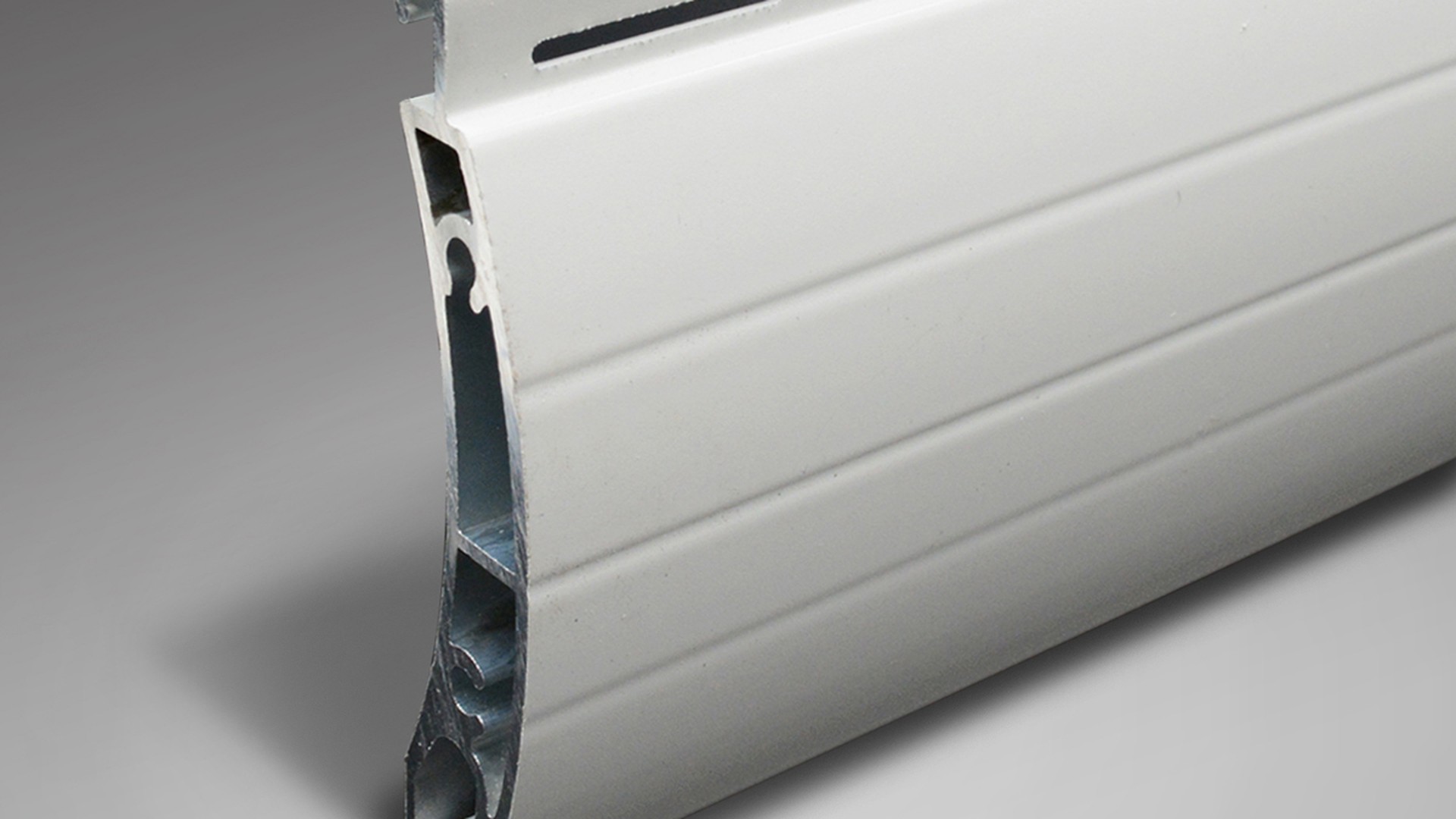
The difference between a shutter that is sold as security and a shutter that behaves as security is almost never the slat. It is the way the assembly resists being opened from the outside, and that resistance is designed at four points which a photograph cannot show. Buyers who ask only about slat thickness end up paying for metal that is thick in the wrong place, and buyers who compare security roller shutters on price alone make the same mistake in a different currency, so the checklist below is organised around where force actually goes rather than around the data sheet. It is also the checklist that separates the roller shutter window manufacturers worth a second meeting from the ones who answer every question with a specification sheet. Buyers who search for rolling shutter windows usually mean this product rather than the industrial door of the same name, and the two are specified on completely different logic.
The curtain, the guides and the head box have to be engineered together
A roller shutter is loaded in three directions at once. Downward, the curtain hangs its own weight plus the weight of any accumulation of water or debris on the slats, and that load is carried by the head box and its fixings. Sideways, wind pressure pushes the curtain into the opening and suction pulls it out, and the guides have to hold a curtain that is trying to bow; a guide that is too shallow, or fixed at too wide a spacing, lets the curtain flex and eventually walk out of the channel. Outward, an attacker pulls, levers and lifts, and here the critical detail is whether the curtain can be disengaged from the guide at the bottom or lifted over the lock. A system is designed so that these three loads are taken by parts that are meant to take them; an assembly is a set of parts that happen to fit.
Two details reveal which one you are being offered. The first is the guide section: a security-oriented guide has a return that traps the slat, and it is fixed at a spacing that the manufacturer publishes rather than at whatever the installer prefers. The second is the head box: it should be a formed profile with end caps that close it, not a folded sheet that leaves the mechanism accessible. Ask for the section drawings at both, and ask what the maximum width is for the curtain at the wind pressure you have specified. If the answer is a width but not a pressure, the number is a fabrication limit rather than an engineering limit.
Where a shutter is actually forced: the lock, the guide and the bottom rail
On a closed shutter the attack surface is small and predictable. The bottom rail is the first target, because a lever under it converts a small force into a large one and because a rail that lifts gives access to the lock. The lock itself is the second: a central lock on a wide opening leaves the curtain free to bow at both ends, which is why wide openings are specified with additional locking points or with a lock bar that engages the guides. The guide is the third, because a guide fixed into a thin render or a hollow block can be pulled off the wall with the curtain still attached to it. None of these is exotic engineering; all three are routinely omitted on shutters sold as decorative.
The useful questions are therefore specific. How many locking points, and at what spacing? Does the bottom rail carry an anti-lift device that engages the guide, or does it simply sit in it? Is the lock reachable when the shutter is closed, and is it shielded? What is the guide fixed back to, and with what? On a masonry wall the answer is usually a mechanical fixing at a published spacing; on a framed wall it is a substrate detail that has to be designed. If a supplier cannot answer the fixing question, the security claim is being made about a product that will be installed in a way nobody has checked — which is the most common way a good shutter becomes a poor barrier.
The glazing behind the shutter still decides the opening
A closed shutter protects the glass from impact and from being reached, but it does not remove the glass from the specification. On a storm-exposed site the glazing still has to resist the pressure that reaches it through or around the shutter, and on a security specification the glass still has to resist being broken once the shutter is up or if the shutter is defeated. That is why the honest way to specify a shutter is as an additional layer on an opening that already meets its requirements, not as a substitute for them. A shutter over single glazing in a windborne-debris zone is a shutter over a weak point.
The practical rule is that the shutter and the window behind it should be specified in the same conversation. Glass build-up, laminated or toughened construction, warm-edge spacers and coating choice are set out on the glass options page and in the guide to specifying window type, opening, glazing and certification, and the frame and sash that carry that glass are described across the aluminium range and the uPVC material and colour range. A shutter that is ordered after the window has been fabricated can still be fitted, but the guide positions and the box depth are then compromises rather than design decisions. Where the shutter is specified with an insulated slat rather than a plain one, the energy saving roller shutter windows page sets out what the insulation is doing and where it stops being useful, which is a glazing question as much as a shutter question.
Operation, and what happens when the power fails
Shutters are operated by a strap, a crank, a rod or a motor, and the choice is not cosmetic. A strap is the cheapest and the least precise: it wears, it stretches and it is the part most often replaced. A crank is more durable and gives better control on a heavy curtain. A rod is used where the box is out of reach. A motor removes the daily effort and makes a large or high shutter practical, but it introduces two questions that a manual shutter does not have: what happens when the power fails, and how the shutter is released from inside if it has to be. A motorised shutter without a manual release or a battery backup is a shutter that can trap a room in a blackout.
Ask for the release method, the position of the release, and whether it is reachable from inside the room at the height the shutter will actually be installed. Ask as well how the motor is rated for the cycle count the opening will see, and where the control and the obstacle detection sit. On a project with many openings, the control strategy — group control, central control, building management integration — is a separate specification from the shutter itself, and it is the part most often left to the electrical contractor who has never seen the shutter. The same logic applies to any powered element on an opening, which is why the accessories and controls range is worth reading alongside the shutter quotation.
Fire egress, escape windows and the limits of a closed shutter
A shutter that closes over an escape window is a life-safety question, not a security question, and it has to be settled before the shutter is ordered. If a room's only escape route is a window, the shutter over it must either be incapable of being closed while the room is occupied or be openable from inside without a key, a tool or a motor. The same applies to a shutter over a door used for egress on a commercial elevation. In practice this means the specification has to record, opening by opening, which units are escape units and how the shutter behaves on them — a released motor, a quick-release handle, or no shutter at all.
This is also the point at which a shutter specification meets the fire and egress requirements of the project, which vary by jurisdiction and by building type and cannot be resolved from a product catalogue. What can be resolved is that the question is asked. A supplier who has supplied projects in your market will have met it before and will have a standard answer; a supplier who has not will not raise it, and the omission will surface at commissioning. Put it in the RFQ as a line item: which units are escape units, and what is the release arrangement on each. The rest of the fire strategy belongs with the project's own consultant, not with the shutter order. Where the arrangement has to be agreed unit by unit, custom roller shutters built from a signed opening schedule are the only way to record it, because a schedule with a column for the release type is a document that can be inspected and a conversation cannot.

Roller Shutters, Impact Shutters, Security Bars or Louvres?
Four product families are routinely quoted against the same requirement — security shutters, impact shutters, fixed bars and louvres — and they are not interchangeable. The table below compares them on the dimensions that actually decide a project: what they do when deployed, what they cost in maintenance and operation, what they do to daylight and view, and what evidence normally exists for the claim being made. It is a comparison of product types rather than of brands, and the verdict underneath it is the one we would give a buyer who has to choose one for a given opening.
| Requirement | Roll-down roller shutter | Accordion or roll-up impact shutter | Fixed security bars or grilles | Louvre or screen |
|---|---|---|---|---|
| Security against a deliberate attack | Strong when the guide, lock and fixings are specified as a system | Moderate; the folded stack and the track are the weak points | Strong, but visually dominant and permanent | Weak; a shading product, not a barrier |
| Storm and windborne debris | Available where the tested assembly carries the rating | The usual choice where a rated, deployable system is required | Partial; protects glass from large debris but not from pressure | Not a storm product |
| Everyday shading and blackout | Good to excellent; adjustable and can be fully closed | Poor to moderate; deployed only when needed | None | Good shading, limited blackout |
| Daylight and view when open | Fully retained when rolled up | Fully retained when stacked | Permanently obstructed | Reduced by design |
| Operation and maintenance | Mechanical parts, guides and box need periodic attention | Hinges, tracks and stack need periodic attention | Almost none | Low; cleaning only |
| Evidence normally available | System drawings, wind and impact reports where rated | Product approvals and impact test reports | Structural fixing design | Product data; rarely any structural claim |
| Best fit | Everyday security plus shade on the same opening | Storm exposure where the opening must stay usable | Perimeter security where appearance is secondary | Solar control and privacy |
Which one to specify, opening by opening
If the requirement is everyday security with shade and blackout on the same window, a roll-down shutter is the only one of the four that does both without a permanent visual cost, and it is the natural choice for a house, a hotel or a low-rise office — the case where an aluminium roller shutter windows assembly earns its cost back over a blind, because the opening can be closed as well as shaded. If the requirement is storm protection on an opening that must remain usable for the rest of the year, a rated impact shutter is usually the right answer and the roller shutter only competes where a rated roll-down assembly exists for the size and pressure you need. If the requirement is perimeter security on a warehouse or a compound, bars or grilles remain the cheapest barrier per opening and the shutter is being bought for a different reason. If the requirement is solar control, none of the first three belongs on the elevation at all.
Most real projects need more than one. A coastal house may want roll-down shutters on the seaward elevation, impact shutters on the large glazed opening and louvres on a screened terrace, and the sourcing problem then becomes coordination rather than selection — one colour, one fixing philosophy, one delivery. That is the case for buying the family from one manufacturer rather than three, and it is also the case in which the interface details between products matter more than any single product's data sheet.
Where a shutter is the wrong product
There are openings where a shutter should not be specified, and saying so early saves a project. A shutter over a shopfront that has to remain visible during trading hours is a shutter that will stay up, so the security value is theoretical. A shutter over a large fixed glazed wall may be structurally impractical at the spans involved, and the honest alternative is rated glazing rather than a shutter that has to be split into panels. A shutter over an escape window creates a life-safety obligation that a simple product substitution does not. And a shutter specified only to satisfy an insurance clause, without anyone checking that it will be closed at night, is a document rather than a defence.
The same caution applies to the security claim itself. A shutter raises the time and noise required to get in, which is what deters most opportunistic attempts; it does not make an opening impregnable, and it cannot compensate for a weak frame, a single-cylinder lock or a glass unit that can be broken from the outside. The wider question of how the opening as a whole is secured — locks, cylinders, glass, screens and the interface between them — is set out in window and door security, and the hardware layer on the hardware page. Read those before deciding that a shutter is the whole answer.
How to Verify a Roller Shutter Window Manufacturer (Ten Questions)
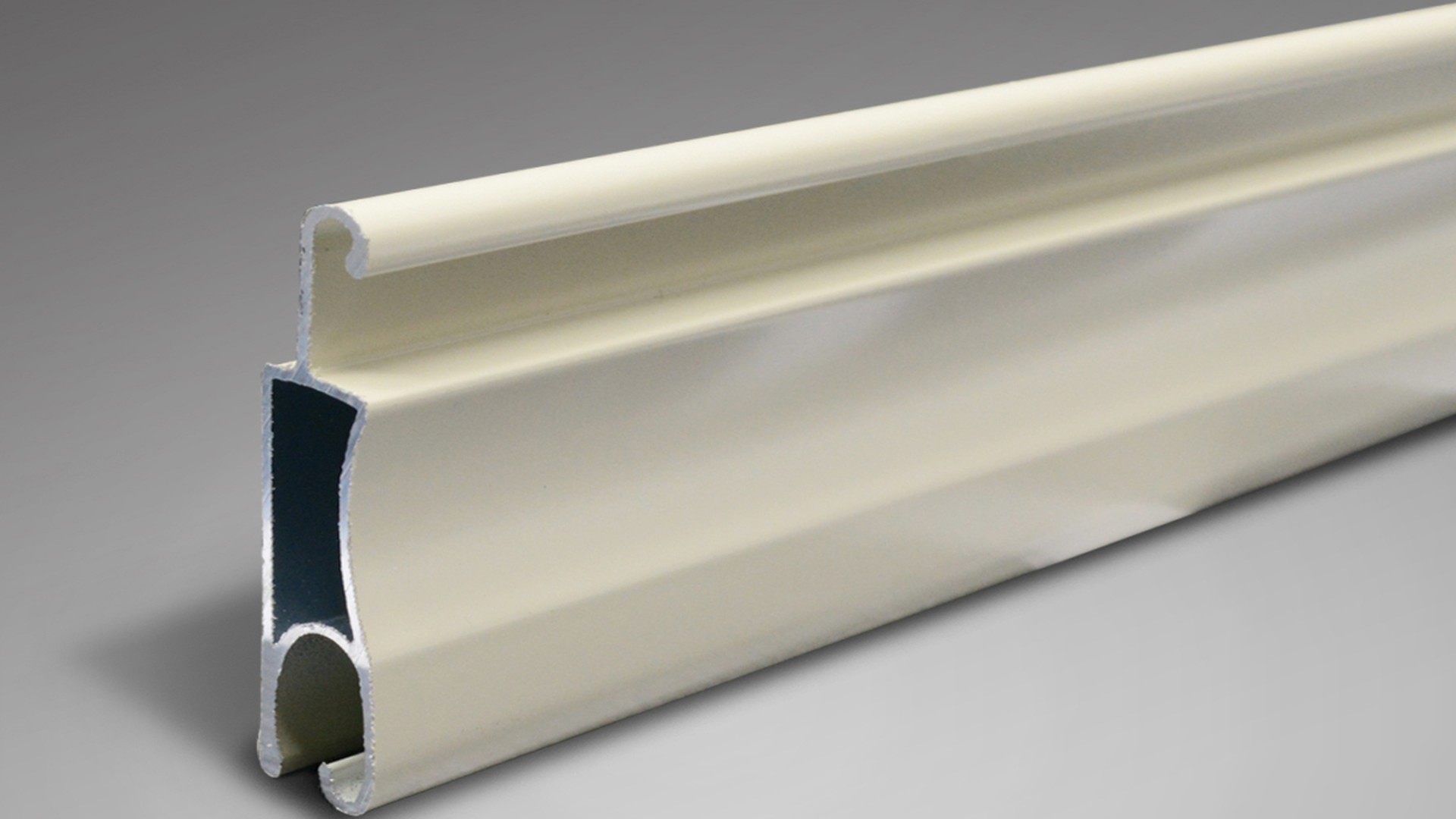
Verification is a short list of questions asked in writing before the order, not a factory visit after it. The ten below are the ones that separate a supplier who builds shutters from a supplier who trades them, and each has an answer that can be checked against a document rather than accepted as an assurance. Ask them of every roller shutters supplier candidate on your shortlist, in the same wording, and compare the answers side by side — the differences will be obvious within one round.
- Which parts of the shutter do you manufacture, and which do you buy in? Ask for the process list, not the product list.
- What is the guide section, and at what spacing is it fixed? Ask for the drawing, not the description.
- How many locking points does the quoted configuration have, and where are they? Ask for the elevation marked up.
- Does the bottom rail have an anti-lift device that engages the guide? Ask for the section at the rail.
- What test evidence exists for this assembly, at this size, with this fixing detail? Ask for the report, and check the size on it.
- What is the maximum width and height for the wind pressure specified, and who calculated it? Ask for the calculation.
- How is the shutter released from inside if the motor fails? Ask where the release is and at what height.
- What is the finish system, and what corrosion class does it carry? Ask for the coating specification, not the colour name.
- How is the shutter packed, and how is the box protected in transit? Ask for the packing drawing and a photo of a packed set.
- Who signs the inspection report, and what does it record? Ask for a sample report from a recent order.
Three things you can check without the supplier
The first is the drawing set. A supplier with a real system will send a section at the guide, a section at the head and a section at the sill without being asked twice, and the three will agree with each other. A trader will send a rendered image and a colour chart. The second is the test report. Look at the size tested, the pressure applied and the specimen description; a report for a small unit does not cover a large one, and a report for a shutter tested without its fixing detail does not cover an installed assembly. The third is the packing. A shutter whose box is not protected will arrive out of square, and an out-of-square box will not run true however good the slat is — the packaging guide sets out what a properly packed unit looks like.
Two further checks cost nothing and catch a lot. Ask for the installation instruction that ships with the product and read the fixing page: if it does not state a substrate and a fixing type, the supplier is leaving the structural question to the installer. And ask which market the quoted configuration is normally sold into, then ask for a reference project in that market. A supplier who exports to a storm market will have a standard specification for it; a supplier who has never shipped there will treat your requirement as a one-off, which is where undocumented adaptations begin.
Samples and first orders before a container
A shutter is difficult to judge from a sample because the sample is usually a slat, and the slat is the part least likely to be wrong. What is worth testing is a small complete unit drawn from the roller shutter window systems you intend to order: one window with its shutter, guides, box and operator, assembled and packed as it would ship. That single unit will show whether the guide positions match the frame, whether the box closes properly, whether the curtain runs without rubbing, and whether the packing survives a courier. It costs more than a slat sample and it answers the questions that matter.
The first order should then be sized to test the process rather than the product: a small batch across two or three opening types, with the inspection report and the packing list required as deliverables. What to look for is repeatability — the second unit matching the first, the report matching the unit, the packing matching the drawing. The wider sequence for testing a supplier before committing is set out in sample orders and first orders, and the commercial mechanics of a first import in importing windows and doors from China.
About ROPO Windows
ROPO Windows is a custom door and window manufacturer based in Fuzhou, Fujian Province, China, with 16 years in the trade and customers in more than 100 countries. The factory builds aluminium and uPVC window and door systems and the sunshade and screening products that go with them, including roller shutters — which means a shutter order and the window order can be produced against the same drawings, the same colour schedule and the same inspection regime. Minimum order quantity is one set, so a single opening can be ordered before a project commits, and a full container can be built from the same specification afterwards.
The factory, the range and the colour schedule
The product range covers aluminium and uPVC windows and doors, plus the sunshade and screening family in which the shutters sit: aluminium louvers, glass louvers, PVC louvers, windproof sunshade screens and the roller shutter range. Because the shutter, the frame behind it and the screen beside it are all finished in the same plant, a project can hold one finish across the whole elevation instead of matching three suppliers' colour cards. The factory itself is described on the factory page, the workshop is shown on the video page, and completed projects are collected under case studies.
For buyers who need to compare a factory-direct shutter with a European system, the useful exercise is to put the two quotations side by side on the same five lines: slat and guide section, locking arrangement, operator and release, finish and corrosion class, and the test evidence attached. That comparison is what this guide has been building towards, and it is the one we would rather you made with our numbers on the table than without them.
Certification, warranty and what we do not claim
The window and door systems are supplied with AS2047, NZS4211 and Miami-Dade certification, and the certificates are listed on the certificate page with the quality system described on the quality and certification page. Every order carries a 10-year warranty, whose scope is set out on the warranty list. Trade Assurance is available for orders placed through the platform, which puts the payment milestones and the delivery obligation inside a documented process — the mechanics are explained on the Trade Assurance page.
What we do not do is attach a certification mark to a product that was not tested under it. AS2047 and NZS4211 are window and door standards; they govern the window, not the shutter hung in front of it, and a shutter's security or storm claim has to rest on evidence for the shutter assembly itself — its slat, guide, box, lock and fixing detail, at the size supplied. Miami-Dade approval works the same way: a NOA applies to a specific product tested to a specific protocol, and it does not transfer to a different assembly. Where a project needs a shutter claim, we say which evidence exists and which does not, and we do not fill the gap with an adjective. That is a narrower promise than some catalogues make, and it is the one that survives an inspection.
Custom Production Process
A shutter is made to the opening, not cut down from stock, which is why roller shutters built to order begin with a drawing rather than a price list; the process is the same one the windows go through because the two have to fit. The sequence below is what happens between a confirmed drawing and a packed set, and it is worth reading as a checklist of what to ask any factory to describe before you place a shutter order.
Five production steps
The order begins with drawing confirmation: opening schedule, frame and shutter dimensions, guide positions, box depth, handing, operator type, colour and glass, all fixed on a signed drawing before any material is cut. The second step is profile and slat preparation — cutting, punching and machining to the confirmed sizes, with the slat roll formed or cut to the curtain width and the guides punched for the fixing spacing the drawing specifies. The third is frame and sash assembly, where the window that will sit behind the shutter is welded or crimped and squared, because a frame out of square puts the guide out of parallel. The fourth is shutter assembly: curtain, bottom rail, lock, guides, box, end caps and operator brought together on the same bench as the frame and checked for free running. The fifth is glazing and final assembly, after which the unit goes to inspection rather than to packing.
Five inspection steps and the report that records them
Inspection runs in five stages: incoming material check on profiles, slats and hardware; in-process checks at cutting, punching and assembly; a dimensional check of the finished frame and shutter against the drawing; a function test of the operator, the lock and the curtain travel; and a final pre-packing inspection that includes the finish, the seals and the labelling. Each stage is recorded, and the record is what the inspection report is built from. A report that lists only a final visual check is not the same document, and the difference is visible in one page.
What the report should let you do is trace a unit back. The unit carries an identifier that ties it to its drawing, its material batch and its inspection record, so a query six months after delivery can be answered from the file rather than from memory. That is also what makes a repeat order reliable: the second order is built from the same drawing and checked against the same record, which is how a project with forty identical openings ends up with forty identical openings.
What travels with the order
Every shipment is documented with the packing list, the inspection report, the installation instructions for each product type, and the certificates that apply to the products in it. Where a project needs shop drawings for approval, those are issued before production rather than after, so the approval cycle does not run in parallel with the manufacturing cycle. The document set is listed for download on the download page, and the installation sequence for a factory-built unit is described on the installation notes, with the remedies for site issues on the correction page. If a consultant needs the specification written into a tender, the architect, developer and builder guide sets out what to ask for.
Packaging and Shipping
A shutter travels as a box with a curtain inside it, and the box is the part most likely to be damaged. The packing therefore protects two things separately: the frame and box against impact and racking, and the curtain and guides against abrasion and distortion. Units are packed with corner protection, edge protection and a moisture barrier, the shutter and its guides are secured so they cannot move inside the pack, and the pack is labelled with the opening reference so that a container can be unloaded against the schedule rather than against a guess. The packing standard is described in full in the packaging guide.
Containers, LCL and the two ports
Full container loads are the normal mode for a project order: the units are packed to the container plan, loaded at the factory, and the loading is photographed against the packing list. Less-than-container loads are used for smaller orders and for first shipments, and the trade-off is handling: an LCL consignment is consolidated and re-handled, so the packing has to be able to survive being moved by parties who did not pack it. Shipments leave through Fuzhou and Xiamen, and the choice between them is made on sailing schedule and on the consolidation available for the destination rather than on a fixed rule.
On the commercial side, orders placed through the platform can be covered by Trade Assurance, which documents the payment schedule and the delivery obligation; the terms are set out on the Trade Assurance page. For buyers new to importing from China, the sequence from quotation to delivery — MOQ, lead time, payment stages, inspection and documentation — is set out in the import guide, and the scheduling logic for a multi-unit project in commercial and multi-unit sourcing. Opening dimensions should be confirmed against the measuring method in how to measure window and door openings before the drawing is signed, because a shutter adds depth at the reveal that a window-only drawing does not show.
Roller Shutter Window Sourcing FAQ and Quote Request
Is a roller shutter a security product or a shading product?
It can be either, and the specification decides which. A shutter with a trapped guide, multiple locking points, an anti-lift bottom rail and fixings designed for the substrate is a security product. The same shutter with a shallow guide, a single central lock and fixings chosen on site is a shading product that happens to close. Ask which one is being quoted before comparing prices.
Can a roller shutter be storm-rated?
Yes, where the specific assembly — slat, guide, box, fixing and size — has been tested to the protocol your project requires. The rating does not transfer between sizes or between fixing details, so the report has to match what you are buying. Where no rated roll-down assembly exists for the span and pressure you need, a rated impact shutter is the product that was designed for that job.
What is the minimum order quantity?
One set. A single opening can be ordered to test the drawing process, the packing and the fit before a project commits to a container. Most buyers use the first set as a reference unit and then order the balance against the same drawing.
Can the shutter be supplied with the window as one unit?
Yes, and that is the configuration we recommend. The guide positions are set from the frame drawing, the box depth is allowed for at the reveal, and the finish is applied to both from one schedule. Ordering the shutter after the window has been fabricated is possible but turns two design decisions into two site compromises.
How is the shutter operated, and what happens in a power failure?
Strap, crank, rod or motor, chosen per opening. On a motorised shutter the release arrangement is specified with the order — a manual release, a battery backup or both — and its position is confirmed so that it is reachable from inside the room. Shutters over escape windows are specified separately, with the release requirement recorded opening by opening.
What does a quotation need from me?
The opening schedule with sizes and handing, the wall or reveal construction, the wind or storm requirement if there is one, the security requirement in plain terms, the operator preference, the colour and finish, the glazing specification for the window behind the shutter, the delivery port and the required date. With those, a quotation can be built against a drawing rather than against a photograph.
Send the schedule through the quick quotation form and the drawing will come back for confirmation before production. If the requirement is still being defined, the homeowner buying guide, the builder and specifier guide and the pricing explainer cover the decisions in the order they have to be made. For a dealer or distribution programme, the dealer programme page sets out how a territory is supported. Anything not covered here can be sent through the inquiry form or the contact page, and the background to the factory is on the about page.
